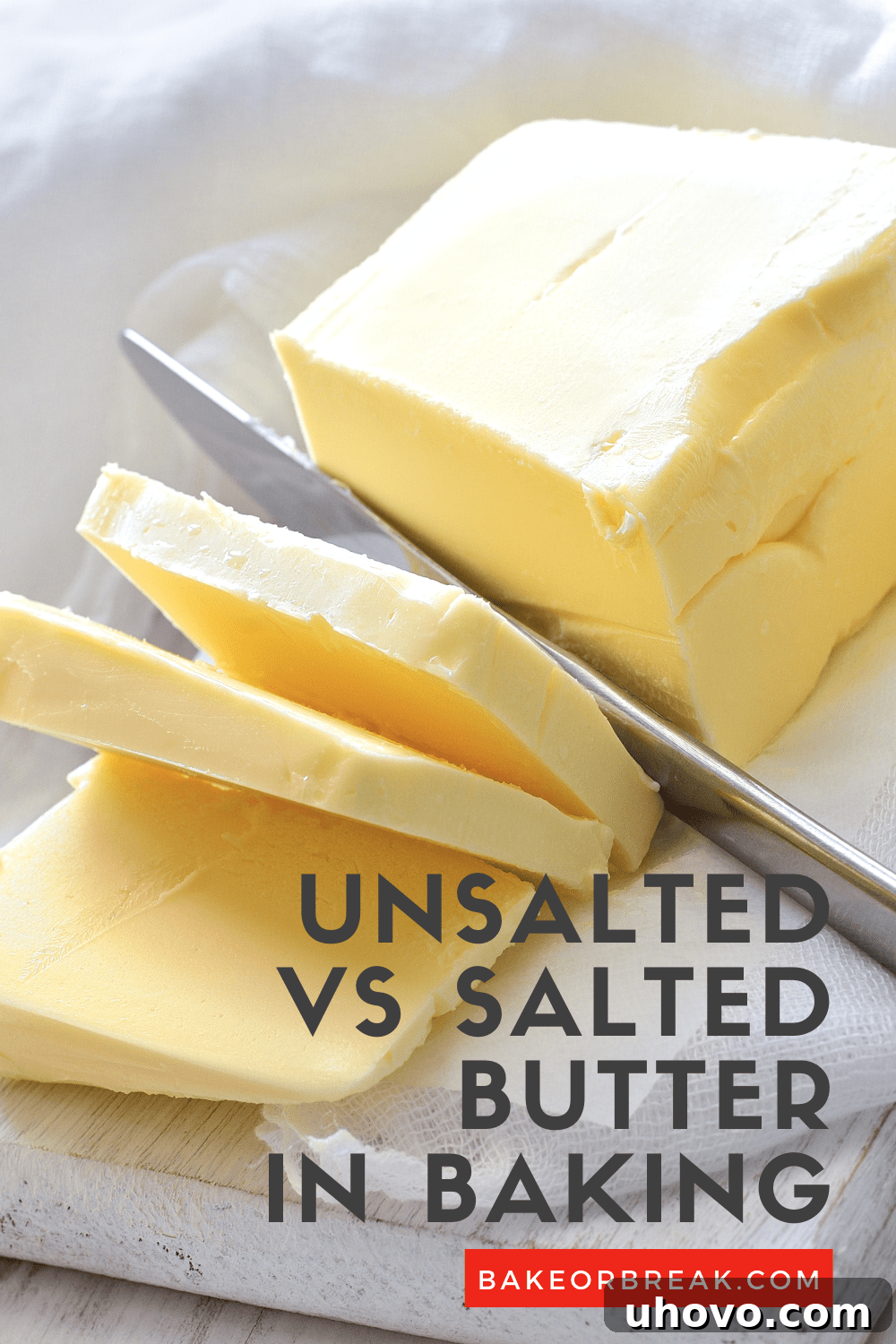
Delve into the fascinating world of butter and uncover the essential distinctions between salted and unsalted varieties. This comprehensive guide will help you determine which type is superior for your baking endeavors, ensuring perfect results every time.
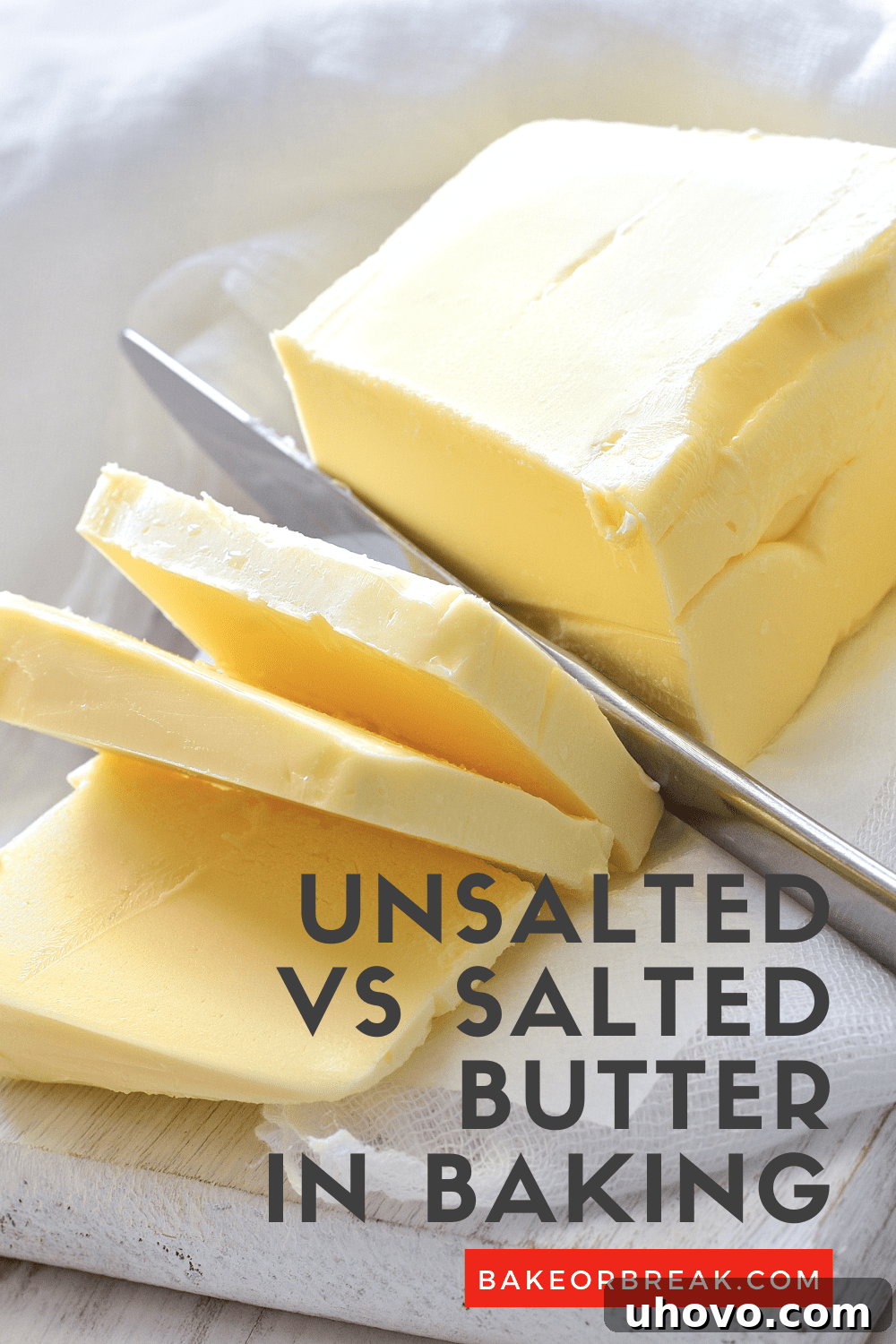
Unsalted vs. Salted Butter: The Baker’s Dilemma
For many passionate home bakers, butter isn’t just an ingredient; it’s the very soul of countless delicious creations. From flaky pie crusts to tender cakes and chewy cookies, its role is undeniably central. Yet, a common question often arises, creating a small dilemma in the kitchen: “Should I use unsalted or salted butter?” While it might seem like a minor detail, the choice between these two staple dairy products can profoundly impact the flavor, texture, and overall success of your baked goods. Understanding the nuances of each type is key to elevating your baking from good to truly exceptional. This guide will clarify these differences, providing you with the knowledge to make informed decisions and bake with confidence.
The Crucial Role of Butter in Baking
Before diving into the salted versus unsalted debate, let’s first appreciate why butter holds such a revered position in the culinary world, especially in baking. Butter is a complex emulsion of fat, water, and milk solids, and its unique composition contributes a multitude of essential functions:
- Flavor Enhancement: Beyond its distinct creamy taste, butter carries and disperses fat-soluble flavor compounds throughout your baked goods. It provides a rich, subtle sweetness and a depth of flavor that other fats simply cannot replicate. The quality of your butter directly translates to the richness of your final product.
- Moisture and Tenderness: The fat in butter interferes with gluten development in flour, preventing your baked goods from becoming tough or rubbery. Instead, it coats the flour proteins, resulting in a tender, melt-in-your-mouth crumb. It also contributes to the moist sensation when eaten.
- Leavening and Structure: When creamed with sugar, butter traps air bubbles. As these air bubbles expand during baking, they create a light, airy structure, contributing to the rise and volume of cakes and cookies. In laminated doughs like puff pastry or croissants, layers of butter create steam, resulting in countless delicate, flaky layers.
- Browning and Crust Formation: The milk solids in butter, primarily proteins and sugars, contribute to the Maillard reaction—a chemical process responsible for the golden-brown crust and complex flavors developed during baking. This creates an appealing color and a delightful textural contrast.
Most butter available in U.S. grocery stores is “sweet cream butter,” meaning it’s made from fresh, pasteurized cream. By federal regulation, it must contain at least 80% milk fat. The remaining percentage consists of water and a small amount of milk solids. Butter is also graded for quality, with U.S. Grade AA being the highest standard, often found alongside Grade A in supermarkets, indicating superior flavor, texture, and appearance.
Understanding the Key Differences: Salted vs. Unsalted
At its most fundamental level, the primary distinction between salted and unsalted butter is, as the names suggest, the presence of salt. However, the implications of this simple addition extend far beyond just taste, affecting preservation, moisture content, and ultimately, your baking results.
The Salt Content: A Matter of Control
Salted butter contains added salt, which can be any variety from common table salt to kosher salt or sea salt, designed to enhance its flavor and act as a seasoning. While this is fantastic for spreading on toast or topping a baked potato, it introduces a variable into your baking. The precise amount of salt in salted butter varies significantly from brand to brand. One brand might use 1/4 teaspoon of salt per stick, while another might use 1/2 teaspoon or more. This inconsistency makes it incredibly challenging to precisely control the overall salt content of your recipe, which is a critical aspect of successful baking.
Moisture Content: A Hidden Variable
Beyond the salt itself, there’s another crucial difference: moisture. Research, including findings from culinary experts like Cooks’ Illustrated, indicates that salted butter often contains a slightly higher percentage of water compared to its unsalted counterpart. This might seem like a minor detail, but even a small variation in water content can significantly alter the consistency of your doughs and batters. More water can lead to a softer dough, affecting its workability, spread, and even the final texture of your baked goods. For instance, cookies made with higher-moisture butter might spread more thinly, while cakes might have a different crumb structure.
Shelf Life and Freshness: The Preservative Power of Salt
Salt is a natural preservative, meaning salted butter generally has a longer shelf life than unsalted butter. While this is a practical benefit for storage, it also implies that unsalted butter, due to its lack of preservatives, is typically fresher when purchased. Bakers often prioritize the freshest ingredients, and this difference in shelf life can be a subtle yet important factor in the quality of your finished product. Always check expiration dates, but know that opting for unsalted might give you a fresher starting point.
Why Bakers Prefer Unsalted Butter: Precision, Texture, and Freshness
In almost all professional and high-quality home baking recipes, you’ll find unsalted butter specified. This isn’t an arbitrary choice; it’s a deliberate decision based on several key factors that allow for greater control and consistent, superior results.
1. Unparalleled Control Over Flavor and Seasoning
The primary reason for choosing unsalted butter in baking is the complete control it offers over a recipe’s salt content. Salt plays a critical role in baking—not just for taste, but also for enhancing other flavors, balancing sweetness, and influencing yeast activity in bread making. When you use unsalted butter, you can accurately measure and add the exact amount of salt required by the recipe, ensuring the flavor profile is precisely as intended. With salted butter, the unpredictable amount of added salt across different brands means you’re never quite sure how much sodium you’re actually incorporating. This can lead to baked goods that are either too salty, masking other delicate flavors, or not salty enough, resulting in a flat taste.
2. Consistent Texture and Structure
As mentioned, salted butter can have a slightly higher water content. This seemingly minor difference becomes significant in baking. The additional water can impact the gluten development in flour, altering the texture of your dough or batter. For delicate pastries, cakes, or cookies where precise hydration is crucial, extra moisture can lead to unexpected results: a cake that’s too dense, cookies that spread too much, or a pie crust that isn’t as flaky. The more butter a recipe calls for, the more pronounced this effect will be. Imagine a rich, three-stick pound cake; even a small difference in butter’s water content can significantly alter its signature moist, tender crumb and browning characteristics.
3. Assurance of Freshness
Because salt acts as a preservative, unsalted butter typically has a shorter shelf life. While this means you need to be mindful of its expiration date, it also often translates to a fresher product on the grocery store shelf. Fresher butter means richer, purer butter flavor without any subtle off-notes that can develop over time in older, salted varieties. In baking, where butter’s fresh dairy notes are often a highlight, choosing a fresher unsalted option ensures the best possible flavor foundation for your creations.
When Salted Butter Shines
While unsalted butter reigns supreme in most baking scenarios, salted butter certainly has its place and is a wonderful ingredient in its own right. Its inherent saltiness makes it ideal for applications where flavor enhancement and convenience are priorities, and precise salt control is less critical:
- Table Use: This is where salted butter truly excels. Slathered on a warm slice of homemade bread, a fresh muffin, or a flaky croissant, its pre-seasoned taste is perfectly satisfying for most palates.
- Savory Cooking: For everyday cooking—sautéing vegetables, pan-frying meats, making sauces, or preparing mashed potatoes—salted butter is often preferred. Its salt content enhances the overall flavor of savory dishes without the need for additional seasoning.
- Quick Spreads and Finishes: Use it to finish a steak, stir into pasta, or melt over popcorn. Its saltiness adds an immediate burst of flavor.
- Certain Baking Exceptions: While rare, some recipes are specifically developed with salted butter in mind. A prime example is 3-Ingredient Shortbread Cookies, where the unique saltiness of salted butter perfectly balances the richness and sweetness, becoming an integral part of the cookie’s distinct character. Always trust the recipe developer’s intention for these specific cases.
For most traditional baked goods like classic chocolate chip cookies, delicate pie crusts, or moist banana bread, stick to unsalted butter to maintain control over your final flavor and texture. But don’t hesitate to enjoy your salted butter where its inherent qualities can truly shine.
Navigating Substitutions: When You Only Have One Type
We’ve all been there: halfway through a recipe, you realize you only have salted butter when unsalted is called for, or vice versa. Don’t panic! While using the specified butter is always recommended for optimal results, substitutions can be made in a pinch with a few adjustments.
How to Substitute Salted Butter for Unsalted Butter
If your recipe calls for unsalted butter and you only have salted butter, the goal is to reduce the amount of additional salt in the recipe to compensate for the salt already present in the butter. Because the salt content varies among brands, there isn’t a universally perfect conversion. However, a reliable general rule of thumb is to:
Reduce the added salt in the recipe by 1/4 teaspoon for every 1/2 cup (or one stick) of salted butter used.
For example, if a recipe requires 1 cup of unsalted butter and 1/2 teaspoon of salt, and you’re using salted butter, you would omit the entire 1/2 teaspoon of added salt (1/4 tsp reduction for each 1/2 cup of butter). If the recipe calls for 1/2 cup of unsalted butter and 1/4 teaspoon of salt, you would omit the 1/4 teaspoon of added salt. This adjustment helps to mitigate the impact of the butter’s saltiness. Keep in mind that while this method works well in most situations, it doesn’t account for the potential difference in moisture content, which may still subtly affect the texture of very delicate baked goods.
How to Substitute Unsalted Butter for Salted Butter
Conversely, if your recipe specifically calls for salted butter and you only have unsalted, you’ll need to add salt to the recipe. This is generally an easier substitution because you have full control over the amount of salt you’re adding. The reverse rule applies:
Add 1/4 teaspoon of salt for every 1/2 cup (or one stick) of unsalted butter used.
Ensure you add this salt along with the other dry ingredients or as specified for the butter in the recipe. This method is quite effective as it directly addresses the missing salt component without the added variable of unknown salt content from commercial salted butter.
While these substitution guidelines are helpful for last-minute adjustments, always remember that sticking to the recipe’s original specifications, especially regarding unsalted butter for baking, will yield the most consistent and intended results.
Frequently Asked Questions About Butter in Baking
The most obvious difference is the presence of added salt in salted butter. Beyond that, salted butter typically has a slightly higher moisture content and a longer shelf life due to salt acting as a preservative.
Yes, most experienced bakers highly recommend unsalted butter for baking. This is primarily because it gives you complete control over the total salt content of your recipe, allowing for precise flavor balance. Additionally, the variable moisture content in salted butter can adversely affect the texture, spread, and browning of delicate baked goods.
Absolutely. The recipe developer has tested their creation using a specific type of butter to achieve a desired outcome in terms of flavor and texture. For the best and most consistent results, it is always recommended to use the butter type listed. If you need to make a substitution, refer to the guidelines provided above.
In the absence of a specific instruction, especially for baking recipes, it’s generally safest to assume unsalted butter is the intended ingredient. This provides you with the most control. You can also look at the amount of other salt added to the recipe; if there’s a significant amount, it further supports the assumption of unsalted butter.
While you certainly can, be aware that your baked goods may not only be saltier than intended, but their texture and appearance could also be significantly altered. The additional salt and potential higher moisture in salted butter can affect gluten structure, leavening, and how much your dough spreads, leading to unexpected results. For precise control, it’s better to use unsalted butter and then adjust the added salt to your taste.
Yes, the brand can indeed make a difference. While all butter must meet the 80% fat content in the U.S., higher-quality brands (often Grade AA or European-style butters with higher fat content) can offer superior flavor and texture due to different churning processes and milk sources. Experimenting with different brands can help you find your personal preference for specific recipes.
Butter is best stored in its original wrapper in the coldest part of your refrigerator. For longer storage, butter freezes exceptionally well. Wrap it tightly in foil or place it in an airtight container before freezing for up to six to nine months. Thaw frozen butter in the refrigerator overnight before using it in your recipes.
Conclusion: Bake With Confidence
The choice between unsalted and salted butter is more than just a matter of taste; it’s a fundamental decision that impacts the scientific and artistic elements of baking. By understanding the distinct properties of each type, especially the superior control that unsalted butter offers over flavor, moisture, and freshness, you empower yourself to achieve consistent and delicious results.
While salted butter shines brilliantly in many culinary applications and as a delightful spread, unsalted butter remains the trusted ally of bakers striving for precision and perfection. Embrace unsalted butter for your cakes, cookies, pastries, and breads, and save the salted variety for when its bold flavor is genuinely desired. With this knowledge, you’re not just following a recipe; you’re mastering an essential baking principle. Happy baking!