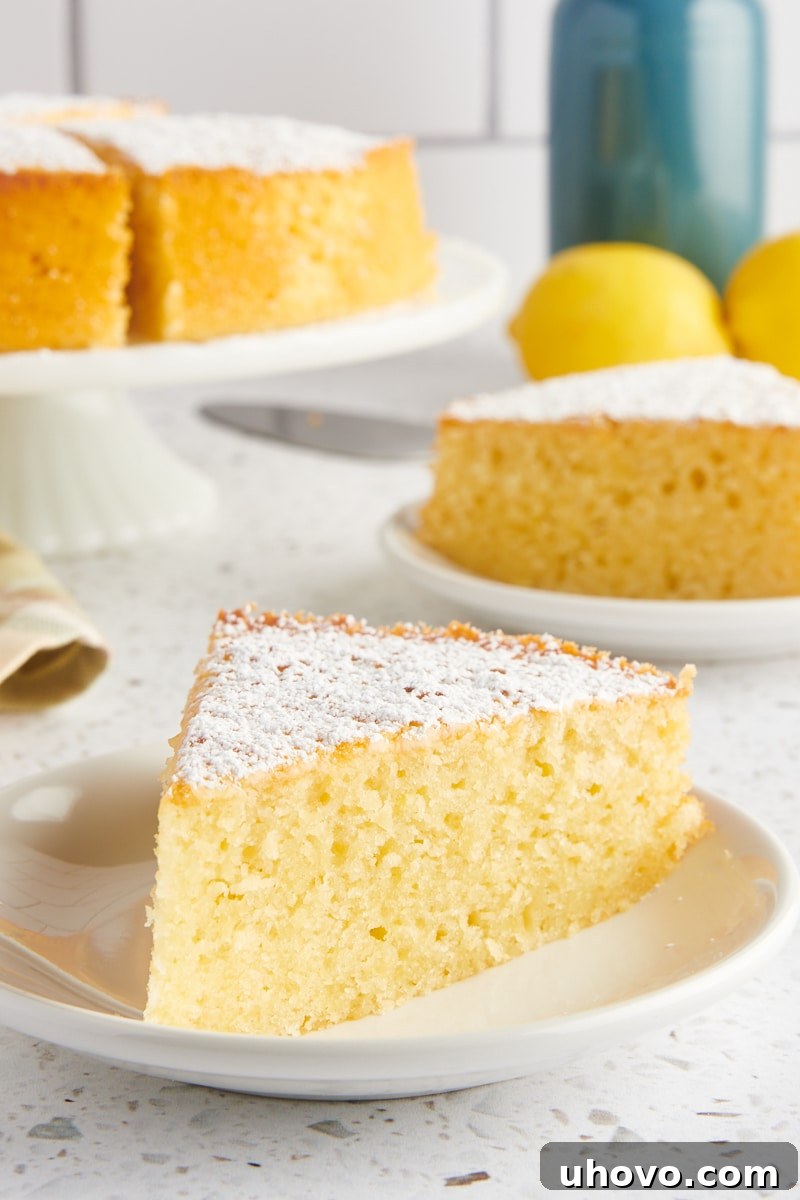
This olive oil cake is a true culinary masterpiece, exceptionally moist and tender, dissolving delicately in your mouth. Its flavor profile is a delightful dance, perfectly balancing the subtle fruitiness of premium olive oil with the bright, invigorating zest of fresh citrus. More than just a dessert, it’s an experience that captivates the senses and elevates any occasion.
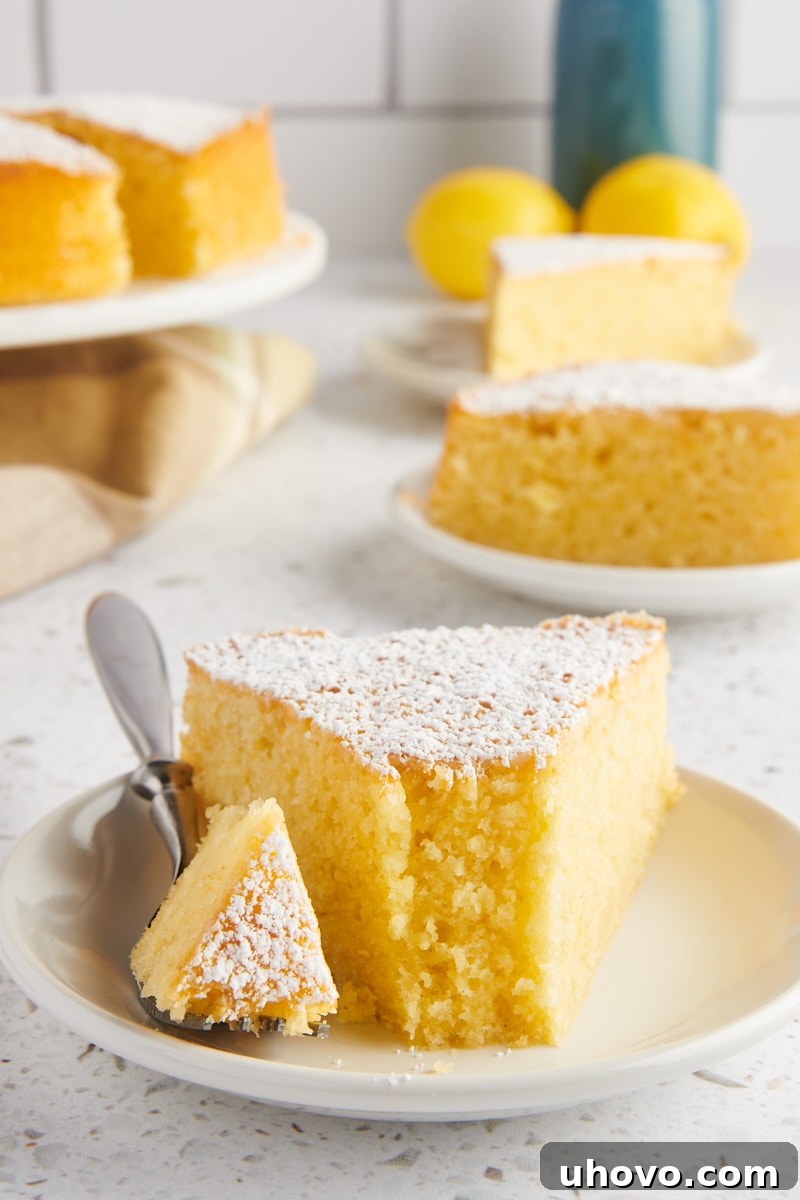
While butter traditionally reigns supreme in the realm of baking, this recipe celebrates olive oil as the unsung hero, bringing an unparalleled depth of moisture, tender crumb, and sophisticated flavor. This isn’t just a cake; it’s a testament to the transformative power of quality ingredients. Whether you’re gathering with cherished family and friends, indulging in a quiet moment of reflection with a warm cup of coffee or tea, or searching for that perfect, effortlessly elegant dessert to crown your next dinner party, this olive oil cake rises to the occasion. Its simple sophistication makes it a go-to for both everyday enjoyment and special celebrations, promising to impress with every single bite.
Why You’ll Adore This Olive Oil Cake Recipe
Prepare to fall in love with this olive oil cake. It stands apart from conventional cakes, offering a unique and memorable baking experience with irresistible results. Here’s why this recipe will quickly become a cherished favorite in your kitchen:
- Unbelievably Moist and Tender: The secret to this cake’s heavenly texture lies in its star ingredient: olive oil. Unlike butter, olive oil contributes a profound moisture that permeates every crumb, ensuring the cake remains incredibly tender and succulent for days. It creates a rich, delicate crumb that simply melts in your mouth, providing a delightful contrast to traditional butter cakes.
- Effortlessly Simple to Prepare: Don’t let its elegant presentation fool you – this recipe is wonderfully straightforward and incredibly easy to follow. With a concise list of common pantry staples and clear, step-by-step instructions, it’s perfectly accessible for bakers of all skill levels, from novices to seasoned pros. It’s the ideal bake for a spontaneous afternoon treat, yet sophisticated enough to grace the table at any special gathering without stress.
- Exquisite Texture and Flavor Profile: Beyond just moisture, olive oil imparts a unique texture that is both dense and surprisingly light. It’s substantial enough to feel satisfying yet delicate enough to be refreshing. The olive oil’s subtle fruity notes, especially when paired with the vibrant zing of fresh citrus, create a harmonious and complex flavor that’s truly addictive. This cake isn’t just a dessert; it’s a gourmet experience that pairs beautifully with a wide range of beverages, from robust coffee and fragrant teas to a crisp dessert wine.
- A Healthier Indulgence: Swapping butter for olive oil not only enhances flavor and texture but also introduces a healthier fat into your baking. Extra virgin olive oil is packed with monounsaturated fats and antioxidants, making this cake a slightly more virtuous indulgence that you can feel good about enjoying.
- Versatility for Every Occasion: This cake’s adaptable nature means it can be dressed up or down. A simple dusting of confectioners’ sugar makes it perfect for a casual brunch, while a luscious glaze or fresh fruit garnish transforms it into an elegant dessert for a formal dinner. Its timeless appeal ensures it’s always a crowd-pleaser.
Want to save this recipe?
Enter your email and I’ll send it to your inbox. Plus, you’ll get more of my best recipes in your inbox!
By entering your email, you consent to receiving emails from Bake or Break. You can unsubscribe at any time.
Essential Ingredients for Your Olive Oil Cake
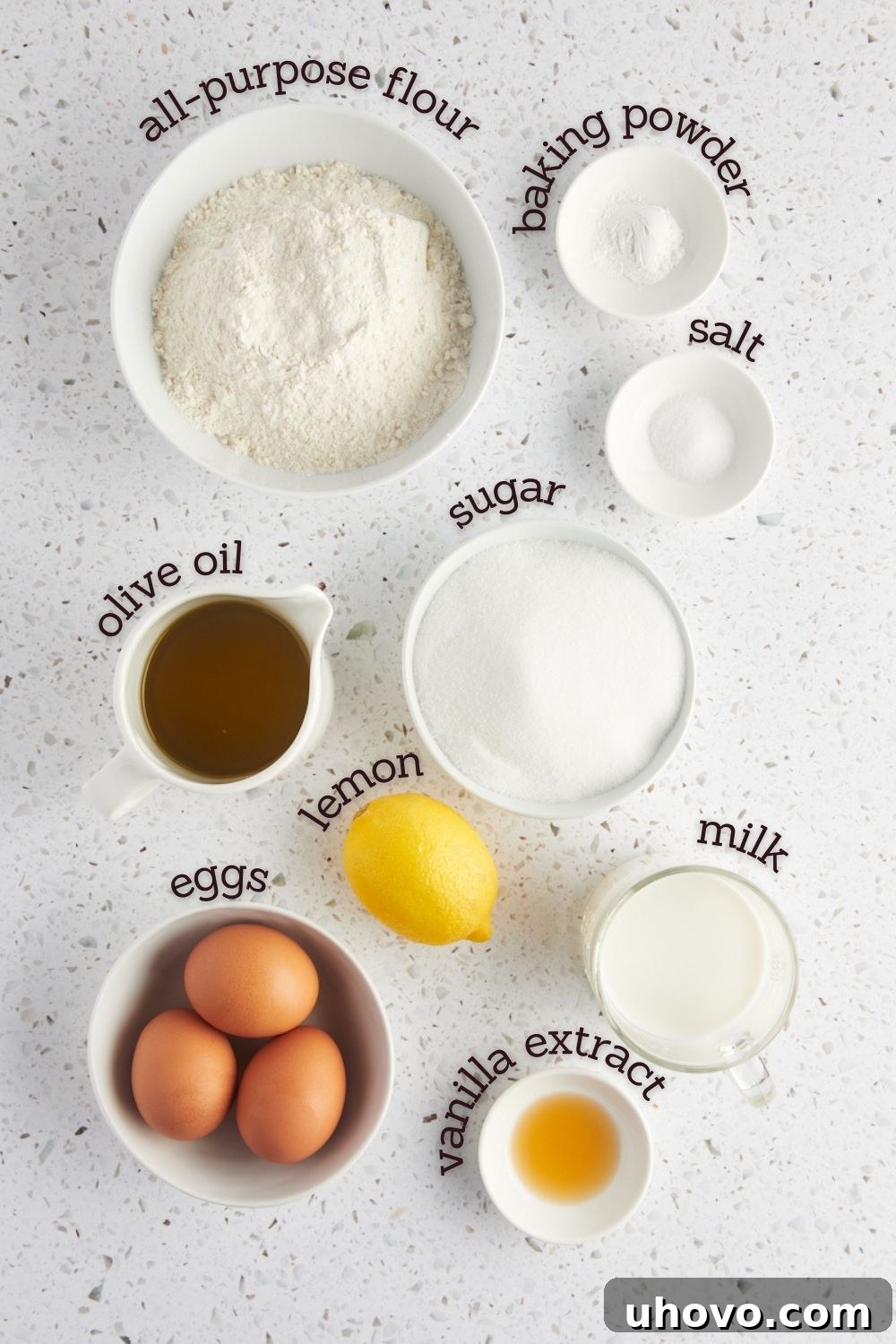
Crafting this delightful olive oil cake requires a selection of fresh, high-quality ingredients that harmonize to create its signature flavor and texture. For precise quantities and detailed instructions, please refer to the comprehensive recipe card below. Here are some important notes about the key components of this lemon olive oil cake:
- All-Purpose Flour: The foundation of our cake’s structure. For best results and consistent baking, always measure your flour by weight using a kitchen scale. If you don’t have a scale, use the “spoon and sweep” method: lightly spoon the flour into your measuring cup until it overflows, then level it off with a straight edge. Avoid scooping directly from the bag, as this can compact the flour and lead to a dense, dry cake. For more details, consult our guide: How to Measure Flour.
- Baking Powder: This leavening agent is crucial for giving the cake its lift and creating a light, airy crumb. Ensure your baking powder is fresh for optimal effectiveness.
- Salt: A pinch of salt is vital for balancing the sweetness and enhancing all the other flavors in the cake. I typically use regular table salt for baking, but if using kosher or sea salt, be mindful of conversion rates, as their crystal sizes differ. Learn more: A Home Baker’s Guide to Salt.
- Large Eggs: Eggs provide structure, richness, and help bind the ingredients. For a perfectly emulsified batter and a smoother cake texture, it’s essential to set your eggs out on the counter well in advance to allow them to reach room temperature.
- Granulated Sugar: Standard white sugar provides the necessary sweetness and contributes to the cake’s moistness and golden crust.
- Extra Virgin Olive Oil: This is the star of our cake! Its quality directly impacts the final flavor. Choose a good quality extra virgin olive oil for the best results. We delve deeper into selecting the ideal olive oil below.
- Whole Milk: Like the eggs, milk should be at room temperature. This allows it to incorporate more smoothly into the batter, preventing curdling and contributing to a uniform, tender crumb. Full-fat whole milk offers the best richness.
- Fresh Lemon (Zest and Juice): Lemon is the perfect partner to olive oil, providing a bright, aromatic counterpoint that elevates the cake’s flavor profile. You’ll need both the fragrant zest (the yellow outer layer, not the bitter white pith) and the fresh, tangy juice. For a quick refresher on technique, see: How to Zest and Juice Lemons.
- Vanilla Extract: A splash of pure vanilla extract adds a warm, comforting note that complements the citrus and olive oil beautifully, rounding out the flavor.
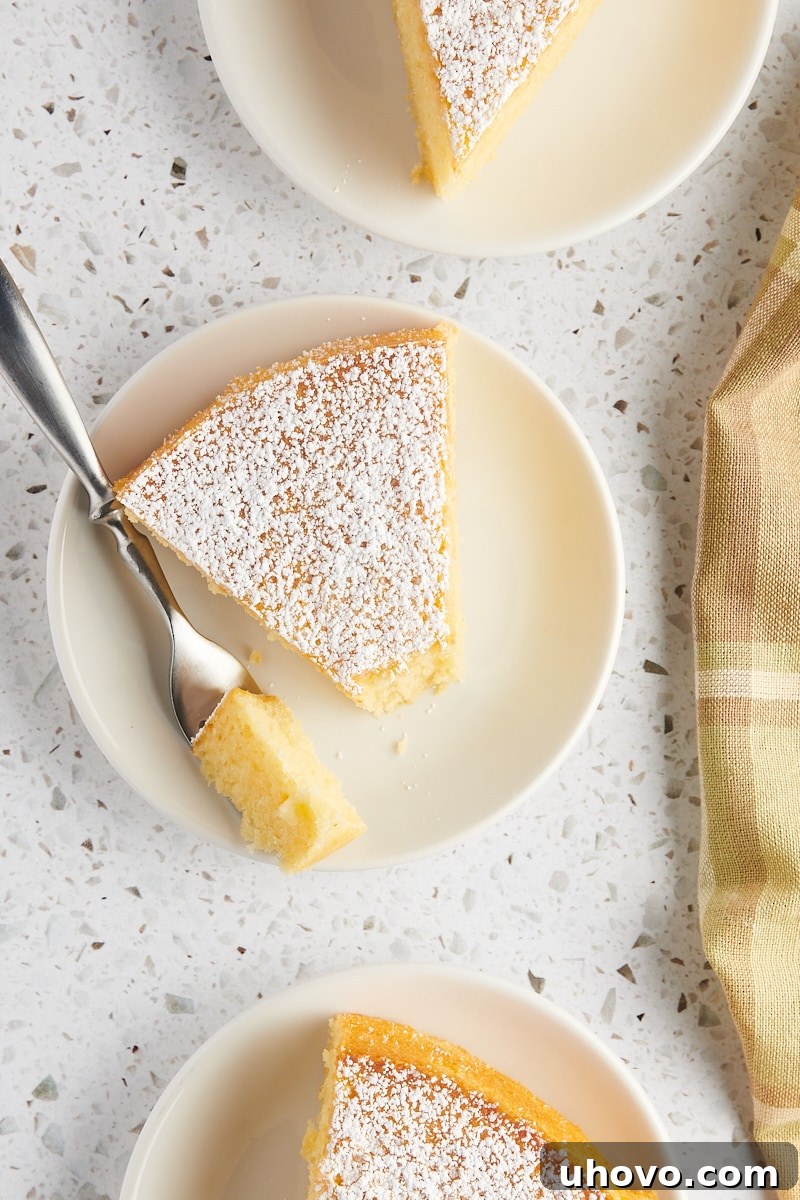
- Confectioners’ Sugar (Powdered Sugar): Also known as powdered sugar, this fine sugar is optional but highly recommended for a simple, elegant dusting over the cooled cake before serving. It adds a touch of sweetness and a beautiful presentation.
Choosing the Perfect Olive Oil for Your Cake
The choice of olive oil is paramount in this recipe, as it is not merely a fat but a foundational flavor component. Extra virgin olive oil (EVOO) is highly recommended due to its superior quality, rich flavor, and distinctive aroma. EVOO is cold-pressed, meaning it retains more of the olive’s natural taste and beneficial nutrients. However, the world of EVOO is vast, with flavors ranging from subtly fruity and buttery to intensely peppery and robust. Understanding these nuances can significantly enhance your cake’s final profile.
For baking, especially in a cake where olive oil is a star, a more delicate, fruity, or mild-flavored extra virgin olive oil is often preferred. These types of EVOO will impart their characteristic fruitiness without overwhelming the other delicate flavors present in your cake, such as the bright lemon zest and vanilla. Look for terms on the label like “delicate,” “mild,” or “fruity” to guide your selection. Some common tasting notes that pair exceptionally well with desserts include hints of almond, ripe berry, green apple, or even a subtle floral undertone. These complexities can add a wonderful, unexpected depth and sophistication to your cake’s overall flavor.
However, if you are a connoisseur seeking a cake with a more pronounced and adventurous olive oil presence, you might consider opting for a medium-bodied or slightly more robust EVOO. These oils might have a bit more peppery finish or a stronger herbaceous quality, which can create a bolder, more assertive flavor profile in your baked good. Experimentation can be fun, but for your first attempt, a milder EVOO is generally a safe and delicious choice to ensure the cake’s flavors are balanced and harmonious. Ultimately, choose an olive oil whose flavor you genuinely enjoy on its own, as that flavor will certainly shine through in your cake.
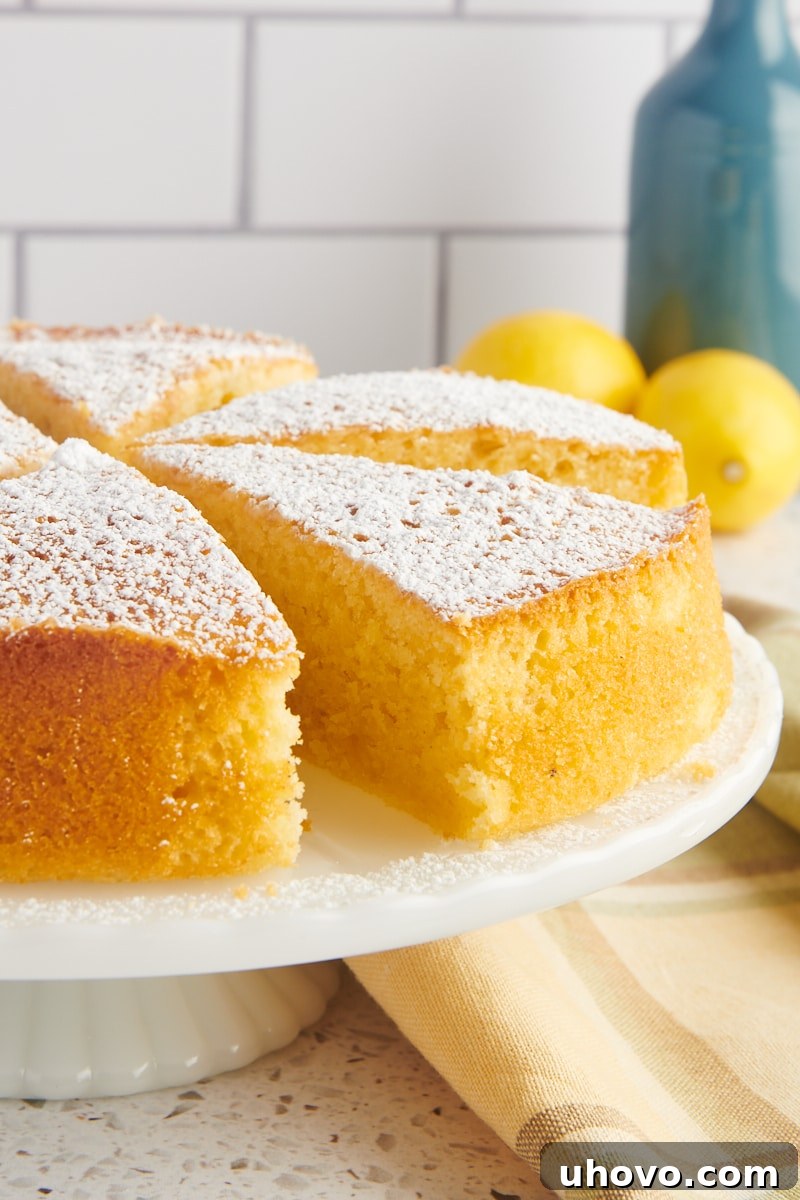
Mastering the Art of Olive Oil Cake: Step-by-Step Instructions
Creating this incredibly moist and flavorful olive oil cake is simpler than you might imagine. Follow these detailed steps to achieve a perfectly balanced and beautifully textured dessert:
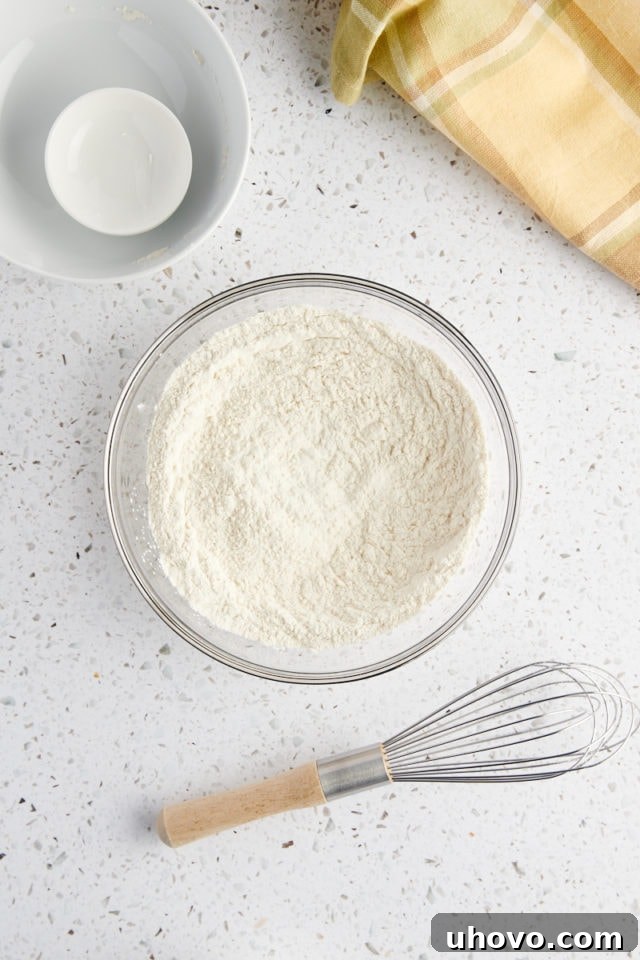
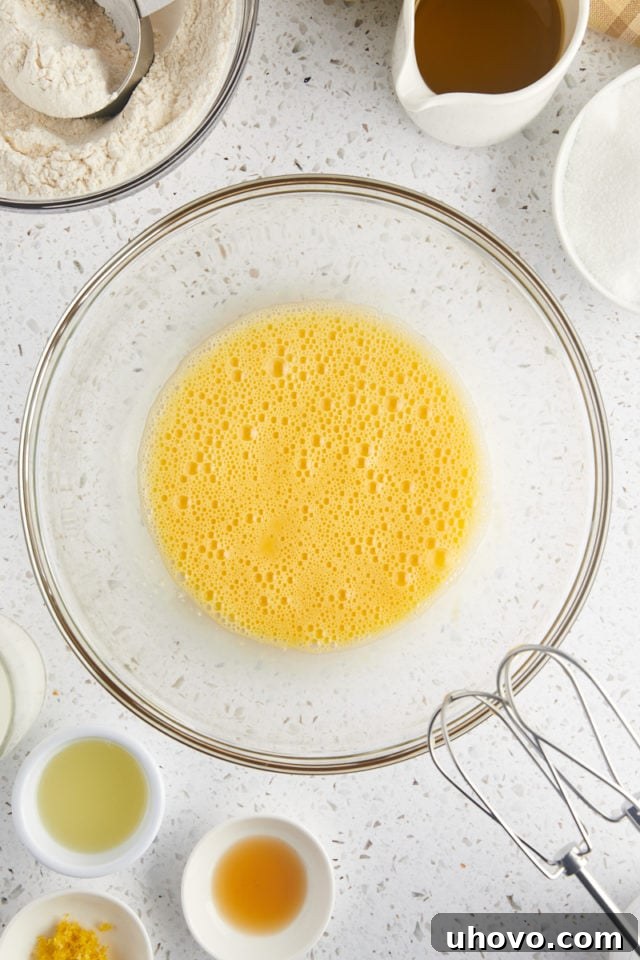
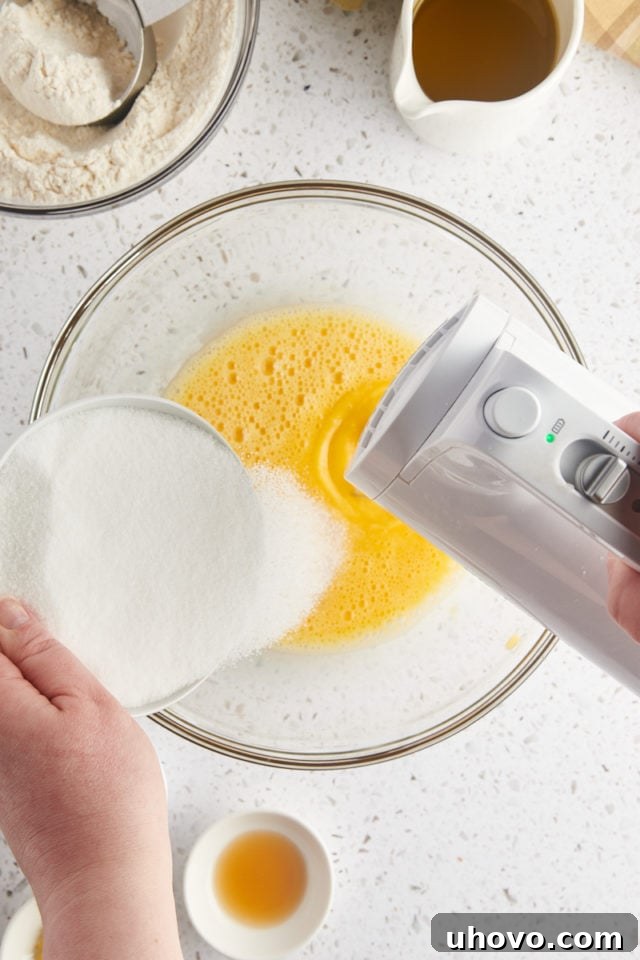
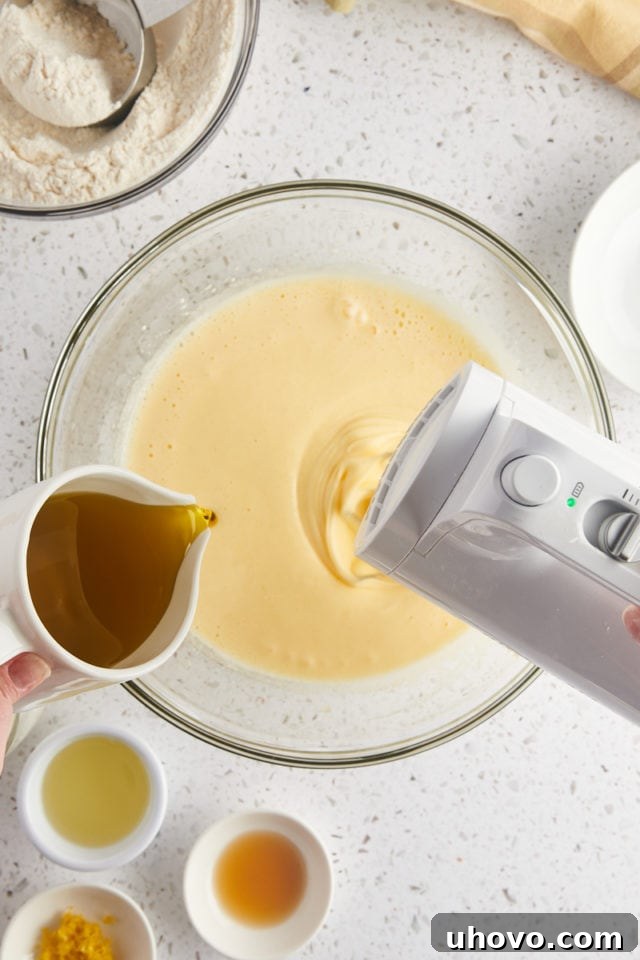
- Preparation is Key: Begin by preheating your oven to a steady 350°F (175°C). Next, prepare your 9-inch round cake pan or springform pan. Generously grease the inside of the pan and then line the bottom with a circle of parchment paper. This step ensures an effortless release of your beautiful cake. For added assurance, consider using a cooking spray that contains flour, such as Baker’s Joy or Pam Baking.
- Combine Dry Ingredients: In a medium-sized bowl, thoroughly whisk together the all-purpose flour, baking powder, and salt. Whisking ensures these dry components are evenly distributed, which is crucial for uniform leavening and flavor throughout the cake. Set this mixture aside.
- Whisk Wet Ingredients: In a large mixing bowl (preferably using an electric hand mixer or a stand mixer with the whisk attachment), beat the room-temperature eggs on medium speed until they become light and frothy, typically about 1-2 minutes. Gradually, with the mixer still running, add the granulated sugar in a slow, steady stream. Continue beating until the mixture transforms into a pale yellow, thick, and ribbons when the beaters are lifted. This aeration step is vital for a light cake.
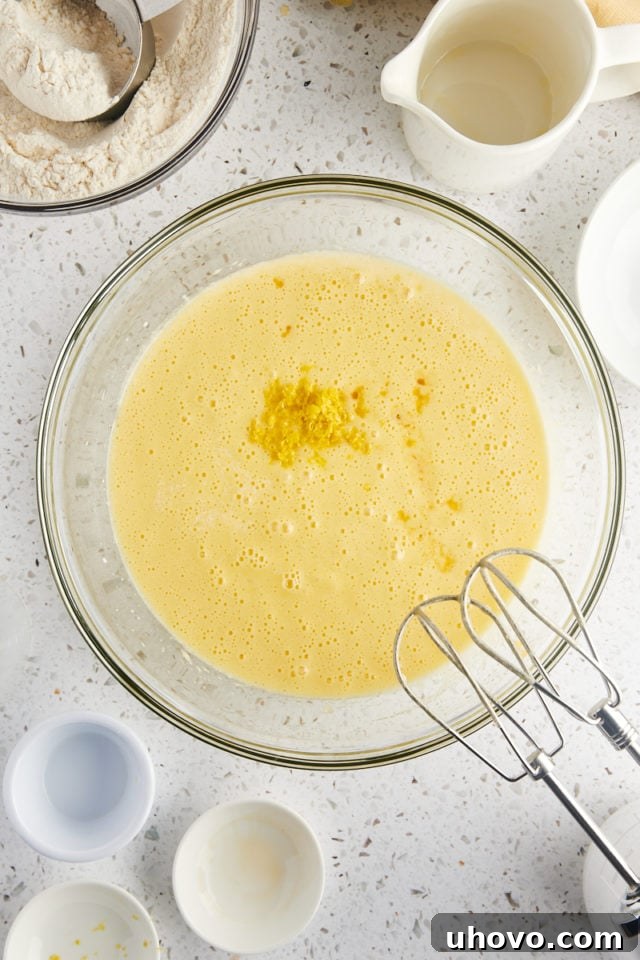
- Incorporate Olive Oil and Flavorings: With the mixer on a low speed, slowly stream in the extra virgin olive oil. Mix just until fully incorporated. Next, add the room-temperature milk, fresh lemon juice, aromatic lemon zest, and vanilla extract. Continue mixing on low speed until all the wet ingredients are well combined and the mixture is smooth.
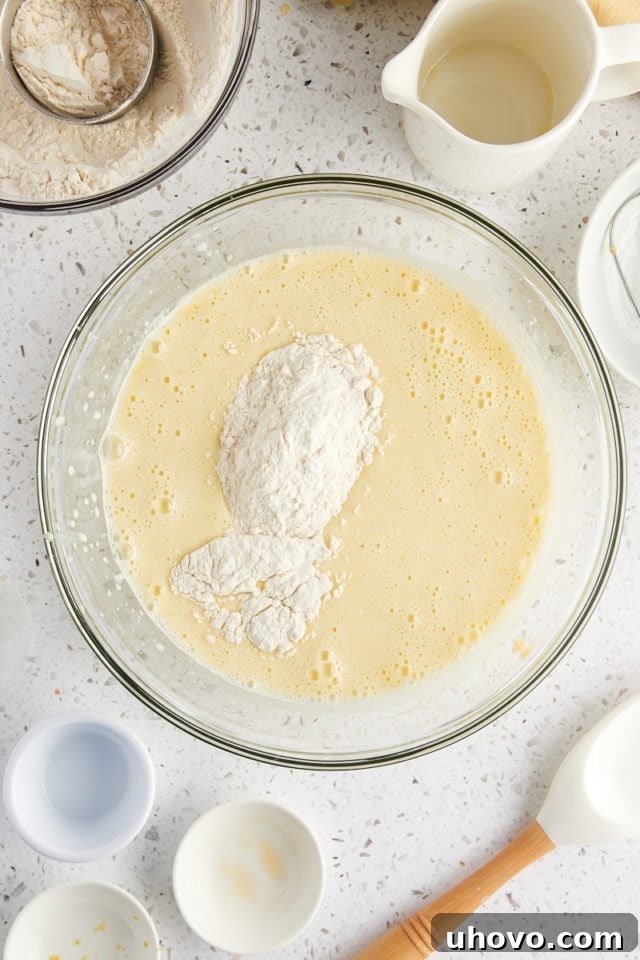
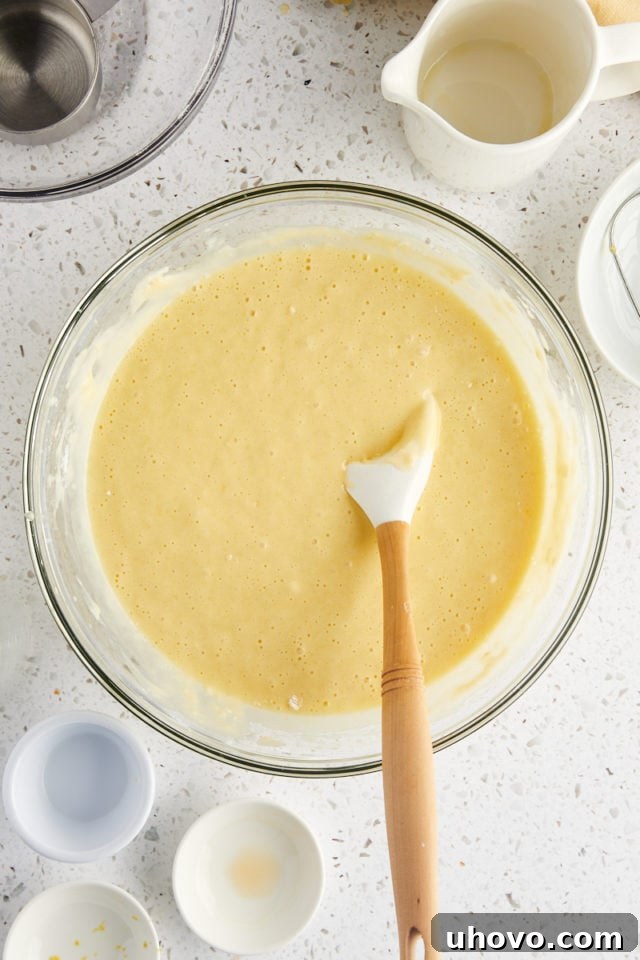
- Gently Combine Wet and Dry: It’s time to bring everything together. Gradually add the whisked dry ingredients to the wet mixture, a third at a time, folding gently with a spatula or mixing on the lowest speed of your mixer. Mix just until no streaks of flour remain and the batter is combined. Be very careful not to over-mix at this stage; over-mixing develops gluten, which can lead to a tough, dense cake.
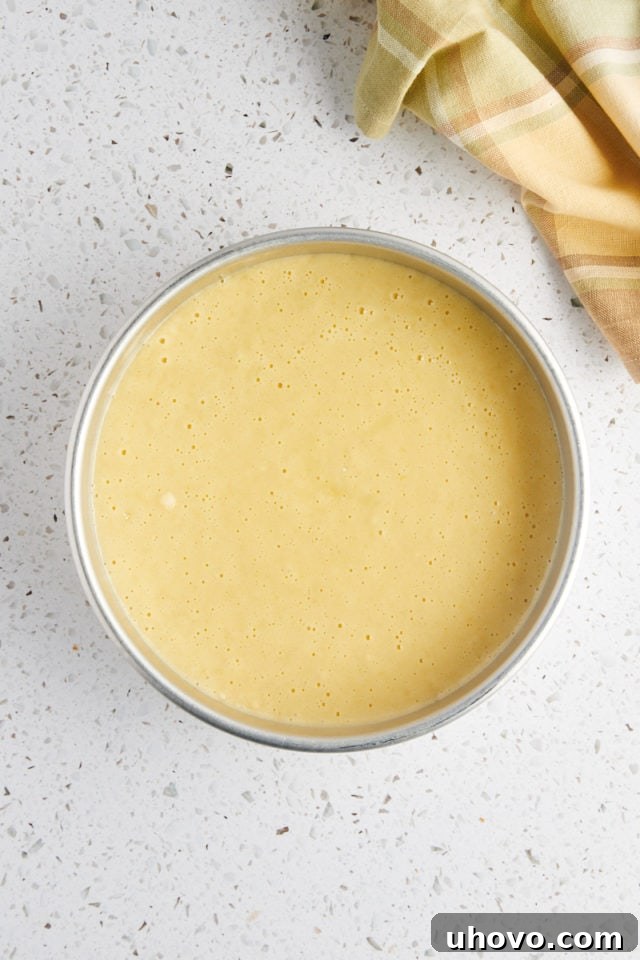
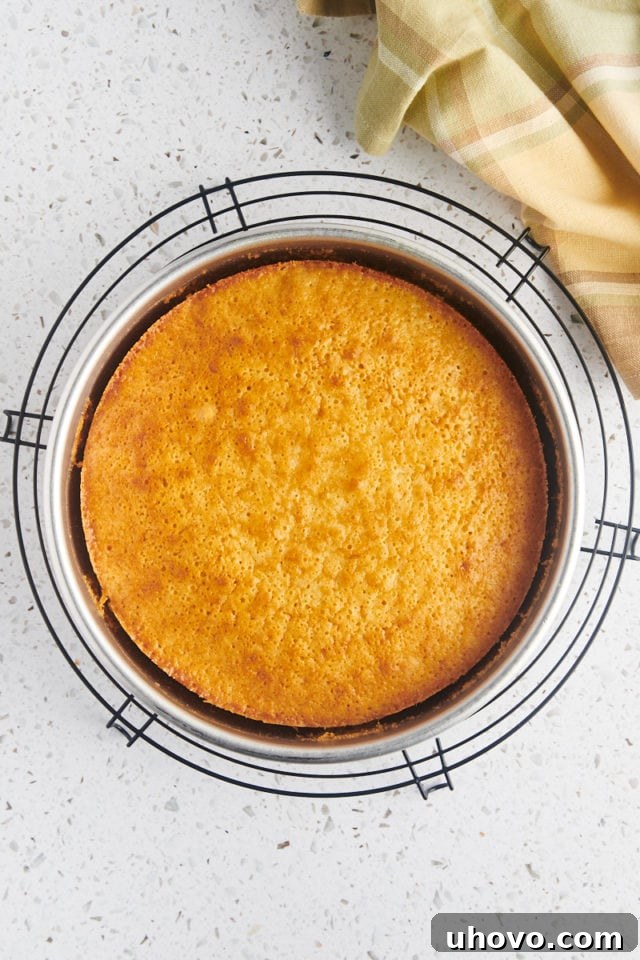
- Time to Bake: Carefully pour the finished cake batter into your meticulously prepared cake pan. Gently smooth the top with a spatula to ensure even baking. Transfer the pan to the preheated oven.
- Bake to Perfection: Bake for approximately 40 to 45 minutes. The exact baking time can vary depending on your oven, so it’s always best to start checking for doneness around the 35-minute mark. The cake is ready when a wooden skewer or toothpick inserted into the very center comes out clean or with only a few moist crumbs attached. Avoid opening the oven door too frequently, especially during the first 30 minutes, to prevent the cake from sinking.
- Cooling Process: Once baked, remove the cake from the oven and place the pan on a wire rack. Allow it to cool in the pan for precisely 10 minutes. This crucial resting period allows the cake to firm up slightly, making it easier to handle. After 10 minutes, carefully invert the cake onto the wire rack, remove the parchment paper, and allow it to cool completely before dusting or serving. Cooling completely ensures the cake’s structure is set and its moisture is locked in.
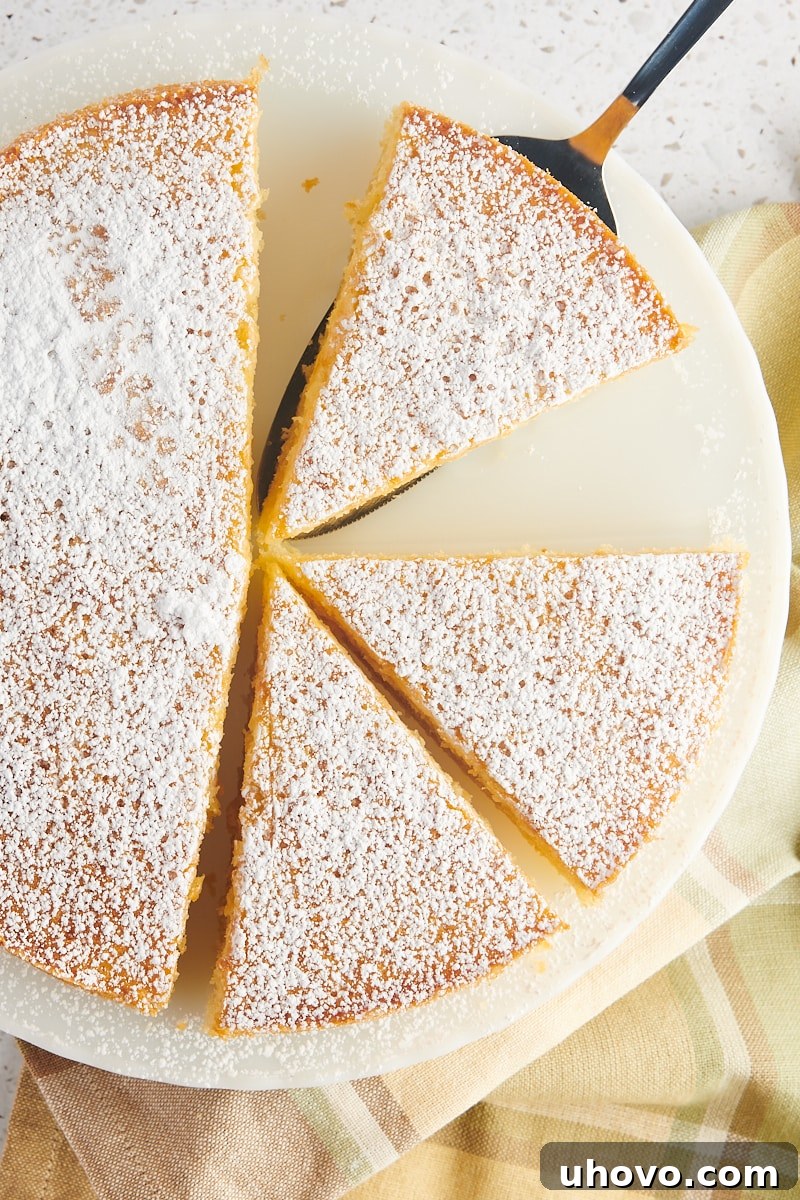
Expert Tips for a Flawless Olive Oil Cake
Achieving the perfect olive oil cake is simple with a few key considerations. These tips will help ensure your cake turns out beautifully moist, tender, and flavorful every single time:
- Embrace Room Temperature Ingredients: This tip is crucial for success. Ensure both your eggs and milk are at room temperature before you begin mixing. Room temperature ingredients emulsify more effectively, creating a smoother, more homogenous batter. This leads to a finer crumb structure and a more consistently tender cake. Plan ahead by setting them out on the counter at least 30 minutes, or even an hour, before baking.
- Invest in Quality Olive Oil: As the name suggests, olive oil is a star ingredient here, not just a cooking fat. The quality and flavor of your extra virgin olive oil will directly impact the cake’s taste. Choose an olive oil with a flavor profile you enjoy – typically a mild, fruity, or slightly peppery one works best in baking, complementing the other ingredients without overpowering them. Refer to our detailed guide above for choosing the right one to suit your personal tastes.
- The Golden Rule: Don’t Over-Mix: Once you add the dry ingredients to the wet, mix just until they are barely combined and no streaks of flour remain. Over-mixing develops the gluten in the flour, which can lead to a tough, rubbery, and dense cake, sacrificing that coveted tender crumb. A light hand and careful folding are your best friends here.
- Always Check for Doneness: Oven temperatures can vary significantly, so relying solely on the recipe’s stated baking time might not be enough. Begin checking your cake a few minutes before the minimum baking time. Insert a wooden skewer or toothpick into the center of the cake; it should come out clean or with only a few moist crumbs attached. If it’s still wet, continue baking in short intervals (2-3 minutes) until done.
- Prepare Your Pan Properly: A well-prepared pan prevents sticking and ensures your cake comes out cleanly. Greasing the pan and lining the bottom with parchment paper is essential. A cooking spray with flour offers extra insurance. This simple step saves frustration and preserves the aesthetic of your finished cake.
- Allow for Proper Cooling: Resist the urge to slice into your warm cake immediately. Letting the cake cool in the pan for 10 minutes before transferring it to a wire rack allows its structure to set, preventing it from crumbling. Complete cooling on a wire rack is necessary before dusting or glazing, as warmth can melt toppings and compromise texture.
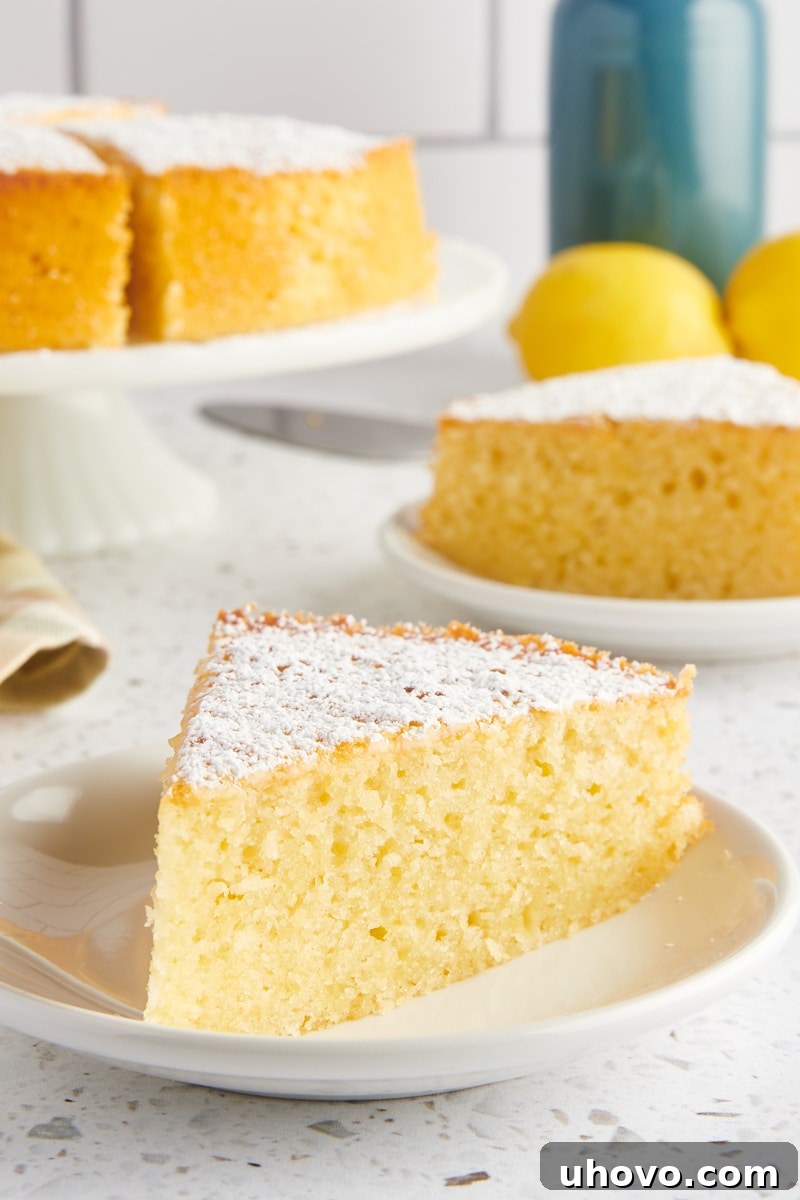
Exciting Variations to Customize Your Olive Oil Cake
While this classic olive oil cake is perfect as is, its versatility makes it an excellent canvas for creative adaptations. Feel free to experiment with these variations to tailor the cake to your personal taste or the season:
- Unleash the Citrus Twist: Lemon is a traditional and beloved choice, but don’t hesitate to explore other vibrant citrus fruits. Incorporating orange, lime, or even grapefruit zest and juice can introduce a unique and refreshing twist. Imagine the bright sweetness of orange or the exotic tang of lime! You can even try a delightful combination of two or three citrus varieties for a more complex flavor profile.
- Delightful Nutty Options: For an added layer of texture and a rich, earthy flavor, fold in about ½ cup of finely chopped nuts. Walnuts, slivered almonds, or pistachios are excellent choices that complement the olive oil beautifully. Toasting the nuts lightly in a dry pan beforehand can significantly enhance their flavor and crunch, bringing out their natural oils and aroma.
- Warm It Up with Spices: Infuse your cake with cozy, aromatic spices to create an even more comforting treat. Spices like ground cinnamon, warm cardamom, fragrant nutmeg, or a hint of cloves can transform the flavor profile, making it perfect for cooler months. Start with a teaspoon of your chosen spice (or a delightful blend like pumpkin pie spice) and adjust to taste, adding more for a bolder presence.
- Sweetened with Fresh Fruit: Incorporate the natural sweetness and tang of fresh fruit into your batter. Gently fold in about 1 cup of fresh berries (such as blueberries or raspberries), diced apples, or chopped pears. The fruit will add bursts of juicy flavor and a lovely textural contrast to the moist, dense cake. Consider tossing the fruit lightly in a tablespoon of flour before adding to prevent it from sinking to the bottom.
- A Touch of Chocolate Indulgence: For those who can’t resist chocolate, a chocolate olive oil cake is a revelation. The richness of cocoa powder pairs surprisingly well with the fruity notes of olive oil. If you’re craving this decadent combination, try my dedicated chocolate olive oil cake recipe!
- Herbal Infusion: For a more adventurous and sophisticated twist, consider adding finely chopped fresh rosemary or thyme. A small amount (about 1-2 teaspoons) can provide an unexpected aromatic note that beautifully complements the olive oil and citrus.
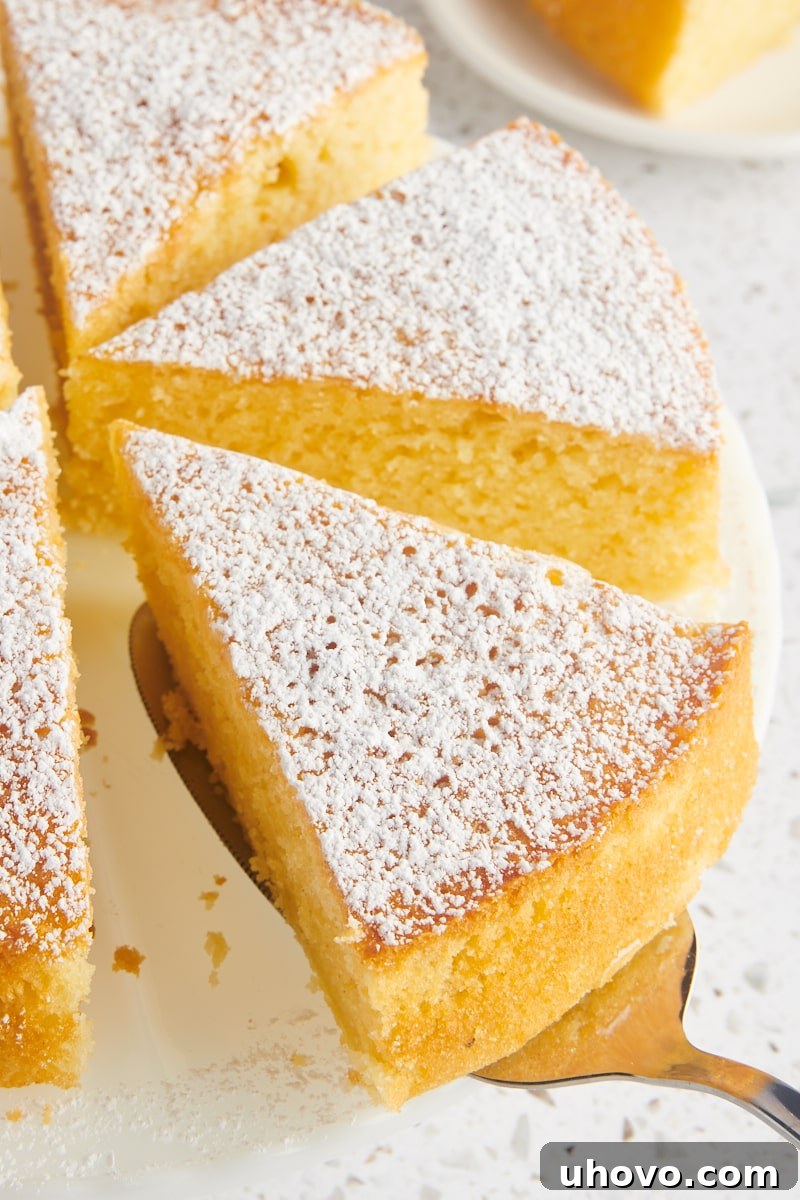
Elegant Serving Suggestions for Your Olive Oil Cake
While a simple dusting of confectioners’ sugar is an absolutely perfect and classic way to present this elegant cake, its rich flavor and tender texture lend themselves beautifully to a myriad of serving ideas. Elevate your olive oil cake experience with these delightful accompaniments:
- Luxurious Whipped Cream: A dollop of freshly made whipped cream provides a cloud-like contrast to the cake’s density. For an extra touch of sophistication, flavor your whipped cream with a whisper of vanilla extract, a hint of citrus zest, or even a splash of a complementary liqueur like Grand Marnier or Limoncello. Serve immediately for optimal freshness. Our recipe for Sweetened Whipped Cream is a perfect starting point.
- Bright Citrus Glaze: Create a stunning finish and an extra burst of flavor with a simple citrus glaze. Whisk together confectioners’ sugar with a small amount of fresh lemon, orange, or grapefruit juice until you reach a smooth, pourable consistency. Drizzle this glaze generously over the cooled cake for a beautiful sheen and an intensified citrus aroma that perfectly marries with the olive oil. For inspiration, try the lemon glaze from our Mini Lemon Pound Cakes or the vibrant orange glaze from Orange Pound Cake.
- Fresh Seasonal Fruit: The natural sweetness and vibrant acidity of fresh fruit are exquisite alongside this cake. Arrange a medley of fresh berries (strawberries, blueberries, raspberries), sliced figs, or seasonal stone fruits like peaches, plums, or apricots around each slice. The freshness of the fruit cuts through the richness of the cake, creating a balanced and refreshing dessert.
- Homemade Compote or Jam: For a more gourmet touch, serve slices of olive oil cake with a side of homemade fruit compote or your favorite artisanal jam. A spoonful of warm blueberry compote, a spiced apple compote (like our Spiced Apple Compote), or a dollop of fig or apricot jam adds a wonderful layer of sweetness, a hint of tartness, and an interesting textural element.
- A Scoop of Gelato or Sorbet: For the ultimate dessert experience, pair your olive oil cake with a scoop of creamy vanilla bean gelato or a refreshing lemon or berry sorbet. The cold, smooth texture and complementary flavors create an indulgent and satisfying combination.
- Beverage Pairings: This cake is incredibly versatile with beverages. Enjoy it with a classic cup of coffee or a fragrant herbal tea for a comforting treat. For a more sophisticated pairing, consider a light, crisp dessert wine, a sparkling Prosecco, or even a dry rosé, which will beautifully enhance the cake’s subtle flavors.
Storing Your Olive Oil Cake for Lasting Freshness
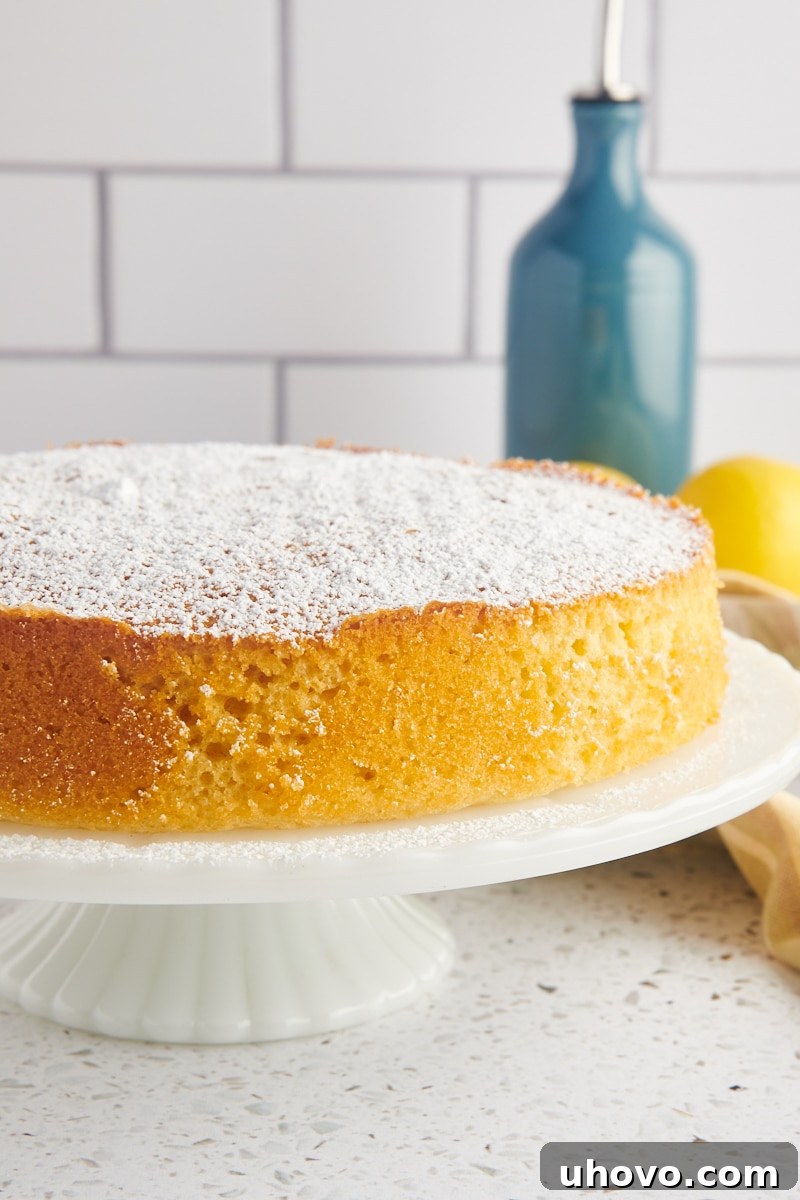
One of the many wonderful qualities of this olive oil cake is how well it keeps, maintaining its moistness and tender texture for several days. Proper storage is key to extending its delicious life:
Once your cake has cooled completely to room temperature, transfer it to an airtight container. This crucial step prevents the cake from drying out and absorbing unwanted odors. Stored at room temperature, away from direct sunlight and heat, your olive oil cake will remain wonderfully fresh and flavorful for up to 3 days. Its flavor often deepens slightly overnight, making it perhaps even more enjoyable the next day!
If you need to keep the cake for a bit longer, or if you live in a particularly warm or humid climate, refrigeration is a good option. Wrap the entire cooled cake tightly in plastic wrap, then place it in an airtight container. Alternatively, wrap individual slices for easy access. Stored in the refrigerator, the cake will stay fresh for up to 1 week. Before serving, always bring refrigerated cake back to room temperature; this allows the olive oil flavors to fully bloom and restores its wonderfully tender texture.
Can This Olive Oil Cake Be Frozen? Absolutely!
Yes, this olive oil cake is an excellent candidate for freezing, making it perfect for meal prepping desserts or saving slices for a future craving. Freezing allows you to enjoy its delightful flavors weeks or even months later.
To freeze the cake, ensure it is completely cooled. You can freeze it whole or in individual slices, depending on your needs. For whole cakes, wrap it tightly first in plastic wrap, ensuring no air gaps, and then wrap it again securely in aluminum foil. For individual slices, wrap each slice separately in plastic wrap and then in foil. Place the well-wrapped cake or slices in a freezer-safe container or a heavy-duty freezer bag to provide an extra layer of protection against freezer burn.
Your olive oil cake can be stored in the freezer for up to 3 months. When you’re ready to enjoy it, simply thaw the cake overnight in the refrigerator. For a quicker thaw, you can also leave it at room temperature for a few hours. Once thawed, bring it to room temperature before serving to allow its flavors and moist texture to return to their optimal state. This cake’s ability to freeze so beautifully makes it an incredibly convenient and versatile dessert!
Discover More Simple Cake Recipes
No ratings yet
Olive Oil Cake
Pin Recipe
Leave a Review
Ingredients
- 1 ¾ cups (210 g) all-purpose flour
- 1 teaspoon baking powder
- ¾ teaspoon salt
- 3 large eggs
- 1 ¼ cups (250 g) granulated sugar
- ¾ cup (180 ml) extra-virgin olive oil
- ¾ cup (180 ml) whole milk
- Zest of 1 lemon, about 1 tablespoon
- 2 tablespoons (30 ml) freshly squeezed lemon juice
- 1 teaspoon vanilla extract
- confectioners’ sugar, for dusting
Recommended Products
-
USA Pan Bakeware Round Cake Pan, 9 inch
-
Microplane Classic Zester/Grater
-
Citrus Juicer
-
OXO Good Grips Dusting Wand for Sugar, Flour and Spices
Instructions
-
Preheat the oven to 350°F (175°C). Grease a 9-inch round cake pan and line the bottom with parchment paper.
-
Whisk together the flour, baking powder, and salt in a medium bowl.
-
Beat the eggs in a large bowl with an electric mixer on high speed until frothy. Gradually add the sugar and continue beating until pale and thick, about 3 minutes.
-
Slowly blend in the olive oil. Then mix in the milk, lemon zest, lemon juice, and vanilla extract until well combined.
-
Fold in the dry ingredients gradually, mixing just until combined. Be careful not to over-mix.
-
Pour the batter into the prepared pan and smooth the top.
-
Bake for about 45 minutes, or until a toothpick inserted into the center comes out clean.
-
Cool the cake in the pan for 10 minutes, then turn it out onto a wire rack to cool completely.
-
Dust the top of the cake with confectioners’ sugar before serving.
Notes
- Store in an airtight container at room temperature up to 3 days.