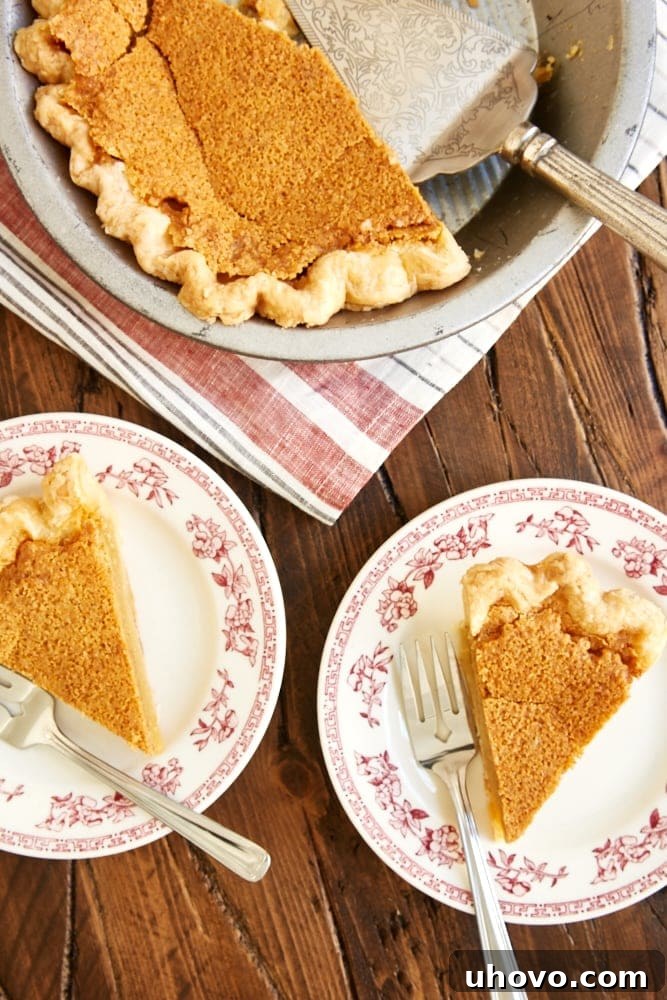
Decadent Brown Butter Chess Pie: A Southern Classic Reimagined
Prepare to elevate your dessert experience with this exquisite Brown Butter Chess Pie. This easy-to-follow recipe takes a beloved Southern classic and infuses it with the rich, nutty, and caramelized notes of brown butter, transforming it into an irresistible treat that’s both familiar and wonderfully new. Each bite offers a harmonious blend of sweet, tangy, and deeply flavorful custard encased in a perfectly flaky crust, promising to captivate your senses and leave a lasting impression.
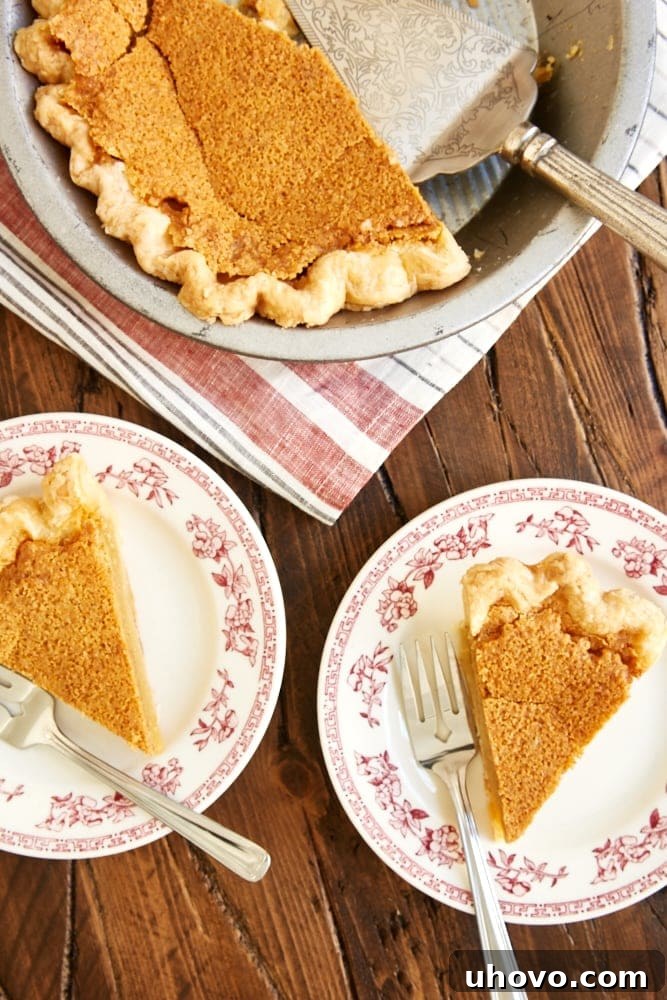
Homemade Chess Pie with Brown Butter: A Taste of Tradition
For me, chess pie isn’t just a dessert; it’s a cherished memory woven into the fabric of family gatherings. My grandmother, with her warm smile and skilled hands, always brought this comforting pie to our special occasions. It was more than just a sweet ending to a meal; it was a tangible piece of downhome nostalgia, a testament to the simple yet profound joy that only old-fashioned, made-from-scratch pies can deliver. This connection to tradition is what makes every slice of chess pie feel like a warm embrace from the past.
As an adult, my appreciation for chess pie has deepened, extending beyond its incredible flavor to its remarkable simplicity. When you glance at the ingredient list, you might not be immediately struck by any exotic or standout components. Instead, you’ll find a humble collection of baking pantry staples: eggs, sugar, butter, and a touch of cornmeal. This unassuming list is precisely what makes chess pie so magical. It’s a marvel how such basic ingredients, likely already residing in your kitchen, can combine to create a dessert of such fantastic depth and satisfaction. It’s a testament to the power of classic recipes and the beauty of turning everyday items into something extraordinary.
This Brown Butter Chess Pie recipe builds upon that cherished tradition, introducing a subtle yet impactful twist that elevates its profile without compromising its soulful essence. If you’re a long-time lover of classic chess pie, you’ll find this brown butter version offers a delightful new dimension while retaining all the comforting familiarity you adore. Consider this an invitation to experience a beloved dessert in a fresh, exciting way, perfect for creating new family memories or simply indulging in a moment of pure bliss.
If you’re eager to explore more variations or revisit the foundation of this classic, you might also enjoy our traditional classic chess pie recipe.
Want to easily find this recipe again? Bookmark this page or share it with a friend! You’ll love having this classic, elevated dessert at your fingertips whenever the craving strikes.
What’s in Chess Pie? Essential Ingredients
Crafting a delectable Brown Butter Chess Pie begins with understanding its core components. The beauty of this dessert lies in its use of fundamental baking ingredients, transformed by thoughtful preparation. While I highly recommend using my all-butter pie crust for its unparalleled flakiness and rich flavor, you are welcome to use your favorite homemade or store-bought crust. The secret to success often lies in the quality of your ingredients, so choose fresh, high-quality items whenever possible. Below is a summary of what you’ll need; precise measurements can be found in the recipe card at the end of this article.
For the Crust: A Foundation of Flaky Perfection
- All-purpose flour: The structural backbone of your pie crust.
- Granulated sugar: A touch of sweetness that also aids in browning.
- Salt: Essential for balancing flavors and enhancing the overall taste.
- Unsalted butter: Cold and cut into 1/2-inch cubes. Cold butter is crucial for creating those coveted flaky layers in the crust.
- Cold water: Binds the dough without developing too much gluten, ensuring a tender crust.
For the Custard Filling: The Heart of the Pie
- Unsalted butter: The star ingredient here, destined to be browned for its signature nutty flavor.
- Eggs: Provide richness, structure, and help set the custard filling.
- Granulated sugar: Contributes to the pie’s characteristic sweetness and a delicate crispness on top.
- Light brown sugar: Adds a deeper, molasses-rich sweetness and moistness. Remember to pack it firmly when measuring or weigh it for accuracy.
- Milk: Adds creaminess to the custard, ensuring a smooth, luxurious texture.
- Vanilla extract: A classic flavor enhancer that complements the other ingredients beautifully.
- Cornmeal: The defining ingredient of a chess pie, it gives the custard a slightly coarse texture and helps prevent it from becoming overly runny.
- Salt: Balances the sweetness and brings out the full range of flavors in the filling.
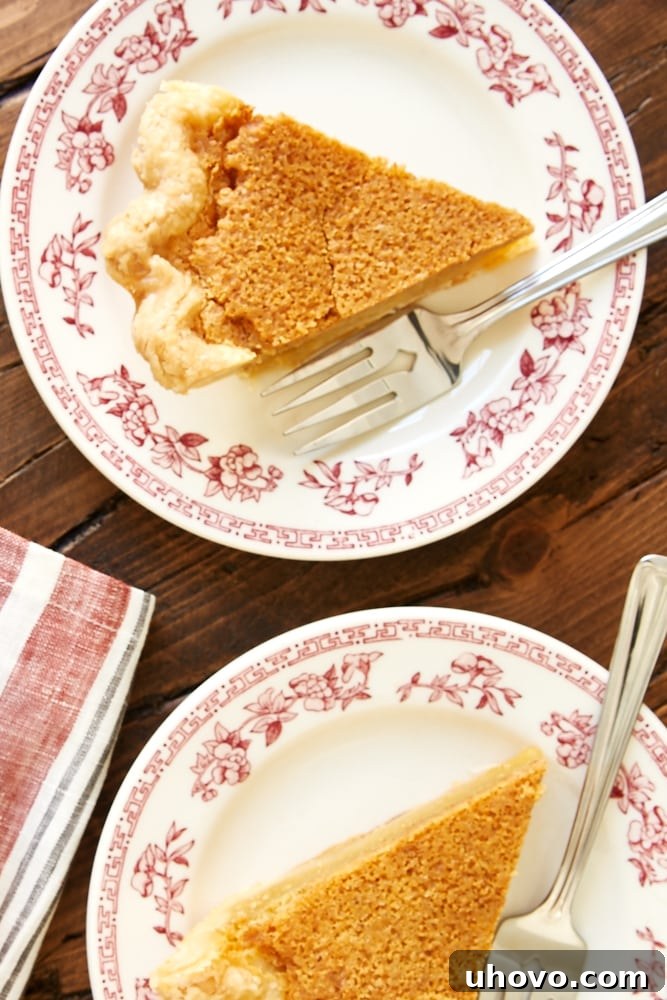
The Enigma of the Name: Why is it Called Chess Pie?
The origins of the name “Chess Pie” are shrouded in delightful mystery and Southern folklore, with several charming theories attempting to explain its peculiar designation. While definitive proof remains elusive, these urban legends add to the pie’s nostalgic appeal and rich heritage. One popular tale suggests a phonetic misunderstanding. According to this story, a cook on a Southern plantation, when asked what kind of pie she was baking, simply replied, “Jes’ pie.” Due to a thick Southern accent, “Jes’ pie” was heard as “Chess Pie,” and the name stuck. This explanation speaks to the informal, home-style nature of the dessert, implying it was simply ‘just pie’ – a comforting staple rather than an elaborate confection.
Another compelling theory links the pie’s name to its storage method. Historically, these sweet, rich pies were so well-preserved by their high sugar content that they didn’t require refrigeration. Instead, they were often stored in a “pie chest” or “pie safe,” a piece of furniture designed to keep baked goods fresh and protected from pests in the days before modern refrigeration. From “chest pie,” it’s a short linguistic leap, especially when spoken with a regional accent, to “chess pie.” Both narratives highlight the pie’s deep roots in Southern culinary tradition and its practical origins in a time when food preservation was a daily challenge. Regardless of which story holds more truth, the name “Chess Pie” has become synonymous with a beloved, comforting dessert that has graced Southern tables for generations.
Chess Pie vs. Custard Pie: Unraveling the Distinction
While often grouped under the broader umbrella of custard pies, chess pie possesses a subtle yet significant characteristic that sets it apart. The primary difference lies in the addition of a small amount of cornmeal to the custard filling. This seemingly minor ingredient plays a crucial role, imparting a slightly coarser, almost grainy texture to the otherwise smooth custard. It’s this particular textural nuance that distinguishes a chess pie from a standard custard pie, which typically relies solely on eggs, milk, and sugar for its creamy consistency. In essence, all chess pies are a type of custard pie, but not all custard pies are chess pies. The cornmeal not only contributes to the unique mouthfeel but also helps stabilize the filling, giving chess pie its signature dense yet yielding interior. This simple addition is a culinary hallmark, celebrating the ingenuity of Southern bakers who found a way to create a distinct and beloved dessert from humble ingredients.
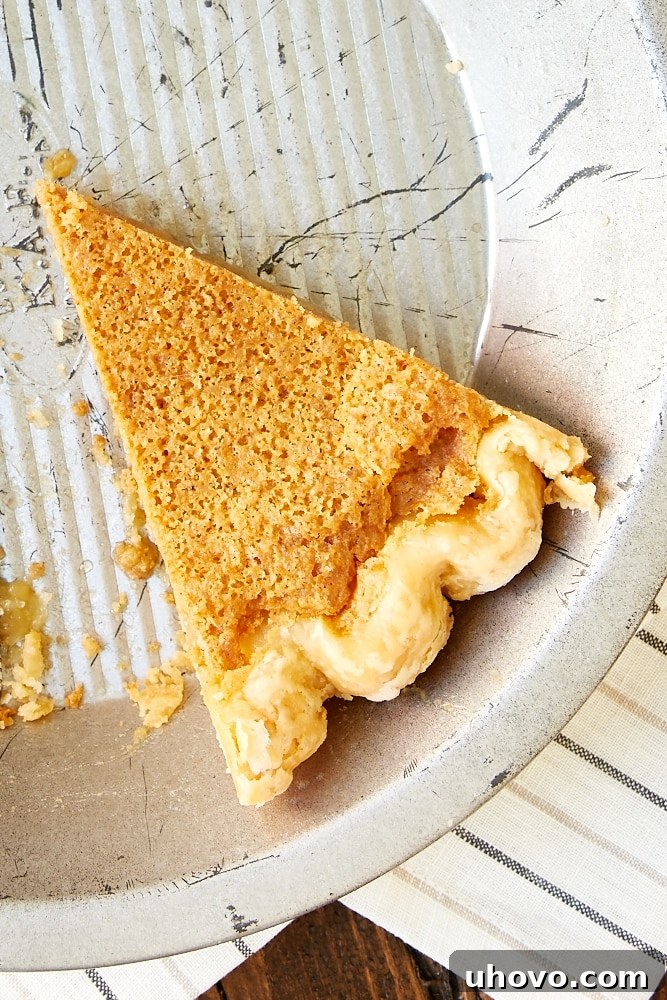
The Magic of Brown Butter: Why This Recipe Shines
My go-to recipe for Chess Pie has always been a beloved family heirloom, passed down from my grandmother. Over the years, I’ve enjoyed experimenting with slight tweaks to enhance its flavor profile. I even crafted a spiced version featured in my book, Quick-Shop-&-Prep 5 Ingredient Baking. However, for a considerable time, I harbored a desire to introduce one simple yet transformative change: brown butter.
I am a firm believer that if you’re going to melt butter, you might as well brown it. The process of browning butter, also known as beurre noisette, is nothing short of culinary alchemy. As butter gently melts and simmers, its milk solids toast, turning a beautiful amber color and releasing an incredibly complex, nutty, and subtly sweet aroma. This nutty flavor, with its hints of caramel and toasted notes, adds an unparalleled richness and depth that is simply irresistible. It’s a game-changer for so many recipes, and especially for a simple, sweet pie like chess pie, it provides a sophisticated counterpoint to the sweetness without overpowering the classic flavor.
To incorporate this magical ingredient into my traditional chess pie recipe, I made a few thoughtful adjustments. Recognizing that browning butter involves some water evaporation, I slightly increased the initial butter quantity to ensure the final volume of browned butter remained sufficient for the filling. Additionally, I substituted a portion of the granulated sugar with light brown sugar. This subtle change not only complements the caramel undertones of the brown butter but also contributes to an even richer, more complex sweetness. Beyond these two strategic modifications, the essence of my grandmother’s classic recipe remains intact, ensuring that this Brown Butter Chess Pie delivers a familiar comfort alongside its exciting new dimension of flavor.
Tips for Success: Achieving Pie Perfection
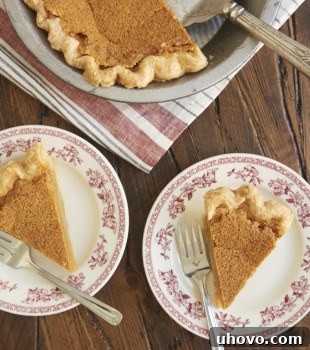
Baking a chess pie is generally straightforward, but a few pointers can ensure your creation is nothing short of perfect. One common characteristic of these pies, at least in my experience, is that the thin, glistening top layer of the custard tends to develop a few charming cracks during the cooling process. Honestly, I find these cracks to be part of the pie’s rustic charm, a testament to its homemade nature. They’ve always been there in my family’s pies, adding to their authentic appeal. However, if you prefer a perfectly smooth surface for aesthetic reasons, a generous dollop of sweetened whipped cream or a dusting of powdered sugar can elegantly mask any cosmetic imperfections. But rest assured, whether cracked or pristine, every single bite of this simple, sweet, and incredibly flavorful pie will be utterly delightful. The true beauty lies within, in its rich, satisfying custard and the irresistible hint of brown butter.
Ensuring a Flaky Crust
- Keep ingredients cold: This is paramount for a flaky crust. Work quickly to prevent the butter from warming too much.
- Don’t overmix: Overworking the dough develops gluten, leading to a tough crust. Mix just until the dough comes together.
- Chill, chill, chill: Chilling the dough twice (after mixing and again once in the pie plate) helps the butter firm up, preventing shrinkage and ensuring flakiness.
Perfecting the Custard
- Cool the brown butter: Ensure your brown butter has cooled to room temperature before adding it to the eggs. Hot butter can scramble the eggs.
- Mix gently: Beat the eggs lightly, then gently stir in the remaining filling ingredients. Over-mixing can incorporate too much air, which might lead to a tougher custard or excessive cracking.
- Don’t overbake: Chess pie is done when the edges are set and lightly golden, but the center still has a slight jiggle. It will continue to set as it cools. Overbaking can lead to a dry or rubbery texture.
How to Store and Enjoy Your Chess Pie
While historical accounts suggest chess pies were robust enough to be stored outside of refrigeration due to their high sugar content, modern food safety practices, and for the best quality, I strongly recommend refrigerating this pie. Once the pie has fully cooled to room temperature, typically after several hours, cover it snugly with plastic wrap or aluminum foil. This will prevent it from drying out and absorbing other odors in your refrigerator. Stored correctly in the refrigerator, your Brown Butter Chess Pie will maintain its delicious flavor and texture for 3-4 days, making it an excellent make-ahead dessert for entertaining or simply enjoying throughout the week.
However, I do not recommend freezing this pie. The delicate custard filling, a hallmark of chess pie, tends to undergo a textural change when frozen and then thawed. It can become grainy or watery, losing its signature smooth and creamy consistency. For optimal enjoyment, it’s best to bake and refrigerate, savoring each slice fresh within the recommended timeframe. When you’re ready to serve, you can enjoy it chilled directly from the refrigerator, or allow individual slices to come to a slightly cooler room temperature for about 15-20 minutes, which can enhance its nuanced flavors and texture even further. A dollop of fresh whipped cream or a scattering of fresh berries makes for an exquisite presentation and complements the pie beautifully.
More Chess Pie Recipes to Explore
The world of chess pies is rich and varied, offering a delightful array of flavors beyond the classic. If you’ve enjoyed this Brown Butter Chess Pie, we invite you to explore other fantastic variations that celebrate this beloved Southern dessert tradition. Each recipe offers a unique twist while retaining the comforting charm of a homemade chess pie.
Brown Butter Chess Pie
8
servings
30
minutes
1
hour
1
hour
30
minutes
Pin Recipe
Leave a Review
Ingredients
For the crust:
- 1 ¼ cups (150 g) all-purpose flour
- 1 teaspoon granulated sugar
- ½ teaspoon salt
- ½ cup (113 g) cold unsalted butter, cut into 1/2-inch cubes
- 2 to 4 tablespoons (30 to 60 ml) cold water
For the filling:
- 10 tablespoons (141 g) unsalted butter
- 3 large eggs
- 1 ¼ cups (250 g) granulated sugar
- ½ cup (100 g) firmly packed light brown sugar
- ¼ cup (60 ml) milk
- 1 teaspoon vanilla extract
- 2 tablespoons cornmeal
- ¼ teaspoon salt
Instructions
To make the crust:
- Whisk together the flour, sugar, and salt in a large bowl. Add the butter and mix with a pastry blender or fork until the mixture resembles coarse meal and the butter is the size of small peas.
- Add 1 tablespoon of water and continue mixing. Add more water as needed, 1 tablespoon at a time, until a dough forms.
- Wrap the dough tightly in plastic wrap. Refrigerate for at least 2 hours.
- Remove the dough from the refrigerator. If necessary, let it sit at room temperature for 10 to 15 minutes until slightly softened but still cold.
- Lightly flour a work surface. Roll out the dough into a circle about 1/8-inch thick.
- Transfer the dough to a 9-inch pie plate. Trim and crimp the edges as desired. Place the pie plate in the refrigerator while you make the filling.
To make the filling:
- Preheat the oven to 325°F (160°C).
- Place the butter in a medium saucepan or skillet. Cook over medium heat until the butter melts and begins to foam.
- Continue cooking, stirring occasionally, until brown specks begin to form at the bottom of the pan and the butter has a nutty aroma. Remove the pan from the heat and allow to cool to room temperature. If desired, strain the butter to remove some or all of the browned bits.
- Place the eggs in a large mixing bowl, and beat lightly. Add the cooled butter, sugar, brown sugar, milk, and vanilla, and stir until combined. Stir in the cornmeal and salt.
- Transfer the filling to the pie crust. Place the pie plate on a rimmed baking sheet to catch any spills. Bake 55 to 60 minutes, or until the crust is browned and the filling is set.
Jennifer McHenry
chess pies
American
Show off your baking masterpiece!
Snap a pic, tag @bakeorbreak, and use #bakeorbreak on Instagram. Can’t wait to see your creation!