Irresistible Rosemary Onion Rolls: Your Guide to Easy Homemade Bread Perfection
There’s an undeniable magic in homemade bread, a comforting aroma that fills the kitchen and a taste that far surpasses anything store-bought. For many, the thought of baking yeast bread can seem daunting, a complex culinary endeavor reserved for seasoned bakers. However, I’m here to share a secret: homemade yeast rolls don’t have to be complicated. In fact, some of the most delicious recipes are surprisingly simple, allowing even novice bakers to achieve bakery-quality results with minimal effort. Today, we’re diving into a recipe that perfectly embodies this philosophy: Rosemary Onion Rolls.
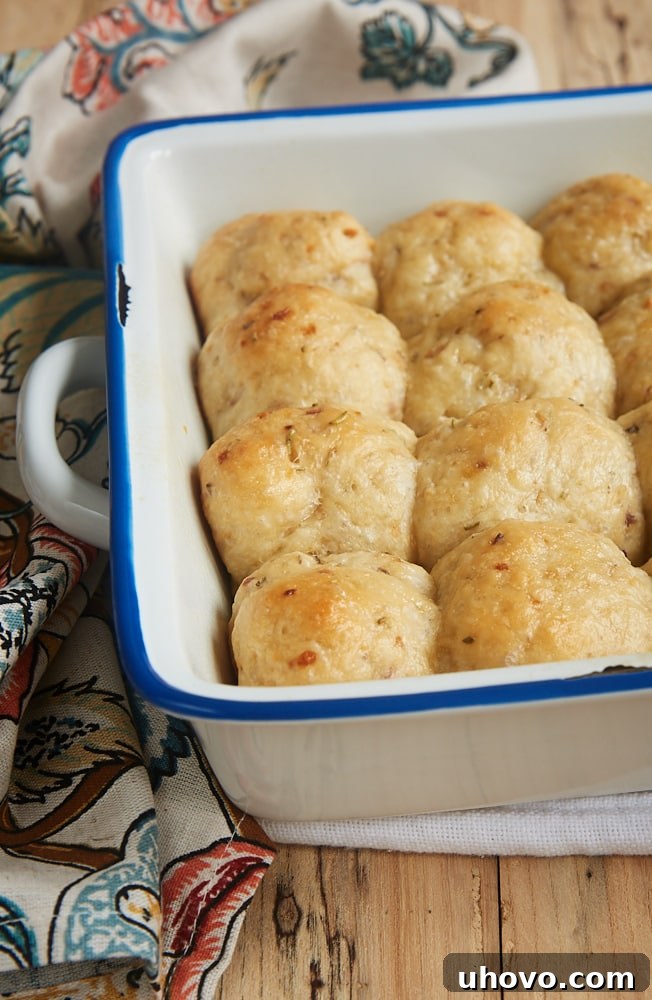
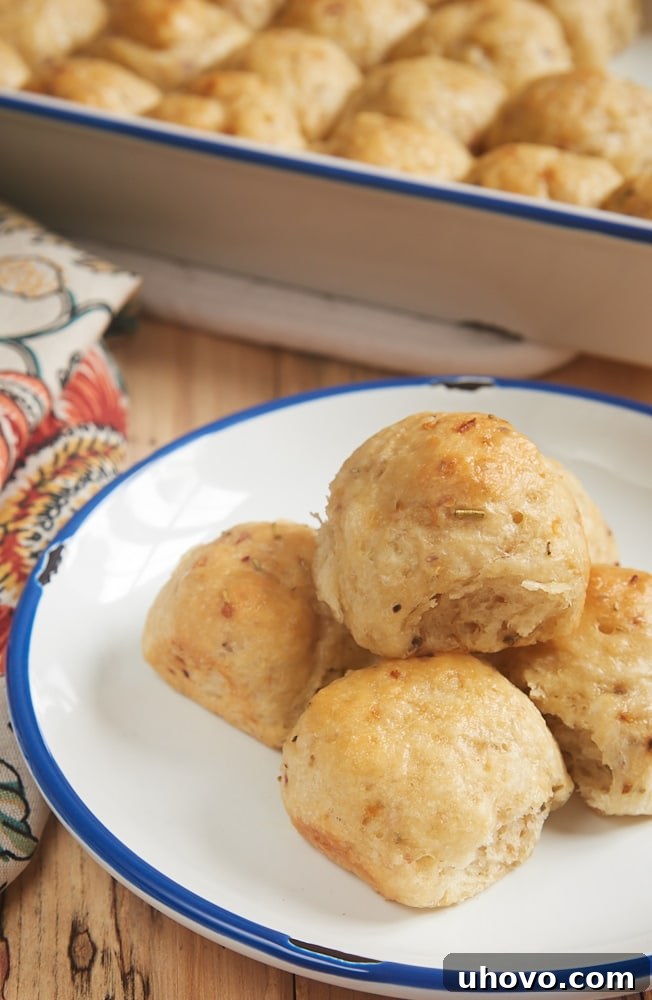
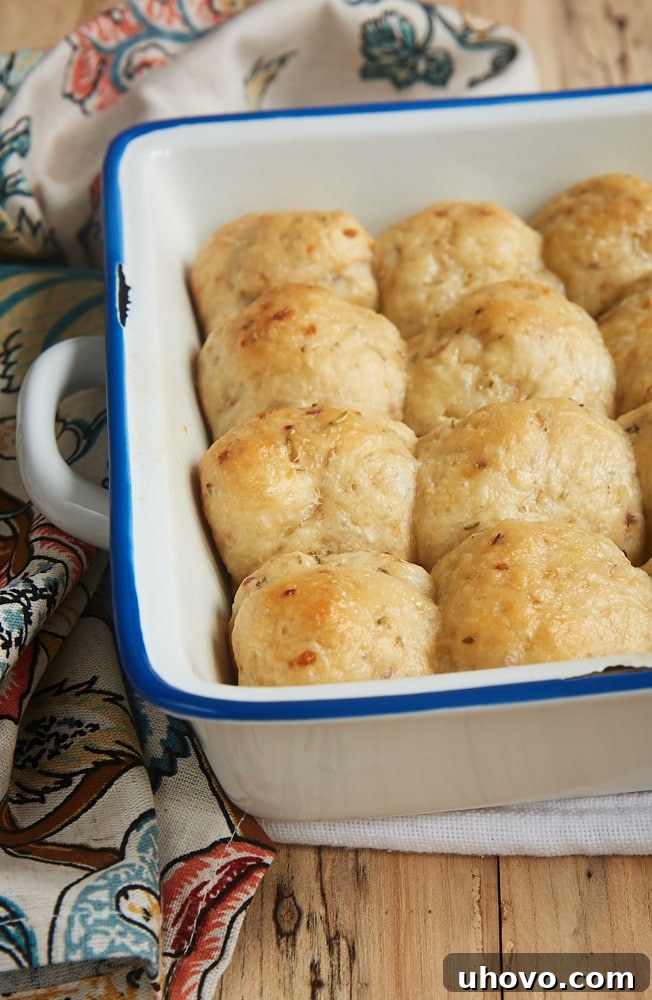
These aren’t just any dinner rolls; they are a celebration of flavor and texture, designed for both everyday enjoyment and special occasions. Imagine soft, fluffy rolls infused with the savory notes of dried onions and the earthy fragrance of fresh rosemary. They’re hearty enough to stand alone, yet delicate enough to complement any meal. The best part? You’ll be amazed at how easily these come together, requiring only about 20 minutes of active preparation time. If you can mix ingredients and shape dough, you’re well on your way to enjoying these extraordinary homemade rolls.
Why These Rosemary Onion Rolls Will Become Your New Favorite
Many home bakers share a common desire: to create impressive dishes without spending hours in the kitchen. When it comes to yeast breads, this often means seeking out recipes that promise big flavor without a big time commitment. These Rosemary Onion Rolls deliver precisely that. Their appeal lies in their straightforward method and the truly amazing flavor profile they offer.
From start to finish, the hands-on time for these rolls is remarkably brief. The dough is incredibly forgiving and a joy to work with, making the process relaxing rather than stressful. This recipe is perfect for those who appreciate the rewards of baking from scratch but prefer a streamlined approach. Whether you’re a seasoned baker looking for a quick yet impactful recipe or a beginner eager to explore the world of yeast breads, these rolls are a fantastic choice. They prove that exceptional homemade bread is well within reach, even on a busy weeknight.
Mastering the Art of Effortless Baking: Only 20 Minutes of Active Time
The beauty of these Rosemary Onion Rolls lies in their simplicity. Forget lengthy kneading sessions or complex proofing rituals. With just about 20 minutes of active engagement, you can transform a few basic ingredients into a batch of warm, fragrant rolls. Your primary tasks involve combining the ingredients, allowing the dough to rise (which is mostly passive time), gently deflating it, and then portioning and shaping the individual rolls. Even the shaping process is incredibly simple – just roll each piece into a neat ball. The dough’s easy-to-handle nature means less sticking, less frustration, and more enjoyment throughout the baking journey. This minimal effort truly belies the impressive depth of flavor and wonderfully soft texture you’ll achieve.
Unveiling the Flavors: Key Ingredients That Make These Rolls Shine
The remarkable flavor of these Rosemary Onion Rolls stems from a thoughtful combination of simple yet potent ingredients. Each component plays a crucial role in creating the distinctive taste and texture that makes these rolls so memorable.
The Dynamic Duo: Dried Onions and Aromatic Rosemary
At the heart of these rolls are two star ingredients: dried onions and rosemary. Dried onions, whether minced or flaked, contribute a concentrated, savory punch that is truly fantastic. Unlike fresh onions, dried varieties integrate seamlessly into the dough, releasing their aromatic compounds as the rolls bake, resulting in a subtle yet pervasive onion flavor. For a slightly different, more delicate onion note, you can easily substitute dried shallots. This allows for a gentle variation without compromising the overall savory profile.
Complementing the onion beautifully is fresh or dried rosemary. Its piney, slightly peppery notes add an earthy sophistication that elevates the rolls beyond a basic bread. Rosemary is a classic herb pairing for savory dishes, and its inclusion here creates a wonderfully balanced flavor. While rosemary is highly recommended for its distinctive contribution, the beauty of this recipe is its adaptability. If rosemary doesn’t align with your meal’s other flavors or if you simply prefer a different herb, feel free to substitute it with other complementary spices like dried thyme, oregano, or a blend of Italian herbs. Experimentation is encouraged to tailor these rolls perfectly to your palate and meal plan.
The Secret Ingredient: Unlocking Unrivaled Softness with Potato Water
Perhaps the most intriguing ingredient in this recipe is potato water. This isn’t a fancy, hard-to-find item; it’s simply the starchy water left over after boiling potatoes. This seemingly humble liquid is a game-changer for yeast breads. The starch released from the potatoes into the water works wonders, contributing to an incredibly soft, tender crumb and helping the rolls stay fresh longer. It adds a subtle richness that enhances the overall eating experience.
If you’re already boiling potatoes for your meal, then you’ve got this secret ingredient readily available. Simply reserve a cup of the cooling potato water before draining your cooked potatoes. However, if boiling potatoes isn’t on your agenda, don’t worry! There are excellent substitutions. You can add 3 tablespoons of potato flour or 1/2 cup of dried potato flakes to 1 cup of lukewarm water. These alternatives effectively mimic the starch content of potato water, ensuring your rolls achieve that signature softness. Remember, if you’re not salting your potato boiling water or using a substitute, it’s a good idea to add an extra 1/4 teaspoon of salt to the dough mixture to balance the flavors.
Perfect Portions: Sizing Your Rolls for Any Occasion
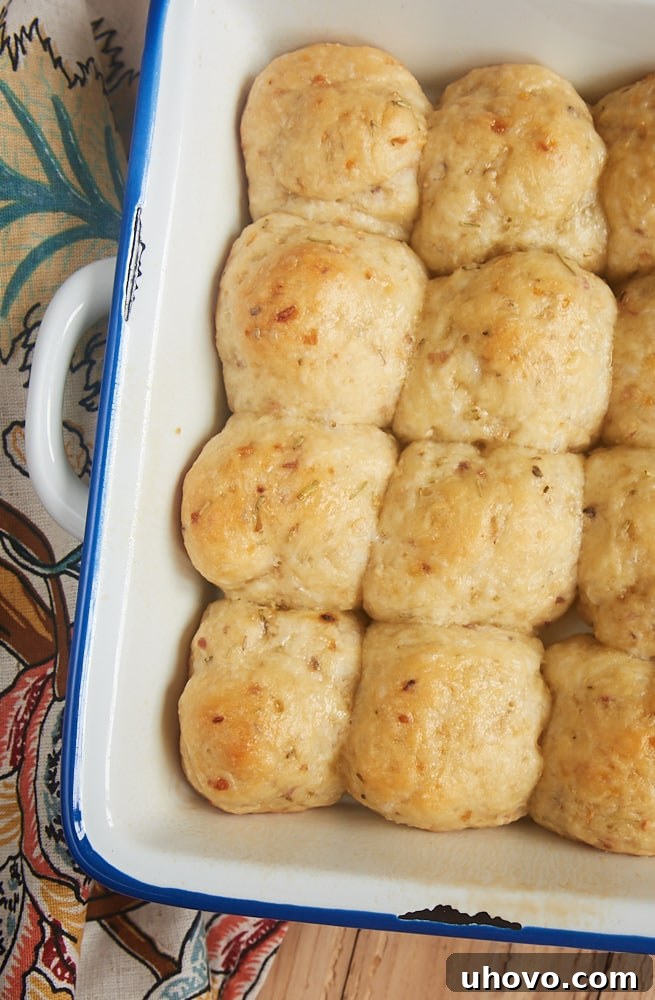
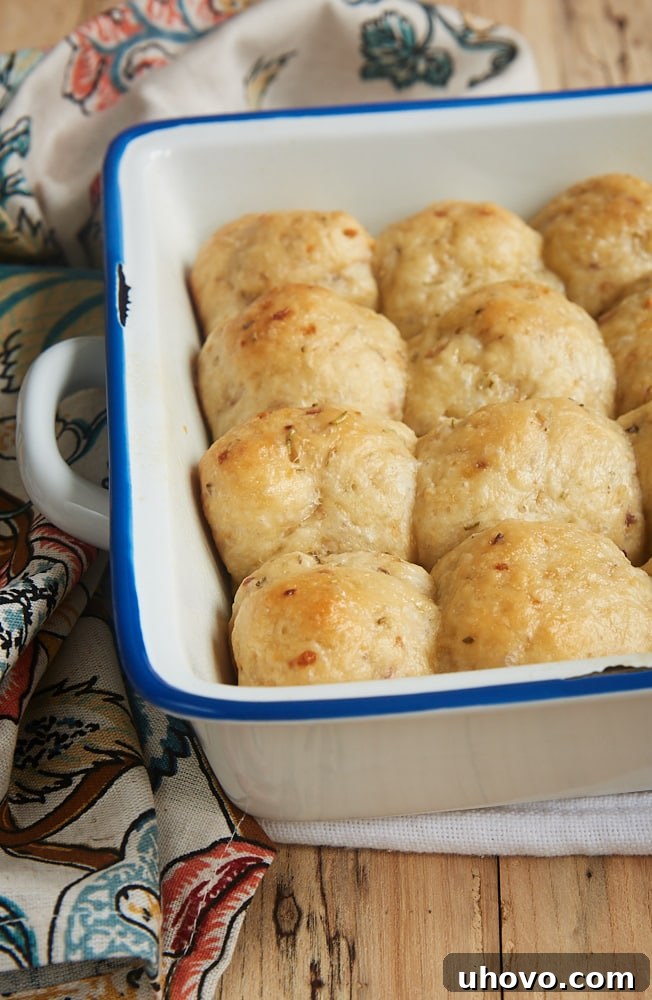
The versatility of these Rosemary Onion Rolls extends to their size, allowing you to tailor them perfectly to your serving needs. The recipe is designed to yield 24 small, pull-apart rolls when baked in a 9″x13″ pan. This smaller size is incredibly practical and popular for several reasons.
For dinner, these mini rolls are ideal. Guests can easily grab one or two (or three!) to accompany their meal without feeling overwhelmed by a larger portion. This encourages a more relaxed and customizable dining experience. Furthermore, if you’re hosting an event where small bites or appetizers are served instead of a full meal, these diminutive rolls fit right in, making them perfect for buffets, cocktail parties, or even as elegant sliders. Their pull-apart nature also makes them easy to serve and share.
However, if you prefer larger, more substantial rolls, the recipe is easily adaptable. You can opt to make 12 larger rolls or 16 medium-sized ones. For 12 larger rolls, simply space them about 2 inches apart on a lined baking sheet. For 16 medium rolls, two lightly greased 8-inch round cake pans work wonderfully. Keep in mind that larger rolls will require a slightly longer baking time, typically an extra 5 minutes or so, to ensure they are cooked through and beautifully golden brown.
Precision Baking: The Power of Weighing Your Dough for Consistent Results
For consistent and professional-looking results, my top recommendation for portioning these rolls is to use a kitchen scale. While it might seem like an extra step, weighing your dough is a super simple way to eliminate guesswork and ensure every roll is uniform in size and bakes evenly. Start by weighing the entire batch of dough (using grams is often easiest for precision). Then, divide that total weight by the number of rolls you intend to make (e.g., 24). This gives you the target weight for each individual portion. Simply weigh each piece of dough as you divide it, adjusting as needed. This method guarantees that all your rolls will be perfectly sized, leading to a more appealing presentation and consistent baking results.
Elevating Your Rolls: Finishing Touches for Golden Perfection
Once your Rosemary Onion Rolls emerge from the oven, there are a couple of optional but highly recommended finishing touches that can truly elevate them from great to absolutely spectacular.
My personal favorite is to brush the freshly baked, warm rolls with melted butter. This step adds an irresistible buttery flavor that permeates the crust, making each bite even more decadent. Beyond taste, the melted butter imparts a gorgeous, glossy shine to the rolls, making them look as appetizing as they taste. The warmth of the rolls helps the butter soak in beautifully, creating a tender, flavorful exterior.
If you desire a deeper, richer golden-brown color on your rolls, consider brushing the tops with an egg wash before baking. An egg wash is simply one egg whisked with a tablespoon of water. This creates a beautifully burnished crust with a subtle sheen. It’s an excellent technique for achieving that classic bakery-style appearance. Whether you choose the buttery glaze or the egg wash, these small efforts make a big difference in the final presentation and enjoyment of your homemade Rosemary Onion Rolls.
Plan Ahead: Storage and Freezing for Lasting Enjoyment
One of the many benefits of baking these Rosemary Onion Rolls is their excellent keeping qualities, allowing you to enjoy them over several days or even stock your freezer for future convenience. If you like to get ahead on your meal planning or simply want to have delicious homemade bread on hand, these rolls are perfect for making in advance.
Tightly wrapped at room temperature, these rolls will stay wonderfully fresh for about 3 to 4 days. This makes them ideal for preparing a few days before a holiday meal or for enjoying as part of your weekly dinners. For longer storage, these rolls freeze beautifully for about a month. To freeze, ensure they are completely cooled, then place them in an airtight freezer-safe bag or container. When you’re ready to enjoy them, simply thaw them at room temperature or gently warm them in a low oven for a few minutes until soft and fragrant again. Once you’ve experienced how easy they are to make and how absolutely delicious they are, you’ll likely find yourself baking batch after batch, ensuring you always have these fantastic rolls ready to go!
Beyond the Recipe: Tips for Yeast Bread Success
While this recipe is designed for ease, understanding a few fundamental principles of yeast bread baking can further enhance your success and confidence in the kitchen. These tips apply not just to Rosemary Onion Rolls but to many other yeast bread recipes as well.
Understanding Yeast and Proofing
This recipe calls for instant yeast, which is incredibly convenient as it doesn’t require activation in warm liquid before being added to dry ingredients. It can be mixed directly with the flour. However, yeast is a living organism, and its activity is crucial for a good rise. Ensure your yeast is fresh and not expired. The lukewarm potato water is essential as it provides the ideal temperature for the yeast to become active and thrive, producing the carbon dioxide that makes your rolls light and airy. An environment that is too hot will kill the yeast, while one that is too cold will inhibit its activity. During the rising phases (proofing), ensure your dough is in a warm, draft-free place. This allows the yeast to work efficiently and the dough to double in size as expected, leading to a superior texture.
Troubleshooting Common Baking Woes
Even with an easy recipe, sometimes things don’t go exactly as planned. If your dough isn’t rising, first check the expiration date of your yeast and the temperature of your liquid. If your rolls turn out dense, it could be due to under-proofing (not allowing enough rise time) or overworking the dough, which develops too much gluten and makes it tough. Conversely, over-proofing can lead to a slightly alcoholic smell and a dough that collapses. With practice, you’ll develop a feel for the dough’s consistency and how it responds to different conditions.
Culinary Pairings: What to Serve with Your Rosemary Onion Rolls
These versatile Rosemary Onion Rolls are a fantastic accompaniment to a wide array of meals, adding a touch of homemade elegance and savory flavor. Their robust profile pairs beautifully with hearty dishes, making them a staple for comforting family dinners and festive holiday feasts alike.
Consider serving them alongside classic roasts, such as a succulent roasted chicken, a tender beef pot roast, or a juicy pork loin. Their savory notes also make them an excellent match for rich stews, chilies, or creamy soups, perfect for dipping and soaking up every last drop. For holiday gatherings like Thanksgiving or Christmas, they can easily replace traditional dinner rolls, offering a more unique and flavorful alternative that will impress your guests. Don’t limit them to dinner, though! These rolls can be a delightful addition to a brunch spread, perhaps served with scrambled eggs and bacon, or even transformed into mini sandwiches with your favorite fillings. Their adaptability ensures they’ll find a place on almost any menu you create.
Frequently Asked Questions (FAQs) About Rosemary Onion Rolls
Can I use fresh herbs instead of dried rosemary?
Absolutely! If you prefer fresh herbs, you can certainly use fresh rosemary. As a general rule, use three times the amount of fresh herbs compared to dried herbs. So, if the recipe calls for 1-2 teaspoons of dried rosemary, use 3-6 teaspoons (1-2 tablespoons) of finely minced fresh rosemary. Fresh herbs will provide an even brighter, more vibrant flavor.
What if I don’t have potato water?
No problem! The recipe notes offer excellent substitutions. You can use 3 tablespoons of potato flour or 1/2 cup of dried potato flakes mixed with 1 cup of lukewarm water. These alternatives effectively mimic the starch content of potato water, ensuring your rolls still achieve that signature softness and texture.
Can I make the dough ahead of time?
Yes, you can! To prepare the dough in advance, after the first rise, gently deflate the dough, cover it tightly, and refrigerate it for up to 24 hours. When you’re ready to bake, remove the dough from the refrigerator, let it come to room temperature for about 30-60 minutes, and then proceed with portioning, shaping, and the second rise as directed in the recipe. This is a great time-saver for busy schedules.
Are these rolls suitable for a holiday meal?
These Rosemary Onion Rolls are absolutely perfect for holiday meals! Their rich flavor, soft texture, and homemade appeal make them a wonderful addition to any festive spread, such as Thanksgiving, Christmas, or Easter. They offer a more unique and gourmet alternative to standard dinner rolls and are sure to be a crowd-pleaser.
With their incredible flavor, tender texture, and straightforward preparation, these Rosemary Onion Rolls are poised to become a beloved staple in your baking repertoire. They embody the joy of homemade bread, proving that culinary excellence can indeed be achieved with simplicity and passion. So, gather your ingredients, set aside a little time, and prepare to delight your senses with these truly magnificent rolls. Happy baking!
Rosemary Onion Rolls
24 rolls
20 minutes
25 minutes
45 minutes
These wonderfully delicious Rosemary Onion Rolls have such fantastic flavor. A big-time favorite for an everyday meal or a special occasion.
Ingredients
- 3 cups (360g) all-purpose flour
- 1 teaspoon salt
- 1 tablespoon granulated sugar
- 2 & 1/2 teaspoons instant yeast
- 2 tablespoons minced dried onions or scallions
- 1 to 2 teaspoons rosemary, to taste
- 2 tablespoons olive oil
- 1 cup lukewarm potato cooking water*
- 1 to 2 tablespoons butter, melted
Instructions
- Combine all of the ingredients except for the melted butter. Mix with an electric mixer or your hands until a dough forms. The dough will be sticky.
- Cover the dough. Let it rise until doubled in size, about 60 to 90 minutes.
- Gently deflate the dough. Divide the dough into 24 pieces.**
- Shape each portion of dough into a round. Place in a lightly greased 9″x 13″ baking pan, arranging in 6 rows of 4 rolls each.
- Cover and let rise for 90 minutes. The rolls should be puffy.
- Preheat oven to 350°F.
- Bake 22 to 25 minutes, or until the rolls are lightly browned.
- Brush the tops of the rolls with the melted butter.
- Serve warm. Tightly wrapped rolls will store at room temperature for about 3 or 4 days. They will also freeze for about a month.
Notes
*This is water from boiling potatoes. If you don’t have potato water, you can use 3 tablespoons of potato flour or 1/2 cup dried potato flakes, and use 1 cup lukewarm water. If you don’t normally salt your water for potatoes or you’re using a substitute for the potato water, I would also suggest adding about 1/4 teaspoon more salt to the recipe.
**For quicker and more accurate sizing, weigh the dough and divide the weight by 24. Then you can portion and weigh each roll easily. You can also make 12 larger rolls or 16 medium rolls if you prefer. For 12 rolls, please them on a lined baking sheet about 2 inches apart. For 16, use 2 lightly greased 8-inch round cake pans. They’ll need about 5 more minutes of baking time.
Recipe slightly adapted from King Arthur Flour.
Recommended Products
Bake or Break is a participant in the Amazon Services LLC Associates Program, an affiliate advertising program designed to provide a means for us to earn fees by linking to Amazon.com and affiliated sites.
- Escali Kitchen Scale
- Saf Instant Yeast
- Silicone Brush, Set of 2
Show off your baking masterpiece!
Snap a pic, tag @bakeorbreak, and use #bakeorbreak on Instagram. Can’t wait to see your creation!