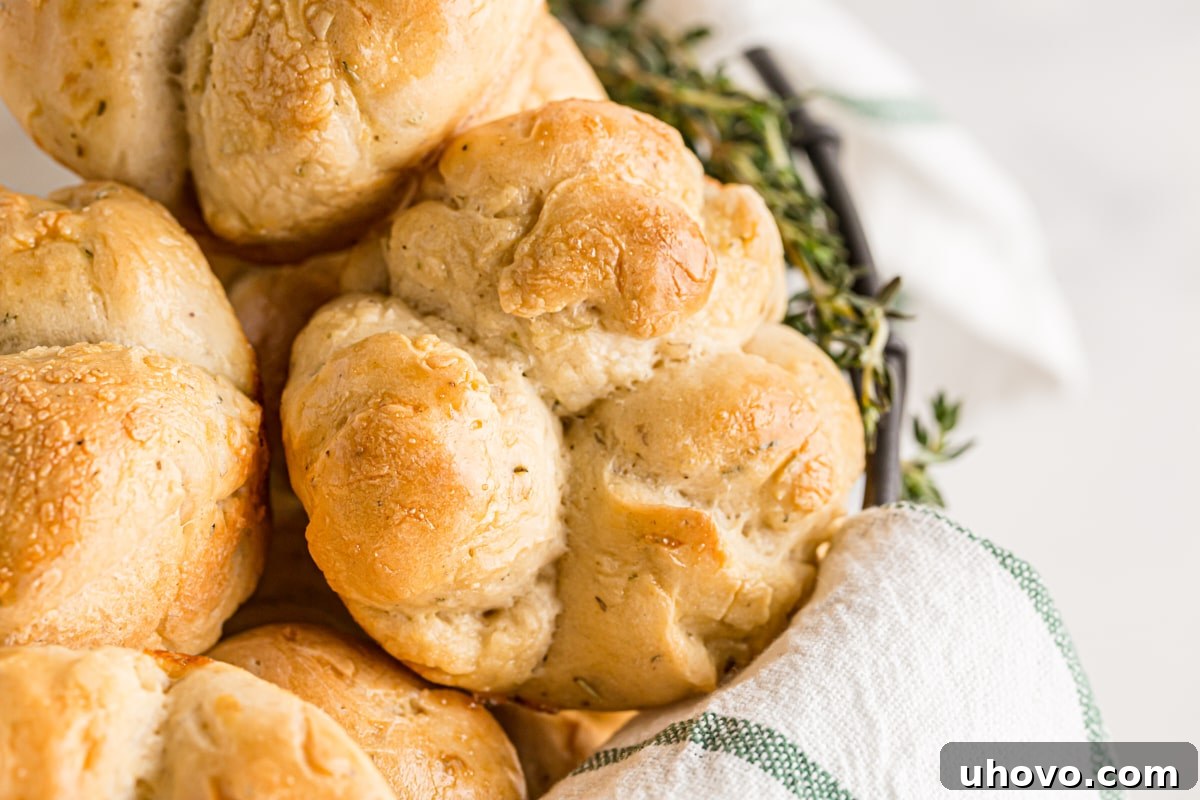
Indulge in the comforting aroma and delightful taste of homemade bread with these exquisite Herb Cloverleaf Rolls. Bursting with savory herbs and perfectly baked to a golden-brown, these fluffy dinner rolls are more than just a side dish; they are a culinary experience. Whether gracing your holiday table at Thanksgiving, complementing a rich Italian pasta dish, or serving as a warm, inviting snack, these buttery, melt-in-your-mouth rolls promise to elevate any meal. Their unique cloverleaf shape isn’t just charming; it makes them incredibly easy to pull apart and enjoy, ensuring every bite is as satisfying as the last. Get ready to impress your family and friends with a truly unforgettable homemade bread recipe that’s surprisingly simple to master.
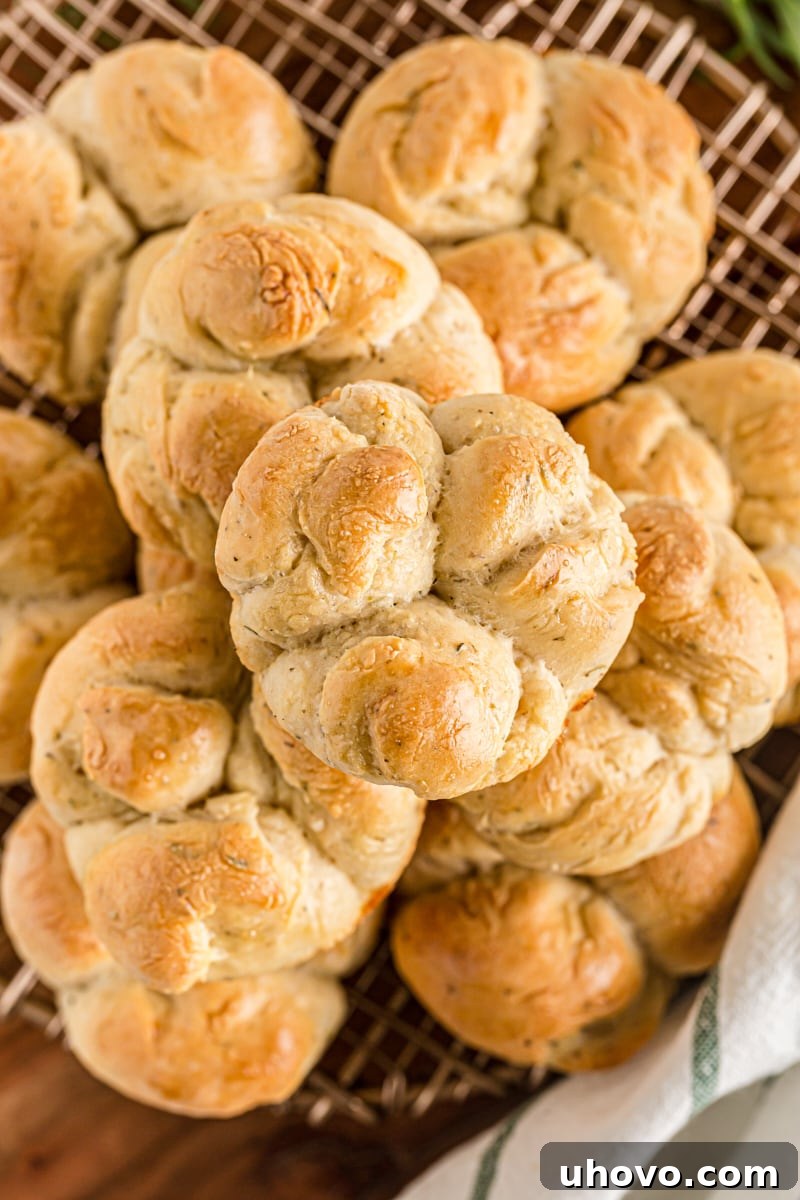
The Allure of Buttery Homemade Herb Dinner Rolls
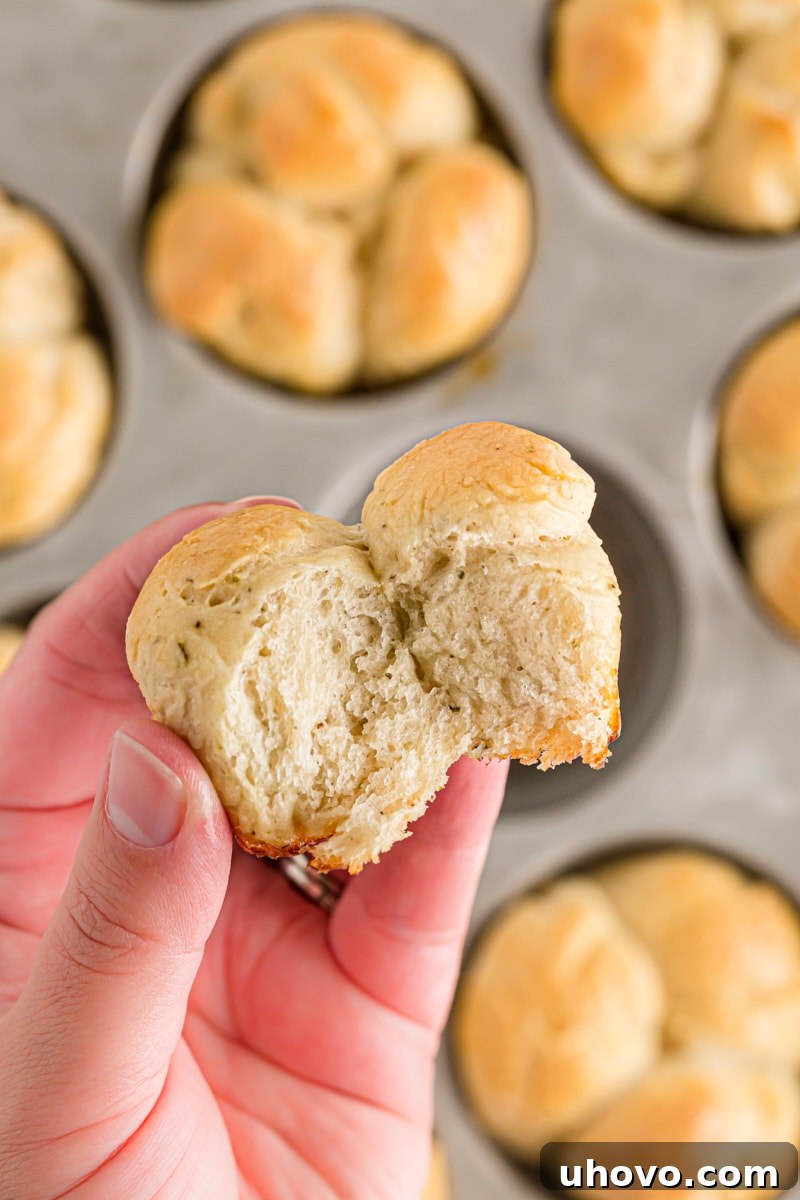
There’s nothing quite like the warmth and aroma of freshly baked bread to transform an ordinary meal into something special. These soft, pillowy dinner rolls are a testament to that, boasting a rich, buttery flavor profile beautifully enhanced by a harmonious blend of dried rosemary, thyme, and oregano. Each herb contributes its distinct essence, creating a complex yet perfectly balanced taste that will have everyone reaching for seconds. The texture is incredibly satisfying – tender on the inside with a subtle golden crust, making them ideal for soaking up every last drop of your favorite sauces and gravies. Imagine savoring a bite of fluffy roll, infused with fragrant herbs, as it soaks up a savory tomato sauce or a rich turkey gravy. Pure bliss!
While these versatile rolls are a fantastic accompaniment to a wide array of hearty meals, they truly shine alongside Italian cuisine. The earthy notes of rosemary, the subtle sweetness of thyme, and the aromatic touch of oregano complement the bold flavors of pasta dishes, lasagna, and hearty stews in an unparalleled way. No longer will a single drop of that vibrant, savory sauce go to waste; these rolls are designed to ensure every last bit is enjoyed. They also make an outstanding addition to any holiday feast, particularly Thanksgiving or Christmas, offering a homemade touch that feels both comforting and elegant.
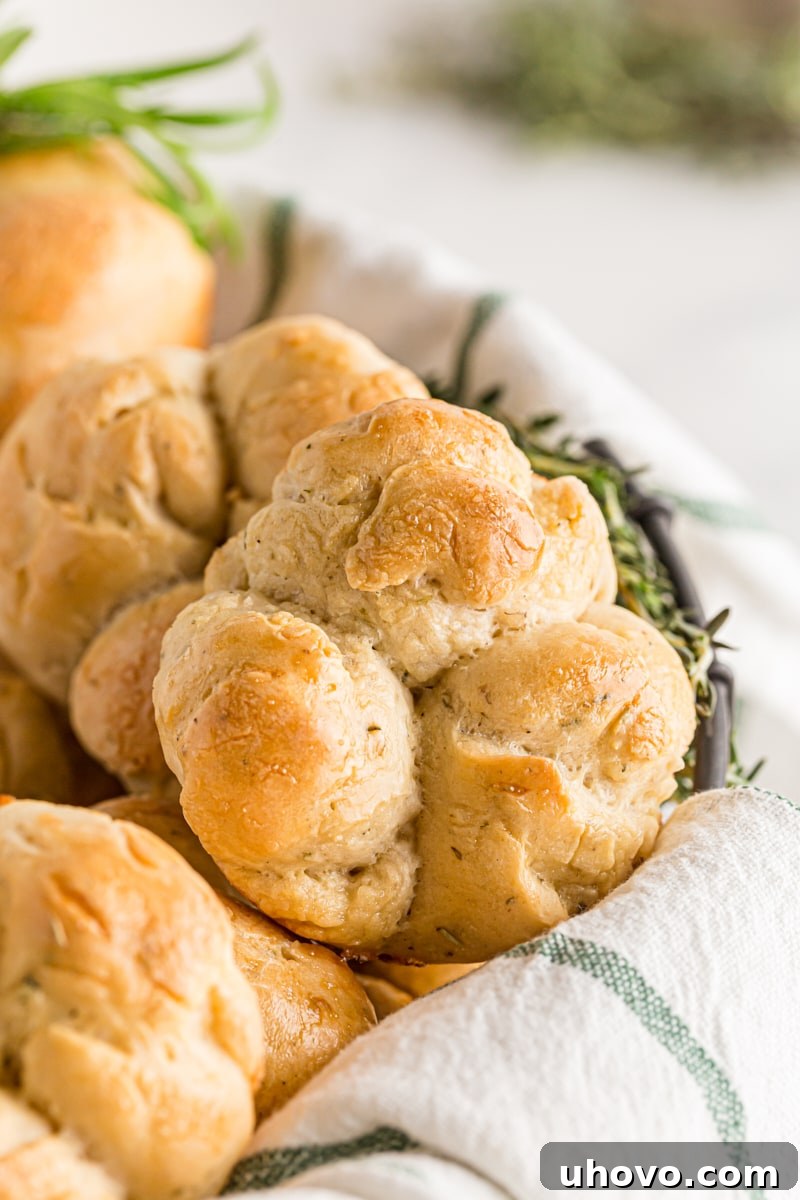
Understanding the Unique Cloverleaf Roll Shape
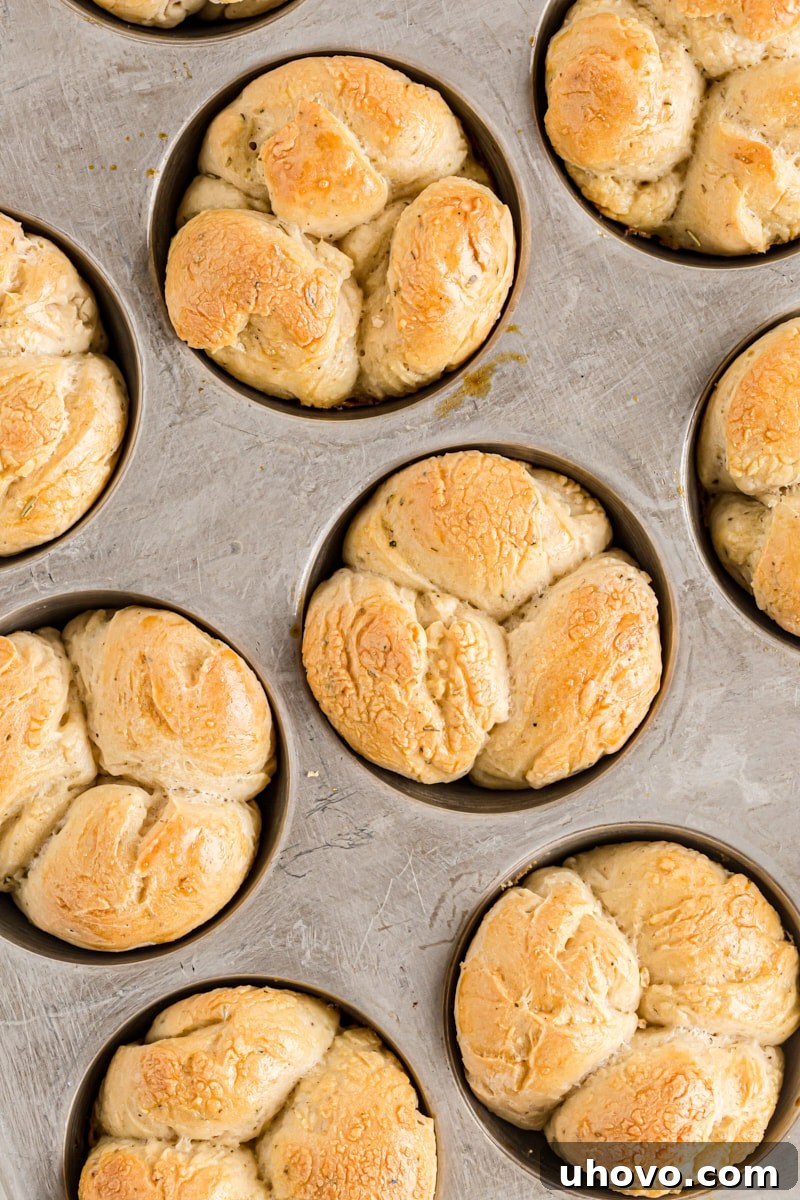
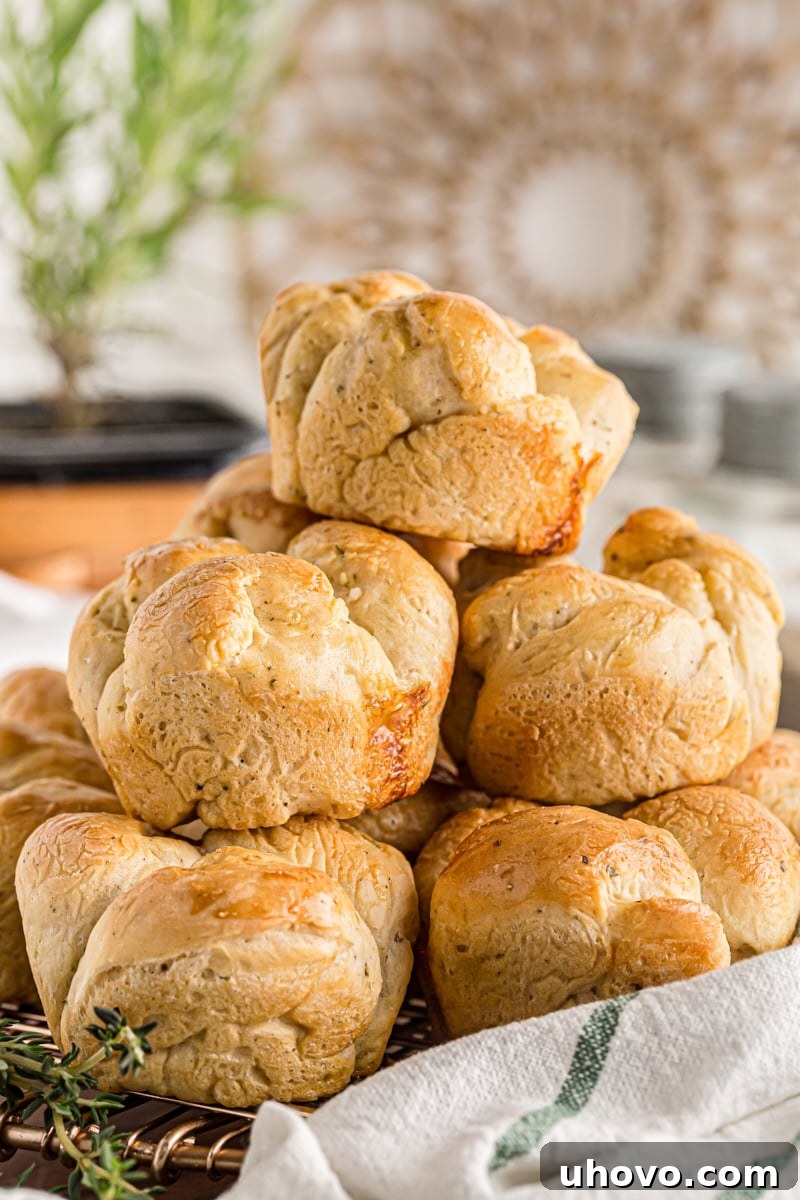
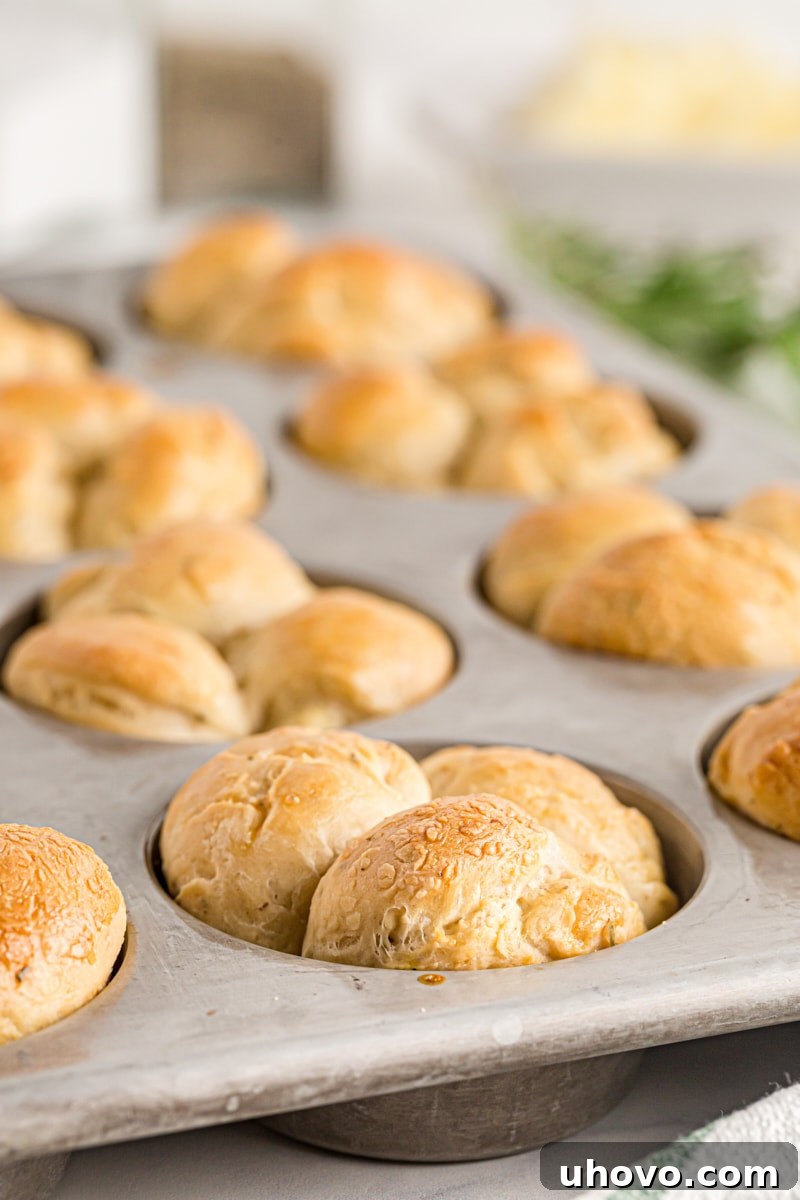
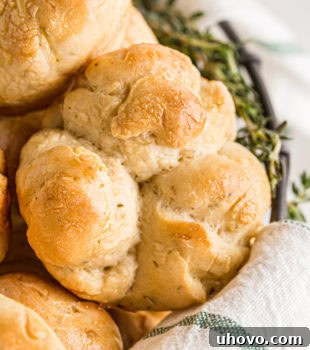
The term “cloverleaf roll” doesn’t refer to a specific set of ingredients but rather to its distinctive, charming shape. Each roll is formed by placing three small balls of dough into a muffin cup, which then rise and bake together to create a delightful, three-lobed appearance, much like a lucky three-leaf clover. This unique presentation adds an element of visual appeal to your dinner table, making these rolls stand out from conventional dinner rolls. Beyond aesthetics, the cloverleaf design offers a practical advantage: it makes the rolls incredibly easy to pull apart into smaller, individual sections. This is perfect for dunking into soups, swirling through rich gravies, or sopping up the delicious sauces from your main entree without the need for a knife. It’s a fun and functional way to enjoy your homemade bread.
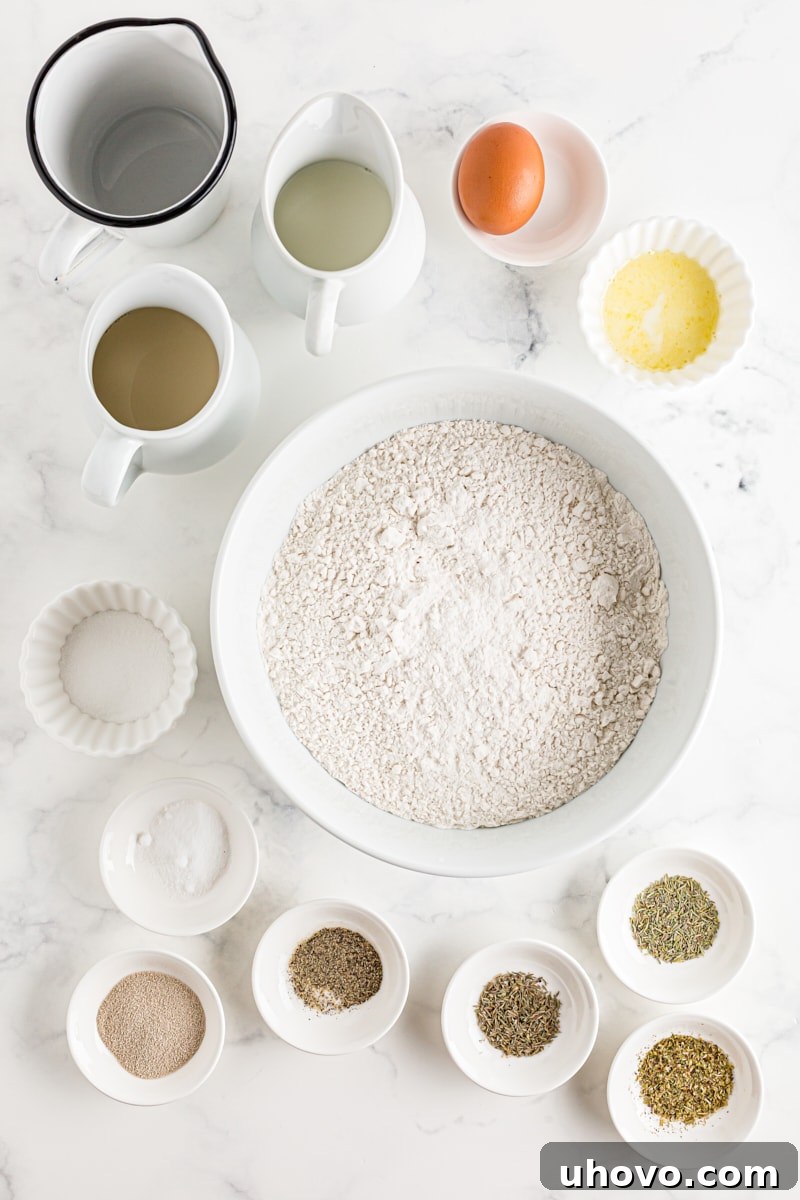
Essential Ingredients for Fluffy Herb Cloverleaf Rolls
Crafting these flavorful herb-infused rolls requires a selection of common baking ingredients, thoughtfully combined to achieve the perfect texture and taste. Here’s a breakdown of what you’ll need, along with a few insights into their role in the recipe. The precise measurements can be found in the printable recipe card below, but understanding the purpose of each component will help you master the process.
- Dry Yeast: The leavening agent that makes these rolls wonderfully light and airy. Ensure your yeast is fresh and active for the best rise.
- Granulated Sugar: Not just for sweetness, sugar provides food for the yeast, helping it activate and thrive, resulting in a robust rise.
- Warm Water: Crucial for activating the yeast. The ideal temperature range is between 105-115°F (40-46°C). Water that’s too hot can kill the yeast, while water that’s too cold won’t activate it sufficiently.
- Milk (Whole, 2%, or 1%): Adds richness, tenderness, and contributes to the golden-brown crust. Any fat percentage will work, but whole milk offers a slightly more decadent flavor.
- Evaporated Milk (Regular or Skim): Provides an additional layer of creaminess and helps tenderize the dough, giving the rolls their signature soft texture.
- Bread Flour or All-Purpose Flour (Divided): Bread flour, with its higher protein content, typically results in a chewier, more structured roll, while all-purpose flour will yield a softer result. Using a divided amount allows for adjustments during kneading.
- Unsalted Butter (Melted): For that irresistible buttery flavor and tender crumb. Unsalted butter gives you more control over the overall saltiness of the rolls.
- Salt: Balances the flavors and strengthens the gluten structure in the dough, contributing to its elasticity and rise.
- Dried Rosemary: Infuses the rolls with a fragrant, piney, and slightly peppery aroma.
- Dried Thyme: Adds an earthy, minty, and subtly floral note that complements the other herbs beautifully.
- Dried Oregano: Delivers a classic Mediterranean warmth and robust flavor.
- Black Pepper (Freshly Ground): A touch of freshly ground black pepper adds a subtle warmth and aromatic kick, enhancing the savory herb blend.
- Water (for egg wash): Combined with egg white, it creates a glistening, golden finish on the rolls.
- Egg White (Lightly Beaten): The key ingredient for a beautiful, shiny, and golden crust.
Step-by-Step Guide to Making Herb Cloverleaf Dinner Rolls
Making these delightful herb cloverleaf rolls is a rewarding process, with much of the time dedicated to allowing the yeast to work its magic. With only about 20 minutes of active preparation, you’ll have ample opportunity to relax while your dough slowly transforms into something truly magical. Follow these detailed steps for perfect results every time.
1. Prepare and Combine Wet Ingredients
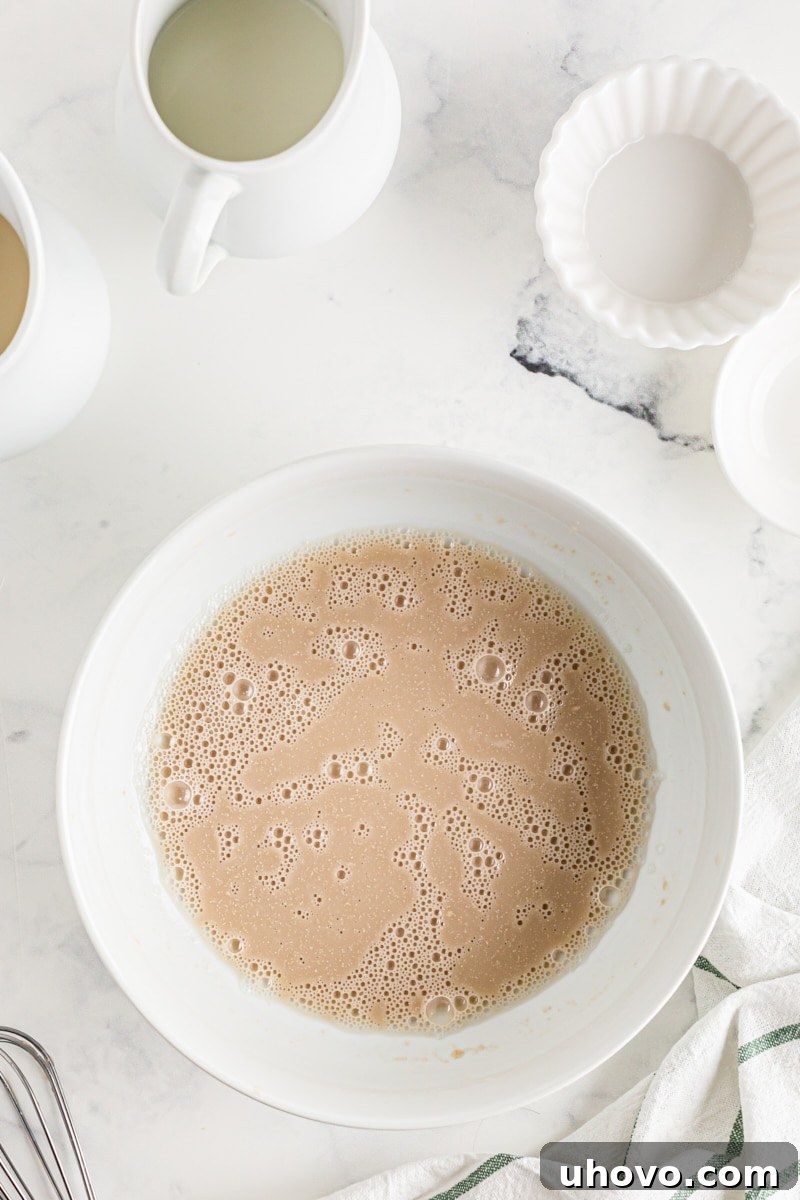
Begin by activating your yeast. In a large mixing bowl, dissolve the dry yeast and granulated sugar in the warm water. Stir gently, then let the mixture stand undisturbed for 5 minutes. During this time, the yeast should become foamy and bubbly, indicating it’s active and ready to work. If it doesn’t foam, your yeast might be old or your water temperature was off, and you should start again. Once activated, stir in the milk and evaporated milk until well combined.
2. Mix in Dry Ingredients to Form Dough
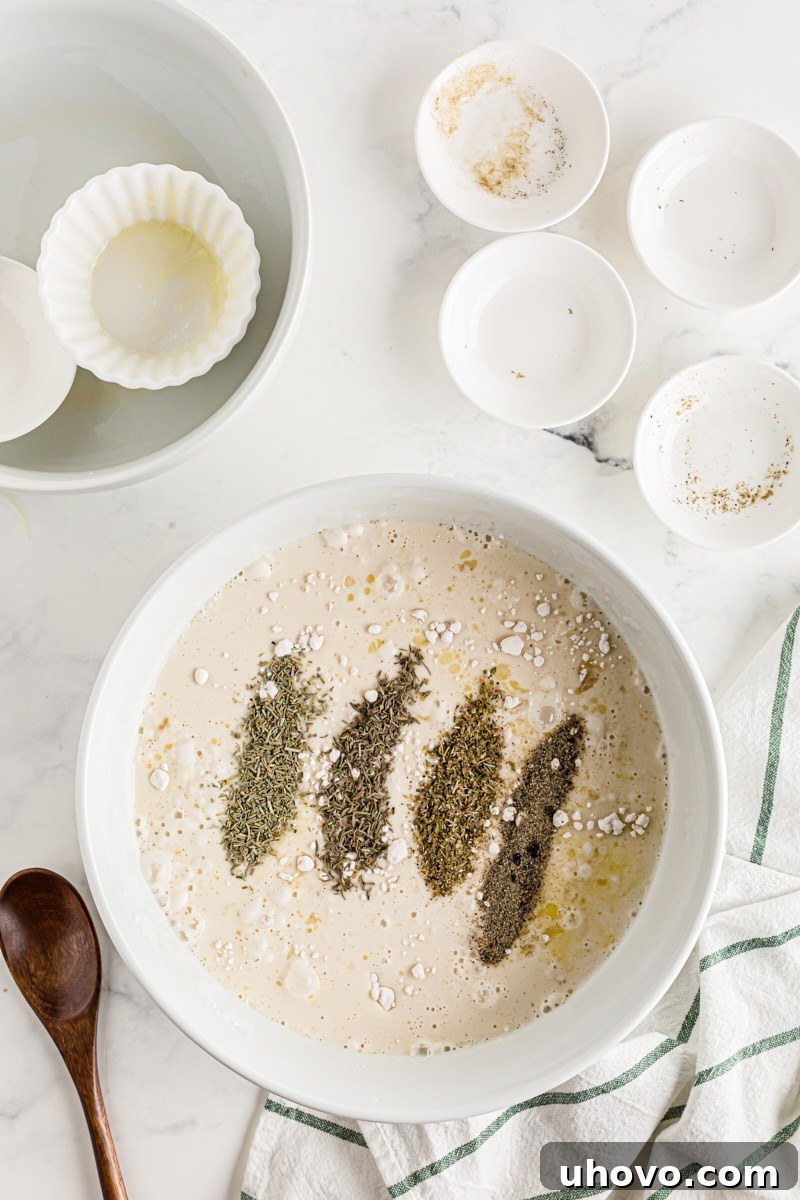
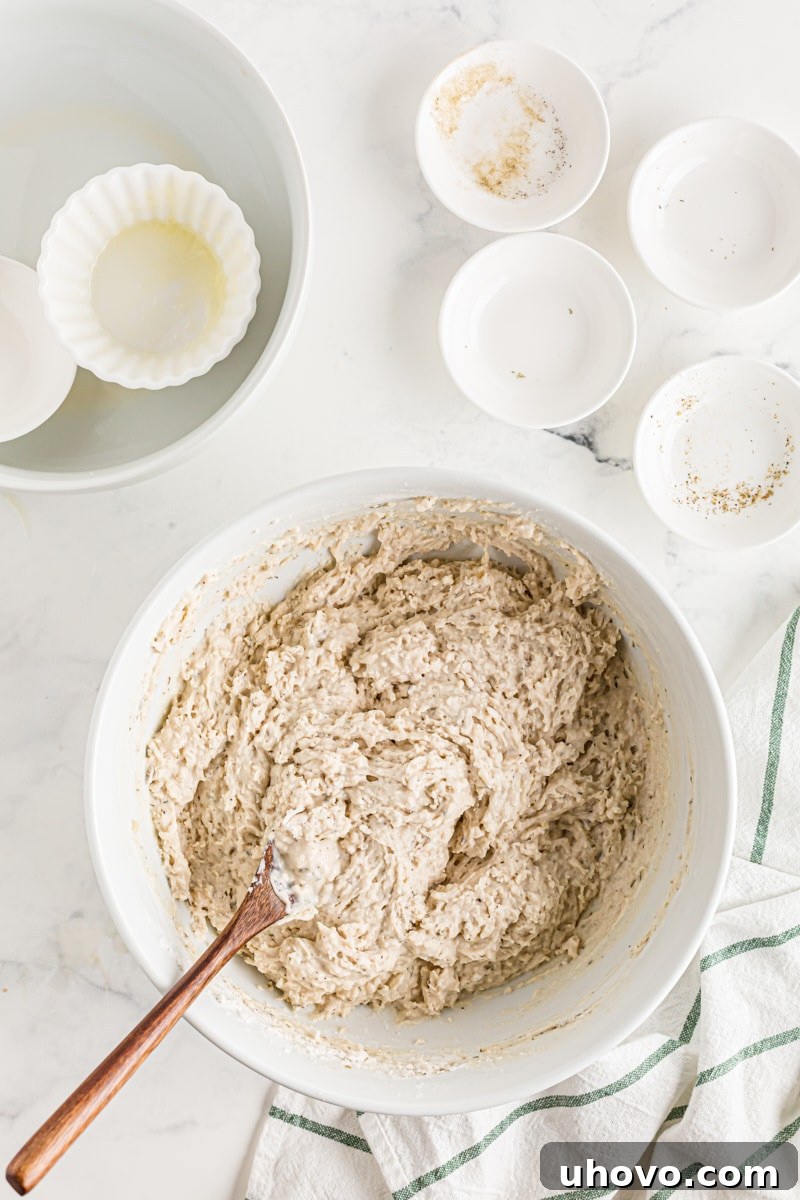
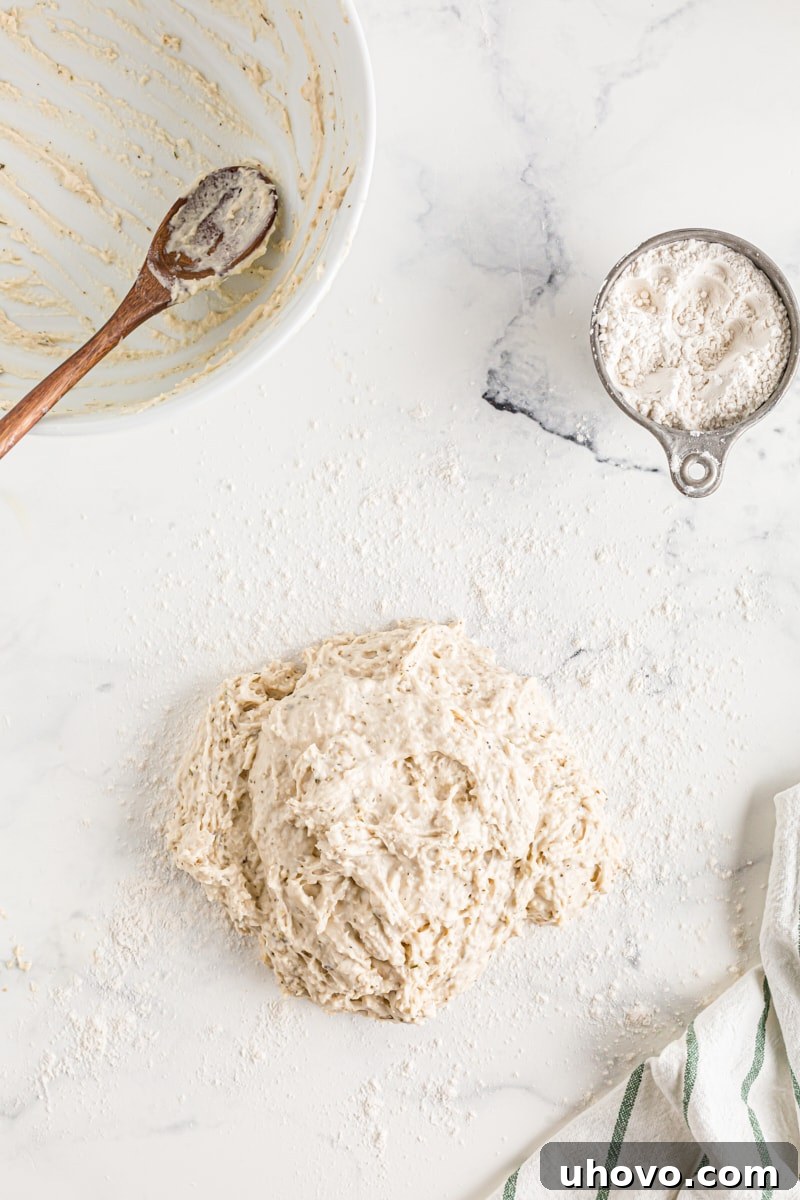
To the yeast mixture, add 3 cups of the flour, the melted unsalted butter, salt, dried rosemary, dried thyme, dried oregano, and freshly ground black pepper. Using a sturdy spoon or a stand mixer with a dough hook, stir all the ingredients together until they are fully blended and a shaggy dough begins to form. At this stage, the dough will likely be quite sticky, which is perfectly normal.
3. Knead the Dough
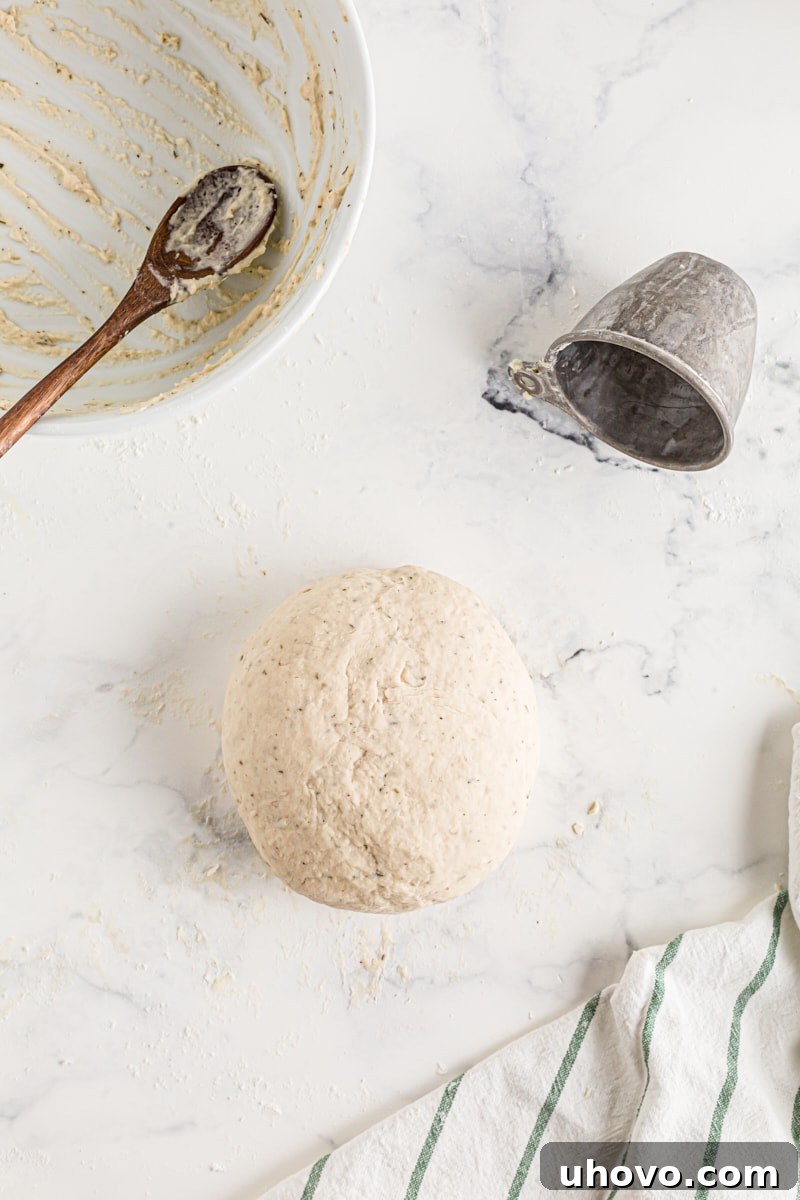
Transfer the sticky dough onto a lightly floured surface. Begin to knead the dough, incorporating the remaining flour as needed, about a tablespoon at a time. Continue kneading for approximately 10 minutes, or until the dough transforms into a smooth, elastic, and non-sticky ball. This process is crucial for developing the gluten, which gives the rolls their structure and chewy texture. If using a stand mixer, let the dough hook do the work for about 7-8 minutes on medium speed.
4. First Rise (Proofing)
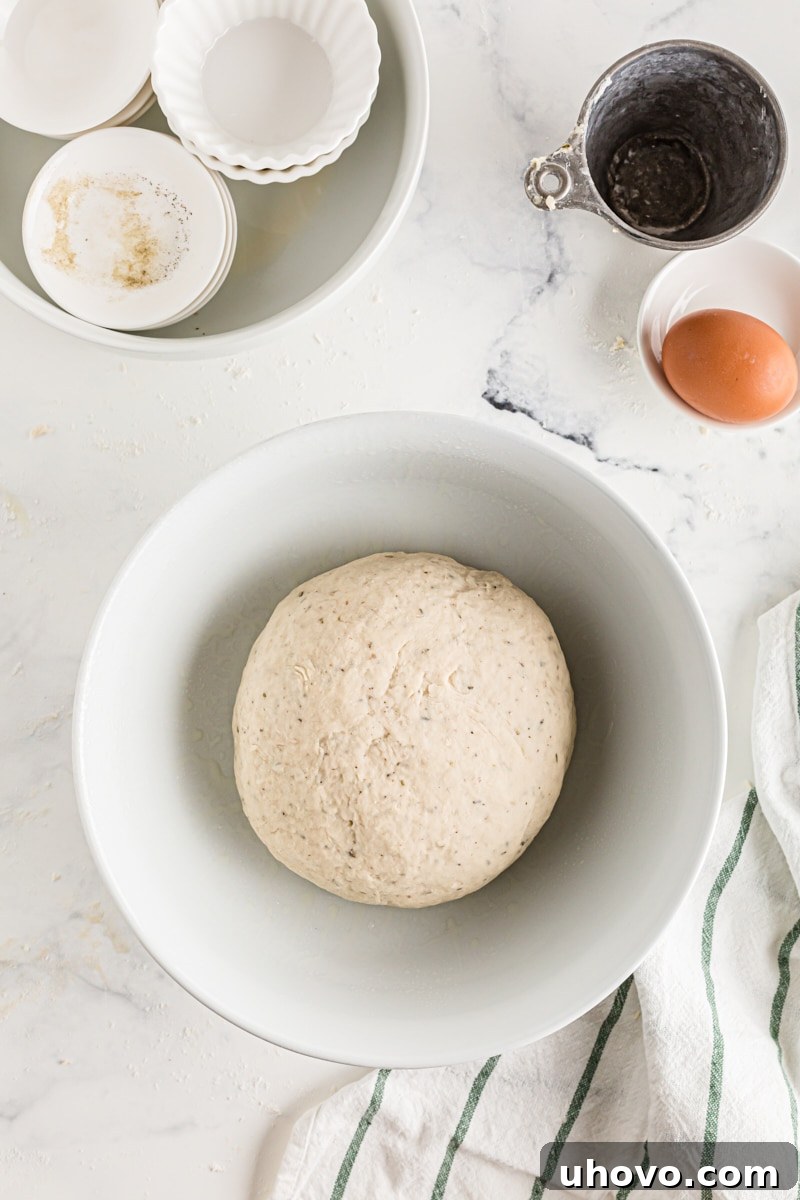
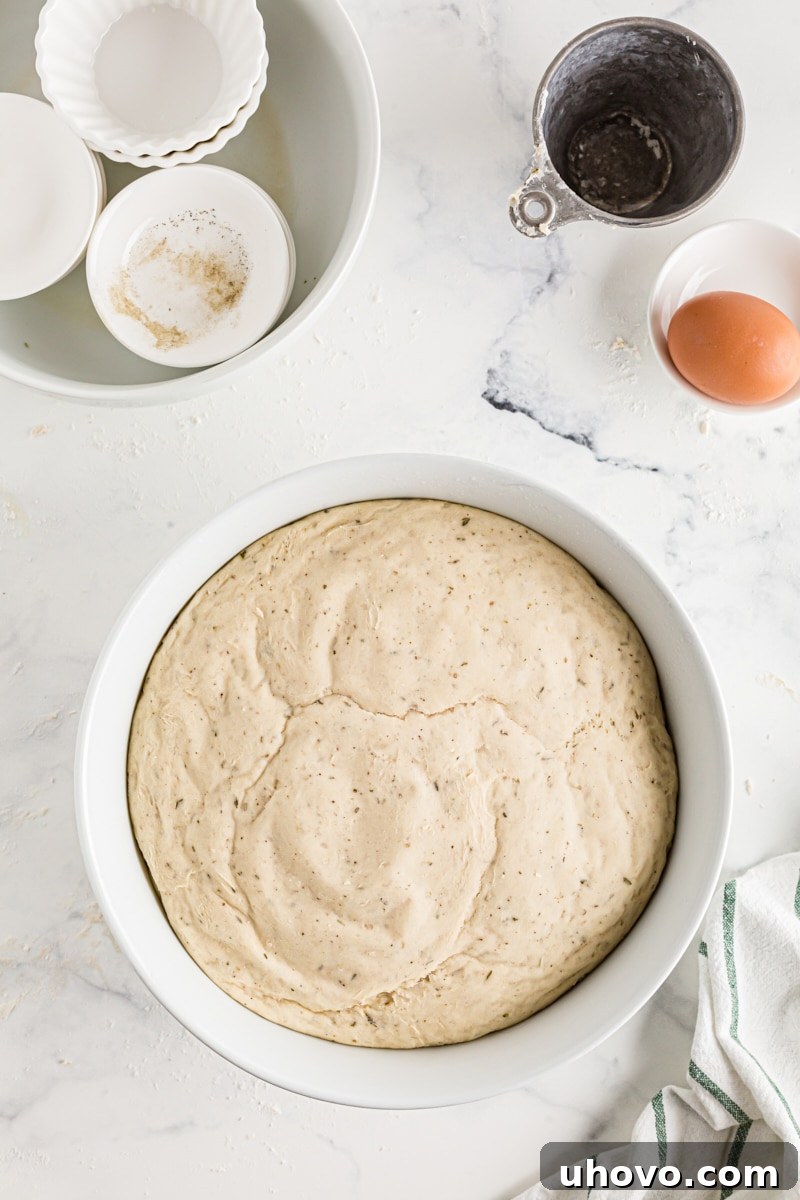
Lightly coat a large clean bowl with cooking spray. Place the kneaded dough ball into the bowl, then turn it once to ensure all sides are coated with the spray. This prevents the dough from sticking and drying out. Cover the bowl tightly with plastic wrap or a clean kitchen towel. Allow the dough to rise in a warm place (ideally around 85°F or 30°C) for about 1 hour, or until it has doubled significantly in size. A warm oven (turned off, with just the light on) or a sunny spot can work well.
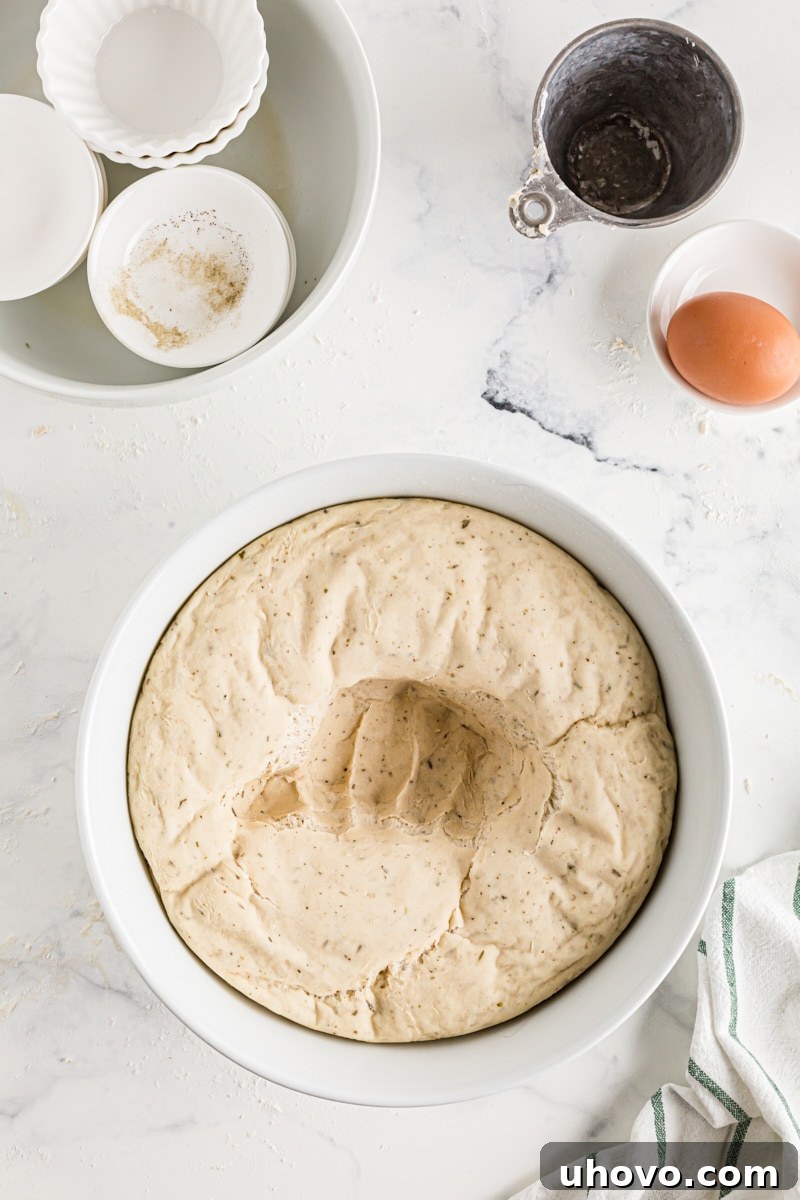
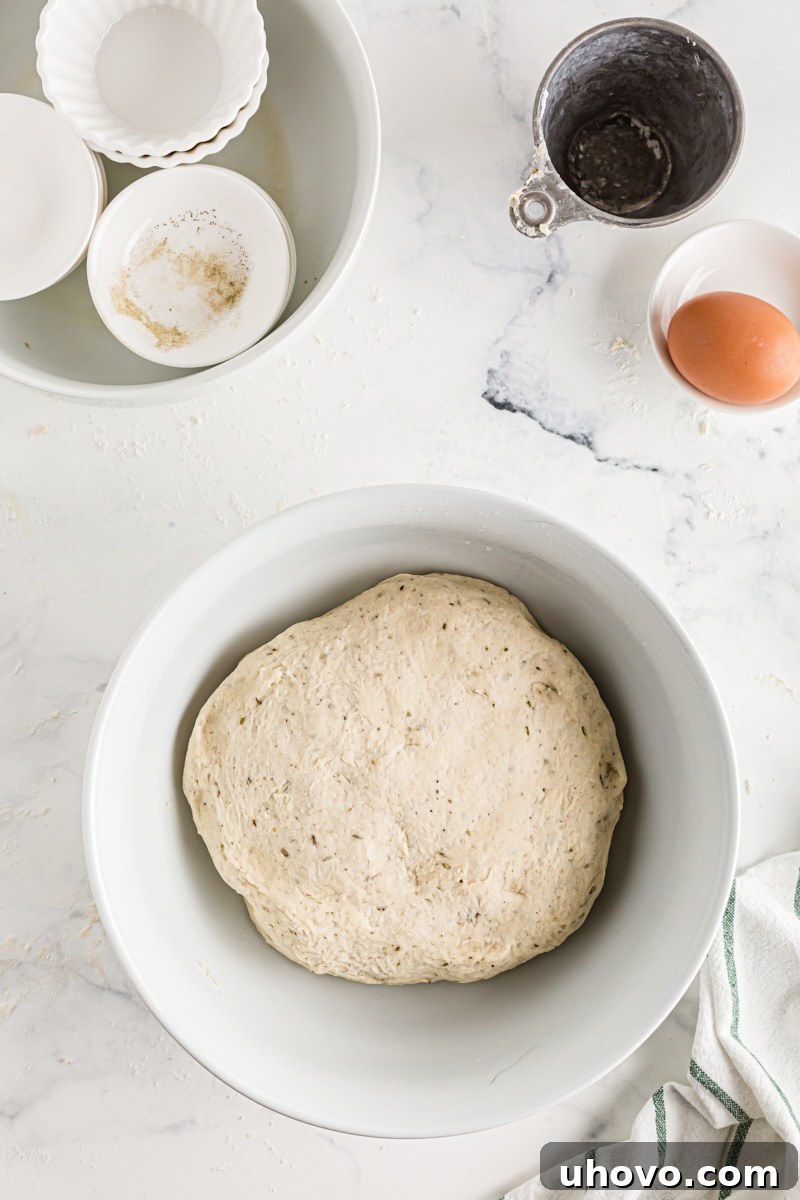
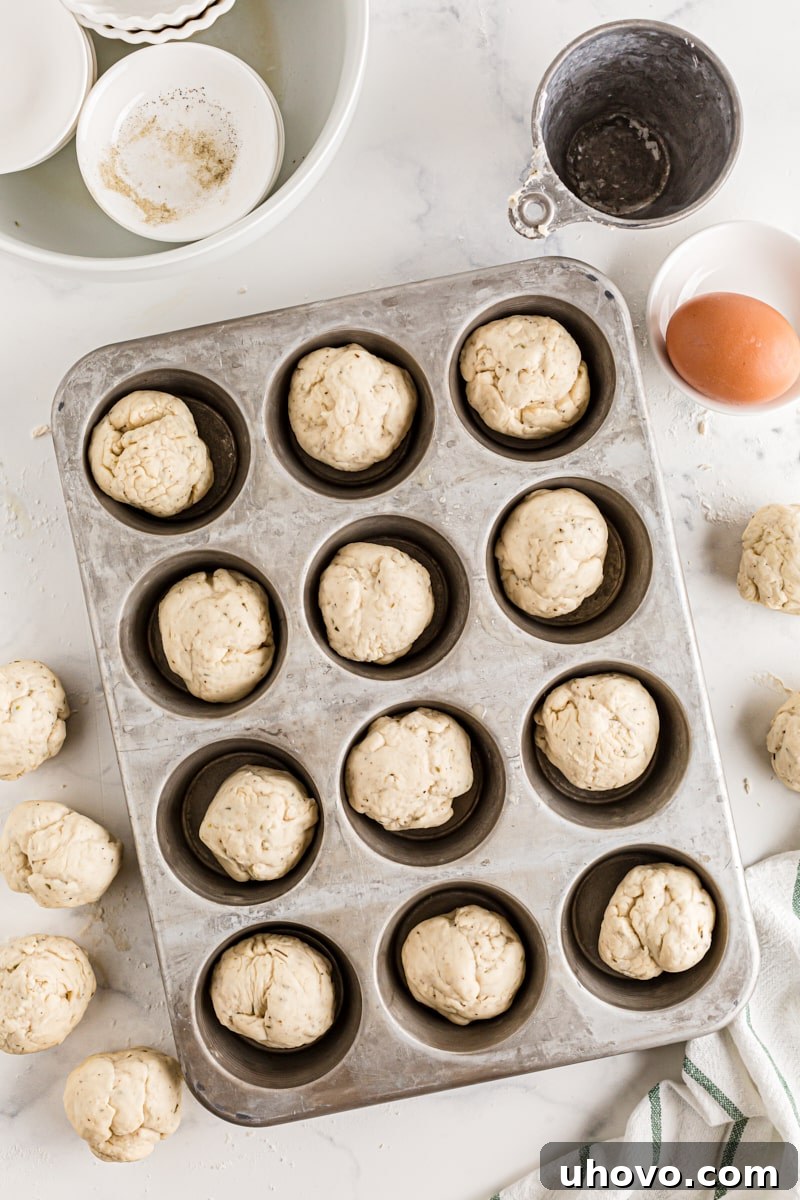
5. Divide and Shape the Rolls
Once the dough has doubled, gently punch it down to release the trapped air. Recover the bowl and let the dough rest for about 10 minutes. This resting period helps the gluten relax, making the dough easier to handle. While it rests, prepare your muffin pans by coating 18 cups of standard muffin pans generously with cooking spray. Next, divide the dough into 18 roughly equal portions. For perfectly uniform rolls, consider weighing the entire dough and then dividing that number by 18 to get the exact weight for each portion.
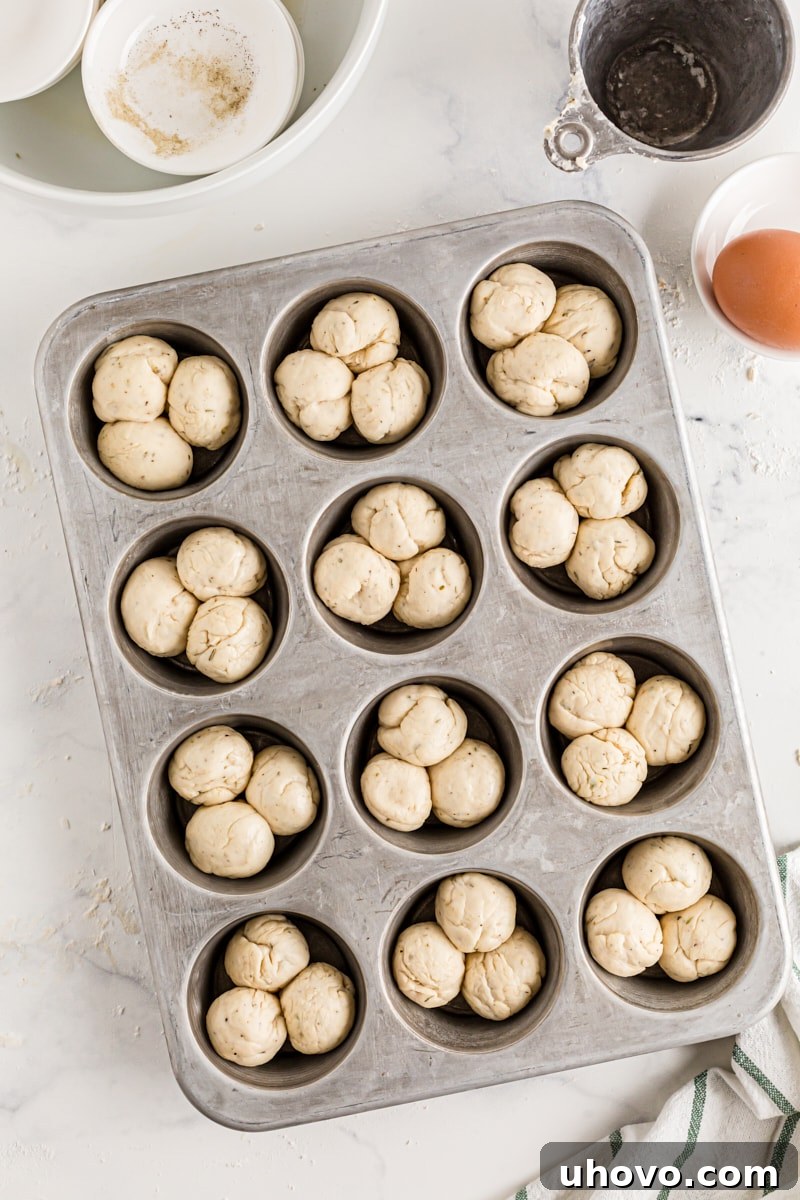
6. Form Cloverleafs and Second Rise
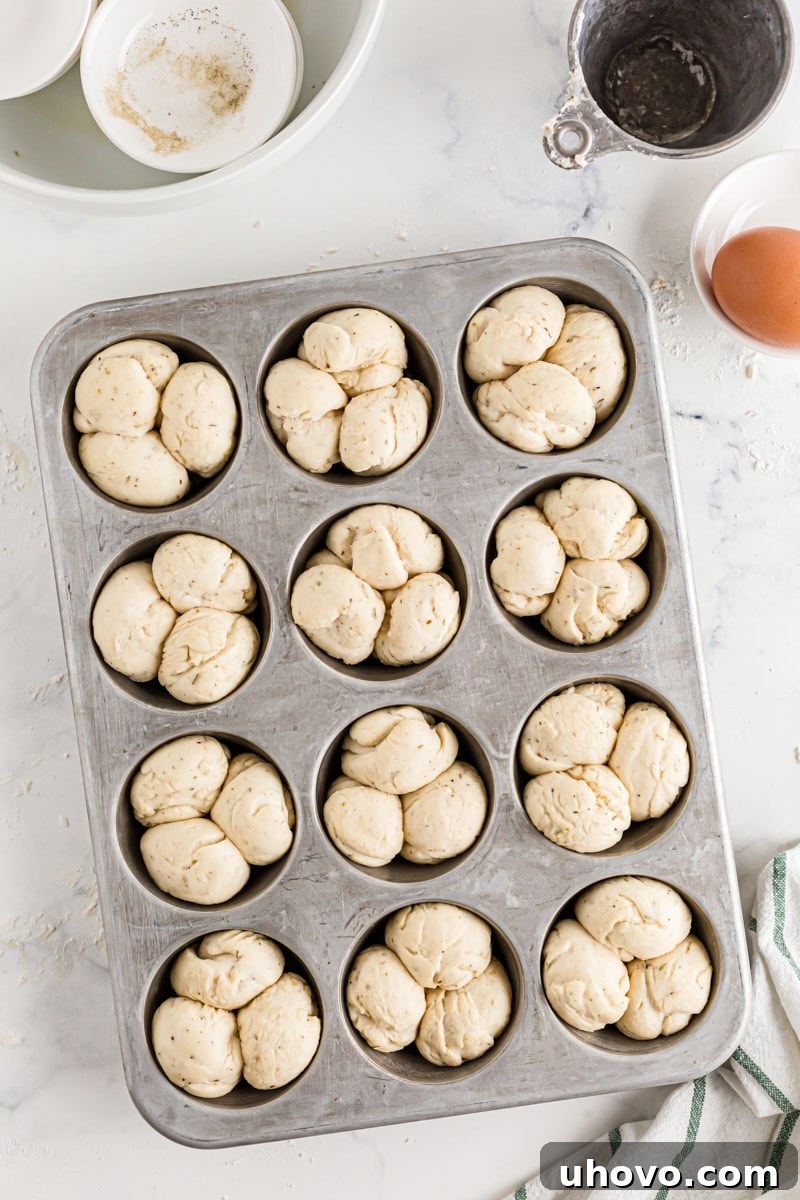
Take one portion of the dough at a time and divide it into three smaller, equal pieces. Roll each of these three pieces into a smooth ball. Place these three dough balls into a single muffin cup, ensuring they touch each other at the bottom to form the characteristic cloverleaf shape. As you work, remember to keep any unused dough covered with plastic wrap or a damp towel to prevent it from drying out. Repeat this process until all 18 portions of dough have been shaped and placed in the muffin pans. Once shaped, cover the pans again and let the rolls rise in a warm place for another 30 minutes, or until they have doubled in size within their cups.
7. Prepare for Baking and Bake
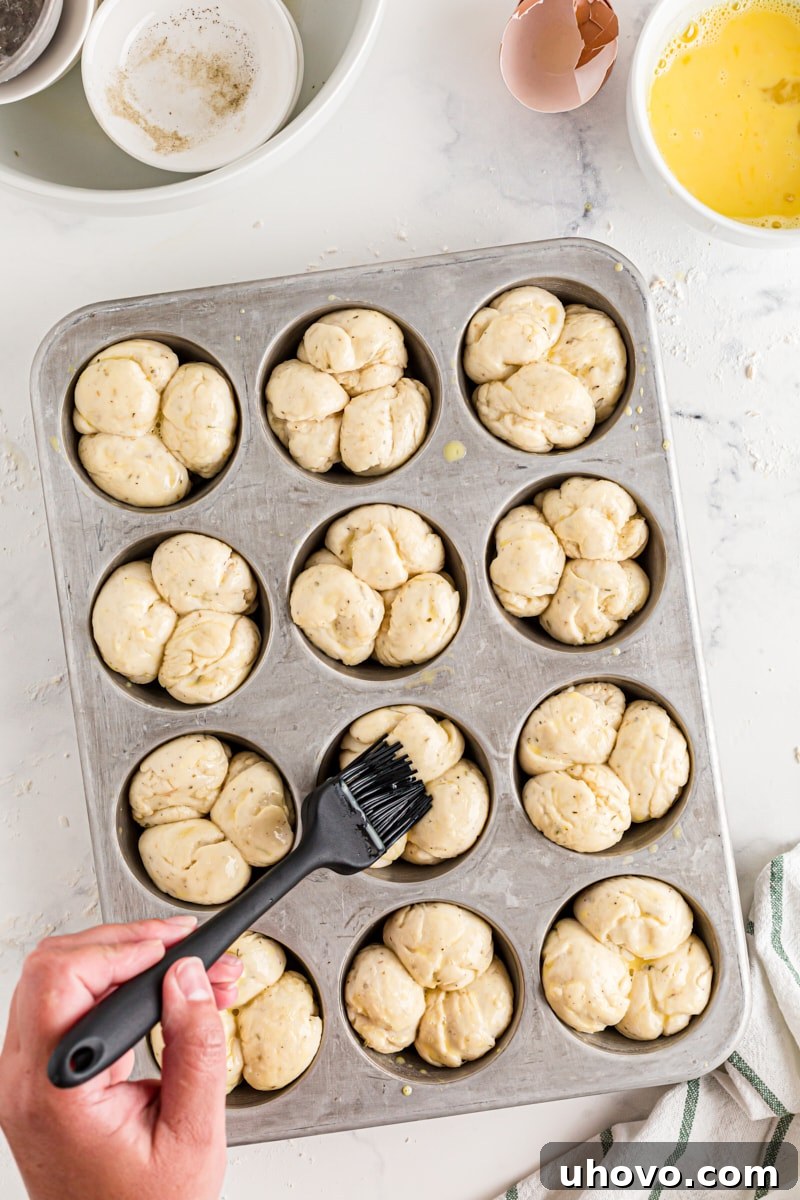
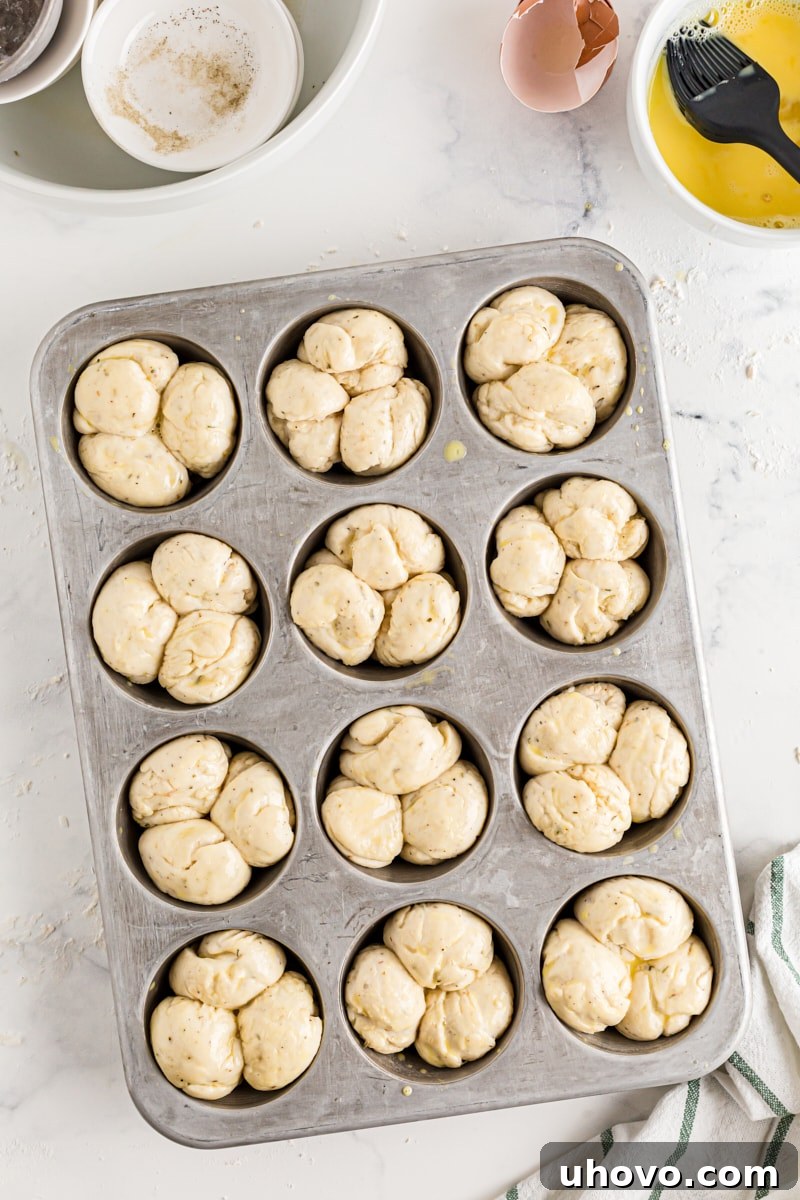
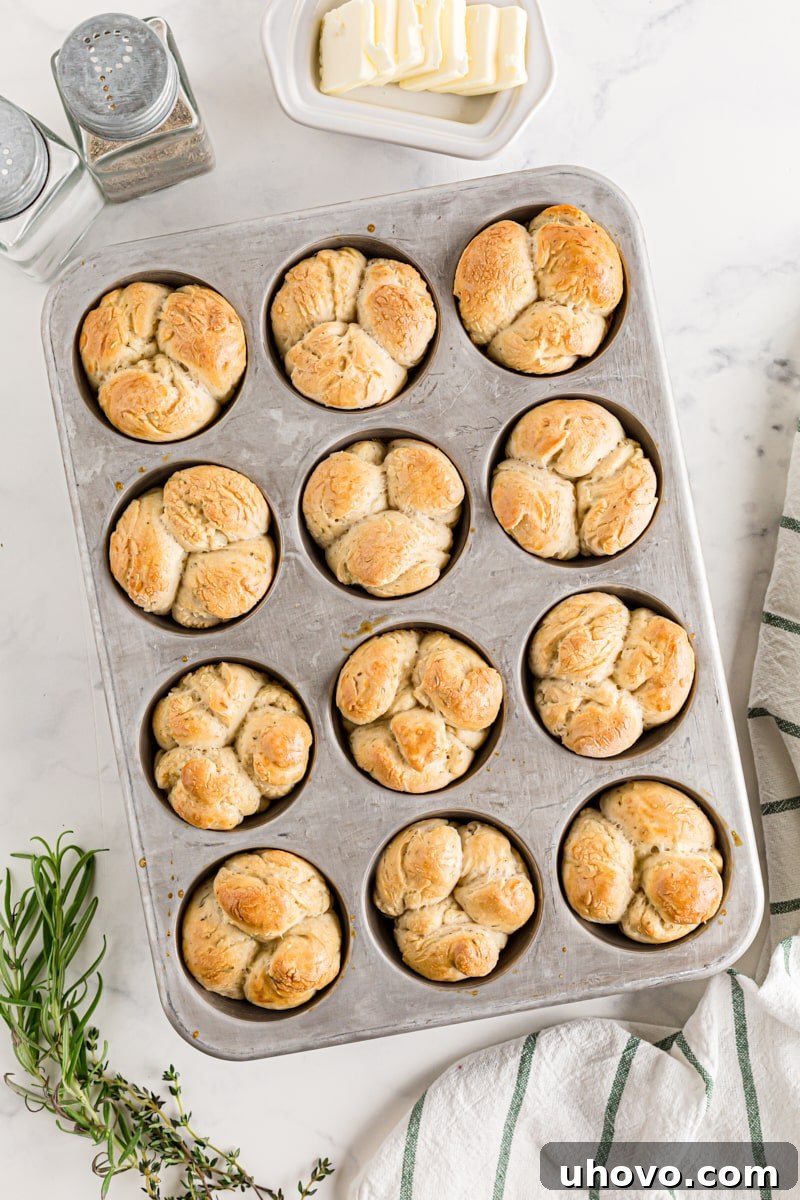
While the rolls are completing their second rise, preheat your oven to 350°F (175°C). In a small bowl, combine the additional tablespoon of water with the lightly beaten egg white. Whisk them together until just combined. Once the rolls have finished their rise, gently brush this egg wash mixture over the tops of each dough ball. This step is essential for achieving that beautiful golden-brown color and slightly shiny crust. Carefully place the muffin pans into the preheated oven and bake for approximately 20 minutes, or until the tops of the rolls are gloriously golden brown. Keep an eye on them to prevent over-browning.
8. Cool and Serve
Once baked, remove the muffin pans from the oven. Allow the rolls to cool in the tins for a few minutes until they are comfortable enough to handle. Then, carefully transfer them to a wire rack to cool slightly. These rolls are absolutely best when served warm, so enjoy them fresh out of the oven or reheated slightly. The aroma alone is enough to get appetites rumbling!
Can I Make the Dough in Advance?
Yes, absolutely! These herb cloverleaf rolls are a fantastic make-ahead option, perfect for holiday entertaining or busy weeknights. The dough can be prepared and refrigerated for up to 24 hours without compromising its quality. The ideal time to refrigerate the rolls is after they have been shaped and placed in the muffin tin, but before you apply the egg wash and allow them to complete their second rise. Simply cover the muffin pans tightly with plastic wrap before placing them in the refrigerator. When you’re ready to bake, take the pans out of the fridge and allow them to come to room temperature and complete their second rise (which may take a bit longer than usual due to the cold) before proceeding with the egg wash and baking steps as outlined in the recipe. This method offers incredible flexibility, allowing you to enjoy fresh, warm rolls with minimal last-minute effort.
Expert Tips for Perfect Herb Cloverleaf Rolls
While this recipe is straightforward, a few key tips can ensure your herb cloverleaf rolls turn out perfectly every time – soft, fluffy, and bursting with flavor. With just seven main steps, these rolls are surprisingly easy to master, but paying attention to these details will guarantee smooth sailing in the kitchen.
- Embrace Your Stand Mixer for Kneading: While hand kneading is a classic technique, don’t hesitate to use modern kitchen tools to your advantage. A stand mixer fitted with a dough hook can handle the kneading process effortlessly, saving you time and effort. Instead of 10 minutes of manual kneading, let your trusty stand mixer work its magic for about 7-8 minutes on medium speed, achieving that smooth, elastic consistency with minimal fuss.
- Adjust Flour as Needed: The amount of flour required can vary slightly due to humidity and other environmental factors. During the kneading process, if your dough remains excessively sticky, add more flour one tablespoon at a time until it becomes smooth and no longer tacky to the touch. Avoid adding too much flour at once, as this can result in dense, dry rolls. The goal is a dough that is soft and pliable, not stiff.
- Always Cover the Dough: Yeast doughs are prone to drying out, which can hinder their rise and affect the final texture. Whenever you’re not actively working with the dough – whether it’s resting, rising, or you’re simply separating and shaping portions – keep the remaining dough tightly covered with plastic wrap or a clean, damp kitchen towel. This prevents a dry skin from forming, ensuring your rolls stay moist and rise beautifully.
- Weigh Dough for Uniformity: For professional-looking, evenly sized rolls, consider using a kitchen scale. Weigh the entire batch of dough in grams, then divide that number by 18 (the number of rolls you’ll make). This will give you the precise weight for each individual portion of dough. This simple step ensures that all your rolls bake evenly and have a consistent appearance, making your presentation truly stand out.
- Verify Yeast Activity: Before adding other ingredients, always ensure your yeast is active. After dissolving it in warm water with sugar, it should become bubbly and foamy within 5-10 minutes. If it doesn’t, your yeast might be expired or your water temperature was incorrect, and it’s best to start with a fresh batch of yeast to avoid a flat dough.
- Warm Environment for Rising: Yeast thrives in warmth. An ideal temperature for dough rising is around 85°F (30°C). If your kitchen is cool, find a warm spot like a lightly warmed (but turned off) oven with the light on, or a sunny windowsill. This consistent warmth ensures your dough doubles in size efficiently, leading to light and airy rolls.
Creative Variations to Customize Your Rolls
One of the best aspects of these herb cloverleaf rolls is their versatility. The base dough is incredibly adaptable, making it easy to experiment with different flavors and presentations. Here are some exciting ideas to help you customize your batch and keep things fresh:
- Simply Savory (Lose the Herbs): If you prefer a more classic dinner roll or aren’t keen on the specific blend of herbs, feel free to omit some or all of them. The base dough recipe is fantastic on its own, yielding soft, buttery rolls that are perfect with any meal. They’re a blank canvas for whatever flavors you wish to add (or not add!).
- Herb Swap (Change the Herbs): Don’t feel limited to rosemary, thyme, and oregano. If you have other favorite savory herbs or want to match a specific cuisine, go ahead and switch them up! Consider using dried chives, dill, parsley, or a touch of marjoram. For a different twist, you could even go sweet with spices like cinnamon, cardamom, nutmeg, or a blend of allspice and cloves, creating a wonderful breakfast roll.
- Make Them Cheesy: Everything is better with cheese, and these rolls are no exception! To create delectable cheesy herb rolls, take them out of the oven about 3 minutes before their baking time is complete. Generously sprinkle the tops of the rolls with your favorite shredded or grated cheese—cheddar, mozzarella, Parmesan, or a blend work wonderfully. Return them to the oven for the remaining 3 minutes, allowing the cheese to melt and become bubbly and lightly golden, without burning.
- Garlic Bread Reinvented: Transform these dinner rolls into savory garlic bread. After applying the egg wash and before baking, brush the tops of the rolls with a mixture of olive oil and finely minced garlic. You can also sprinkle a little dried parsley or Italian seasoning for extra flavor. For an ultimate garlic bread experience, add some shredded Parmesan cheese on top after the oil and garlic mixture, creating irresistible cheesy garlic bread rolls.
- Skip the Cloverleaf Shape: While the cloverleaf shape is charming, it’s not strictly necessary for taste. If you’re short on time or prefer a more traditional round roll, you can simply divide the dough into 18 equal portions, shape each into a single round ball, and place them in muffin cups or directly on a baking sheet. They’ll still taste just as delicious, and you’ll save a bit of time on the shaping step.
- Spicy Kick: For those who love a bit of heat, consider adding a pinch of red pepper flakes to the dough along with the dried herbs. Alternatively, a sprinkle of cayenne pepper can give a subtle warmth that complements the savory flavors beautifully.
Perfect Serving Suggestions for Herb Cloverleaf Rolls
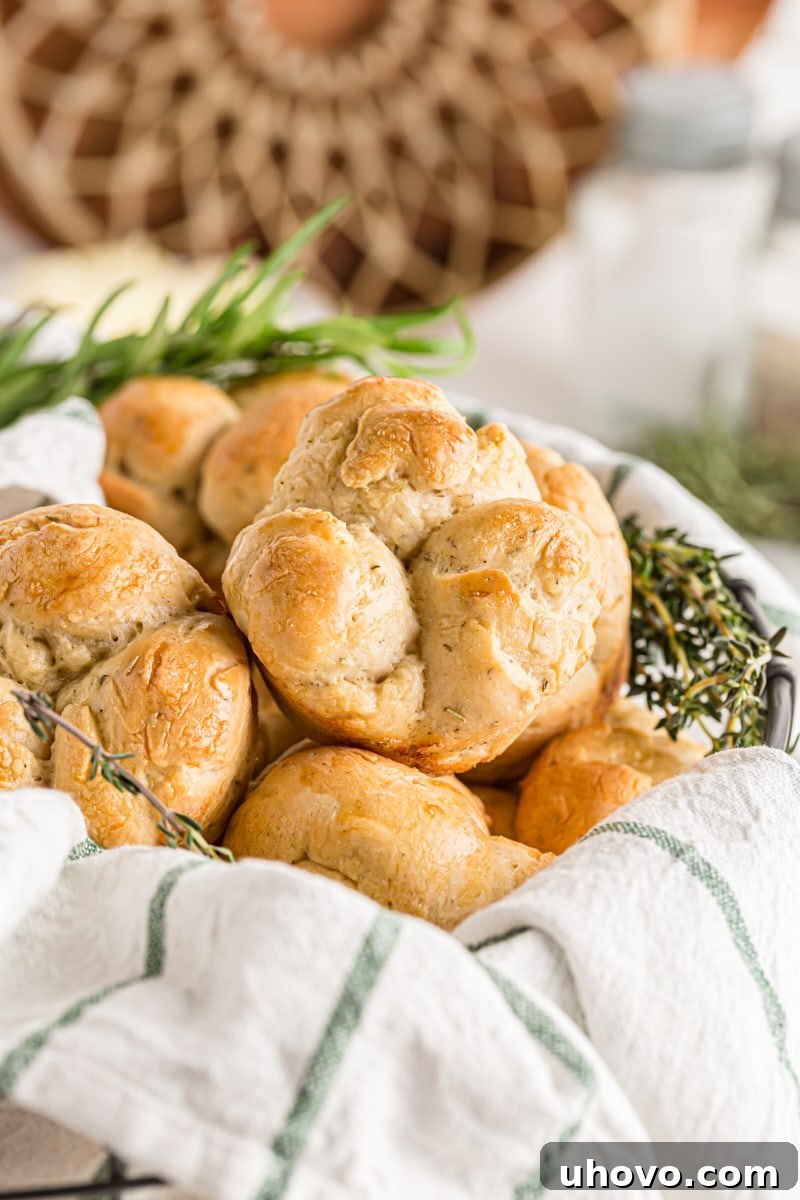
These versatile Herb Cloverleaf Rolls are far too delicious to be relegated to just one type of meal. While they excel as a classic dinner side, their rich flavor and tender texture make them suitable for a multitude of occasions and pairings. Don’t limit yourself to traditional uses – these rolls are flavorful enough to be enjoyed on their own as a comforting snack between meals or as part of a light breakfast with some butter and jam, despite their savory profile.
When serving them as part of a main course, I find they are truly exceptional with saucy dishes. Their soft crumb and ability to absorb liquids make them the ultimate tool for soaking up every delicious drop of sauce or gravy, ensuring no flavor goes to waste. Imagine using them to sop up the savory remnants of a rich pasta with tomato sauce, the delicious gravy from a roasted Thanksgiving turkey, or the hearty broth of a beef stew. They also pair wonderfully with robust, rustic meals such as pot roast, meatloaf, or even a simple pan-seared chicken with a flavorful pan sauce.
Beyond saucy entrees, these rolls are excellent companions for soups and stews. Tear off a fluffy section and dunk it into a creamy tomato soup, a hearty lentil soup, or a warming chicken noodle soup. For a more casual meal, serve them alongside a crisp green salad or as part of a cheese and charcuterie board. Their herbaceous notes beautifully complement various cheeses and cured meats. You can even slice them horizontally and use them as mini sandwich buns for sliders or leftover turkey sandwiches. No matter how you choose to enjoy them, these Herb Cloverleaf Rolls are guaranteed to be a crowd-pleaser, adding a touch of homemade warmth and flavor to any table.
Storing and Reheating Your Herb Cloverleaf Rolls
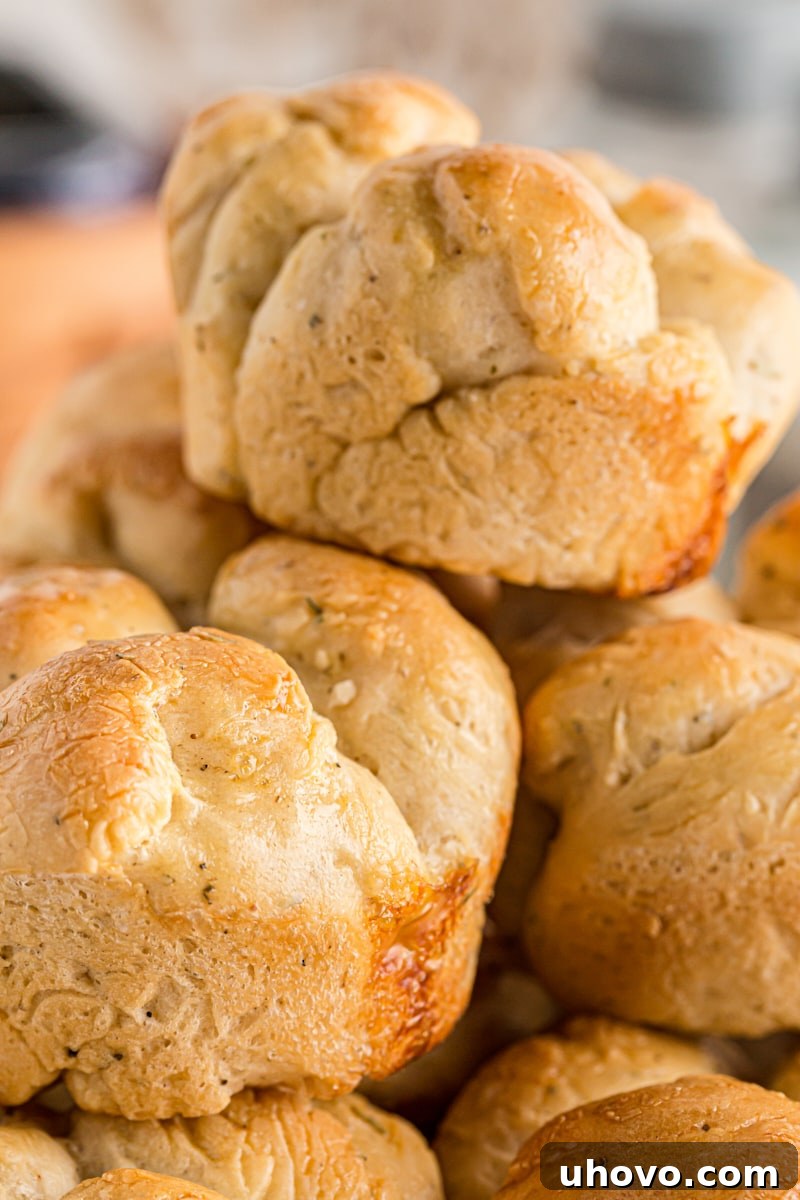
To ensure your delicious Herb Cloverleaf Rolls remain fresh and flavorful for as long as possible, proper storage is key. After they have completely cooled, transfer any leftover rolls to an airtight container. At room temperature, they will maintain their freshness and soft texture for up to 3 days. If you wish to extend their shelf life, store them in the refrigerator, where they will stay fresh for up to 5 days. Always ensure the container is tightly sealed to prevent them from drying out or absorbing unwanted odors from other foods.
While these rolls are delicious at room temperature, they truly shine when warm. To bring them back to their fresh-baked glory, preheat your oven to 350°F (175°C). Loosely wrap the rolls in aluminum foil to prevent them from drying out and place them directly on the oven rack. Reheat for 10-15 minutes, or until they are heated through and soft to the touch. The foil will help trap moisture, ensuring they don’t become crusty. Alternatively, for a quicker reheat, you can lightly dampen a paper towel, wrap a single roll in it, and microwave for 15-30 seconds until warm and soft.
Freezing Herb Cloverleaf Rolls for Later Enjoyment
These Herb Cloverleaf Rolls are excellent candidates for freezing, whether you prefer to freeze the raw dough for future baking or save baked rolls for convenient reheating. Freezing allows you to enjoy homemade goodness whenever a craving strikes, with minimal fuss.
To Freeze Raw Dough: If you plan to freeze the dough before baking, do so after you’ve completed the shaping process—meaning the three dough balls are nestled in each muffin cup—but *before* the second rise. You can freeze the dough balls directly in the muffin tray. Once frozen solid (this helps them retain their shape), carefully transfer the frozen dough balls into a double-lock freezer bag or an airtight freezer-safe container. They can be stored in the freezer for up to 1 month. When you’re ready to bake, remove the desired number of frozen dough balls from the freezer and arrange them back in a greased muffin tin. Let them thaw fully on the counter (this can take several hours) and then proceed with the second rise and baking instructions as if they were freshly made.
To Freeze Baked Rolls: If you have leftover baked rolls or want to prepare a batch specifically for freezing, allow them to cool completely after baking. Once cool, wrap each roll individually in plastic wrap, then place them in a single layer in an airtight freezer-safe bag or container. They can be frozen for up to 1-2 months. To reheat, remove the desired number of rolls from the freezer. You can reheat them directly from frozen by wrapping them loosely in aluminum foil and baking in a preheated oven at 350°F (175°C) for 15-20 minutes, or until heated through and soft. Alternatively, you can let them thaw at room temperature for a few hours before reheating. Freezing is a fantastic way to ensure you always have these comforting, herbaceous rolls on hand!
Get the Recipe:
Herb Cloverleaf Rolls
Packed with savory herbs and spices, these fluffy Herb Cloverleaf Rolls make a flavorful side for any hearty meal. They pair so well with Italian dishes and make a great addition to any Thanksgiving spread.
Pin Recipe
Leave a Review
Ingredients
- 1 package dry yeast (2 & 1/4 teaspoons or 7g)
- 2 teaspoons granulated sugar
- ¼ cup (60 ml) warm water, 105-115°F (40-46°C)
- ¾ cup (180 ml) milk, whole, 2%, or 1%
- ½ cup (120 ml) evaporated milk, regular or skim
- 4 cups (480 g) bread flour or all-purpose flour, divided
- 1 ½ tablespoons unsalted butter, melted
- 1 teaspoon salt
- ½ teaspoon dried rosemary
- ½ teaspoon dried thyme
- ½ teaspoon dried oregano
- ¼ teaspoon ground black pepper
- 1 tablespoon water
- 1 large egg white, lightly beaten
Recommended Products
- 6 Cup Muffin Pan
- Escali Kitchen Scale
Instructions
- Dissolve the yeast and sugar in the warm water. Let stand for 5 minutes, then stir in the milk and evaporated milk.
- Add 3 cups of the flour, melted butter, salt, rosemary, thyme, oregano, and pepper, and stir until blended.
- Place the dough on a lightly floured surface. Knead until smooth and elastic. (This should take about 10 minutes.) Add more flour, about a tablespoon at a time, until the dough doesn’t stick to your hands.
- Place the dough in a large bowl coated with cooking spray, and turn the dough so it’s coated with the cooking spray. Cover and let rise in a warm place (about 85°F/30°C) for 1 hour or until doubled in size.
- Punch down the dough, cover, and let rest for 10 minutes.
- Coat 18 cups of standard muffin pans with cooking spray.
- Divide the dough into 18 equal portions.
- Using one portion of the dough at a time, divide each portion into 3 pieces and shape each piece into a ball. (Cover the remaining dough to keep it from drying out.) Place the 3 dough balls into each muffin cup. Repeat with the remaining dough.
- Cover the pans and let the dough rise in a warm place for 30 minutes or until doubled in size.
- Preheat oven to 350°F (175°C).
- Combine the water and egg white. Brush over the tops of the dough.
- Bake the rolls for 20 minutes, or until browned.
Notes
- To store: Keep at room temperature in an airtight container for up to 3 days, or in the fridge for up to 5.
- To freeze: Freeze before or after baking. Freeze raw dough after dividing in the muffin pan but before leaving out to expand again. Freeze in the muffin tray, then move to a double-lock freezer bag for up to 1 month. Let thaw fully on the counter. Let the raw rolls rise before baking.
- To reheat: Wrap in foil and warm them in the oven for 10-15 minutes at 350°F (175°C) to heat them up a little.
- Recipe adapted from Cooking Light.
Snap a pic, tag @bakeorbreak, and use #bakeorbreak on Instagram. Can’t wait to see your creation!
More Crowd-Pleasing Sides to Try
- Savory Cream Cheese Biscuits
- Cheddar and Chive Cornmeal Biscuits
- Easy Corn Bread Bites