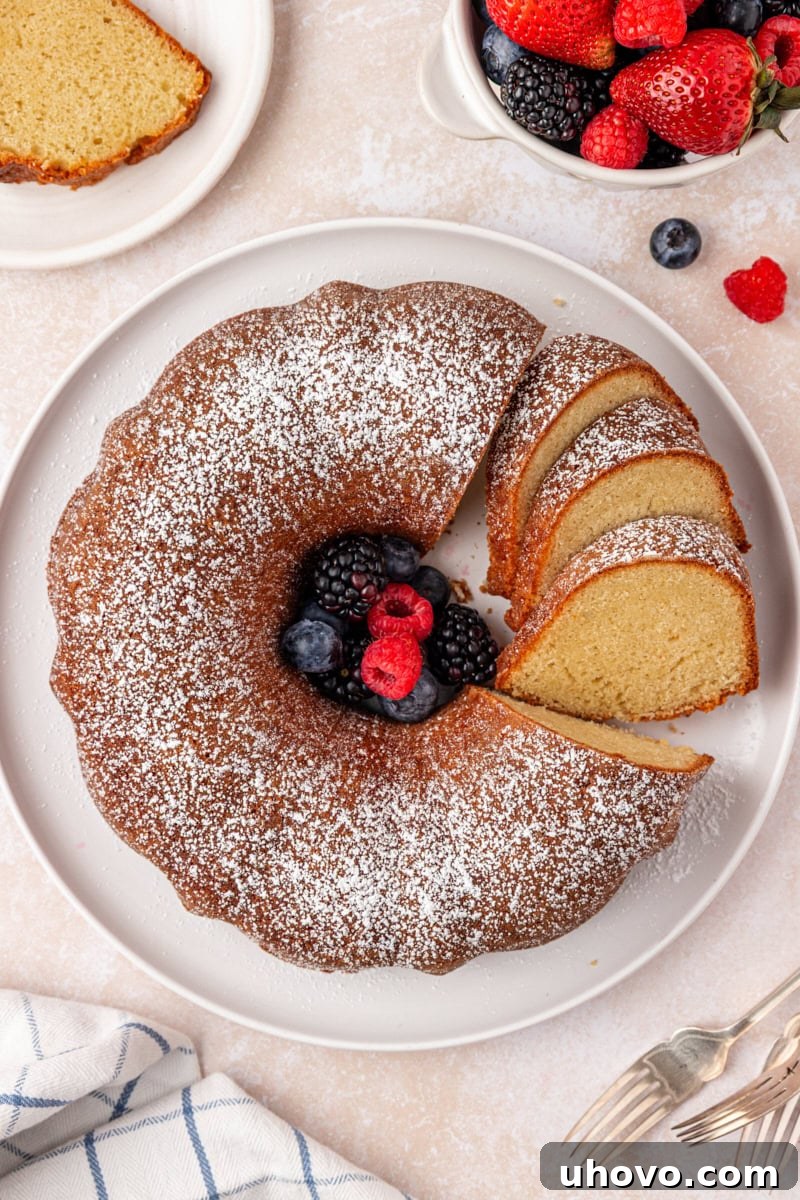
Welcome to the world of classic baking with this exceptional buttermilk pound cake recipe. Renowned for its unparalleled richness, melt-in-your-mouth tenderness, and elegant simplicity, this cake is more than just a dessert—it’s a celebration of timeless flavors. Whether you’re seeking a cozy weekend treat, a centerpiece for your holiday table, or a simple yet sophisticated offering for guests, this pound cake effortlessly rises to every occasion. Its understated charm and comforting taste make it a staple in any baker’s repertoire, promising delightful moments with every slice.
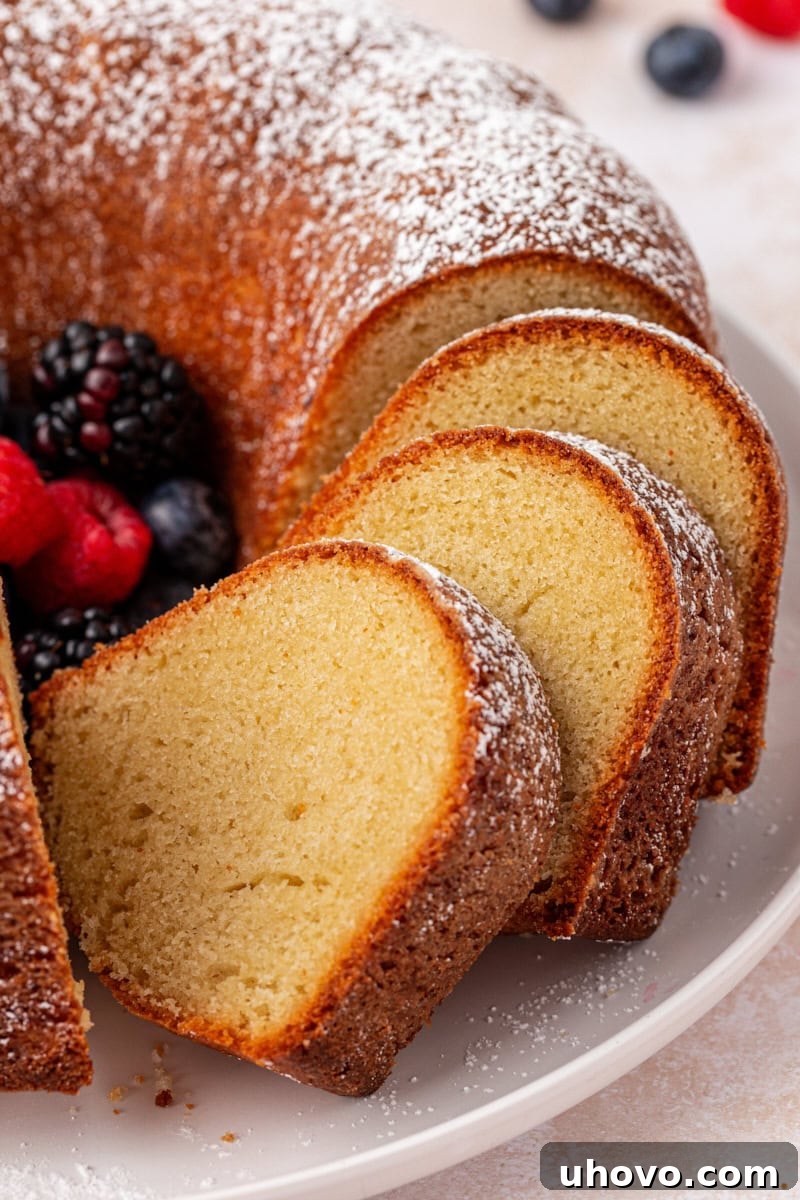
There’s an enduring appeal to a well-made pound cake that transcends culinary trends. It avoids the complexities of intricate frostings or delicate layers, instead embracing a philosophy of pure, unadulterated flavor and texture. What you get is a dense, buttery crumb encased in a beautifully golden crust—a harmonious balance that makes each slice perfect on its own, yet wonderfully receptive to simple adornments.
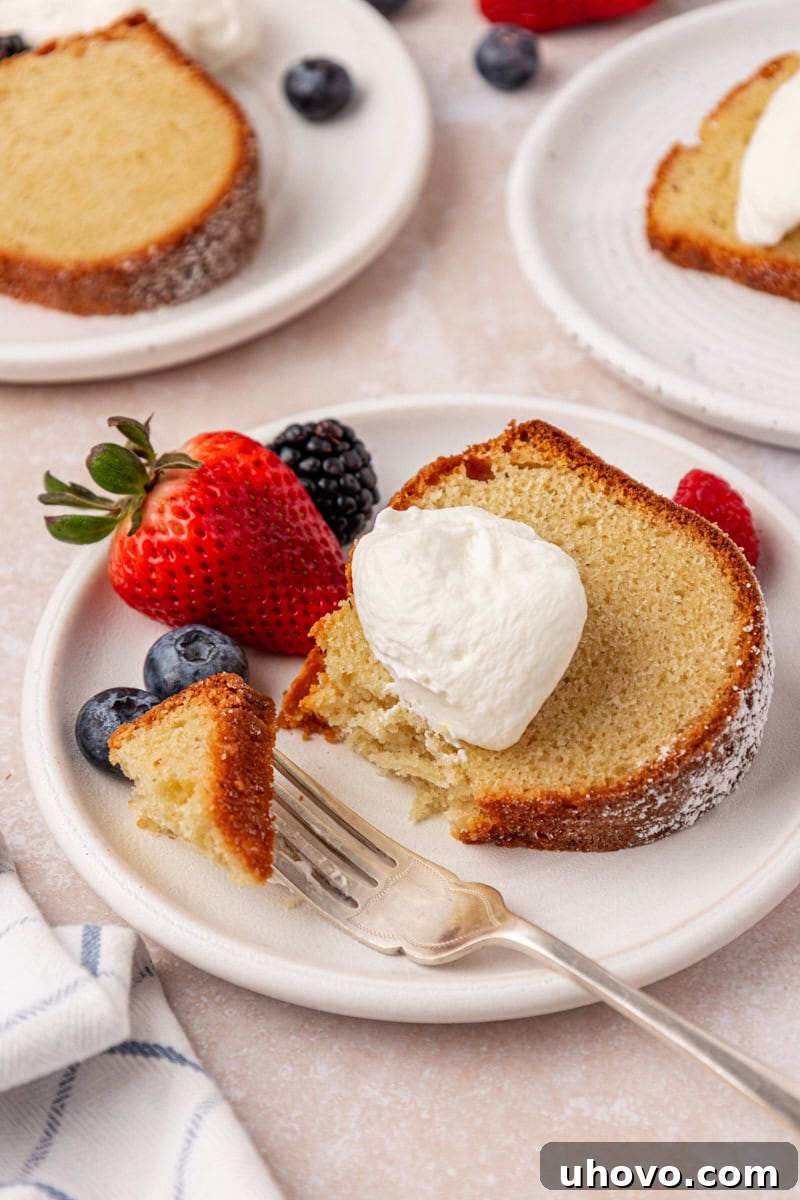
Our rendition elevates the classic with the inclusion of buttermilk, a key ingredient that imparts a distinct tang and an incredibly soft, moist texture. This subtle acidity lightens the overall feel, creating a pound cake that boasts all the signature richness you expect but without the heaviness sometimes associated with traditional all-butter versions. It’s robust enough to slice cleanly and hold its shape beautifully, yet so tender it practically melts in your mouth. While it’s utterly delicious as is, a dollop of whipped cream or a scattering of fresh berries will only enhance its charm.
Why You’ll Love This Buttermilk Pound Cake Recipe
This buttermilk pound cake isn’t just another recipe; it’s a guaranteed crowd-pleaser and a staple for any home baker. Here’s why it will quickly become your go-to:
- Unrivaled Soft and Velvety Crumb: Buttermilk works wonders, actively tenderizing the cake’s structure. The result is a uniformly fine, close-knit crumb that’s incredibly soft and moist, distinguishing it from the airy texture of a traditional layer cake. It’s dense, but never dry.
- Rich, Yet Wonderfully Balanced Flavor: This recipe delivers the deep, comforting buttery notes quintessential to a classic pound cake. However, the delicate tang from the buttermilk acts as a counterpoint, cutting through the richness and creating a balanced flavor profile that prevents it from feeling overly heavy.
- Simple, Accessible Ingredients: You won’t need to hunt for exotic flours or specialty items. This recipe relies on everyday pantry staples, making it an approachable bake for anyone, regardless of their baking experience. Quality ingredients, thoughtfully combined, yield extraordinary results.
- Effortlessly Versatile for Any Occasion: The beauty of this buttermilk pound cake lies in its adaptability. Serve it unadorned for a humble tea-time treat, dust it elegantly with powdered sugar for a simple dessert, or get creative with glazes, fresh fruits, or whipped cream. It’s a blank canvas for your culinary imagination, perfect for casual family dinners or sophisticated gatherings.
- Bakes Beautifully Every Time: With clear instructions and simple techniques, this recipe is designed for consistent success. You’ll achieve a gorgeous golden crust and a perfectly baked interior, making you feel like a baking pro.
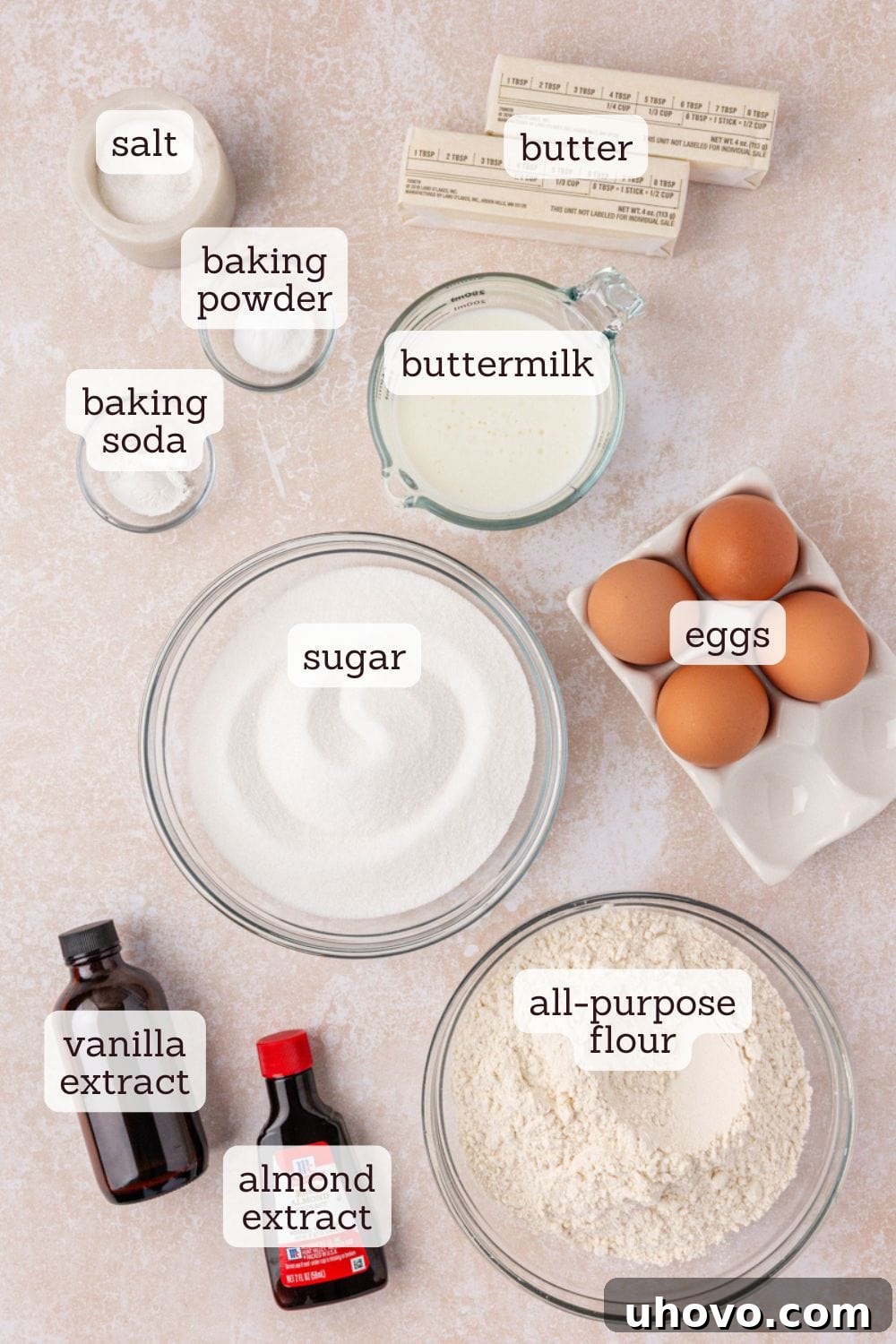
Key Ingredients and Why They Matter for Your Perfect Buttermilk Pound Cake
Understanding the role of each ingredient is fundamental to baking success. In this buttermilk pound cake, every component plays a crucial part in achieving its signature texture and flavor.
- Buttermilk: The undeniable star of this recipe. Buttermilk is slightly acidic, which is essential for tenderizing the cake crumb, giving it a finer texture, and adding a subtle, refreshing tang. The acid also reacts with the baking soda, creating tiny air pockets that contribute to a lighter, yet still dense, structure. While substitutes can be made using milk and lemon juice or vinegar, genuine buttermilk offers the most authentic and superior flavor and texture.
- Unsalted Butter: Butter is the backbone of any pound cake, providing its rich, deep flavor and contributing significantly to the cake’s structure. Using unsalted butter allows you to control the overall salt content of your bake. Ensure your butter is properly softened to room temperature—this is critical for creaming with the sugar. When butter and sugar are creamed together effectively, they trap air, which provides much of the cake’s lift and creates a light, fluffy initial mixture, ultimately influencing the final texture of the cake.
- Large Eggs: Eggs serve multiple functions in baking: they add structure, richness, and moisture, and help bind the ingredients together. Using room temperature eggs is vital as they emulsify more easily with the creamed butter and sugar, creating a smoother, more uniform batter. Cold eggs can cause the mixture to curdle, leading to a denser, less appealing cake.
- Granulated Sugar: Beyond sweetness, sugar plays a crucial role in tenderizing the cake and contributing to its beautiful golden crust. When creamed with butter, it helps incorporate air, providing lift and a finer crumb.
- All-Purpose Flour: The primary structural component. Carefully measuring flour is paramount, as too much can result in a dry, dense, or tough cake. Spooning and leveling or, even better, weighing your flour ensures accuracy.
- Baking Powder and Baking Soda: These chemical leavening agents work in conjunction with the buttermilk to give the cake a gentle rise and contribute to its tender crumb. Baking soda specifically reacts with the acid in the buttermilk.
- Vanilla Extract (and Optional Almond Extract): Vanilla is a foundational flavor that adds warmth and depth, complementing the buttery base. A small addition of almond extract, while optional, can elevate the cake to a “bakery-style” quality, adding a nuanced depth of flavor without overpowering the vanilla or buttermilk.
- Salt: A pinch of salt is crucial for balancing the sweetness and enhancing all the other flavors in the cake, making them more vibrant and pronounced.
How to Master Your Buttermilk Pound Cake: Step-by-Step Guide
Crafting the perfect buttermilk pound cake involves a few crucial steps and techniques that, when followed carefully, guarantee a spectacular result. Here’s how to bring this classic to life:
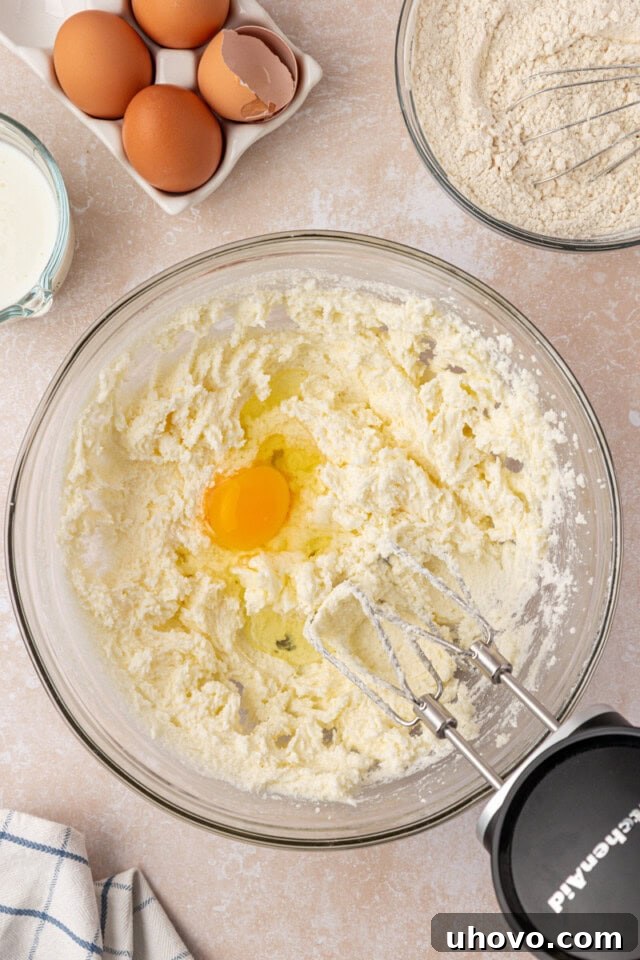
1. Cream the butter and sugar thoroughly: This initial step is foundational and should not be rushed. Beating the softened butter and granulated sugar together for a full 3 to 5 minutes at medium speed is crucial. This process incorporates air into the mixture, which is vital for the cake’s structure and contributes significantly to its light lift and tender crumb. The mixture should transform from dense and yellowish to notably pale in color and fluffy in texture, almost like a cloud. This aeration is what helps prevent a dense or heavy pound cake.
2. Incorporate the eggs one at a time: Once your butter and sugar are perfectly creamed, add the eggs individually. Beat well after each addition, ensuring it is fully incorporated before adding the next. This methodical approach helps to maintain the emulsion of the batter, keeping it smooth and cohesive rather than curdled. If the batter appears slightly curdled, don’t worry—it typically smooths out once the dry ingredients are added.
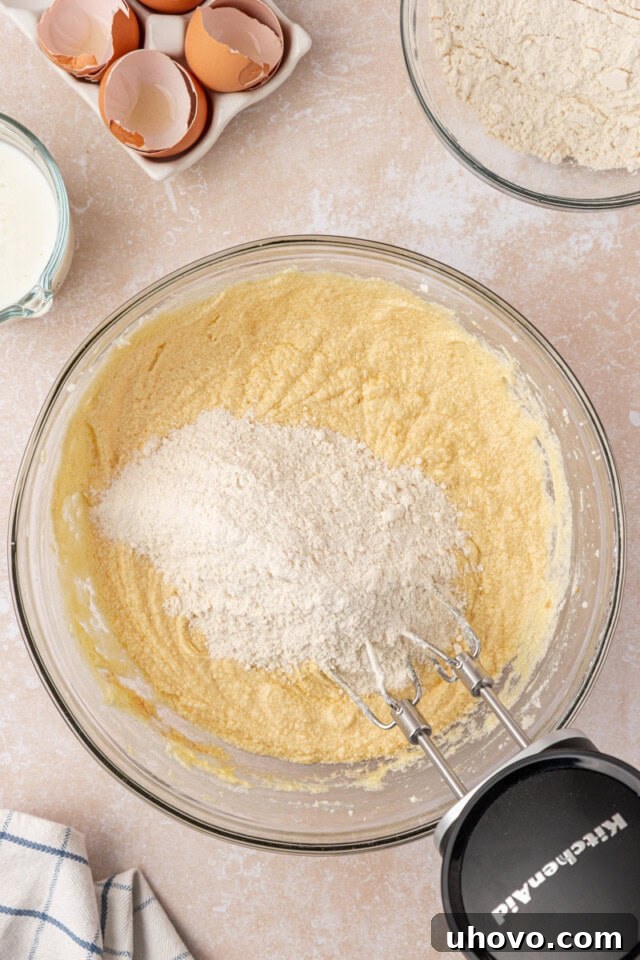
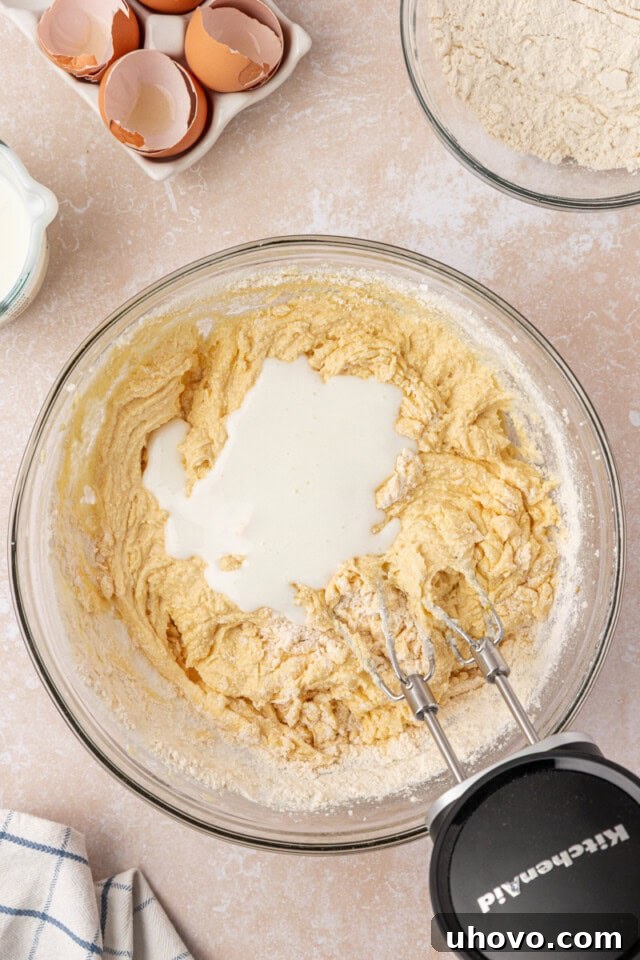
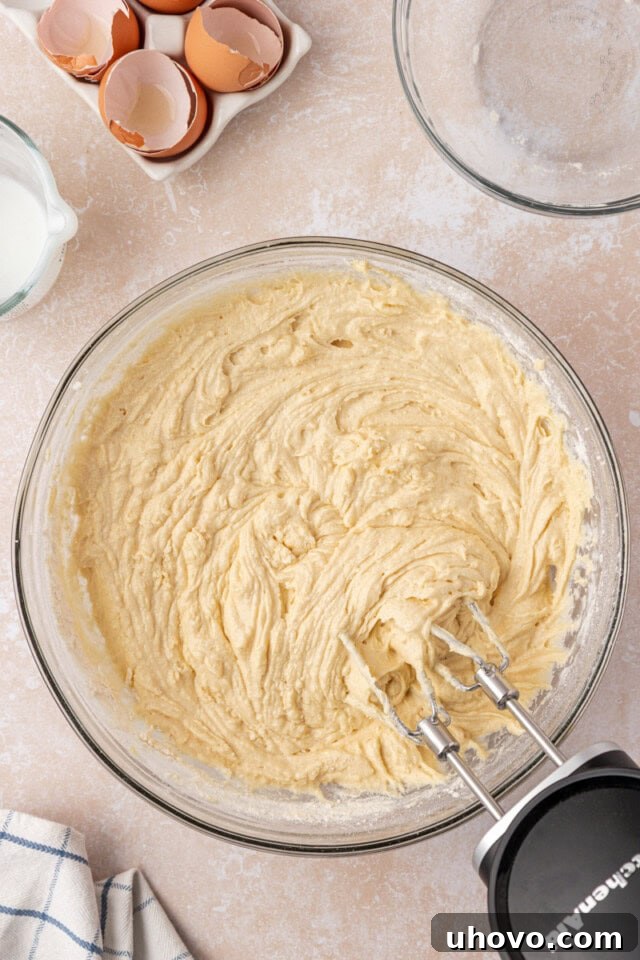
3. Alternate dry ingredients and buttermilk: This technique is key to developing the proper texture and preventing overmixing. Begin and end with the flour mixture, adding it in three separate portions, and alternating with two additions of buttermilk. Mix on low speed just until each addition is combined and no streaks of flour remain. Overmixing at this stage can overdevelop the gluten in the flour, resulting in a tough, chewy cake rather than the desired tender crumb. The final batter should be thick and silky smooth.
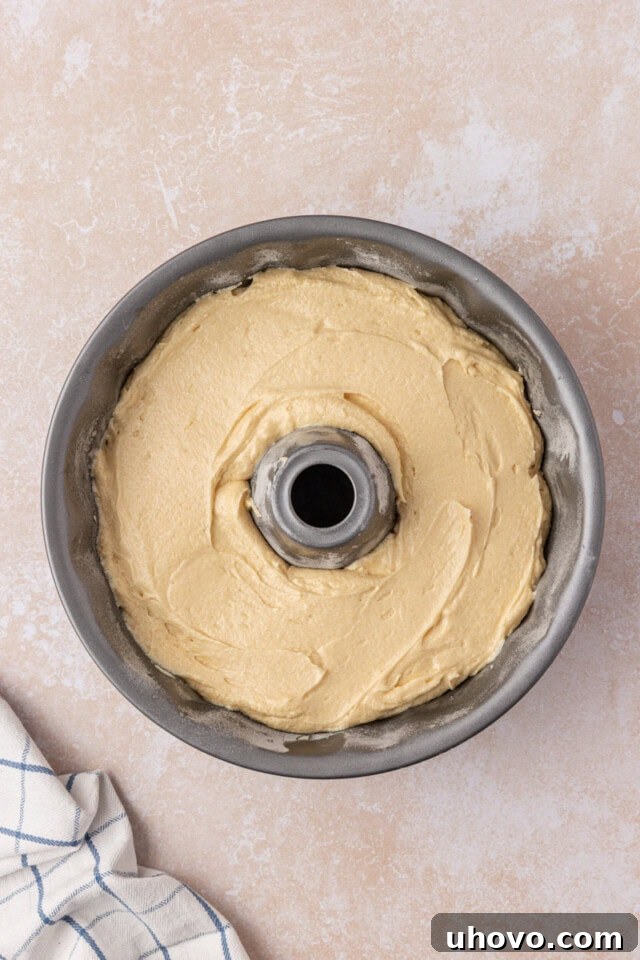
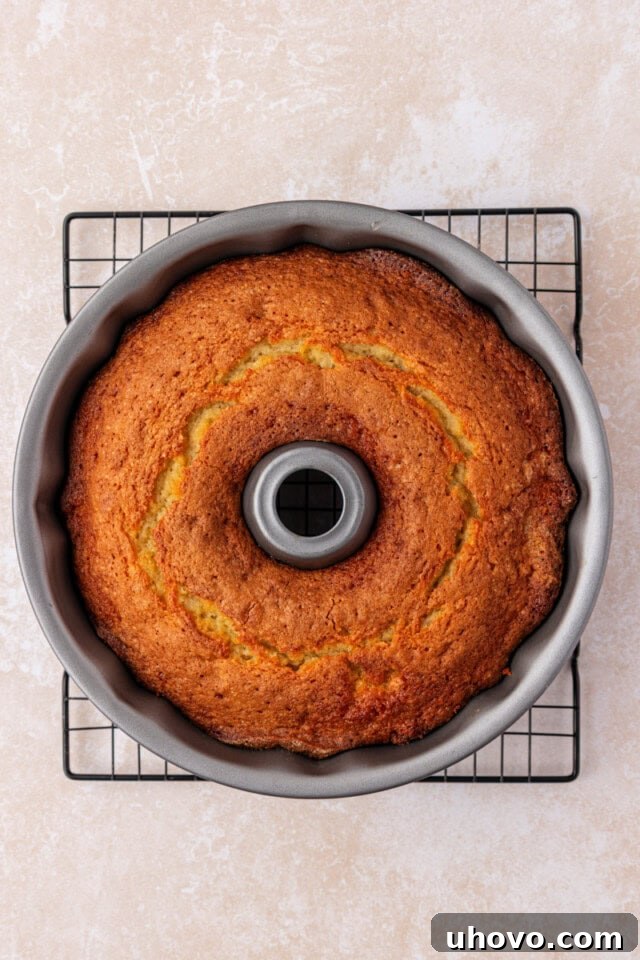
4. Bake low and slow: Pound cakes benefit greatly from a moderate oven temperature, typically around 325°F (160°C). This slower baking time allows the dense interior of the cake to bake through completely without over-browning or drying out the exterior. The cake is perfectly done when a wooden skewer or toothpick inserted into the thickest part comes out clean, or with just a few moist crumbs clinging to it—no wet batter. Remember, pound cakes continue to set and firm up as they cool.
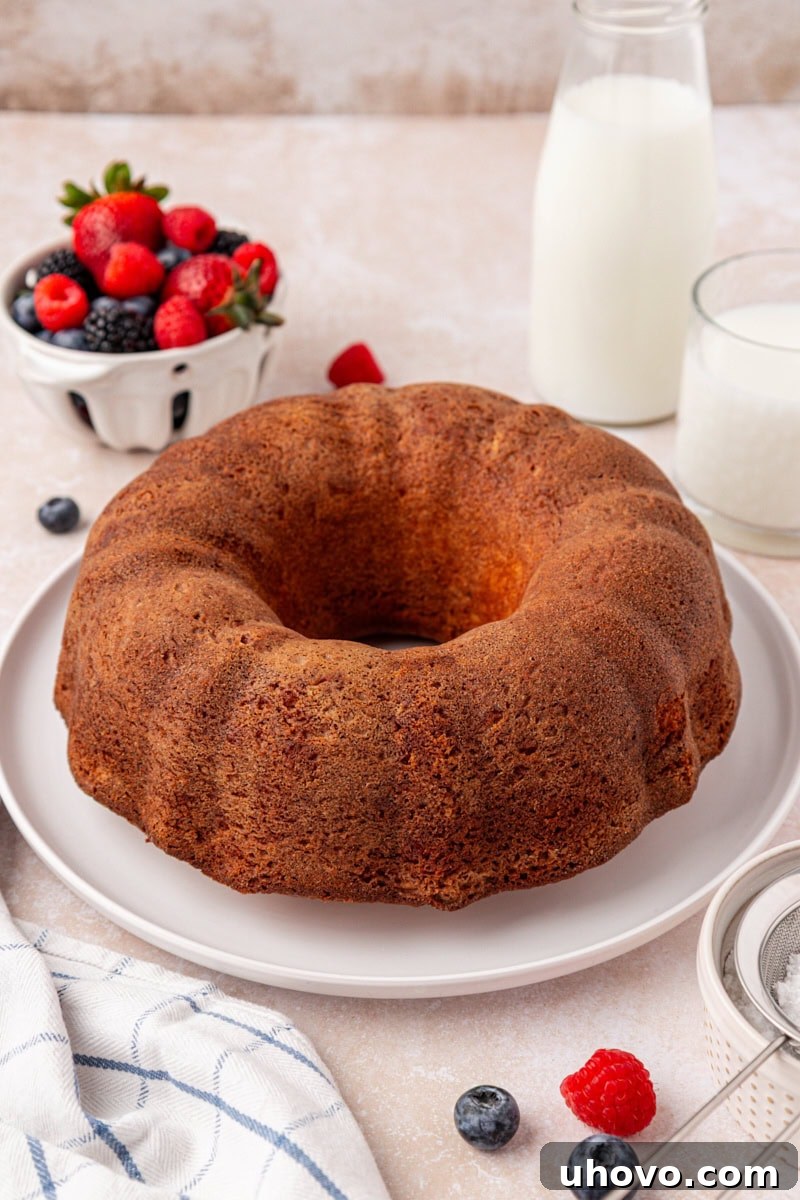
5. Allow it to rest before turning out: Patience is a virtue, especially when it comes to unmolding your beautiful pound cake. Let the cake cool in its pan for approximately 10-15 minutes on a wire rack. This brief cooling period helps the cake’s structure to set, making it less fragile and significantly easier to release from the pan without breaking. Attempting to unmold too soon can lead to breakage, while waiting too long can cause it to stick.
By following these steps, you’ll achieve a stunning, perfectly baked buttermilk pound cake every single time.
Essential Tips for Baking a Perfect Buttermilk Pound Cake
Achieving a truly magnificent buttermilk pound cake is all about paying attention to detail. These expert tips will help you avoid common pitfalls and ensure your cake is nothing short of perfection:
- Embrace Room Temperature Ingredients: This is arguably one of the most critical tips for any baking project, especially pound cake. Softened butter, room temperature eggs, and buttermilk that isn’t icy cold all blend together seamlessly, creating a smooth, homogenous batter. Cold ingredients, on the other hand, can cause the butter to seize, resulting in a curdled batter and an unevenly textured, dense cake. Plan ahead by taking your ingredients out an hour or two before you begin baking.
- Don’t Rush the Creaming Step: The process of creaming butter and sugar together isn’t just about combining them; it’s about incorporating air. Beat the mixture for a full 3-5 minutes until it becomes noticeably pale, light, and fluffy. This aeration creates tiny pockets that contribute to the cake’s structure and lift. Skimping on this step can lead to a denser, heavier pound cake.
- Measure Flour with Precision: The amount of flour can drastically impact your cake’s texture. Too much flour is a leading cause of dry, crumbly pound cakes. For best accuracy, either spoon the flour into your measuring cup and then level it off (rather than scooping directly from the bag) or, ideally, use a kitchen scale to weigh your ingredients. This ensures consistent results every time.
- Mix Just Until Combined: Once you add the flour to the wet ingredients, stop mixing as soon as the batter is smooth and no dry streaks of flour remain. Overmixing develops the gluten in the flour, which can lead to a tough, chewy cake instead of the desired tender crumb. Use a light hand and a low speed.
- Thoroughly Grease Your Pan: Pound cakes have a relatively dense crumb and a longer baking time, which makes them prone to sticking. For Bundt pans, this is especially important due to their intricate designs. Use softened butter and then dust with flour, ensuring every nook and cranny is coated. Alternatively, a high-quality baking spray with flour (like Baker’s Joy) works wonderfully.
- Cool Before Unmolding: After taking the cake out of the oven, allow it to cool in the pan for about 10-15 minutes on a wire rack. This “sweet spot” allows the cake’s delicate structure to firm up slightly, making it much easier to invert and release from the pan without breaking. Removing it too soon can cause it to fall apart, while waiting too long might make it stick.
- Confirm Doneness Accurately: To check if your pound cake is done, insert a long wooden skewer or toothpick into the deepest part of the cake. It should come out clean or with only a few moist crumbs attached. If you see wet batter, continue baking for a few more minutes and test again. The top of the cake should also feel set and spring back gently when lightly touched.
- Don’t Open the Oven Door Too Early: Resist the temptation to peek into the oven during the first 45 minutes of baking. A sudden drop in temperature can cause the cake to collapse in the center, resulting in a sunken top.
Exciting Flavor Variations for Your Buttermilk Pound Cake
While the classic buttermilk pound cake is perfect in its pure form, its adaptable nature makes it an excellent canvas for creative flavor twists. Here are a few simple ideas to customize your bake:
- Bright Lemon Infusion: For a zesty burst of flavor, add the finely grated zest of one large lemon (approximately 1-2 tablespoons) to the batter along with the wet ingredients. Enhance the lemon experience by topping the cooled cake with a simple lemon glaze made from powdered sugar and fresh lemon juice, similar to the one found on my mini lemon pound cakes.
- Elegant Vanilla-Almond Duo: Elevate the cake’s aroma and taste by using 2 teaspoons of pure vanilla extract combined with ½ teaspoon of almond extract. This combination imparts a sophisticated, bakery-style depth that is wonderfully subtle and inviting.
- Rich Coconut-Lime Dream: Introduce a tropical twist by adding ½ cup of shredded unsweetened coconut to the batter. For an extra layer of brightness, incorporate the zest of one lime. A simple lime glaze would be a perfect finish.
- Warm Spiced Autumn Delight: Stir in 1 teaspoon of ground cinnamon, ½ teaspoon of ground nutmeg, and ¼ teaspoon of ground cloves to the dry ingredients for a cozy, spiced cake. This pairs beautifully with a drizzle of maple glaze.
- Crunchy Toasted Almond Topping: For added texture and visual appeal, sprinkle sliced almonds over a simple vanilla or almond glaze while it’s still wet. Lightly toasting the almonds beforehand enhances their nutty flavor significantly.
- Coffee Lovers’ Delight: Dissolve 1-2 teaspoons of instant espresso powder in the buttermilk before adding it to the batter. This will deepen the flavor of the chocolate without making the cake taste overtly like coffee.
Delightful Serving Ideas for Buttermilk Pound Cake
This buttermilk pound cake is truly a masterpiece that shines on its own, but its robust yet tender profile makes it an ideal companion for a variety of toppings and accompaniments. Here are some inspired ways to serve it, catering to any mood or occasion:
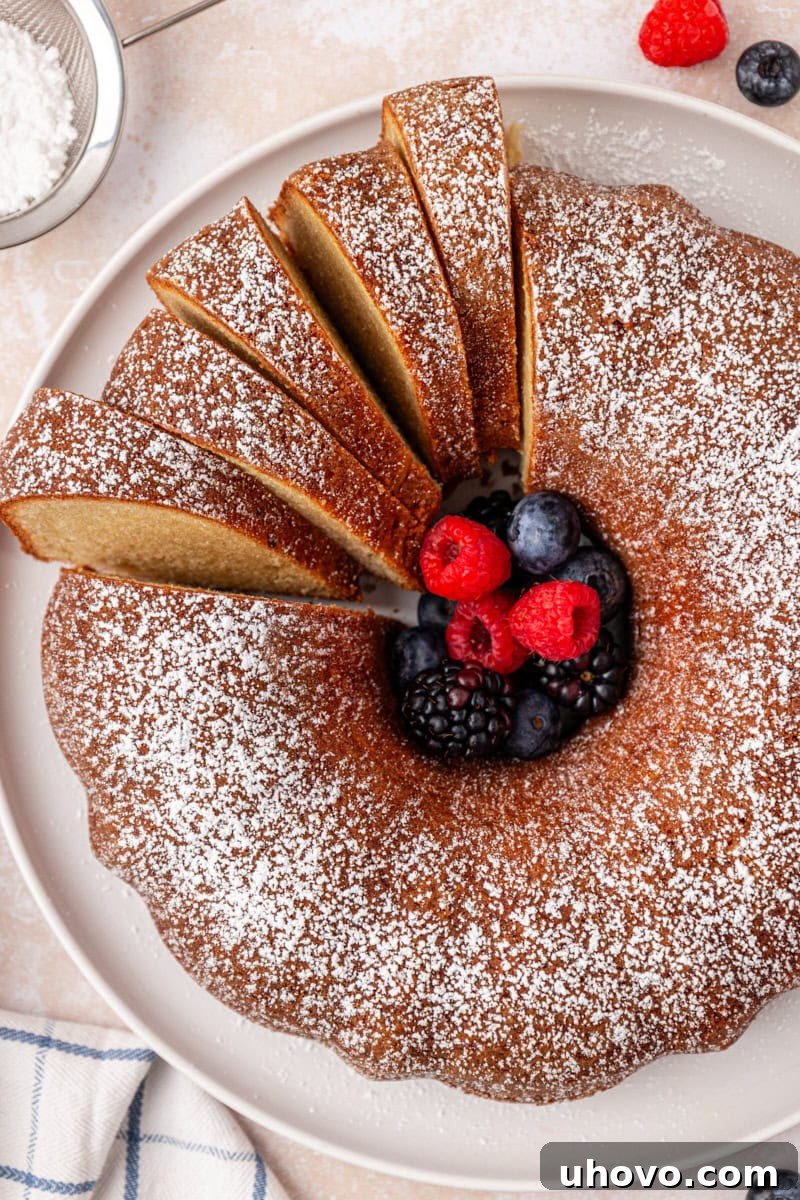
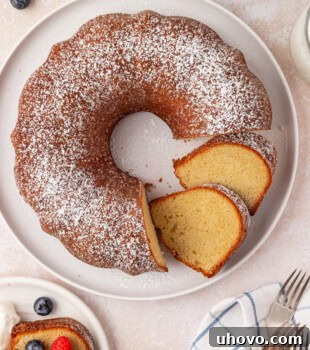
- Classic Simplicity: A light dusting of powdered sugar is all it takes to make this cake elegantly understated and visually appealing.
- Sweet Vanilla Drizzle: Elevate the flavor with a simple, sweet vanilla glaze, similar to the one I use on my cherry vanilla yogurt cake. It adds an extra layer of sweetness and a touch of gloss.
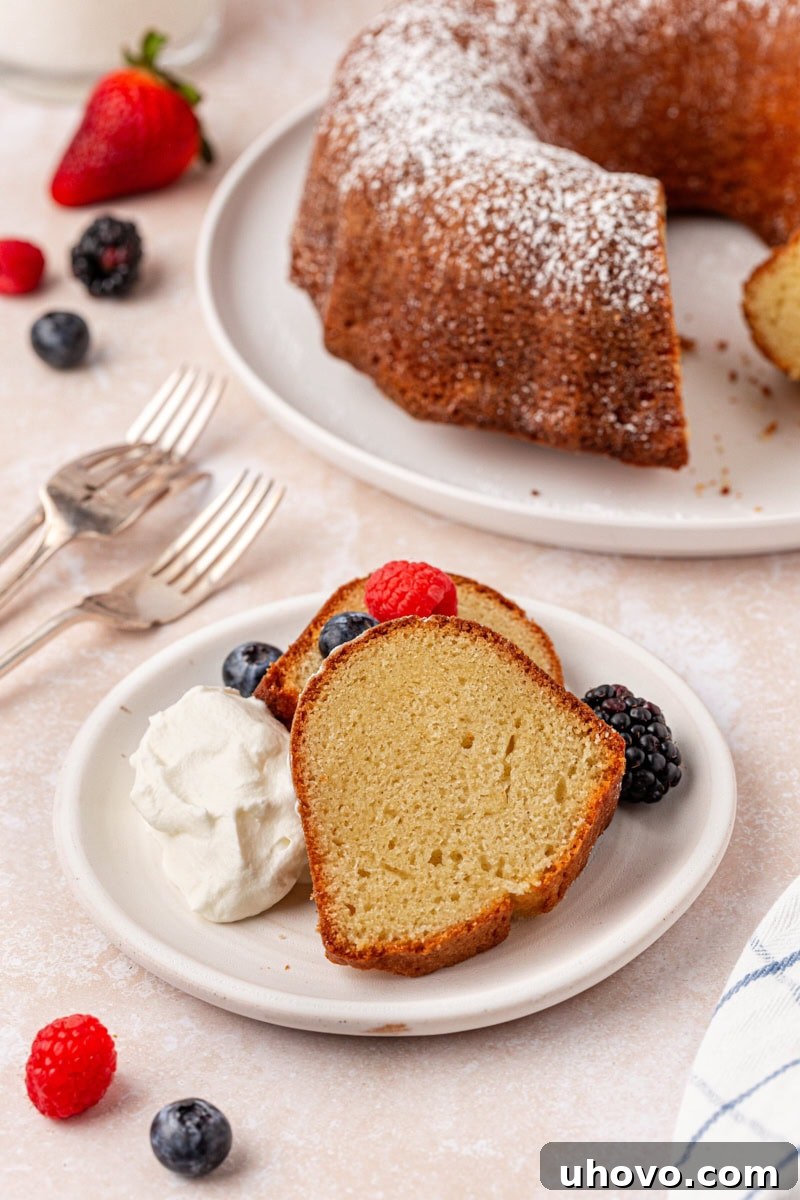
- Cloud of Whipped Cream: A generous dollop of lightly sweetened homemade whipped cream provides a luxurious, airy contrast to the dense cake.
- Seasonal Fruit Compotes: Pair a slice with a spoonful of warm blueberry compote, luscious peach compote, or comforting spiced apple compote. The fruit’s brightness and texture perfectly complement the cake.
- Fresh Berries and Coulis: A colorful medley of fresh berries (strawberries, raspberries, blueberries) accompanied by a vibrant drizzle of raspberry coulis adds freshness and a beautiful presentation.
- Tangy Lemon Curd: For those who love a bright, tangy counterpoint, a generous swipe of homemade lemon curd brings a wonderful zing that cuts through the cake’s richness.
- Ice Cream Indulgence: A scoop of your favorite vanilla bean or fruit-flavored ice cream alongside a warm slice of pound cake is an irresistible dessert pairing.
- Nutty Crunch: Sprinkle with chopped toasted pecans or walnuts for added texture and a nutty flavor.
Remember, this pound cake is particularly delightful when served slightly warm, allowing its buttery aromas to fully blossom. Add your chosen topping just before serving for the freshest experience.
How to Store Your Buttermilk Pound Cake to Maintain Freshness
Proper storage ensures your delicious buttermilk pound cake stays fresh and enjoyable for as long as possible:
- Room Temperature: For immediate enjoyment, store the tightly covered cake at room temperature. An airtight cake dome or plastic wrap will keep it moist and fresh for up to 3 days.
- Freezing for Longer Storage: Pound cakes freeze exceptionally well due to their dense texture. For extended freshness, allow the cake to cool completely. Wrap the entire cake or individual slices tightly in plastic wrap, followed by a layer of aluminum foil. This double-layer protection prevents freezer burn. Store in the freezer for up to 2 months. When ready to enjoy, simply thaw at room temperature for several hours or overnight.
A Buttermilk Pound Cake You’ll Bake Again and Again
This buttermilk pound cake is more than just a recipe; it’s a dependable companion in your kitchen that will quietly earn a permanent spot in your culinary collection. Its inherent reliability, no-fuss approach, and perfectly balanced richness make it feel special without any undue complexity. It’s the kind of classic you can turn to when you need a comforting dessert, a sweet treat for unexpected guests, or a delightful contribution to a potluck.
Bake it to celebrate the arrival of spring, enjoy it as a hearty autumn comfort, or dress it up for holiday festivities. Whether you choose to serve it plain with a simple dusting of powdered sugar and a warm cup of coffee, or elegantly adorned with fresh berries and whipped cream, this versatile pound cake works beautifully in every season. Its timeless appeal and utterly delicious flavor mean you’ll undoubtedly find yourself reaching for this recipe again and again, creating cherished memories with every moist, tender slice.
More Classic Cake Recipes You’ll Love
Buttermilk Pound Cake Recipe
Yield: 12 servings
Prep Time: 20 minutes
Cook Time: 1 hour 10 minutes
Total Time: 1 hour 30 minutes
This buttermilk pound cake is rich, tender, and beautifully simple. Buttermilk adds a subtle tang and soft crumb while keeping the classic buttery flavor you expect from a traditional pound cake. Perfect served plain or topped with whipped cream or fruit.
Print Recipe
Pin Recipe
Ingredients
- 2 ½ cups (300 g) all-purpose flour
- ½ teaspoon baking powder
- ½ teaspoon baking soda
- 1 teaspoon salt
- 1 cup (226 g) unsalted butter, softened
- 2 cups (400 g) granulated sugar
- 4 large eggs, at room temperature
- 2 teaspoons vanilla extract
- ½ teaspoon almond extract
- ¾ cup (180 ml) buttermilk, at room temperature
Recommended Products
- 10-Cup Non-Stick Fluted Bundt Cake Pan
- Round Cooling Rack
Instructions
- Preheat the oven to 325°F (160°C). Grease a 10-cup Bundt pan exceptionally well with butter and flour or use a baking spray that contains flour, ensuring all crevices are coated.
- In a medium bowl, whisk together the all-purpose flour, baking powder, baking soda, and salt until thoroughly combined. Set this dry mixture aside.
- In a large mixing bowl with an electric mixer, beat the softened unsalted butter and granulated sugar on medium speed for 3-5 minutes. Continue beating until the mixture is very light, fluffy, and noticeably paler in color. This step is crucial for incorporating air into the batter, which contributes to the cake’s final structure and lightness.
- Add the large eggs one at a time, beating well after each addition until fully incorporated. Scrape down the sides and bottom of the bowl as needed to ensure everything is evenly mixed. Once the eggs are in, mix in the vanilla extract and optional almond extract. If the batter appears slightly curdled, don’t worry; it will smooth out once the flour is added.
- With the mixer on low speed, gradually add the dry flour mixture in three additions, alternating with the buttermilk in two additions. Always start and end with the flour mixture. Mix just until combined after each addition, stopping as soon as no dry streaks of flour are visible. Overmixing at this stage can result in a tough cake. The final batter should be thick and have a silky consistency.
- Carefully transfer the prepared batter into your thoroughly greased Bundt pan. Use a spatula to spread the top evenly.
- Bake for 60 to 70 minutes, or until the top of the cake is beautifully golden brown and a wooden skewer or toothpick inserted into the thickest part comes out clean or with only a few moist crumbs attached. Avoid opening the oven door too frequently during baking. Remember, pound cakes continue to set as they cool.
- Once baked, remove the cake from the oven and let it cool in the pan on a wire rack for 15 minutes. This cooling period allows the cake’s structure to firm up, making it easier to unmold.
- After 15 minutes, carefully invert the cake onto the wire rack to cool completely before slicing and serving.
Notes
- Measure flour carefully by spooning and leveling or weighing it for best accuracy to prevent a dry cake.
- Ensure butter is softened, and eggs and buttermilk are at room temperature for a smooth batter and optimal texture.
- The cake can be stored tightly covered at room temperature for up to 3 days.
- For longer storage, wrap the cooled cake (whole or sliced) tightly in plastic wrap and then foil, and freeze for up to 2 months. Thaw at room temperature before serving.
Author: Jennifer McHenry
Course: Cakes
Cuisine: American
Show off your baking masterpiece!
Snap a pic, tag @bakeorbreak, and use #bakeorbreak on Instagram. Can’t wait to see your creation!