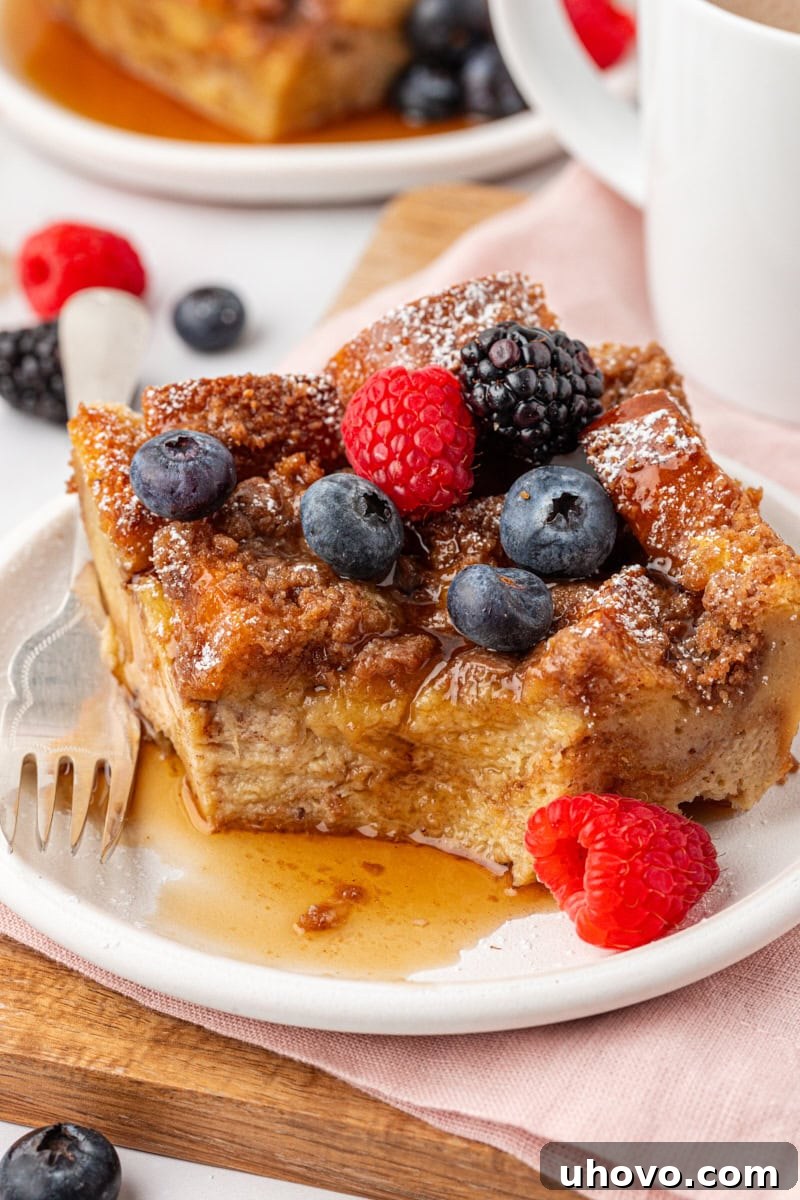
Imagine a breakfast that feels wonderfully indulgent yet effortlessly simple. This delightful baked French toast delivers just that: a luscious, custardy interior cradled by soft, rich bread, all crowned with a golden, buttery brown sugar crumble. It’s the kind of cozy morning meal that elevates any day, making weekends feel special and holidays unforgettable, all without the fuss of standing over a stovetop.
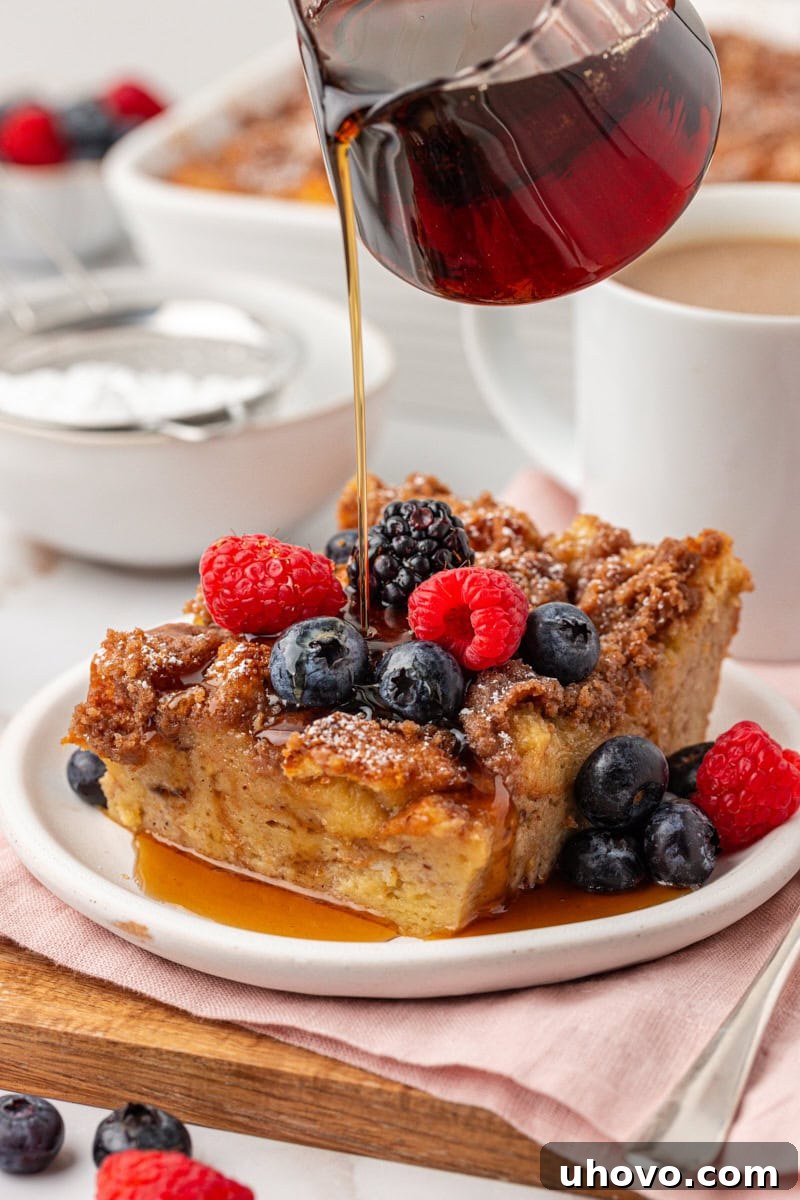
If you adore the classic flavors of French toast but dread the thought of flipping individual slices for a crowd, this baked French toast recipe is your culinary hero. It captures all the warmth and comforting essence of traditional stovetop French toast – the tender, custardy bread infused with notes of cinnamon and vanilla – but streamlines the entire process into a single, elegant baking dish. The true magic lies in its make-ahead potential: you can assemble it the night before, let it soak to perfection overnight, and then simply pop it into the oven in the morning. This means less stress and more time to enjoy a warm, inviting breakfast, whether it’s for a relaxed weekend or a festive holiday gathering.
My preferred way to craft this dish is with rich brioche bread, which lends an unparalleled softness and buttery depth. The experience is further enhanced by a generous layer of buttery brown sugar crumble. This topping doesn’t just add a touch of sweetness; it introduces a delightful textural contrast with its delicate crunch against the velvety interior. The result is a simple yet sophisticated dish that consistently earns rave reviews. Serve it with a generous drizzle of pure maple syrup, a vibrant medley of fresh berries, or a delicate dusting of powdered sugar. There’s truly no wrong way to savor this breakfast masterpiece.
Why You’ll Love This Baked French Toast Recipe
This isn’t just another breakfast recipe; it’s a game-changer for anyone who loves delicious food but appreciates convenience. Here’s why this baked French toast will quickly become a cherished part of your culinary repertoire:
- Effortless Entertaining with Make-Ahead Magic: Imagine waking up to a delicious aroma without the rush. Assemble the entire dish the night before, and all that’s left to do in the morning is bake. This feature makes it perfect for stress-free holiday brunches, leisurely weekend mornings, or when you’re hosting guests.
- Unforgettable Texture Perfection: Experience the best of both worlds. The bread soaks up the rich custard overnight, transforming into an incredibly soft, custardy dream on the inside. Meanwhile, the brown sugar crumble bakes to a beautiful golden, slightly crisp finish, providing a delightful textural contrast in every bite.
- Kitchen Staple Ingredients: You won’t need a special trip to the grocery store for exotic items. This recipe relies on common pantry and refrigerator staples like eggs, milk, sugar, and bread, making it accessible and easy to whip up anytime.
- Versatility at Its Finest: This baked French toast is fantastic on its own, showcasing its rich flavors. However, it also serves as a perfect canvas for customization. Dress it up with a variety of syrups, fresh fruits, nuts, or a simple sprinkle of powdered sugar to match any palate or occasion.
- A Guaranteed Crowd-Pleaser: From discerning adults to picky eaters, this dish consistently wins over hearts and taste buds. Its comforting flavors and inviting aroma make it an ideal choice for any gathering, ensuring happy smiles all around.
Want to Save This Recipe and More?
Enter your email below to receive this delicious recipe directly in your inbox, along with other exclusive breakfast and dessert ideas from our kitchen. Join our community and never miss a tasty update!
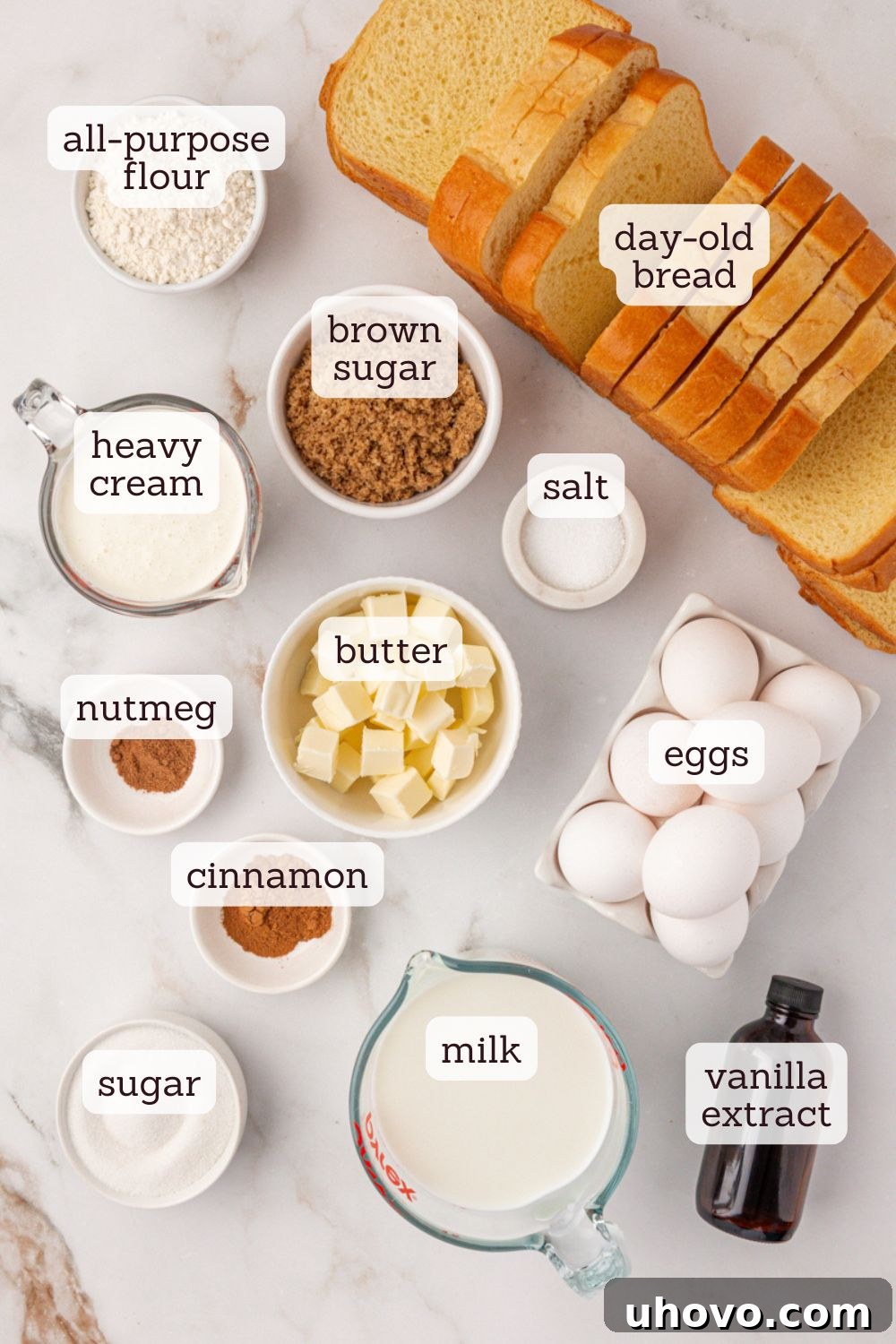
Key Ingredients for Unforgettable Baked French Toast
Creating truly outstanding baked French toast starts with understanding the role each ingredient plays. Here’s a closer look at the components that make this dish shine:
- Brioche Bread: The Foundation of Flavor and Texture
Soft, inherently buttery, and rich, brioche is the star of this recipe, imparting a luxurious, custardy, and incredibly tender texture to the French toast. Its subtle sweetness and sturdy crumb allow it to absorb the custard beautifully without becoming mushy. If brioche isn’t available, excellent alternatives include challah, a similarly rich and eggy bread, or a good quality French bread (like a baguette or pain de mie) for a slightly chewier, more substantial base. For best results, always opt for day-old or slightly stale bread, as fresh bread tends to disintegrate when soaked. - The Custard Base: Eggs, Milk, and Cream
These liquid components are essential for creating the signature custardy texture. The blend of large eggs provides structure and richness. Using both whole milk and heavy cream ensures an extra luscious and decadent custard without making the dish overly heavy or greasy. The cream adds a beautiful richness and smooth mouthfeel that truly elevates the French toast. - Sweetness and Depth: Granulated Sugar and Brown Sugar
A careful combination of sugars is used to achieve the perfect balance of sweetness and a hint of caramelization. Granulated sugar provides clean sweetness, while light brown sugar contributes a deeper, molasses-rich flavor that complements the warm spices and buttery bread beautifully. This blend also helps in achieving that appealing golden-brown crust. - Aromatic Warmth: Vanilla and Cozy Spices
These ingredients transform the simple custard into an aromatic delight. Pure vanilla extract adds a foundational sweetness and complexity. Ground cinnamon and ground nutmeg infuse the custard with a comforting warmth, making it feel perfectly suited for chilly mornings or holiday gatherings. These spices are key to the classic French toast flavor profile. - The Perfect Contrast: Buttery Brown Sugar Crumb Topping
This optional, but highly recommended, topping is what truly elevates this baked French toast. A simple mixture of brown sugar, all-purpose flour, and more cinnamon, cut with cold unsalted butter, bakes into a lightly crisp, caramelized layer. It provides an exquisite textural contrast and an extra burst of buttery sweetness that complements the soft, custardy interior perfectly. - Serving Enhancements: Toppings for Every Preference
While delicious on its own, baked French toast truly shines with complementary toppings. A drizzle of high-quality maple syrup is a classic choice, adding natural sweetness and a sticky glaze. Fresh fruit, such as berries, sliced bananas, or peaches, introduces a bright, fresh counterpoint. For a simple yet elegant finish, a dusting of powdered sugar adds a delicate touch and a professional look. Feel free to use one, two, or all three for an ultimate breakfast experience!
How to Make Baked French Toast: A Step-by-Step Guide
Creating this magnificent baked French toast is simpler than you might think, especially with the advantage of overnight preparation. Follow these easy steps for a perfect outcome every time.
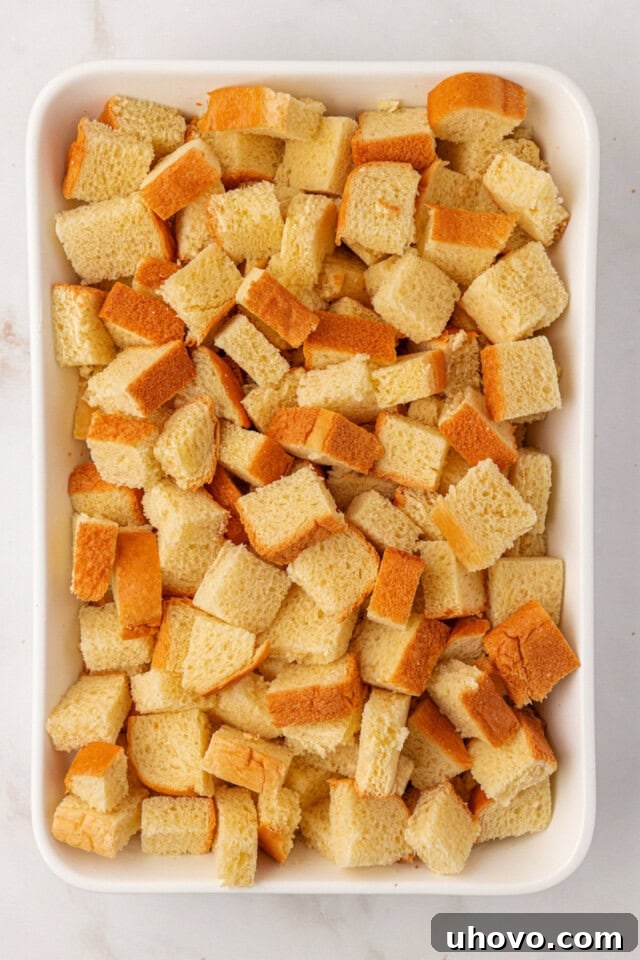
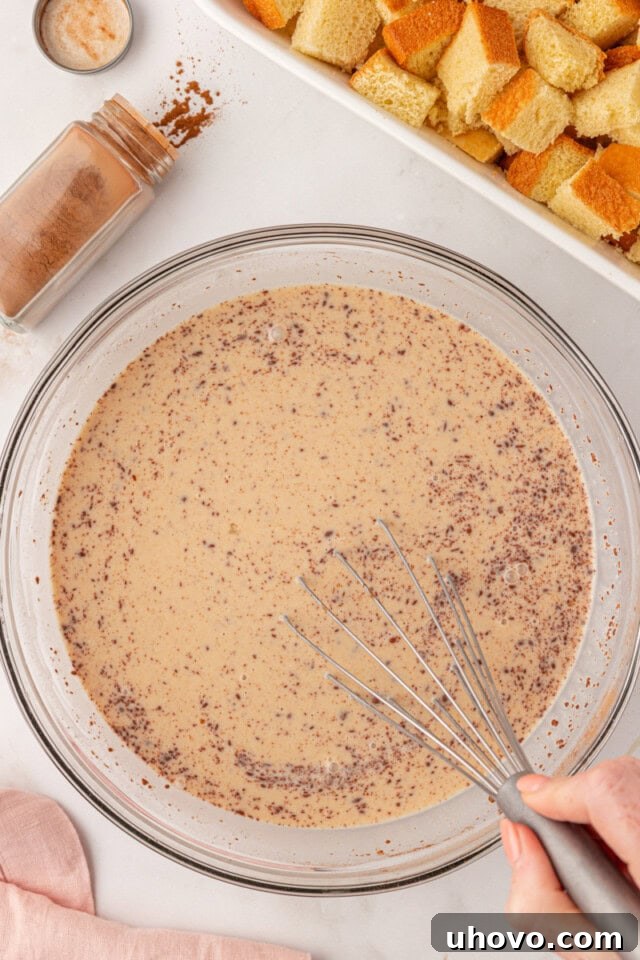
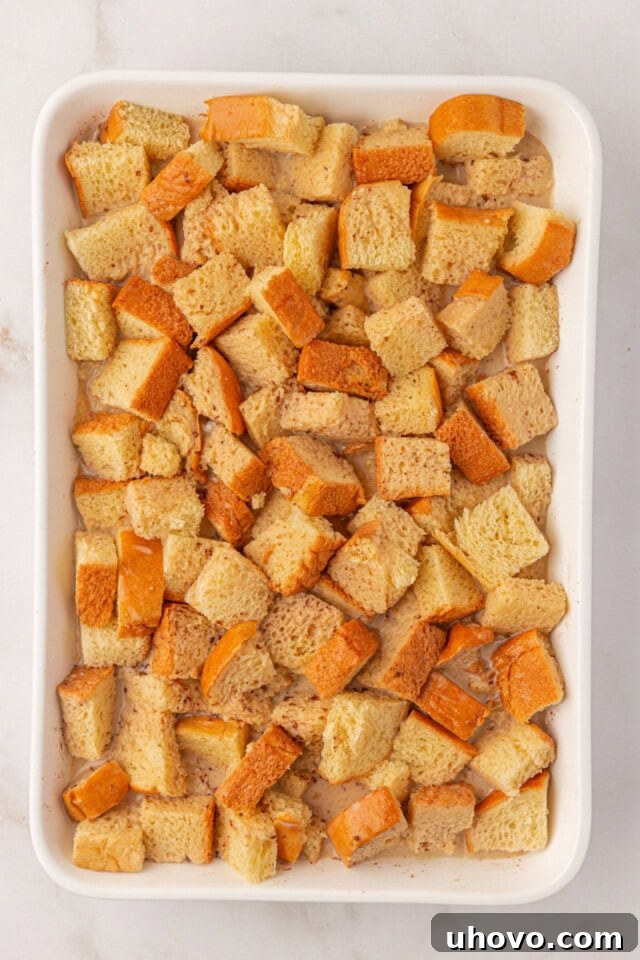
Step 1: Prepare the Baking Dish and Bread
Begin by lightly buttering a standard 9×13-inch baking dish. This helps prevent sticking and adds another layer of flavor. Next, fill the prepared dish with uniform 1-inch cubes of day-old brioche (or your chosen sturdy bread). Using slightly stale bread is crucial here, as it allows the bread to fully absorb the rich custard without becoming soggy or falling apart during baking. If your bread is very fresh, you can cube it and leave it exposed to air for an hour or two, or lightly toast it in a low oven for about 10-15 minutes to dry it out slightly.
Step 2: Whisk Together the Rich Custard
In a large mixing bowl, combine all the liquid and flavor ingredients for your custard. Start by lightly whisking the eggs, then add the whole milk, heavy cream, granulated sugar, light brown sugar, vanilla extract, ground cinnamon, ground nutmeg, and salt. Continue whisking until the mixture is smooth and thoroughly combined, ensuring no streaks of egg yolk remain. Once the custard is ready, pour it evenly over the bread cubes in the baking dish. Gently press down on the bread with the back of a spoon or your hands, making sure every piece is fully coated and submerged in the flavorful liquid. This ensures maximum absorption and a truly custardy texture.
Step 3: Chill for Optimal Absorption
Cover the baking pan tightly with plastic wrap or aluminum foil and refrigerate for at least 4 hours, or ideally, overnight (up to 12 hours). This essential resting period allows the bread to completely soak up the custard mixture, leading to that signature soft, rich, and incredibly moist texture that baked French toast is known for. Don’t skip this step – it’s key to the dish’s success!
💡 Make It Ahead: The beauty of this recipe is its adaptability. Assemble the French toast base and custard the night before, then simply add the crumb topping just before baking in the morning. This is the ultimate strategy for serving a spectacular breakfast without any early-morning prep stress.
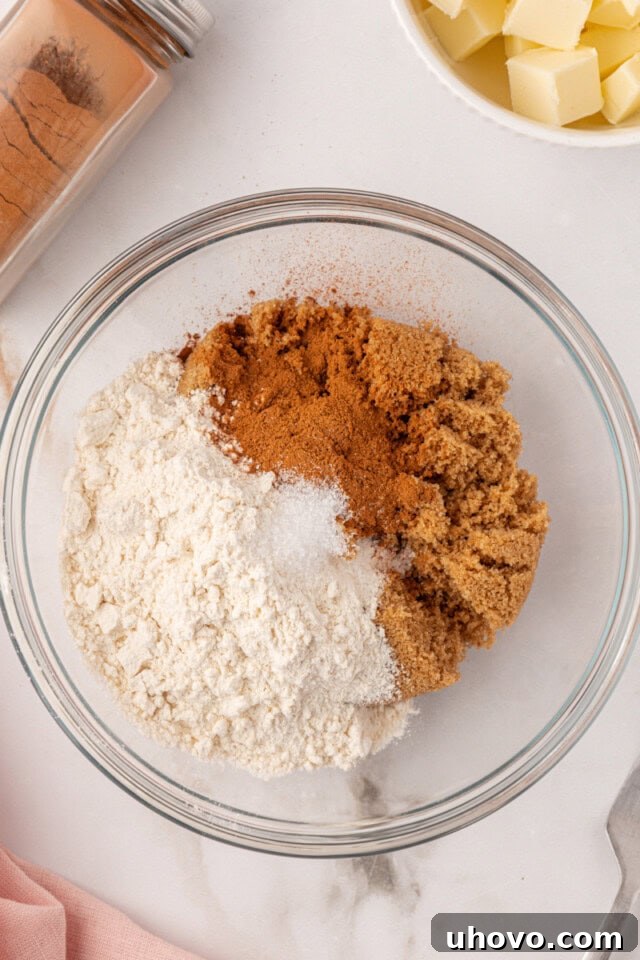
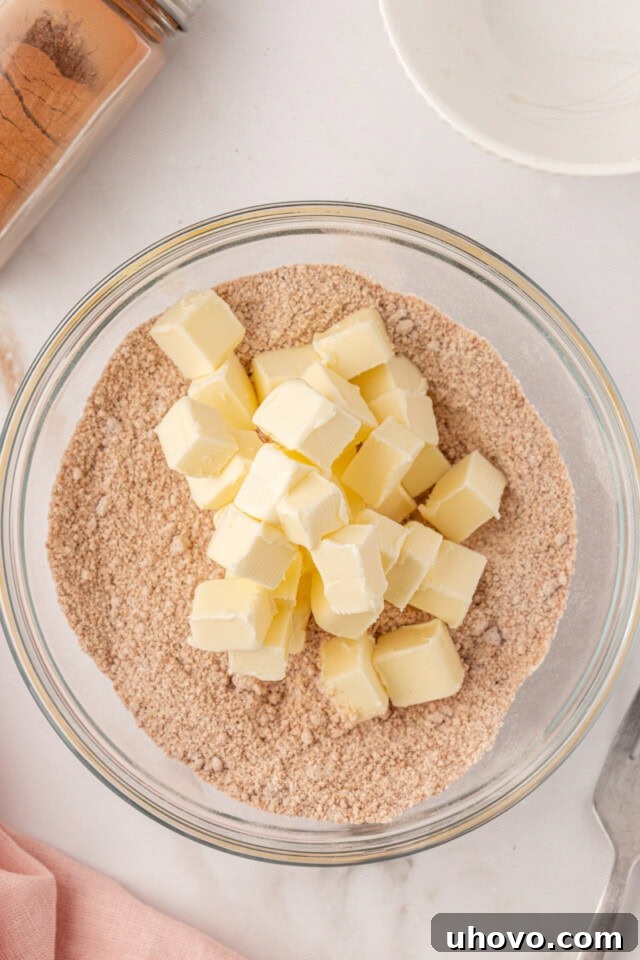
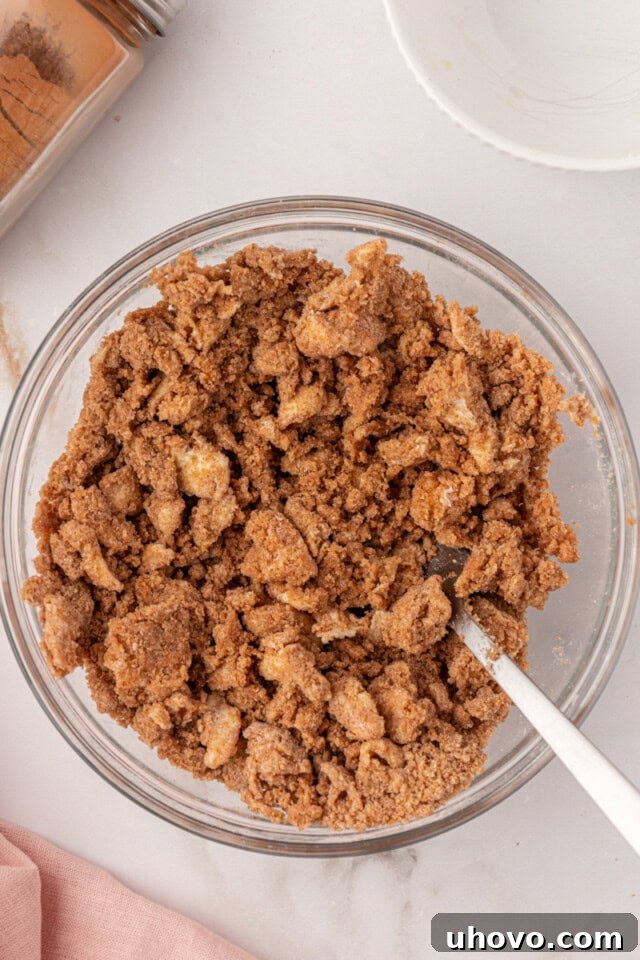
Step 4: Prepare the Crumb Topping
While the French toast is chilling, you can prepare the delicious crumb topping. In a medium bowl, whisk together the dry ingredients: light brown sugar, all-purpose flour, ground cinnamon, and a pinch of salt. Then, using a pastry blender, two knives, or your fingertips, cut in the cold, cubed unsalted butter until the mixture resembles coarse crumbs with some pea-sized pieces of butter remaining. This crumbly texture is key to a crisp topping. Cover the bowl and refrigerate the topping separately until you’re ready to bake. This prevents it from getting soggy and ensures maximum crispiness.
Step 5: Bake to Golden Perfection
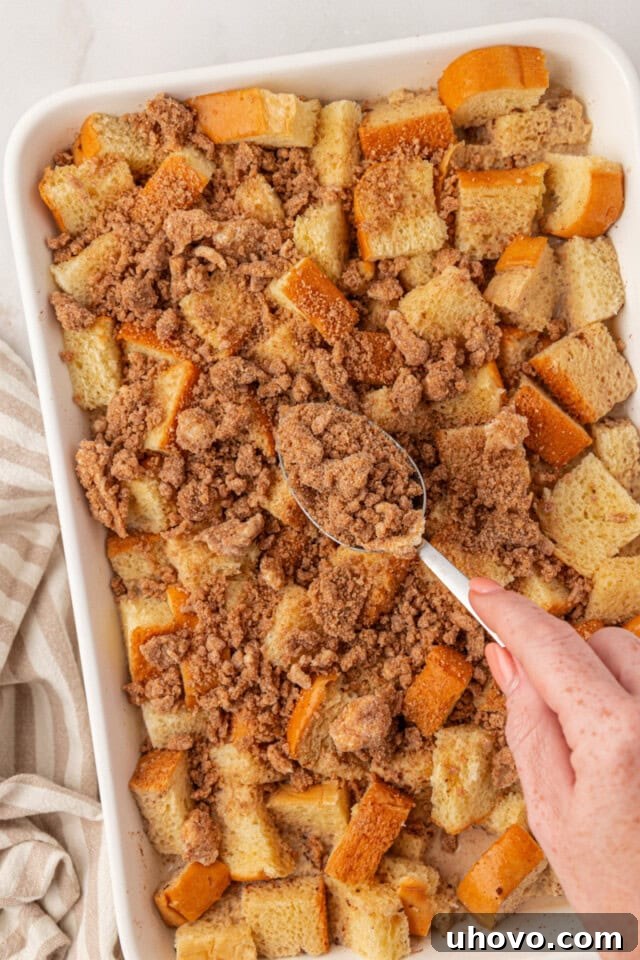
When it’s time for breakfast, preheat your oven to 350°F (175°C). Remove the chilled French toast from the refrigerator. Evenly sprinkle the prepared crumb topping over the entire surface of the soaked bread. Place the dish in the preheated oven and bake for 45 to 55 minutes, or until the topping is beautifully golden brown and the center of the French toast is set. You can test for doneness by gently pressing the center – it should feel firm yet still soft and springy. A knife inserted into the center should come out mostly clean. The French toast will puff up impressively during baking, then slightly deflate as it cools, which is perfectly normal.
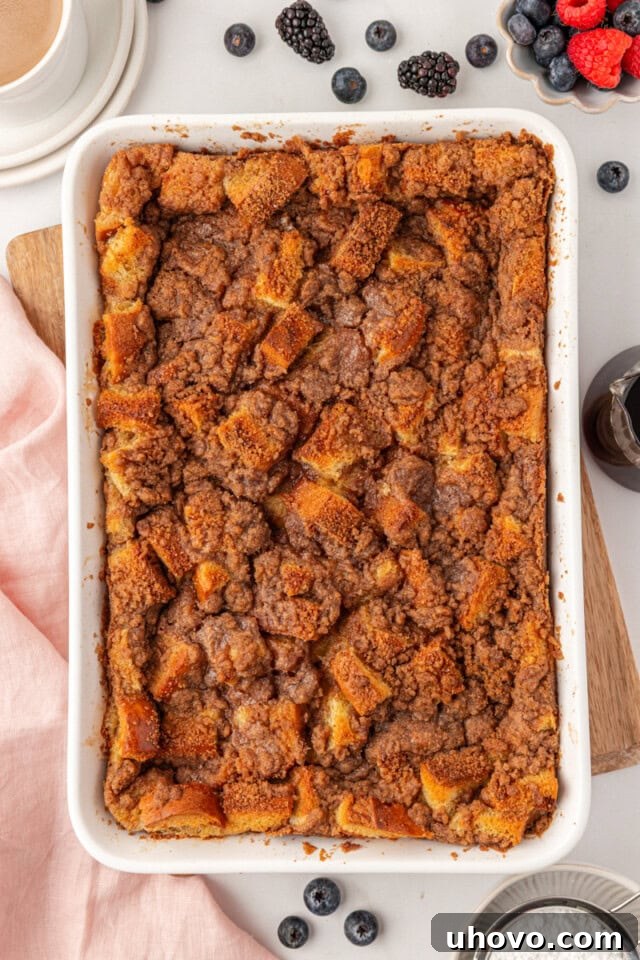
Step 6: Serve and Enjoy!
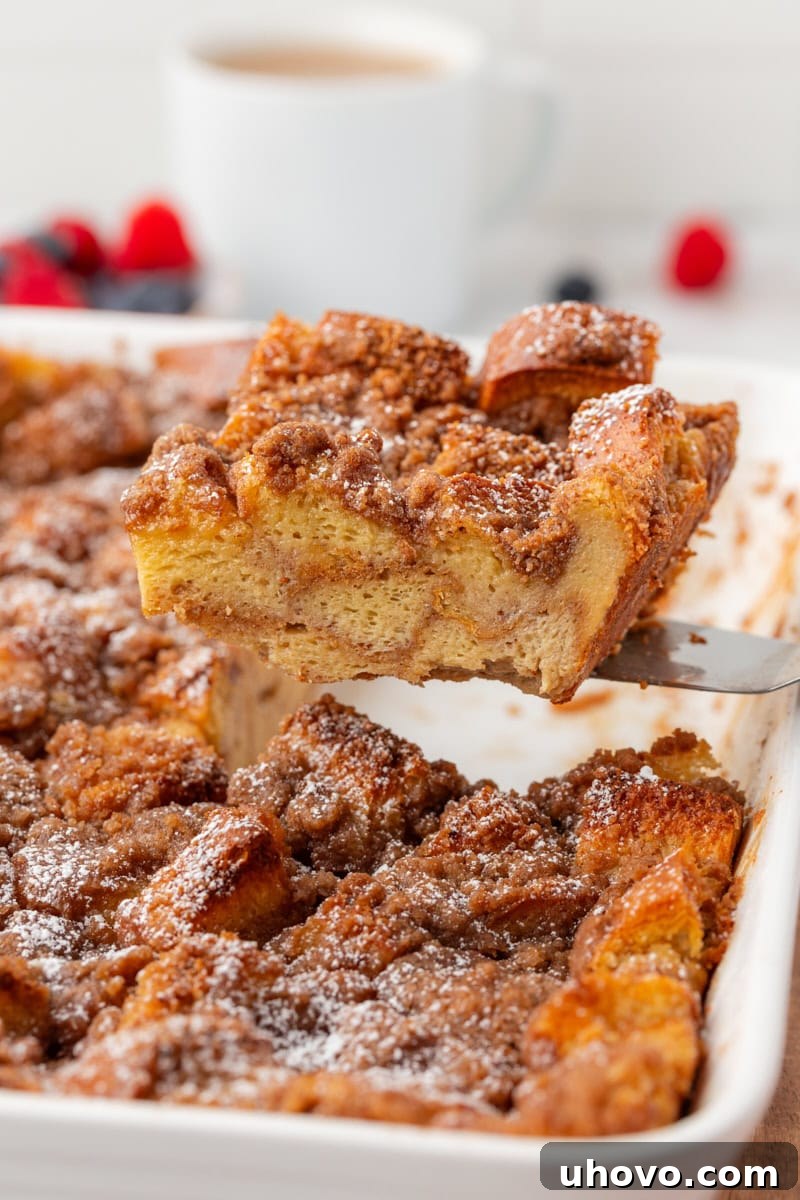
Once baked, remove the pan from the oven and let the French toast rest for about 10 minutes. This brief cooling period helps it firm up slightly, making it easier to cut into clean, elegant portions. Serve warm, allowing guests to customize their plates. A generous drizzle of pure maple syrup is a classic accompaniment, adding natural sweetness and shine. For a touch of elegance, dust with a fine layer of powdered sugar. Or, for a burst of freshness and color, top with a medley of fresh berries or sliced fruit. Whether you prefer it plain or dressed up, this baked French toast is ready to be savored.
Tips for Success: Achieving French Toast Perfection
To ensure your baked French toast turns out perfectly every time, keep these expert tips in mind:
- Embrace Slightly Stale Bread: This is arguably the most important tip. Fresh, soft bread contains too much moisture and will become mushy when soaked in the custard. Day-old or even two-day-old bread is ideal because it’s drier and acts like a sponge, absorbing the custard thoroughly without disintegrating. If you only have fresh bread, cube it and let it air dry on a baking sheet for an hour or two, or briefly toast it in a 250°F (120°C) oven for 15-20 minutes until slightly firm but not colored.
- Prioritize Overnight Chilling: While a minimum of 4 hours will work, allowing the French toast to rest and soak overnight in the refrigerator (8-12 hours) yields superior results. This extended chill time gives the bread ample opportunity to fully absorb the rich custard, resulting in a creamier, more tender interior and a deeper, more cohesive flavor profile.
- Add the Topping Just Before Baking: For a wonderfully crisp crumb topping, always sprinkle it over the French toast immediately before it goes into the oven. Adding it too early, especially if you’re chilling the dish overnight, can cause the topping to absorb moisture and become soggy, losing its delightful crunch.
- Verify Doneness with Confidence: The French toast is ready when the topping is golden brown and the center is set. Gently press the center with your finger; it should feel firm but still have a slight spring to it. If it’s overly jiggly or liquidy, return it to the oven for a few more minutes. A knife inserted into the center should come out clean.
- Allow a Brief Resting Period: Resist the urge to slice into your baked French toast right out of the oven. Letting it rest for about 10 minutes allows the custard to finish setting and firms up the structure, making it much easier to cut into clean, defined portions without crumbling. It also prevents the hot steam from making it soggy.
- Don’t Overcrowd the Pan: Ensure your bread cubes are distributed evenly in the baking dish without being too tightly packed. This allows the custard to circulate properly and the heat to penetrate, ensuring uniform cooking and absorption.
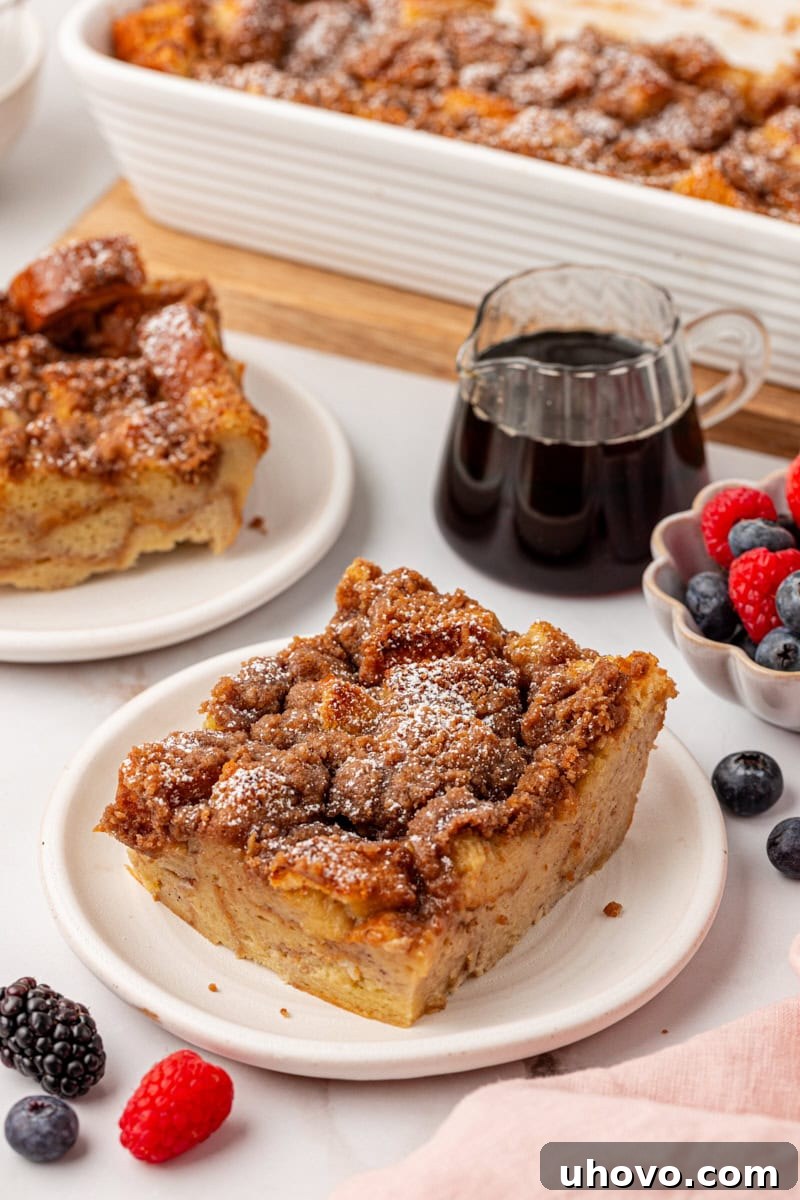
Variations and Serving Ideas to Customize Your Baked French Toast
This baked French toast is a delicious classic on its own, but it’s also incredibly adaptable. Feel free to unleash your creativity with these simple tweaks and serving suggestions:
- Experiment with Different Breads: While brioche is our top recommendation for its richness, don’t hesitate to try other varieties. Challah bread offers a similarly eggy, slightly sweet, and soft texture. For a sturdier, chewier French toast, opt for a good quality French bread or even a light sourdough. Each will impart a slightly different character to the dish.
- Spice It Up: Elevate the cozy factor by playing with your spice rack. Beyond cinnamon and nutmeg, consider adding a pinch of allspice, cloves, or even a touch of cardamom for a unique twist, especially for fall and winter brunches. If you prefer a simpler flavor profile, feel free to reduce or omit the nutmeg.
- Embrace a Variety of Toppings:
- Classic Maple Syrup: Always a winner for its rich sweetness.
- Powdered Sugar: A simple, elegant dusting for a beautiful finish.
- Fresh Fruit Medley: Berries (strawberries, blueberries, raspberries), sliced bananas, peaches, or even caramelized apples add freshness, color, and a lovely tang.
- Whipped Cream or Ice Cream: For an extra decadent treat, especially if serving as a dessert-brunch item.
- Nuts: Toasted pecans, walnuts, or almonds sprinkled on top add crunch and nutty flavor.
- Chocolate Chips or Sauce: A drizzle of chocolate sauce or a scattering of mini chocolate chips can transform it into a dessert-like experience.
- Lemon Zest: A little fresh lemon zest can brighten the flavors beautifully.
- Make Enough for a Crowd: This recipe is inherently perfect for groups. If you’re hosting a large holiday brunch or gathering, simply double the recipe and bake it in two separate 9×13-inch pans. This ensures everyone gets a warm, generous serving with minimal additional effort on your part.
- Add a Fruit Layer: For an extra burst of flavor and moisture, consider adding a layer of thinly sliced apples, pears, or berries at the bottom of the pan before adding the bread cubes. This will bake into the French toast, creating a delicious fruit-infused layer.
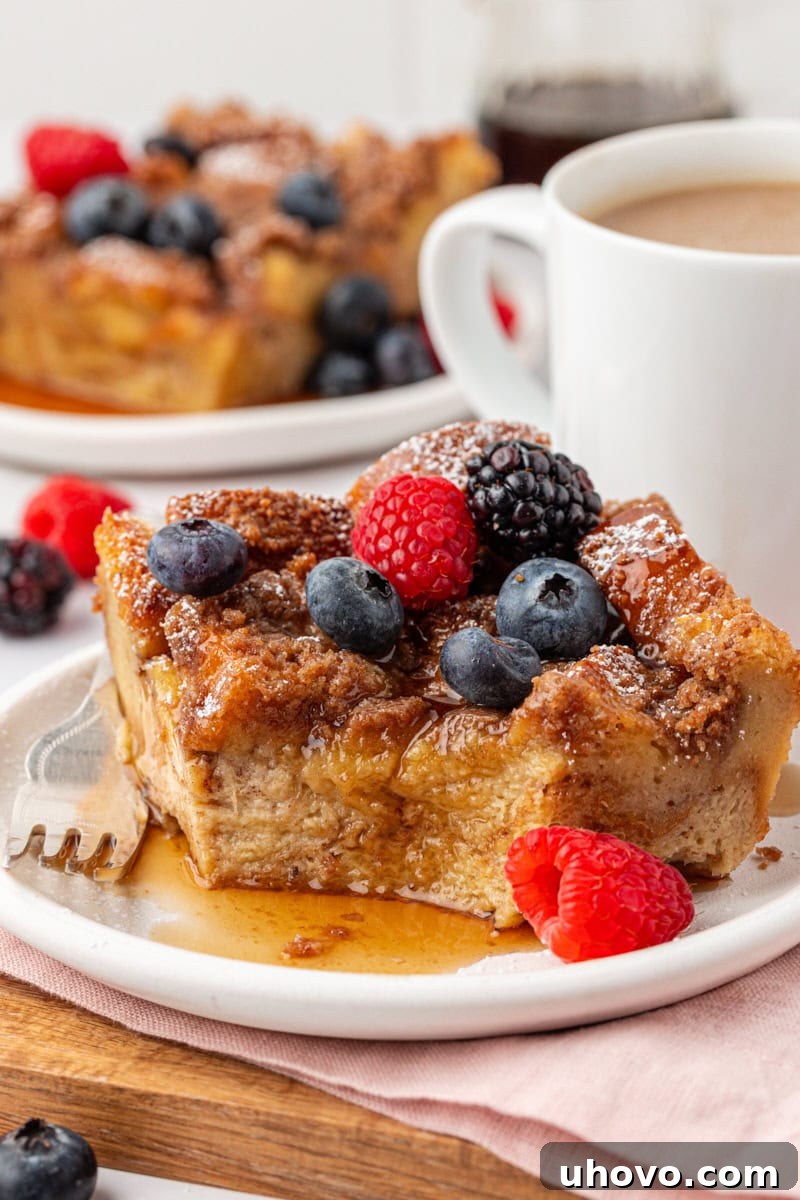
How to Store and Reheat Your Baked French Toast
One of the many advantages of baked French toast is how well it stores and reheats, allowing you to enjoy leftovers for days or even prepare a batch far in advance.
Refrigerating Leftovers:
Allow any leftover baked French toast to cool completely to room temperature. Then, cover the baking dish tightly with plastic wrap or transfer individual portions to an airtight container. Refrigerate for up to 3 days. Storing it properly helps maintain its flavor and texture.
Reheating Refrigerated Portions:
- Microwave: For quick individual servings, place a slice on a microwave-safe plate and heat for 30-60 seconds, or until warmed through. Be careful not to overheat, as this can dry it out.
- Oven: To reheat a larger portion or the entire pan, preheat your oven to 350°F (175°C). Cover the French toast with aluminum foil to prevent it from drying out and bake for 15-25 minutes, or until heated through to your desired warmth.
Freezing for Longer Storage:
Baked French toast freezes beautifully, making it an excellent option for meal prepping or having an emergency delicious breakfast on hand. Once cooled, wrap individual slices or the entire pan tightly in plastic wrap, then an additional layer of aluminum foil. This double layer helps prevent freezer burn. Freeze for up to 2 months. For best results, consider freezing individual slices on a baking sheet first until firm, then transfer them to a freezer-safe bag or container with parchment paper between layers to prevent sticking.
Reheating Frozen French Toast:
To reheat from frozen, it’s best to thaw the French toast overnight in the refrigerator first. Once thawed, follow the oven reheating instructions above. If reheating directly from frozen, bake in a 350°F (175°C) oven, covered with foil, for 30-45 minutes, or until completely heated through.
Important Note for Freezing Before Baking: If you plan to assemble the French toast and freeze it before baking (without the crumb topping), ensure the bread is completely saturated with custard. When ready to bake, thaw it overnight in the refrigerator, then add the crumb topping just before it goes into the oven to ensure it bakes up crisp and golden.
A Cozy Make-Ahead Favorite for Every Occasion
Whether you’re planning a lazy weekend morning with family or orchestrating a bustling holiday brunch, this baked French toast effortlessly transforms breakfast into an extra comforting and memorable experience. The sheer ease of preparing it the night before means you can wake up, pop it into the oven while your coffee brews, and soon be serving a warm, aromatic delight straight from the dish. The joy of this recipe lies not just in its incredible flavor and texture, but in the minimal effort it demands on the morning of. We’re confident that once you try this simple yet spectacular dish, it will quickly earn a cherished and regular spot in your breakfast rotation, just as it has in ours. It’s truly a recipe designed for making beautiful breakfast memories.
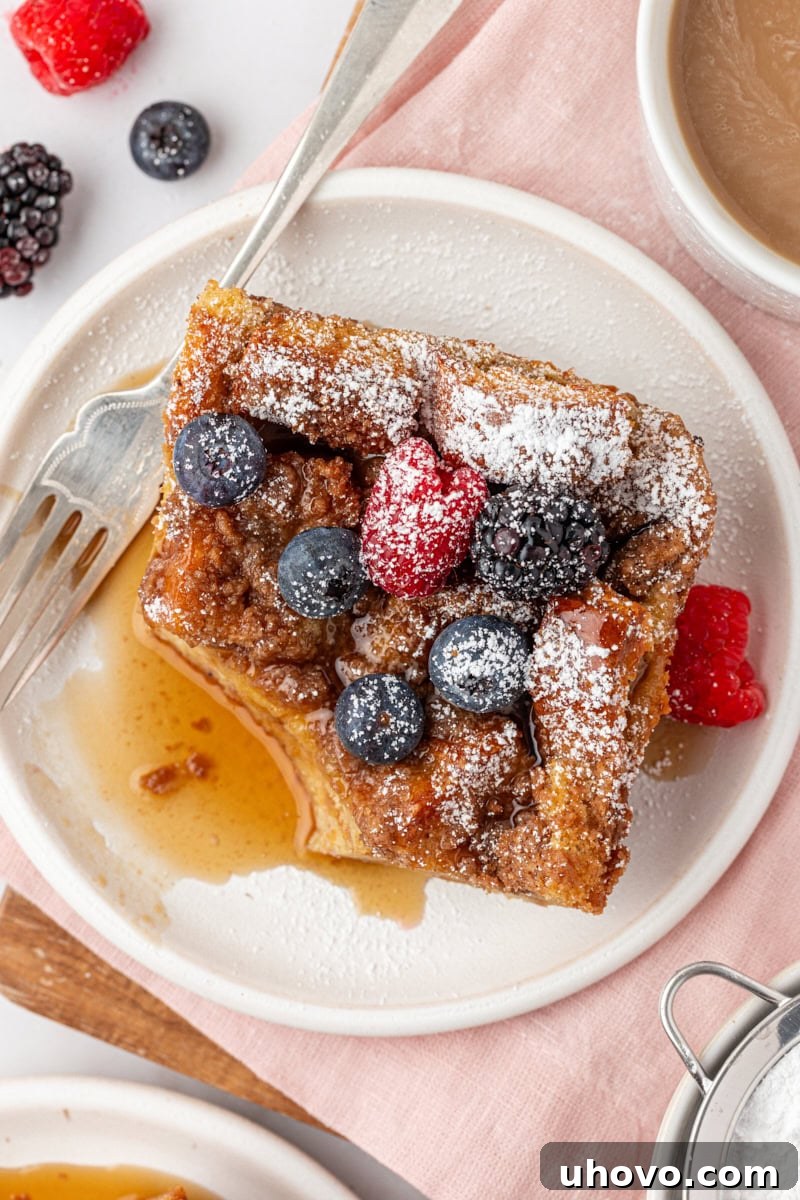
More Breakfast and Brunch Favorites
Get the Recipe:
Baked French Toast
Yield: 8 servings
Prep Time: 20 minutes
Cook Time: 55 minutes
Additional Time: 4 hours (chill time)
Total Time: 5 hours 15 minutes
This easy make-ahead baked French toast is soft and custardy on the inside with a buttery brown sugar crumb topping. Perfect for weekend breakfasts, holidays, or brunch with family and friends.
Ingredients
For the French toast:
- 1 loaf day-old bread, such as brioche, challah, or French bread, cut into 1-inch cubes (about 12 cups)
- 8 large eggs
- 2 cups (480 ml) whole milk
- 1 cup (240 ml) heavy cream
- ½ cup (100 g) granulated sugar
- ½ cup (100 g) firmly packed light brown sugar
- 2 teaspoons vanilla extract
- 1 teaspoon ground cinnamon
- ¼ teaspoon ground nutmeg
- ¼ teaspoon salt
For the topping:
- ½ cup (100 g) firmly packed light brown sugar
- ½ cup (60 g) all-purpose flour
- 1 teaspoon ground cinnamon
- ¼ teaspoon salt
- ½ cup (113 g) unsalted butter, cold and cut into cubes
Recommended Products
- Rectangular Baking Dish, 13″ x 9″
- Stainless Steel Whisk
- Pastry Blender
Instructions
- Lightly butter a 9×13-inch baking dish. Place the bread cubes in the dish in an even layer.
- In a large bowl, lightly whisk the eggs. Then whisk in the milk, cream, sugars, vanilla, cinnamon, nutmeg, and salt until well combined.
- Pour the custard evenly over the bread. Gently press the bread down so all pieces absorb the liquid. Cover and refrigerate for at least 4 hours or overnight.
- Next, make the topping. In a medium bowl, combine the brown sugar, flour, cinnamon, and salt. Cut in the cold butter with a pastry blender or your fingers until the mixture resembles coarse crumbs. Cover and refrigerate until ready to bake.
- When ready to bake, preheat the oven to 350°F (175°C). Sprinkle the topping evenly over the bread mixture.
- Bake for 45–55 minutes, or until set in the center and golden on top. A knife inserted into the center should come out clean. (It will puff up tall then deflate after baking.)
- Serve warm with maple syrup, fresh fruit, or confectioners’ sugar.
Notes
- Makes about 8 servings, depending on portion size.
- Use slightly stale bread so it soaks up the custard without getting soggy.
- Brioche gives a rich texture, but challah or French bread work just as well.
- Assemble the night before and refrigerate for an easy morning bake.
- Store leftovers covered in the refrigerator for up to 3 days. Reheat in the oven or microwave until warm.
- For longer storage, freeze up to 2 months. Thaw overnight in the fridge before reheating.
Author: Jennifer McHenry
Course: Breakfast
Cuisine: American
Show off your baking masterpiece!
Snap a pic, tag @bakeorbreak, and use #bakeorbreak on Instagram. Can’t wait to see your creation!