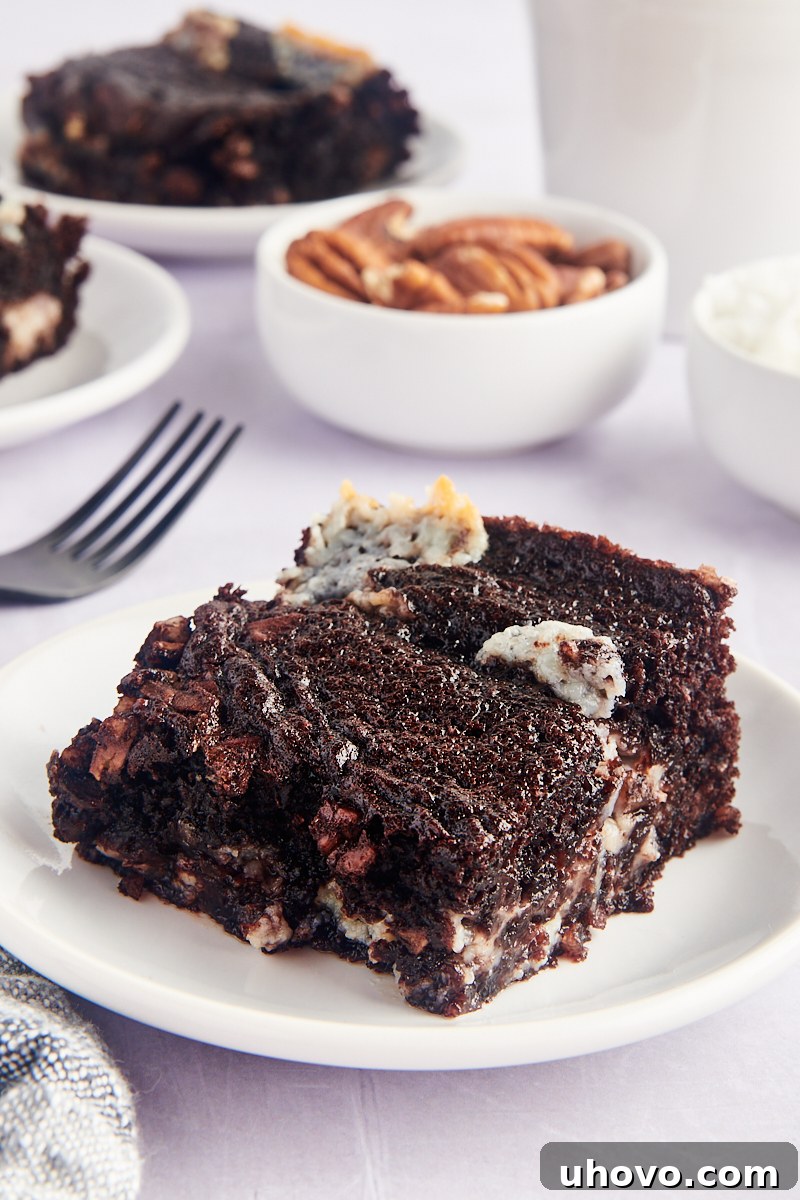
Forget the box mixes and prepare to create a show-stopping dessert from scratch! Our homemade earthquake cake recipe brings together a symphony of textures and flavors, featuring rich chocolate cake, luscious cream cheese swirls, crunchy pecans, and tender coconut. This isn’t just any cake; it’s a dessert that truly lives up to its name, promising to shake up your taste buds and become an instant favorite in your household. Get ready to bake a masterpiece that’s as delightful to look at as it is to eat.
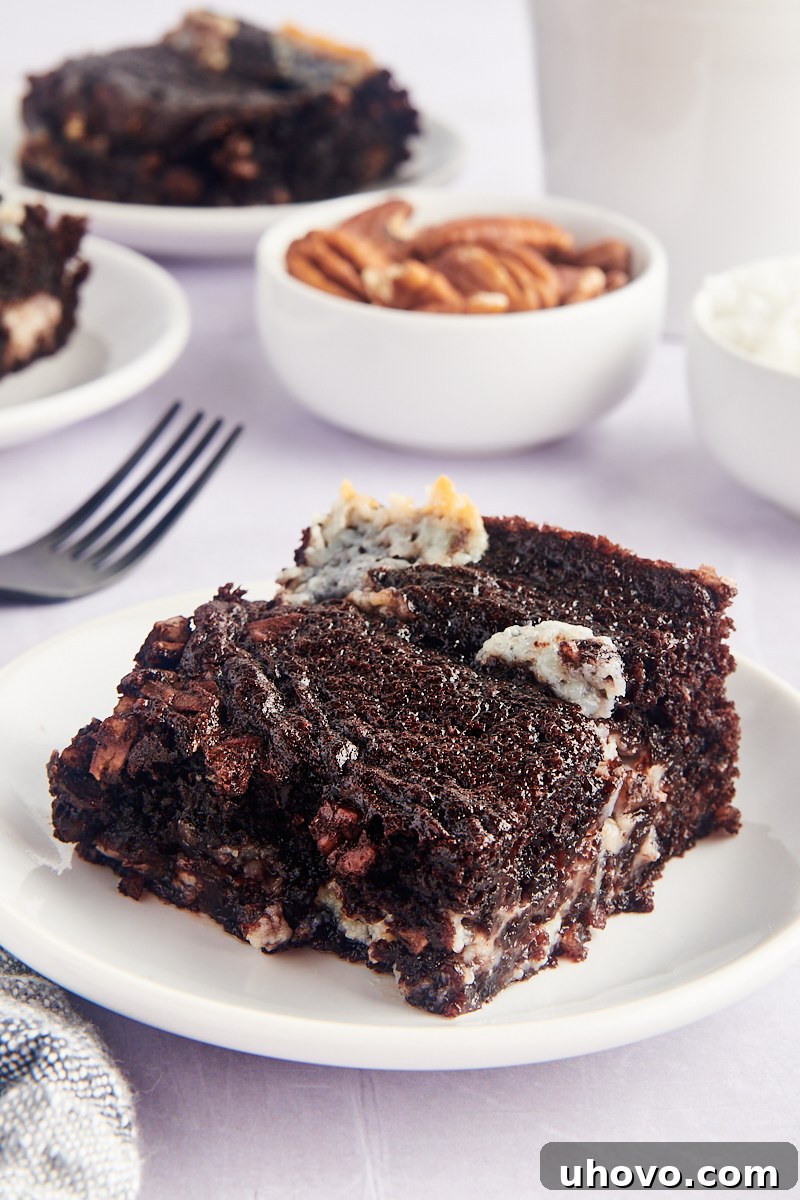
What is Earthquake Cake?
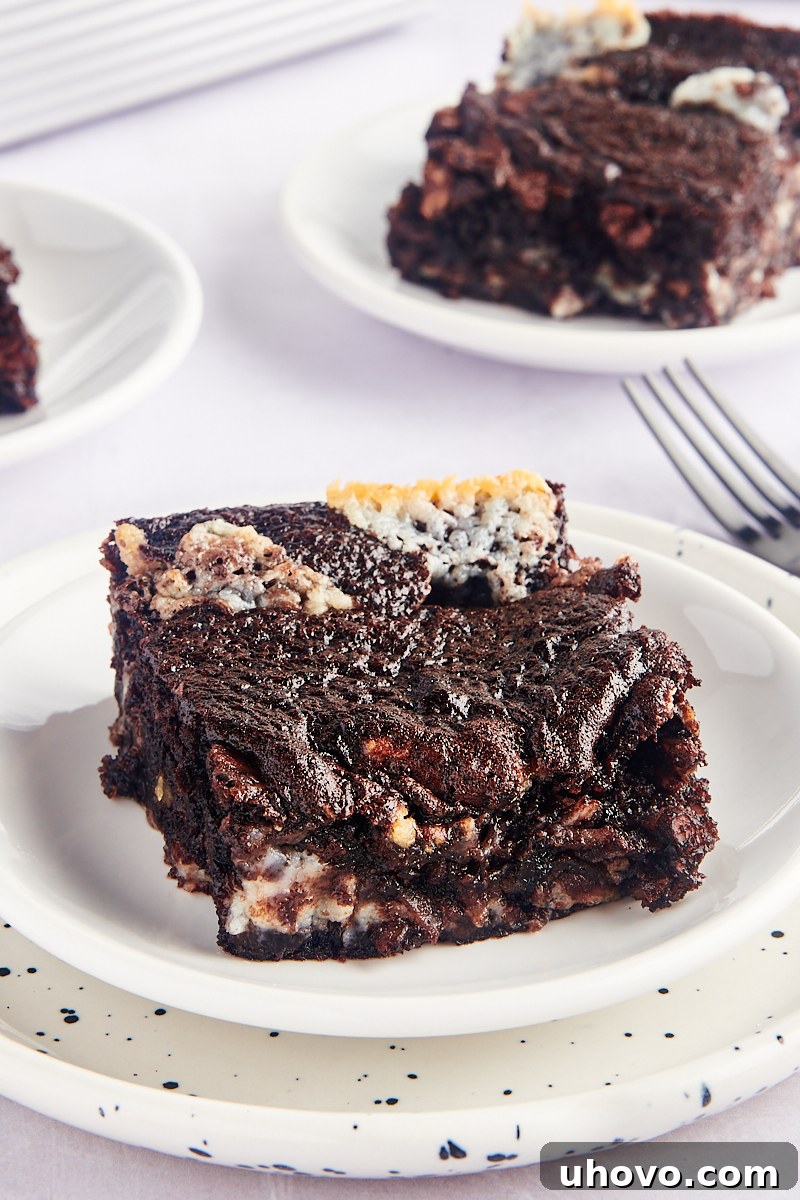
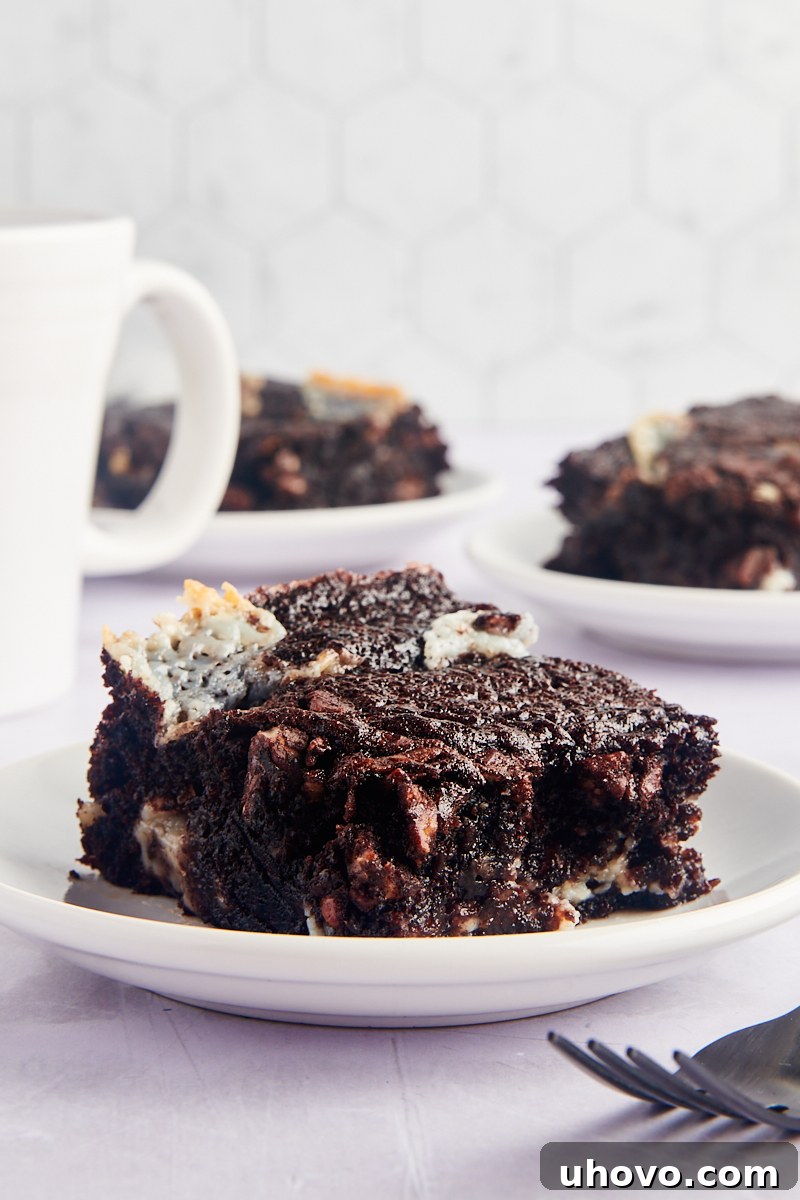
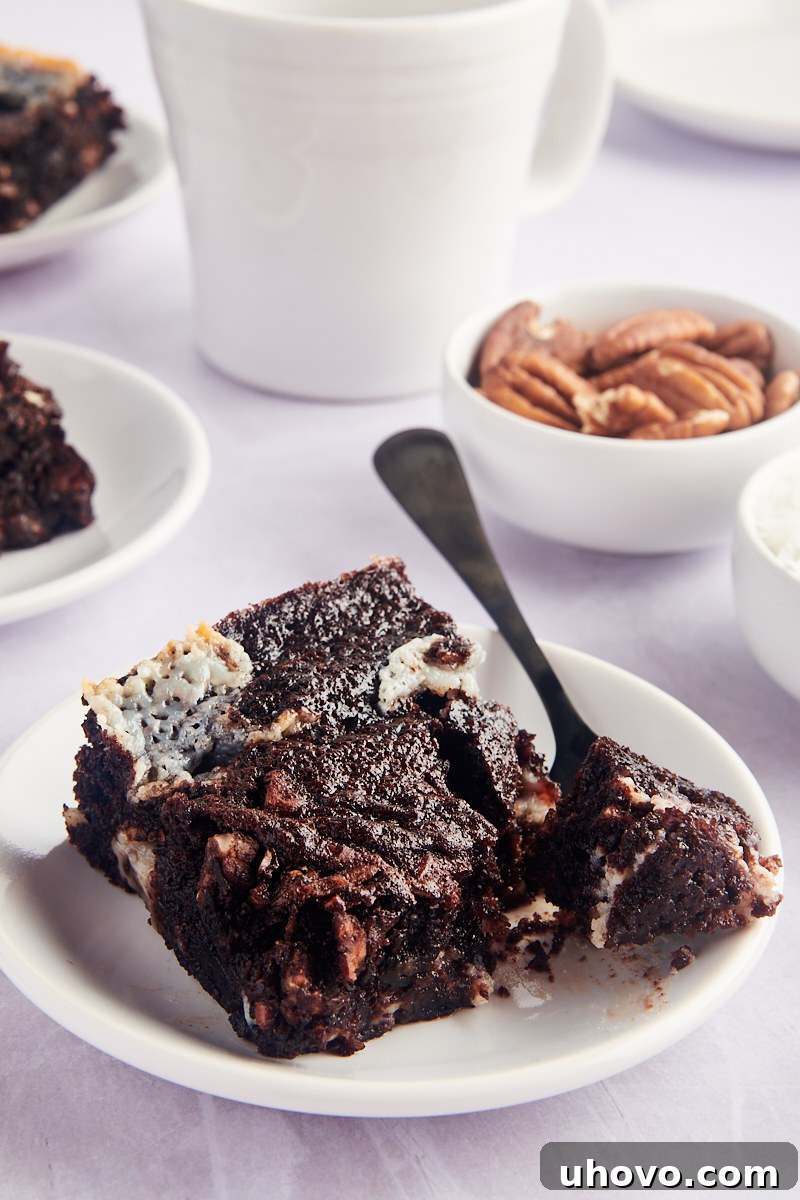
Earthquake cake earns its intriguing name from its distinctively cracked and rugged surface, which beautifully resembles geological fault lines. But the comparison extends beyond just appearance; this cake is designed to send tremors of delight through anyone who tries it! It starts with a wonderfully moist chocolate cake base, into which generous ribbons of creamy, tangy cream cheese are swirled. The entire creation is then studded with toasted, crunchy pecans and soft, shredded coconut, offering an incredible contrast of textures and a harmonious blend of sweet, nutty, and chocolatey flavors.
Unlike many versions that rely on a boxed cake mix for simplicity, our recipe elevates the earthquake cake experience by crafting every component from scratch. This approach not only ensures a superior depth of flavor and texture but also allows you to control the quality of ingredients, resulting in a truly exceptional dessert that feels both homemade and gourmet.
Why You’ll Love This Homemade Earthquake Cake Recipe
- Truly From Scratch: While many earthquake cake recipes take a shortcut with a cake mix, our version is entirely homemade. This dedication to crafting everything from raw ingredients makes the cake exceptionally special, boasting a depth of flavor and a tender crumb that simply can’t be achieved with a mix. You’ll taste the difference, and so will your guests!
- Surprisingly Easy to Make: Don’t let the “from scratch” aspect intimidate you. Despite its impressive appearance and complex flavors, this earthquake cake is designed to be straightforward and approachable for bakers of all skill levels. The steps are simple, the ingredients are common, and the process is far less complicated than you might imagine.
- Perfect for Any Gathering: Earthquake cake is inherently rich, decadent, and incredibly satisfying, meaning a small slice goes a long way. This makes it an ideal dessert for serving at parties, potlucks, or any occasion where you need to feed a crowd. It’s not just a dessert; it’s a conversation starter and an undeniable crowd-pleaser that will leave everyone asking for the recipe.
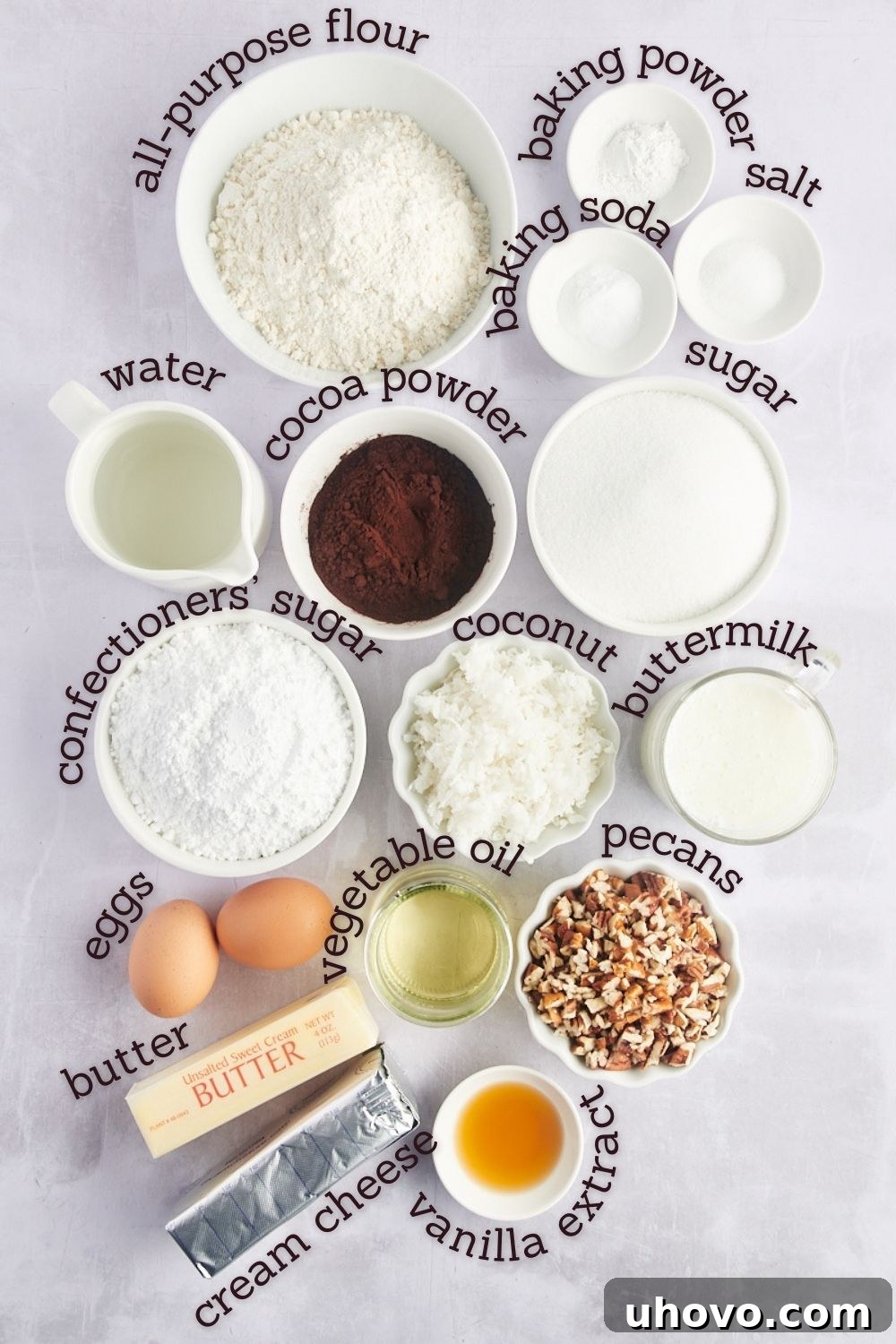
What You’ll Need for Your Homemade Earthquake Cake
Crafting this delightful earthquake cake from scratch requires a selection of fresh, high-quality ingredients, thoughtfully divided between the creamy filling and the rich chocolate cake base. Below is a detailed breakdown of each component and its role in achieving the perfect balance of flavor and texture.
For the Irresistible Cream Cheese Filling:
- Cream cheese – Essential for that signature tangy and creamy swirl. Always opt for full-fat block cream cheese, softened to room temperature, to ensure a smooth, lump-free filling that blends beautifully with the cake batter.
- Unsalted butter – Complementing the cream cheese, unsalted butter contributes to the filling’s rich flavor and helps achieve a spreadable, frosting-like consistency. Make sure it’s softened, but not melted, for optimal blending.
- Vanilla extract – A touch of pure vanilla extract enhances the overall sweetness and adds a warm, aromatic note to the creamy filling.
- Confectioners’ sugar – Also known as powdered sugar, this fine sugar is key to creating a silky-smooth filling that dissolves easily, ensuring no grainy texture. It also provides the perfect level of sweetness to balance the tang of the cream cheese.
For the Rich Chocolate Cake:
- Shredded coconut – This ingredient is sprinkled at the bottom of the pan and baked directly into the cake, adding a wonderful chewiness and tropical hint. Ensure you use shredded coconut, not flaked, as flaked coconut is thicker and can alter the cake’s texture.
- Pecans – Chopped pecans provide a delightful crunch and nutty flavor that perfectly complements the chocolate and coconut. While walnuts or almonds could be substituted, pecans are traditionally favored in this recipe for their buttery texture and robust taste.
- All-purpose flour – The structural foundation of our cake. Proper measurement is crucial for the perfect texture; always spoon the flour into your measuring cup and level it off rather than scooping directly from the bag.
- Granulated sugar – Sweetens the cake and contributes to its moistness and tender crumb.
- Unsweetened cocoa powder – This is where the deep, intense chocolate flavor comes from. Using high-quality unsweetened cocoa powder will significantly impact the cake’s richness and color.
- Baking powder – A leavening agent that helps the cake rise, creating a light and airy texture.
- Baking soda – Another leavening agent that works in conjunction with the acidic buttermilk to create lift and tenderness in the cake.
- Salt – A pinch of salt is vital for balancing the sweetness and enhancing all the other flavors in the cake, making the chocolate taste even more pronounced.
- Eggs – Provide structure, richness, and moisture. For best results, allow them to come to room temperature along with the butter and cream cheese, as this helps them incorporate more uniformly into the batter.
- Buttermilk – A key ingredient for a super moist and tender cake. Its acidity reacts with the baking soda to help the cake rise and adds a subtle tang that deepens the chocolate flavor. If you don’t have buttermilk, you can easily make your own by adding a tablespoon of lemon juice or white vinegar to regular milk and letting it sit for 5-10 minutes.
- Vegetable oil – Or canola oil, if you prefer. Oil contributes to the cake’s moistness and tenderness, keeping it soft for days.
- Vanilla extract – Essential for rounding out the chocolate flavor, adding warmth and depth to the cake.
- Boiling water – This special ingredient is not just for thinning the batter. It plays a crucial role in intensifying the chocolate flavor, as explained in detail below.
The Secret Weapon: What Does Adding Boiling Water Do to Cake?
The addition of boiling water to chocolate cake batter is a classic baking technique, and it serves several important purposes in this earthquake cake recipe. Firstly, the hot water helps to “bloom” the cocoa powder. Blooming is a process where the heat unlocks and intensifies the cocoa’s flavor compounds, resulting in a much richer, deeper, and more pronounced chocolate taste. Think of it as waking up the cocoa, making your cake truly sing with chocolate goodness.
Secondly, the hot water helps to thin out the batter to the perfect consistency, ensuring it pours smoothly over the pecans and coconut. It also plays a role in activating the baking soda and baking powder, the leavening agents responsible for the cake’s rise. This interaction creates tiny air pockets, contributing to a wonderfully moist and tender crumb. So, while it might seem counterintuitive to add hot water to cake batter, it’s a small step with a huge impact on the final flavor and texture of your earthquake cake.
How to Make Earthquake Cake: Step-by-Step Guide
Creating this irresistible earthquake cake is a rewarding process. Follow these detailed steps to ensure a perfect bake every time, from preparing the creamy filling to the final, beautiful swirl.
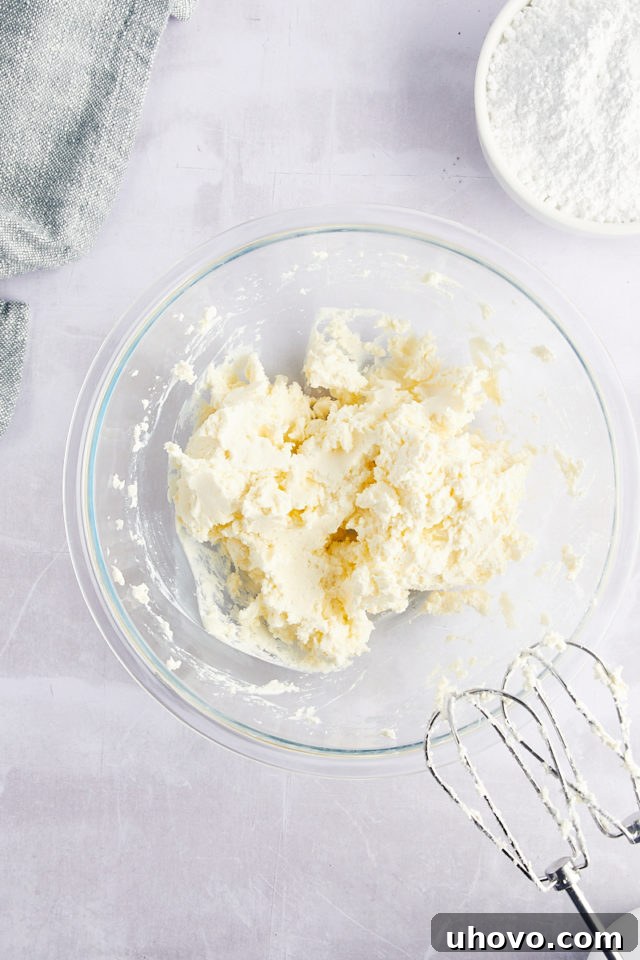
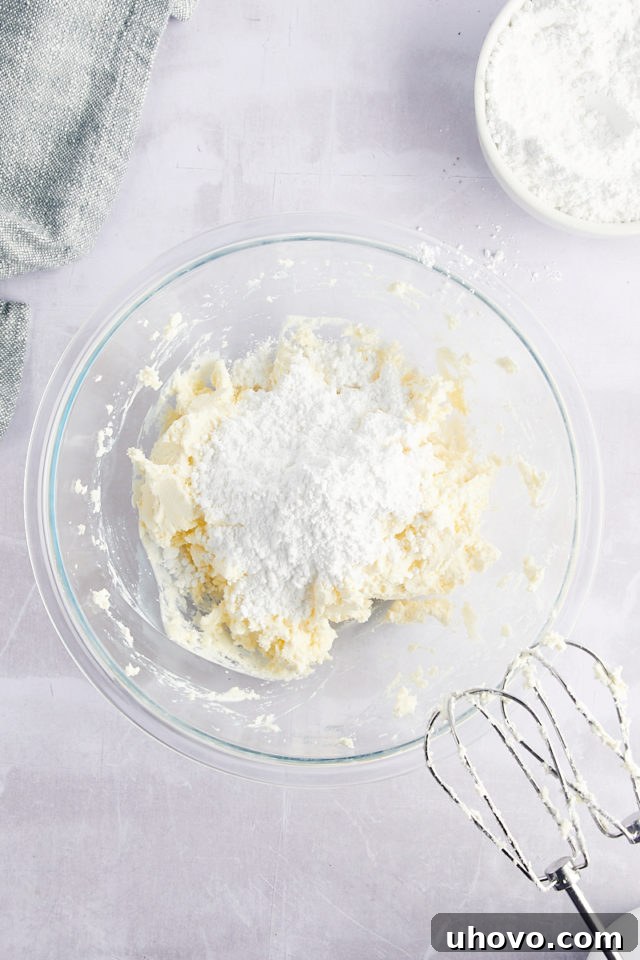
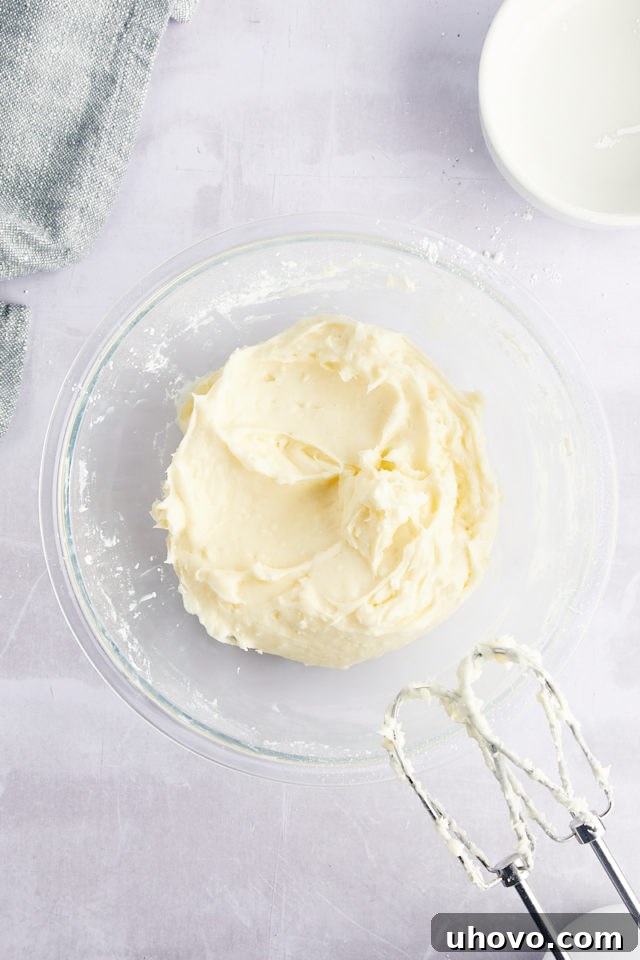
- 1. Prepare the Cream Cheese Filling: In a medium-sized mixing bowl, combine the softened cream cheese, softened unsalted butter, and vanilla extract. Beat these ingredients together with an electric mixer on medium speed until the mixture is light, fluffy, and completely smooth. Gradually add the confectioners’ sugar, beating slowly at first to avoid a sugar cloud, then increase speed until the filling is well-blended, creamy, and free of any lumps. Set this irresistible filling aside while you prepare the cake batter.
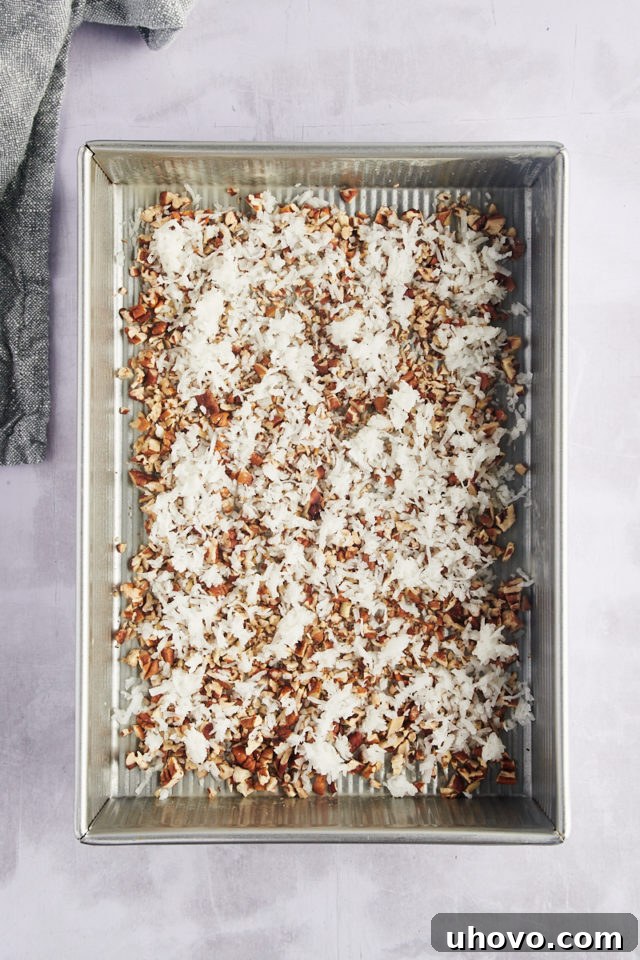
- 2. Preheat Oven and Prepare Pan: Before you start mixing the cake batter, preheat your oven to 350°F (175°C). Take a 9″ x 13″ baking pan and generously grease it. This crucial step prevents sticking and ensures your cake releases easily. Once greased, evenly sprinkle the chopped pecans and shredded coconut across the bottom of the pan. This will form a delicious, crunchy layer at the bottom of the baked cake.
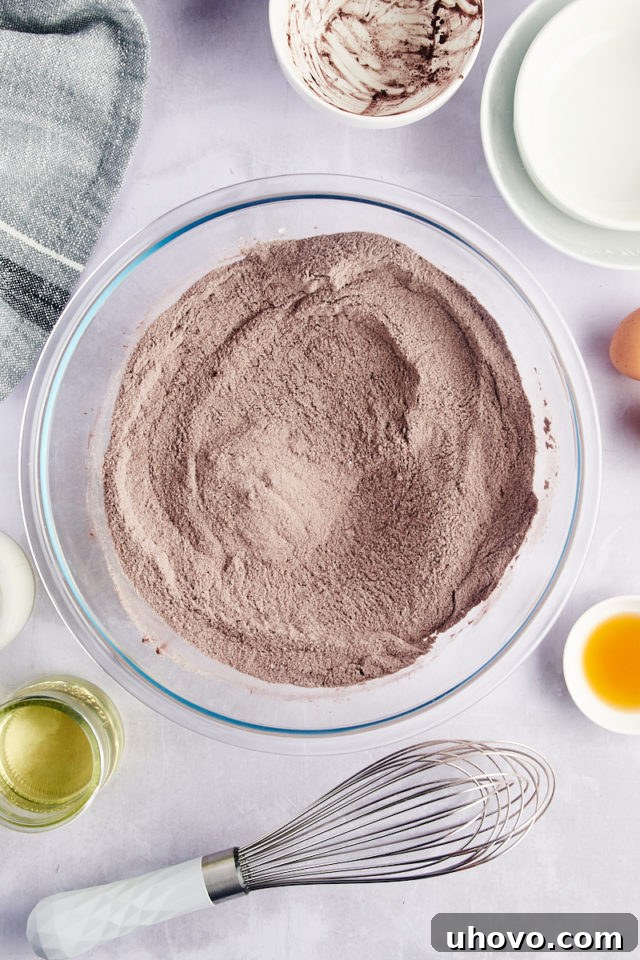
- 3. Combine the Dry Ingredients: In a large mixing bowl, thoroughly whisk together the all-purpose flour, granulated sugar, unsweetened cocoa powder, baking powder, baking soda, and salt. Whisking ensures that the leavening agents and flavorings are evenly distributed throughout the flour, preventing pockets of unmixed ingredients.
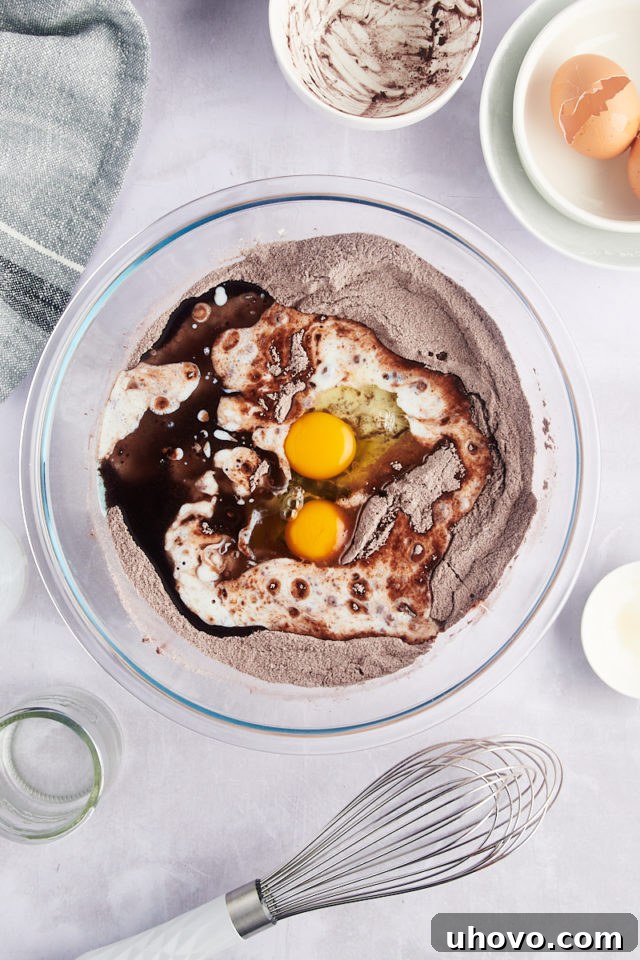
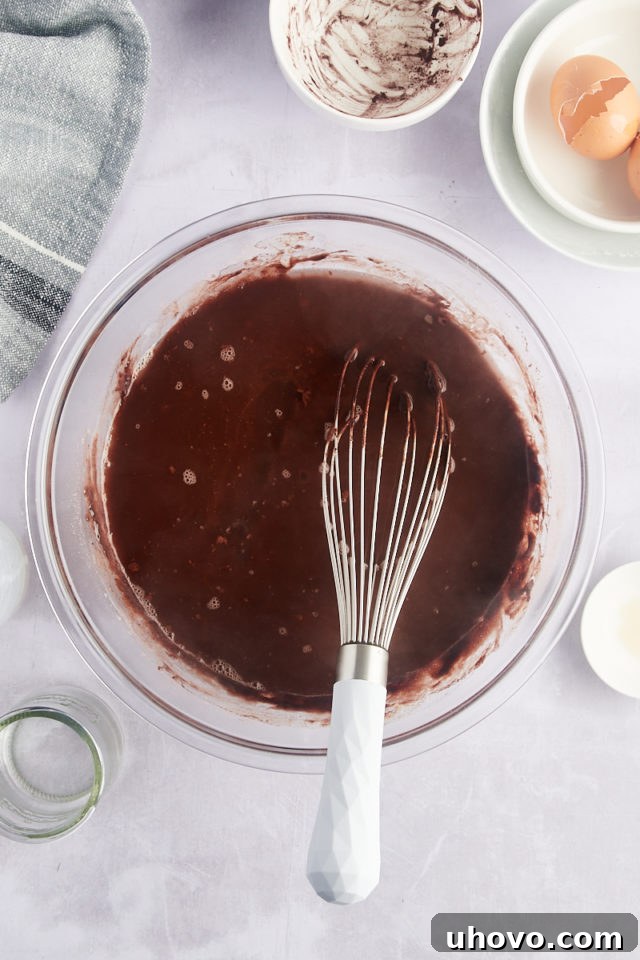
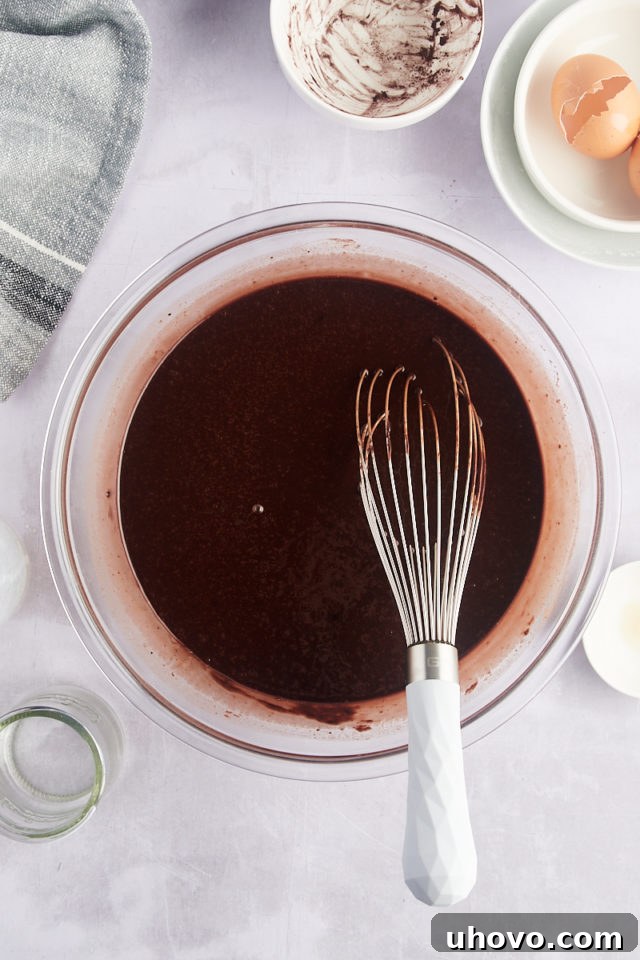
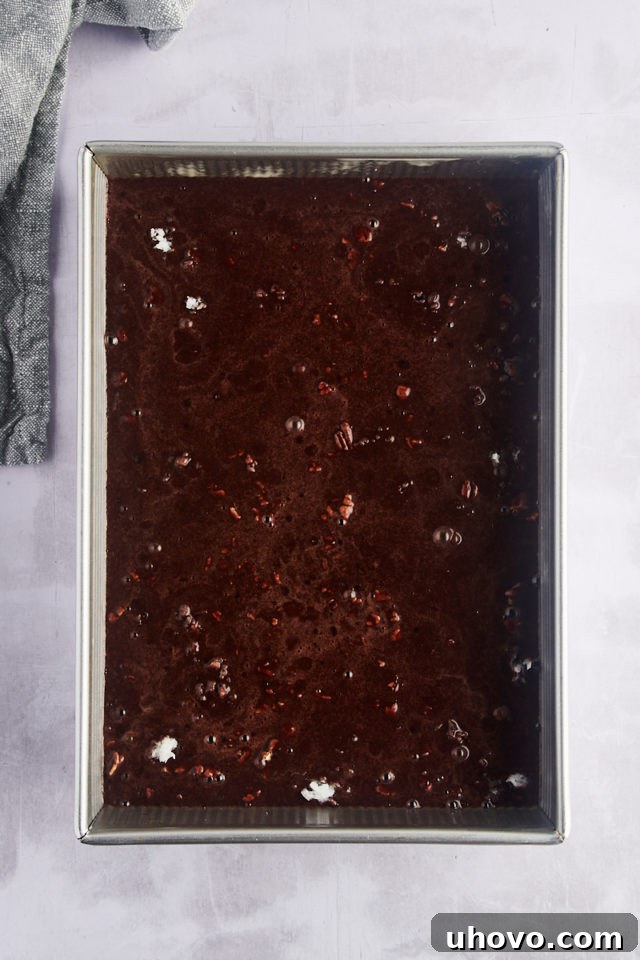
- 4. Finish the Cake Batter: To the bowl of dry ingredients, add the room temperature eggs, buttermilk, vegetable oil, and vanilla extract. Mix with an electric mixer on low speed until just combined and smooth, being careful not to overmix. The batter will be thick. Now, carefully stir in the boiling water. The batter will become noticeably thinner, but this is exactly what we want for that rich chocolate bloom and moist texture. Pour this thinned chocolate batter evenly over the pecan and coconut layer in your prepared baking pan.
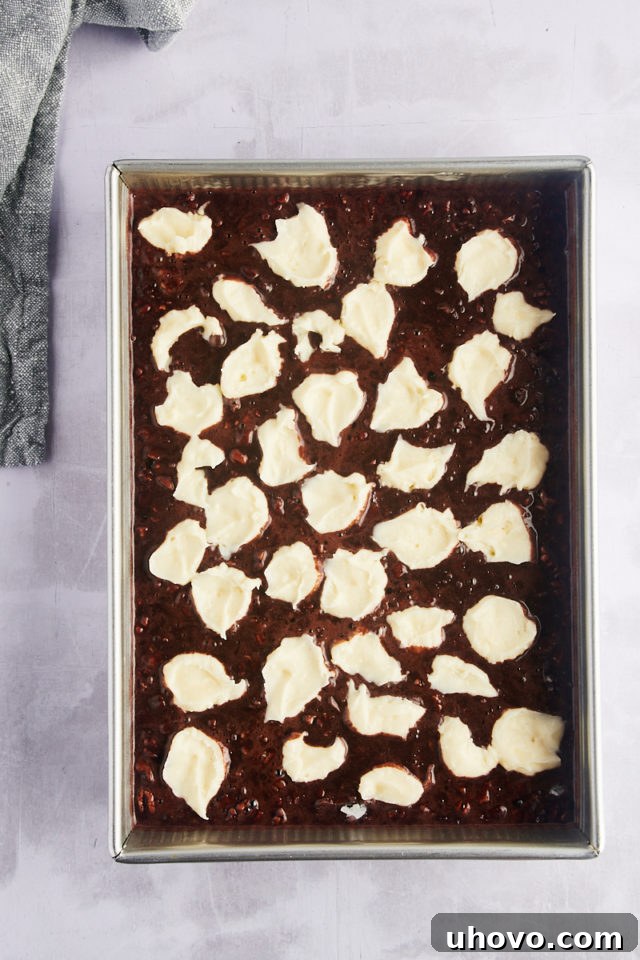
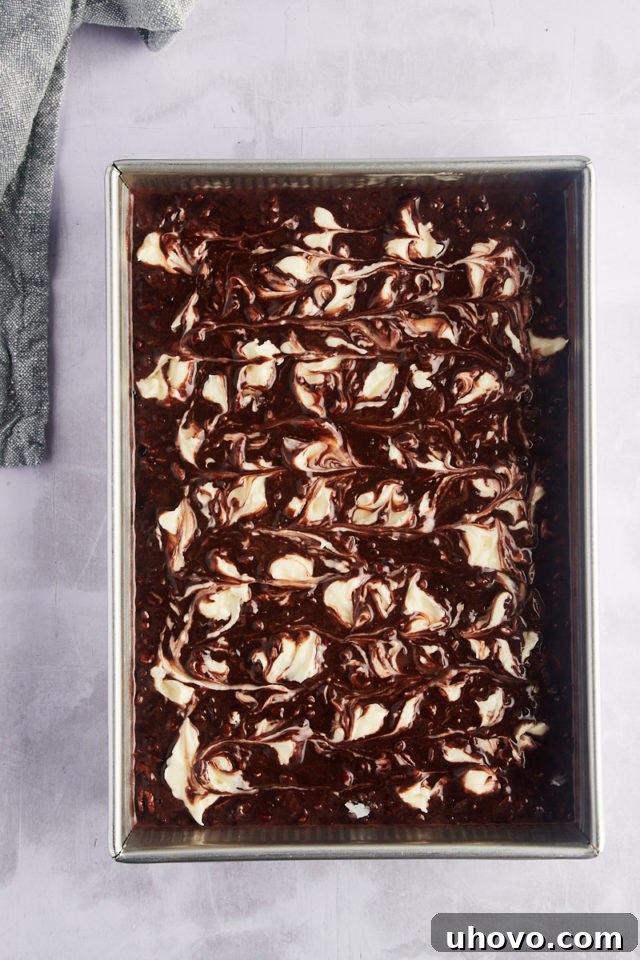
- 5. Add Cream Cheese Swirls: Now for the signature “earthquake” effect! Carefully dollop spoonfuls of the prepared cream cheese mixture over the chocolate cake batter in the pan. Don’t worry about perfect placement; rustic dollops work best. Then, using a thin knife or a skewer, gently swirl the cream cheese mixture into the top layer of the chocolate batter. Aim for a marbled effect rather than fully mixing the layers. Remember, less is often more here – over-mixing will cause the layers to blend completely, and you’ll lose the beautiful contrast.
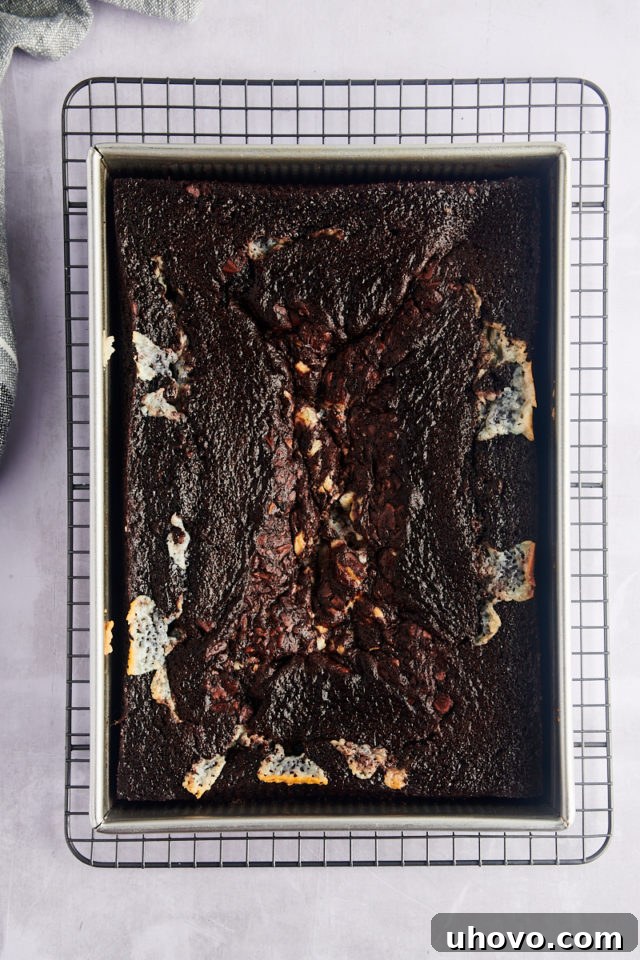
- 6. Bake to Perfection: Carefully transfer the pan to your preheated oven. Bake for approximately 40 to 45 minutes. The cake is done when a wooden pick or toothpick inserted into the chocolate cake portion comes out clean (a few moist crumbs are fine, but no wet batter). The cream cheese layer should appear lightly golden and set. The surface will begin to crack, forming those characteristic “fault lines.”
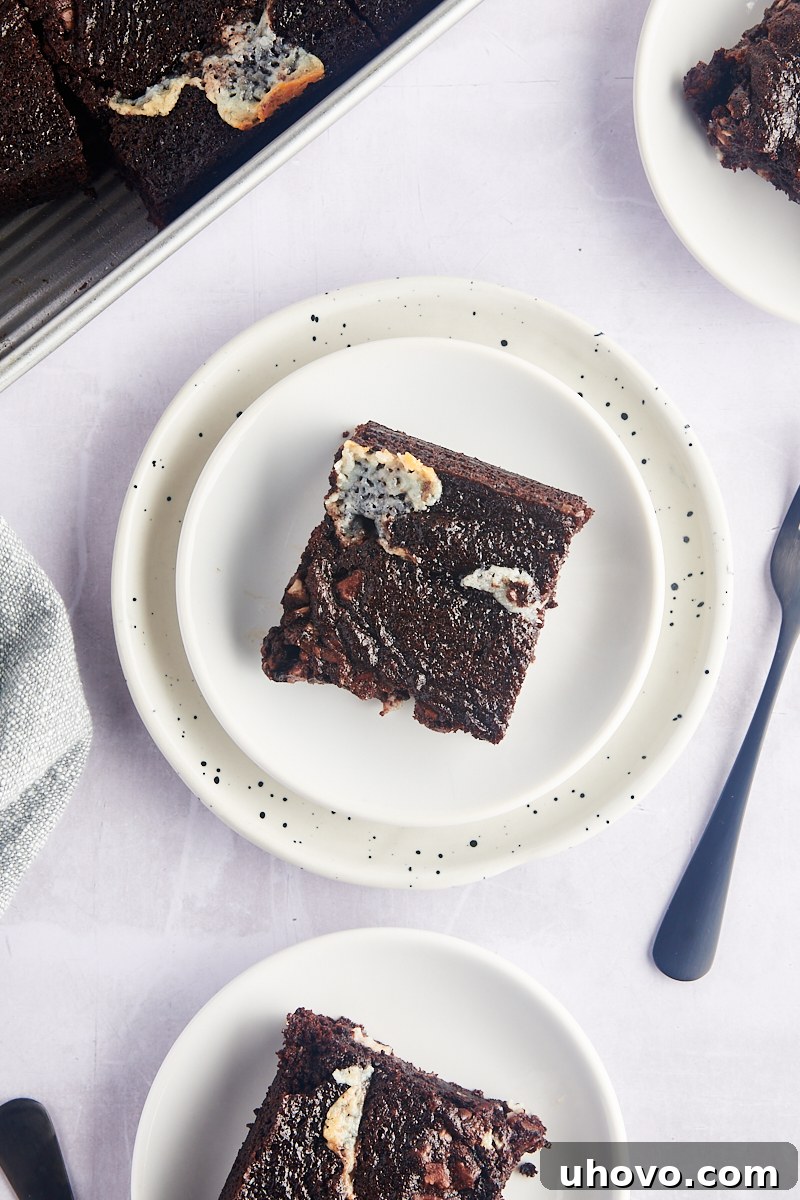
- 7. Cool and Serve: Once baked, remove the cake from the oven and place it on a wire rack to cool completely in the pan. Cooling is essential for the cake to set properly and for the flavors to meld beautifully. Attempting to slice a warm cake can result in crumbling. Once fully cooled, slice and serve this magnificent earthquake cake.
Essential Tips for Earthquake Cake Success
Achieving a perfectly moist, flavorful, and beautifully “cracked” earthquake cake is simple with a few key tips in mind. These insights will help you avoid common baking pitfalls and ensure your dessert is nothing short of spectacular.
- Soften Your Cream Cheese and Butter: This is a golden rule for many baking recipes, and it’s especially true for the cream cheese filling. Ensure both your cream cheese and butter are at proper room temperature (softened but not greasy or melted). This allows them to cream together smoothly, preventing lumps and creating a uniformly silky texture for your swirl.
- Don’t Line the Pan: While parchment paper is often a baker’s best friend, for earthquake cake, it’s best to skip it. Through testing, it’s been found that simply greasing your baking pan allows the cake to adhere slightly to the sides as it bakes and cools. This subtle resistance contributes to the characteristic cracks and fissures on the surface, giving it that authentic “earthquake” look.
- Be Gentle with the Swirl: When it comes time to dollop and swirl the cream cheese mixture into the chocolate batter, exercise a light hand. The goal is to create beautiful marbling and distinct ribbons of cream cheese, not to fully incorporate the two layers. Over-mixing can cause the cream cheese to disappear into the chocolate, losing the visual appeal and textural contrast that makes this cake so unique.
- Allow for Complete Cooling: Patience is a virtue, especially with this cake! While the aroma might tempt you, resist the urge to slice into your earthquake cake too soon. Allowing the cake to cool completely in the pan is crucial. This helps the cake to set properly, firms up the cream cheese layer, and makes for clean, neat slices. A warm cake will be much more prone to crumbling.
- Master the Baking Basics: If you’re new to baking or just want a refresher, it’s always helpful to review fundamental baking tips. Understanding concepts like measuring flour correctly, knowing oven hot spots, and recognizing when a cake is truly done will significantly boost your baking confidence and the quality of your results.
- Doneness Test: To confirm your cake is perfectly baked, insert a wooden skewer or toothpick into the center of the chocolate cake portion. It should come out clean or with a few moist crumbs attached. If it comes out with wet batter, continue baking for a few more minutes and test again.
Creative Variations to Customize Your Earthquake Cake
While the classic earthquake cake is a masterpiece on its own, it also serves as a fantastic canvas for creative customizations. Feel free to experiment with these variations to tailor the cake to your personal preferences or to try something new!
- Amp Up the Chocolate with Chips: For an even more decadent chocolate experience, consider scattering about 1 cup of mini chocolate chips over the top of the cake batter before baking. As the cake bakes, these chips will melt into gooey pockets of chocolatey goodness, adding an extra layer of sweetness and texture. Dark chocolate chips would provide a beautiful contrast to the sweet cake and filling.
- Adjust Coconut or Nuts to Your Liking: Not everyone is a fan of both coconut and pecans. If you prefer one over the other, or have an allergy, feel free to omit one and increase the quantity of the ingredient you do enjoy. For example, if you love pecans but dislike coconut, use 2 cups of chopped pecans and skip the coconut entirely. Or, if coconut is your favorite, double the coconut and omit the nuts. You could also try other nuts like walnuts for a different flavor profile.
- Infuse it with Coffee for Deeper Flavor: Coffee is a well-known enhancer of chocolate flavor. Replace the 1 cup of boiling water in the cake batter with 1 cup of strongly brewed hot coffee. The coffee won’t make the cake taste explicitly like coffee (unless you use a very strong brew), but it will deepen and enrich the chocolate notes, making the cake taste even more intensely chocolatey. It’s a subtle yet impactful change for true chocolate lovers.
- Add a Caramel Drizzle: After the cake has cooled, a generous drizzle of homemade or store-bought caramel sauce would add another layer of rich sweetness and visual appeal.
- Spice It Up: A pinch of cinnamon or a tiny dash of cayenne pepper (for a Mexican hot chocolate flair) could be added to the dry ingredients for a subtle warmth and complexity.
Perfect Pairings: Serving Suggestions
Earthquake cake is already a rich and satisfying dessert on its own, but certain accompaniments can elevate it to an even more luxurious experience. Consider these serving suggestions to impress your guests or simply treat yourself:
- Classic Vanilla Ice Cream: A scoop of creamy vanilla ice cream, especially when served atop a warm slice of earthquake cake, creates an unbeatable combination. The cold, melting ice cream contrasts beautifully with the warm, fudgy cake, and the vanilla notes highlight the chocolate and coconut flavors.
- Light and Airy Whipped Cream: A dollop of freshly made sweetened whipped cream adds a touch of lightness and elegance. Its delicate texture and subtle sweetness provide a lovely counterpoint to the cake’s density and richness.
- Fresh Berries for Brightness: Bright, tart raspberries or other fresh berries (like strawberries or blackberries) can cut through the richness of the cake, adding a burst of fresh flavor and a vibrant pop of color.
- Decadent Salted Caramel Drizzle: For an extra layer of indulgence, a drizzle of salted caramel sauce over each slice enhances the sweet and salty elements, creating a truly irresistible dessert.
- A Sprinkle of Flaky Sea Salt: This simple addition works wonders! A tiny sprinkle of flaky sea salt on top of your slice can miraculously elevate the entire dessert. The salt not only enhances the chocolate flavor but also provides a delightful textural contrast and balances the sweetness without any extra effort.
How to Store Your Earthquake Cake
To maintain its freshness, moisture, and delicious flavor, earthquake cake should be properly stored, especially due to its cream cheese component. Once the cake has cooled completely to room temperature, it must be refrigerated. You can either transfer it to an airtight container or cover the baking pan tightly with plastic wrap or aluminum foil. Stored this way, the cake will remain fresh and delightful for up to 4 days in the refrigerator. For the best texture and flavor experience, remember to let individual slices come to room temperature for about 15-30 minutes before serving.
Can I Freeze This Earthquake Cake Recipe?
Absolutely! Earthquake cake freezes beautifully, making it an excellent option for meal prepping desserts or enjoying a slice whenever a craving strikes. To freeze, ensure the cake is completely cooled. For best results, wrap the entire cake tightly first with plastic wrap, followed by a layer of aluminum foil. This double wrapping prevents freezer burn and helps maintain its moisture. Alternatively, you can slice the cake into individual portions and wrap each slice separately before storing them together in a freezer-safe bag or airtight container. The cake can be kept in the freezer for up to 2 months. When you’re ready to enjoy, thaw the cake overnight in the refrigerator, then bring it to room temperature before serving for the optimal taste and texture.
Frequently Asked Questions
- Can I use low-fat cream cheese? While you technically can, it’s highly recommended to use full-fat block cream cheese for the best results. Low-fat versions often contain more water and stabilizers, which can affect the texture and creaminess of the filling, making it less rich and potentially lumpy.
- What if I don’t have buttermilk? No problem! You can easily make a substitute at home. For 1 cup of buttermilk, simply pour 1 tablespoon of lemon juice or white vinegar into a liquid measuring cup, then fill the rest of the way to the 1-cup line with regular milk (any fat percentage will work, but whole milk is best). Stir gently and let it sit for 5-10 minutes until it slightly curdles.
- Why did my cake sink in the middle? A few factors can cause a cake to sink. It might be underbaked, causing the center to collapse as it cools. Always ensure a toothpick comes out clean. Another reason could be over-mixing the batter, which develops too much gluten and can lead to a dense, sunken cake. Finally, opening the oven door too frequently during baking can cause a sudden temperature drop, leading to the same issue.
More Irresistible Chocolate Cake Recipes
If you’ve fallen in love with the rich chocolate flavors of this earthquake cake, you’ll be thrilled to discover more of our favorite chocolate cake creations. Perfect for any occasion, these recipes are guaranteed to satisfy your chocolate cravings:
- 6-Inch Chocolate Cake with Marshmallow Frosting
- Flourless Chocolate Cakes for Two
- Double Nut Chocolate Cake
- Old Fashioned Chocolate Cake
- German Chocolate Cake with Coconut-Pecan Sauce
This homemade earthquake cake is truly a dessert that has it all: a moist chocolate base, a creamy, tangy filling, and delightful crunchy textures from the nuts and coconut. It’s simple to make from scratch, impressive to serve, and utterly delicious. We encourage you to try this recipe and experience the joy of baking a truly unforgettable treat that will become a beloved staple in your repertoire.
Get the Recipe:
Earthquake Cake
Yield: 20 servings
With ribbons of cream cheese, coconut, pecans, and plenty of chocolate flavor, this homemade earthquake cake recipe will rock your world!
Pin Recipe
Ingredients
For the filling:
- 8 ounces (226 g) cream cheese, softened
- ½ cup (113 g) unsalted butter, softened
- 1 teaspoon vanilla extract
- 2 cups (220 g) confectioners’ sugar
For the cake:
- 1 cup (85 g) shredded coconut
- 1 cup (120 g) chopped pecans
- 1 ¾ cups (210 g) all-purpose flour
- 2 cups (400 g) granulated sugar
- ¾ cup (64 g) unsweetened cocoa powder
- 1 ½ teaspoons baking powder
- 1 ½ teaspoons baking soda
- 1 teaspoon salt
- 2 large eggs, at room temperature
- 1 cup (240 ml) buttermilk, at room temperature
- ½ cup (120 ml) vegetable oil
- 2 teaspoons vanilla extract
- 1 cup (240 ml) boiling water
Recommended Products
-
USA Pan Bakeware Rectangular Cake Pan, 9 x 13 inch
-
Half Sheet Nonstick Cooling Rack
Instructions
To make the filling:
- In a medium bowl, beat together the cream cheese, butter, and vanilla until smooth.
- Gradually add the confectioners’ sugar, and continue beating until well blended. Set aside.
To make the cake:
- Preheat the oven to 350°F (175°C). Grease a 9″ x 13″ x 2″ inch baking pan.
- Sprinkle the chopped pecans and shredded coconut in the bottom of the pan. Set aside.
- In a large bowl, whisk together the flour, sugar, cocoa, baking powder, baking soda, and salt.
- Add the eggs, buttermilk, oil, and vanilla extract. Mix until smooth. Stir in the boiling water (batter will be thin). Pour this mixture over the pecans and coconut in the baking pan.
- Dollop the cream cheese mixture over the chocolate batter in the pan. Using a thin knife, gently swirl the cream cheese mixture with the chocolate batter to create a marbled effect. Don’t over-mix; just enough to create swirls.
- Bake the cake for 40 to 45 minutes, or until the cake is set and a pick inserted into the chocolate cake comes out clean. The cream cheese layer should be lightly golden.
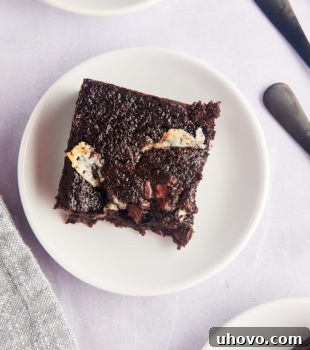
- Let the cake cool in the pan before slicing. The surface should have cracks and crevices, giving it the ‘earthquake’ look.
Notes
- Store in an airtight container in the refrigerator up to 4 days. Bring to room temperature for serving.
Author: Jennifer McHenry
Course: cakes
Cuisine: American