
Imagine a slice of pure sunshine – a symphony of bright, tangy lemon and tender, moist crumb, topped with a luscious citrus glaze. The humble yet exquisite lemon loaf cake is truly the quintessential springtime dessert, embodying freshness and cheer in every bite. It’s the kind of treat that effortlessly brightens any day, whether served with your morning coffee, as an afternoon pick-me-up, or the grand finale to a delightful meal. With its vibrant yellow hue and irresistibly soft texture, this cake is not just a dessert; it’s an experience, promising both comfort and a refreshing zest that awakens the senses. Best of all, achieving this bakery-quality indulgence at home requires surprisingly little effort, making it a perfect project for bakers of all skill levels.

While often compared to quick breads, loaf cakes elevate the experience with their richer, sweeter profile and a signature generous glaze or frosting. This lemon loaf cake, in particular, stands out. If you’re accustomed to grabbing an iced lemon loaf from your favorite coffee shop, prepare to be amazed. This homemade version offers a truly superior flavor and an incredibly moist texture that will make it your new go-to.
Why This Lemon Loaf Cake Is a Must-Bake
This isn’t just another cake recipe; it’s a gateway to baking bliss. Here’s why this lemon loaf cake deserves a special spot in your recipe collection:
- Unrivaled Fresh Lemon Flavor: Move over, store-bought slices! This recipe harnesses the power of fresh lemon zest and juice to deliver an authentic, zippy citrus punch that simply can’t be replicated. Each bite is an explosion of vibrant lemon, far more intense and natural than anything you’ll find pre-packaged. The subtle sprinkle of fresh lemon zest on top isn’t just for garnish; it enhances the aromatic experience, making it truly exceptional.
- Remarkably Easy to Make: Don’t let its sophisticated taste fool you. This lemon loaf cake is designed for simplicity. Crafted with everyday ingredients you likely already have on hand, the mixing process comes together in mere minutes. It’s a forgiving recipe, making it perfect for novice bakers looking to impress or seasoned pros seeking a quick, delicious win.
- The Perfect Seasonal Dessert: With its light, refreshing character, this cake is an absolute dream for spring and summer gatherings. It offers a sweet treat without being overly heavy or decadent, making it ideal for brunches, picnics, or a delightful after-dinner dessert when you crave something bright and uplifting. It pairs wonderfully with fresh berries and a light tea, perfectly capturing the essence of warmer seasons.
- A Guaranteed Crowd-Pleaser: There’s something universally appealing about a classic lemon loaf. Its delightful balance of sweet and tart ensures it’s a hit with everyone, from children to adults. It’s the perfect dessert to bring to a potluck, serve at a family brunch, or simply enjoy with loved ones at home. Prepare for compliments and requests for the recipe!
- Versatile and Adaptable: While perfect as is, this recipe also serves as an excellent canvas for minor adjustments. Whether you’re looking to add a textural element like poppy seeds or experiment with different citrus glazes, this cake is wonderfully accommodating to your creative whims.
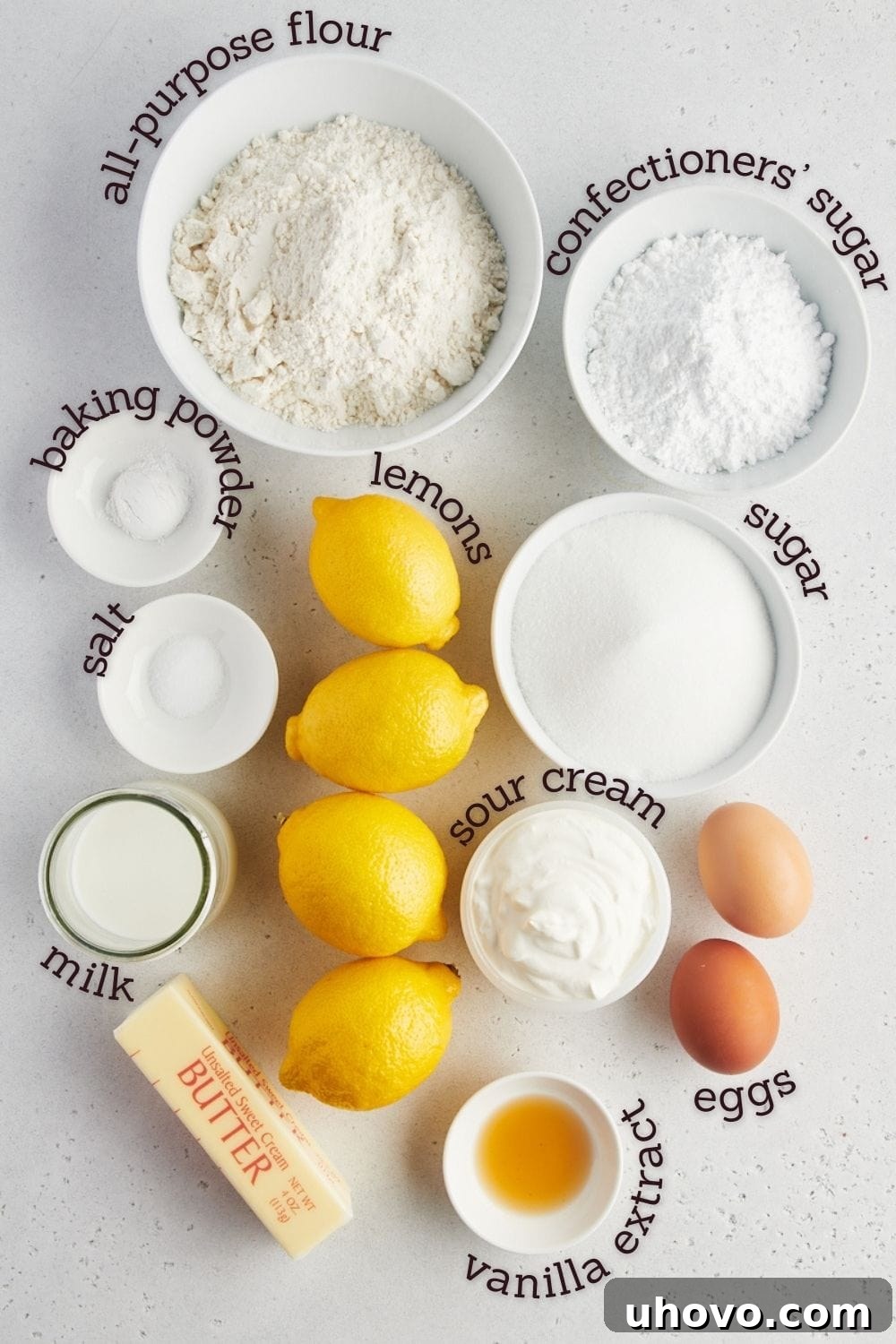
Essential Ingredients for Your Lemon Loaf Cake
Creating this irresistible lemon loaf cake starts with a selection of fresh, high-quality ingredients. Here’s a detailed look at what you’ll need and why each component is crucial for the perfect outcome:
For the Cake:
- All-purpose flour: This provides the fundamental structure for your cake. Learning how to measure flour accurately is key to preventing a dense or crumbly loaf.
- Baking powder: Our leavening agent, it works with other ingredients to create gas bubbles, giving the cake its beautiful lift and airy texture.
- Salt: A small but mighty ingredient, salt enhances all the other flavors, balancing the sweetness and brightening the lemon.
- Granulated sugar: Beyond sweetness, sugar plays a vital role in tenderizing the cake crumb and helps achieve that golden-brown crust. When creamed with butter, it also incorporates air.
- Lemons (Zest and Juice): The undeniable star of the show! You’ll need both the vibrant zest for its concentrated essential oils and fragrant flavor, and the fresh juice for its bright acidity and moisture. Always zest your lemons first, before juicing, to get the most flavor.
- Sour cream or plain yogurt: This secret weapon is crucial for giving the lemon loaf cake its supremely moist, tender crumb and a subtle tangy depth that complements the lemon beautifully.
- Milk: Adds richness and ensures a smooth, well-hydrated batter. Whole milk is generally preferred for baking due to its higher fat content, which contributes to a more tender result, but any milk you have on hand will work.
- Unsalted butter: Provides a rich flavor and contributes significantly to the cake’s tender texture. Unless a recipe specifies, unsalted butter is best for baking as it allows you to control the salt content precisely. Ensure it’s softened to room temperature for optimal creaming.
- Eggs: Act as a binder, providing structure, richness, and additional moisture. Large eggs are typically the standard for baking recipes.
- Vanilla extract: While lemon is the main flavor, a good quality vanilla extract (store-bought or homemade vanilla extract) enhances the overall flavor profile, adding warmth and depth without overpowering the citrus.
For the Lemon Glaze:
- Confectioners’ sugar: Also known as powdered sugar, this fine sugar dissolves easily to create a smooth, pourable glaze with a delightful sweetness. Sifting it is recommended to avoid lumps.
- Lemon (Juice and optional Zest): Fresh lemon juice provides the necessary liquid and tartness for the glaze, creating a perfect balance with the sugar. An extra sprinkle of zest can be added for garnish and an intensified aroma.
Mastering the Art of Zesting Lemons
The secret to an intensely flavored lemon loaf cake lies in the zest. The outer skin of the lemon, known as the zest, contains fragrant oils that hold the true essence of lemon flavor. To extract this without any bitterness, a microplane grater or a fine zester is your best tool. These specialized graters allow you to remove only the bright yellow outer layer, leaving behind the white pith beneath. The pith is where the bitterness resides, so carefully avoid grating it. For a comprehensive guide on this technique, explore how to zest and juice lemons like a pro.
Step-by-Step Guide: Crafting Your Lemon Loaf Cake
Follow these simple instructions to bake a moist, flavorful lemon loaf cake that will surely become a favorite:
- Prepare Your Workspace: Begin by preheating your oven to 350°F (175°C). Next, prepare a 9″ x 5″ loaf pan by greasing it thoroughly and lightly coating it with flour. For even easier removal and a perfect presentation, consider lining the pan with parchment paper, leaving an overhang on the sides to create a “sling.”
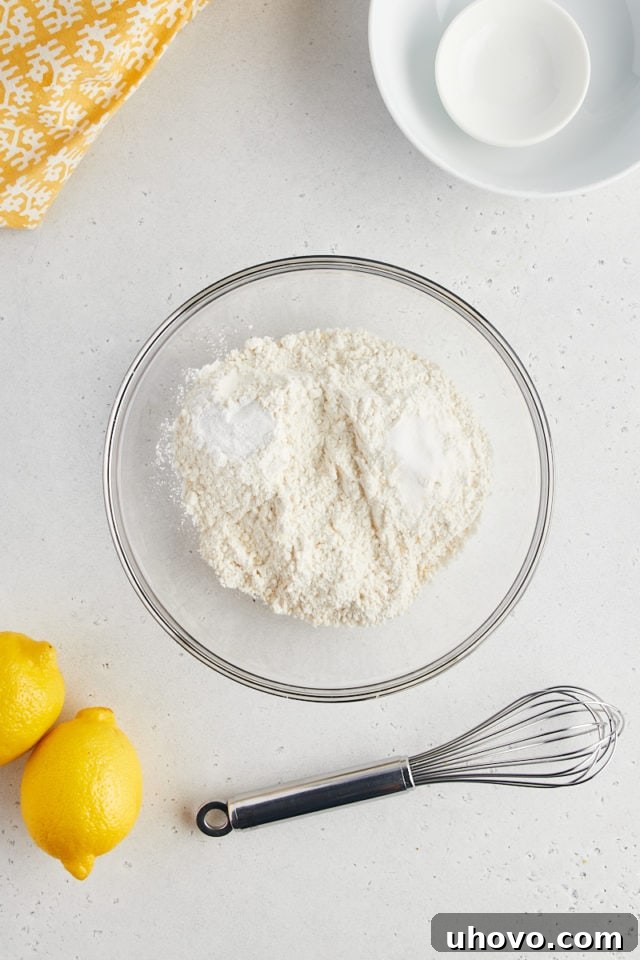
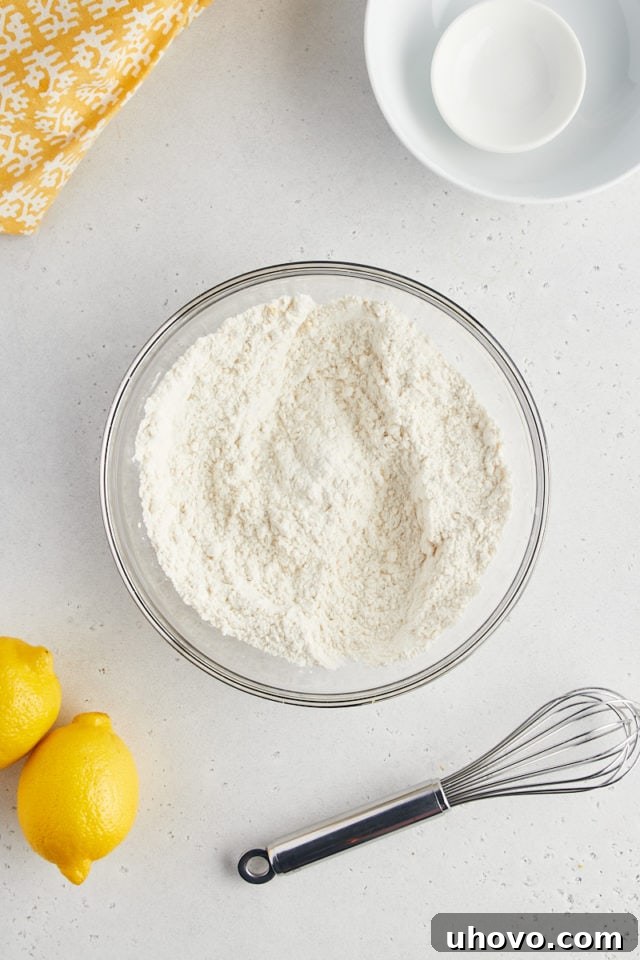
- Combine Dry Ingredients: In a medium bowl, whisk together the all-purpose flour, baking powder, and salt. Whisking ensures these ingredients are evenly distributed, which is vital for a consistent rise. Set this mixture aside.
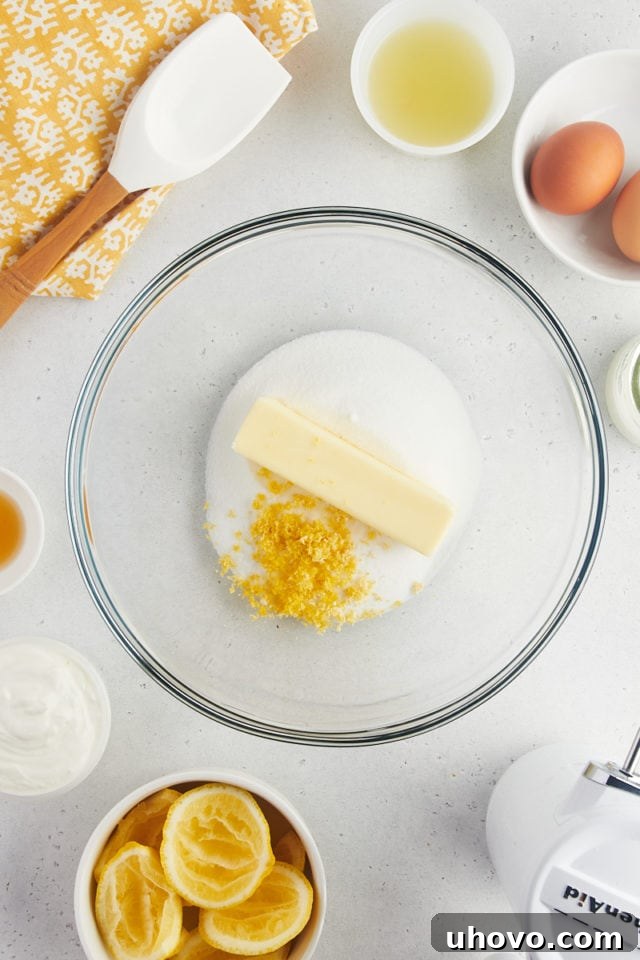
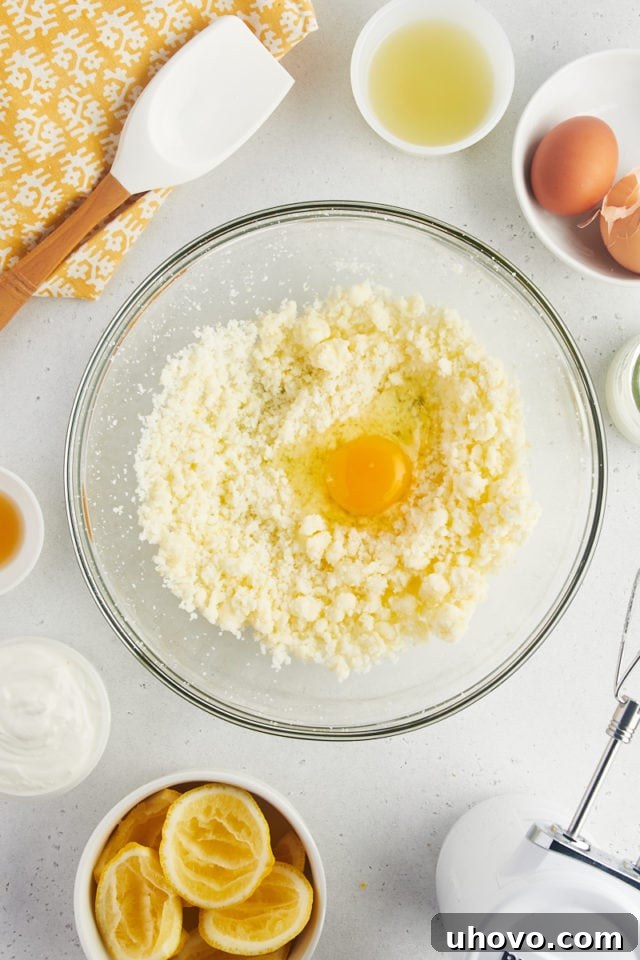
- Cream Butter and Sugar: In a large mixing bowl, using an electric mixer on medium speed, beat the softened unsalted butter, granulated sugar, and fresh lemon zest until the mixture is light, fluffy, and pale in color. This creaming process incorporates air, contributing to the cake’s tender crumb.
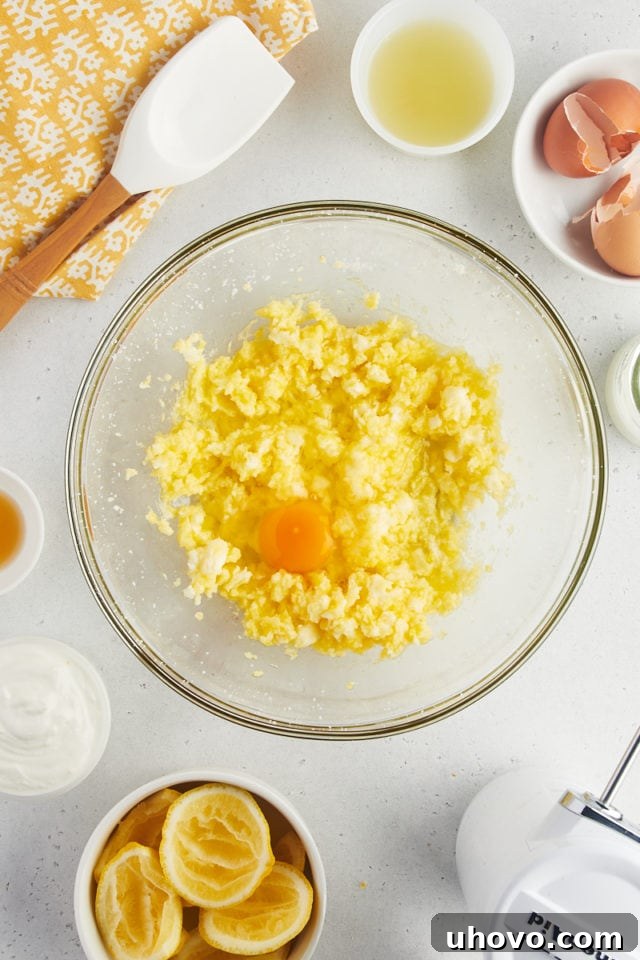
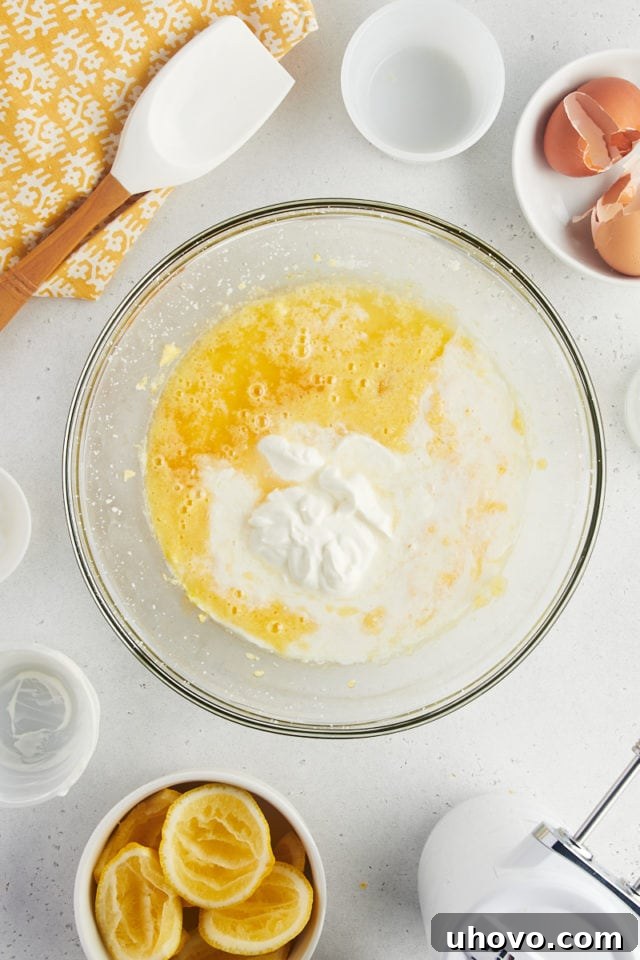
- Incorporate Wet Ingredients: Beat in the large eggs one at a time, ensuring each egg is fully incorporated before adding the next. This helps create a smooth emulsion. Then, add the fresh lemon juice, vanilla extract, sour cream (or plain yogurt), and milk, mixing until just combined. Don’t overmix at this stage.
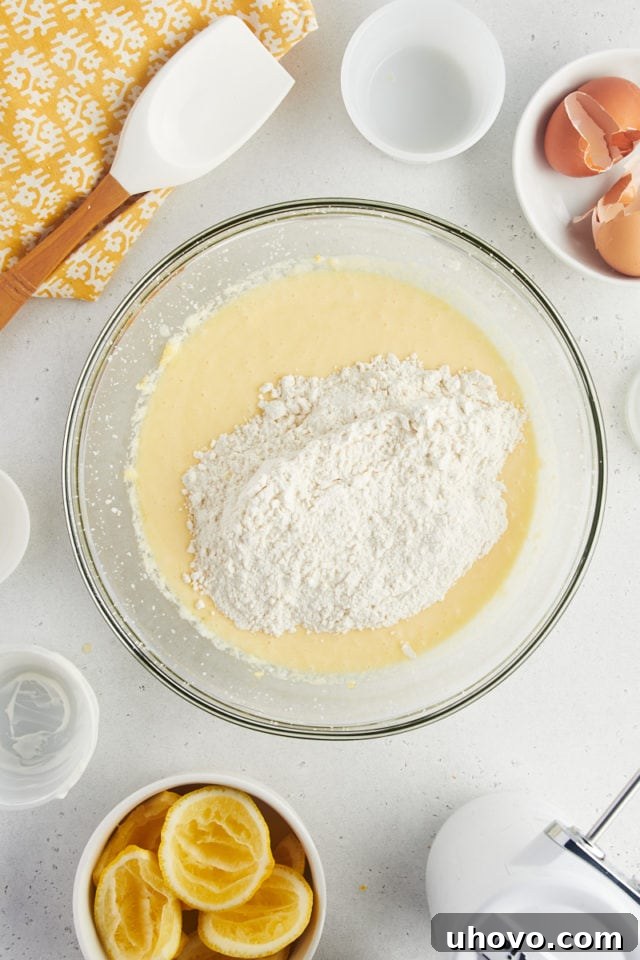
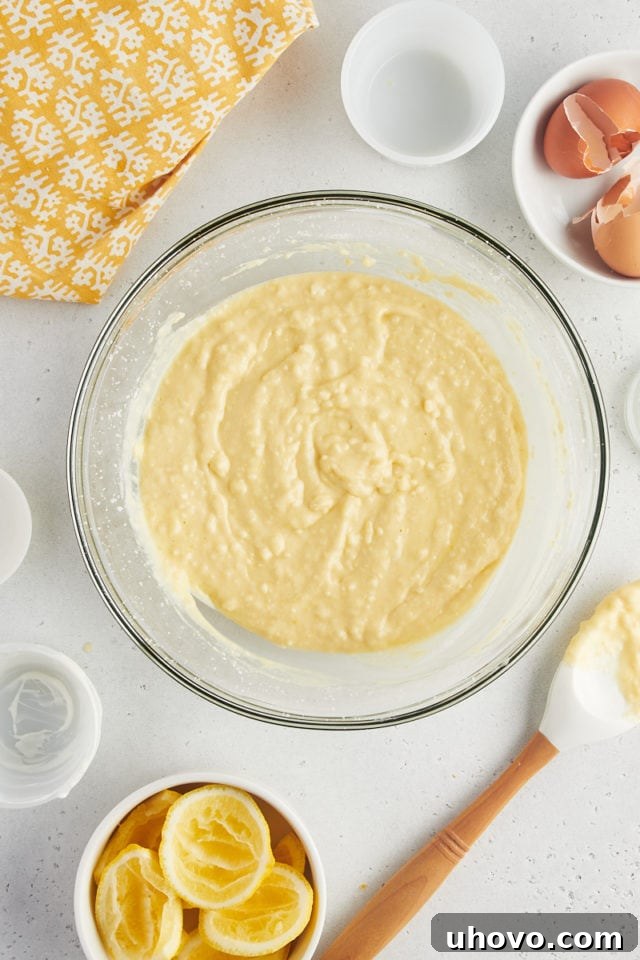
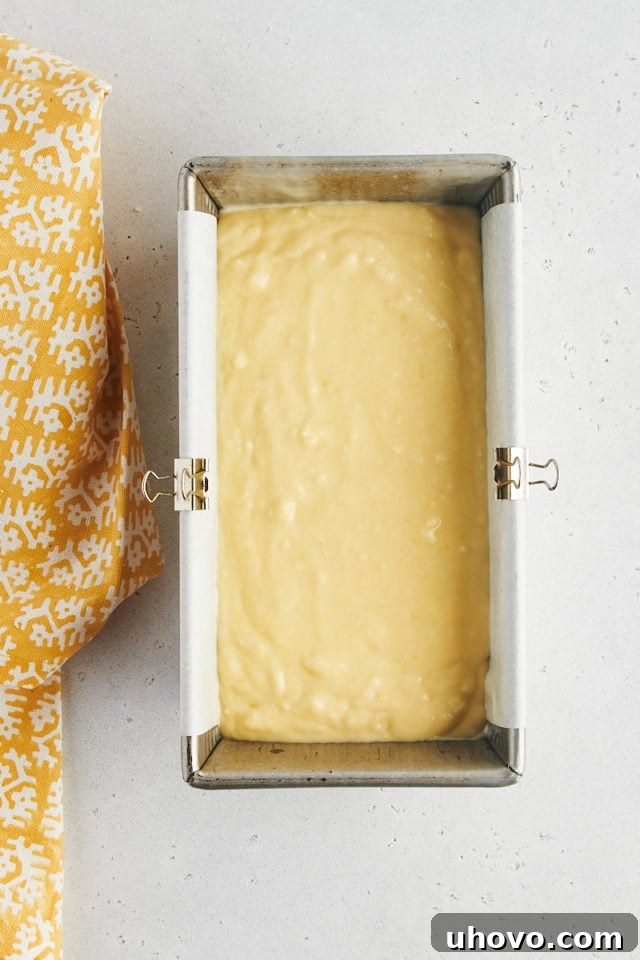
- Finish the Batter: With your electric mixer on low speed, gradually add the dry ingredients to the wet ingredients. Mix just until everything is combined and no streaks of flour remain. Be careful not to overmix, as this can develop the gluten too much, leading to a tough cake.
- Bake to Perfection: Pour the prepared batter evenly into your greased and floured loaf pan. Transfer to the preheated oven and bake for 50 to 55 minutes. The cake is done when a toothpick inserted into the center comes out clean or with a few moist crumbs attached, but no wet batter.
- Cooling Process: Once baked, remove the pan from the oven and place it on a wire rack. Allow the lemon loaf cake to cool in the pan for about 10-15 minutes. This resting period helps the cake set. Then, carefully invert the cake onto the wire rack to finish cooling completely. Cooling thoroughly is essential before glazing!
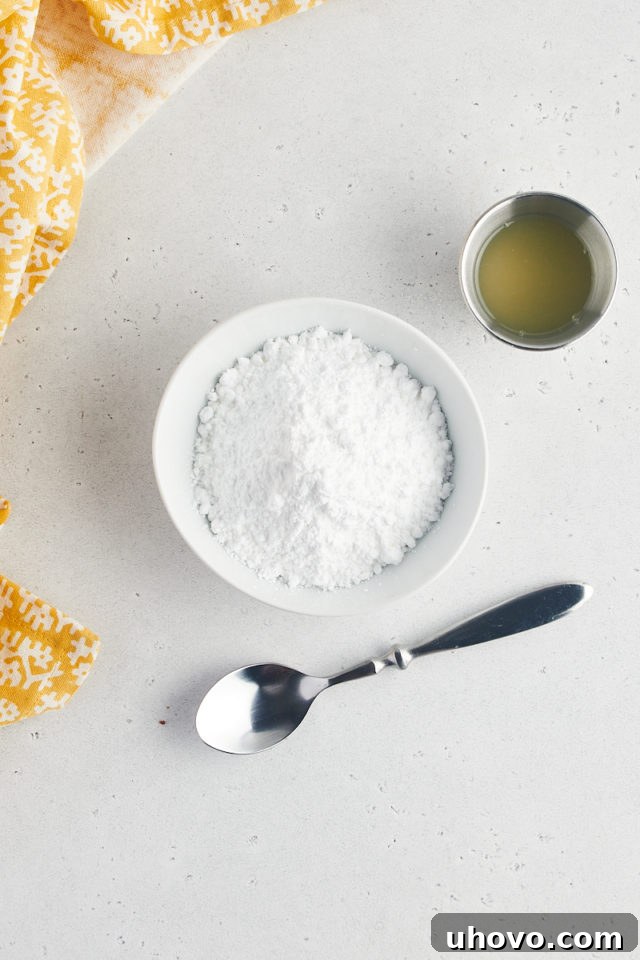
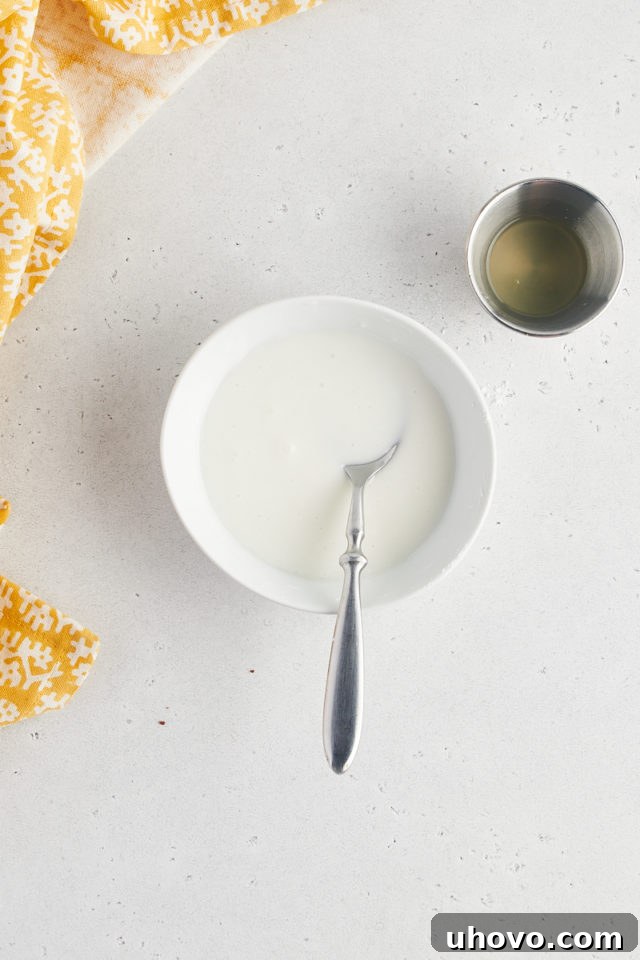
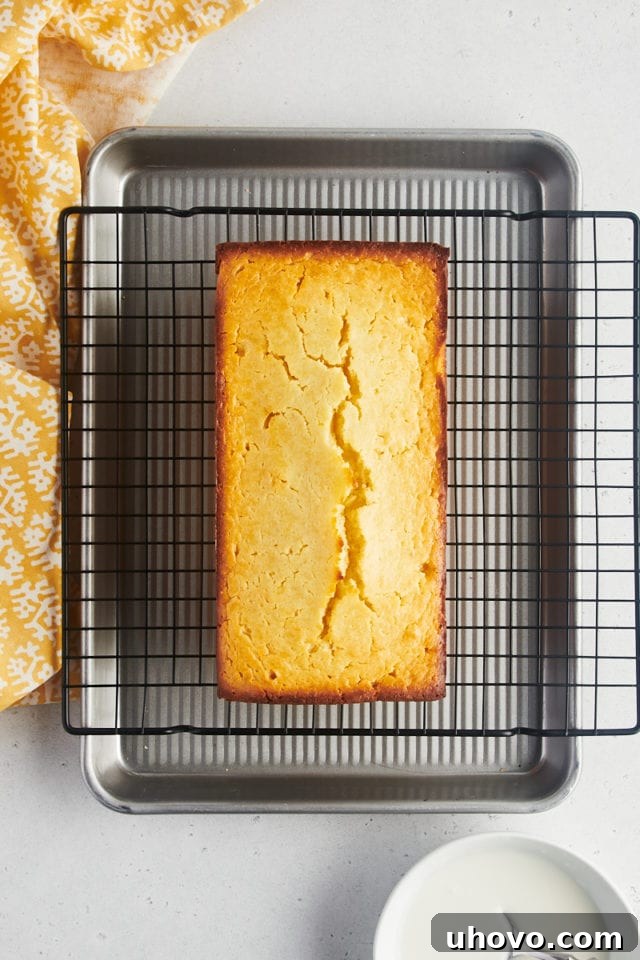
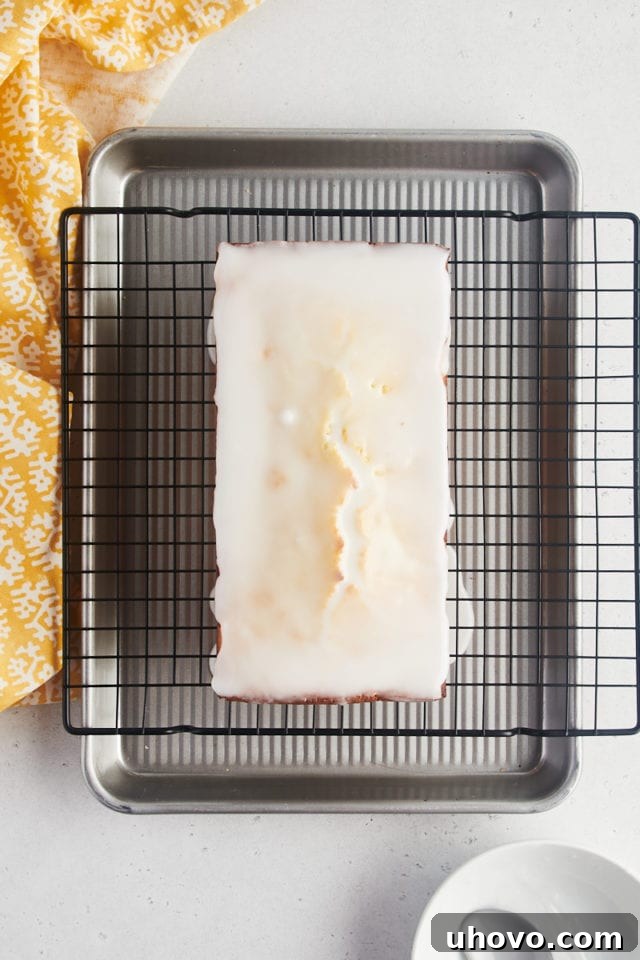
- Prepare the Zesty Glaze: While the cake cools completely, prepare your dazzling lemon glaze. In a small bowl, whisk together the confectioners’ sugar and 2 tablespoons of fresh lemon juice. Continue to add more lemon juice, a teaspoon at a time, until you reach a consistency that is thick enough to coat the back of a spoon but still pourable. For the smoothest glaze, ensure your confectioners’ sugar is sifted beforehand.
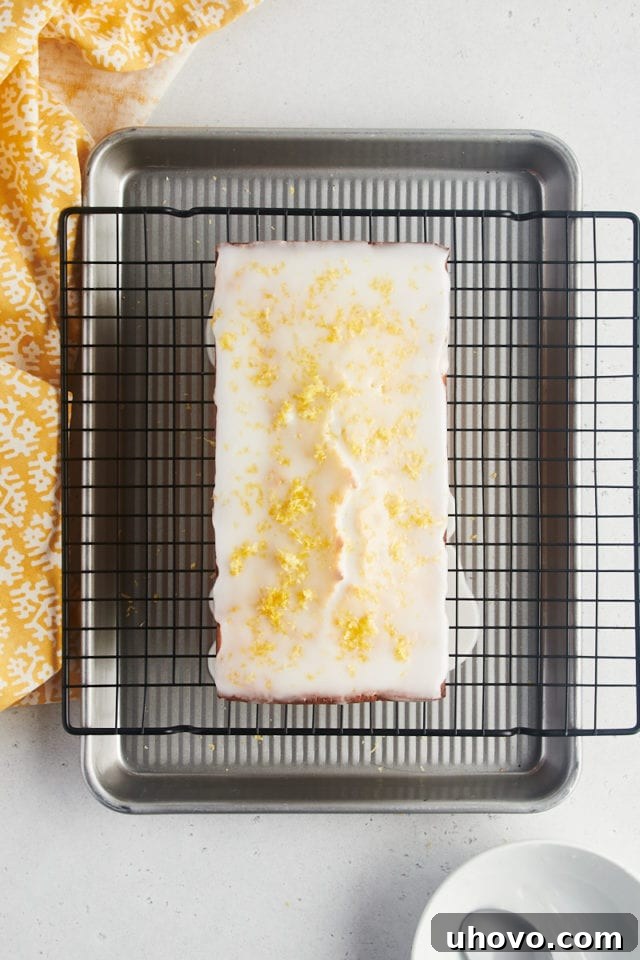
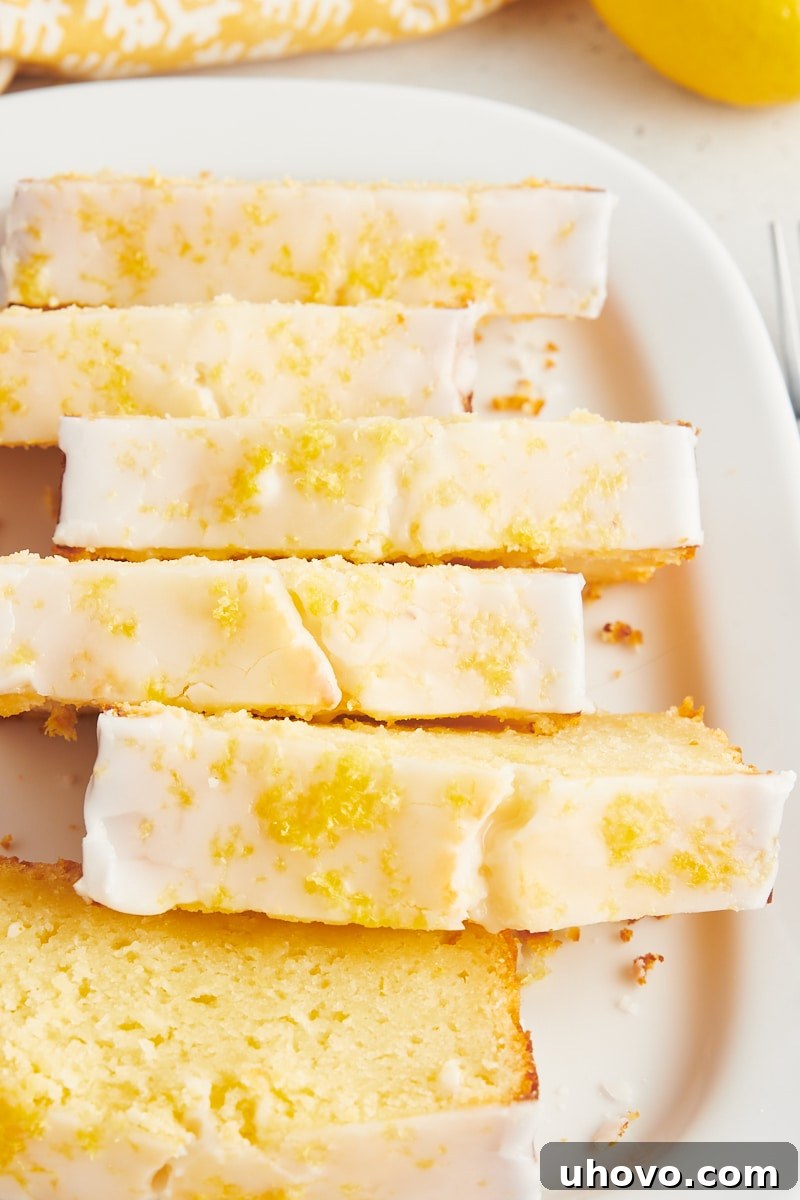
- Glaze and Garnish: Once your lemon loaf cake is entirely cool, evenly drizzle the prepared glaze over the top. For an extra pop of color and intensified aroma, you can optionally garnish the top of the cake with a sprinkle of fresh lemon zest. Allow the glaze to set for about 15-20 minutes before slicing into this delightful treat and serving.
Baking Brilliance: Expert Tips for the Perfect Lemon Loaf Cake
Achieving a consistently perfect lemon loaf cake is easier than you think, especially with these insider tips:
- Embrace Parchment Paper for Effortless Removal: While not strictly necessary, lining your loaf pan with parchment paper is a game-changer. Leave an overhang on the longer sides, creating a “sling” that allows you to easily lift the cooled cake out of the pan. This technique ensures a flawless presentation and prevents any sticking, making cleanup a breeze.
- The Magic of Room Temperature Butter: For a truly light and fluffy cake, ensure your unsalted butter is properly softened to room temperature. This means it should be pliable enough to leave an indent when gently pressed, but not melted. Softened butter creams beautifully with sugar, incorporating air that contributes to the cake’s delicate texture. Learn more on how to soften butter quickly and effectively.
- Do Not Overmix the Batter: This is a golden rule in baking, especially for cakes. Once you add the dry ingredients to the wet, mix gently and only until they are just combined. Overmixing develops the gluten in the flour too much, which can result in a dense, tough, and chewy cake rather than a tender, moist one.
- Accurate Flour Measurement is Key: Baking is a science, and precise ingredient measurements are crucial. Avoid scooping flour directly from the bag with your measuring cup, as this compacts it, leading to too much flour. Instead, spoon the flour into your measuring cup and then level it off with a straight edge.
- Verify Doneness with Confidence: To ensure your loaf is perfectly baked and moist, always perform the toothpick test. Insert a wooden toothpick into the very center of the cake. It should come out clean or with a few moist crumbs attached. If it comes out with wet batter, continue baking in 5-10 minute increments. If the top is browning too quickly, loosely tent the pan with aluminum foil.
- Sift Your Confectioners’ Sugar for a Silky Glaze: For a smooth, lump-free lemon glaze that elegantly drapes over your cake, take the extra step to sift your confectioners’ (powdered) sugar. This simple action prevents frustrating lumps and ensures a professional-looking finish.
- Patience is a Virtue: Cool Completely Before Glazing: Resist the temptation to glaze a warm cake! Allowing the cake to cool completely on a wire rack is paramount. Applying glaze to a warm cake will cause it to melt and absorb into the cake, rather than creating that beautiful, set, shiny coating.
- Brush Up on Baking Basics: If you’re new to baking or just want to refine your skills, reviewing some fundamental baking tips for beginners can significantly boost your confidence and consistency.
Exciting Variations to Customize Your Loaf
While this classic lemon loaf cake is perfect on its own, it also serves as a fantastic base for creative variations. Here are some ideas to inspire you:
- Embrace Meyer Lemons: When in season, typically winter through early spring, swap regular lemons for Meyer lemons. These unique citrus fruits offer a slightly sweeter, less acidic flavor with subtle floral notes, lending an exquisite aroma and taste to your cake.
- Add a Pop of Poppy Seeds: For an appealing visual contrast and a delightful textural crunch, incorporate 1 tablespoon of poppy seeds into your cake batter. This classic combination creates a beautiful lemon poppy seed loaf.
- Experiment with Different Citrus Glazes: Don’t limit yourself to lemon! For another layer of citrusy delight, try using orange or lime juice instead of lemon juice in your glaze. You can also add a hint of almond extract or even a touch of orange blossom water to the glaze for an elegant twist.
- Introduce Nuts or Dried Fruits: Fold in a half cup of finely chopped almonds, pistachios, or even dried cranberries into the batter for added texture and complementary flavors.
- A Larger Cake for a Crowd? If you’re feeding a bigger group, consider adapting the flavors to my lemon sheet cake recipe. You can use its lemon cream cheese frosting or even the simple zesty glaze from this recipe for a delightful alternative.
Delightful Serving Suggestions
This lemon loaf cake is incredibly versatile and can be enjoyed in many ways, depending on the occasion:
- Simple Elegance: Serve slices plain alongside a cup of freshly brewed coffee or a soothing herbal tea for a perfect afternoon treat.
- Decadent Dessert: For a more indulgent experience, serve each slice with a generous dollop of sweetened whipped cream or a scoop of creamy vanilla ice cream. The cool, creamy texture perfectly complements the moist cake.
- Fresh Fruit Pairing: Enhance the springtime feel by scattering fresh berries (like blueberries, raspberries, or sliced strawberries) over the slices. This adds a beautiful splash of color and a burst of natural sweetness and acidity.
- Brunch Star: Present it as part of a brunch spread, alongside fresh fruit platters, yogurt parfaits, and other breakfast pastries. Its bright flavor is a welcome addition to any brunch menu.

Storing Your Lemon Loaf Cake for Maximum Freshness
Proper storage is key to enjoying your delicious lemon loaf cake for as long as possible:
- Room Temperature Storage: If you plan to savor your cake within 2-3 days after baking, it can be kept at room temperature. To prevent it from drying out, wrap the lemon loaf cake loosely but securely with plastic wrap or place it in an airtight container. Keep it in a cool, dry place away from direct sunlight.
- Refrigeration for Extended Freshness: For longer storage, your lemon loaf cake can be refrigerated for up to a week. Again, ensure it is well-wrapped in plastic wrap or stored in an airtight container to maintain its moisture and prevent it from absorbing odors from the refrigerator.
Can I Freeze This Lemon Loaf Cake? Absolutely!
This lemon loaf cake is an excellent candidate for freezing, making it perfect for meal prepping desserts or saving some for a rainy day. It freezes beautifully without compromising its texture or flavor.
- Freezing Instructions: To freeze, ensure the cake is completely cooled. You can freeze the whole loaf or individual slices. Wrap the cake first in a layer of plastic wrap, making sure it’s airtight, and then follow with a layer of aluminum foil. This double wrapping helps prevent freezer burn. Label with the date and freeze for up to 3 months.
- Thawing Instructions: When you’re ready to enjoy your frozen cake, transfer it to the refrigerator to thaw overnight. Once thawed, bring it to room temperature before serving for the best texture and flavor.

Frequently Asked Questions (FAQs)
- Q: Can I use bottled lemon juice instead of fresh?
A: While fresh lemon juice offers the brightest and most authentic flavor, especially for the zest, bottled lemon juice can be used in a pinch, particularly for the glaze. However, for the cake batter, fresh is highly recommended for the best taste profile. - Q: My lemon loaf cake turned out dry. What went wrong?
A: A dry cake can typically be attributed to one of three things: overmixing the batter (which develops gluten and makes the cake tough), using too much flour (often from improper measuring), or overbaking. Ensure you measure flour accurately and keep a close eye on your oven to avoid baking longer than necessary. - Q: How can I enhance the lemon flavor even further?
A: To maximize lemon flavor, ensure you’re using fresh, good-quality lemons and zesting them properly without including the bitter pith. You can also add a tiny amount of pure lemon extract (about ¼ teaspoon) to the batter, in addition to the fresh zest and juice, for an extra aromatic boost. - Q: Can this recipe be made into muffins or cupcakes?
A: Yes, this recipe can easily be adapted for muffins or cupcakes! Simply divide the batter into a greased muffin tin lined with paper liners. The baking time will be significantly shorter, usually around 18-25 minutes, depending on your oven and the size of your muffins. Keep an eye on them and test for doneness with a toothpick.
More Irresistible Lemon Dessert Recipes
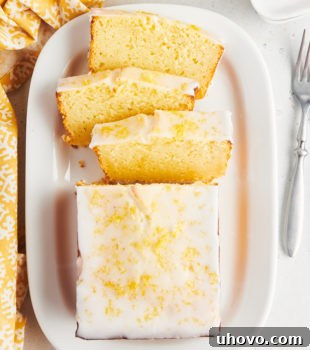
Lemon Loaf Cake
Ingredients
For the Cake:
- 1 ½ cups (180 g) all-purpose flour
- 1 teaspoon baking powder
- ½ teaspoon salt
- 1 cup (200 g) granulated sugar
- 2 tablespoons lemon zest, from about 2 lemons
- ¾ cup (170 g) sour cream or plain yogurt
- ¼ cup (60 ml) milk
- ½ cup (113 g) unsalted butter, softened
- 2 large eggs
- ¼ cup (60 ml) lemon juice, from 2 to 3 lemons
- 1 teaspoon vanilla extract
For the Lemon Glaze:
- 1 cup (110 g) confectioners’ sugar, sifted
- 2-3 tablespoons (30-45 ml) lemon juice, from 1 to 2 lemons
- Lemon zest, for garnish (optional)
Recommended Products
-
USA Pan Standard Loaf Pan 9″ x 5″
-
Microplane Classic Zester/Grater
-
Citrus Juicer
-
OXO 3 Cup Stainless Steel Sifter
Instructions
To make the cake:
-
Preheat the oven to 350°F (175°C). Grease and flour a 9″ x 5″ inch loaf pan. For easy removal, you can first line the pan with parchment paper.
-
Whisk together the flour, baking powder, and salt. Set aside.
-
Using an electric mixer on medium speed, beat the butter, sugar, and lemon zest until light and fluffy.
-
Add the eggs one at a time, then the lemon juice, vanilla extract, sour cream, and milk, mixing well.
-
With the mixer on low speed, add the dry ingredients, mixing just until combined.
-
Pour the batter into the prepared loaf pan. Bake for 50 to 55 minutes, or until a pick inserted into the center comes out clean.
-
Place the pan on a wire rack and allow the cake to cool for 10 minutes. Then, remove the cake from the pan and allow it to cool completely on a wire rack.
To make the glaze:
-
While the cake cools, whisk together the confectioners’ sugar and 2 tablespoons of lemon juice. Add more juice as needed to get the desired consistency. The glaze should be thick but pourable.
-
Once the cake is completely cool, drizzle the glaze over the top. If you like, garnish the top of the cake with more lemon zest. Allow to set before serving.
Notes
- Store in an airtight container at room temperature up to 3 days or refrigerate up to a week.
There you have it – a comprehensive guide to baking a truly irresistible lemon loaf cake that will surely become a staple in your kitchen. This recipe is more than just ingredients and instructions; it’s an invitation to create something truly special and share the joy of homemade goodness. Happy baking!