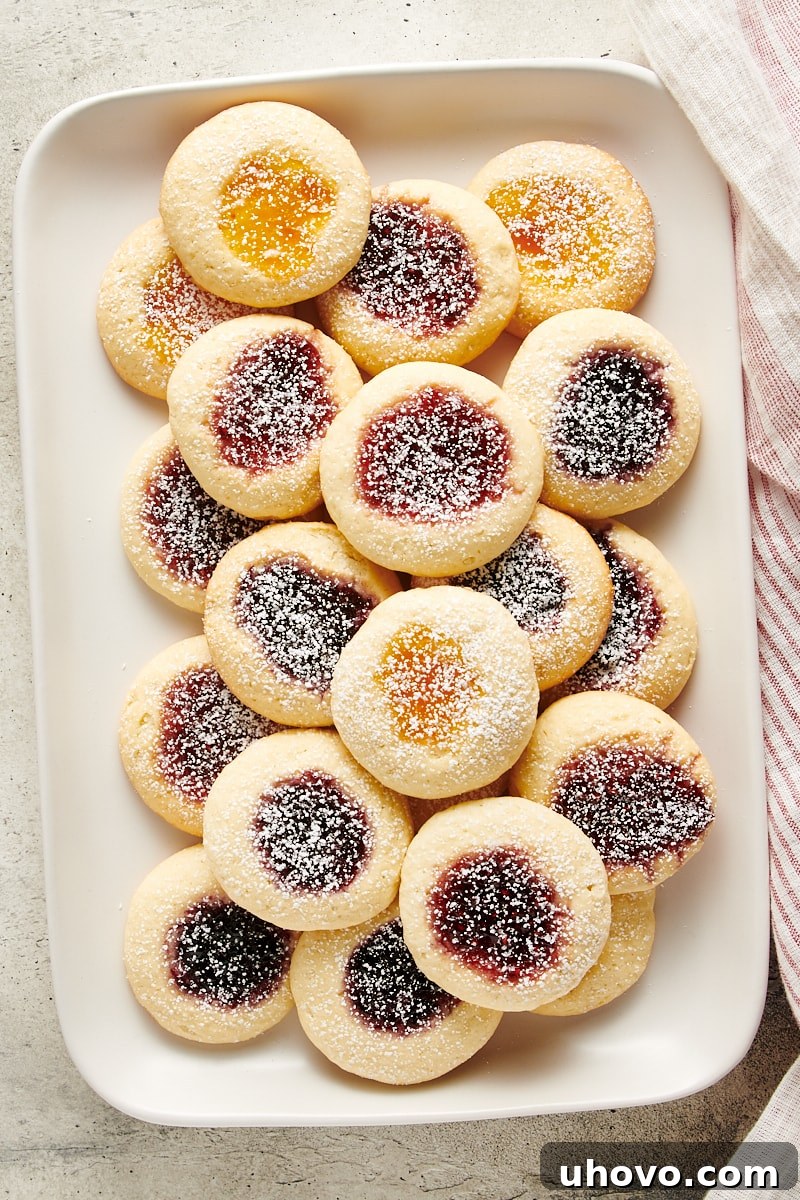
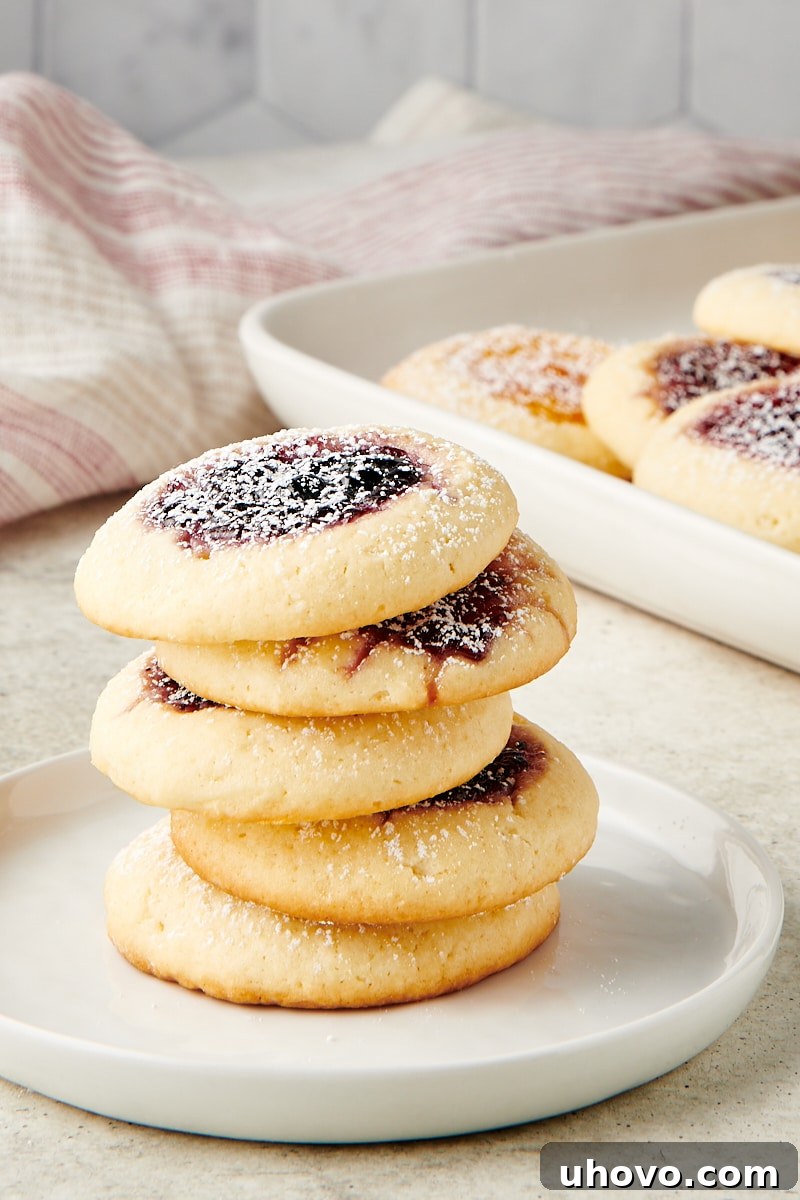
Welcome to the delightful world of **Jam-Filled Cream Cheese Thumbprint Cookies**, a classic treat that effortlessly marries simplicity with irresistible flavor. These soft, tender cookies, distinguished by their signature jam-filled center, are a testament to timeless baking. Unlike many traditional thumbprint recipes that rely on a shortbread base, our unique version features a luscious cream cheese cookie dough, imparting an unbelievably soft texture and a subtle tang that beautifully complements the sweet fruit filling. Whether you’re preparing for a festive holiday gathering, a cozy spring brunch, or simply seeking a comforting bake for “just because” moments, these cookies are a versatile and beloved choice that will bring smiles to every bite.
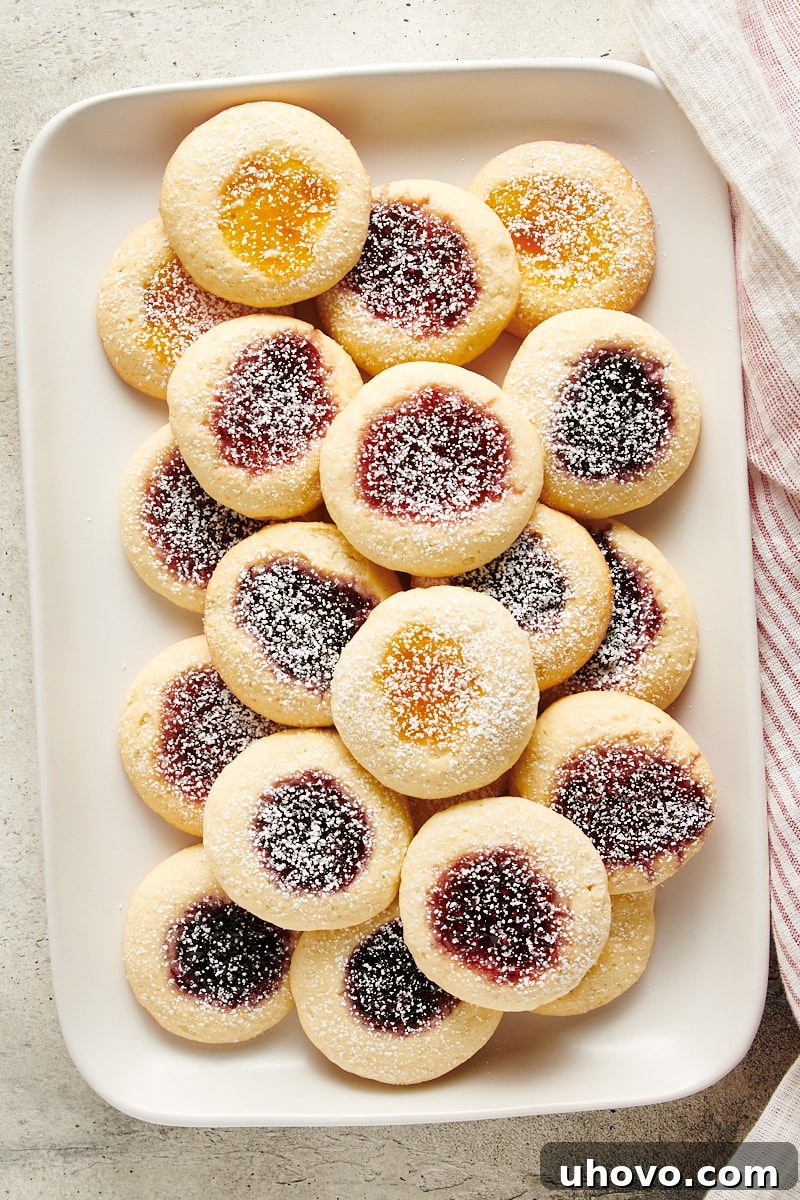
Unforgettable Jam-Filled Cream Cheese Thumbprint Cookies
Thumbprint cookies have graced dessert tables for generations, a beloved staple for their charming appearance and delightful taste. Their enduring popularity is no accident; there’s an inherent comfort and elegance in these fruit-filled morsels. Our recipe elevates this classic by introducing a rich, not-too-sweet cream cheese cookie base. This is a significant departure from typical shortbread varieties, offering a uniquely tender crumb and a nuanced flavor that truly sets these cookies apart.
The secret to their exceptional tenderness and slight tang lies in the cream cheese. When incorporated into the dough, it creates a wonderfully soft, almost cake-like cookie that melts in your mouth, providing a perfect counterpoint to the fruity sweetness of the jam. This basic cream cheese sugar cookie dough is incredibly versatile and quickly became a personal favorite, even inspiring other treats like my Soft Christmas Sprinkle Sugar Cookies.
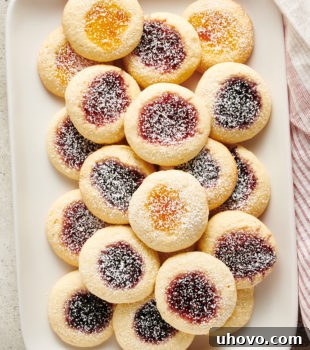
One of the joys of making these cookies is the creative freedom to select your jam fillings. I often prepare a vibrant assortment, using a variety of fruit jams not only for diverse flavors but also for their stunning visual appeal. Raspberry offers a classic tartness, blueberry provides a delightful burst of sweetness, strawberry brings a familiar comfort, and apricot adds a sophisticated tang. Feel free to stick to your absolute favorite, or explore different combinations to create a custom platter. Thicker fruit preserves, with their lovely texture and concentrated flavor, also work beautifully. The key is to choose high-quality jams that you genuinely enjoy, as they are the heart of the cookie’s flavor profile.
Once baked, these delightful cookies can be enjoyed as they are, showcasing their natural beauty and deliciousness. For an added touch of elegance and a whisper of extra sweetness, a delicate dusting of confectioners’ sugar can transform them into an even prettier treat. And here’s a baker’s tip: if you can resist eating them all on the day they’re baked, these thumbprint cookies often develop even deeper, more integrated flavors by the next day, making them an excellent make-ahead option for any occasion.

The Charming Origin: Why Are They Called Thumbprint Cookies?
These beloved cookies earned their charming name from the distinct indentation made in their center, which is traditionally formed with, quite literally, your thumb! This small depression becomes the perfect cradle for a dollop of sweet fruit jam or any other delicious filling you choose. While a thumb works wonderfully, many bakers opt for a small measuring spoon or even the end of a wooden spoon to create a more uniformly round and neat well, ensuring consistency across the batch.
Beyond their evocative name, classic jam thumbprint cookies are known by several other delightful monikers around the world. In Sweden, they are famously called hallongrotta, which translates to “raspberry cave,” a poetic description of their fruity centers. You might also encounter them referred to as bird’s nest cookies, owing to their resemblance to a small nest holding a precious “egg” of jam. Other common names include jam drops or Polish tea cakes, each highlighting a different aspect of these versatile and universally adored baked goods. Regardless of what you call them, their appeal lies in their simple beauty and the delightful surprise of a fruit-filled core.
Gather Your Ingredients: What You’ll Need
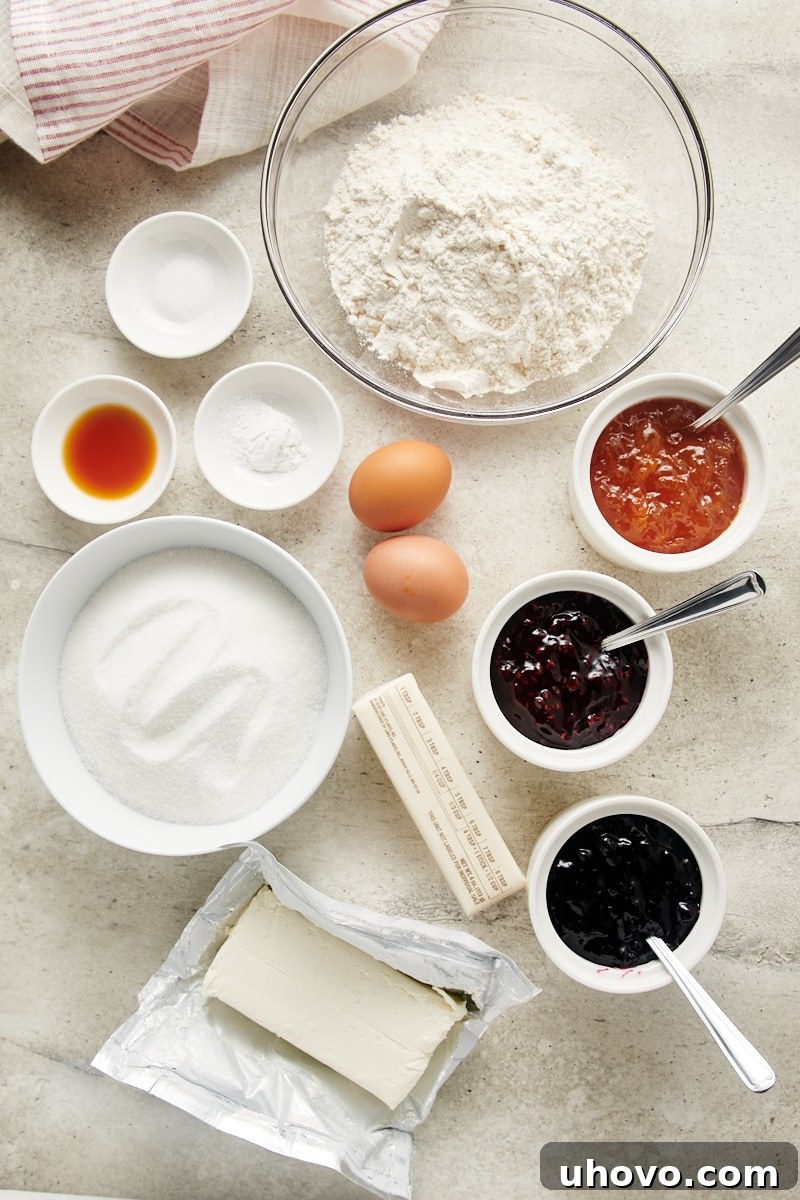
Creating these exquisite cream cheese thumbprint cookies requires a straightforward list of common baking ingredients, most of which you likely already have in your pantry or refrigerator. The beauty of this recipe lies in its accessibility and the way simple components combine to form something truly special. If you’re anything like me, you probably always have a block of cream cheese on hand – a crucial element for these tender treats!
- All-purpose flour: The structural backbone of our cookies. For consistent and tender results, accurate measurement is paramount. Whether you prefer to measure by weight using a kitchen scale or by carefully spooning the flour into your measuring cup and leveling it with a knife, precision prevents a dry or overly dense cookie. Read more on How to Measure Flour for best practices.
- Baking powder: This leavening agent gives our cookies a delicate lift, contributing to their soft and light texture.
- Salt: A small amount of salt enhances the flavors of the other ingredients, balancing the sweetness and adding depth to the cookie dough.
- Unsalted butter: Always opt for unsalted butter to control the overall salt content in your baking. Ensure it’s properly softened to room temperature before mixing; this allows it to cream beautifully with the sugar and cream cheese, creating an airy and smooth base. Learn more about How to Soften Butter for perfect consistency.
- Cream cheese: The star ingredient that gives these cookies their unique tenderness and subtle tang. I highly recommend using full-fat cream cheese for the richest flavor and best texture. Make sure it’s at room temperature so it can blend smoothly and evenly with the butter and sugar, preventing lumps in your dough.
- Granulated sugar: Provides sweetness and helps create that desirable tender texture when creamed with the fats.
- Eggs: Large eggs, brought to room temperature, are essential for proper emulsion and binding the dough. Room temperature eggs incorporate more easily into the mixture, resulting in a smoother, more uniform dough.
- Vanilla extract: A foundational flavor in many cookie recipes, good quality vanilla extract adds a warm, aromatic note. For an intriguing twist, consider using almond extract, which pairs exceptionally well with many fruit jams and adds a sophisticated flavor dimension.
- Jams or preserves: The vibrant heart of these cookies! Use your favorite fruit jam or a variety to create a colorful and flavorful assortment. Thicker preserves generally work best as they tend to hold their shape during baking, but don’t shy away from experimenting with different fruit flavors like raspberry, strawberry, apricot, or blueberry.
- Confectioners’ sugar: An optional but highly recommended finishing touch. A light dusting of confectioners’ sugar adds a touch of extra sweetness and a beautiful, delicate appearance to the cooled cookies.

Step-by-Step Guide: How to Make Cream Cheese Thumbprint Cookies
Creating these delightful jam-filled cream cheese thumbprint cookies is a straightforward and enjoyable process. Follow these detailed steps to ensure perfectly tender, fruity treats every time.
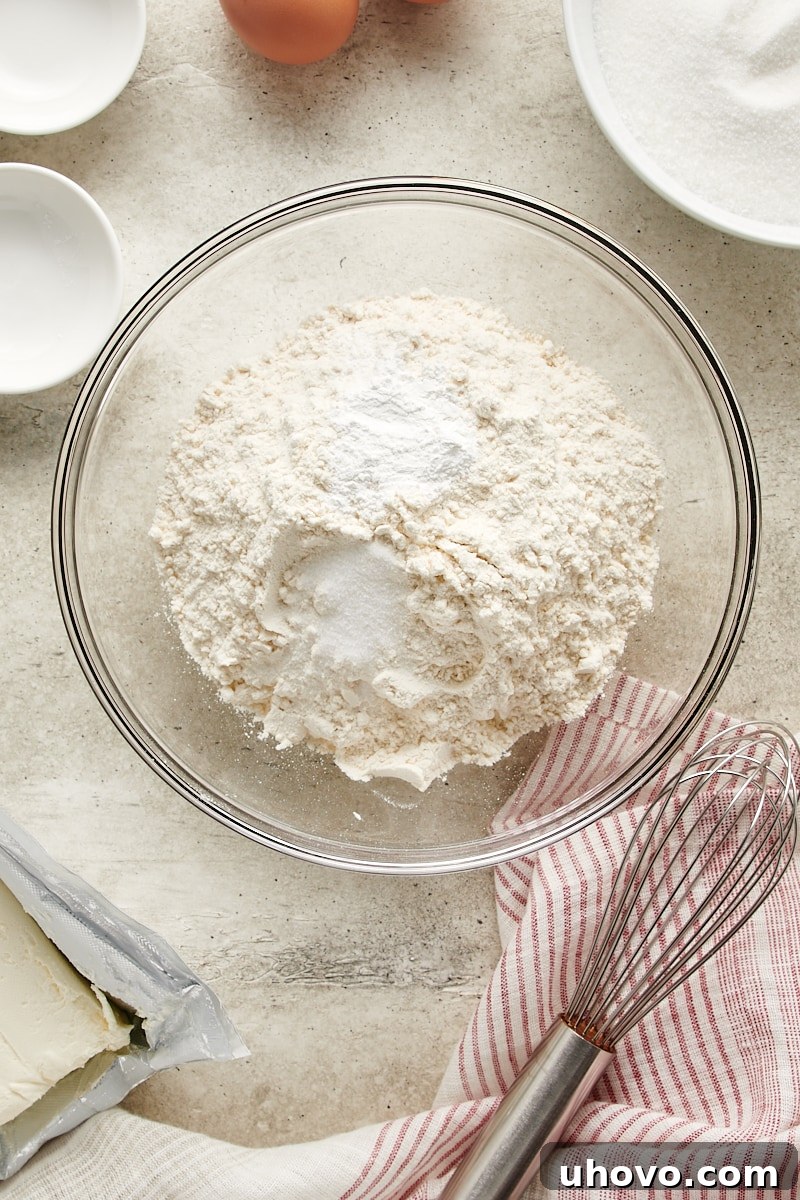
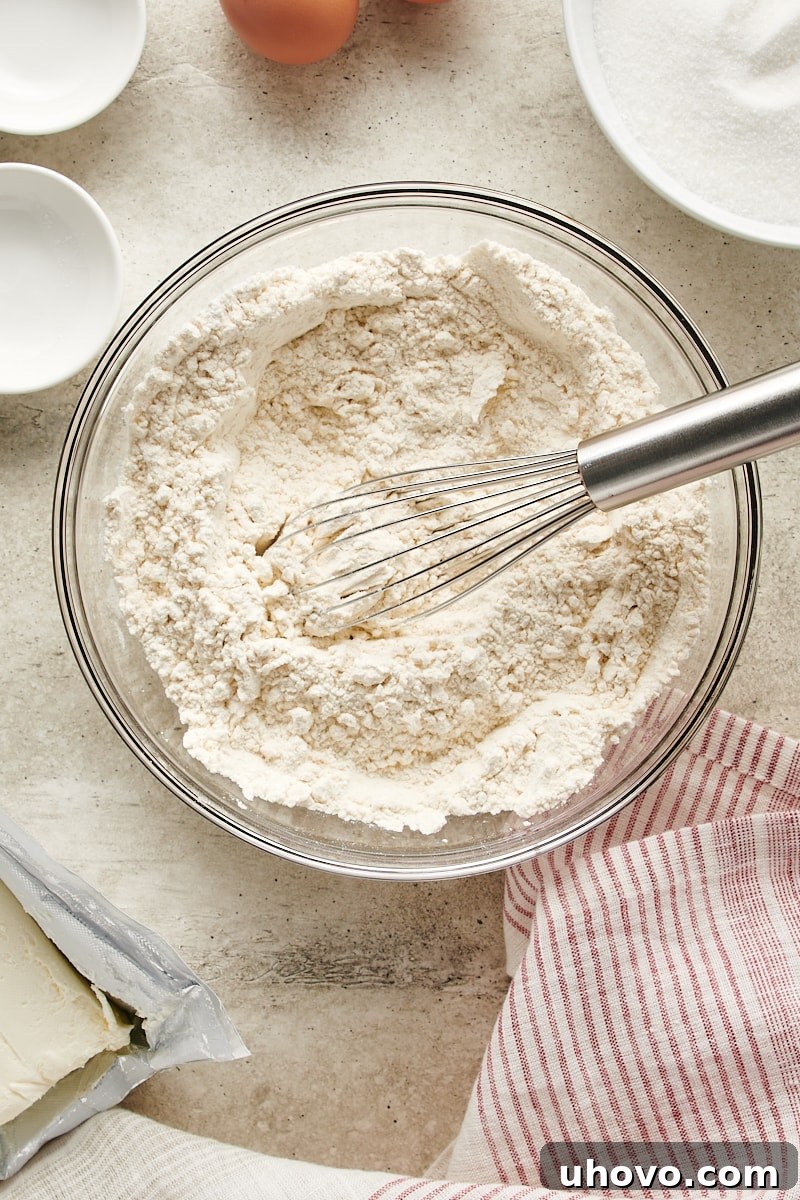
- Combine the dry ingredients: In a medium-sized bowl, thoroughly whisk together the all-purpose flour, baking powder, and salt. Whisking not only combines them but also aerates the flour, preventing lumps and ensuring even distribution of the leavening agent. Set this mixture aside for later.
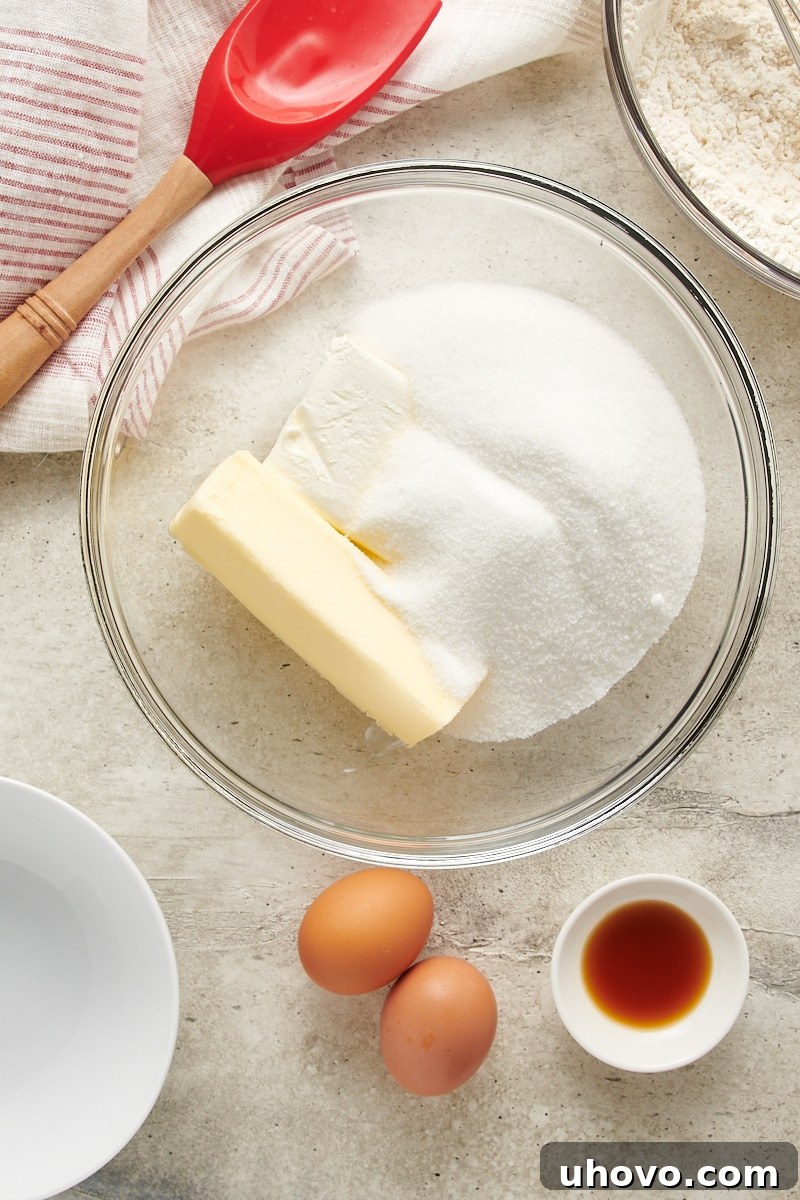
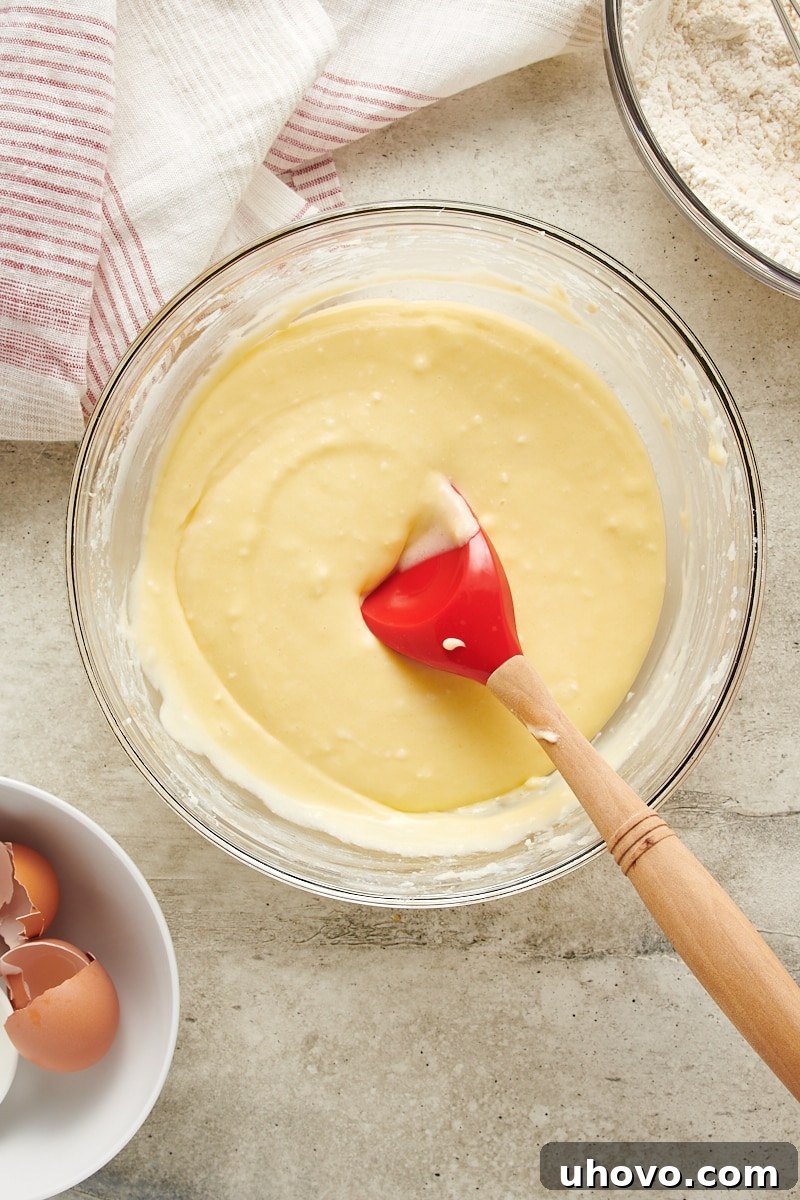
- Cream the wet ingredients: In a separate, larger mixing bowl, using an electric hand mixer or a stand mixer fitted with the paddle attachment, beat the softened unsalted butter, room temperature cream cheese, and granulated sugar together on medium speed. Continue mixing until the mixture is visibly fluffy and has lightened in color, usually 2-3 minutes. This process incorporates air, crucial for a tender cookie. Next, add the eggs one at a time, mixing well after each addition until fully incorporated. Finally, mix in the vanilla extract until just combined. Scrape down the sides of the bowl as needed to ensure everything is evenly mixed.
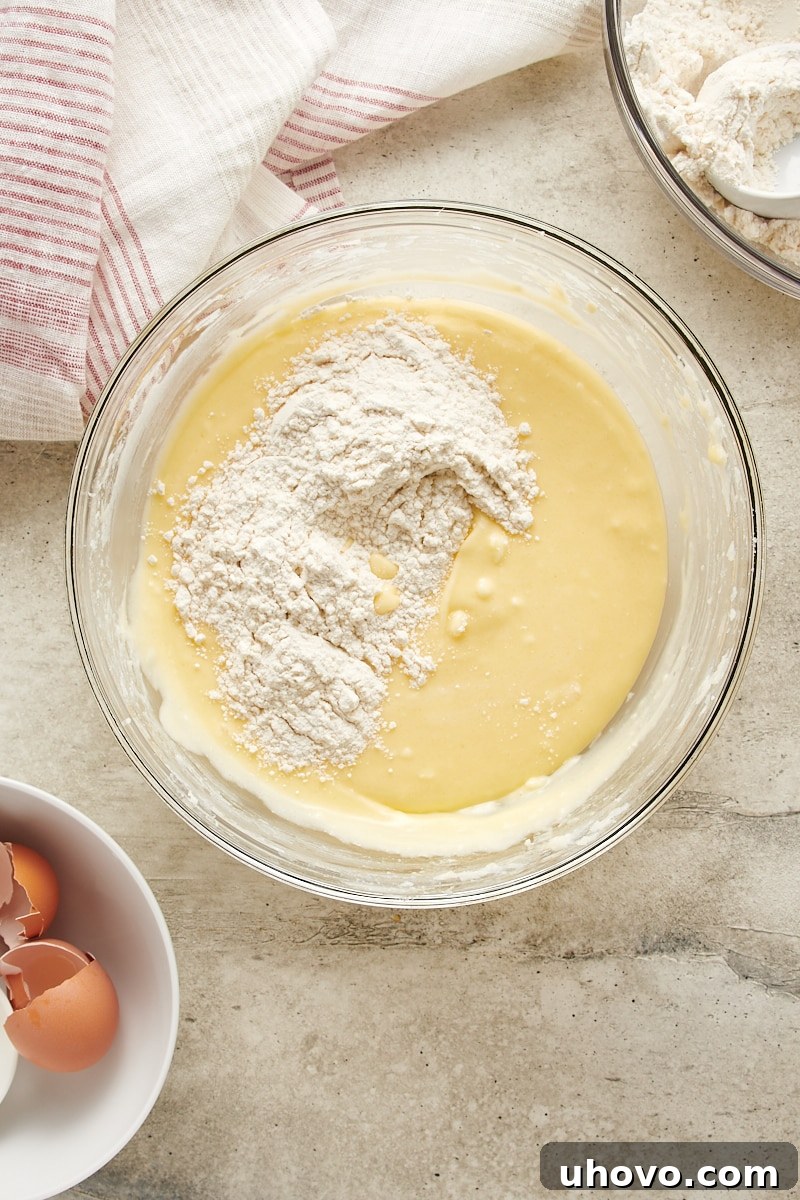
- Incorporate the dry into the wet: Reduce your mixer speed to low. Gradually add the whisked flour mixture to the wet ingredients, mixing just until the dry ingredients are no longer visible and the dough is combined. Be careful not to overmix, as this can lead to tough cookies. Stop the mixer as soon as the flour streaks disappear.
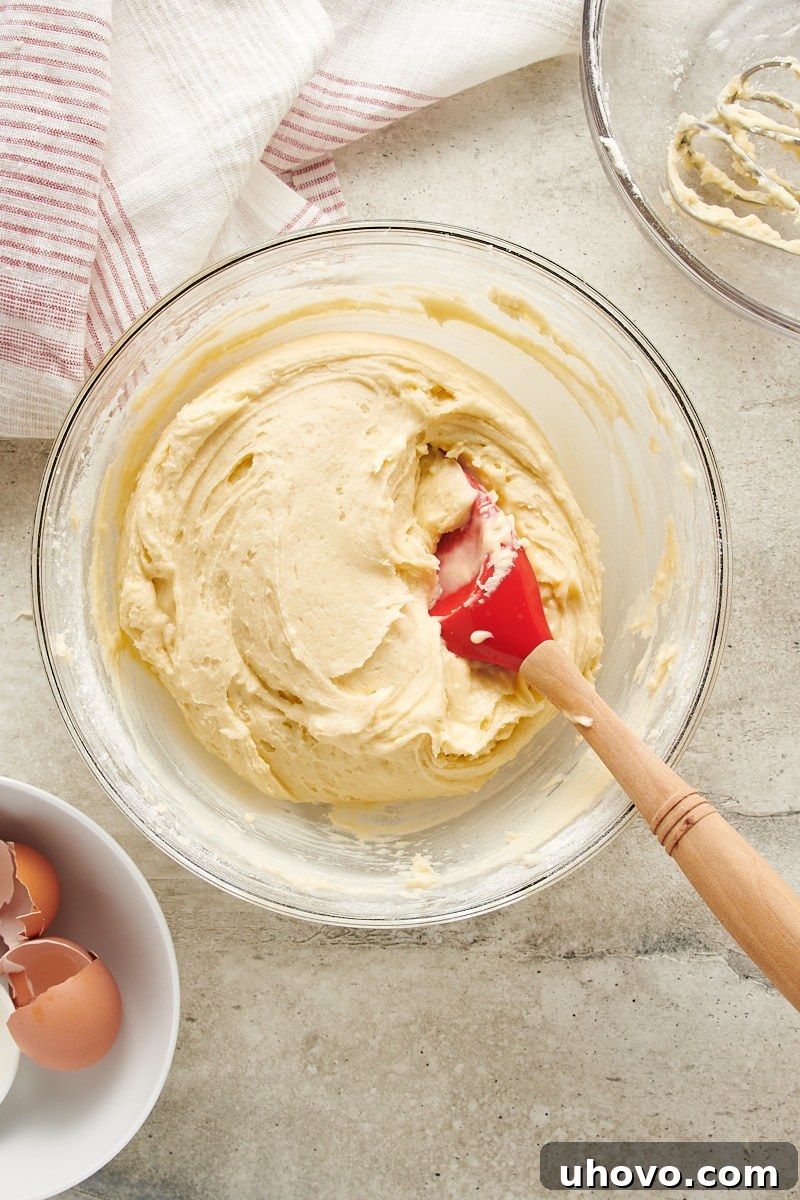
- Chill the dough: Cover the bowl of dough tightly with plastic wrap and chill it in the refrigerator for at least one hour, or preferably overnight. Chilling is a crucial step that allows the flavors to meld, prevents the cookies from spreading too much during baking, and makes the dough much easier to handle. If chilling overnight or for an extended period, you might need to let the dough sit at room temperature for 5-10 minutes before scooping to make it more pliable.
- Prepare for baking: Once the dough is adequately chilled, preheat your oven to 350°F (175°C). Line several baking sheets with parchment paper or silicone baking mats. This prevents sticking and ensures even baking and easy cleanup.
- Portion, shape, and fill: Using approximately 1 & 1/2 tablespoons of dough per cookie (a #40 cookie scoop works perfectly for this), roll the dough into smooth balls. Place the balls about 2 inches apart on your prepared baking sheets, allowing room for slight expansion. Next, gently make an indentation in the center of each cookie dough ball. (Refer to the detailed tips below for making perfect thumbprints!) Once the indentations are made, fill each one with about 1/2 teaspoon of your chosen jam. If your kitchen is particularly warm or your hands tend to warm the dough, consider placing the pans of shaped and filled cookies in the refrigerator for 15 to 20 minutes before baking. This extra chill helps the cookies maintain their shape during oven heat.
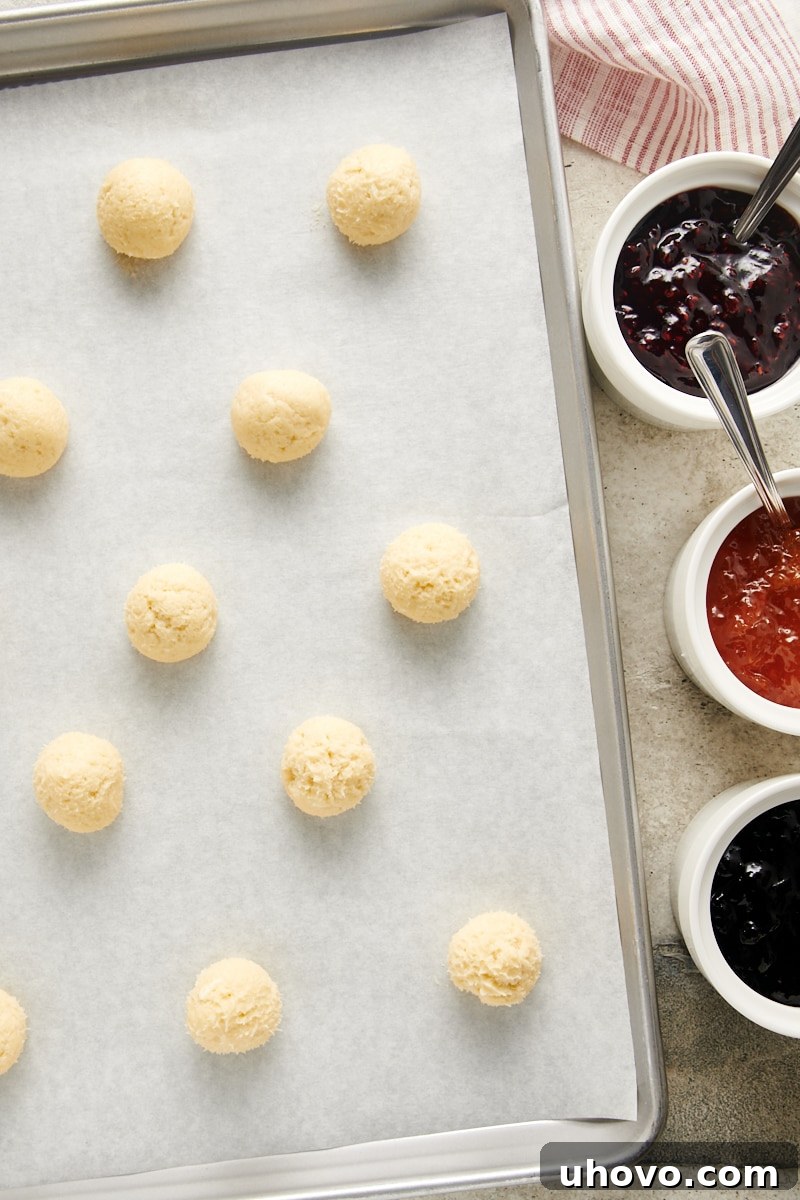
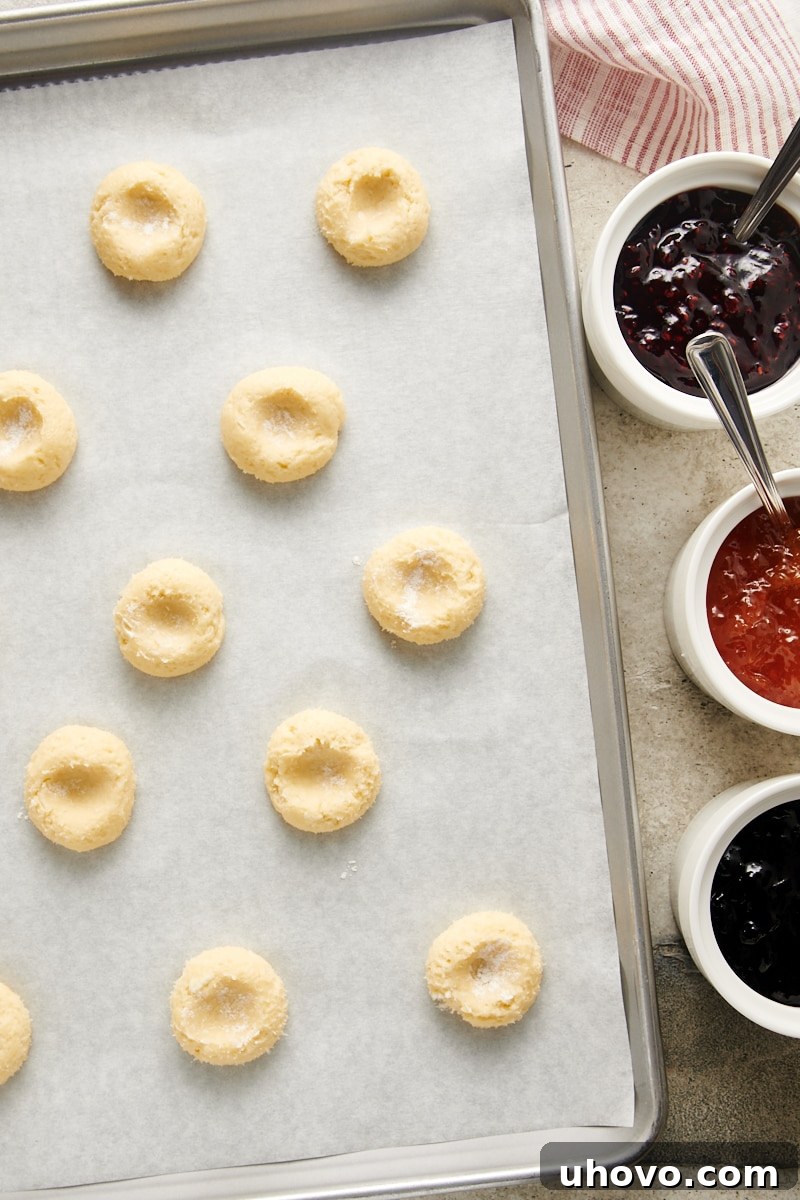
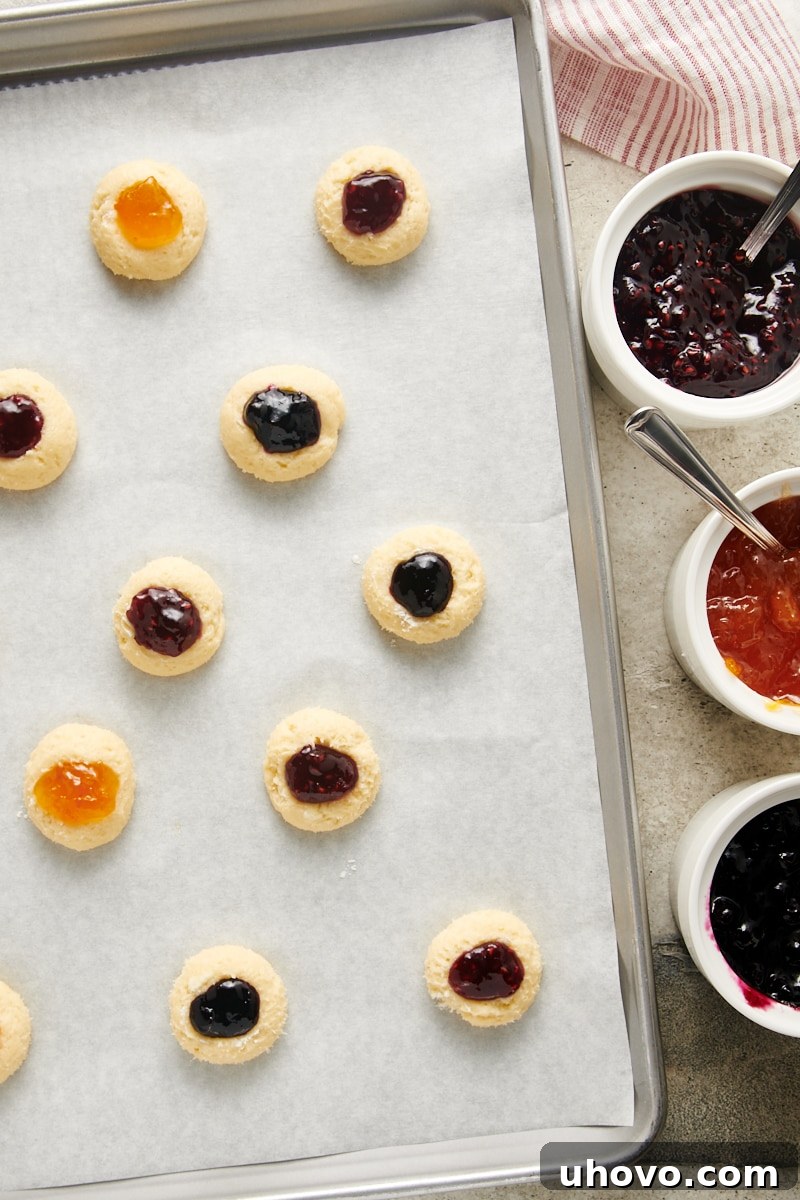
- Bake: Place one baking pan at a time into your preheated oven. Bake for 12 to 15 minutes, or until the edges of the cookies are lightly golden brown. The centers should still be soft and slightly pale. Baking one pan at a time ensures even heat distribution and consistent results across all your cookies.
- Cool: Carefully remove the baking pans from the oven and place them on a wire rack. Allow the cookies to cool on the pans for about 5 minutes. This brief cooling period helps them set and prevents them from breaking when transferred. After 5 minutes, gently transfer the cookies from the pans directly onto the wire rack to cool completely.
- Garnish: Once the cookies are entirely cool, if you desire, dust them generously with confectioners’ sugar using a fine-mesh sieve or a dusting wand. This adds an extra layer of sweetness and a beautiful, elegant finish just before serving.


Crafting the Perfect Thumbprints
The hallmark of a thumbprint cookie is, naturally, that inviting indentation in the center. While the name suggests using your thumb, there are a few techniques to achieve a perfect well for your jam:
- The Classic Thumb Method: Yes, you can literally use your thumb! Keep a small bowl of all-purpose flour nearby and lightly dip your thumb into it before pressing into each cookie ball. This prevents the dough from sticking to your finger. When making the indentation, I find it helpful to make a partial press, then rotate the cookie ninety degrees and gently finish pressing, which helps create a more perfectly round and even well.
- Using a Measuring Spoon: For a more consistent and perfectly rounded indentation, a small measuring spoon is an excellent tool. Choose one with a circular, nicely rounded bottom, such as a 1/2 teaspoon or 1 teaspoon measure. Simply press the rounded back of the spoon firmly into the center of each portioned cookie dough ball. This method is especially great if you’re aiming for uniformity across all your cookies.
- Other Tools: The end of a wooden spoon, a small round tart tamper, or even a wine cork can also be used to create the indentations, offering flexibility depending on what you have on hand and the desired size of your thumbprint.
Whichever method you choose, remember to create a deep enough well to hold a good amount of jam without overflowing, but not so deep that it creates a thin spot in the cookie base.

Mastering Your Bake: Essential Tips for Success
Achieving bakery-quality cream cheese thumbprint cookies is easy with a few key considerations. These tips will help you navigate the baking process, ensuring beautiful and delicious results every time:
- Mind your ingredient temperatures: This is crucial for successful baking. Your butter and cream cheese should be softened but still cool to the touch. If they are too warm or greasy, the dough will be overly sticky, making it difficult to roll and prone to spreading excessively in the oven. Room temperature ingredients emulsify better, leading to a smoother, more uniform dough.
- Embrace the chill time: Do not rush the chilling process! Giving the dough ample time (at least an hour, but longer if possible) to firm up in the refrigerator is vital. This solidifies the fats, preventing the cookies from spreading too much during baking and helps them hold their shape. If your kitchen is particularly warm, or if you’re working slowly, a quick 15-20 minute re-chill after shaping or filling can make a significant difference.
- Flour adjustments for sticky dough: If, after chilling, your dough still feels unmanageably sticky, don’t panic. Gently mix in an additional 1 to 2 tablespoons (8–15g) of all-purpose flour. This small adjustment typically won’t impact the final texture of the baked cookie but will make the dough much easier to handle, scoop, and roll.
- Handle the dough gently and quickly: When rolling the dough into balls, work quickly and with cool hands to prevent the butter and cream cheese from warming up too much. If the dough starts to stick to your palms, a light dusting of flour or confectioners’ sugar on your hands can help, without toughening the cookies. Avoid overworking the dough.
- Select good quality jams or preserves: The jam is a prominent flavor in these cookies, so choose a high-quality one you love. Thicker varieties of jams or fruit preserves generally perform best as they hold their shape better and are less likely to bubble over during baking. If your chosen jam is particularly thin or runny, you can gently simmer it on the stovetop for a few minutes to reduce and thicken it slightly, or stir in a tiny pinch of cornstarch. If it’s very thick, give it a good stir to loosen its consistency before adding it to the cookie indentations.
- Don’t overfill the cookies: While it’s tempting to load up on jam, adding too much will cause it to overflow during baking, resulting in a messier cookie. Aim for about 1/2 teaspoon of jam per cookie, filling the indentation neatly just to the brim. A little overflow is charmingly rustic, but too much can lead to burnt jam on your baking sheet.
- Bake one pan at a time: For the most consistent results, bake only one sheet of cookies at a time. This ensures that heat circulates evenly around each cookie, preventing uneven browning and helping all cookies bake uniformly and keep their beautiful shape.
- Cool completely before storing: Always allow your cookies to cool entirely on a wire rack before transferring them to an airtight container. Any residual warmth can create condensation, causing the cookies to soften prematurely or lose their delightful crisp edges in storage.
Storage Solutions: How to Store Cream Cheese Thumbprint Cookies
Proper storage is key to keeping your freshly baked cream cheese thumbprint cookies tasting their best for longer. Once the cookies have cooled completely to room temperature, arrange them in an airtight container. If you need to stack multiple layers of cookies, place a sheet of wax paper or parchment paper between each layer. This prevents them from sticking together and helps them maintain their pristine appearance. Stored correctly at room temperature, these cookies will remain fresh and delicious for up to a week.
A note on confectioners’ sugar: If you choose to dust your cookies with confectioners’ sugar for that beautiful snowy finish, be aware that the cookies will gradually absorb the sugar over time, especially in humid conditions. For the freshest look and best presentation, it’s advisable to add the confectioners’ sugar as a finishing touch just before you plan to serve them.
Freezing Options: Can These Cookies Be Frozen?
These cream cheese thumbprint cookies are excellent candidates for freezing, offering a fantastic way to prepare ahead or enjoy a homemade treat whenever a craving strikes. Both baked and unbaked cookies can be frozen effectively:
- Freezing baked cookies: After your cookies have cooled completely, place them in an airtight, freezer-safe container. To prevent them from sticking or getting damaged, layer them with sheets of waxed paper or parchment paper between each row. They can be stored in the freezer for up to 2 months. When you’re ready to enjoy them, simply thaw them overnight in the refrigerator or for about an hour or two at room temperature. If you plan to dust them with confectioners’ sugar, do so after they have fully thawed to maintain that fresh, crisp white finish.
- Freezing unbaked cookie dough: This is a wonderful option for fresh-baked cookies on demand. Portion and shape the cookie dough balls as directed in the recipe, but do not add the jam filling yet. Arrange the unbaked dough balls on a parchment-lined rimmed baking sheet and freeze them until they are solid, which usually takes about 2 hours. Once frozen solid, transfer the dough balls to a freezer-safe bag or container, removing as much air as possible to prevent freezer burn. They can be stored in the freezer for up to 2 months. When you’re ready to bake, simply place the frozen dough balls on a prepared baking sheet, make your indentations, fill them with jam, and bake as directed. You may need to add an extra minute or two to the baking time since they are starting from a frozen state. This method ensures you can have warm, freshly baked cookies with minimal effort whenever the mood strikes!

Video Tutorial: Cream Cheese Thumbprint Cookies
For a visual guide to making these delicious cookies, watch our detailed video tutorial on Cream Cheese Thumbprint Cookies. This step-by-step demonstration will walk you through each stage of the recipe, from mixing the perfect dough to forming the delicate indentations and filling them with your favorite jam. See firsthand how simple it is to create these soft, flavorful treats that are perfect for any occasion.
Jam-Filled Cream Cheese Thumbprint Cookies
36
cookies
15
15
1
1
30
Pin Recipe
Leave a Review
Ingredients
-
2 ½
cups (300 g)
all-purpose flour -
1
teaspoon
baking powder -
¼
teaspoon
salt -
½
cup (113 g)
unsalted butter, softened -
8
ounces (227 g)
cream cheese, at room temperature -
1 ½
cups (300 g)
granulated sugar -
2
large
eggs -
1
teaspoon
vanilla extract -
⅓ to ½
cup
jam or preserves - confectioners’ sugar, optional
Recommended Products
-
OXO Half Sheet Pan 13 x 18 Inch
-
OXO Medium Cookie Scoop (#40)
-
Half Sheet Nonstick Cooling Rack
-
OXO Good Grips Dusting Wand for Sugar, Flour and Spices
Instructions
-
Whisk together the flour, baking powder, and salt in a medium bowl. Set aside.
-
Using an electric mixer on medium speed, beat the softened butter, room temperature cream cheese, and granulated sugar until light and fluffy. Add the large eggs, one at a time, mixing well after each addition until fully incorporated. Finally, mix in the vanilla extract until just combined.
-
Reduce mixer speed to low. Gradually add the whisked flour mixture to the wet ingredients, mixing just until the dry ingredients are no longer visible and the dough is combined. Be careful not to overmix.
-
Cover the dough and chill it in the refrigerator for at least one hour, or preferably overnight, to allow it to firm up and for flavors to develop.
-
Preheat your oven to 350°F (175°C). Line baking sheets with parchment paper or silicone liners.
-
Using about 1 & 1/2 tablespoons of dough at a time (a #40 scoop works well), roll the dough into smooth balls. Place them approximately 2 inches apart on the prepared baking sheets.
-
Make a distinct indentation in the middle of each cookie dough ball, using your thumb (lightly floured) or the back of a small measuring spoon for a more uniform well.
-
Fill each indentation with about 1/2 teaspoon of your chosen jam. If your kitchen is warm or the dough has softened, place the pans in the refrigerator for about 15 minutes to firm up before baking.
-
Bake one pan at a time for 12 to 15 minutes, or until the edges are lightly golden brown and the centers are just set.
-
Remove the pans from the oven and place them on wire racks. Allow the cookies to cool on the pans for about 5 minutes, then carefully transfer them to the wire rack to cool completely.
-
If desired, lightly sprinkle the cooled cookies with confectioners’ sugar before serving for an elegant finish and a touch of extra sweetness.
Notes
- Measuring flour: For the best cookie consistency, it’s highly recommended to measure flour by weight using a kitchen scale. If you don’t have one, use the spoon-and-sweep method: lightly spoon flour into your measuring cup until overflowing, then level it off with a straight edge. Too much flour can make the dough dry and crumbly, while too little can make it overly soft and sticky.
- Chilling time: The chilling period is crucial for this dough. If your dough feels overly sticky or too soft to handle after the initial chill, extend its time in the refrigerator. The dough should feel cool and slightly firm to the touch before you begin scooping and shaping. A well-chilled dough prevents excessive spreading during baking, helping the cookies retain their beautiful form.
- Cream cheese temperature: Ensure your cream cheese is just softened enough to blend smoothly with the butter, but not warm or greasy. It should be pliable when gently pressed, but still cool. Overly soft or warm cream cheese can lead to a sticky dough that’s difficult to manage and prone to spreading.
- Rolling tips: When rolling the dough into balls, work with cool, dry hands to avoid melting the butter and cream cheese. If the dough still feels sticky, a very light dusting of flour or confectioners’ sugar on your palms can help prevent sticking without negatively affecting the cookie’s texture. You can also briefly chill the scooped dough balls before rolling if your hands are particularly warm.
- Jam options: Opt for thicker jams or preserves, as they hold their shape better during baking and are less likely to overflow. If your chosen jam is on the runnier side, you can stir in a very small pinch (about 1/4 teaspoon) of cornstarch per 1/2 cup of jam, or briefly simmer it on the stovetop to thicken it slightly before filling the cookies.
- Storage: Store the cooled cookies in an airtight container at room temperature for up to one week. To preserve their quality and prevent them from sticking, place wax paper or parchment paper between layers if stacking. For longer storage, these cookies freeze beautifully; see the freezing instructions above.
- Make ahead: The cookie dough can be prepared and refrigerated for up to 24 hours in advance. If refrigerating overnight or longer, let the dough sit at room temperature for about 10-15 minutes to soften slightly before it becomes easy to scoop and shape.
Jennifer McHenry
cookies
American
Show off your baking masterpiece!
Snap a pic, tag @bakeorbreak, and use #bakeorbreak on Instagram. Can’t wait to see your creation!
More Irresistible Thumbprint Cookie Recipes
If you’ve fallen in love with the charm and versatility of thumbprint cookies, you’ll be thrilled to discover other delightful variations. From nutty to caramel-filled, there’s a thumbprint cookie for every taste and occasion. Explore these related recipes and expand your baking repertoire: