Have you ever found yourself in a delicious dilemma, wondering about the precise distinctions between a cobbler, a crisp, and a crumble? You’re certainly not alone! These beloved fruit desserts, while sharing a comforting warmth and fruity core, each boast unique characteristics that set them apart. Often confused and sometimes even used interchangeably, understanding their subtle yet significant differences can elevate your baking game and appreciation for these classic treats. Join us as we dive into the delightful world of baked fruit desserts, uncovering what makes each one special and how to master them in your own kitchen.
Decoding Deliciousness: The Ultimate Guide to Cobblers, Crisps, Crumbles, and Beyond
There’s an undeniable magic in a freshly baked fruit dessert, warm from the oven, perhaps crowned with a generous scoop of melting vanilla ice cream. The aroma alone is enough to transport you to a cozy, happy place. But beyond the sheer joy of eating them, there’s a fascinating culinary history and distinct definitions that often get blurred. While many home bakers and even some seasoned cooks use terms like cobbler, crisp, and crumble interchangeably, each name refers to a specific type of fruit dessert, primarily distinguished by its unique topping.
The Universal Appeal of Baked Fruit Desserts
Before we delve into their delicious differences, let’s explore what unites cobblers, crisps, and crumbles. At their heart, all three begin with a foundation of succulent fruit. Whether you opt for vibrant berries, juicy stone fruits like peaches and plums, crisp pome fruits such as apples and pears, or a delightful combination, the fruit is undoubtedly the star of the show. This versatility means these desserts can be enjoyed year-round, adapting to the bounty of each season.
Beyond the fruit, the common thread is a comforting, baked topping. This crust or streusel component transforms simple fruit into an indulgent treat, offering a textural contrast that is deeply satisfying. However, this is precisely where their similarities diverge, paving the way for the distinctive personalities of each dessert. The ingredients and preparation of that topping are what grant each dish its unique texture, flavor profile, and, ultimately, its name.
What Makes a Cobbler a Cobbler?
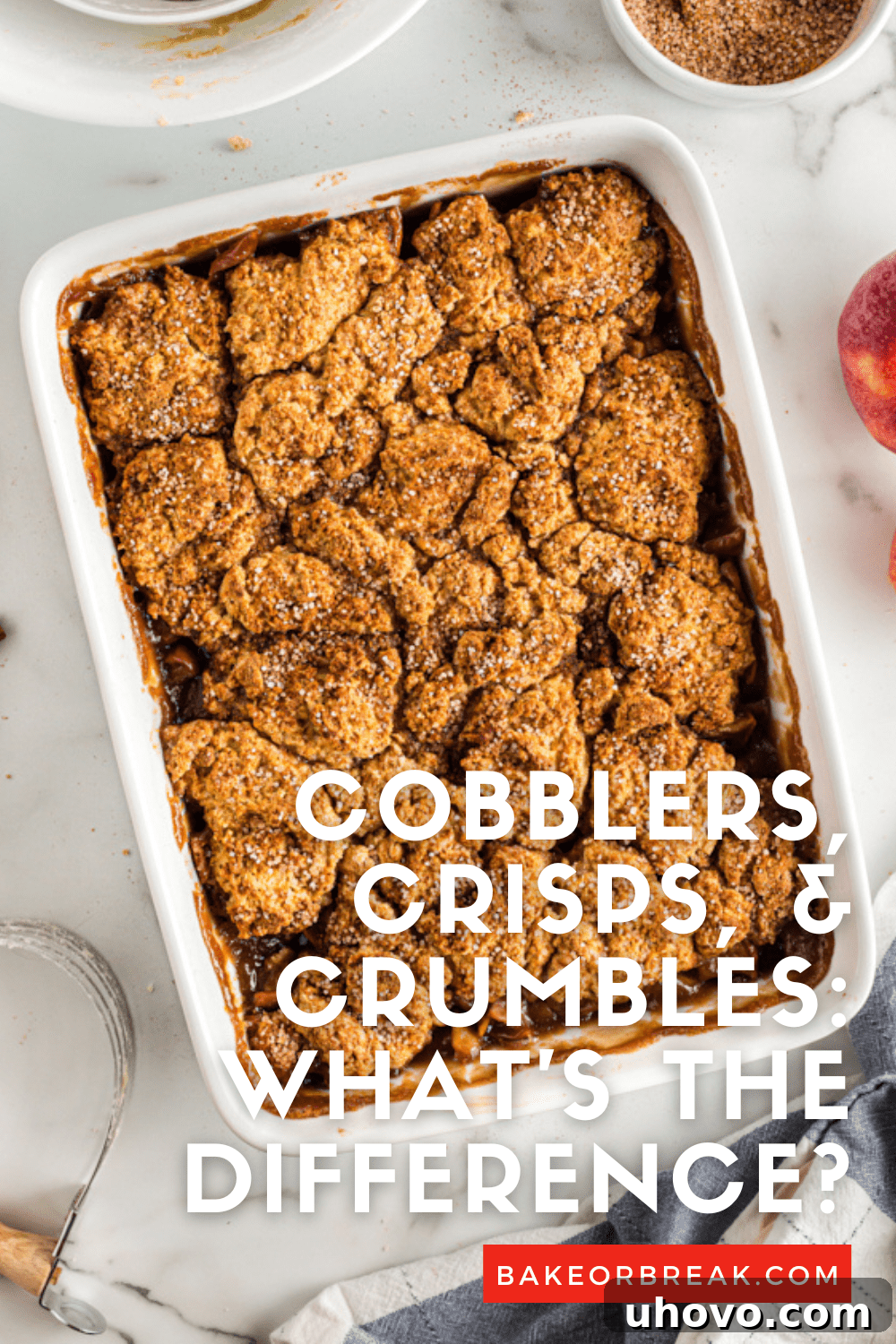
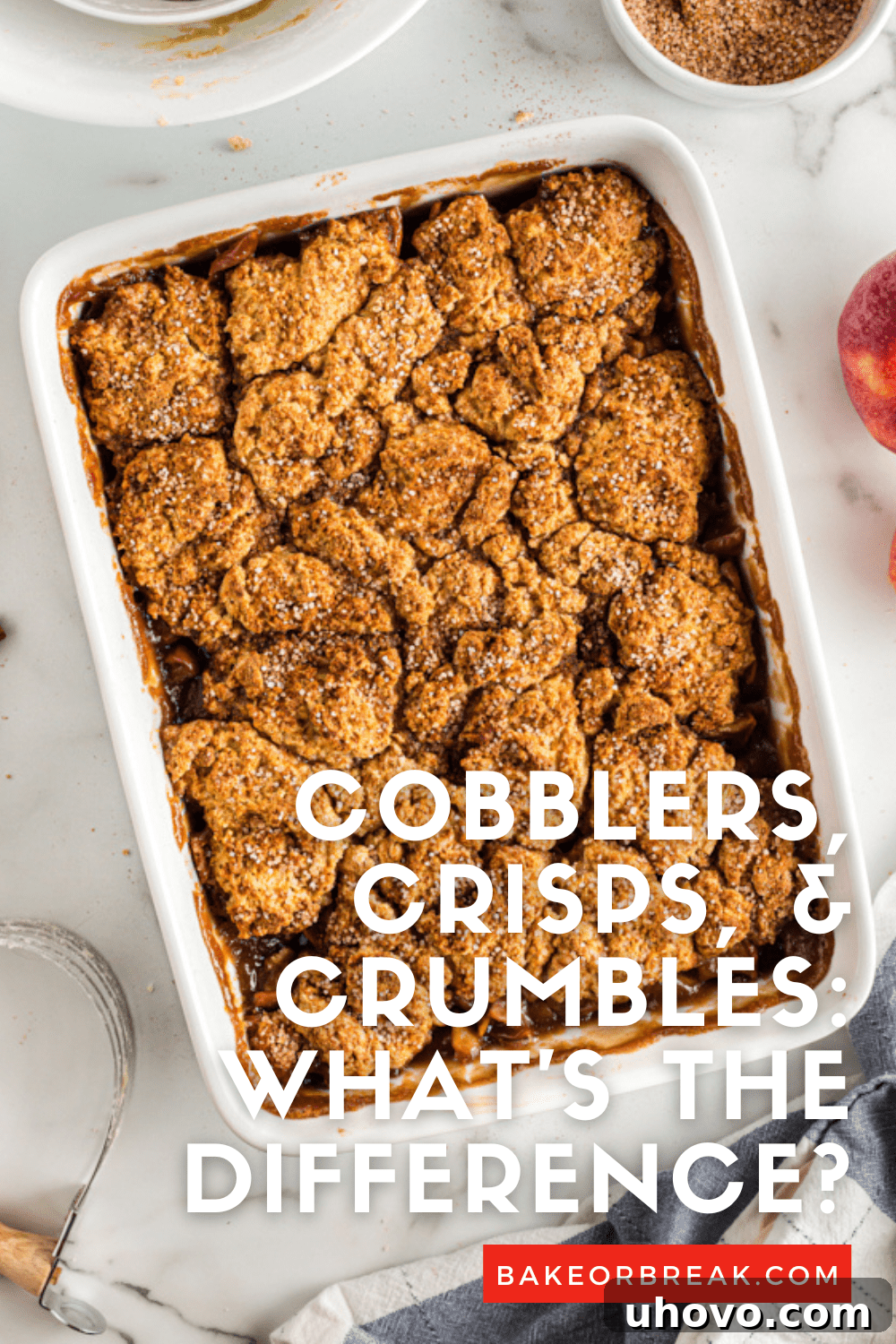
A cobbler is a quintessential American dessert, particularly beloved in the Southern states, characterized by its distinctive topping. It begins with a layer of fruit, often sweetened and sometimes lightly spiced, placed at the bottom of a baking dish. The magic happens with the topping: dollops of biscuit dough (or occasionally a cake-like batter) are strategically dropped over the fruit. As the dessert bakes, these individual pieces of dough expand and turn golden brown, creating a charming, rustic appearance.
The Biscuit Topping and Its Origins
The name “cobbler” is thought to have originated from the visual resemblance of its baked topping to an old cobblestone street – irregular, bumpy, and inviting. The biscuit topping is key, offering a tender, slightly flaky texture that contrasts beautifully with the soft, bubbling fruit beneath. While traditional cobblers use a simple buttermilk biscuit dough, variations abound, sometimes incorporating cornmeal for a different texture or even a drop biscuit-style batter for a lighter, more cake-like consistency. Historically, cobblers were a resourceful dessert, making good use of seasonal fruits and pantry staples.
Crafting the Perfect Cobbler
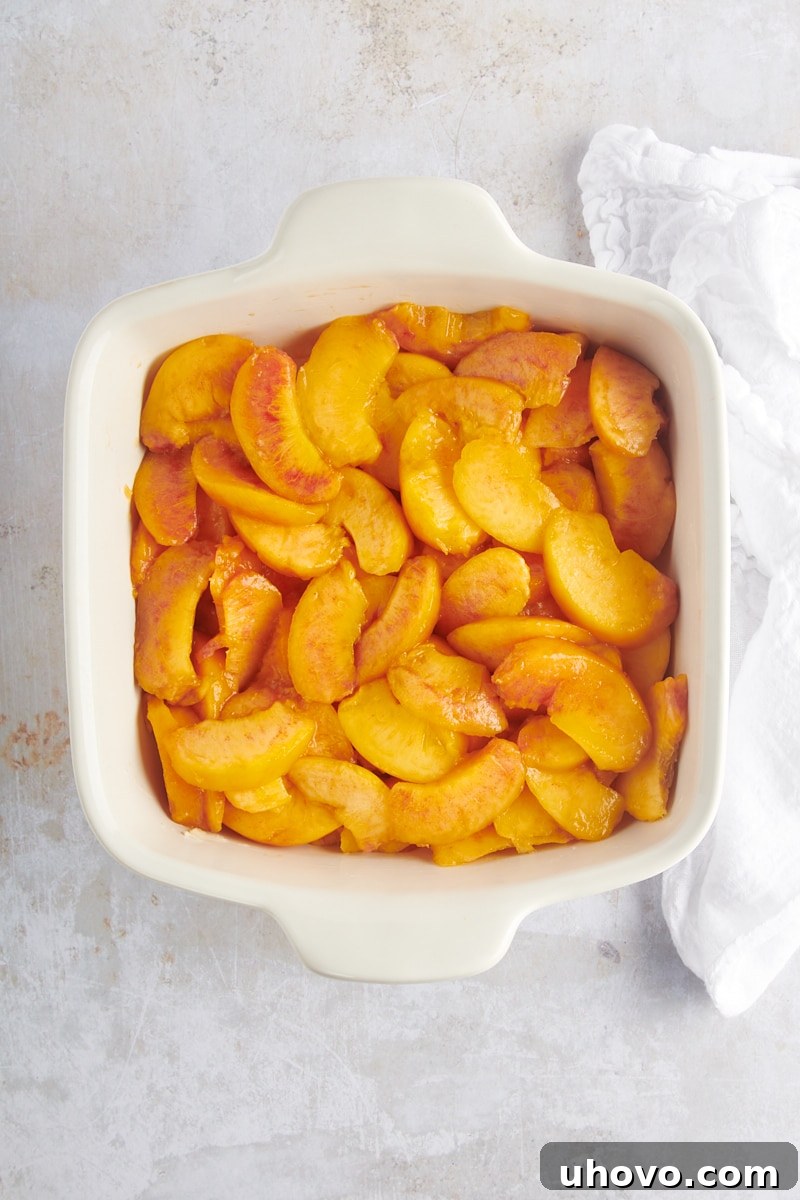
Cobblers are incredibly versatile and can be made with almost any fruit imaginable. Peaches, berries (like blackberries or blueberries), and apples are perennial favorites. The key to a great cobbler lies in the balance: ensure your fruit filling is flavorful and not too watery, and that your biscuit topping is light and tender. Serve warm for the ultimate comfort experience. For inspiration, explore recipes like a Ginger Pecan Peach Cobbler, an Autumn Spice Pear Cobbler, or a classic Strawberry Cobbler.

Understanding the Crisp: A Symphony of Oats and Butter
While sharing the same baked fruit base as a cobbler, a crisp distinguishes itself through its iconic streusel topping. Unlike the distinct pieces of biscuit dough on a cobbler, a crisp features a crumbly, buttery mixture sprinkled evenly over the fruit. The defining characteristic of a crisp’s streusel is the inclusion of oats, which lend a wonderfully chewy texture and a nutty flavor that becomes delightfully crunchy as it bakes.
The Signature Streusel: Oats for Crunch
A typical crisp topping is crafted from a blend of flour, sugar (often brown sugar for its caramel notes), cold butter, and, crucially, rolled oats. These ingredients are rubbed together to form coarse crumbs, which are then generously scattered over the fruit. As it bakes, the butter melts, binding the ingredients and creating a golden-brown, genuinely “crisp” layer on top of the softened, bubbling fruit. Nuts like pecans or walnuts, along with warm spices such as cinnamon, nutmeg, or allspice, are frequently added to enhance the flavor complexity.
Pairing Fruits with Crisps
Crisps are incredibly versatile and shine with a wide array of fruits. Berries, apples, pears, and stone fruits like peaches and plums are all excellent choices. The hearty oat topping stands up well to both tart and sweet fruits, providing a satisfying contrast. When baking a crisp, look for a bubbling fruit filling and a deeply golden, crunchy topping as indicators of doneness. Consider trying a refreshing Peach Crisp or a vibrant Summer Fruit Crisp to experience this delicious dessert.

The Crumble Conundrum: Crisp’s Oat-Free Cousin
The crumble is arguably the most frequently confused dessert with the crisp, and for good reason: they are incredibly similar! Both feature a sweet, buttery streusel topping crumbled over baked fruit. The defining factor that separates a crumble from a crisp is the absence of oats in the topping. While a crisp relies on oats for its characteristic crunch and texture, a crumble achieves its delightful crumbly texture solely from flour, sugar, and butter, sometimes with the addition of nuts.
Butter, Flour, and Sugar Perfection
A crumble topping is essentially a simpler streusel, made by rubbing cold butter into a mixture of flour and sugar until coarse crumbs form. This creates a topping that, when baked, becomes wonderfully buttery, tender, and “crumbly” without the chewiness provided by oats. The texture tends to be more delicate and cake-like than a crisp, dissolving in the mouth alongside the soft fruit.
When to Choose a Crumble and Achieving a Golden Top
Crumbles are incredibly adaptable to various fruits, with apples being a traditional and highly popular choice, especially in British cuisine where crumbles are a staple. Pears, berries, and stone fruits also work beautifully. If you prefer a topping that is purely buttery and melts into the fruit without the added texture of oats, a crumble is your ideal choice. To ensure a perfect golden-brown crumble, spread the topping evenly and bake until the fruit is bubbling and the crumbs are deeply colored. Explore recipes like a comforting Pear and Plum Crumble or a delightful Cherry Berry Crumble for a taste of this classic.

Beyond the Big Three: Exploring Other Fruit Dessert Delights
While cobblers, crisps, and crumbles reign supreme in popularity, the world of baked (and stovetop!) fruit desserts is rich with other delightful variations, each with its own unique twist on fruit and topping. These lesser-known gems offer exciting new textures and flavors to explore:
- Grunt: A New England classic, a grunt is essentially a stovetop cobbler. Fruit is simmered, and dollops of biscuit dough are placed on top. The pot is then covered, and the biscuits are cooked by steaming rather than baking. The name is playfully attributed to the “grunting” sound the steam makes as it escapes through the biscuit gaps during cooking.
- Slump: Similar to a grunt, a slump is also a stovetop fruit dessert. However, instead of biscuits, slumps typically feature dumplings as their topping. The name “slump” is said to describe its rather unceremonious appearance when spooned onto a plate.
- Sonker: A regional specialty, primarily found in North Carolina, the sonker is a deep-dish fruit dessert akin to a cobbler. What sets it apart is its often thicker, juicier fruit filling and diverse topping options, which can range from biscuit or pie crust to a batter or even breadcrumbs. Sonkers can be savory or sweet, often featuring sweet potatoes in addition to fruits.
- Buckle: More cake-like than its cousins, a buckle features a cake batter on the bottom, with fruit scattered on top, and often finished with a streusel crumb. As it bakes, the cake rises around the fruit, causing the fruit to “buckle” or sink slightly into the cake, creating an uneven, charmingly dimpled surface. Try my Skillet Cranberry Buckle or a Peach and Nectarine Buckle.
- Betty (Brown Betty): A betty is reminiscent of a crisp or crumble but utilizes buttered bread crumbs or pieces of bread for its topping. Often, it’s assembled in alternating layers of fruit and crumb, creating a delicious medley of textures. The origins of its name are debated, ranging from a common name of an inventor to a playful alteration of “bread pudding.”
- Pandowdy (Pan Dowdy): This rustic dessert features a pie crust topping placed over the fruit, similar to a cobbler. The unique step for a pandowdy is that partway through baking, the crust is purposefully broken up and pushed down into the bubbling fruit, allowing the juices to mingle and soak into the crust. This “dowdy” or shapeless appearance gives it its charming name.
Embracing Culinary Creativity: Does the Name Truly Matter?
Ultimately, these desserts all celebrate the wonderful combination of warm, tender fruit with a contrasting, delicious topping. Whether it’s a fluffy biscuit, a crunchy oat streusel, or a delicate crumb, each one offers a unique textural and flavor experience. While culinary purists might insist on strict adherence to definitions, the beauty of home baking often lies in its flexibility.
It’s not uncommon to find recipes that blur the lines, perhaps a “crumble” that includes oats or a “crisp” with a simpler, oat-free topping. For many home cooks, the precise naming takes a backseat to the sheer joy of creating and enjoying a delicious fruit dessert. The true essence lies in making the most of fresh, seasonal fruit and pairing it with a topping that brings comfort and delight. Don’t be afraid to experiment, blending elements from different traditions to create your own signature fruit dessert.
Elevating Your Fruit Dessert Experience: Tips and Tricks
No matter which fruit dessert you choose to bake, a few general tips can help you achieve perfection every time:
- Choose Peak Season Fruit: The quality of your fruit profoundly impacts the final flavor. Use ripe, in-season fruit for the best taste. Frozen fruit can also be used, but ensure it’s thawed and drained well to prevent a watery filling.
- Balance Flavors: Don’t shy away from adding a pinch of salt to balance sweetness, and incorporate warm spices like cinnamon, nutmeg, or cardamom to complement your fruit. A squeeze of lemon juice can brighten flavors, especially with sweeter fruits.
- Thickening the Filling: To prevent a runny fruit base, especially with juicy fruits, mix in a tablespoon or two of cornstarch or flour with the fruit and sugar before baking. This helps create a luscious, bubbling filling.
- Perfect Serving: While these warm fruit desserts are undoubtedly delicious on their own, they are often made even more heavenly with a cold accompaniment. A generous scoop of vanilla bean ice cream or a dollop of sweetened whipped cream provides a delightful temperature and texture contrast that elevates the entire experience. Crème fraîche or a light custard can also be exquisite additions.
From the rustic charm of a cobbler to the comforting crunch of a crisp and the delicate allure of a crumble, the world of fruit desserts is rich, varied, and incredibly rewarding. Each offers a unique way to celebrate the bounty of nature, transforming simple ingredients into memorable culinary experiences. So, the next time you’re craving a warm, fruity treat, you’ll know precisely what makes each of these classics stand out. Happy baking!