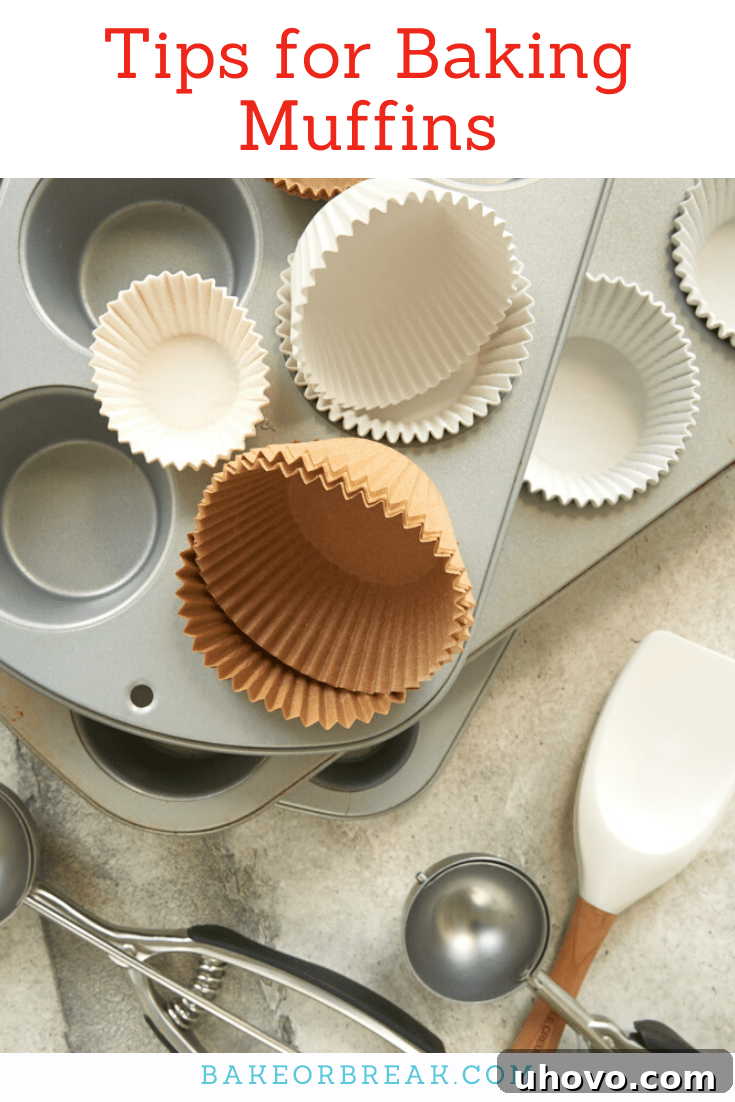
Are you on a quest to bake the most exquisite muffins? Look no further! This comprehensive guide provides easy-to-follow tips and essential insights to elevate your muffin-making skills from good to absolutely outstanding. Prepare to transform your baking with secrets that promise perfectly risen, tender, and delicious muffins every time.
The Ultimate Guide to Perfect Muffins
Muffins hold a special place in the hearts of many, serving as a delightful sweet breakfast, a satisfying snack, or a wonderful accompaniment to coffee or tea. For me, they’ve always been a cherished baking project, offering endless possibilities for flavor combinations and textures. Whether your preference leans towards the timeless simplicity of a classic blueberry muffin or the more intricate indulgence of a spiced creation with a crumb topping, mastering a few fundamental techniques can significantly improve your results. These are my most trusted tips for baking muffins that consistently turn out as delectable as they look!
Before delving into the specific nuances of muffin baking, let’s quickly revisit some universal baking principles that form the bedrock of any successful recipe. Precision is paramount: always measure your ingredients accurately, preferably by weight when a recipe provides it. This eliminates guesswork and ensures consistent results. Furthermore, an oven thermometer is your best friend; consistently check and calibrate your oven’s temperature to avoid under or over-baking. The quality of your ingredients undeniably impacts the final product, so opt for fresh, high-quality butter, eggs, and leavening agents. Finally, remember that your choice of bakeware matters: steer clear of dark or shiny pans, as they can lead to uneven baking and overly browned exteriors. Any alterations or substitutions you make to a trusted recipe can subtly, or sometimes drastically, alter the final outcome, so proceed with caution.
I sincerely hope these guidelines equip you with all the knowledge needed to bake the muffins of your dreams. Should you feel inspired to start baking right away, my Recipe Index offers an abundance of simple, tender muffin recipes bursting with incredible flavors. Explore options like easy muffins filled with juicy fresh blueberries, sweet blackberries, comforting bananas, and aromatic poppy seeds. You’ll also discover many recipes featuring an irresistible crumb topping and adorable bite-sized mini muffins. Below, I’ve also highlighted some of Bake or Break’s finest muffin creations to ignite your baking creativity. If you have any further questions as you embark on your muffin-baking journey, please don’t hesitate to leave them in the comments section below.
For those seeking recommendations on the best pans and essential tools for baking muffins, I invite you to explore my curated Muffin Baking Essentials list available on my Amazon Storefront. Equipping yourself with the right tools can make a significant difference in your baking experience.
Happy baking, and may your muffins always be perfectly delicious!
Mastering Muffin Batter Mixing: Avoiding Toughness
One of the most common pitfalls in muffin baking is overmixing the batter. In fact, it’s a mistake I’d wager happens more frequently than not. Most muffin recipes employ what’s known as the “muffin method,” a technique designed to incorporate all the wet ingredients into the dry ingredients simultaneously and with minimal fuss. This method is crucial not only for achieving the characteristic tender, airy texture of a perfect muffin but also for streamlining the batter preparation process, helping you avoid the dreaded toughness that comes from overdeveloping gluten.
The key to successful muffin batter is to mix it just until the dry ingredients are moistened. This usually translates to about 10 to 12 gentle turns with a mixing spoon or spatula. For traditional muffins, there’s rarely a need to bring out your electric mixer; simple hand tools like a large mixing bowl, a whisk for dry ingredients, and a sturdy spoon or spatula for combining wet and dry are typically all you need. The less agitation, the better, as excessive mixing causes gluten to develop, resulting in a chewy, bread-like texture rather than a light, tender crumb.
It’s important to note that, unlike other baked goods such as cakes or cookies, you are not aiming for a perfectly smooth batter. A few lumps, streaks of flour, or even slightly dry patches are completely normal and, in fact, desirable. These imperfections contribute to the muffin’s rustic charm and tender crumb. Embracing a slightly lumpy batter is a clear sign that you’re on the right track to beautifully tender muffins. You can delve deeper into the specifics of this essential technique in my detailed article, The Muffin Method.
Optimizing Muffin Cup Filling for the Perfect Dome
For most standard muffin recipes, a general rule of thumb is to fill your muffin cups approximately three-quarters full. This leaves ample space for the muffins to rise beautifully without overflowing and creating a sticky mess on your pan. While this is a widely accepted guideline, it’s always best to defer to the specific instructions provided by your chosen recipe. Variations in batter consistency and leavening agents can mean some recipes call for slightly less or more batter per cup to achieve their intended results.
Another crucial factor in achieving those iconic, tall, domed muffin tops is the baking temperature. Many muffin recipes call for a relatively high oven temperature, often starting at 375°F or even 400°F. This initial blast of high heat provides a “thermal shock” to the batter, causing the leavening agents to activate rapidly and the exterior of the muffin to set quickly. This rapid expansion helps the muffins rise more quickly and significantly higher, forming that desirable domed crown that is characteristic of a perfectly baked muffin. While not strictly vital for flavor, it certainly contributes to the classic aesthetic and satisfying texture of a well-made muffin.
Can You Make Muffin Batter Ahead of Time?
A frequent question I encounter is whether muffin batter can be prepared in advance for later baking. The concise answer is generally no, and the reasoning lies in the science of leavening. Muffin recipes typically rely on chemical leaveners like baking soda and/or baking powder. These agents are designed to react and produce carbon dioxide gas when they come into contact with liquid (and sometimes an acid). Once this reaction begins, the leavening power is gradually expended. If you let the mixed batter sit for an extended period before baking, these gases will escape, significantly reducing the batter’s ability to rise properly in the oven, almost certainly resulting in flat, dense muffins.
However, if your goal is to save a few minutes on a busy morning, a slightly longer answer offers a workaround. You can prepare the dry ingredients (flour, sugar, leaveners, salt, spices) in one bowl and the wet ingredients (milk, eggs, oil/butter, extracts) in another, storing them separately. Just before you’re ready to bake, combine them using the quick “muffin method” described earlier. For optimal results, ensure all your wet ingredients are at or near room temperature before mixing, as cold ingredients can inhibit proper mixing and leavening. This might mean letting your wet mixture sit out for a short while.
Ultimately, as a general rule, it’s best to mix your muffin batter just before you intend to bake. The good news is that while the batter doesn’t hold up well, baked muffins typically store beautifully for several days. This means you can easily bake a batch in advance and enjoy them throughout the week. If you prefer a warm muffin, a few seconds in the microwave or a few minutes in a low-temperature oven will usually do the trick, restoring their fresh-baked appeal.
To Line or Not to Line: Your Muffin Cup Dilemma
The decision to line your muffin cups is largely a matter of personal preference, but it does impact the final texture and presentation of your muffins. The primary baking difference lies in how liners affect the muffins’ exteriors. When using a paper or silicone liner, the sides and bottoms of your muffins will remain softer, more evenly colored, and slightly less crusty. This is because the liner creates a barrier between the batter and the hot metal of the pan, insulating it from direct heat.
Conversely, baking muffins without liners allows the batter to come into direct contact with the pan. This direct heat transfer results in a crispier, browner, and often chewier exterior – a texture many bakers find delightful. Without liners, you get more of that satisfying, slightly caramelized crust. Beyond texture, consider how the muffins will be served. For immediate consumption at home with family, lined or unlined works equally well. However, if you plan to transport the muffins, share them with friends, or intend for them to be a convenient grab-and-go snack, liners are incredibly practical. They make handling less messy and help keep the muffins fresh by protecting their delicate exteriors.
If you opt for liners, standard paper liners are a reliable choice. Silicone liners are also an excellent reusable alternative, offering great non-stick properties. If you choose to skip the liners, it’s absolutely critical to prepare your muffin tin properly to prevent sticking. I highly recommend using a baking spray that contains flour, such as Baker’s Joy or Pam Baking. These sprays create an effective non-stick coating that helps release the muffins cleanly, ensuring beautifully shaped results. Always follow the specific instructions of your recipe, as some specialty muffins might have unique requirements for lining or greasing.
Brown Butter Sour Cream Spice Muffins
Achieving Uniformity: The Art of Portioning Muffin Batter
For consistent, professional-looking muffins that bake evenly, proper portioning of the batter is key. My absolute preferred method for portioning muffin batter is by using a scoop. Standard-sized muffins typically require around 3 to 4 tablespoons of batter per cup. Therefore, a 3- or 4-tablespoon capacity scoop is the ideal tool for both portioning the batter accurately and cleanly transferring it into the muffin cups.
The benefits of using a scoop are manifold. Firstly, it ensures that all your muffins are the same size. This not only results in a more aesthetically pleasing batch but, more importantly, it guarantees that every muffin bakes uniformly. When muffins are of varying sizes, smaller ones can overbake while larger ones remain undercooked, leading to an inconsistent texture and quality throughout your batch. Secondly, using a scoop significantly speeds up the portioning process compared to spooning the batter, and it minimizes mess, keeping your workstation tidier. Once you experience the ease, precision, and efficiency of this method, I’m confident you’ll become a devoted scoop user for all your muffin-making endeavors!
Selecting the Right Muffin Pans for Superior Baking
Just as with most of my baking pan recommendations for other treats, my strong preference for muffins leans towards a light-colored, non-shiny metal pan. The material and finish of your muffin pan play a surprisingly significant role in how your muffins bake. Light-colored, non-shiny metal pans conduct heat more gently and evenly, which promotes consistent browning and a tender crumb without over-baking the edges or bottoms. Darker pans, on the other hand, absorb more heat and can cause muffins to brown too quickly on the outside, potentially leading to a dry or even burnt crust before the interior is fully cooked.
Beyond material, ensure you’re using the correct size pan for your specific recipe. Muffin pans come in various dimensions, including standard, mini, and jumbo, each designed for different batch sizes and desired muffin presentations. Using a pan that is too large or too small can impact baking time, rise, and overall texture. For a comprehensive list of my recommended muffin pans and other essential baking tools, I encourage you to visit my Muffin Baking Essentials list on my Amazon Storefront. Investing in quality bakeware is an investment in consistently successful baking.
Optimal Oven Temperature for Fluffy Muffins
The oven temperature specified in your muffin recipe is not just an arbitrary number; it’s a carefully chosen factor that significantly influences the final texture and appearance of your muffins. Always adhere to the temperature guidelines of the recipe you are following for the best results. However, if you’re venturing into adapting a quick bread loaf recipe into muffins, you’ll almost certainly need to make adjustments to both the oven temperature and the baking time. Muffins typically bake much faster than loaves and often benefit from a different heat profile to achieve their signature dome and light texture. For detailed guidance on how to make this conversion successfully, you can refer to my tips on How to Convert Muffins to Bread.
As a general rule, muffins are frequently baked at a higher temperature than quick breads. This higher initial heat is critical for encouraging a rapid rise and creating that desirable tall, domed top and relatively quick setting of the crust. The intense heat causes the leavening agents to activate quickly, propelling the batter upwards before the structure fully sets. This results in a lighter, airier crumb and the classic muffin shape we all love. Always ensure your oven is preheated thoroughly to the correct temperature before introducing your muffin batter, as a cold oven can dramatically affect the rise and texture.
Preventing Add-Ins from Sinking to the Bottom
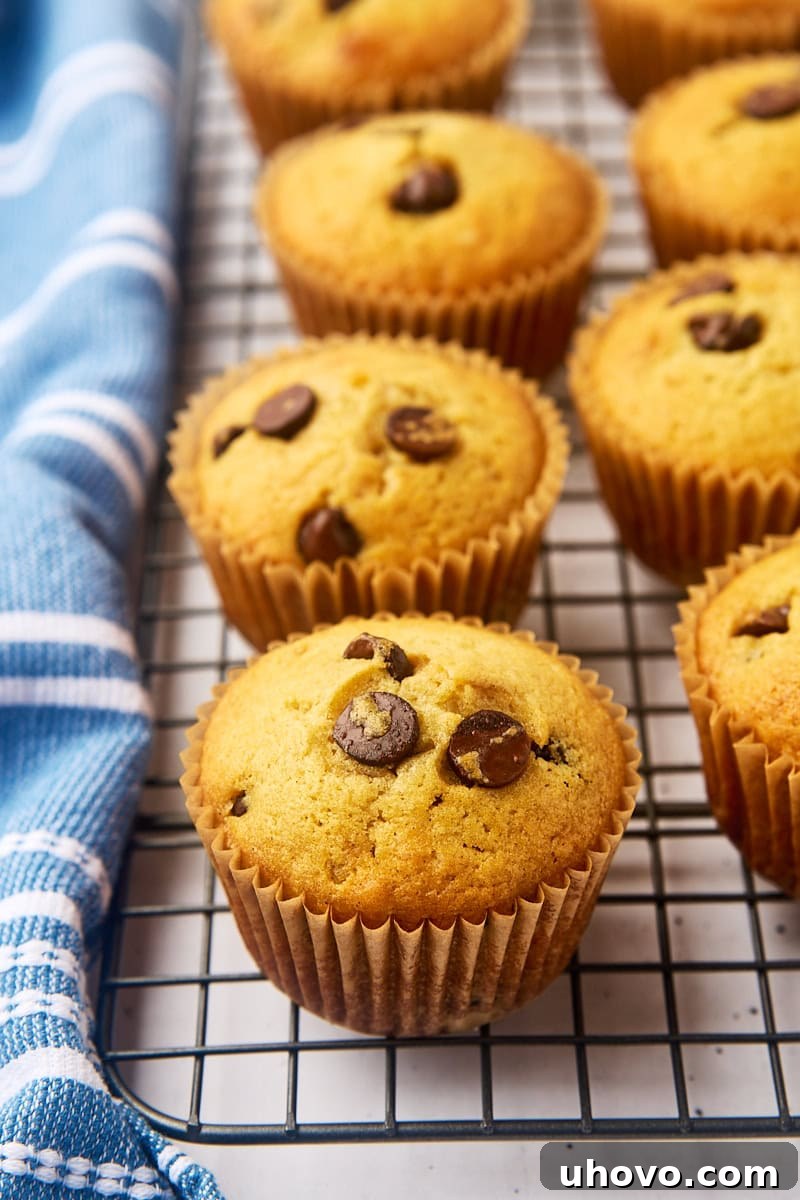
One common challenge in muffin baking is keeping delicious add-ins, such as chocolate chips, nuts, or fruit, evenly distributed throughout the batter instead of sinking to the bottom. The primary culprit here is simple physics: gravity. If the add-ins are too heavy or the batter is too thin, they will inevitably migrate downwards during mixing and baking. While you can’t defy gravity entirely, there are several effective strategies you can employ to minimize sinking.
Firstly, consider the size of your add-ins. Smaller pieces of chocolate, nuts, or fruit are less likely to sink than large, heavy chunks. Chopping larger items into smaller, more manageable pieces can make a big difference. Another excellent trick is to lightly toss your add-ins with a tablespoon or two of the dry flour mixture from your recipe before incorporating them into the wet batter. The flour creates a slight coating that helps them adhere to the batter and prevents them from falling through as easily. Additionally, ensure your batter has the correct consistency; a thicker batter will naturally support add-ins better than a very thin one. For a more in-depth exploration of this topic and specific techniques, including troubleshooting tips for particularly stubborn additions, refer to my guide on How to Keep Chocolate Chips from Sinking.
Ensuring Perfect Doneness: How to Test Your Muffins
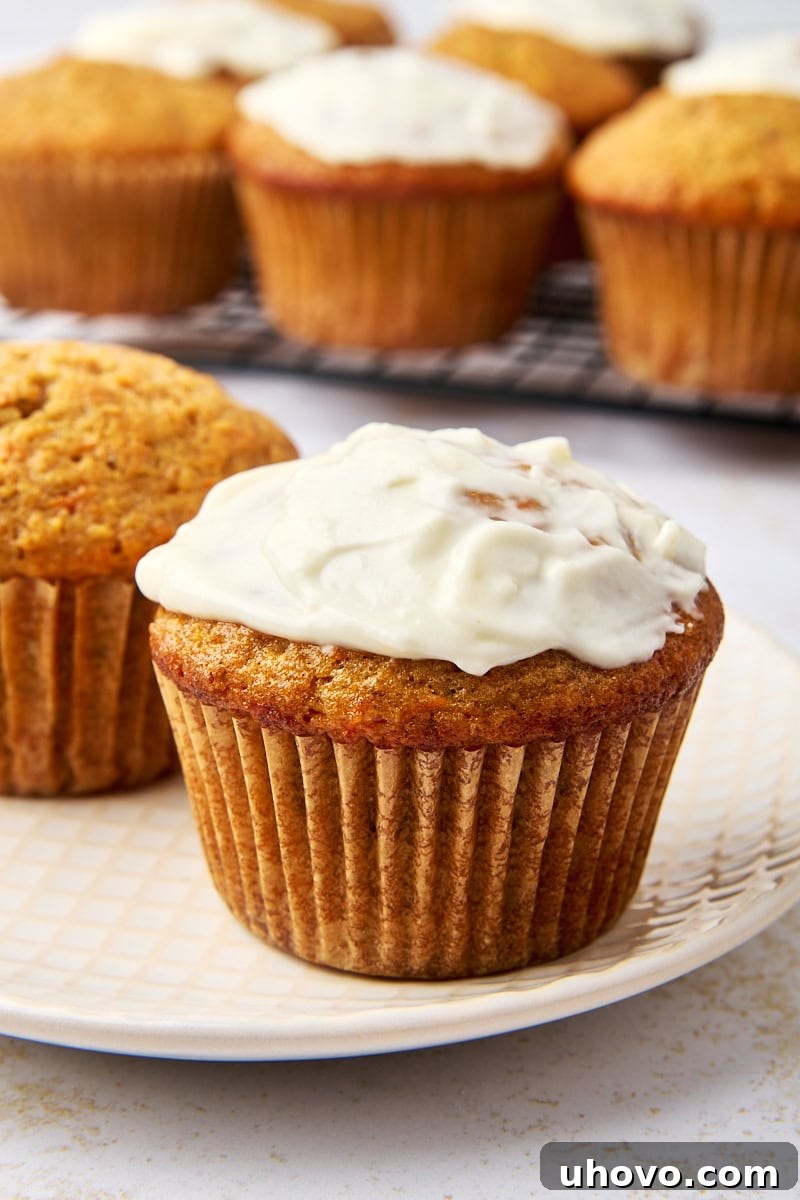
Knowing precisely when your muffins are perfectly baked is crucial for achieving that ideal tender crumb and preventing them from becoming dry or gummy. Your recipe should provide specific indicators for doneness, but the most common and reliable method is the trusty toothpick test. To perform this test, gently insert a wooden toothpick or a thin skewer into the center of a muffin. When it emerges, it should either come out clean or with just a few moist crumbs clinging to it. If you see wet batter, the muffins need more time in the oven.
Beyond the toothpick test, other visual and tactile cues can help. Look for muffins that are golden brown on top and feel firm yet springy to the touch when lightly pressed. Once your muffins pass the doneness test, it’s generally recommended to let them cool in their baking pan for a short period, typically 5 to 10 minutes. This brief resting period allows the muffins to firm up slightly and finish cooking internally, making them less likely to crumble when removed. After this initial cooling, promptly transfer them to a wire rack to finish cooling completely. It’s critical not to leave them in the pan for too long, as residual heat and trapped steam can lead to soggy bottoms, compromising their delightful texture.
Say Goodbye to Tunnels: Preventing Holes in Muffins
Have you ever sliced into a muffin only to find large, unsightly holes or tunnels running through its interior? This common issue is directly linked to the mixing technique, specifically, overmixing, which was the very first tip we discussed. When muffin batter is overmixed, two key things happen that contribute to tunneling. Firstly, excessive agitation causes gluten, the protein network in flour, to overdevelop. This creates a strong, elastic structure similar to bread dough, which can lead to a chewy texture rather than the desired tender crumb.
Secondly, overmixing incorporates too much air into the batter, and simultaneously, the leavening agents (like baking powder and baking soda) might be over-activated or unevenly distributed. As the muffins bake, this excess air and overactive leavening create large pockets of gas that expand rapidly, forming those undesirable holes or tunnels. While a few small air pockets are natural and part of a muffin’s charm, prominent tunnels are a clear indicator of an overworked batter. Preventing this comes back to the core principle: mix your muffin batter just until the dry ingredients are moistened, embracing a slightly lumpy consistency. By doing so, you ensure your leavening agents can do their job effectively without creating an overly elastic gluten network, resulting in perfectly uniform and tender muffins free from large, cavernous holes.
Keeping Muffins Fresh: Optimal Storage Techniques
After all your efforts in baking a perfect batch of muffins, proper storage is essential to maintain their delightful texture and flavor for as long as possible. One of the biggest enemies of fresh muffins is moisture, which they naturally release over time. If stored incorrectly, this moisture can get trapped, leading to soggy, sticky, and unappealing muffins. Fortunately, there’s a simple, effective solution using an item you likely always have on hand: paper towels!
Paper towels are excellent at absorbing excess moisture, preventing it from migrating back into your muffins. To store muffins optimally, begin by lining the bottom of your airtight storage container with a layer of paper towels. Arrange the cooled muffins in a single layer on top of this towel. If you need to store more muffins, add another layer of paper towels before placing the next layer of muffins. Finish by placing a final layer of paper towels on top of the muffins before securely sealing the container. This layering method provides a buffer that wicks away humidity, keeping your muffins wonderfully fresh.
You can apply this same paper towel layering technique if you prefer to use a zip-top bag. Simply lay the bag flat to allow the muffins to rest in a single layer, separated by paper towels. Most muffins will maintain their best quality when stored at room temperature. However, always double-check your specific recipe for any unique storage recommendations, as certain ingredients (like cream cheese frosting or fresh fruit with high water content) might necessitate refrigeration to prevent spoilage or maintain quality.
Freezing Muffins: A Guide to Long-Term Freshness
For long-term storage, freezing is an excellent option for most muffins, allowing you to enjoy homemade treats weeks or even months after baking. While many muffins freeze beautifully, it’s always wise to consult your specific recipe for any particular freezing instructions, especially if it contains delicate or unusual ingredients.
Similar to storing muffins at room temperature, controlling moisture is paramount when freezing. The paper towel method proves equally effective here. Line your freezer-safe container or bag with paper towels, place the completely cooled muffins inside in a single layer, and then top them with another sheet of paper towel. Storing muffins in a single layer is ideal for preventing them from sticking together and for even freezing, but if you need to stack them, ensure you add a layer of paper towels between each tier.
Crucially, unlike many other baked goods that benefit from being tightly wrapped in plastic wrap before freezing, you should avoid doing this with muffins. Tightly wrapping them in plastic will trap any residual moisture, leading to ice crystals forming and ultimately altering the muffin’s delicate texture upon thawing, often resulting in a gummy or soggy product. The paper towel method allows for breathability while absorbing excess moisture, preserving the muffin’s original quality.
When you’re ready to enjoy a frozen muffin, simply thaw it at room temperature for about an hour or so. For a warm, just-baked experience, you can also briefly warm the thawed muffins in the microwave for 15-30 seconds, or gently reheat them in a low oven (around 300°F) for a few minutes until warmed through. This method is perfect for a quick, comforting breakfast or snack.
Bake or Break is a participant in the Amazon Services LLC Associates Program, an affiliate advertising program designed to provide a means for us to earn fees by linking to Amazon.com and affiliated sites.