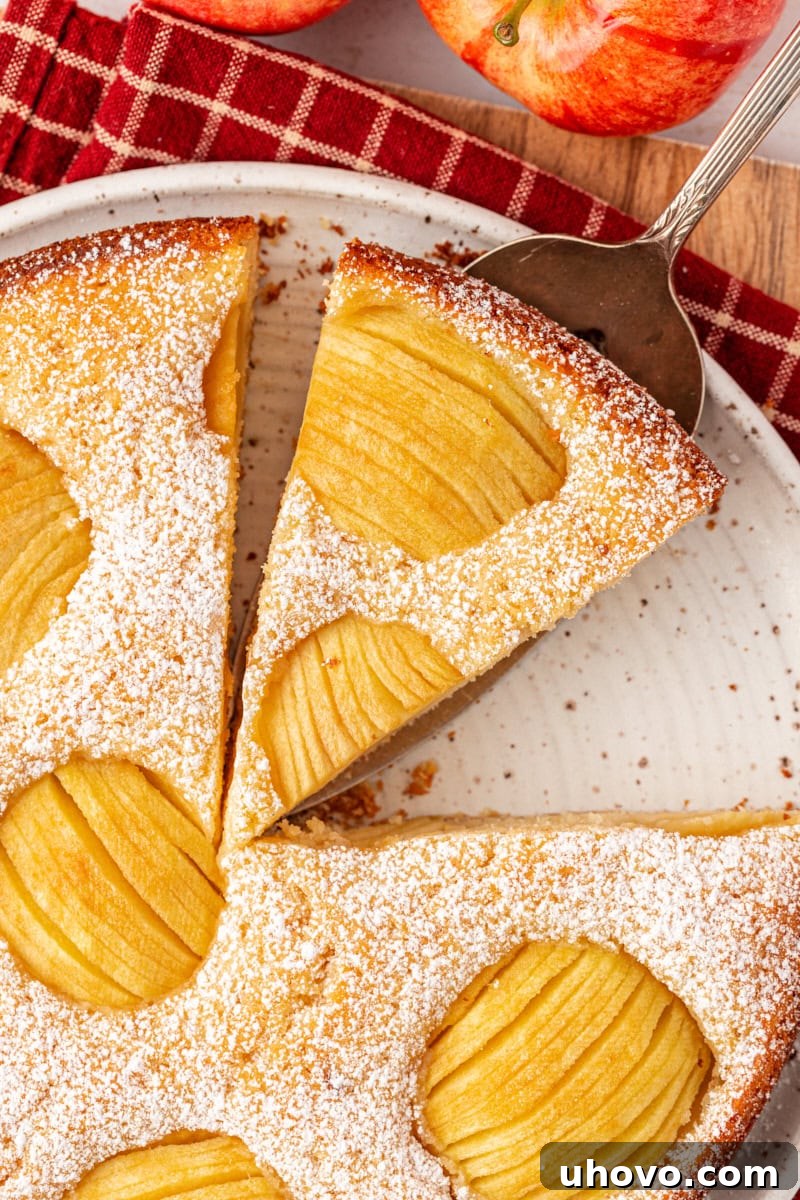
This German Apple Cake, known in its homeland as Apfelkuchen, is a delightful dessert that beautifully blends a tender vanilla-almond cake with artfully fanned apple slices baked right on top. It’s a testament to simple baking yielding truly stunning and utterly satisfying results.
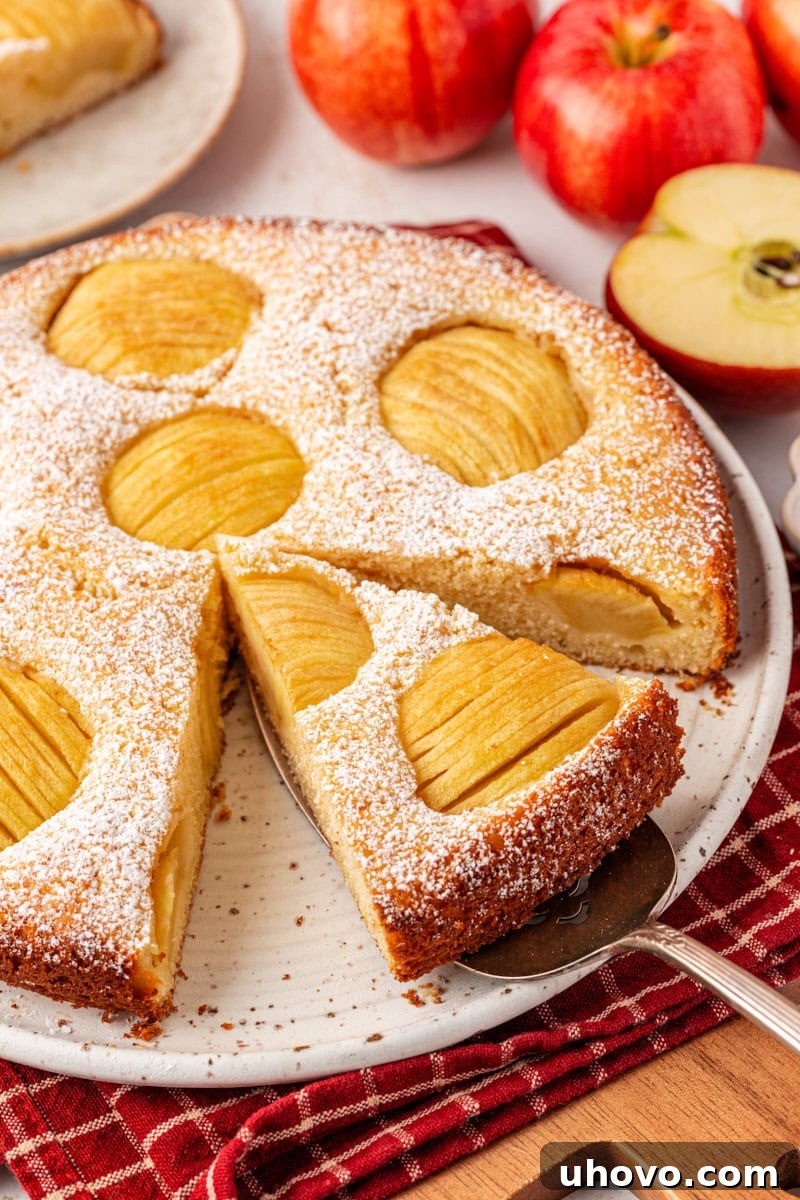
There’s an undeniable special charm to a traditional German Apple Cake, or Apfelkuchen, that effortlessly outshines many complex desserts. This classic cake embodies the very essence of comforting homemade baking – straightforward preparation leading to incredibly satisfying and impressive rewards. Our beloved version features a wonderfully soft and buttery cake base, subtly enhanced with vibrant lemon zest, warm vanilla, and a delicate hint of almond. These sophisticated flavor notes provide a perfect backdrop for the fresh, sweet-tart apples.
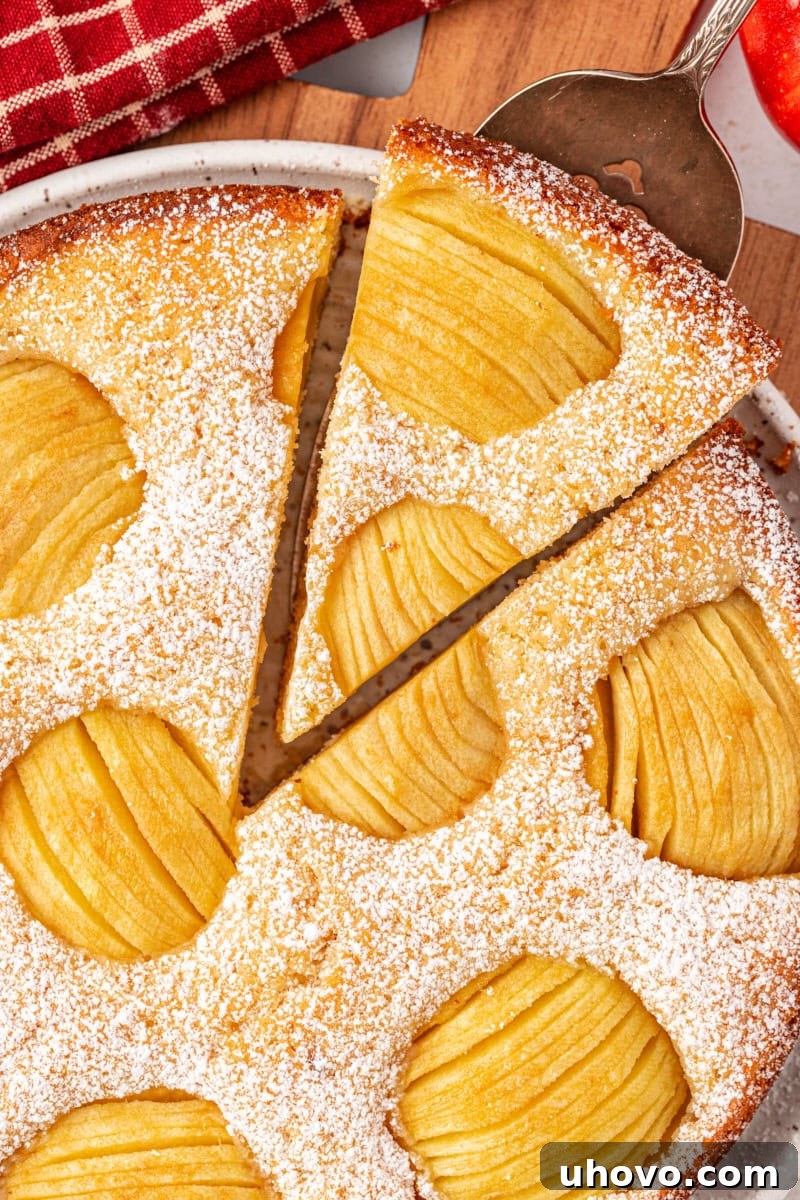
The hallmark of this German apple cake is the elegant arrangement of thinly sliced apples, meticulously fanned across the surface before baking. This simple technique creates a stunning visual appeal, making this an easy apple cake recipe that consistently looks far more intricate and professional than it truly is. It’s the ideal bake for a relaxed weekend afternoon coffee break, a comforting and not-too-sweet dessert after a family dinner, or even a charming addition to a brunch spread. This Apfelkuchen recipe gracefully sidesteps the fuss of elaborate frostings and multiple layers, instead celebrating pure, honest flavors and a beautifully rustic presentation that speaks for itself. Prepare to make this homemade apple cake a cherished and frequently requested staple in your baking repertoire, inviting compliments with every tender slice.
Why This German Apple Cake (Apfelkuchen) Will Be Your New Favorite
- Effortless Elegance: This Apfelkuchen masterfully demonstrates that you don’t need complicated techniques or extravagant decorations to create a dessert that truly impresses. Its simple, artfully fanned apple topping provides a naturally beautiful and sophisticated look that’s perfect for any table.
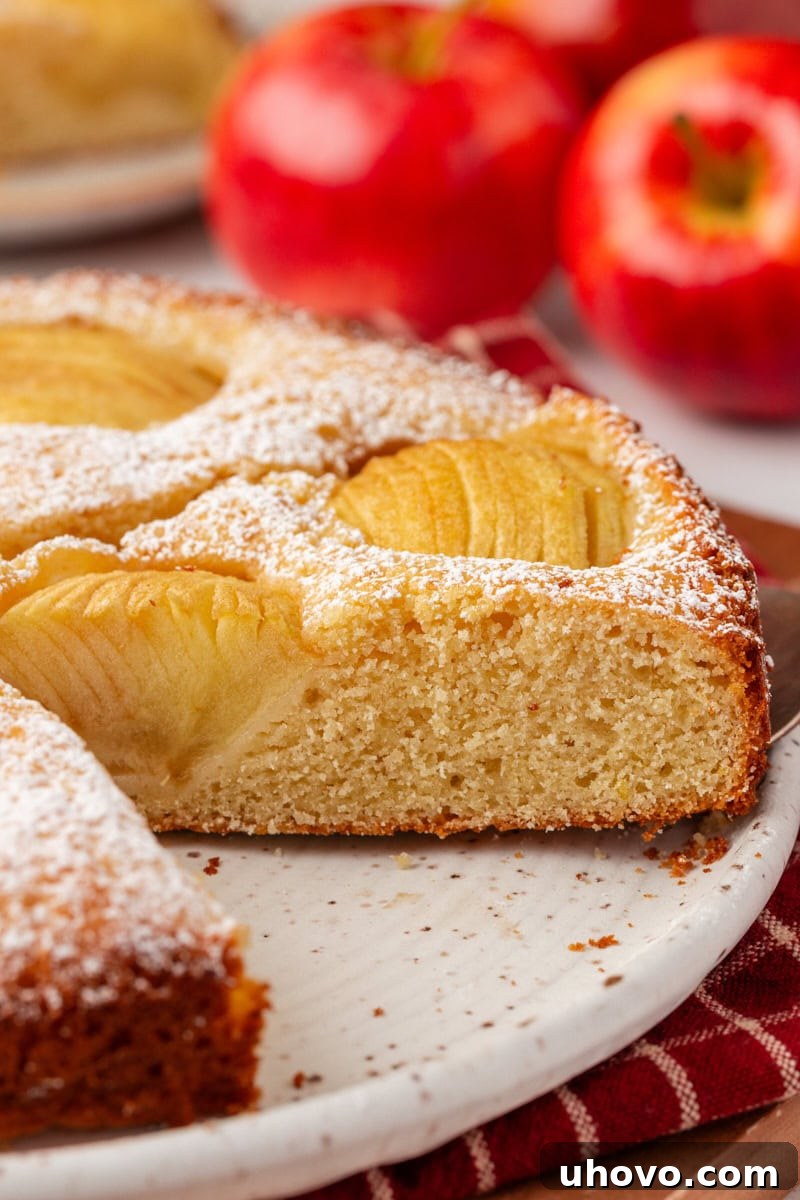
- Irresistibly Soft & Buttery Crumb: The cake boasts an exquisite texture that is both tender, moist, and wonderfully rich. It offers a perfectly balanced structure that delicately cradles the sweet-tart apples without ever becoming soggy. Each bite promises a melt-in-your-mouth experience that will leave you craving more.
- Harmonious Flavor Profile: A delicate symphony of flavors defines this cake, creating a truly inviting and memorable taste. The bright zest and tangy juice of fresh lemon cut through the sweetness, while pure vanilla and a subtle almond note add layers of warmth and depth, perfectly complementing the natural sweetness and slight tartness of the apples without overpowering them.
- Made with Pantry Staples: Forget trips to specialty stores! This easy apple cake recipe relies almost entirely on everyday ingredients you likely already have readily available in your kitchen. Just grab a few fresh, crisp apples, and you’re ready to bake a stunning and delicious masterpiece.
- Versatile for Any Occasion: While undeniably elegant enough for a special dessert or a holiday gathering, this German apple cake is equally at home as a delightful accompaniment to your afternoon coffee, a cozy breakfast treat, or a light and satisfying snack. Its unfussy yet elegant nature makes it a perfect choice for any time of day or any gathering.
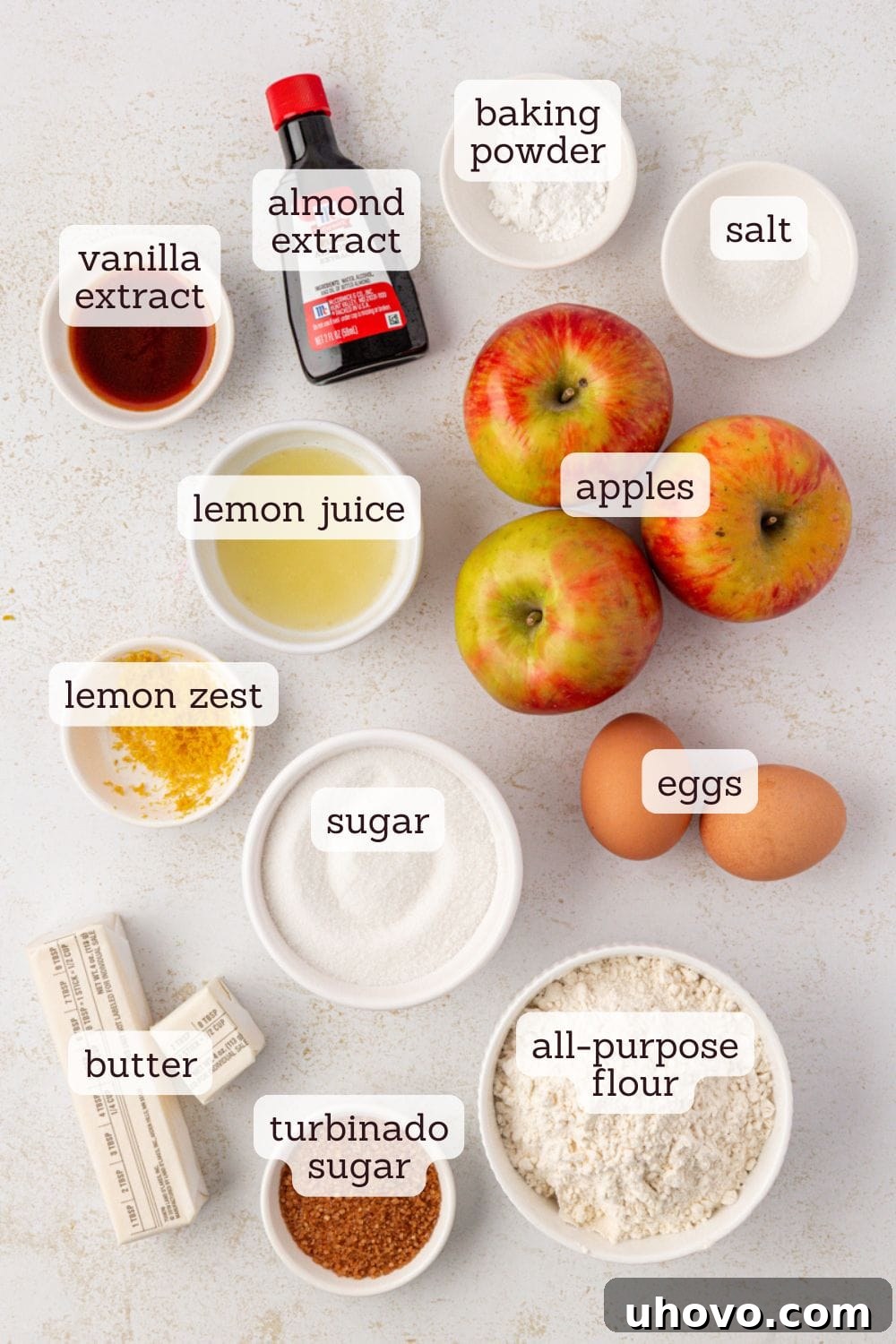
Essential Ingredients for Your Perfect Apfelkuchen
Crafting a truly memorable German Apple Cake starts with selecting the right, high-quality ingredients. While the full list with precise quantities is detailed in the recipe card below, here’s a closer look at the stars of this simple apple cake:
- Apples: The Heart of Apfelkuchen. Choosing the correct apple variety is paramount for the best German apple cake. Opt for firm, crisp apples that are known to maintain their structure beautifully during the baking process. Excellent choices for their balance of sweetness, tartness, and firmness include Braeburn, Honeycrisp, Pink Lady, Fuji, or Granny Smith. Avoid softer apples which tend to break down too much, potentially resulting in a mushy texture within your cake. For more detailed guidance on selecting the ideal fruit, explore my comprehensive guide to the best apples for baking.
- Unsalted Butter: For a Rich, Tender Crumb. Butter forms the luxurious foundation of our cake’s tender texture and rich flavor. Using unsalted butter grants you precise control over the overall salt content in the recipe. It is absolutely vital that your butter is softened to room temperature before you begin mixing. This ensures proper creaming with the sugar, which is essential for incorporating air into the batter, ultimately leading to a light and airy cake crumb.
- Fresh Lemon Zest and Juice: A Bright Counterpoint. The vibrant zest and tangy juice from a fresh lemon elevate the entire cake, providing a delightful burst of freshness. Lemon not only plays a practical role in preventing the apples from browning but also offers a zesty brightness that perfectly balances the sweetness of the cake and the natural tartness of the apples, enhancing their overall flavor profile.
- Vanilla and Almond Extracts: Aromatic Depth. These extracts are your secret weapons for infusing the cake with subtle yet complex layers of flavor. Pure vanilla extract offers classic warmth and sweetness, while a touch of almond extract introduces a delicate, sophisticated nuttiness. This combination beautifully complements the apples and creates that distinctive “Apfelkuchen” taste, adding an irresistible aromatic depth. Don’t be tempted to skip the almond, as it truly enhances the overall experience.
- Turbinado Sugar (Optional, but Recommended for Sparkle): A sprinkle of turbinado sugar over the fanned apples before baking transforms the cake’s top crust. As it bakes, this coarse sugar melts slightly, caramelizing to a beautiful golden hue. It adds a delightful, light crunch and an extra touch of sparkling visual appeal to the cake’s already impressive presentation. It’s a small step that makes a significant difference in both texture and appearance.
- All-Purpose Flour, Baking Powder, and Salt: The Structural Backbone. These dry ingredients work in perfect harmony to give the cake its essential structure and beautiful lift. Ensure your baking powder is fresh for optimal rising power, and remember that a tiny pinch of salt balances the sweetness, enhancing all the other wonderful flavors in the cake.
- Granulated Sugar: Sweetness and Texture. Fine granulated sugar provides the primary sweetness for the cake batter. Crucially, it also aids in the creaming process with the butter, contributing significantly to the development of a light, fine, and tender crumb.
- Large Eggs: Binding and Richness. Eggs perform multiple vital functions in this recipe. They act as an emulsifier, binding all the ingredients seamlessly together. They also add richness and moisture to the cake, while contributing significantly to its overall structure and rise during baking.
Mastering Your German Apple Cake: A Step-by-Step Guide to Apfelkuchen Perfection
1. Preparing Your Elegant Cake Batter Base
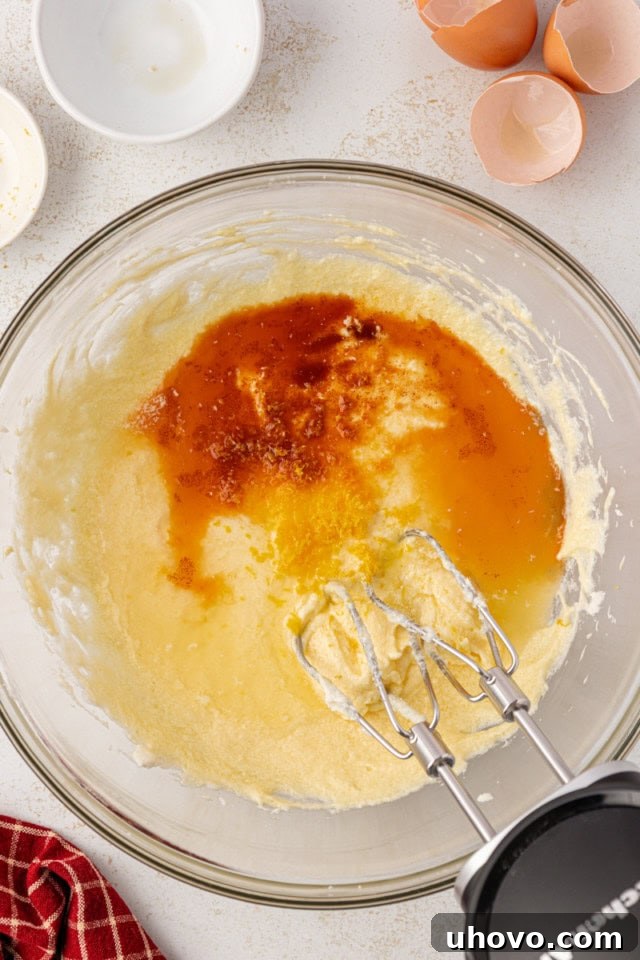
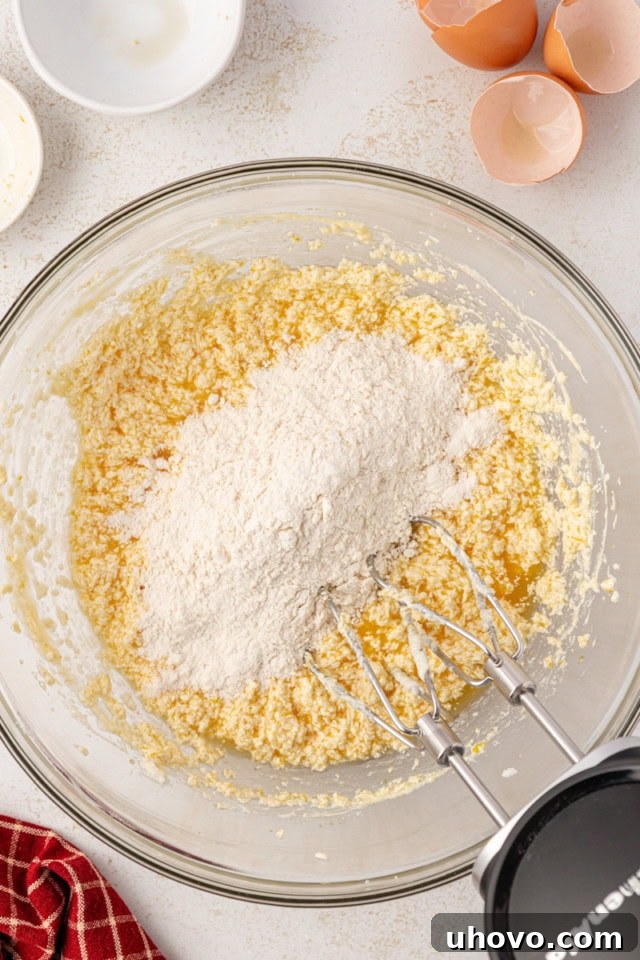
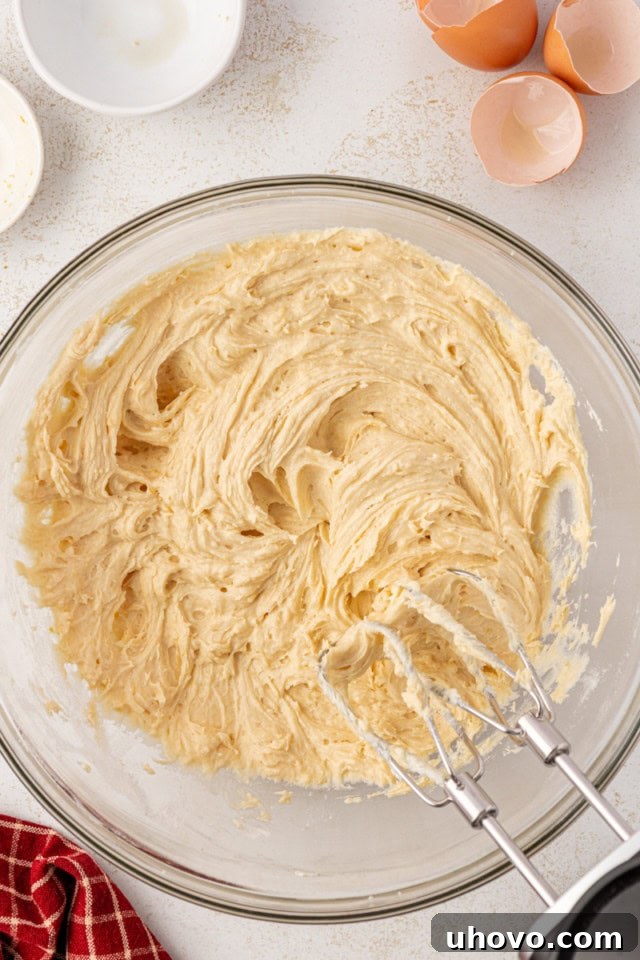
The foundation of this exquisite German Apple Cake is a simple yet wonderfully rich butter cake batter. Before you begin the mixing process, take a moment to properly prepare your baking environment. First, preheat your oven to 350°F (175°C). Next, carefully grease a 9-inch springform pan, then line the bottom with a circle of parchment paper. This crucial step is vital for ensuring the cake releases cleanly and effortlessly from the pan after baking.
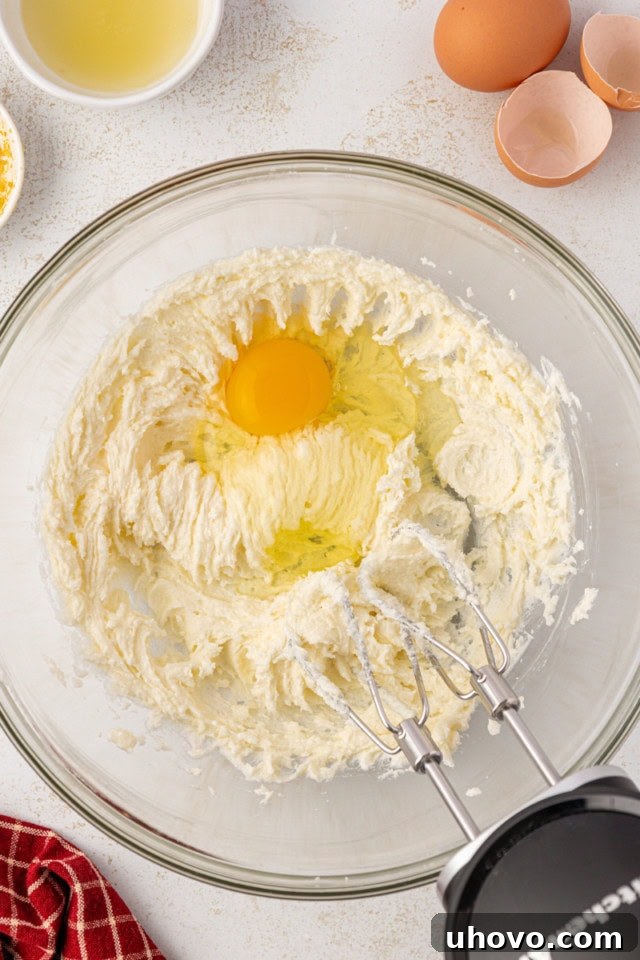
In a medium bowl, whisk together your dry ingredients: the all-purpose flour, baking powder, and a pinch of salt. Ensure they are thoroughly combined before setting this mixture aside. In a separate, larger mixing bowl, the magic of the batter truly begins. Cream together the softened unsalted butter and granulated sugar using an electric mixer until the mixture is visibly light, fluffy, and noticeably pale in color. This essential creaming process, which typically takes a full 2-3 minutes, vigorously incorporates air into the butter and sugar, creating pockets that will expand during baking, contributing significantly to a tender and airy cake crumb.
Next, beat in the large eggs one at a time, ensuring each egg is fully incorporated into the batter before you add the next. This methodical approach helps to prevent the batter from curdling and ensures a smooth, emulsified mixture. Finally, stir in the vanilla extract, almond extract, fresh lemon zest, and lemon juice. Mix these flavorful additions until they are just combined, allowing their vibrant aromas to infuse the rich batter. Gradually add the whisked dry ingredients to your wet mixture, mixing on low speed only until everything is just incorporated. It is paramount not to overmix, as excessive mixing can develop the gluten in the flour, leading to a tough, dense cake. The resulting batter will be wonderfully thick, uniform, and easy to spread evenly into your prepared springform pan.
2. The Art of Apple Preparation and Slicing for a Stunning Topping
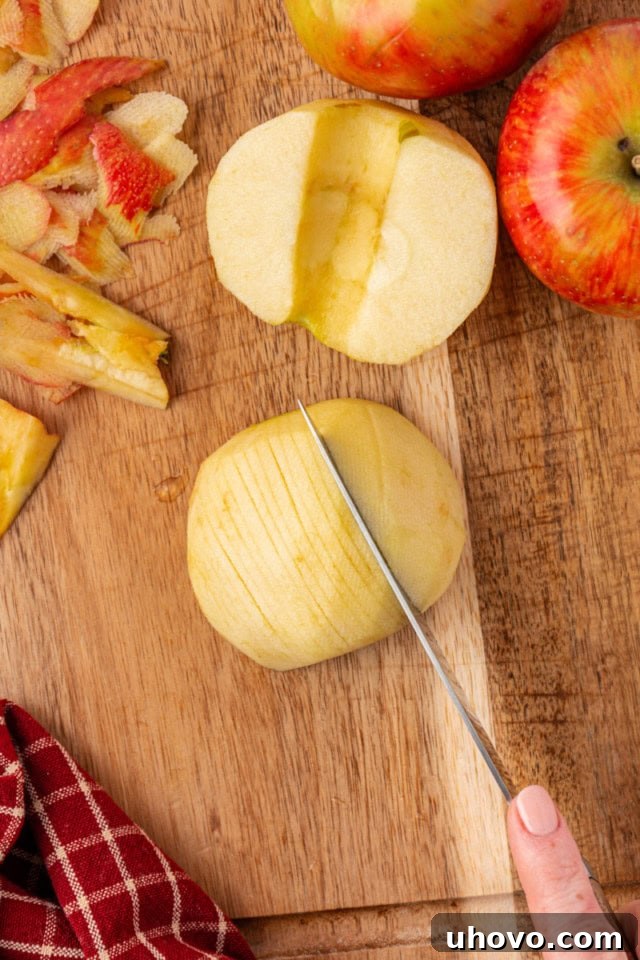
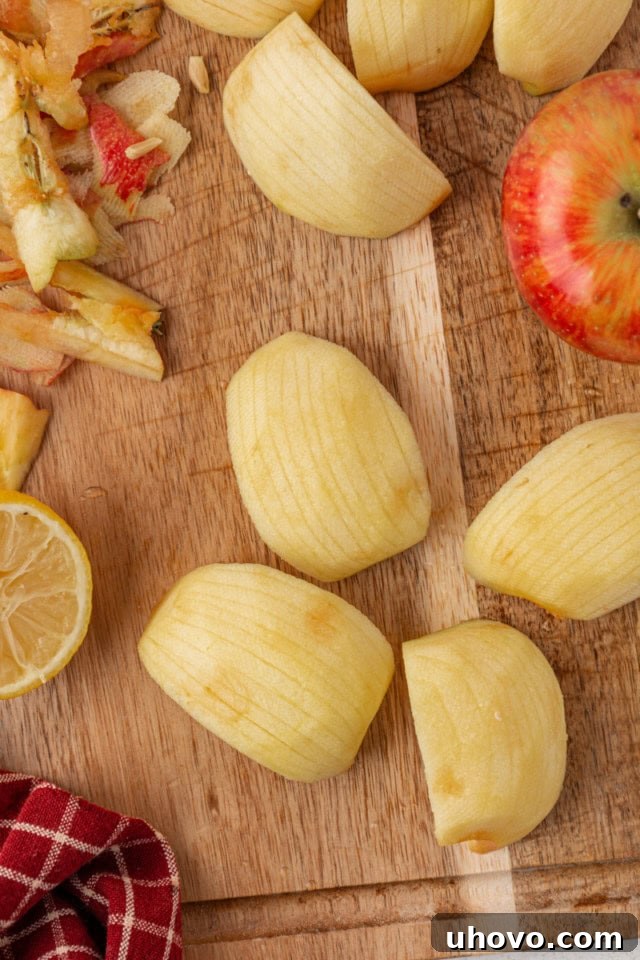
The visual appeal of this German apple cake largely comes from its beautifully fanned apple topping. This step, while requiring a little care and precision, is entirely achievable and immensely rewarding. Start by peeling and coring your chosen firm baking apples. Once peeled and cored, cut each apple in half lengthwise. Now, place each apple half cut-side down on your sturdy cutting board.
Using a very sharp knife, carefully make thin slices lengthwise across the apple half, aiming for slices that are approximately 1/8 inch thick. The critical technique here is not to cut all the way through the apple. You want to leave about a 1/4 inch at the very bottom intact, ensuring that each individual apple slice remains connected at the base. This ingenious method allows the slices to spread out gracefully, forming a perfect fan-like structure when gently pressed into the cake batter. After you’ve sliced one half, carefully cut it again down the middle to create two distinct fanned quarters.
As you meticulously prepare each apple, it’s a good practice to gently brush the cut surfaces with a little fresh lemon juice. This simple yet effective trick acts as a natural antioxidant, preventing the apples from oxidizing and turning an unsightly brown while you prepare the remaining fruit. This ensures they retain their fresh, vibrant, and appealing look for baking. You can use a small pastry brush for this, or simply rub a freshly cut lemon directly over the surfaces for quick application.
3. Arranging the Apples and Baking to Golden Perfection
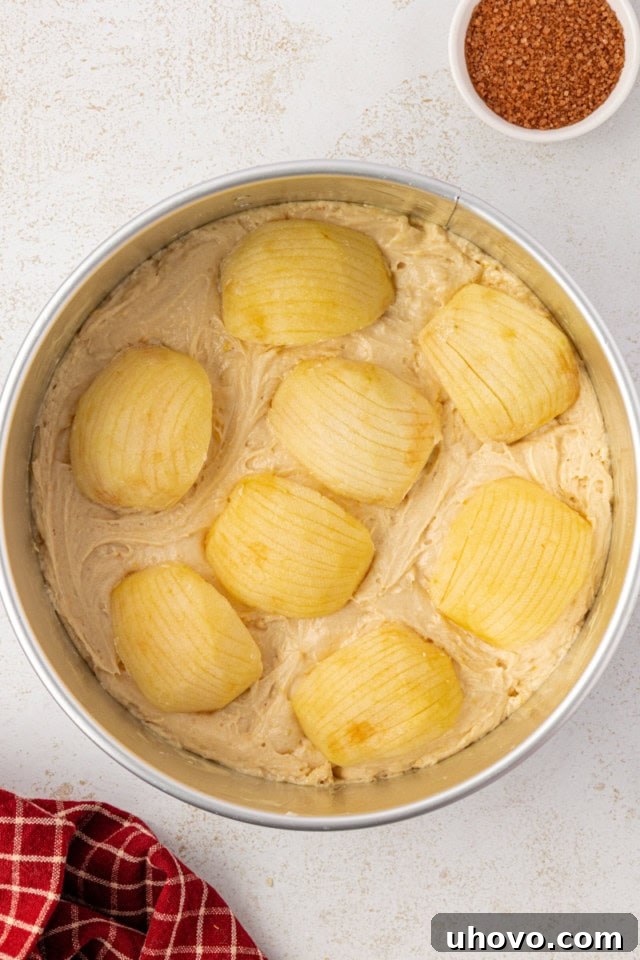
Once your rich cake batter is evenly spread into the prepared springform pan and your apples are perfectly fanned and lightly brushed with lemon juice, it’s time for the artistic arrangement – the crowning glory of your German Apple Cake. Gently press each fanned apple quarter into the top of the cake batter, ensuring they are evenly spaced across the entire surface. You want them nestled into the batter just enough so they feel secure and stay in place, but still beautifully visible to create that elegant, fanned pattern. The precise number of apples needed will depend on their size and how closely you arrange them, but typically two to three medium apples are sufficient for a 9-inch cake.
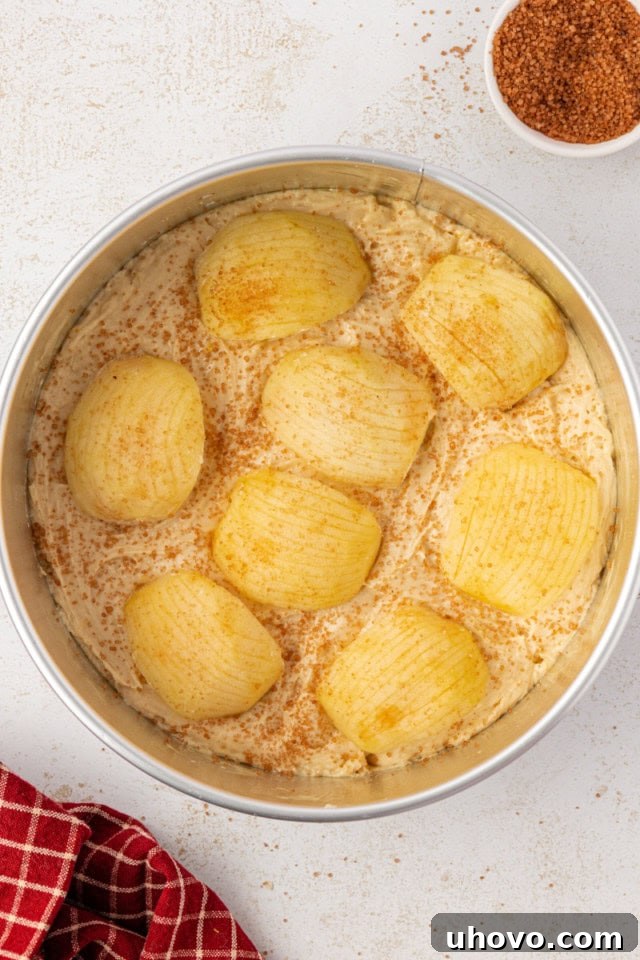
For an extra touch of delightful texture and a glistening sparkle, consider sprinkling 1 to 1 ½ tablespoons of turbinado or Demerara sugar generously over the arranged apples just before the cake goes into the oven. These larger sugar crystals will melt slightly during baking, caramelizing to a beautiful golden hue and forming a delightful, lightly crunchy top crust. This step enhances both the flavor and the already appealing visual presentation of your Apfelkuchen.
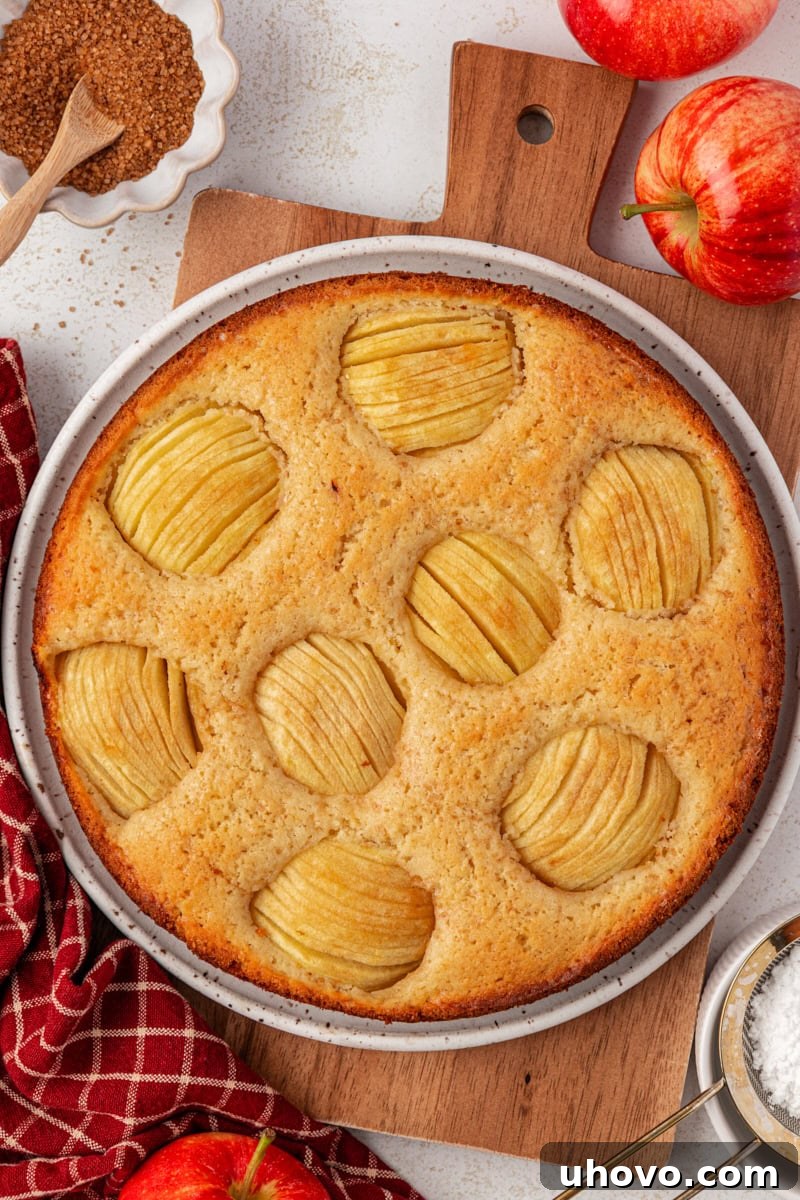
Finally, carefully transfer your masterpiece to the preheated oven. Bake for approximately 45-50 minutes, or until the top is a beautiful golden brown and a wooden skewer or toothpick inserted into the very center of the cake (making sure to avoid piercing an apple slice) comes out clean. This clean toothpick test is your reliable indicator that the cake is fully cooked through. Keep in mind that oven temperatures can vary significantly, so it’s always a good idea to start checking your cake around the 40-minute mark to prevent over-baking.
Once baked to perfection, remove the German apple cake from the oven and place it on a wire rack to cool in the springform pan for about 15 minutes. This initial cooling period is crucial as it allows the cake to set properly and firm up. After 15 minutes, carefully unlatch and remove the sides of the springform pan. Then, allow the cake to cool completely on the wire rack before attempting to dust it with confectioners’ sugar or slicing it. Cooling completely is paramount for the cake’s structural integrity, ensuring clean, perfect slices and preventing the powdered sugar from melting into the warm surface.
Essential Tips for Baking the Best German Apple Cake (Apfelkuchen)
Achieving Apfelkuchen perfection is wonderfully simple when you follow these expert tips and tricks:
- Select the Right Apples for Structure and Flavor: The type of apple you choose will dramatically impact the final texture and overall taste of your German apple cake. Always opt for firm, crisp varieties that are known to hold their shape beautifully during baking. Excellent choices for their balance of sweetness, tartness, and structural integrity include Braeburn, Honeycrisp, Granny Smith, Fuji, or Pink Lady. It’s best to avoid softer, mealier apples like Red Delicious, as they tend to break down into an unappealing mush. A good baking apple will provide a delightful textural contrast to the tender cake crumb.
- Handle Apples One at a Time for Precision: To make the intricate slicing and fanning process more manageable and to efficiently prevent browning, it’s highly recommended to work with one apple at a time. Fully peel, core, and slice one apple before moving on to the next. This allows you to focus keenly on the delicate slicing technique and ensures each apple quarter is perfectly prepared and ready for arrangement.
- Slice Apples Thinly While Keeping Them Intact: The signature fanned look of Apfelkuchen requires careful and precise slicing. Cut the apple halves lengthwise into consistently thin slices, ideally about 1/8 inch thick. Crucially, stop just short of slicing all the way through the bottom of the apple. Leaving the base intact keeps the individual slices beautifully connected, allowing them to fan out gracefully and maintain their elegant shape during baking, which is key to that impressive presentation.
- Utilize Lemon Juice to Preserve Freshness: As soon as you finish slicing your apples, gently brush their exposed cut surfaces with a thin layer of fresh lemon juice. This acts as a powerful natural antioxidant, effectively preventing the apples from oxidizing and turning an unsightly brown. This step is particularly important if you are preparing the apples in advance or if the arrangement process takes a little time.
- Allow for Complete Cooling Before Dusting: Patience is indeed a virtue, especially when it comes to the final elegant touches. Wait until your German apple cake has cooled completely to room temperature before attempting to dust it with confectioners’ sugar. If you apply powdered sugar to a warm cake, it will unfortunately melt into the surface, creating a sticky, uneven glaze rather than the delicate, snowy, and ethereal finish you desire.
- Ensure Butter is Properly Softened: For the ideal cake batter with a light and tender crumb, your unsalted butter should be genuinely softened to room temperature. This means it should be pliable enough that you can easily make a slight indentation with your finger, but it should never be melted or greasy. Properly softened butter creams beautifully with sugar, incorporating the maximum amount of air for a truly ethereal texture.
- Do Not Overmix the Batter: After you’ve added the dry ingredients to the wet, mix the cake batter only until they are just combined. Overmixing develops the gluten in the flour excessively, which can tragically result in a tough, dense, and unappetizing cake. A few small, harmless lumps of flour in the batter are always preferable to an overmixed, gummy texture.
- Use a Springform Pan: A 9-inch springform pan is highly recommended for this recipe. Its removable sides make it incredibly easy to release the cake without disturbing the beautiful fanned apple topping, ensuring a perfect presentation every time.
Delightful Variations & Serving Suggestions for Your Apfelkuchen
While this classic German Apple Cake is undeniably perfect as is, its simple elegance also makes it wonderfully versatile, inviting creative touches and delightful serving pairings. Here are some ideas to make your Apfelkuchen truly unique and special, catering to various tastes and occasions:
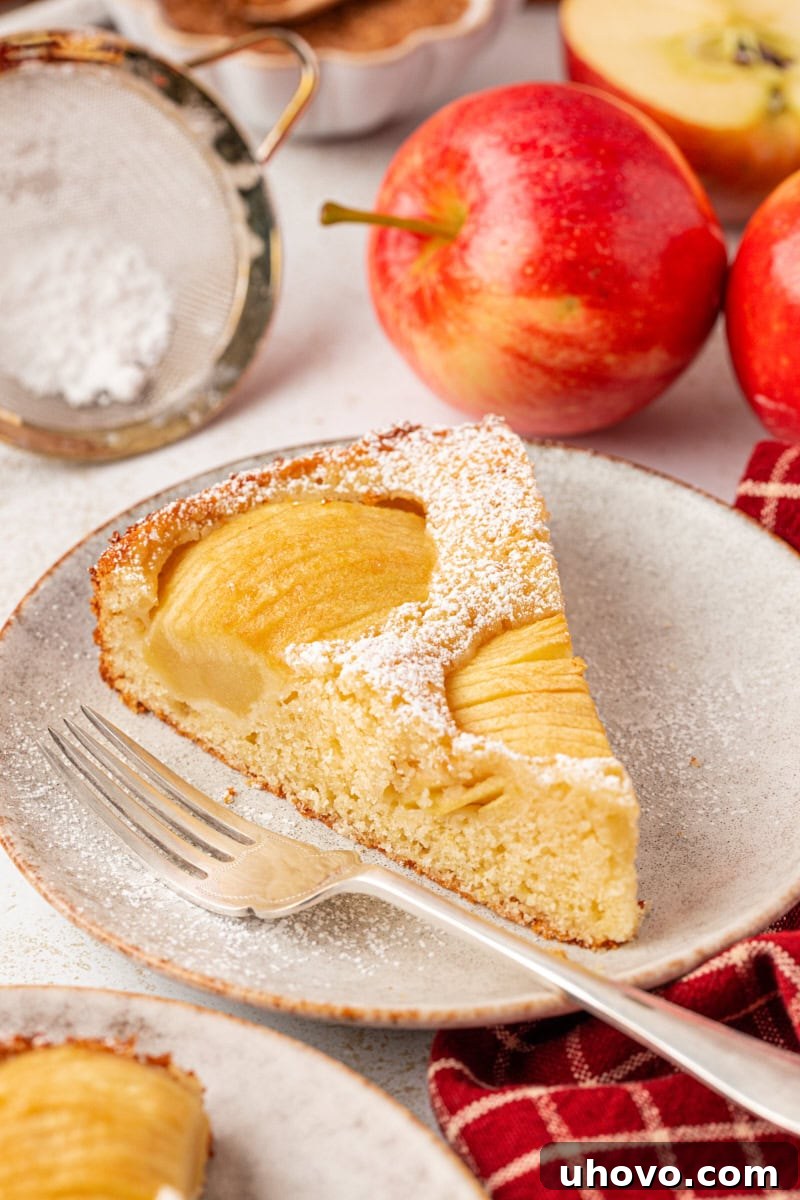
- Embrace the Classic Simplicity: For a timeless and understated presentation, a light, elegant dusting of confectioners’ sugar is truly all this cake needs. This allows the natural beauty of the fanned apples and the rich aroma of the cake to take center stage, evoking an old-fashioned charm that is simply irresistible and refined.
- Introduce a Golden Crunch: For an added textural dimension and a delightful visual effect, generously sprinkle the top of the arranged apples with turbinado or Demerara sugar just before the cake goes into the oven. As the cake bakes, these larger sugar crystals will caramelize slightly, forming a glistening, crunchy crust that provides a delightful textural contrast to the soft cake and tender apples beneath.
- Pair with Creamy Indulgence: For a truly decadent experience, serve a slice of Apfelkuchen with a generous dollop of lightly sweetened whipped cream or a scoop of premium vanilla bean ice cream. The cool, creamy texture and comforting sweetness beautifully complement the buttery cake and the gentle tartness of the apples, transforming each bite into a luxurious dessert moment.
- Serve Warm for Ultimate Comfort: While this cake is absolutely delicious at room temperature, gently warming a slice of German apple cake before serving unlocks its full aromatic potential. The warmth enhances the buttery notes and mellows the apple flavors, creating an even more comforting and inviting dessert. A quick zap in the microwave or a few minutes in a low oven will achieve this perfectly.
- Add a Nutty Sophistication: For a subtle crunch and a boost of complementary flavor, consider sprinkling a handful of thinly sliced almonds evenly over the apples just before baking. These almonds will toast beautifully in the oven, adding an extra layer of texture and deepening the almond notes already present in the cake batter, creating a more complex and sophisticated profile.
- Spiced Apple Goodness: For an enchanting autumn-inspired twist, gently toss your thinly sliced apples with a pinch of ground cinnamon, a touch of nutmeg, or a ready-made apple pie spice blend before arranging them on the cake. This infusion of warm, aromatic spices makes for a cozy and deeply flavorful companion to the tender apples.
- A Touch of Brandy or Rum: For an adult-friendly variation that adds sophisticated depth, you could lightly brush the baked apples with a teaspoon of Calvados (apple brandy) or dark rum while the cake is still warm. This subtle addition will infuse a wonderful warmth and complexity into the fruit.
- Serve with Crème Anglaise: For a truly elegant presentation, a silky Crème Anglaise (custard sauce) drizzled over a warm slice of Apfelkuchen elevates it to a gourmet dessert experience.
Storing Your Homemade German Apple Cake (Apfelkuchen) for Lasting Freshness
Proper storage is key to ensuring your delicious German Apple Cake remains wonderfully fresh and flavorful for as long as possible. Here’s how to best preserve your homemade Apfelkuchen, whether you plan to enjoy it within a few days or save it for a special occasion:
At Room Temperature: Once your cake has cooled completely to room temperature – a crucial step to prevent condensation that can make the cake soggy – cover it loosely with plastic wrap or place it securely under a cake dome. When stored properly on your countertop, it will stay delightfully fresh and moist for up to 2 days. This makes it readily available for an easy and spontaneous treat.
In the Refrigerator: For extended freshness, particularly in warmer climates or if you simply prefer a cooler cake, you can refrigerate your German apple cake. Wrap it tightly in plastic wrap or transfer it to an airtight container before placing it in the fridge, where it will keep well for up to 4 days. Before serving, allow refrigerated slices to come back to room temperature for the best texture and flavor. Alternatively, gently warm individual portions for a comforting, freshly baked experience.
Freezing for Future Enjoyment: This Apfelkuchen freezes exceptionally well, making it an excellent make-ahead dessert for entertaining or for simply having a comforting treat on hand. To freeze, ensure the cake is completely cool. Then, wrap individual slices tightly in plastic wrap, and place them in an airtight freezer-safe container or a heavy-duty zip-top freezer bag. It can be frozen for up to 2 months without compromising flavor or texture. To enjoy, simply thaw frozen slices at room temperature for a few hours, or gently rewarm them in the microwave or a low oven until heated through.
German Apple Cake: A Timeless, Comforting Classic for Any Season
This German Apple Cake, or Apfelkuchen, is far more than just a dessert; it’s a heartfelt celebration of simple, wholesome ingredients expertly transformed into something truly special and comforting. Its inherent elegance lies in its unpretentious nature – a tender, flavorful cake base crowned with beautifully fanned, perfectly caramelized apples. This recipe successfully demystifies the art of traditional German baking, proving conclusively that with a handful of everyday pantry staples, a few fresh, crisp apples, and a little loving care in the preparation, you can effortlessly create a dessert that tastes and looks like it came straight from a professional patisserie.
Whether you’re enjoying a slice with a steaming cup of coffee on a crisp autumn morning, serving it as a light and refreshing dessert after a summer meal, or sharing its comforting warmth with loved ones during festive holiday gatherings, this Apfelkuchen is always a welcome and cherished sight. Its beautifully balanced sweetness and wonderfully comforting texture make it an incredibly versatile treat that transcends specific seasons and special occasions, always bringing joy.
I genuinely hope you find as much joy and satisfaction in baking and sharing this delightful German Apple Cake as I do. If you embark on this delicious baking journey, please don’t hesitate to share your thoughts and experiences! Leave a comment below to tell me how it turned out, or capture a beautiful photo of your finished bake and tag me @bakeorbreak on Instagram. I absolutely can’t wait to see your incredible Apfelkuchen creations!
More Delicious Apple Desserts to Explore
⭐
⭐
⭐
⭐
German Apple Cake (Apfelkuchen)
Pin Recipe
Leave a Review
Ingredients
- 1 ½ cups (180 g) all-purpose flour
- 1 ½ teaspoons baking powder
- ¼ teaspoon salt
- 10 tablespoons (141 g) unsalted butter, softened to room temperature
- ⅔ cup (133 g) granulated sugar
- 2 large eggs, at room temperature
- 1 teaspoon pure vanilla extract
- ½ teaspoon almond extract
- zest of 1 fresh lemon
- 2 tablespoons (30 ml) fresh lemon juice, plus extra for brushing apples
- 2 to 3 medium firm baking apples, peeled, cored, and thinly sliced (see notes for variety suggestions)
- 1 to 1 ½ tablespoons turbinado or Demerara sugar, optional, for sprinkling on top
- confectioners’ sugar or sweetened whipped cream, for serving and garnish
Recommended Baking Equipment
-
9-inch Springform Pan
-
Silicone Basting/Pastry Brush
-
Turbinado Sugar (optional)
Instructions
-
Prepare Pan & Preheat Oven: Preheat your oven to 350°F (175°C). Lightly grease a 9-inch springform pan and then line the bottom with a circle of parchment paper. This vital step ensures easy removal of the cake after baking.
-
Combine Dry Ingredients: In a medium bowl, thoroughly whisk together the all-purpose flour, baking powder, and salt until they are well combined. Set this dry mixture aside.
-
Cream Butter and Sugar: In a large mixing bowl, using an electric mixer, beat the softened unsalted butter and granulated sugar together for a full 2-3 minutes until the mixture is visibly light, fluffy, and pale in color.
-
Add Wet Ingredients: Beat in the large eggs one at a time, ensuring that each egg is fully incorporated before adding the next. Stir in the vanilla extract, almond extract, fresh lemon zest, and 2 tablespoons of lemon juice until they are just combined.
-
Incorporate Dry into Wet: Gradually add the whisked flour mixture to the wet ingredients, mixing carefully on low speed only until everything is just combined. Be careful not to overmix; a few small lumps are perfectly fine. The resulting batter will be thick.
-
Spread Batter: Evenly spread the thick cake batter into the prepared springform pan, ensuring it forms a smooth, consistent layer across the bottom.
-
Prepare Apples for Fanning: Work with one apple at a time. Begin by peeling, halving, and then coring the apple. Place each apple half cut-side down on your cutting board.
-
Slice Apples for Fanned Effect: Using a sharp knife, make thin slices (approximately 1/8 inch thick) lengthwise across the apple half. Be careful not to cut all the way through the bottom; leave about 1/4 inch intact so the slices remain connected. Then, cut each fanned apple half into two equal quarters.
-
Prevent Browning: Lightly brush the cut surfaces of the fanned apple quarters with extra fresh lemon juice to prevent them from browning due to oxidation. Repeat this process with all remaining apples.
-
Arrange and Top Apples: Gently press the fanned apple quarters into the top of the cake batter, arranging them in an even and visually appealing pattern across the surface. If desired, generously sprinkle 1 to 1 ½ tablespoons of turbinado or Demerara sugar over the apples for a light crunch and a beautiful caramelized finish.
-
Bake Until Golden: Bake for 45–50 minutes, or until the top of the cake is a beautiful golden brown and a wooden skewer or toothpick inserted into the center (making sure to avoid an apple piece) comes out clean.
-
Cool and Serve: Let the cake cool in the pan on a wire rack for 15 minutes. After this initial cooling, carefully unlatch and remove the sides of the springform pan. Allow the cake to cool completely to room temperature before dusting with confectioners’ sugar or serving with a dollop of whipped cream.
Baker’s Notes
- Choosing Apples for Apfelkuchen: For the very best German Apple Cake, it’s crucial to select sturdy apple varieties that will hold their shape beautifully through baking. Recommended choices include Braeburn, Honeycrisp, Granny Smith, Gala, or Pink Lady. Depending on their size and how closely you arrange them, two to three medium apples should be sufficient. It’s always a good idea to have an extra apple on hand, just in case.
- Achieving the Fanned Apple Effect: To create the signature elegant fanned look, first halve and core your peeled apples. Then, carefully slice each half crosswise into thin slices (approximately 1/8 inch thick), being diligent to leave the bottom portion intact so the slices remain connected as they bake. Finally, cut each fanned half into two equal pieces for easier and more precise arrangement on the cake.
- Lemon Juice for Freshness: Brushing the cut apples with lemon juice is a simple but highly effective step to prevent them from browning due to oxidation while you’re meticulously preparing the rest. If you prefer a quicker method, you can simply rub a freshly cut lemon directly over their surface to achieve the same protective effect.
- The Magic of Turbinado Sugar: For a delightful extra texture and a glistening, subtly caramelized finish, generously sprinkle 1 to 1.5 tablespoons of turbinado or Demerara sugar over the beautifully arranged apples just before the cake goes into the oven. This optional step adds a lovely, delicate crunch.
- Serving Your Apfelkuchen: While a classic dusting of powdered sugar is always a perfect and elegant accompaniment, this German Apple Cake is also exquisitely complemented by a dollop of lightly sweetened whipped cream, a scoop of creamy vanilla ice cream, or even a decadent drizzle of warm caramel sauce for an extra touch of indulgence.
- Storage Guidelines: To maintain its freshness, store your German Apple Cake covered at room temperature for up to 2 days. For longer enjoyment, it can be refrigerated for up to 4 days. Individual slices also freeze exceptionally well for up to 2 months; simply thaw at room temperature or gently rewarm for a comforting treat.