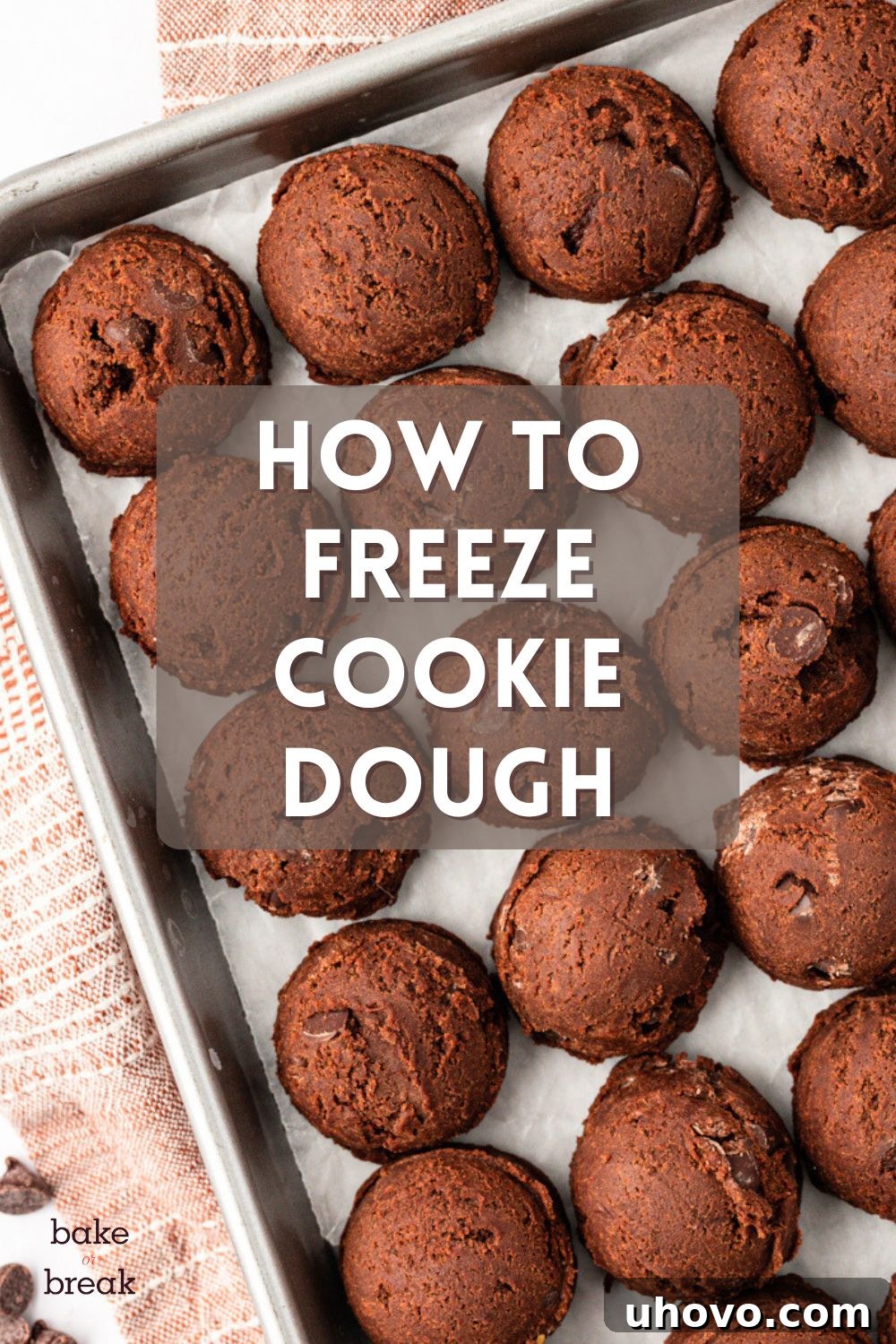
Imagine the warm, inviting aroma of freshly baked cookies wafting through your home, even on the busiest of days. The secret to this delightful convenience? Freezing cookie dough! It’s a culinary hack that transforms spontaneous cravings into instant gratification, allowing you to enjoy homemade treats without the fuss of starting from scratch every time. Whether you’re a seasoned baker or just love the idea of warm cookies on demand, mastering the art of freezing cookie dough is a game-changer for any kitchen.
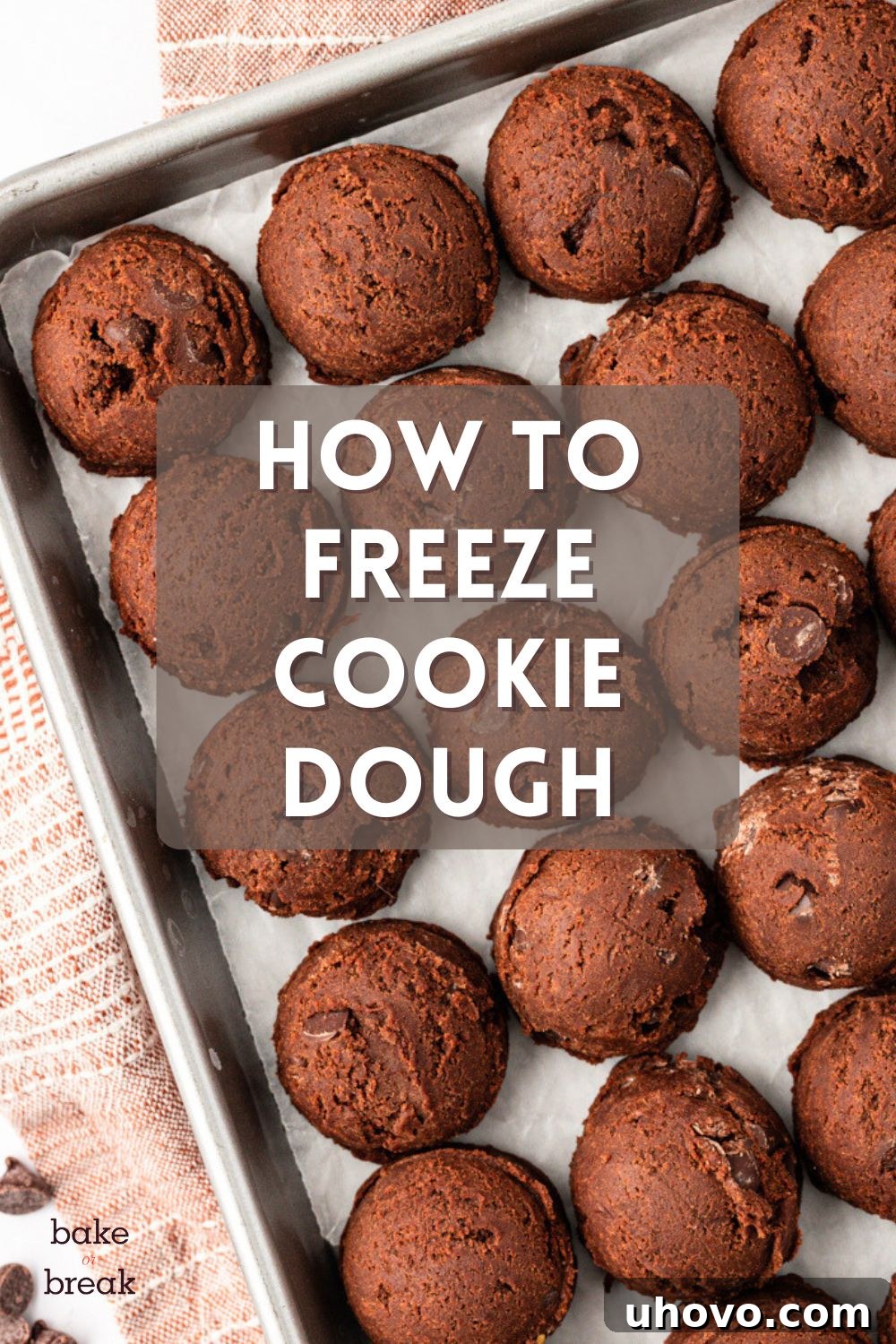
There’s an undeniable magic in a warm cookie straight from the oven. The crispy edges, the gooey center, the melting chocolate chips – it’s pure bliss. While baking from scratch can be a joyful experience, it’s not always practical for busy schedules or sudden dessert cravings. This is where the simple yet brilliant technique of freezing cookie dough comes into play, making that homemade goodness accessible with minimal effort. It’s a method that promises the ultimate convenience without compromising on taste or quality.
Why Freezing Cookie Dough is Your New Best Friend
Embracing the habit of freezing cookie dough offers a multitude of benefits that extend beyond mere convenience. Here are compelling reasons why this strategy should become a staple in your baking routine:
- Freshly Baked Cookies Anytime. This is the most celebrated benefit. Imagine having a sudden craving for a warm chocolate chip cookie at 9 PM. With frozen dough, you’re just minutes away from a delightful treat. You only bake what you need, ensuring every cookie is as fresh and warm as possible, perfect for a cozy night in or an unexpected guest.
- Save Time During Busy Seasons. Holiday baking can be a marathon. By preparing and freezing batches of cookie dough in advance, you can significantly reduce stress and time spent in the kitchen during peak seasons. This foresight allows you to spread out your baking tasks, making holiday preparations more enjoyable and less overwhelming. It’s also ideal for preparing homemade gifts, allowing you to quickly bake off several varieties.
- Emergency Desserts and Entertaining. Life happens, and sometimes unexpected guests arrive, or you need a last-minute dessert for a potluck. A freezer stocked with various cookie doughs means you’re always prepared. Just pop a few into the oven, and within minutes, you’ll have a heartwarming, homemade treat that looks and tastes like you spent hours baking.
- Gift-Ready Convenience. Frozen cookie dough makes an excellent, thoughtful gift. Package a log of slice-and-bake dough or a bag of pre-portioned drop cookie dough with baking instructions. Your friends and family will appreciate the gift of freshly baked cookies they can enjoy at their leisure, anytime they wish.
- Minimize Waste and Portion Control. Don’t want to bake an entire batch of cookies? Freezing allows you to bake just a few at a time, preventing overconsumption and minimizing food waste. This is particularly useful for smaller households or when you’re trying to manage portion sizes. You can enjoy the indulgence without feeling compelled to eat the whole batch.
Choosing the Right Dough: What Types of Cookie Doughs Freeze Best?
While the concept of freezing cookie dough is widely applicable, some doughs are better suited for the freezer than others. Generally, most cookie doughs, particularly those rich in butter and fat, freeze exceptionally well because these ingredients help maintain the dough’s structure and prevent excessive ice crystal formation. The primary categories of cookies that are ideal for freezing include drop cookies, slice-and-bake cookies, and cut-out cookies. Understanding their characteristics will help you get the best results.
Drop Cookies: The Easiest to Freeze
Drop cookies are arguably the best candidates for freezing, making them the simplest choice for beginners and busy bakers alike. These are the cookies that are typically scooped (often with a cookie scoop for consistency) and dropped directly onto a baking sheet. Their forgiving nature and minimal post-freeze handling make them incredibly convenient.
Think classic favorites like chocolate chip cookies, peanut butter cookies, and oatmeal cookies. The dough holds its shape well when frozen and bakes beautifully straight from the freezer. Because most cookie recipes fall into the drop cookie category, mastering this freezing method will keep your freezer perpetually stocked with dough, ready to be transformed into warm, delicious cookies at a moment’s notice.
Slice-and-Bake Cookies: Neat and Uniform
Slice-and-bake cookies, as their name suggests, involve shaping the dough into a log or other uniform shape, chilling it, and then slicing it into individual cookies before baking. This method is excellent for achieving perfectly round, uniform cookies. The dense, pliable nature of these doughs makes them ideal for freezing in log form, allowing for easy slicing whenever you’re ready to bake.
Cut-Out Cookies: Festive and Fun
Cut-out cookies, like sugar cookies or gingerbread, require rolling out the dough and cutting it into various shapes using cookie cutters or a knife. These are perfect for special occasions, holidays, or just for fun. You can choose to freeze the dough as a disc and cut out shapes later, or pre-cut the shapes and freeze them individually. This flexibility makes them a great option for advance preparation, especially when decorating is part of the plan.
Now that we’ve covered the best types of dough, let’s dive into the practical steps for freezing each variety. Chances are, if you’re a regular cookie baker, you already possess all the necessary tools in your kitchen to get started on this rewarding journey!
How to Freeze Drop Cookie Dough: A Step-by-Step Guide
Freezing drop cookie dough is incredibly straightforward, making it an excellent starting point for anyone new to freezing cookie dough. Follow these steps for perfect results every time:
- Prepare the Dough. Begin by preparing your cookie dough according to your recipe’s instructions. Crucially, if the recipe calls for chilling the dough before scooping, ensure you follow those instructions. Chilling helps the dough firm up, making it easier to portion and ensuring a better texture in the final baked cookie.
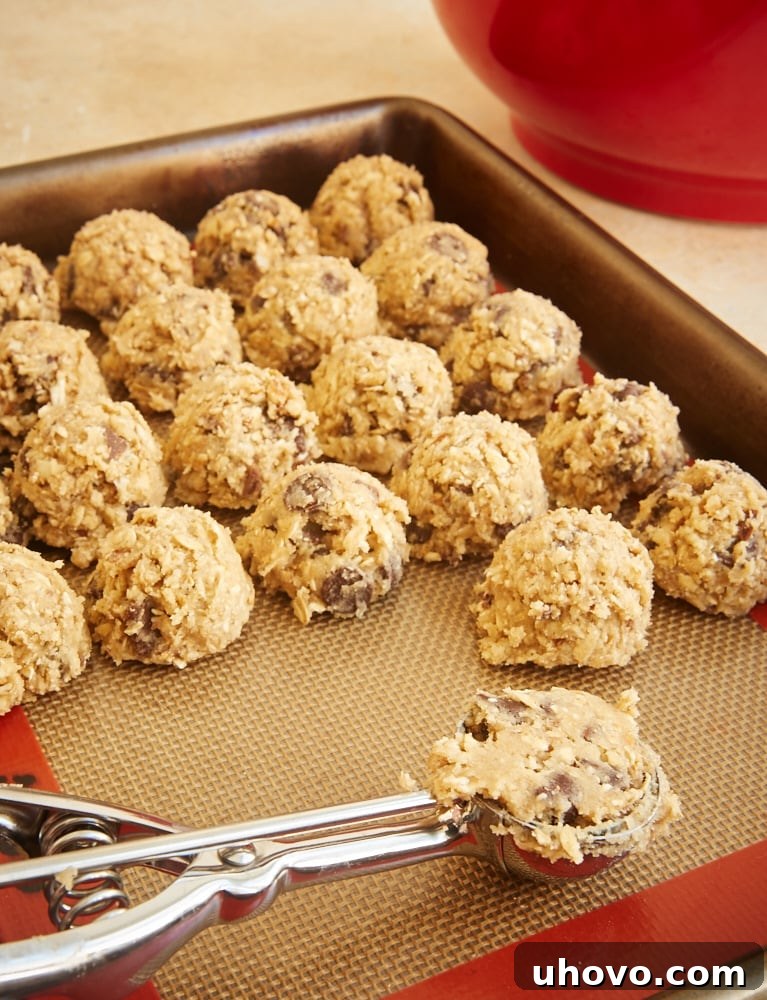
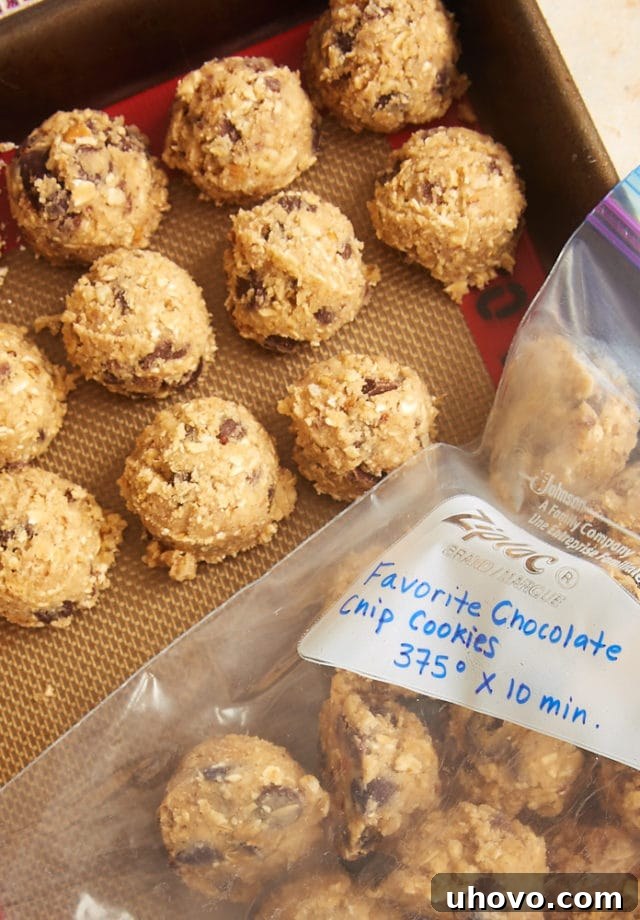
- Prep the Baking Sheet. Line a baking sheet with parchment paper or a silicone baking mat. This step is highly recommended as it prevents the dough from sticking to the pan, makes cleanup a breeze, and allows for easy transfer of the frozen dough balls. Choose a baking sheet size that comfortably fits inside your freezer. A quarter sheet pan is often perfect for home freezers, accommodating a good number of dough balls without taking up too much space.
- Portion the Dough. Using a cookie scoop (or two spoons), portion the dough into even-sized balls and place them on the prepared baking sheet. Consistent sizing is key for even baking later on. If your recipe suggests flattening the dough slightly before baking (like for certain peanut butter cookies), do so now, before freezing. Arrange the dough balls relatively close together but ensure they are not touching, as they will expand slightly during the initial freeze.
- Flash Freeze Until Solid. Place the baking sheet with the portioned dough balls flat into your freezer. Freeze until the dough balls are completely firm and solid, which typically takes between 2 to 6 hours, depending on the size of your cookies and the efficiency of your freezer. Check after 2 hours; if they’re not fully solid, give them more time. This flash-freezing step is vital as it prevents the dough balls from sticking together once they are transferred to a storage bag or container, making it easy to grab just a few at a time.
- Transfer to Storage. Once the dough balls are rock solid, transfer them from the baking sheet into freezer-safe bags or airtight containers. Since they are individually frozen, they won’t stick together. To maximize freshness and prevent freezer burn, try to remove as much air as possible from freezer bags. Using a permanent marker, clearly label the bag or container with the type of cookie dough, the date it was frozen, and essential baking instructions (temperature and approximate time). This foresight will save you from guessing later.
- Bake When Ready. When a cookie craving strikes, simply remove the desired number of frozen dough balls from the freezer and place them directly onto a lined baking sheet. There’s no need to thaw them first! Bake them according to your recipe’s directions, but add an additional 2 to 3 minutes to the total baking time to account for the dough’s frozen state. Keep an eye on them towards the end of baking to achieve your preferred level of golden brown perfection.
How to Freeze Slice-and-Bake Cookie Dough: Precision and Planning
Freezing slice-and-bake cookie dough offers a streamlined approach to uniform cookies. This method is particularly satisfying for achieving perfectly round cookies with minimal effort when you’re ready to bake.
- Prepare the Dough. Make your cookie dough as instructed by your recipe. Many slice-and-bake recipes benefit from an initial chill to make the dough more manageable for shaping into logs. If your recipe requires chilling, ensure you follow those guidelines.
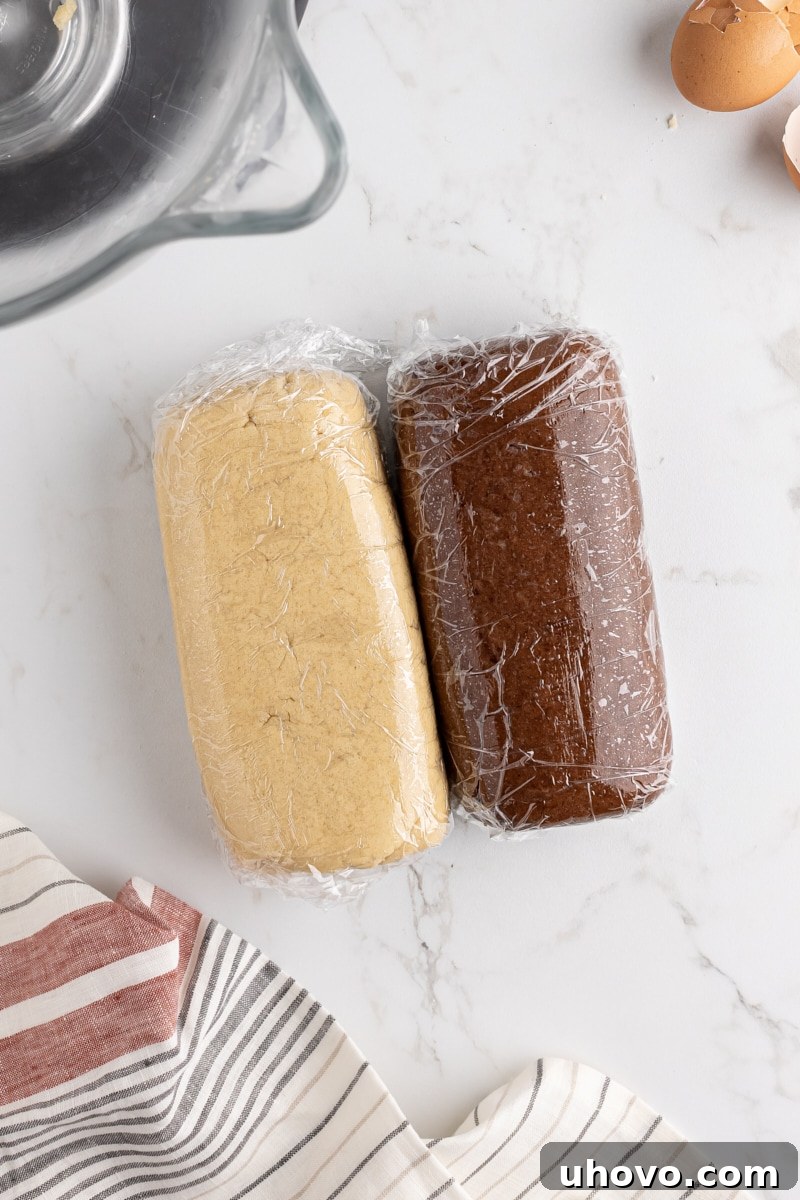
- Shape and Freeze Dough Logs. Divide the dough and shape it into uniform logs, typically 1.5 to 2 inches in diameter. For the best results, try to make the logs as even in thickness as possible to ensure consistent slicing and baking later. Wrap each log tightly in wax paper or plastic wrap, ensuring no air pockets remain. Then, place these wrapped logs into freezer-safe bags or rigid airtight containers. This double-layer of protection is crucial for preventing freezer burn. If your storage bags are shorter, adjust the length of your dough logs to fit perfectly.
- Alternative Method: Freeze Pre-Sliced Dough. For even greater convenience, you can slice the dough before freezing. After shaping the log and chilling if required, slice the dough into individual cookies. Arrange these slices in a single layer on a parchment-lined baking sheet and flash freeze them until solid (2-6 hours), much like drop cookies. Once frozen, transfer the individual slices to a freezer-safe container, layering wax paper or parchment between each layer of cookies to prevent them from sticking together.
- Label and Store. Regardless of whether you freeze logs or pre-sliced dough, it’s essential to label your freezer bags or containers. Include the cookie type, the date frozen, and clear baking instructions (temperature, time, and whether to thaw). This helps you quickly identify your cookie choices and ensures hassle-free baking.
- Baking Slice-and-Bake Cookies.
- For Frozen Dough Logs: Remove the log from the freezer. Allow it to thaw at room temperature for about 10-15 minutes, or in the refrigerator overnight, until it is firm enough to slice easily but not completely soft. Once sliced, place the cookies on a lined baking sheet and bake as directed by your recipe.
- For Pre-Sliced Frozen Dough: Place the frozen cookie slices directly onto a lined baking sheet. Bake as directed by your recipe, adding an extra 2-3 minutes to the baking time to compensate for the frozen state. No thawing is needed here, making it incredibly fast.
How to Freeze Cut-Out Cookie Dough: Flexible and Fun
Cut-out cookies are perfect for themed events and creative decoration. Freezing the dough for these versatile treats can save you significant time when preparing for holidays or parties.
- Prepare the Dough. Prepare your cookie dough according to your chosen recipe. Many cut-out cookie recipes recommend chilling the dough before rolling to make it more manageable. If your recipe requires this, ensure you complete the chilling step before freezing.
- Freeze the Dough Disc. For maximum flexibility, roll the dough into a flat disc, about 1 inch thick. This shape allows for easier thawing and subsequent rolling. Wrap the disc thoroughly in plastic wrap, ensuring it’s airtight to prevent freezer burn. Then, place the wrapped disc into a freezer-safe bag or container and label it clearly with the cookie type and date.
- Alternative Method: Freeze Pre-Cut Cookies. If you know exactly what shapes you’ll need, you can roll out the dough and cut out the cookies before freezing. Arrange the cut-out shapes in a single layer on a parchment-lined baking sheet. Flash freeze them until they are completely solid (typically 2-6 hours). Once frozen, transfer the individual, solid cookies to a freezer-safe container, placing layers of wax paper or parchment between them to prevent sticking.
- Label and Store. As with all frozen cookie dough, proper labeling is crucial. Mark your bags or containers with the cookie name, freezing date, and specific baking instructions (temperature, time, and any thawing notes).
- Baking Cut-Out Cookies.
- For Frozen Dough Discs: Remove the dough disc from the freezer. Allow it to thaw at room temperature for 10-15 minutes, or transfer it to the refrigerator overnight. The dough should be firm but pliable enough to roll out without cracking. Once thawed to the right consistency, roll out the dough and cut your desired shapes.
- For Pre-Cut Frozen Cookies: Place the frozen, pre-cut cookies directly onto a lined baking sheet. Bake them as instructed by your recipe, extending the baking time by 2-3 minutes to compensate for their frozen state. This method is incredibly time-efficient when you’re in a hurry.
Do I Thaw Cookie Dough Before Baking? Unraveling the Mystery
One of the most common questions about baking with frozen cookie dough is whether it needs to be thawed first. The good news is, for most cookie doughs, thawing is not a prerequisite. In fact, many bakers, myself included, often prefer to bake cookies straight from the freezer.
Baking cookie dough directly from its frozen state usually requires a slight adjustment to the baking time. As a general rule of thumb, expect to add an extra 2 to 3 minutes to the baking time specified in your recipe. This additional time allows the dough to warm through and bake evenly. Always keep a close eye on your cookies during this extended period, as oven temperatures can vary, and you want to achieve that perfect golden-brown edge without burning.
However, if you prefer, you certainly can thaw your cookie dough before baking. You have a couple of options: you can leave the desired number of cookie dough portions on your countertop for about 15-20 minutes, or you can transfer them to the refrigerator to thaw overnight. When baking dough that has been thawed this way, it typically won’t require any additional baking time beyond what the original recipe suggests. The choice between baking from frozen or thawed often comes down to personal preference and the specific characteristics of the cookie, though baking from frozen is usually the most time-efficient method.
When Do I Do Extra Steps, Like Rolling in Sugar or Adding Toppings?
Many cookie recipes call for extra embellishments, such as rolling the dough in sugar, sprinkling with salt, or adding decorative toppings before baking. The golden rule for these extra steps is to perform them when you are ready to bake, not before freezing the dough.
For cookies that require a coating, such as crinkle cookies rolled in powdered sugar, or snickerdoodles rolled in cinnamon-sugar, it’s best to do this just before they go into the oven. Similarly, if your recipe calls for a sprinkling of sea salt, sprinkles, or pressing with a fork (as often done with peanut butter cookies), these steps should be applied to the dough immediately prior to baking.
For optimal adherence of these coatings or toppings, I recommend letting the frozen cookie dough thaw on the countertop for about 10 to 15 minutes before applying the extra steps. This brief thawing period softens the exterior of the dough just enough for the sugar, salt, or sprinkles to stick better. Once coated, place the dough on a baking sheet and bake as usual. Keep in mind that dough that has been partially thawed for these steps may not need the full 2-3 minutes of extra baking time that entirely frozen dough requires, so watch them closely.
Can I Freeze Thumbprint Cookies? Absolutely!
Thumbprint cookies are beloved for their tender texture and delicious jam or ganache centers. The good news is, you can absolutely freeze the dough for these delightful treats, allowing you to enjoy them fresh whenever you desire.
The key consideration for freezing thumbprint cookies lies in when the indentations are made and when the filling is added. If your recipe instructs you to make the indentations (the “thumbprints”) before baking, you can certainly do this before freezing the dough. Simply scoop and shape the dough balls, create the indentations, and then flash freeze them on a baking sheet until solid. Once frozen, transfer them to an airtight container or freezer bag, ready to be baked and filled later.
Many thumbprint cookie recipes, however, instruct you to fill the indentations *after* the cookies have been baked and cooled. In this case, you would simply bake your frozen (or thawed) dough with the indentations, let them cool, and then add your chosen filling. This method is often preferred as it allows for a fresh, vibrant filling.
If your specific thumbprint cookie recipe calls for the filling to be baked along with the cookie (for instance, a baked-in caramel or chocolate filling), you might need to exercise a bit more caution. Certain fillings might not freeze or bake well from a frozen state, potentially altering their texture or taste. For the best results with such recipes, it’s often advisable to skip freezing the dough with the filling already in place. Instead, prepare and freeze the plain, indented dough, and then add the fresh filling just before baking when you’re ready to enjoy them.

What Kinds of Cookie Dough Don’t Freeze Well? A Few Exceptions
While most cookie doughs are excellent candidates for freezing, there are a few exceptions worth noting. Knowing which types of dough to avoid freezing in their unbaked form can save you from potential disappointment and wasted ingredients.
As a general rule, delicate and cake-like cookie doughs, or those with a very high moisture content, typically do not freeze well. Their delicate structure can be compromised by the formation of ice crystals during freezing and thawing, leading to an undesirable texture once baked. Examples of such doughs include:
- Madeleines: These shell-shaped French cakes have a very light, airy, and delicate crumb. Freezing the unbaked batter can lead to a dense, tough texture, and they may not rise properly when baked from frozen. It’s best to bake madeleines fresh.
- Whoopie Pies: Consisting of two cake-like cookies sandwiched with a creamy filling, whoopie pie batter is more akin to a cake batter than a traditional cookie dough. Freezing this batter can affect its leavening and result in a less fluffy texture.
- Macaroons: These often have a very high moisture content (from coconut) or are meringue-based (like French macarons). Meringue-based batters are particularly sensitive to moisture and temperature changes, making them poor candidates for freezing unbaked. The texture can become grainy or simply fall apart.
Doughs that are more “batter” than “dough” and rely heavily on aeration for their final texture are generally not recommended for freezing. When in doubt, if a recipe yields a very wet, pourable, or extremely delicate batter, it’s usually safer to bake it fresh rather than attempting to freeze the unbaked dough.
How Long Does Frozen Cookie Dough Last? Maximizing Freshness
The excellent news is that properly stored frozen cookie dough has a surprisingly long shelf life, allowing you to enjoy homemade treats for months to come. As a general guideline, most cookie doughs will maintain their quality and flavor for up to 3 months when stored in the freezer.
However, always defer to the specific instructions of the recipe you are using. Some recipes, especially those with certain perishable ingredients or unique formulations, might have slightly different recommendations for freezer storage times. It’s always best to follow the creator’s guidelines to ensure the best possible results.
To ensure you’re maximizing the freshness and quality of your frozen cookie dough, meticulous labeling is paramount. Before placing any dough into the freezer, clearly write the date the dough was made on your freezer bags or containers. This simple step helps you keep track of its age and ensures you use it within the recommended timeframe. Additionally, I find it incredibly helpful to include the baking directions (oven temperature and approximate baking time) directly on the label or on a slip of paper inside the container. This eliminates any guesswork when you’re ready to bake, making the process as simple and seamless as possible.
With a freezer thoughtfully stocked with a variety of cookie doughs, you gain the unparalleled ability to produce freshly baked cookies whenever the urge arises. Imagine creating a mini cookie buffet for an impromptu gathering or simply indulging in a different flavor each night. You’ll undoubtedly find yourself thanking your past self for the foresight and effort. Enjoy the delightful convenience and endless possibilities that come with mastering frozen cookie dough!
Bake or Break is a participant in the Amazon Services LLC Associates Program, an affiliate advertising program designed to provide a means for us to earn fees by linking to Amazon.com and affiliated sites.