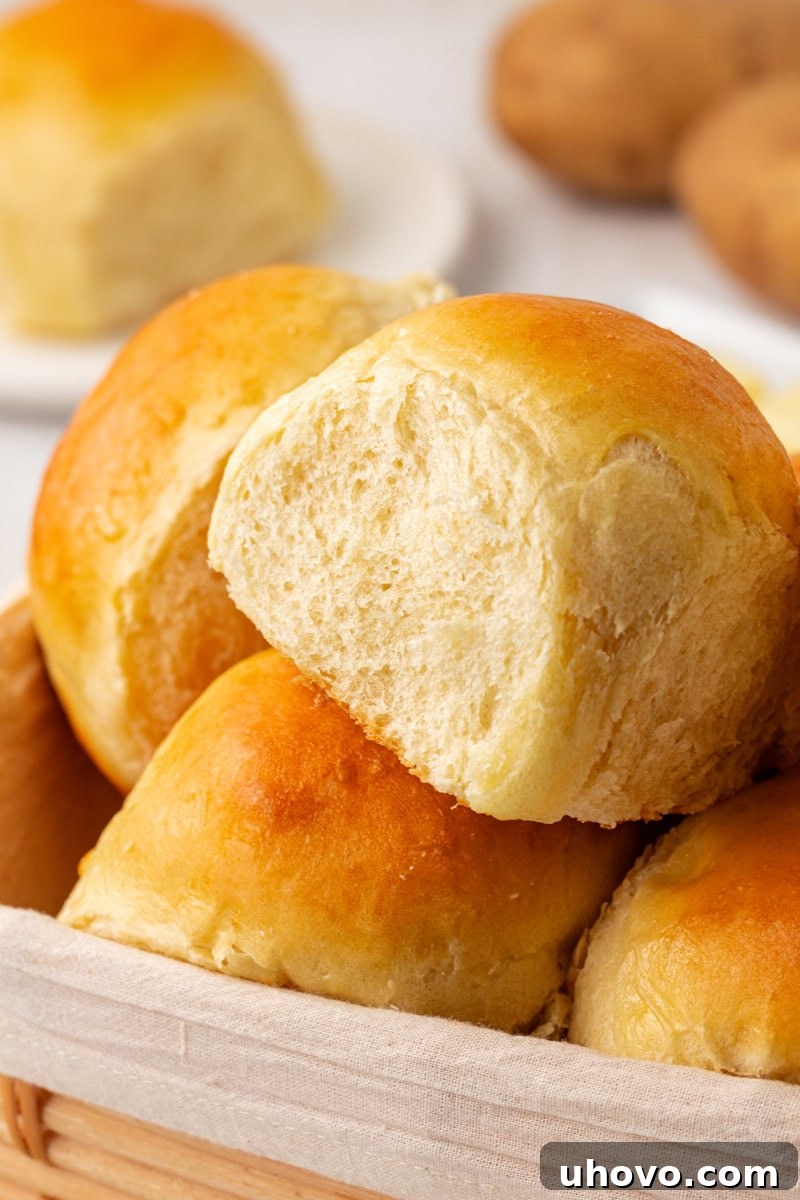
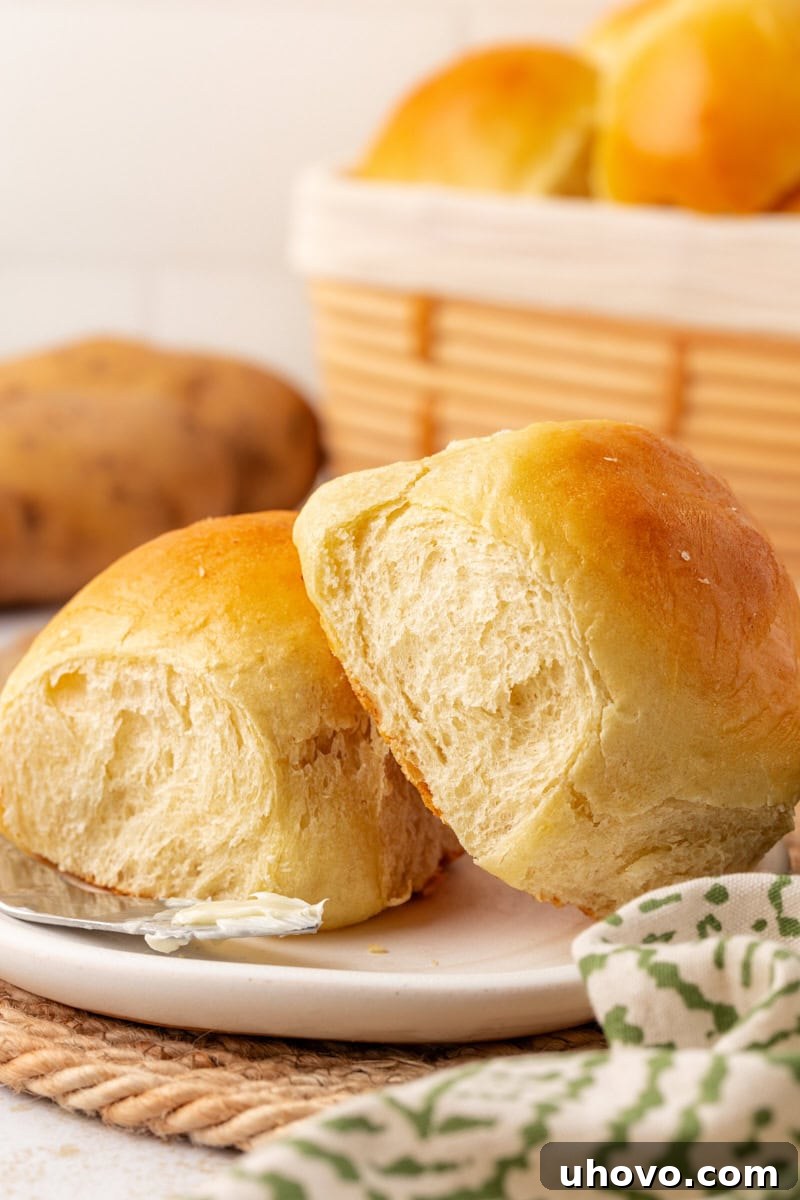
Soft, buttery, and utterly irresistible, these homemade potato rolls are a true culinary delight. Infused with the subtle magic of mashed potatoes, they boast an exceptionally tender crumb and a delicate flavor that elevates any meal. From casual weeknight dinners to festive holiday gatherings, these rolls are destined to become a cherished family favorite, bringing warmth and comfort to your table.
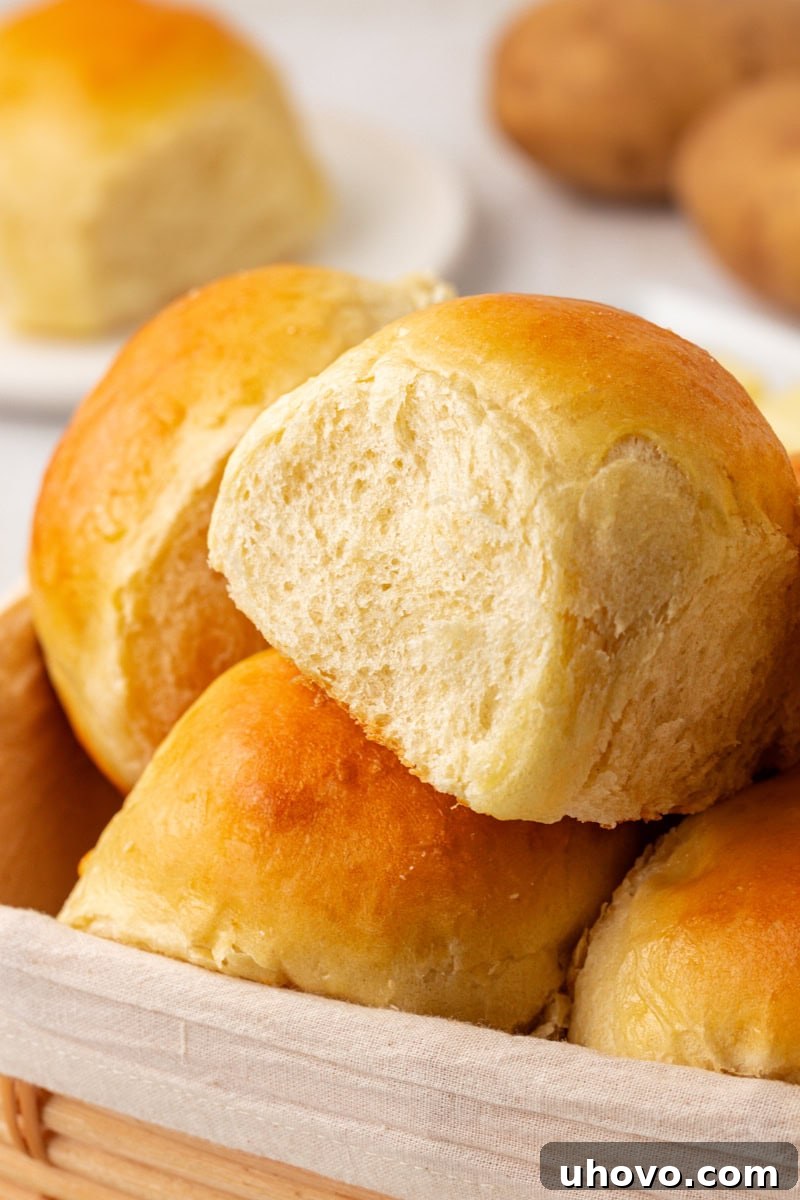
There’s an undeniable allure to freshly baked bread, a comforting aroma that transforms a simple meal into a memorable occasion. These potato rolls encapsulate that feeling perfectly. Their unique light, pillowy texture and subtly sweet, rich flavor make them incredibly versatile. They are the ideal accompaniment for a hearty bowl of soup, a flavorful stew, succulent roasted meats, or as a star attraction on your holiday spread. What makes them even more appealing is their straightforward preparation, requiring only a handful of common ingredients and a bit of patience as the dough develops its magical rise.
Why These Homemade Potato Rolls Will Be Your New Favorite
Beyond their delightful taste and texture, these potato rolls offer a host of benefits that make them a standout recipe for any home baker. Here’s why you’ll find yourself reaching for this recipe again and again:
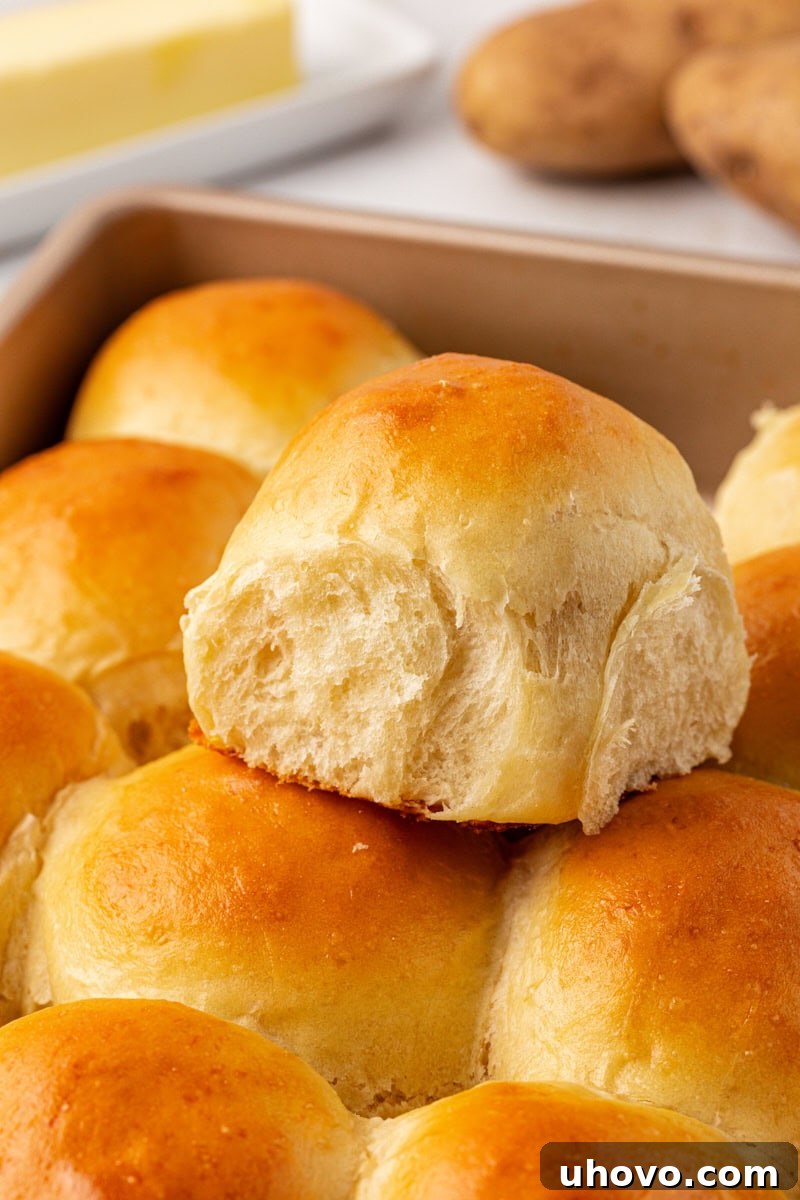
- Unrivaled Softness and Fluffiness: The secret lies in the mashed potatoes. They contribute a unique moisture and tenderness to the dough, resulting in rolls that are incredibly soft, airy, and practically melt in your mouth. This isn’t just an ordinary bread; it’s a pillowy cloud of deliciousness.
- Versatile for Any Occasion: Whether you’re planning a casual family dinner, a festive holiday feast, or simply craving a warm, homemade treat, these rolls fit the bill. Their inviting flavor complements a wide range of dishes, making them a kitchen staple.
- Excellent Make-Ahead Option: Life gets busy, but delicious homemade bread doesn’t have to be a last-minute stress. This recipe offers flexible make-ahead options, allowing you to prepare the dough in advance and bake fresh rolls when you need them, perfect for busy schedules and entertaining.
- Perfect for Dipping, Spreading, or Sandwiches: Their tender structure makes them ideal for soaking up gravies, dipping into soups, or simply enjoying with a generous smear of butter. They are also robust enough to serve as fantastic buns for sliders or small sandwiches, holding up beautifully to various fillings.
- A Wonderful Way to Use Leftovers: Have some leftover mashed potatoes from last night’s dinner? This recipe provides a brilliant and delicious way to transform them into something entirely new and exciting, reducing food waste and adding unique flavor to your baking.
Unlocking the Softness: The Magic Behind the Key Ingredients
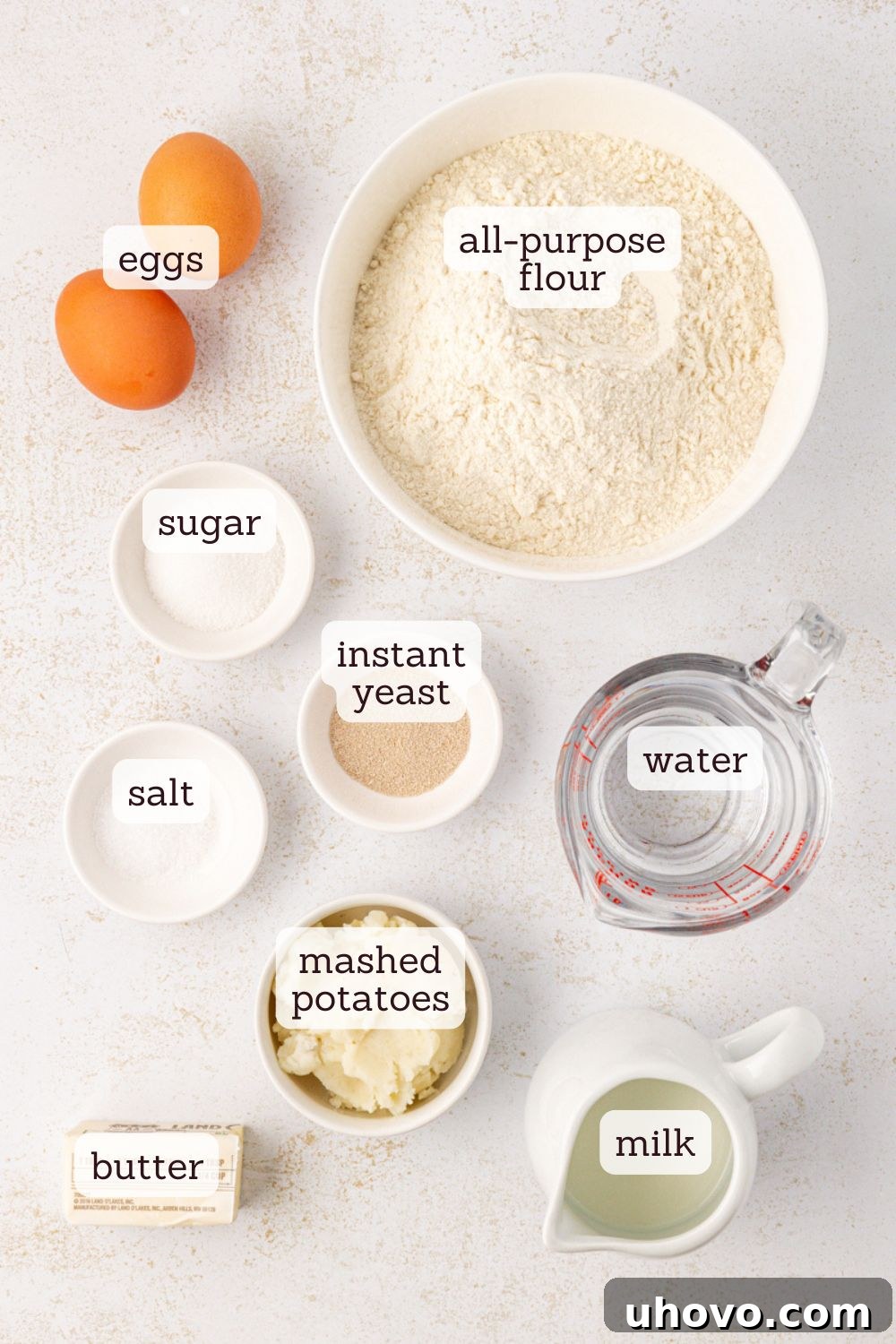
The exceptional softness and tender crumb of these rolls are not by chance; they are the result of a carefully selected combination of ingredients, with mashed potatoes at the heart of their unique character. Potatoes contribute essential moisture to the dough without making it dense or heavy. The starches within the potatoes work wonders by retaining moisture, ensuring your rolls stay softer and fresher for much longer than traditional bread recipes. This makes them not just delicious on day one, but equally delightful on day two and beyond.
Here’s a breakdown of the vital components and their roles in crafting these perfect potato rolls:
- All-Purpose Flour: This forms the essential structural base of our rolls, providing the gluten needed for elasticity and chewiness. Using the right amount is key to a soft, not tough, roll.
- Instant Yeast: The powerhouse behind the rise, instant yeast allows the dough to ferment efficiently, creating a light, airy texture and developing complex flavors. Its convenience means no proofing required before mixing.
- Granulated Sugar: Beyond sweetness, sugar provides vital food for the yeast, helping it activate and produce carbon dioxide, which gives the rolls their rise. It also contributes to the golden-brown crust.
- Salt: A crucial flavor enhancer, salt balances the sweetness and strengthens the gluten structure in the dough, contributing to its texture and preventing it from becoming bland.
- Mashed Potatoes: The star ingredient! Cooked, cooled mashed potatoes are the secret to the rolls’ signature ultra-tender crumb and extended freshness. They add moisture and a subtle earthy flavor. (This is a fantastic way to utilize any leftover mashed potatoes!)
- Unsalted Butter: Incorporating butter adds incredible richness, flavor, and an even softer texture to the rolls. It also helps achieve that desirable golden-brown crust.
- Milk and Water: This liquid combination helps hydrate the flour and activate the yeast. Milk contributes to a richer flavor and a more tender crumb, while water ensures the dough isn’t overly heavy.
- Large Eggs: Eggs contribute to the rolls’ richness, add structure, and provide a lovely golden hue to the crust, especially when brushed on top before baking.
Step-by-Step Guide: Crafting Your Perfect Potato Rolls
Making these potato rolls is a rewarding experience, and following these detailed steps will ensure you achieve deliciously soft and fluffy results every time. Let’s walk through the process together, from mixing the dough to pulling golden-brown rolls from the oven.
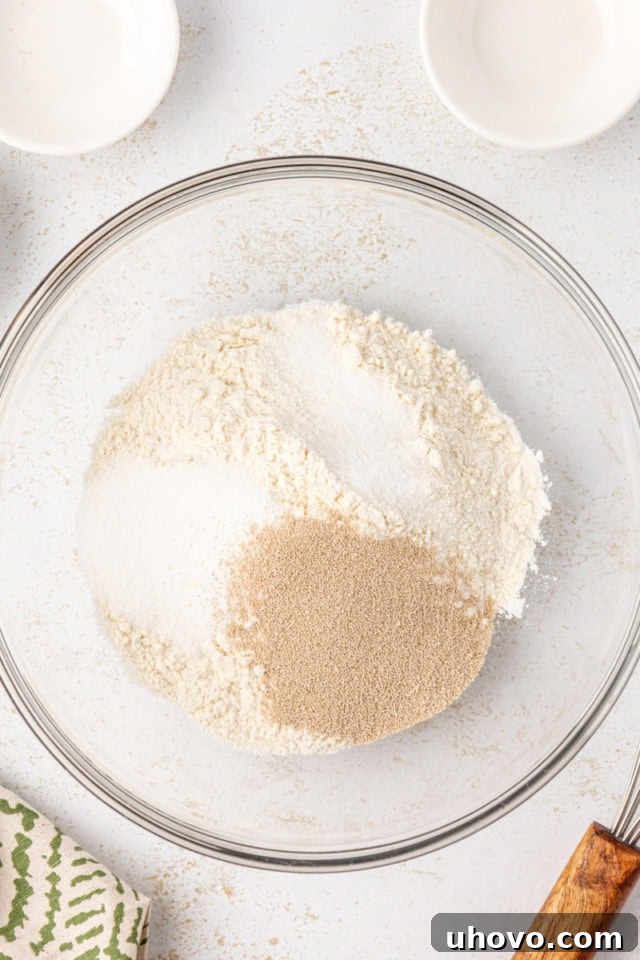
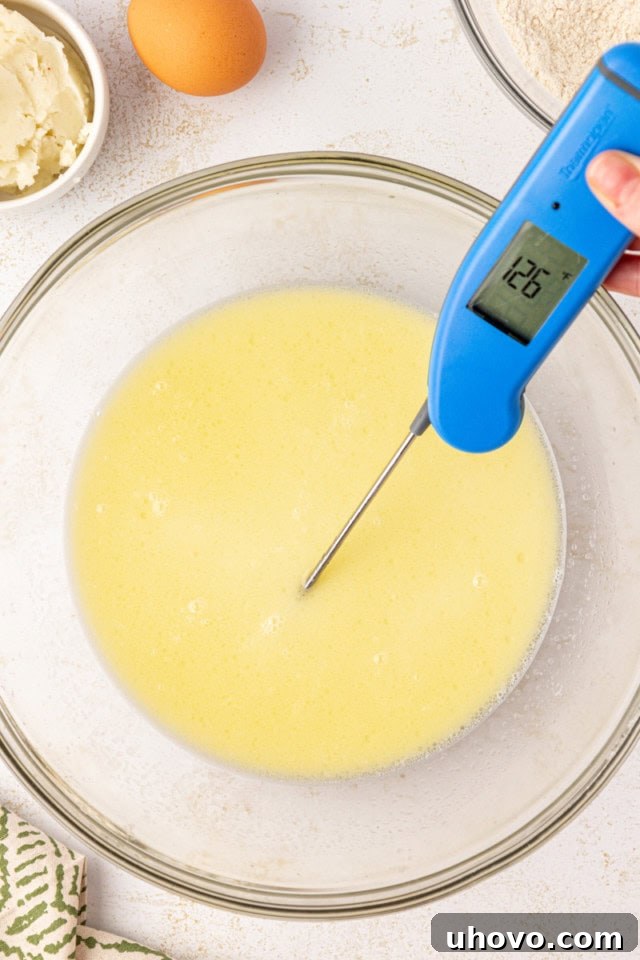
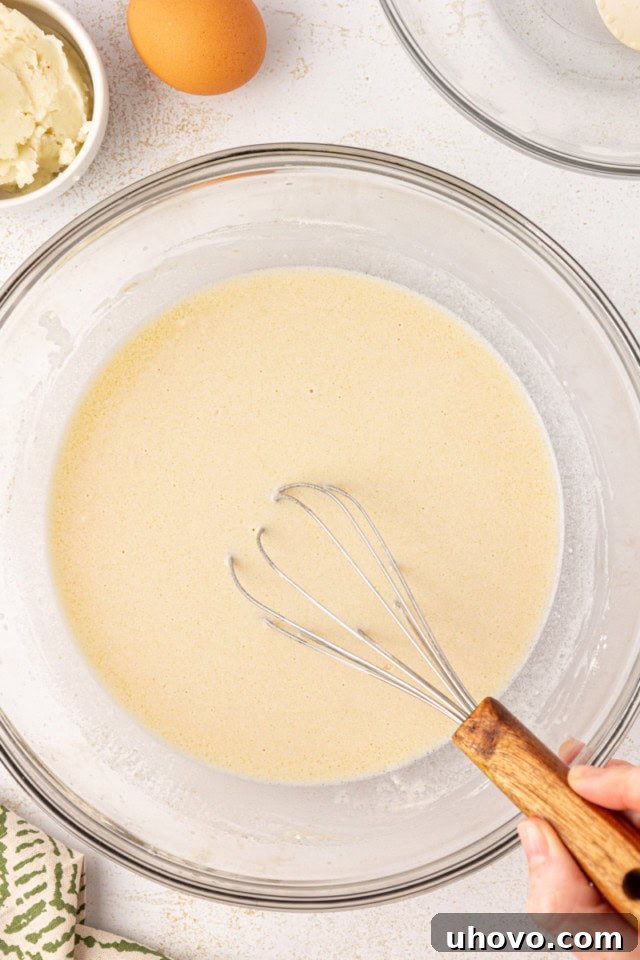
- Initiate the Dough: In a large mixing bowl, combine 1 cup of the all-purpose flour, sugar, instant yeast, and salt. Whisk these dry ingredients together thoroughly. In a separate saucepan, gently heat the water, milk, and butter until the butter is melted and the liquid mixture reaches a temperature between 120°F and 130°F (49°C to 54°C). This warmth is crucial for activating the yeast without killing it. Pour this warm liquid mixture into the dry ingredients and stir until just moistened.
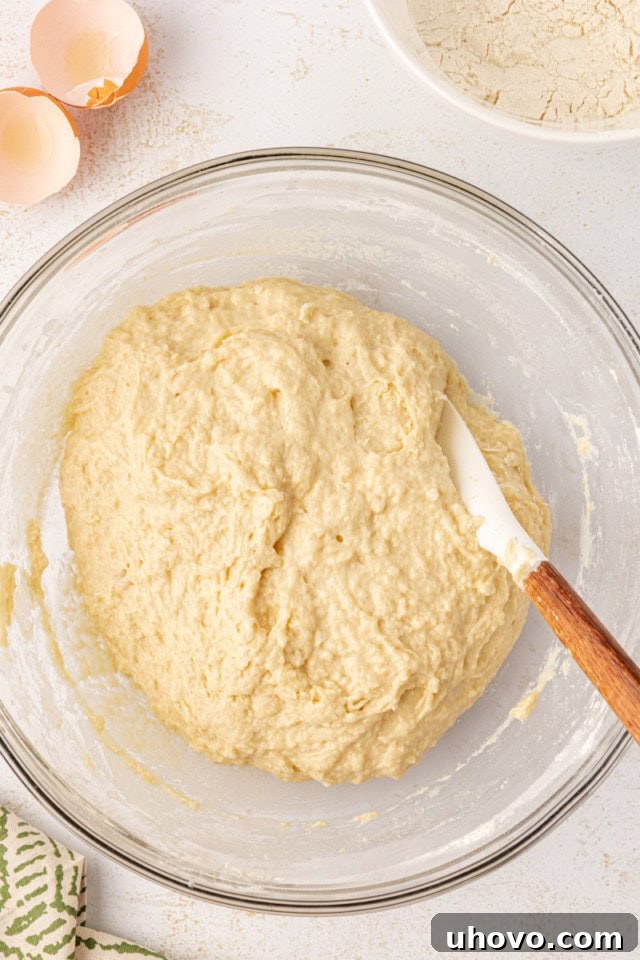
- Incorporate Potatoes and Eggs: To this nascent dough, add your room-temperature mashed potatoes and one large egg. Stir well, ensuring the potatoes are evenly distributed. Gradually begin adding the remaining flour, a half cup at a time, mixing until a soft, slightly sticky dough forms. The exact amount of flour can vary based on humidity and the consistency of your mashed potatoes, so trust your judgment and the feel of the dough.
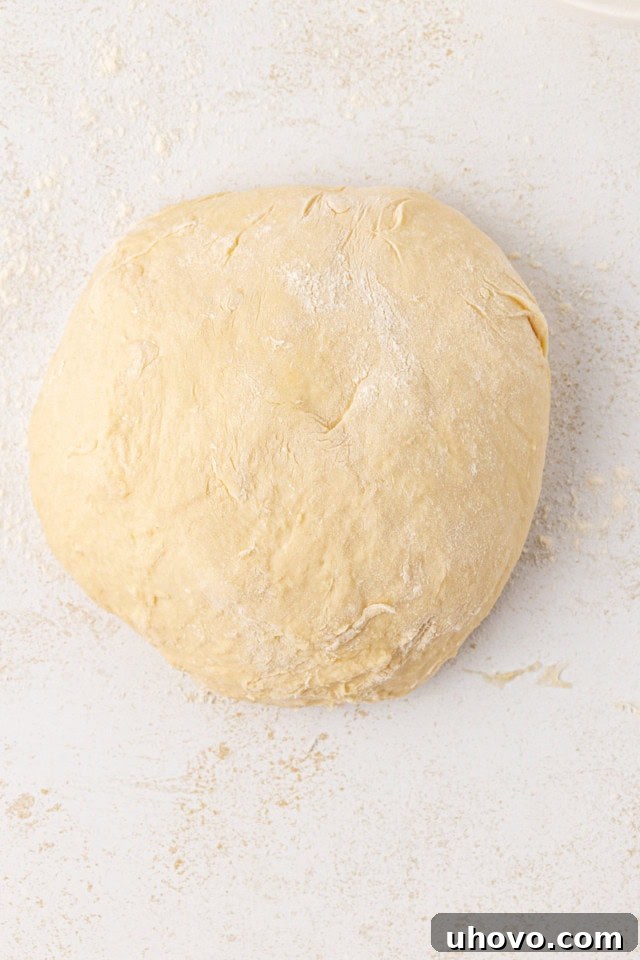
- Knead and Rest the Dough: Turn the soft dough out onto a lightly floured surface. Knead the dough for 4-6 minutes. You’ll know it’s properly kneaded when it’s smooth, elastic, and springs back slowly when gently poked. Cover the dough and let it rest for 10 minutes. This short rest allows the gluten to relax, making the dough easier to handle and shape.
- Shape the Rolls: Lightly grease a 9×13-inch baking pan. Divide the dough into 12 equal pieces. For truly uniform rolls, we recommend weighing the entire dough and then dividing that weight by 12 to get the precise weight for each piece. Roll each piece into a smooth ball and arrange them evenly in your prepared baking pan.
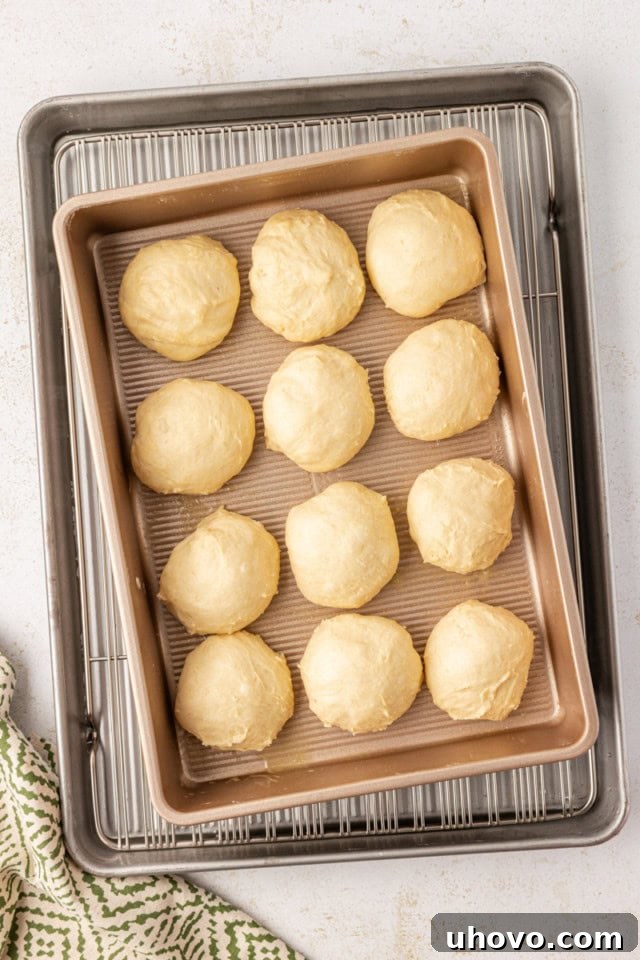
- The Second Rise (Proofing): This step is critical for fluffy rolls! To create a warm, humid environment ideal for rising, place a wire rack over a large, shallow pan filled halfway with boiling water. Set your baking pan of shaped rolls on top of the wire rack. Cover the rolls loosely with plastic wrap or a clean kitchen towel. Allow them to rise in this warm environment until they have visibly doubled in size, which typically takes about 15 minutes. This quick proofing method is fantastic for accelerating the rise.
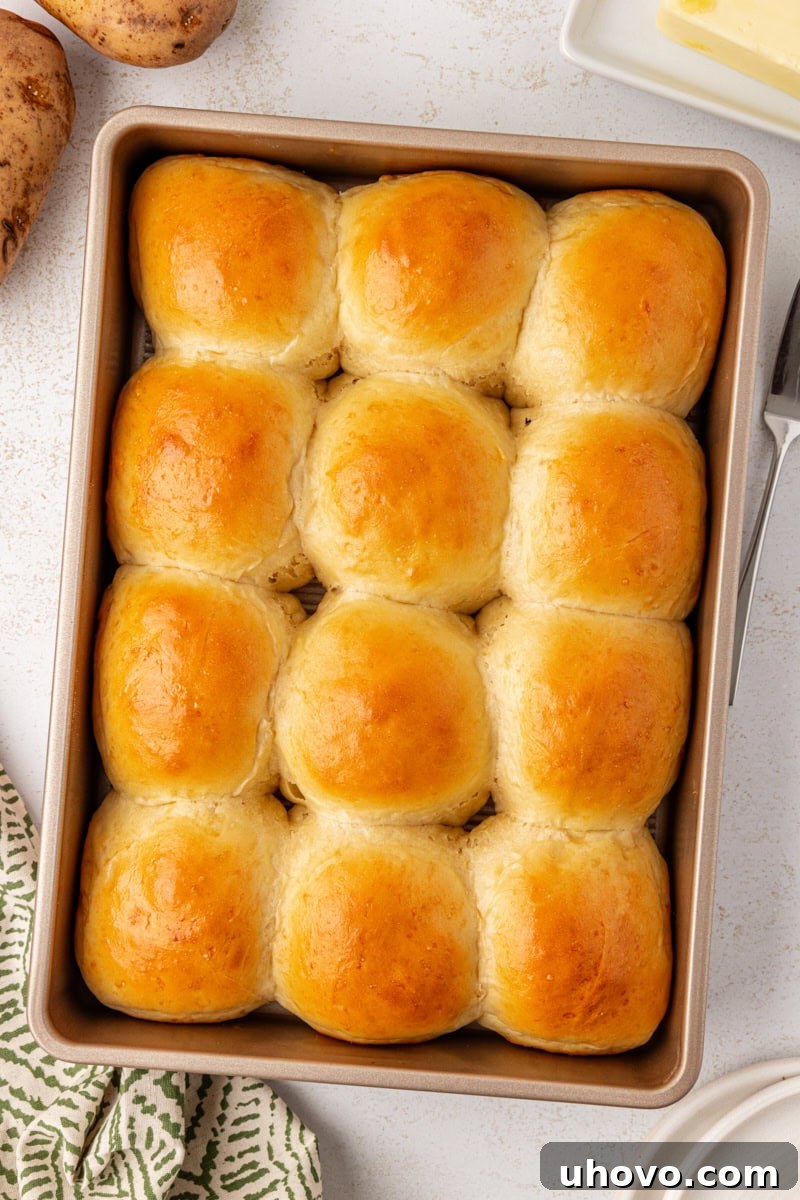
- Bake to Golden Perfection: While the rolls are completing their second rise, preheat your oven to 375°F (190°C). Once the rolls have doubled, lightly beat the remaining egg and gently brush it over the tops of the rolls. This egg wash will give them a beautiful golden-brown crust and a subtle sheen. Place the pan in the preheated oven and bake for 25-27 minutes, or until the tops are deeply golden brown and the rolls sound hollow when tapped.
- Cool and Serve: Once baked, remove the rolls from the oven. Let them cool slightly in the pan on a wire rack for a few minutes before transferring them directly to the rack to cool completely. For an extra touch of deliciousness and an even softer crust, you can brush them with melted butter immediately after they come out of the oven. Serve warm and enjoy!
Essential Tips for Perfect Potato Rolls Every Time
Achieving bakery-quality potato rolls at home is within your grasp! Here are some invaluable tips and troubleshooting advice to ensure your baking experience is smooth and your results are always superb:
- Precision with Dough Weight: For rolls that are consistently sized and bake evenly, invest in a kitchen scale. Weighing the entire dough batch and then dividing it by 12 to get the exact weight for each individual roll is a game-changer. This ensures uniform baking and presentation.
- Mastering the Rise: The second rise, or proofing, is absolutely crucial for creating those wonderfully fluffy rolls. Do not rush this step! The rolls should genuinely double in size. If your kitchen is cool, finding a warm spot (like the oven with just the light on, or using the boiling water method described in the instructions) will help. A slow rise is often better than a rushed one.
- Optimal Liquid Temperature: Yeast is a living organism, and its activity is highly dependent on temperature. The water, milk, and butter mixture needs to be perfectly warm—ideally between 120°F to 130°F (49°C to 54°C). Too cold, and the yeast won’t activate; too hot, and you’ll kill it, resulting in flat, dense rolls. An instant-read thermometer is your best friend here.
- The Right Dough Consistency: The dough should be soft and slightly sticky, but not so wet that it’s unmanageable. If it’s too dry, the rolls will be dense; too wet, and they might spread excessively. Adjust the final flour amount gradually until you reach this ideal consistency.
- Don’t Overbake: Overbaking can dry out your rolls, making them less tender. Keep an eye on them towards the end of the baking time. They should be golden brown on top. An internal temperature of about 200-205°F (93-96°C) indicates they are perfectly baked.
- Troubleshooting Common Issues:
- Rolls didn’t rise: This is almost always a yeast issue. Double-check that your instant yeast is fresh (not expired) and that your liquids were within the correct temperature range (120-130°F). Cold liquids won’t activate it, and hot liquids will kill it.
- Rolls are dense: This can be due to not enough kneading (gluten didn’t develop), insufficient rising time (yeast didn’t produce enough gas), or too much flour (making the dough stiff). Ensure proper kneading and always allow the dough to double in size during proofing.
- Rolls are tough: Over-kneading can make dough tough, as can adding too much flour. Aim for an elastic but still soft dough after kneading.
- The Power of Mashed Potatoes: Ensure your mashed potatoes are plain, unseasoned, and at room temperature. If they’re too hot, they can affect the yeast; if they’re too cold, they won’t incorporate as smoothly into the dough.
Creative Variations and Delightful Serving Suggestions
While these potato rolls are magnificent in their classic form, they also serve as a wonderful canvas for culinary creativity. Don’t hesitate to experiment with these variations and find new ways to enjoy their tender deliciousness:
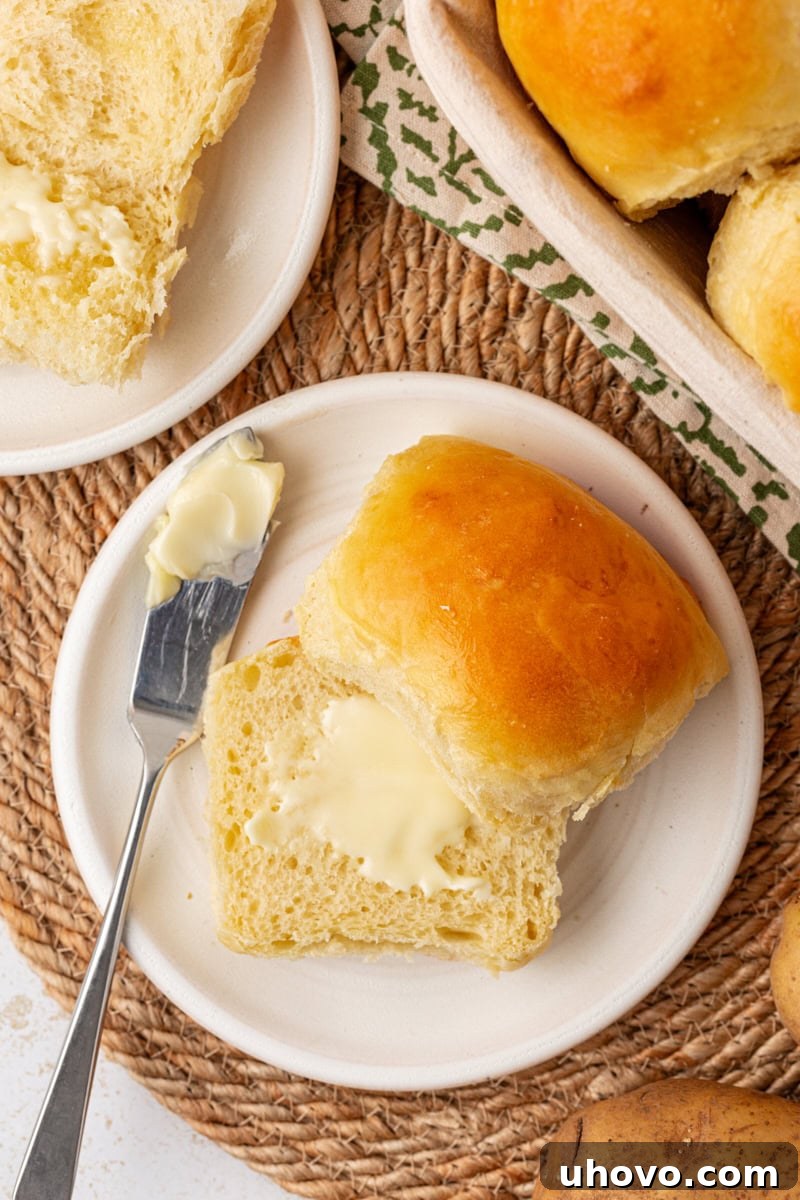
- Enhanced Butter Crust: For an unbelievably soft and rich crust, brush the tops of the rolls with melted unsalted butter immediately after they emerge from the hot oven. The residual heat will absorb the butter, creating an even more tender exterior.
- Savory Herb and Cheese Infusion: Elevate the savory profile by incorporating fresh herbs like finely chopped rosemary, thyme, or chives into the dough along with a half cup of grated sharp cheddar or Parmesan cheese. This adds a fantastic aromatic and tangy dimension, perfect for pairing with stews or roasted chicken.
- Sweet Cinnamon-Sugar Swirl: For a delightful breakfast or dessert roll, roll out the dough after the first rise, spread it with softened butter, sprinkle generously with cinnamon sugar, roll it up into a log, slice, and then arrange in the pan before the second rise and baking.
- Miniature Delight Rolls: For smaller, individual-sized rolls that are perfect for appetizers, children’s portions, or elegant holiday spreads, divide the dough into 16 pieces instead of 12. Adjust baking time slightly if needed, keeping an eye on their golden hue.
- Perfect Dipping Companions: Serve these rolls warm alongside a hearty bowl of your favorite soup or stew. Their soft interior is ideal for soaking up every last drop of flavorful broth. Try them with a classic tomato soup, a rich beef stew, or a creamy potato chowder.
- Elevated Sandwich Buns: These rolls are soft yet possess enough structural integrity to make them exceptional for sliders or gourmet sandwich buns. Fill them with pulled pork, mini burgers, sliced deli meats, or even grilled vegetables for a truly satisfying meal.
- Breakfast and Brunch Stars: Don’t limit these rolls to dinner! Split and lightly toast leftover rolls, then slather them with butter, your favorite fruit jam, or a drizzle of honey for a simply divine morning treat. They also make excellent bases for mini egg sandwiches.
- Garlic-Herb Butter Brush: After baking, mix melted butter with minced garlic and fresh parsley or chives. Brush this aromatic mixture over the warm rolls for a burst of savory flavor that pairs wonderfully with Italian or Mediterranean-inspired meals.
Keeping Your Potato Rolls Fresh: Storage and Make-Ahead Tips
One of the many advantages of these delicious potato rolls is how well they store, making them an excellent choice for meal prep or enjoying homemade bread throughout the week. Proper storage ensures they retain their wonderful texture and flavor.
- Room Temperature Storage: Once completely cooled, store any leftover potato rolls in an airtight container or a resealable plastic bag at room temperature. They will remain wonderfully soft and fresh for up to 3 days. Avoid refrigerating baked rolls unless absolutely necessary, as it can cause them to dry out and become stale more quickly.
- Freezing Baked Rolls for Longer Freshness: For extended storage, freezing is your best friend. Allow the rolls to cool completely after baking. Wrap each roll individually or wrap the entire batch tightly in plastic wrap, then place them in a freezer-safe bag or an airtight container. Frozen baked rolls can be stored for up to 2 months.
- Reheating Frozen Baked Rolls: To enjoy frozen rolls as if they were just baked, thaw them at room temperature for a few hours. Once thawed, warm them in a preheated oven at 350°F (175°C) for about 8-10 minutes, or until heated through and soft. For an extra boost of moisture and a “just-baked” texture, place a small, oven-safe dish of water in the oven alongside the rolls while reheating.
- Freezing Unbaked Rolls for Freshly Baked Anytime: For the ultimate convenience of fresh rolls on demand, you can freeze the dough before baking. After shaping the dough into individual rolls, place them on a baking sheet lined with parchment paper and freeze until they are firm (about 1-2 hours). Once firm, transfer the frozen rolls to a freezer-safe bag or container, removing as much air as possible. Unbaked rolls can be frozen for up to 2 months. When you’re ready to bake, arrange the frozen rolls in your greased baking pan, cover them, and let them thaw and rise in a warm place until doubled in size (this may take 3-5 hours). Then, proceed with the egg wash and bake as directed.
- Make-Ahead Dough Instructions: If you prefer to prepare the dough a day in advance, you can refrigerate it after its first rise. Simply place the dough in a lightly oiled bowl, cover it tightly with plastic wrap, and refrigerate for up to 24 hours. When you’re ready to bake, remove the dough from the refrigerator and let it come to room temperature (about 1-2 hours) before shaping the rolls and allowing them to undergo their second rise and baking as usual.
More Easy & Delicious Dinner Roll Recipes
If you’ve enjoyed making these potato rolls, you’ll love exploring other variations of homemade dinner rolls. Baking bread at home is a rewarding experience, and there’s a world of flavors and textures to discover. Here are a few more easy recipes to add to your baking repertoire:

Potato Rolls
12
rolls
15
minutes
27
minutes
25
minutes
1
hour
7
minutes
Pin Recipe
Ingredients
-
3 ½ to 4
cups
all-purpose flour,
divided -
1
tablespoon
sugar -
2 ¼
teaspoons
instant yeast -
¾
teaspoon
salt -
¾
cup
water -
½
cup
milk -
¼
cup
unsalted butter -
⅓
cup
cooked mashed potatoes,
at room temperature* -
2
large
eggs,
divided
Recommended Products
-
Saf Instant Yeast
-
OXO 9 x 13 Inch Baking Pan
-
Half Sheet Nonstick Cooling Rack
Instructions
-
Combine 1 cup flour, sugar, yeast, and salt in a large bowl.
-
In a saucepan, heat water, milk, and butter until very warm (120° to 130°F/49° to 54°C). Pour the warm liquid mixture into the flour mixture and stir until just combined.
-
Stir in the mashed potatoes, 1 egg, and gradually add enough of the remaining flour to make a soft, slightly sticky dough.
-
Transfer the dough to a lightly floured surface. Knead for 4-6 minutes until the dough is smooth and elastic. Cover the dough and let it rest for 10 minutes to relax the gluten.
-
Lightly grease a 9″x 13″ baking pan. Divide the dough into 12 equal pieces.** Roll each piece into a smooth ball. Place the rolls evenly in the prepared baking pan.
-
To proof the rolls, fill a large, shallow pan halfway with boiling water. Place a wire rack on top of this pan. Set the baking pan with the shaped rolls on top of the wire rack. Cover the rolls loosely (with plastic wrap or a kitchen towel) and let them rise in this warm, humid environment until doubled in size (this usually takes about 15-25 minutes).
-
While the rolls are rising, preheat your oven to 375°F (190°C).
-
Lightly beat the remaining 1 egg (you won’t use all of it). Gently brush the beaten egg over the tops of the risen rolls.
-
Bake the rolls for 25 to 27 minutes, or until they are beautifully golden brown and sound hollow when tapped. Once baked, cool the rolls in the pan on a wire rack for a few minutes before transferring them directly to the rack to cool completely.
Notes
- *If you would prefer to use instant potato flakes instead of cooked mashed potatoes, you’ll need 1/4 cup of potato flakes and an extra 1/4 cup of water. Stir the potato flakes into the very warm milk mixture and let them soak for 1 minute before proceeding with the rest of the recipe as normal.
- **For perfectly uniform rolls, I highly recommend dividing the dough by weight. Weigh the entire dough in grams, divide that weight by 12, and then portion each dough ball according to that precise weight.
- This recipe is slightly adapted from a classic Fleischmann’s recipe.
- Store leftover rolls in an airtight container at room temperature for up to 3 days to maintain their softness.
Jennifer McHenry
Breads
American
Frequently Asked Questions (FAQ) About Potato Rolls
- Can I use leftover seasoned mashed potatoes?
It’s best to use plain, unseasoned mashed potatoes for this recipe. Highly seasoned potatoes (with garlic, cheese, etc.) can alter the flavor profile of the rolls and potentially interfere with the yeast’s activity. If you only have seasoned leftovers, you might still use them, but be aware of the flavor changes they’ll impart.
- Do the potatoes need to be completely smooth?
While extremely lumpy potatoes might affect the texture, a few small lumps are perfectly fine. The key is to have them well mashed and at room temperature for easy incorporation into the dough.
- What if I don’t have instant yeast?
If you only have active dry yeast, you’ll need to activate it first. Dissolve the yeast and a pinch of sugar in the warm milk and water mixture (ensure it’s around 105-115°F or 40-46°C, which is slightly cooler than for instant yeast). Let it sit for 5-10 minutes until foamy. Then proceed with the recipe as directed, adding this foamy mixture to your dry ingredients.
- Can I make this dough in a stand mixer?
Absolutely! A stand mixer with a dough hook attachment is ideal for this recipe. Mix on low speed until combined, then increase to medium-low and knead for about 5-7 minutes, until the dough is smooth and elastic. This saves a lot of arm work!
- My rolls didn’t get very brown on top. What happened?
Ensure your oven temperature is accurate. Also, don’t skip the egg wash; it’s crucial for that beautiful golden color and a slightly crispy crust. If they’re browning too quickly, you can loosely tent them with foil, but potato rolls usually need the full bake time to achieve their rich color.
- Are these rolls gluten-free?
No, this recipe uses all-purpose wheat flour and is not gluten-free. For a gluten-free option, you would need to find a specialized recipe that uses a blend of gluten-free flours and binders suitable for yeast breads.
There’s nothing quite like the satisfaction of pulling a pan of warm, golden, homemade potato rolls from the oven. Their unparalleled softness, subtly sweet flavor, and incredible versatility make them a culinary treasure that’s surprisingly simple to create. Whether gracing your holiday table or complementing a simple weeknight meal, these rolls are sure to earn rave reviews and become a treasured staple in your recipe collection. So roll up your sleeves, embrace the joy of baking, and prepare to delight your taste buds with these truly exceptional potato rolls!