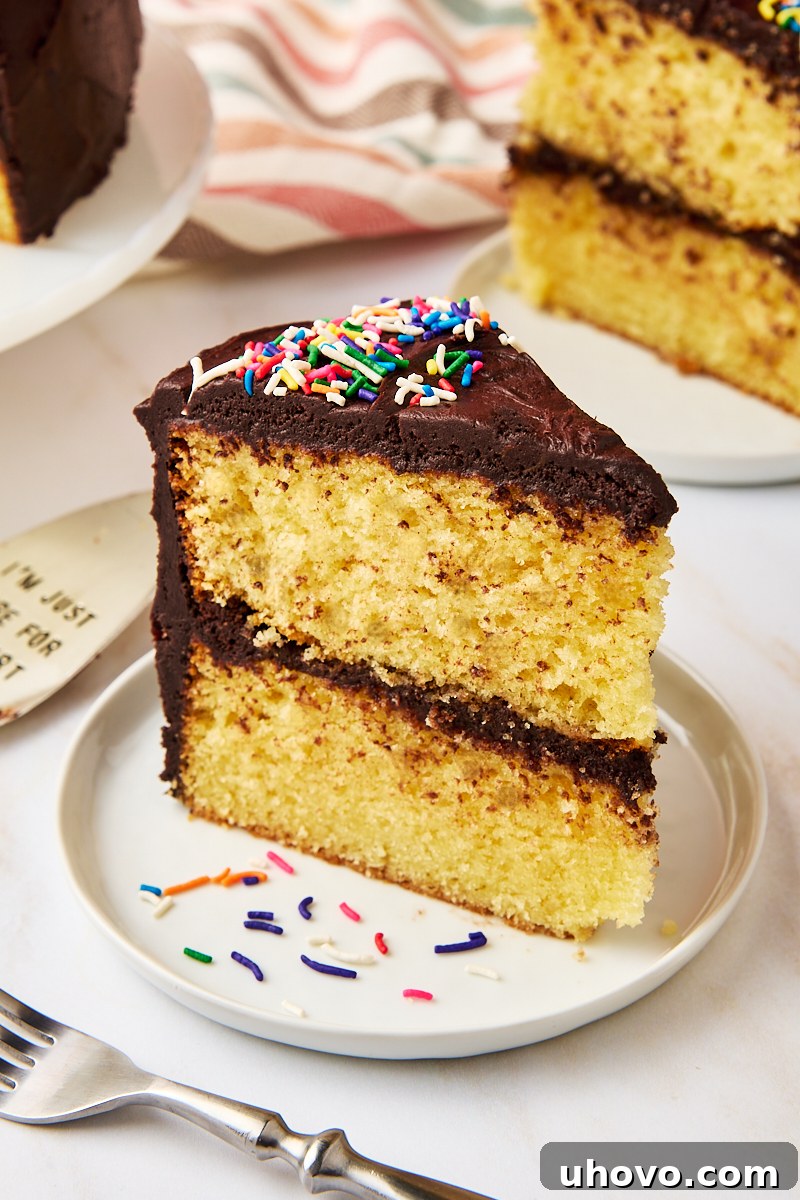
The Ultimate Classic Yellow Cake with Rich Chocolate Frosting
There’s nothing quite like a slice of perfectly baked yellow cake topped with decadent chocolate frosting. This timeless dessert evokes a sense of nostalgia, bringing back memories of childhood birthdays, family gatherings, and joyful celebrations. Our homemade recipe for yellow cake with chocolate frosting is crafted to be exceptionally soft, tender, and bursting with buttery flavor. Infused with buttermilk, it achieves an unparalleled moistness that makes every bite a sheer delight. Easy to prepare and guaranteed to impress, this two-layer cake is destined to become your go-to recipe for any special occasion or simply to brighten an ordinary day.
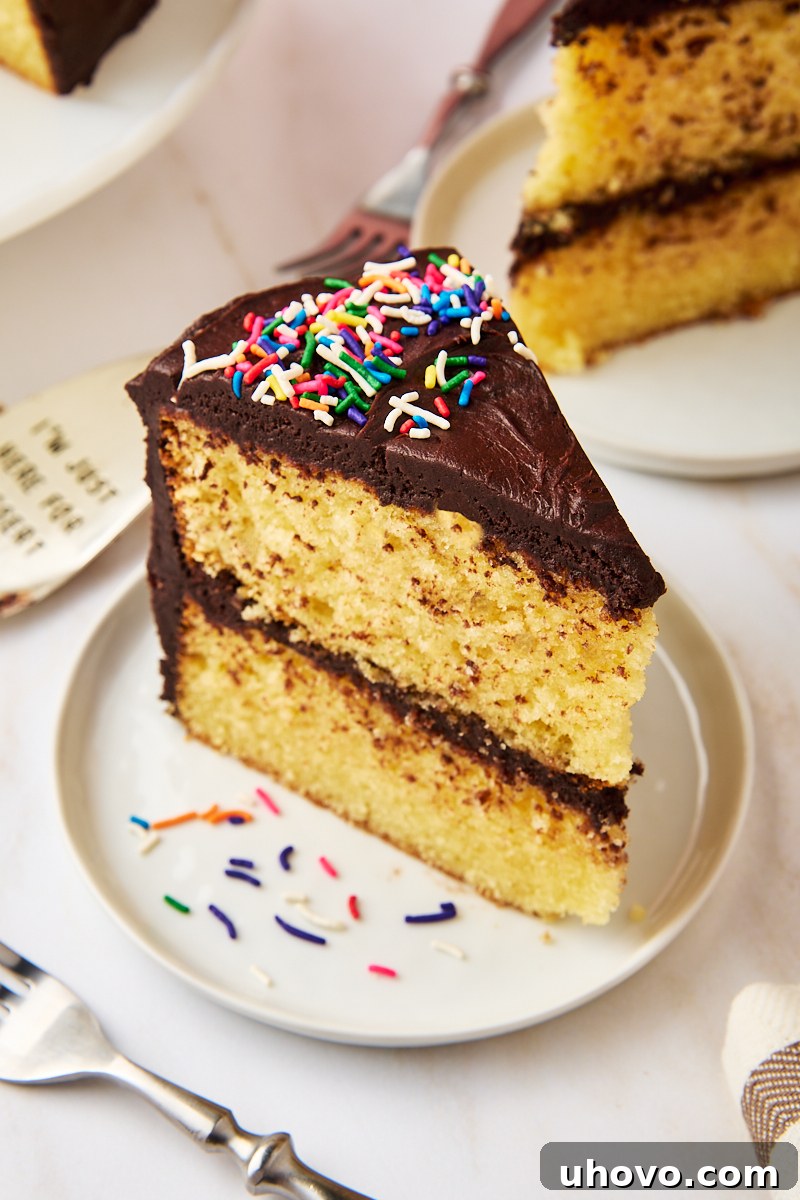
A classic yellow cake with chocolate frosting isn’t just a dessert; it’s a celebration in itself. Its simple yet profound flavor profile, combining a rich, buttery yellow cake with a luxurious, smooth chocolate buttercream, makes it the ultimate treat for any gathering. This recipe has been perfected to ensure a consistently soft, incredibly moist crumb and a deeply flavorful frosting that’s impossible to resist. Whether you’re baking for a landmark birthday, a festive holiday, or simply to satisfy a craving for something truly delicious, this cake promises to be a memorable centerpiece that everyone will adore.
Why This Is The Best Yellow Cake Recipe You’ll Ever Make
When it comes to baking a classic yellow cake, achieving that perfect balance of texture, flavor, and ease can be a challenge. Our recipe stands out for several compelling reasons, ensuring a consistently delightful baking experience and an unforgettable dessert:
- Unrivaled Texture Perfection: This cake boasts a melt-in-your-mouth tender crumb that remains incredibly moist for days. The secret lies in a carefully balanced blend of unsalted butter and neutral oil, which provides both rich flavor and superior moisture retention. Combined with the tangy acidity of buttermilk, these ingredients work in harmony to create a cake that is fluffy yet substantial, never dry or crumbly. It’s the kind of texture that makes you reach for a second slice before you’ve even finished the first.
- Decadent, Rich Chocolate Frosting: A yellow cake is only as good as its frosting, and ours delivers pure indulgence. This recipe features a luscious, velvety chocolate buttercream that is deeply chocolatey without being overly sweet. Crafted with premium cocoa powder, softened butter, and a touch of heavy cream, it whips up into a smooth, spreadable dream. Its intense chocolate flavor beautifully complements the mild, buttery notes of the yellow cake, creating a harmonious symphony of tastes that elevates the entire dessert.
- Approachable for All Bakers: Don’t be intimidated by the idea of baking a layer cake from scratch. This recipe is designed with simplicity and success in mind, making it accessible even for novice bakers. The steps are straightforward, the ingredients are common, and the instructions are clear, ensuring a smooth baking process from start to finish. You won’t encounter any overly complicated techniques or finicky steps, allowing you to enjoy the process and revel in the impressive results. It’s a foolproof path to homemade cake glory!
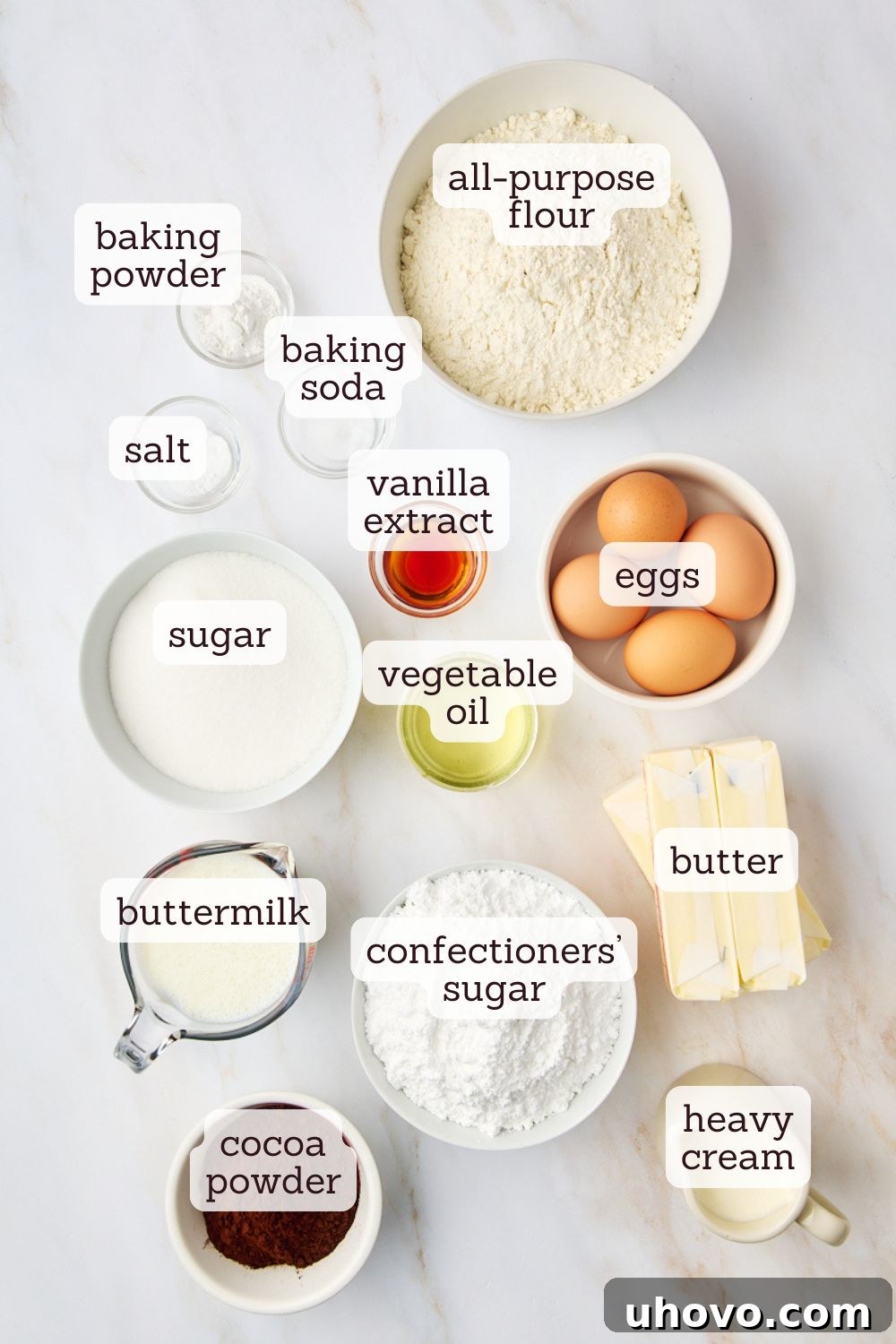
Essential Ingredients: What You’ll Need to Bake Perfection
Creating a truly magnificent yellow cake with chocolate frosting starts with selecting the right ingredients. Pay attention to the details, as each component plays a crucial role in achieving the perfect texture and flavor. We recommend using high-quality ingredients for the best results, ensuring your cake is not just good, but truly exceptional.
For the Cake Layers:
- All-Purpose Flour: The foundation of our cake’s structure. For a tender crumb, it’s crucial to measure accurately. We highly recommend using a digital kitchen scale for precise measurements, or employing the spoon and level method to avoid a dense cake. Learn how to measure flour correctly for optimal results.
- Baking Powder & Baking Soda: These leavening agents are the dynamic duo responsible for the cake’s beautiful rise and airy texture. They react with the buttermilk to create a light and fluffy crumb. Ensure your leavening agents are fresh for maximum effectiveness; stale powder or soda can lead to a flat cake. Here’s a quick guide on how to test their freshness.
- Salt: A pinch of salt is vital for balancing the sweetness of the cake and enhancing all the other flavors, making them more pronounced and delightful. We typically use standard table salt in our recipes for consistent seasoning.
- Unsalted Butter & Neutral Oil: This winning combination delivers the best of both worlds. Unsalted butter provides that classic, rich, buttery flavor we all love in a yellow cake, while a neutral oil (like vegetable, canola, sunflower, or grapeseed) contributes extra moisture, ensuring a soft and tender texture that stays fresh longer. Make sure your butter is softened to room temperature for proper creaming.
- Granulated Sugar: Beyond just sweetness, granulated sugar plays a critical role in the cake’s structure and moisture. When creamed with butter, it creates air pockets that contribute to a light texture, and it helps keep the cake moist.
- Eggs: Large eggs provide structure, richness, and help bind the ingredients together. For best results and proper emulsification, always bring your eggs to room temperature before mixing them into the batter.
- Vanilla Extract: The quintessential flavor for a classic yellow cake. A good quality vanilla extract makes all the difference, imparting a warm, aromatic depth that is truly comforting. Consider using a premium store-bought extract or try making your own for an even richer flavor. Discover how to make your own vanilla extract at home.
- Buttermilk: This key ingredient is responsible for the cake’s signature moistness and tender crumb. Its acidity reacts with the baking soda to promote a light texture and adds a subtle tangy note that perfectly complements the sweetness. If you don’t have buttermilk on hand, don’t worry, you can easily create a substitute with milk and lemon juice or vinegar.
For the Luscious Chocolate Frosting:
- Unsalted Butter: The base for our rich and creamy buttercream. Ensure it’s softened to room temperature, allowing it to whip up light and airy, creating that perfect spreadable consistency.
- Confectioners’ Sugar: Also known as powdered sugar or 10X sugar, this finely milled sugar sweetens and thickens the frosting, giving it a smooth, melt-in-your-mouth texture without any grittiness. Sifting it is highly recommended to prevent lumps.
- Unsweetened Cocoa Powder: The star of the show for achieving that deep, rich chocolate flavor. Using a high-quality cocoa powder will dramatically enhance the taste of your frosting. Either natural or Dutch-processed cocoa works well, but Dutch-processed often provides a darker color and smoother flavor.
- Salt: Just like in the cake, a tiny amount of salt in the frosting is crucial. It cuts through the sweetness and enhances the chocolate notes, preventing the frosting from tasting one-dimensional.
- Heavy Cream: This ingredient adds luxurious smoothness, richness, and helps achieve the ideal consistency for a fluffy and spreadable buttercream. Look for “heavy cream” or “heavy whipping cream” in your dairy aisle. You might need a little more or less depending on your desired consistency.
- Vanilla Extract: A touch of vanilla rounds out the chocolate flavor, adding a layer of aromatic complexity that makes the frosting truly irresistible.
Step-by-Step Guide: How to Make This Irresistible Yellow Cake with Chocolate Frosting
Baking this classic yellow cake is a straightforward and rewarding process. Follow these detailed steps to create a beautiful, moist, and delicious cake perfect for any celebration. Remember to read through the entire recipe and gather all your ingredients before you begin!
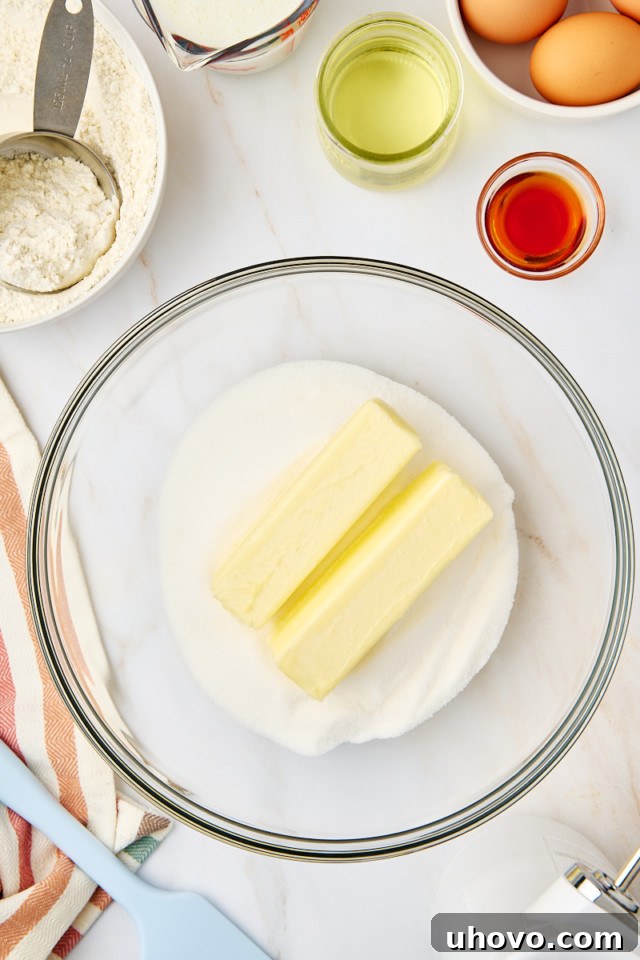
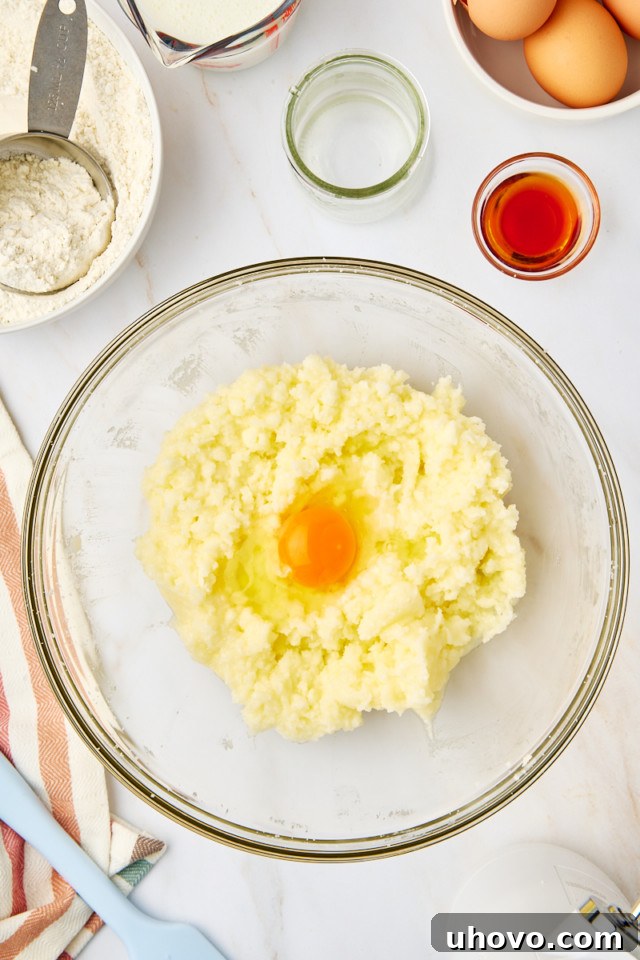
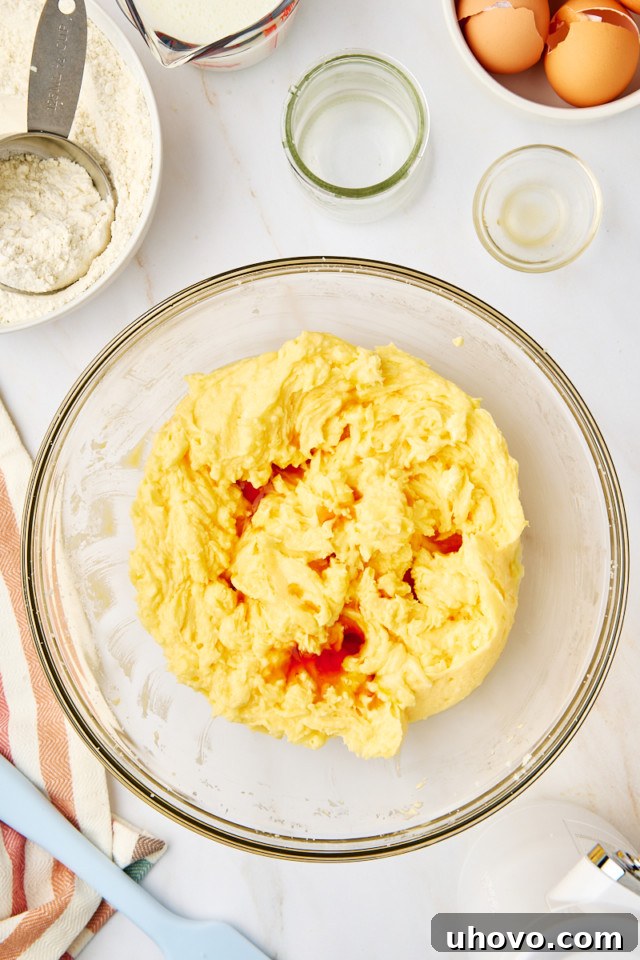
Part 1: Preparing the Fluffy Yellow Cake Layers
- Get Ready for Baking: Begin by preheating your oven to 350°F (175°C). This ensures your oven is at the correct temperature when the cake goes in, promoting an even rise. Prepare two 8- or 9-inch round cake pans by greasing them thoroughly, dusting them lightly with flour, and then lining the bottoms with parchment paper. This meticulous preparation prevents sticking and guarantees easy release of your beautiful cake layers.
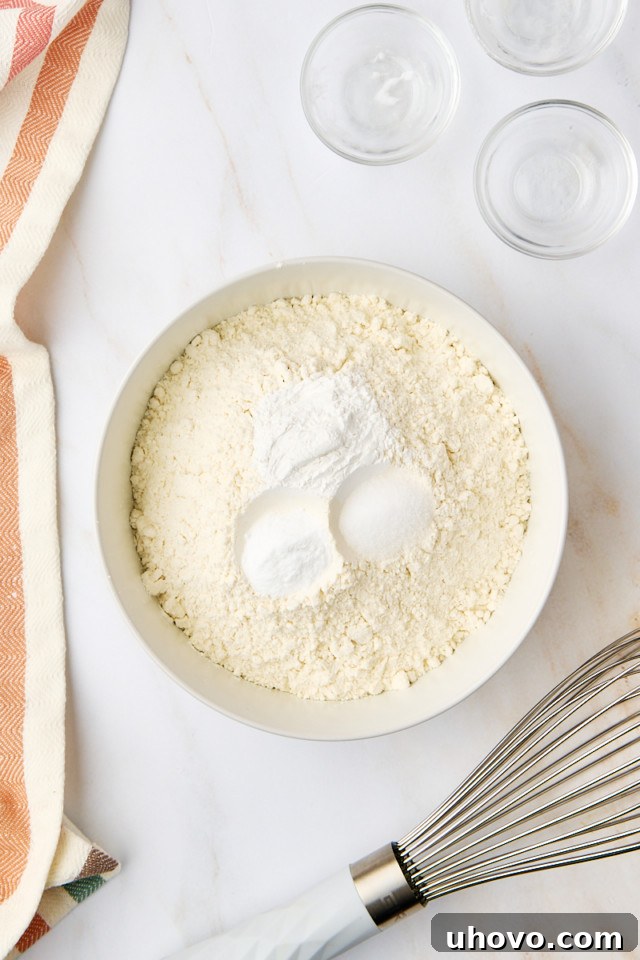
- Combine Dry Ingredients: In a medium-sized bowl, whisk together the all-purpose flour, baking powder, baking soda, and salt. Whisking ensures these ingredients are evenly distributed, which is vital for a consistent rise and flavor throughout the cake. Set this mixture aside.
- Begin the Creaming Process: In a large mixing bowl, using an electric mixer, beat the softened unsalted butter and granulated sugar together on medium speed for about 3-4 minutes. Continue until the mixture is light in color and fluffy in texture. This step incorporates air into the batter, which is essential for a light and tender cake. Next, mix in the neutral oil until it’s fully incorporated and the mixture is smooth.
- Add Eggs and Vanilla: Introduce the room-temperature eggs into the butter mixture one at a time, beating well after each addition. This allows each egg to emulsify properly, contributing to the cake’s structure and richness. Finally, stir in the vanilla extract, ensuring that classic, comforting aroma is well distributed.
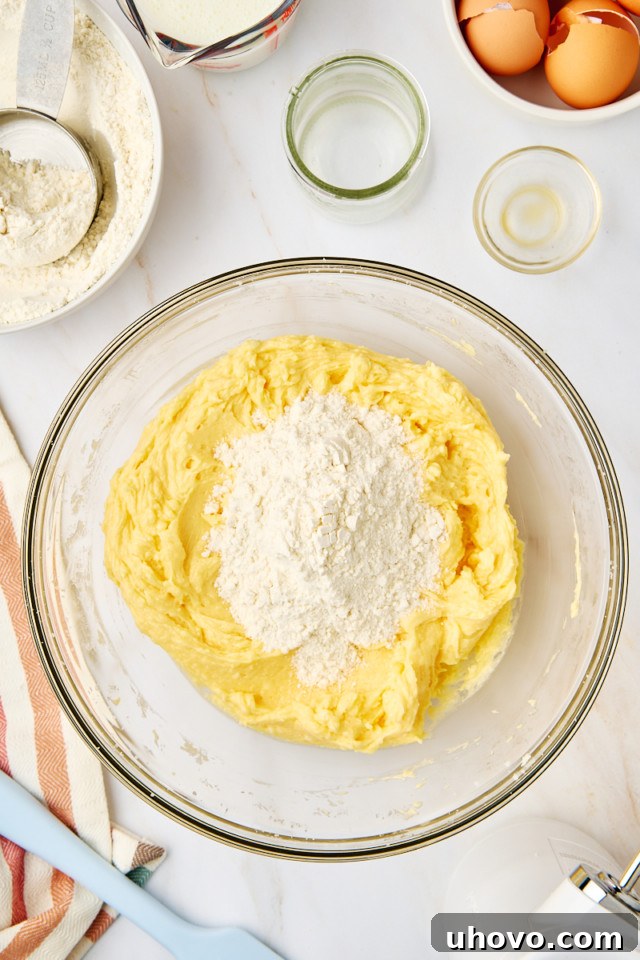
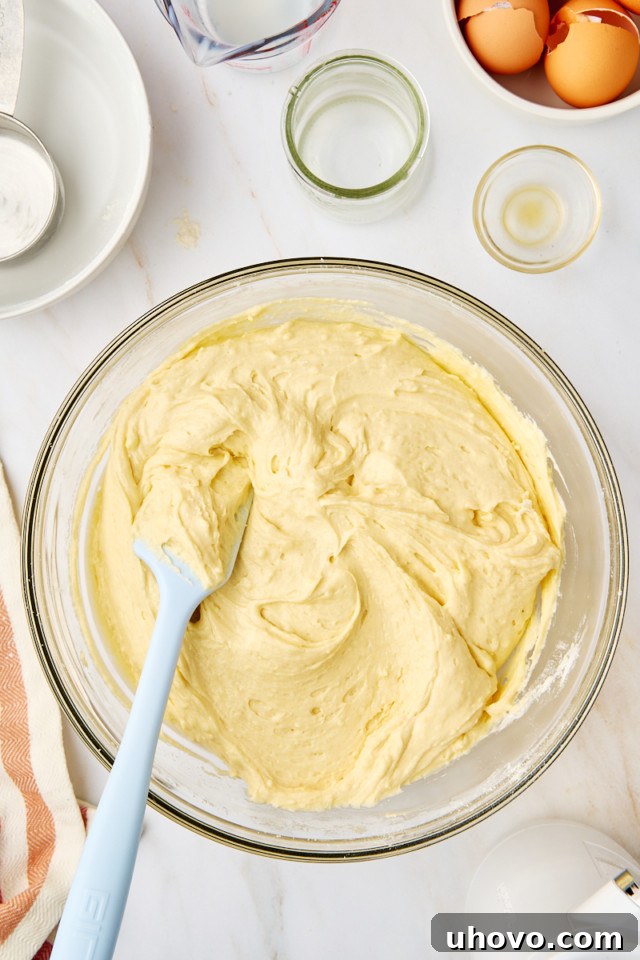
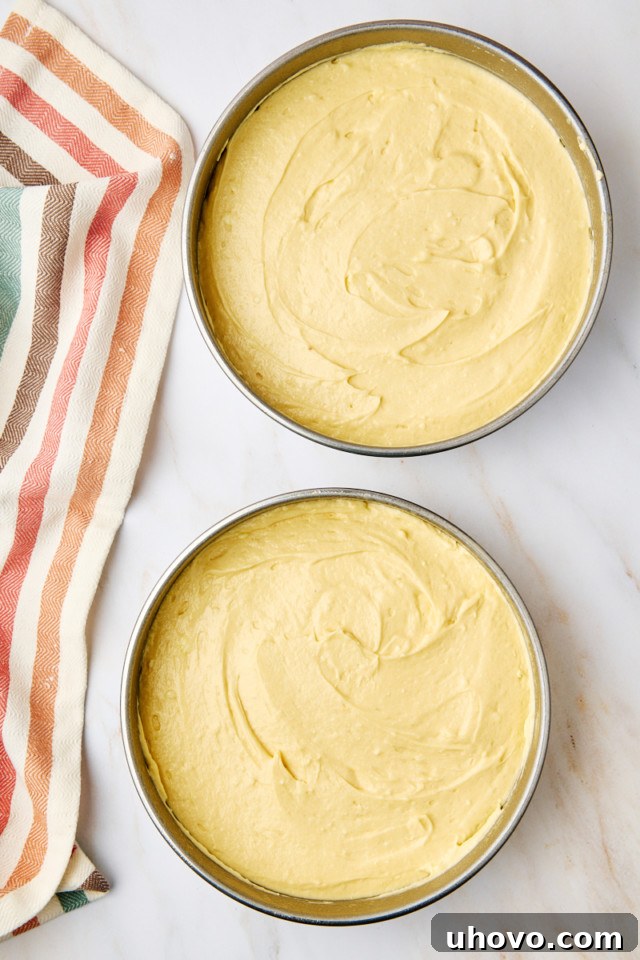
- Complete the Batter Mixing: With your mixer on low speed, gradually add the dry ingredients to the wet mixture in three alternating additions with the buttermilk. Start and end with the flour mixture. Mix only until the ingredients are just combined. Over-mixing at this stage can develop the gluten too much, resulting in a tough or dense cake, so stop as soon as no streaks of flour remain.
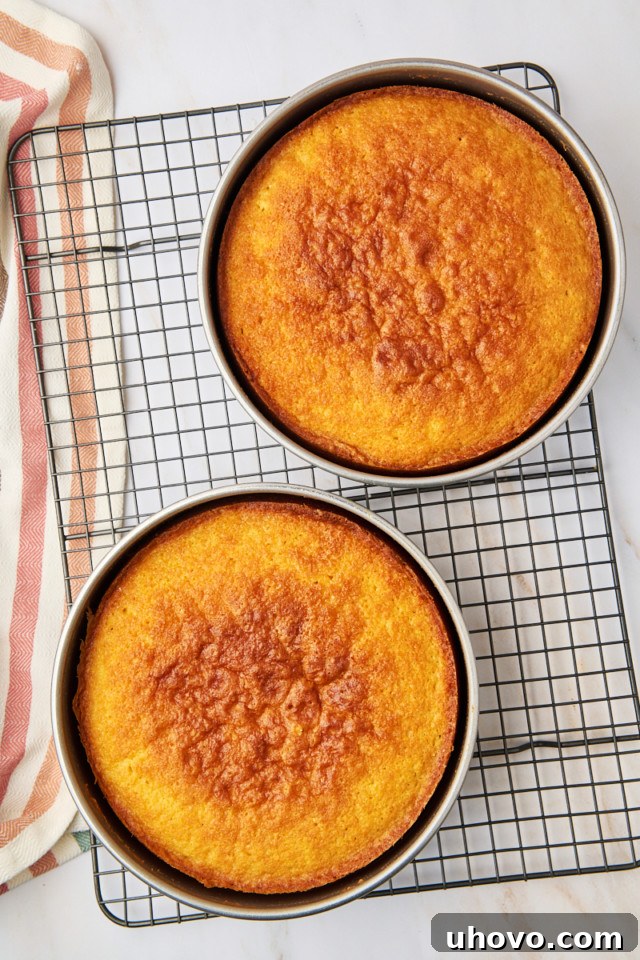
- Bake to Perfection: Evenly divide the prepared batter between your two cake pans. For precise layers, use a kitchen scale to ensure equal weight in each pan. Bake for 32-36 minutes for 8-inch pans (or adjust slightly for 9-inch pans, as noted in tips) until a wooden skewer or toothpick inserted into the center comes out clean or with a few moist crumbs. The edges should be golden brown and the tops springy to the touch.
- Cooling Process: Once baked, remove the cakes from the oven and let them cool in their pans on a wire rack for 10 minutes. This allows the cakes to set properly and prevents them from breaking. After 10 minutes, carefully invert the cakes onto the wire rack, remove the pans and parchment paper, and let them cool completely. It is crucial for the cakes to be entirely cool before frosting to prevent the frosting from melting and sliding off.
Part 2: Crafting the Chocolate Frosting and Assembling Your Cake
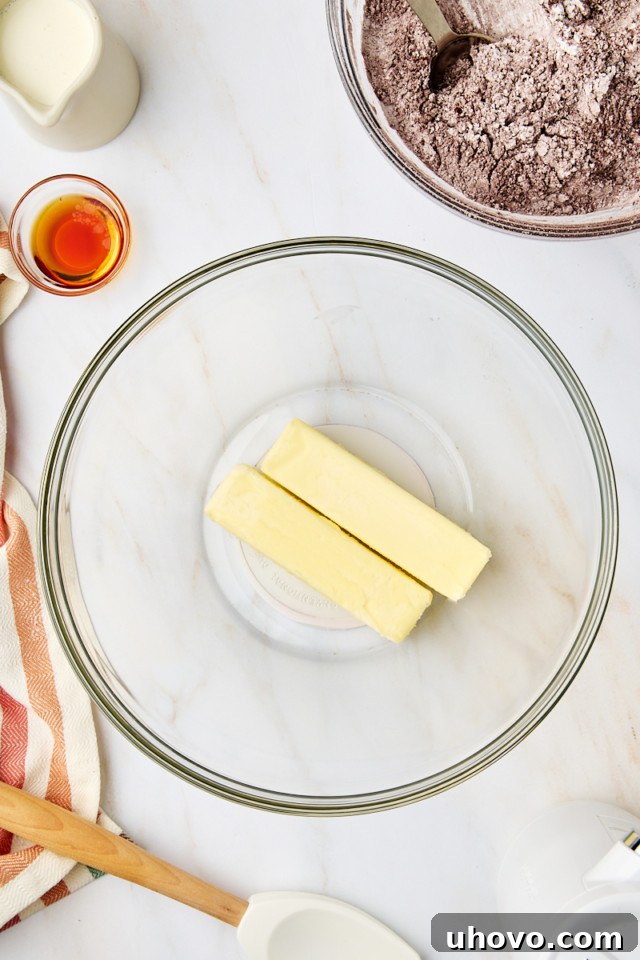
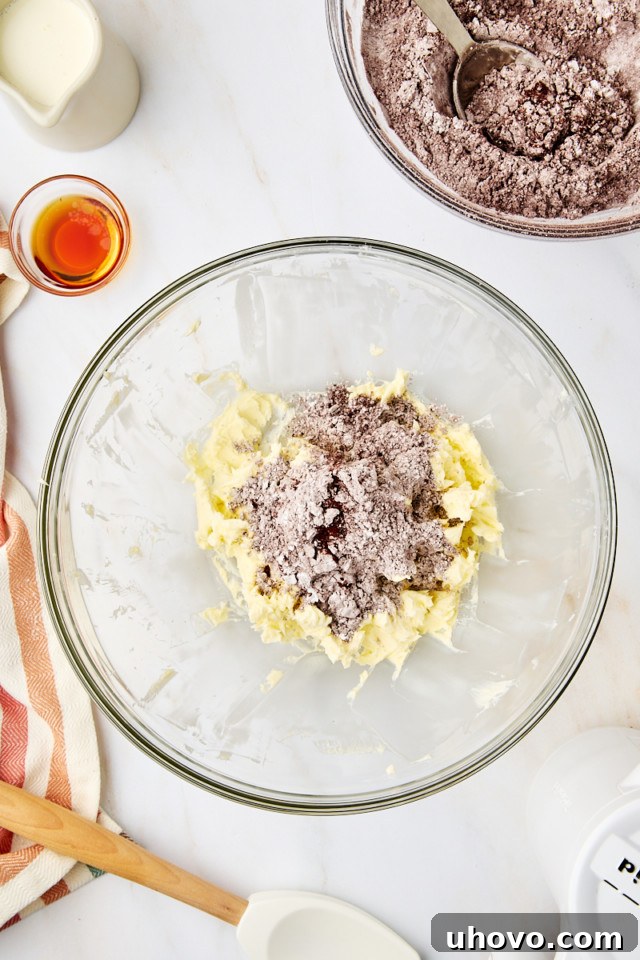
- Begin the Frosting: In a large mixing bowl, beat the softened unsalted butter on medium speed until it is smooth, creamy, and noticeably lighter in color, typically taking 2-3 minutes. This aerates the butter, creating a light base for your frosting.
- Incorporate Dry Ingredients: In a separate bowl, sift together the confectioners’ sugar, unsweetened cocoa powder, and salt. Sifting is crucial to prevent lumps in your final frosting. With the mixer on low speed, gradually add this dry mixture to the beaten butter. Start slowly to avoid a cloud of sugar and cocoa! Once incorporated, the mixture will be thick.
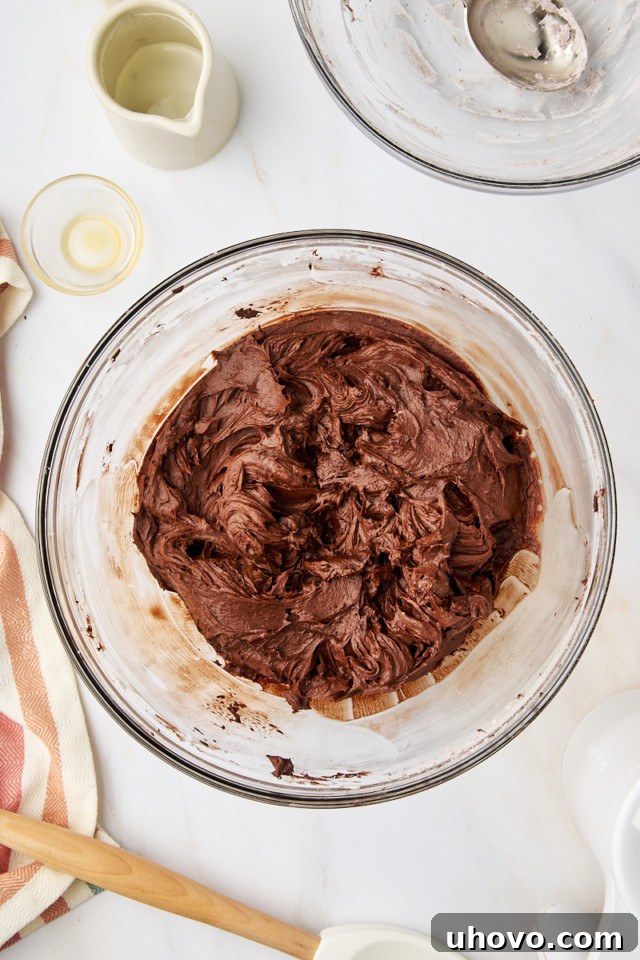
- Achieve Perfect Consistency: As the frosting starts to come together, gradually add the heavy cream and vanilla extract. Continue mixing on low speed until smooth. Then, increase the mixer speed to medium-high and beat for 3-4 minutes until the frosting becomes wonderfully light, fluffy, and spreadable. If the frosting seems too stiff, add more heavy cream, one tablespoon at a time, until it reaches your desired smooth consistency. If it’s too soft, a quick chill in the fridge can help.
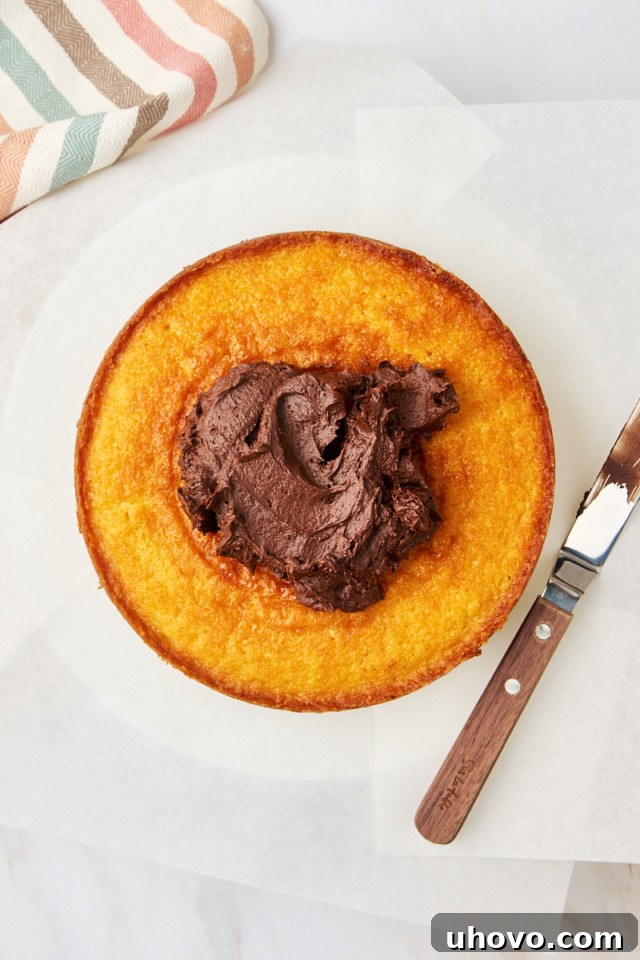
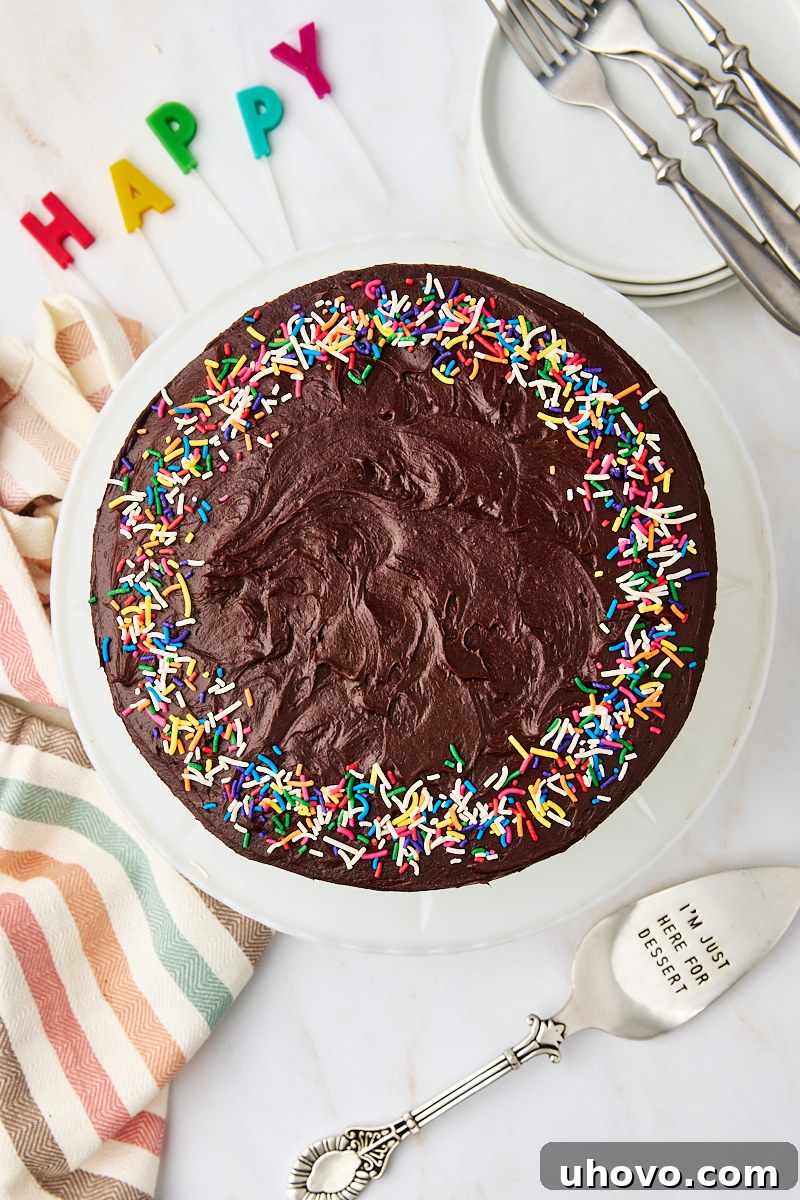
- Assemble and Decorate Your Masterpiece: Once both cake layers are completely cooled and your frosting is ready, it’s time for assembly. Place one cake layer onto your chosen serving plate or cake stand. Spread a generous, even layer of chocolate frosting over the top. Carefully place the second cake layer on top, aligning it. Now, use an offset spatula or knife to frost the top and sides of the entire cake, smoothing it out for a polished finish. Feel free to decorate with sprinkles, chocolate shavings, or piped designs as desired. Serve your beautiful yellow cake with chocolate frosting immediately and enjoy the cheers!
Expert Tips for Baking Your Best Yellow Cake Ever
Achieving a truly outstanding yellow cake with perfect texture and flavor involves a few key techniques and considerations. Keep these expert tips in mind to ensure your baking endeavor is a resounding success:
- Temperature is Paramount: Do not skip bringing your butter, eggs, and buttermilk to room temperature. Softened butter creams beautifully with sugar, incorporating vital air for a light cake. Room temperature eggs emulsify more easily into the batter, preventing curdling and creating a smoother, more uniform mixture. Similarly, room temperature buttermilk integrates better and reacts optimally with leavening agents for a perfect rise. Plan ahead by taking these ingredients out of the fridge at least 30-60 minutes before you start baking.
- Choose the Right Bakeware: The type of cake pans you use significantly impacts baking performance. Light-colored metal cake pans are ideal as they conduct heat evenly, ensuring your cakes bake thoroughly without over-browning the edges.
- If you’re using 8-inch pans, ensure they are at least 2 inches deep, as this recipe yields fairly tall layers in this size.
- For 9-inch pans, your cake layers will be slightly thinner, which means the baking time will likely be shorter. Start checking for doneness a few minutes earlier, around the 27-minute mark.
- To make a delicious sheet cake, pour the batter into a 9×13-inch pan and bake for approximately 35-40 minutes, or until a toothpick inserted into the center comes out clean.
- Master the Creaming Method: Beating the softened butter and sugar together until they are light and fluffy is a foundational step. This process creates tiny air pockets within the mixture, which expand during baking, contributing significantly to the cake’s tender, airy texture. This typically takes about 3-4 minutes with a hand or stand mixer on medium speed. The mixture should be noticeably paler and voluminous. If you’d like a more in-depth understanding, explore our detailed guide on the creaming method.
- Avoid the Pitfall of Over-Mixing: Once you add the dry ingredients to the wet, mix only until they are just combined and no streaks of flour remain. Over-mixing develops the gluten in the flour, which can lead to a tough, dense, and chewy cake rather than a tender, moist one. Gently fold the final additions of flour and buttermilk.
- Ensure Even Layers: For a beautifully balanced layer cake, it’s important to divide the batter evenly between your prepared pans. The most accurate way to do this is by using a digital kitchen scale to weigh the batter in each pan. If you don’t have a scale, use a large measuring cup to carefully scoop and distribute the batter as equally as possible.
- Prevent Over-Baking: Keep a close eye on your cakes during the last few minutes of baking. Over-baking is the quickest way to dry out a cake, even a moist one like this. The cake is done when a toothpick inserted into the very center comes out clean or with a few moist crumbs attached. The top should be golden and spring back lightly when touched.
- Adjust Frosting Consistency: The perfect buttercream should be spreadable yet firm enough to hold its shape. If your frosting seems too thick, especially if your kitchen is cool, gradually add more heavy cream, one tablespoon at a time, beating until it reaches your desired smooth consistency. Conversely, if the frosting becomes too soft or runny (a common issue in warmer environments), refrigerate it for 10-15 minutes, then give it a quick whip before using.
- Cool Completely Before Frosting: This tip is non-negotiable! Attempting to frost a warm or even slightly warm cake will result in a melted, sliding mess. The warmth will cause the butter in the frosting to soften and liquefy, ruining your beautiful presentation. Patience is key here. To accelerate cooling, ensure your cake layers are on a wire rack in a cool room, or you can carefully place them in the refrigerator for 20-30 minutes once they are mostly cooled to room temperature.
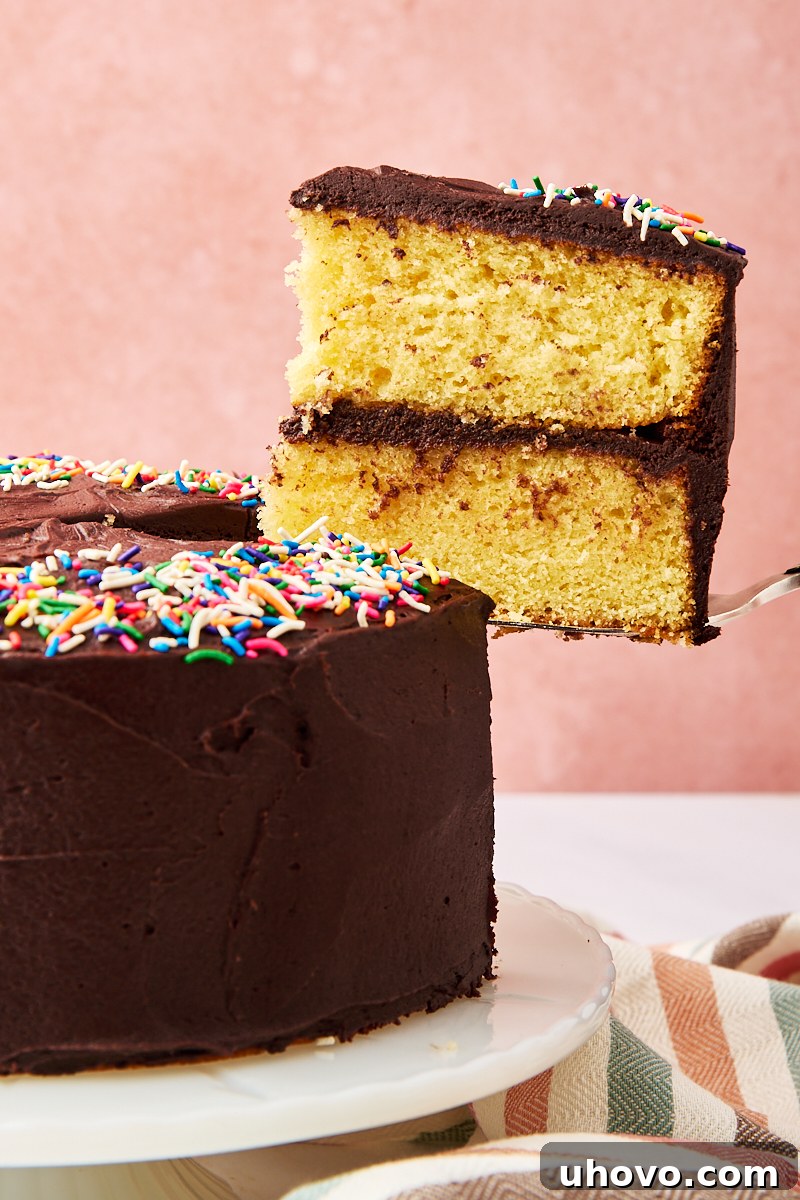
Delightful Serving Suggestions for Your Yellow Cake
This classic yellow cake with chocolate frosting is a star on its own, but you can enhance the experience with these delightful serving suggestions:
- Classic Celebration Style: For birthdays and festive occasions, adorn your cake with colorful sprinkles, confetti, or celebratory candles. Nothing says “party” quite like a beautifully decorated classic cake.
- Indulgent Dessert Combo: Elevate each slice by serving it alongside a scoop of premium vanilla bean ice cream. For an extra touch of decadence, drizzle warm hot fudge sauce or a rich homemade caramel sauce over the top. The combination of warm and cold, moist cake and creamy additions, is truly irresistible.
- Elegant Presentation: For a more refined touch, dust the top of your frosted cake with a fine layer of unsweetened cocoa powder using a sieve, or garnish with delicate chocolate shavings. This adds a sophisticated visual appeal and a subtle hint of extra chocolate flavor.
- Party-Perfect Portions: If you’re serving a larger crowd or prefer smaller portions, slice the cake into smaller, bite-sized pieces. This makes it easier for guests to enjoy and can stretch your cake further for a big gathering.
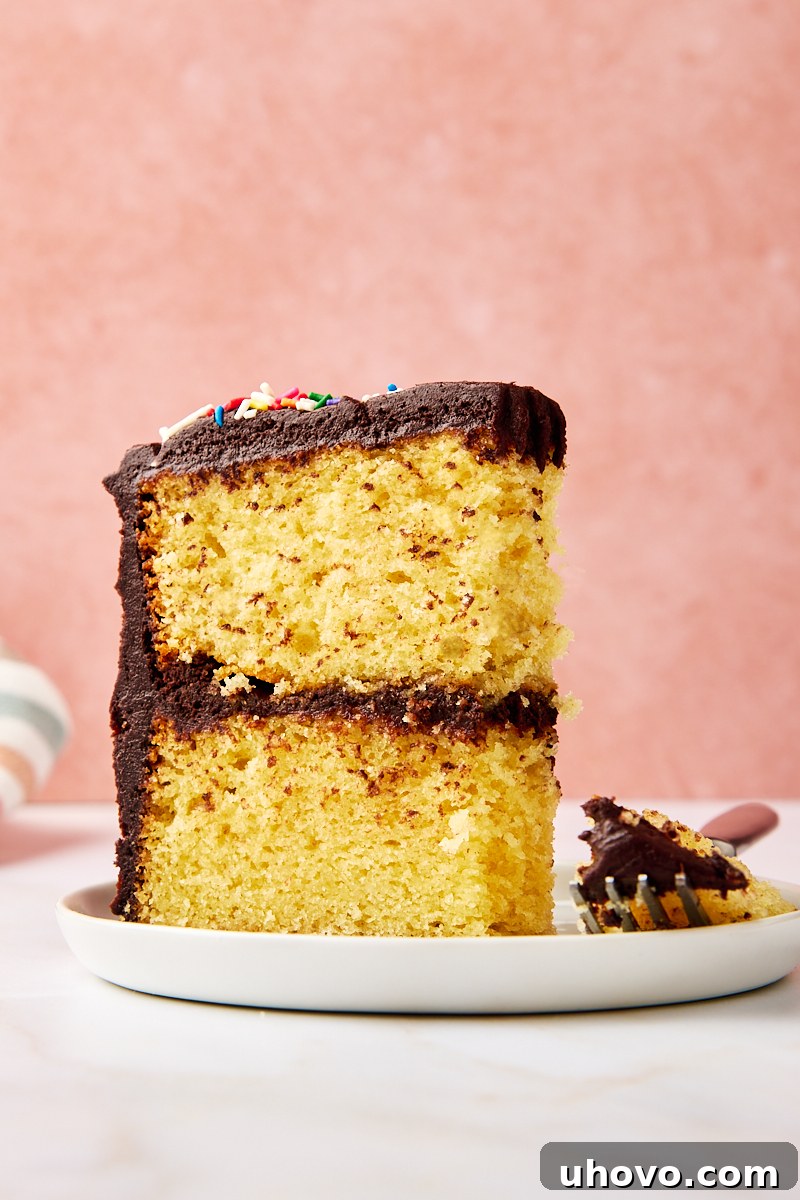
Storing Your Delicious Yellow Cake: Tips for Freshness
To ensure your homemade yellow cake with chocolate frosting remains fresh and delicious for as long as possible, follow these storage guidelines:
- Room Temperature Storage: For the best flavor and texture, especially if consumed within a couple of days, store the cake covered at room temperature. A cake dome or an airtight container works perfectly to prevent it from drying out. It will stay wonderfully fresh for up to 2 days.
- Refrigerator Storage: If you have leftovers beyond two days or live in a warm, humid climate, transfer the cake to an airtight container and store it in the refrigerator. The cake will remain fresh for up to 5 days. For optimal enjoyment, allow individual slices to come to room temperature for about 20-30 minutes before serving, as the flavors and texture are best when not chilled.
- Freezing for Long-Term Enjoyment: This cake freezes beautifully, allowing you to enjoy a slice whenever a craving strikes!
- Unfrosted Cake Layers: Wrap individual cooled cake layers tightly in plastic wrap, then an additional layer of aluminum foil to prevent freezer burn. Store them in the freezer for up to 3 months. Thaw overnight in the refrigerator, then bring to room temperature before frosting.
- Frosted Cake: You can also freeze a fully frosted cake. First, place the cake (uncovered) in the freezer until the frosting is firm (about 1-2 hours). Once firm, wrap the entire cake tightly in plastic wrap, followed by aluminum foil. Store in the freezer for up to 1 month. Thaw overnight in the refrigerator, then let it come to room temperature for about an hour before serving.
Explore More Celebration Desserts
If you loved this classic yellow cake, you’ll surely enjoy these other fantastic recipes perfect for any celebration:
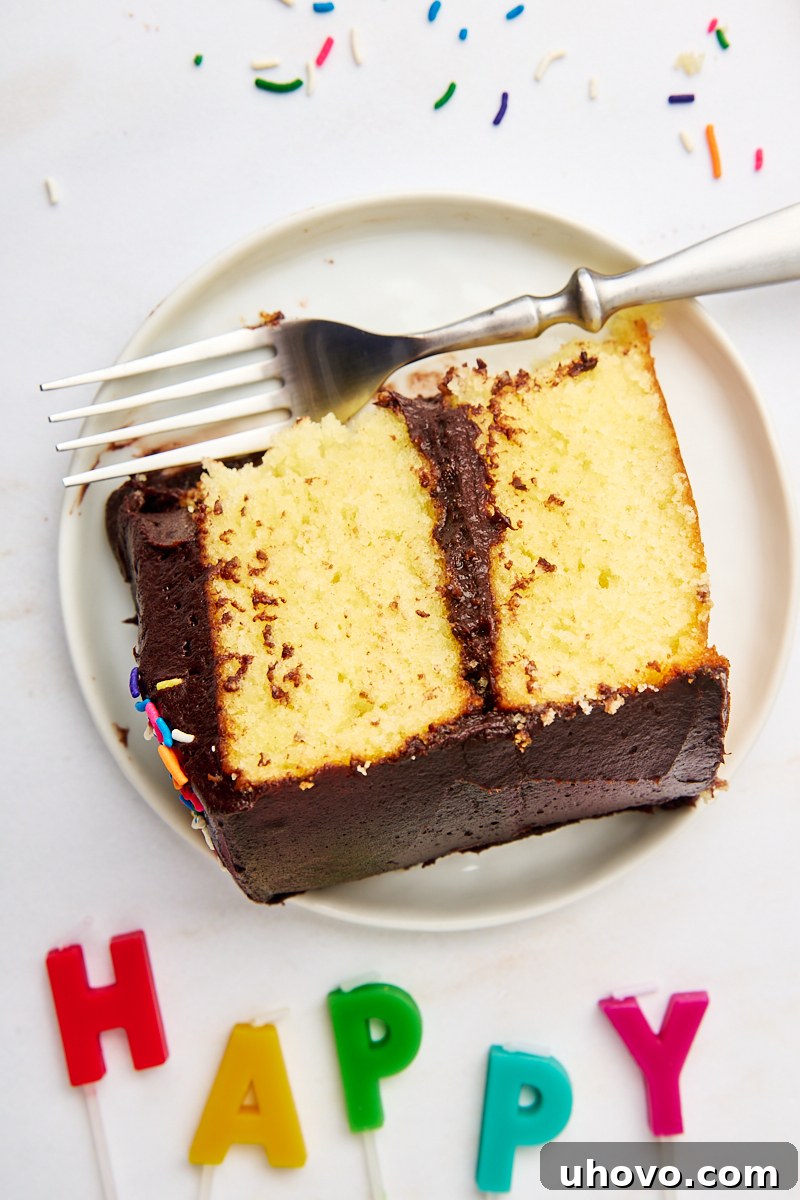
Yellow Cake with Chocolate Frosting
12
servings
20
36
Pin Recipe
Leave a Review
Ingredients
For the cake:
-
2 ¾ cups
(330 g) all-purpose flour - 2 ½ teaspoons baking powder
- ½ teaspoon baking soda
- ½ teaspoon salt
-
1 cup
(226 g) unsalted butter, softened -
½ cup
(120 ml) vegetable or canola oil, (or another neutral oil) -
2 cups
(400 g) granulated sugar - 4 large eggs, at room temperature
- 2 teaspoons vanilla extract
-
1 cup
(240 ml) buttermilk, at room temperature
For the frosting:
-
1 cup
(226 g) unsalted butter, softened -
3 cups
(330 g) confectioners’ sugar -
¾ cup
(64 g) unsweetened cocoa powder - ¼ teaspoon salt
-
½ cup
(120 ml) heavy cream, plus more if needed - 2 teaspoons vanilla extract
Recommended Products
-
Digital Kitchen Scale
-
8-Inch Round Cake Pan
-
OXO 3 Cup Stainless Steel Sifter
-
Offset Spatula
Instructions
To make the cakes:
-
Preheat the oven to 350°F (175°C). Grease and flour two 8-inch round cake pans.* Line the bottoms with parchment paper for easy release.
-
In a medium bowl, whisk together the flour, baking powder, baking soda, and salt. Set aside.
-
In a large mixing bowl, beat the butter and sugar on medium speed until light and fluffy, about 3-4 minutes.
-
Mix in the oil until smooth. Add the eggs one at a time, mixing well after each addition. Stir in the vanilla extract.
-
With the mixer on low speed, add the flour mixture in three additions, alternating with the buttermilk (start and end with the flour). Mix until just combined. Avoid over-mixing.
-
Divide the batter evenly between the prepared pans. Bake for 32-36 minutes, or until a toothpick inserted into the center comes out clean.
-
Let the cakes cool in the pans for 10 minutes before transferring to a wire rack to cool completely.
To make the frosting and assemble:
-
In a large bowl, beat the butter on medium speed until smooth and creamy.
-
Sift together the confectioners’ sugar, cocoa powder, and salt. With the mixer on low speed, gradually add this mixture to the beaten butter, allowing them to incorporate slowly.
-
As the frosting thickens, gradually add the heavy cream and vanilla extract, mixing on low speed until smooth. Increase to medium-high speed and beat for 3-4 minutes until light and fluffy. If needed, add more cream, one tablespoon at a time, until the frosting reaches a spreadable consistency.
-
Place one cooled cake layer on a serving plate. Spread frosting on top, then place the second cake layer on top. Frost the top and sides of the cake. Garnish and decorate as desired.
Notes
- *Make sure your 8-inch pans are at least 2 inches deep.
- To bake in 9-inch pans, the layers will be thinner, so decrease the baking time by about 5 minutes.
- To bake in a 9×13-inch pan, bake for 35-40 minutes.
- Store in an airtight container at room temperature up to 2 days.
- For additional tips, helpful step-by-step photos, and more detailed information, we highly recommend reading the full post above before you begin. It’s filled with valuable insights to answer common questions and ensure your baking success!
Jennifer McHenry
cakes
American
Show off your baking masterpiece!
Snap a pic, tag @bakeorbreak, and use #bakeorbreak on Instagram. We can’t wait to see your delightful creation!