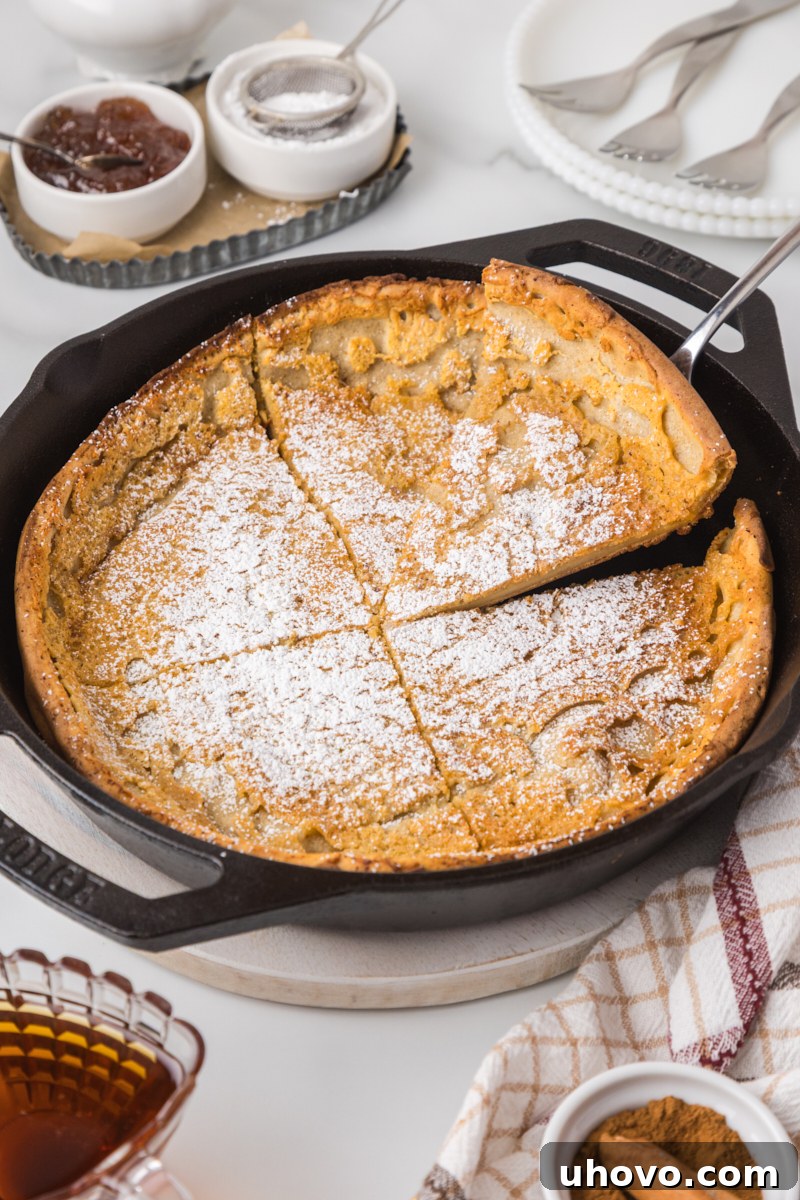
A Dutch baby pancake delivers big, bakery-worthy drama with almost no effort. Just blend, pour, bake, and watch the magic happen. This magnificent, oversized pancake, also known as a German pancake or Bismarck, transforms simple ingredients into an impressive, golden, and deeply satisfying breakfast or brunch centerpiece that’s surprisingly easy to achieve.
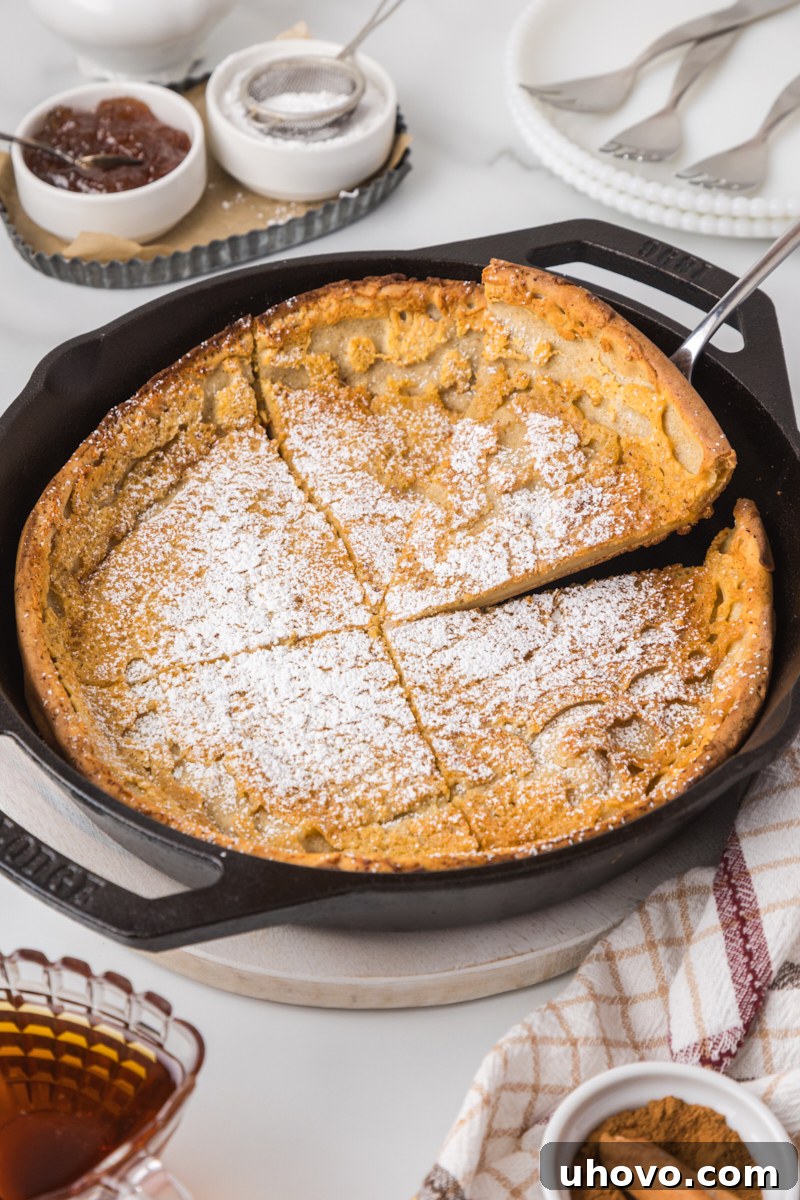
There’s something undeniably fun and almost magical about a Dutch baby. The simple, liquid batter goes into a preheated cast-iron skillet looking completely ordinary. Yet, about twenty minutes later, it emerges from the oven majestically puffed, deeply golden, and dramatically swooping up the sides like a giant popover. It’s one of the simplest and most visually stunning breakfast treats you can make, and it never fails to impress anyone at the table.
This is the cherished recipe I’ve been perfecting and making for years. It results in a pancake that is delightfully light, delicately sweet, and wonderfully adaptable to any topping or occasion. The entire process is streamlined: a blender handles most of the mixing, the oven does the rest of the hard work, and you’re left with a warm, cozy breakfast that feels incredibly special without requiring an early wake-up call or a complex cooking process. It’s perfect for a lazy weekend morning or a festive brunch.
Why You’ll Adore This Easy Dutch Baby Pancake Recipe
If you’ve been searching for a show-stopping breakfast that doesn’t demand hours in the kitchen, your quest ends here. This Dutch baby pancake recipe is designed for both ease and impressive results, making it an instant favorite. Here’s why you’ll love adding it to your repertoire:
- Big Results with Minimal Effort: Forget complicated techniques or a long list of ingredients. A mere handful of pantry staples and a quick whirl in the blender are all you need. The oven then takes over, transforming the simple batter into a culinary masterpiece. It’s the ultimate reward-to-effort ratio.
- Beautifully Puffed and Golden Perfection: The secret lies in a hot skillet, which creates that signature, dramatic rise and achieves wonderfully crisp, golden-brown edges. Each bite offers a delightful contrast between the airy, soft interior and the slightly chewy, caramelized crust. It’s a feast for the eyes as much as it is for the palate.
- Versatile Enough for Any Season or Craving: This Dutch baby serves as a perfect canvas for countless toppings. Whether you’re in the mood for the classic elegance of powdered sugar, the vibrant sweetness of fresh berries, the tartness of fruit preserves, or a comforting drizzle of maple syrup, this pancake adapts beautifully. Customize it to suit the season or your specific desires.
- The Ideal Dish for Sharing: Baking conveniently in a single cast-iron skillet, this Dutch baby is inherently designed for communal enjoyment. It’s perfect for gathering loved ones around the table for a memorable brunch or a relaxed family breakfast. Just bring the skillet straight from the oven to the table and let everyone marvel before diving in.
- A Unique Twist on Classic Pancakes: While offering the comfort of traditional pancakes, the Dutch baby presents an exciting, airy texture and a striking appearance that sets it apart. It’s an exciting alternative that feels gourmet without the fuss.
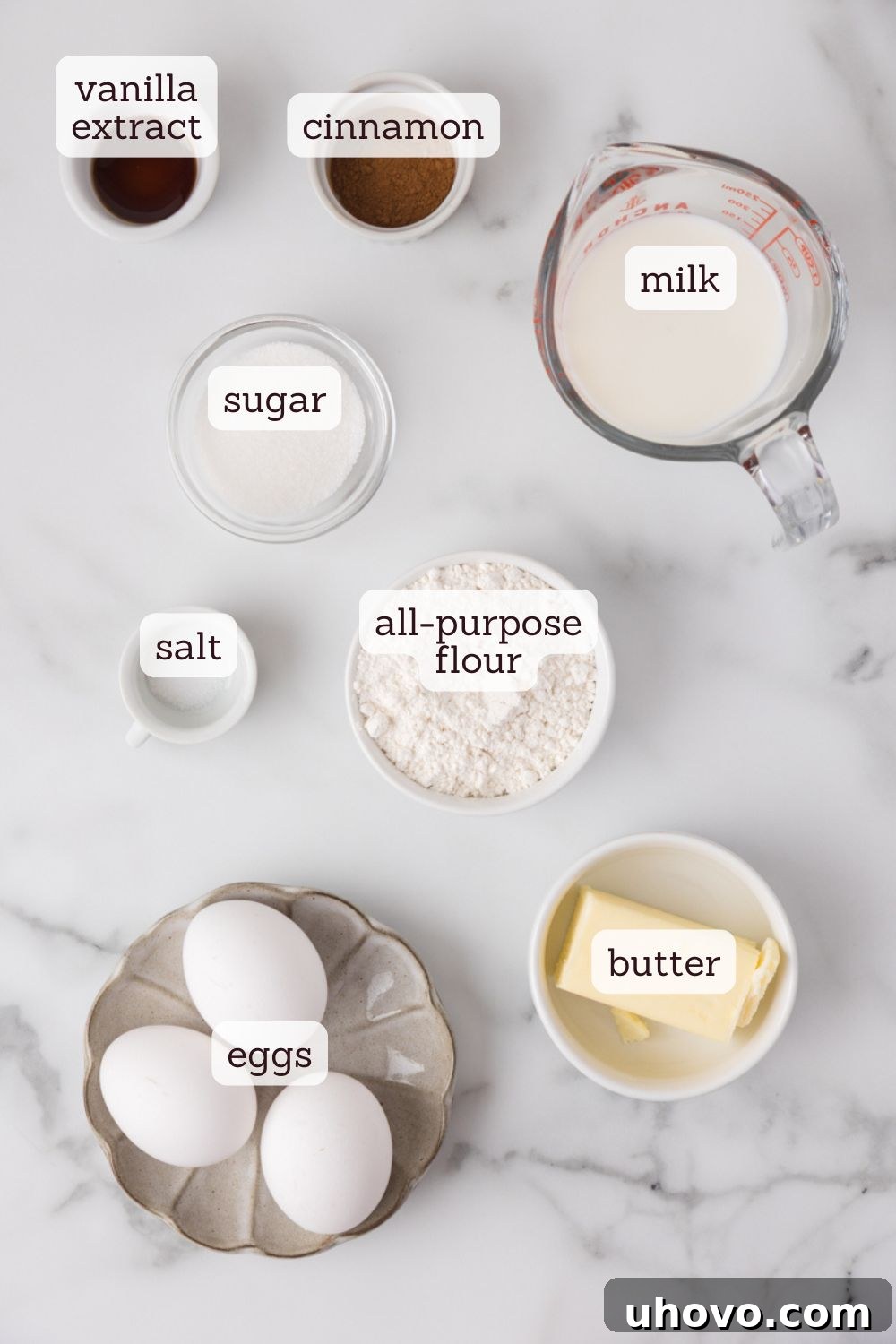
Key Ingredients for Your Puffy Skillet Pancake
The beauty of a Dutch baby lies in its simplicity. You don’t need exotic items; just a few basic pantry staples are transformed into something spectacular. Here’s what you’ll need and why each ingredient plays a crucial role:
- Eggs: These are the true backbone of the Dutch baby’s dramatic rise and light, airy texture. When whisked and then baked in a hot oven, the proteins in the eggs expand rapidly, creating that signature impressive puff. Using them at room temperature is ideal for better incorporation and a higher rise.
- All-Purpose Flour: Just enough to provide the necessary structure without making the pancake dense or heavy. It creates the framework that holds the air trapped by the eggs, ensuring a delicate yet satisfying consistency.
- Milk: This liquid component keeps the batter fluid and helps it spread evenly in the hot skillet. As the pancake bakes, the milk’s moisture turns to steam, further contributing to the incredible ascent up the sides of the pan. Room temperature milk blends more smoothly.
- Granulated Sugar + Cinnamon: A touch of granulated sugar adds a subtle sweetness that balances the savory notes of the eggs, while a hint of ground cinnamon infuses warm, comforting flavor. You can adjust the amount of cinnamon or even omit it if you prefer a simpler taste.
- Vanilla Extract: A splash of vanilla extract deepens the overall flavor profile, adding a wonderful aroma and a classic bakery-style taste without overpowering the other ingredients.
- Unsalted Butter: Melted in the hot skillet, butter creates a rich, flavorful base and is essential for achieving those beautifully browned, crisp edges. It also prevents sticking and helps the pancake slide out effortlessly.
- Salt: A small pinch of salt enhances all the other flavors, making the sweetness brighter and the overall profile more complex and satisfying.
How to Craft the Perfect Puffy Dutch Baby Pancake
Creating this impressive skillet pancake is a surprisingly straightforward process that yields truly spectacular results. Follow these simple steps for a breakfast that looks like it came straight from a gourmet bakery:
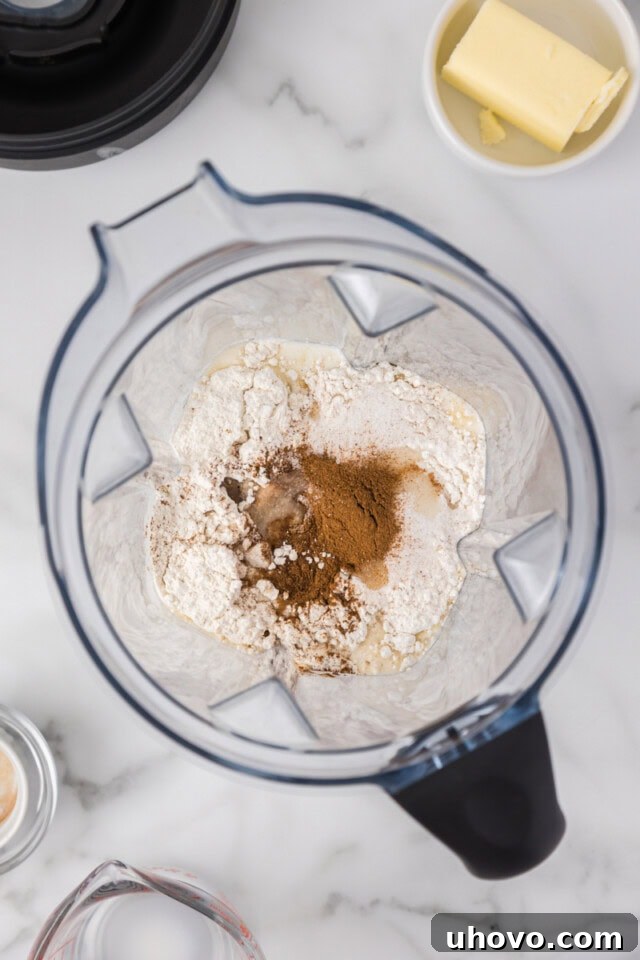
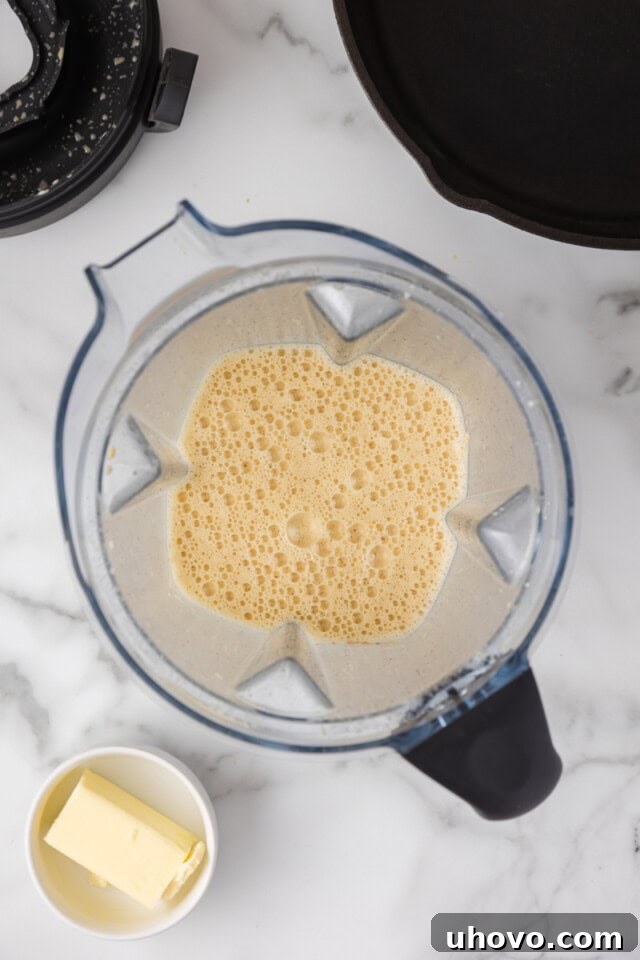
Step 1: Prepare and Blend the Batter.
The beauty of this recipe starts with effortless mixing. Simply combine the eggs, flour, milk, sugar, cinnamon, vanilla extract, and salt in the container of a blender or food processor. Blend for about 30 seconds to 1 minute, until the mixture is completely smooth and lump-free. A blender ensures a perfectly emulsified batter, which is key for a consistent, high rise. If you don’t have a blender, you can certainly whisk by hand – just be diligent to ensure all dry ingredients are fully incorporated and no lumps remain.
Step 2: Preheat Oven and Heat the Skillet.
Preheat your oven to 425°F (220°C). This high initial heat is crucial for the dramatic puff. Once the oven is hot, add the unsalted butter to your 10-inch cast-iron skillet and place it in the preheated oven. This step is non-negotiable for success: a piping hot pan helps the Dutch baby rise dramatically and contributes to beautifully crisp, golden edges. Allow the butter to melt completely, but remove the pan as soon as it’s melted, before it starts to brown or sizzle aggressively.
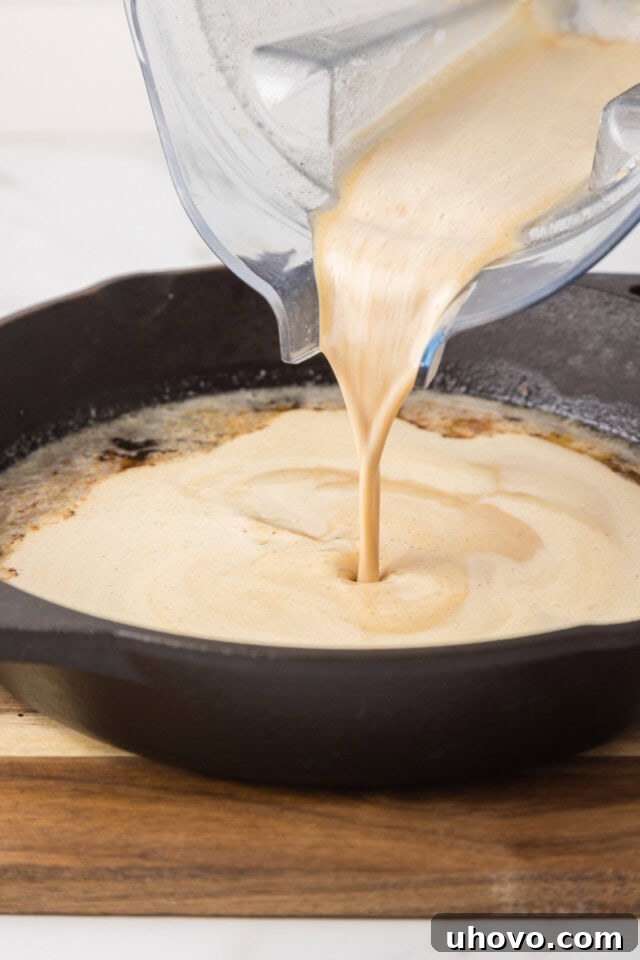
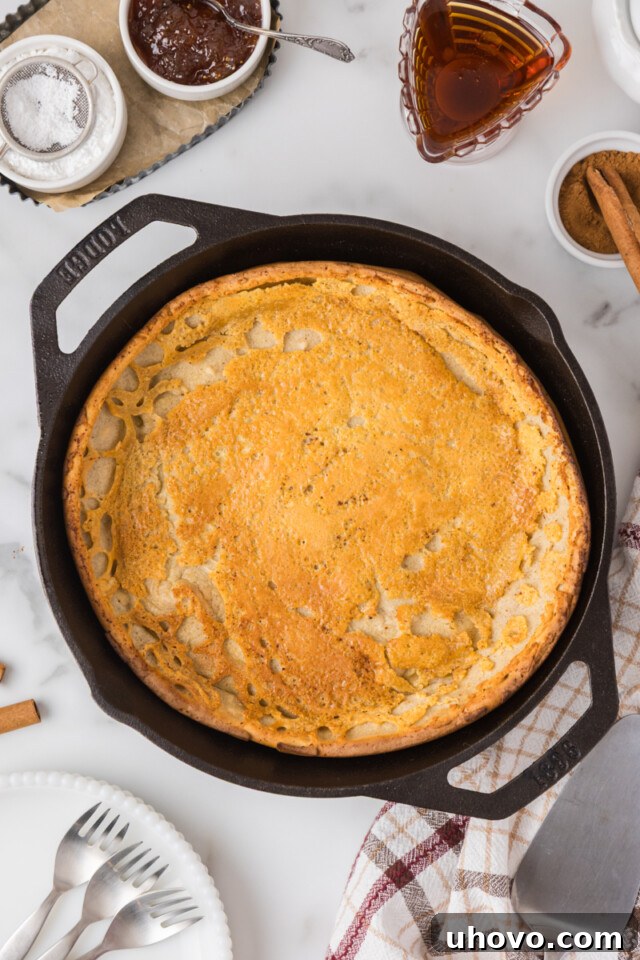
Step 3: Pour and Bake (The Initial Rise).
As soon as your butter is melted and the skillet is sizzling hot, carefully remove it from the oven. Immediately pour the prepared batter into the center of the pan (do not stir or spread it). Quickly but gently slide the pan back into the hot oven. Bake for 18 to 20 minutes without opening the oven door at all during this initial phase. This uninterrupted, high heat is what creates the impressive, billowy puff that makes Dutch babies so captivating.
Step 4: Finish Baking at a Lower Temperature.
After the initial high-heat bake, reduce the oven temperature to 300°F (150°C). Continue baking for another 5 to 8 minutes. This brief period at a lower temperature helps the center of the pancake set completely and allows for a more even golden color across the entire surface, preventing over-browning of the delicate edges while ensuring the middle is fully cooked.
Step 5: Serve Immediately and Enjoy the Show!
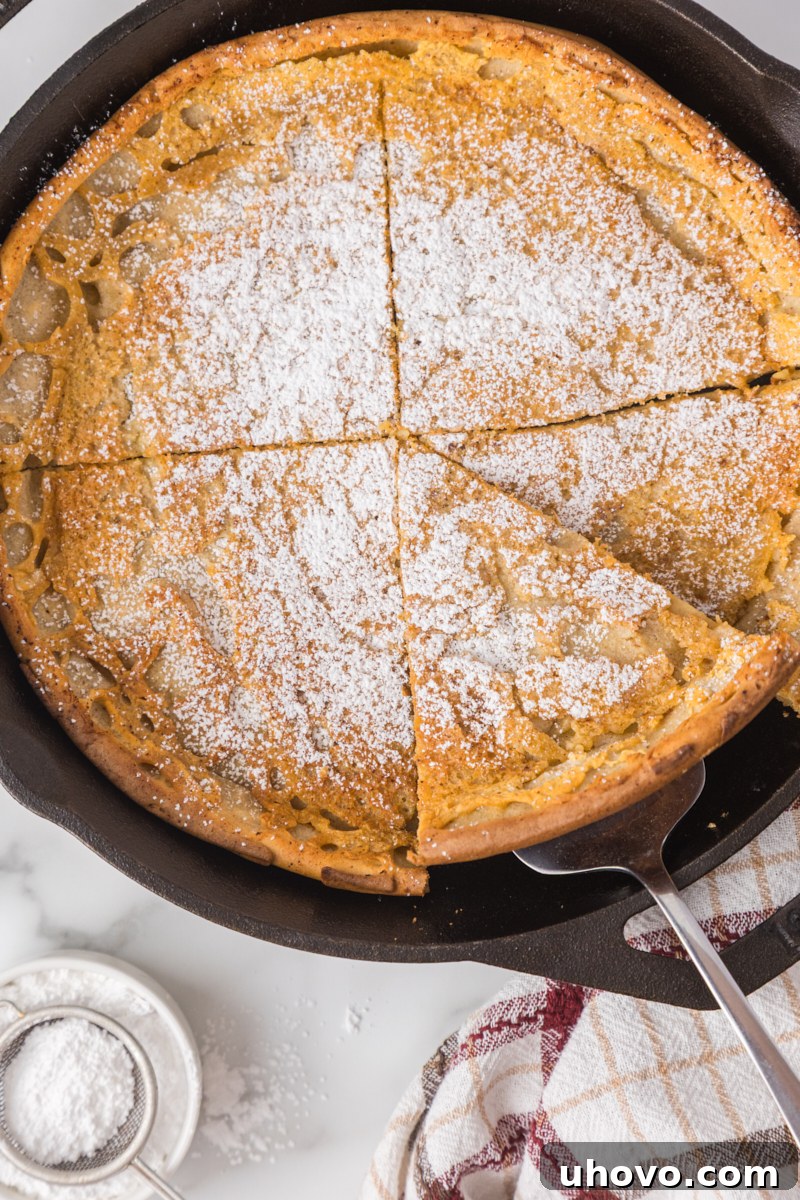
The magic of a Dutch baby is best enjoyed fresh out of the oven. As soon as it’s done, bring the skillet directly to the table. Dutch babies start to deflate gracefully as they cool, so serving it hot allows everyone to appreciate its full, dramatic puff before digging in. Have your favorite toppings ready to add right away!
Essential Tips for a Flawlessly Puffed Dutch Baby
While making a Dutch baby is delightfully simple, a few key techniques can ensure your pancake reaches its full potential—dramatic rise, golden edges, and a tender interior. Heed these tips for guaranteed success:
- Always Start with a Super Hot Skillet: This is arguably the most critical step for achieving that incredible, signature rise. The rapid transfer of heat from the hot cast iron to the cold batter creates instant steam, which pushes the pancake upwards. The butter should be fully melted and shimmering, but crucially, not browned or aggressively sizzling. If it’s smoking or browning, your pan is too hot – pull it out of the oven briefly to cool slightly.
- Ensure Your Batter is Perfectly Smooth: A well-blended, lump-free batter is fundamental for an even puff and a consistently light, airy texture. Any lumps of flour can inhibit the batter from rising uniformly. Using a blender or food processor makes this task easy. Allowing the batter to rest for about 10-15 minutes while your skillet heats also helps any air bubbles settle and gluten to relax, contributing to a smoother rise.
- Resist the Urge to Open the Oven Door During the First Bake: This can’t be stressed enough! A sudden loss of heat can cause the delicate structure of the rising Dutch baby to collapse, preventing it from reaching its full, magnificent height. Trust the process, and if you must check, peek through the oven window instead. Maintain a stable, high-temperature environment.
- Know Your Oven’s Personality and Adjust Accordingly: Every oven is a little different. Some run hotter, some brown more quickly from the top element. If you notice your Dutch baby browning too rapidly on top during the initial bake, consider placing the skillet on a lower oven rack, or reduce the initial baking temperature to 400°F (200°C) for the first phase. Experimentation will help you find the sweet spot for your specific appliance.
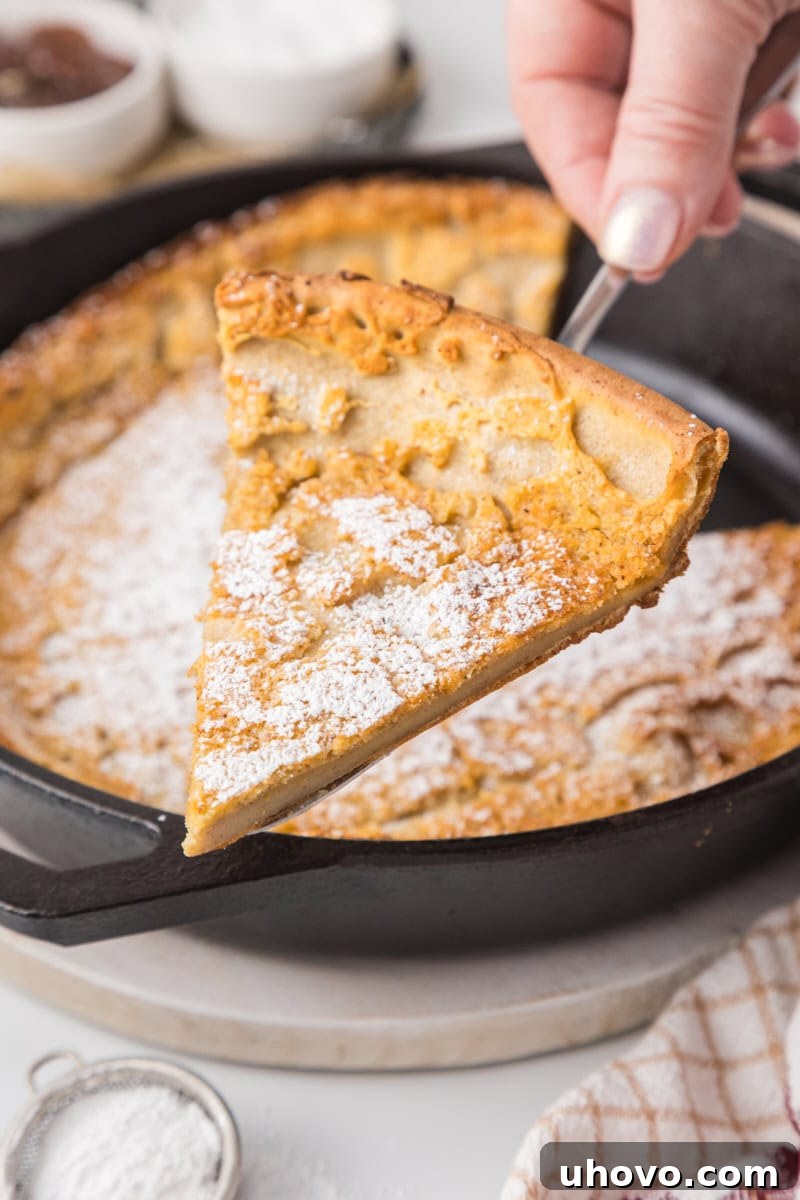
- Serve Your Dutch Baby Immediately for Maximum Effect: Dutch babies are ephemeral beauties. They begin to gracefully settle and deflate within minutes of being removed from the oven. To truly appreciate its theatrical puff and crisp edges, bring the skillet straight to the table and let it be part of the presentation before slicing and serving.
- Use Room Temperature Ingredients: For optimal blending and an even better rise, try to use room temperature eggs and milk. Cold ingredients can cause the melted butter to seize up and can sometimes inhibit the full expansion of the batter.
Troubleshooting Common Dutch Baby Pancake Issues
Even with a simple recipe, things can sometimes go awry. Don’t worry, most Dutch baby “problems” are easily fixable or completely normal. Here’s how to address common issues:
The edges are getting too dark too quickly, or are burnt.
This is a sign that your oven might run a little hot, especially from the top element. To remedy this, move your cast-iron skillet to a lower rack in the oven for the initial bake. Alternatively, try reducing the initial oven temperature slightly, for example, from 425°F to 400°F (220°C to 200°C), especially if your oven has a strong broiler.
The center of my Dutch baby looks pale or didn’t puff as high as the edges.
This is totally normal and expected! The center of a Dutch baby will naturally not rise as high as the edges because the edges are where the batter is thinner and receives the most direct heat from the skillet, causing a dramatic steam-driven puff. If the center seems underdone or too pale, simply keep it in the oven for the lower-temperature portion of the bake for a few extra minutes until it looks lightly golden and set, ensuring it’s cooked through.
My pancake deflated very quickly after coming out of the oven.
All Dutch babies will settle and deflate as they cool – it’s part of their charming nature! However, if it collapses immediately and dramatically, it could be due to a few reasons: the oven door might have been opened too early during the initial high-heat bake, causing a rapid temperature drop; or the batter might not have been fully blended, leading to an unstable structure. Ensure your ingredients are at room temperature and your batter is super smooth for the best outcome.
The butter browned or burned before I could pour in the batter.
This indicates your cast-iron skillet is getting hot very quickly in your oven. To prevent this, remove the pan from the oven as soon as the butter is fully melted and shimmering. There’s no need for it to sizzle or bubble aggressively before the batter goes in; melted is enough to coat the pan and provide flavor. If it starts to brown, the pan is too hot – let it cool for a minute or two before adding the batter.
My Dutch baby isn’t rising much at all.
Check that your oven was fully preheated to the correct temperature. A cold oven or opening the door too frequently can prevent the necessary steam from forming for the rise. Also, ensure your eggs and milk were at room temperature, as cold ingredients can inhibit the chemical reaction needed for lift. Finally, make sure your batter was truly smooth; any unmixed flour can weigh it down.
Exciting Dutch Baby Pancake Variations to Try
While the classic Dutch baby is perfect on its own, its simple base makes it incredibly versatile for creative flavor additions. Here are some delightful ways to customize your skillet pancake:
- Add a Bright Citrus Twist: For a zesty and refreshing flavor, stir in 1-2 teaspoons of finely grated lemon, orange, or lime zest into the batter before blending. The citrus notes will beautifully complement the sweetness of the pancake and any fruit toppings.
- Make it Extra Cozy and Spiced: If you love warm, aromatic flavors, increase the amount of cinnamon to 1 teaspoon, or add a pinch of freshly grated nutmeg, ground cardamom, or even a dash of pumpkin pie spice into the batter. This creates a comforting, spiced version perfect for cooler months.
- Go Indulgently Chocolatey: Whisk 1 tablespoon of unsweetened cocoa powder into the dry ingredients before adding them to the blender. This will give your Dutch baby a subtle, sophisticated chocolate note that pairs wonderfully with berries, whipped cream, or a dusting of powdered sugar.
- Try a Bursting Berry Bake: Scatter a handful (about ½ to ¾ cup) of fresh or frozen (not thawed) berries – such as blueberries, raspberries, or sliced strawberries – directly into the batter just before it goes into the hot oven. As the pancake bakes, the berries will gently warm and soften, releasing their juices and adding a lovely tart-sweet counterpoint.
- Swap the Extract for a Bakery Aroma: While vanilla is classic, experiment with other extracts. Almond extract adds a lovely nutty depth (use about ½ teaspoon, as it’s potent), or try a blend of vanilla and almond for a sophisticated bakery-style aroma and flavor. A touch of maple extract could also enhance the breakfast theme.
- Savory Dutch Baby: While less common, you can omit the sugar and cinnamon from the batter. Top with cheese, herbs, sautéed mushrooms, or even a fried egg after baking for a unique savory brunch option.
Delightful Serving Ideas for Your Dutch Baby Pancake
Once your beautifully puffed Dutch baby emerges from the oven, it’s ready for its grand finale: the toppings! The options are endless, allowing you to tailor it to your mood or the occasion. Here are some of our favorite ways to serve this spectacular skillet pancake:
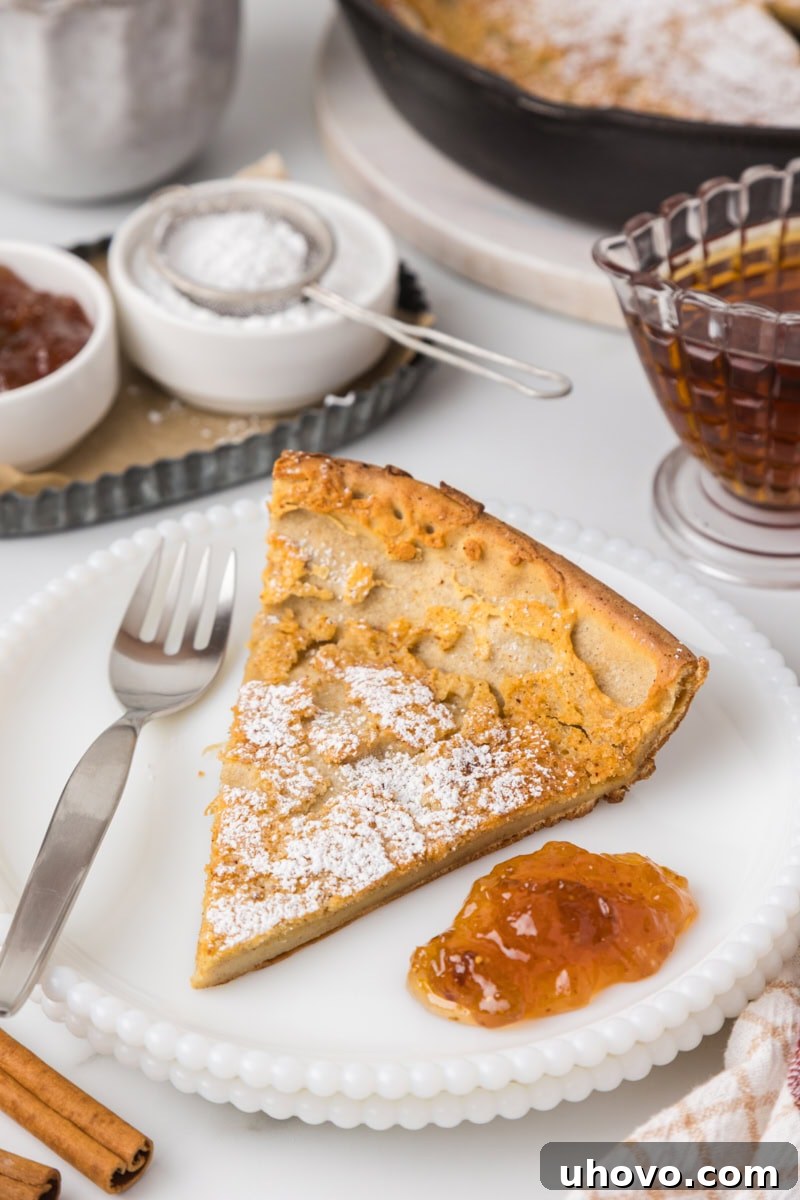
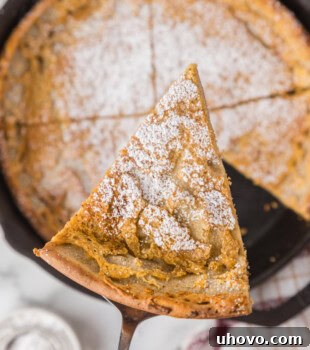
- A Simple Dusting of Confectioners’ Sugar: This is the classic, most elegant, and effortlessly beautiful way to serve a Dutch baby. A light snowfall of powdered sugar adds just the right touch of sweetness and a delicate finish.
- Fresh Seasonal Fruit: Brighten up your breakfast with a generous scattering of fresh fruit. Berries (strawberries, blueberries, raspberries), sliced peaches, juicy nectarines, or even segments of oranges or grapefruit add freshness, vibrant color, and natural sweetness or tang.
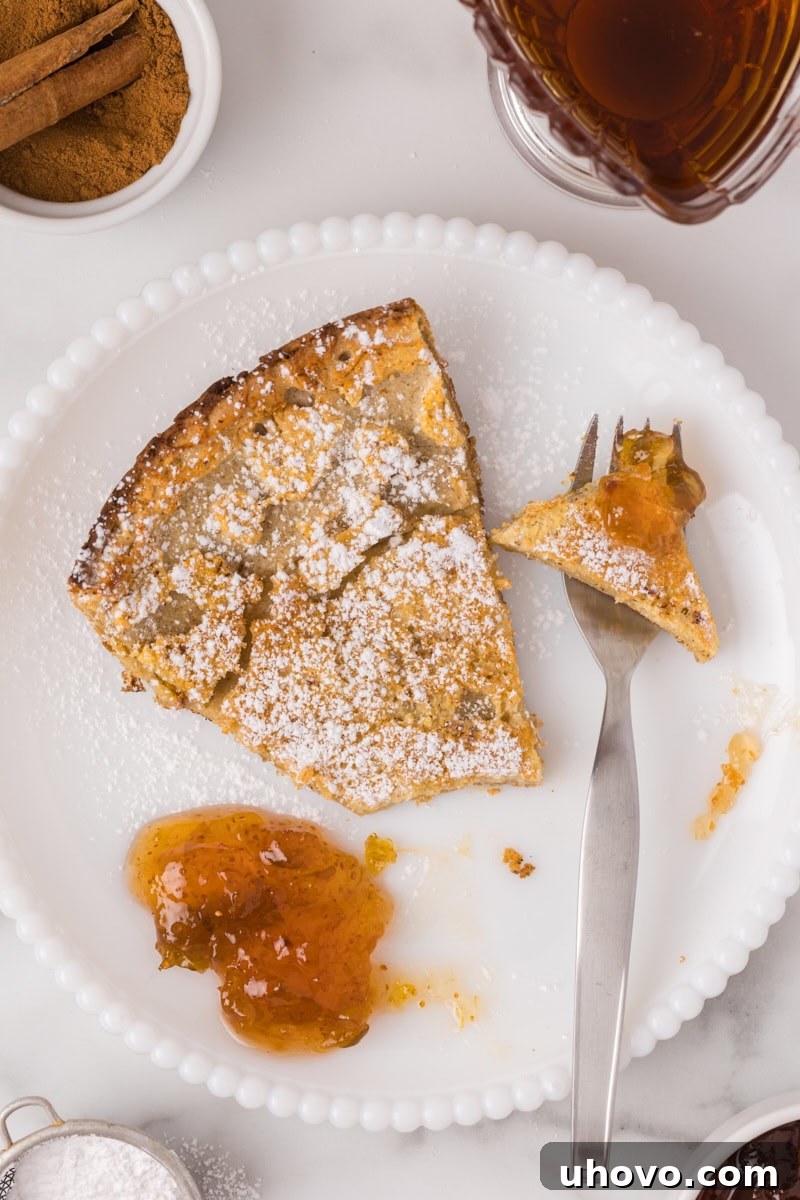
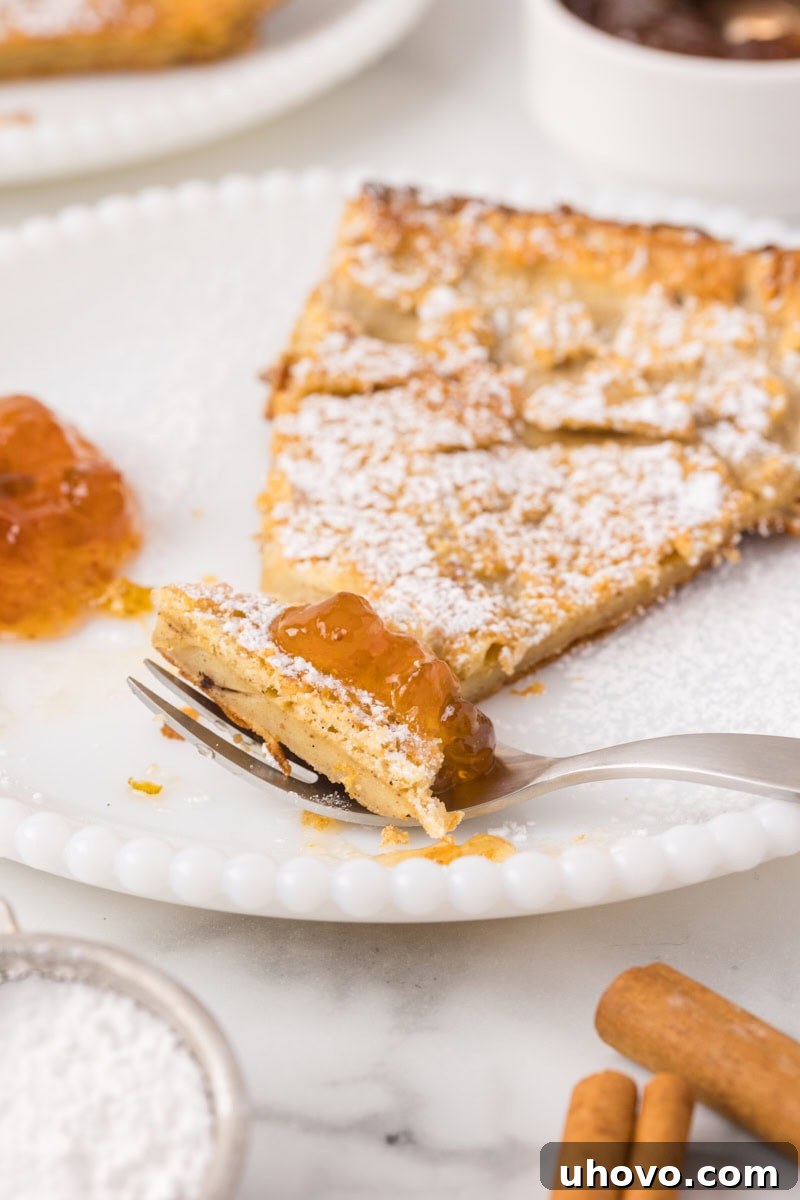
- Warm Preserves or Fruit Compote: A dollop of your favorite fruit preserves, a homemade blueberry compote, a rich apple butter, or a spoonful of tangy citrus curd are all incredibly delicious options. The warmth of the pancake will gently heat the preserves, enhancing their flavor.
- A Drizzle of Maple Syrup or Honey: For those who love a bit more sweetness, a light drizzle of pure maple syrup or golden honey is all it needs. Their natural flavors complement the pancake without overwhelming it.
- Cloud-Like Whipped Cream: For a truly decadent, dessert-like brunch experience, add a generous scoop of softly sweetened whipped cream. It adds a luxurious richness and a delightful contrast to the pancake’s texture.
- Nut Butter or Nutella: For a more substantial and indulgent topping, a spread of almond butter, peanut butter, or hazelnut spread (like Nutella) can be a delicious choice, especially when paired with sliced bananas.
- Candied Nuts: A sprinkle of toasted pecans, walnuts, or almonds adds a lovely crunch and nutty flavor. Candied nuts offer an extra layer of sweetness and texture.
How to Store and Reheat Leftover Dutch Baby Pancake
A Dutch baby is truly at its peak right out of the oven when it’s magnificently puffed and the edges are crisp. However, if you find yourself with leftovers (a rare but possible occurrence!), they can certainly be stored and enjoyed later.
Allow any leftover pancake to cool completely to room temperature before storing. Transfer slices or portions to an airtight container and store them in the refrigerator for up to 2 days. The crispy edges will soften, and the dramatic puff will deflate, but the flavor remains delicious.
To revive some of its original crispness and warmth, rewarm individual servings in a low oven (around 300°F/150°C) for 5-10 minutes, or until heated through. You can also briefly warm it in a toaster oven. Avoid the microwave, as it will make the pancake soft and rubbery rather than crisp. Once reheated, add your favorite fresh toppings again!
A Simple, Showstopping Breakfast That Elevates Any Morning
The Dutch baby pancake is one of those truly remarkable recipes that reminds me why I fell in love with baking. With just a few humble, everyday ingredients—eggs, flour, milk, sugar, and butter—you can effortlessly create something that is not only beautiful and a little bit magical but also deeply satisfying and incredibly delicious. It’s a testament to how simple cooking can still yield the most impressive results.
Whether you’re preparing it for a quiet, cozy weekend morning to treat yourself, or assembling a festive brunch spread for friends and family, this easy cast-iron skillet pancake promises to be the star of the show without any fuss or complicated techniques. Its dramatic puff and golden appearance never fail to elicit oohs and aahs, making every meal feel a little more special. I sincerely hope you find as much joy and deliciousness in making and sharing this classic Dutch baby as I do.
More Irresistible Breakfast Favorites
Dutch Baby Pancake
4
servings
5 minutes
28 minutes
33 minutes
Pin Recipe
Leave a Review
Ingredients
-
3
large
eggs,
at room temperature -
½
cup
(60
g)
all-purpose flour -
½
cup
(120
ml)
milk,
at room temperature -
2
tablespoons
(25
g)
granulated sugar -
¼ to ½
teaspoon
ground cinnamon,
optional -
1
teaspoon
vanilla extract -
¼
teaspoon
salt -
4
tablespoons
(56
g)
unsalted butter -
confectioners’ sugar, preserves, or maple syrup,
for serving
Recommended Products
-
Lodge Cast Iron Skillet
-
Vitamix E310 Explorian Blender
Instructions
-
Preheat oven to 425°F (220°C).
-
Place the eggs, flour, milk, sugar, cinnamon, vanilla extract, and salt in the container of a blender or food processor. Blend until smooth. (See notes for directions for mixing by hand.)
-
Place the butter in a 10-inch cast iron skillet, and place in the oven.
-
As soon as the butter has melted, remove the pan from the oven. Pour the batter into the pan (do not stir), and return the pan to the oven.
-
Bake for 18 to 20 minutes without opening the oven door. The pancake should be puffed and golden brown. (See notes for more detail.)
-
Reduce the oven temperature to 300°F (150°C). Bake 5 to 8 minutes, or until browned.
-
Serve warm with a sprinkling of confectioners’ sugar, preserves, or maple syrup.
Video
Notes
- Pan choice: A 10-inch cast-iron skillet gives the best rise and browning. Other oven-safe skillets may bake a bit differently, and a larger skillet will result in a flatter pancake.
- Room-temperature ingredients: Cold eggs or milk can inhibit the proper rise. If possible, let them sit out for 30 minutes to warm slightly before mixing for a more uniform batter and better puff.
- Mixing by hand: While a blender or food processor makes the smoothest batter, you can whisk by hand. Just ensure you whisk vigorously until the flour is fully incorporated and the batter is completely lump-free.
- Butter timing: It is crucial to remove the pan from the oven as soon as the butter is fully melted and shimmering. Overheating the butter can cause it to brown too quickly and potentially lead to scorched edges on your pancake.
- Oven variation: Ovens vary widely. If your oven tends to run hot or browns quickly from the top, you can place the skillet on a lower rack or slightly reduce the initial temperature (e.g., use 400°F/200°C instead of 425°F/220°C) for the first bake to prevent over-browning.
- Bake time can vary: The first bake typically takes around 18–20 minutes, but actual times depend on your oven. The Dutch baby is ready to transition to the lower temperature when its edges are deeply puffed, beautifully golden brown, and the center appears set around the edges (it may still be slightly pale in the very middle).
- No peeking: Absolutely resist the urge to open the oven door during the crucial first bake. The sudden loss of heat can cause the pancake to deflate prematurely and prevent it from rising fully and dramatically.
- Every Dutch baby is unique: Don’t be alarmed if your pancake doesn’t look exactly like the pictures. The height and specific shape of the puff will naturally vary based on your individual oven, pan, and even slight variations in batter consistency. Uneven edges or a slight, graceful deflation after baking are completely normal and part of its charm.
- Serving: For the best experience, Dutch babies are meant to be enjoyed right away, straight from the oven, to savor their impressive puff and crisp texture. While leftovers can be reheated briefly in a low oven, they won’t fully regain their original dramatic volume.
Jennifer McHenry
Breakfast
American
Show off your baking masterpiece!
Snap a pic, tag
@bakeorbreak, and use
#bakeorbreak on Instagram. Can’t wait to see your creation!