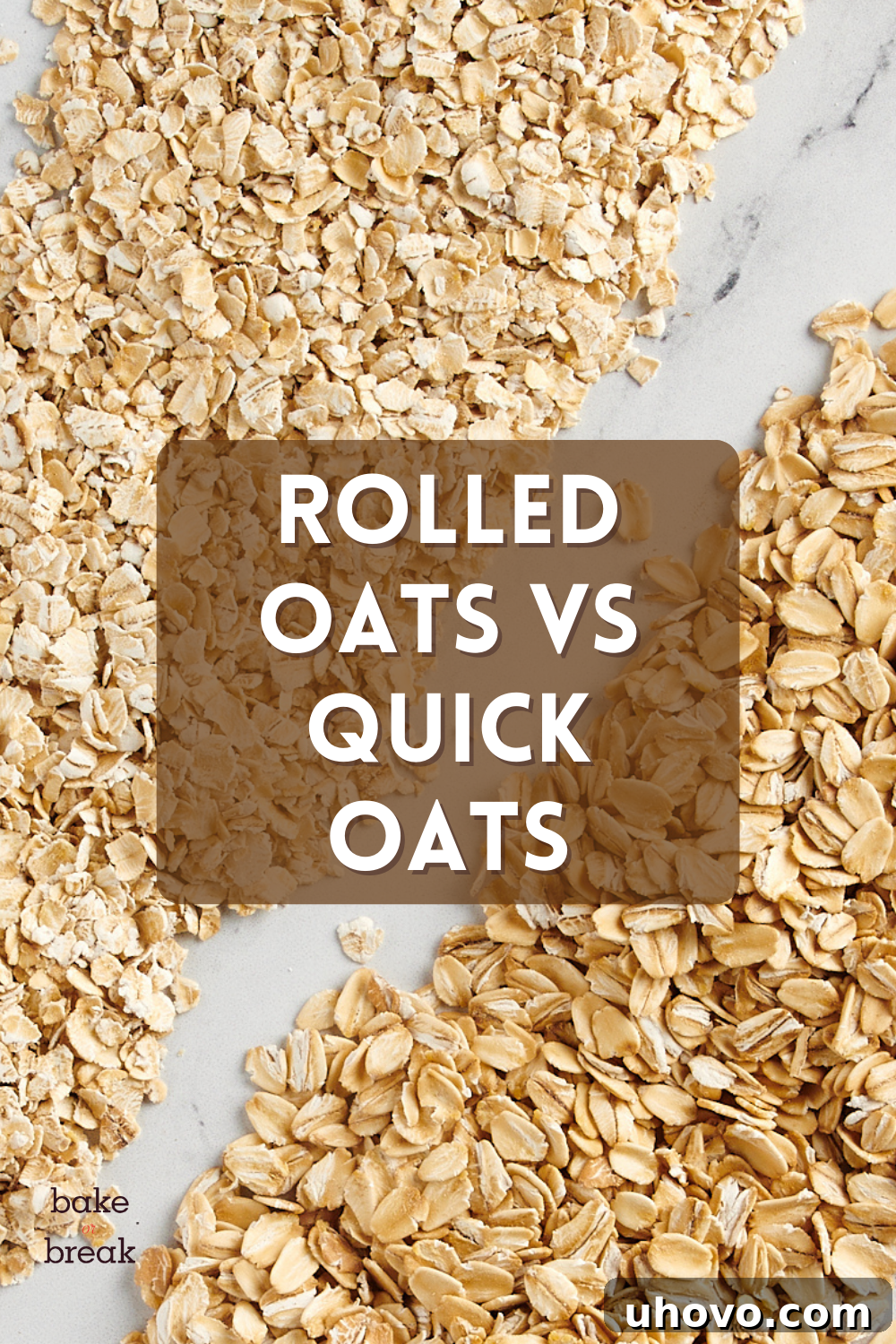
Have you ever found yourself in the kitchen, recipe in hand, wondering about the crucial differences between rolled oats and quick oats? While both are staples in many baking endeavors, understanding their unique characteristics is key to achieving your desired results. This comprehensive guide will delve into the nuances of these popular oat varieties, explaining their origins, processing, and the distinct impacts they have on your baked goods. From chewy oatmeal cookies to hearty fruit crisps, knowing when to use each type will elevate your baking from good to extraordinary. Let’s explore the world of oats and uncover how to harness their full potential in your kitchen.
Table of contents
- Rolled Oats vs Quick Oats in Baking
- Recipes Made with Quick Oats
- Substituting Types of Oats
- Cookies Made with Rolled and Quick Oats
- Other Types of Oats
- More Baking Recipes with Oats
- Frequently Asked Questions
Rolled Oats vs Quick Oats in Baking: Understanding the Impact
Oats are a remarkably versatile and nutritious ingredient, cherished by bakers for their ability to add texture, flavor, and wholesome goodness to a wide array of recipes. Whether you’re aiming for a batch of classic oatmeal cookies, a rustic fruit crisp, or comforting muffins, oats play a starring role. The two most commonly encountered types in baking are rolled oats and quick oats. While they originate from the same grain, their distinct processing methods lead to noticeable differences in texture, absorption rate, and ultimately, the final outcome of your baked goods. Recognizing these differences is fundamental for any baker looking to master oat-based recipes and achieve consistent, delicious results.
What Are Oats? The Foundation of Flavor and Texture
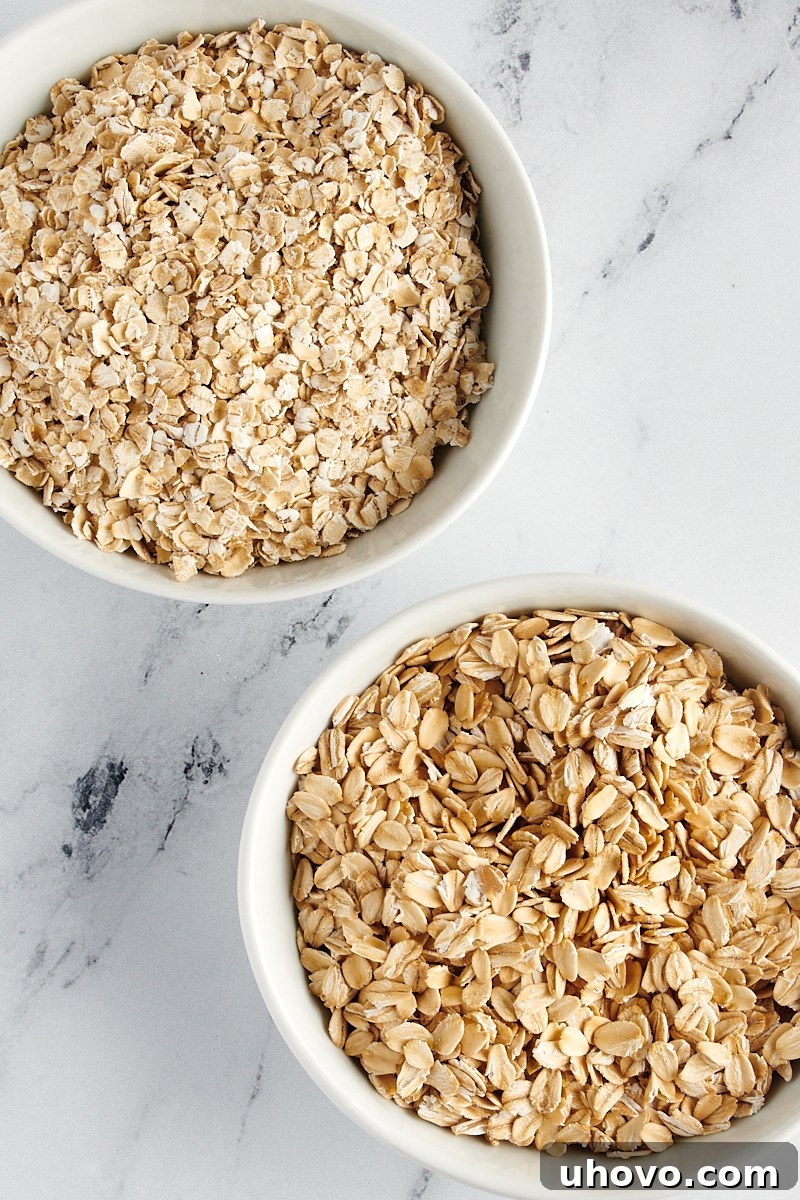
At their core, oats are a type of cereal grain, scientifically known as Avena sativa. Before processing, the whole, unprocessed grain is called an oat groat. These groats are incredibly nutritious, packed with fiber, protein, and essential minerals. Both rolled oats and quick oats begin their journey as these whole oat groats. The key distinction between these common baking ingredients lies in how these groats are subsequently processed. If you’ve ever placed rolled oats and quick oats side by side, the visual difference in their size and shape is immediately apparent, offering a first clue to their varied culinary applications.
What Are Rolled Oats? The Classic Choice for Hearty Baked Goods
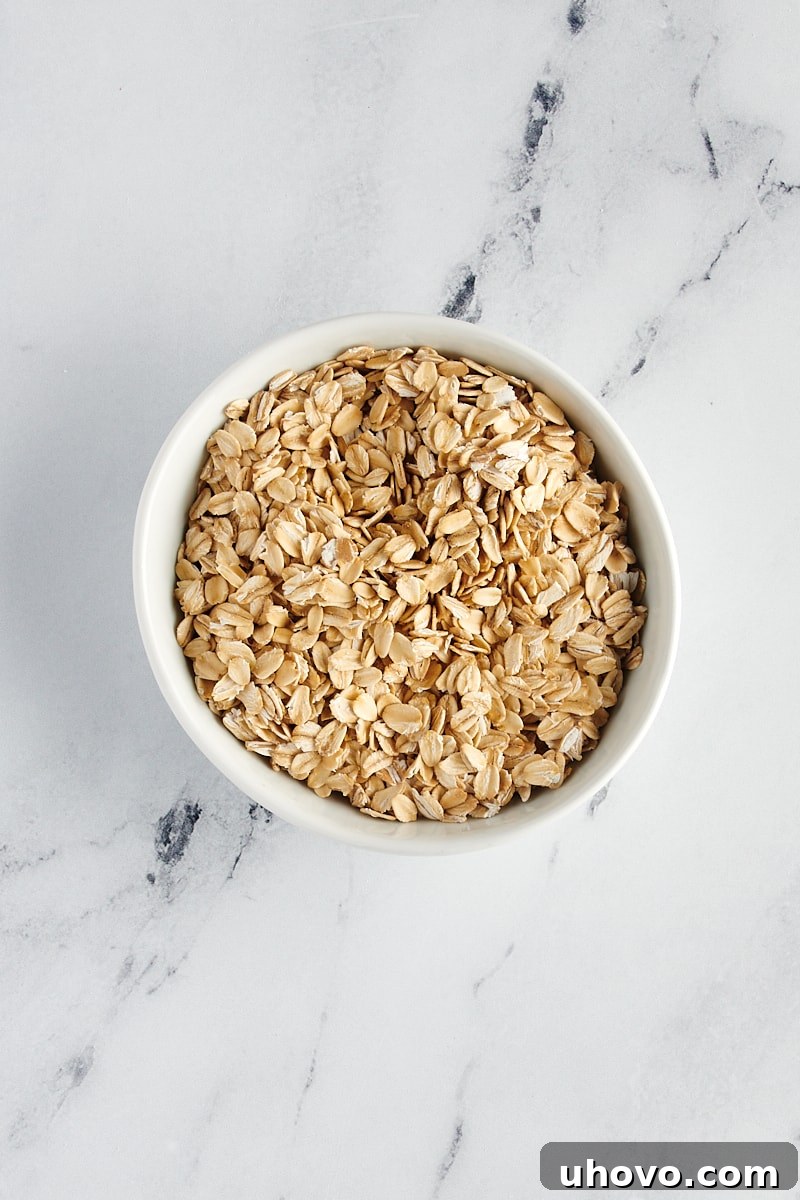
Rolled oats, often labeled as “old-fashioned oats,” are produced by first steaming the whole oat groats, a process that helps stabilize them and softens their texture. Following this, they are flattened into thin flakes using large rollers. This method results in flat, oval-shaped flakes that are noticeably larger than their quick-cooking counterparts. When raw, rolled oats have a firm, somewhat chewy texture. However, upon cooking or soaking, they absorb liquid beautifully, softening to create a creamy yet distinctively chewy consistency.
In baking, the larger size and robust structure of rolled oats are highly valued. They tend to maintain their shape and integrity through the baking process, contributing a satisfyingly hearty chewiness to finished products. This characteristic makes them the preferred choice for recipes where you want a pronounced oat texture and visual appeal, such as classic oatmeal cookies, granola bars, fruit crumbles, and many types of quick breads and muffins. Their ability to retain their form adds body and a rustic charm that quick oats simply cannot replicate.
Recipes Perfect for Rolled Oats
- Cinnamon Oat Scones
- Monster Cookies
- Summer Fruit Crisp
- Black Bottom Oatmeal Pie
- Chocolate Chip Oatmeal Quick Bread
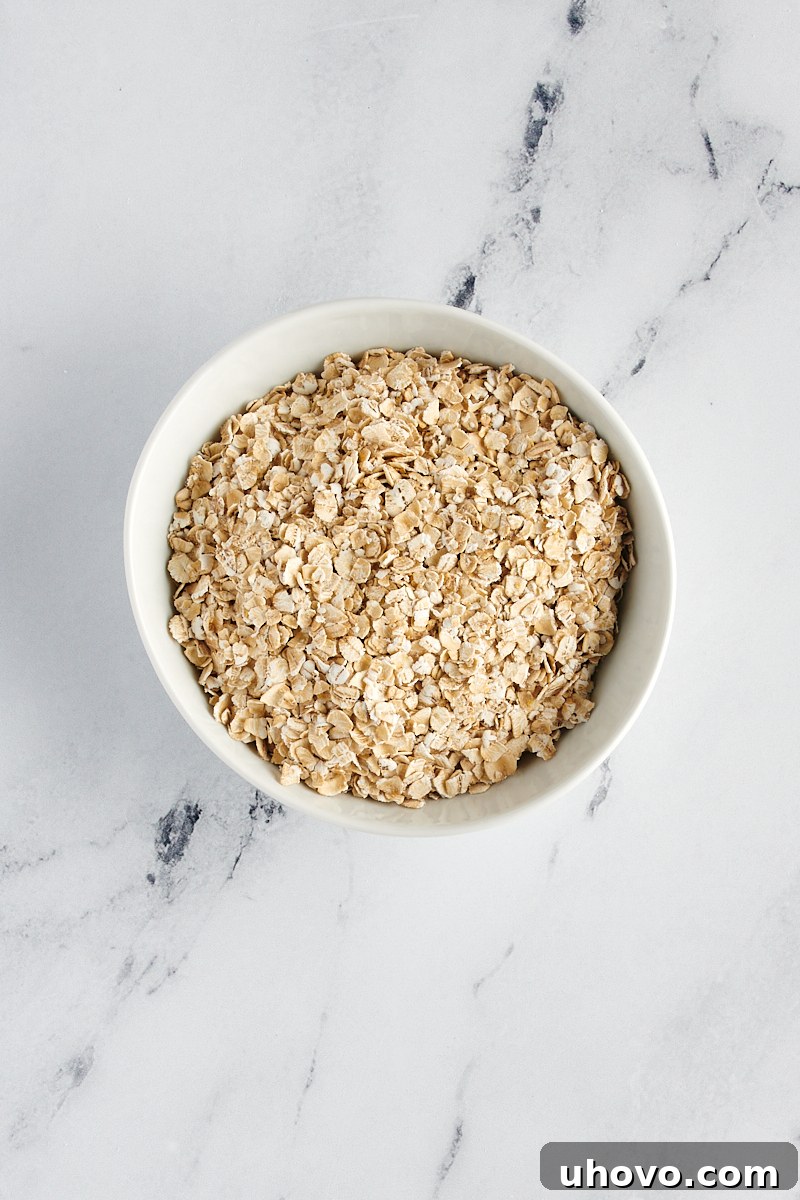
What Are Quick Oats? For a Softer Bite and Faster Cooking
Quick oats, sometimes referred to as “instant oats” (though with an important distinction, which we’ll cover shortly), are essentially rolled oats that have undergone additional processing. After being steamed and rolled, they are then cut into smaller pieces and rolled even thinner. This extra step significantly increases their surface area, allowing them to absorb liquids and cook much faster than rolled oats.
Due to their finer texture and quicker hydration, quick-cooking oats are ideal for recipes where a less prominent or less chewy oat texture is desired. They blend more seamlessly into batters and doughs, making them an excellent choice for recipes like certain types of muffins, softer cookies, or as a binder in savory dishes like meatloaf. While they still impart the wholesome flavor of oats, they contribute a more delicate, melt-in-your-mouth texture rather than a distinct chewiness. This makes them perfect for those who enjoy the nutritional benefits and subtle taste of oats without the robust texture of old-fashioned varieties.
It’s important to distinguish quick oats from “pre-cooked instant oats” often found in individual packets. While both cook quickly, instant oats have typically been pre-cooked and then dried, sometimes with added flavorings and sugars. Quick oats, on the other hand, are simply processed differently but are still raw oats, requiring cooking or baking.
Recipes Where Quick Oats Shine
- Spiced Oatmeal Cookies
- Cranberry Chocolate Chip Granola Bars
- Oatmeal Cream Pies
- Raspberry Bars
- Peanut Butter Chocolate Chip Oat Bites
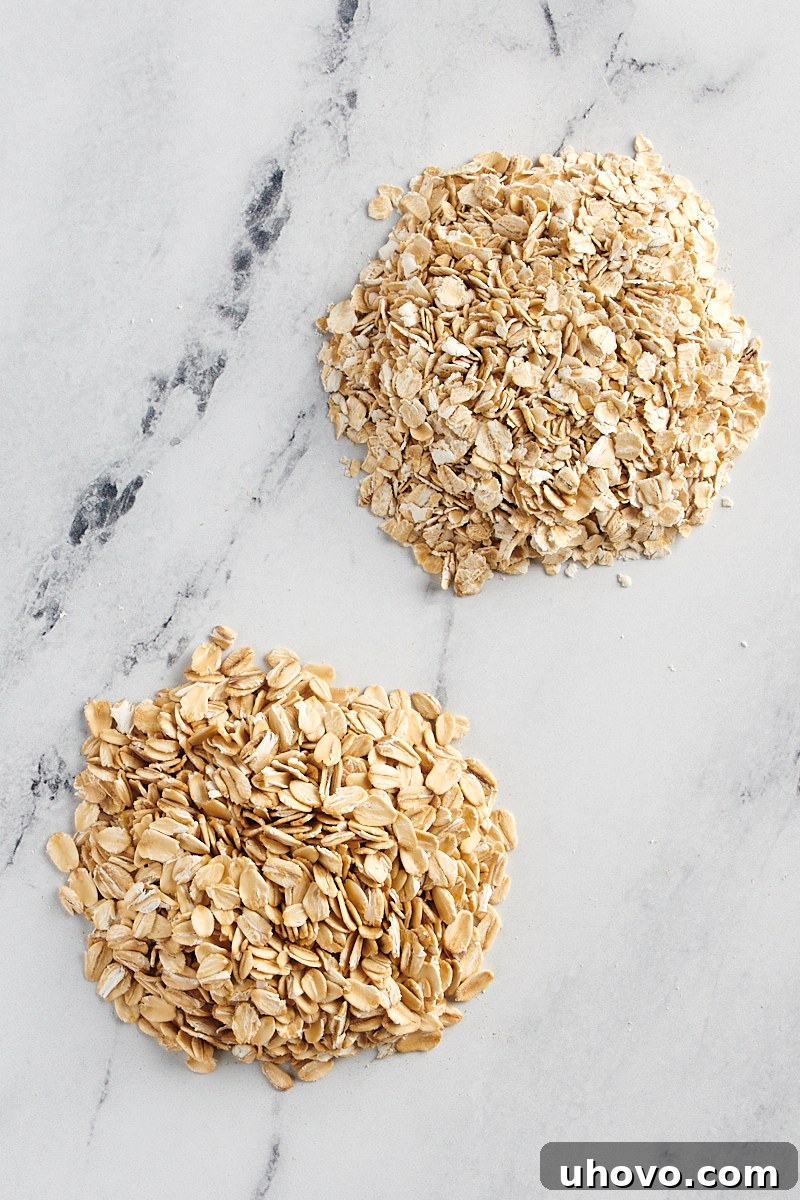
Substituting Types of Oats: What to Expect When You Swap
While an original recipe often specifies either rolled oats or quick oats, it’s generally possible to substitute one for the other in most baking applications. This flexibility is a boon for bakers who might have a preference for a certain texture or simply find themselves with only one type on hand. While the overall flavor profile of your baked goods will largely remain unaffected, the substitution will introduce differences in texture, appearance, and potentially even baking time. Here are a few key considerations to keep in mind when making a swap:
- Measurements Matter: Volume vs. Weight – When substituting, it’s typically recommended to do so by volume rather than by weight. Quick oats, being cut into smaller pieces and rolled thinner, are less dense and can pack more tightly into a measuring cup compared to the larger, airier rolled oats. This means a cup of quick oats will weigh less than a cup of rolled oats. For smaller amounts, this difference might be negligible, but for recipes calling for larger quantities of oats, measuring by volume (cup for cup) is usually the safer bet to maintain the intended balance of ingredients.
- Texture Transformation – This is the most significant and noticeable difference when substituting. Using rolled oats will consistently result in a heartier, more substantial, and distinctly chewy texture in your baked goods. The individual oat flakes will remain more intact, offering a satisfying bite. Conversely, quick oats will yield a softer, finer, and less chewy end product. They integrate more thoroughly into the batter, creating a smoother texture that is less pronounced. Consider your desired mouthfeel: do you want a rugged, rustic chew or a tender, delicate crumb?
- Impact on Shape and Spread – The physical differences in oat types also affect the structure and appearance of your baked goods. Rolled oats, with their larger surface area and robust structure, can lend more body and a slightly rougher, more textural appearance. When used in cookies, for example, they might contribute to a slightly thicker cookie that spreads less. Quick oats, being finer, tend to absorb moisture more rapidly and can sometimes lead to a slightly thinner or more spread-out cookie, as they don’t provide as much structural support. This is particularly relevant for recipes like cookies, whereas a crisp topping might show less variation in overall shape.
- Adjustments to Baking Time – Due to their smaller size and thinner nature, quick oats absorb moisture and cook faster than rolled oats. This means that recipes originally designed for rolled oats might bake slightly quicker when quick oats are substituted. Conversely, using rolled oats in a recipe calling for quick oats might require an extra minute or two in the oven. While this difference is often minor and dependent on the specific recipe and overall oat content, it’s wise to keep an eye on your baked goods towards the end of the specified baking time and adjust as needed, looking for visual cues of doneness.
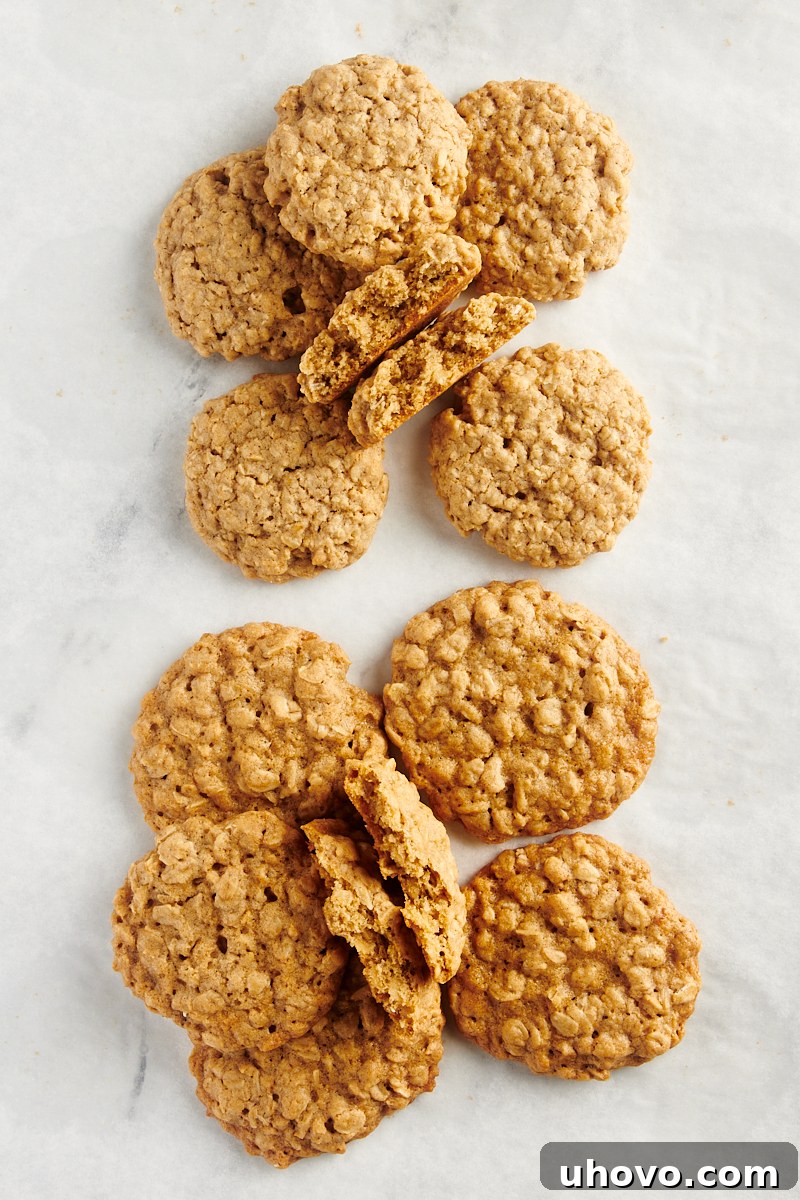
An Experiment: Cookies Made with Rolled and Quick Oats
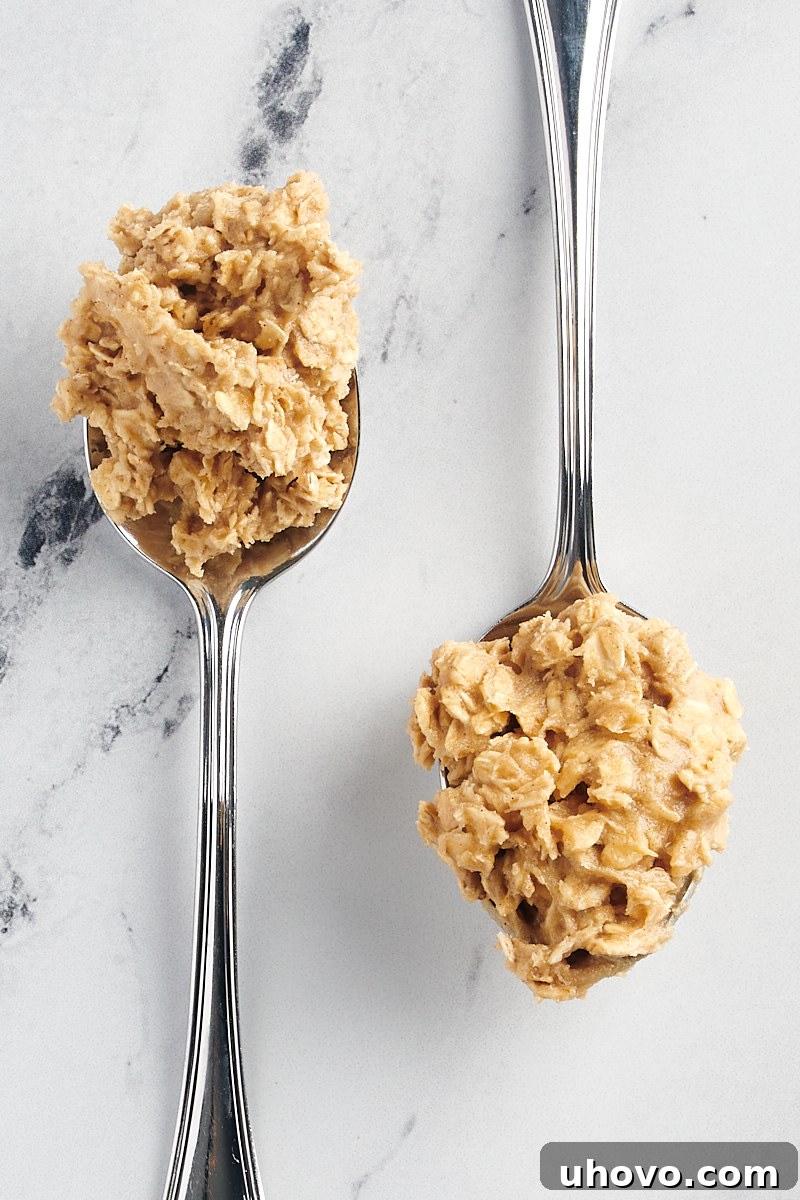
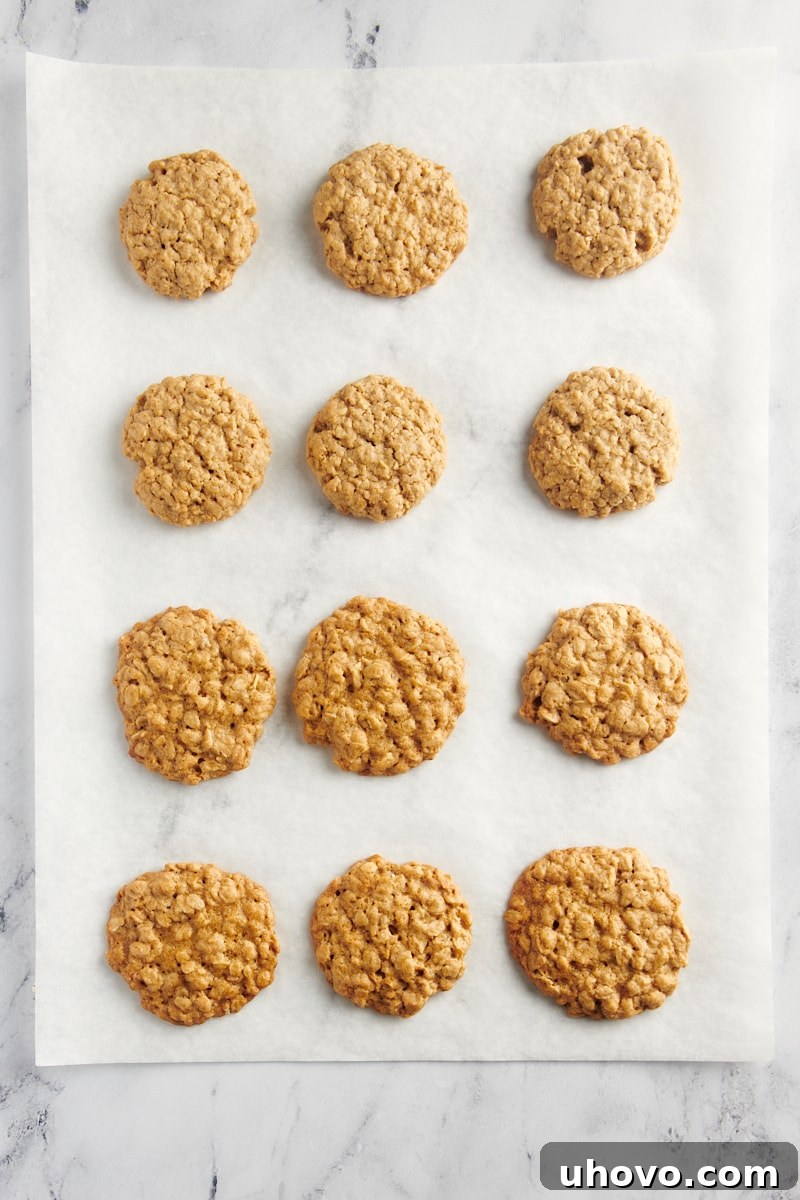
To vividly illustrate the differences that arise from swapping oat types, we conducted a simple yet telling experiment: baking two separate batches of our favorite oatmeal cookies, one with rolled oats and the other with quick oats. The visual evidence, as displayed in the images above, speaks volumes about the impact of each oat variety on both the raw dough and the final baked cookies.
In the dough stage, the batch made with rolled oats visibly contained larger, more distinct oat flakes, giving it a chunkier, more textured appearance. The dough itself felt slightly firmer, holding its shape well. In contrast, the quick oat dough appeared smoother, with the smaller oat pieces blending more uniformly into the mixture. This difference directly translated to the finished cookies.
Upon baking, the cookies made with rolled oats maintained a more robust structure and a slightly thicker profile. They exhibited the characteristic hearty chewiness that many associate with a classic oatmeal cookie, with discernible oat pieces throughout. The spread was moderate, resulting in a satisfyingly substantial cookie. The quick oat cookies, on the other hand, had a slightly more delicate texture, tending to spread a bit more thinly. While still flavorful, their chewiness was less pronounced, offering a softer, more integrated oat presence within the cookie. This experiment clearly demonstrates that while the core flavor of the oatmeal cookie remains delightful with either oat type, the choice of rolled versus quick oats undeniably alters the cookie’s size, spread, and, most importantly, its textural experience.
Beyond Rolled and Quick: Exploring Other Oat Varieties
While rolled oats and quick oats dominate the baking landscape, it’s worth noting other forms of oats that serve different culinary purposes. Understanding these can further expand your oat repertoire.
Oat Flour: The Versatile Binder and Thickener
Oat flour is simply made from finely ground rolled oats. It’s an excellent ingredient for adding a subtly sweet, nutty flavor and a tender crumb to baked goods. Oat flour is naturally gluten-free (though always check for certified gluten-free labels if cross-contamination is a concern) and is frequently used in gluten-free baking blends or to enhance the texture of standard wheat flour recipes. You can easily make oat flour at home by grinding rolled oats in a food processor or blender until a fine, powdery consistency is achieved. It’s perfect for thickening sauces, adding structure to muffins, or even contributing to the chewiness of cookies, as seen in my Favorite Chocolate Chip Cookies.
Steel-Cut Oats: The Hearty, Unrolled Groat
Also known as Irish oats or Scottish oats, steel-cut oats represent another form of oat groat processing. Unlike rolled or quick oats, steel-cut oats are not steamed and flattened. Instead, the whole oat groats are simply cut into two or three smaller pieces using steel blades, hence their name. This minimal processing leaves them with a dense, “grainy” texture. They take significantly longer to cook than rolled or quick oats—often 20-30 minutes—and retain a distinctively chewy, almost al dente texture. Because of their coarse grind and long cooking time, steel-cut oats are not typically used as a direct substitute for rolled or quick oats in most baking recipes. Their primary use is in porridges, savory dishes, or stews where their robust texture and slower hydration are desirable.
Instant Oats: The Ultra-Convenient Option
While often grouped with quick oats due to their fast cooking time, true instant oats have been pre-cooked, dried, and sometimes finely chopped or ground even further than quick oats. This extensive processing means they cook almost instantly by simply adding hot water, making them ideal for a very rapid breakfast. However, their highly processed nature means they tend to lose their texture entirely in baking, often resulting in a mushy or gummy consistency. For this reason, they are generally not recommended as a substitute for rolled or quick oats in most baking applications unless a very smooth, untextured result is explicitly desired.
Ready to Bake? Discover More Oat-Filled Recipes
Armed with a deeper understanding of rolled oats versus quick oats and their unique baking behaviors, you’re now ready to embark on new culinary adventures! The versatility of oats knows no bounds, offering a healthful and delicious addition to almost any baked creation. Whether you’re craving the hearty chew of a traditional oat cookie, the tender crumb of an oat muffin, or the comforting warmth of a fruit crisp, there’s an oat recipe waiting for you. Dive into our extensive recipe index to explore a wide variety of inspired oat-based dishes, from sweet treats to wholesome breakfast options and everything in between. Happy baking!
Frequently Asked Questions About Oats in Baking
The primary difference lies in their processing and size. Rolled oats are whole oat groats steamed and flattened into larger, thicker flakes, resulting in a chewier, heartier texture in baked goods. Quick oats are rolled oats that have been further cut into smaller pieces and rolled thinner, leading to a finer texture and faster cooking time, creating a less chewy, softer result.
In most baking recipes, you can substitute quick oats for rolled oats. However, be prepared for a noticeable difference in texture, which will be softer and less chewy. It’s best to substitute by volume (cup for cup) rather than by weight. You might also notice a slight change in the overall shape or spread of your baked item.
Yes, this substitution is generally feasible. The final texture will be significantly chewier and heartier than if quick oats were used. If you want to achieve a texture closer to quick oats, you can briefly pulse rolled oats in a food processor a few times to break them down into smaller pieces before adding them to your recipe. This DIY method can bridge the textural gap effectively.
The best type of oats for cookies depends on your personal preference for texture. For a classic, chewy oatmeal cookie with distinct oat pieces and a robust bite, rolled oats (old-fashioned oats) are ideal. If you prefer a softer, more uniformly textured cookie where the oats blend in more subtly, quick oats would be a better choice. Both types impart delicious oat flavor.
Oats are inherently gluten-free, making them a suitable grain for individuals with gluten sensitivities or celiac disease. However, oats are frequently processed in facilities that also handle wheat, barley, and rye, leading to potential cross-contamination. If you require a strict gluten-free diet, always opt for oats that are specifically labeled and certified as gluten-free to ensure they have been processed in dedicated gluten-free environments.
Absolutely! Oats are considered a highly nutritious ingredient. They are an excellent source of soluble fiber, particularly beta-glucan, which is known for its benefits in reducing cholesterol levels and supporting heart health. They also provide complex carbohydrates for sustained energy, plant-based protein, and various vitamins and minerals such as manganese, phosphorus, magnesium, and iron. Incorporating oats into your baking can significantly boost the nutritional profile of your treats.