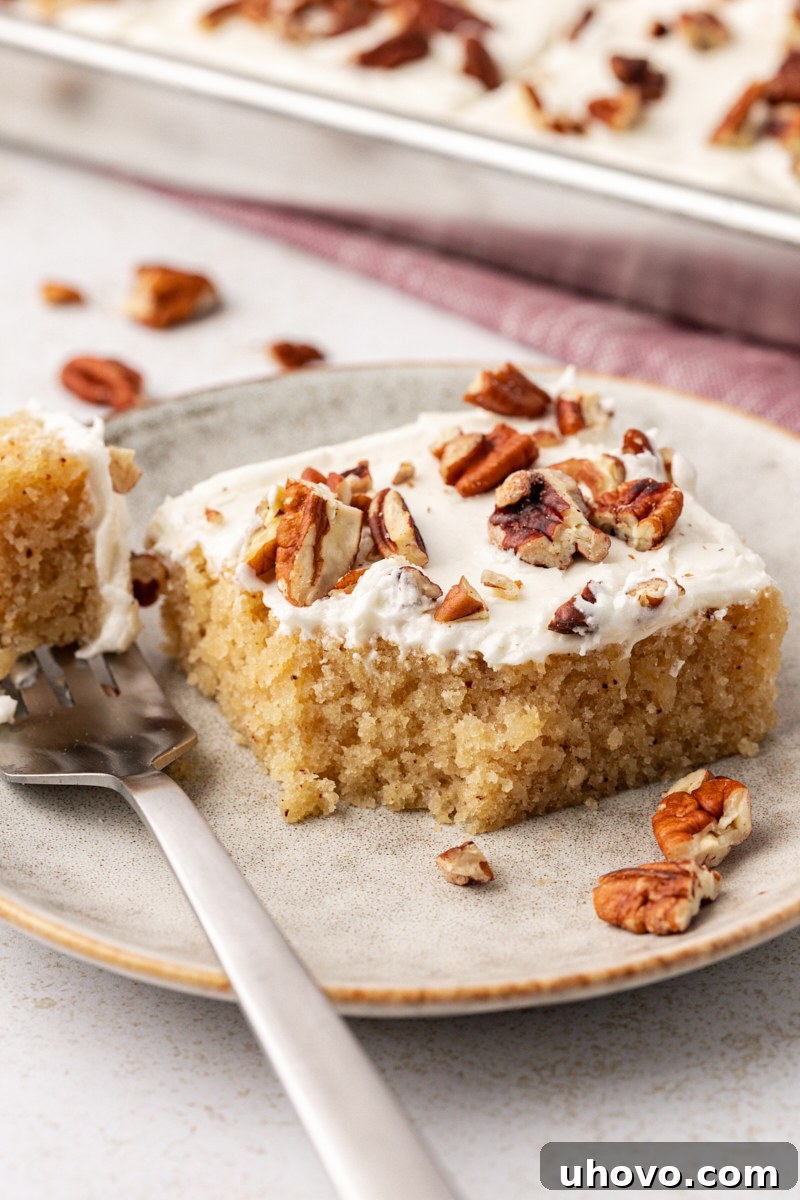
Brown Butter Texas Sheet Cake: A Decadent Delight with Tangy Sour Cream Frosting
Prepare to be swept off your feet by this exceptional Brown Butter Texas Sheet Cake. It’s a true masterpiece, where the rich, nutty aroma of browned butter elevates a classic cake to extraordinary heights. This isn’t just any sheet cake; it’s a tender, moist, and utterly flavorful creation, perfectly complemented by a luscious, tangy sour cream frosting and a delightful crunch of toasted nuts. Whether you’re a seasoned baker or just starting, this recipe promises a show-stopping dessert that’s surprisingly simple to achieve.
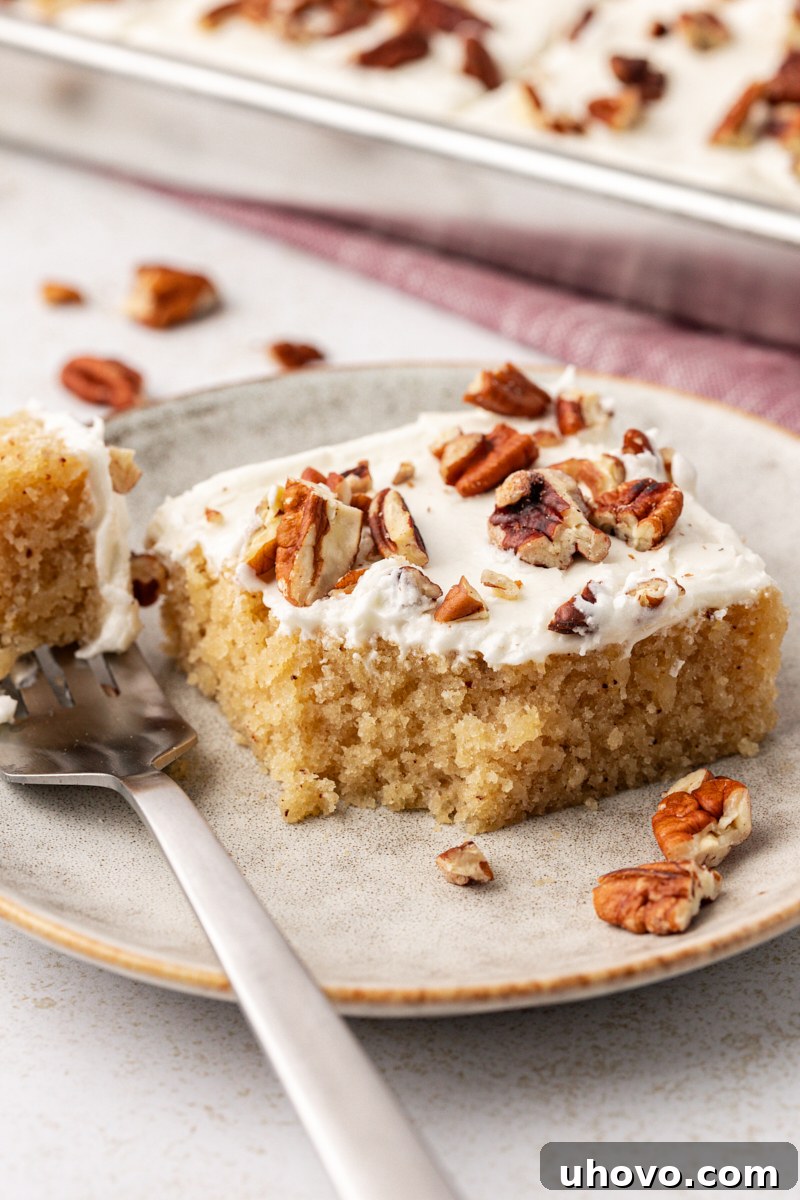
There’s an undeniable magic that happens when butter is slowly cooked to a golden, fragrant perfection. This process, known as browning butter, transforms its mild flavor into a deep, complex nutty essence that imbues baked goods with an unparalleled richness. For this Texas sheet cake, the brown butter is infused directly into the cake batter, creating a depth of flavor that sets it apart. Paired with a creamy, slightly tart sour cream frosting and a generous scattering of toasted nuts, this cake quickly becomes a cherished favorite, perfect for any occasion.
Why This Brown Butter Texas Sheet Cake Will Become Your Go-To Dessert
This isn’t just another cake recipe; it’s a culinary experience designed for both ease and exceptional taste. Here’s why this Brown Butter Texas Sheet Cake is bound to earn a permanent spot in your recipe collection:
- Unbeatable Flavor Profile. The star of the show is, without a doubt, the brown butter. Its deep, nutty, caramelized notes are woven throughout the moist cake, creating a sophisticated base. This rich flavor is then beautifully balanced by a tangy sour cream frosting, which provides a refreshing counterpoint to the cake’s sweetness. The optional addition of toasted nuts introduces a textural contrast and another layer of nutty goodness, making every bite an intricate dance of flavors and textures.
- Effortlessly Simple Baking. Forget complicated multi-layered cakes or demanding techniques. This sheet cake is a dream for busy bakers. It’s a single-layer cake that’s mixed quickly, often without the need for a stand mixer, making it accessible to home cooks of all skill levels. The batter comes together in minutes, and the entire cake bakes in one pan, simplifying both the preparation and cleanup process. Its straightforward nature makes it perfect for last-minute gatherings or a simple weeknight treat.
- Irresistibly Moist and Tender Texture. Beyond its incredible flavor, the texture of this cake is simply divine. It boasts an incredibly soft, tender crumb that practically melts in your mouth. The combination of buttermilk and eggs ensures a moistness that lasts, keeping the cake fresh and delightful for days. This perfect balance of tenderness and moisture is what makes each slice so satisfying and utterly addictive. (If you love moist cakes, be sure to try this brown butter pound cake, too.)
- A Versatile Crowd-Pleaser. Texas sheet cakes are renowned for their ability to feed a crowd, and this brown butter rendition is no exception. Its generous size makes it ideal for potlucks, family reunions, birthday parties, or any event where you need to serve many happy faces. It’s easy to transport, slices beautifully, and appeals to a wide range of palates, making it the ultimate dessert for any social gathering.
- No-Fuss Frosting Application. Unlike cakes that require delicate piping or intricate decorating, a sheet cake embraces simplicity. The sour cream frosting is designed to be spread generously over the warm or cooled cake, allowing for an easy, rustic, yet elegant finish. This means less stress in the kitchen and more time enjoying your delicious creation!
By entering your email, you consent to receiving emails from Bake or Break. You can unsubscribe at any time.
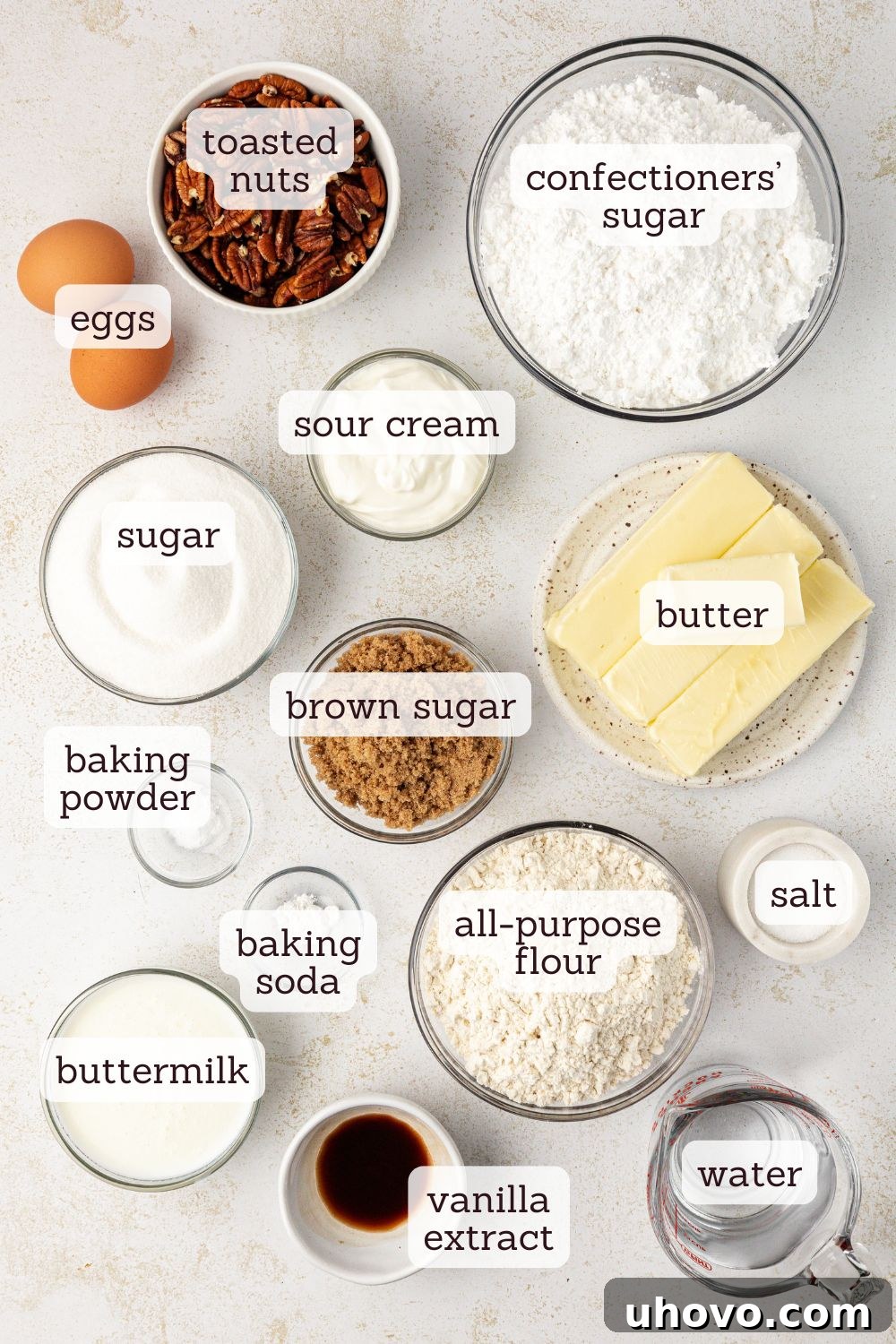
Essential Ingredients for Your Brown Butter Texas Sheet Cake
Crafting this incredible Brown Butter Texas Sheet Cake begins with a selection of common baking staples, each playing a crucial role in developing its signature flavor and texture. You’ll find the precise quantities and detailed instructions in the recipe card below.
For the Cake:
- Unsalted Butter – This is the foundation of our brown butter, which imparts that deep, nutty flavor. Starting with 1 ¼ cups of butter, you should yield approximately 1 cup of delicious brown butter for the recipe. Using unsalted butter gives you control over the salt content in the cake.
- All-Purpose Flour – The structural backbone of the cake. Ensure you measure your flour correctly to prevent a dense or dry cake. Here’s a helpful guide on how to measure flour for baking.
- Granulated Sugar – Provides sweetness and contributes to the cake’s tender crumb and golden-brown crust.
- Light Brown Sugar – Adds a subtle molasses flavor and extra moisture, enhancing the cake’s richness and keeping it incredibly soft. Learn more about the nuances: Light Brown Sugar vs Dark Brown Sugar: What’s the Difference?
- Salt – A crucial ingredient that balances the sweetness and amplifies all the other flavors in the cake. Don’t skip it!
- Baking Powder and Baking Soda – These leavening agents work in harmony to give the cake its light and airy texture, ensuring a beautiful rise and tender crumb.
- Water – Helps create the perfect consistency for the batter and ensures adequate moisture in the baked cake.
- Buttermilk – A secret weapon for moist, tender cakes. Its acidity reacts with the baking soda to create lift, and it also contributes a subtle tanginess that enhances the overall flavor. If you don’t have any on hand, you can easily use a homemade buttermilk substitute.
- Vanilla Extract – A classic flavor enhancer that complements the nutty brown butter beautifully, adding warmth and depth to the cake. I highly recommend using a high-quality extract or making your own with my vanilla extract recipe.
- Eggs – Provide structure, richness, and help bind the ingredients together, contributing to the cake’s moist and tender texture. Make sure they are at room temperature for optimal mixing.
For the Frosting:
- Unsalted Butter – The creamy base for our frosting. It should be softened to room temperature for the smoothest, most lump-free frosting. Learn how to soften butter quickly and effectively.
- Confectioners’ Sugar – Also known as powdered sugar, this fine sugar dissolves easily to create a smooth and fluffy frosting. Sifting it is key to prevent any unwanted lumps.
- Sour Cream – The star ingredient of our tangy frosting! It adds a wonderful tartness that cuts through the sweetness of the cake, creating a perfectly balanced flavor profile. It also contributes to the frosting’s rich and creamy texture.
- Toasted Nuts – (Optional, but highly recommended!) These add a fantastic textural contrast and an additional layer of nutty flavor that pairs wonderfully with the brown butter cake. I prefer toasted pecans, but walnuts or almonds would also be delicious. Chop them coarsely for the best bite.
How to Make Brown Butter Texas Sheet Cake: A Step-by-Step Guide
Creating this delicious sheet cake is a straightforward process, broken down into a few simple stages. Follow these steps for a perfect bake every time.
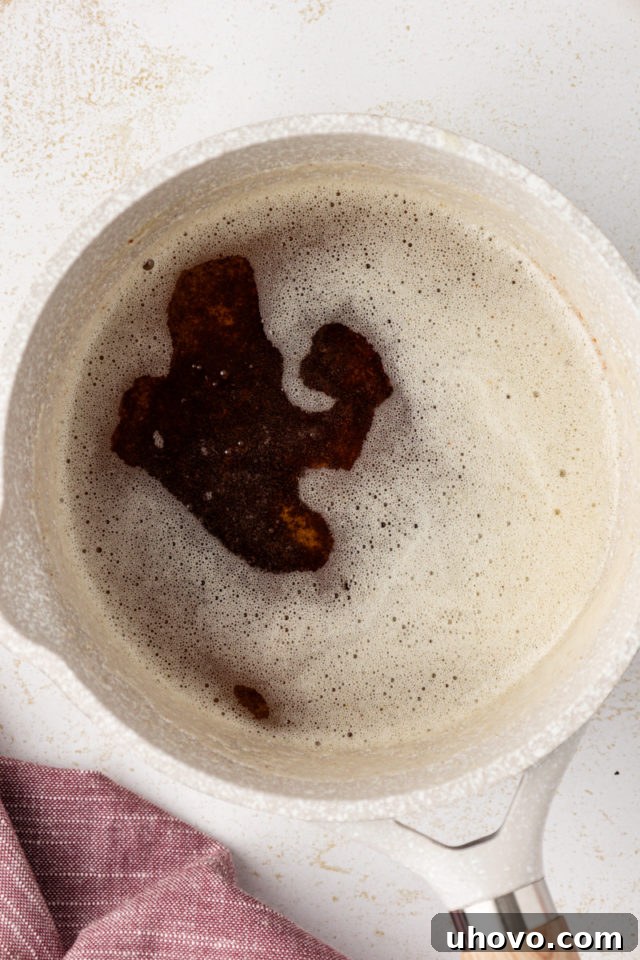
- Brown the Butter. In a medium saucepan, melt the unsalted butter over medium heat. As it melts, it will foam. Continue cooking, stirring occasionally, until the foam subsides, and golden-brown specks begin to form at the bottom of the pan. You’ll notice a distinct nutty aroma. This is your cue! Immediately remove the pan from the heat to stop the cooking. Allow the brown butter to cool slightly before incorporating it into the batter. If desired, you can strain out the brown bits, but they add wonderful flavor.
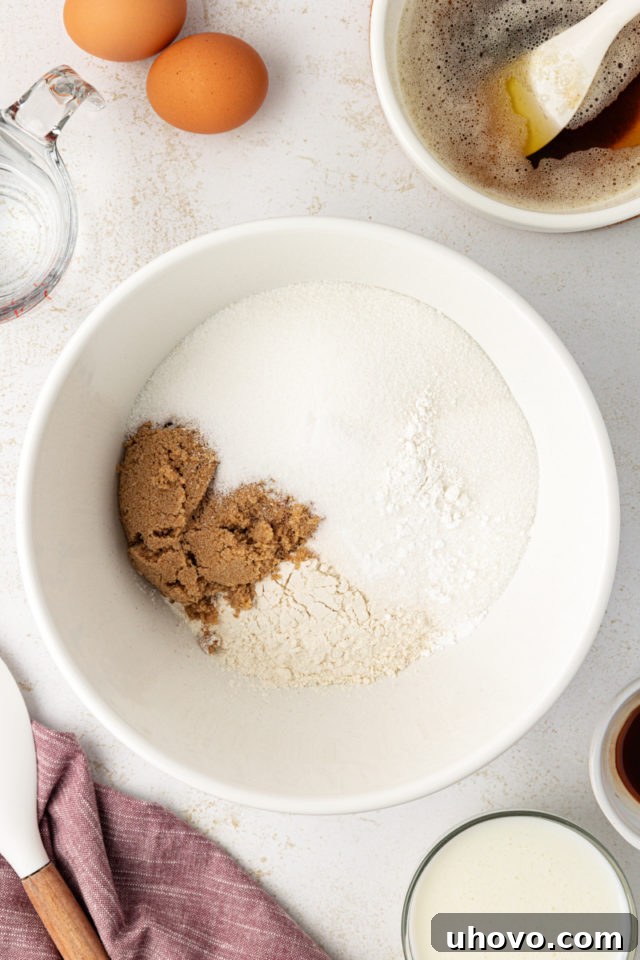
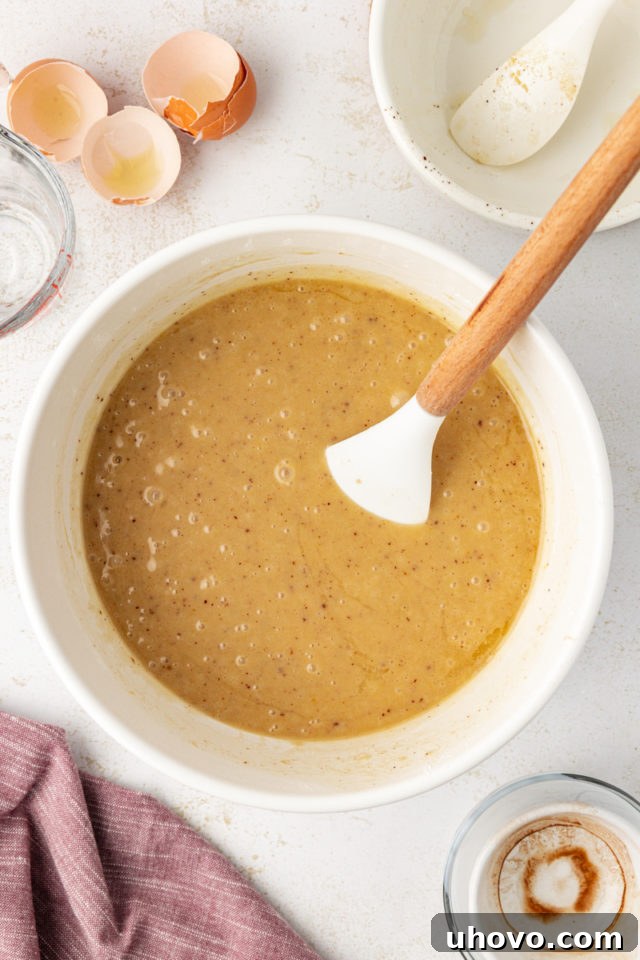
- Prepare the Batter. In a large mixing bowl, whisk together the dry ingredients: all-purpose flour, granulated sugar, light brown sugar, salt, baking powder, and baking soda. Create a well in the center. To this, add the cooled brown butter, water, buttermilk, vanilla extract, and eggs. Stir gently with a whisk or spatula until all ingredients are just combined and the batter is smooth, being careful not to overmix.
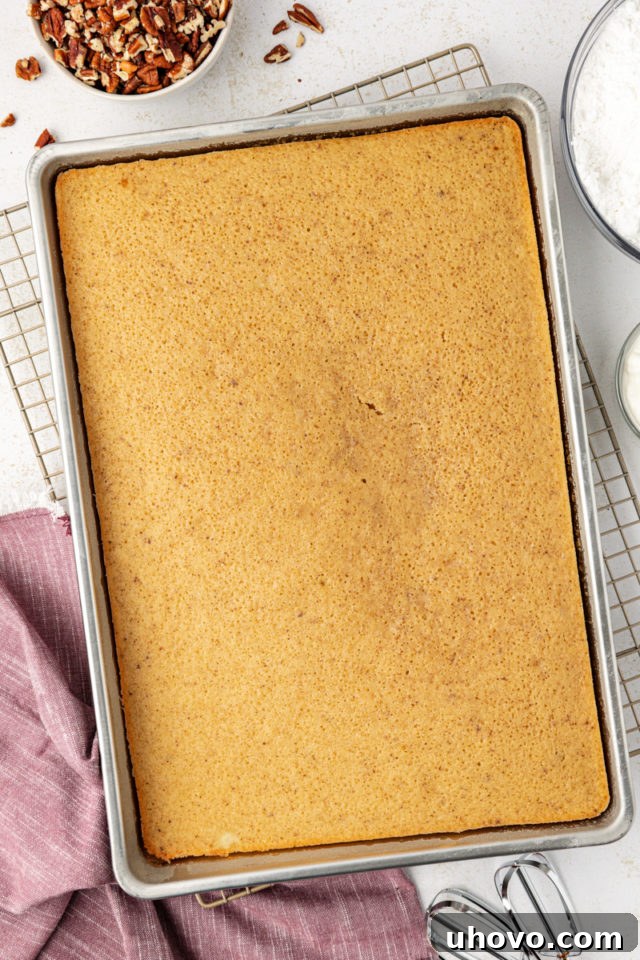
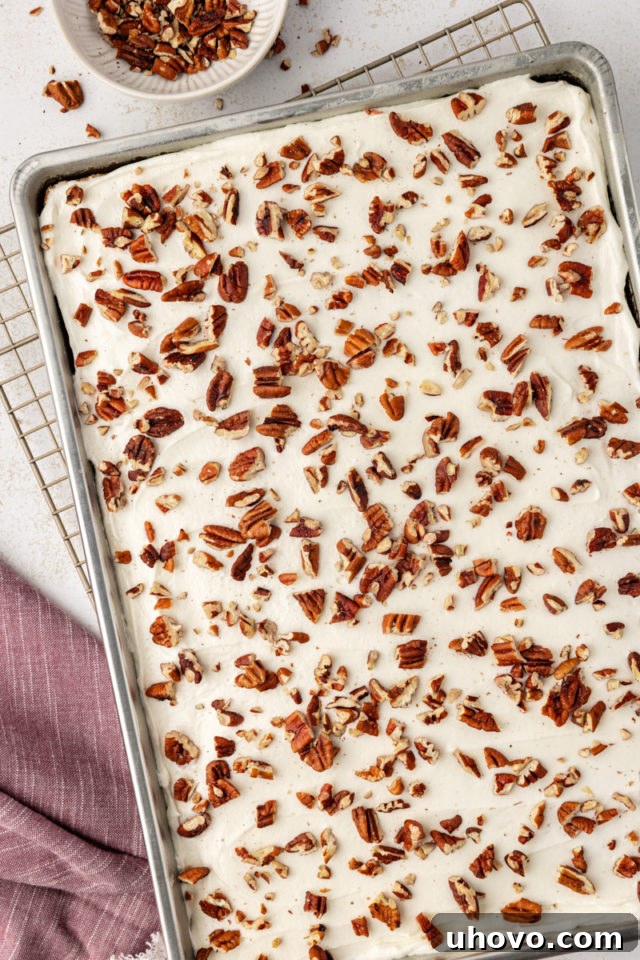
- Bake and Cool. Pour the smooth cake batter evenly into a greased and floured jellyroll pan (typically 15″ x 10″). Bake in a preheated oven at 350ºF (175°C) for 15 to 18 minutes. The cake is done when a wooden skewer or toothpick inserted into the center comes out clean or with a few moist crumbs attached. Once baked, remove the pan from the oven and let the cake cool completely on a wire rack before frosting. This is crucial for preventing the frosting from melting.
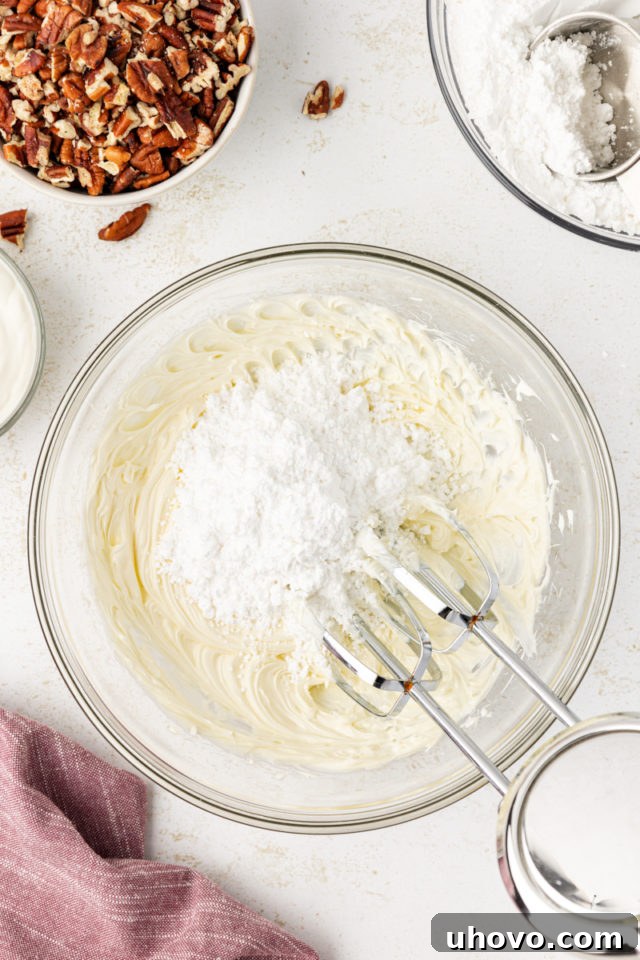
- Make the Frosting. While the cake cools, prepare the tangy sour cream frosting. In a medium bowl, use an electric mixer to beat the softened unsalted butter on medium speed until it is light and creamy. Gradually add the sifted confectioners’ sugar, alternating with 6 tablespoons of sour cream, beating until the frosting is smooth and fluffy. If the frosting seems too thick, add the remaining sour cream, one tablespoon at a time, until you reach a perfectly spreadable consistency.
- Finish and Serve. Once the cake has cooled completely, spread the prepared sour cream frosting evenly over the entire surface of the cake using an offset spatula. For an added layer of flavor and texture, sprinkle your choice of toasted nuts over the top of the frosting. Slice, serve, and enjoy your delightful Brown Butter Texas Sheet Cake!
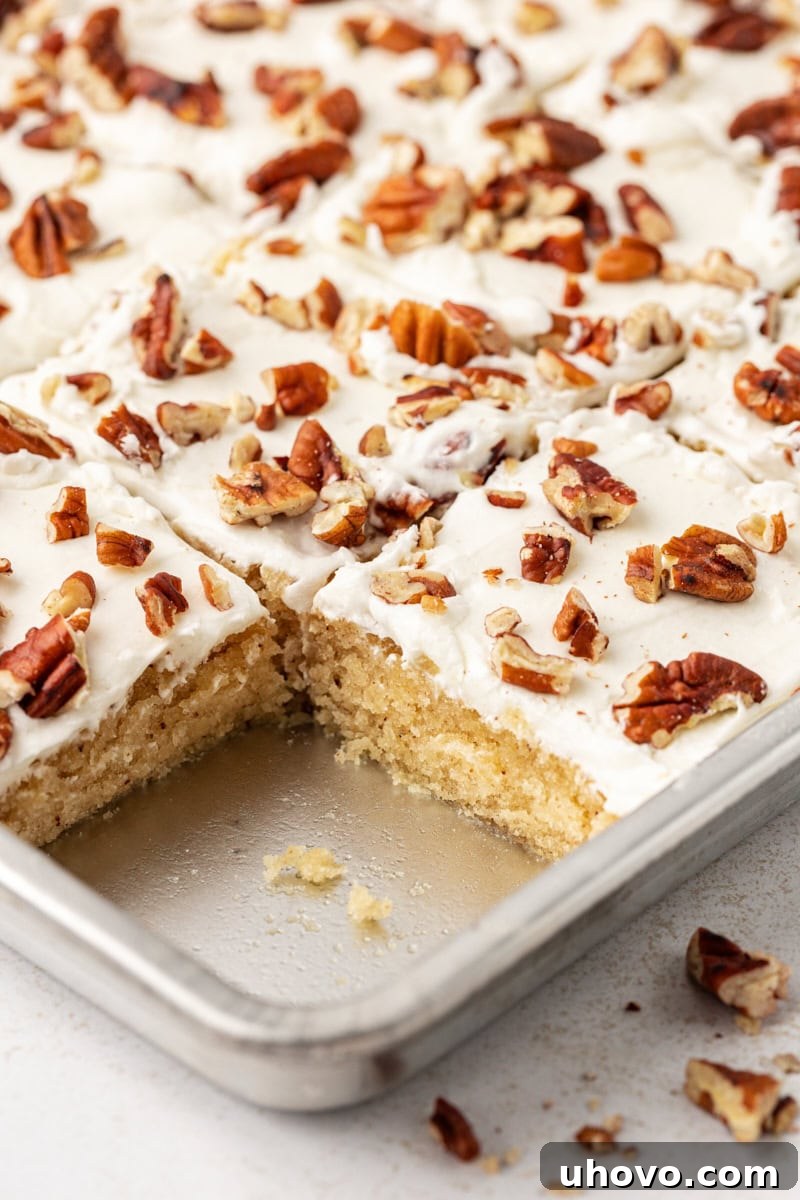
Pro Tips for Brown Butter Texas Sheet Cake Success
Achieving baking perfection often comes down to a few key insights. Here are some expert tips to ensure your Brown Butter Texas Sheet Cake turns out flawlessly every time:
- Use a High-Quality Butter. When browning butter, the quality truly matters. European-style butters or higher-fat brands tend to produce less foam as they cook, making it easier to see the color change and identify those desirable browned bits. Better butter often leads to a richer, more pronounced nutty flavor.
- Babysit the Butter Carefully. Browning butter is a quick process where butter can go from perfectly golden to burnt in mere seconds. Stay by the stove, stirring occasionally, and pay close attention to the visual cues (golden-brown specks) and, more importantly, the aroma. It will transform from a sweet, milky scent to a rich, toasty, nutty fragrance. Once you detect this, remove it immediately from the heat. Don’t be afraid to leave the browned bits in the butter; they are packed with flavor!
- Measure Flour Correctly. For the most tender cake, it’s essential to measure your flour accurately. Fluff the flour in its container, then spoon it gently into your measuring cup and level it off with the back of a knife. Scooping directly from the bag can compact the flour, leading to too much flour and a dry, dense cake.
- Ensure Room Temperature Ingredients. For both the cake batter and the frosting, having ingredients like eggs, buttermilk, and butter at room temperature is crucial. Room temperature ingredients emulsify better, meaning they blend more smoothly and evenly, resulting in a lighter cake texture and a creamier, lump-free frosting.
- Avoid Overmixing the Batter. Once you add the wet ingredients to the dry, mix only until everything is just combined and smooth. Overmixing develops the gluten in the flour, which can lead to a tough and chewy cake. A few small lumps are perfectly fine and will bake out.
- Cool the Cake Completely Before Frosting. This step cannot be rushed. If you try to frost a warm cake, the frosting will melt and slide right off, creating a mess. Allow the cake to cool fully on a wire rack, which can take a couple of hours, especially in its large sheet pan.
- Adjust Frosting Consistency to Perfection. The amount of sour cream needed for the frosting can vary slightly depending on factors like butter temperature and humidity. Always add the sour cream gradually, especially the last few tablespoons, until you achieve a smooth, spreadable consistency that’s easy to work with but still holds its shape.
- Toast Your Nuts for Maximum Flavor. If you’re using nuts, always toast them first! Toasting enhances their natural flavor and crunch. You can do this in a dry skillet over medium-low heat for a few minutes, stirring frequently, or spread them on a baking sheet and bake at 350°F (175°C) for 5-10 minutes, until fragrant. Let them cool before chopping and sprinkling.
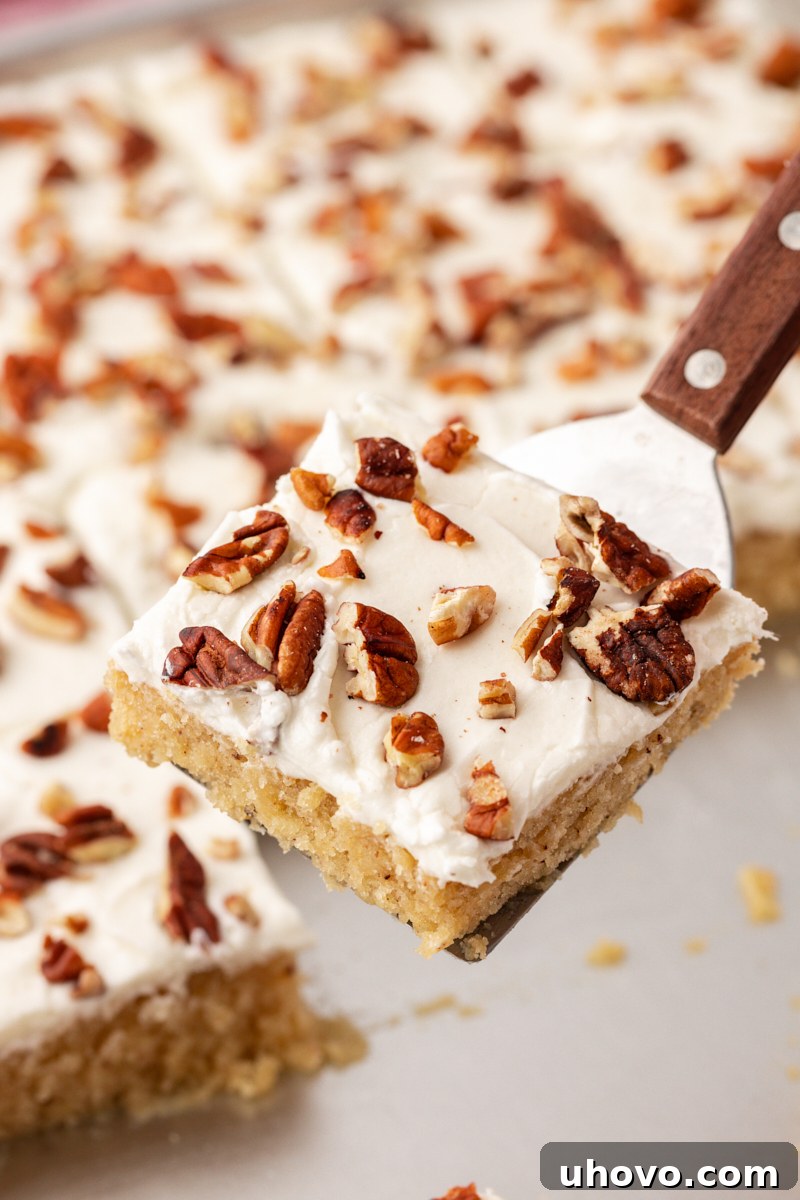
Storage and Freezing Guidelines for Your Sheet Cake
Proper storage is key to keeping your Brown Butter Texas Sheet Cake moist and delicious for as long as possible. Given the sour cream in the frosting, refrigeration is a must.
- Refrigerate: Because of the sour cream in the frosting, this cake must be refrigerated to maintain its freshness and prevent spoilage. If storing in the pan, cover it tightly with plastic wrap, ensuring the wrap doesn’t stick to the frosting by creating a tent or using toothpicks to hold it up. Alternatively, transfer individual slices or smaller portions of leftovers to an airtight container. Stored correctly, your Brown Butter Texas Sheet Cake will remain delicious for 3 to 4 days in the refrigerator.
- Freezer: This cake freezes beautifully! For longer storage, wrap individual slices or larger portions tightly in plastic wrap, then aluminum foil, or place them in an airtight freezer-safe container or freezer bag. It can be frozen for up to 3 months. When you’re ready to enjoy it, thaw the cake overnight in the refrigerator before serving. Freezing is a fantastic way to enjoy a slice of this cake whenever a craving strikes!
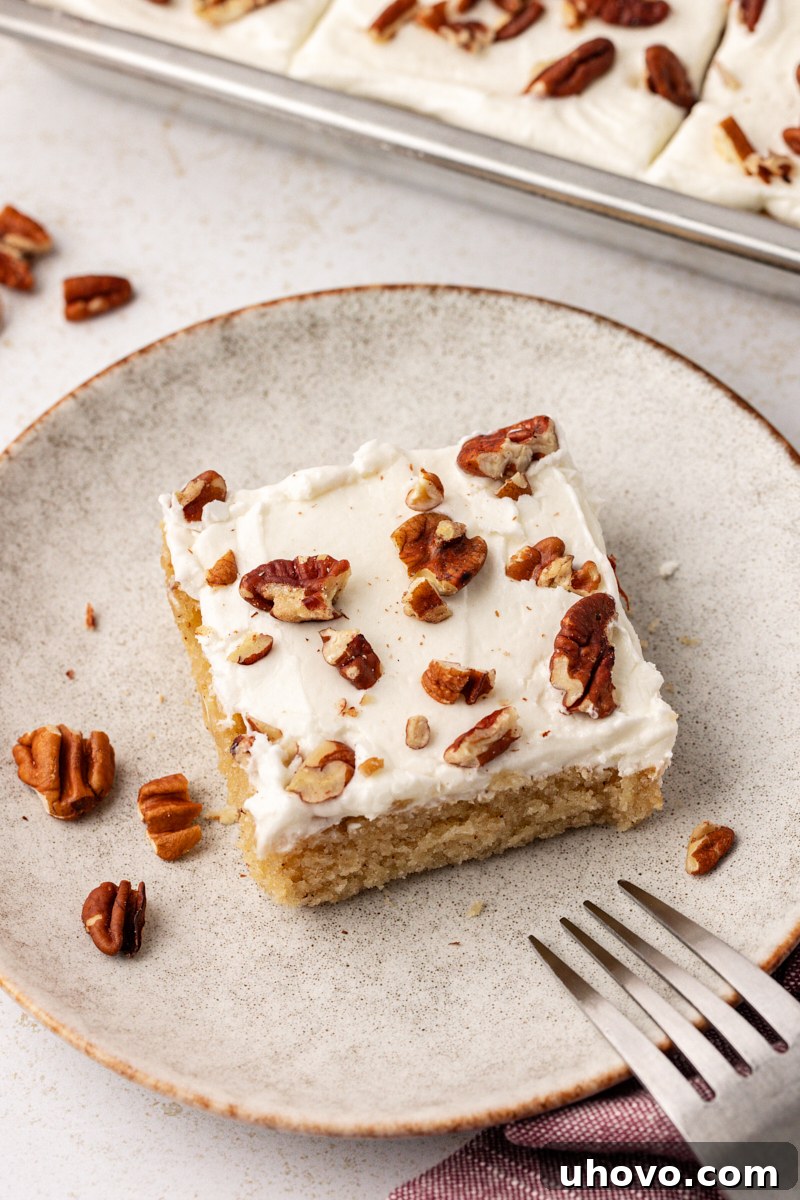
Delicious Variations & Serving Suggestions
While this Brown Butter Texas Sheet Cake is perfect as is, it’s also wonderfully adaptable! Here are some ideas to customize it or enhance your serving experience:
- Nut Alternatives: While pecans are classic, feel free to experiment with other toasted nuts like walnuts, almonds, or even hazelnuts for a different flavor profile. Each will bring its own unique texture and taste.
- Chocolate Lover’s Twist: For an extra decadent treat, sprinkle miniature chocolate chips over the frosted cake or even fold a handful into the batter before baking. A drizzle of chocolate ganache over the frosting would also be divine.
- Caramel Drizzle: A light drizzle of homemade or store-bought caramel sauce over the frosted cake before serving adds another layer of rich, sweet complexity that pairs beautifully with the nutty brown butter.
- Spiced Cake: Add a touch of cinnamon or nutmeg to the cake batter to introduce a warm, cozy spice that complements the brown butter and sour cream frosting, especially during cooler months.
- Serving Temperature: While delicious at room temperature, some prefer a slightly chilled slice, which gives the frosting a firmer texture. Alternatively, serving a slightly warm slice of unfrosted cake with a scoop of vanilla bean ice cream could be a delightful experience.
- Occasion Versatility: This cake is robust enough for casual family desserts but also elegant enough for special occasions. Garnish with fresh berries, edible flowers, or a dusting of cocoa powder for an elevated presentation.
Frequently Asked Questions About Brown Butter Texas Sheet Cake
Got questions? We’ve got answers to help you master this delicious recipe!
- Can I make this cake ahead of time? Absolutely! This cake is excellent for making ahead. You can bake the cake a day in advance, let it cool completely, and then frost it before serving. The flavors often deepen overnight, making it even more delicious. Store it covered in the refrigerator.
- What if I don’t have buttermilk? No problem! You can easily make a homemade buttermilk substitute. For ½ cup of buttermilk, measure ½ cup of regular milk (dairy or non-dairy) and stir in ½ tablespoon of lemon juice or white vinegar. Let it sit for 5-10 minutes until it slightly curdles.
- Why is my brown butter not browning? Ensure your heat isn’t too low. Medium heat is usually sufficient. Also, be patient and stir occasionally. The process takes a few minutes after the butter melts and foams. Using a light-colored saucepan can help you better see the color change.
- Can I use dark brown sugar instead of light brown sugar? Yes, you can, but it will result in a slightly deeper molasses flavor and potentially a bit more moisture. Light brown sugar is generally preferred for its milder sweetness that allows the brown butter flavor to shine.
- Is Texas Sheet Cake supposed to be thin? Yes, traditional Texas Sheet Cakes are known for being thinner than regular layer cakes. They are baked in a large, shallow jellyroll pan, which contributes to their characteristic moistness and makes them ideal for serving a crowd.
In conclusion, this Brown Butter Texas Sheet Cake is more than just a dessert; it’s a testament to how simple ingredients, when handled with a touch of culinary care, can create something truly extraordinary. The deep, nutty undertones of brown butter, combined with a moist, tender crumb and a bright, tangy sour cream frosting, make for an unforgettable treat. It’s easy to make, feeds many, and promises to be a beloved addition to your baking repertoire. Don’t hesitate to give this recipe a try – your taste buds will thank you!
More Irresistible Sheet Cake Recipes
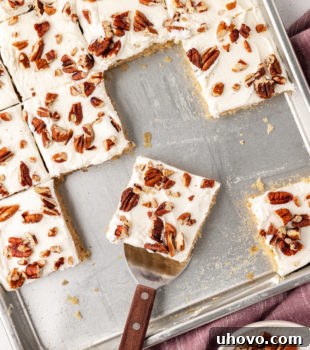
Brown Butter Texas Sheet Cake
20 servings
30 minutes
20 minutes
50 minutes
Pin Recipe
Leave a Review
Ingredients
For the cake:
- 1 ¼ cups (283 g) unsalted butter
- 2 cups (240 g) all-purpose flour
- 1 ½ cups (300 g) granulated sugar
- ½ cup (100 g) firmly packed light brown sugar
- ¾ teaspoon salt
- ½ teaspoon baking powder
- ½ teaspoon baking soda
- 1 cup (240 ml) water
- ½ cup (120 ml) buttermilk
- 1 teaspoon vanilla extract
- 2 large eggs
For the frosting:
- ½ cup (113 g) unsalted butter, softened
- 3 cups (330 g) confectioners’ sugar, sifted
- 6 to 8 tablespoons (85 to 113 g) sour cream
- 1 cup toasted nuts, chopped* (optional)
Recommended Products
-
Enameled Cast Iron Sauce Pan, 2-Quart
-
OXO Jelly Roll 10 x 15 Inch
-
Offset Spatula
Instructions
To make the cake:
-
Place the butter in a medium saucepan. Cook over medium heat until the butter melts and begins to foam.
-
Continue cooking, stirring occasionally, until brown specks begin to form at the bottom of the pan and the butter has a nutty aroma. Remove the pan from the heat and allow to cool. If desired, strain the butter to remove the browned bits.*
-
Preheat oven to 350°F (175°C). Grease and flour a 15″x 10″ jelly-roll pan.
-
Combine the flour, sugar, brown sugar, salt, baking powder, and baking soda in a large bowl. Add the cooled brown butter, water, buttermilk, vanilla, and eggs. Stir until smooth.
-
Spread the batter evenly in the prepared pan.
-
Bake 15 to 18 minutes, or until a pick inserted into the center comes out clean. Cool completely in the pan on a wire rack.
To make the frosting:
-
Using an electric mixer on medium speed, beat the butter until creamy. Gradually add the confectioners’ sugar and 6 tablespoons of the sour cream. Beat until smooth. Add the remaining sour cream, a tablespoon at a time, if necessary to achieve a spreadable consistency.
-
Spread the frosting evenly over the cake. If using, sprinkle the nuts over the frosting.
Notes
- *Once the butter has been browned, you should have 1 cup of brown butter.
- Recipe adapted from Taste of the South.
- Store tightly covered in the refrigerator for 3 to 4 days.
Show off your baking masterpiece!
Snap a pic, tag @bakeorbreak, and use #bakeorbreak on Instagram. Can’t wait to see your creation!