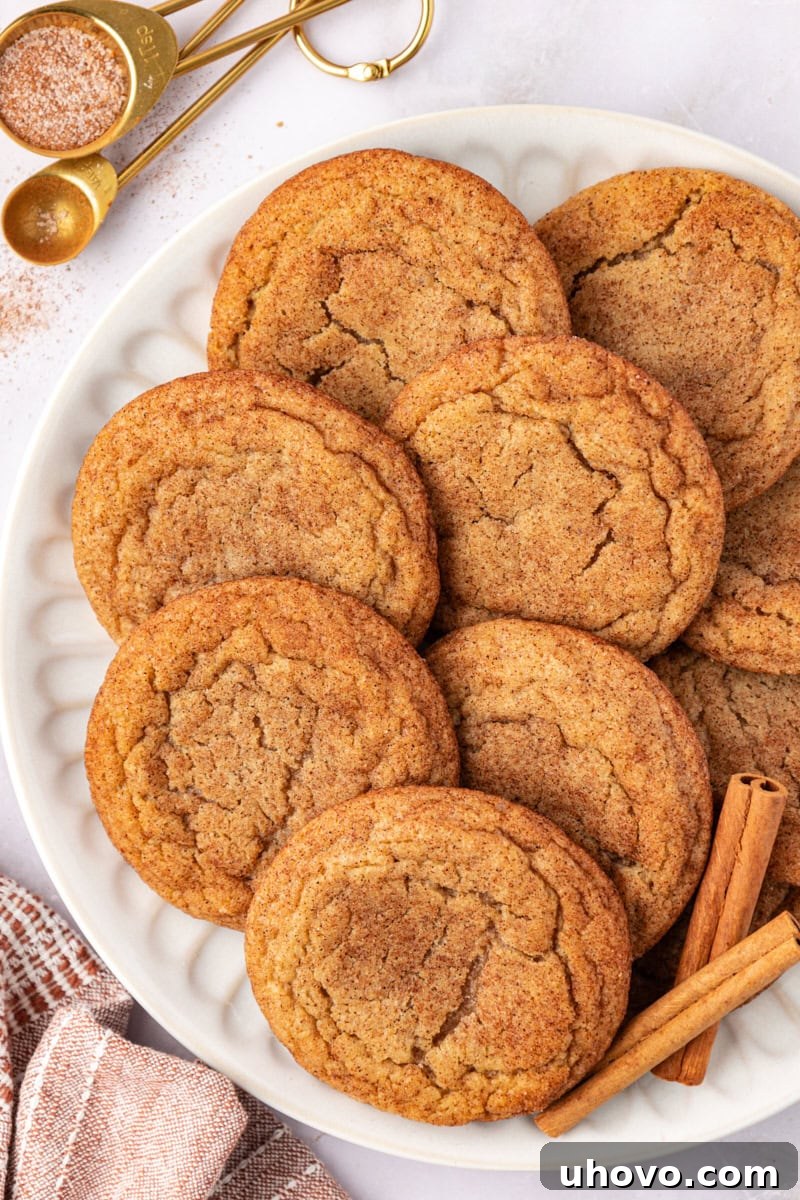
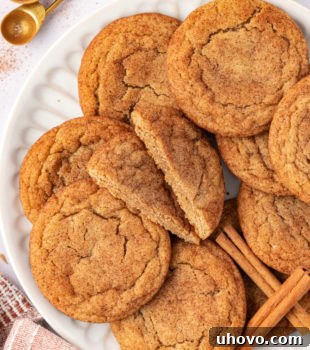
Step into a world where classic meets extraordinary with our incredible Brown Butter Snickerdoodles. Imagine your favorite soft, chewy cookie, enveloped in a warm cinnamon-sugar coating, now elevated with the deep, nutty, and slightly caramel notes of browned butter. This isn’t just a cookie; it’s an experience, transforming a beloved classic into something truly unforgettable. Perfect for gifting, sharing, or simply indulging in a moment of pure bliss, these snickerdoodles are designed to become your new go-to recipe.
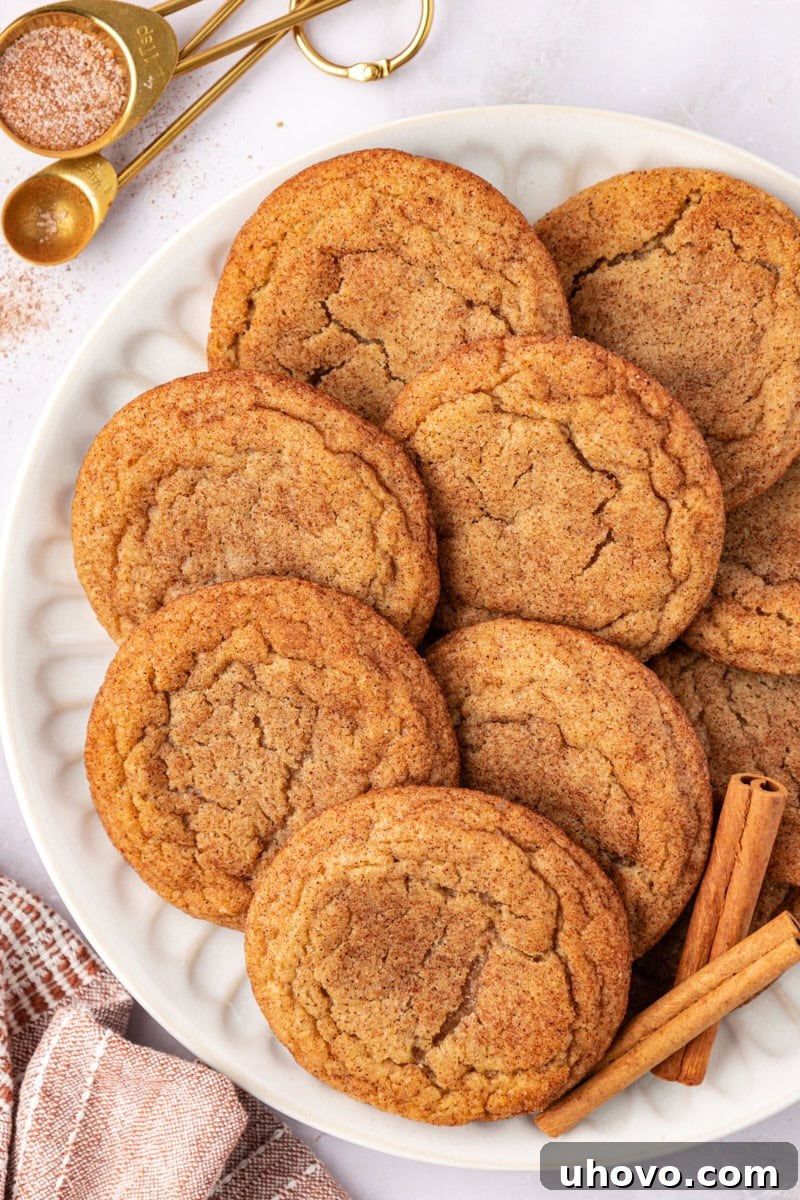
The humble snickerdoodle holds a special place in many hearts, evoking childhood memories with its signature tang and comforting cinnamon spice. But what if we told you there’s a simple, yet profound, way to enhance this timeless treat? Enter browned butter. This magical ingredient introduces a depth of flavor that a regular snickerdoodle can only dream of. The butter undergoes a transformation, developing a rich, toasted, and intensely nutty aroma that permeates every bite, creating a cookie that is perfectly soft in the middle, delicately crisp at the edges, and bursting with warm, complex flavors. Once you try these nutty brown butter snickerdoodles, you’ll find it hard to go back to the original. They’re that good, and they disappear fast!
Why You’ll Fall in Love with This Brown Butter Snickerdoodle Recipe
Prepare to elevate your cookie game with a recipe that takes everything you adore about snickerdoodles and amplifies it. Here’s why these brown butter snickerdoodles will quickly become your new favorite:
- Unforgettable Deep, Nutty Flavor: The star of this recipe is, without a doubt, the browned butter. This simple technique transforms ordinary butter into a golden elixir, imparting a rich, almost caramel-like depth and a distinct nutty aroma. It’s a game-changer that makes these cookies taste incredibly sophisticated yet utterly comforting.
- Perfectly Soft and Chewy Texture: Thanks to the inclusion of cream of tartar, these snickerdoodles achieve that quintessential soft, tender interior with an irresistible chewiness. They maintain their delightful texture for days, ensuring every bite is as satisfying as the first.
- A Beloved Classic with an Irresistible Twist: If you cherish traditional snickerdoodle cookies, this upgraded version offers all the nostalgic comfort you crave, but with an added layer of complexity and flavor that makes it truly special. It’s familiar, yet excitingly new.
- Surprisingly Easy to Make: While the concept of browning butter might sound intimidating, it’s a straightforward process that takes just a few extra minutes. The rest of the brown butter snickerdoodle recipe follows classic cookie-making steps, making it accessible for bakers of all skill levels.
- Aromatic Delight: From the moment the butter starts to brown to the cookies baking in your oven, your kitchen will be filled with the most heavenly, warm, and inviting aromas of toasted butter, cinnamon, and sweet spices.
- Impressive & Crowd-Pleasing: These cookies are not only delicious but also beautiful, with their crinkled tops and generous cinnamon-sugar coating. They make a fantastic impression at potlucks, parties, or as a thoughtful homemade gift.
By entering your email, you consent to receiving emails from Bake or Break. You can unsubscribe at any time.
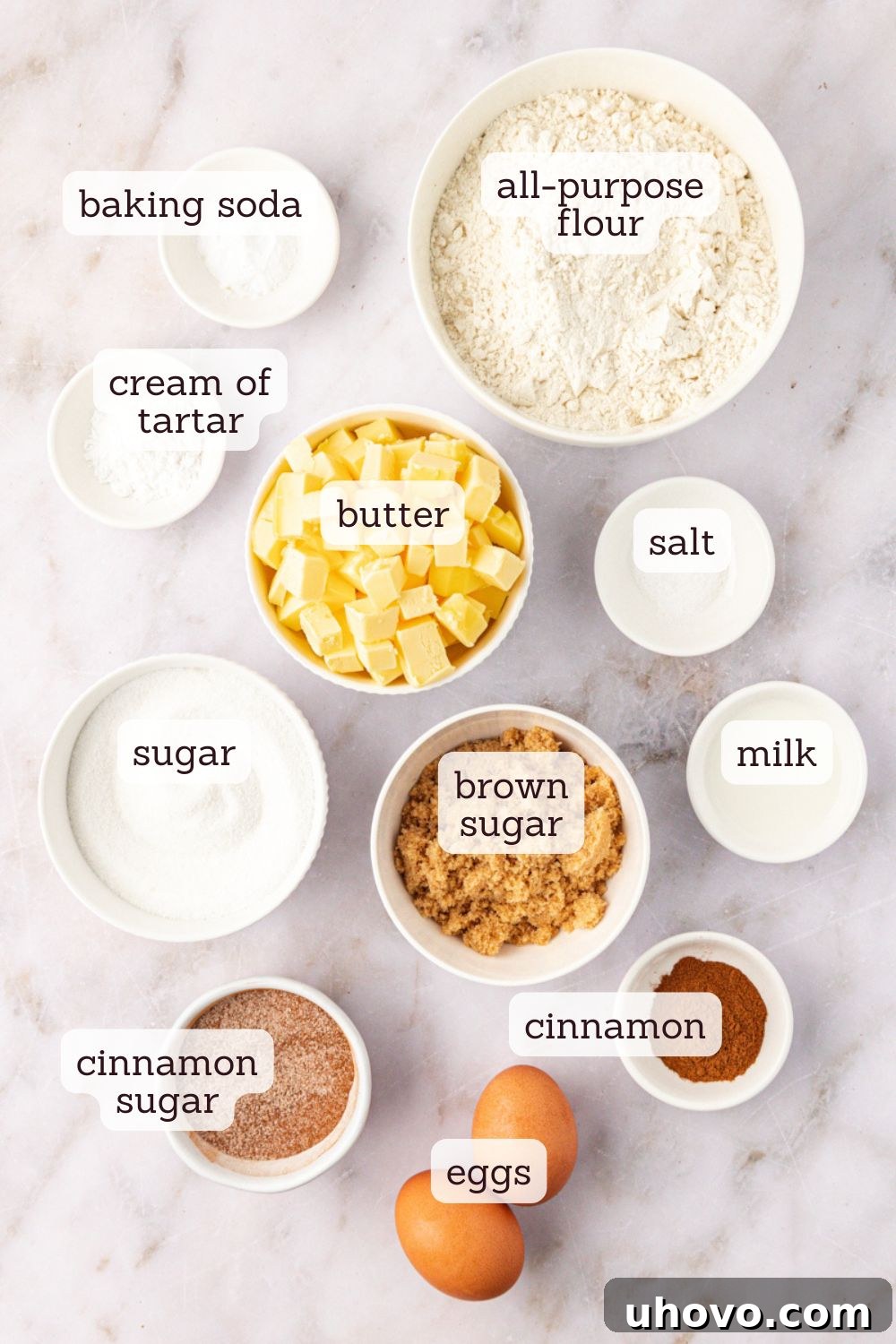
Essential Ingredients for Perfect Brown Butter Snickerdoodles
Crafting these extraordinary brown butter snickerdoodles requires a handful of common baking ingredients, each playing a vital role in achieving their signature flavor and texture. For precise quantities and detailed instructions, refer to the full recipe card below.
- Unsalted Butter: This is the hero ingredient! Browning the butter infuses the cookies with a rich, complex, and deliciously nutty flavor that truly distinguishes them. Starting with unsalted butter gives you control over the overall saltiness of the cookie. Remember to keep a watchful eye on it while it simmers on the stove; we’re aiming for a beautiful golden brown, not a charred disaster!
- All-Purpose Flour: The foundation of our cookie dough. Accurate flour measurement is paramount for achieving the ideal soft and chewy texture. Too much flour can result in dry, crumbly cookies, while too little might make them spread excessively. For best results, I highly recommend using a kitchen scale for precision. For more guidance, check out: How to Measure Flour.
- Cream of Tartar: This is the secret ingredient that gives snickerdoodles their characteristic tangy flavor and contributes significantly to their wonderfully chewy texture and signature crinkly tops. Without cream of tartar, these cookies simply wouldn’t be authentic snickerdoodles, so don’t skip it!
- Ground Cinnamon: A generous amount of fresh, aromatic cinnamon is crucial for that classic snickerdoodle spice. If your cinnamon has been languishing in the pantry for a year or more, its potency may have diminished. Consider replacing it for a vibrant, spicy aroma that truly shines in the cinnamon-sugar coating and within the cookie dough.
- Baking Soda: Working in conjunction with the acidic cream of tartar, baking soda acts as a leavening agent, helping the cookies rise and achieve their soft texture.
- Salt: A pinch of salt enhances all the other flavors, balancing the sweetness and bringing out the nutty depth of the browned butter.
- Large Eggs: Eggs provide structure, moisture, and help bind the cookie dough. For optimal incorporation into the butter and sugar mixture, ensure your eggs are at room temperature. Cold eggs can cause the butter to seize up.
- Milk: A small amount of milk adds extra moisture to the dough, contributing to the cookies’ tender crumb. Whole milk is generally preferred for richness, but any milk you have on hand will work.
- Granulated Sugar & Light Brown Sugar: This dynamic duo creates the perfect balance of sweetness and texture. Granulated sugar contributes to crisp edges and the classic cinnamon-sugar coating, while light brown sugar adds moisture, chewiness, and a subtle molasses undertone that complements the brown butter beautifully.
How to Bake Irresistible Brown Butter Snickerdoodles: Step-by-Step Guide
Creating these elevated snickerdoodles is a rewarding process, and while the browned butter adds an extra layer of flavor, the steps are straightforward. Follow these instructions carefully to bake a batch of perfectly nutty, chewy, and spiced cookies.
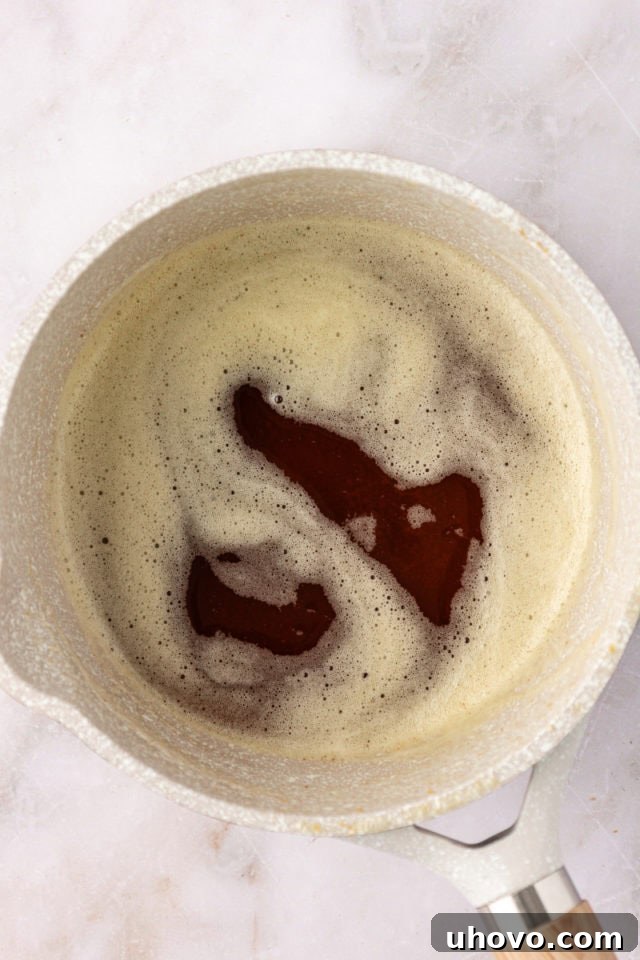

- 1. Brown the Butter: In a medium-sized, light-colored saucepan (this helps you see the browning process), melt the unsalted butter over medium heat. Stir continuously as it melts and begins to foam. The foam will eventually subside, and you’ll see small brown specks forming at the bottom of the pan, accompanied by a rich, nutty aroma. This usually takes 8-10 minutes. As soon as you see those golden-brown bits and smell the distinct nutty fragrance, immediately remove the pan from the heat. Pour the browned butter into a heatproof bowl (or the bowl of your stand mixer if using it to cool) to stop the cooking process. Allow it to cool to room temperature, which can take 15-20 minutes, or speed it up by beating it on medium-low in your stand mixer for 5-7 minutes.
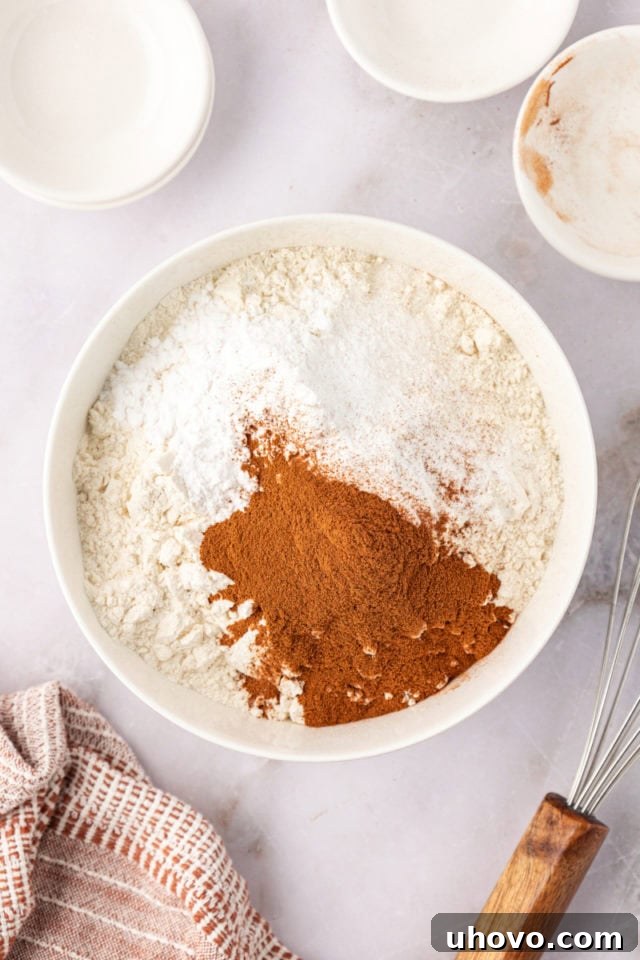
- 2. Prepare Dry Ingredients: While the butter cools, in a separate medium bowl, whisk together the all-purpose flour, cream of tartar, ground cinnamon, baking soda, and salt. Ensure these ingredients are well combined to distribute the leavening and spices evenly throughout the dough.
- 3. Combine Wet Ingredients: In a small bowl, lightly whisk together the room temperature eggs and milk until just combined. This mixture will be added to the cooled browned butter.
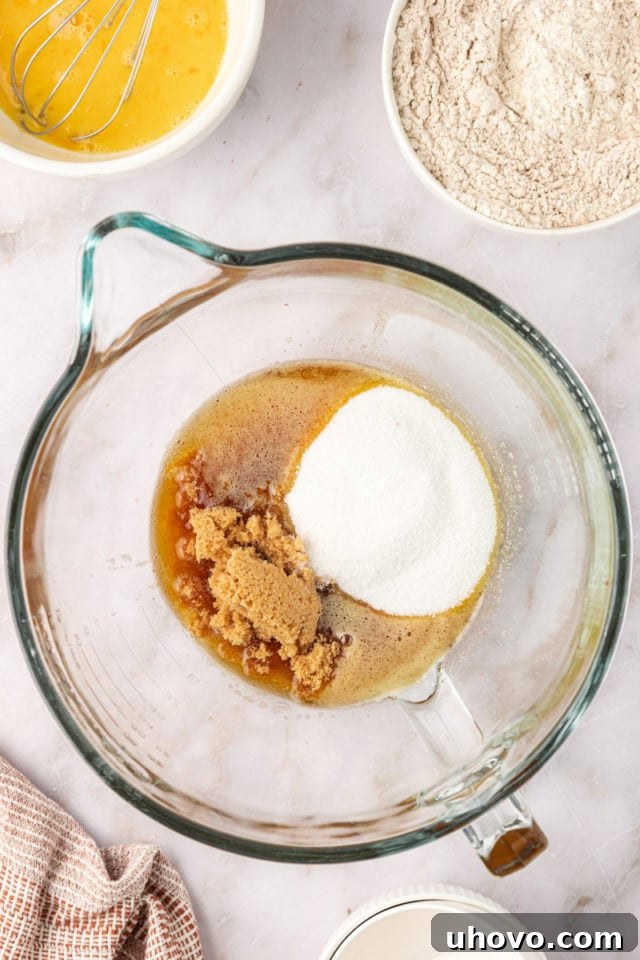
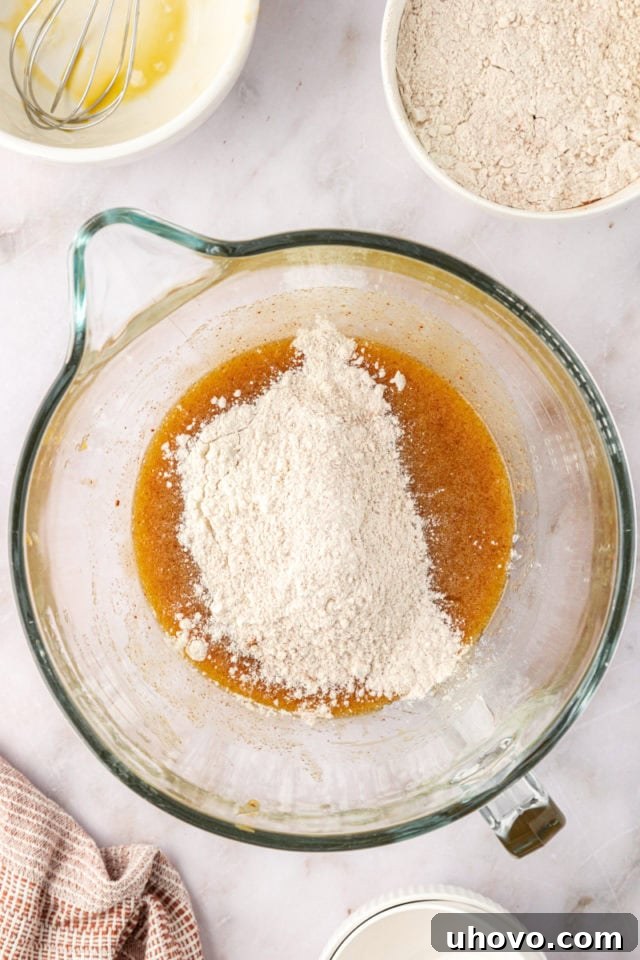
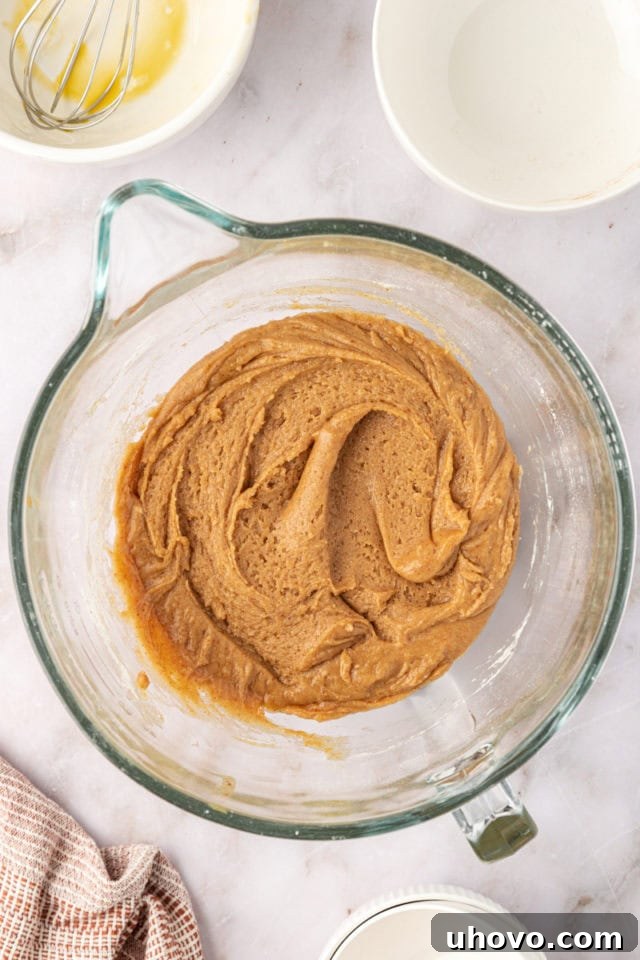
- 4. Form the Dough: Once the browned butter has cooled to room temperature, add both the granulated sugar and light brown sugar to it. Beat on medium speed until well combined. Reduce the mixer speed to low and gradually pour in the egg and milk mixture, beating until fully incorporated. Finally, add the dry ingredient mixture in three separate additions, mixing on low speed just until no streaks of flour remain. Be careful not to over-mix the dough, as this can lead to tough cookies.
- 5. Chill the Dough: This step is crucial for flavor development and prevents the cookies from spreading too much during baking. Form the dough into a mound in the mixing bowl, cover it tightly with plastic wrap, and refrigerate for at least one hour. For the best flavor and texture, chilling for 2-3 hours or even overnight is highly recommended.
- 6. Prepare for Baking: When you’re ready to bake, preheat your oven to 400°F (200°C). Line your baking sheets with parchment paper or silicone baking mats to prevent sticking and ensure even baking.
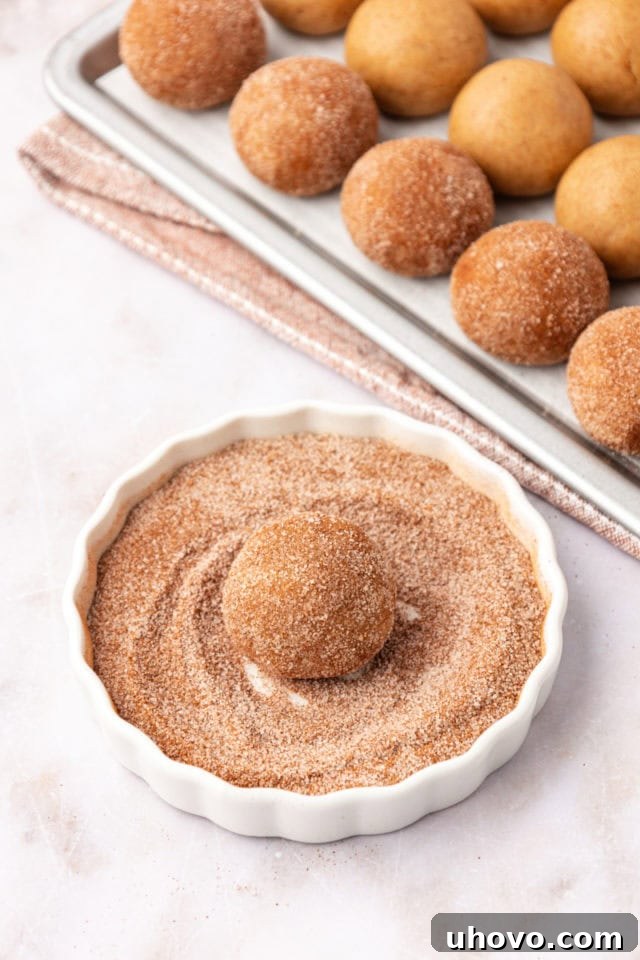
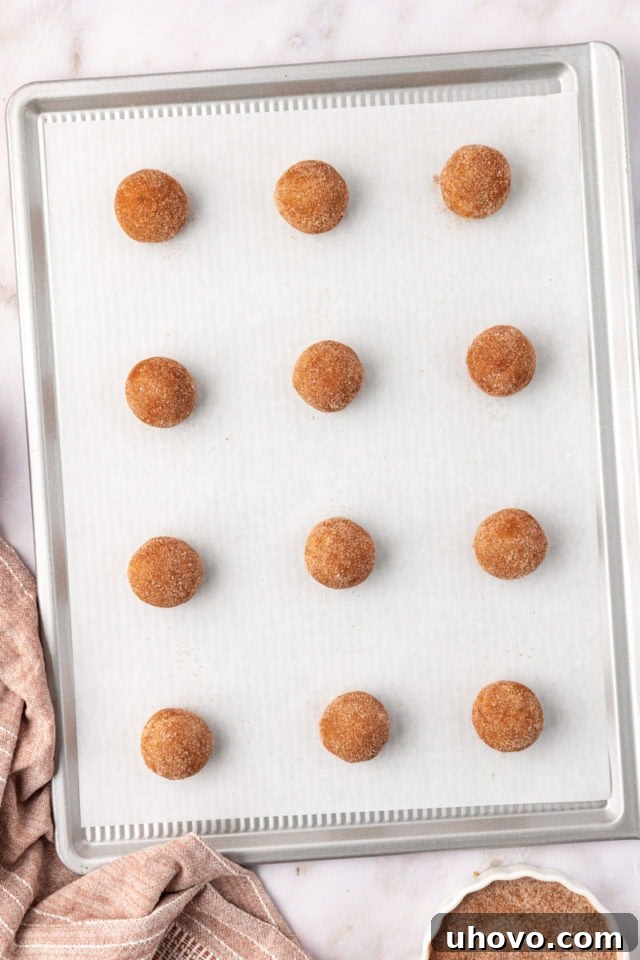
- 7. Shape and Coat: In a wide, shallow dish, mix together the granulated sugar and ground cinnamon for the coating. Using a 2-tablespoon cookie scoop, portion out the chilled dough. Roll each dough ball generously in the cinnamon-sugar mixture until fully coated. This creates the iconic snickerdoodle texture and spice burst. Place the coated cookie dough balls about 1½ inches apart on your prepared baking sheets.
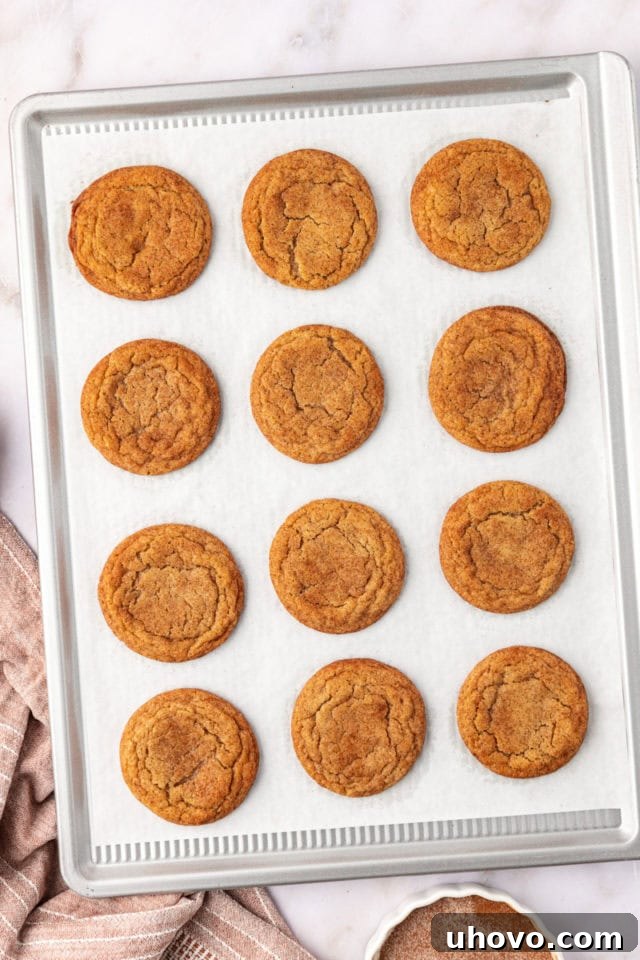
- 8. Bake to Perfection: Bake one sheet at a time in the preheated oven for about 10 minutes, or until the edges are set and lightly golden, and the centers appear just barely set. Remember, a slightly underbaked cookie is key for that wonderfully soft and chewy interior. Overbaking will result in a dry, crunchy cookie.
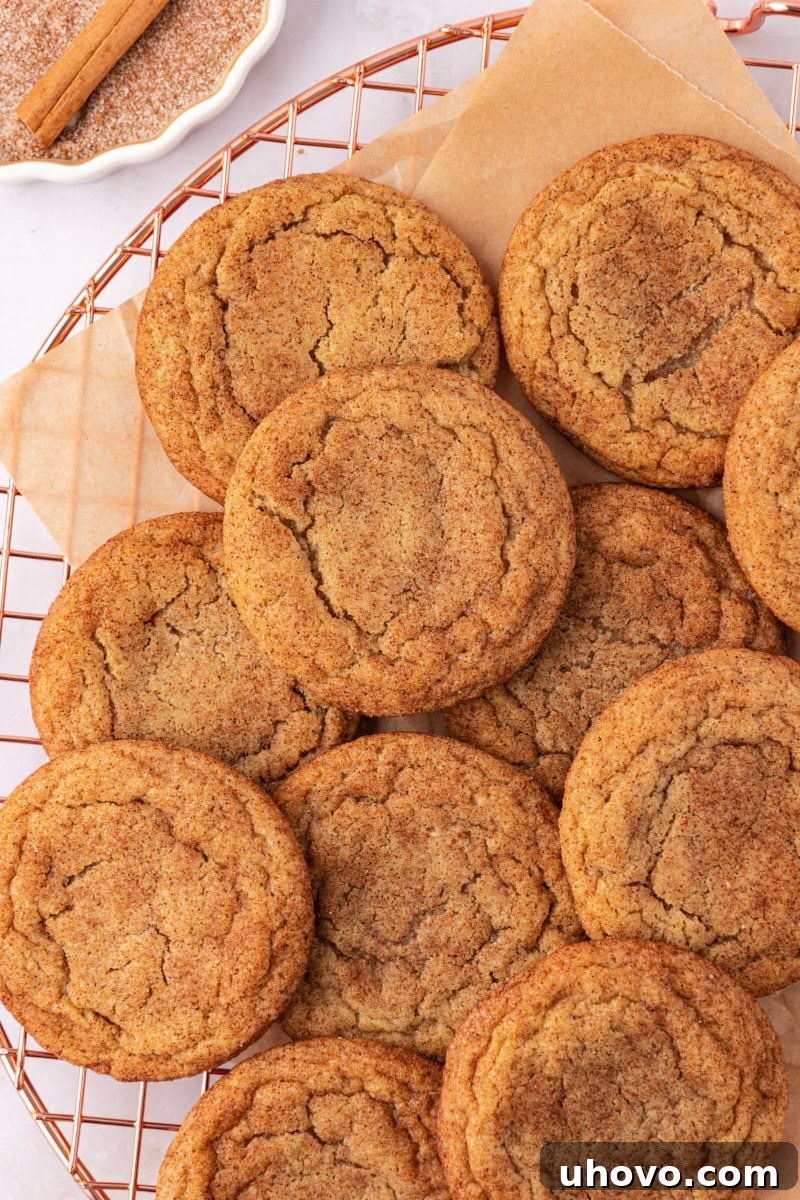
- 9. Cool: Allow the baked cookies to cool on the baking sheets for about 10 minutes before transferring them to a wire rack to cool completely. This initial cooling period on the hot sheet helps them set without breaking.
The Magic Behind Brown Butter: A Flavor Transformation
Browning butter might seem like an extra step, but it’s the secret weapon that elevates these snickerdoodles from good to absolutely glorious. This simple culinary technique, often referred to by its French name beurre noisette, involves gently cooking butter past its melting point until the milk solids toast and develop a beautiful amber hue. Here’s why this transformation is so crucial for our brown butter snickerdoodles:
- Unlocking Rich, Nutty Flavors: As butter browns, the proteins and sugars within the milk solids undergo the Maillard reaction—a complex chemical process responsible for creating deep, savory, and nutty flavors. This reaction produces hundreds of new flavor compounds, giving the butter a profound, toasted hazelnut or pecan-like taste. It’s a game-changer that adds unparalleled depth to these chewy snickerdoodles.
- Developing Caramelized Notes: Beyond the nutty essence, browned butter also develops subtle notes of caramel and toffee. These sweet, complex undertones perfectly complement the cinnamon and sugar in snickerdoodles, creating a harmonious flavor profile that is both comforting and sophisticated.
- Intensified Aromatics: The aroma of browned butter alone is enough to make your mouth water. As it cooks, your kitchen will fill with a warm, inviting fragrance that hints at the rich, toasted flavor waiting to be discovered in each bite of these nutty snickerdoodles.
- Balancing Sweetness with Depth: The slightly savory and robust character of browned butter helps to balance the sweetness of the sugars in the recipe. This results in a more complex cookie that is less cloyingly sweet and more nuanced, allowing the cinnamon and tangy notes of the cream of tartar to truly shine.
- Contributing to a Superior Texture: While primarily a flavor enhancer, browning butter also subtly impacts the cookie’s texture. The absence of some water content from the butter, combined with the way it’s incorporated, contributes to a cookie that is often more tender and chewy in the center, with those delightful slightly crisp edges.
In essence, browning the butter is a flavor investment that pays off handsomely, transforming a simple ingredient into a powerful flavor enhancer that makes these snickerdoodles truly extraordinary.
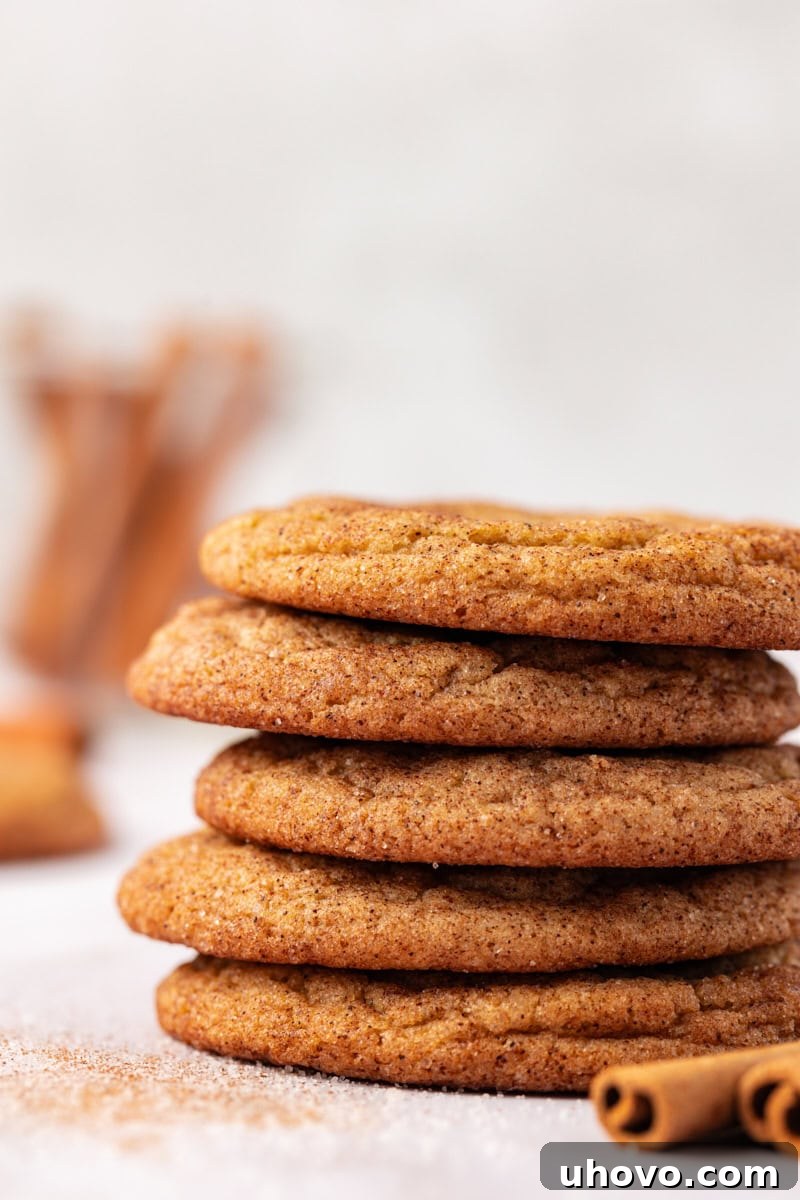
Expert Tips for Baking Perfect Brown Butter Snickerdoodles
Achieving bakery-quality brown butter snickerdoodles is easier than you think with a few helpful pointers. These tips will guide you through the process, ensuring your cookies turn out perfectly soft, chewy, and flavorful every time.
- Master the Brown Butter Technique: This is the most crucial step! When browning butter, heat it over medium heat and stir constantly. It will melt, foam, then the foam will subside, revealing small golden-brown specks at the bottom of the pan and a fragrant, nutty aroma. This stage happens quickly, so remove it from the heat as soon as you see those specks and smell the nuttiness to prevent burning. A light-colored saucepan can help you monitor the color change more effectively.
- Allow the Browned Butter to Cool: After browning, immediately transfer the butter to a separate heatproof bowl to stop the cooking process. It is absolutely essential to let the browned butter cool to room temperature before combining it with the sugars. If the butter is too hot, it will melt the sugar, leading to a greasy dough and cookies that spread excessively and become flat during baking.
- Ensure Room Temperature Eggs: Cold eggs do not emulsify properly with fats, which can lead to a lumpy batter and a less uniform cookie texture. If you add cold eggs to the cooled (but still slightly warm) browned butter, it can cause the butter to solidify, making it difficult to mix evenly. Let your eggs sit out on the counter for 30-60 minutes before you start baking.
- Don’t Over-Mix the Dough: Once you add the dry ingredients (flour mixture) to the wet ingredients, mix only until the flour streaks have just disappeared. Overworking the dough develops the gluten in the flour, which can result in tough, dense cookies instead of the desired soft and tender texture. Gentle mixing is key here.
- Prioritize Chilling Time: Do not skip the chilling step! Refrigerating the dough for at least an hour (and ideally 2-3 hours or even overnight) allows the flavors to meld beautifully, intensifies the browned butter taste, and most importantly, solidifies the butter in the dough. This prevents the cookies from spreading too much in the oven, ensuring a thicker, chewier cookie with those lovely crinkled tops.
- Use a Cookie Scoop for Uniformity: For consistently sized and evenly baked cookies, a cookie scoop is your best friend. A 2-tablespoon scoop (often labeled as #30) is perfect for these snickerdoodles, yielding cookies that bake at the same rate and look professionally made.
- Preheat Your Oven Properly: Ensure your oven is fully preheated to 400°F (200°C) before placing your cookies inside. A hot oven helps the cookies set quickly around the edges while keeping the centers soft.
- Slightly Underbake for Chewiness: For that signature soft and chewy snickerdoodle texture, it’s better to slightly underbake them. The edges should be set and lightly golden, but the centers might still look a little soft or puffed. They will continue to set as they cool on the baking sheet.
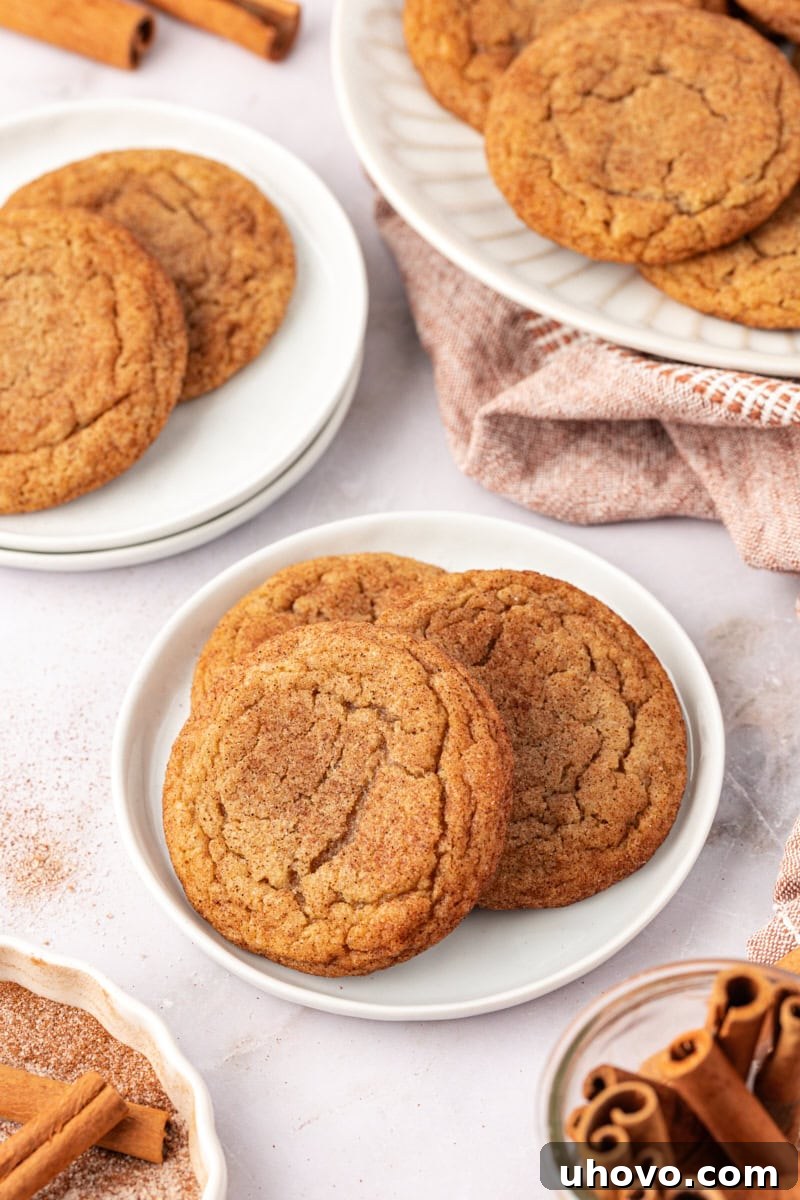
Exciting Variations for Your Brown Butter Snickerdoodles
While these brown butter snickerdoodles are absolutely perfect as is, they also serve as a fantastic canvas for creative flavor explorations. Here are some delightful variations to try, adding even more personality to your batch:
- Embrace More Spice: For an extra layer of warmth and complexity, consider adding a pinch (about ¼ to ½ teaspoon) of other complimentary spices to your cinnamon-sugar mixture or directly into the dough. Cardamom offers a bright, floral note, while a touch of freshly grated nutmeg or a hint of allspice can deepen the cozy factor.
- Introduce Nutty Textures: Browned butter naturally pairs wonderfully with nuts. Fold in about ½ cup of finely chopped toasted pecans, walnuts, or hazelnuts into the cookie dough during the final mixing step. Toasting the nuts beforehand will enhance their flavor even further, creating a truly irresistible nutty snickerdoodle.
- A Warm Maple Twist: For a cozy, autumnal variation, replace the tablespoon of milk with an equal amount of pure maple syrup. You can also add a small amount (about ½ teaspoon) of maple extract to intensify the flavor. The combination of maple and brown butter is a match made in heaven, creating a warm, comforting cookie perfect for fall gatherings.
- Chocolate Chip Swirl: For chocolate lovers, a handful of mini chocolate chips (about ½ cup) can be gently folded into the dough. The slight bitterness of dark chocolate can provide a lovely contrast to the sweet, nutty flavors.
- Zesty Citrus Brightness: Add the finely grated zest of one orange or lemon to the granulated sugar before mixing it into the butter. The citrus zest will release its oils, infusing the cookies with a bright, aromatic counterpoint to the rich brown butter and cinnamon.
- White Chocolate Dream: White chocolate chips (again, about ½ cup) can be a delightful addition, offering a creamy sweetness that pairs beautifully with the spiced brown butter base.
Don’t be afraid to experiment with these variations to find your personal favorite brown butter snickerdoodle combination!
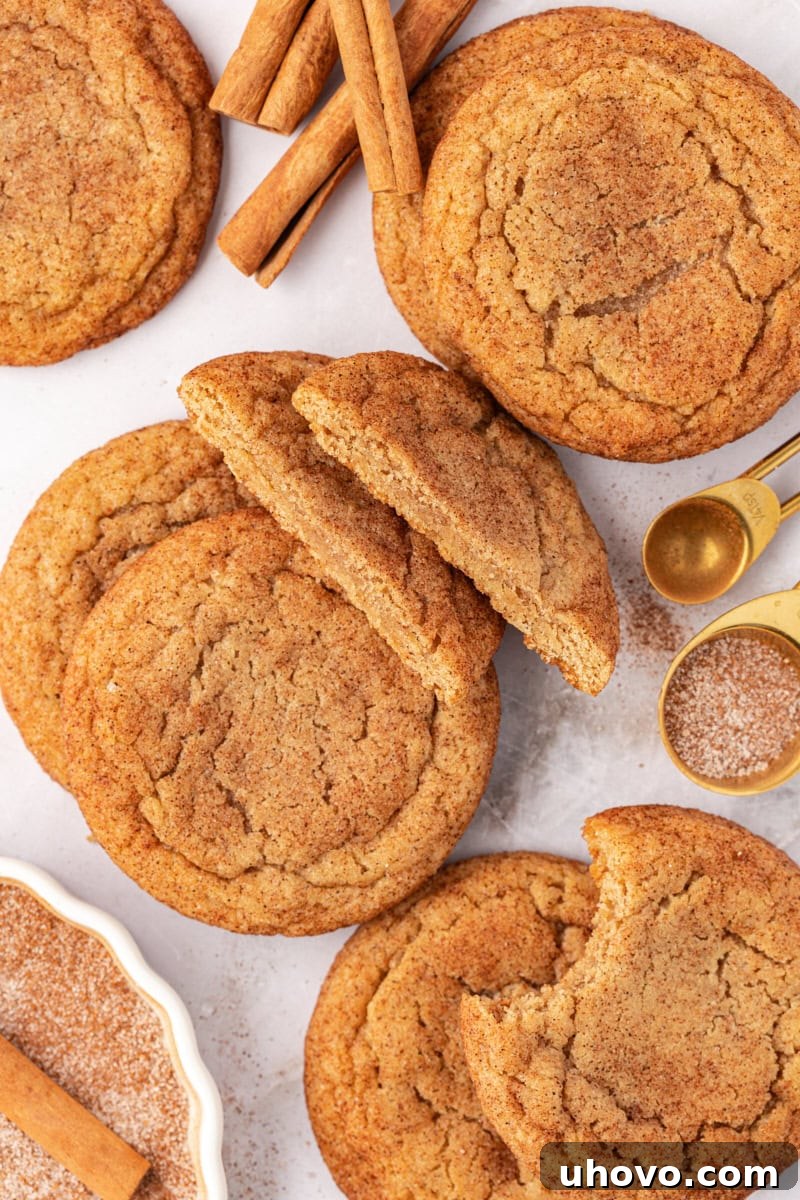
Storing Your Brown Butter Snickerdoodles for Lasting Freshness
These delectable brown butter snickerdoodles are so good, they rarely last long! However, if you find yourself with leftovers (lucky you!) or want to plan ahead, here’s how to store them to maintain their delicious flavor and texture.
- At Room Temperature: Once completely cooled, store your baked brown butter snickerdoodles in an airtight container at room temperature. They will remain wonderfully soft and chewy for up to 4 days. For an extra touch that helps maintain their moisture, place a slice of fresh bread (a plain piece of sandwich bread works perfectly) in the container with the cookies. The cookies will absorb moisture from the bread, preventing them from drying out and staying softer for longer.
- Freezer Storage for Baked Cookies: For longer enjoyment, you can freeze baked snickerdoodles. Arrange cooled cookies in a single layer on a baking sheet and freeze until solid (about 1-2 hours). Once frozen, transfer them to an airtight, freezer-safe container or a heavy-duty freezer bag, separating layers with parchment paper to prevent sticking. They will keep well for up to 3 months. Thaw frozen cookies at room temperature or gently warm them in the microwave for a few seconds for that fresh-baked taste.
- Freezing Unbaked Cookie Dough: This is a fantastic option for baking fresh cookies whenever a craving strikes! Portion the chilled dough into balls (without coating them in cinnamon sugar). Place the dough balls on a parchment-lined baking sheet and freeze until solid. Once frozen, transfer the unbaked dough balls to an airtight, freezer-safe container or freezer bag. They can be stored for up to 3 months. When you’re ready to bake, there’s no need to thaw! Simply roll the frozen dough balls generously in the cinnamon-sugar mixture and bake as directed, adding an extra 1-3 minutes to the baking time, as needed.
With these storage tips, you can ensure that the deliciousness of your brown butter snickerdoodles lasts as long as possible!
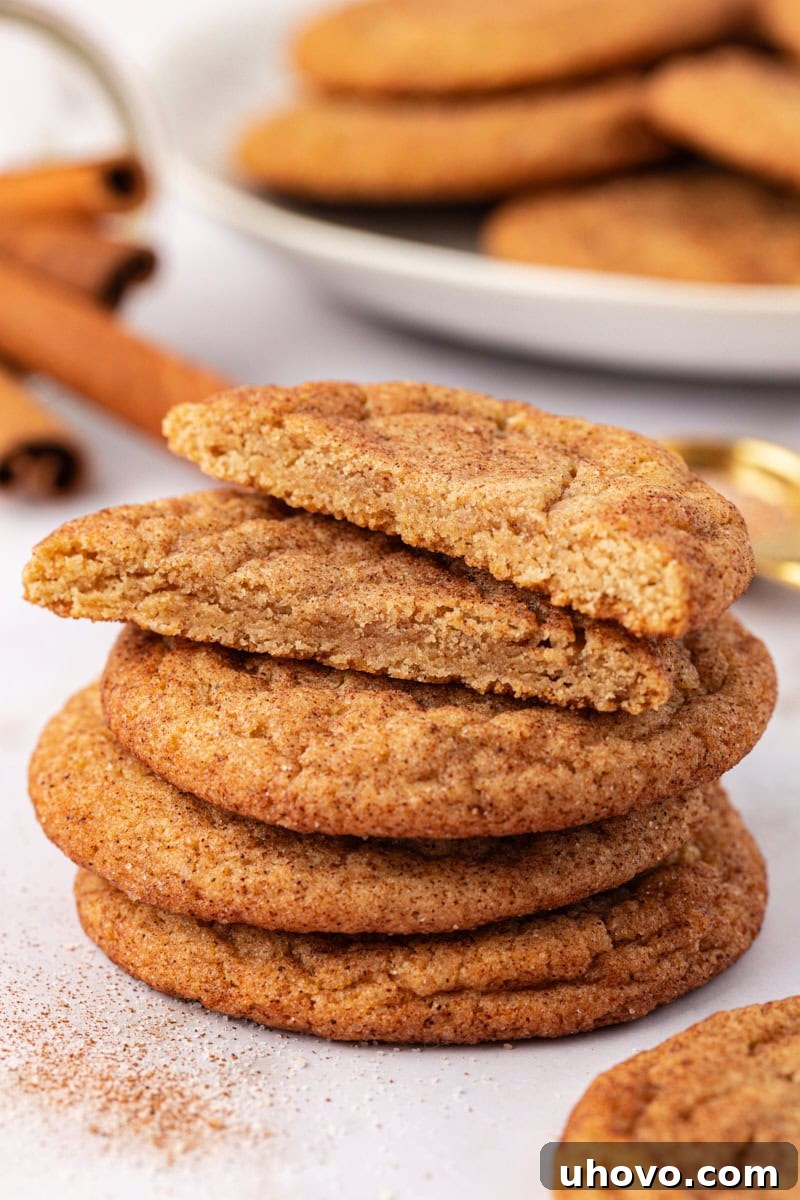
The Legacy of Snickerdoodles and The Brown Butter Upgrade
The snickerdoodle, with its whimsical name and distinctive tangy-sweet flavor, has been a beloved staple in American baking for generations. Its origin is somewhat debated, but most food historians agree it likely emerged from New England, possibly with German or Dutch roots, where similar “schnickennudeln” or “schnecken” (snail-shaped pastries) existed. What makes a snickerdoodle unique is not just its cinnamon-sugar coating, but primarily the use of cream of tartar. This acidic ingredient, a byproduct of winemaking, reacts with baking soda to create that signature chewy texture and slight tang that sets it apart from a standard sugar cookie.
For years, the snickerdoodle’s appeal lay in its comforting simplicity. But in the world of baking, there’s always room for innovation. The introduction of brown butter to this classic recipe is more than just a trend; it’s a culinary evolution. By taking the humble snickerdoodle and infusing it with the complex, nutty, and almost caramel-like notes of browned butter, we’re not just making a new cookie; we’re enriching its legacy. This brown butter snickerdoodle offers a sophisticated twist on a nostalgic favorite, proving that even the most cherished recipes can be made even better with a touch of culinary magic.
This recipe transforms a simple cookie into a gourmet experience, making it perfect for those who appreciate both tradition and a modern upgrade. It’s a testament to how small changes can yield magnificent results, inviting you to rediscover a classic in a whole new, deeply flavorful way.
Frequently Asked Questions About Brown Butter Snickerdoodles
Got questions? We’ve got answers to help you bake the best brown butter snickerdoodles possible!
- Q: Can I use salted butter instead of unsalted butter?
A: While it’s always best to use unsalted butter in baking for better control over the salt content, you can use salted butter in a pinch. If you do, omit the ½ teaspoon of salt from the recipe. Be aware that the flavor might be slightly different, and some brands of salted butter have varying salt levels. - Q: My browned butter turned black/burnt, what went wrong?
A: Browning butter requires close attention. It can go from perfectly nutty to burnt very quickly. It’s likely that the heat was too high, or you cooked it for too long. For best results, use medium heat and stir constantly, removing it from the heat as soon as you see light golden-brown specks and smell a nutty aroma, before it turns dark brown. - Q: What if I don’t have cream of tartar? Can I substitute it?
A: Cream of tartar is essential for classic snickerdoodles as it provides the signature tangy flavor and chewy texture, and helps create those distinct crinkled tops. While you *can* make cookies without it, they won’t truly be snickerdoodles. A common substitute is 2 teaspoons of baking powder for every 1 teaspoon of cream of tartar, but this won’t replicate the tangy taste. Another option is a tablespoon of white vinegar or lemon juice, but again, the results won’t be identical. For the best brown butter snickerdoodles, we strongly recommend using cream of tartar. - Q: Why did my cookies spread too much?
A: There are a few common culprits:- Warm butter/dough: Ensure your browned butter is completely cooled to room temperature, and don’t skip the chilling step for the dough. Warm dough spreads easily.
- Over-measuring flour: Too little flour results in a wet dough that spreads. Always measure flour accurately, ideally by weight.
- Greased baking sheets: Snickerdoodles are best baked on parchment paper or silicone mats, not greased pans, which can encourage spreading.
- Oven temperature: An oven that isn’t hot enough can cause cookies to spread before they set. Make sure your oven is fully preheated.
- Q: Can I make the dough ahead of time?
A: Absolutely! In fact, chilling the dough for longer (up to 24 hours) often results in an even richer flavor as the ingredients meld. Just make sure it’s covered tightly in the refrigerator. - Q: How can I tell when the cookies are perfectly baked?
A: Look for edges that are set and lightly golden, while the centers still appear soft and slightly puffed. They might not look fully cooked in the middle, but they will continue to set as they cool on the baking sheet. A slight underbake is preferred for a chewy cookie.
More Snickerdoodle Recipes to Explore
Brown Butter Snickerdoodles
Pin Recipe
Leave a Review
Ingredients
For the cookies:
- 1 cup (226 g) unsalted butter, cut into 1/2-inch cubes
- 2 ¾ cups (330 g) all-purpose flour
- 2 teaspoons cream of tartar
- 2 teaspoons ground cinnamon
- 1 teaspoon baking soda
- ½ teaspoon salt
- 2 large eggs
- 1 tablespoon milk
- 1 cup (200 g) granulated sugar
- ½ cup (100 g) firmly packed light brown sugar
For the cinnamon-sugar:
- 3 tablespoons granulated sugar
- 1 tablespoon ground cinnamon
Recommended Products
-
USA Pan Half Sheet Pan
-
2-Tablespoon (#30) Scoop
-
Half Sheet Nonstick Cooling Rack
-
Baked Elements: The Importance of Being Baked in 10 Favorite Ingredients
Instructions
-
Place the butter in a medium saucepan. Cook over medium heat, stirring occasionally, until the butter melts and foams. Continue cooking until the foam subsides, brown specks form in the bottom of the pan, and the butter turns a nutty brown (8-10 minutes).
-
If you want to remove the browned bits, pour the butter through a strainer into the bowl of a stand mixer.* Beat on medium-low speed for 5-7 minutes to cool the butter to room temperature.
-
Whisk together the flour, cream of tartar, cinnamon, baking soda, and salt. Set aside.
-
Combine the eggs and milk in a small bowl. Whisk lightly.
-
Turn off the mixer when the butter has cooled to room temperature. Add the sugar and brown sugar. Beat until combined. Reduce mixer speed to low and pour in egg mixture. Beat until well-combined.
-
Add the flour mixture in three portions, beating just until combined after each addition.
-
Gather the dough into a mound in the bowl. Cover the bowl and refrigerate at least an hour, or up to 24 hours.
-
Preheat oven to 400°F (200°C). Line baking sheets with silicone liners or parchment paper.
-
Stir together the cinnamon-sugar ingredients in a wide-mouth bowl or shallow dish.
-
Using about 2 tablespoons of dough at a time, roll the dough into balls. Roll each ball in cinnamon-sugar to coat. Place the cookies about 1 & 1/2 inches apart on prepared baking sheets.
-
Bake one pan at a time for 10 minutes, or until cookies are cracked and set.**
-
Cool on the pans on wire racks for 10 minutes. Then, transfer the cookies directly onto wire racks to cool completely.
Notes
- *You can skip straining the browned butter if you like the browned bits. I don’t usually strain it for these cookies.
- Store in an airtight container at room temperature up to 4 days.
- Recipe slightly adapted from Baked Elements.
- For tips, step-by-step photos, and extra details, be sure to read the full post above before starting. It’s packed with helpful info to answer common questions!