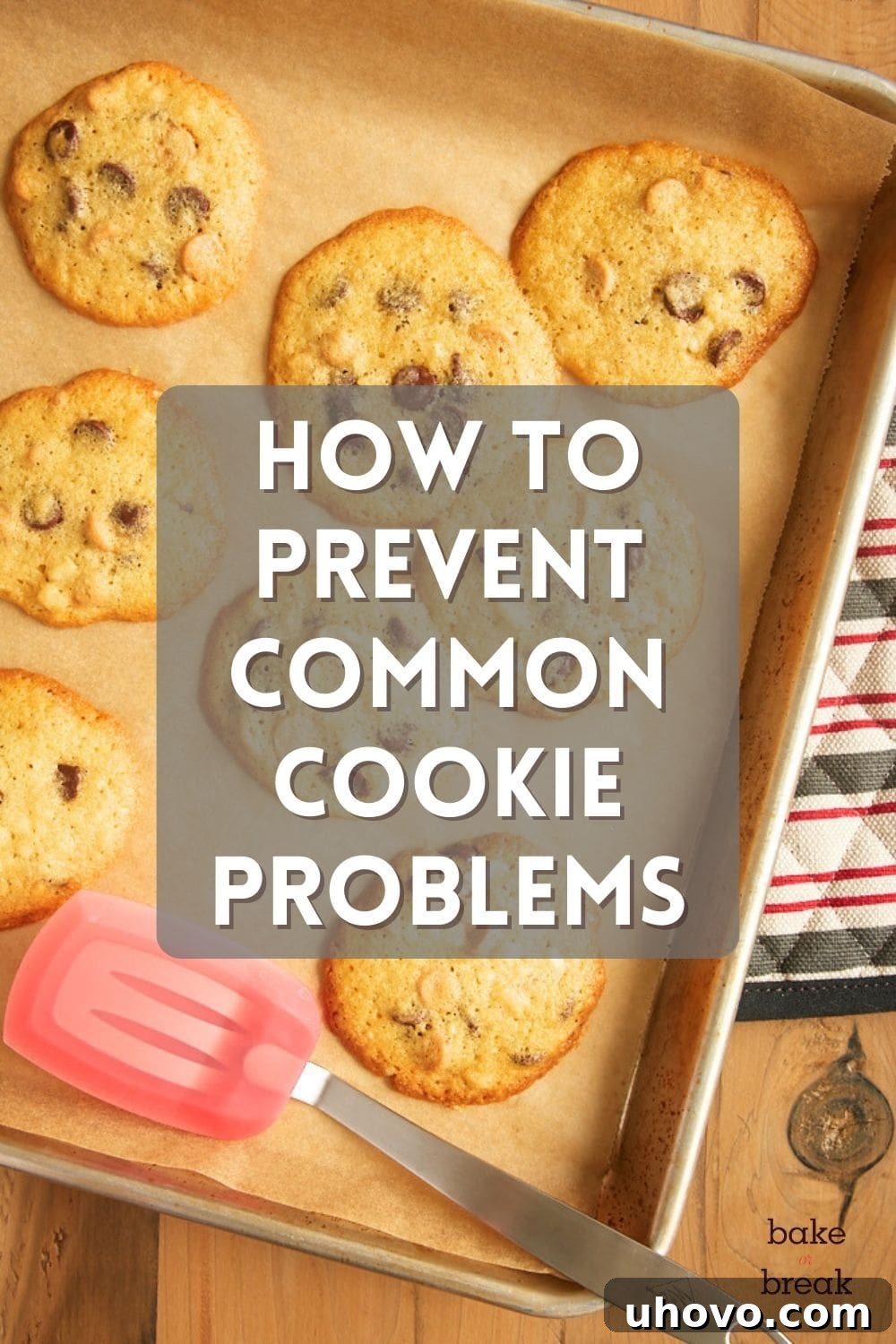
Are your homemade cookies falling short of perfection? Do they come out unevenly baked, too tough, or spread too much? Don’t worry, every baker encounters challenges. This comprehensive guide is here to transform your baking experience, offering proven tips and tricks to prevent common cookie problems and ensure every batch is a resounding success!
Ultimate Cookie Troubleshooting Guide: Achieve Bakery-Quality Results
There’s little that compares to the comforting aroma and delightful taste of freshly baked homemade cookies. Yet, the journey from dough to delectable can sometimes be fraught with mishaps. From cookies that refuse to hold their shape to those with a stubbornly dry texture, a myriad of small issues can prevent your treats from reaching their full potential. As an experienced baker who has navigated countless batches, I’ve seen it all – and learned how to fix it. This guide distills years of baking wisdom into actionable advice, empowering you to tackle and prevent the most common cookie dilemmas with confidence.
Baking is both an art and a science, where precision and technique play crucial roles. Even minor tweaks in your process or understanding of ingredients can lead to remarkable improvements. So, if you’re tired of less-than-perfect cookies, you’ve come to the right place. Let’s delve into the secrets of creating consistently amazing cookies!
Unmasking the Most Common Cookie Baking Problems
Through extensive baking experience and countless conversations with fellow enthusiasts, I’ve identified a recurring set of challenges that bakers frequently face. Understanding these issues is the first step towards mastering the art of cookie making. Here are the culprits behind many cookie disappointments:
- Uneven Baking: Some cookies are golden, others pale or burnt.
- Tough or Chewy Texture (When it shouldn’t be): Your cookies lack that melt-in-your-mouth tenderness.
- Over-Spreading: Cookies flatten out excessively, losing their shape.
- Sticking to the Pan: A frustrating issue that can ruin perfectly good cookies.
- Dry or Crumbly Texture: Cookies lack moisture and seem stale too quickly.
- Overly Browned or Burnt Bottoms: The top looks perfect, but the underside is scorched.
- Over-baked Cookies: Leading to hard, brittle, or dry results.
The good news is that most of these common cookie problems can be remedied with surprisingly simple adjustments. Often, it’s not about complex techniques but rather attention to foundational baking principles and understanding how your ingredients and equipment interact. Before we dive into specific fixes, a general reminder: if you deviate significantly from a recipe—for example, by substituting a major ingredient like butter or eggs, or using a different type of flour—you introduce variables that can alter the final outcome. Always be mindful of the impact of such changes. If you encounter any issues not covered in this guide, please don’t hesitate to ask in the comments section!
Expert Solutions: How to Prevent Common Cookie Problems and Bake Flawless Batches
Armed with this guide, you’ll uncover straightforward solutions to the trickiest cookie dilemmas. Whether it’s perfecting your ingredient measurement or fine-tuning your oven’s temperature, these practical tips will equip you to bake batch after batch of exquisite cookies. To lay the groundwork for baking success, always remember these fundamental principles:
- Measure Accurately: Precision is paramount in baking.
- Use Quality Ingredients: Fresh, good-quality ingredients make a noticeable difference.
- Read the Recipe Thoroughly: Understand the entire process before you begin.
- Follow Directions: Baking is a science; adhere to the steps.
- Be Cautious with Substitutions: Understand how changes impact the chemistry of your bake.
- Have Fun! The joy of baking translates into delicious results.
And because we’re all here for the irresistible allure of cookies, I’ve included links to some of Bake or Break’s most beloved cookie recipes at the end of this post for your inspiration. You can also explore many more cookie creations in our extensive recipe index!
Solving Unevenly Browned Cookies: The Key to Uniform Baking
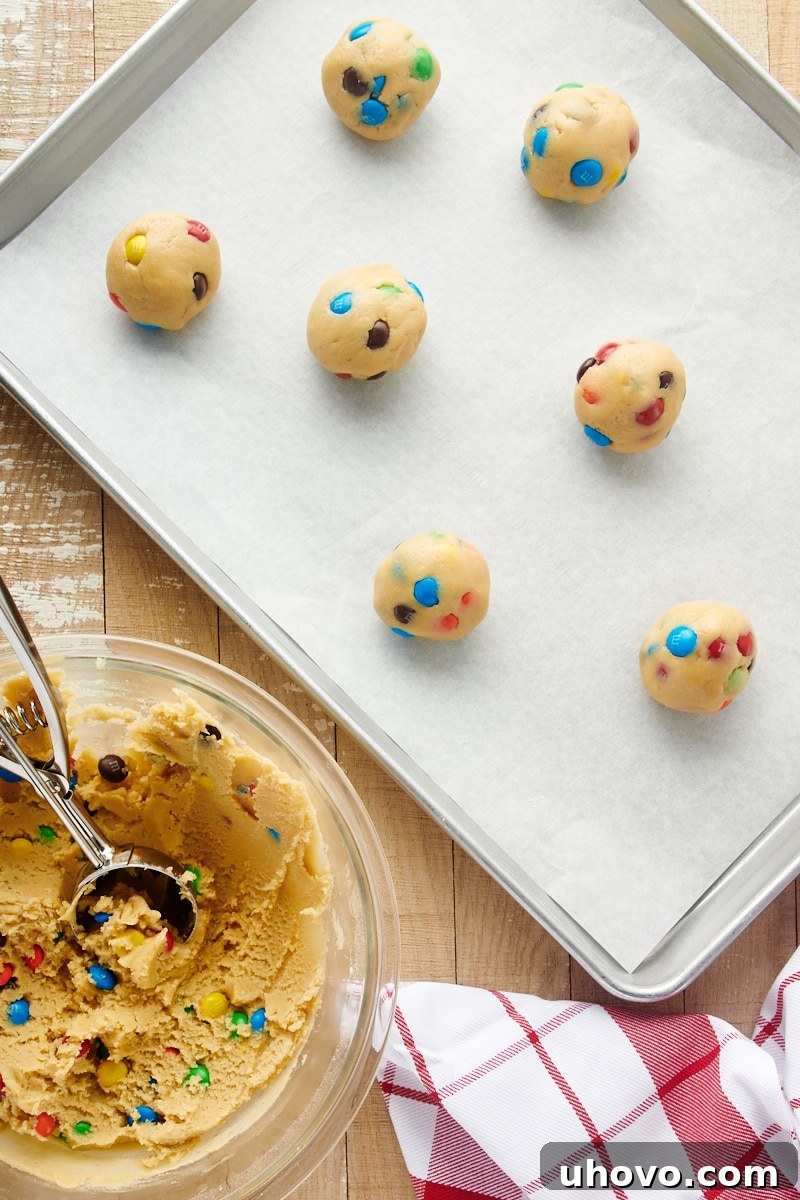
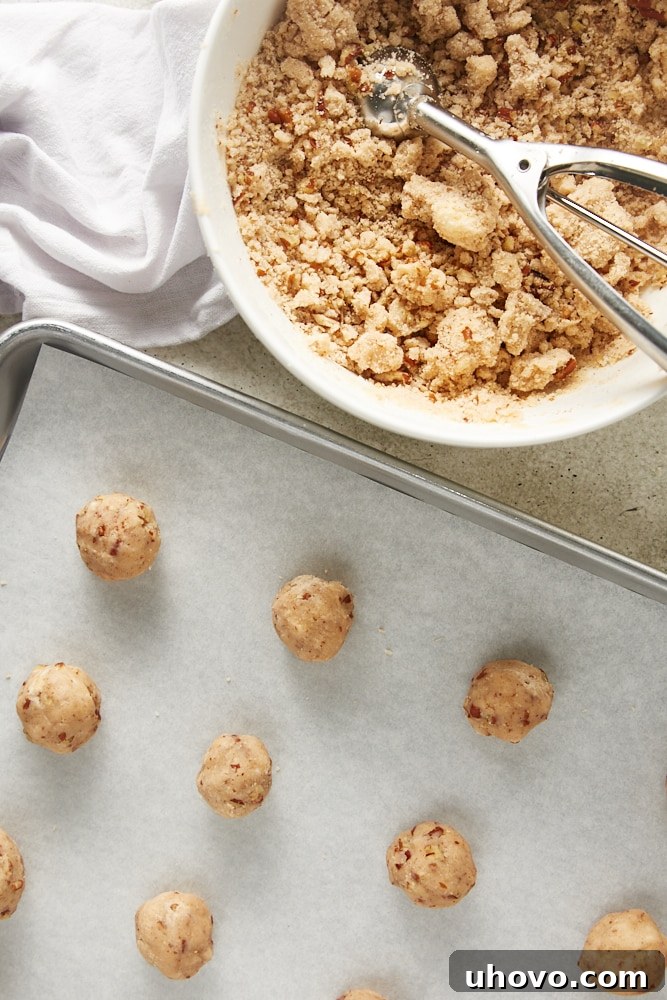
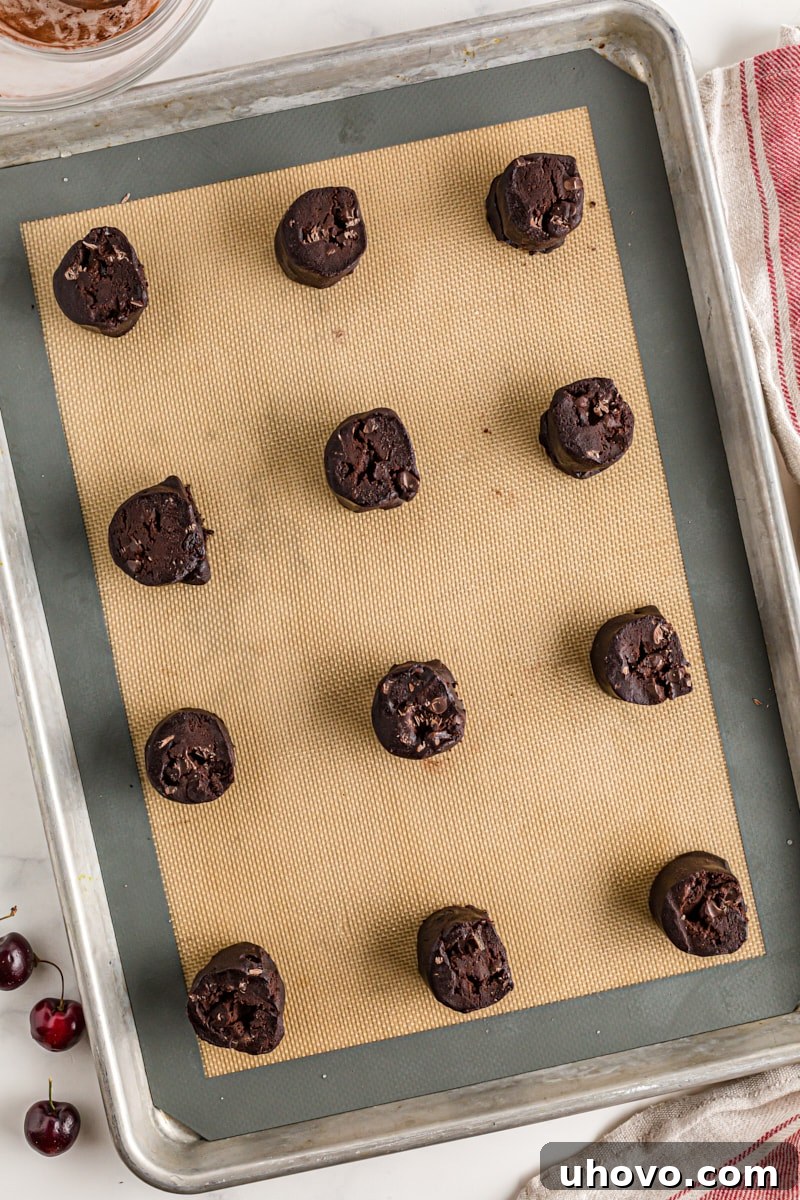
If some of your cookies are beautifully golden while others remain pale or even slightly burnt, you’re likely dealing with inconsistent dough portioning or oven hot spots. Uniformity is key for even baking, as cookies of different sizes will cook at different rates.
- For Drop Cookies: Such as classic chocolate chip or oatmeal cookies, a cookie scoop is your best friend. These spring-release scoops come in various sizes and ensure that every cookie ball is precisely the same size. This guarantees that each cookie bakes consistently. I rarely bake drop cookies without one!
- For Slice-and-Bake Cookies: Precision is equally important. Use a ruler or a sharp, consistent guide to slice your chilled dough log into pieces of uniform thickness. This seemingly “fussy” step will yield a perfectly even batch of cookies that bake simultaneously.
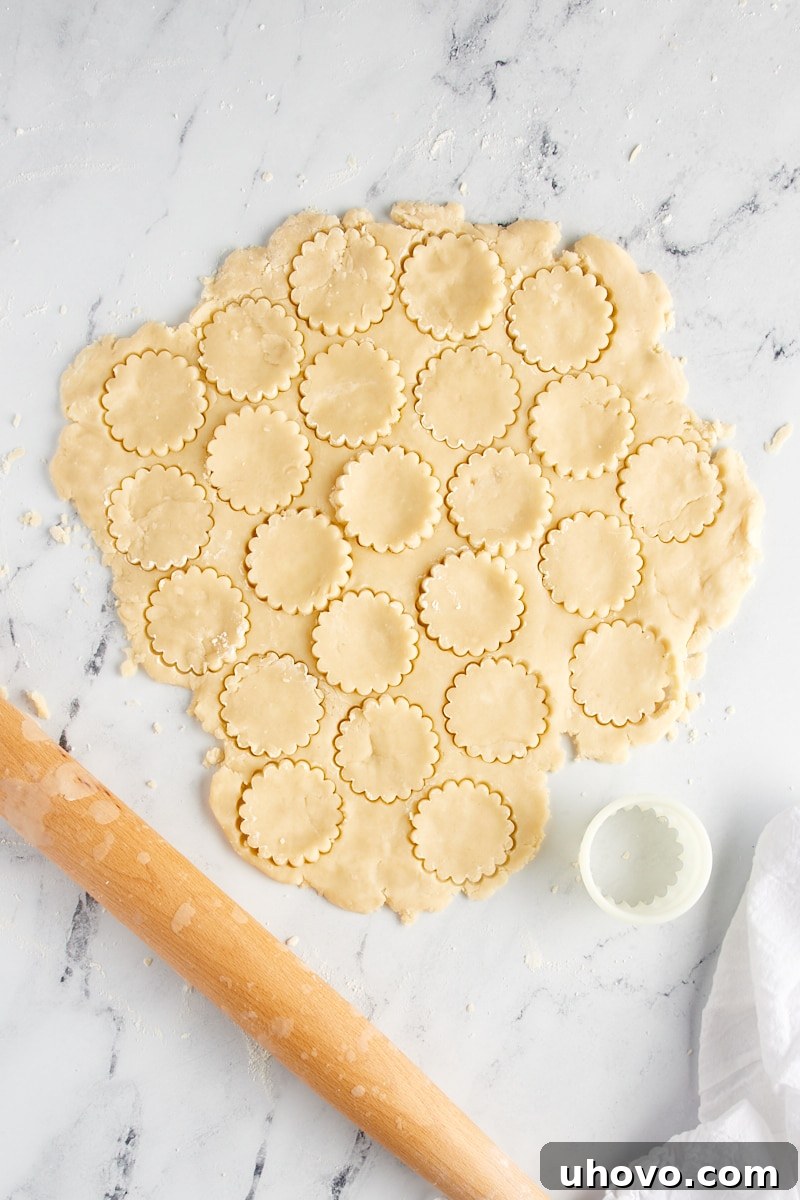
- For Cut-Out Cookies: Ensure your dough is rolled to an even thickness across the entire sheet. Invest in a rolling pin with removable guides, or use a ruler to check consistency. An even thickness prevents thin spots from burning and thick spots from remaining underbaked.
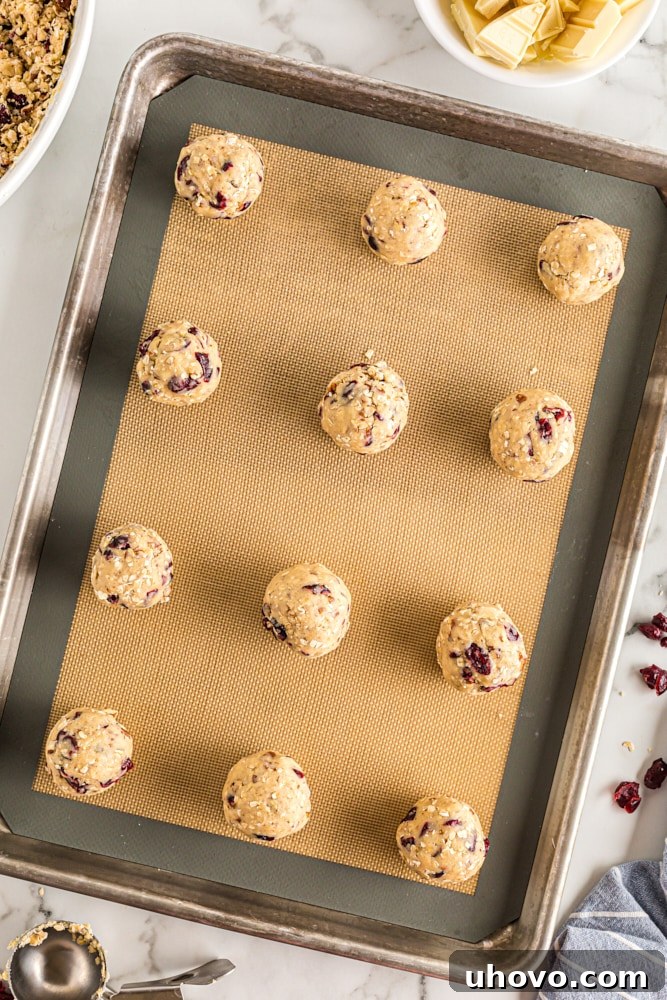
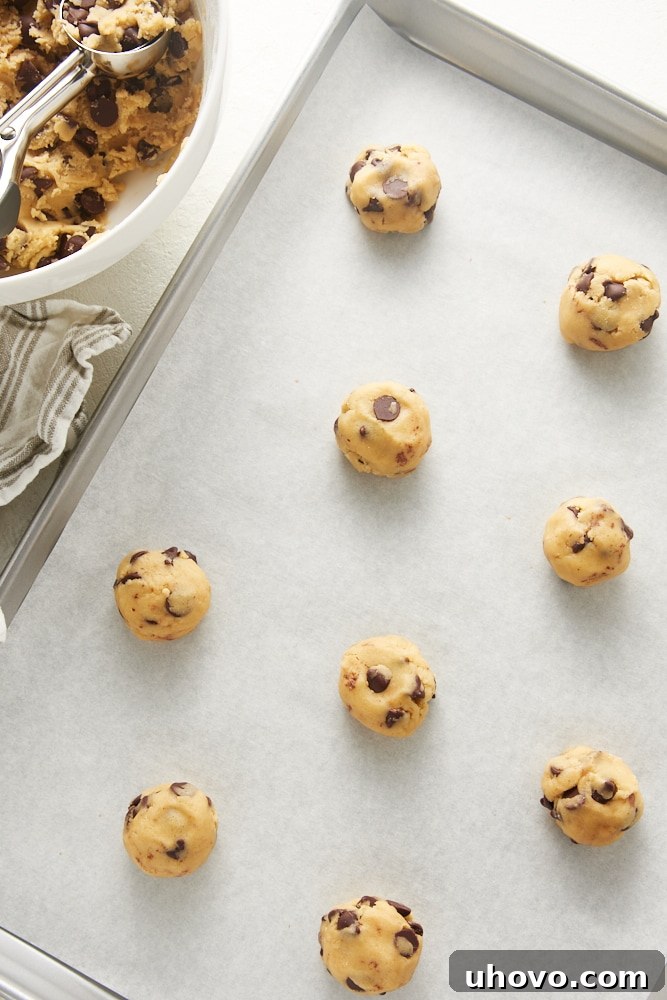
Beyond portioning, your oven itself might be the culprit. Many ovens have hot or cold spots. To test this, arrange a single layer of bread slices on a baking sheet and bake at 350°F (175°C) for a few minutes until they begin to toast. Any variations in browning will clearly reveal your oven’s uneven heating zones. A great byproduct: you can also do this with coconut to make some toasted coconut for another baking project! To counteract hot spots, simply rotate your baking pan halfway through the baking time. This ensures all cookies spend equal time in different temperature zones, leading to more consistent browning.
Taming Tough Cookies: Understanding Gluten and Mixing Techniques
When your cookies come out tough instead of tender, the most probable cause is overmixing the dough, especially after adding flour. Here’s why: flour contains proteins that form gluten when agitated and hydrated. Gluten provides structure to baked goods, which is desirable in bread, but too much gluten in cookies results in a chewy, tough texture rather than a delicate crumb.
To prevent this, incorporate the flour into your cookie dough just until no dry streaks of flour are visible. If your recipe calls for adding nuts, chocolate chips, or other mix-ins after the flour, you can even stop mixing when there are still a few faint streaks of flour showing. The remaining flour will fully incorporate as you stir in the additional ingredients. This minimal mixing technique ensures that gluten development is kept to a minimum, preserving the cookie’s intended texture.
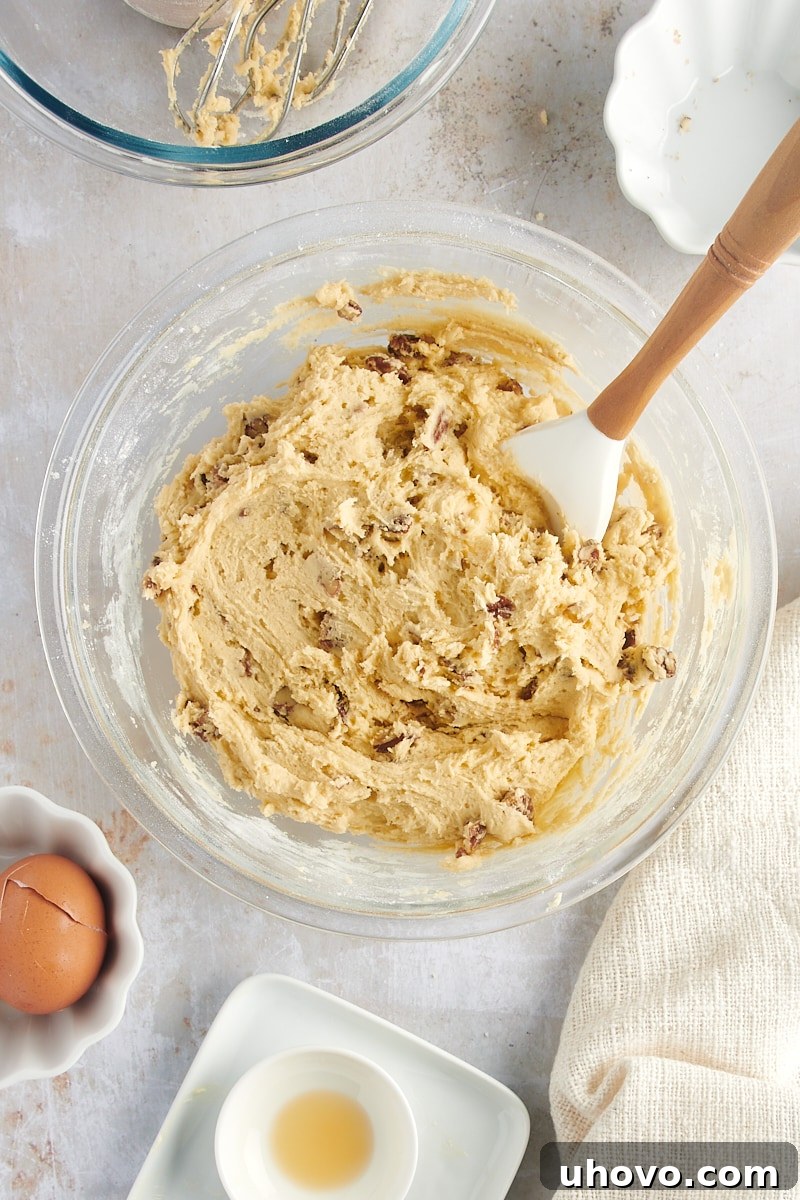
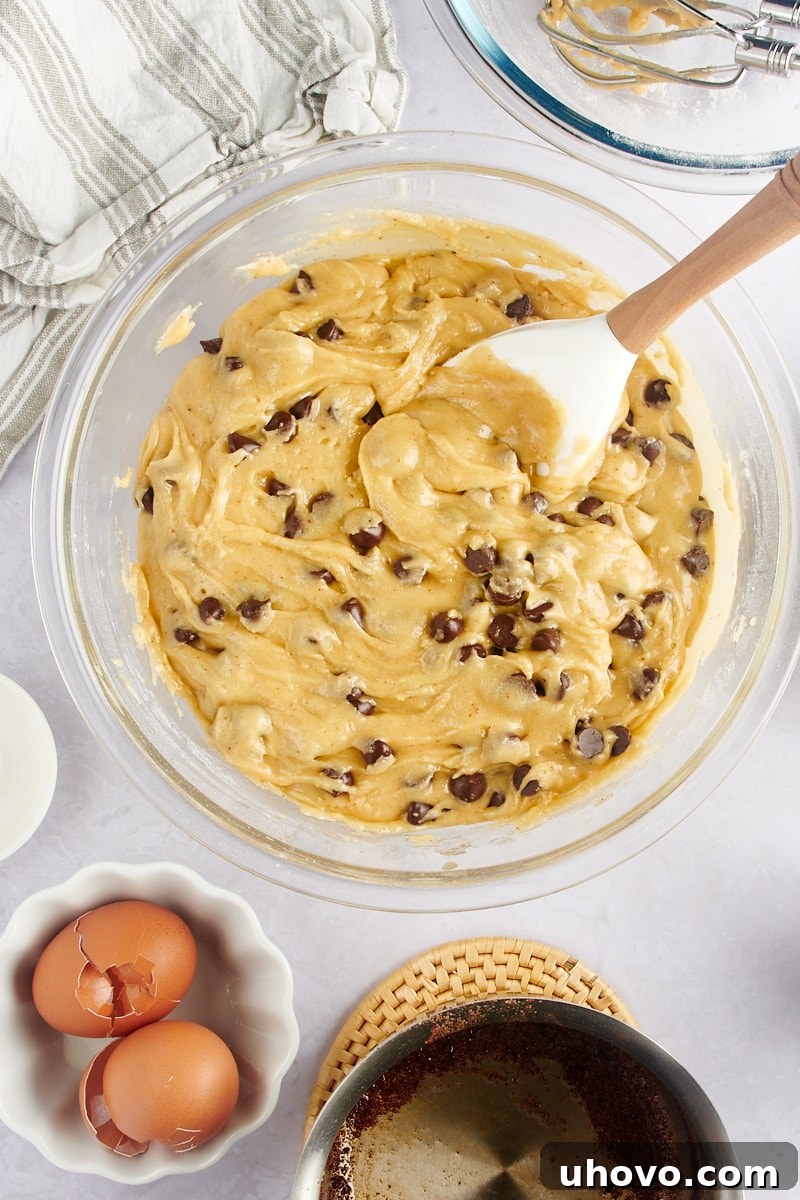
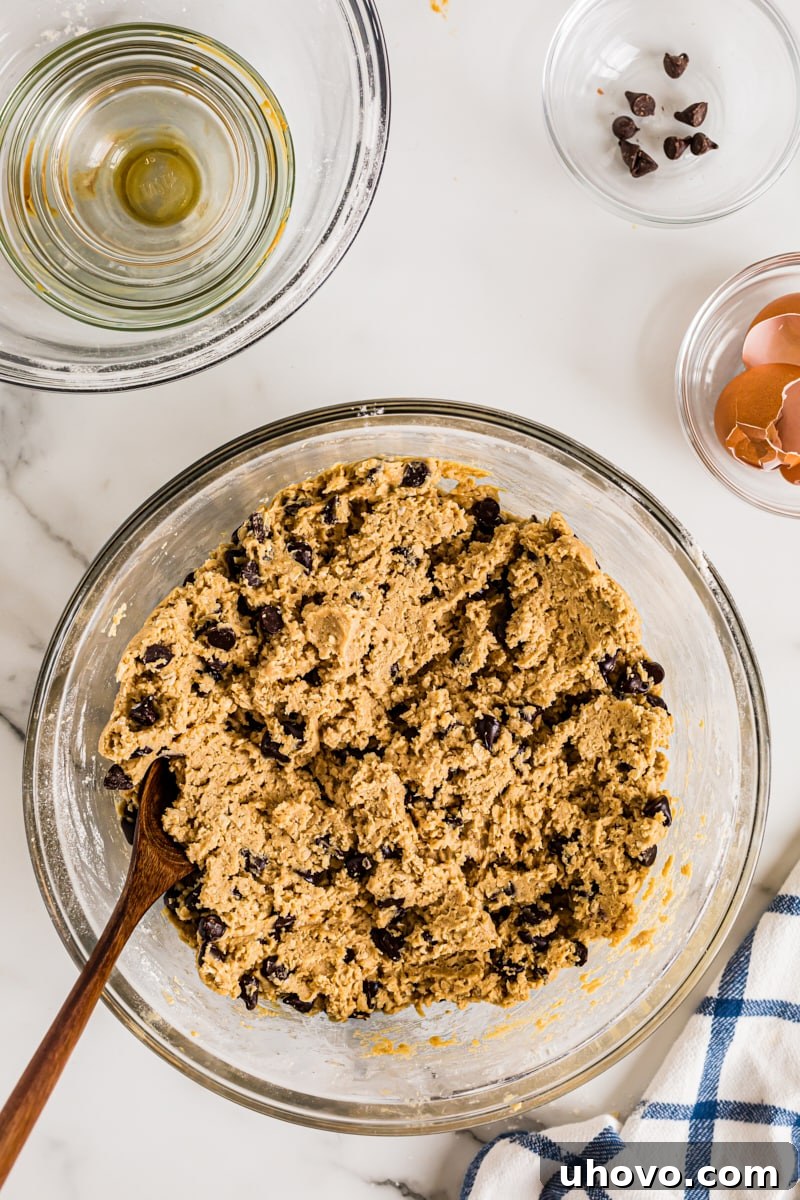
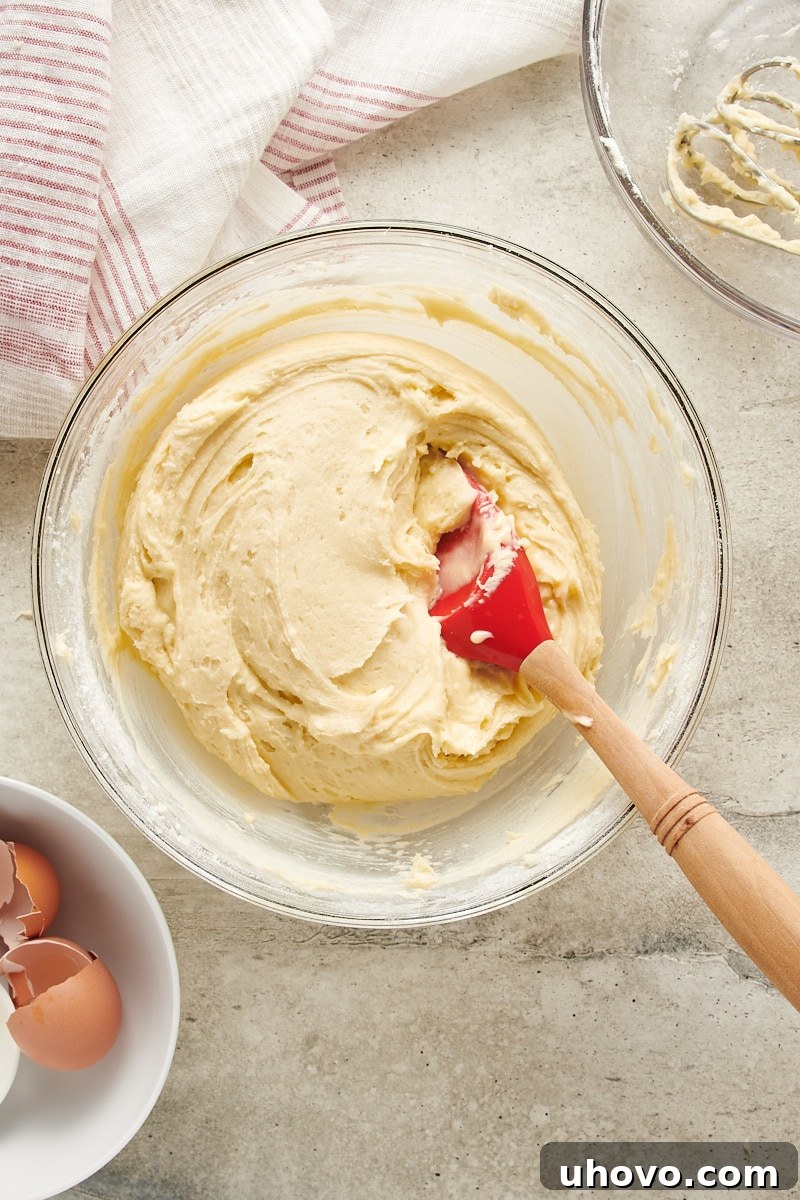
Another excellent tip for preventing tough cookies, and one that often serves multiple purposes, is to allow the dough to rest before baking. Many recipes correctly advise chilling the dough. This resting period allows the flour to fully hydrate and, critically, gives the gluten strands a chance to relax. This relaxation contributes to a more tender cookie. Chilling also has the added benefit of solidifying the fats in the dough, which helps prevent excessive spreading.
Controlling Cookie Spread: The Art of Dough Temperature and Preparation
Excessive cookie spreading is a common frustration, often resulting in flat, crispy cookies when a chewy, plump one was desired. The primary culprits behind over-spreading are usually related to the temperature of your ingredients or the dough itself. The most frequent issue stems from butter that is too soft when creamed. While many recipes call for “room temperature” butter, this can be misleading. Butter begins to soften significantly around 68°F (20°C). If your butter is too warm and greasy, it won’t incorporate enough air during creaming, leading to a dough that lacks structure and melts too quickly in the oven.
Similarly, if your cookie dough becomes too warm before it enters the oven, the fat will melt prematurely, causing the cookies to spread. The simple fix here is to pop the dough into the refrigerator for about 30 minutes before baking. This chills the butter, firming it up and providing more structure as the cookies begin to bake.
Other factors contributing to over-spreading include:
- Over-greased Baking Pans: While a little grease can prevent sticking, too much acts as a lubricant, encouraging the dough to spread.
- Placing Dough on Warm Pans: Always ensure your baking sheets are cool to the touch before placing fresh dough on them. Reusing a hot pan will cause the butter in the dough to melt immediately, leading to instant spread. If baking in batches, let your pan cool completely or use multiple pans.
- Too Much Leavening: An excessive amount of baking soda or baking powder can cause cookies to rise too quickly and then collapse, resulting in spreading.
- Insufficient Flour: Too little flour relative to fat and liquid can also lead to a very soft dough that spreads readily.
For a deeper dive into this topic, explore my dedicated post on How to Keep Cookies from Spreading.
Preventing Sticky Situations: Ensuring Easy Release
Nothing sours the joy of baking like having your perfectly baked cookies stubbornly adhere to the pan. This issue typically arises from inadequate pan preparation or premature removal of cookies from the baking sheet. To ensure your cookies release effortlessly every time, consider these solutions:
- Line Your Pans: This is my strongest recommendation. Line your baking sheets with parchment paper or silicone baking mats. Both create a non-stick surface that guarantees easy release, promotes even baking, and makes cleanup a breeze.
- Lightly Grease (If Not Lining): If you don’t have parchment or silicone, lightly grease your baking pan with butter or a non-stick cooking spray. The key word is “lightly”—excessive greasing can actually cause cookies to spread too much (as discussed above). My guide on Unlined vs Lined Baking Sheets offers more insight, but again, I almost always opt for lining.
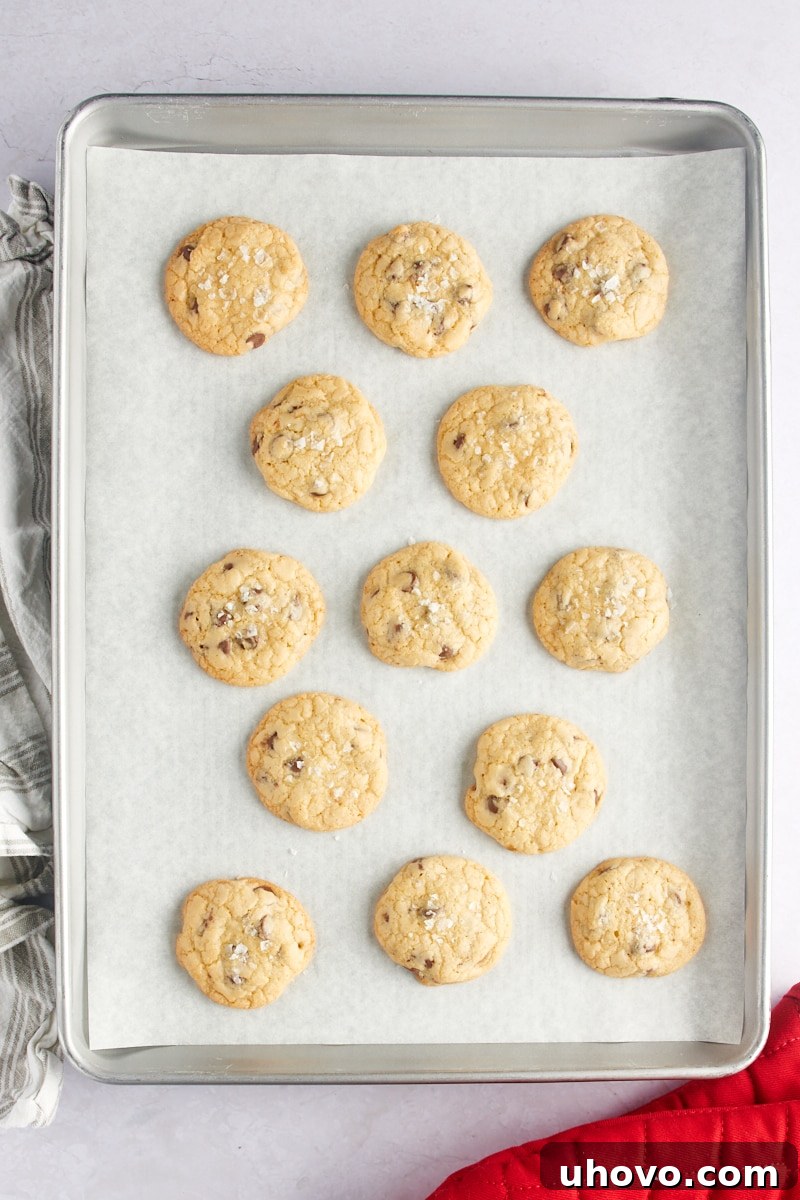
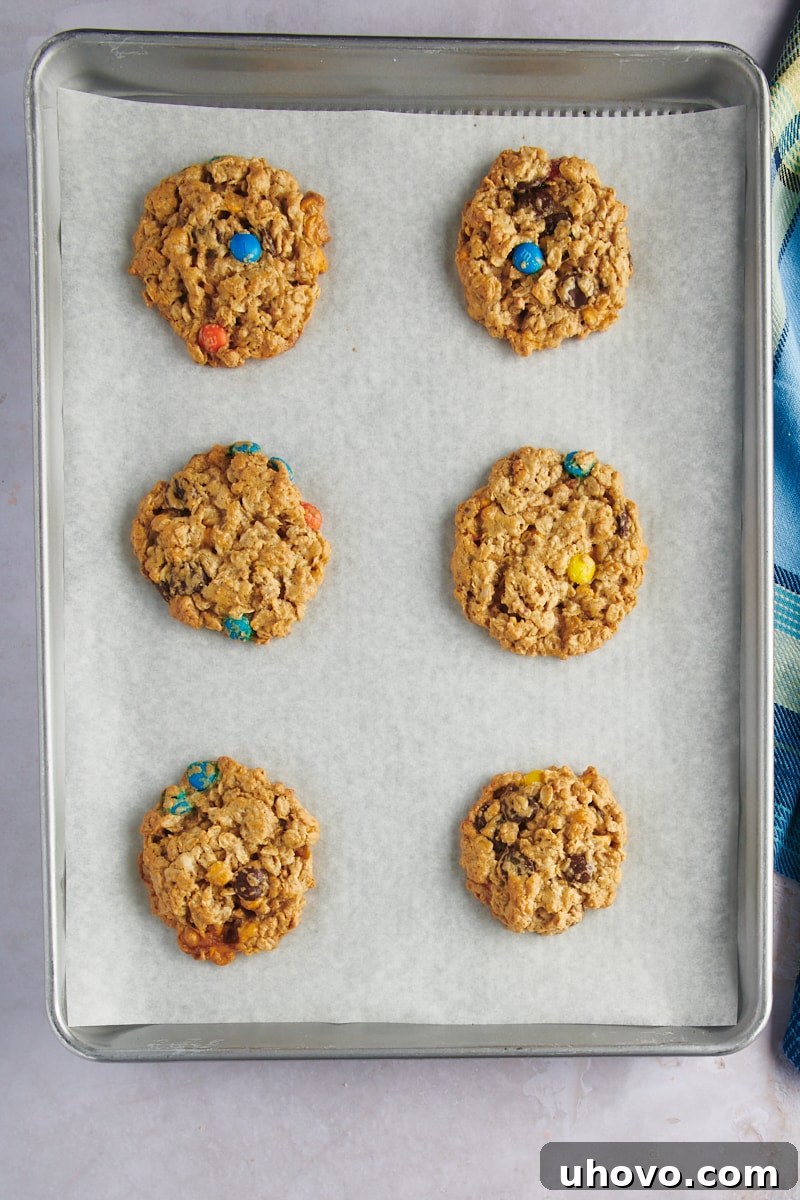
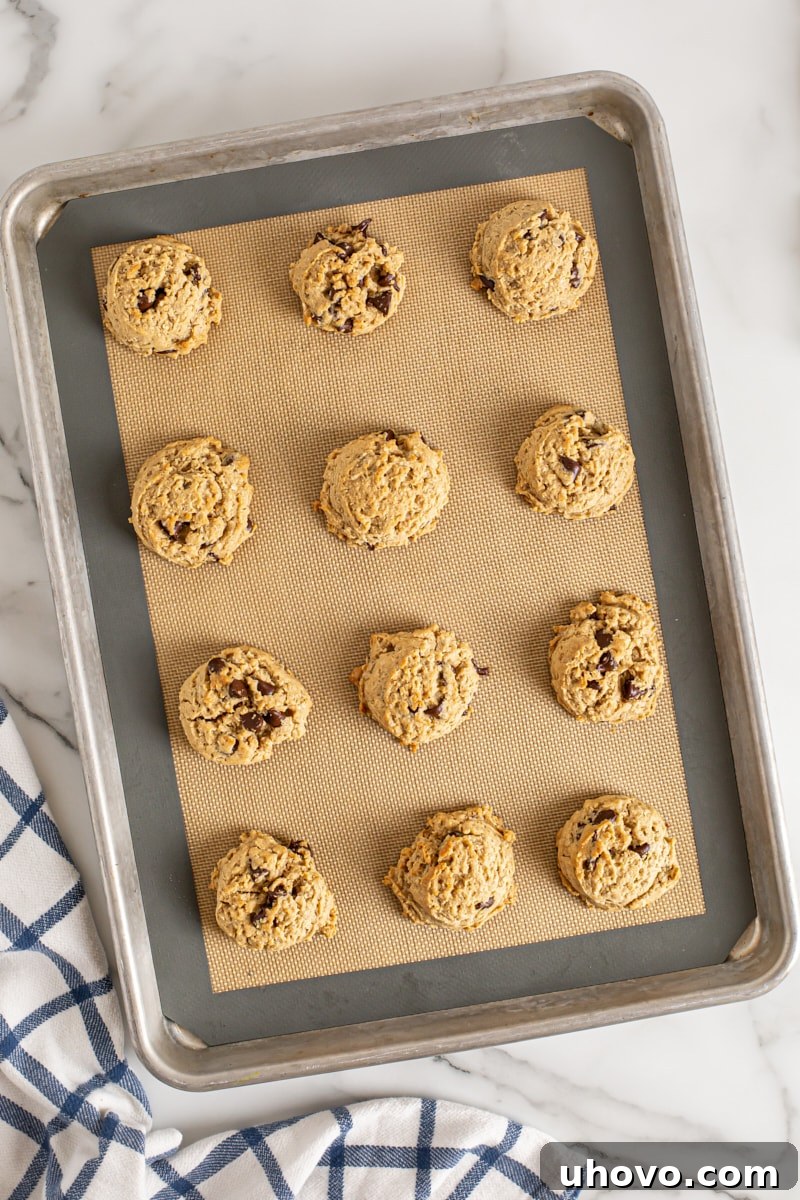
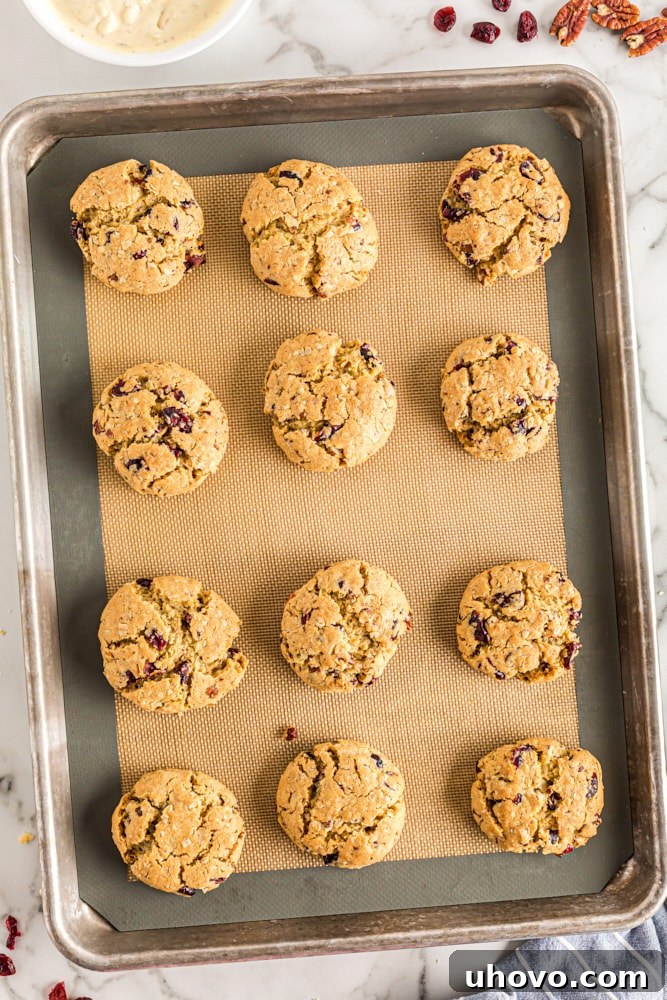
Crucially, allow your baked cookies to cool on the baking pan for a few minutes before transferring them to a wire rack. This brief cooling period allows the cookies to firm up and detach more easily from the pan. Transferring them to a wire rack after this initial cooling step is essential; it allows air to circulate around them, stopping the carryover baking from the hot pan and preventing the bottoms from becoming overly browned or soggy.
Reviving Dry Cookies: The Importance of Accurate Flour Measurement
Dry, crumbly cookies are often a symptom of one of the most common baking errors: using too much flour. This mistake is surprisingly easy to make and can sabotage almost any baking recipe. If your usual method involves scooping your measuring cup directly into the flour container, you’re almost certainly compacting the flour, resulting in a significant excess amount. Even a small surplus of flour can drastically alter the moisture balance of your dough.
The most accurate ways to measure flour are:
- By Weight: This is the gold standard for precision. Using a kitchen scale eliminates guesswork and ensures you’re adding the exact amount of flour specified in the recipe.
- The Spoon and Sweep Method: If you don’t have a scale, gently spoon flour into your measuring cup until it’s overflowing, then level it off with a straight edge (like the back of a knife). This method prevents compaction and gives a much more accurate volume measurement than direct scooping.
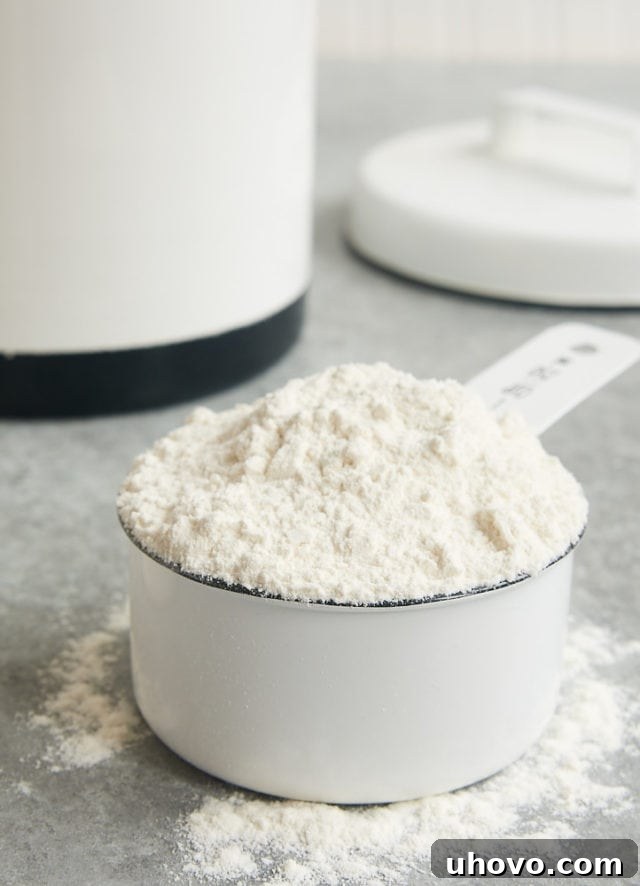
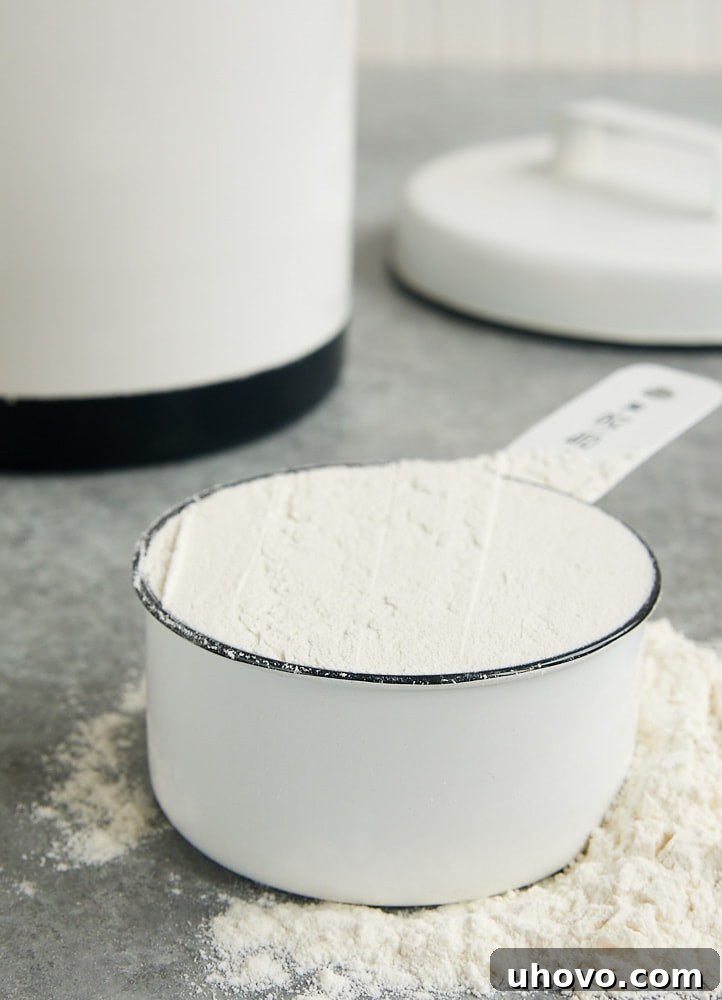
This seemingly small detail can make a monumental difference in the final texture of your cookies, transforming them from dry and tough to delightfully moist and tender. For a detailed demonstration and more tips, refer to my post on How to Measure Flour. Other factors like over-baking (which dries out cookies, linking to that section) or an imbalance in fat/liquid can also contribute to dryness, so consider the overall recipe proportions.
Preventing Burnt Bottoms: The Impact of Baking Pans and Oven Rack Placement
If your cookies emerge from the oven beautifully golden on top but suspiciously dark, or even burnt, on the bottom, the problem likely lies with your baking pan or its position in the oven. The type of baking sheet you use significantly affects heat distribution and browning.
- Baking Pan Material: Dark-colored baking pans absorb more heat than light-colored ones, causing the bottoms of your cookies to brown much faster, often before the tops are fully cooked. For most cookie recipes, a light-colored, dull-finish metal pan is recommended. These pans reflect heat, leading to more even baking. Avoid dark, non-stick pans if you struggle with burnt bottoms. Insulated baking sheets, while preventing burning, can sometimes lead to less even browning or underbaked results due to their slower heat transfer. For more details on choosing the right bakeware, check out How to Choose Baking Pans.
- Oven Rack Position: The placement of your oven rack is also crucial. As a general rule, position your baking rack in the top third of your oven. This allows the cookies to be exposed to radiant heat from the top element while still receiving sufficient heat from below, promoting balanced baking and browning. Unless a recipe specifically states otherwise, the top third is usually the ideal spot for cookies.
By making these simple adjustments to your bakeware and oven setup, you’ll ensure your cookie bottoms are perfectly golden, not scorched.
Avoiding Over-baked Cookies: Mastering Temperature and Timing
Consistently overbaked cookies—dry, hard, and lacking that desirable tender chew—are typically a result of two primary factors: inaccurate oven temperature or incorrect baking time. Addressing these will dramatically improve your cookie outcomes.
- Oven Temperature Accuracy: It’s a common misconception that oven dials are perfectly accurate. In reality, many home ovens run hotter or colder than their display indicates. An inexpensive oven thermometer is an indispensable tool for any baker. Place it inside your oven and compare its reading to your oven’s setting. If there’s a discrepancy, you’ll know to adjust your oven’s thermostat accordingly (e.g., set to 375°F if your oven runs 25°F cold to achieve an actual 350°F). For significant inaccuracies, consider professional calibration.
- Baking Time and Carryover Baking: Remember the baker’s adage: “If it’s done in the oven, it’s overdone out of the oven.” Cookies continue to bake after they’ve been removed from the heat, thanks to residual heat. This phenomenon, known as carryover baking, means you should often remove cookies when they appear slightly underdone in the center, or just lightly golden at the edges, depending on the recipe’s desired texture.
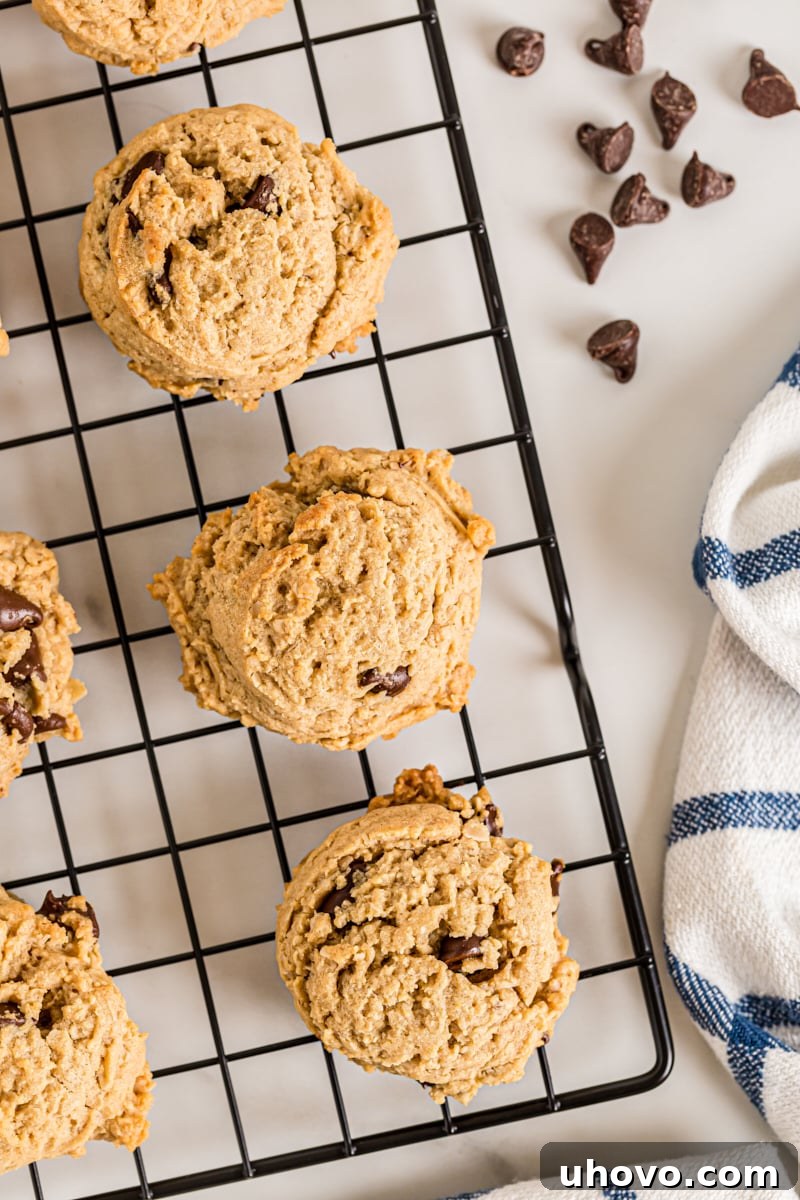
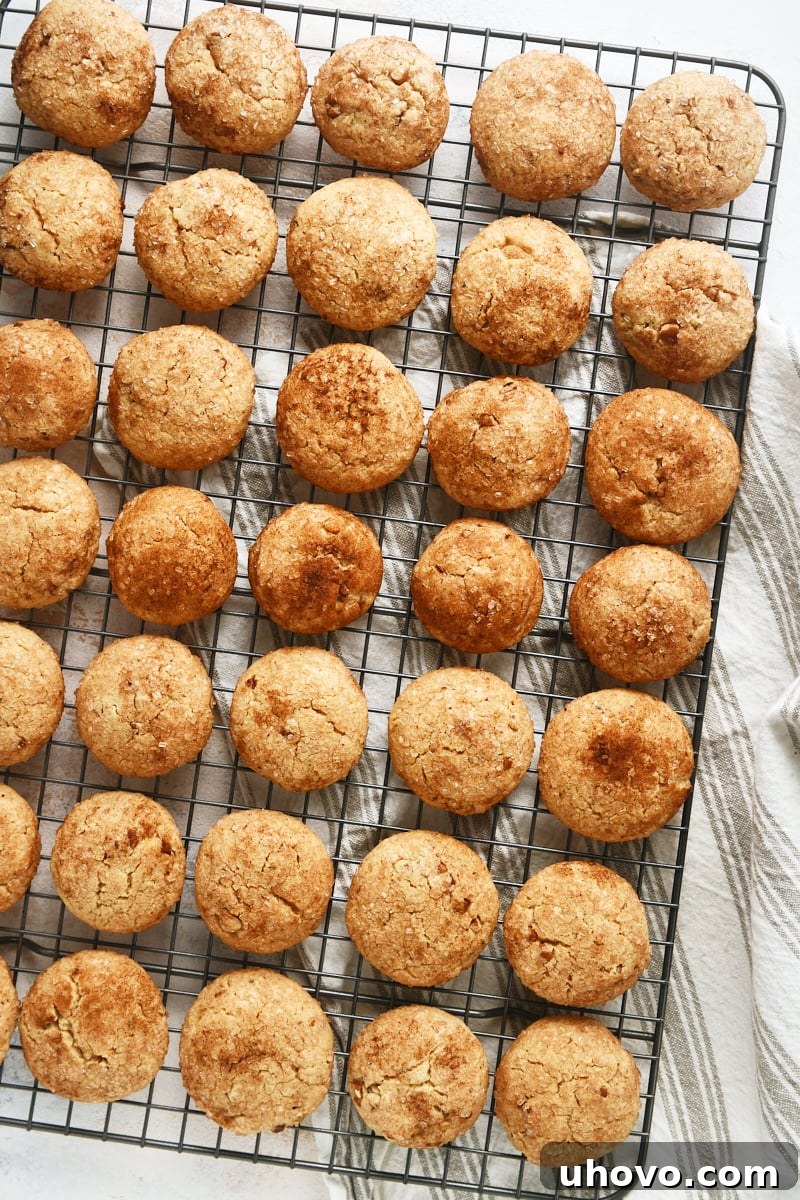
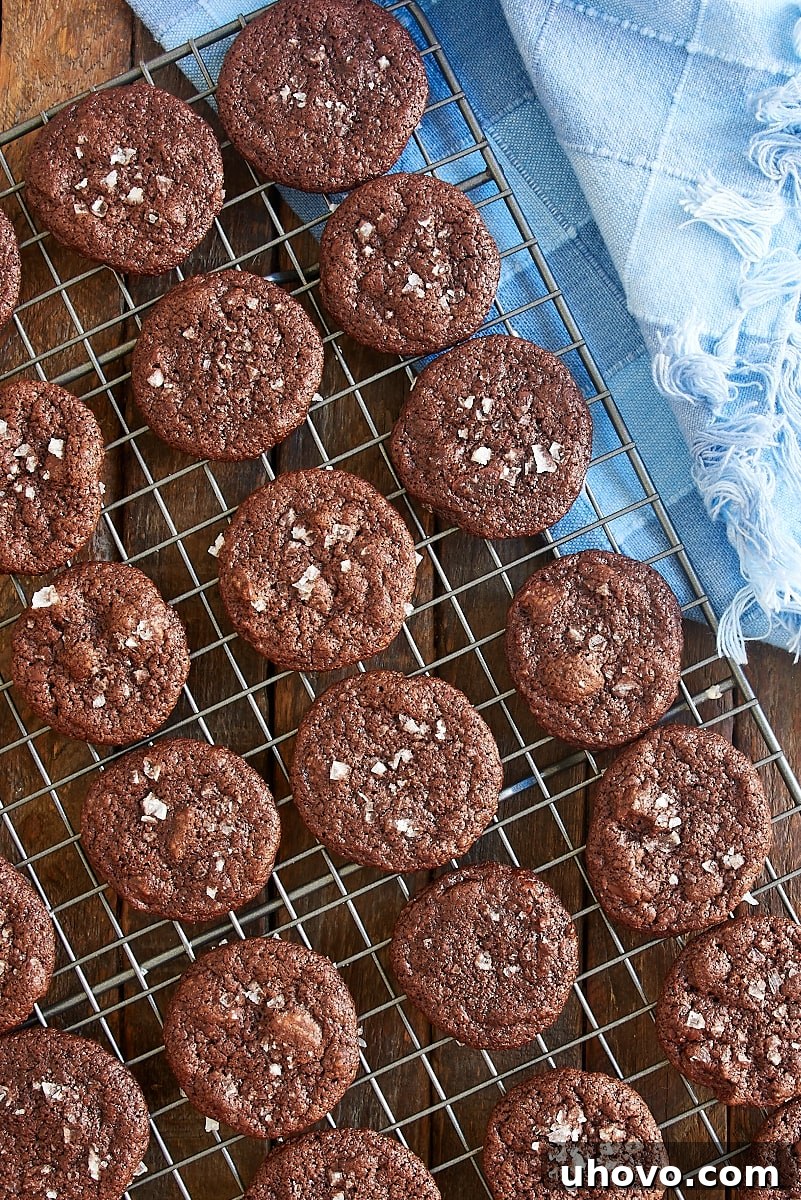
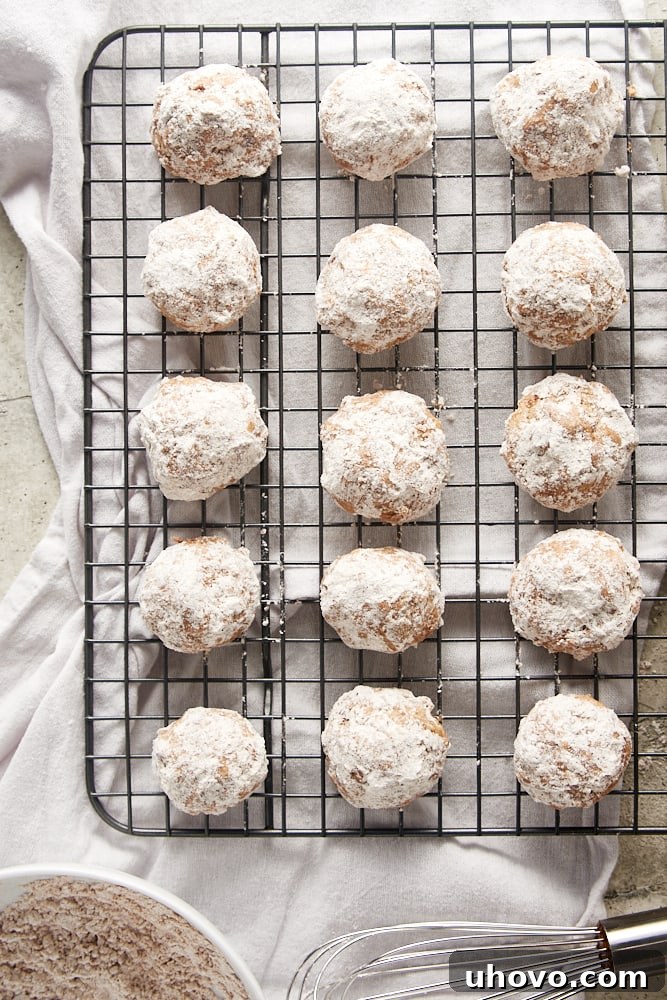
Always follow the recipe’s visual cues for doneness. After removing cookies from the oven, don’t let them sit on the hot pan for too long. Unless the recipe explicitly states otherwise, transfer them to a wire cooling rack after about 5 minutes. This allows them to cool completely, preventing further cooking from the residual heat of the pan and preserving their ideal texture.
With these comprehensive cookie baking tips, you’re well-equipped to solve virtually any cookie problem that comes your way. Often, a small, thoughtful adjustment is all it takes to elevate your baking from good to truly exceptional. Embrace these techniques, and you’ll find yourself consistently baking perfect batches of cookies that impress everyone (especially yourself!).
May your worst cookie problem be that you’ve run out of cookies! Happy baking!
Discover My Most Popular Cookie Recipes
Now that you’re armed with the knowledge to bake perfect cookies, it’s time to put those skills to the test! Here are some of our community’s favorite cookie recipes to inspire your next baking adventure:
- 3-Ingredient Peanut Butter Cookies
- Almond Cookies
- Sprinkle Crinkle Cookies
- Browned Butter Salty Sugar Cookies
- Chewy Chocolate Chip Cookies
- Raspberry Sugar Cookies
- Cream Cheese Peanut Butter Cookies
- Winter Fruit Oatmeal Cookies
Bake or Break is a participant in the Amazon Services LLC Associates Program, an affiliate advertising program designed to provide a means for us to earn fees by linking to Amazon.com and affiliated sites.