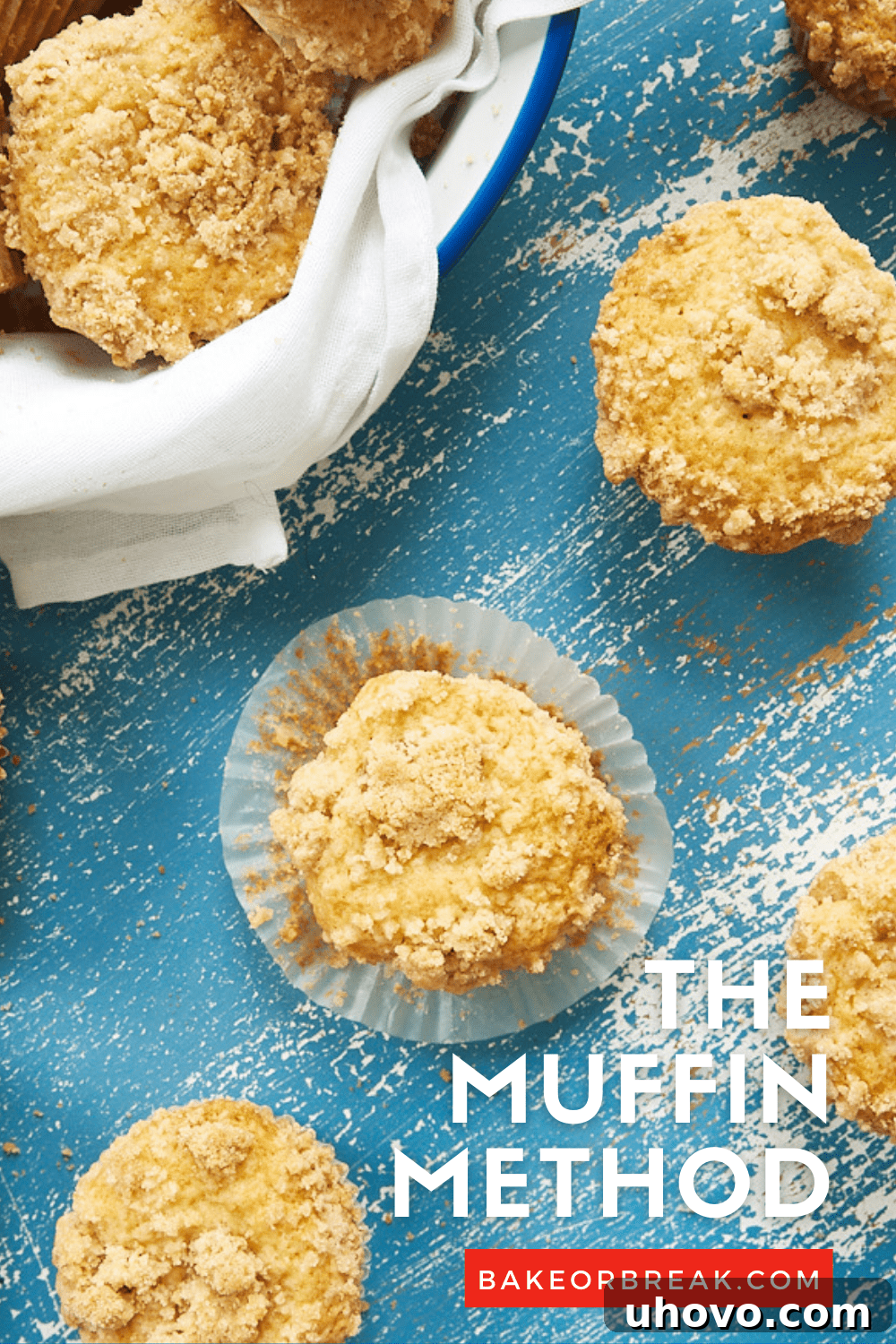
Unlock the secret to consistently perfect, tender, and moist baked goods with the incredibly simple Muffin Method. This essential baking technique will become your go-to for homemade muffins, delightful quick breads, and so much more, transforming your kitchen into a haven of irresistible aromas and flavors!
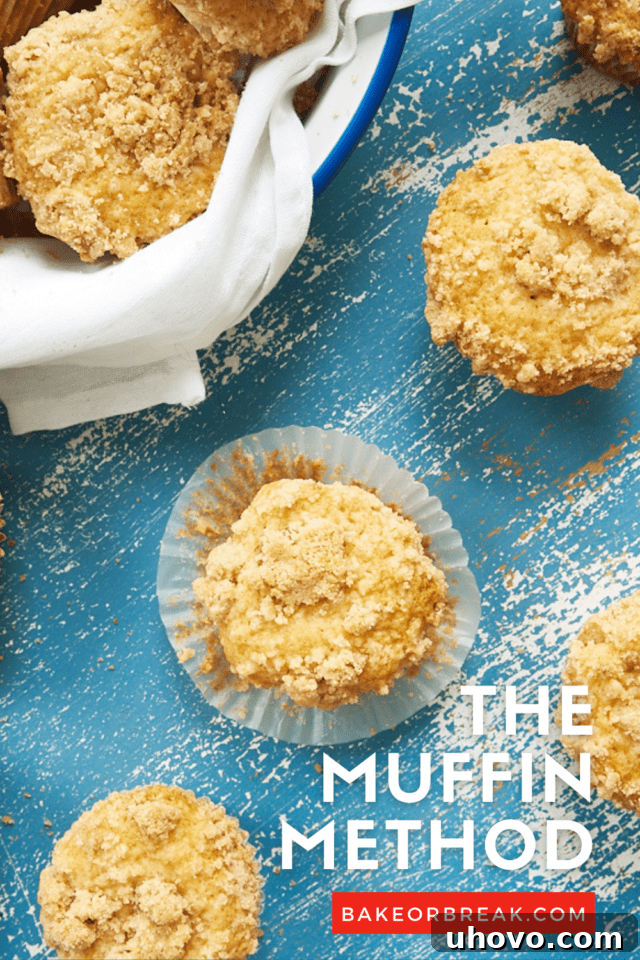
For any avid baker, especially those who cherish the comfort of home-baked treats, mastering fundamental mixing techniques is paramount. Among these, the muffin method stands out for its simplicity, speed, and reliability. Often referenced in countless quick bread and muffin recipes, understanding this technique is a game-changer for achieving that coveted light and tender crumb. While many may be vaguely familiar with the concept, this comprehensive guide will delve deeper into the ‘how’ and ‘why’ of the muffin method, equipping you with the knowledge to bake with confidence. Prepare to be inspired with some truly tempting “muffinspiration” along the way, just like those mouthwatering Vanilla Crumb Muffins pictured above!
What is the Muffin Method?
The muffin mixing method, as its name cleverly suggests, is primarily used for crafting delectable muffins. However, its utility extends far beyond just muffins. You’ll frequently encounter this method in recipes for various baked goods characterized by a higher liquid content and less solid fat, typically relying on liquid fats like oil or melted butter. This makes it an ideal technique for a broad spectrum of treats, including quick breads, fluffy pancakes, savory corn bread, and even some waffles. Unlike richer cakes, muffins generally contain less sugar and are designed for a quicker preparation, necessitating a different approach to mixing to achieve their signature texture.
To truly appreciate the muffin method, it’s helpful to understand what it isn’t. It stands in contrast to the creaming method, which is traditionally employed for cakes and cookies. In the creaming method, a solid fat (like softened butter) is beaten vigorously with sugar until the mixture becomes light, fluffy, and creamy before the dry ingredients are gradually incorporated. This process incorporates air into the fat and sugar mixture, leading to a finer, more tender crumb and a more delicate texture often desired in cakes. The muffin method, on the other hand, deliberately minimizes mixing once wet and dry ingredients meet. This results in a coarser, more open crumb structure – precisely the texture we typically seek in a quintessential muffin, a rustic quick bread, or a hearty corn bread. While some muffin recipes might occasionally call for the creaming method (such as Coconut Cream Cheese Oat Muffins), these will almost always yield a texture that leans more towards a cake than a traditional muffin.
The core principle behind the muffin method’s success lies in controlled gluten development. Flour contains proteins that, when hydrated and agitated, form gluten. Overmixing flour creates too much gluten, leading to a tough, chewy, and rubbery texture – the bane of any muffin baker. The muffin method is ingeniously designed to prevent this by separating wet and dry ingredients until the very last moment and then mixing them minimally. This ensures a delicate, tender, and moist final product every time.
At its heart, the muffin method is comprised of just three incredibly straightforward steps, making it accessible even for novice bakers. You’ll need only a couple of mixing bowls, a trusty whisk, and a large spoon or spatula for combining. Gather your ingredients, and let’s get ready to bake!
The Muffin Method of Mixing: A Step-by-Step Guide
Following these three steps diligently will ensure consistently delightful results:
- Combine the Dry Ingredients and Sugar: In a large mixing bowl, whisk together all your dry ingredients. This typically includes flour, baking powder or baking soda (or both), salt, spices like cinnamon or nutmeg, and critically, the sugar. Whisking them thoroughly is essential to ensure that leavening agents (like baking powder) are evenly distributed throughout the mixture. This prevents pockets of unmixed ingredients and guarantees a uniform rise in your baked goods. Once combined, create a discernible “well” in the center of the dry mixture. This indentation will be where your wet ingredients are poured.
- Mix the Wet Ingredients in a Separate Bowl: In a second, separate mixing bowl, combine all your liquid ingredients. This usually encompasses liquid fats such as vegetable oil or melted butter, milk or buttermilk, eggs, and any extracts like vanilla or almond. Depending on the recipe, it might also include yogurt, sour cream, or fruit purees. Whisk these wet ingredients together until they are well combined and homogenous. This ensures that when they meet the dry ingredients, they disperse evenly without requiring excessive stirring.
- Gently Combine Wet into Dry, Stirring Minimally: This is arguably the most crucial step of the entire muffin method. Pour the combined wet ingredients directly into the well you created in the dry ingredients. Using a large spoon or spatula, begin to stir or fold the mixture gently. The goal here is to mix only until the dry ingredients are just moistened. You will see lumps, and there will likely be streaks of flour remaining – this is not only perfectly fine but actually desirable! A completely smooth batter indicates overmixing. The minimal stirring helps prevent excessive gluten development, which, as discussed, leads to tough, chewy muffins. Those small lumps and streaks of flour will typically dissolve and incorporate themselves during the baking process, resulting in a tender, fluffy texture. Stop mixing as soon as you no longer see large pockets of dry flour.
And that’s the essence of it! Once your batter is perfectly mixed, you are ready to transfer it to your prepared muffin tin or baking pan and proceed with baking according to your recipe’s instructions.
Expert Tips and Tricks for Muffin Method Mastery
While the basic steps are simple, a few nuanced tips can elevate your baking even further:
- The Role of Sugar: I almost always recommend including sugar with the dry ingredients. While sugar is technically a “wet” ingredient because it dissolves easily and contributes moisture, adding it to the dry mixture helps ensure its even distribution alongside the flour and leaveners. Some methods suggest adding sugar with the wet ingredients, and while technically not incorrect, I find it creates a more consistent dry base. Either way, the key is thorough initial mixing within its designated bowl.
- Incorporating Add-ins: If your recipe calls for delicious additions like fresh fruit, chocolate chips, nuts, or spices, timing is key. I highly recommend folding these into the batter when there are still a few visible streaks of flour. As you gently incorporate the add-ins, the remaining flour streaks will get naturally mixed in without requiring extra stirring of the main batter. This minimizes overall mixing time, further reducing gluten development and ensuring a tender crumb. Remember, a few lumps are your friends!
- Ingredient Temperature Matters: For many baking projects, especially those involving butter and eggs, room temperature ingredients are crucial for proper emulsion. While the muffin method is more forgiving due to its reliance on liquid fats, having eggs and milk at room temperature can still contribute to a more uniform batter and a better rise. Cold ingredients can stiffen melted fats and make the batter harder to mix evenly.
- Don’t Overfill Your Muffin Liners: A common mistake is to overfill muffin cups. Generally, fill them about two-thirds full to allow for proper rising without overflowing. For that classic domed top, some recipes suggest starting with a higher oven temperature for the first 5-7 minutes, then reducing it.
- Preheat Your Oven Properly: Always ensure your oven is fully preheated to the specified temperature before placing your muffin tin inside. A cold oven can affect the leavening process and result in dense, unevenly baked muffins.
- The Power of Resting: While not mandatory for all recipes, some muffin batters, particularly those with whole grains or fruit, benefit from a short rest (10-20 minutes) before baking. This allows the flour to fully hydrate and the leavening agents to begin their work, often resulting in a lighter, more tender muffin.
Common Muffin Method Mistakes and How to Avoid Them
Even with a simple method, a few common pitfalls can hinder your success:
- Overmixing the Batter: This is the cardinal sin of muffin making. Overmixing develops gluten excessively, resulting in tough, chewy, and sometimes rubbery muffins with “tunnels” or large holes inside. Solution: Mix only until the dry ingredients are just moistened; a few lumps and streaks are okay.
- Incorrect Ingredient Ratios: Baking is a science, and precise measurements are key. Too much flour can lead to dry muffins, while too little leavening can result in flat, dense ones. Solution: Use a kitchen scale for accuracy if possible, and always level off dry ingredients properly.
- Using Cold Ingredients: While not as critical as in the creaming method, very cold eggs or milk can cause ingredients like melted butter to solidify, leading to a lumpy, uneven batter. Solution: Aim for room temperature ingredients for a smoother, more consistent mix.
- Forgetting to Preheat the Oven: Placing muffins into a cold oven means they won’t get the initial burst of heat needed for a good rise, leading to flatter, denser results. Solution: Always preheat your oven completely before baking.
Now that you’re well-versed in the straightforward yet powerful muffin method, why not put your newfound knowledge to excellent use? The delicious muffins showcased throughout this page, along with the vast majority of recipes in BoB’s Recipe Index, all leverage this fantastic mixing technique. But remember, its utility extends far beyond just muffins. Explore its versatility in quick breads, pancakes, and more to truly enhance your baking repertoire!
More Delicious Recipes Using the Muffin Method
Here are just a few more ideas to get you started on your muffin method baking adventure:
- Quick and Easy Blueberry Muffins
- Sour Cream Corn Bread
- Chocolate Chocolate Chip Muffins
- Cinnamon Swirl Bread
Mastering the muffin method is an invaluable skill for any home baker. It’s a testament to the idea that simple techniques can yield extraordinary results – consistently tender, moist, and flavorful baked goods with minimal effort. So grab your bowls, mix with confidence, and enjoy the delicious rewards. Happy baking!