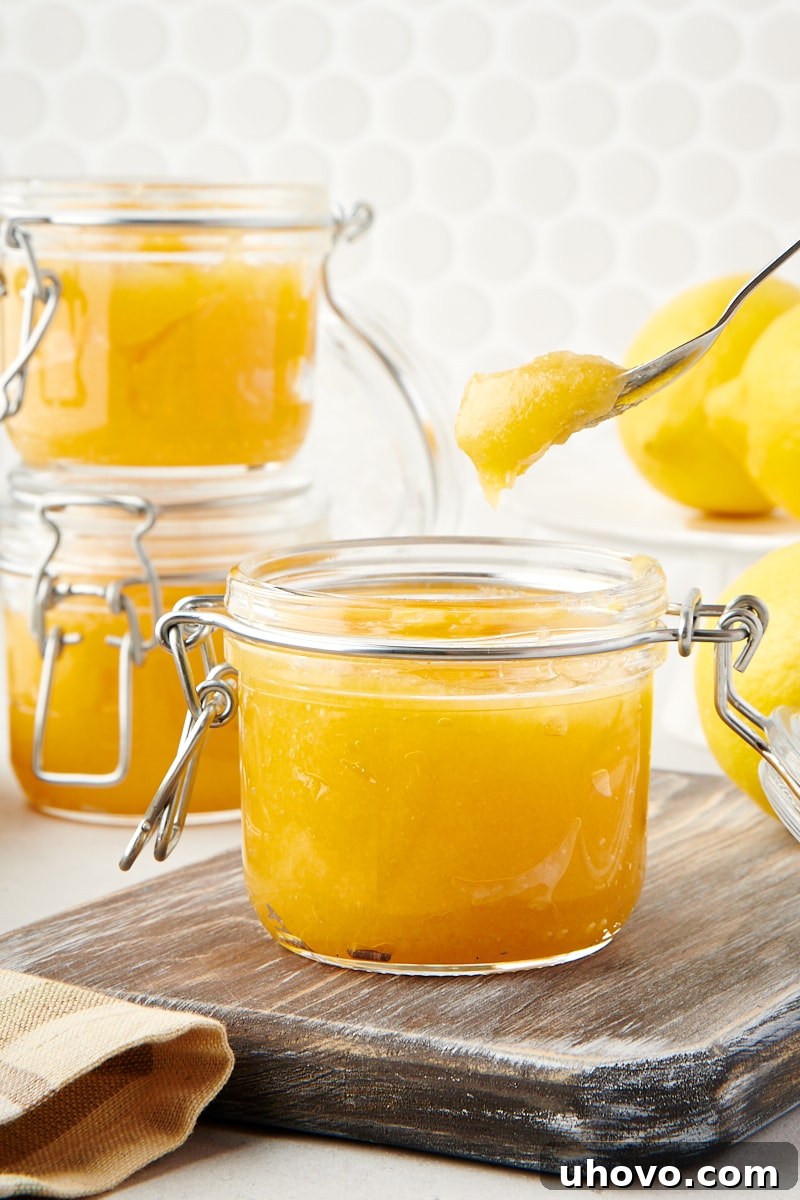
If you’re searching for a truly delightful and versatile addition to your culinary repertoire, look no further than this incredibly easy recipe for homemade lemon curd. Bursting with bright, zesty flavor, this velvety smooth spread is a true game-changer for any lemon dessert enthusiast. Forget bland, store-bought versions; once you experience the vibrant taste of freshly made lemon curd, there’s simply no turning back. It’s perfectly suited for elevating cakes, cupcakes, and tart shells, or simply enhancing your morning toast or scone. The best part? Crafting this luminous golden spread from scratch requires only a handful of common ingredients and straightforward steps, making it accessible for even novice bakers.
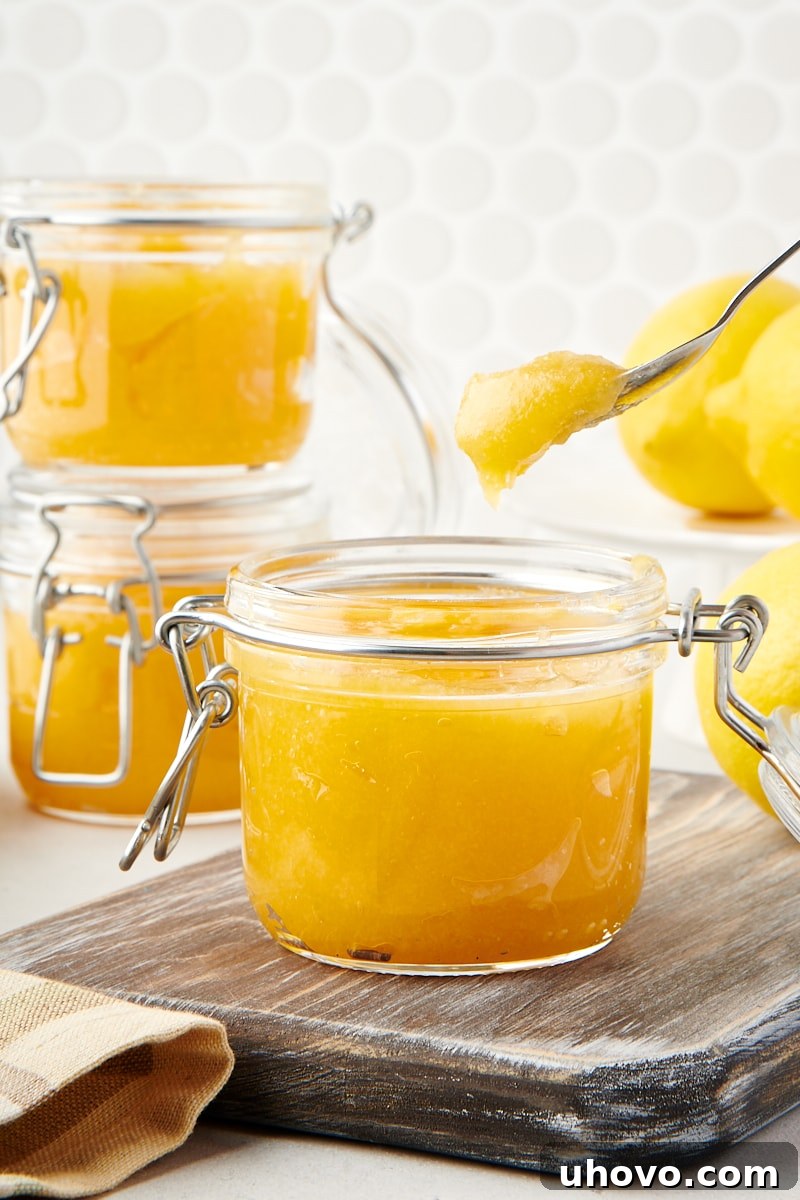
For those who adore the invigorating tang of lemons, lemon curd is likely a cherished classic, celebrated for its intense and captivating citrus profile. But have you ever ventured into the rewarding process of making it yourself? It’s a culinary journey that promises both simplicity and incredibly delicious results. While there’s no shame in reaching for store-bought lemon curd as a convenient shortcut, the unparalleled freshness and depth of flavor in this homemade version will undoubtedly win you over. If you’ve been hesitant to try your hand at crafting this delectable spread, this particular recipe is an excellent starting point due to its clear, uncomplicated instructions. Prepare for your lemon-loving taste buds to rejoice!
Creating homemade lemon curd is more than just a baking task; it’s an opportunity to experience a superior flavor and texture that mass-produced options simply can’t match. The process allows you to control the quality of ingredients, ensuring every spoonful is pure, unadulterated lemon sunshine. This guide will walk you through everything you need to know, from selecting the finest lemons to mastering the perfect consistency, guaranteeing a batch of lemon curd that will impress everyone who tastes it.
Why You’ll Love This Easy Homemade Lemon Curd Recipe
This isn’t just another lemon curd recipe; it’s a gateway to brighter, more vibrant desserts and breakfasts. Here’s why this particular homemade lemon curd will quickly become a favorite in your kitchen:
- Unmatched Freshness and Flavor: Nothing compares to the bright, intense flavor of fresh lemon curd made from scratch. Unlike many store-bought varieties that can taste artificial or overly sweet, homemade curd boasts a pure, vibrant citrus kick that is simply divine. You’ll truly taste the difference, experiencing the full aromatic complexity of fresh lemons in every spoonful. It’s an indulgence that store-bought jars simply cannot replicate.
- Effortless Preparation Methods: We understand that everyone has different preferences and kitchen setups. That’s why this comprehensive guide covers two incredibly easy methods for preparing your lemon curd: the traditional stovetop technique and a super-speedy microwave approach. Both methods yield fantastic results, allowing you to choose the one that best suits your time and comfort level in the kitchen. Whichever you pick, you’ll find the steps simple and highly rewarding.
- Incredibly Versatile for Any Occasion: Lemon curd is far more than just a spread; it’s a dynamic ingredient that can elevate a wide array of dishes. Use it to brighten up classic desserts, add a gourmet touch to breakfast items, or simply enjoy it straight from the spoon. Its smooth, rich texture and tangy flavor make it perfect for fillings, toppings, or as a standalone treat. We’ve included a wealth of creative ideas later in this post to inspire your culinary adventures with this golden delight.
- Economical and Satisfying: Making lemon curd at home is not only more delicious but often more cost-effective than purchasing premium store-bought versions. You gain complete control over the ingredients, avoiding any unwanted additives or preservatives, and the satisfaction of creating something so wonderfully tasty from scratch is immeasurable.
What is Lemon Curd? A Culinary Overview
Lemon curd is a luxurious, sweetened fruit spread or sauce, traditionally crafted with fresh lemon juice, butter, granulated sugar, and eggs. Unlike jams or fruit compotes, which rely on pectin for their gel-like consistency, lemon curd achieves its signature velvety, custard-like texture through the emulsification of butter and the thickening power of egg yolks (or whole eggs, as in this simplified recipe). This creates a spread that is rich, smooth, and intensely flavored with the bright tang of lemons.
Originating in England, lemon curd has been a beloved staple for centuries, typically served with bread or scones, much like a jam, and used as a filling for tarts and cakes. Its vibrant yellow hue and refreshing, tart-sweet balance make it a highly sought-after ingredient in both traditional and modern baking. While readily available in stores, homemade lemon curd offers a superior flavor profile, boasting a freshness and depth that pre-packaged alternatives often lack. This particular recipe stands out for its flexibility, allowing you to choose between a classic stovetop preparation or a faster microwave method, ensuring perfect results every time.
Understanding the simple alchemy of these four core ingredients is key to appreciating the magic of homemade lemon curd. The lemon juice provides acidity and flavor, the sugar balances the tartness and contributes to the smooth texture, the butter adds richness and silkiness, and the eggs act as a thickener, creating that irresistible custard consistency.
Essential Ingredients for Perfect Homemade Lemon Curd
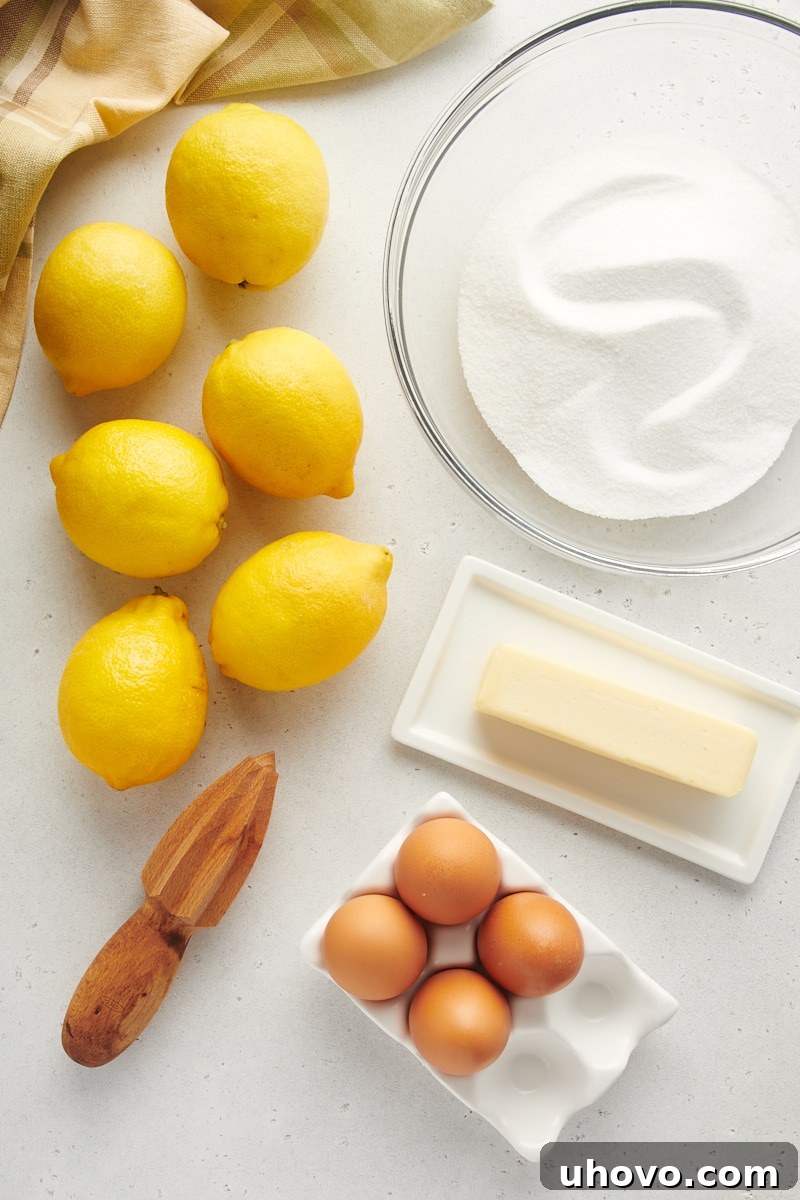
You’ll be delighted to know that this simple homemade lemon curd requires only four fundamental ingredients. The quality of each plays a crucial role in the final flavor and texture, so choose wisely! Below are some detailed notes on each component. For precise measurements and complete recipe instructions, please refer to the printable recipe card at the bottom of this post.
- Fresh Lemons (About 6 Medium): The star of the show! Freshly squeezed lemon juice and zest are absolutely non-negotiable for the best flavor. Bottled lemon juice simply won’t deliver the vibrant, complex tang and aroma that fresh lemons provide. You’ll need both the zest, which holds the concentrated essential oils and fragrant citrus notes, and the juice, for its tartness and liquid content. Aim for lemons that feel heavy for their size, indicating more juice.
- Unsalted Butter, Softened (1/2 cup): Good quality unsalted butter is vital. It contributes richness, a silky mouthfeel, and helps to emulsify the curd, giving it that characteristic smooth texture. Using unsalted butter allows you to control the overall saltiness of the finished product. Ensure it’s softened to room temperature for easier creaming with the sugar, which prevents lumps and ensures a homogeneous mixture.
- Granulated Sugar (2 cups): Sugar does more than just sweeten; it balances the tartness of the lemon, contributes to the curd’s glossy appearance, and aids in achieving the correct consistency. While 2 cups provide a classic sweet-tart balance, you can slightly adjust this amount to taste. However, be aware that significantly reducing the sugar can affect the final texture, potentially making the curd less smooth and more prone to lumpiness.
- Large Eggs (4 Whole): This recipe simplifies things by using whole large eggs, rather than separating yolks and whites. The eggs are crucial for thickening the curd into its luscious, custard-like state. They also act as an emulsifier, binding the butter, sugar, and lemon juice together into a smooth, cohesive spread. Ensure your eggs are fresh for optimal results.
Choosing the Best Lemons for Superior Curd
While any lemon can technically be used, selecting the right variety can significantly enhance the flavor and aroma of your homemade lemon curd. Here are the main types of lemons I highly recommend for achieving the best results:
- Eureka Lemons: These are among the most common and widely available lemons, known for their strong, classic lemon aroma and tart juice. They typically have a bright yellow, textured skin. Lisbon lemons, another readily found variety, are quite similar to Eurekas, though often slightly more acidic. Both are excellent choices for a reliably tangy and bright lemon curd.
- Meyer Lemons: If you can find them, especially during their peak season (typically winter through early spring), Meyer lemons are a phenomenal choice for lemon curd. They are a hybrid of a lemon and a mandarin orange, resulting in a distinctively sweeter, less acidic flavor with delightful floral undertones. Curd made with Meyer lemons offers a subtly different, often more nuanced and balanced taste experience, being naturally smoother due to their lower acidity.
Regardless of the variety, for the most exquisite flavor, always seek out lemons that are notably fragrant, indicating a rich concentration of essential oils in the zest. Also, look for lemons with thin skins, as these tend to yield more juice and zest. A critical tip is to prioritize unwaxed lemons, as you’ll be utilizing the zest. If unwaxed varieties are unavailable, thoroughly scrub waxed lemons under warm water with a vegetable brush to remove as much of the wax coating as possible before zesting. This ensures pure, unadulterated lemon flavor in your curd.
By taking a moment to select the best possible lemons, you are already setting yourself up for a truly delicious and wonderfully tangy lemon curd!
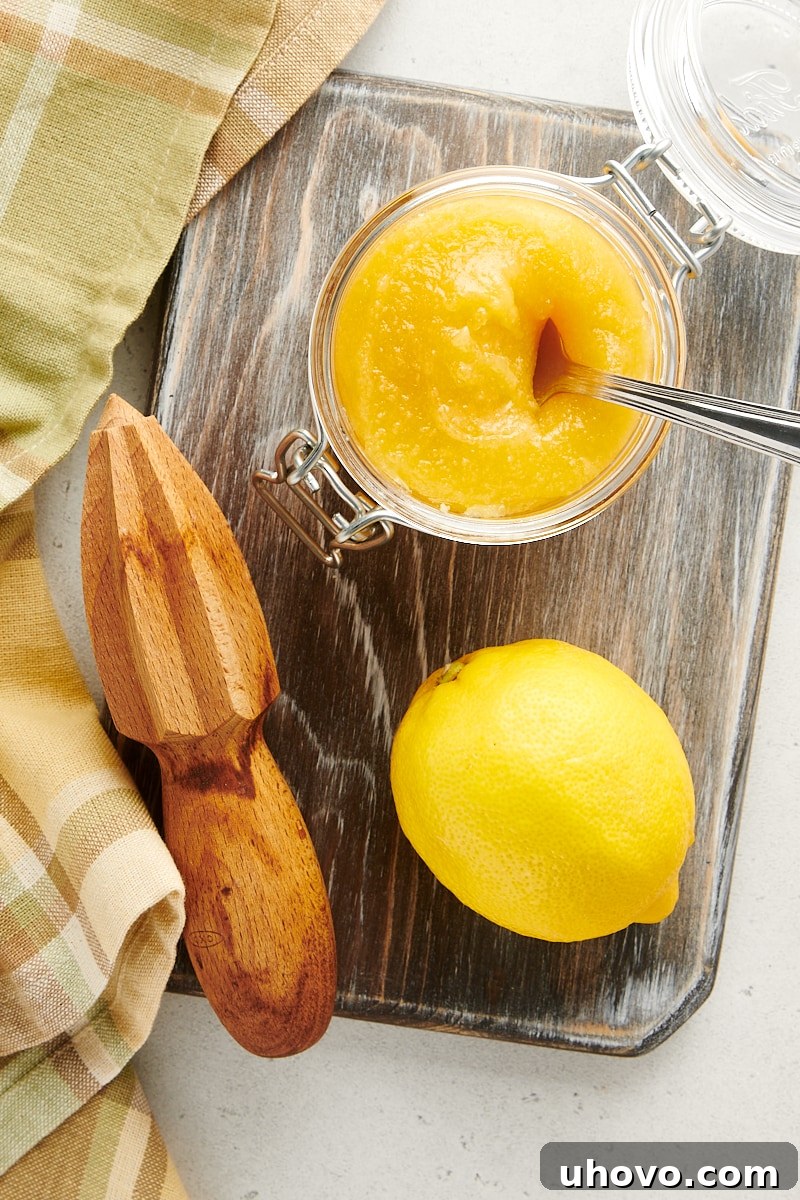
Step-by-Step Guide: How to Make Easy Lemon Curd
This recipe for homemade lemon curd is designed for simplicity and maximum flavor, offering you the choice between a traditional stovetop method or a speedy microwave alternative. The initial mixing steps remain consistent for both approaches, so you can focus on perfecting the creamy base before cooking. Let’s dive into the process:
- Prepare the Lemons: Zest and Juice: Begin by carefully zesting your chosen lemons. Use a fine grater, such as a microplane, to remove only the bright yellow outer layer, avoiding the bitter white pith underneath. Aim for about 2 tablespoons of zest. After zesting, cut the lemons in half and squeeze out the juice until you have approximately 1 cup. If you need a refresher on these techniques, check out this helpful tutorial on how to zest and juice lemons. Freshness here is key for vibrant flavor.
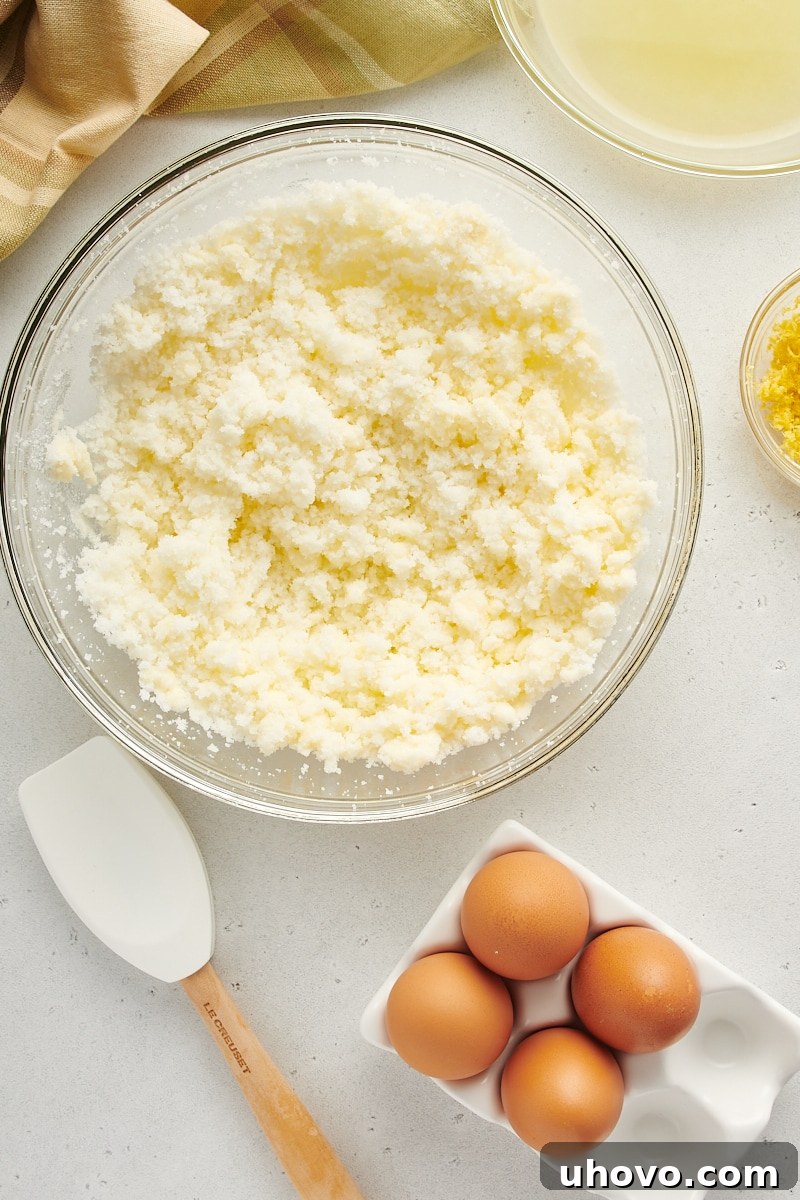
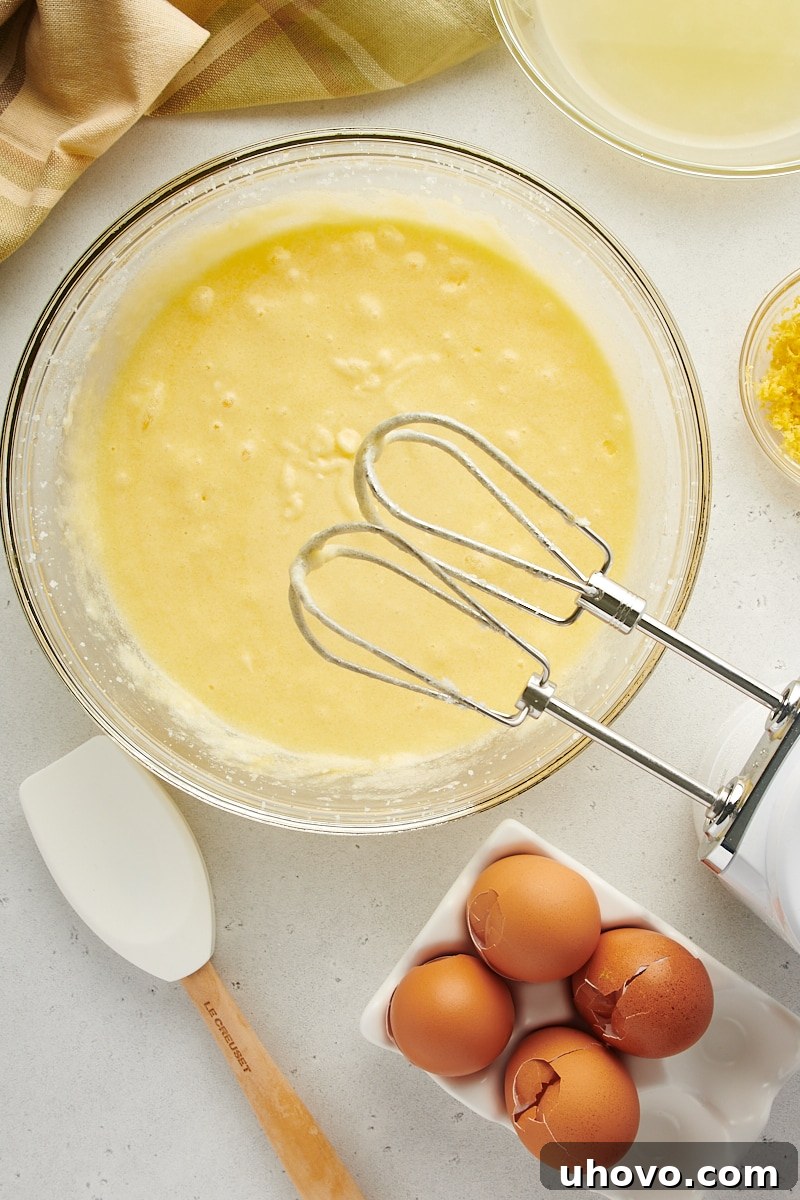
- Cream the Butter and Sugar, Then Incorporate Eggs: In a large mixing bowl, using an electric mixer set to medium speed, beat the softened unsalted butter and granulated sugar together. Continue beating until the mixture becomes visibly light in color and fluffy in texture, usually taking about 2-3 minutes. This creaming process incorporates air, contributing to the curd’s light consistency. Next, add the eggs one at a time, ensuring each egg is fully incorporated and the mixture is smooth before adding the next. This step helps create a stable emulsion.
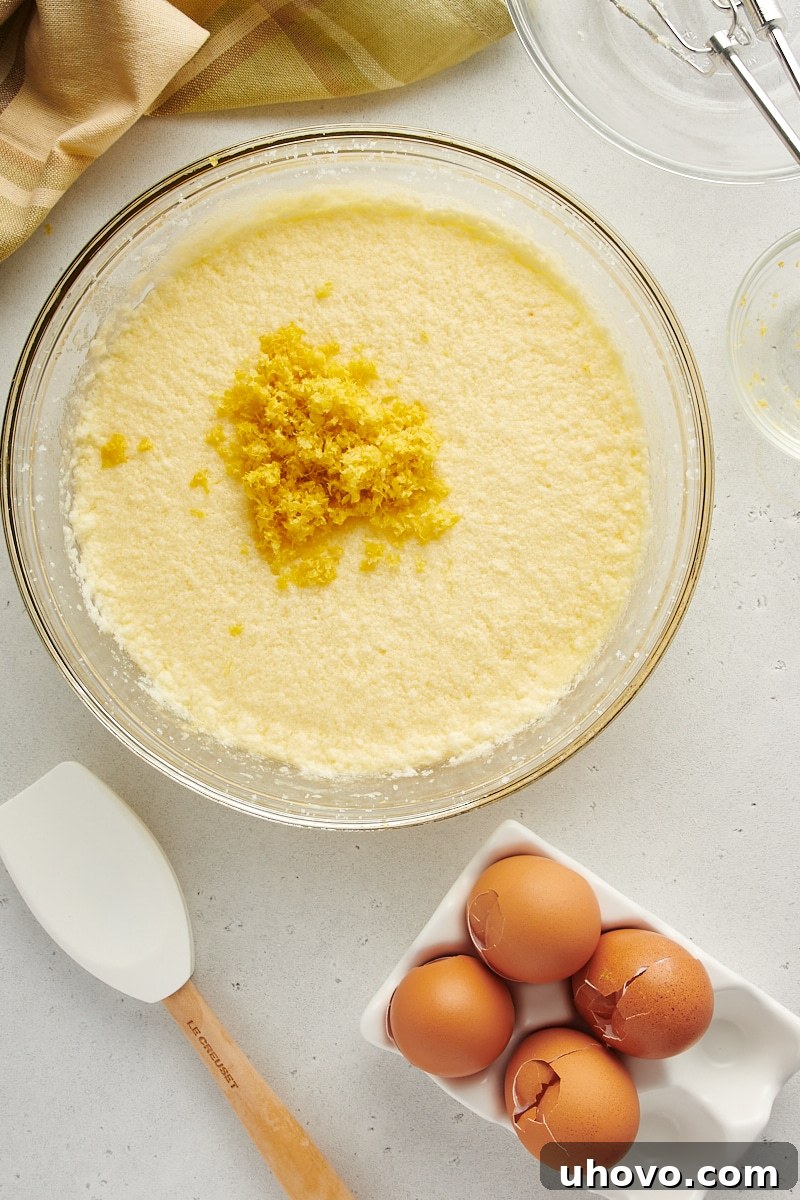
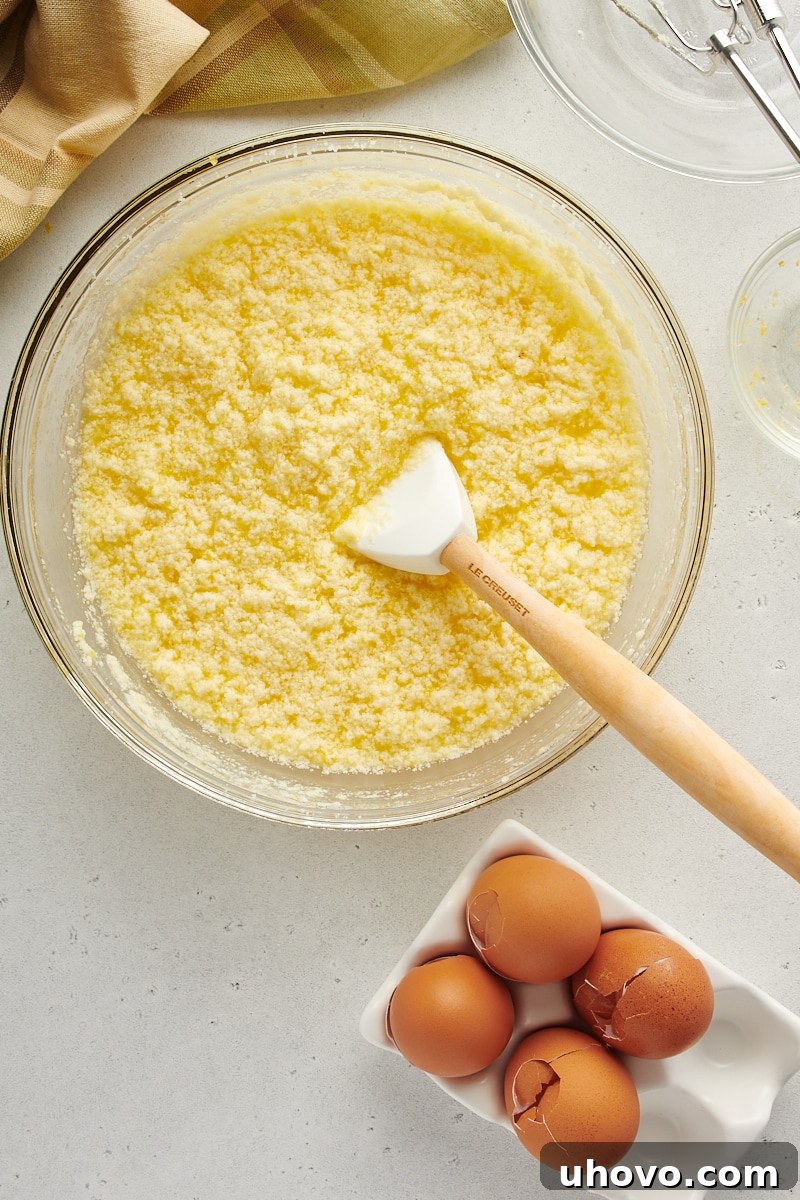
- Introduce Zest and Juice: Reduce your mixer speed to low. Gradually pour in the measured lemon juice, mixing just until it is combined. Over-mixing here isn’t necessary. Gently stir in the lemon zest by hand. At this stage, it’s entirely normal for the mixture to appear slightly curdled or separated. Don’t worry; this is part of the process and will resolve as it cooks.
- Cook to Perfection: Now, you’re ready to cook the curd until it reaches its ideal thickened consistency. Choose one of the two detailed methods described below: microwave or stovetop. Remember that lemon curd will continue to thicken significantly as it cools, so don’t overcook it initially. The goal is a smooth, pourable, pudding-like consistency.
Quick and Easy Microwave Method for Lemon Curd
The microwave method offers a fantastic shortcut for making delicious lemon curd, significantly reducing cooking time. Keep in mind that microwave wattages vary greatly, so adjustment to heating times may be necessary to achieve the perfect consistency.
- Initial High Heat: Transfer your lemon curd mixture into a large, microwave-safe bowl. It’s important to use a bowl that can accommodate the mixture as it heats and slightly expands, preventing overflow. Microwave the mixture on high power for 5 minutes, pausing to stir thoroughly after every minute. Regular stirring is crucial to ensure even cooking and prevent the eggs from scrambling.
- Gradual Thickening in Intervals: After the initial 5 minutes, continue heating the mixture in shorter, 30-second intervals. After each interval, stir the curd diligently. Repeat this process for an additional 2-3 minutes, or until the mixture has thickened sufficiently to coat the back of a spoon. When you run your finger across the spoon, it should leave a clear trail. The curd should also start to mound slightly as you stir it, indicating it’s nearly done.
- Chill to Set: Once the desired consistency is reached, remove the bowl from the microwave. Immediately press a layer of plastic wrap directly onto the surface of the hot curd. This crucial step prevents a “skin” from forming as it cools. Place the covered curd in the refrigerator for a minimum of 4 hours to allow it to fully set and chill. If you wish, you can transfer the cooled curd into individual sterilized jars for elegant storage or thoughtful gifting.
Traditional Stovetop Method for Velvety Lemon Curd
The stovetop method is a classic approach to making lemon curd, allowing for precise control over the cooking process and resulting in an incredibly smooth, luxurious finish. Patience and constant whisking are key here.
- Gentle Heat in a Saucepan: Pour the prepared lemon curd mixture into a heavy-bottomed saucepan. A heavy pan helps distribute heat more evenly and prevents scorching. Place the saucepan over medium-low heat. The heat should be gentle; you want to slowly warm the mixture without bringing it to a rapid boil or allowing it to bubble vigorously, as this can lead to scrambled eggs.
- Constant Whisking for Smoothness: Cook the mixture, whisking constantly and thoroughly. This continuous agitation is essential to prevent the eggs from settling and cooking too quickly at the bottom of the pan, which would result in a lumpy or grainy curd. Continue whisking until the mixture begins to thicken and coats the back of a spoon. When you draw a line with your finger across the spoon, the line should hold its shape. This thickening process typically takes between 10 to 15 minutes. For an extra measure of precision, if you have a candy thermometer, the curd is perfectly done when it reaches a temperature between 170-180°F (77-82°C).
- Transfer and Chill: Once the lemon curd has reached the desired thickness, immediately remove it from the heat. Transfer the hot curd to a clean bowl. As with the microwave method, cover the surface of the curd directly with plastic wrap to prevent a skin from forming. Allow it to cool slightly at room temperature, then refrigerate for at least 4 hours, or until thoroughly chilled and set.
Is a Double Boiler Necessary for Lemon Curd?
Many traditional recipes and some chefs advocate for using a double boiler when making lemon curd on the stovetop. The primary reason is that a double boiler provides very gentle, indirect heat, which significantly reduces the risk of the eggs scrambling. While this method offers an added layer of security, I find it isn’t strictly necessary as long as you maintain an appropriate medium-low heat and whisk the mixture constantly and diligently. However, if your stovetop’s temperature regulation is inconsistent, or if you prefer an extra cautious approach, a double boiler is an excellent option.
Should you decide to use a double boiler, ensure you use a glass or non-reactive metal bowl for your curd mixture. Here’s how to set it up and cook:
- Assemble Your Double Boiler: Fill a saucepan with about 1-2 inches of water and bring it to a gentle simmer. Place your bowl containing the lemon curd mixture over the saucepan. Crucially, ensure that the bottom of the bowl does not touch the simmering water. The steam from the water below is what provides the gentle, indirect heat for cooking.
- Cook with Care: Proceed to cook the lemon curd as directed in the stovetop method, whisking continuously. Due to the gentler heat, you may find that the cooking time needs to be extended by a few minutes compared to directly cooking in a saucepan. Pay close attention to the curd’s thickening and the visual cues described previously.
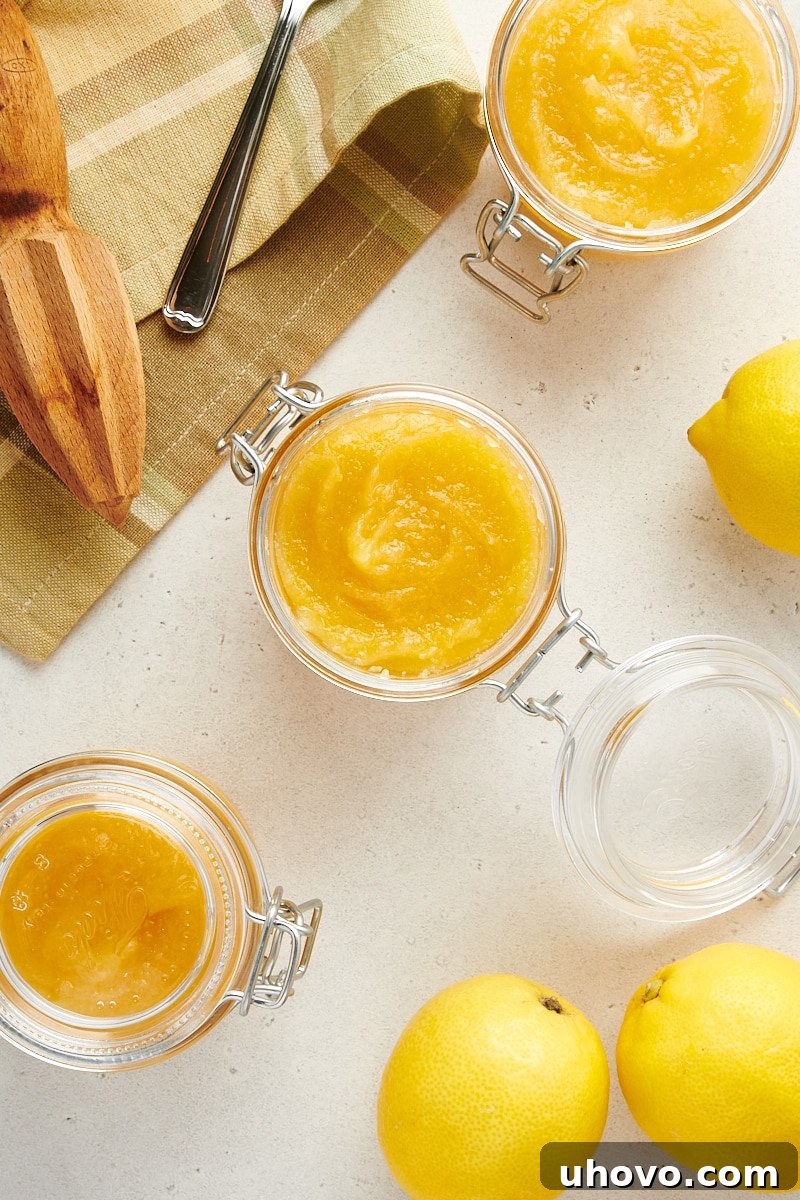
Ultimately, whether you use a double boiler or a heavy-bottomed saucepan, careful attention to heat and constant whisking are your best allies in achieving a perfectly smooth and luscious homemade lemon curd.
Essential Tips for Success: Achieving the Perfect Lemon Curd
Even though this is an easy lemon curd recipe, a few key tips can elevate your results from good to absolutely phenomenal. Follow these pointers for a consistently perfect, vibrant, and delicious batch every time:
- Always Use Fresh Lemon Juice: This cannot be stressed enough. While bottled lemon juice offers convenience, it pales in comparison to the complex, bright, and authentic flavor profile delivered by freshly squeezed lemons. The difference in taste is significant and will directly impact the quality of your homemade lemon curd.
- Don’t Skip the Zest: Lemon zest is where the majority of the lemon’s essential oils and intense aroma reside. Including zest in your curd not only deepens the lemon flavor but also imparts a beautiful, sunny yellow hue. When zesting, use a fine grater, like a microplane, to ensure you get only the bright yellow rind and avoid the bitter white pith beneath. This ensures a smooth texture and pure flavor.
- Master the Right Consistency: Knowing when your lemon curd is ready to come off the heat is crucial. It should be noticeably thickened and smooth, resembling a pourable pudding or thick cream. A classic test is to dip a spoon into the curd and then run your finger across the back of the spoon; if the line holds cleanly, it’s done. Remember, it will continue to thicken considerably as it cools in the refrigerator.
- Cook Long Enough, But Not Too Long: If your lemon curd ends up thin and runny, it almost certainly means it didn’t cook for a sufficient amount of time to allow the eggs to thicken properly. You can often salvage it by returning it to the heat and continuing to cook and whisk gently until it reaches the correct consistency. Conversely, overcooking can lead to a lumpy, grainy, or even scrambled texture, and a pronounced egg flavor. If this happens, you might try vigorously whisking or using an immersion blender, then straining.
- Maintain Gentle and Consistent Heat: Especially with the stovetop method, cooking over medium-low heat is vital. High heat can cause the eggs to cook too quickly and scramble, ruining the smooth texture. Constant whisking ensures even cooking and prevents hot spots.
- Embrace Other Citrus Fruits: Once you’ve mastered lemon curd, don’t hesitate to experiment! The same method can be applied to other citrus fruits to create equally delicious curds. Try lime curd for a sharper, more tropical tang, orange curd for a sweeter, mellower flavor, or grapefruit curd for a sophisticated, bittersweet profile.
Delightful Uses for Homemade Lemon Curd
Homemade lemon curd is a truly versatile and irresistible spread that can transform a wide array of dishes from ordinary to extraordinary. Its bright, tart-sweet profile adds a burst of sunshine to almost anything. Here are just a few of the many delicious ways you can put your glorious lemon curd to good use:
- Breakfast and Brunch Enhancer: A simple yet utterly delicious way to enjoy lemon curd is to spread it generously on warm toast, fluffy pancakes, golden waffles, or fresh muffins. It’s an absolute dream topping for vanilla scones, adding a gourmet touch that rivals any high tea experience. Try it with a dollop over ricotta almond pancakes for an indulgent start to your day.
- Elegant Dessert Filler: Lemon curd excels as a vibrant filling for a multitude of baked goods. Pipe it into lemon cupcakes for a delightful surprise center, or use it between layers of a celebratory cake. It makes an exquisite filling for mini tarts, larger pies like lemon icebox pie or lemon cream pie, and even cookies, such as classic lemon thumbprint cookies.
- Cake and Pastry Star: Incorporate it into a lemon yogurt crumb cake for an extra layer of moisture and tang, or create charming ginger lemon hand pies. It’s a fantastic base for light and airy lemon mousse or a delightful addition to trifles and parfaits.
- Simple Topping and Swirl-In: For an effortless treat, spoon lemon curd over creamy yogurt or a scoop of vanilla ice cream. Swirl it into a cheesecake batter before baking for a marbled effect and bright flavor, or even whisk it into whipped cream for a luscious lemon chantilly.
- Beyond the Sweet: While primarily a sweet ingredient, a hint of lemon curd can also bring brightness to savory glazes for chicken or fish, especially when balanced with herbs.
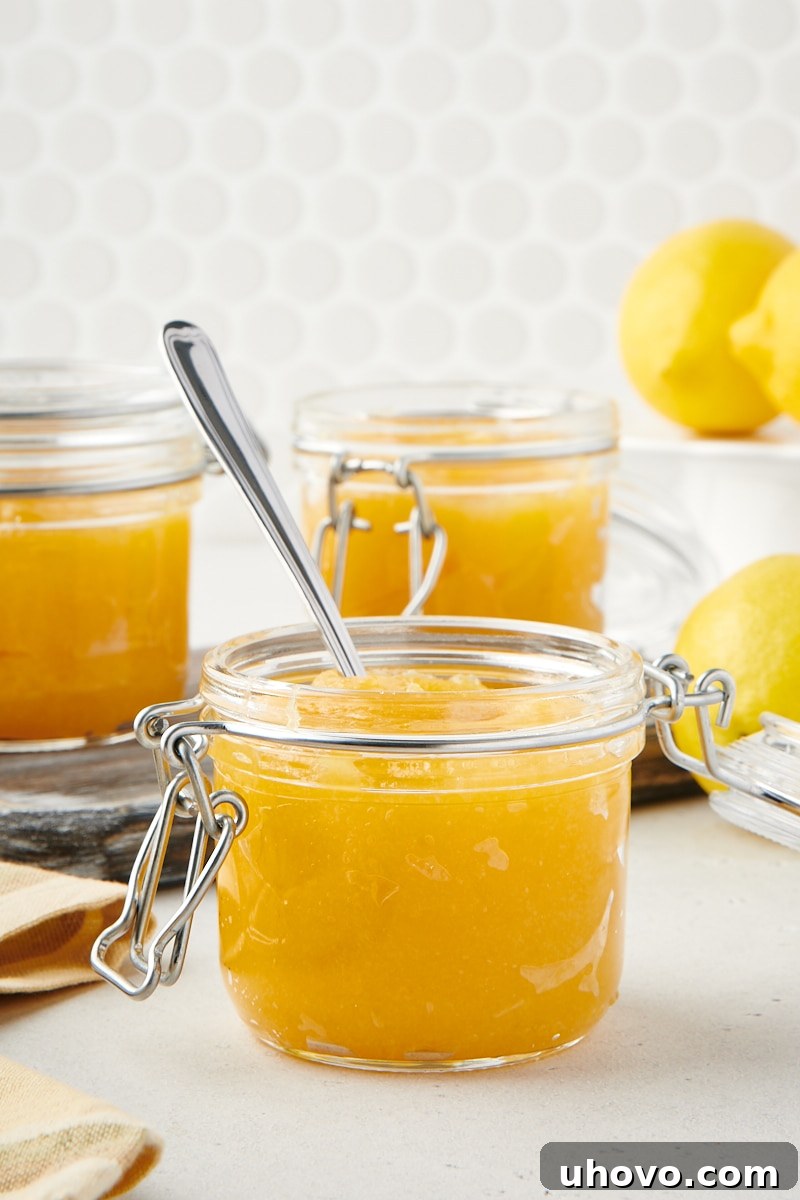
If you’re already a fan of all things lemon, I have no doubt you’ll discover countless creative and delicious ways to incorporate this homemade lemon curd into your daily cooking and baking!
Frequently Asked Questions About Lemon Curd
Straining your lemon curd is an optional but highly recommended step, particularly if you desire an ultra-smooth and perfectly silky texture. There are two main benefits: First, it effectively removes any lingering lemon seeds, large pieces of zest, or pulp that might have found their way into your mixture. Second, and perhaps more importantly, it strains out any minuscule bits of cooked egg that may have accidentally scrambled during the cooking process. Even with careful whisking, tiny protein clumps can sometimes form. To strain, simply pour the warm curd through a fine mesh sieve set over a clean bowl, using a spoon or spatula to gently push it through.
If your lemon curd isn’t thickening, the most common culprits are either insufficient cooking time (the eggs haven’t reached the necessary temperature to set) or an imbalance in the ingredient ratios, such as too much liquid (lemon juice) or not enough egg. Ensure you’ve cooked it long enough for it to coat the back of a spoon and hold a trail. If it’s still runny, you can attempt to rescue it: whisk a small amount of the runny curd with an additional egg yolk in a separate bowl, then slowly temper this mixture back into the main batch of curd while whisking constantly over low heat. Continue cooking gently for a few more minutes until it visibly thickens. Make sure your eggs are fresh, as older eggs may lose some of their thickening power.
Lumpy or curdled lemon curd is usually a sign of overcooking, especially if it’s accompanied by a pronounced eggy flavor. This happens when the egg proteins cook too rapidly and begin to scramble. In some cases, insufficient whisking can also lead to lumps. To try and rescue a lumpy curd, immediately remove it from the heat. Whisk it vigorously with a hand whisk for a minute or two to try and smooth out the lumps. For more stubborn lumps, carefully transfer the curd to a blender or use an immersion blender to process it until smooth. After blending, strain the curd through a fine-mesh sieve to catch any remaining bits, then cool it as usual. You might then return it to very low heat briefly if it needs a little more thickening.
A metallic taste in lemon curd is an unfortunate, yet entirely preventable, issue that occurs when acidic ingredients like lemon juice react with certain types of metal cookware. Reactive metals, such as aluminum or unlined copper, can leach into the food, imparting an unpleasant metallic flavor. To avoid this, always use non-reactive cookware for your lemon curd, especially if you’re cooking it on the stovetop. Stainless steel saucepans, glass bowls (for microwave or double boiler), or ceramic-coated pots are ideal choices and will ensure your curd tastes pure and bright.
Determining doneness is key to achieving a smooth, thick curd. Look for several indicators: First, the curd should visibly thicken and coat the back of a spoon. When you draw your finger across the spoon, the line should hold its shape without the curd running back together. Second, the mixture should just begin to mound slightly when stirred. For ultimate precision, especially with the stovetop method, use a candy thermometer; the curd is perfectly cooked when it reaches a temperature between 170-180°F (77-82°C). Remember that it will continue to thicken significantly as it chills, so avoid overcooking.
How to Store Homemade Lemon Curd
Proper storage is essential to maintain the freshness, flavor, and safety of your homemade lemon curd. Fortunately, it stores remarkably well, allowing you to enjoy your efforts for an extended period.
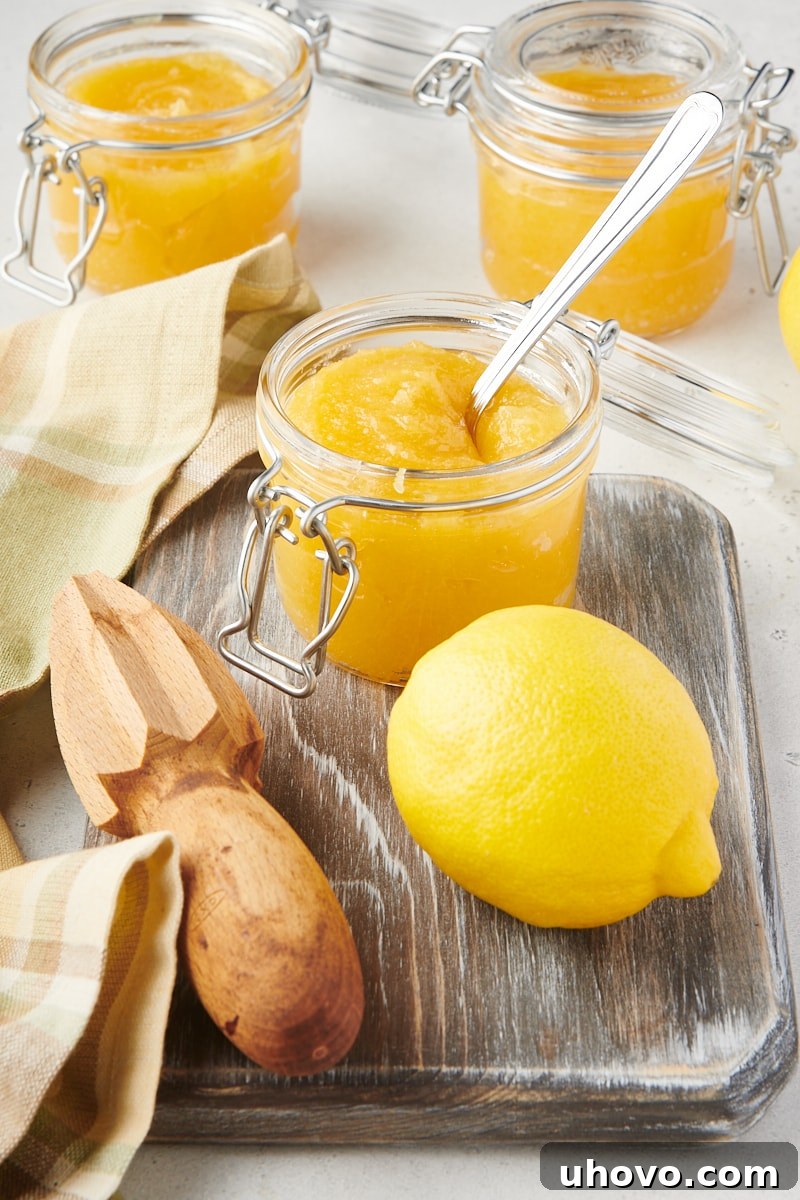
- Refrigeration: Once your lemon curd has cooled completely, transfer it to a clean, airtight container. Glass jars with tight-fitting lids are ideal. Before sealing, press a layer of plastic wrap directly onto the surface of the curd. This prevents a skin from forming and protects it from absorbing odors from the refrigerator. Stored correctly in the refrigerator, homemade lemon curd will maintain its quality for up to 2 weeks. Always check for any signs of spoilage (off-smell, mold) before consuming.
- Freezing: For longer-term storage, lemon curd freezes beautifully! Transfer the cooled curd into a freezer-safe container, leaving about 1/4 to 1/2 inch of headspace at the top to allow for expansion during freezing. Again, press a layer of plastic wrap directly onto the surface before sealing the container tightly. Properly stored in the freezer, lemon curd can last for several months, often up to a year, without significant loss of quality. To use, simply thaw the frozen curd overnight in the refrigerator. Once thawed, give it a good whisk to restore its smooth consistency before serving.
Explore More Zesty Lemon Recipes
If you’ve fallen in love with the vibrant flavor of this homemade lemon curd, then you’re undoubtedly a true lemon enthusiast! Continue your citrus adventure with these other fantastic lemon-inspired recipes:
- Decadent Lemon Cheesecake
- Classic Lemon Bars
- Adorable Mini Lemon Pound Cakes
- Refreshing Lemon Icebox Pie with Toasted Coconut Crust
- Creamy Lemon Cream Pie
Easy Homemade Lemon Curd
2 cups
20 minutes
10-20 minutes
4 hours
4 hours 40 minutes
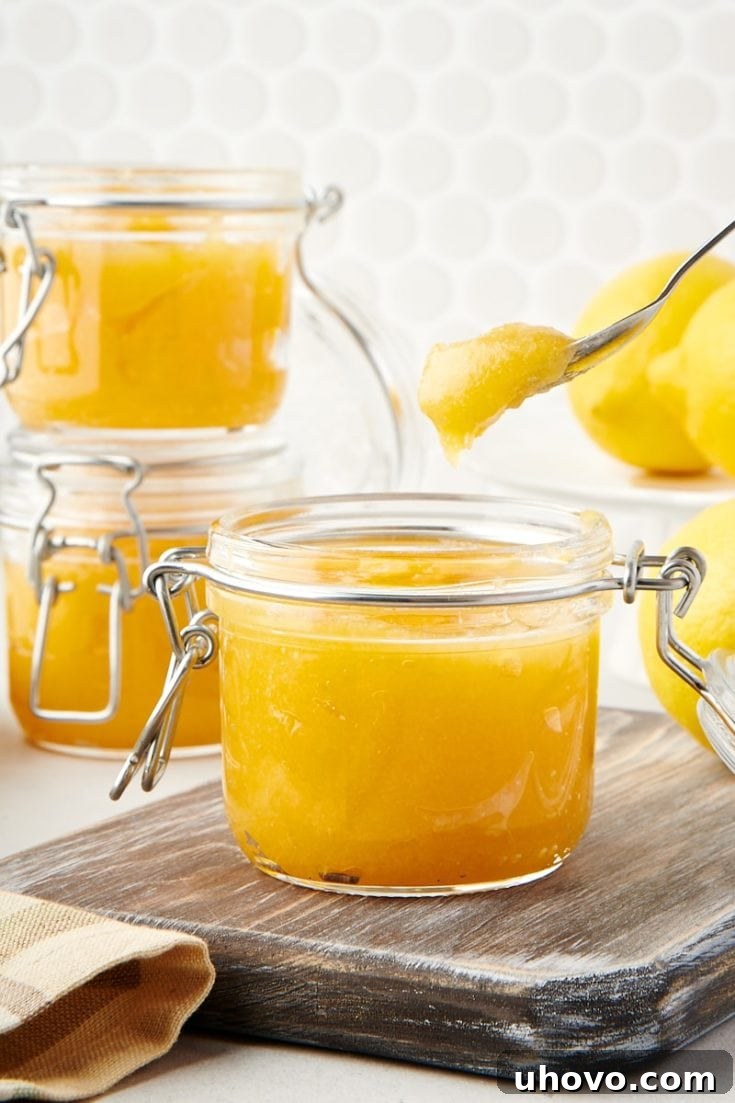
Unlock the secret to vibrant, tangy perfection! Learn how to make luscious homemade lemon curd from scratch with this easy-to-follow recipe. Use this bright, versatile spread as a topping or filling for your favorite lemon desserts, breakfast treats, and so much more.
Ingredients
- 6 medium lemons (for zest and juice)
- 1/2 cup unsalted butter, softened
- 2 cups granulated sugar
- 4 large eggs
Instructions
- Zest the lemons carefully to yield approximately 2 tablespoons of zest, avoiding the bitter white pith.
- Juice the zested lemons to obtain a total of 1 cup of fresh lemon juice.
- Using an electric mixer on medium speed, beat the softened unsalted butter and granulated sugar in a large bowl until the mixture is light, fluffy, and pale in color. Add the large eggs one at a time, beating well after each addition until fully blended and smooth.
- Reduce the mixer speed to low. Gradually pour in the fresh lemon juice, mixing just until it is combined. Stir in the lemon zest by hand. At this point, the mixture may appear slightly curdled, which is normal.
- To make on the stovetop: Transfer the mixture to a heavy-bottomed saucepan. Cook over medium-low to medium heat, whisking constantly and thoroughly. Continue cooking until the mixture visibly thickens and coats the back of a spoon, leaving a clear trail when a finger is run through it. This usually takes 10 to 15 minutes. Ensure the curd does not come to a rolling boil.
- To make in the microwave: Place the mixture in a large, microwave-safe bowl. Heat in the microwave on high power for 5 minutes, stopping to stir well after every minute. After the initial 5 minutes, continue heating in shorter 30-second intervals, stirring thoroughly after each interval, for an additional 2-3 minutes or until the mixture thickens to coat the back of a spoon. Microwave wattages vary, so adjust cooking time as needed.
- Once thickened, transfer the lemon curd to a clean bowl. Cover the surface of the curd directly with plastic wrap to prevent a skin from forming. Chill in the refrigerator for at least 4 hours, or until thoroughly set and cold.
- Store the finished lemon curd refrigerated in an airtight container for up to 2 weeks. It can also be frozen for several months.
Notes
*Cooking times for the microwave method are approximate and can vary based on your microwave’s wattage.
Recipe adapted from Southern Living.
Recommended Products
Bake or Break is a participant in the Amazon Services LLC Associates Program, an affiliate advertising program designed to provide a means for us to earn fees by linking to Amazon.com and affiliated sites.
- Glass Kitchen Storage Jars, 6 & 3/4 ounces
- Microplane Classic Zester/Grater
- Stainless Steel Fine Mesh Strainer/Sieve
Show off your baking masterpiece!
Snap a pic, tag @bakeorbreak, and use #bakeorbreak on Instagram. Can’t wait to see your creation!