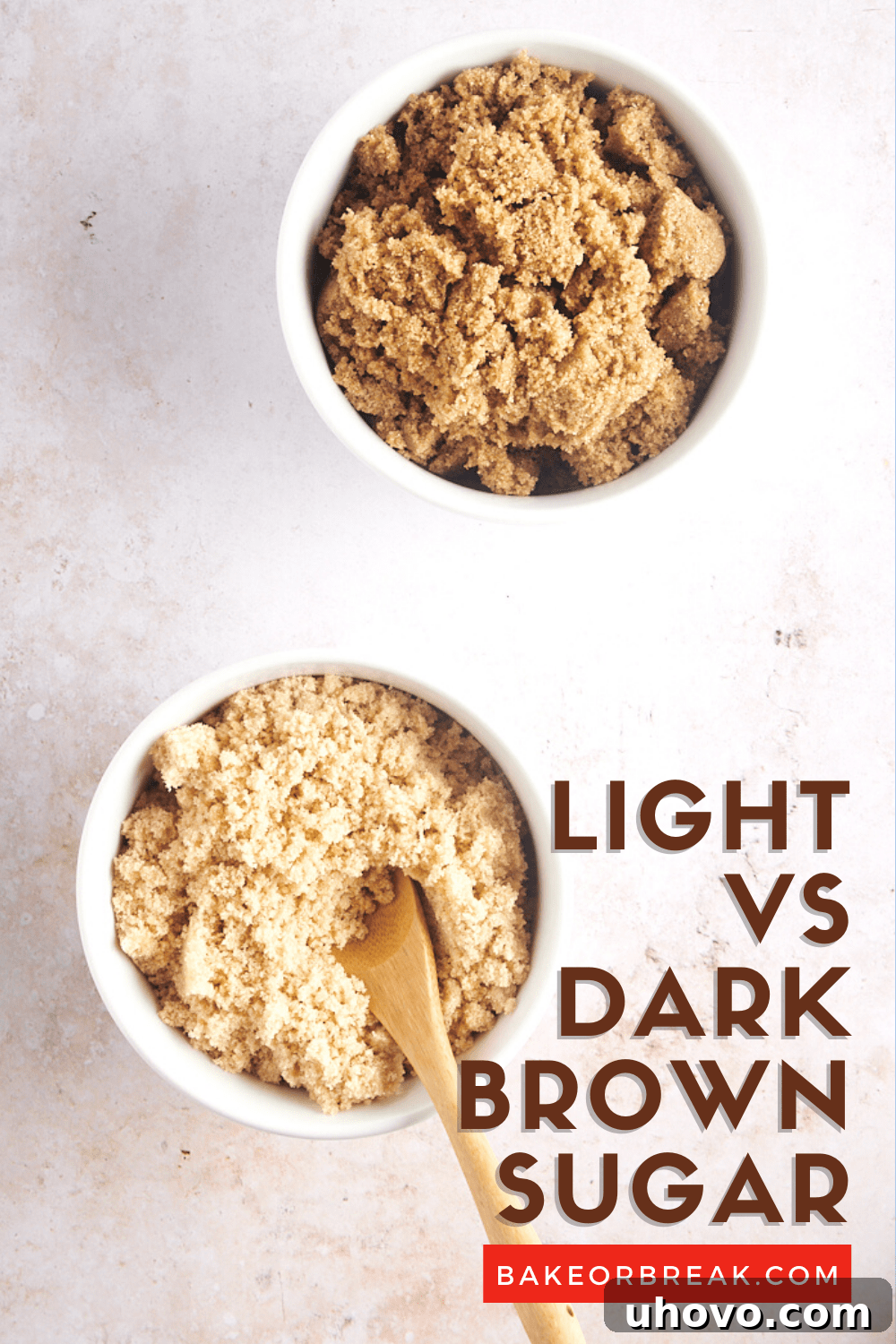
In the delightful world of baking, two stars often share the spotlight: light brown sugar and dark brown sugar. While their names might suggest a simple distinction, the nuances between them are profound, influencing everything from flavor to texture in your cherished recipes. At the heart of their unique identities lies a single, crucial ingredient: molasses. Understanding this fundamental difference is key to elevating your baking from good to extraordinary, ensuring every cookie, cake, or scone reaches its full potential.
Unveiling the Differences: Light vs. Dark Brown Sugar
Brown sugar stands as a cornerstone in countless baking endeavors, celebrated for the incredible depth of flavor, nuanced sweetness, and desirable texture it imparts to a vast array of baked goods. Whether it’s the sole sweetening agent or paired with other sugars, its contribution is undeniable. But when faced with the choice between its light and dark varieties, many home bakers wonder if the distinction truly matters. The answer, unequivocally, is yes.
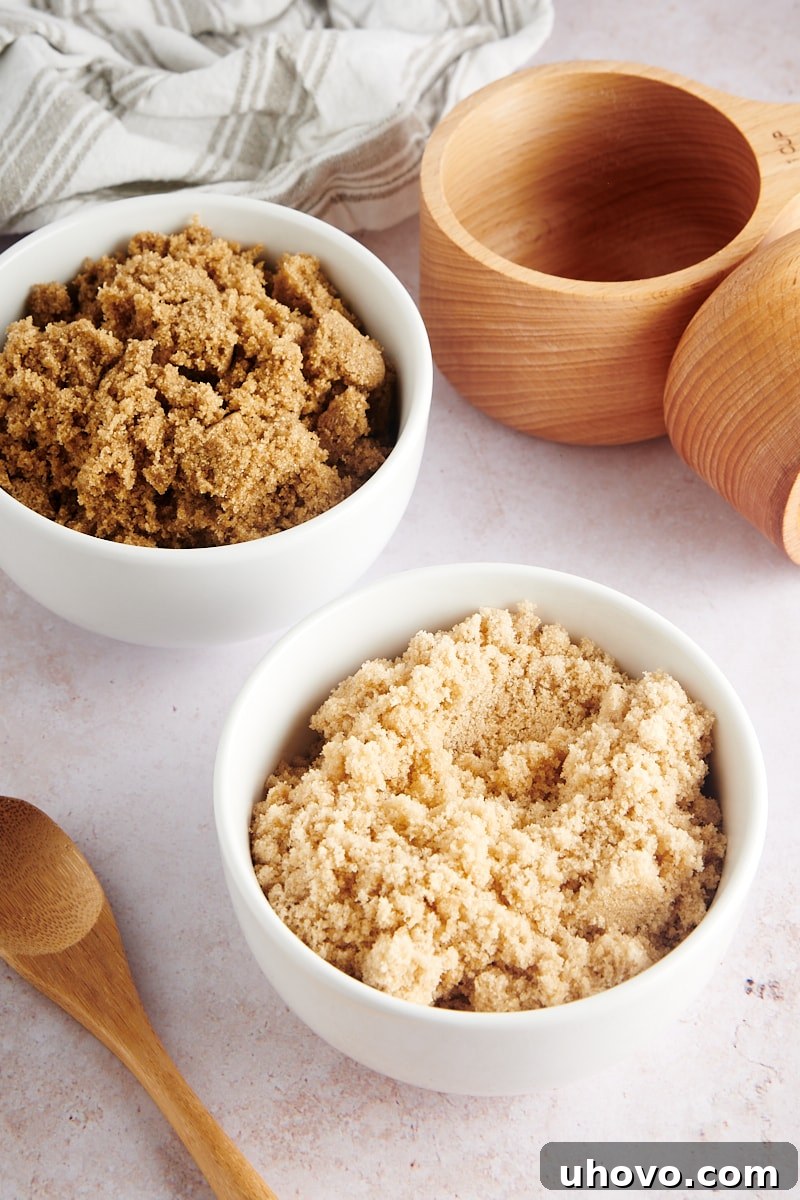
The pivotal differentiator between light brown sugar and dark brown sugar is their respective molasses content. Light brown sugar contains a more modest amount of molasses, typically around 3.5% of its total weight. This lower percentage results in its characteristic lighter hue and a milder, more delicate flavor profile. In stark contrast, dark brown sugar boasts a significantly higher molasses content, often around 6.5%, which is nearly double that found in its lighter counterpart. This elevated molasses concentration is responsible for its deeper, richer color and a more pronounced, robust flavor.
This variance in molasses percentage is not merely cosmetic; it profoundly impacts the final outcome of your baked creations. Molasses is a hygroscopic substance, meaning it attracts and retains moisture. Consequently, dark brown sugar, with its greater molasses content, contributes more moisture to doughs and batters. This leads to baked goods that are often chewier, softer, and more tender. Light brown sugar, while still providing moisture, does so to a lesser extent, resulting in a slightly different texture. Recognizing and utilizing these differences empowers bakers to achieve specific textures and flavor intensities, making the choice between light and dark brown sugar a critical one for recipe success.
Decoding Brown Sugar: More Than Just Sweetness
At its core, brown sugar is essentially refined white granulated sugar with molasses added back into it. The molasses is the magical ingredient that transforms ordinary white sugar into the versatile and flavorful brown sugar we know and love. This addition is what bestows brown sugar with its signature color, distinct aroma, and unique taste. Depending on the precise quantity of molasses incorporated, the sugar will manifest as either light or dark brown.
When less molasses is introduced, the result is light brown sugar. It presents a gentle caramel-like color and offers a sweet, subtly nuanced flavor that’s less assertive than its darker sibling. Conversely, a more generous infusion of molasses produces dark brown sugar, characterized by its deep, almost mahogany shade and a bolder, more intense flavor profile that hints at toffee and rich, earthy notes. The careful balance of molasses in each variety is what gives brown sugar its widespread appeal and specific applications in the culinary world.
Molasses Explained: The Unsung Hero of Brown Sugar
Molasses, often overlooked but undeniably vital, is a fascinating byproduct of the sugar refining process. It originates from either sugarcane or sugar beets, both of which undergo a series of boiling and crystallization steps to extract sucrose. After the initial sugar crystals are removed, the remaining syrupy liquid is boiled again, often multiple times, to extract further sugar. The thick, viscous substance that remains after this extensive boiling is molasses.
This dark, sticky syrup is far more than just residual sugar; it’s packed with a unique flavor complex that combines sweetness with subtle bitter undertones, sometimes described as smoky or caramelized. Beyond its flavor contribution, molasses is also notable for its nutritional profile, containing trace amounts of minerals such as iron, calcium, and potassium. Crucially for bakers, molasses possesses hygroscopic properties, meaning it readily absorbs and holds onto moisture. This characteristic is precisely why brown sugar, particularly the dark variety, plays such a vital role in keeping baked goods moist and tender, preventing them from drying out too quickly.
The Indispensable Role of Brown Sugar in Baking
Brown sugar is not just another sweetener; it’s a multi-talented ingredient that brings a host of desirable qualities to your baked creations. Its primary contributions revolve around enhancing both flavor and texture, transforming simple ingredients into memorable treats. The magic lies largely in its molasses content, which is the secret behind many of its unique properties.
One of brown sugar’s most celebrated attributes is its ability to impart exceptional moistness. The hygroscopic nature of molasses means it actively draws in and retains water, translating to baked goods that remain tender and soft for longer periods. This is particularly noticeable in cookies, cakes, and quick breads, where brown sugar helps to prevent them from becoming dry or crumbly. Beyond moisture, it also contributes to a delightful chewiness, especially in cookies, which is often a hallmark of a perfectly baked treat.
Flavor-wise, brown sugar introduces a complex sweetness that refined white sugar simply cannot match. The molasses within lends notes of caramel, toffee, and a subtle earthiness that deepens the overall taste profile. This richness complements a wide range of ingredients, from warming spices to rich chocolates. Furthermore, brown sugar plays a role in the Maillard reaction during baking, contributing to beautiful golden-brown crusts and enhanced caramelized flavors on the exterior of your goods. While it can certainly stand alone as the primary sugar in many recipes, it’s also frequently used in conjunction with other sugars, such as granulated white sugar, to achieve a balanced sweetness and intricate texture.
When to Reach for Light Brown Sugar
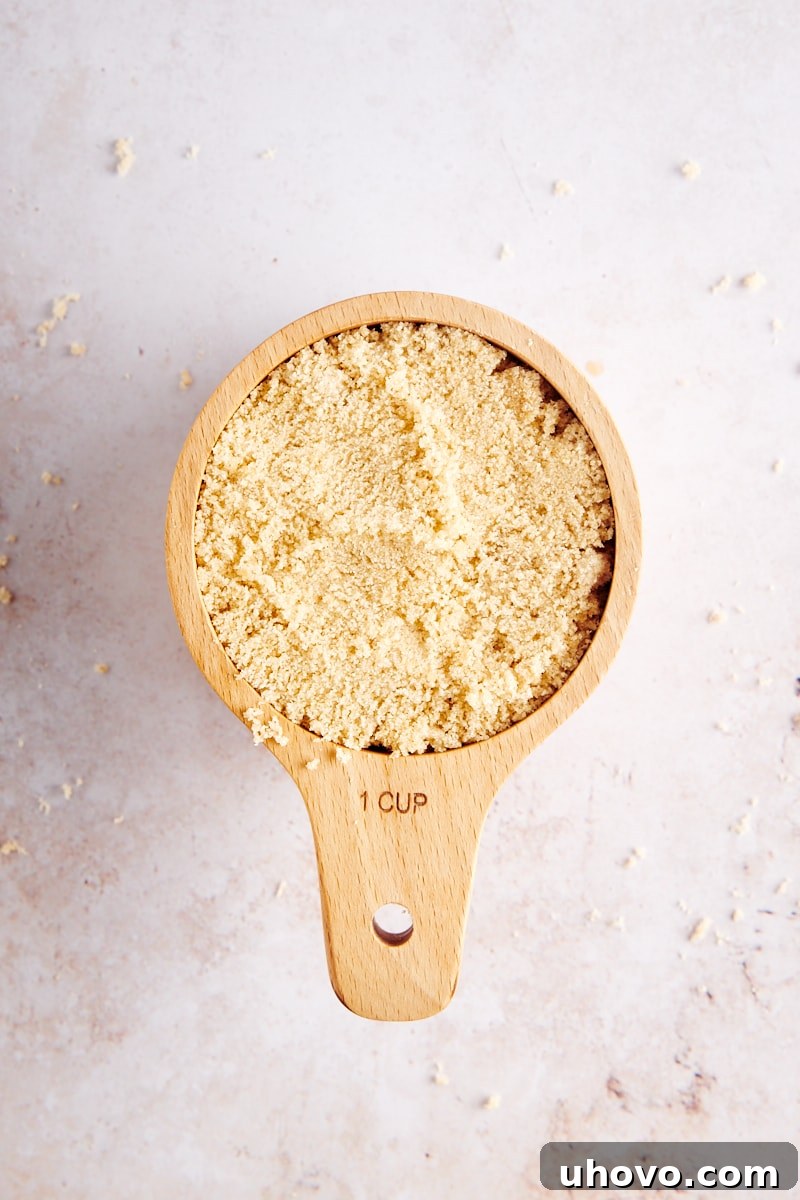
Light brown sugar is your go-to choice when you desire a delicate sweetness and a nuanced, buttery caramel flavor without overpowering other ingredients in your recipe. Its lighter color ensures that your baked goods will also take on a more golden hue, making it ideal for aesthetically delicate items. It offers a milder sweetness compared to white granulated sugar, yet with a greater depth thanks to its subtle molasses content.
This versatile sugar is frequently employed in recipes where a soft, moist, and chewy texture is paramount. For instance, it’s often the star in classic chocolate chip cookies, contributing to that desirable bendy texture and balanced sweetness that makes them so irresistible. Beyond cookies, light brown sugar finds its way into numerous other beloved baking recipes, from tender cakes and fluffy muffins to crumbly streusels and sweet glazes. Its ability to create a tender crumb and keep baked goods moist makes it an indispensable ingredient for everyday baking, providing consistent and delicious results without asserting too dominant a flavor profile.
When to Embrace Dark Brown Sugar
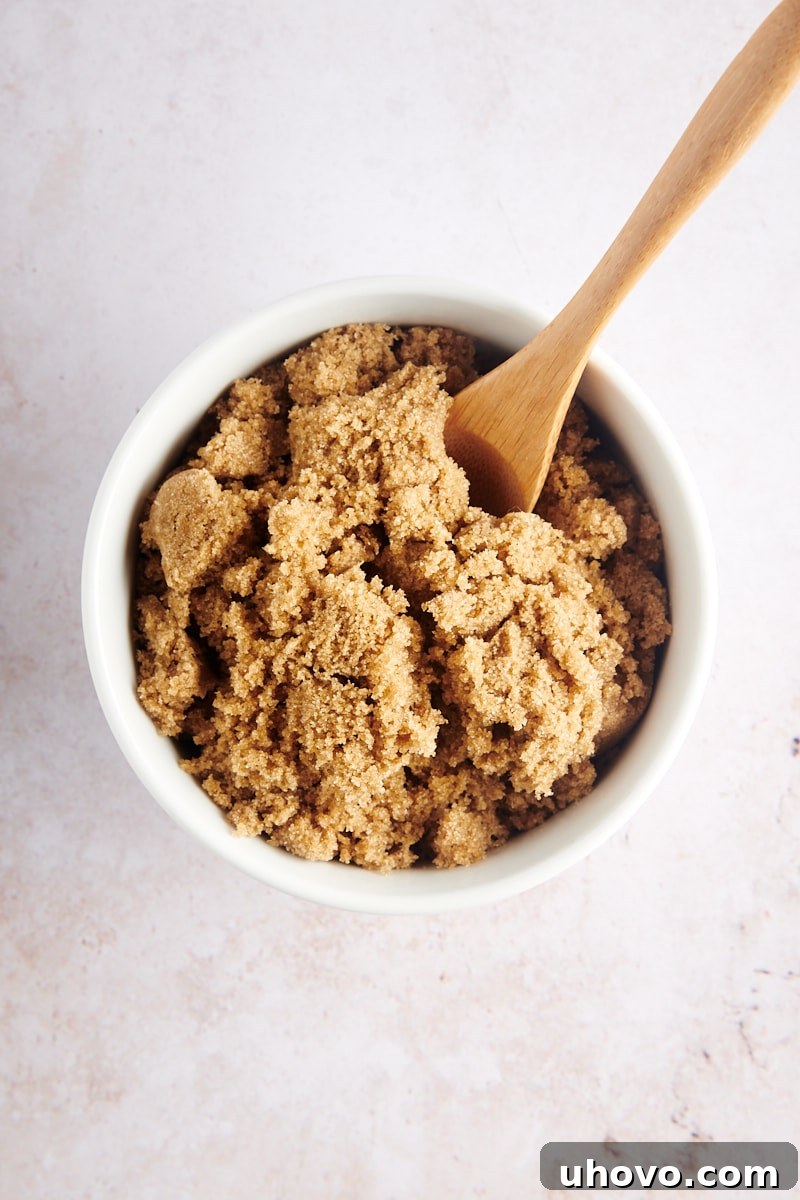
Dark brown sugar is the ingredient of choice when a recipe calls for a bolder, more complex, and deeply caramelized flavor profile. With its higher molasses content, it brings an intensified richness that can evoke notes of robust toffee, deep caramel, and a distinctive earthiness. This powerful flavor makes it particularly suitable for dishes where you want the sugar to be a prominent, assertive element.
The increased molasses in dark brown sugar also translates to superior moisture retention, resulting in baked goods that are exceptionally soft, incredibly moist, and often chewier than those made with light brown sugar. You’ll frequently detect a pronounced, almost malty or burnt-sugar essence in treats made with dark brown sugar. It’s the quintessential sugar for classic recipes like hearty gingerbread, spicy pumpkin cakes, rich fruitcakes, molasses cookies, and decadent pecan pies. Its profound color also means it will impart a darker, more inviting hue to your finished products, further enhancing their visual appeal. Beyond desserts, dark brown sugar is a secret weapon in savory cooking, lending depth to BBQ sauces, glazes for ham, and marinades, showcasing its incredible versatility.
Are Light and Dark Brown Sugar Interchangeable?
While light and dark brown sugar possess distinct characteristics, they can often be used interchangeably in recipes without catastrophic results. However, it’s crucial to understand that making such a substitution will inevitably alter the flavor, color, and potentially the texture of your final product. The degree of difference you experience will largely depend on the specific recipe and the proportion of brown sugar called for.
If brown sugar constitutes a minor component of the overall ingredients, such as a tablespoon in a large savory dish or a small amount in a complex dessert with many other strong flavors, the impact of substituting one for the other will likely be subtle and perhaps even unnoticeable. In these instances, feel free to use whichever variety you have on hand. However, when brown sugar is a primary ingredient—for example, a cup or more in a cookie dough or a cake batter—the choice becomes far more significant. In such cases, switching from light to dark or vice versa will produce noticeable differences in the richness of the flavor, the depth of color, and the moistness and chewiness of the texture. Bakers striving for precise results and specific sensory experiences should always aim to use the type of brown sugar specified in the recipe.
Key Considerations When Substituting Brown Sugars
Ideally, adhering to the specific type of brown sugar listed in a recipe is always your best bet to achieve the intended outcome. Yet, pantry emergencies or personal preferences often lead to contemplating substitutions. If you find yourself pondering the light vs. dark brown sugar debate, or simply need to swap one for the other, keep these vital considerations in mind:
- Visual Appeal: The color of your baked goods will directly reflect the sugar used. Opting for light brown sugar will yield a paler, more golden product, whereas dark brown sugar will result in a deeper, richer, often more caramelized hue. This can be particularly important for presentation in certain recipes.
- Moisture and Texture: This is perhaps the most significant functional difference. Dark brown sugar’s higher molasses content is inherently more hygroscopic, meaning it contributes more moisture to your dough or batter. Substituting light brown sugar for dark will result in a slightly drier, less chewy texture, and vice-versa. Expect a softer, moister, and potentially chewier result when using dark brown sugar.
- Flavor Intensity: Light brown sugar imparts a subtle, gentle caramel sweetness that allows other flavors to shine through. Dark brown sugar, conversely, delivers a robust, intense molasses flavor that can be quite assertive. Consider if this stronger flavor will complement or clash with the other ingredients in your recipe.
- Flavor Dominance: Be mindful that the heavy, pronounced molasses flavor of dark brown sugar has the potential to overpower more delicate flavors in a recipe. If your recipe features light fruits, subtle spices, or a nuanced vanilla, light brown sugar might be the better choice to maintain flavor balance.
- Recipe Balance: In some very sensitive recipes, the difference in molasses content can even slightly impact the pH balance, which might subtly affect leavening or other chemical reactions. While this is less common for casual substitutions, it’s a detail professional bakers consider.
Delicious Recipes Featuring Brown Sugar
To truly appreciate the diverse applications of brown sugar, we encourage you to try these delightful recipes that highlight its unique qualities, whether it’s for chewiness, moisture, or rich flavor:
- Brown Sugar Crinkles
- Snickerdoodle Bars
- Brown Sugar Pound Cakes
- Caramel Apple Mini Pies
- Brown Sugar Shortbread
- Brown Sugar Oatmeal Chocolate Chip Cookies
- Apple Cobbler
Frequently Asked Questions About Brown Sugar
While you can substitute one type of brown sugar for the other without altering other recipe ingredients, it’s important to acknowledge that the substitution will impact the final product’s flavor, color, and texture. Dark brown sugar will lend more moisture and a richer, darker hue than light brown sugar. Ultimately, the choice between light and dark brown sugar often comes down to your desired flavor intensity and textural outcome, so consider your preference carefully.
To keep brown sugar soft and pliable, store it in an airtight container in a cool, dark place. The primary reason brown sugar hardens is the evaporation of its molasses moisture. To prevent this, you can add a specialized brown sugar saver (a terracotta disk), a slice of bread, or a few apple slices to the container; these items help maintain humidity. For tips on how to revive hardened brown sugar, you can learn more here: How to Soften Brown Sugar
Substituting white granulated sugar for brown sugar is possible, but be prepared for noticeable changes in flavor and texture. White sugar is generally sweeter than brown sugar, so you might need to slightly reduce the amount used to achieve a similar sweetness level. Crucially, white sugar lacks molasses, meaning your baked goods will be less moist and potentially less chewy. To compensate for the loss of molasses flavor and moisture, you could add a small amount of molasses directly to your recipe (approximately 1 tablespoon of molasses per cup of white sugar) and consider increasing liquid ingredients by a tablespoon or two, especially if you’re also reducing the total sugar quantity. This DIY approach can help replicate some of brown sugar’s unique properties.
“Old-fashioned brown sugar” is simply another common name for dark brown sugar. It refers to the same product with its higher molasses content and robust flavor profile.
When a recipe’s ingredient list only specifies “brown sugar,” it is generally safe to assume that light brown sugar is the intended type. This is because light brown sugar is more commonly used and has a broader application in baking. However, if you prefer the richer, deeper flavor and added moisture of dark brown sugar, you can certainly use it, keeping in mind the potential impact on the final taste and appearance of your dish.