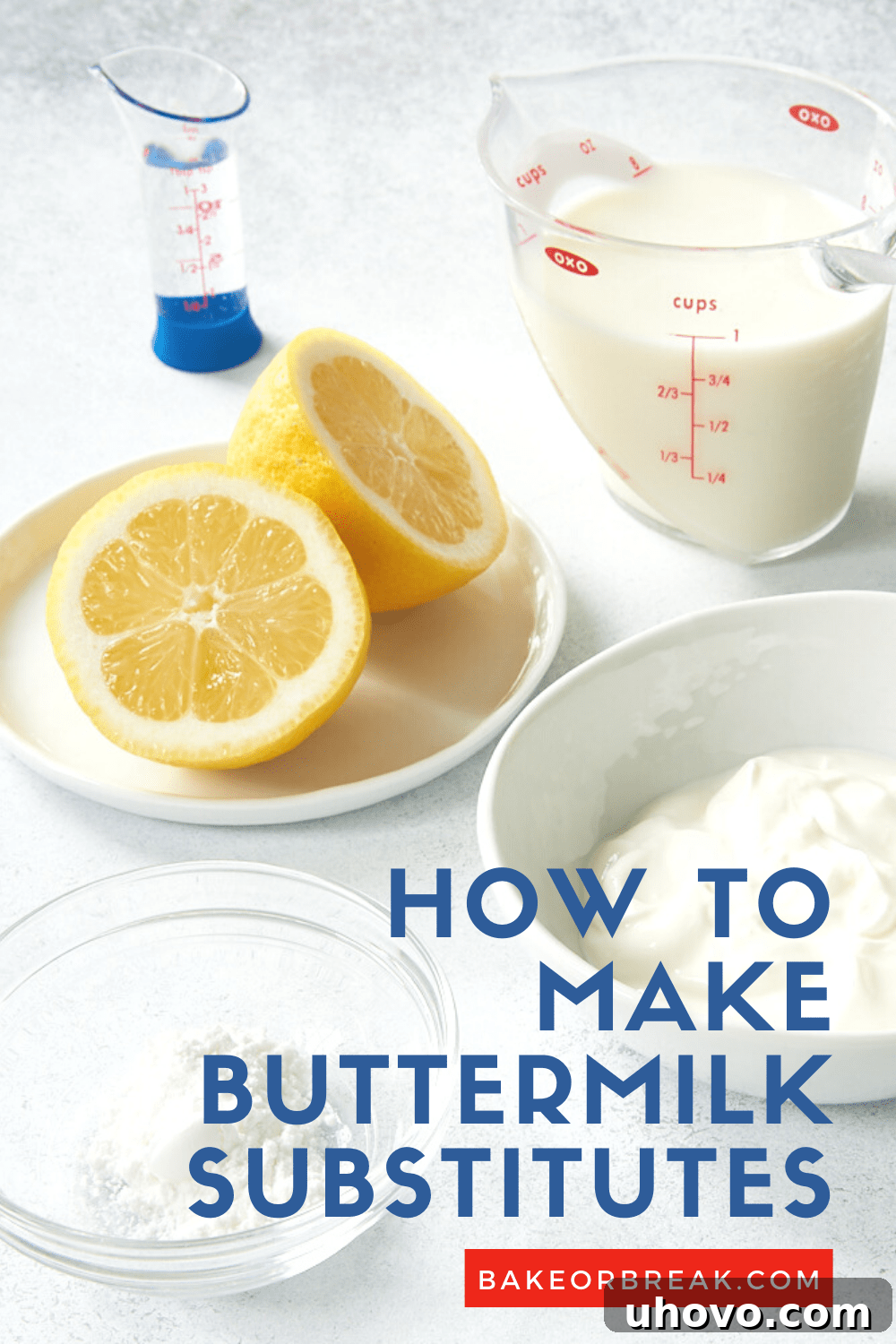
Ever found yourself in the middle of a baking frenzy, only to realize you’re out of a crucial ingredient like buttermilk? Don’t fret! This comprehensive guide will teach you everything about this magical ingredient, what makes it so special in baking, and a variety of buttermilk substitutes you can whip up in a pinch, ensuring your culinary creations never miss a beat.
Mastering Buttermilk Substitutes for Your Baking Needs
Buttermilk holds a special place in the hearts of many bakers, myself included. Growing up in the Southern United States, buttermilk was an everyday staple, readily available in most household refrigerators. When I first relocated to New York, I was surprised by how challenging it was to find in local stores, which promptly forced me to learn the art of creating effective buttermilk substitutes. Thankfully, its popularity has surged over the years, making it more accessible across different regions. However, despite its growing availability, it’s still not an ingredient everyone keeps on hand.
This article aims to be your definitive guide. First, we’ll delve into the specifics of what buttermilk is and why it’s such a cherished ingredient in countless baking recipes. Then, we’ll explore several quick and easy methods for making a buttermilk substitute right in your own kitchen, ensuring you can continue your baking projects smoothly, even when your refrigerator or grocery store shelves are bare.
Understanding Buttermilk: A Key Baking Ingredient
Buttermilk, in its essence, is a thick, tangy, and acidic dairy product frequently used to enhance a wide array of baked goods. If you’ve ever had the pleasure of baking with it, you’re likely familiar with the remarkable qualities it imparts to recipes. It’s renowned for adding a unique richness and depth of flavor without the heavier fat content associated with alternatives like cream or even regular milk. This makes it a fantastic choice for achieving a tender crumb and moist texture.
Historically, buttermilk was simply the residual liquid left over after churning butter from cream. This traditional buttermilk naturally possessed a distinct acidity due to the fermentation of lactic acid bacteria present in the cream. However, as modern butter-making processes evolved to prioritize efficiency and sanitation, the resulting liquid often lacked this characteristic tang and acidity.
Today, the buttermilk most commonly found in stores is known as cultured buttermilk. This modern version is produced by introducing a specific bacterial culture, typically Lactococcus lactis, into low-fat or non-fat milk. This process, similar to how yogurt is made, allows the bacteria to ferment the lactose (milk sugar), producing lactic acid. This acid not only gives buttermilk its signature tangy flavor but also causes the milk proteins to thicken and slightly curdle, creating its unique consistency. While original buttermilk was naturally fat-free, most contemporary varieties are labeled as either low-fat or no-fat, making them a healthier addition to your diet and baking.
The Culinary Magic of Buttermilk in Baking
Buttermilk isn’t just another liquid ingredient; it’s a multi-talented component that brings several indispensable qualities to your baking. Understanding these benefits will help you appreciate why finding a suitable buttermilk substitute is so important when you’re without the real thing.
- Distinctive Flavor Profile: Buttermilk boasts a signature tangy, slightly sour flavor that adds a complex and sophisticated layer to baked goods. This tang is not overpowering; instead, it provides a delightful counterpoint, balancing the sweetness in cakes, muffins, and biscuits. It contributes to a richer, more nuanced taste that plain milk simply cannot replicate.
- Superior Leavening Agent: One of buttermilk’s most crucial roles in baking is its interaction with leavening agents, particularly baking soda. Baking soda (sodium bicarbonate) is an alkaline compound that requires an acid to activate and produce carbon dioxide gas. Buttermilk, being acidic, reacts with baking soda to create these gas bubbles, which are then trapped in the batter. This reaction causes your baked goods to rise beautifully, resulting in a light, airy, and tender crumb. Without this acidic component, recipes calling for baking soda would fall flat.
- Enhanced Texture and Moisture: The acidity of buttermilk plays a significant role in tenderizing baked goods. It helps to break down proteins, including gluten, preventing the development of tough textures. This breakdown leads to a more delicate, tender crumb that melts in your mouth. Furthermore, buttermilk’s unique composition contributes significantly to moisture retention, ensuring your cakes, muffins, and quick breads stay wonderfully moist and fresh for longer periods.
Buttermilk is a staple in a variety of recipes, from classic quick breads and fluffy biscuits to decadent cakes. Beyond these common applications, its versatility extends to marinades, salad dressings, and even fried chicken. To illustrate its incredible impact, I’m delighted to share some images of my favorite recipes that prominently feature buttermilk as a star ingredient.
Important Considerations When Choosing a Buttermilk Substitute
Before we dive into the array of excellent buttermilk substitution options, it’s crucial to set realistic expectations. While these substitutes are highly effective emergency solutions, the undisputed best ingredient to use in a recipe calling for buttermilk is, indeed, buttermilk itself. These alternatives are designed to help you out when you’re without the real deal or if you specifically require a non-dairy option.
Using a substitute will certainly allow your baking project to proceed, and in many cases, the results will be wonderfully delicious. However, it’s highly probable that you’ll notice at least some subtle differences in the final flavor and texture of your baked goods. These variations tend to be more pronounced in recipes where buttermilk plays a starring role or in recipes with a very short ingredient list, meaning there are fewer other flavors and textures to mask the changes. For instance, a delicate buttermilk biscuit recipe, which primarily relies on buttermilk for its unique tang and tender crumb, will likely show more noticeable differences with a substitute compared to a complex cake with numerous ingredients where buttermilk is just one of many liquids.
Consider a recipe like my Buttermilk Biscuits, where buttermilk is a primary flavor and leavening agent. If you use a substitute here, you should anticipate a more significant shift in taste and texture than if you were making a multi-layered cake where buttermilk is a smaller component of a much longer ingredient list.
Remember that buttermilk has a characteristic thickness and a distinct tangy flavor. Most common homemade substitutes aim to replicate the acidity by mixing an acidic agent (like lemon juice or vinegar) with plain milk or water. While this successfully mimics the acidic environment needed for leavening, it usually falls short of perfectly replicating the complex flavor and creamy thickness of genuine cultured buttermilk. These substitutes are certainly viable and will get the job done, but keeping these nuances in mind will help manage your expectations for the final outcome.
Effective Homemade Buttermilk Substitutes for Every Baker
For your convenience, the instructions for most of these homemade buttermilk substitutes are designed to replace 1 cup of store-bought buttermilk. If your recipe requires a different quantity, simply scale the measurements up or down proportionally. This flexibility ensures you always have the right amount for your baking.
As a quick but important reminder, always use a liquid measuring cup when measuring liquids such as milk, water, or oil. These cups, typically made of glass or clear plastic, feature a handle and a spout, allowing for accurate pouring and measurement. To get the most precise reading, place the measuring cup on a flat surface and get down to eye level with the liquid line to confirm it aligns perfectly with the desired marking. This is crucial for consistent baking results, as dry measuring cups (meant to be filled to the top and leveled off) are not suitable for liquids.
Dairy-Based Buttermilk Replacements: Closest to the Original
In my extensive baking experience, buttermilk substitutes crafted from dairy milk consistently yield superior results compared to alternatives using water or non-dairy milks. The fat and protein structure of dairy milk provides a better base for replicating buttermilk’s texture and richness.
Unless otherwise specified in the instructions below, whole milk is generally the best choice for these dairy-based substitutes due to its higher fat content, which contributes to a richer mouthfeel and better emulsification. 2% milk can also work quite well with satisfactory results. However, I strongly advise against using 1% or skim milk for most substitutes, as their lower fat content can lead to a thinner consistency and less richness, with one notable exception that we’ll discuss when we cover Greek yogurt.
If you’re using lactose-free milk, it can certainly work, but be aware that it might introduce a slightly sweeter note to your baked goods. You might also observe a minor difference in the final thickness of your substitute compared to one made with regular dairy milk.
Plain Whole or 2% Milk: When Acidity Isn’t Key
As we’ve discussed, buttermilk’s acidity is vital for activating leavening agents like baking soda. However, if your recipe does not call for baking soda (and sometimes even when it calls for a minimal amount where the acidic reaction isn’t the primary leavener), you can sometimes get away with substituting plain milk directly for buttermilk. While you might still notice subtle differences in the overall flavor profile and the final texture, this can serve as an acceptable quick fix in a pinch. It won’t provide the same tang or tenderizing effect, but it will maintain the liquid consistency.
Milk and Lemon Juice: The Classic Acidic Substitute
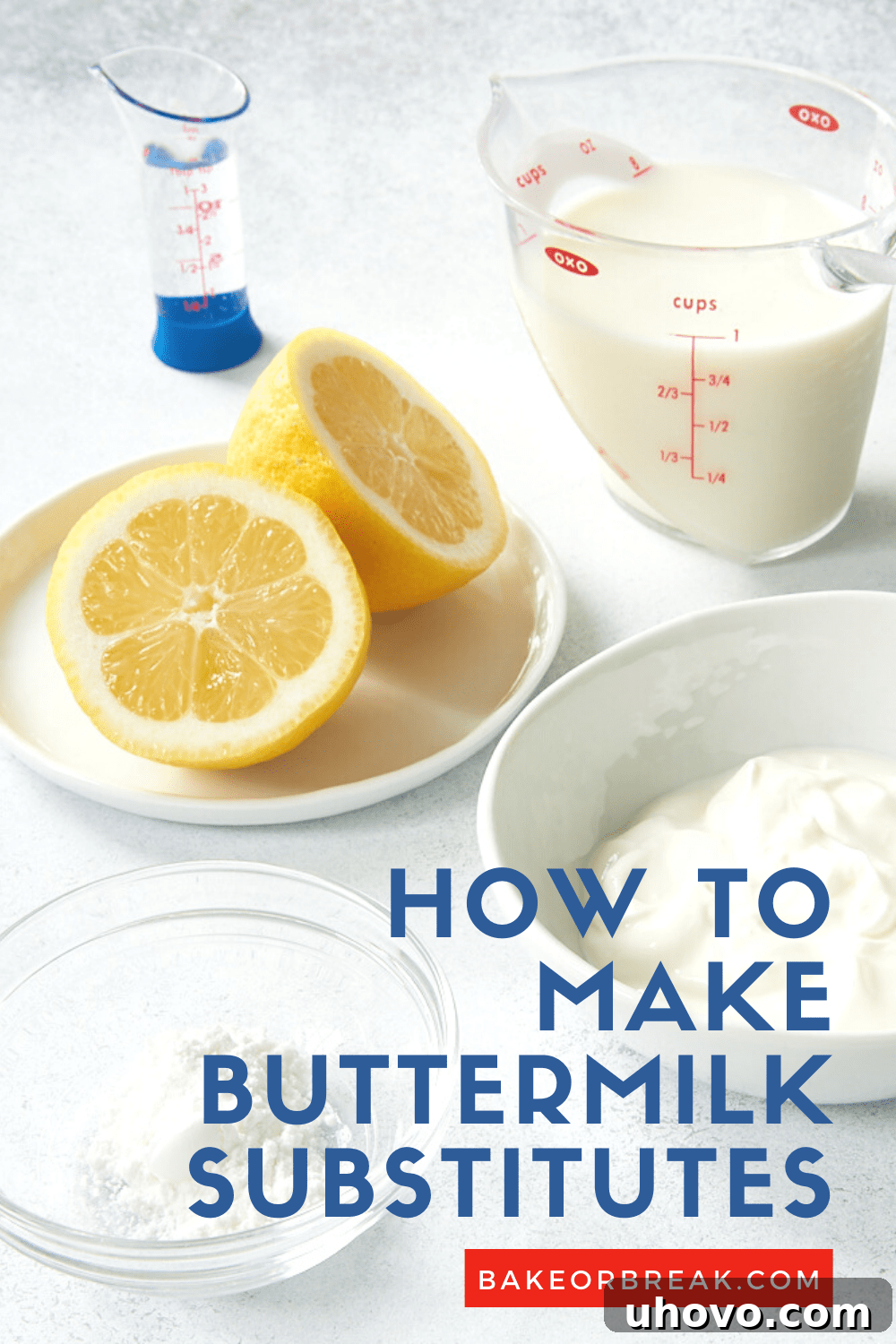
This is arguably the most popular and easiest homemade buttermilk substitute. To make 1 cup of buttermilk substitute, combine 1 tablespoon of fresh lemon juice with enough milk (preferably whole or 2%) to reach the 1-cup mark. Give the mixture a gentle stir and then let it sit undisturbed for about 5-10 minutes at room temperature. During this time, the acid in the lemon juice will react with the milk proteins, causing them to curdle and visibly thicken. The mixture will take on a slightly clumpy or curdled appearance, mimicking the texture of real buttermilk. While it won’t be as thick as store-bought buttermilk, it will provide the necessary acidity for leavening.
Milk and White Vinegar: Another Reliable Acidic Option
Similar to the lemon juice method, white vinegar is another excellent acidic agent for creating a buttermilk substitute. For 1 cup of buttermilk replacement, mix 1 tablespoon of white vinegar with enough milk (again, whole or 2% is ideal) to fill the measuring cup to 1 cup. Stir well and allow the mixture to rest for 5-10 minutes. Just like with lemon juice, you’ll observe the milk beginning to curdle and thicken. This method is particularly useful if you’re concerned about a subtle lemon flavor influencing your baked good, as white vinegar is more neutral in taste.
Milk and Cream of Tartar: A Lesser-Known but Effective Method
Cream of tartar, a dry acidic powder, can also be used to acidify milk. To create 1 cup of buttermilk substitute, whisk 1 and 3/4 teaspoons of cream of tartar into 1 cup of milk. You can either stir vigorously or shake it well in a sealed jar. Let this mixture stand for approximately 10 minutes. The cream of tartar will react with the milk, causing it to thicken and curdle effectively. Give it another quick stir before incorporating it into your recipe to ensure even distribution.
Milk and Plain Yogurt: For a Creamier Texture
If you have plain yogurt on hand, it can be an excellent base for a buttermilk substitute, offering a creamier texture. To make 1 cup, whisk together 3/4 cup of plain yogurt with 1/4 cup of milk. The goal is to thin the yogurt to a consistency similar to buttermilk. You can also use water instead of milk to thin the yogurt, especially if you want to control the dairy content. Depending on the specific recipe, a direct 1:1 substitute of yogurt for buttermilk might work, but thinning it down to the right consistency is generally the best approach for optimal results in baking.
Milk and Greek Yogurt: Thicker and Tangier Potential
Greek yogurt is considerably thicker and often tangier than plain yogurt, requiring a different thinning ratio for a successful buttermilk substitute. A good starting point is combining 1 part Greek yogurt with 2 parts 1% or skim milk. For example, 1/3 cup of Greek yogurt mixed with 2/3 cup of 1% or skim milk will yield 1 cup of buttermilk substitute. The lighter milk helps cut through the thickness of the Greek yogurt. If you only have whole or 2% milk, you might need to adjust the ratio slightly, perhaps leaning closer to the proportions used for plain yogurt, or reducing the amount of Greek yogurt slightly to achieve the desired consistency and acidity.
Milk and Sour Cream: Richness and Acidity Combined
Sour cream provides a rich, creamy, and tangy base that can be effectively thinned to create a buttermilk substitute. To make 1 cup, whisk together 3/4 cup of sour cream with 1/4 cup of milk. Just like with yogurt, you can also opt to use water to thin the sour cream if preferred. Sour cream is sometimes cited as a direct 1:1 substitute for buttermilk, and this can indeed work well in certain recipes. For instance, I’ve successfully used a straight substitution of sour cream for buttermilk in my Angel Biscuits. While the final result might exhibit slight differences in flavor and texture, the dough typically performs admirably. Use your best judgment based on the recipe’s requirements and your preference for richness.
Kefir: The Naturally Fermented Powerhouse
Kefir is a fermented milk drink produced by adding kefir grains (a symbiotic culture of bacteria and yeasts) to milk. This fermentation process transforms the milk into a slightly sour, tangy, and often mildly carbonated beverage, packed with probiotics. Due to its natural acidity and creamy consistency, kefir has a long and respected history as an excellent buttermilk substitute in baking. The fermentation process not only imparts its characteristic tang but also makes the drink more easily digestible and enhances its nutritional profile. You can confidently use kefir as a direct 1:1 buttermilk substitute in nearly any recipe, often with fantastic results that closely mimic true buttermilk.
Buttermilk Powder: The Shelf-Stable Solution
Buttermilk powder is a convenient, shelf-stable option for when fresh buttermilk isn’t available. It’s dehydrated buttermilk that can be reconstituted with water. While it’s not a simple 1:1 replacement in terms of volume, the packaging will provide precise instructions on the correct proportions of powder to water for reconstitution. Alternatively, you can often add the powder directly to your dry ingredients and then adjust the liquid content in your recipe accordingly, effectively adding buttermilk flavor and acidity without adding extra liquid upfront. This is a fantastic option for long-term storage and quick use.
Sour Cream Powder: A Versatile Dry Alternative
Similar to buttermilk powder, sour cream powder is simply dehydrated sour cream. Once rehydrated with water according to package directions, it creates a liquid that functions much like the milk and sour cream substitute described above. It offers the same convenience and extended shelf life, allowing you to have a tangy, creamy substitute readily available whenever you need it for your baking projects.
Non-Dairy or Vegan Buttermilk Replacements: Plant-Based Solutions
For those who avoid dairy or are following a vegan diet, creating a dairy-free buttermilk substitute is entirely possible. However, it’s important to note that the further you move away from traditional dairy milk, the more likely you are to notice variations in the final texture and flavor of your baked goods. Plant-based milks naturally have different protein and fat compositions, which means they might not curdle or thicken to the exact consistency of traditional buttermilk. Despite these slight differences, these vegan options are excellent for achieving the necessary acidity and can still lead to wonderfully moist and flavorful results. You might need to experiment a bit to find the perfect combination and consistency that best suits your taste and specific recipe requirements.
Plant-Based Milk with Vinegar or Lemon Juice: The Go-To Vegan Method
This method mirrors the dairy-based acidic milk substitutes and works effectively with various plant and nut milks. When selecting a plant-based milk, keep two key factors in mind:
- Unsweetened is Best: Always opt for unsweetened varieties to avoid adding unwanted sweetness to your savory dishes or throwing off the sugar balance in sweet recipes.
- Fat Content Matters: Milks with a slightly higher fat content, such as full-fat soy milk, almond milk, or coconut milk (from a carton, not canned), tend to curdle and thicken better than lower-fat options like rice milk or oat milk. The proteins in these milks react more readily with the acid.
To prepare, the general recommendation is to use 1 to 2 tablespoons of lemon juice or apple cider vinegar per cup of plant-based milk. Start with 1 tablespoon and, if you desire more tang or curdling, add a little more. Mix the two ingredients thoroughly and let the mixture sit at room temperature for approximately 10-15 minutes. You should observe it beginning to thicken and curdle, creating a texture that resembles buttermilk. Stir again before using.
Vegan Sour Cream: A Rich and Tangy Alternative
Vegan sour cream, typically made from a base of soy milk, cashew cream, or coconut cream, and often thickened with vegan yogurt or vegan cream cheese, offers a creamy and tangy profile. The final product is a rich, slightly tart mixture that can serve as an excellent stand-in for buttermilk in both savory and sweet baking applications. To achieve a buttermilk-like consistency, thin down the vegan sour cream by mixing approximately three parts vegan sour cream with one part water or unsweetened plant-based milk. Adjust the ratio as needed until it reaches your desired thickness.
Silken Tofu: A Texture-Mimicking Option
Soft or silken tofu, when blended or mashed until smooth, can take on a surprisingly similar consistency to buttermilk, making it an intriguing option for pancakes, muffins, and various other baking recipes. Tofu also possesses a very mild flavor, which ensures it won’t significantly alter the taste of your recipe. To use, blend soft tofu with a small amount of water or unsweetened plant-based milk until it reaches a pourable, buttermilk-like consistency. Start with less liquid and add more gradually until the desired thickness is achieved. This substitute provides good body and moisture.
Applesauce: A Healthy and Readily Available Vegan Choice
Unsweetened applesauce is a completely vegan ingredient that can work as a unique buttermilk substitute, particularly in recipes where its natural sweetness and moisture can be an advantage. It’s inherently lower in fat and calories than buttermilk, making it a healthier alternative. One of its greatest benefits is its widespread availability in most grocery stores. To use applesauce as a buttermilk substitute, simply use an equal amount of unsweetened applesauce in place of the buttermilk specified in your recipe. In most instances, you won’t need to make any other adjustments, as applesauce contributes moisture and a gentle acidity that can aid in leavening and tenderness.
Optimal Storage Tips for Fresh Buttermilk
If you’re fortunate enough to have fresh buttermilk in your refrigerator, you’ll be pleased to know it often has a longer shelf life than many other dairy products. Always keep a close eye on the expiration date, but generally, buttermilk can remain good for several weeks, sometimes even a month, past its printed date if stored correctly. This extended freshness gives you a little extra time to plan your next baking adventure!
It’s common for buttermilk to separate slightly over time, with the thinner liquid pooling at the top and the thicker solids settling at the bottom. This is perfectly normal and not a sign of spoilage. Before using, simply give the carton or bottle a good shake to recombine the components. The liquid might still appear a bit lumpy after shaking, but that’s entirely fine. To truly test for freshness, rely on your nose: fresh buttermilk should have a pleasant, clean, tangy aroma, not a distinctly sour or off-putting smell. If it smells overly sour or unpleasant, it’s best to discard it.
Can You Freeze Buttermilk for Future Baking?
Absolutely! Buttermilk freezes remarkably well, making it an excellent candidate for long-term storage to ensure you always have it on hand for your favorite recipes without needing to resort to substitutes. When properly frozen, buttermilk can maintain its quality for up to 3 months. To maximize convenience and minimize waste, consider these freezing tips:
- Single-Use Containers: Pour buttermilk into individual, freezer-safe containers in the amounts typically called for in your recipes (e.g., 1/2 cup, 1 cup). This allows you to thaw just the right amount needed, speeding up your baking process.
- Ice Cube Trays: For ultimate flexibility with smaller measurements, freeze buttermilk in tablespoon portions using ice cube trays. Once frozen solid, transfer the buttermilk cubes to a freezer bag or airtight container. This way, you can easily grab just one or two tablespoons as needed, providing incredible measuring versatility.
When you’re ready to use frozen buttermilk, simply thaw it overnight in the refrigerator. If you’re in a hurry, you can also thaw it using the defrost setting on your microwave at low power. Once thawed, it’s very likely that the buttermilk will have separated. Don’t worry, this is normal! Just give it a good stir or shake to recombine before adding it to your recipe. Freezing buttermilk is a fantastic way to extend its shelf life and ensure you’re always prepared for any baking inspiration that strikes.
Expand Your Baking Knowledge: More Essential Substitutions
Mastering buttermilk substitutes is just one step in becoming a more confident and resourceful baker. Knowing how to improvise with other common ingredients can save you countless trips to the grocery store and broaden your culinary horizons. Explore these additional helpful baking substitutions:
- How to Make Superfine Sugar
- How to Make Self-Rising Flour at Home
- Half and Half Substitutes
- How to Make Cinnamon Sugar
Frequently Asked Questions About Buttermilk & Substitutes
Here are answers to some common questions bakers have about buttermilk and its substitutes:
What happens if I use regular milk instead of buttermilk?
Using regular milk directly in place of buttermilk is generally not recommended and will likely lead to undesirable results in recipes that specifically call for buttermilk. Buttermilk undergoes a fermentation process where bacteria are added to milk, causing it to thicken, curdle slightly, and develop its distinct tangy flavor and acidity. Regular milk, lacking this acidity, will not produce the same chemical reactions. Crucially, buttermilk’s acidity is essential for activating certain types of leavening agents, most notably baking soda. Without this acidic component, the baking soda won’t fully react to produce carbon dioxide gas, which is necessary for your baked goods to rise properly and achieve a light, fluffy texture. As a direct consequence, substituting regular milk will often result in a denser, flatter product with a less appealing flavor and texture.
Won’t buttermilk make my batter and baked goods sour?
This is a common misconception! While buttermilk certainly has a tangy flavor and is acidic, it generally will not make your batter or finished baked goods taste overtly sour. The acidity in buttermilk is primarily functional: it’s necessary for reacting with baking soda to create the leavening action that makes your food rise. During the baking process, this acidity often mellows significantly and integrates with other flavors, contributing a pleasant tang and richness rather than a sharp sourness. Instead of tasting sour, your baked goods will likely have a more complex, well-rounded flavor profile and a wonderfully tender texture.
Will I taste lemon if I used lemon juice to make a buttermilk substitute?
Whether you taste lemon in your final baked product after using a lemon juice-based buttermilk substitute depends on several factors. If your recipe is rich in other strong flavors like chocolate, spices, or bold fruit, the subtle lemon note from the substitute is likely to be completely masked and unnoticeable. However, if you’re baking something with a very simple flavor profile (like plain biscuits or a vanilla cake) or if you are particularly sensitive to citrus flavors, you might detect a slight lemony undertone. If you’re concerned about this, an easy fix is to use white vinegar instead of lemon juice when making your buttermilk substitute, as white vinegar has a more neutral flavor.
Can apple cider vinegar make buttermilk substitute?
Absolutely! Apple cider vinegar is an excellent choice for creating a homemade buttermilk substitute. Like white vinegar and lemon juice, its acidity effectively curdles milk, providing the necessary acidic environment for leavening agents like baking soda. What sets apple cider vinegar apart is its distinct flavor profile; it brings a slightly fruitier, mellower tang and a touch of subtle sweetness to the mixture. This can be a wonderful addition to many baked goods, especially those with autumnal flavors or a rustic charm, adding an extra layer of complexity without being overpowering. Just like with other acidic agents, combine 1 tablespoon of apple cider vinegar with enough milk to make 1 cup, let it sit for 5-10 minutes, and then use as directed.
Explore Our Favorite Buttermilk-Enhanced Recipes
Now that you’re a pro at understanding and substituting buttermilk, it’s time to put your knowledge to delicious use! Buttermilk truly shines in a variety of baked goods, imparting unique flavors and textures that elevate ordinary recipes to extraordinary. Here’s a curated list of our most cherished recipes that feature buttermilk, inviting you to experience its magic firsthand:
- Classic Buttermilk Biscuits
- Old Fashioned Chocolate Cake
- Savory Cheddar and Chive Cornmeal Biscuits
- Tropical Coconut Buttermilk Pound Cake
- Spiced Buttermilk Mexican Chocolate Pound Cake
- Zesty Jalapeño Cheddar Biscuits
- Comforting Cinnamon Breakfast Cake
- Decadent Chocolate, Coconut, and Pecan Bread
- Rich Brown Sugar Pound Cakes
- Tangy Lemon Chess Tartlets
- Moist Chocolate Cupcakes
- Fluffy Angel Biscuits