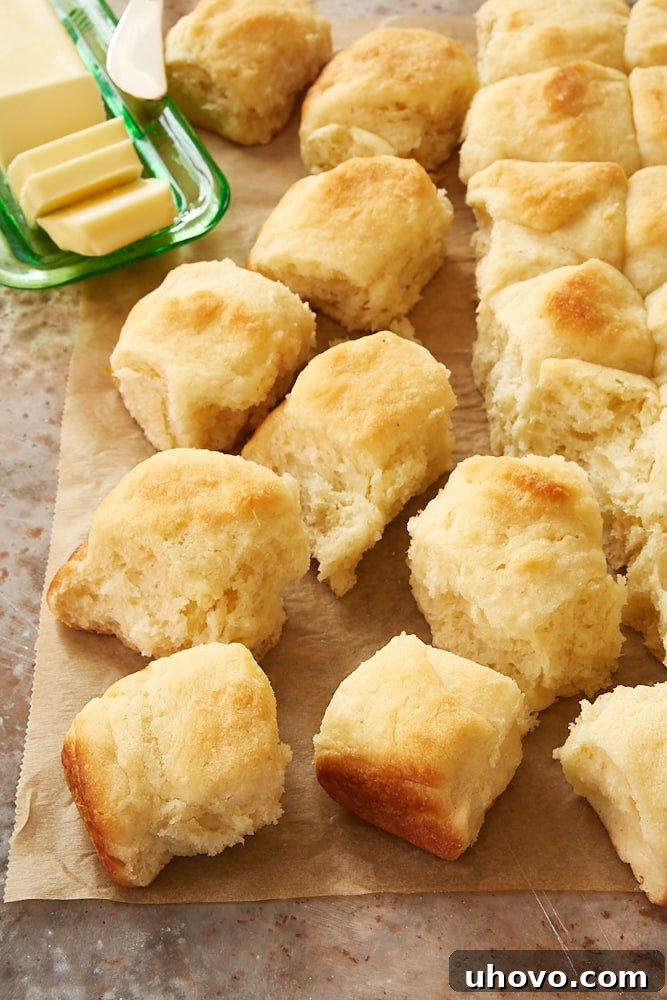
Welcome to the delightful world of Angel Biscuits, a culinary marvel that perfectly marries the rustic charm of a classic biscuit with the airy elegance of a yeast roll. This unique fusion results in a supremely light, fluffy, and tender bread that will quickly become a cherished staple in your kitchen. Prepare to discover a versatile treat you’ll want to bake, share, and savor time and time again!
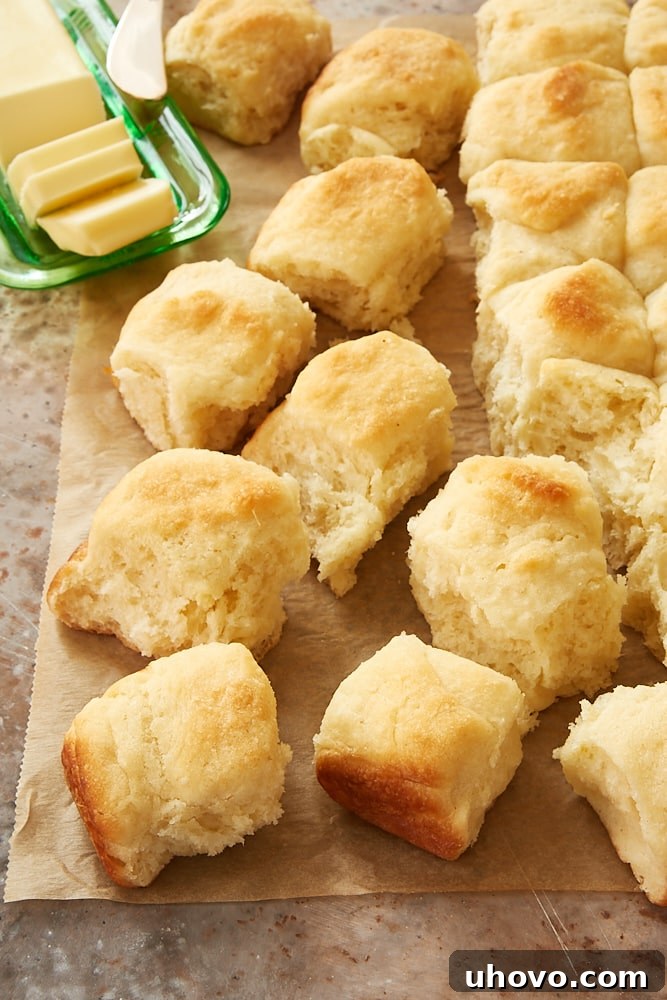
Easy Angel Biscuits: The Ultimate Hybrid Bread
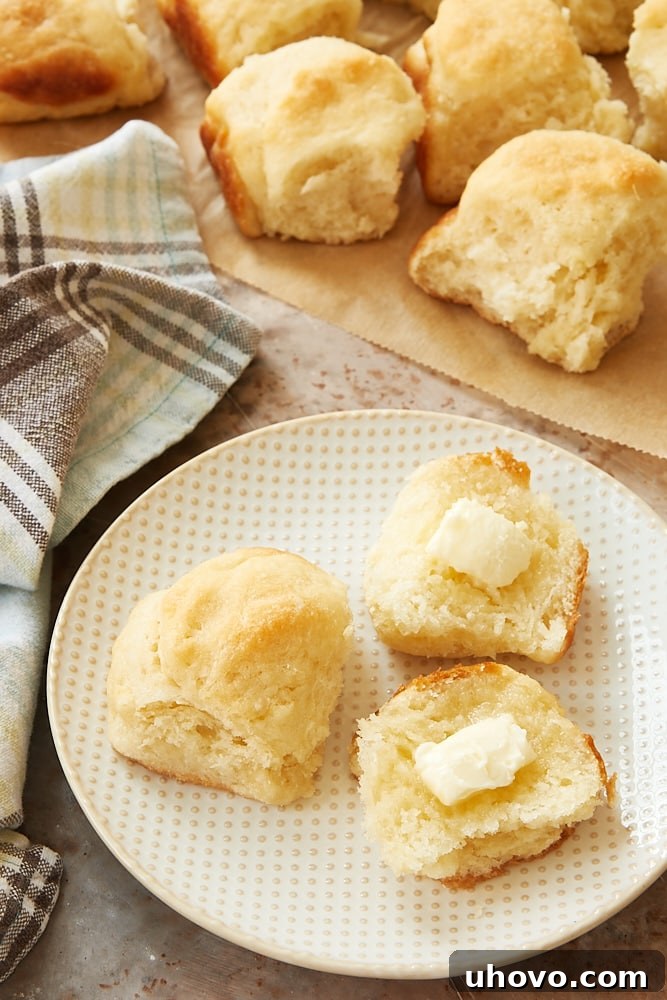
Angel Biscuits are truly a magical creation, offering the best characteristics of both traditional biscuits and soft yeast rolls. Imagine the flaky layers of your favorite biscuit combined with the tender crumb and slight chew of a yeast-leavened bread. That’s precisely what these heavenly delights deliver. They are incredibly versatile, making them ideal for any meal. Serve them warm with a dollop of your favorite berry jam for a spectacular breakfast, or enjoy them alongside your dinner with a generous spread of butter. And, of course, there’s no wrong time to grab one as a satisfying snack in the middle of the day – they’re simply irresistible.
What sets Angel Biscuits apart is their unique leavening system. Unlike typical biscuits that rely solely on baking powder or baking soda, these incorporate yeast alongside both baking powder and baking soda. This trio of leavening agents works in harmony to create an extraordinarily light and fluffy texture that practically melts in your mouth. Despite their sophisticated profile, they are surprisingly simple to mix. The initial steps will feel familiar if you’ve ever made conventional biscuits, involving cutting cold butter into flour. Then, the yeast takes over, requiring a short period for the dough to rise, much like a yeast bread. Finally, it’s back to the biscuit-making process as you roll out the dough and cut out those perfect rounds, ready for baking.
In our home, these aren’t just a recipe; they’re a declared favorite. My partner, Quinn, often raves that these are his absolute favorite bread, and honestly, they rank at the very top for me too. We’ve even made it a habit to keep a bag of these delightful biscuits in our freezer, ensuring that a warm, fresh batch is always just minutes away. This makes them not only a beloved treat but also a convenient one for busy days or unexpected cravings.
What are Angel Biscuits? Exploring Their Unique Heritage
So, what exactly are Angel Biscuits, and what gives them their distinctive character? Unlike their purely quick-bread cousins, such as traditional Buttermilk Biscuits, Angel Biscuits are a fascinating blend of leavening science. They incorporate not only baking powder and baking soda (common in quick breads) but also active yeast. This triple-action leavening approach is the secret behind their heavenly texture. The yeast provides a slow, steady rise, contributing to an incredibly tender crumb, while the baking powder and baking soda create additional lift and an open, airy structure during baking.
The result is a biscuit that is wonderfully light and incredibly fluffy – a texture so delicate it might just float away! This ethereal, light-as-air quality is widely believed to be the inspiration for their evocative name, “Angel” Biscuits. Imagine biting into a cloud-like piece of bread that’s both rich in flavor and feather-light. That’s the Angel Biscuit experience.
Interestingly, these biscuits have another charming moniker: “Bride’s Biscuits.” The story goes that they were considered so straightforward and foolproof to prepare that even a newlywed bride, perhaps less experienced in the kitchen, could bake them successfully without a hitch. While I won’t delve into the historical accuracy or implications of that sentiment, it certainly speaks to the relative ease of this recipe. Despite their impressive taste and texture, you don’t need to be a seasoned baker to master these delicious treats. Their forgiving nature makes them an excellent choice for bakers of all skill levels, ensuring a delightful outcome every time.
Essential Ingredients for Perfect Angel Biscuits
Crafting these remarkable Angel Biscuits doesn’t require a trip to a specialty store. You’ll find most, if not all, of the necessary ingredients readily available in your pantry or local grocery store. Below are some crucial notes on each component, but for precise measurements and quantities, please refer to the detailed recipe card towards the end of this article.
- All-purpose flour: The foundation of our biscuits. Accuracy in measurement is key here for the best texture. I highly recommend using a kitchen scale for precise results, or if measuring by volume, employ the spoon and sweep method to avoid over-packing the flour, which can lead to dense biscuits.
- Instant yeast: This is our rapid-acting leavening agent. Instant yeast is incredibly convenient as it doesn’t require proofing beforehand; it can be mixed directly with the dry ingredients. This saves time and simplifies the process, making these biscuits quicker and easier to prepare.
- Granulated sugar: Just a touch of sugar enhances the flavor, balances the other ingredients, and contributes to the golden-brown crust. It also helps activate the yeast.
- Baking powder: Another crucial leavener that provides immediate lift when combined with liquid and heat, contributing to the biscuits’ signature fluffiness.
- Salt: Essential for flavor balance. Don’t skip it, as it brings out the richness of the butter and prevents the biscuits from tasting bland.
- Baking soda: Works in conjunction with the acidic buttermilk to create air pockets, further contributing to the light and tender crumb.
- Unsalted butter: While some Angel Biscuit recipes opt for shortening, I firmly believe that unsalted butter provides superior flavor and richness. Crucially, the butter must be very cold. I typically cut it into small cubes and return it to the refrigerator or even pop it into the freezer for a few minutes before incorporating it into the flour mixture. Cold butter creates steam as it bakes, which is vital for those desirable flaky layers.
- Buttermilk: This acidic dairy product is indispensable for Angel Biscuits. Its acidity reacts with the baking soda to produce carbon dioxide, adding to the lift. Buttermilk also tenderizes the dough, resulting in a wonderfully soft texture. If you find yourself without buttermilk, don’t worry! You can easily create a substitute by adding a tablespoon of lemon juice or white vinegar to a measuring cup and filling the rest with milk, letting it sit for 5-10 minutes until it slightly curdles. I’ve also had great success using sour cream as a direct substitute for buttermilk in this recipe, yielding equally delicious results.
- Water: Used to help hydrate the yeast and bring the dough together with the buttermilk.
What is Instant Yeast and Why Use It?
Instant yeast is a baker’s best friend for its efficiency and ease of use. It consists of smaller granules compared to active dry yeast, and these particles are processed to be highly porous. This means they absorb liquid more quickly and activate faster, eliminating the need for a separate proofing step in warm water. You can simply add instant yeast directly to your dry ingredients, and it will begin its work of leavening the dough right away, saving you precious time and a step in the baking process. Brands often label instant yeast as “rapid-rise” or “quick-rise” yeast, which are essentially the same product, sometimes with additional dough conditioners to further accelerate the rising process. Its convenience is a major reason why Angel Biscuits are considered a relatively quick and easy bread to make, despite involving yeast.
Can I Use Active Dry Yeast? A Simple Conversion
Absolutely! If active dry yeast is what you have on hand, you can certainly use it in this Angel Biscuits recipe with a minor adjustment. The key difference is that active dry yeast typically requires a preliminary step to “wake up” or proof. To use active dry yeast, combine it with the warm water (ensuring the water is between 100-110°F or 38-43°C to activate the yeast without killing it). Let this mixture stand for about 5 minutes, or until it becomes foamy, indicating the yeast is alive and active. Once proofed, add this yeast mixture along with the buttermilk to your dry ingredients. When using this method, there’s no need to warm the buttermilk; its cool temperature will be perfectly fine once combined with the activated yeast and warm water. This slight modification ensures your Angel Biscuits will rise beautifully, yielding that signature light and fluffy texture, regardless of the yeast type.
How to Make Angel Biscuits: Step-by-Step
Don’t let the “yeast” component intimidate you; these part-biscuit, part-yeast-roll beauties are surprisingly straightforward to create. The process is broken down into easy-to-follow steps, ensuring a delicious outcome every time. Just be sure to gather all your ingredients and factor in the necessary chilling and rising time for the dough.
- Combine the dry ingredients: In a spacious mixing bowl, vigorously whisk together the all-purpose flour, instant yeast, granulated sugar, baking powder, salt, and baking soda. Whisking thoroughly ensures all leavening agents and flavorings are evenly distributed throughout the flour, which is crucial for uniform rise and taste.
- Incorporate the butter: Add the cold, cubed unsalted butter to the dry mixture. Using a pastry blender, two knives, or even your fingertips (working quickly to keep the butter cold), cut the butter into the flour until the mixture resembles coarse crumbs with some pea-sized pieces of butter remaining. These butter pieces will create pockets of steam during baking, leading to flaky layers.
- Gently warm the liquids: Pour the buttermilk and water into a small saucepan or a microwave-safe bowl. Heat this mixture until it reaches a temperature between 100-110°F (38-43°C). This warmth is important for activating the yeast. Don’t worry if the buttermilk appears to separate slightly as it heats; this is normal and won’t affect the final product.
- Add the buttermilk mixture: Carefully pour the warmed buttermilk and water mixture into the bowl containing your partially mixed dry ingredients and butter. Stir gently with a spoon or spatula, just until all the dry ingredients are moistened and a shaggy dough forms. Overmixing at this stage can develop gluten too much, leading to tough biscuits, so resist the urge to keep stirring.
- Cover and chill: Cover the bowl tightly with plastic wrap to prevent the dough from drying out. Transfer the covered bowl to the refrigerator and chill for a minimum of 2 hours. This chilling period is vital; it allows the yeast to slowly develop flavor and helps firm up the butter, which is beneficial for the dough’s texture and ease of handling. The dough can be refrigerated for up to 5 days, making these biscuits an excellent make-ahead option!
- Prepare for baking: When you’re ready to bake, preheat your oven to 400°F (200°C). Line a half sheet pan or a 9″ x 13″ x 2″ baking pan with parchment paper. Parchment paper prevents sticking and aids in easy cleanup. Alternatively, you can use a well-seasoned cast iron skillet for a rustic touch and excellent heat distribution, though you might need more than one depending on its size.
- Finish and roll the dough: Turn the chilled dough out onto a lightly floured surface. Knead it very gently, just 3 or 4 times. This brief kneading helps bring the dough together without overworking the gluten. Then, using a rolling pin, roll the dough into an even circle about 1/2-inch thick. Fold the dough in half, then repeat the rolling process, aiming for 1/2-inch thickness again. This folding and rolling technique creates extra layers in the biscuits.
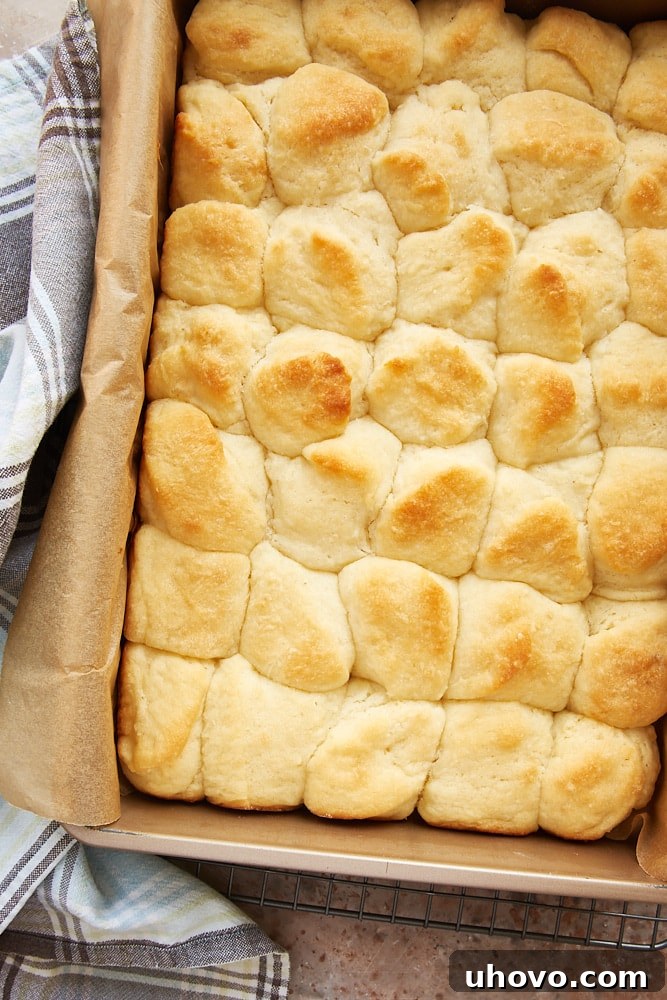
- Cut out the biscuits: Using a 2-inch round biscuit cutter, press straight down into the dough to cut out individual biscuits. Avoid twisting the cutter, as this can seal the edges of the biscuits, hindering their rise. Place the cut biscuits onto your prepared baking sheet, arranging them so their sides are just touching. This close proximity encourages them to rise taller and develop softer sides. Re-roll any remaining dough once, gather the scraps, and cut out additional biscuits until all the dough is used.
- More butter!: Once the biscuits are on the pan, brush their tops generously with 2 or 3 tablespoons of melted butter (salted or unsalted, as per your preference). This adds richness, flavor, and promotes a beautiful golden-brown crust.
- Bake: Carefully place the baking pan into the preheated oven. Bake for approximately 15 to 20 minutes, or until the tops are beautifully golden brown and the biscuits have risen significantly. Keep an eye on them, as oven temperatures can vary. For an extra touch of indulgence, brush more melted butter on top of the warm biscuits immediately after they come out of the oven. Serve warm and enjoy!
Expert Tips for Angel Biscuit Perfection
Achieving perfectly risen, light, and flaky Angel Biscuits is easier than you think, especially with a few insider tips:
- Choosing the right baking pan: While Angel Biscuits are versatile enough for most metal or cast iron pans, I generally recommend using either a half sheet pan or a 9″ x 13″ x 2″ baking pan. The smaller 9″x13″ pan makes for a slightly tighter fit, which can encourage the biscuits to rise taller and results in wonderfully soft sides because they steam each other as they bake. If you’re a highly efficient biscuit cutter and end up with many biscuits, or if you prefer a little more breathing room between them for crispier edges, a half sheet pan is a safer and excellent choice. You can always use a smaller separate pan for any overflow biscuits if needed.
- Invest in a proper biscuit cutter: While the rustic charm of cutting biscuits with an upside-down drinking glass is appealing, it’s not ideal for the best rise. The dull edge of a glass can compress the dough as it cuts, sealing the edges and preventing the biscuits from rising to their full potential. A sharp-edged biscuit cutter or a thin metal cookie cutter will slice cleanly through the dough, allowing for maximum lift.
- Press straight down, no twisting!: This is a golden rule for biscuit making. When you use your biscuit cutter, press straight down firmly and then lift it straight up. Resist the almost instinctual urge to twist the cutter. Twisting seals the delicate layers of the dough together, which are essential for those beautiful, high-rising biscuits. A clean cut ensures the edges remain open, allowing the steam to escape and push the biscuit upwards.
- Bake them on demand: One of the fantastic advantages of Angel Biscuits is their incredible make-ahead potential. The prepared dough can be stored in the refrigerator for up to 5 days. This means you don’t have to bake the entire batch at once. You can bake a few fresh biscuits each morning, or whenever a craving strikes, throughout the week. This flexibility makes them perfect for smaller households or for ensuring a constant supply of warm, homemade bread without constant effort.
How to Store Angel Biscuits
Once your delectable Angel Biscuits have cooled completely, proper storage is key to maintaining their fresh taste and tender texture. Place them in an airtight container and store them at room temperature. They will remain wonderfully fresh and soft for up to 3 days. I advise against storing them in the refrigerator, as the cool, dry air can quickly cause them to become dry and firm, losing their signature fluffiness. For longer storage, the freezer is your best friend.
Can Angel Biscuits Be Frozen? Absolutely!
I am thrilled to confirm that Angel Biscuits are exceptionally freezer-friendly, making them an ideal choice for meal prepping or simply ensuring you always have a homemade treat on hand. From personal experience, I can attest that these biscuits emerge from the freezer just as soft, tender, and incredibly delicious as they are when freshly baked. In our household, with just two of us, baking a full batch at once often means we have more biscuits than we can enjoy immediately. Rather than reducing the recipe, I prefer to make a complete batch and freeze the majority for later enjoyment.
To freeze baked Angel Biscuits, ensure they are completely cooled after baking. Then, arrange them in a single layer on a baking sheet and flash freeze for about an hour until solid. This prevents them from sticking together. Once frozen, transfer the biscuits to an airtight, freezer-safe container or a heavy-duty zip-top bag, removing as much air as possible to prevent freezer burn. Properly stored, they will maintain their quality in the freezer for up to 3 months.
The best part? There’s no need to defrost them before reheating! When you’re ready to serve, simply warm them briefly in a preheated oven (around 300-350°F or 150-175°C for 10-15 minutes, or until heated through) or quickly in the microwave. This convenience means you can enjoy a warm, homemade biscuit with minimal effort whenever you desire, whether for a spontaneous breakfast, a last-minute dinner accompaniment, or a comforting snack.
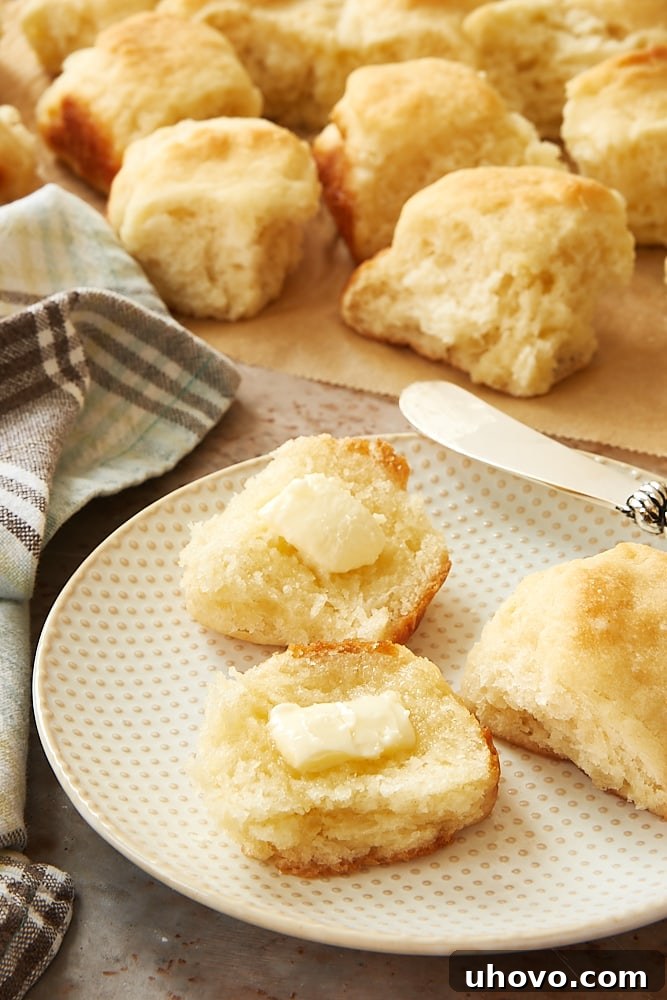
Serving Suggestions for Angel Biscuits
The versatility of Angel Biscuits truly shines when it comes to serving them. Their delicate flavor and tender texture make them a perfect canvas for both sweet and savory accompaniments.
For Breakfast & Brunch:
- Classic with Butter and Jam: The simplest and often best way to enjoy them. A generous spread of softened butter, paired with your favorite fruit jam, preserves, or homemade curd, is a timeless delight.
- Honey Butter: Whip together softened butter with a touch of honey for a sweet, decadent spread.
- Savory Egg Sandwiches: Slice them in half and fill with scrambled eggs, cheese, and a slice of bacon or sausage for a hearty breakfast sandwich.
- Biscuits and Gravy: A Southern classic! Serve warm Angel Biscuits smothered in creamy sausage gravy for a truly comforting meal.
For Lunch & Dinner:
- Side with Soups and Stews: Their absorbent nature makes them perfect for soaking up rich broths and gravies.
- Mini Sandwiches: Fill with thinly sliced ham, turkey, or roast beef and a dab of mustard for delightful slider-style sandwiches.
- Chicken Pot Pie Topping: Instead of a pastry crust, place split Angel Biscuits over individual ramekins of chicken pot pie filling before baking for a unique and delicious twist.
- With Chili or BBQ: A fantastic accompaniment to a bowl of hearty chili or pulled pork/chicken BBQ.
However you choose to enjoy them, these light and fluffy Angel Biscuits are guaranteed to elevate your meal and bring smiles to those gathered around your table.
More Biscuit Recipes to Explore
If you’ve fallen in love with the art of biscuit baking, here are a few other delightful recipes from our kitchen that you might enjoy:

Angel Biscuits
Pin Recipe
Leave a Review
Ingredients
- 5 cups (600 g) all-purpose flour
- 2 ¼ teaspoons instant yeast (1 – 0.25 ounce package)*
- 3 tablespoons granulated sugar
- 1 tablespoon baking powder
- 2 teaspoons salt
- 1 teaspoon baking soda
- 1 cup (226 g) unsalted butter, cold and cut into cubes
- 2 cups (480 ml) buttermilk
- ½ cup (120 ml) water
- 3-6 tablespoons salted or unsalted butter, melted
Recommended Products
- Saf Instant Yeast
- OXO Good Grips Dough Blender
- Round Biscuit Cutters – Stainless Steel, Set of 4
Instructions
-
Whisk together the flour, yeast, sugar, baking powder, salt, and baking soda in a large bowl.
-
Add the cold butter, and mix with a pastry blender or a fork until crumbly.
-
Heat the buttermilk and water in a saucepan or the microwave to 100-110°F (38-43°C). (The buttermilk may separate a bit as it heats, which is normal.)
-
Add the buttermilk mixture to the flour mixture, and stir just until the dry ingredients are moistened and a shaggy dough forms. Do not overmix.
-
Cover the bowl with plastic wrap, and refrigerate for at least 2 hours (or up to 5 days). This chilling period is crucial for flavor development and dough handling.
-
Preheat oven to 400°F (200°C).
-
Line a half sheet pan or a 9″x 13″ pan with parchment paper.** Alternatively, use a cast iron skillet(s).
-
Transfer the chilled dough onto a lightly floured surface. Knead gently 3 or 4 times to bring it together.
-
Gently roll the dough into a 1/2-inch thick circle. Fold in half and repeat, rolling the dough again to 1/2-inch thick. Use a 2-inch round cutter to cut out the biscuits, pressing straight down without twisting. Re-roll the remaining dough once and continue cutting.
-
Place the biscuits with their sides gently touching in the prepared pan(s). This helps them rise taller and stay soft.
-
Brush the tops of the biscuits with 2-3 tablespoons of melted butter.
-
Bake for 15-20 minutes, or until beautifully golden brown. Remove from the oven. For an extra rich finish, brush warm rolls with more melted butter before serving, or simply serve with butter on the side.
Video
Notes
- *If you want to use active dry yeast instead of instant yeast, combine it with the water (100-110°F or 38-43°C) and let it stand for 5 minutes until foamy as a first step. Then, add the yeast mixture along with the buttermilk (you won’t have to heat the buttermilk separately) in step 4.
- **A 9″x 13″ pan offers a tight fit, which can help the biscuits bake up taller and with softer sides. However, a half sheet pan is a reliable choice for bakers who are efficient in their biscuit cutting and prefer more space. If you run out of room on your main pan, simply place any extra biscuits on a small separate pan.
- Recipe adapted from Southern Living.
- Store baked Angel Biscuits in an airtight container at room temperature for up to 3 days. Do not refrigerate as they can dry out.
- Baked Angel Biscuits are freezer-friendly for up to 3 months. Cool completely, then store in an airtight, freezer-safe container. Reheat in the oven or microwave from frozen.