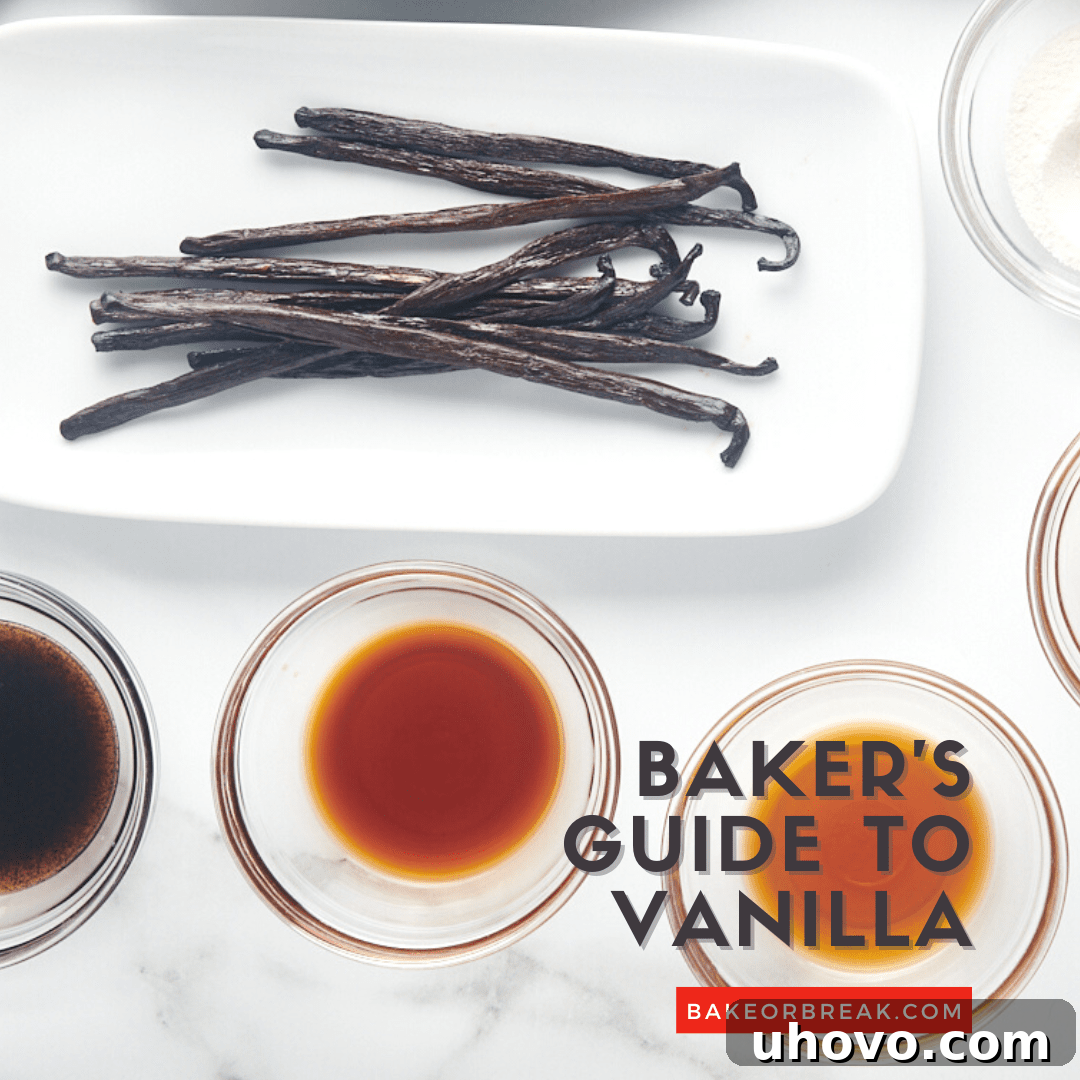
Welcome, fellow home bakers! Have you ever wondered about the secret ingredient that elevates countless desserts, from creamy custards to fluffy cakes? It’s vanilla, the queen of spices! While you likely reach for vanilla extract in almost every recipe, the world of vanilla is far more diverse and exciting than you might imagine. With an array of options—beans, pastes, powders, and more—each offering unique characteristics and flavor profiles, choosing the right vanilla can truly transform your baked goods from good to extraordinary. Dive into this comprehensive guide to discover the different types of vanilla, their distinct origins, and how to best utilize them to unlock unparalleled flavor in your baking.
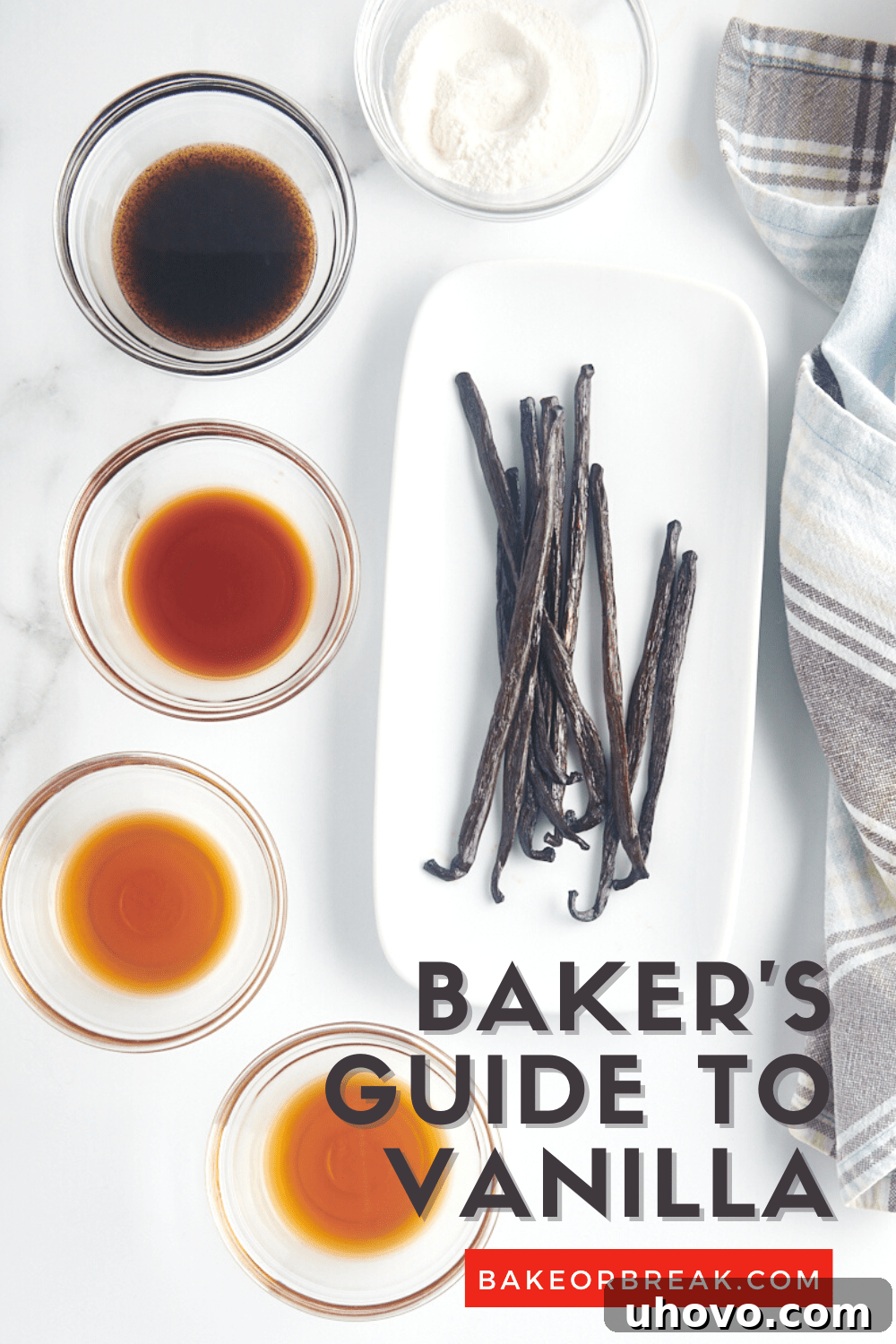
Unlock the World of Vanilla: A Baker’s Essential Guide
Vanilla stands as one of the most beloved and universally recognized flavors in the culinary world, particularly in baking. Its enchanting aroma and complex taste possess a remarkable ability to complement an extensive range of other ingredients, enhancing everything from the deep notes of chocolate and coffee to the bright zest of citrus and the richness of caramel. Beyond its role as a supportive player, vanilla can effortlessly take center stage, becoming the star of a dessert with its sophisticated and comforting presence. For home bakers, understanding the nuances of this incredible ingredient is key to elevating their creations.
While vanilla extract is undoubtedly the most common form found in pantries, the versatility of vanilla extends far beyond a simple liquid. Imagine infusing your custards with the delicate specks of a fresh vanilla bean, sweetening your coffee with aromatic vanilla sugar, or adding a concentrated burst of flavor with vanilla bean paste. Each form offers unique advantages, allowing you to select the perfect vanilla product to achieve desired flavors, textures, and even visual appeal in your cookies, cakes, pastries, and more. This guide will empower you to make informed choices, transforming your everyday baking into an extraordinary sensory experience.
Exploring the Rich Sources and Flavors of Vanilla
Before we delve into the various vanilla products available on the market, it’s crucial to understand that not all vanilla is created equal. The origin of the vanilla bean profoundly influences its flavor profile, aroma, and even its ideal applications in baking. Just like fine wines or coffees, vanilla beans draw their unique characteristics from the specific terroir—the environmental conditions and cultivation methods of their native region. While they all contribute that quintessential “vanilla” essence, their individual nuances can dramatically impact the final taste of your baked goods. Understanding these differences allows you to consciously choose a variety that perfectly harmonizes with your recipe.
Vanilla originates from the fruit of an orchid, primarily the *Vanilla planifolia* (also known as Bourbon vanilla) and *Vanilla tahitensis* species. These delicate orchids are either naturally pollinated by specific bee species or, more commonly, hand-pollinated by skilled farmers, a labor-intensive process that contributes to vanilla’s status as the second most expensive spice in the world, after saffron. After pollination, the vanilla pods develop, and a meticulous curing process—involving blanching, sweating, and drying—further develops the beans’ distinct aroma and flavor compounds. While countless regions worldwide cultivate vanilla, we will focus on the most common and celebrated varieties that home bakers are likely to encounter: Madagascar, Mexican, and Tahitian vanilla, along with a brief look at some emerging sources.
Madagascar Bourbon Vanilla: The Classic & Versatile Choice
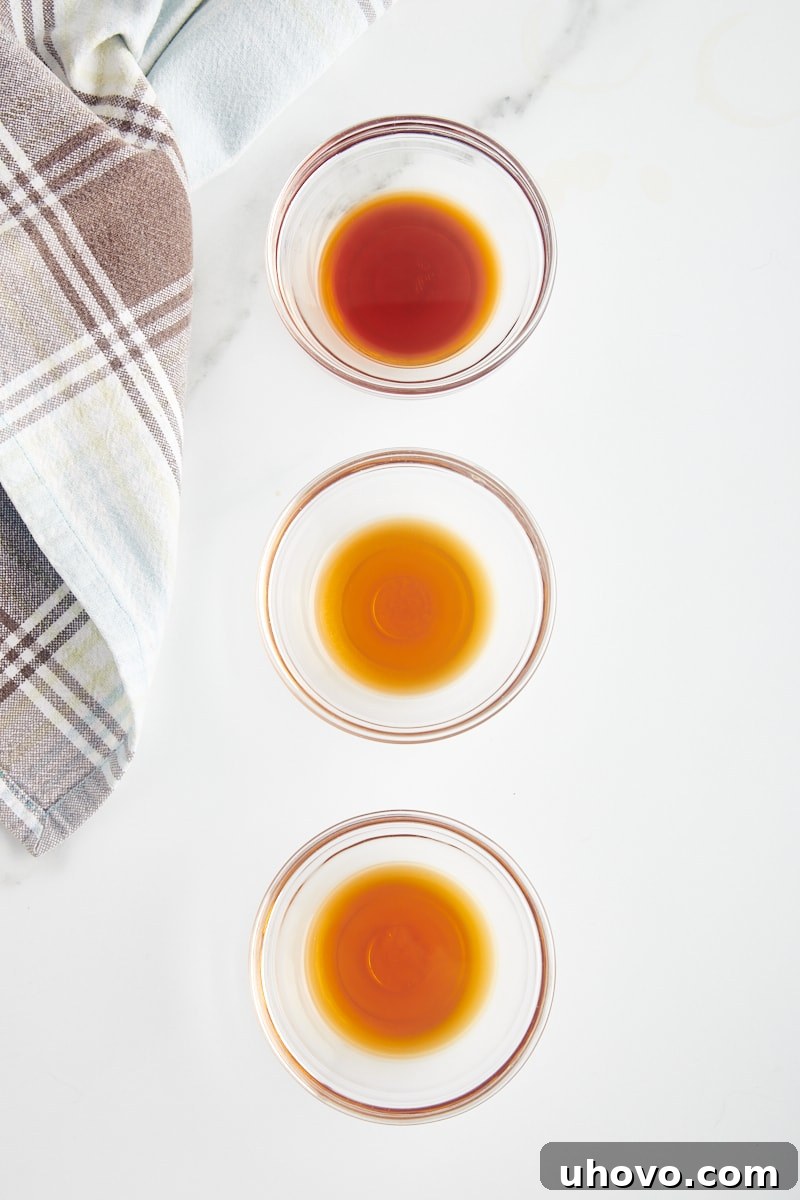
When most people think of vanilla, they are likely envisioning the rich, sweet, and creamy profile of Madagascar Bourbon vanilla. This variety is often considered the gold standard and is an incredibly versatile, all-purpose vanilla, making it the most popular choice for home bakers and professional chefs alike. Accounting for approximately two-thirds of the world’s commercial vanilla production, its widespread availability and consistent quality make it a pantry staple. The term “Bourbon” in its name refers to the group of islands in the Indian Ocean—including Madagascar, Comoros, and Réunion (formerly known as Île Bourbon)—where these beans are primarily cultivated, rather than implying any connection to the alcoholic beverage.
Madagascar Bourbon vanilla beans are known for their high vanillin content, the organic compound largely responsible for vanilla’s characteristic flavor and aroma. This results in a bold, yet balanced, flavor profile with sweet, smooth, and creamy notes that perfectly complement a vast array of baked goods. It excels in recipes where vanilla is meant to be prominent, such as classic vanilla cakes, sugar cookies, custards, ice creams, and whipped creams. Its robust flavor holds up exceptionally well to heat during baking, ensuring that your desserts retain that beloved vanilla essence.
Mexican Vanilla: Bold, Spicy, and Earthy
Mexico is the birthplace of vanilla, where the Totonac people were cultivating and curing vanilla beans long before Europeans arrived. The original *Vanilla planifolia* orchid species, which produces the beans, was first discovered and domesticated in this region. While Madagascar now dominates production, Mexican vanilla beans offer a distinctly different and equally captivating flavor experience that pays homage to its ancient roots.
Mexican vanilla beans typically present a bolder, creamier flavor profile with unique spicy and smoky undertones. Bakers often describe it as having notes reminiscent of clove, nutmeg, and sometimes even a hint of chocolate. This robust and complex character makes Mexican vanilla an excellent choice for recipes where you want the vanilla to stand out and provide depth without being overwhelmingly sweet. It pairs beautifully with chocolate-based desserts, caramel sauces, custards, and even savory dishes where a warm, spicy note is desired. Its ability to hold its own against other strong flavors makes it a fantastic alternative to Madagascar vanilla in many applications, especially when a richer, more adventurous vanilla note is desired.
Tahitian Vanilla: Floral, Fruity, and Exotic
Tahitian vanilla offers a truly exotic and unique flavor profile, distinct from its Madagascar and Mexican counterparts. These beans come from a different species of orchid, *Vanilla tahitensis*, which is a hybrid of *Vanilla planifolia* and *Vanilla odorata*. Grown primarily in Tahiti and other Pacific islands like Papua New Guinea, these beans are often shorter, plumper, and boast a higher oil content compared to the more common *planifolia* beans.
The defining characteristics of Tahitian vanilla are its pronounced floral and fruity notes, often described as having hints of cherry, licorice, caramel, or even anise. It possesses a lower vanillin content compared to Madagascar vanilla, meaning its aroma is often more pronounced and complex than its direct flavor. This delicate and highly aromatic profile makes Tahitian vanilla particularly suited for lighter desserts, fruit-based dishes, and preparations where heat is minimal. It shines in cold and frozen treats like ice cream, sorbet, custards, mousses, and fruit tarts, where its subtle nuances can truly be appreciated without being cooked away. Due to its more delicate nature, it’s generally recommended to use Tahitian vanilla in recipes where its unique bouquet can be preserved, rather than in high-heat baking.
Other Distinct Vanilla Varieties Worth Exploring
Beyond the primary three, the world offers a treasure trove of other vanilla varieties, each with its own story and flavor signature. While not as readily available, these can provide exciting opportunities for the adventurous home baker looking to experiment with nuanced flavors. Here’s a brief introduction to a few other notable types:
- Indonesian Vanilla: Often described as having a woody and smokey profile, Indonesian vanilla also features prominent fruit and fig notes, sometimes even leaning towards a chocolatey complexity. A unique advantage of Indonesian vanilla is its reputation for maintaining its full, rich flavor remarkably well throughout the baking process, making it an excellent choice for recipes that undergo long cooking times or high heat. Its robustness makes it suitable for rich baked goods like brownies, stout cakes, or anything where a deep, earthy vanilla is desired.
- Ugandan Vanilla: Ugandan vanilla beans are highly prized for their exceptionally high vanillin content, which translates into a very bold, intensely rich flavor and aroma. These beans often carry captivating undertones of milk chocolate, sweet raisins, and figs, making them particularly well-suited for opulent and decadent desserts. Think of pairing Ugandan vanilla with dark chocolate desserts, rich caramel sauces, or creamy cheesecakes to fully leverage its powerful and complex profile.
- Indian Vanilla: Hailing from the diverse landscapes of India, this vanilla variety typically offers a full-bodied flavor with distinct chocolate undertones. It strikes a beautiful balance between sweetness and a subtle earthiness, making it a versatile choice. Indian vanilla works wonderfully in desserts that already feature chocolate or coffee, enhancing their depth and adding a layer of sophisticated vanilla without overpowering other flavors. It’s also excellent in custards and puddings where a comforting, familiar vanilla flavor with a twist is appreciated.
- Tongan Vanilla: Less common but increasingly sought after, Tongan vanilla beans are known for their unique fruity and somewhat smoky flavor, with hints of raisin and caramel. These Pacific beans are a hybrid of Tahitian and Planifolia varieties, resulting in a distinct profile that can add an exotic touch to ice creams and fruit-based desserts.
- Comoros Vanilla: Grown near Madagascar, Comoros vanilla shares many similarities with Bourbon vanilla but often possesses a slightly more subtle, yet equally rich, creamy character. It’s an excellent substitute for Madagascar vanilla, offering a familiar profile with a gentle refinement.
Vanilla Beans: The Purest Form of Flavor
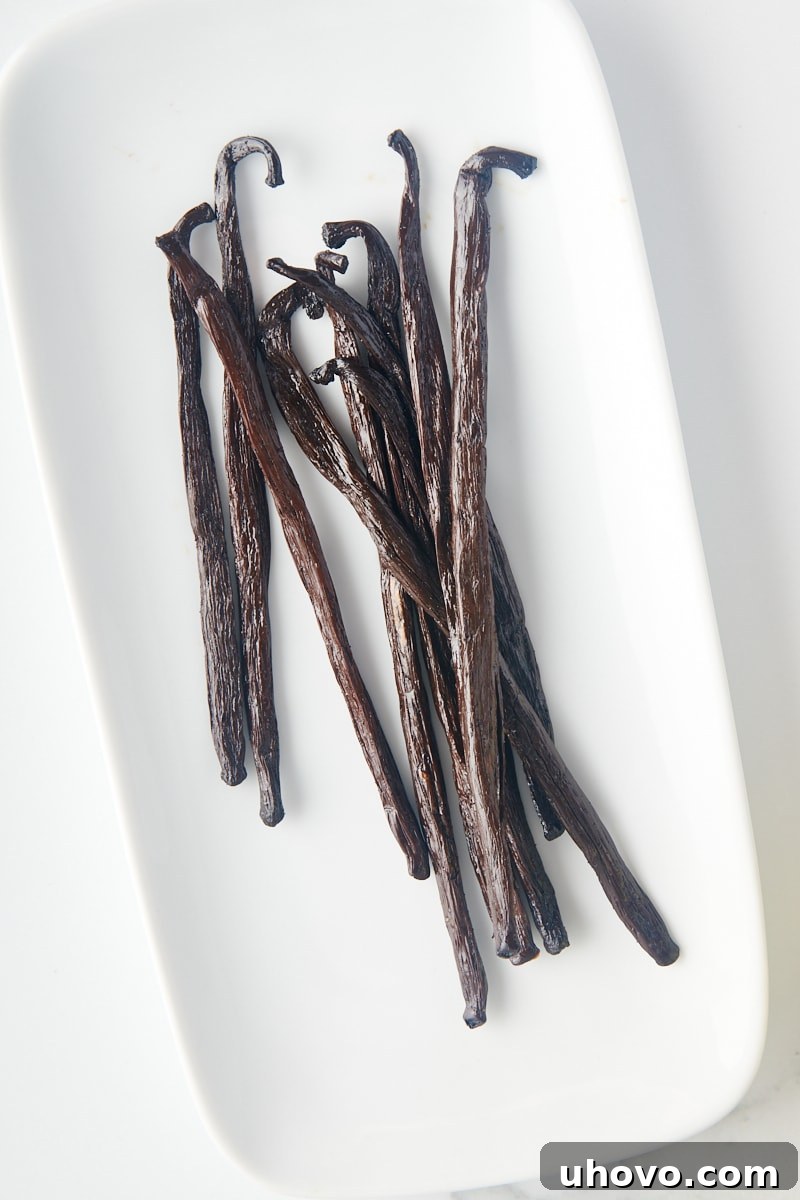
For those seeking the most authentic and intense vanilla experience, vanilla beans are the ultimate choice. These long, slender pods, rich with tiny, aromatic seeds, represent vanilla in its purest and most unadulterated form. Using vanilla beans adds an unparalleled depth of flavor and a beautiful visual appeal, as the dark specks of vanilla seeds create a gourmet touch in any dessert. While they are the most expensive option, a little goes a long way, and the unparalleled sensory experience they provide often justifies the investment for special occasions or signature recipes.
To unlock the magic of a vanilla bean, begin by selecting a bean that is plump, moist, and pliable, indicating freshness and high quality. To extract the flavorful seeds, carefully cut one end of the bean. Then, using a sharp paring knife, slice through the middle of the bean lengthwise, exposing the sticky, caviar-like interior. Gently scrape the tiny seeds from both halves with the tip of your knife. These precious scraped seeds are then added directly to your baking mixtures, imparting a complex aroma and a rich, sweet flavor. Beyond their flavor, the visible black specks of vanilla seeds are highly prized in gourmet desserts like crème brûlée, panna cotta, and ice cream, serving as a visual testament to the use of real vanilla. Even after scraping, don’t discard the spent pod! It can be repurposed to make vanilla sugar or homemade vanilla extract, ensuring no part of this valuable spice goes to waste.
Understanding Vanilla Bean Grades: A vs. B
Vanilla beans are typically categorized into two main grades, each serving a distinct purpose in the culinary world. It’s important to note that these grades do not necessarily reflect a difference in quality, but rather in moisture content and intended application.
- Grade A (Gourmet or Prime) Vanilla Beans: These beans are plump, moist, pliable, and visually appealing. With a higher moisture content (typically 25-30%), they are perfect for recipes where you scrape out the seeds directly, such as custards, creams, ice creams, and baked goods. Their supple texture makes them easy to work with, and their full moisture helps infuse flavor effectively into liquid bases.
- Grade B (Extract or Industrial) Vanilla Beans: In contrast, Grade B beans have a lower moisture content (15-20%), making them drier, less pliable, and sometimes split. While they may not be as aesthetically pleasing for direct scraping, their concentrated flavor makes them ideal for making homemade vanilla extract. The lower moisture content means more vanilla per pound, making them a cost-effective choice for extraction, as the alcohol will draw out the potent flavors over time.
While Grade A beans offer an immediate burst of flavor and visual appeal, their higher price can be prohibitive for routine use. Grade B beans, on the other hand, provide an economical way to enjoy the deep flavor of real vanilla, especially when producing your own extract, which can then be used liberally in everyday baking.
Substituting Vanilla Extract for Vanilla Beans
If your recipe calls for a vanilla bean but you only have extract or paste on hand, or vice versa, substitutions are straightforward. A good rule of thumb is that one average-sized vanilla bean is equivalent to 1 tablespoon of pure vanilla extract or 1 tablespoon of vanilla bean paste. This approximate equivalency allows for flexibility in your baking, ensuring you can still achieve a wonderful vanilla flavor regardless of the form you have available. However, remember that vanilla beans also add a distinct visual element with their tiny specks, which extract or plain paste won’t replicate.
Vanilla Extract: The Baker’s Go-To Flavor Enhancer
Vanilla extract is undeniably the most ubiquitous form of vanilla found in home kitchens and commercial bakeries alike. Made by steeping vanilla beans in an alcohol solution (typically ethanol and water), the alcohol acts as a solvent, drawing out the myriad of flavor compounds from the beans over several weeks or months. The resulting liquid captures the complex aroma and taste of vanilla in a convenient, shelf-stable form that is easy to measure and incorporate into virtually any baking or cooking application. Its widespread availability and more approachable price point compared to whole beans make it an indispensable ingredient for everyday baking. For an even more rewarding experience, many home bakers enjoy the simple process of making their own homemade vanilla extract, allowing them to control the quality of beans and strength of flavor.
In the United States, pure vanilla extract is governed by strict regulations set by the Food and Drug Administration (FDA) to ensure product integrity and consumer confidence. To be legally labeled as “pure vanilla extract,” the product must contain a minimum of 35% alcohol by volume and be made from at least 13.35 ounces of vanilla beans per gallon. These standards guarantee a certain level of vanilla concentration, ensuring that when you purchase pure vanilla extract, you are receiving an authentic product derived directly from vanilla beans, free from artificial additives or diluted flavors. This regulation helps distinguish true vanilla extract from imitation products.
What Defines a Quality Vanilla Extract?
A truly high-quality pure vanilla extract will feature a simple and transparent ingredient list: vanilla beans, alcohol (usually ethanol, sometimes brandy or vodka), and water. Some premium brands may specify the type of alcohol used, which can subtly influence the flavor profile. Occasionally, a small amount of sugar may be added by some manufacturers to enhance the sweetness or mellow out the alcohol, particularly if lower-grade beans are used. However, the best extracts rely on the natural compounds of the beans for flavor.
Labels that proudly state the regional origin of the vanilla beans—such as “Madagascar Bourbon Vanilla Extract” or “Mexican Vanilla Extract”—indicate that the extract is made exclusively from beans sourced from that specific region, promising a distinct flavor profile. Extracts that do not specify a region are typically blends of vanilla beans from various sources, carefully combined to achieve a balanced and generally appealing flavor that works well across diverse recipes. When choosing an extract, look for clear labeling and prioritize brands that list only natural ingredients to ensure you’re getting the genuine article.
Decoding Imitation, Clear, and Vanilla Flavoring
Navigating the vanilla aisle can sometimes be confusing, with various products labeled similarly. Understanding the differences between pure vanilla extract and its synthetic counterparts is essential for both flavor quality and ethical considerations.
- Imitation Vanilla Extract: This product is a synthetic creation, completely devoid of actual vanilla beans. Its flavor is primarily derived from artificially produced vanillin, the main chemical compound responsible for vanilla’s distinct taste and aroma. Vanillin can be synthesized from various sources, including petrochemicals, wood pulp, or even clove oil. While imitation vanilla offers a recognizable vanilla-like flavor, it lacks the hundreds of other aromatic compounds found in real vanilla beans, which contribute to the depth, complexity, and nuanced profile of pure extract. Consequently, imitation vanilla often tastes one-dimensional, sometimes described as harsh or overly sweet, and can even leave a slightly bitter aftertaste, especially when subjected to high heat.
- Clear Vanilla Extract: Functionally, clear vanilla extract is simply a type of imitation vanilla. Its key characteristic is the absence of color, achieved by using artificial vanillin and often a clear alcohol base. While its flavor profile is similar to regular imitation vanilla (lacking the complexity of pure vanilla), its primary advantage lies in its aesthetic benefit. Clear vanilla is invaluable for applications where you want vanilla flavor without altering the color of your final product, such as pristine white frostings, meringues, or light-colored glazes for wedding cakes, ensuring your creation remains impeccably white.
- Vanilla Flavoring: This category generally encompasses products that are a blend of pure vanilla extract and imitation vanilla. It often has a lower alcohol content than pure extract, or sometimes no alcohol at all, relying on other solvents to carry the flavor. Vanilla flavoring typically sits at a mid-range price point, being more affordable than pure extract but more expensive than imitation vanilla. It aims to offer a slightly more complex flavor than purely artificial options but still falls short of the richness and depth provided by 100% pure vanilla extract. The presence of both natural and artificial components means its flavor can be somewhat more robust than imitation but less nuanced than pure.
While imitation vanilla and vanilla flavoring are significantly less expensive than pure vanilla extract, they generally cannot achieve the same level of flavor sophistication. When substituting, you may need to use a larger quantity of imitation vanilla to achieve a noticeable flavor, which can sometimes lead to a medicinal or artificial taste. For truly superior results in your baking, investing in pure vanilla extract is almost always recommended.
Vanilla Bean Paste: The Best of Both Worlds
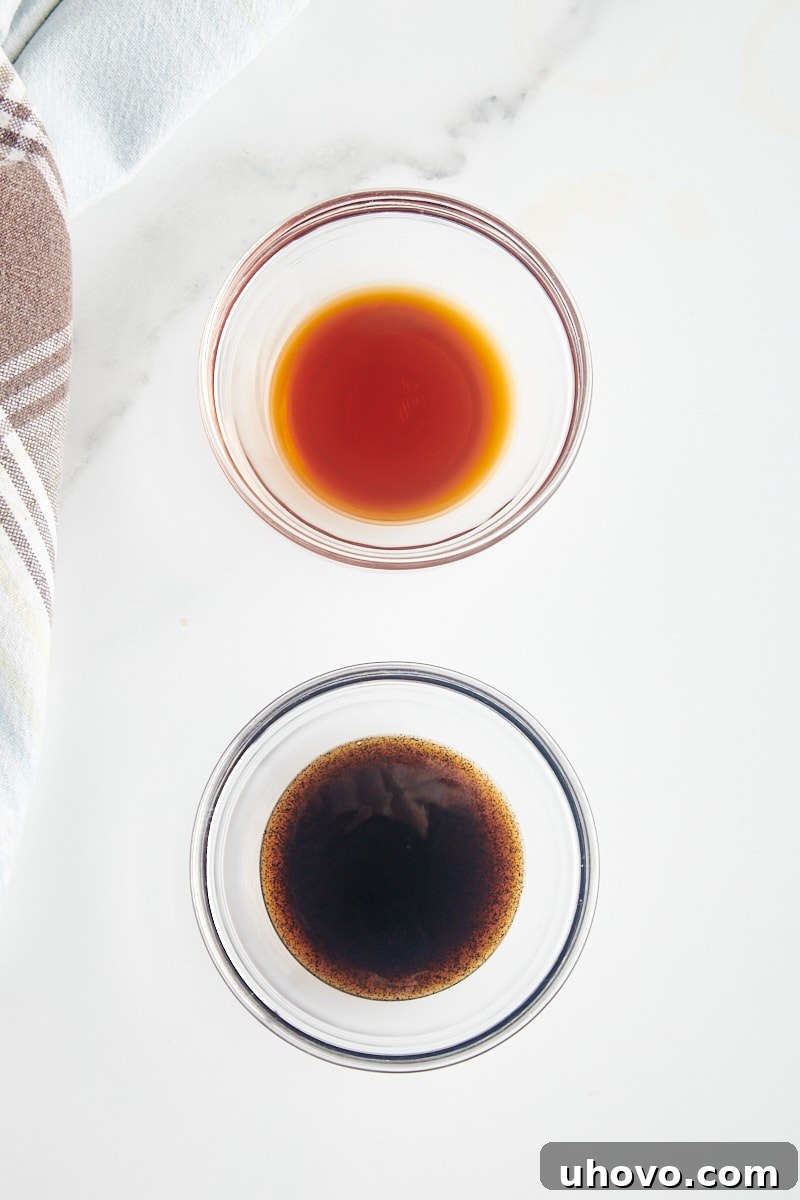
Vanilla bean paste represents a fantastic compromise for bakers who desire the intense flavor and visual appeal of real vanilla beans but also appreciate the convenience and relative affordability of extract. This thick, viscous paste is typically crafted from a concentrated blend of scraped vanilla seeds, pure vanilla extract, and often a natural thickener like gum tragacanth or cellulose gum. The result is a product that delivers a more potent and concentrated vanilla flavor than standard extract, along with the beautiful, characteristic specks of vanilla bean that signify genuine gourmet quality.
The paste offers several advantages: it’s incredibly easy to measure and incorporate into recipes, eliminating the need to scrape beans. Its concentrated flavor means you often get a more pronounced vanilla taste without adding excess liquid, which can be crucial in delicate recipes. Furthermore, the visible vanilla specks add an elegant touch to light-colored desserts such as custards, whipped creams, buttercream frostings, and ice creams, mimicking the visual appeal of using whole beans without the higher cost. It’s truly a versatile ingredient that bridges the gap between the purity of whole beans and the practicality of extract, making it a favorite for those seeking both convenience and aesthetic excellence. See its delightful effect in recipes like No-Bake Black Bottom Vanilla Bean Cheesecake!
Substituting Vanilla Bean Paste for Extract
One of the great benefits of vanilla bean paste is its ease of substitution. In most recipes, vanilla bean paste can be used as a direct, equal quantity replacement for vanilla extract. For example, if a recipe calls for 1 teaspoon of vanilla extract, you can typically use 1 teaspoon of vanilla bean paste instead. However, because the concentration of vanilla flavor can vary slightly between different brands of paste, it is always a good practice to check the product label for any specific substitution guidelines provided by the manufacturer. This ensures optimal flavor balance in your recipe and guarantees the best results, whether you’re enhancing a classic cookie or a sophisticated crème brûlée.
Vanilla Powder: A Dry Alternative for Specific Needs
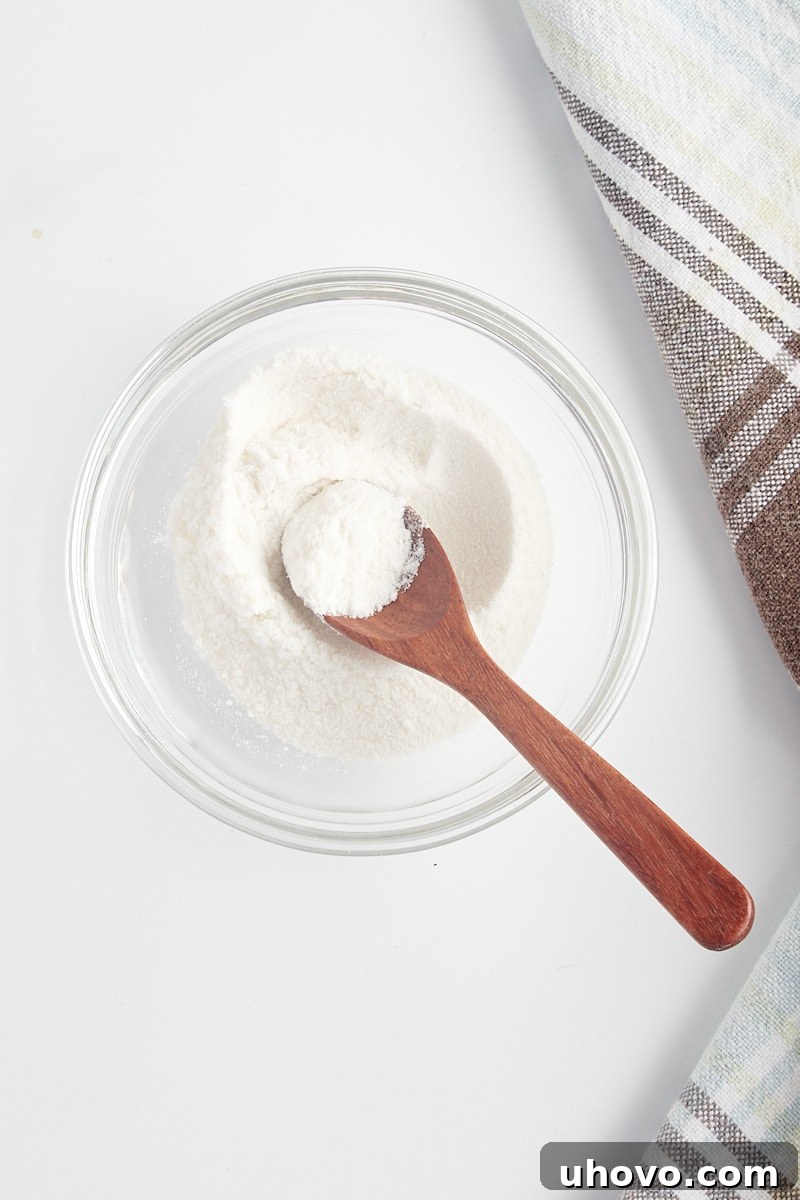
Vanilla powder offers a unique form of vanilla for bakers, distinct from its liquid and paste counterparts. This fine powder is created by finely grinding dried vanilla beans, sometimes along with other ingredients, into a granular consistency. The color of vanilla powder can vary significantly; truly pure vanilla powder, made exclusively from ground beans, will have a darker, speckled brown appearance, reflecting the color of the dried vanilla bean itself. However, many commercially available vanilla powders are much lighter, appearing off-white or even pure white. This lighter color usually indicates that the powder has been blended with a carrier agent such as sugar, dextrose, or maltodextrin, which can dilute the pure vanilla content but also makes it easier to measure and distribute. Always check the ingredient list to understand the purity and composition of the vanilla powder you are using.
Optimal Uses for Vanilla Powder in Baking
Vanilla powder is a versatile ingredient that can often be used interchangeably with vanilla extract in many recipes, although specific substitution ratios may vary by brand, so checking the label is always recommended. However, vanilla powder offers distinct advantages that make it the preferred choice for certain baking applications.
One of its primary benefits is its lack of color. Unlike vanilla extract, which can impart a brownish tint, vanilla powder will not affect the color of your final product. This makes it an ideal choice for delicate, light-colored preparations where a pristine appearance is desired, such as sparkling white frostings, meringues, clear glazes, or certain candies. Additionally, vanilla powder has the significant advantage of being heat-stable and non-evaporating. When added to hot liquids or mixtures, the flavor compounds in powder remain intact, unlike alcohol-based extracts which can diminish in flavor as the alcohol evaporates. This makes it perfect for hot beverages like coffee or tea, custard bases cooked over heat, or dry mixes for baked goods. Furthermore, since it’s a dry ingredient, vanilla powder can be advantageous in recipes where adding extra liquid, even a small amount from extract, could disrupt the precise balance of ingredients, such as in delicate pastry doughs or certain chocolate confections.
Vanilla Sugar: Infused Sweetness for Everyday Delights
Vanilla sugar is a delightful and aromatic ingredient that adds a subtle yet distinct layer of vanilla flavor to your sweet creations. It’s essentially a combination of granulated or confectioners’ sugar infused with the essence of vanilla, either from whole beans or concentrated extract. This simple addition can elevate everyday staples, replacing some or all of the sugar and vanilla in a recipe, or simply used as a flavor enhancer for morning coffee, tea, cereal, or fresh fruit.
While readily available commercially, vanilla sugar is incredibly easy and economical to make at home. The simplest method involves placing a whole, split vanilla bean (or even a scraped, “spent” bean pod) into a jar or airtight container filled with about 2 cups of granulated or confectioners’ sugar. Over approximately two weeks, the sugar will slowly absorb the fragrant oils and compounds from the vanilla bean, transforming into beautifully scented vanilla sugar. For ongoing use, you can continually top up the sugar as you use it, occasionally replacing the bean to maintain potency. This homemade vanilla sugar is perfect for dusting over pastries, adding to whipped cream, or stirring into batters for a gentle vanilla infusion, as showcased in delicious Vanilla Bean Cheesecake Bars.
Vanilla Salt: A Gourmet Finishing Touch
Vanilla salt is a surprisingly versatile gourmet ingredient that offers an intriguing blend of sweet and savory notes, designed to enhance and elevate various dishes, particularly baked goods. It is simply a fusion of high-quality salt and vanilla beans, creating a unique seasoning that can add depth and an unexpected twist to your culinary creations. Often used as a finishing salt, a light sprinkle of vanilla salt over desserts can provide a delightful counterpoint to sweetness, highlighting other flavors and adding a subtle complexity.
Like vanilla sugar, vanilla salt is available for purchase from specialty stores, but it is also wonderfully simple to prepare in your own kitchen. To make it, combine about one cup of a good quality sea salt (like flaky Maldon or a fine-grain Celtic sea salt) with the seeds scraped from 2 to 3 plump vanilla beans. Alternatively, you can embed 1 or 2 whole, scraped vanilla bean pods directly into the salt. Store the mixture in an airtight container for approximately two weeks, allowing the salt to fully absorb the aromatic vanilla essence. Once infused, vanilla salt becomes a superb finishing touch for a wide range of desserts, including rich brownies, chewy chocolate chip cookies, caramel treats, or even on roasted vegetables for a surprising flavor dimension. Its ability to subtly enhance both sweet and savory profiles makes it a truly exciting ingredient for the experimental home baker.
Love Vanilla? Explore These Irresistible Vanilla Recipes
Now that you’re an expert on all things vanilla, it’s time to put your newfound knowledge to delicious use! Here are some beloved vanilla-centric recipes that truly highlight the magic of this exquisite spice. Whether you prefer the classic comfort of a vanilla cake or the creamy indulgence of a cheesecake, these recipes will inspire you to bake with confidence and passion, bringing out the very best of your chosen vanilla:
- Vanilla Cake with Vanilla Frosting
- Vanilla Bean Cheesecake
- Frosted Sugar Cookie Bars
- Vanilla Pudding
- Vanilla Scones