
Indulge in the irresistible allure of our decadent Chocolate Chip-Hazelnut Scones, a recipe that promises to elevate your baking experience. These delightful scones boast a perfect harmony of rich, melty chocolate and the warm, nutty crunch of hazelnuts, all while embracing the wholesome goodness of white whole wheat flour. The result is a scone that is not only hearty and satisfying but also wonderfully tender, moist, and bursting with flavor. Customizable with your favorite mix-ins and spices, this recipe invites you to create a truly personalized treat perfect for any occasion.

My culinary journey with scones, and especially with whole wheat baking, underwent a profound transformation during an inspiring visit to King Arthur Flour. Before that pivotal experience, the concept of incorporating white whole wheat flour into scones was entirely new to me, and I admit, I harbored a healthy dose of skepticism. Could a scone made with whole wheat truly be light, tender, and utterly delicious, or would it succumb to the dense, dry fate often associated with whole grain baked goods? This particular chocolate chip-hazelnut scone recipe, however, shattered all my preconceptions and expectations. It wasn’t just good; it was an absolute revelation that instantly turned a skeptic into a true believer. The delicate texture and rich flavor demonstrated that wholesome ingredients can indeed lead to extraordinarily indulgent results, proving that nutritious can also mean incredibly delicious. This recipe became an instant favorite, solidifying its place in my regular baking repertoire and inspiring me to explore further with whole grain flours.
Why You’ll Adore These Chocolate Chip-Hazelnut Scones
- Wholesome Whole Wheat Goodness. Unlike traditional whole wheat flour, which can sometimes impart a robust, earthy flavor and a denser texture, white whole wheat flour offers all the exceptional nutritional benefits—including vital fiber, essential vitamins, and beneficial minerals—without compromising on the delicate taste or texture. It’s milled from a lighter variety of wheat berry, resulting in a distinctly milder flavor and a softer, more tender crumb that makes these scones surprisingly delicate and appealing to even the most discerning palates. You truly get the best of both worlds: a healthier, more nutrient-rich choice that still feels like an utterly indulgent treat.
- Remarkably Tender and Moist. The secret to the unparalleled tenderness and moistness of these irresistible scones lies in a meticulous balance of key elements and expert techniques. First, the strategic inclusion of buttermilk, with its essential acidity, works harmoniously with baking soda to create a beautifully light, airy crumb that almost melts in your mouth. Second, the crucial use of very cold butter, cut into small pieces, creates pockets of steam during the baking process. As these butter pieces melt, they lift the dough, forming those coveted, flaky layers that are the hallmark of a perfect scone. Furthermore, the gentle handling of the dough is paramount, preventing over-activation of gluten, which can lead to tough, rubbery textures. The result is a scone that truly defines deliciousness—never dry or crumbly, but always soft and inviting.
- Effortlessly Easy and Wonderfully Adaptable. This recipe is thoughtfully designed with simplicity and success in mind, making it remarkably accessible and enjoyable for bakers of all skill levels, from novices to seasoned pros. The steps are straightforward, intuitive, and the overall process is wonderfully forgiving. Beyond its ease, this foundational scone dough proves to be an incredibly versatile canvas for culinary creativity. Whether your preference leans towards a variety of nuts, different types of chocolate, sweet dried fruits, or a bright hint of citrus zest, this recipe enthusiastically welcomes your personal touch and innovative combinations. Feel completely free to experiment with diverse mix-ins to create a scone that perfectly suits your mood, the season, or whatever ingredients you have on hand. It’s a foundational recipe that not only delivers consistently delicious results but also actively invites and encourages endless personalization.
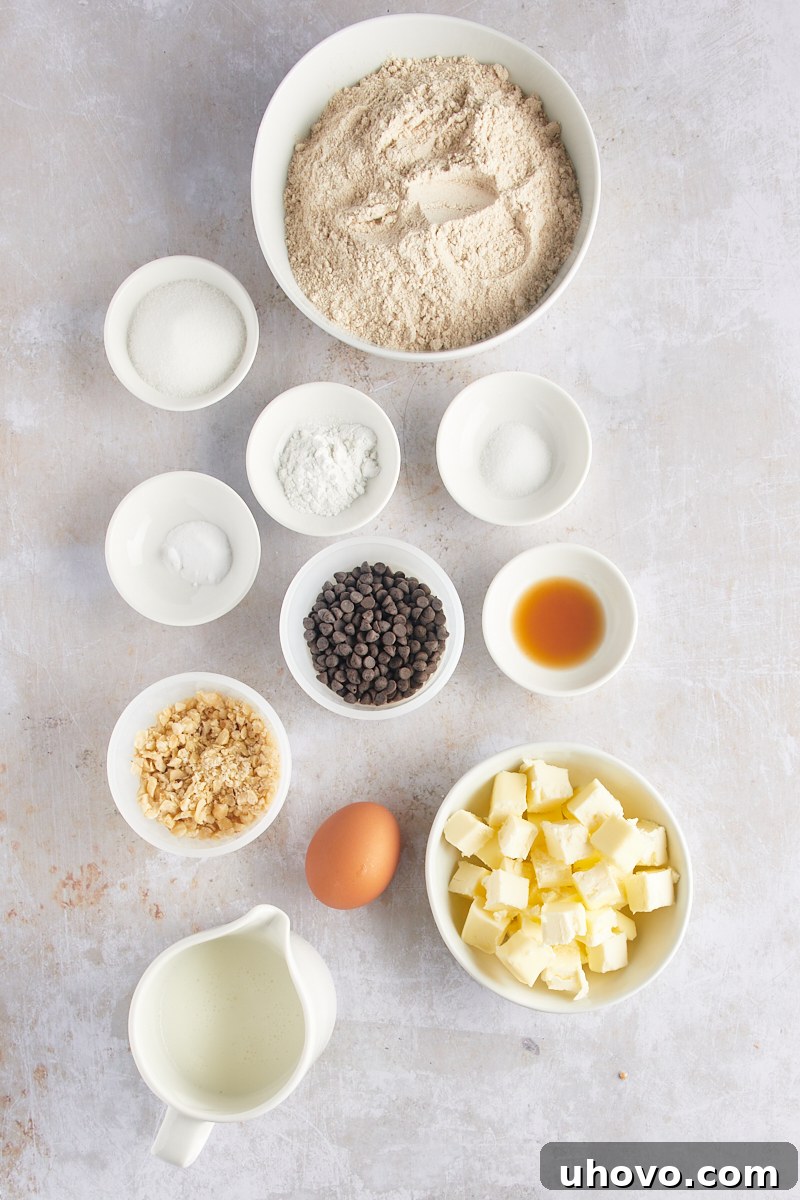
Essential Ingredients You’ll Need
For precise ingredient quantities and step-by-step recipe instructions, please refer to the comprehensive recipe card located at the bottom of this article.
- White whole wheat flour – This is the star ingredient, providing all the nutritional benefits of whole-grain flour without the robust flavor or dense texture often associated with regular red whole wheat. It’s milled from a lighter wheat berry, offering a delicate crumb while still being 100% whole grain. Learn more about its unique properties and how it differs from other flours in A Baker’s Guide to Wheat Flours.
- Granulated sugar – Adds a touch of sweetness to balance the flavors and contributes to the golden crust.
- Baking powder – A primary leavening agent that helps the scones rise beautifully, ensuring a light and airy texture. Ensure it’s fresh for optimal lift.
- Baking soda – Works in conjunction with the acidity of the buttermilk to create additional lift and contributes to a tender crumb.
- Salt – Essential for enhancing all the other flavors in the scones, preventing them from tasting flat.
- Unsalted butter – Absolutely crucial for creating that irresistible flaky scone texture. It must be very cold and cut into small 1/4-inch cubes. As the cold butter melts during baking, it releases steam, creating pockets that result in a light, layered, and tender interior. Avoid using softened butter, as it will lead to a dense scone.
- Chopped blanched hazelnuts – These provide a wonderful nutty flavor and delightful texture. Toasting them beforehand significantly deepens their aroma and taste. You can easily substitute with another chopped nut like pecans or walnuts if desired.
- Mini semisweet chocolate chips – The small size ensures even distribution throughout the dough, providing a burst of rich chocolate in every bite. Semisweet offers a perfect balance that isn’t overly sweet.
- Buttermilk – Provides essential acidity that reacts with the baking soda, aiding in the scones’ rise and contributing significantly to their tender texture. If you don’t have store-bought buttermilk, you can easily make a buttermilk substitute by adding 1 tablespoon of lemon juice or white vinegar to a measuring cup, then filling the rest with regular milk to the 3/4 cup mark. Let it sit for 5-10 minutes until it slightly curdles before using. Do not use regular milk, as its lack of acidity won’t properly activate the baking soda.
- Egg yolk – Adds richness, moisture, and a beautiful golden hue to the scones.
- Vanilla extract – Enhances the overall flavor profile, adding a warm, aromatic depth that complements both the chocolate and hazelnuts. Both store-bought or homemade vanilla extract work wonderfully.
- Egg white – This is optional, but highly recommended if you plan to use sanding sugar. Brushing the tops of the scones with egg white helps the sanding or sparkling sugar adhere better and gives them a lovely sheen.
- Sanding sugar or sparkling sugar – Also optional, but a fantastic addition for a professional finish. It gives your scones a delightful crunchy topping and an extra hit of sweetness and sparkle, making them even more visually appealing and delicious.
How to Perfectly Toast Hazelnuts
Toasting your hazelnuts is a simple yet incredibly impactful step that amplifies their nutty flavor and truly enhances the overall taste of these scones. The process is straightforward and yields fantastic results! To begin, preheat your oven to 350°F (175°C). Spread the blanched hazelnuts in an even, single layer on a clean baking sheet, ensuring they don’t overlap too much, which allows for even toasting. Bake for approximately 8-10 minutes, making sure to stir them once or twice during the baking time to promote uniform browning and prevent burning. Keep a close eye on them, as nuts can go from perfectly toasted to burnt very quickly. You’ll know they’re ready when they turn a beautiful golden brown and release a rich, fragrant, toasted aroma. Once toasted, remove them from the oven and allow them to cool completely before chopping and adding them to your scone dough.
Step-by-Step Guide: Crafting Your Chocolate Chip-Hazelnut Scones
- Prepare Your Baking Environment. Begin by preheating your oven to the optimal temperature of 375°F (190°C). This ensures the oven is consistently hot when the scones enter, promoting an even and rapid rise. Next, line a sturdy baking sheet with parchment paper or a silicone baking mat. This crucial step prevents sticking, facilitates easy cleanup, and helps in achieving a beautifully golden-brown bottom without over-browning.
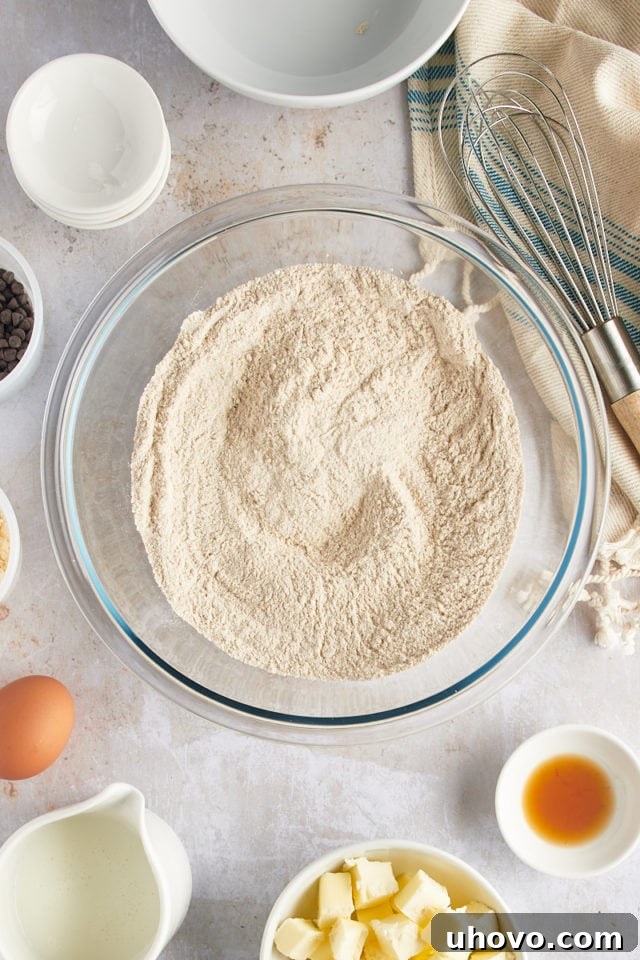
- Combine the Dry Ingredients. In a generously sized mixing bowl, combine the white whole wheat flour, granulated sugar, baking powder, baking soda, and salt. Whisk these dry ingredients together thoroughly for about 30 seconds to a minute. This step is absolutely crucial for distributing the leavening agents and salt evenly throughout the flour, ensuring a consistent rise and a perfectly balanced flavor in every single scone you bake.
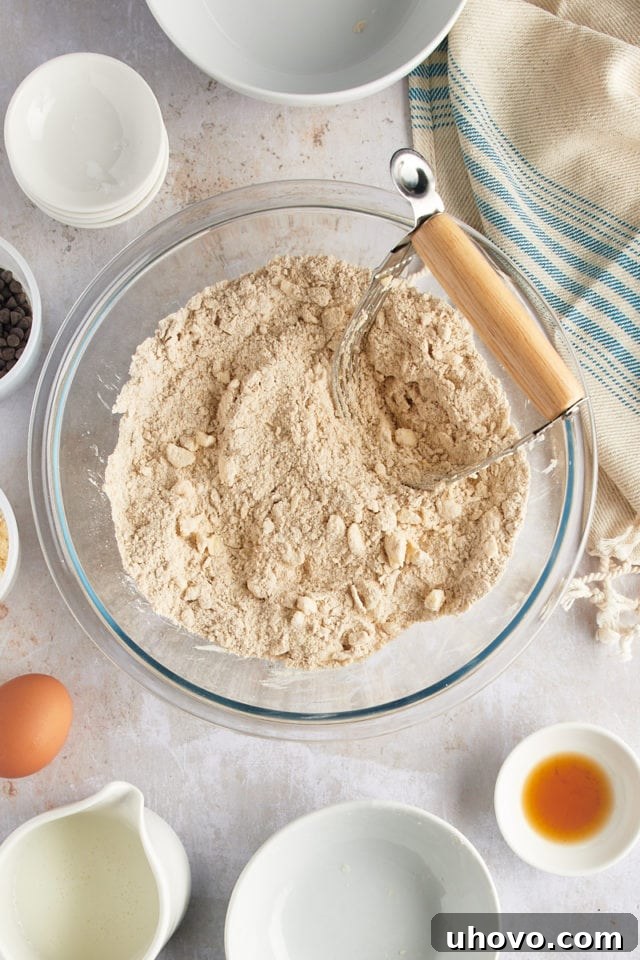
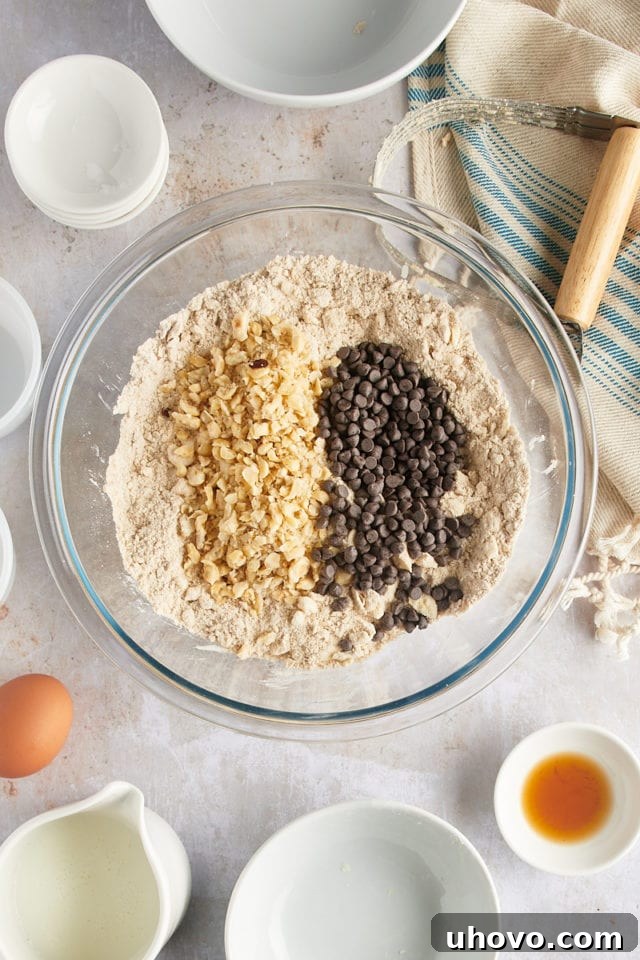
- Incorporate the Cold Butter. Add the very cold, cubed unsalted butter to the dry mixture. Using a pastry blender, two forks, or even your fingertips (working quickly to avoid warming the butter), cut the butter into the flour until the mixture resembles coarse crumbs, with some pea-sized pieces of butter still visible. These small pieces of cold butter are key to creating those desirable flaky layers in your scones. Once the butter is incorporated to this stage, gently stir in the chopped blanched hazelnuts and mini semisweet chocolate chips, ensuring they are evenly dispersed throughout the crumbly mixture.
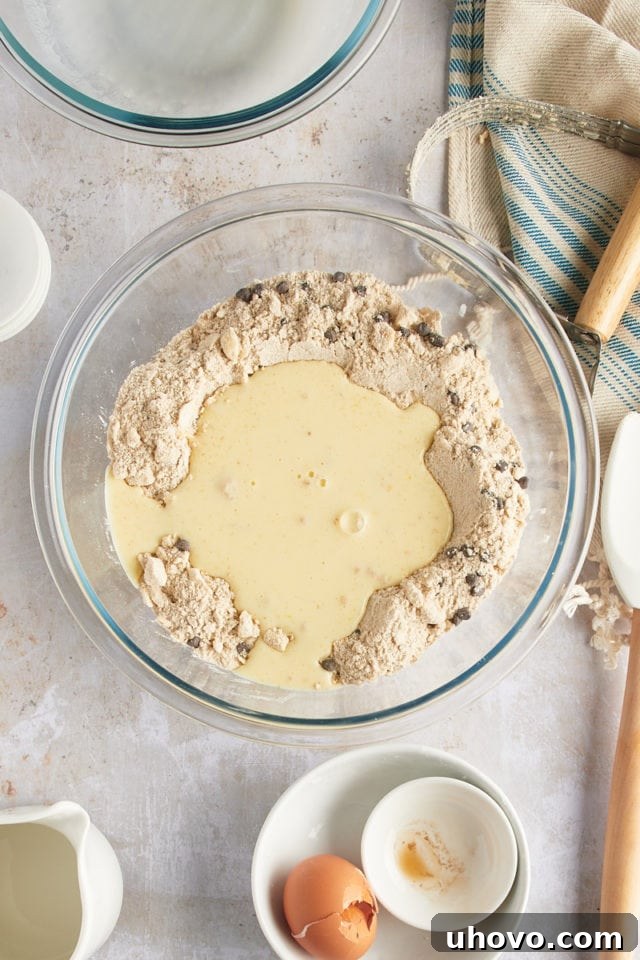
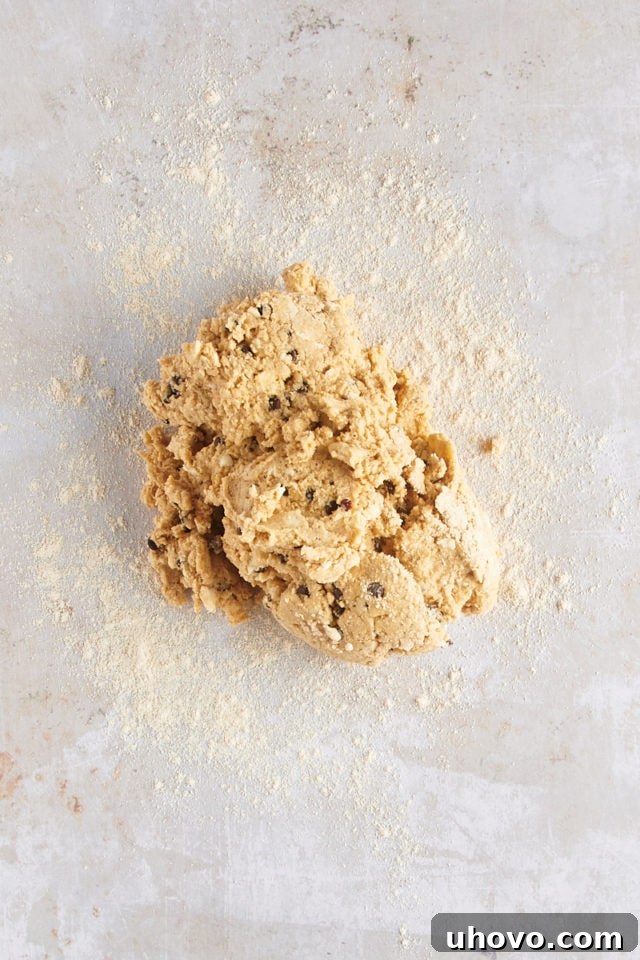
- Add the Liquid Ingredients. In another separate, smaller bowl, whisk together the buttermilk, egg yolk, and vanilla extract until they are well combined. Create a small well in the center of your dry ingredients mixture and pour the liquid mixture into it. Using a wooden spoon or a sturdy spatula, stir just until the dry ingredients are moistened and a shaggy, cohesive dough begins to form. It’s imperative to be careful not to overmix at this stage; excessive mixing will develop the gluten too much, which can lead to tough, dense scones rather than the desired tender texture.
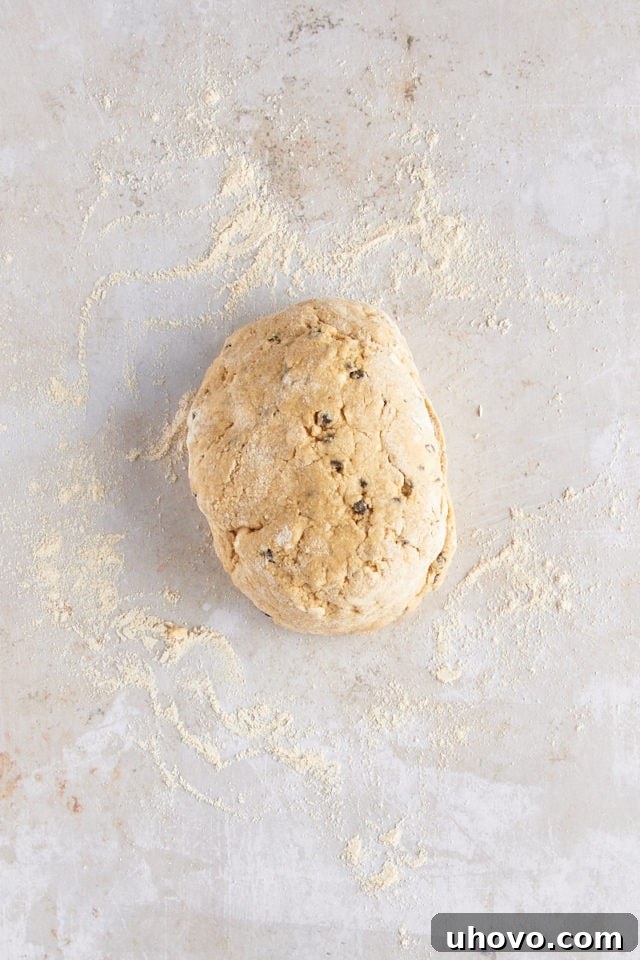
- Gently Knead the Dough. Lightly flour your work surface (a clean countertop or a large cutting board works perfectly). Turn the shaggy dough out onto this prepared surface. With a very light touch, gently knead the dough for only a few turns – typically about 5 to 10 seconds. The primary goal here is simply to bring the dough together into a cohesive, workable mass, not to develop gluten. If you over-knead, your beautiful scones will inevitably become dense and hard instead of delightfully tender and flaky.
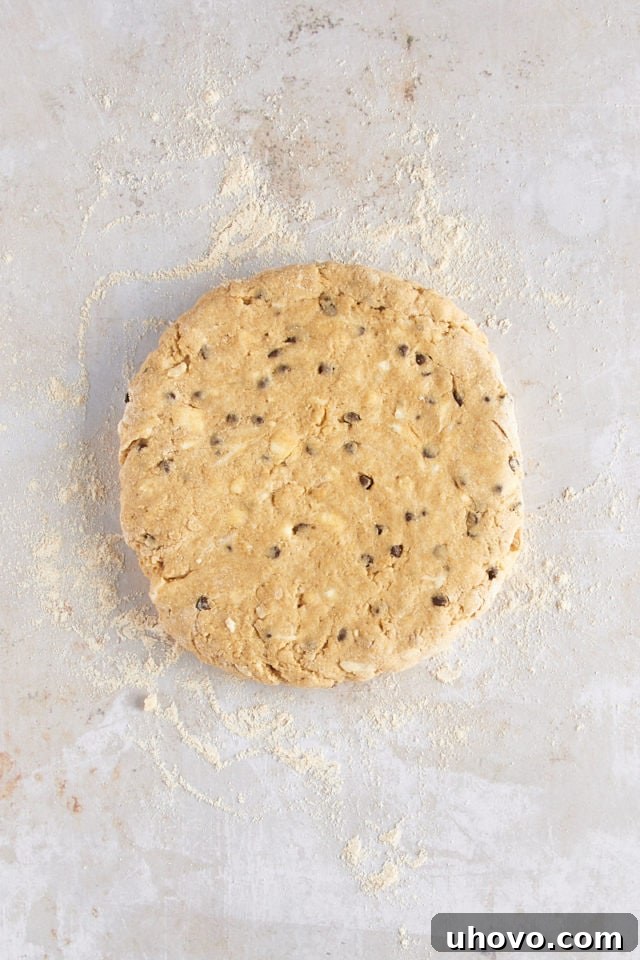
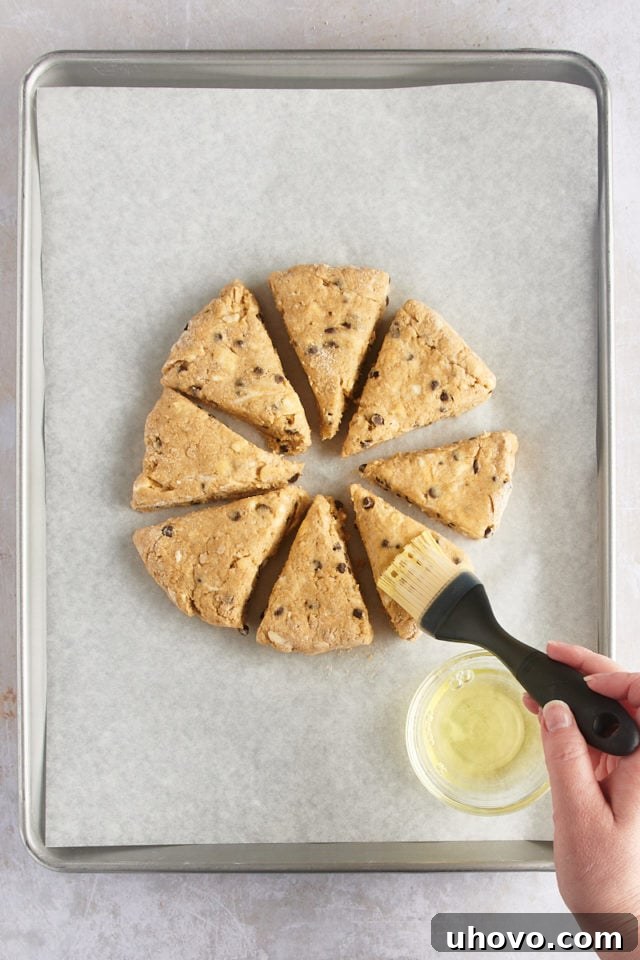
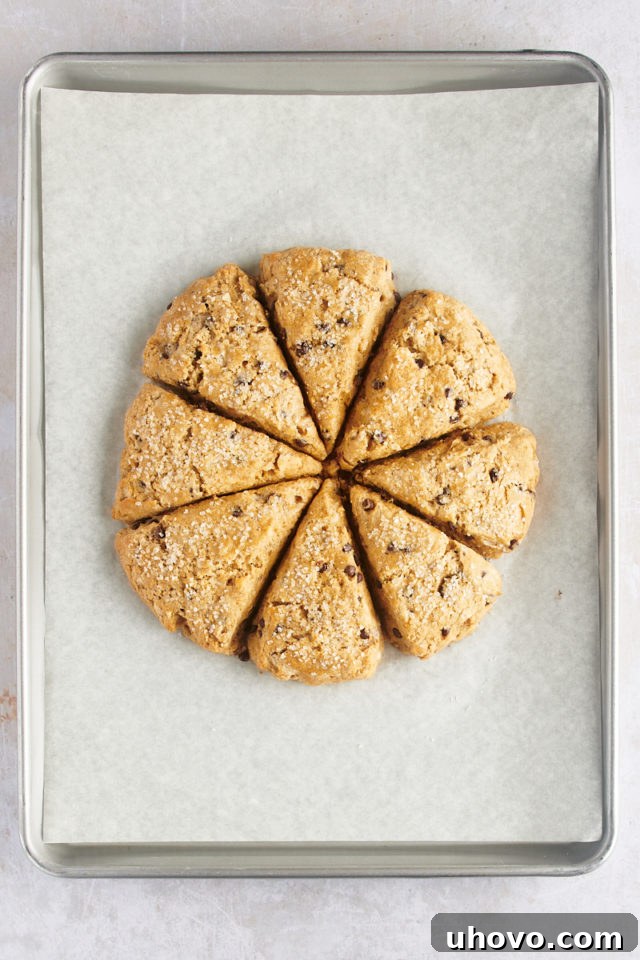
- Shape and Cut the Scones. Gently pat the prepared dough into a uniform flat disk, aiming for approximately 7 inches in diameter and about 1 inch thick. For the classic scone shape, use a sharp knife or a bench scraper to cut the disk into 6 to 8 equal wedges, much like slicing a pie. Ensure your cuts are clean and precise for well-defined scone shapes that will bake evenly and beautifully.
- Bake to Golden Perfection. Carefully transfer the scone wedges to your prepared baking pan. For scones that are wonderfully soft and achieve a higher rise, arrange them relatively close together in a circle, allowing them to provide mutual support as they bake. If you prefer scones with crispier edges, simply place them further apart on the pan. If using, lightly brush the tops of the scones with the whisked egg white (this aids in achieving a beautiful golden-brown crust and helps the sugar adhere) and generously sprinkle with sanding sugar or sparkling sugar for a delightful textural crunch and an extra touch of sweetness. Bake for 18 to 22 minutes, or until the tops are beautifully light golden brown and a wooden skewer inserted into the center comes out clean. Note that precise baking time may vary based on your specific oven.
- Cool and Serve. Once baked, carefully transfer the baking pan to a wire rack and allow the scones to cool slightly. If the scones have baked together, use a thin, sharp knife or a bench scraper to carefully reapply the cuts and separate them along the original lines while they are still warm. Serve these delightful scones warm or at room temperature. They are truly at their peak when fresh from the oven, perhaps accompanied by a dollop of clotted cream or your favorite fruit jam for an extra touch of indulgence.

Essential Tips for Scone Baking Success
- Avoid Over-Mixing or Over-Kneading. The delicate, tender texture of perfect scones relies heavily on minimal handling of the dough. Over-mixing or over-kneading will vigorously develop the gluten, leading to tough, chewy scones rather than the desired light, flaky, and crumbly ones. The key is to think of it as merely bringing the ingredients together until they just cohere. Stop stirring as soon as the flour is moistened and no dry streaks remain, and knead only a few times (5-10 seconds) until the dough forms a somewhat cohesive ball. Visible streaks of cold butter are actually a very good sign!
- Ensure Your Butter Is Very Cold. This is arguably the most crucial tip for achieving truly flaky and tender scones. Cold butter creates small, distinct pockets within the dough. As the scones bake, these minute pieces of butter melt rapidly and release steam, which in turn creates air pockets that result in a light, layered, and tender interior. For optimal results, cube your butter and then pop it into the freezer for 10-15 minutes before you begin cutting it into the flour. For an extra measure of insurance, you can even chill your pastry blender or mixing bowl beforehand.
- Adhere to the Original Proportions. While creative variations are absolutely encouraged, it’s fundamentally important to maintain the foundational ratio of wet to dry ingredients in this recipe. This particular recipe is carefully balanced to yield perfectly textured scones every time. If you choose to introduce additional wet ingredients (such as very juicy fresh fruit), you might need to slightly increase the flour content (adding a tablespoon at a time) to meticulously maintain the correct dough consistency. Conversely, if you add too many dry mix-ins without proportionally adjusting the liquid, the dough could become excessively dry and crumbly. The recommended 1/2 cup of mix-ins ensures optimal distribution and ideal texture without overwhelming or altering the delicate balance of the dough.
- Master the Art of Measuring Flour. Always employ the “spoon and level” method for accurately measuring flour. Begin by fluffing the flour in its container with a spoon, then gently spoon it lightly into your dry measuring cup until it overflows. Finally, use a straight edge, such as the back of a knife or a bench scraper, to level off the top. Scooping directly with the measuring cup can inadvertently pack in too much flour, which will inevitably lead to a dry, dense, and less tender scone dough.
- Consider Chilling the Dough Before Baking. For an even more spectacular rise and an exceptionally flaky texture, consider chilling the shaped scone dough in the refrigerator for 15-30 minutes before placing it in the oven. This brief chilling period allows the butter to firm up once again and gives the gluten a chance to relax, both contributing significantly to a more tender scone and effectively preventing the butter from melting too quickly in the oven, which could lead to spreading.
- Bake in a Properly Heated Oven. Scones fundamentally require a hot oven, specifically 375°F (190°C), to achieve their signature lofty rise and tender interior. The initial burst of intense heat helps the cold butter create steam rapidly, quickly setting the structure of the scone before it has a chance to spread too much. Always ensure your oven is fully preheated to the correct temperature before placing the scones inside for baking. Using an oven thermometer can confirm accuracy.

Serving Suggestions for Your Scones
These delectable Chocolate Chip-Hazelnut Scones are incredibly versatile and perfect for a wide variety of occasions, making them a true crowd-pleaser. Enjoy them warm, straight from the oven, for an unforgettable breakfast or a leisurely brunch. They pair exquisitely with a freshly brewed cup of hot coffee, a comforting mug of tea, or simply a refreshing glass of cold milk. For an extra touch of indulgence, consider splitting them open and serving them with a generous dollop of rich clotted cream and your favorite vibrant fruit jam, or a simple smear of good quality butter. They also make a fantastic afternoon treat, a sophisticated addition to any afternoon tea spread, or even a delightful light dessert. Pack them for an elegant picnic, offer them as a delightful baked good at a bake sale, or simply savor one as a comforting and wholesome snack during a quiet moment. Their robust flavor and tender texture make them adaptable to almost any eating occasion.
Creative Variations to Explore
While the classic chocolate chip and hazelnut combination in these scones is undeniably a beloved favorite, this versatile scone recipe serves as an exceptional canvas for countless other flavor innovations and creative twists. Don’t hesitate to personalize your batch!
- Nutty Delights: Feel free to swap out the hazelnuts for other equally delicious toasted nuts such as pecans, walnuts, slivered almonds, or even vibrant pistachios. For an additional layer of complementary flavor, consider incorporating a few drops of almond extract into the wet ingredients when using almonds.
- Chocolate Dreams: Experiment with different types of chocolate to find your perfect match. Try milk chocolate chips for extra sweetness, dark chocolate chunks for a deeper, more intense flavor, or creamy white chocolate chips. A blend of various chocolates can also create a wonderfully complex taste profile.
- Fruity Twists: Dried fruits are a fantastic addition, offering bursts of concentrated sweetness and chewiness. Think dried cranberries, plump cherries, sweet blueberries, or golden raisins. For a brighter, more aromatic dimension, incorporate finely grated orange zest, lemon zest, or lime zest. If you prefer using fresh fruit, such as juicy blueberries or finely chopped strawberries, gently fold them into the dough after you’ve added the liquid ingredients to prevent crushing and preserve their delicate structure.
- Spice It Up: A warm pinch of ground cinnamon or nutmeg can infuse your scones with comforting, inviting aromas. For a more unexpected and sophisticated twist, try a touch of fragrant ground cardamom. Cardamom is particularly delightful and truly awakens the senses, especially when thoughtfully paired with bright orange zest and rich dark chocolate chips—a truly harmonious and memorable combination.

Storage and Freezing Guidelines
- Room Temperature Storage: For optimal freshness and to enjoy these chocolate chip-hazelnut scones at their very best, they are most delicious when consumed within 1 to 2 days of baking. After this period, they will gradually begin to dry out. To store them, ensure they have cooled completely to room temperature. Then, place them in an airtight container or a resealable bag. This will help prevent them from becoming stale and maintain their wonderfully tender crumb. For a “fresh-baked” feel, you can briefly reheat them in a toaster oven or microwave.
- Freezer Storage (Baked Scones): Scones freeze exceptionally well, making them an excellent option for meal prepping or having a quick treat on hand. Once your baked scones have completely cooled, arrange them in a single layer on a baking sheet and place them in the freezer until they are solid (this usually takes about 1-2 hours). Once frozen solid, transfer the scones to a freezer-safe airtight container or a heavy-duty freezer bag, separating layers with parchment paper to prevent them from sticking together. They can be stored in the freezer for up to three months. To serve, thaw them at room temperature for several hours, or reheat them directly from frozen in a moderate oven (around 300°F / 150°C) for approximately 10-15 minutes, until they are warmed through and fragrant.
- Freezer Storage (Unbaked Scones): For the ultimate convenience of freshly baked scones on demand, you can freeze the unbaked dough. After shaping and cutting the scone wedges, arrange them on a parchment-lined baking sheet and place them in the freezer until they are completely solid. Once frozen, transfer them to an airtight freezer bag or container. When you’re ready to bake, there’s no need to thaw! Simply place the frozen scones directly onto a prepared baking sheet, brush with egg white and sprinkle with sugar (if desired), and bake directly from frozen. You will need to add an additional 5-10 minutes to the regular baking time, or until they are beautifully golden brown and fully cooked.
Troubleshooting Common Scone Baking Problems
Even seasoned bakers can sometimes encounter little mishaps when making scones. Here’s a quick guide to common problems and straightforward solutions to help you achieve perfect scones every time:
- Scones are dry and crumbly: This issue often points to either too much flour or not enough liquid in your dough. Always ensure you are measuring flour accurately using the “spoon and level” method to avoid overpacking. Additionally, be careful not to overwork the dough, as excessive handling can quickly dry it out.
- Scones are dense and hard: The most frequent culprit here is over-mixing or over-kneading the dough. Too much handling develops the gluten excessively, resulting in a tough, chewy texture rather than the desired light and tender crumb. Remember to mix only until the ingredients are just combined and knead minimally—just enough to bring the dough together. Butter that isn’t cold enough can also contribute to a dense scone.
- Scones didn’t rise properly: Firstly, check the freshness of your baking powder and baking soda. Both leavening agents lose their potency over time. To test, drop a little baking soda into vinegar (should fizz) or baking powder into hot water (should fizz). Also, ensure your buttermilk is acidic enough to properly react with the baking soda. An oven that isn’t fully preheated or is running too cool can significantly hinder the scones’ ability to rise.
- Scones spread out flat: This unfortunate outcome can occur if the butter was too warm when incorporated into the dough, causing it to melt too quickly before the scone structure had a chance to set in the oven. Chilling the shaped dough in the refrigerator for 15-30 minutes before baking is an excellent preventative measure. Over-hydrated dough (too much liquid) can also contribute to spreading.
- Scones are burnt on the bottom: This might be due to your oven running too hot, especially at the bottom, or using a dark-colored baking sheet, which absorbs more heat. Try reducing the oven temperature slightly or placing an empty baking sheet on the rack below your scones to act as a heat shield.
Explore More Delicious Scone Recipes

Hazelnut Chocolate Chip Scones
6-8 scones
15 minutes
22 minutes
37 minutes
These Chocolate Chip-Hazelnut Scones are wonderfully soft and moist, packed with incredible flavor. They make a fantastic, wholesome treat perfect for breakfast, brunch, or a relaxing coffee break!

Ingredients
- 2 cups (226g) white whole wheat flour
- 2 tablespoons (25g) granulated sugar
- 2 teaspoons baking powder
- 1/2 teaspoon baking soda
- 1/2 teaspoon salt
- 1/2 cup (113g) unsalted butter, very cold & cut into 1/4-inch cubes
- 1/4 cup chopped blanched hazelnuts (toasted if you like)
- 1/4 cup mini semisweet chocolate chips
- 3/4 cup (177ml) buttermilk
- 1 egg yolk
- 1/2 teaspoon vanilla extract
- 1 egg white (optional, for brushing)
- sanding sugar or sparkling sugar (optional, for topping)
Instructions
- Preheat oven to 375°F (190°C). Line a baking sheet with parchment paper or a silicone liner.
- Combine the flour, sugar, baking powder, baking soda, and salt in a large mixing bowl. Add the very cold butter and cut it into the flour mixture with a pastry blender or a fork until the mixture resembles coarse meal with some pea-sized butter pieces. Stir in the chopped hazelnuts and chocolate chips until evenly distributed.
- Whisk together the buttermilk, egg yolk, and vanilla in a separate bowl. Pour this liquid mixture into the flour mixture, and stir just until a shaggy dough forms and the dry ingredients are moistened. Do not overmix.
- Transfer the dough to a lightly floured work surface. Knead lightly for only a few turns (about 5-10 seconds) until the dough just comes together into a cohesive mass. Avoid overworking.
- Gently pat the dough into a flat disk, approximately 7 inches in diameter and about 1 inch thick. Use a sharp knife or bench scraper to cut the disk into 6-8 equal wedges.
- Transfer the scone wedges to the prepared baking pan. For soft, higher-rising scones, place the wedges close together in a circle. For crisper scones, separate them further apart. If using, lightly brush the tops with egg white and sprinkle with sparkling sugar or sanding sugar.
- Bake for 18-22 minutes, or until the tops are light golden brown and a toothpick inserted comes out clean. Cool slightly on the pan on a wire rack. If necessary, use a thin knife or bench scraper to gently reapply the cuts and separate them while warm.
Notes
This delightful recipe is adapted from a truly inspiring original from King Arthur Flour.
Recommended Baking Tools
Bake or Break is a participant in the Amazon Services LLC Associates Program, an affiliate advertising program designed to provide a means for us to earn fees by linking to Amazon.com and affiliated sites. These are products we personally recommend and use in our kitchen.
- OXO Good Grips Dough Blender
- Stainless Steel Bench Scraper & Chopper
- Silicone Brush, Set of 2
Share Your Baking Masterpiece!
We’d love to see your creations! Snap a pic of your delicious scones, tag @bakeorbreak, and use the hashtag #bakeorbreak on Instagram. We can’t wait to admire your beautiful baking!