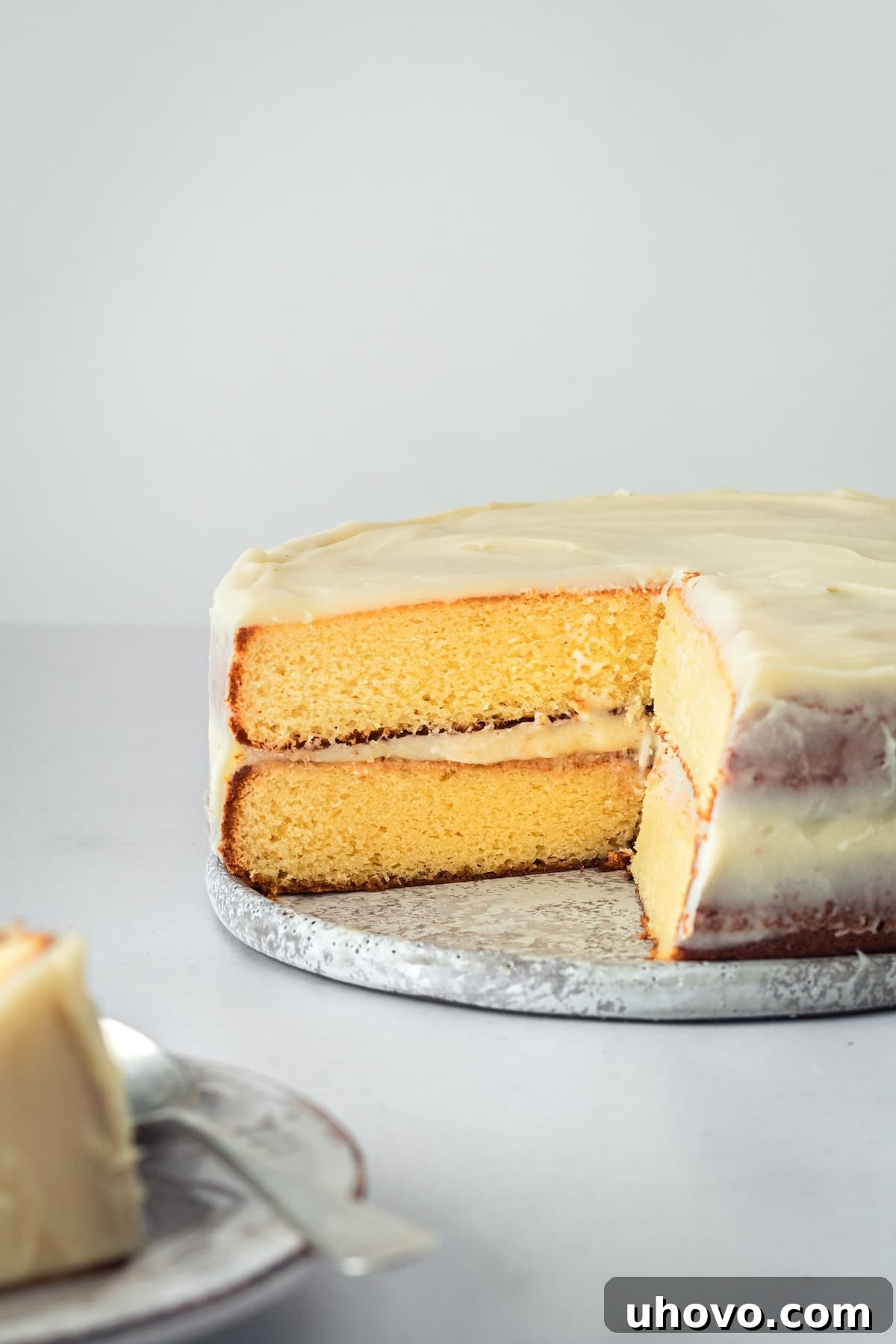
Welcome to a truly delightful baking experience! This **caramel cake recipe** transcends the traditional Southern classic by introducing a lusciously tangy cream cheese frosting. Fear not, purists; a decadent layer of rich, homemade caramel still holds its rightful place in the center, just as the original intended. This unique combination elevates a beloved dessert to an extraordinary indulgence, promising a taste sensation that balances sweetness with a subtle cream cheese tang.
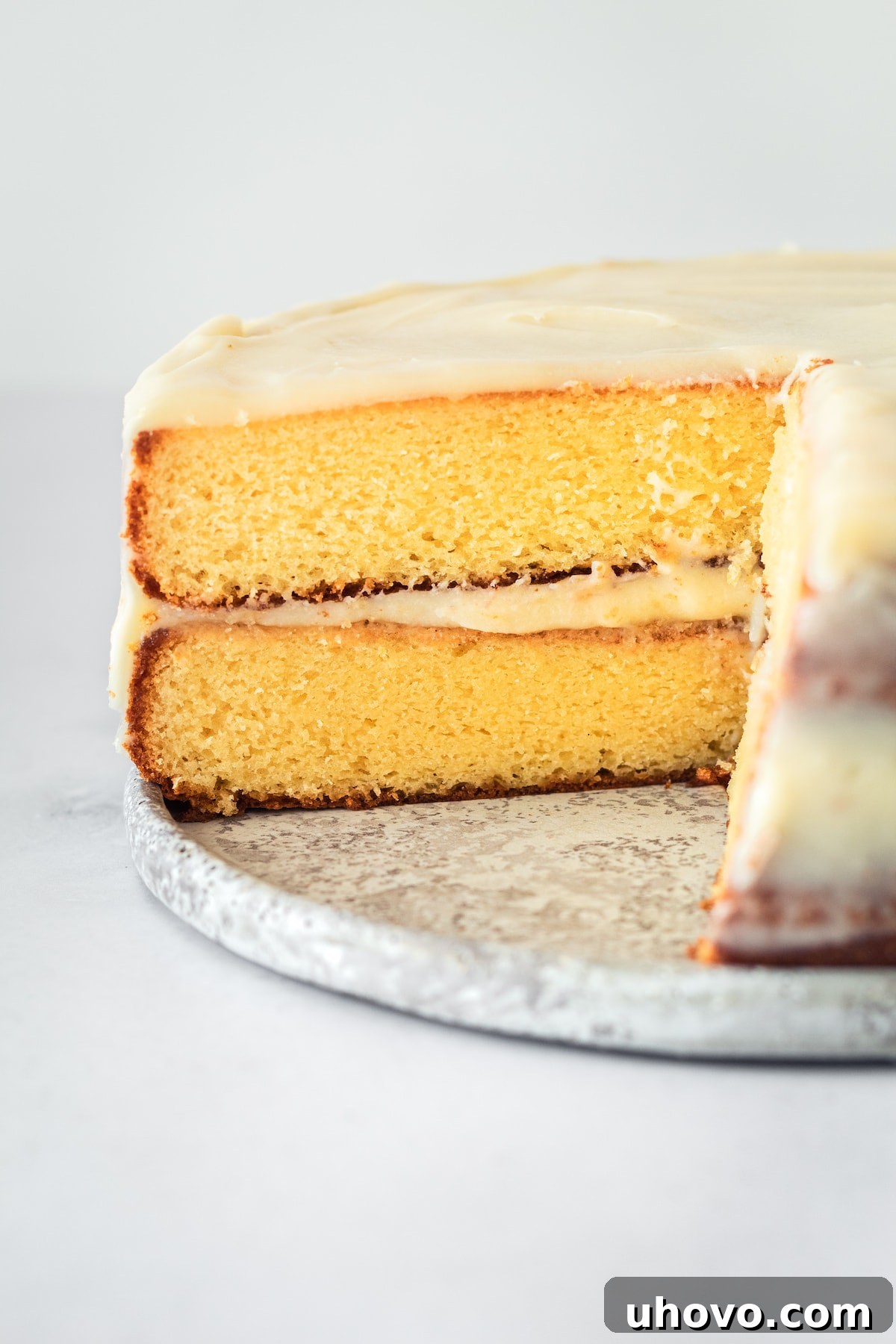
While I’ve always appreciated caramel, often finding it best in moderation, this particular caramel cake recipe completely transformed my perspective. I first baked it for a Christmas gathering, and to my delightful surprise—and the shock of my family!—it became the undeniable centerpiece and highlight of our holiday dessert table. This isn’t just a delicious cake; it’s an utterly beyond delicious masterpiece that will leave a lasting impression on anyone lucky enough to try a slice. Its complex layers of flavor and moist texture make it an instant favorite.
Why You’ll Adore This Caramel Cake
This isn’t just another cake recipe; it’s an invitation to create a dessert that will be remembered and requested for years to come. Here’s why this particular caramel cake is destined to become a staple in your baking repertoire:
- An Unforgettable Crowd-Pleaser: Picture this: a slice of incredibly soft, moist caramel cake, generously blanketed in a sweet yet perfectly balanced cream cheese frosting. It’s a dessert that speaks to the soul, universally adored, and guaranteed to bring smiles to any gathering. From casual family dinners to grand celebrations, this cake will be the star of the show, delighting guests of all ages with its irresistible charm.
- Rich, Yet Wonderfully Balanced: Traditional Southern caramel cakes often feature an intensely rich caramel icing that can sometimes overpower the delicate cake layers. Our version smartly introduces a creamy caramel cream cheese frosting. This brilliant twist significantly lightens the overall richness of the caramel flavor, creating a harmonious balance that is both indulgent and incredibly palatable. The tangy notes from the cream cheese cut through the sweetness, resulting in a divine flavor profile that keeps you coming back for more without feeling overwhelmed. It’s truly a masterclass in flavor equilibrium.
- Perfect for Any Celebration or Simply for Joy: Versatility is key when it comes to exceptional recipes. This caramel cake isn’t pigeonholed into just one type of event. It’s sophisticated enough for elegant birthdays, anniversaries, or holiday feasts like Christmas and Thanksgiving. Yet, it’s also comforting and approachable enough to bake “just because.” Whether you’re celebrating a milestone, bringing a dish to a potluck, or simply craving a homemade treat on a lazy Sunday afternoon, this recipe fits every occasion perfectly. It’s a testament to the joy of baking and sharing.
- Surprisingly Approachable for Home Bakers: Don’t let its impressive appearance intimidate you. While creating homemade caramel might sound daunting, our step-by-step instructions break down the process into manageable, achievable tasks. Even if you’re a novice baker, you’ll find this recipe surprisingly straightforward. The assembly process is intuitive, and the rustic charm of a homemade cake means you don’t need professional decorating skills to create something truly beautiful and delicious. It’s designed to empower you in the kitchen, making the journey as enjoyable as the final bite.
What You’ll Need for This Divine Dessert
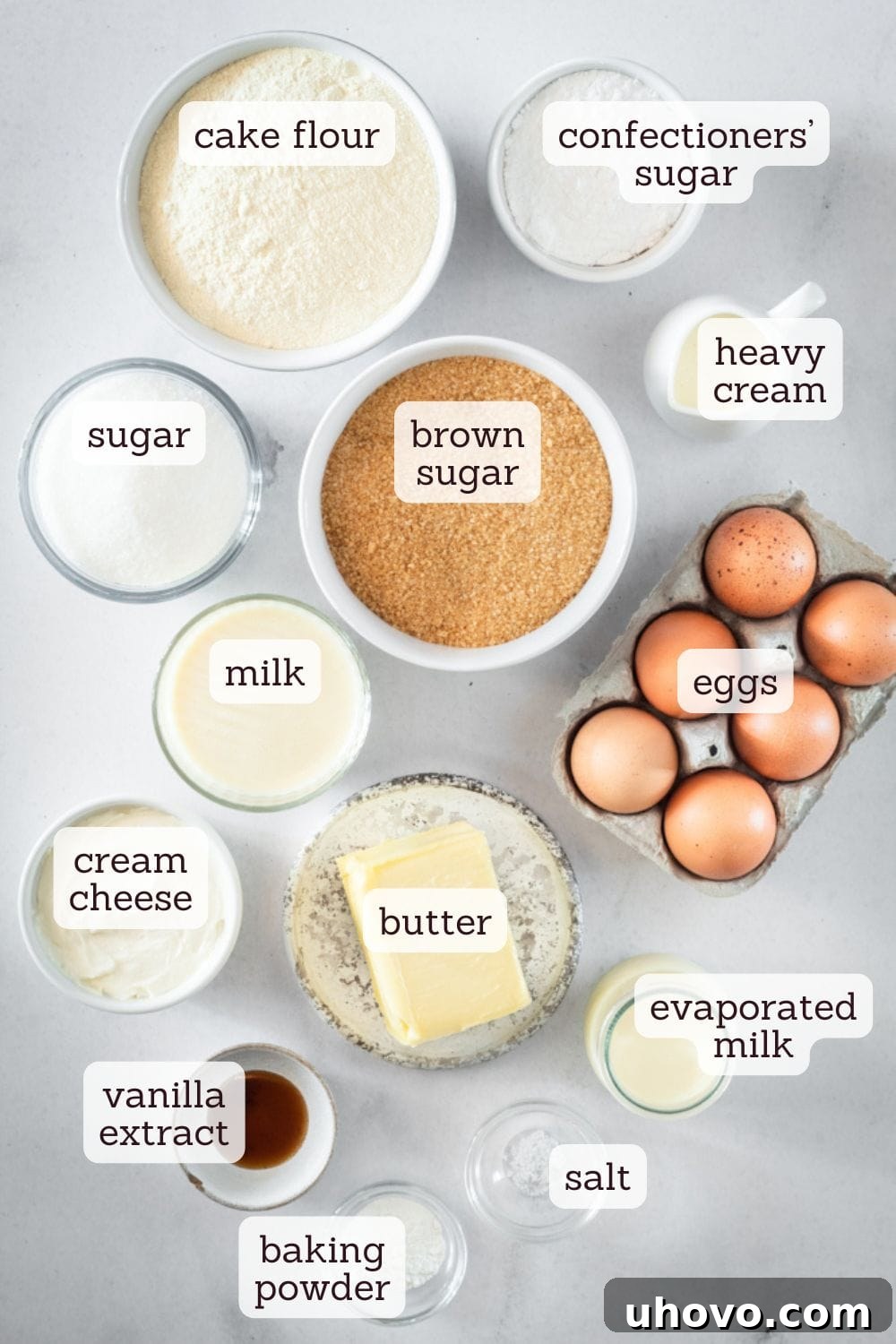
Creating this magnificent caramel cake requires a thoughtful selection of ingredients, many of which you likely already have in your pantry if you’re a regular baker. We’ll be focusing on fresh, quality components to ensure the best possible flavor and texture for each element of the cake. For precise quantities and a comprehensive guide to the baking process, please refer to the detailed recipe card provided below.
For the Cake Layers: Achieving Perfect Tenderness
The foundation of any great layer cake is its moist and tender crumb. Here’s what you’ll need to create the perfect caramel-infused cake layers:
- Cake Flour: This specialized flour is crucial for achieving a light, airy, and delicate cake texture. It has a lower protein content compared to all-purpose flour and often contains a small amount of cornstarch, which helps tenderize the crumb. For optimal results, measure your cake flour by weight using a digital kitchen scale. If a scale isn’t available, employ the “spoon and sweep” method: lightly spoon the flour into your measuring cup until it overflows, then level it off with a straight edge. Avoid scooping directly from the bag, as this can compact the flour and lead to a dense cake. Learn more about precise flour measurement techniques: How to Measure Flour.
- Baking Powder: Our primary leavening agent, baking powder ensures that your cake layers rise beautifully and evenly, contributing to that desirable fluffy texture. Always check the expiration date to ensure its potency.
- Salt: A small but mighty ingredient, salt doesn’t just add flavor; it enhances and balances the sweetness of the cake. I typically use regular table salt for baking, but if using a different type, adjust quantities accordingly. Learn more about the nuances of salt in baking: Types of Salt for Baking.
- Sugars (Granulated and Light Brown): We utilize a blend of granulated sugar for structure and sweetness, and light brown sugar for its molasses notes, which add depth and a subtle caramel undertone to the cake itself, complementing the overall caramel theme.
- Unsalted Butter: Room temperature unsalted butter is essential for proper creaming with the sugars, creating air pockets that contribute to the cake’s light texture. Remember to take your butter out of the refrigerator at least 30-60 minutes before you begin the recipe. Learn quick tips for softening butter: How to Soften Butter.
- Eggs: Large eggs, also at room temperature, are key for emulsifying properly with the butter and sugar, resulting in a smoother, more uniform batter and a lighter cake.
- Vanilla Extract: Pure vanilla extract provides a warm, aromatic foundation that beautifully complements the caramel flavors.
- Milk: I prefer whole milk for its richness, which contributes to a moister cake. However, any milk you have on hand (2% or even buttermilk) will work, though it may slightly alter the final texture.
For the Caramel Filling: The Heart of the Southern Classic
This luscious, rich caramel layer is what makes a Southern caramel cake truly iconic. Here’s what you’ll need to create this sweet, gooey center:
- Light Brown Sugar: The molasses in brown sugar is crucial for that classic caramel flavor and deep hue. Ensure it’s firmly packed when measuring.
- Evaporated Milk: This concentrated milk provides a creamy base for the caramel, contributing to its smooth texture and rich flavor. It is vital to note that evaporated milk is NOT the same as sweetened condensed milk. Double-check your labels to ensure you have the correct product.
- Unsalted Butter: Butter adds richness and helps create that melt-in-your-mouth caramel consistency.
For the Caramel Cream Cheese Frosting: A Tangy, Sweet Embrace
The innovative cream cheese frosting with a caramel swirl is the star of this recipe, offering a delightful counterpoint to the sweet cake. Prepare these ingredients for a truly sublime topping:
- Light Brown Sugar: Again, light brown sugar is used to create a mini-caramel sauce that will be folded into the cream cheese frosting, imparting that signature caramel warmth.
- Unsalted Butter: Divided into two portions, butter is used both in the caramel component of the frosting and in the main cream cheese base, contributing to its smooth and rich texture.
- Heavy Whipping Cream: Essential for achieving a luxurious, silky-smooth consistency in your caramel component, either heavy whipping cream or heavy cream will work perfectly.
- Cream Cheese: The defining ingredient for that wonderful tang! Allow your cream cheese to soften to room temperature while the cake bakes. This ensures a lump-free, perfectly smooth frosting.
- Vanilla Extract: Enhances the sweet and tangy notes of the frosting.
- Salt: Just a pinch or two is needed to balance the sweetness and elevate the flavors in the frosting.
- Confectioners’ Sugar: This finely powdered sugar provides sweetness and structure to the frosting. Make sure to sift it thoroughly before adding to prevent any unwanted lumps and ensure an irresistibly smooth icing.
Crafting Your Masterpiece: How to Make Caramel Cake With Cream Cheese Frosting
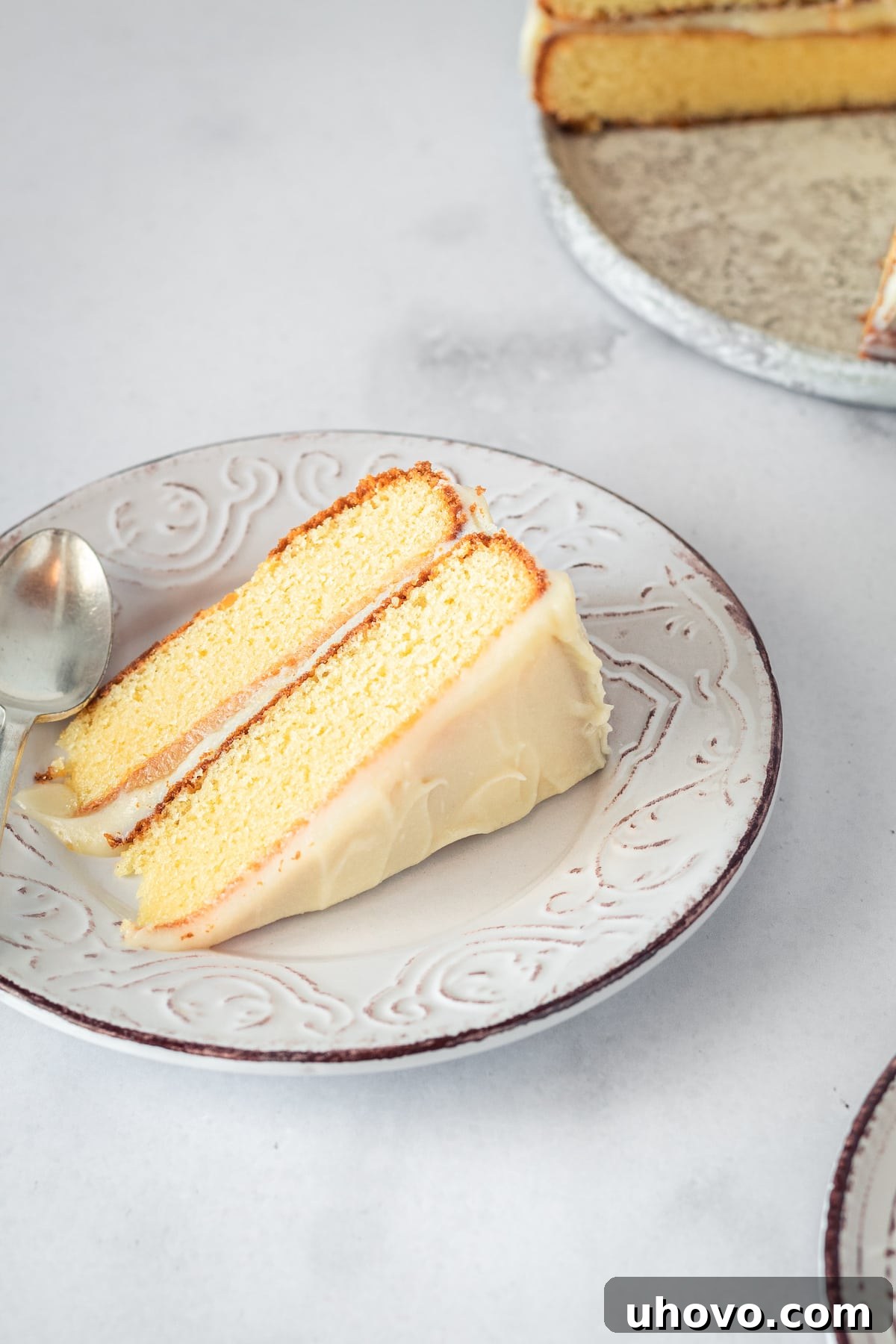
If the thought of decorating a cake often deters you from baking your own, you’re in for a pleasant surprise! This caramel cake embraces a charmingly minimalist aesthetic, making the assembly process an absolute breeze. The beauty of homemade cakes lies in their rustic elegance, so don’t stress about perfection; focus on the joy of creating something truly delicious.
Baking the Perfect Caramel Cake Layers:
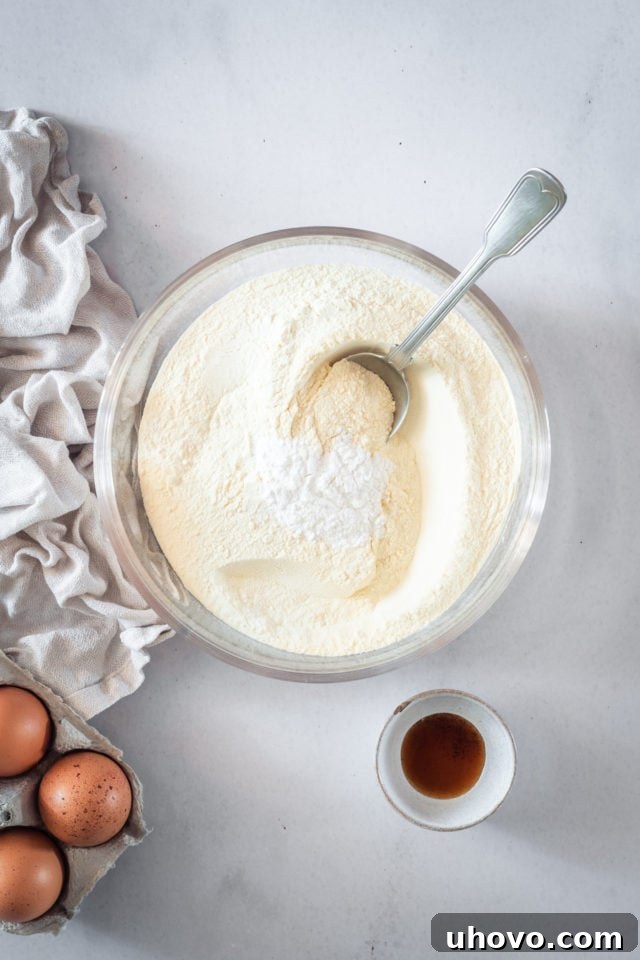
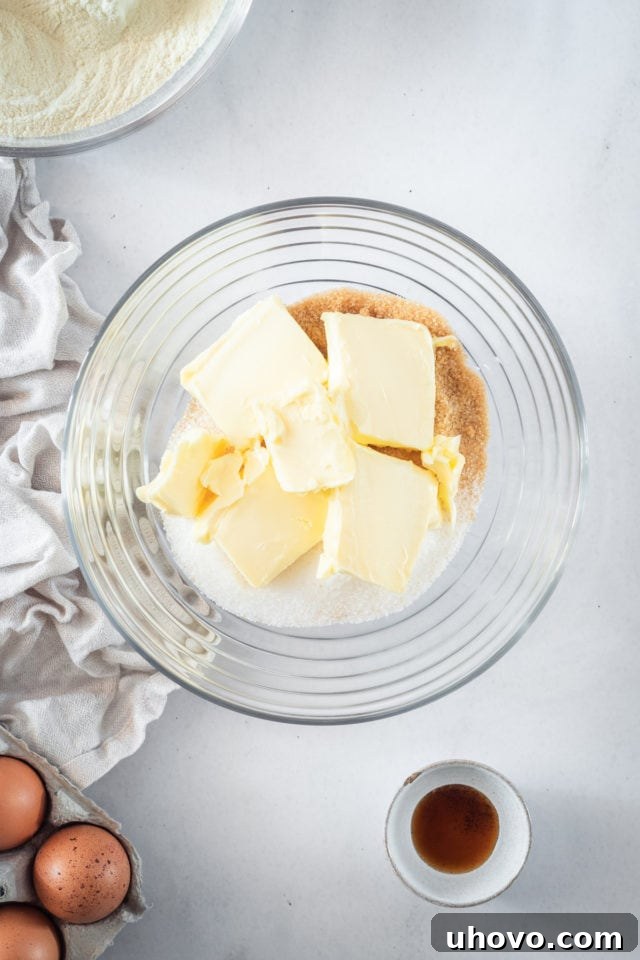
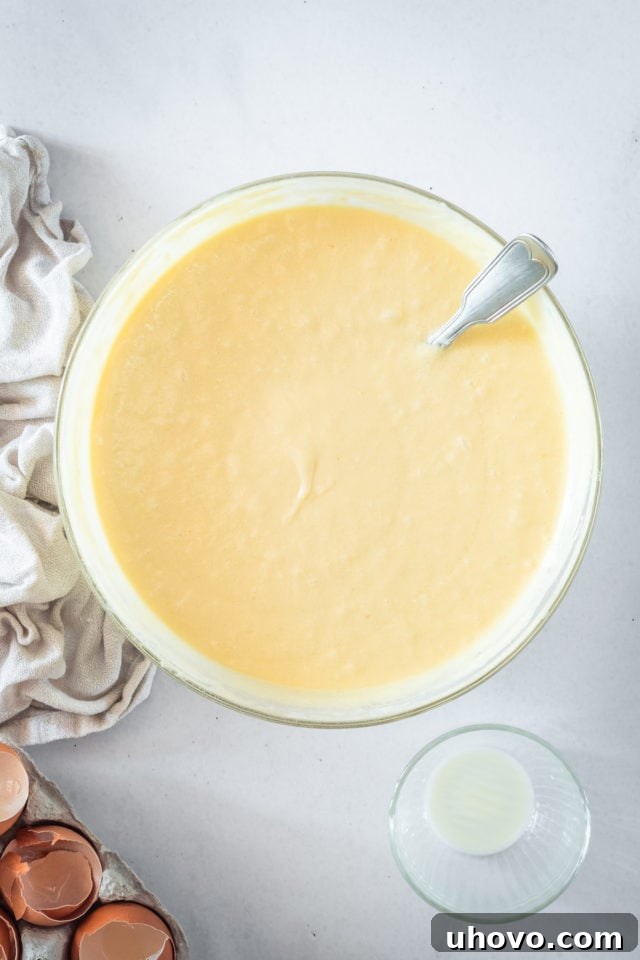
- Prepare Your Workspace: Begin by preheating your oven to 350°F (175°C). Next, take two 9-inch round cake pans and grease them thoroughly. For easy release and perfect cake layers, line the bottoms of the greased pans with parchment paper circles, then grease the parchment paper as well. This simple step is a baker’s secret for flawless cakes.
- Combine the Dry Ingredients: In a medium mixing bowl, whisk together the sifted cake flour, baking powder, and salt. Whisking ensures these ingredients are evenly distributed, which is crucial for uniform leavening throughout your cake. Set this mixture aside.
- Mix the Wet Ingredients: Using an electric mixer (stand mixer or hand-held) on medium speed, cream together the granulated sugar, light brown sugar, and softened unsalted butter until the mixture is light, fluffy, and pale in color. This typically takes about 5 minutes. Scrape down the sides of the bowl as needed to ensure everything is well combined. Then, add the large eggs one at a time, beating well after each addition until fully incorporated. Finally, mix in the vanilla extract until just combined.
- Integrate Dry and Wet Components: Reduce your mixer speed to low. Gradually add the prepared flour mixture to the wet ingredients in three separate portions, alternating with two portions of the milk. Begin and end with the flour mixture. Mix only until the ingredients are just combined and no streaks of dry flour remain. Be careful not to overmix, as this can develop the gluten in the flour and result in a tough cake.
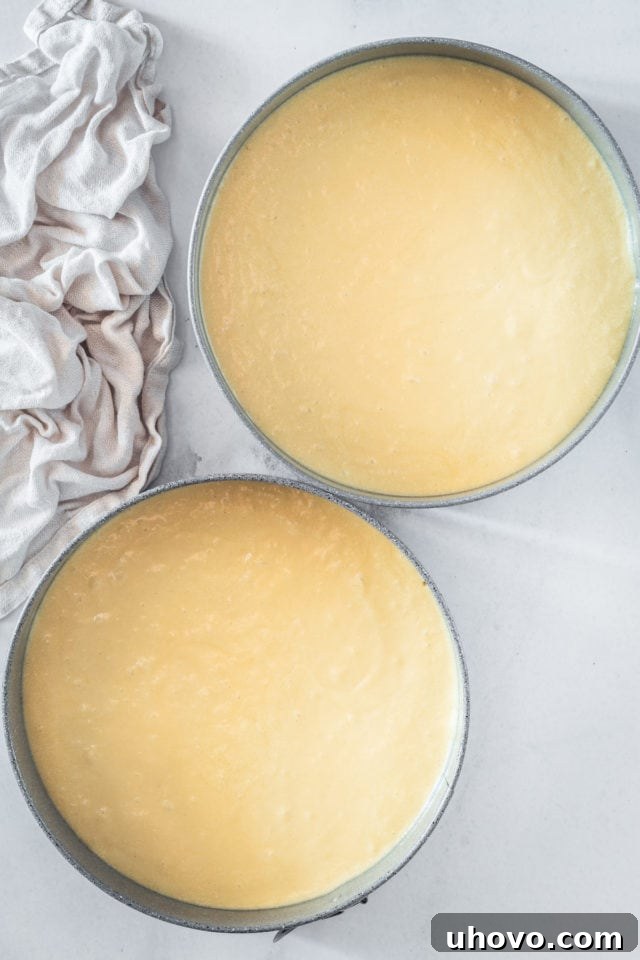
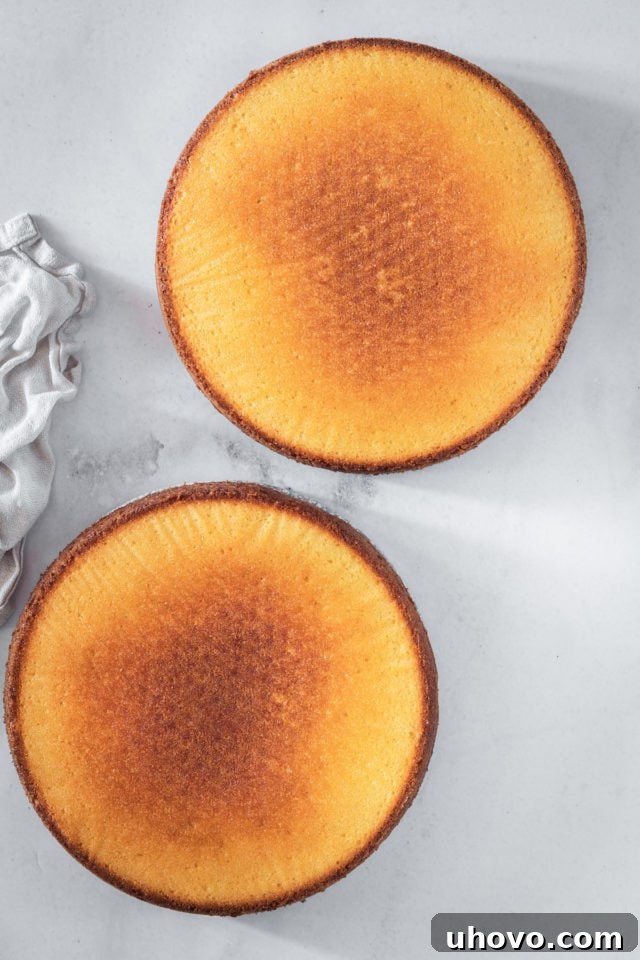
- Bake to Perfection: Divide the cake batter evenly between your two prepared cake pans. Gently tap the pans on your counter a few times to release any trapped air bubbles, which helps create an even crumb. Bake for approximately 35 minutes, or until a wooden skewer or toothpick inserted into the centers of the cakes comes out clean. The cakes should be golden brown and spring back lightly when touched.
- Cooling the Layers: Once baked, remove the cake pans from the oven and transfer them to a wire rack. Allow the cakes to cool in their pans for about 10 minutes. This crucial resting period helps the cakes firm up, making them less prone to crumbling when handled. After 10 minutes, carefully invert the cakes onto the wire racks to cool completely. Ensure they are entirely cool before proceeding with the caramel and frosting, as warm cake will melt your fillings. Once cooled, place one of the cake layers onto your chosen cake plate or serving stand.
Crafting the Rich Caramel Filling:
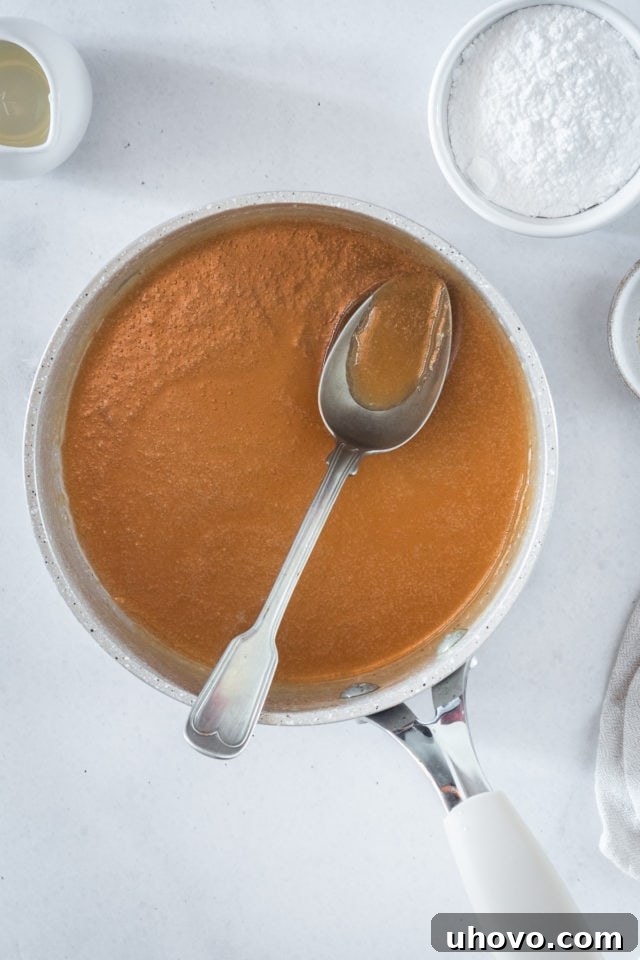
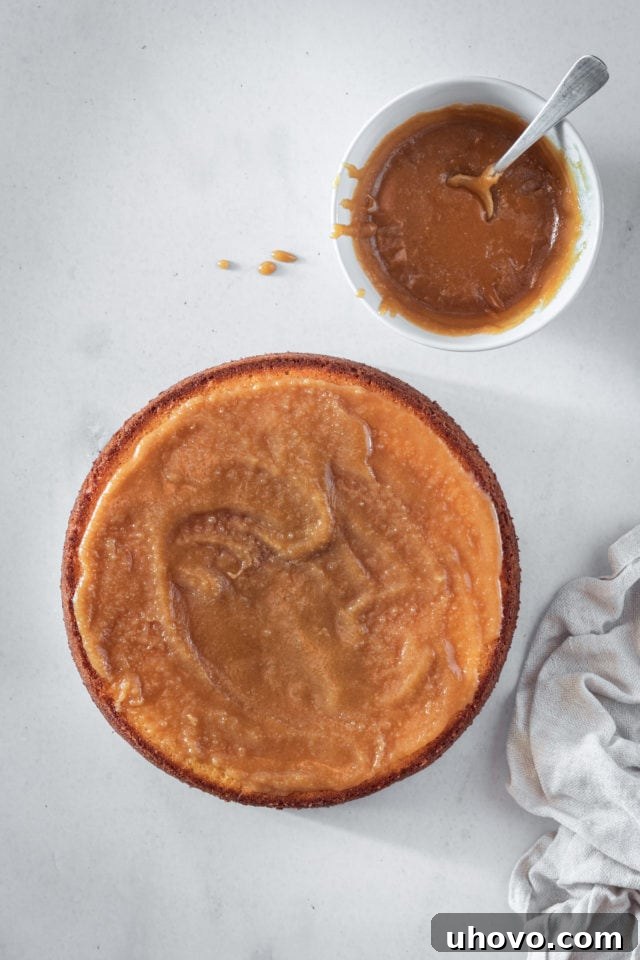
- Prepare the Caramel: In a heavy-bottomed saucepan, combine the light brown sugar, evaporated milk, and unsalted butter. Place the saucepan over medium heat, stirring gently until the sugar has completely dissolved. Once the sugar is dissolved, stop stirring. Continue to cook the caramel mixture without agitation until a candy thermometer inserted into the mixture registers precisely 238°F (114°C), which is the soft-ball stage. Achieving this temperature is critical for the caramel’s texture.
- Set the Caramel Filling: Once the caramel reaches the target temperature, immediately remove it from the heat and carefully transfer it to a heat-proof bowl. Using an electric mixer, beat the caramel vigorously for about 3 minutes. This beating process helps it cool slightly and thicken to a spreadable consistency. Promptly spread this warm caramel mixture evenly over the top of the cake layer you’ve placed on your cake plate. Loosely cover the cake with plastic wrap and refrigerate for approximately 15 minutes, or until the caramel filling has set and is firm enough to support the next layer.
Preparing the Tangy Caramel Cream Cheese Frosting:
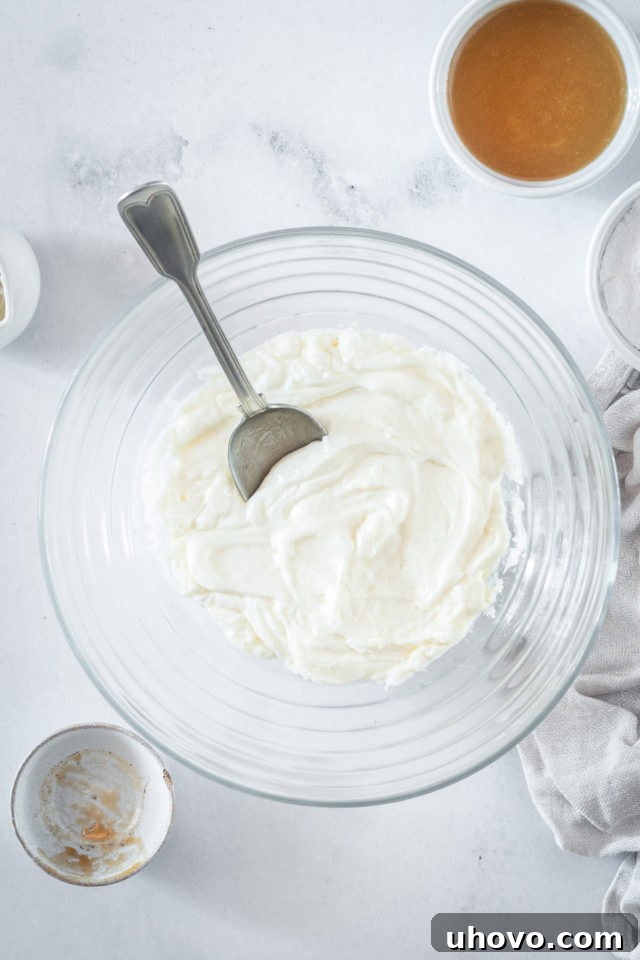
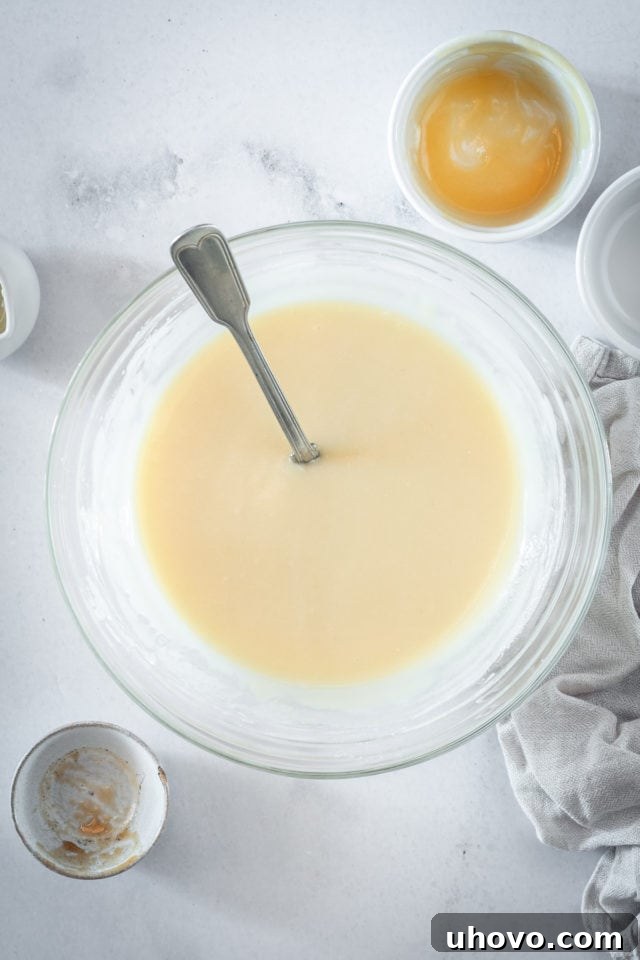
- Create the Caramel for the Frosting: In the same heavy saucepan you used for the caramel filling (no need to wash it!), combine the ¼ cup of light brown sugar and 4 tablespoons of unsalted butter. Cook this mixture over medium heat, stirring occasionally, until the brown sugar has fully dissolved and the mixture is bubbly. Bring the pan to a boil, then immediately whisk in the heavy whipping cream until well combined. Transfer this caramel mixture to a heat-resistant bowl and allow it to cool to room temperature, stirring occasionally to prevent a skin from forming. It’s crucial that this caramel is cool before adding it to the cream cheese.
- Finalize the Frosting: In a large mixing bowl, use an electric mixer on medium-high speed to beat the remaining 6 tablespoons of softened unsalted butter and the room temperature cream cheese until the mixture is light, fluffy, and completely smooth. This should take a few minutes. Beat in the vanilla extract and the salt. With the mixer still running on low speed, slowly drizzle in the cooled caramel mixture, beating until it is fully incorporated and the frosting is smooth. Gradually add the confectioners’ sugar, a little at a time, beating until there are no lumps and the frosting is thick and spreadable. If the frosting seems too soft, chill it in the refrigerator for 15-30 minutes, stirring occasionally, until it reaches the desired consistency.
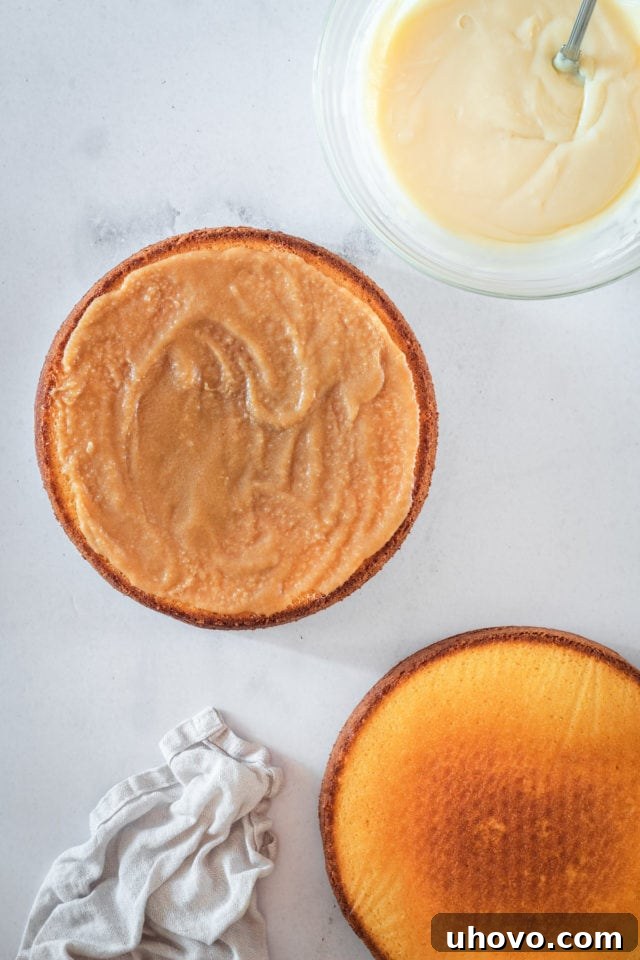
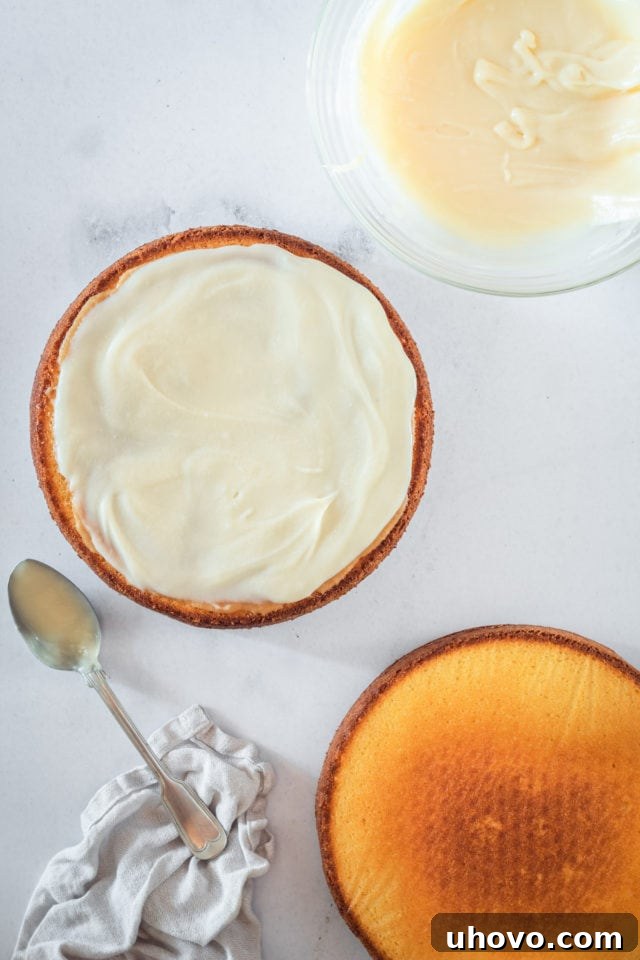
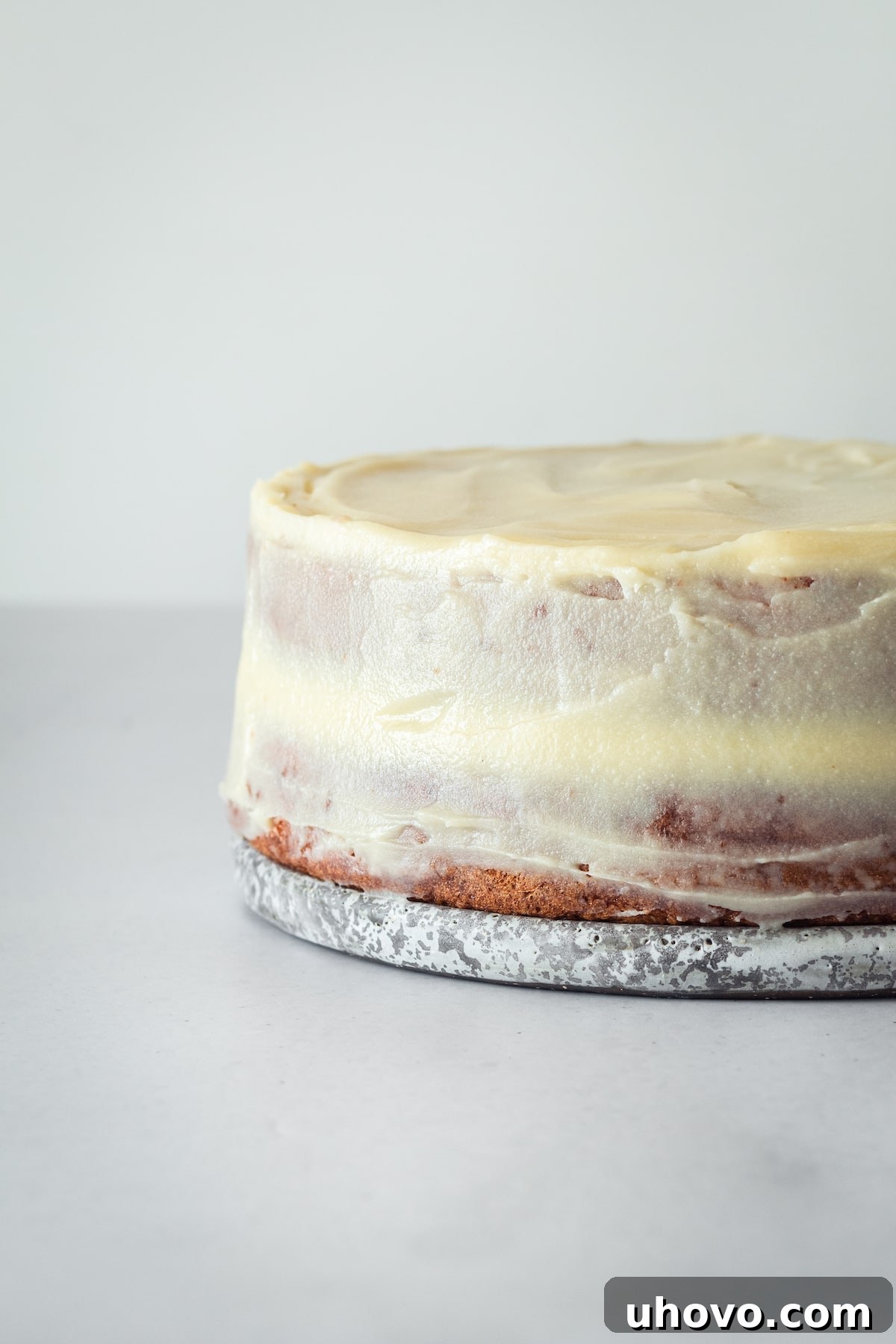
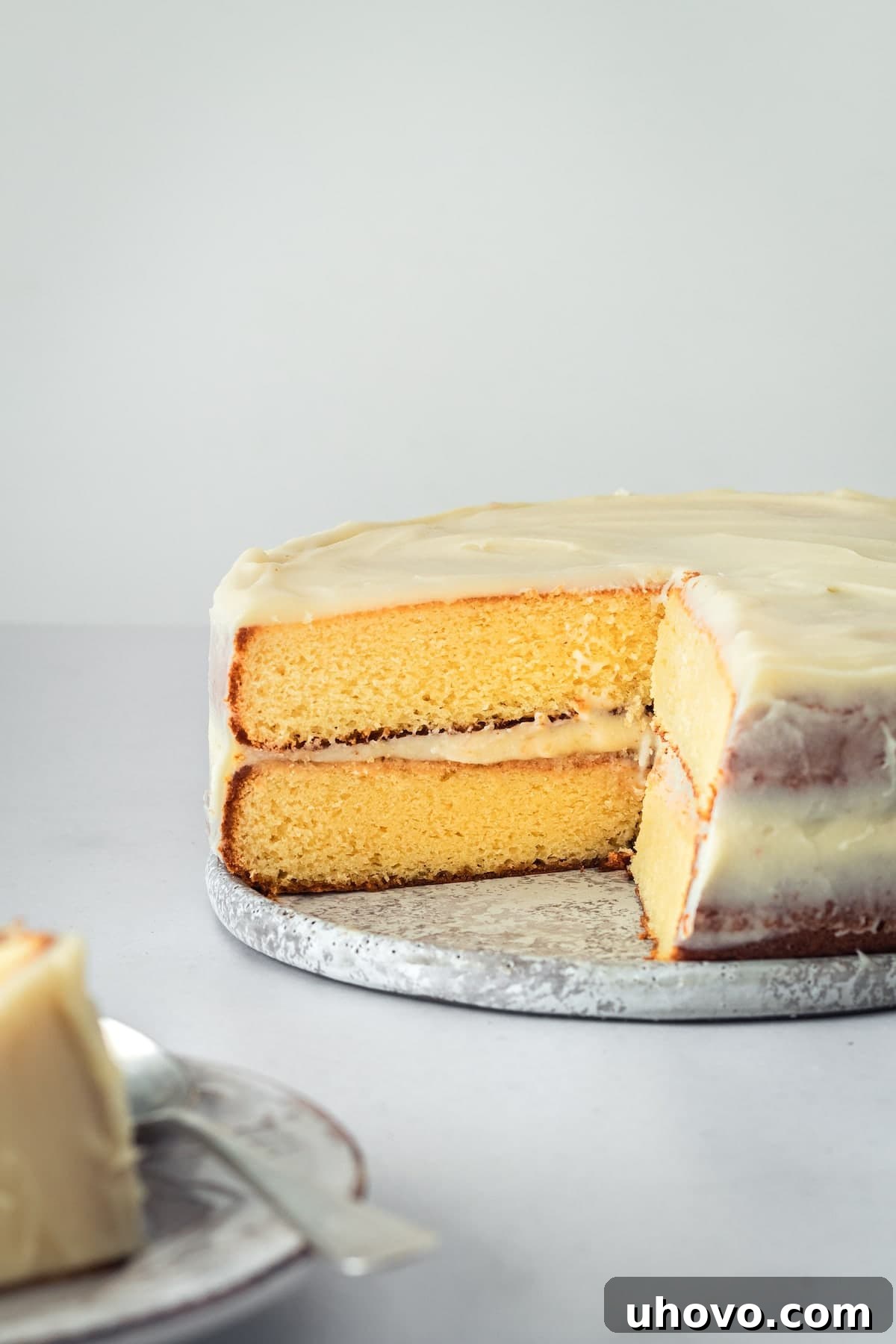
- Assemble Your Cake: Once your caramel filling is set, gently spread a thin, even layer of the caramel cream cheese frosting directly over the caramel. This acts as a delicious adhesive and provides a smooth surface for the next cake layer. Carefully place the second cake layer on top. Now, proceed to generously frost the top and sides of the entire cake with the remaining caramel cream cheese frosting. Don’t worry about making it perfectly smooth; a rustic, homemade look is part of its charm!
- Chill and Serve: For the best results and to allow the flavors to meld beautifully, chill the assembled cake in the refrigerator until the frosting has fully set, usually about 20-30 minutes. Once set, you can loosely cover the cake with plastic wrap or place it in an airtight cake carrier and return it to the refrigerator for at least 4 hours, or preferably overnight. This chilling period is crucial for the cake’s structure and for the flavors to fully develop. When you’re ready to serve, take the cake out of the refrigerator and let it sit at room temperature for about 10-15 minutes. This allows the frosting and cake to soften slightly, ensuring a perfect texture for slicing and enjoying.
Essential Tips for Baking Success
Achieving a truly spectacular caramel cake is within reach with these expert tips and tricks:
- Embrace a Candy Thermometer: When making caramel, precision is paramount. If you’re new to caramel making, or even if you’re experienced, a reliable candy thermometer is your best friend. It eliminates guesswork and ensures your caramel reaches the exact temperature needed for the perfect consistency – not too thin, not too hard. This is the key to a wonderfully gooey filling.
- Maintain Vigilance While Cooking Caramel: Caramel can be notoriously fickle. It transitions rapidly from a beautiful golden brown to an acrid, burnt mess in a matter of seconds. Therefore, resist the urge to multitask when you have caramel on the stovetop. Give it your undivided attention. There is no salvaging burnt caramel, so stay close and watch for that precise temperature.
- Level Your Cake Layers for a Professional Look: If your cake layers bake with a slight dome in the middle, don’t fret! You can easily level them using a long, serrated knife. Gently trim off the domed top to create a perfectly flat surface. This simple technique ensures your cake layers stack neatly and create a beautiful, even appearance once frosted.
- Room Temperature Ingredients are Non-Negotiable: For both the cake and the frosting, ensure your butter, eggs, and cream cheese are at room temperature. This allows them to emulsify properly, creating a smoother batter, a lighter cake crumb, and a lump-free, silky frosting. Plan ahead by taking them out of the refrigerator 30-60 minutes before you start baking.
- Avoid Overmixing the Cake Batter: Once you begin adding the flour to your wet ingredients, mix only until the flour is just incorporated. Overmixing develops the gluten in the flour, leading to a tough, dense cake. A few small lumps are better than an overmixed batter.
- Properly Prepare Your Cake Pans: Don’t skip the greasing and parchment paper step. This ensures your delicate cake layers release cleanly from the pans without sticking or tearing, preserving their perfect shape.
- Chill Thoroughly for Best Results: While it’s tempting to dig in immediately, chilling the cake after assembly is crucial. It allows the caramel filling to fully set and the frosting to firm up, making for cleaner slices and an enhanced flavor profile as the components meld.
Elevating Your Caramel Cake Experience: Serving Suggestions
While this caramel cake is undoubtedly magnificent on its own, a few thoughtful additions can transform it into an even more memorable dessert. Here are some elegant serving suggestions to consider:
- A Drizzle of Extra Caramel: For true caramel aficionados, consider making a small extra batch of simple caramel sauce to drizzle artfully over each slice just before serving. This adds an extra layer of visual appeal and intensifies the already rich caramel flavor.
- Toasted Nuts for Texture: Although a classic Southern caramel cake traditionally shuns elaborate garnishes, adding some chopped toasted nuts can introduce a delightful textural contrast without compromising the core caramel flavor profile. Pecans or walnuts, lightly toasted to bring out their nutty essence, would be a superb choice, reminiscent of the textural elements found in my Hummingbird Cake. Sprinkle them on top or around the base of the cake for an extra flourish.
- A Scoop of Vanilla Bean Ice Cream: A warm slice of caramel cake paired with a cold scoop of premium vanilla bean ice cream creates a delightful hot-and-cold sensation. The simple vanilla flavor complements the complex caramel beautifully, and the melting ice cream adds an extra layer of creamy decadence.
- Spiced Apple Compote: For a seasonal touch, a side of warm Spiced Apple Compote would be an absolutely excellent accompaniment. The tartness and warm spices of the apples provide a wonderful counterpoint to the rich sweetness of the caramel cake, creating a sophisticated dessert pairing, especially perfect for fall or winter celebrations.
- A Hot Beverage Pairing: Serve slices alongside a freshly brewed cup of coffee, a robust espresso, or a comforting mug of spiced chai tea. The slight bitterness of coffee or the warmth of tea can wonderfully cut through the sweetness of the cake, cleansing the palate and enhancing the overall enjoyment.
Preserving Your Delicious Creation: Storage Guide
To ensure your homemade caramel cake stays as fresh and delightful as the day it was baked, proper storage is key. Given the cream cheese frosting, refrigeration is essential:
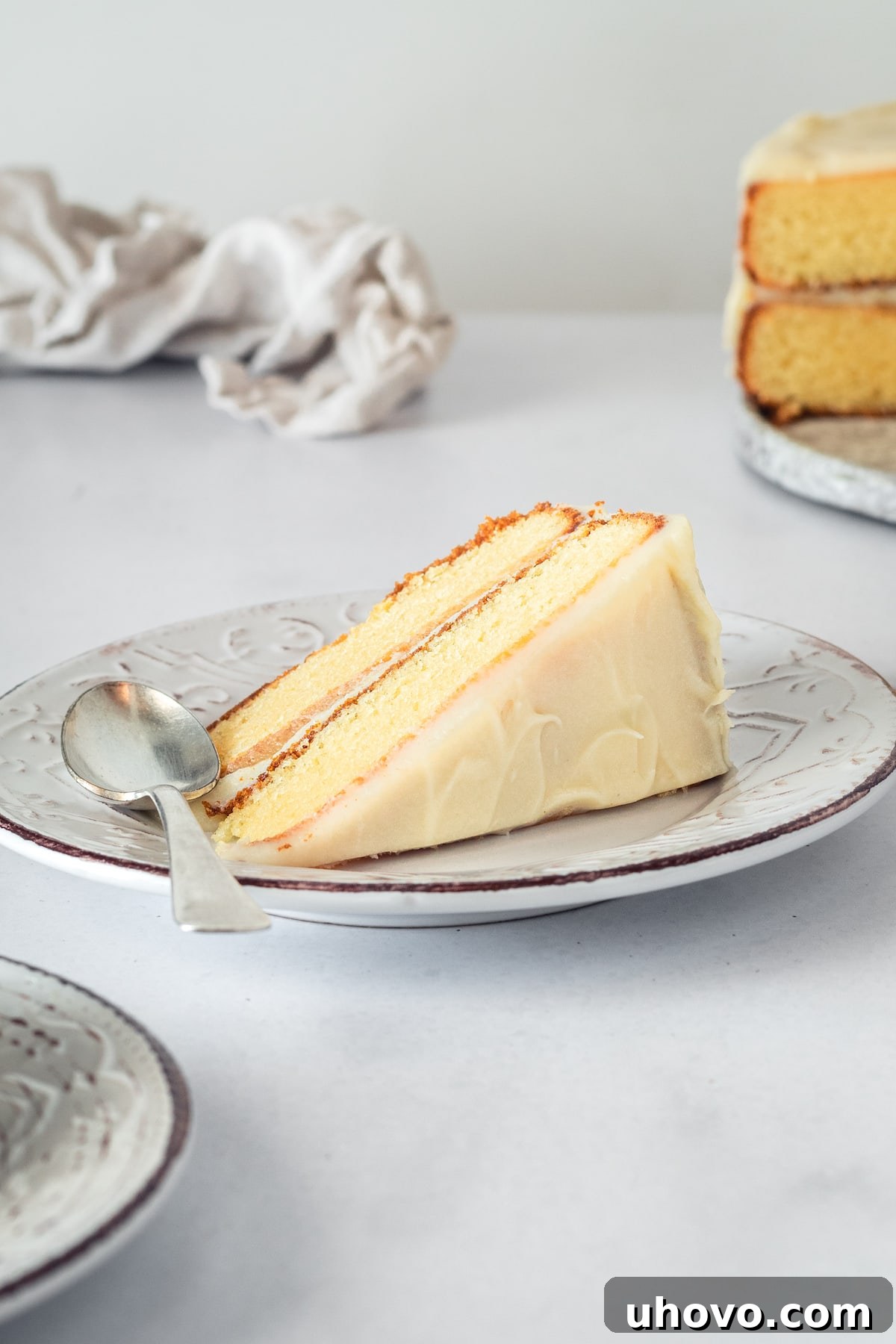
- Refrigerator Storage: Any leftover cake should be stored in the refrigerator. To maintain its freshness and prevent it from drying out or absorbing other odors, wrap the cake tightly in plastic wrap, ensuring all exposed surfaces are covered. Alternatively, place it in an airtight cake container. When stored correctly, your caramel cake with cream cheese frosting will remain wonderfully fresh in the fridge for up to 4 days. For the best flavor and texture experience, allow individual slices to sit at room temperature for about 10-15 minutes before serving. This softens the cake and frosting to their ideal consistency.
- Freezer Storage for Longer Enjoyment: This cake freezes beautifully, allowing you to enjoy its deliciousness much later. To freeze, first place the entire cake (or individual slices) in the freezer uncovered for 30-60 minutes, or until the frosting is completely firm. This prevents the frosting from sticking to the wrapping. Once firm, remove the cake and wrap it tightly in two layers of plastic wrap, followed by a final layer of aluminum foil. This triple wrapping provides excellent protection against freezer burn. Return the well-wrapped cake to the freezer and consume it within 2 months for optimal quality. When you’re ready to indulge, transfer the frozen cake to the refrigerator and let it thaw overnight. Once thawed, allow it to come to room temperature for 10-15 minutes before slicing and serving, as you would with a freshly refrigerated cake.
Explore More Decadent Layer Cake Recipes
Caramel Cake with Cream Cheese Frosting
10
servings
45
minutes
1
hour
1
hour
45
minutes
Pin Recipe
Leave a Review
Ingredients
For the cake:
-
3 ½
cups
(420 g)
sifted cake flour -
2
teaspoons
baking powder -
¼
teaspoon
salt -
1 ¾
cups
(350 g)
granulated sugar -
¼
cup
(50 g)
light brown sugar -
1
cup
(226 g)
unsalted butter,
softened -
6
large
eggs -
1
teaspoon
vanilla extract -
1
cup
(240 ml)
milk
For the caramel:
-
1 ½
cups
(300 g)
firmly packed light brown sugar -
½
cup
(120 ml)
evaporated milk -
¼
cup
(56 g)
unsalted butter
For the frosting:
-
¼
cup
(50 g)
firmly packed light brown sugar -
10
tablespoons
(141 g)
unsalted butter,
divided -
⅓
cup
(80 ml)
heavy whipping cream -
8
ounces
(226 g)
cream cheese,
softened -
½
teaspoon
vanilla extract -
1-2
pinches
salt -
1 ¾
cups
(192 g)
confectioners’ sugar
Recommended Products
-
USA Pan Bakeware Round Cake Pan, 9 inch
-
Le Creuset Enameled Cast-Iron Saucepan, 2 1/4 Quart
-
OXO Good Grips Glass Candy Thermometer
-
Offset Spatula
Instructions
To make the cake:
-
Preheat oven to 350°F (175°C). Grease 2 9-inch round cake pans. Line with parchment paper, and grease the paper as well.
-
Whisk together the sifted cake flour, baking powder, and salt. Set aside.
-
Using an electric mixer on medium speed, beat the granulated sugar, brown sugar, and softened butter until light and fluffy (about 5 minutes). Add the eggs, 1 at a time, beating well after each addition. Mix in the vanilla extract.
-
Reduce mixer speed to low. Add the flour mixture in three portions, alternating with two portions of the milk. Mix only until just combined and no dry streaks remain.
-
Divide the batter evenly between the prepared pans. Tap the pans gently on the counter to remove any air bubbles. Bake for 35 minutes, or until a toothpick inserted into the center comes out clean. Cool in the pans on a wire rack for 10 minutes. Remove from the pans and cool completely on wire racks.
-
Place one cooled cake layer on your chosen cake plate or serving stand.
To make the caramel filling:
-
Combine the brown sugar, evaporated milk, and unsalted butter in a heavy saucepan. Cook over medium heat, stirring until the sugar has dissolved. Stop stirring and cook until a candy thermometer reads 238°F (114°C). Transfer to a heat-resistant bowl. Beat with an electric mixer for 3 minutes or until thick enough to spread.
-
Immediately spread the warm caramel over the cake layer on the cake plate. Cover loosely with plastic wrap. Refrigerate until set (about 15 minutes).
To make the frosting:
-
Place the ¼ cup brown sugar and 4 tablespoons (56g) butter in a heavy saucepan. Cook and stir over medium heat until sugar has dissolved. Bring to a boil. Whisk in the heavy whipping cream and mix well. Transfer to a heat-resistant bowl to allow the caramel to cool to room temperature, stirring occasionally.
-
Using an electric mixer, beat 6 tablespoons (85g) butter and softened cream cheese on medium-high speed until smooth and fluffy. Mix in the vanilla extract and salt.
-
While the mixer is still running on low speed, slowly add the cooled caramel mixture and beat until smooth and fully incorporated. Gradually add the confectioners’ sugar, and beat until well combined and lump-free. Chill the frosting for 15-30 minutes, stirring occasionally, until thickened to a spreadable consistency.
To assemble the cake:
-
Spread a thin layer of the caramel cream cheese frosting over the set caramel filling. Carefully place the second cake layer on top. Frost the top and sides of the entire cake with the remaining frosting.
-
Chill the cake in the refrigerator until the frosting has set (about 20-30 minutes). Once set, cover the cake loosely or place in an airtight container and chill for at least 4 hours, or preferably overnight, to allow flavors to meld. Let stand at room temperature for about 10-15 minutes before serving for the best texture.
Notes
- Recipe adapted from Southern Living.
- To store: Store any leftover cake tightly wrapped in plastic wrap or in an airtight container in the refrigerator for up to 4 days. Allow to sit at room temperature for about 10 minutes before enjoying.
- To freeze: Place the cake (whole or sliced) in the freezer uncovered until the frosting is firm. Then, wrap it tightly in two layers of plastic wrap, followed by a layer of foil. Freeze for up to 2 months. Thaw overnight in the refrigerator before serving, then bring to room temperature for 10-15 minutes.
Jennifer McHenry
layer cakes
American
Show off your baking masterpiece!
Snap a pic, tag @bakeorbreak, and use #bakeorbreak on Instagram. Can’t wait to see your creation!