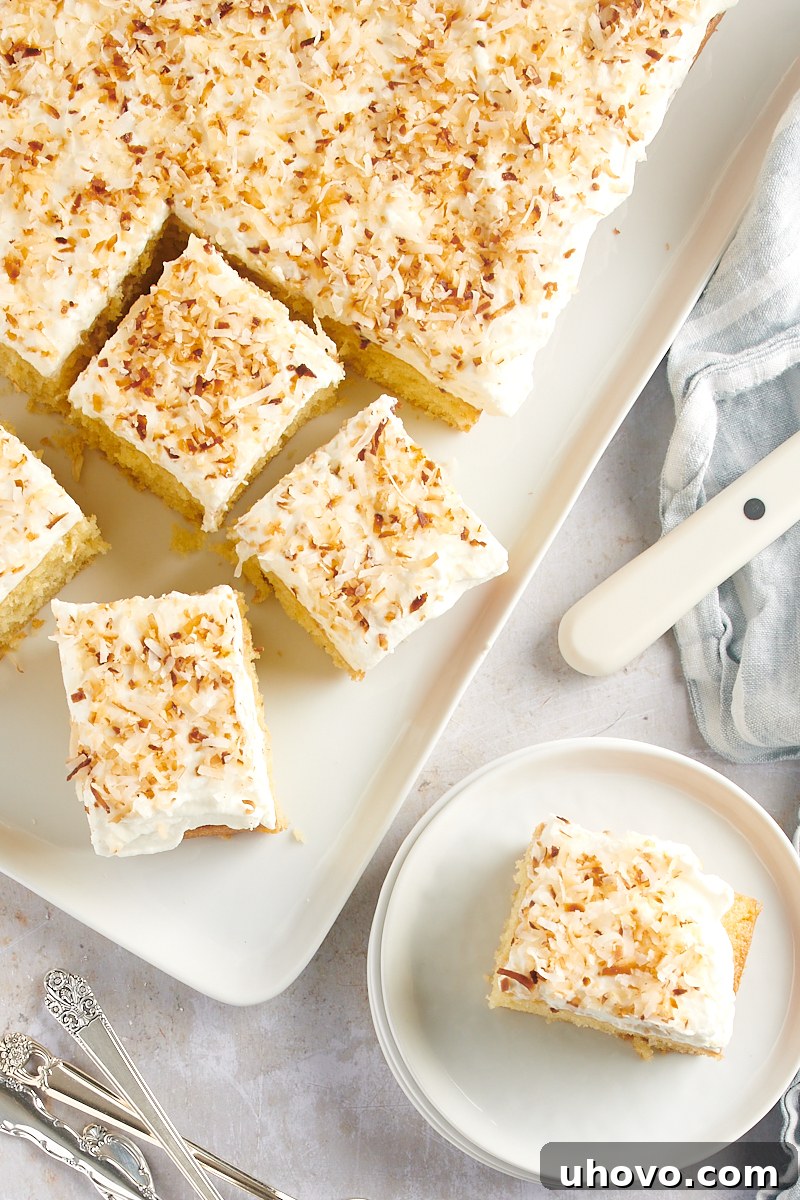
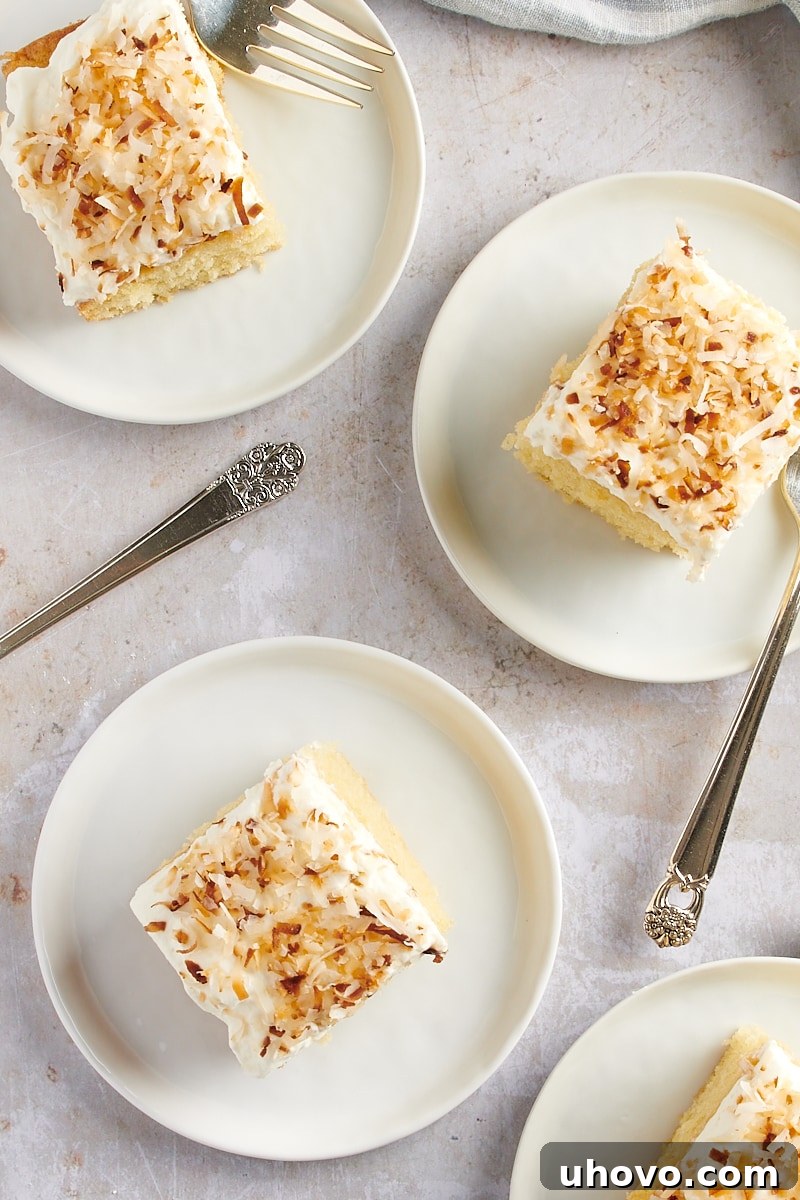
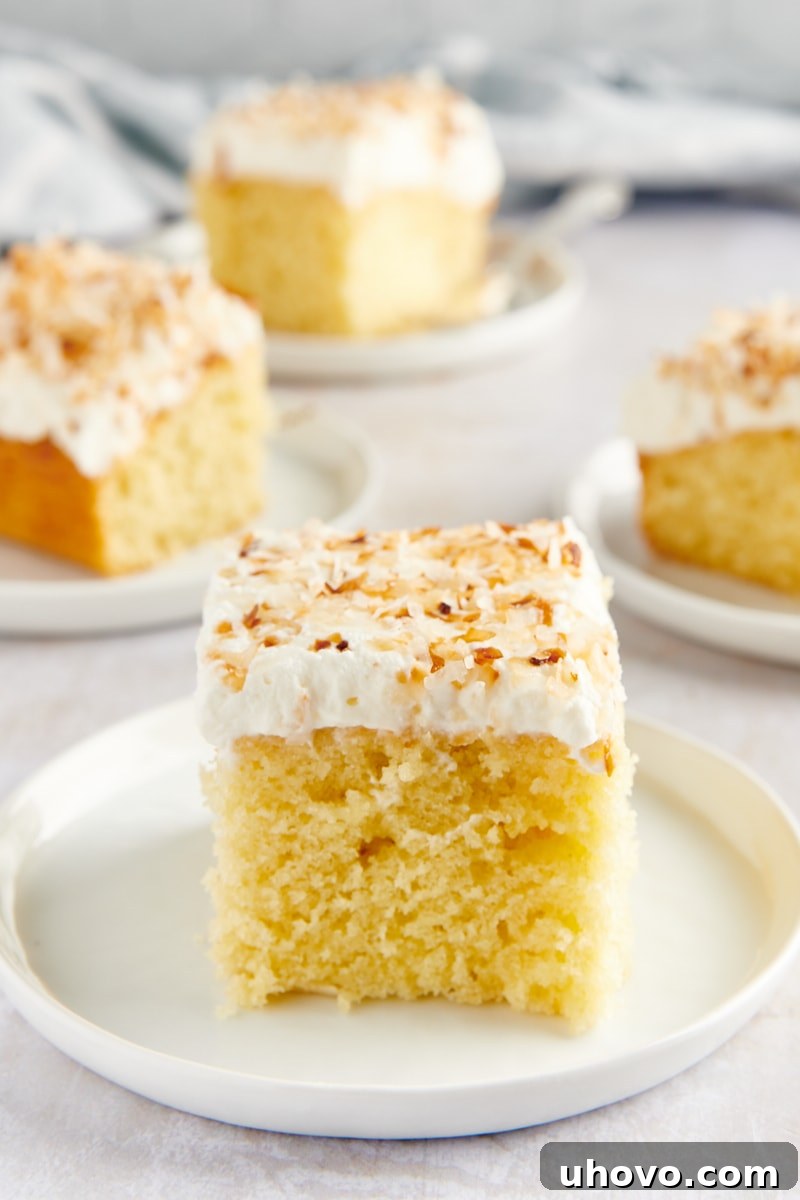
Delight in the exquisite simplicity of this Easy Coconut Sheet Cake, a timeless dessert that promises a delicate coconut essence in every bite. From the moist, tender cake itself to the luscious, whipped frosting, coconut is the star, culminating in a beautiful finish topped with perfectly toasted coconut flakes. This recipe embodies the comfort of home baking with an effortless elegance, perfect for any occasion.
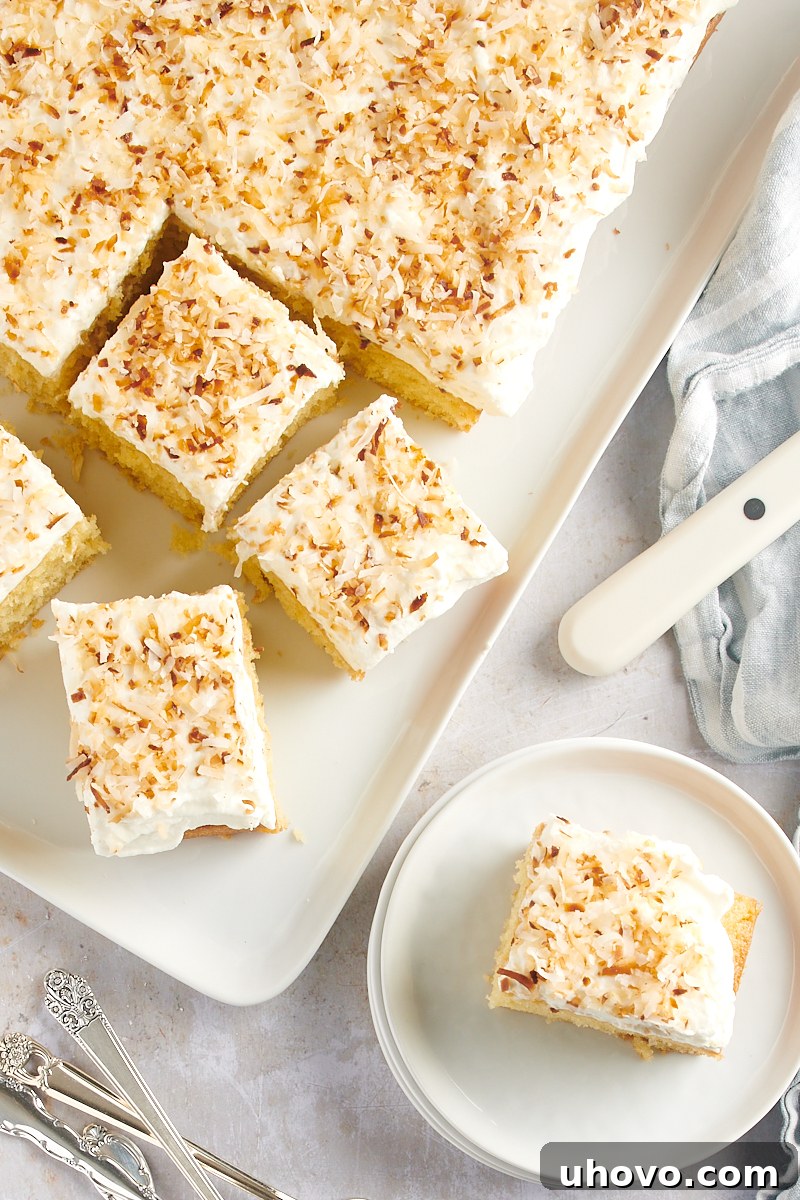
Classic Easy Coconut Sheet Cake Recipe: A Beloved Single-Layer Delight
There’s a certain magic in baking a cake that evokes cherished memories, and for me, it’s the simple, unassuming coconut cake my mother used to prepare. It was never an elaborate, multi-tiered masterpiece, but rather a comforting single-layer cake crowned with airy whipped cream and a generous sprinkle of sweetened coconut. Its charm lay in its straightforward nature and the subtle, yet distinct, coconut flavor that always left a lasting impression.
As a devoted baker who prefers creating everything from scratch, adapting my cake-mix-loving mother’s recipes has been a delightful, if sometimes challenging, journey. It’s a labor of love to capture the essence of those childhood favorites using wholesome ingredients. After numerous attempts and careful refinements, I am thrilled to present this coconut sheet cake recipe. It perfectly recreates that beloved dessert, bringing back a wave of sweet nostalgia with every forkful. This recipe truly is my best effort to honor that original, simple pleasure.
This particular coconut cake recipe stands out because it incorporates the rich flavor of coconut milk not only into the cake batter, ensuring a moist and flavorful crumb, but also into the topping, enhancing the overall coconut experience. And, as any true coconut lover knows, no coconut cake is complete without a generous final flourish of coconut on top.
If you share my passion for coconut, this cake is guaranteed to become a new favorite in your repertoire. It’s wonderfully versatile, suitable for a casual family dessert, a celebratory gathering, or even a quiet afternoon treat. Beyond its irresistible flavor, its greatest appeal lies in its ease of preparation. This winning combination of delicious taste and simple execution makes it a truly remarkable and satisfying bake. Get ready to impress your taste buds and your guests with minimal fuss!
Why This Coconut Sheet Cake is a Must-Try
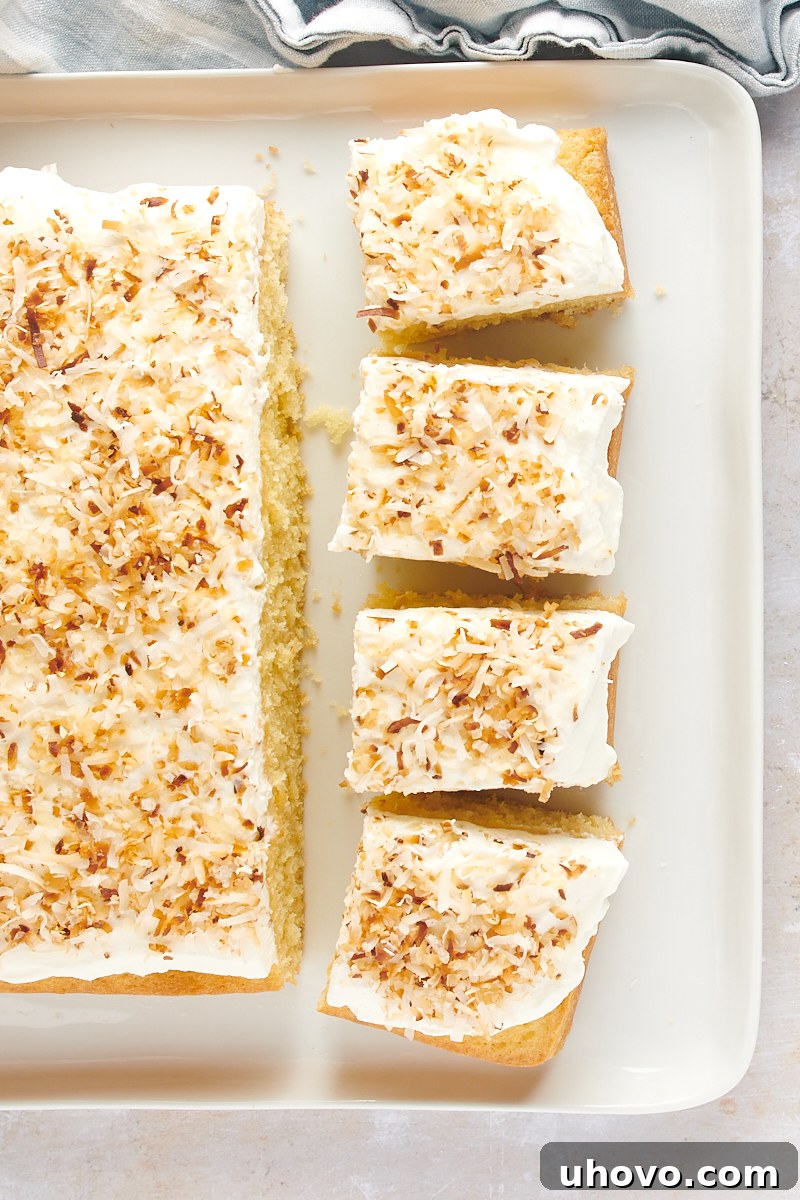
This isn’t just another cake recipe; it’s an invitation to experience pure, unadulterated coconut bliss without the fuss. Here’s why this Easy Coconut Sheet Cake will quickly become a cherished favorite in your kitchen:
- Effortlessly Simple: Designed for convenience, this single-layer sheet cake comes together quickly, making it ideal for both novice bakers and seasoned pros looking for a delicious, straightforward dessert.
- Intense Coconut Flavor: We infuse coconut milk into both the cake and the whipped topping, ensuring a profound and authentic coconut taste that isn’t overpowering but perfectly balanced.
- Perfectly Moist Texture: The use of coconut milk contributes to an incredibly tender, moist crumb that melts in your mouth, making each slice a delightful experience.
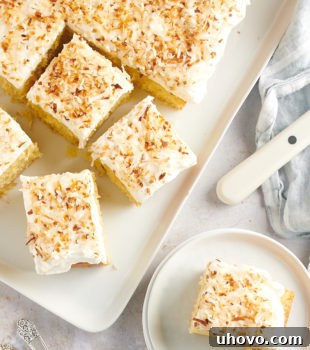
- Beautiful Presentation: Topped with a cloud of whipped frosting and a scattering of golden toasted coconut, this cake is as visually appealing as it is delicious, requiring minimal decoration for a stunning result.
- Versatile for Any Occasion: Whether it’s a casual weeknight dessert, a potluck, a birthday celebration, or a holiday gathering, this sheet cake is a crowd-pleaser that fits seamlessly into any event.
- Make-Ahead Friendly Options: With helpful tips for storage and freezing, you can prepare components in advance, allowing for stress-free entertaining.
Prepare to fall in love with this beautifully simple and incredibly flavorful coconut sheet cake that brings joy with every serving!
Gather Your Ingredients: Essential Components for Your Coconut Sheet Cake
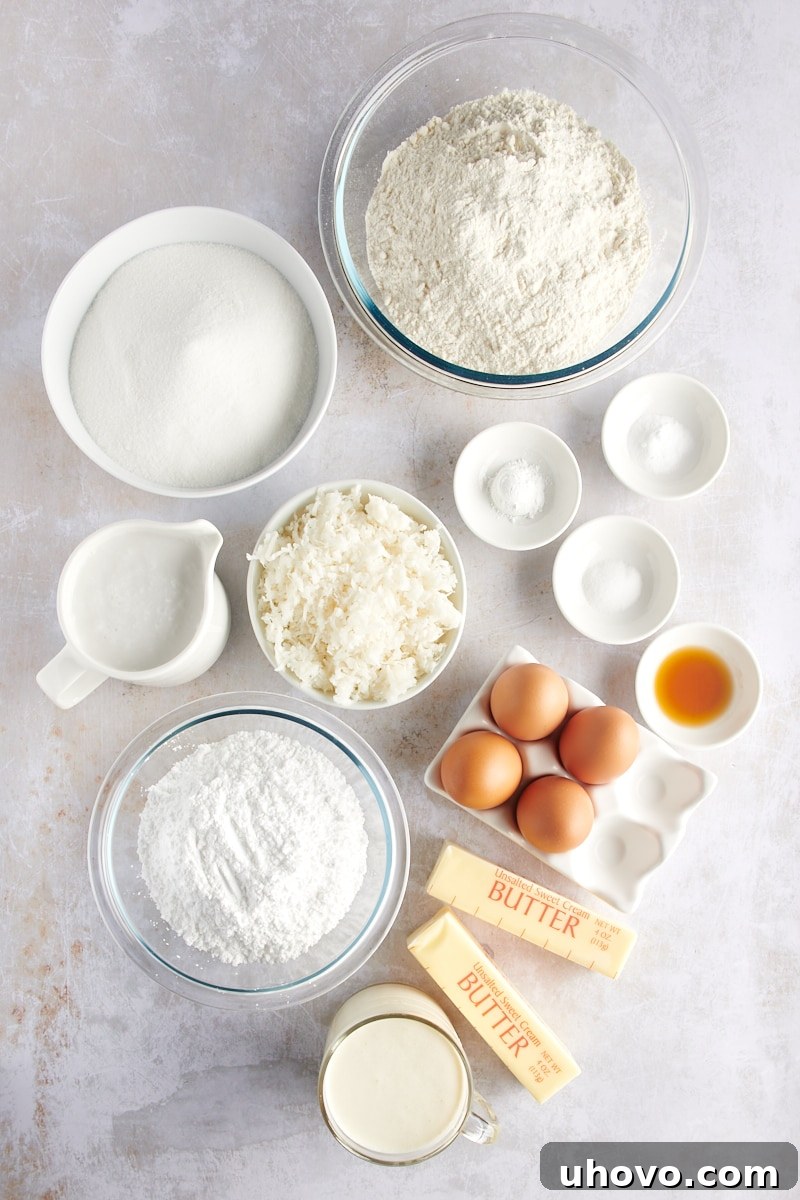
Crafting this delightful Coconut Sheet Cake begins with selecting the right ingredients. Below, you’ll find a detailed list of everything you’ll need, along with helpful notes to ensure your cake turns out perfectly. For precise quantities and full instructions, make sure to refer to the comprehensive recipe card located at the bottom of this post.
For the Cake: Achieving a Moist and Flavorful Crumb
- All-purpose flour: The foundation of our cake. For the most accurate results, measure your flour by weight using a kitchen scale. If you don’t have a scale, use the spoon and sweep method: gently spoon the flour into your measuring cup until it overflows, then level it off with a straight edge. This prevents compacting the flour, which can lead to a dense cake. Learn more about measuring flour here.
- Baking powder: A leavening agent that helps the cake rise, contributing to its light and airy texture.
- Baking soda: Another leavener that reacts with the acidic components in the batter (like coconut milk) to create a tender crumb.
- Salt: Essential for balancing the sweetness and enhancing all the other flavors in the cake.
- Unsalted butter: Using unsalted butter gives you control over the salt content of your bake. It’s crucial that your butter is softened to room temperature before mixing. This allows it to cream properly with the sugar, incorporating air for a fluffy cake. Discover tips on how to soften butter quickly and effectively.
- Granulated sugar: Provides sweetness and helps create a tender, moist cake structure when creamed with butter.
- Eggs: Large eggs are best for this recipe. Like the butter, ensure your eggs are at room temperature. Room temperature eggs emulsify better with the butter and sugar, leading to a smoother batter and a more even, stable cake structure.
- Vanilla extract: A classic flavor enhancer that complements coconut beautifully. For an even more pronounced coconut flavor, consider substituting almond extract or, for a truly intense tropical note, coconut extract.
- Coconut milk (canned): This is key for both flavor and moisture in the cake. It’s vital to use full-fat, canned coconut milk, not the diluted carton variety often found in the dairy section, which is typically for drinking. Measure out the portion needed for the cake and let it come to room temperature before mixing. Refrigerate the remainder for use in the topping. If your canned coconut milk has separated, stir it well before using to ensure a consistent texture.
For the Topping: Whipped Cream Perfection with a Coconut Twist
- Heavy cream: Also known as heavy whipping cream, this is the base for our luxurious, airy topping. It must be very cold to whip properly and achieve stiff peaks.
- Coconut milk: The remaining portion of your canned coconut milk, kept cold. This infuses the whipped cream with a lovely, subtle coconut flavor. Cold cream whips best, so ensure this is chilled.
- Confectioners’ sugar: Also known as powdered sugar, it sweetens the whipped topping and helps stabilize it. The quantity listed offers a range, allowing you to adjust the sweetness to your personal preference. Add less for a less sweet topping, or more if you have a sweeter tooth!
- Sweetened shredded coconut: This adds texture and another layer of coconut flavor to the finished cake. While sweetened coconut is my preference for its slight chewiness and extra sweetness, you can certainly use unsweetened shredded coconut if you prefer a less sweet profile. For both enhanced flavor and a more attractive finish, I highly recommend toasting the coconut. It adds a golden hue and a deeper, nuttier aroma that elevates the entire cake.
How to Toast Coconut: For Enhanced Flavor and Beauty
Toasting coconut is a simple step that adds a rich, nutty flavor and a beautiful golden color to your coconut sheet cake. You have two convenient methods to choose from:
- Oven Method: Spread your shredded coconut in a single, even layer on a rimmed baking sheet. Bake in a preheated oven at 350°F (175°C) for approximately 8-12 minutes, stirring occasionally to ensure even browning and prevent burning. Keep a close eye on it, as coconut can go from perfectly golden to burnt very quickly!
- Stovetop Method: Place the shredded coconut in a dry skillet over medium-low heat. Cook, stirring frequently with a spatula, until the coconut turns a fragrant, golden brown. This method is often quicker but requires constant attention to prevent burning.
Once toasted, immediately remove the coconut from the heat or baking sheet to a cool plate to stop the cooking process. Let it cool completely before sprinkling it over your cake. This extra step truly makes a difference in both taste and presentation. For a more detailed guide on how to toast coconut, click here.
How to Make Coconut Sheet Cake: A Simple Guide to Deliciousness
This “no-fuss” coconut sheet cake is surprisingly simple to assemble, making it a perfect project for any baker. The key is to follow each step carefully and, most importantly, allow the cake to cool completely before adding its delightful whipped topping. Rushing the cooling process can lead to a melting mess!
Baking the Perfect Coconut Cake Layer
- Prepare for baking: Begin by preheating your oven to 350°F (175°C). Prepare a 9″ x 13″ x 2″ baking pan. For easy cake removal and cleanup, line the pan with parchment paper, leaving an overhang on the longer sides to act as “handles.” Lightly grease the parchment paper and any exposed areas of the pan. If you opt not to use parchment paper, ensure the pan is thoroughly greased and floured.
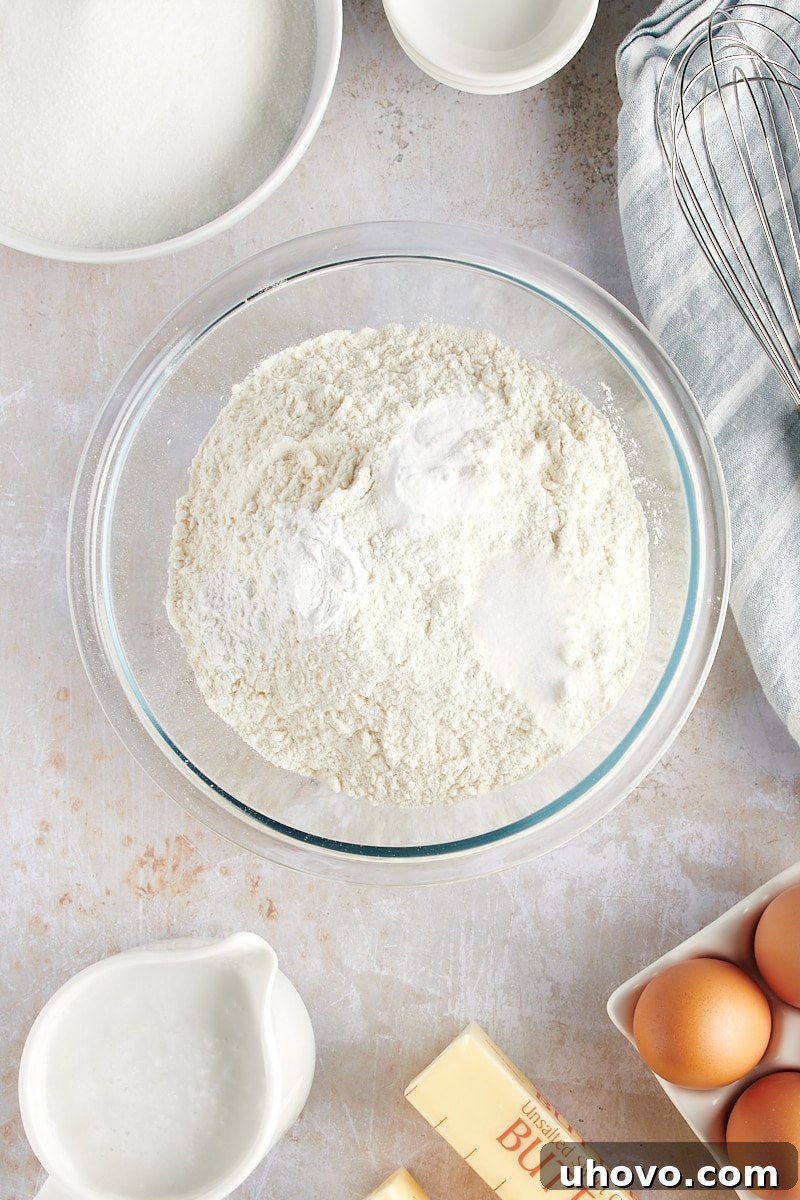
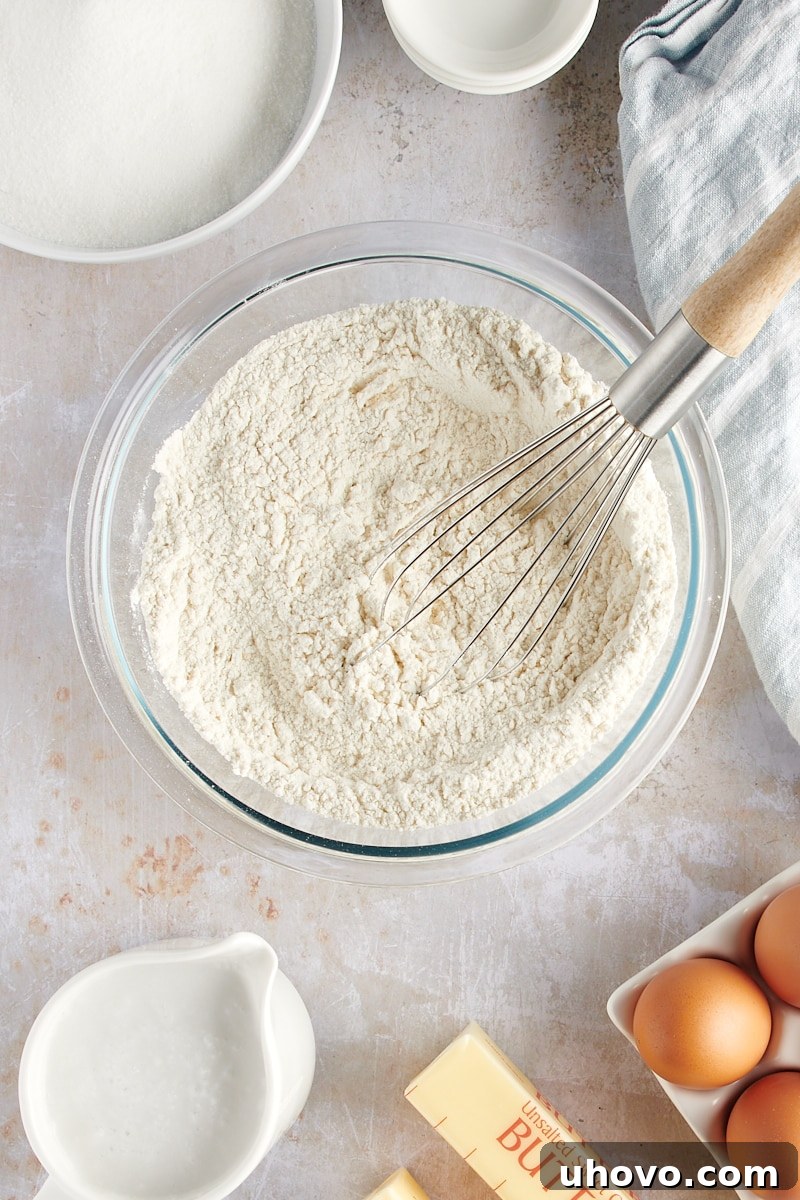
- Combine the dry ingredients: In a medium bowl, thoroughly whisk together the all-purpose flour, baking powder, baking soda, and salt. This step is crucial for ensuring that the leavening agents and salt are evenly distributed throughout the cake, preventing pockets of flavor or uneven rise. Set this mixture aside.
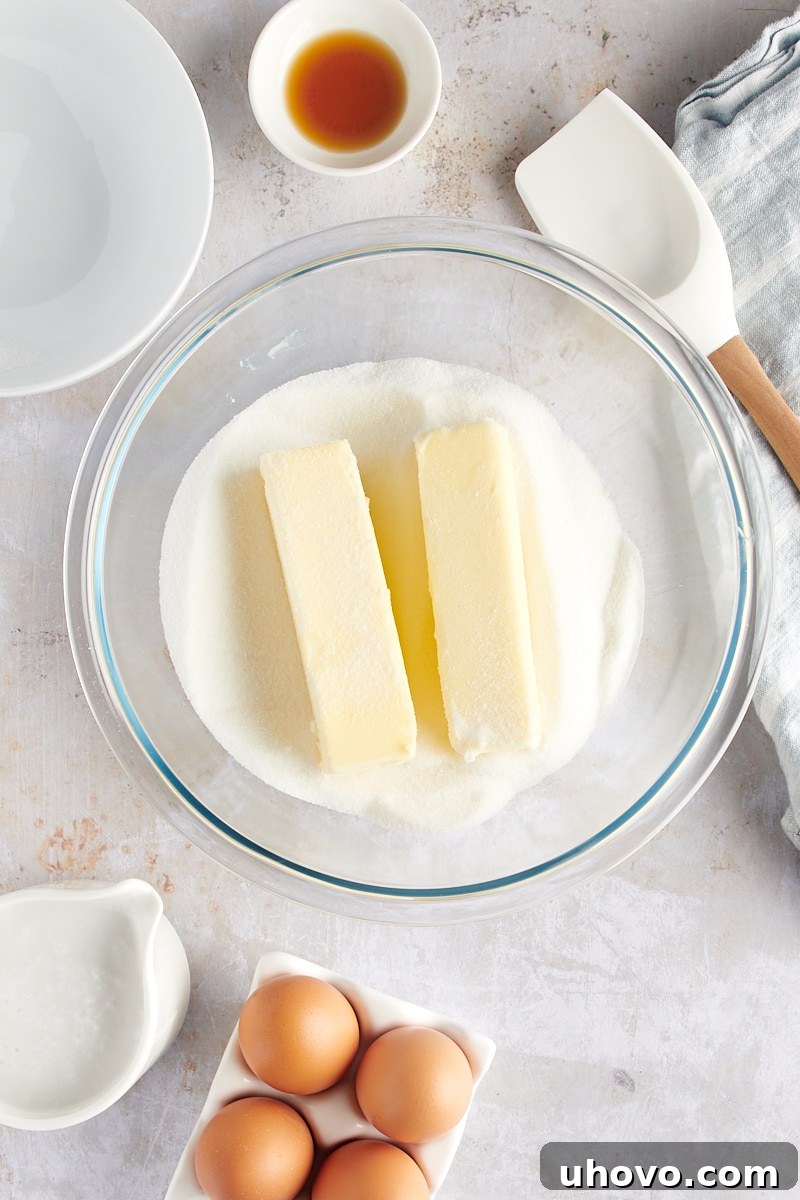
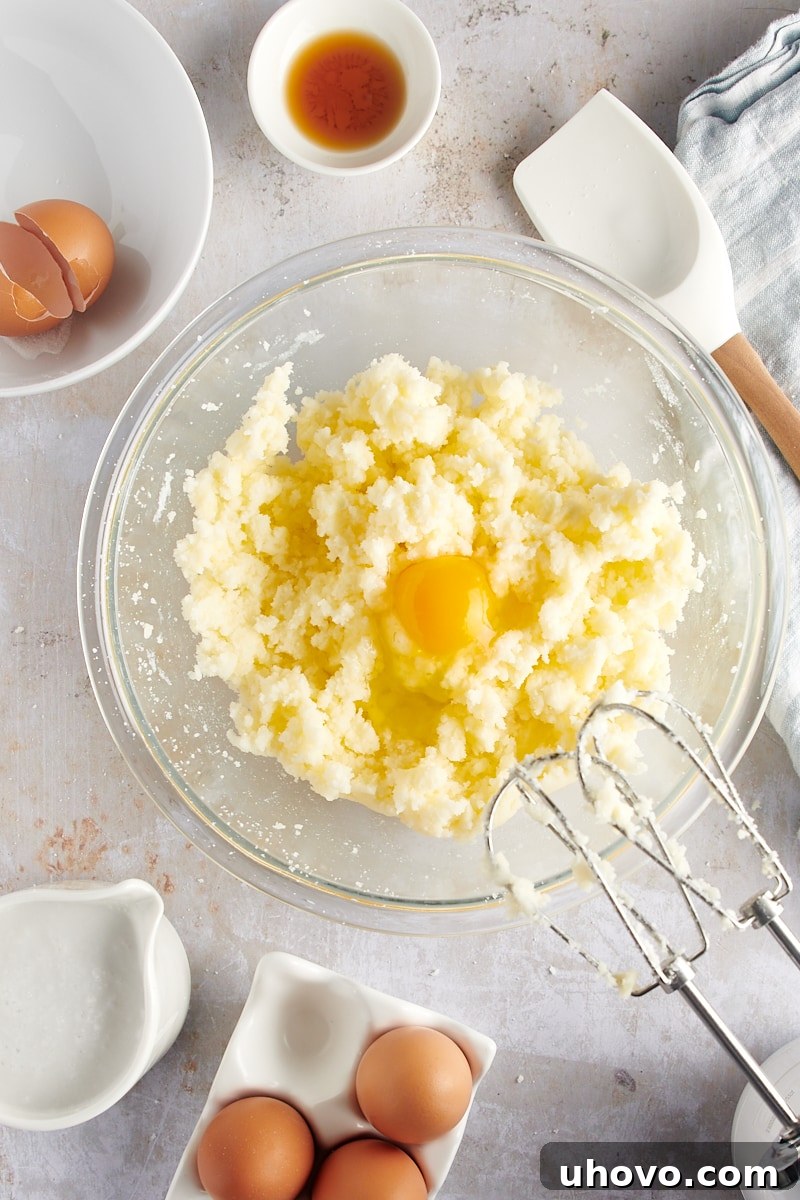
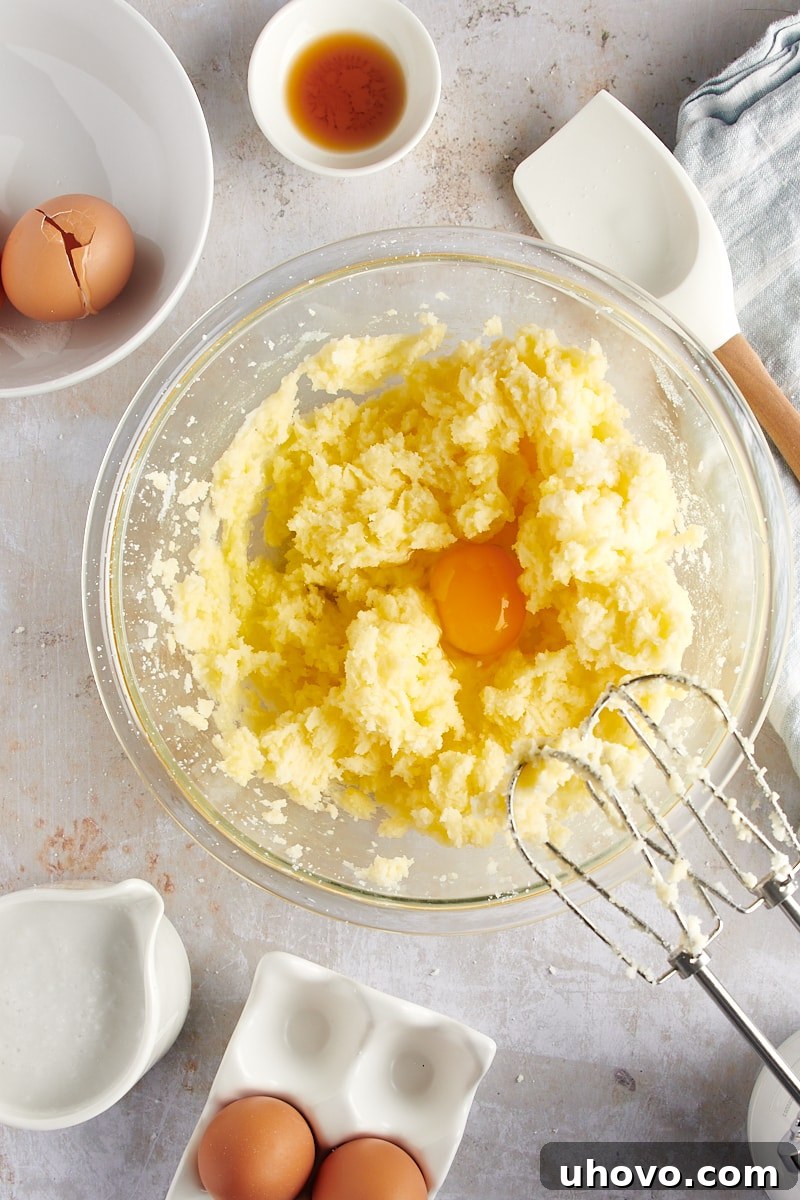
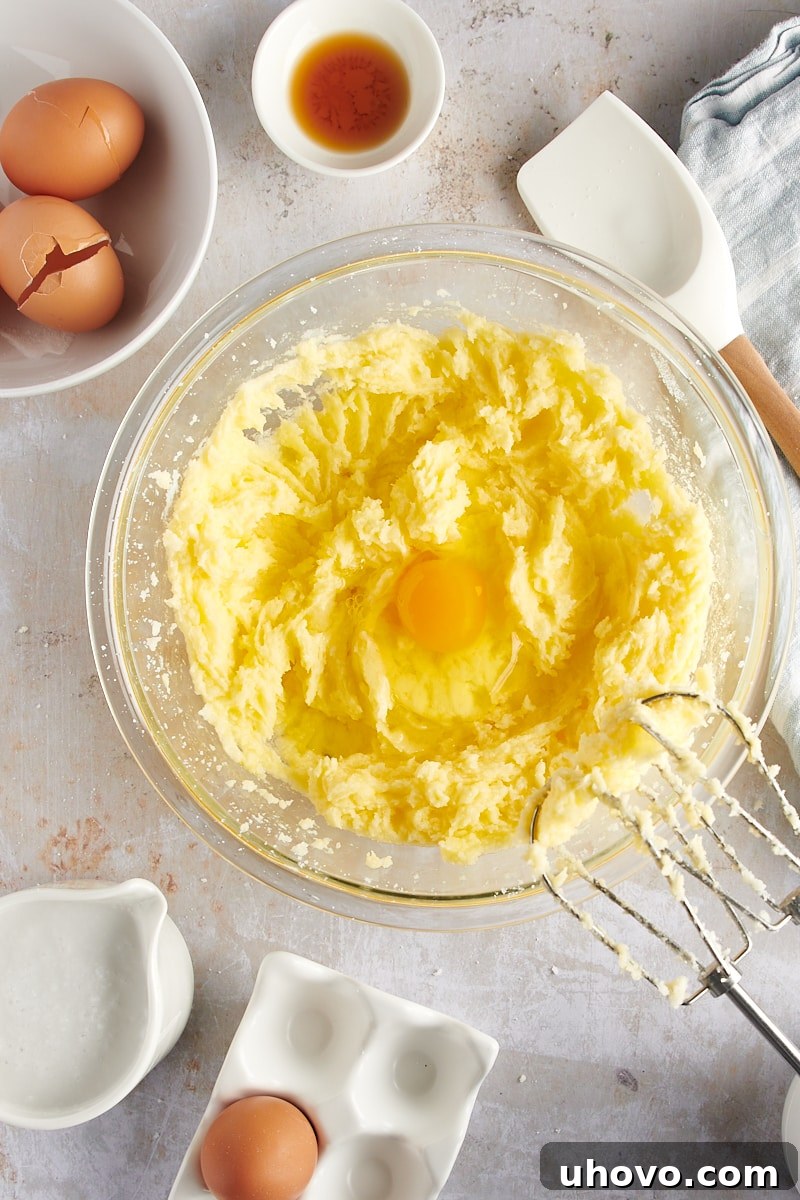
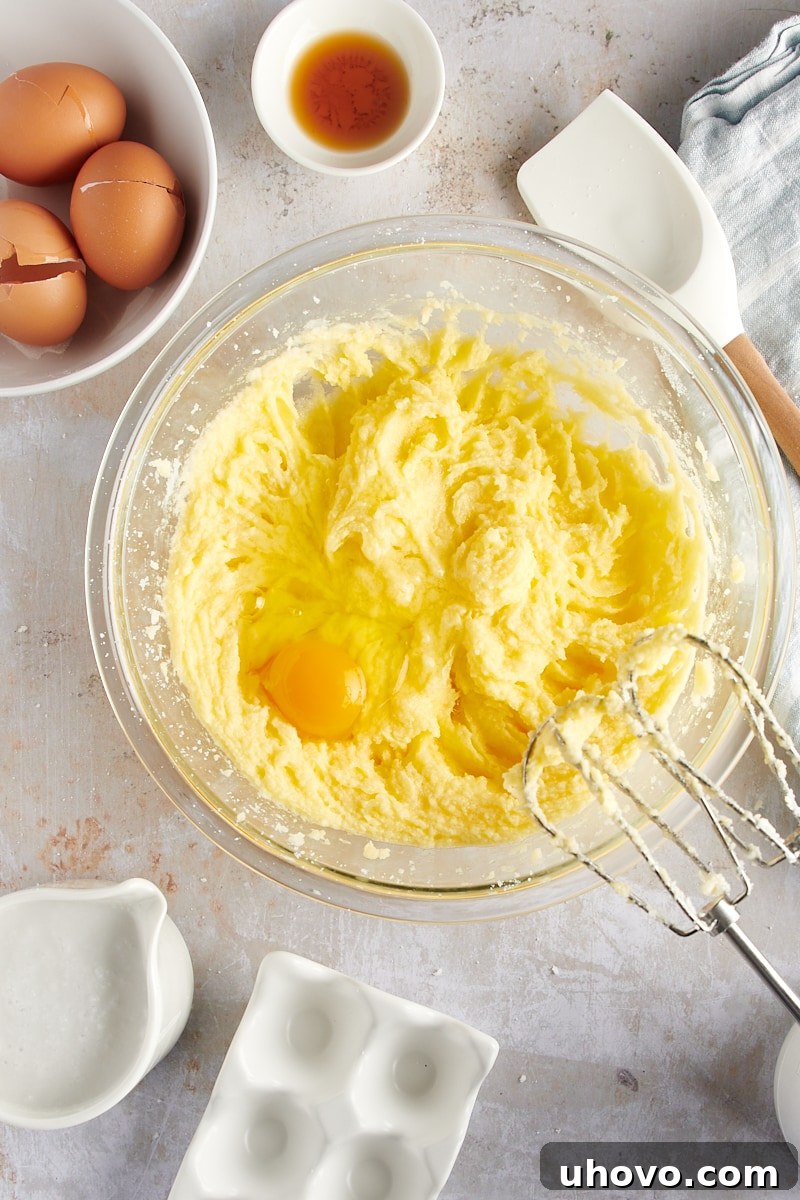
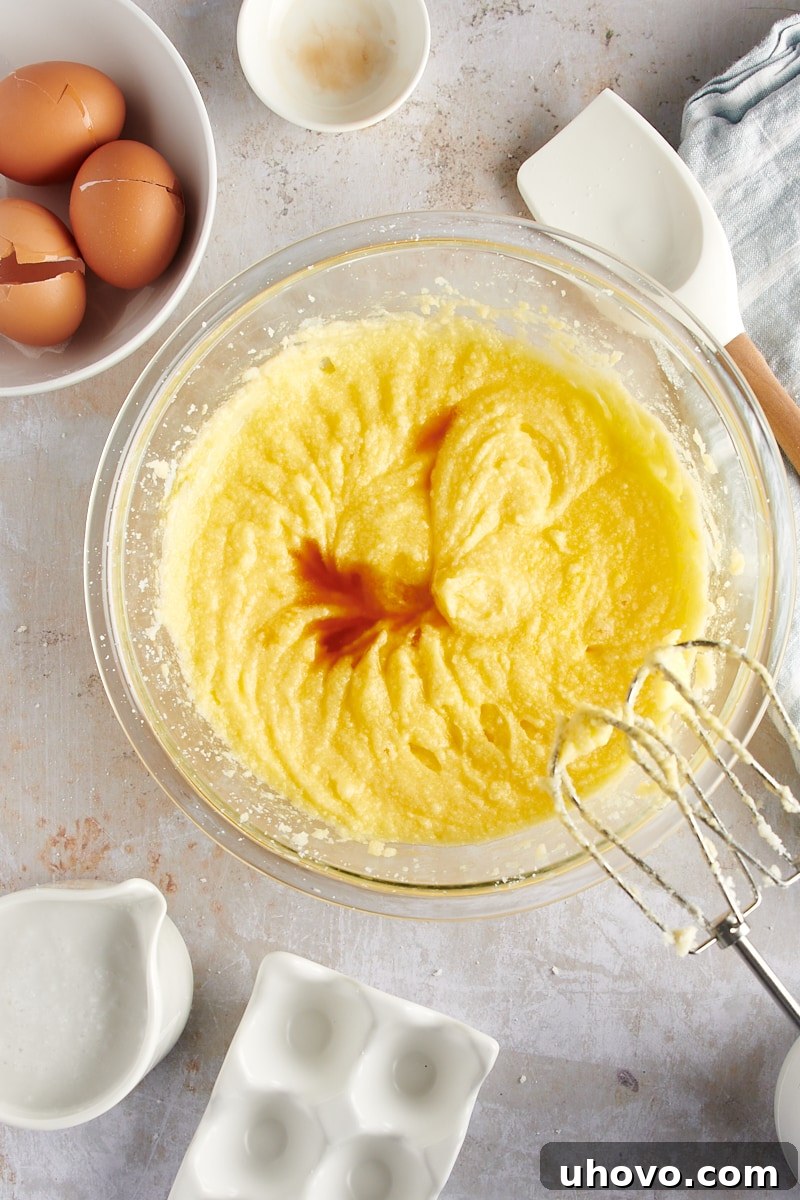
- Cream the wet ingredients: In a large mixing bowl, using an electric hand mixer or a stand mixer fitted with the paddle attachment, beat the softened unsalted butter and granulated sugar together on medium speed. Continue mixing for 2-3 minutes until the mixture is visibly light in color and fluffy. This creaming process incorporates air, which is vital for a light cake. Next, add the eggs one at a time, beating well after each addition until fully incorporated. Scrape down the sides of the bowl as needed to ensure everything is evenly mixed. Finally, mix in the vanilla extract until just combined.
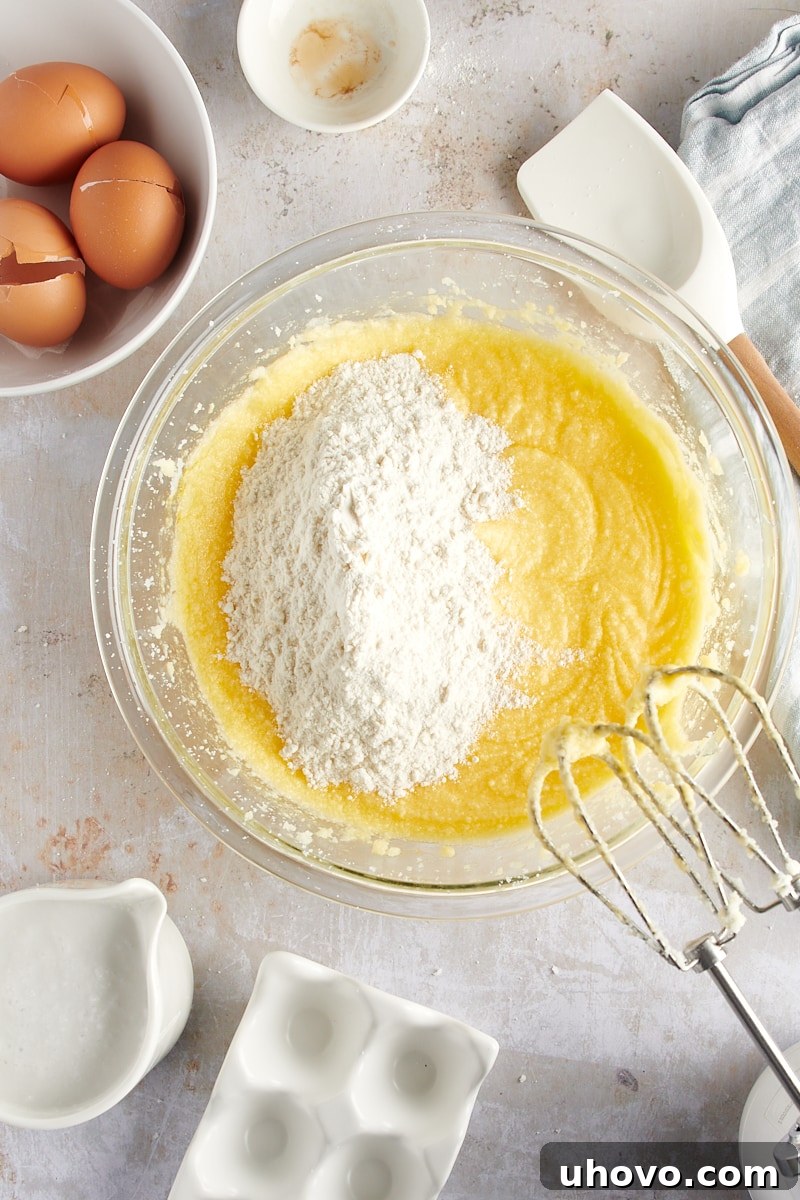
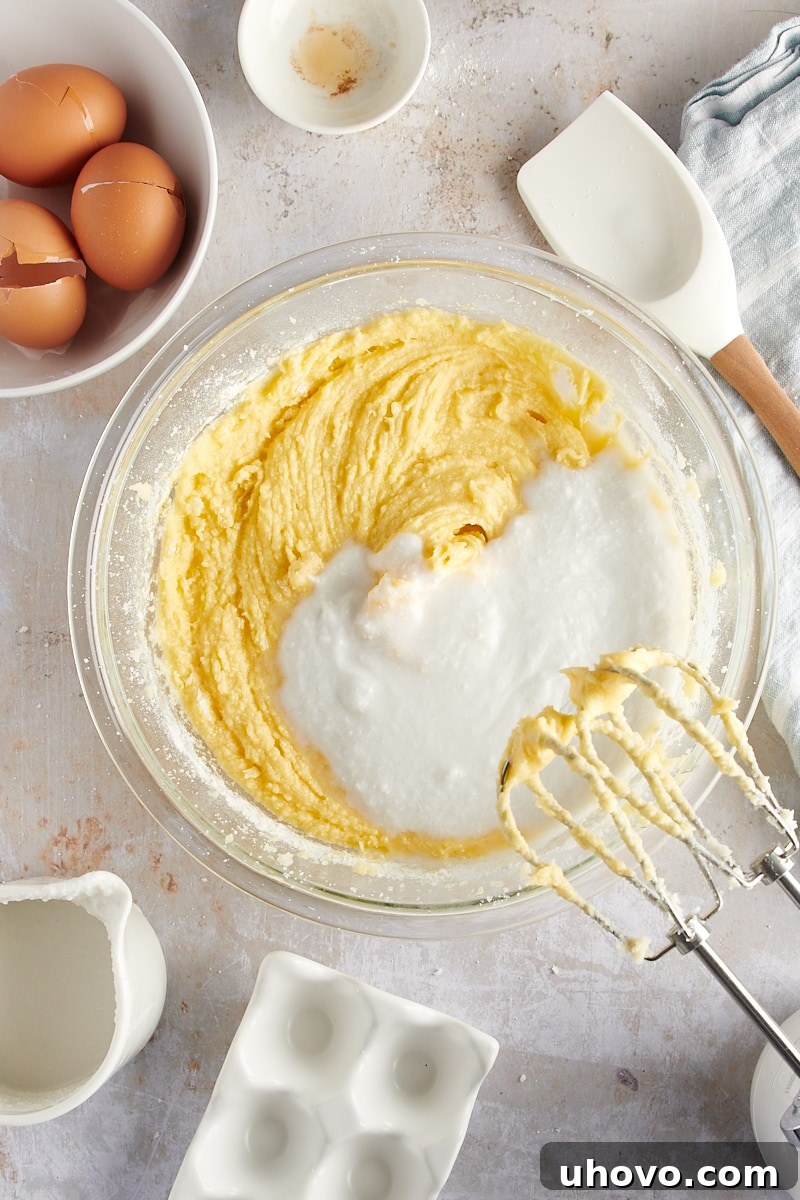
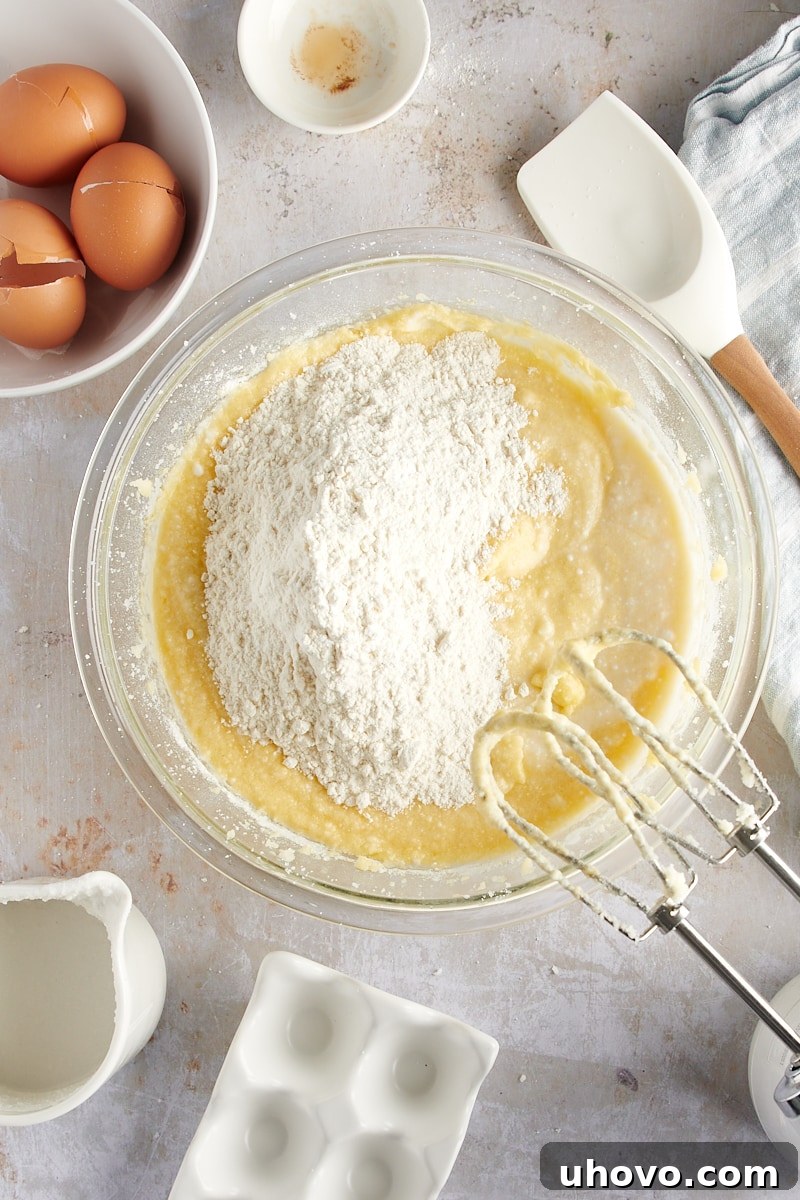
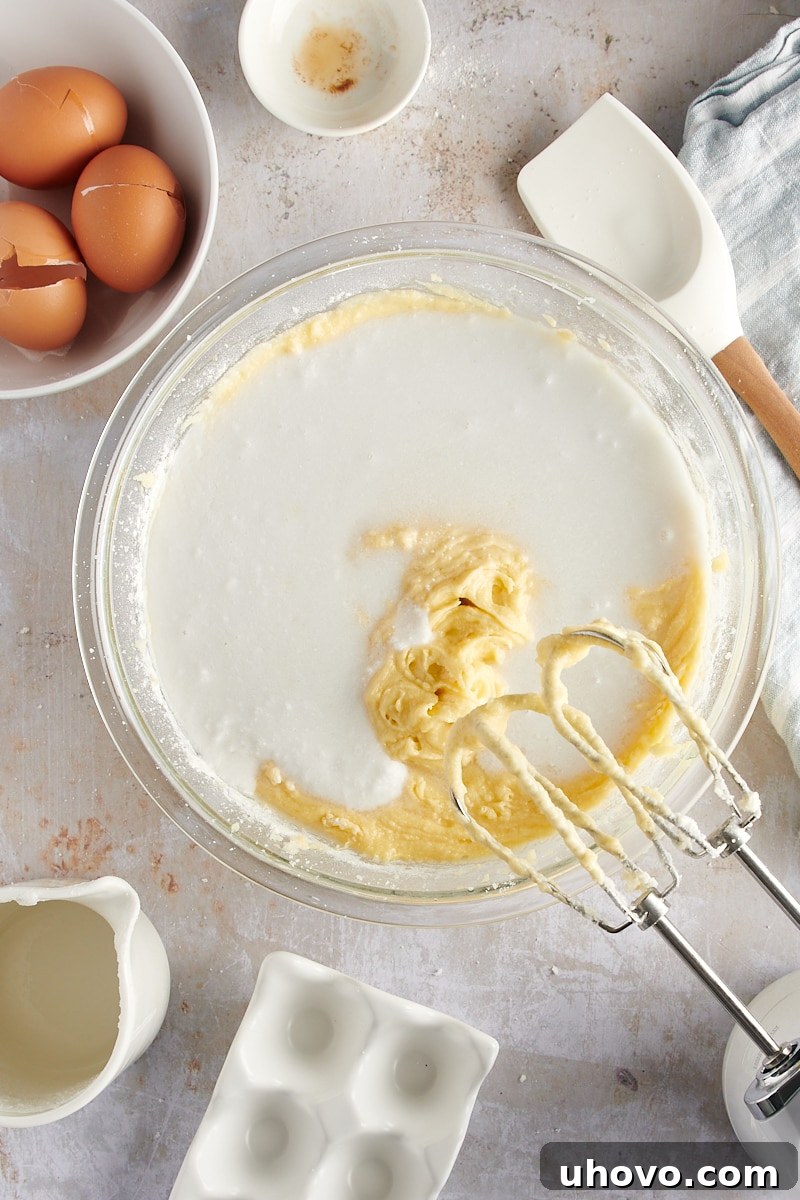
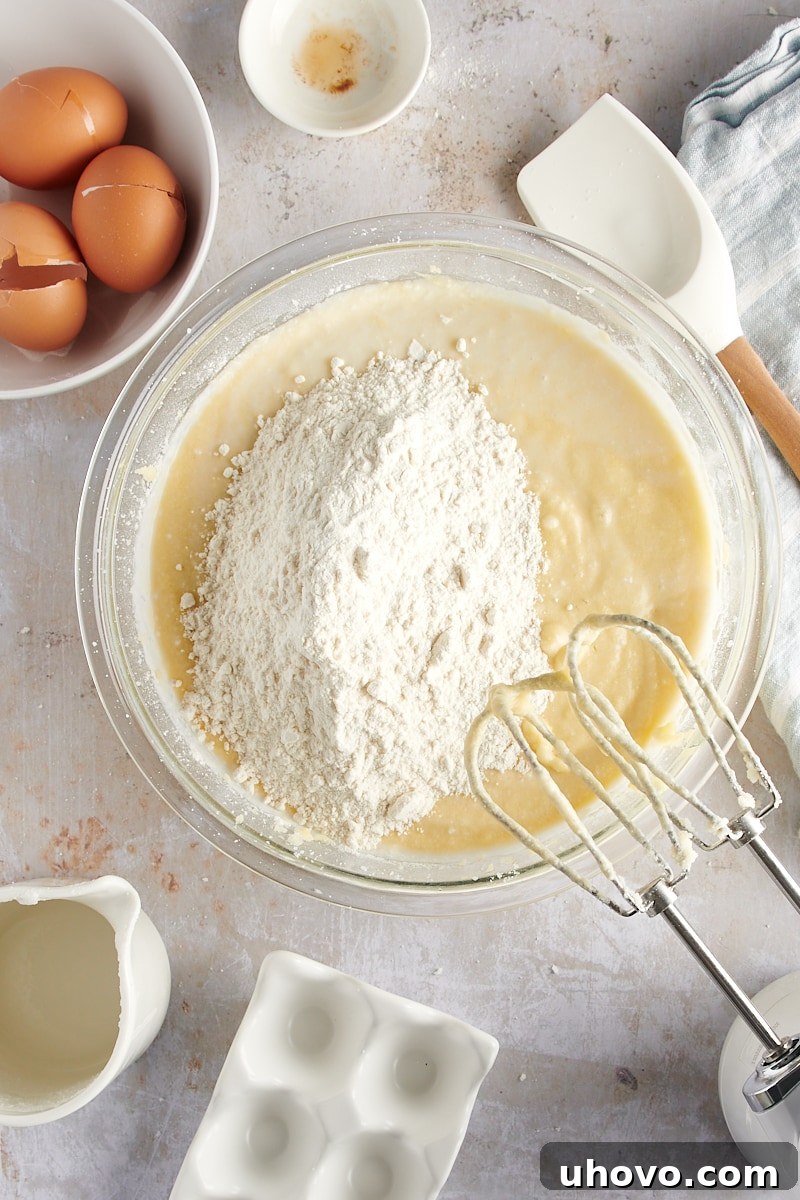
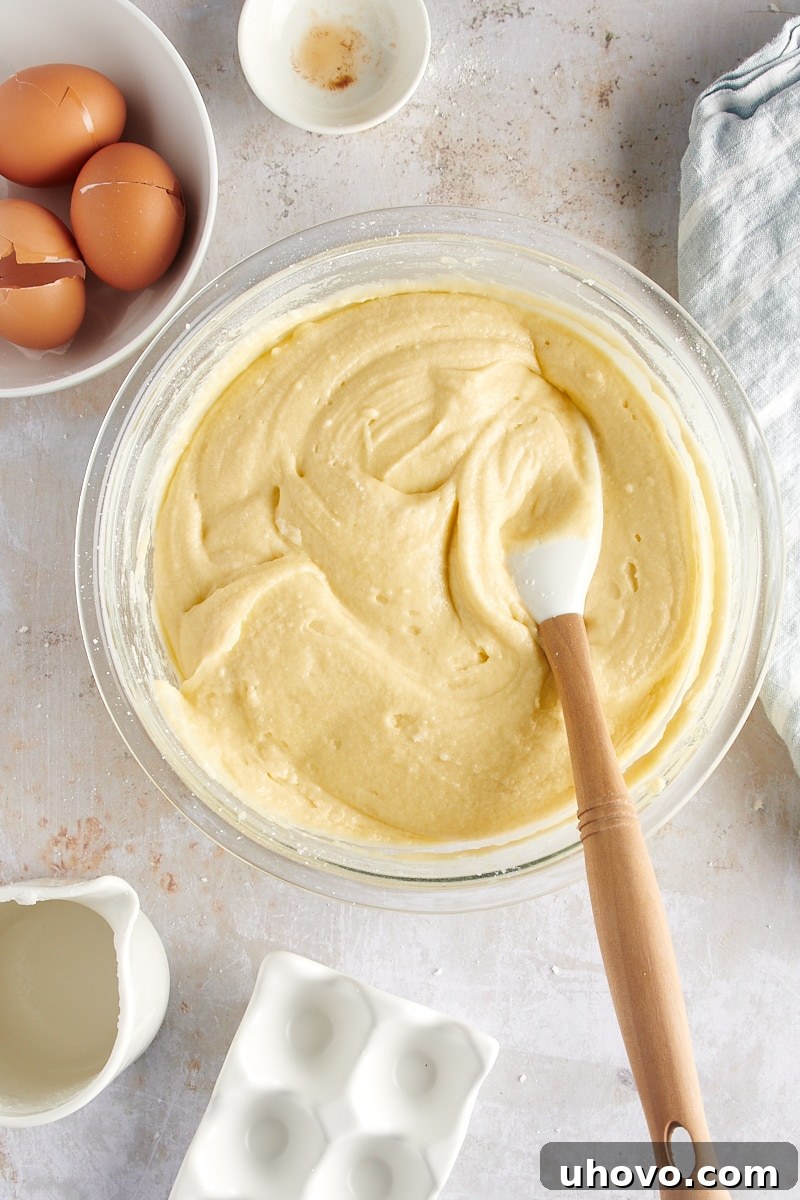
- Finish mixing the batter: With your mixer set to low speed, gradually add the dry flour mixture in three separate portions, alternating with two additions of the room-temperature coconut milk. Begin and end with the flour. Mix only until the ingredients are just combined and no streaks of dry flour remain. Be careful not to overmix, as this can develop the gluten in the flour and result in a tough, dry cake.
- Bake to golden perfection: Carefully transfer the prepared cake batter into your lined 9×13-inch baking pan, spreading it evenly with an offset spatula. Gently tap the pan a few times on your countertop to release any large air pockets, ensuring a uniform texture. Place the pan in your preheated oven and bake for approximately 35 to 40 minutes. The cake is done when it’s beautifully golden brown on top, and a toothpick or cake tester inserted into the center comes out clean.
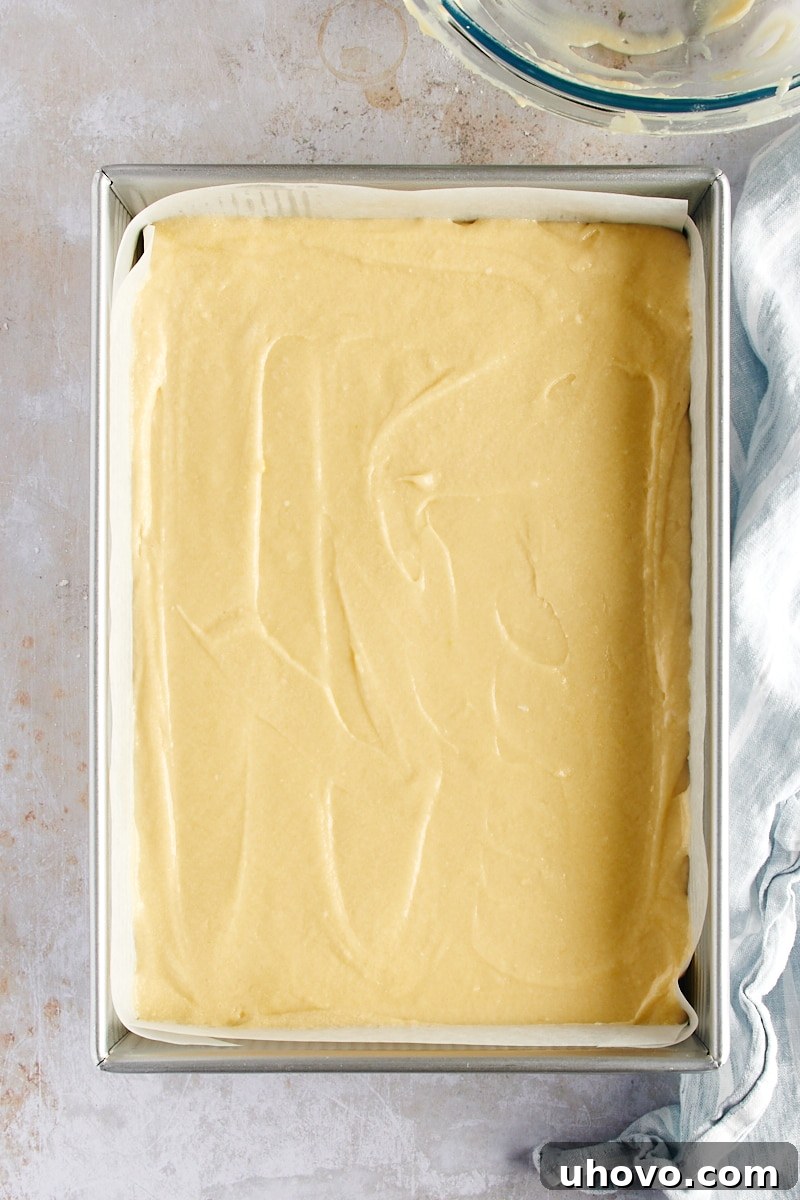
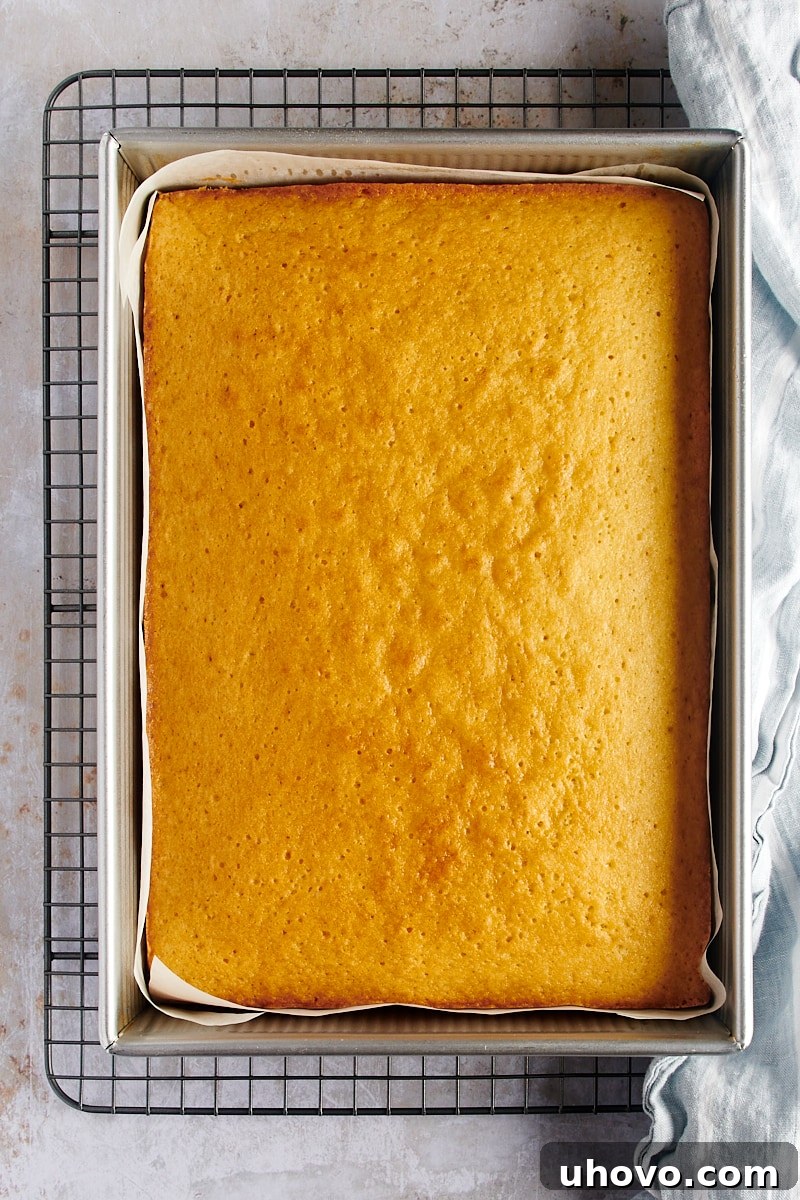
- Cool completely: Once baked, remove the pan from the oven and place it on a wire rack. Allow the cake to cool completely in the pan before attempting to frost it. This step is critical; frosting a warm cake will cause the whipped cream to melt, creating a messy result. Patience here will be rewarded!
Crafting the Fluffy Coconut Whipped Cream Topping
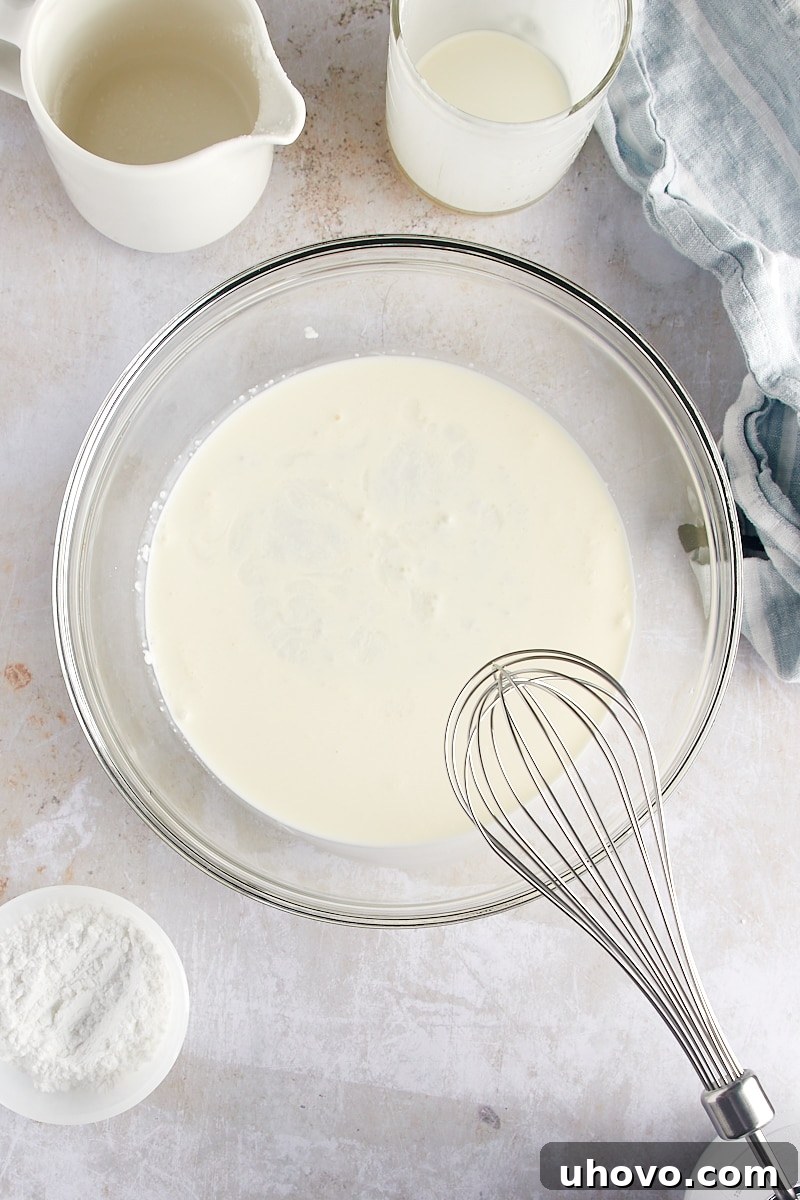
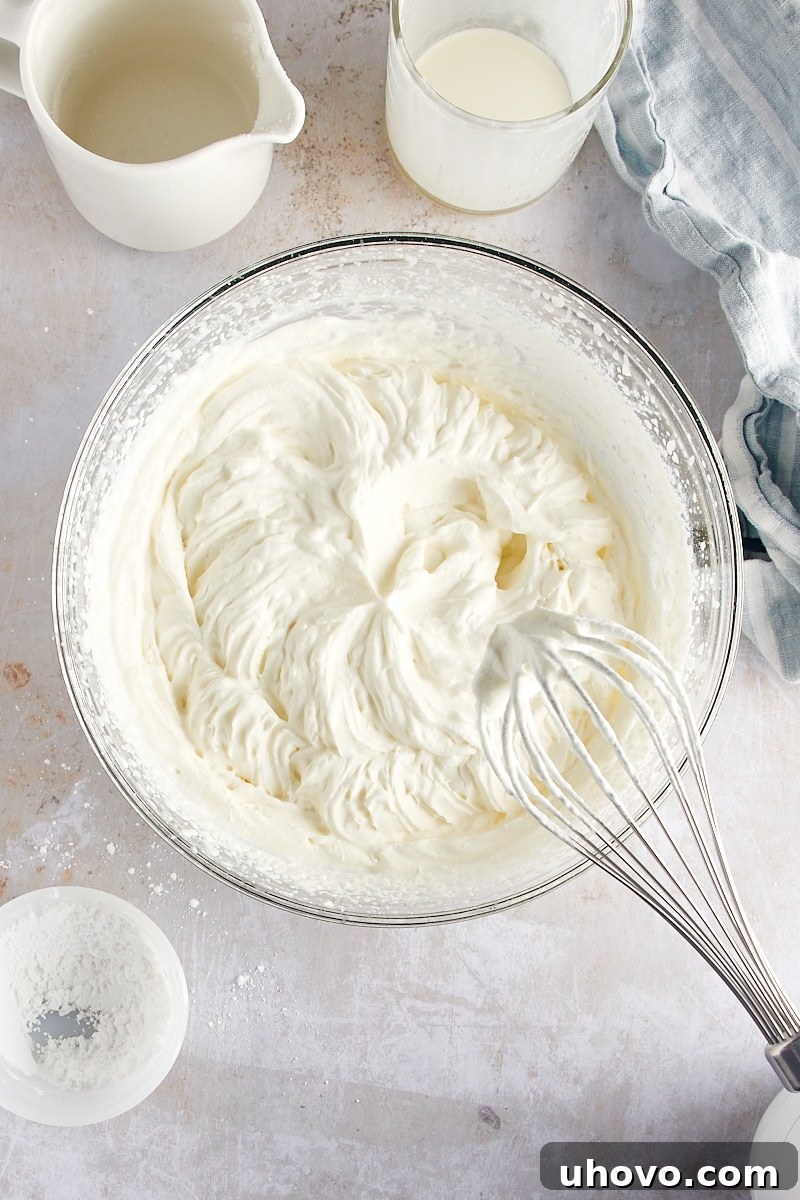
- Begin whipping the cream: Ensure your heavy cream, coconut milk, and even your mixing bowl (if possible) are well-chilled. This greatly aids in achieving stiff peaks. Pour the cold heavy cream and cold coconut milk into a large mixing bowl. Using an electric mixer fitted with a whisk attachment, begin whipping the cream on low speed. Gradually increase the speed to high over the course of about a minute. This slow increase in speed helps to build a stable foam.
- Add the sugar and continue whipping: As the cream begins to thicken and soft peaks start to form, sprinkle the confectioners’ sugar over the top. Start with the lower end of the suggested quantity and add more to taste. Continue whipping on high speed until stiff peaks form. Stiff peaks mean that when you lift the whisk, the cream holds its shape firmly. Be careful not to over-whip, which can turn the cream grainy.
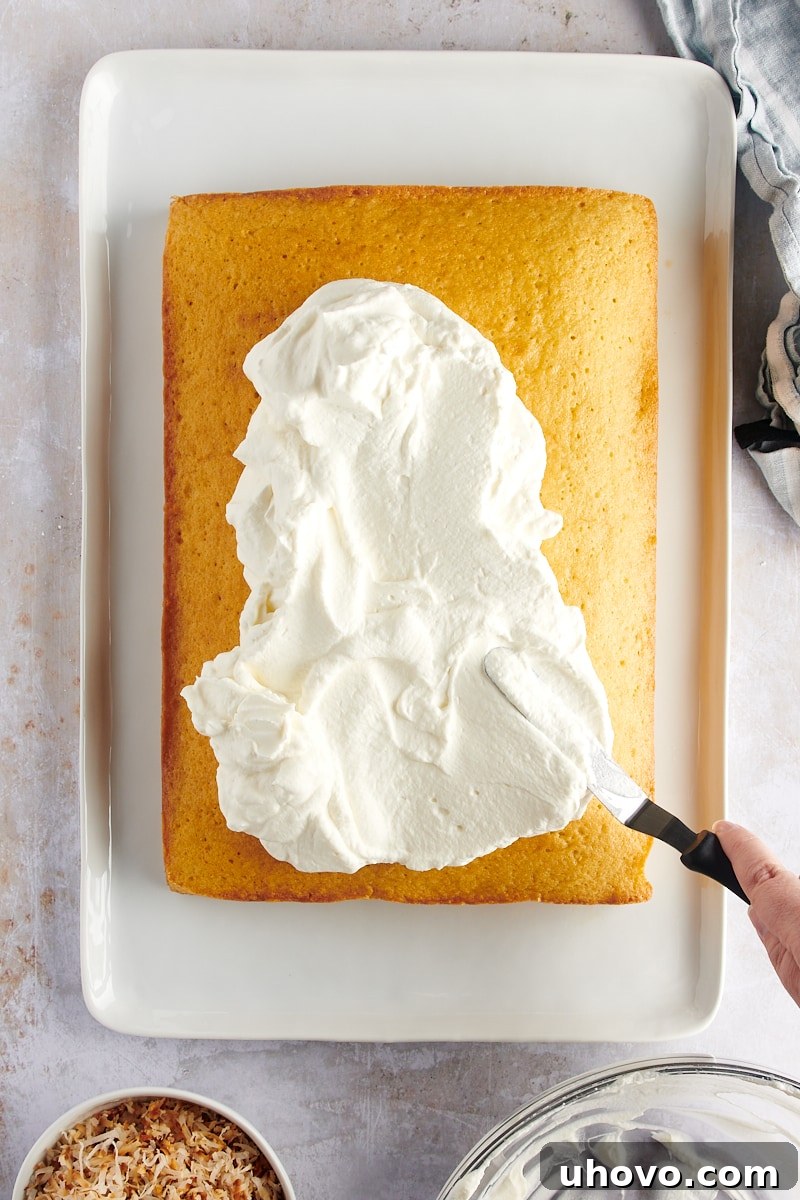
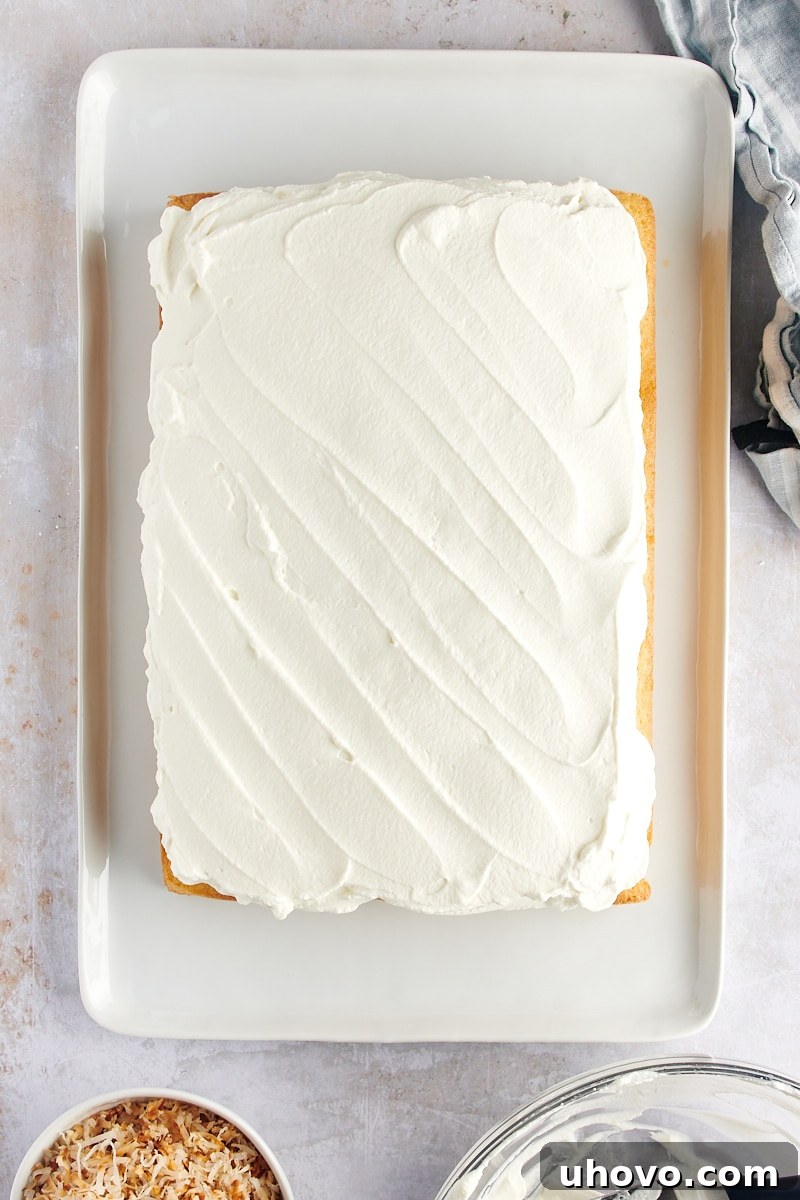
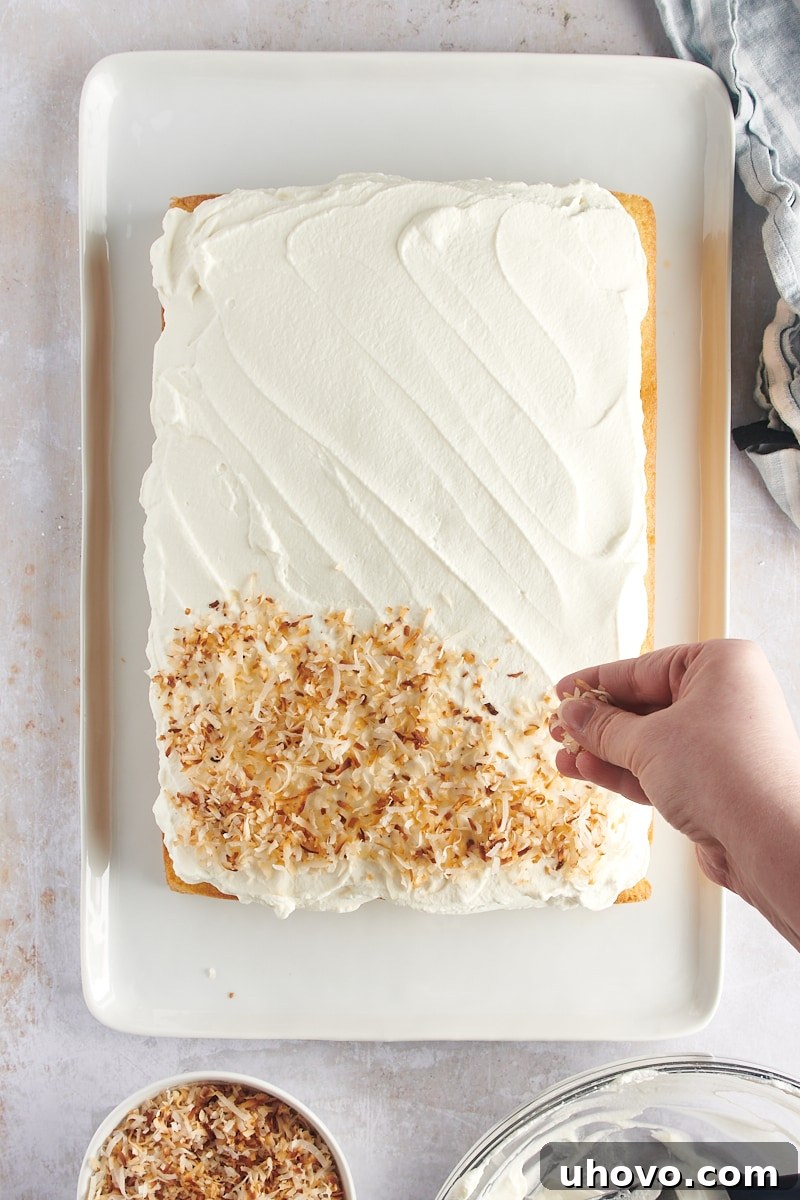
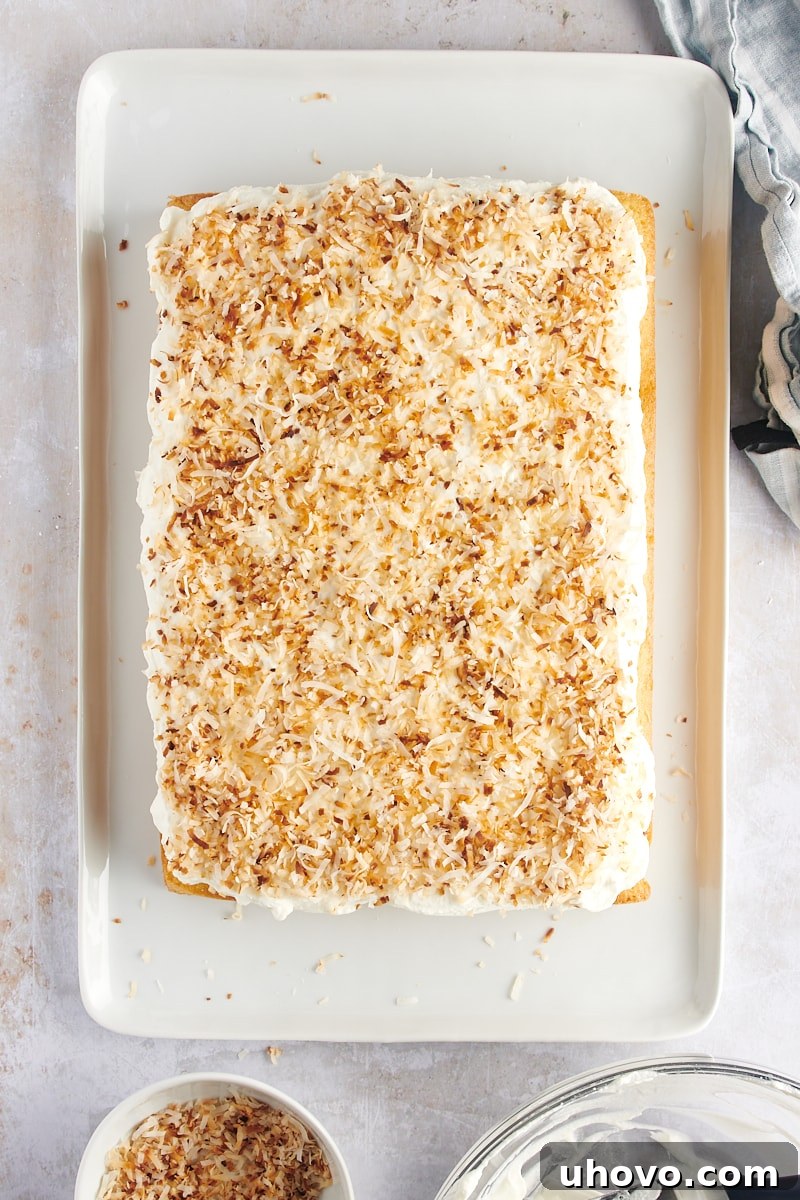
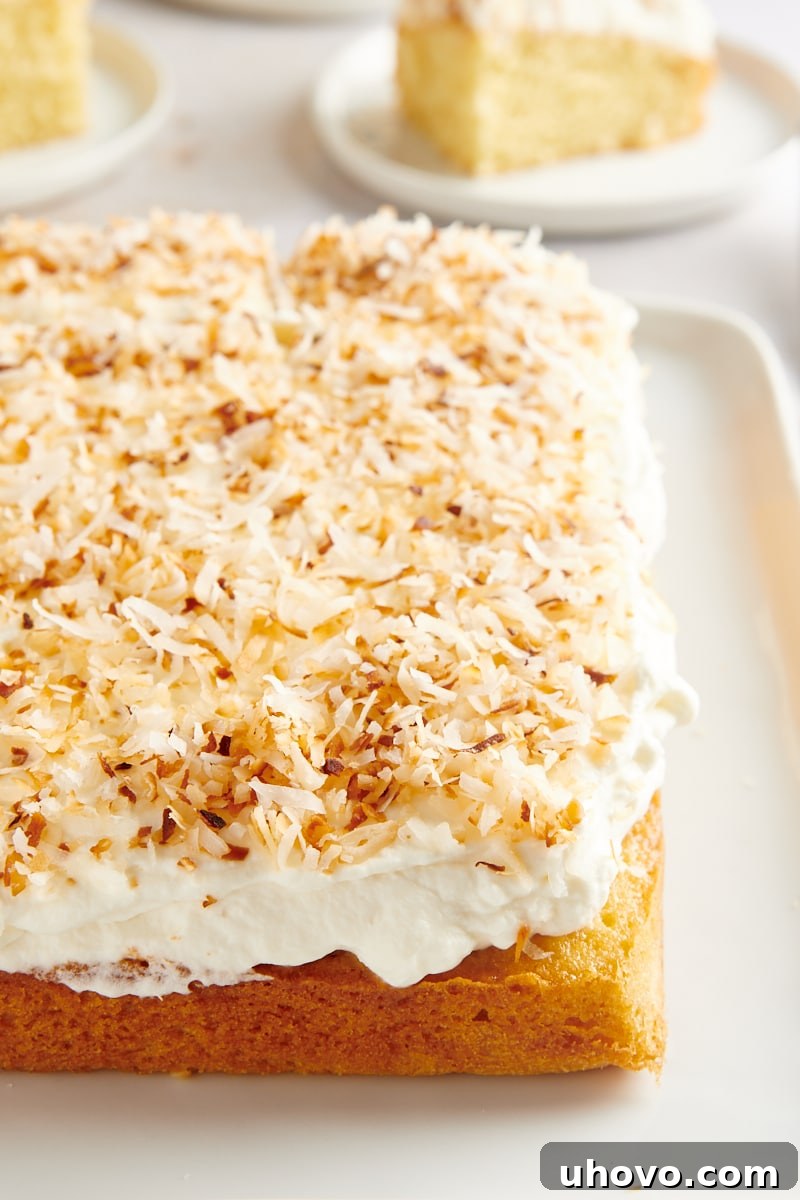
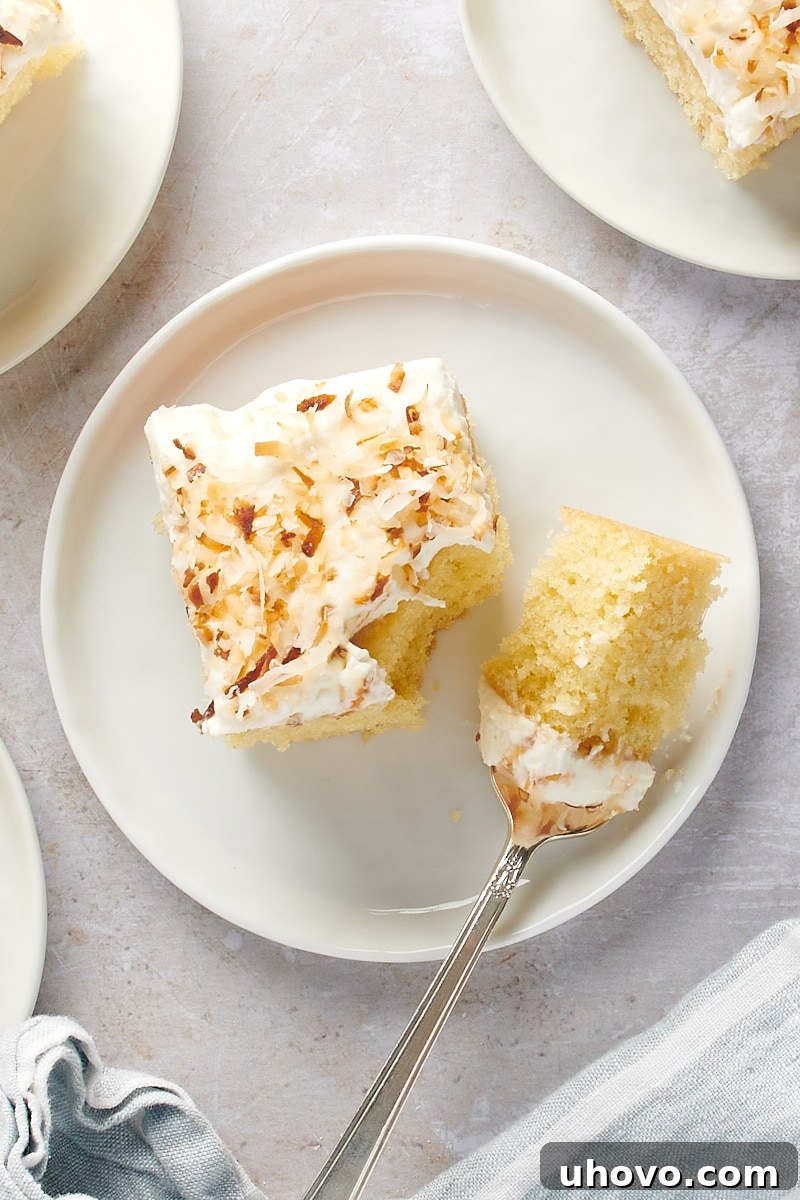
- Frost the cake and add the coconut garnish: Once the cake is completely cooled (and not a moment before!), use an offset spatula to gently spread the freshly whipped coconut cream evenly over the entire surface of the cake. Next, generously sprinkle the toasted (or untoasted, if preferred) shredded coconut over the top of the whipped cream. For better adherence, lightly press the coconut down with your hand or the back of a spoon so it sticks firmly to the topping. Your stunning and delicious Coconut Sheet Cake is now ready to be served and enjoyed!
Baking Tips for a Perfect Coconut Sheet Cake Every Time
While this coconut sheet cake recipe is designed to be straightforward, a few key tips can elevate your baking experience and ensure a flawless result:
- Avoid over-mixing the batter: Once you start adding the flour, mix only until the ingredients are just combined. Over-mixing develops the gluten in the flour, which can lead to a tough, rubbery cake instead of a tender, moist one. The goal is just enough mixing to unify the ingredients.
- Ensure the cake is completely cool before frosting: This is a golden rule of cake decorating. Even a slightly warm cake will cause your beautiful whipped cream topping to melt and slide off, resulting in a less-than-perfect presentation and texture. Allow ample time for the cake to cool to room temperature on a wire rack.
- Ingredient temperature truly matters: For the cake, make sure your unsalted butter, eggs, and coconut milk are all at room temperature. This allows them to emulsify properly, creating a smooth batter that incorporates air effectively, leading to a lighter, fluffier cake. Conversely, for the whipped topping, your heavy cream and coconut milk must be thoroughly chilled. Cold dairy products whip up much faster and hold their volume better, ensuring stiff, stable peaks.
- Planning ahead? Consider making components in advance: For the freshest and most vibrant whipped cream, it’s best to prepare it on the day you plan to serve the cake. However, the cake layer itself can be baked a day in advance, cooled completely, and then stored airtight at room temperature. This allows you to spread out the baking process and reduce last-minute stress.
- Measure flour accurately: As mentioned, using a kitchen scale for flour is highly recommended. If you don’t have one, use the spoon-and-sweep method to prevent compacting too much flour into your measuring cup.
- Don’t skip the pan preparation: Lining your baking pan with parchment paper not only ensures easy removal of the cake but also simplifies cleanup. Lightly greasing the paper ensures the cake releases without sticking.
Ideas for Variations: Personalize Your Coconut Cake
This classic coconut sheet cake is delicious as is, but it also serves as a fantastic base for customization. Here are some simple ideas to change things up and tailor this recipe to your taste preferences:
- Amplify the coconut flavor: If you crave an even bolder coconut presence, swap out the vanilla extract in the cake batter for an equal amount of coconut extract. To take it a step further, add about 1/2 teaspoon of coconut extract to the whipped cream topping as well. This will create a truly intense tropical flavor profile that coconut enthusiasts will adore.
- Explore different frostings: While the light whipped coconut cream is a signature of this cake, its subtle coconut flavor pairs wonderfully with a variety of other frostings. Consider a rich, tangy cream cheese frosting, similar to what you might find on Hummingbird Cupcakes, for a delightful contrast. Or, for a decadent indulgence, try a luscious chocolate buttercream frosting, like the one from my Chocolate Sheet Cake, creating a coconut-chocolate paradise.
- Create a flavored whipped cream: The possibilities for enhancing whipped cream are virtually endless! Beyond coconut extract, you can infuse your topping with various flavors. Try adding a different extract (like almond or rum), a swirl of fruit jam, a touch of citrus zest, or even a splash of liqueur for an adult twist. Get plenty of creative ideas and learn more about how to make irresistible flavored whipped cream here.
- Add fresh fruit: For a vibrant and refreshing twist, consider topping the frosted cake with fresh berries (like raspberries or blueberries), sliced mango, or even a sprinkle of lime zest for a zesty counterpoint to the coconut.
- Nutty additions: While coconut is the star, a sprinkle of finely chopped toasted pecans or macadamia nuts could add an interesting crunch and complementary flavor.
How to Store: Keeping Your Coconut Sheet Cake Fresh
Due to its delicate whipped cream topping, this Coconut Sheet Cake requires careful storage to maintain its freshness and texture. Proper refrigeration is key:
- Refrigeration is essential: Always store the frosted cake in the refrigerator. Cover the cake tightly with plastic wrap or place it in an airtight cake carrier. This prevents the cake from absorbing odors from other foods in the fridge and helps keep the whipped cream stable.
- Storage duration: When properly covered and refrigerated, the cake will remain delicious for up to 3 days. While the whipped cream is at its absolute best on the day it’s made, it will hold up reasonably well for a few days.
- Preventing dryness: Cakes, especially those with minimal frosting, can tend to dry out in the refrigerator. Ensure your covering is very secure to lock in moisture.
- Serving suggestions: You can serve the cake chilled directly from the refrigerator for a refreshing dessert. Alternatively, if you prefer a slightly softer cake texture, let it sit at room temperature for 15-30 minutes before serving.
How to Freeze: Preserving Your Coconut Cake for Later
Freezing this Coconut Sheet Cake can be a great way to enjoy it long after baking. Here’s how to do it effectively, with special considerations for the whipped topping:
- Freezing the cake without topping: If you plan to bake the cake well in advance and freeze the entire thing, I highly recommend doing so without the whipped cream topping. Bake the cake, allow it to cool completely, then wrap it tightly in two layers of plastic wrap, followed by a layer of aluminum foil. This prevents freezer burn. Place it in a freezer-safe bag or container and freeze for up to 2-3 months. Thaw overnight in the refrigerator before frosting and serving.
- Freezing the frosted cake (with caution): Freezing whipped cream can yield mixed results; it sometimes changes texture upon thawing, becoming slightly watery or grainy. If you choose to freeze the frosted cake or individual slices, first place them on a rimmed baking sheet (uncovered) and freeze until the topping is completely solid, which should take about 3-4 hours. This “flash freezing” prevents the whipped cream from sticking to the wrapping. Once solid, wrap each slice or the remaining cake tightly in two layers of plastic wrap, then an additional layer of aluminum foil. Transfer to a freezer-safe sealable bag or airtight container.
- Thawing: To thaw, simply transfer the wrapped cake or slices to the refrigerator and let them sit overnight. Unwrap just before serving. Be prepared that the whipped cream might have a slightly altered texture compared to fresh.
More Irresistible Coconut Cake Recipes
Coconut Sheet Cake
20
servings
20 minutes
40 minutes
1 hour
Pin Recipe
Leave a Review
Ingredients
For the cake:
-
3 ¼ cups
(390 g)
all-purpose flour -
1 ¼ teaspoons
baking powder -
½ teaspoon
baking soda -
½ teaspoon
salt -
1 cup
(226 g)
unsalted butter, softened -
2 cups
(400 g)
granulated sugar -
4 large
eggs -
1 teaspoon
vanilla extract -
1 ¼ cups
(300 ml)
coconut milk (canned)
For the topping:
-
1 ¼ cups
(300 ml)
heavy cream, cold -
6 tablespoons
(90 ml)
coconut milk, cold -
3 to 4 tablespoons
(20 to 28 g)
confectioners’ sugar -
1 ½ cups
(128 g)
sweetened shredded coconut, toasted if you like
Recommended Products
-
USA Pan Bakeware Rectangular Cake Pan, 9 x 13 inch
-
Pre-Cut Baking Parchment Paper
-
Offset Spatula
-
KitchenAid 9-Speed Digital Hand Mixer
Instructions
To make the cake:
-
Preheat the oven to 350°F (175°C). Line a 9″ x 13″ x 2″ baking pan with parchment paper. Lightly grease the paper and any exposed parts of the pan. (Or grease the pan if you don’t want to line it.)
-
Whisk together the flour, baking powder, baking soda, and salt. Set aside.
-
Using an electric mixer on medium speed, beat the butter and sugar until light and fluffy. Add the eggs, one at a time, mixing well after each addition. Mix in the vanilla.
-
Reduce the mixer speed to low. Add the flour in three portions, alternating with two portions of coconut milk. Mix just until combined.
-
Transfer the batter to the prepared pan, and spread evenly. Gently tap the pan on the countertop a few times to displace any large air pockets.
-
Bake the cake for 35 to 40 minutes, or until the cake is golden brown and a pick inserted into the center comes out clean.
-
Place the pan on a wire rack and cool completely.
To make the whipped cream:
-
Place the cold heavy cream and coconut milk in a large, chilled mixing bowl. Use an electric mixer with a whisk attachment to whip the cream. Start on low speed and work up to high speed over about a minute.
-
When the cream begins to thicken, sprinkle as much of the sugar as you like on top of the cream. Continue whisking until stiff peaks form.
-
Spread the whipped cream over the top of the cooled cake. Sprinkle the coconut over the top, and gently press down so that the coconut sticks to the whipped cream.
Notes
- Be sure to use canned coconut milk, not coconut milk in a carton that has been diluted to a drinkable consistency.
- Keep the frosted cake refrigerated up to 3 days.
Jennifer McHenry
cakes
American
Show off your baking masterpiece!
Snap a pic, tag @bakeorbreak, and use #bakeorbreak on Instagram. Can’t wait to see your creation!