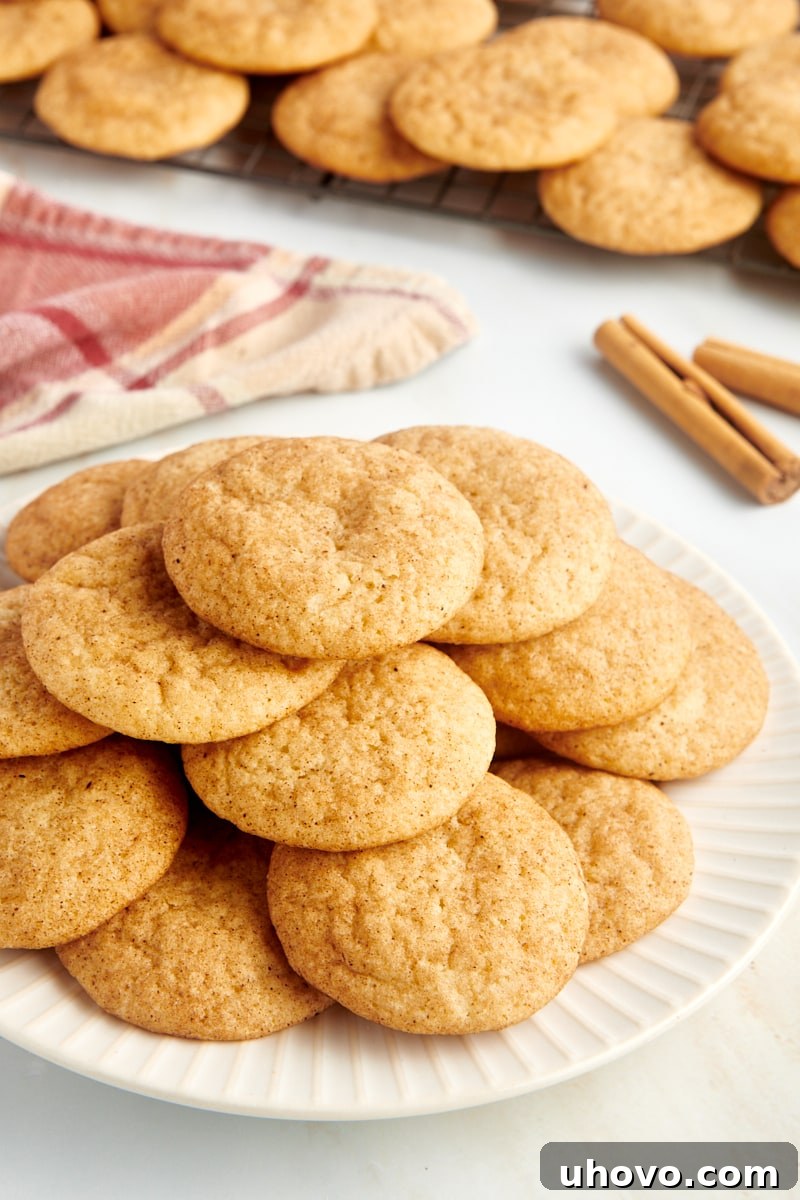
Indulge in the timeless charm of homemade Snickerdoodles with this classic recipe! Known for their irresistibly soft, chewy texture and a warm, fragrant coating of cinnamon sugar, these cookies are a guaranteed crowd-pleaser for any occasion. They embody comfort and nostalgia, making every bite a delightful experience.
If you’re seeking to expand your repertoire of beloved cookie recipes, especially for a festive holiday platter or a comforting treat, be sure to explore these delightful chocolate crinkle cookies and these wonderfully chewy oatmeal butterscotch cookies as well!
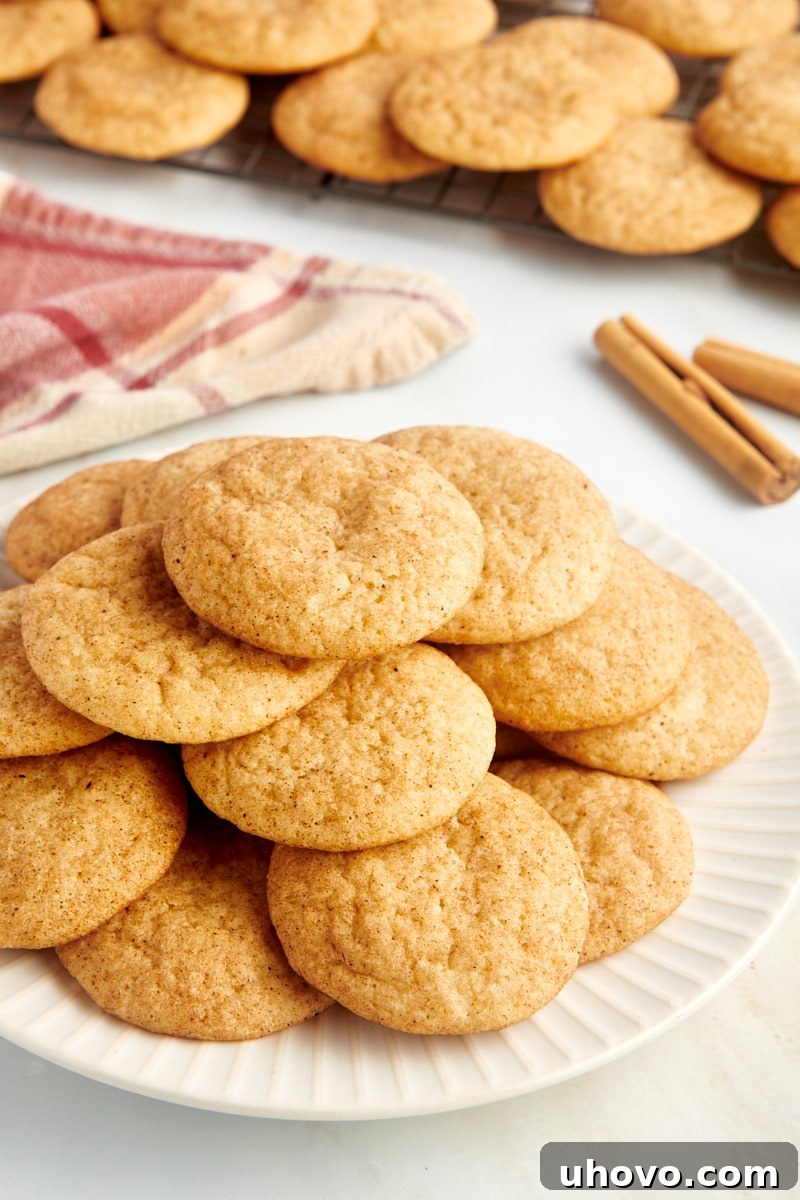
Let’s rediscover the enduring appeal of a truly classic cookie: the Snickerdoodle. While often associated with the warmth of the holiday season due to their comforting cinnamon flavor, these traditional snickerdoodles are genuinely a year-round delight. Much like the universally loved chewy chocolate chip cookies, their simplicity and satisfying taste make them a perfect choice for any day you crave a sweet, spiced indulgence.
Baking a batch of snickerdoodles is not just about making cookies; it’s about creating an experience. The aroma of cinnamon filling your home is instantly comforting, and the ease of this recipe means you don’t need a special occasion to enjoy them. Whether it’s a quiet afternoon treat, a last-minute dessert for guests, or a contribution to a potluck, these cookies fit seamlessly into any moment.
Why This Snickerdoodle Recipe Will Become Your New Favorite
There are countless reasons to fall in love with these snickerdoodle cookies, making them a staple in any home baker’s collection:
- A Dream for Cinnamon Enthusiasts. If you simply can’t get enough of that comforting, aromatic spice, then these soft and chewy snickerdoodles are crafted just for you. The generous cinnamon sugar coating applied before baking delivers an exquisite balance of sweetness and a gentle kick of spice, enhancing the cookie without ever overwhelming the palate. Each bite is a warm embrace of cinnamon goodness.
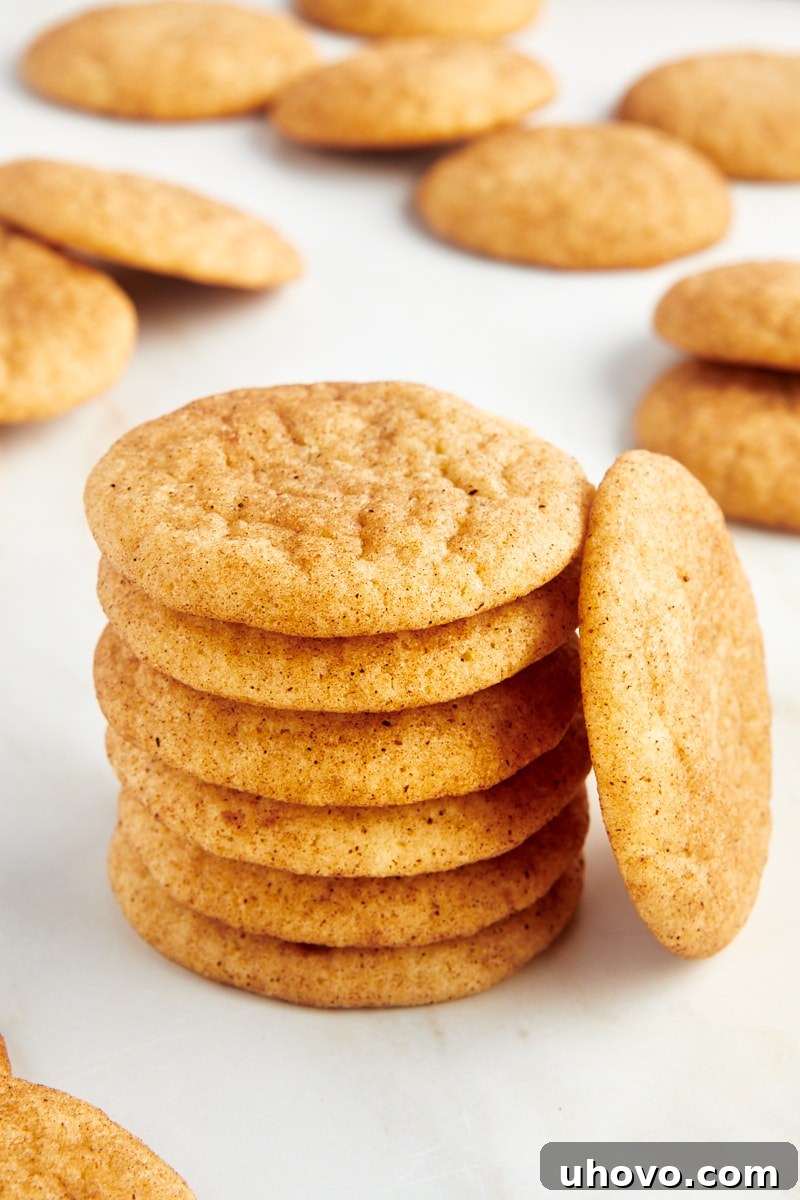
- The Quintessential Cookie Texture. Snickerdoodles are celebrated for achieving a remarkable textural harmony. You’ll first encounter a delicate crunch from the caramelized cinnamon sugar on the exterior, which then gives way to an interior that is pure, pillowy, chewy perfection. It’s truly the best of both worlds, offering a satisfying contrast that makes these cookies utterly irresistible.
- Effortless Baking with Pantry Staples. This recipe stands out for its straightforward simplicity. Forget complicated steps like rolling out dough, intricate cutting, or lengthy chilling times. This recipe streamlines the baking process, allowing you to enjoy fresh-baked cookies with minimal fuss. Moreover, with the exception of cream of tartar – a common ingredient for snickerdoodles – most of the ingredients are likely already in your kitchen, making it a convenient choice for spontaneous baking sessions.
- Nostalgic Comfort in Every Bite. There’s something inherently comforting and nostalgic about a snickerdoodle. It’s a taste that often brings back fond memories of childhood and simpler times. This recipe captures that classic, old-fashioned flavor perfectly, providing a warm, homey feeling with every delicious cookie.
By entering your email, you consent to receiving emails from Bake or Break. You can unsubscribe at any time.
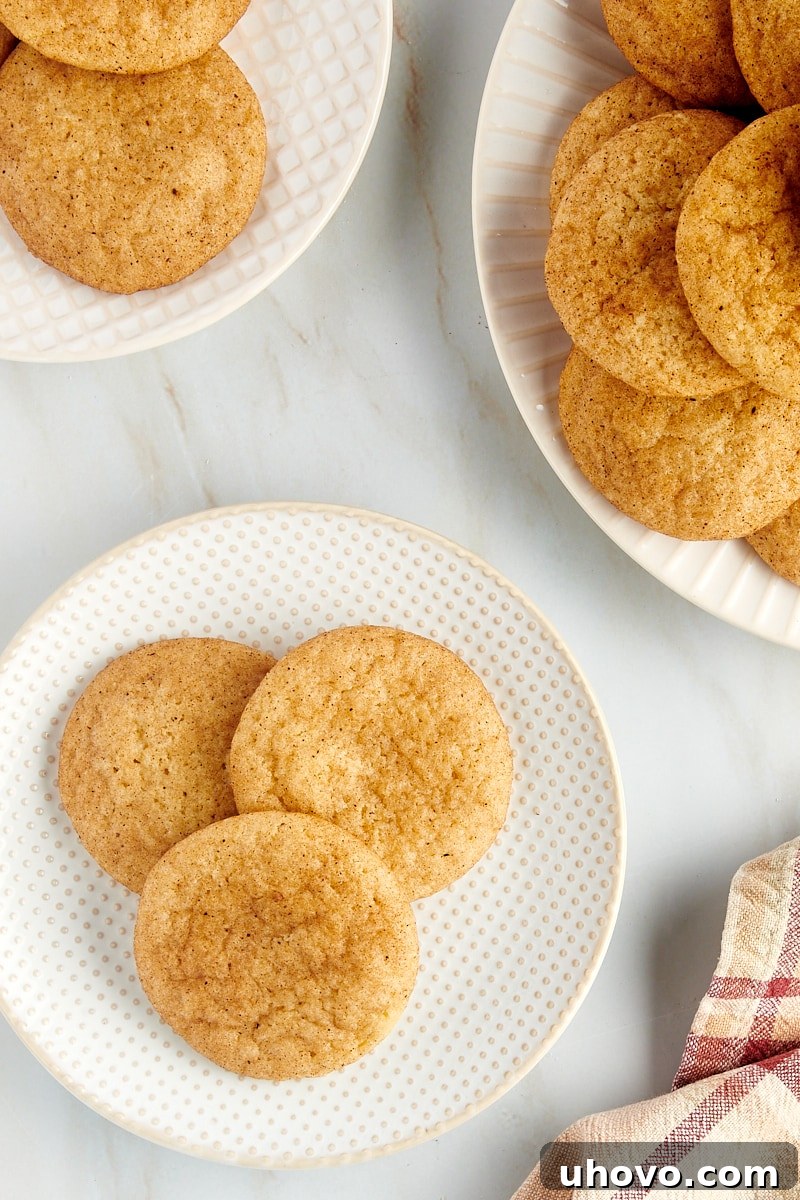
What Exactly Are Snickerdoodles? A Delicious History
Snickerdoodles are more than just a cookie; they are an iconic American treat, with roots stretching back to the 19th century. While their precise origins remain a delightful culinary mystery, food historians often trace their beginnings to New England, suggesting influences from German or Dutch baking traditions. Some even propose that the whimsical name “snickerdoodle” could be a playful take on the German word “Schneckennudel,” which refers to a type of cinnamon bun or pastry.
At their core, snickerdoodles share a kinship with classic drop sugar cookies. However, they boast a distinct identity primarily thanks to two key elements: their signature crackled surface and their unique tangy flavor. They deliver a wonderfully soft and chewy interior, complemented by a delicate hint of crispness on the outside – a result of the caramelized cinnamon sugar coating. This aromatic, warm cinnamon sugar is so fragrant that you can often anticipate its delicious taste even before you take that first satisfying bite. It’s this unique combination of texture, tang, and spice that sets the snickerdoodle apart and has cemented its place as a beloved staple in American baking.
Unlike a plain sugar cookie, the snickerdoodle’s character is deeply influenced by cream of tartar, which not only aids in achieving that characteristic chewy texture but also contributes a subtle, distinctive tang. This tangy note provides a perfect counterpoint to the sweetness of the sugar and the warmth of the cinnamon, elevating the cookie from simply sweet to wonderfully complex and utterly addictive.
Essential Ingredients for Perfect Snickerdoodles
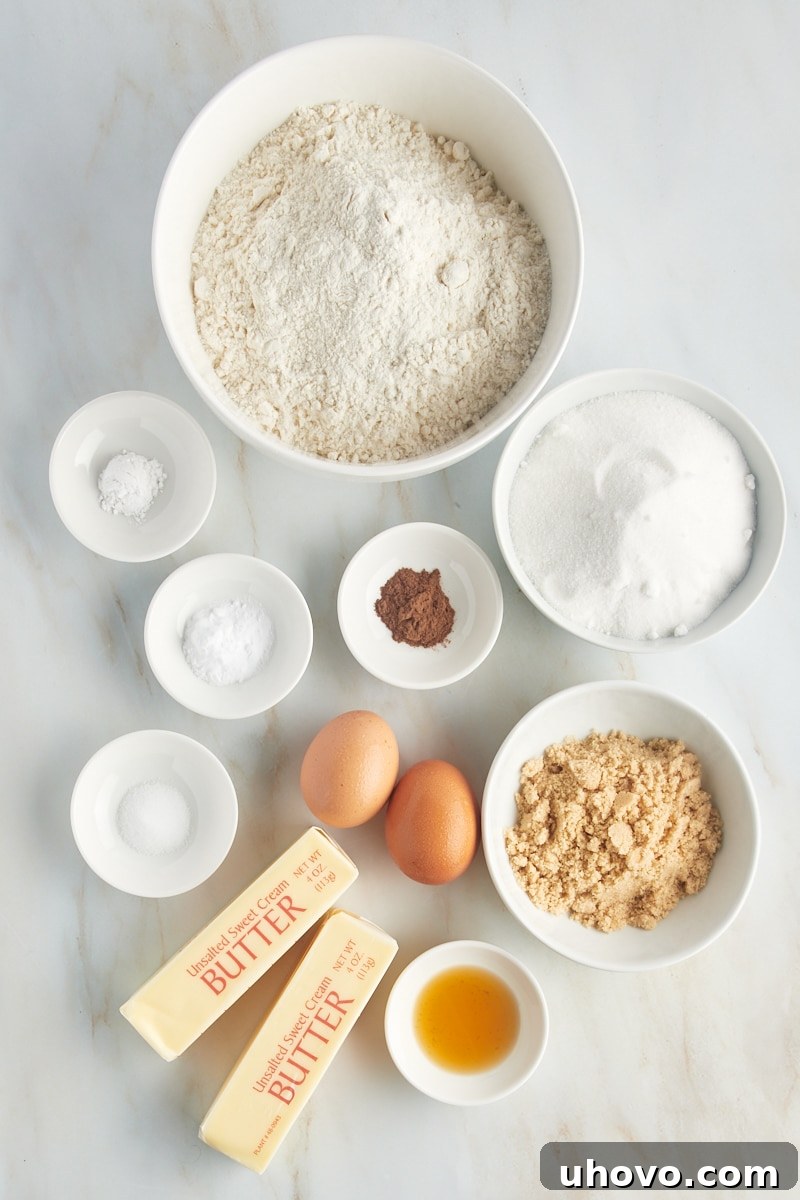
Crafting these delectable snickerdoodles requires a handful of common baking ingredients, most of which you likely already have on hand. For precise quantities and detailed instructions, please refer to the complete recipe card below. Here’s a closer look at what you’ll need and why each component is crucial:
For the Irresistible Cinnamon-Sugar Coating:
- Granulated Sugar – This everyday white granulated sugar provides the perfect crystalline texture and sweetness for the coating, creating that delightful subtle crunch on the outside of the cookie.
- Ground Cinnamon – The star of the show! For a truly exceptional flavor, I highly recommend using Saigon cinnamon, renowned for its intense, warmer, and richer profile compared to other varieties. However, any high-quality ground cinnamon you have available will yield delicious results. To deepen your understanding and choose the best for your baking, explore our guide on types of cinnamon: a home baker’s guide.
For the Soft & Chewy Cookie Dough:
- All-Purpose Flour – The structural foundation of our cookies. Proper measurement is key to achieving the right texture. Learn the best techniques by reading how to measure flour for baking.
- Baking Soda – This leavening agent works in conjunction with cream of tartar to create the signature tender and slightly puffy texture of snickerdoodles. It also contributes to their beautiful golden-brown color.
- Ground Cinnamon – Not just for the coating, a touch of cinnamon in the dough itself ensures that warm, spiced flavor permeates every single crumb, offering a consistent and delightful taste experience.
- Cream of Tartar – An indispensable ingredient for authentic snickerdoodles. See my detailed note below on its vital role.
- Salt – A fundamental flavor enhancer in baking, salt balances the sweetness and brings out the nuanced flavors of the cinnamon and sugars, making the cookies taste more complex and satisfying.
- Unsalted Butter – Using unsalted butter gives you complete control over the salt content in your recipe. Ensure it’s softened to room temperature for optimal creaming with the sugars, which is essential for a light and airy cookie texture. Dive deeper into this topic with our guide on unsalted or salted butter: which is better for baking?
- Granulated Sugar and Light Brown Sugar – This combination is crucial. Granulated sugar provides crispness and aids in spreading, while light brown sugar contributes moisture, chewiness, and a subtle caramel note. Dark brown sugar would be too robust for the delicate balance of a classic snickerdoodle. Understand the differences and applications by reading our guide on light brown sugar vs dark brown sugar.
- Eggs – Essential binders that help emulsify the dough, add richness, moisture, and contribute to the cookie’s structure and rise. Use large eggs at room temperature for best results.
- Vanilla Extract – A splash of high-quality vanilla extract deepens and rounds out the overall flavor profile, adding a layer of warmth and sweetness. Whether you opt for a premium store-bought brand or decide to try your hand at homemade vanilla extract, its contribution is invaluable.
The Secret Ingredient: Why Cream of Tartar is Essential for Snickerdoodles
Cream of tartar, chemically known as potassium bitartrate, is not just another baking powder; it’s the defining ingredient that gives snickerdoodles their distinct character. Its acidic properties are key to its magic. When combined with baking soda, it creates a powerful leavening reaction, producing carbon dioxide gas that helps the cookies rise, resulting in that signature puffy texture.
Beyond leavening, cream of tartar plays several crucial roles:
- Signature Tangy Flavor: It imparts a unique, subtle tangy flavor that beautifully contrasts with the sweetness of the sugar and the warmth of the cinnamon. This tang is what truly distinguishes a snickerdoodle from a regular sugar cookie.
- Chewy Texture: It helps prevent sugar crystals from forming during baking, which contributes to the exceptionally soft and chewy interior that snickerdoodles are famous for. Without it, your cookies might be more crisp or crumbly.
- Distinctive Crinkled Appearance: The acid in cream of tartar, alongside the leavening, helps create those characteristic cracks and crinkles on the surface of the cookies as they bake and expand.
While some recipes might suggest substitutions for cream of tartar, for an authentic snickerdoodle experience with that perfect texture and tangy taste, it’s truly irreplaceable. It’s the secret to their irresistible charm!
Step-by-Step Guide: Crafting Your Perfect Snickerdoodles
You’re just a few simple steps away from enjoying a baking sheet full of warm, fragrant, cinnamon-kissed snickerdoodle cookies! Follow these instructions carefully to achieve bakery-quality results right in your own kitchen.
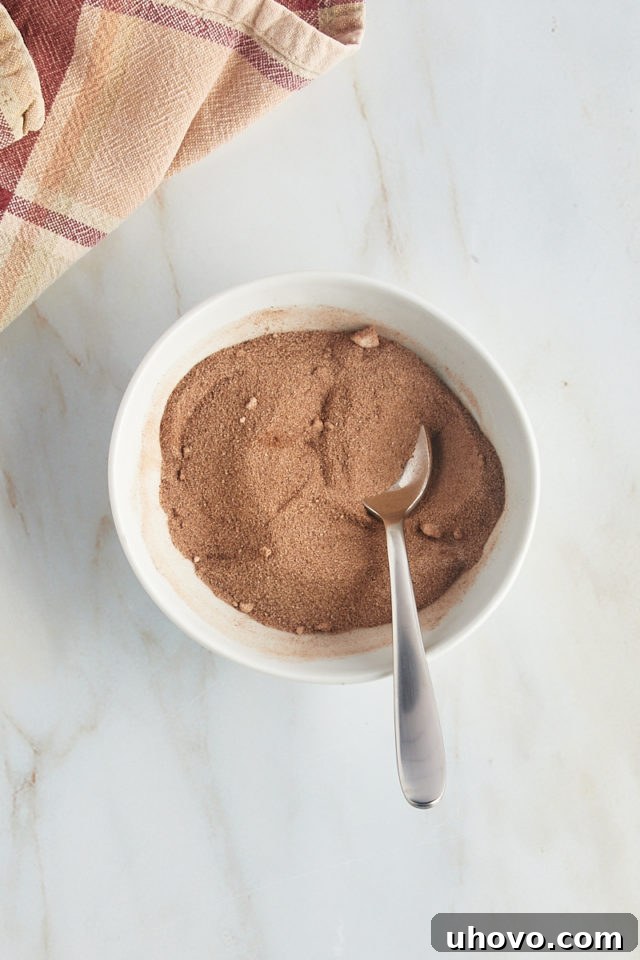
- Prepare the Cinnamon Sugar Coating. In a small, shallow bowl, combine the granulated sugar and ground cinnamon. Stir well until thoroughly mixed. This mixture will be used to coat your cookie dough balls, so ensure it’s easily accessible.
- Preheat and Prepare Your Oven. Preheat your oven to 350°F (175°C). Line several baking sheets with parchment paper or silicone liners. This step is crucial for preventing sticking and ensuring even baking.
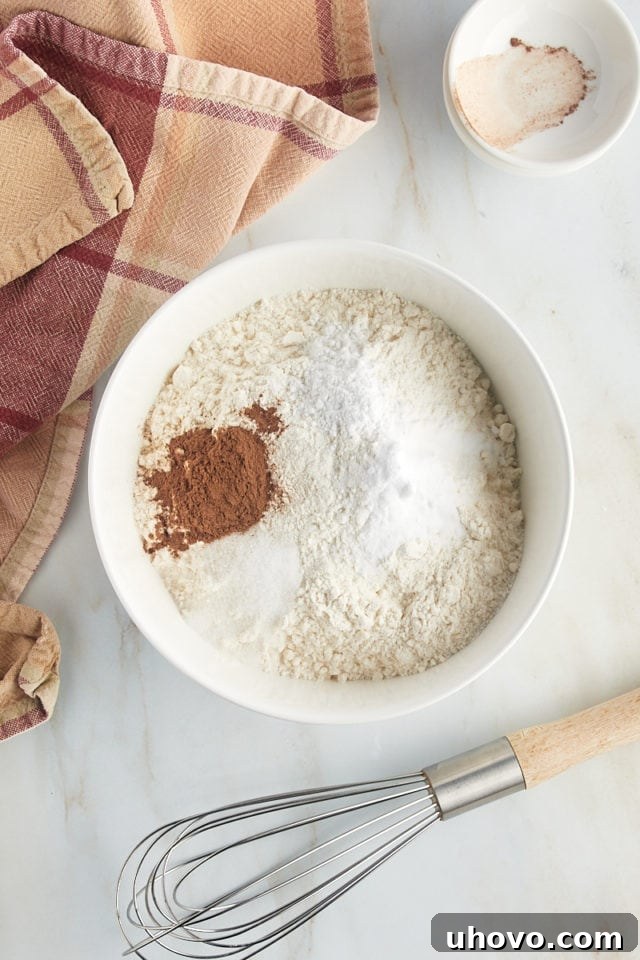
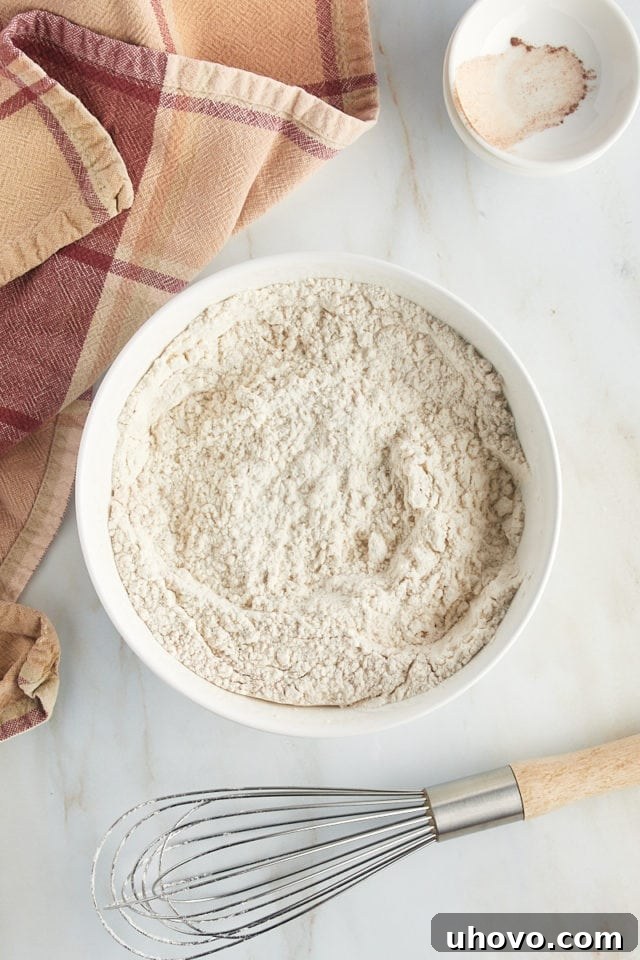
- Combine the Dry Ingredients. In a separate medium-sized mixing bowl, whisk together the all-purpose flour, baking soda, ground cinnamon, cream of tartar, and salt. Whisking ensures all leavening agents and spices are evenly distributed, leading to a consistent cookie texture. Set this mixture aside.
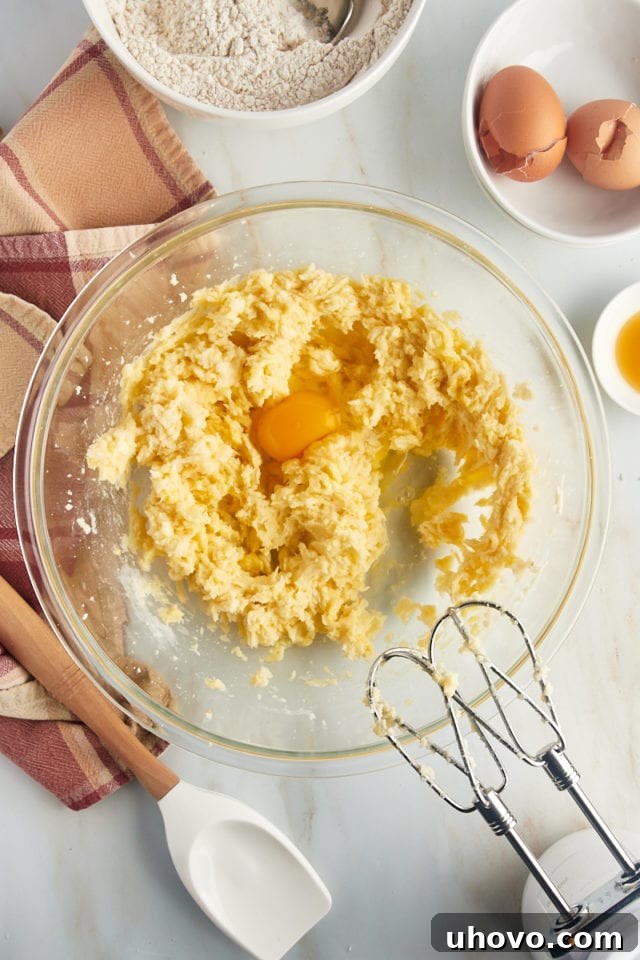
- Cream the Wet Ingredients. In a large mixing bowl, using an electric hand mixer or stand mixer fitted with the paddle attachment, beat the softened unsalted butter, granulated sugar, and light brown sugar together on medium speed until the mixture is light, fluffy, and pale in color. This creaming process incorporates air, which is vital for the cookie’s texture.
- Incorporate Eggs and Vanilla. Add the eggs one at a time, beating well after each addition until fully incorporated. Scrape down the sides of the bowl as needed to ensure everything is mixed evenly. Finish by mixing in the vanilla extract, ensuring it’s thoroughly combined.
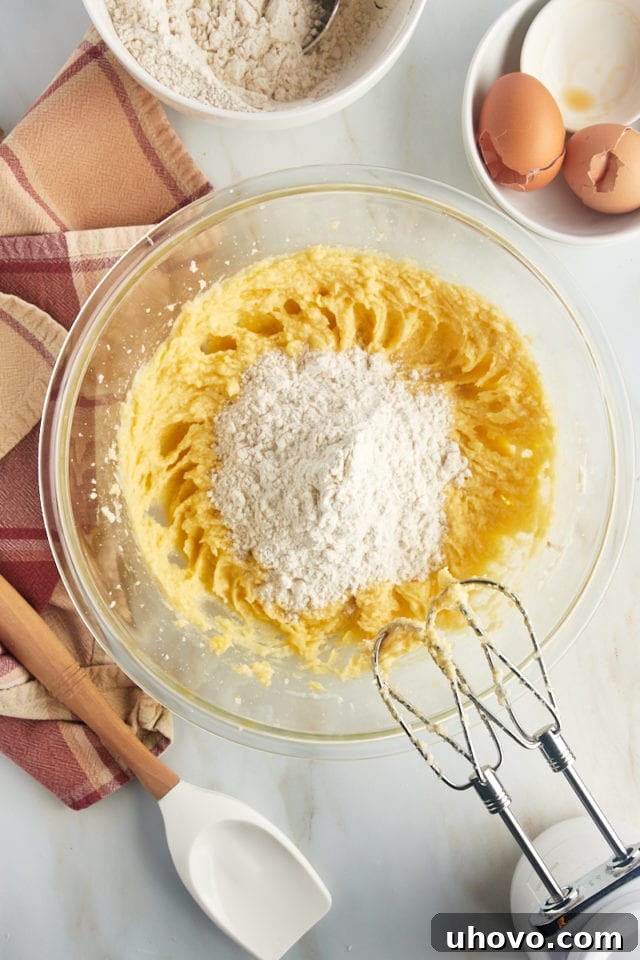
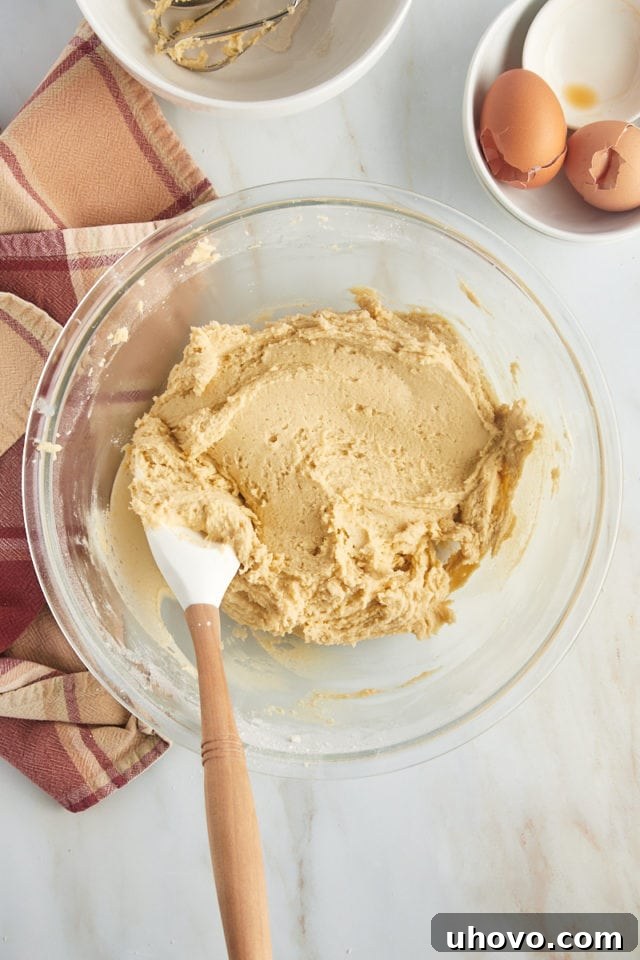
- Finish the Cookie Dough. Reduce the mixer speed to low. Gradually add the whisked dry ingredients to the wet ingredients, mixing only until just combined. Be careful not to overmix, as this can develop the gluten in the flour too much, leading to tough cookies. Stop mixing as soon as no dry streaks of flour remain.
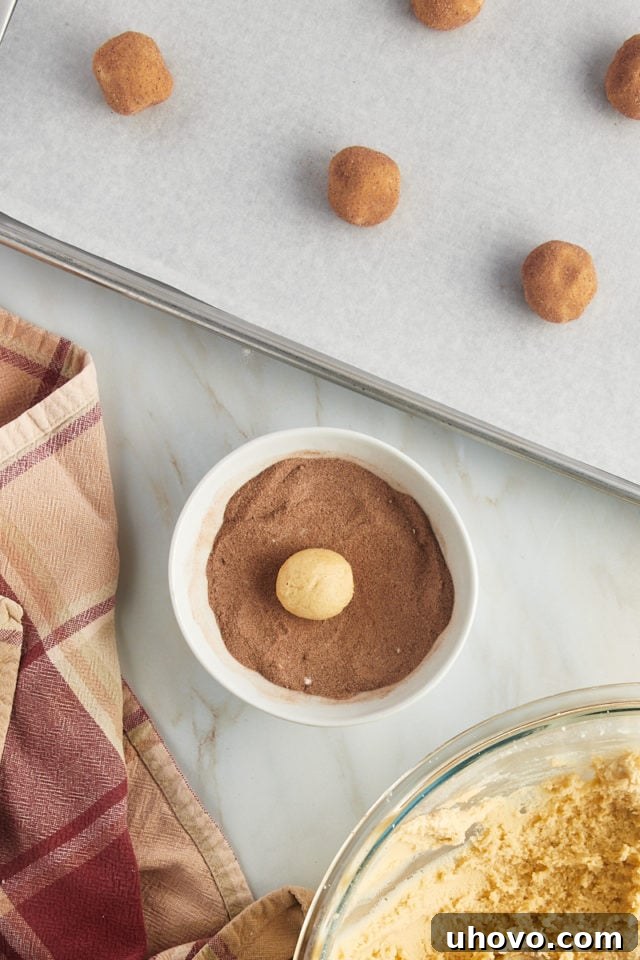
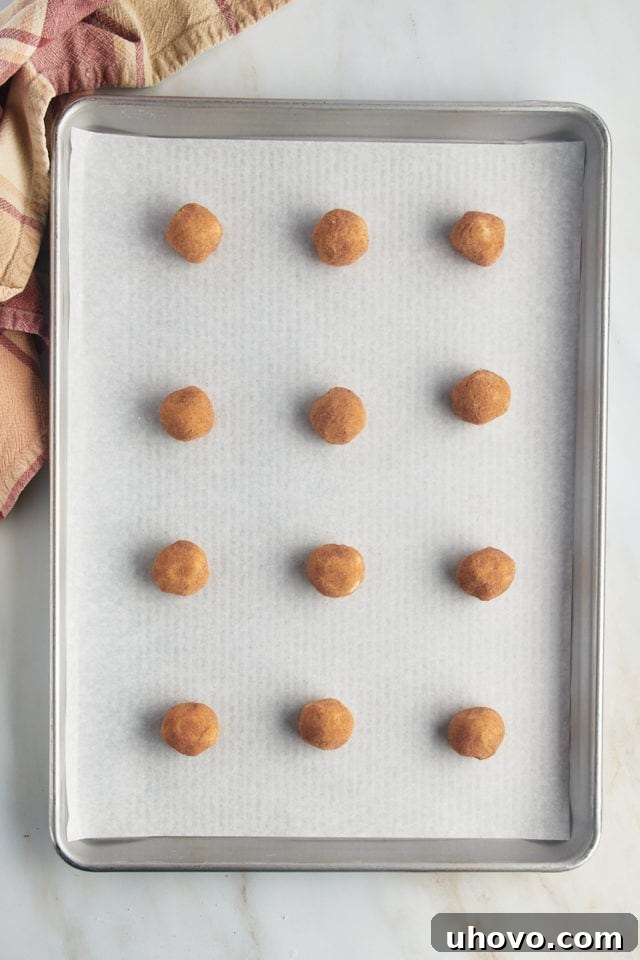
- Form and Coat the Cookies. Using a tablespoon or a cookie scoop (approximately #60 scoop for consistent sizing), portion out the cookie dough. Roll each portion between the palms of your hands to form a smooth ball. Then, roll each dough ball generously in the prepared cinnamon-sugar mixture until fully coated. Place the coated balls onto the prepared baking sheets, ensuring you leave at least 2 inches of space between each cookie to allow for spreading.
- Bake to Golden Perfection. Place one baking sheet at a time into your preheated oven. Bake for 8 to 10 minutes, or until the edges of the snickerdoodles are lightly golden brown and the centers appear set but still look soft. The cookies will continue to cook slightly as they cool, so avoid over-baking for that perfect chewy texture. Repeat this process with the remaining dough and baking pans.
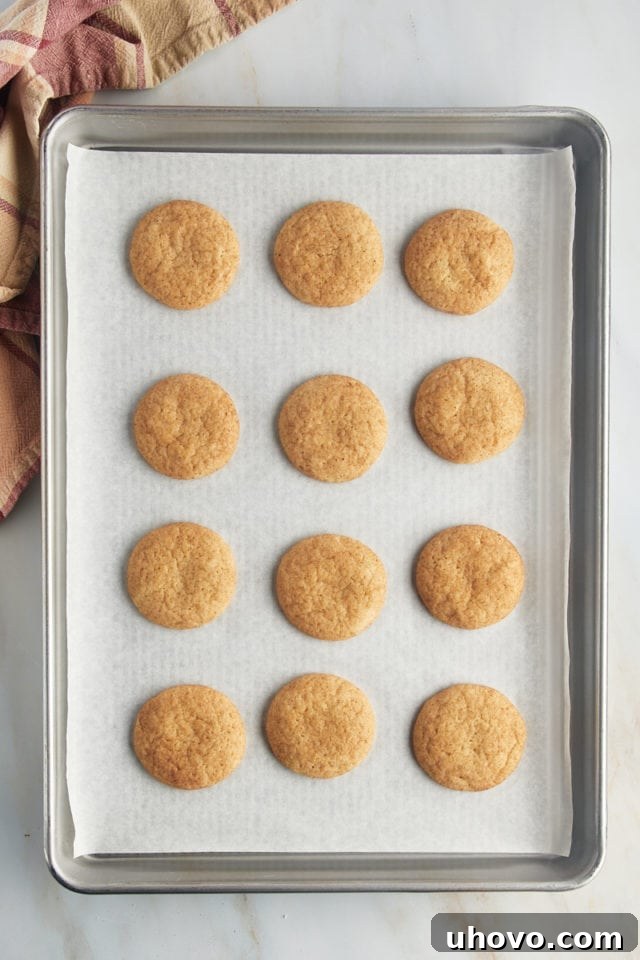
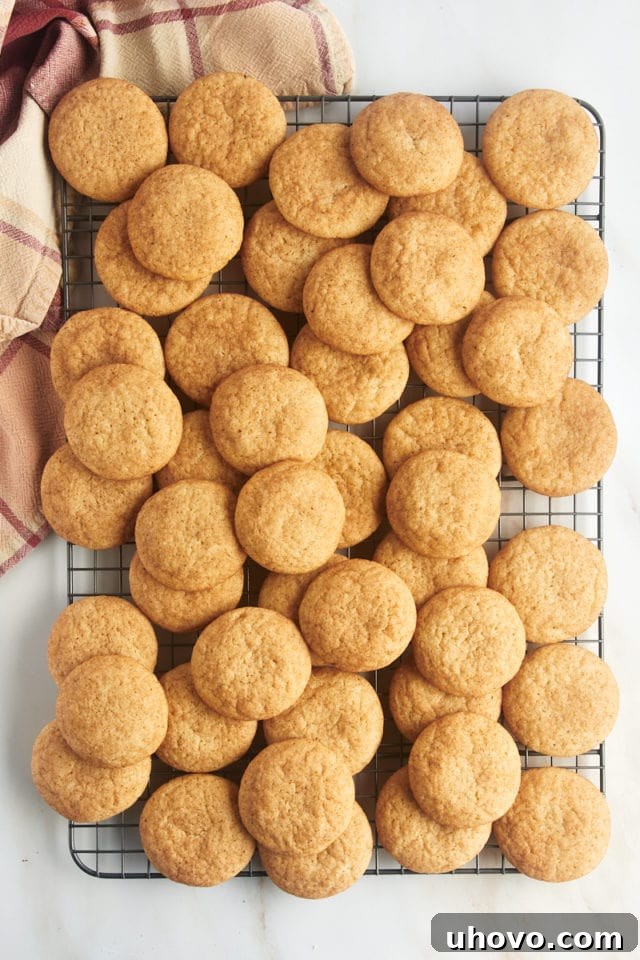
- Cool the Cookies. Once baked, carefully remove the pans from the oven and place them on a wire rack to cool for about 10 minutes. This initial cooling period allows the cookies to set and firm up, preventing them from breaking when moved. After 10 minutes, gently transfer the snickerdoodles directly from the pan onto the wire rack to cool completely. Cooling on a wire rack ensures air circulation around the entire cookie, preventing sogginess and maintaining their perfect texture. (For more insights, read: Why Every Baker Needs Wire Cooling Racks.)
Mastering Snickerdoodles: Expert Baking Tips for Success
Achieving the perfect snickerdoodle is easy with a few key considerations. Beyond general baking tips for beginners, pay close attention to these specific pointers to ensure your snickerdoodles are consistently soft, chewy, and full of flavor:
- Properly Soften the Butter. This step is absolutely critical! Butter that is too cold won’t cream properly with the sugars, leading to a dense cookie. Butter that is too warm (melted or greasy) will cause the cookies to spread excessively. Aim for butter that is soft enough to indent easily with your finger but still holds its shape. For detailed guidance, check out how to soften butter effectively.
- Utilize a Cookie Scoop for Uniformity. A cookie scoop is a baker’s best friend for ensuring consistent results. Using a scoop (like a #60 for a tablespoon-sized cookie) allows you to portion the dough quickly and accurately. Uniformly sized cookies bake evenly, preventing some from being underdone while others are overdone. Remember to still roll each scooped portion into a smooth ball before coating it in cinnamon-sugar for that classic snickerdoodle look and texture.
- Do Not Over-Bake. This is perhaps the most common mistake when baking cookies. Snickerdoodles are meant to be soft and delightfully chewy, not hard or crispy. Keep a close eye on them; they should have lightly browned edges and appear set in the center, but still look slightly underbaked when you pull them out of the oven. They will continue to set as they cool on the baking sheet. Over-baking will result in a dry, crumbly, and less flavorful cookie.
- Allow Baking Pans to Cool Between Batches. If you are baking multiple batches and need to reuse the same baking sheets, it is imperative to let them cool completely between uses. Placing raw cookie dough on a hot baking sheet will cause the butter to melt too quickly, leading to immediate spreading, flat cookies, and an uneven bake. Using cool pans helps the cookies hold their shape and develop that perfect chewy texture.
- Ensure Room Temperature Eggs. Just like butter, eggs at room temperature emulsify better with the other ingredients. This creates a smoother, more homogeneous dough, which in turn leads to a more consistent and tender cookie crumb. If you forget to take them out, place them in a bowl of warm (not hot) water for 5-10 minutes.
- Measure Flour Accurately. Always spoon and level your flour, rather than scooping it directly from the bag. Scooping can pack down the flour, resulting in up to 25% more flour than needed, which can make your cookies dry and tough.
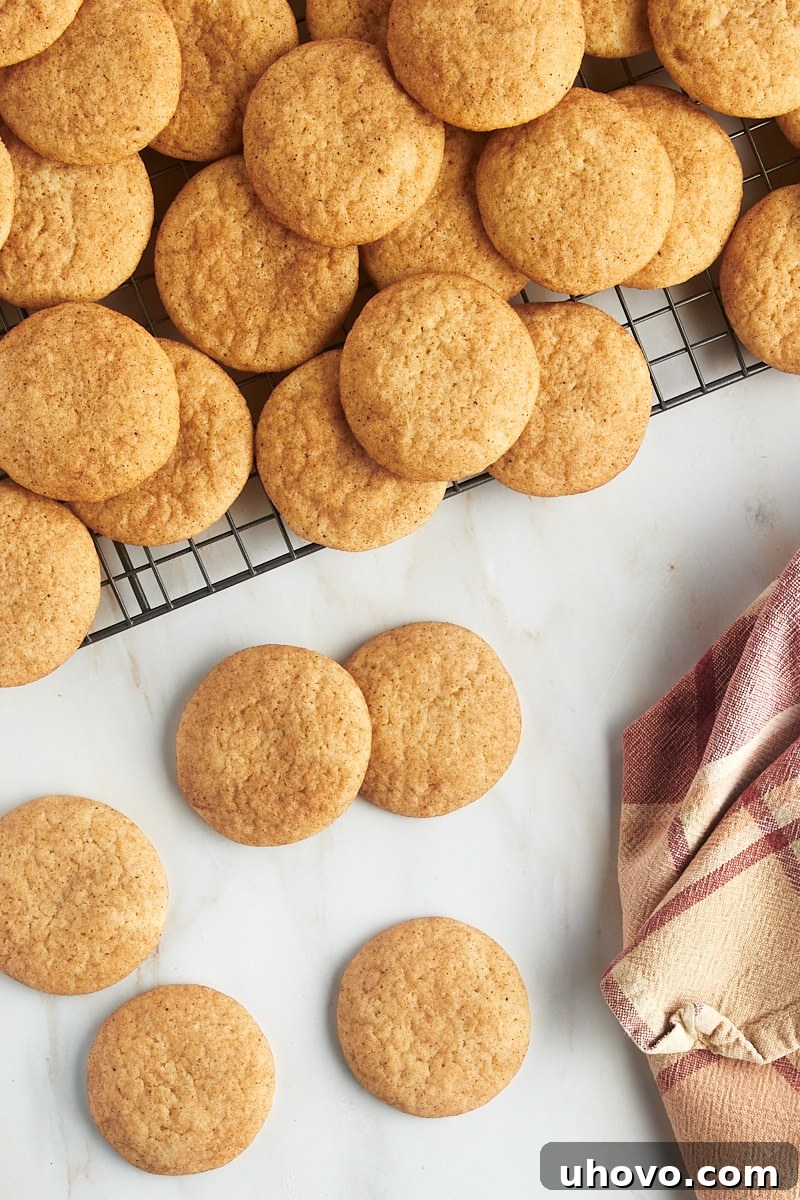
Elevate Your Snickerdoodles: Creative Substitutions & Recipe Variations
While this traditional snickerdoodle recipe is perfect in its classic form, its versatility allows for exciting twists and personalized touches. Feel free to experiment and make these beloved cookies uniquely your own!
- Experiment with Different Extracts. For an intriguing twist on the classic, consider substituting almond extract for half or all of the vanilla extract. Almond adds a delicate, nutty undertone that pairs beautifully with cinnamon. Other extracts like maple or even a hint of rum extract can also introduce delightful new dimensions of flavor. Start with a small amount and adjust to your preference.
- Indulge with White Chocolate. To give your snickerdoodles an elegant and decadent finish, incorporate white chocolate. You can gently drizzle melted white chocolate over the cooled cookies for a beautiful aesthetic and extra sweetness, or for a richer experience, dip half of each cookie into the melted white chocolate. Alternatively, fold white chocolate chips directly into the cookie dough before rolling them in cinnamon sugar for pockets of melty goodness.
- Craft Spiced Snickerdoodles. Amplify the cozy factor by adding a blend of warm spices to your cinnamon-sugar mixture. Beyond cinnamon, a pinch of nutmeg, ground ginger, cardamom, or even a tiny dash of cloves can create a more complex and aromatic “spiced snickerdoodle.” This is particularly wonderful during autumn and winter months. Just be mindful not to overpower the delicate cinnamon flavor.
- Add a Citrus Zest. For a bright and zesty counterpoint to the warm spices, finely grate some orange or lemon zest into your cookie dough. The citrus oils will infuse the cookies with a refreshing aroma and taste that balances the sweetness.
Delightful Serving Suggestions for Snickerdoodles
Snickerdoodles are incredibly versatile and can be enjoyed in many ways beyond simply eating them plain. Here are some ideas to elevate your snickerdoodle experience:
- The Ultimate Ice Cream Sandwich. Snickerdoodles make an absolutely fantastic base for homemade ice cream sandwiches! Their soft, chewy texture holds up beautifully against creamy ice cream. Simply scoop your favorite flavor – whether it’s classic no-churn vanilla ice cream, a nutty butter pecan ice cream, or even a complementary cinnamon ice cream – between two cooled snickerdoodles and gently press. Wrap them individually and freeze for a few minutes to set before serving.
- Perfect with Your Favorite Beverage. Pair these comforting cookies with a steaming cup of coffee, a warm mug of chai tea, a glass of cold milk, or even a rich hot chocolate for a truly cozy treat. The cinnamon notes in the cookies complement these beverages wonderfully.
- Crumble Over Desserts. Crush leftover snickerdoodles and use them as a delicious topping for yogurt parfaits, vanilla pudding, apple crisp, or even a scoop of ice cream. Their unique flavor and texture add a delightful crunch and spice.
- Gift-Worthy Treat. Package a stack of freshly baked snickerdoodles in a beautiful box or bag, tied with a ribbon, to create a thoughtful and much-appreciated homemade gift for friends, family, or neighbors.
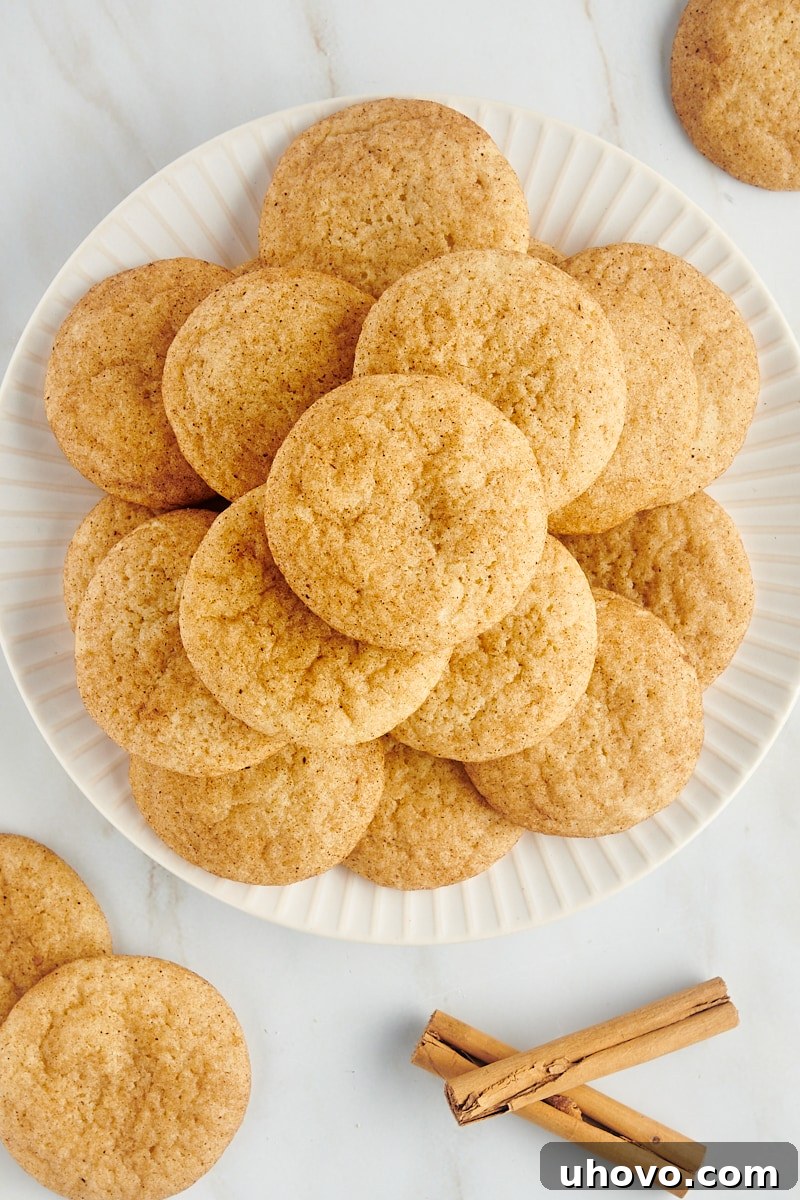
Storing Your Homemade Snickerdoodles for Lasting Freshness
To keep your snickerdoodles wonderfully soft and flavorful for as long as possible, proper storage is key:
Once completely cooled, store your snickerdoodles in an airtight container at room temperature. They will maintain their delicious texture and taste for up to 5 days. To help keep them extra soft, you can even place a slice of bread in the container with the cookies; the cookies will absorb moisture from the bread. I highly advise against storing them in the refrigerator, as the cold environment can cause them to dry out and become hard and brittle, diminishing their signature chewy quality.
Can I Freeze Snickerdoodles? Freezing Baked Cookies & Dough
Yes, snickerdoodles are excellent candidates for freezing, both baked and as raw dough, allowing you to enjoy fresh cookies whenever a craving strikes!
- Freezing Baked Snickerdoodles: Once your snickerdoodles have completely cooled, place them in a single layer on a baking sheet and freeze for about an hour until firm. This prevents them from sticking together. Then, transfer the frozen cookies to a freezer-safe bag or an airtight container, separating layers with parchment paper if stacking. They can be stored in the freezer for up to 3 months. To enjoy, simply thaw them at room temperature for a few hours, or warm them briefly in a microwave or oven for a “freshly baked” experience.
- Freezing Snickerdoodle Dough: This is a fantastic option for future baking! Scoop the cookie dough into individual balls as directed in the recipe, and roll them in the cinnamon-sugar mixture. Place the coated dough balls on a parchment-lined baking sheet, ensuring they are not touching, and freeze until solid (this usually takes 1-2 hours). Once frozen, transfer the dough balls to a freezer-safe bag or airtight container. They will keep well for up to 3 months. When you’re ready to bake, simply place the frozen dough balls on a prepared baking sheet and bake at the same temperature, but add an extra 2-4 minutes to the baking time, or until golden and set. No need to thaw beforehand!
More Snickerdoodle Recipes to Explore
Classic Snickerdoodles
Pin Recipe
Leave a Review
Ingredients
For the cinnamon-sugar:
- ¼ cup (50 g) granulated sugar
- 1 tablespoon ground cinnamon
For the cookies:
- 3 cups (360 g) all-purpose flour
- 1 teaspoon baking soda
- ½ teaspoon ground cinnamon
- ½ teaspoon cream of tartar
- ½ teaspoon salt
- 1 cup (226 g) unsalted butter, softened
- 1 cup (200 g) granulated sugar
- ½ cup (100 g) firmly packed light brown sugar
- 2 large eggs
- 1 teaspoon vanilla extract
Recommended Products
-
USA Pan Half Sheet Pan
-
1-Tablespoon Stainless Steel Measuring Scoop, #60
-
Half Sheet Nonstick Cooling Rack
Instructions
To make the cinnamon-sugar:
-
Combine the sugar and cinnamon in a small, shallow bowl. Stir until well combined and set aside while you prepare the cookie dough.
To make the cookies:
-
Preheat your oven to 350°F (175°C). Line several baking sheets with parchment paper or silicone baking mats to prevent sticking.
-
In a medium bowl, whisk together the all-purpose flour, baking soda, ground cinnamon, cream of tartar, and salt until thoroughly combined. Set this dry mixture aside.
-
In a large mixing bowl, using an electric mixer on medium speed, beat the softened unsalted butter, granulated sugar, and light brown sugar until the mixture is light, fluffy, and pale (about 2-3 minutes). Add the eggs, one at a time, beating well after each addition and scraping down the sides of the bowl as needed. Mix in the vanilla extract until fully incorporated.
-
Reduce the mixer speed to low. Gradually add the reserved flour mixture to the wet ingredients, mixing just until combined. Be careful not to overmix the dough.
-
Using a tablespoon or a cookie scoop (about #60), scoop out portions of dough. Roll each portion into a smooth ball between the palms of your hands. Then, roll each dough ball generously in the prepared cinnamon-sugar mixture until fully coated. Place the coated cookies onto the prepared baking sheets, ensuring approximately 2 inches of space between each cookie to allow for proper spreading.
-
Bake one pan at a time for 8 to 10 minutes, or until the edges are lightly golden brown and the centers appear set but still look soft. Remember not to over-bake for the chewiest results.
-
Once baked, remove the pans from the oven and place them on a wire rack to cool for 10 minutes. This allows the cookies to set. Afterward, carefully transfer the cookies directly from the pan onto the wire rack to cool completely.
Notes
- To store. Store cooled snickerdoodles in an airtight container at room temperature for up to 5 days. For best texture, avoid storing them in the refrigerator, as it can make them hard.
- To freeze. Snickerdoodles freeze exceptionally well for up to 3 months. For baked cookies, ensure they are completely cool, then freeze in an airtight container or freezer bag, separating layers with parchment paper. Thaw at room temperature before serving. To freeze dough, roll individual balls and coat in cinnamon sugar, then freeze on a baking sheet until solid before transferring to a freezer bag. Bake frozen dough balls directly from the freezer, adding a few extra minutes to the baking time.