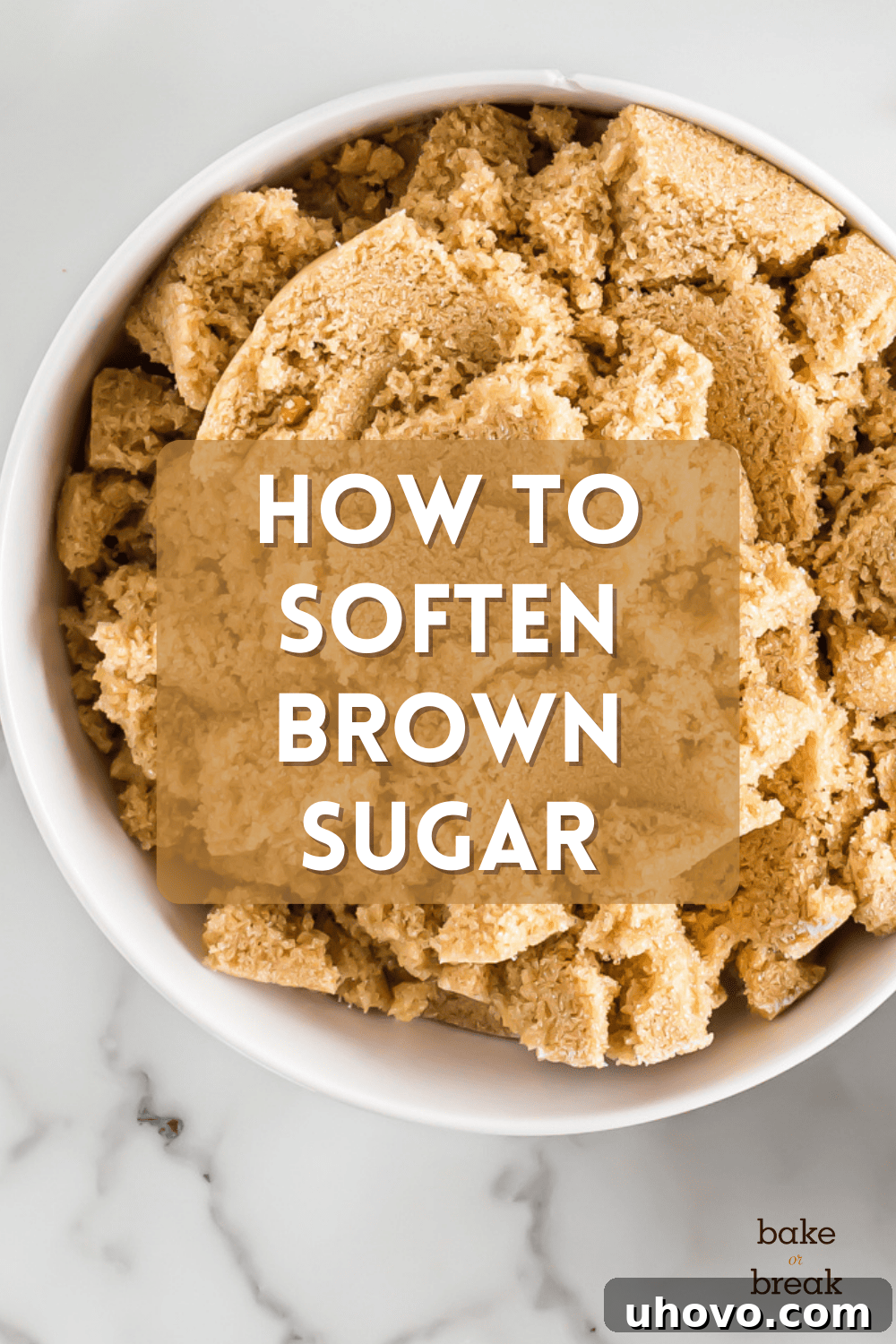
Every home baker has faced the frustrating moment: reaching for brown sugar, only to find a solid, rock-hard block instead of soft, pliable crystals. This common kitchen dilemma can derail baking plans, but thankfully, it doesn’t have to be the end of your culinary aspirations. This comprehensive guide will equip you with a variety of proven methods to bring hardened brown sugar back to its soft, usable state, whether you need it in minutes or can plan ahead. We’ll also dive into expert tips on how to prevent this hardening from happening in the first place, ensuring your brown sugar is always baking-ready.
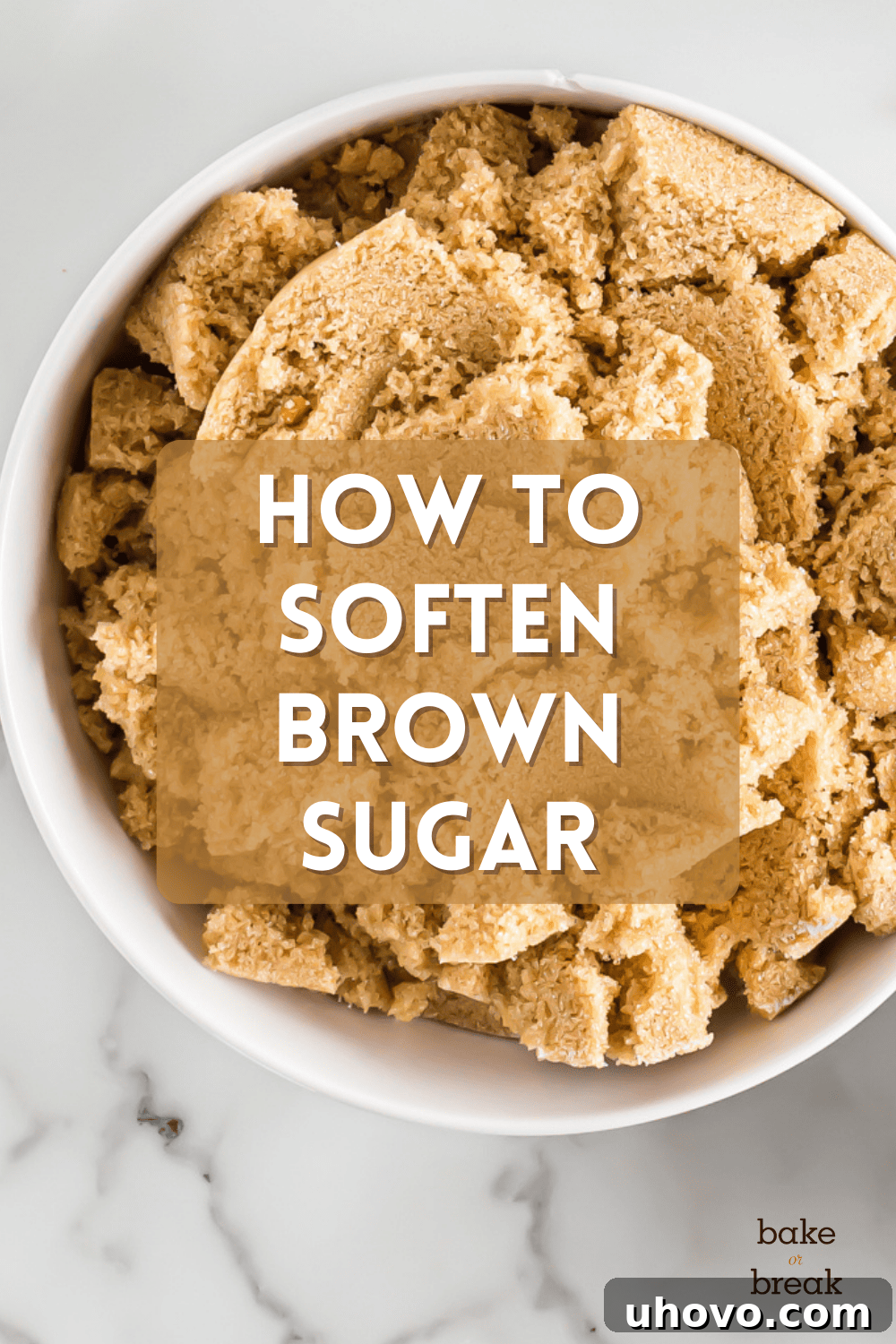
How to Soften Brown Sugar Effortlessly
There’s nothing more frustrating than being in the middle of a recipe and discovering your brown sugar has transformed into a hard, unusable lump. It’s a common issue that many bakers encounter, but it’s far from an insurmountable problem. In fact, softening brown sugar is surprisingly simple with the right techniques. From quick fixes when you’re pressed for time to more gradual methods for salvaging a whole bag, we’ve got you covered. These methods are effective for both light and dark brown sugar, as their hardening mechanisms are essentially the same. For those curious about the subtle differences between these two common pantry staples, you can explore more in our guide on Light Brown Sugar vs Dark Brown Sugar.
Why Does Brown Sugar Harden? The Science Explained
Understanding why brown sugar hardens is the first step to preventing it. The primary difference between brown sugar and granulated white sugar lies in the presence of molasses. Brown sugar crystals are naturally coated with a thin layer of molasses, which gives it its distinctive color, flavor, and soft, moist texture. Molasses is a hygroscopic substance, meaning it attracts and retains moisture. However, when brown sugar is exposed to air, the moisture within the molasses coating gradually evaporates. As this essential moisture dissipates, the individual sugar crystals lose their lubricating molasses layer, stick together, and eventually fuse into a solid, unyielding mass. It’s a simple process of dehydration, turning a fluffy, pliable ingredient into a brick.
Quick Softening Methods for Brown Sugar: When Time is of the Essence
Sometimes, you need soft brown sugar right now. These methods are perfect for last-minute baking emergencies.
Soften Brown Sugar in the Microwave: The Fastest Way
The microwave is undeniably the quickest way to restore moisture to hardened brown sugar, often taking just minutes. To use this method, transfer your brick of brown sugar into a microwave-safe bowl. To introduce the necessary moisture, you have a couple of options: either place a damp (not soaking wet) paper towel directly on top of the brown sugar, or, if you prefer not to have the towel touching the sugar, place a small microwave-safe bowl filled with a tablespoon or two of water next to the sugar within the microwave. Heat the brown sugar on a medium power setting (around 50% power) for 30-second intervals. After each interval, check the sugar’s softness by poking it with a fork. If it’s still hard, continue heating in shorter 15-second bursts until it reaches the desired pliable consistency. It’s crucial not to overheat the sugar, as this can cause it to melt or become excessively sticky, making it difficult to work with. Once softened, use the sugar promptly, as it tends to re-harden quickly after cooling.
Soften Brown Sugar in the Oven: Gentle Heat for Restoration
While not as instantaneous as the microwave, your oven can also effectively soften brown sugar by reintroducing moisture through gentle heat. Preheat your oven to a low temperature, around 250°F (120°C). Carefully break up the hardened brown sugar block as much as possible, then wrap it securely in aluminum foil. Place the foil-wrapped sugar on a baking sheet to catch any potential spills, although this is unlikely at such a low temperature. Transfer the baking sheet to the preheated oven. Check the brown sugar for softness every 5 minutes. The sugar will become pliable as the trapped moisture begins to release. Once it’s soft and crumbly, remove it from the oven and allow it to cool completely before incorporating it into your recipe. This method works well for larger quantities or when you’re preparing other ingredients simultaneously.
Natural Moisture Transfer Methods for Brown Sugar
These methods rely on the gradual transfer of moisture from another source, making them ideal for overnight softening or when you’re not in a rush.
Soften Brown Sugar with Bread or Apple Slices: A Classic Trick
This traditional method might sound unconventional, but it’s remarkably effective. Place your rock-hard brown sugar into a resealable plastic bag or an airtight container. Add one slice of fresh bread or a few slices of a fresh apple (or even a few marshmallows, as some bakers suggest!) into the container with the brown sugar. Seal the container tightly and allow it to sit overnight. The bread or apple slices will gradually release their moisture, which the dry brown sugar will absorb. The next morning, check the brown sugar; it should be significantly softer. If not, reseal and check again after a few more hours. It’s crucial to remove the bread, apple, or marshmallows once the sugar has softened to prevent mold growth or the transfer of unwanted flavors.
Soften Brown Sugar with a Dampened Towel: Gradual Rehydration
Another excellent method for rehydrating brown sugar overnight involves a damp towel. Lightly dampen a clean kitchen towel or a thick paper towel – it should be moist, not dripping wet. Wring out as much excess water as possible. Place the hardened brown sugar in a bowl. Cover the bowl completely with the damp towel, ensuring the towel does not directly touch the brown sugar. The moisture will slowly evaporate from the towel and be absorbed by the sugar. Leave the covered bowl on your countertop overnight, and by morning, your brown sugar should be soft and usable. If you store your brown sugar in an airtight canister, you can also place a layer of aluminum foil or plastic wrap over the sugar, then place the damp towel on top of this protective layer. This prevents the sugar from becoming too wet or dissolving where it touches the towel. Seal the container tightly and let it sit overnight.
The Ultimate Long-Term Solution: Terra Cotta Disks for Brown Sugar
For a reliable and reusable solution, especially for preventing hardening in the future, a terra cotta disk is a fantastic investment. These porous disks are specifically designed to regulate moisture levels. To use one, simply soak the terra cotta disk in clean water for about 20-30 minutes. Once saturated, remove it and thoroughly pat dry any excess surface water. Place the damp disk directly into your airtight brown sugar container, nestling it into the sugar. Seal the container tightly and leave it overnight. The terra cotta will gradually release its absorbed moisture, rehydrating the sugar and keeping it soft. The beauty of this method is that you can leave the disk in the container to continuously maintain the sugar’s moisture. You’ll only need to re-soak the disk every few months or as you notice the sugar starting to stiffen again, making it an incredibly convenient and long-lasting solution.
Methods to Avoid When Softening Brown Sugar
While it might be tempting to resort to aggressive measures when faced with a stubborn block of brown sugar, certain methods can do more harm than good and ultimately fail to address the underlying issue.
Why Not to Use a Food Processor, Blender, or Grater
You may come across suggestions to use a food processor, blender, or even a box grater to break down hardened brown sugar. While these tools will certainly turn your solid sugar into smaller pieces, they do not add back the crucial moisture that has been lost. Instead, they simply pulverize the dry, brittle sugar crystals into a coarse, sandy texture. The resulting sugar will still be dried out and won’t perform correctly in baking, affecting the texture, moistness, and even the flavor of your finished product. Attempting to use a food processor or blender on rock-hard sugar can also strain or damage your appliance. The goal is to rehydrate the sugar, not just break it apart. Stick to the moisture-adding methods described above for truly effective softening and optimal baking results.
Why Soft Brown Sugar Matters for Your Baking
Beyond the simple convenience of scooping, the softness of brown sugar plays a critical role in the success of your baked goods. Brown sugar, with its inherent moisture, contributes to the chewy texture and rich flavor profile of many recipes, from cookies to cakes. When you use hardened, dried-out brown sugar, it can lead to several undesirable outcomes:
- Inaccurate Measurements: A solid block of sugar is impossible to measure accurately, leading to incorrect ratios in your recipe.
- Dry Baked Goods: The lack of moisture in hardened sugar means it can’t contribute to the overall hydration of your dough or batter, resulting in dry, crumbly, or dense baked goods.
- Textural Issues: Brown sugar helps create chewiness in cookies and tenderness in cakes. Using dry sugar will often yield a harder, less desirable texture.
- Flavor Imbalance: The molasses in brown sugar provides distinct flavor notes. Dried sugar may have a diminished flavor impact.
Ensuring your brown sugar is soft and pliable means your recipes will turn out as intended, with the perfect texture and delicious taste.
How to Keep Brown Sugar Soft: Preventative Measures
The best way to deal with hardened brown sugar is to prevent it from happening in the first place! With a few simple storage strategies, you can ensure your brown sugar remains soft, moist, and ready for all your baking adventures.
The Importance of Airtight Containers
As we’ve learned, air exposure is the arch-nemesis of soft brown sugar. Therefore, the most fundamental step in prevention is to store your brown sugar in a truly airtight container. Look for containers with a tight-fitting lid and a good seal, often made of plastic or glass. A container that is appropriately sized for the amount of sugar you have is also beneficial, as less empty air space means less air exposure. While an airtight container alone is often sufficient to prevent initial hardening, for optimal long-term softness, consider pairing it with a moisture-retaining aid.
My Preferred Method: Terra Cotta Disks for Continuous Softness
I am a strong advocate for keeping a terra cotta disk (often referred to as a brown sugar saver) in my brown sugar container at all times. While other methods can soften already hardened sugar, the terra cotta disk works continuously to maintain its moisture, preventing hardening from ever occurring. After soaking the disk and drying it as described earlier, simply place it in your airtight brown sugar container. It will slowly release moisture, keeping the sugar perfectly soft for weeks, even months. Periodically re-soaking the disk (every 2-3 months, or when you notice the sugar starting to stiffen) will keep it active. I personally use an airtight OXO container that has a clever design allowing their terra cotta disk to attach conveniently to the lid, which is incredibly practical. This combination is my absolute preferred method for both storing brown sugar and ensuring it remains consistently soft and pliable.
Double-Bagging for Extra Protection
For an added layer of protection against air exposure, you can “double bag” your brown sugar. After opening a new bag of brown sugar, transfer it into a heavy-duty, zip-top plastic bag. Squeeze out as much air as possible before sealing it tightly. Then, place this sealed bag inside another airtight container. This creates an excellent barrier against moisture loss and is a simple yet effective way to prolong your brown sugar’s softness, especially if you don’t have a terra cotta disk on hand.
Freezing Brown Sugar for Long-Term Storage
If you purchase brown sugar in large quantities or don’t use it frequently, freezing is an excellent long-term storage solution. When stored in the freezer, brown sugar will retain its moisture and remain soft indefinitely. To freeze brown sugar, transfer it to an airtight, freezer-safe container or a heavy-duty zip-top freezer bag, ensuring all excess air is removed. You can even pre-portion the sugar into common measurement sizes (like 1/2 cup or 1 cup) before freezing, making it even more convenient for future baking. When you’re ready to use it, simply remove the desired amount from the freezer a few hours before you plan to bake. It will thaw quickly at room temperature and be perfectly soft and ready to use.
Conclusion: Never Let Hard Brown Sugar Stop You Again
With these diverse and effective methods, a block of hardened brown sugar will never again stand between you and your delicious baking projects. Whether you need a lightning-fast solution for an immediate recipe or a reliable strategy for long-term freshness, you now have the knowledge and tools to keep your brown sugar perfectly soft and ready to use. By understanding why brown sugar hardens and implementing smart storage practices, you can enjoy perfectly textured, consistently delicious results every time you bake. Say goodbye to frustration and hello to perfectly soft, aromatic brown sugar!
Recipes Featuring Soft Brown Sugar
Now that your brown sugar is beautifully soft and ready to go, it’s time to put it to delicious use! Explore these fantastic recipes that showcase brown sugar in all its sweet, moist glory. Get baking with Brown Sugar Shortbread, indulge in the rich flavors of Brown Sugar Pound Cakes, whip up a batch of comforting Oatmeal Chocolate Chip Cookies, enjoy a slice of simple yet satisfying Brown Sugar Snack Cake, or delight in the crackled tops of Brown Sugar Crinkles.
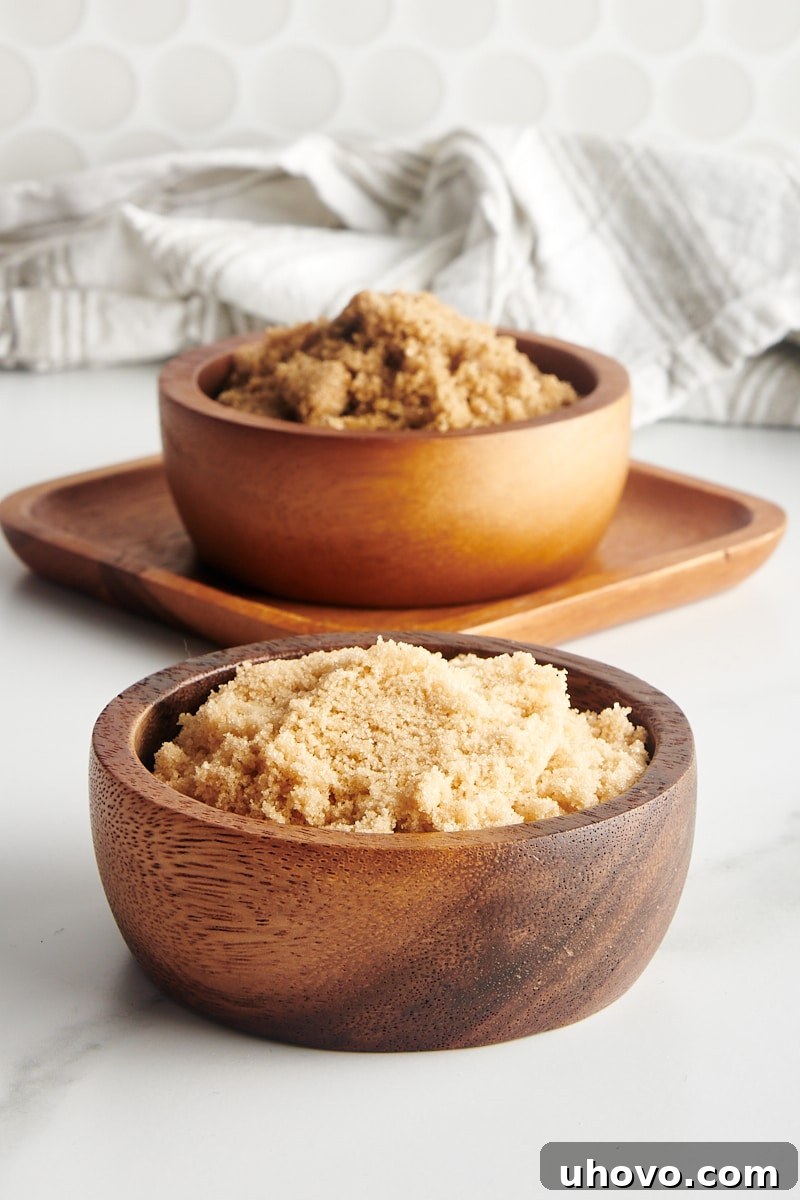
Bake or Break is a participant in the Amazon Services LLC Associates Program, an affiliate advertising program designed to provide a means for us to earn fees by linking to Amazon.com and affiliated sites.