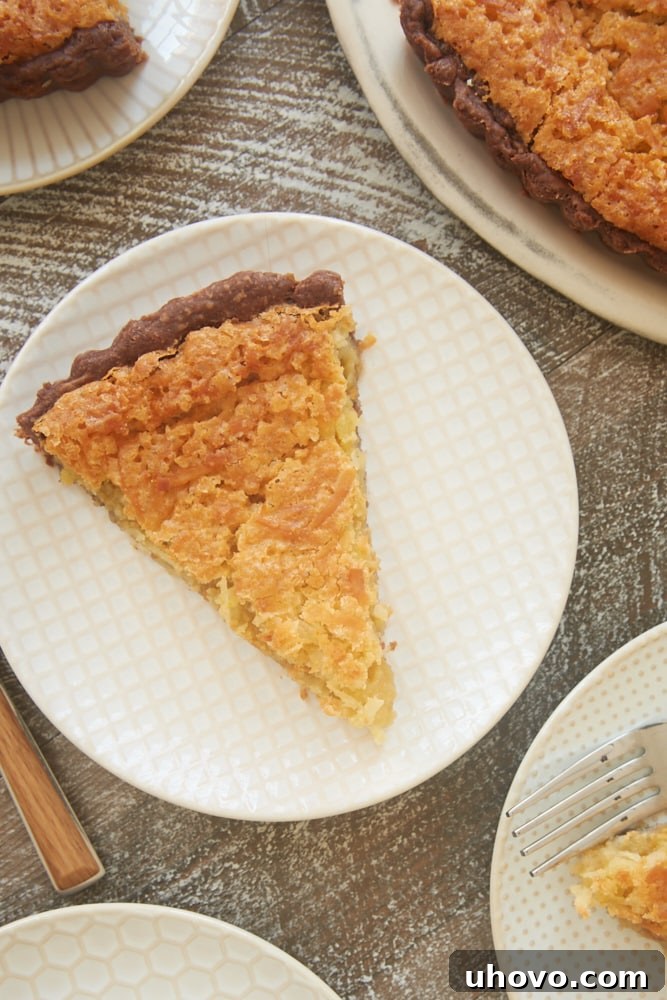
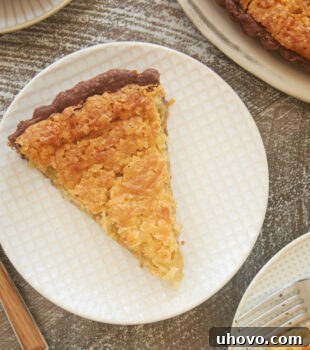
Indulge in a delightful twist on a beloved classic with this exquisite Coconut Chess Pie, featuring a rich, cocoa-infused pastry crust. This recipe brings together the comforting sweetness of traditional chess pie with the irresistible tropical essence of shredded coconut, creating a dessert that is both familiar and exciting. Each bite offers a harmonious blend of creamy, gooey filling and a wonderfully flaky, subtly chocolatey crust, promising a truly memorable treat for any occasion. Whether you’re a long-time chess pie enthusiast or seeking a unique new baking adventure, this coconut variation is sure to impress with its depth of flavor and irresistible texture.
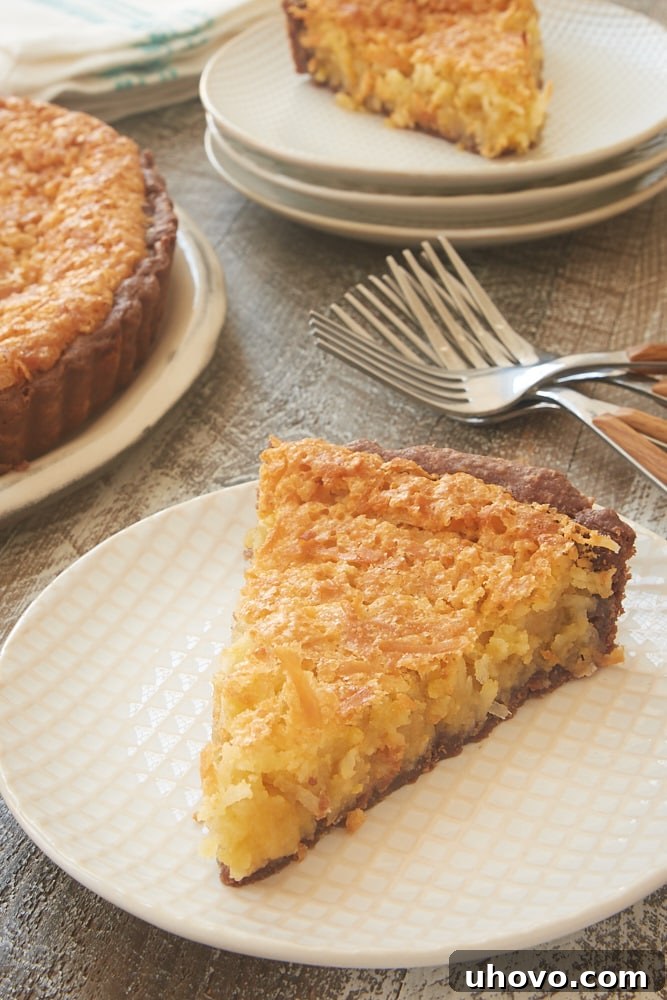
Irresistible Coconut Chess Pie with a Decadent Chocolate Crust
For many, chess pie holds a special place in their heart, a classic dessert evoking warmth and nostalgia. It certainly does for me! Its simple, sweet custard filling, often brightened with a hint of acid, is pure comfort in pie form. Over the years, I’ve explored various delicious adaptations, from a nutty brown butter chess pie to charming lemon chess tartlets and a rich caramel chess tart, each offering a unique spin on the timeless recipe.
Growing up, both my mother and grandmother were masters of the chess pie, typically preparing the traditional version that we all adored. However, on special occasions, they would surprise us with a coconut rendition. This tropical twist would instantly transport me to a state of dessert bliss, with its sweet, chewy coconut mingling with the smooth, buttery custard. This particular memory served as the inspiration for this updated recipe, combining the best of tradition with an exciting tropical flair.
To elevate this coconut chess pie even further, I’ve chosen to bake it in a homemade chocolate pie crust. Crafted with unsweetened cocoa powder, this crust introduces a subtle depth of chocolate flavor that perfectly complements the rich coconut filling without overpowering it. The cocoa adds a sophisticated touch and a beautiful contrast in color. While the chocolate crust is highly recommended for an extra layer of flavor complexity, this pie remains equally delicious when prepared with a standard pie crust. The choice is yours, but I encourage you to try the chocolate version for a truly exceptional experience.
One of the most appealing aspects of chess pie is its remarkable simplicity. You likely already have most of the ingredients stocked in your pantry, making it an accessible dessert for bakers of all skill levels. The filling comes together effortlessly in a single bowl, requiring no special equipment or mixers. This ease of preparation, combined with its profound flavor, makes it an ideal choice for last-minute gatherings or when you crave a homemade treat without the fuss.
By entering your email, you consent to receiving emails from Bake or Break. You can unsubscribe at any time.
Essential Ingredients for Your Coconut Chess Pie
Crafting this luscious coconut chess pie requires a few fundamental ingredients, most of which are likely staples in your kitchen. Each component plays a vital role in achieving the perfect balance of flavor and texture, from the flaky chocolate crust to the creamy, coconut-studded filling. Below, you’ll find a detailed breakdown of what you’ll need, along with helpful tips for selecting the best ingredients. For precise quantities and step-by-step instructions, please refer to the comprehensive recipe card located further down the page.
For the Decadent Chocolate Crust:
- All-purpose flour – The foundation of any good pie crust. Proper measurement is crucial for the right texture; learn more about how to measure flour accurately.
- Unsweetened cocoa powder – This is key for our chocolate crust. Natural cocoa powder will yield a classic, slightly reddish-brown chocolate flavor, while Dutch-process cocoa powder will produce a darker crust with a milder, less acidic chocolate taste. Both are excellent, so choose based on your preference.
- Granulated sugar – Adds a touch of sweetness to the crust, balancing the cocoa.
- Salt – A pinch of salt enhances all the flavors in the crust, making the chocolate taste richer.
- Unsalted butter – The secret to a truly flaky crust is using very cold butter, cut into small cubes. If your butter isn’t sufficiently chilled, pop it into the freezer for 10 to 20 minutes before mixing. This prevents it from melting too quickly and allows for those desirable pockets of steam during baking.
- Ice water – Cold water is essential for developing a tender, flaky crust. Start with the recommended amount and add more sparingly, just until the dough comes together.
For the Rich Coconut Filling:
- Unsalted butter – Melted and slightly cooled butter forms the base of our luxurious filling. Using unsalted butter gives you precise control over the overall saltiness of the pie. Discover more about unsalted vs. salted butter in baking.
- Eggs – Large eggs provide structure and richness to the custard. Lightly beat them in your mixing bowl before incorporating the remaining ingredients to ensure a smooth, uniform filling.
- Granulated sugar – Contributes to the classic sweetness and gooey texture of chess pie.
- Light brown sugar – Adds a subtle caramel note and extra moisture to the filling, complementing the coconut beautifully. Understand the differences between light brown sugar and dark brown sugar for baking.
- Whole milk – I always advocate for whole milk in baking due to its higher fat content, which results in a richer, creamier, and more indulgent filling.
- Vanilla extract – A touch of vanilla enhances the overall sweetness and brings out the flavors of both the coconut and chocolate. Feel free to use your favorite store-bought brand or try making homemade vanilla extract for an extra special touch.
- Cornmeal – This is a quintessential ingredient in chess pie, providing its distinctive, slightly grainy texture that is unique and utterly delicious.
- Salt – A small amount of salt balances the sweetness and deepens the flavors within the filling.
- Sweetened shredded coconut – The star of the show! Sweetened shredded coconut adds wonderful texture, chewiness, and an unmistakable tropical flavor that makes this pie truly special.
Corn Flour vs. Cornmeal: What’s the Difference?
It’s a common question, and an important one for this recipe! No, corn flour and cornmeal are not interchangeable. Corn flour, often known as cornstarch in many regions, is a very finely ground powder derived from corn, primarily used as a thickening agent for sauces, gravies, and soups. Cornmeal, on the other hand, is a coarser grind of dried corn. In chess pie, cornmeal is specifically used to create that signature, slightly toothsome texture that differentiates it from a smooth custard pie. For this recipe, ensure you’re using cornmeal to achieve the authentic chess pie experience.
How to Make This Dreamy Coconut Chess Pie with Chocolate Crust
Crafting this coconut chess pie is a rewarding process, and you have the flexibility to manage your time efficiently. You can either prepare the entire pie from start to finish in one baking session, or you can opt to make the chocolate crust a day in advance, then assemble and bake the filling the following day. This allows for greater convenience and reduces prep time on the day you plan to serve it.
Step-by-Step for the Chocolate Crust:
1. Combine Dry Ingredients and Cold Butter: In a large mixing bowl, whisk together the all-purpose flour, unsweetened cocoa powder, granulated sugar, and salt until well combined. Add the very cold, cubed unsalted butter to the dry mixture. Using a pastry blender or a sturdy fork, work the butter into the flour until the mixture resembles coarse crumbs, with some pieces of butter remaining about the size of small peas. This step is crucial for achieving a flaky crust.
2. Gradually Add Water: Pour in 2 tablespoons of ice-cold water. Continue to mix gently until the dough just begins to come together. If the dough still feels too dry and crumbly, add additional water one tablespoon at a time, mixing after each addition, until a cohesive dough forms. Be careful not to add too much water, as this can lead to a tough crust.
3. Chill the Dough: Gather the dough and pat it into a flat disk shape. Wrap the disk tightly in plastic wrap to prevent it from drying out. Refrigerate the dough for at least 2 hours, or preferably overnight. Chilling allows the gluten to relax and the butter to firm up, making the dough easier to roll and ensuring a tender, flaky crust.
4. Prepare for Rolling: Remove the chilled dough from the refrigerator. If it feels too firm to roll immediately, let it sit at room temperature for about 10 to 15 minutes, or until it’s slightly softened but still cold to the touch. Lightly flour a clean work surface to prevent sticking.
5. Roll Out the Dough: Unwrap the dough and place it on your prepared, lightly floured surface. Using a rolling pin, roll the dough out evenly into a circle approximately 1/8-inch thick, large enough to fit your pie plate.
6. Form the Pie Crust: Carefully transfer the rolled-out dough to a 9-inch pie plate or tart pan. Gently press the dough into the bottom and up the sides of the pan. Trim any excess dough from the edges, then crimp or flute the edges as desired to create a decorative finish. Place the prepared pie crust back into the refrigerator to chill while you prepare the filling. This extra chill helps prevent shrinkage during baking.
Assembling and Baking the Filling:
1. Preheat Your Oven: Adjust an oven rack to the middle position and preheat your oven to 325°F (160°C). This lower temperature ensures the pie bakes evenly without burning the crust or overcooking the filling.
2. Mix the Filling Ingredients: In a large mixing bowl, whisk together the melted and slightly cooled unsalted butter, lightly beaten eggs, granulated sugar, light brown sugar, whole milk, vanilla extract, cornmeal, and salt. Continue whisking until all ingredients are thoroughly combined and the mixture is smooth. Finally, gently fold in the sweetened shredded coconut until it is evenly distributed throughout the filling.
3. Assemble the Pie: Retrieve the chilled pie crust from the refrigerator. Carefully pour the coconut filling mixture into the prepared crust. To prevent any potential spills or drips in your oven, place the pie plate onto a lined, rimmed baking sheet.
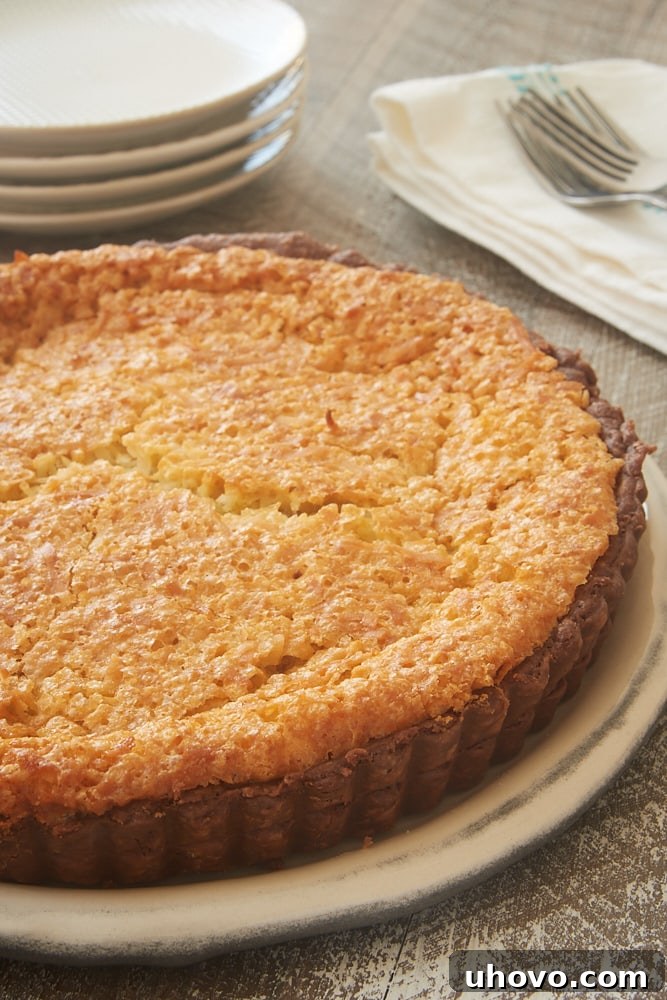
4. Bake to Perfection: Transfer the baking sheet with the pie to the preheated oven. Bake for approximately 55 to 60 minutes, or until the pie’s edges are beautifully golden brown and the filling appears set. The very center of the pie may still have a slight jiggle, which is perfectly normal and indicates a creamy texture. Once baked, remove the pie from the oven and allow it to cool completely on a wire rack before slicing and serving. Cooling ensures the filling fully sets and provides clean, attractive slices.
Expert Baking Tips for Success
Even seasoned bakers benefit from a few extra pointers, especially when aiming for perfection. If you’re new to baking, I highly recommend reviewing my general baking tips for beginners to build a strong foundation. For this specific coconut chess pie, keep these additional tips in mind to ensure a flawless, delicious result every time:
- Identifying a Perfectly Set Filling: The key to a creamy chess pie is knowing when to pull it from the oven. When the pie is done, the outer edges of the filling should be set and firm, but the very center will still have a slight, delicate wobble. Gently move the pie pan back and forth; the center should jiggle like a soft Jello, not flow like a liquid. If it’s too liquid, continue baking for a few more minutes. Overbaking will result in a dry, cracked filling.
- Protecting Your Crust Edges: Sometimes, the pie filling needs a little more time to set in the center, but the delicate edges of your pie crust might start to look overly browned. To prevent them from burning, create a foil tent. Simply tear off strips of aluminum foil and carefully place them over the exposed crust edges to shield them from the direct heat, allowing the center to continue baking without concern for over-browning the crust.
- Patience is a Virtue: I know it’s tempting to dive into a warm, fragrant pie straight from the oven, but for chess pie, patience truly pays off. It is absolutely essential to let this pie cool completely—ideally for several hours at room temperature—before attempting to slice and serve. As it cools, the filling will continue to set and firm up, ensuring that each slice holds its beautiful shape without oozing onto your pie pan or plate. Trust me, the wait is worth it for perfectly clean, satisfying slices!
Creative Variations and Elegant Serving Suggestions
While this Coconut Chess Pie is absolutely divine on its own, it also lends itself beautifully to creative variations and delightful serving enhancements. Here are a few simple ideas to customize your pie or present it in an even more appealing way:
- Add a Chocolate Chip Delight: For an extra layer of decadence, stir in 1/2 cup of semisweet or dark chocolate chips into the filling mixture just before pouring it into the crust. The melting chocolate will create pockets of gooey goodness within the coconut custard.
- Showcase Your Crust in a Tart Pan: Instead of a traditional pie plate, consider baking this recipe in a 9-inch tart pan with a removable bottom. The straight, fluted sides of a tart pan beautifully highlight the rich color and texture of the chocolate crust, making for a stunning presentation.
- Toasted Pecan Topping: Before serving, scatter a handful of lightly toasted pecans over the top of each slice. The nutty crunch and earthy flavor of pecans provide a wonderful contrast to the sweet, soft pie.
- A Dollop of Creamy Bliss: Enhance the luxuriousness of your pie with a generous dollop of sweetened whipped cream or a scoop of vanilla bean ice cream. The cool, light creaminess provides a delightful textural and temperature contrast to the warm or room-temperature pie.
- Samoa Cookie Inspired Garnish: For a truly inspired presentation, garnish slices with a delicate drizzle of homemade salted caramel sauce and a sprinkle of additional toasted coconut flakes. This combination of chocolate, coconut, and caramel will evoke the beloved flavors of a classic Samoa cookie!
Storage Guidelines for Your Coconut Chess Pie
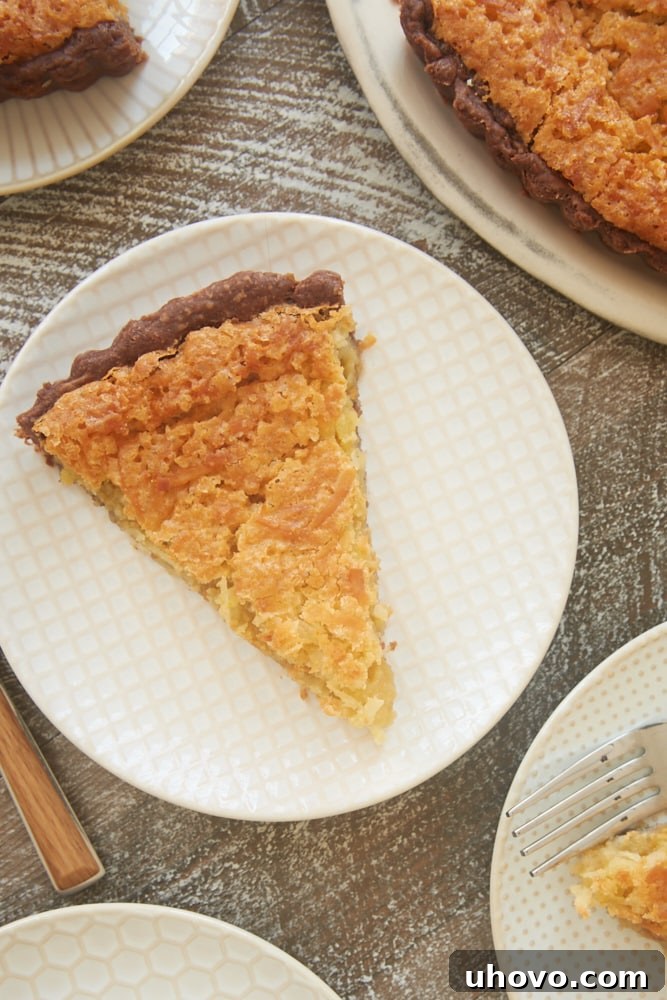
To maintain the freshness and quality of your delicious coconut chess pie, proper storage is key. Once completely cooled, the pie should be stored in the refrigerator. You can either wrap the entire pie securely in its pan with plastic wrap or aluminum foil, or if preferred, transfer individual slices to an airtight container. When stored correctly, your coconut chess pie will remain fresh and delightful for up to 5 days, making it a perfect make-ahead dessert.
Can This Recipe Be Frozen for Later Enjoyment?
Absolutely! This coconut chess pie is an excellent candidate for freezing, allowing you to enjoy a homemade treat whenever the craving strikes. To freeze, ensure the pie has cooled completely to room temperature. Then, wrap the entire pie (in its pan) tightly first in plastic wrap, and then again in aluminum foil to protect it from freezer burn. It can be safely stored in the freezer for up to 3 months. When you’re ready to enjoy it, simply transfer the frozen pie to the refrigerator and allow it to thaw slowly overnight before serving. This gentle thawing process helps preserve the texture and flavor of both the crust and the filling.
Explore More Chess Pie Recipes
Coconut Chess Pie with Chocolate Crust
Pin Recipe
Leave a Review
Ingredients
For the crust:
- 1 ⅛ cups (135 g) all-purpose flour
- 2 tablespoons (10 g) unsweetened natural cocoa powder
- 2 teaspoons granulated sugar
- ½ teaspoon salt
- ½ cup (113 g) unsalted butter, cold and cut into 1/2-inch cubes
- 2 to 4 tablespoons (30 to 60 ml) water
For the filling:
- ½ cup (113 g) unsalted butter, melted and slightly cooled
- 3 large eggs, lightly beaten
- 1 ¼ cups (250 g) granulated sugar
- ½ cup (100 g) firmly packed light brown sugar
- ¼ cup (60 ml) milk
- 1 teaspoon vanilla extract
- 2 tablespoons cornmeal
- ¼ teaspoon salt
- 1 cup (85 g) sweetened shredded coconut
Recommended Products
-
OXO Good Grips Dough Blender
-
French Rolling Pin
-
9-Inch Round Loose Bottom Tart and Quiche Pan
Instructions
To make the crust:
-
Whisk together the flour, cocoa powder, sugar, and salt in a large bowl. Add the butter and mix with a pastry blender or a fork until the mixture resembles coarse meal and the butter is the size of small peas.
-
Add 2 tablespoons of water and continue mixing. Add more water as needed, 1 tablespoon at a time, until a dough forms.
-
Wrap the dough tightly in plastic wrap. Refrigerate for at least 2 hours or up to overnight.
-
Remove the dough from the refrigerator. If necessary, let it sit at room temperature for 10 to 15 minutes until slightly softened but still cold.
-
Lightly flour a work surface. Roll out the dough into a circle about 1/8-inch thick.
-
Transfer the dough to a 9-inch pie plate or tart pan. Trim and crimp the edges as desired. Place the pie plate in the refrigerator while you make the filling.
To make the filling:
-
Preheat oven to 325°F (160°C).
-
Whisk together the butter, eggs, sugar, brown sugar, milk, vanilla, cornmeal, and salt until thoroughly combined. Stir in the coconut.
-
Transfer the filling mixture to the chilled pie crust. Place the pan on a lined, rimmed baking sheet to catch any potential spills.
-
Bake 55 to 60 minutes, or until the pie is golden brown and the filling is set. Cool completely before serving.