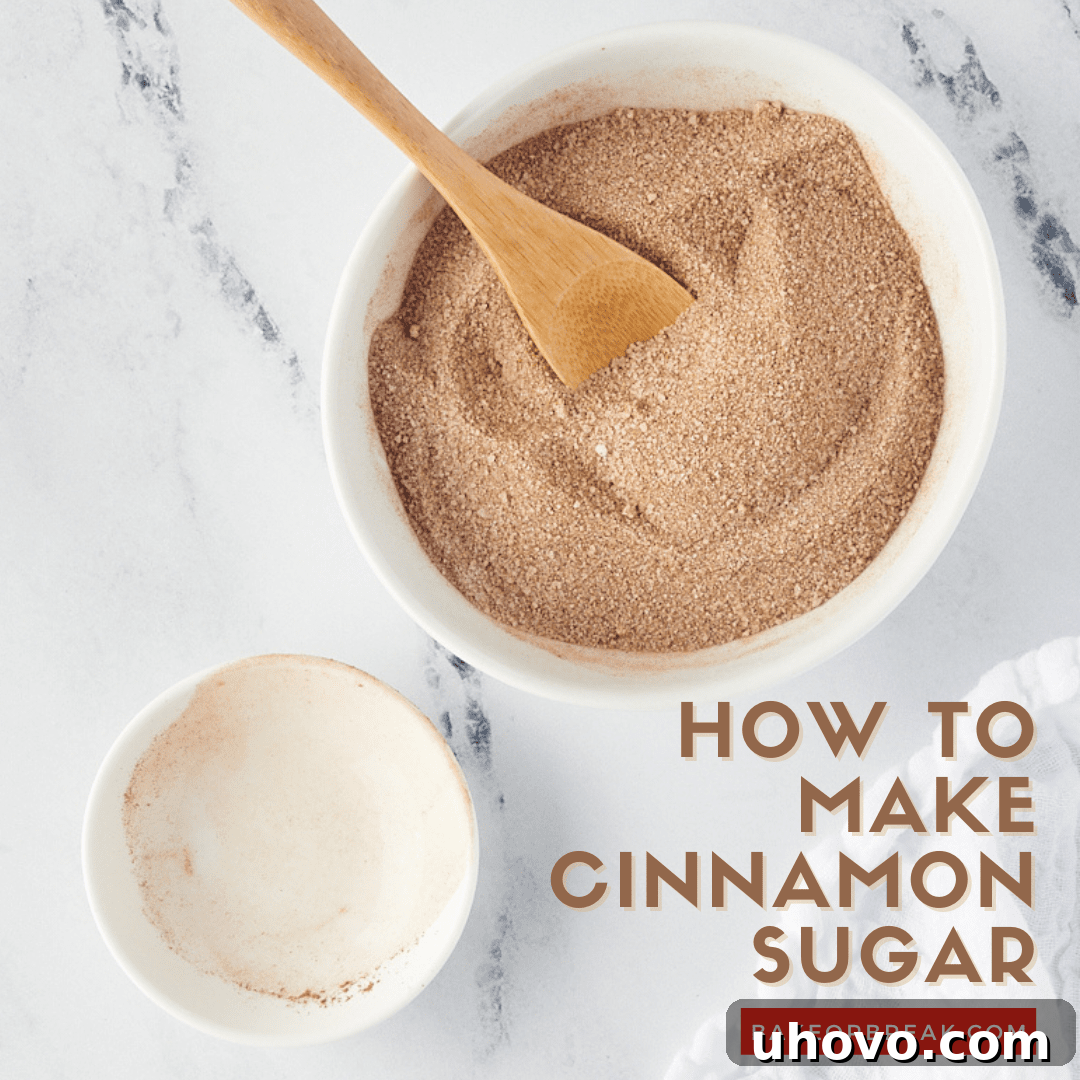
There’s something inherently comforting and utterly delightful about the aroma and taste of cinnamon sugar. It evokes memories of warm breakfasts, freshly baked treats, and cozy afternoons. If you appreciate the subtle warmth and inviting sweetness that cinnamon baked goods offer, then mastering the art of homemade cinnamon sugar is an essential step in your culinary journey. This simple yet incredibly versatile blend of spices and sugar is a cornerstone in countless recipes, extending far beyond just baking, and bringing a touch of magic to everyday dishes. Forget the pre-made versions found in supermarkets; crafting your own allows for a superior depth of flavor and customization that truly elevates your culinary creations.
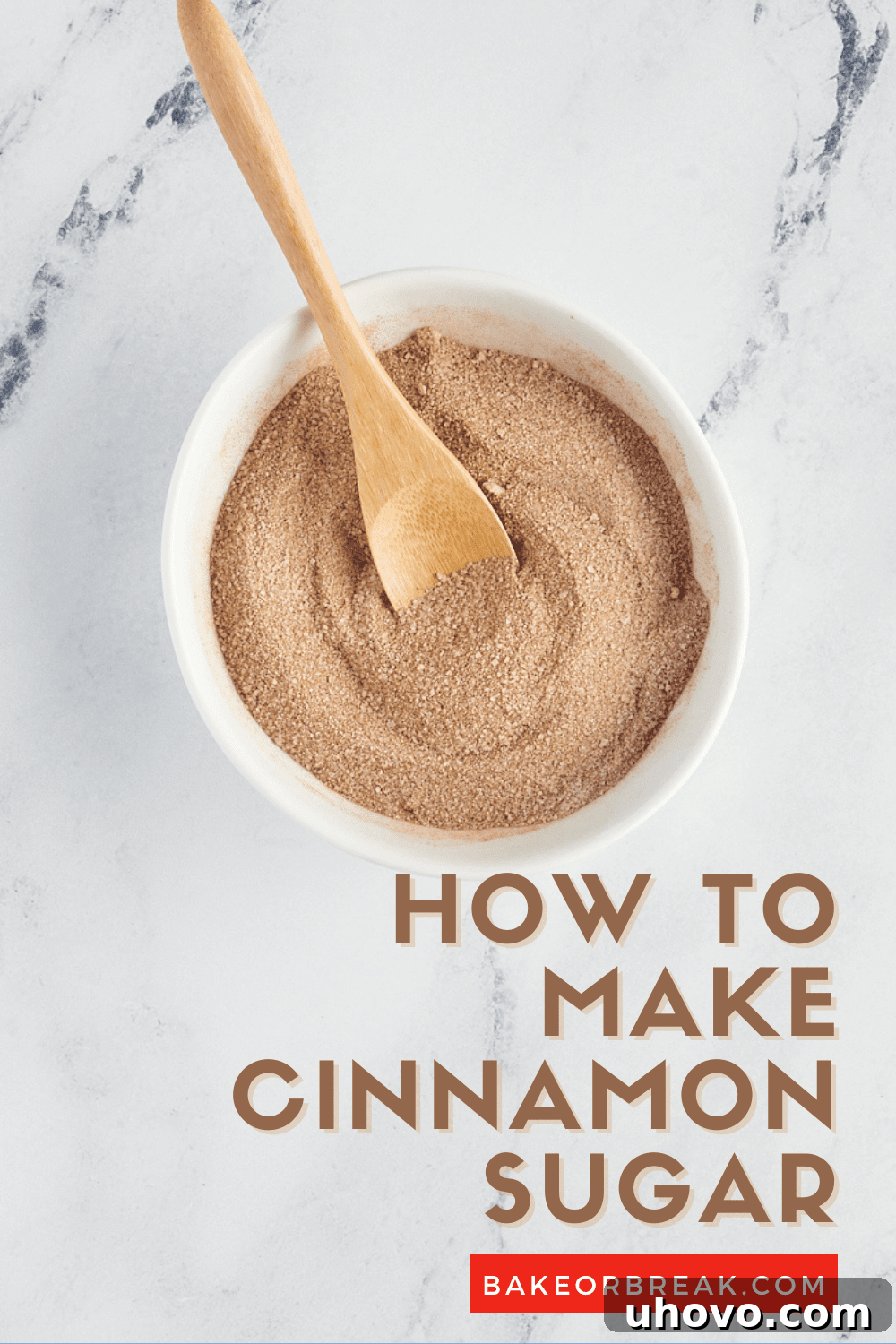
The Irresistible Appeal of Homemade Cinnamon Sugar
Who can resist the enchanting taste of cinnamon sugar? It’s arguably one of the most beloved flavor combinations, a perfect harmony of spice and sweetness that captivates taste buds of all ages. While readily available in stores, the truth is, making your own cinnamon sugar at home is astonishingly simple, requiring only two basic ingredients and mere moments of your time. The significant advantage of homemade lies in its freshness, the ability to control the quality of ingredients, and the endless possibilities for customization, allowing you to tailor the flavor profile precisely to your preferences.
This comprehensive guide will walk you through everything you need to know about preparing the perfect batch of homemade cinnamon sugar. We’ll delve into the nuances of choosing the right type of sugar, exploring the diverse world of cinnamon, and uncovering the ideal cinnamon-to-sugar ratio for various applications. Moreover, we’ll spark your imagination with a myriad of creative ways to incorporate this delightful mixture into your daily cooking and baking, ensuring it becomes a staple in your pantry.
Unpacking Cinnamon Sugar: A Culinary Staple
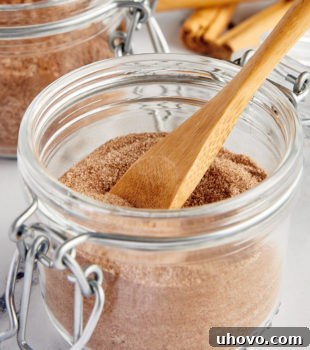
At its core, cinnamon sugar is exactly what its name suggests: a delightful fusion of ground cinnamon and granulated sugar. This deceptively simple concoction serves as a versatile flavor enhancer and a popular topping across a vast spectrum of foods. Its simplicity is its strength; with just these two fundamental ingredients, you possess the power to transform ordinary dishes into extraordinary culinary experiences. Unlike store-bought varieties that may contain anti-caking agents or other additives, making it at home ensures pure, unadulterated flavor and freshness. It’s a foundational element in many sweet recipes, from classic pastries to comforting breakfast staples, and its sweet, spicy warmth is universally appealing.
Essential Ingredients and Tools for Your Cinnamon Sugar
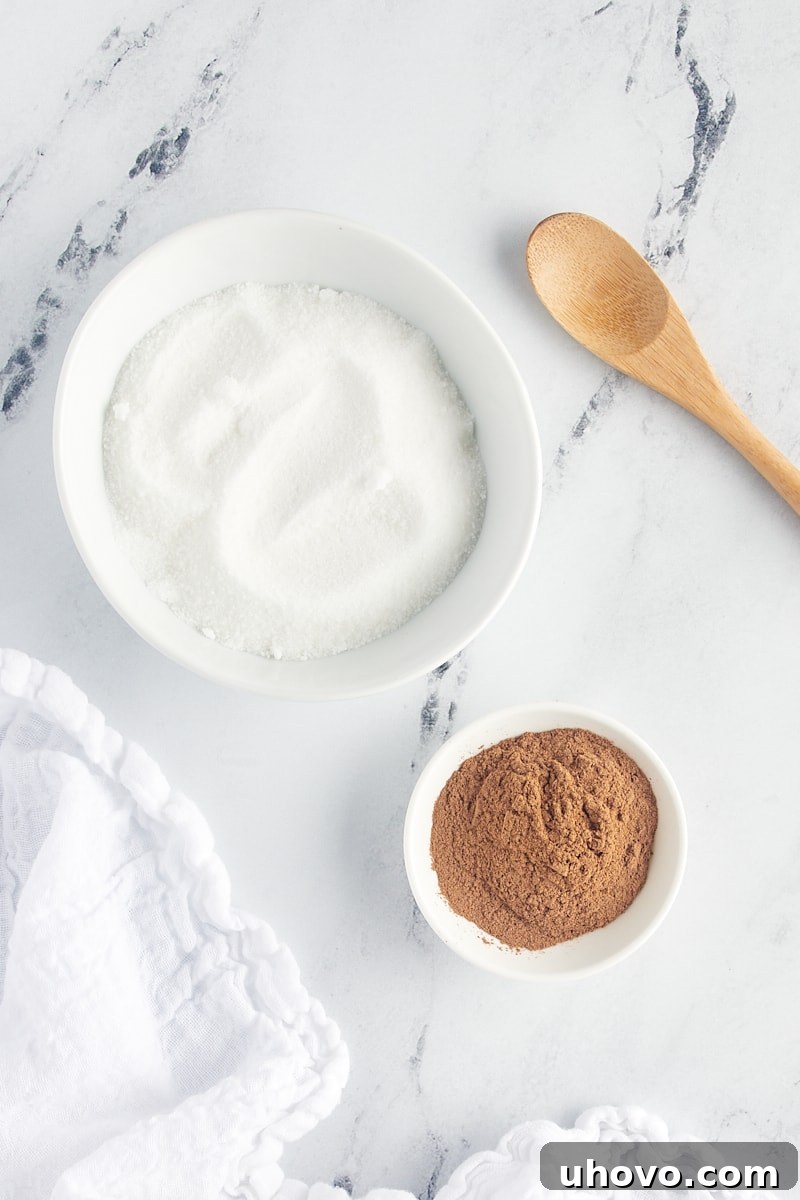
The beauty of homemade cinnamon sugar lies in its minimalist ingredient list. You truly only need two primary components, hence its astounding ease of preparation. Gather these items, and you’ll be on your way to a fresh batch in minutes:
- Ground Cinnamon: The star spice of our mixture. We’ll discuss the different types and how to ensure optimal flavor.
- Sugar: The sweet foundation. The type you choose can significantly impact the texture and application of your cinnamon sugar.
- A Mixing Bowl: Any medium-sized bowl will suffice for combining your ingredients.
- A Spoon or Whisk: For thoroughly blending the cinnamon and sugar. A whisk helps break up any clumps and ensures an even distribution.
Choosing the Right Cinnamon: Ceylon vs. Cassia
For making cinnamon sugar, simple ground cinnamon is all that’s required. However, understanding the two main varieties can help you select one that best suits your palate. The most common type found in grocery stores is Cassia cinnamon. Originating primarily from Indonesia and China, Cassia has a bolder, spicier, and more pungent flavor, often described as “classic” cinnamon. It’s widely used in American baking.
Alternatively, Ceylon cinnamon, sometimes called “true cinnamon” and primarily from Sri Lanka, offers a milder, sweeter, and more complex flavor with subtle citrus notes. It’s often preferred for delicate desserts or situations where cinnamon is a dominant flavor. Both varieties work beautifully for cinnamon sugar, so your choice depends entirely on your personal flavor preference. If you enjoy a stronger, spicier kick, opt for Cassia. For a more nuanced, gentle warmth, Ceylon is your go-to.
For the most aromatic and potent cinnamon sugar, consider grinding your own cinnamon sticks. This can be achieved with a simple grater, a traditional mortar and pestle for a rustic texture, or a modern food processor or dedicated spice grinder for a finer powder. A less conventional but equally effective method involves placing cinnamon sticks in a sturdy zip-top bag and pounding them with a rolling pin – a great stress reliever!
Regardless of the type or method, ensuring your cinnamon is fresh is paramount. Spices lose their potency over time. If your ground cinnamon has been lingering in the back of your cabinet for months (or years!), it has likely lost much of its vibrant flavor. A quick sniff test can help: if it lacks a strong, characteristic aroma, it’s time for a fresh supply.
Selecting the Ideal Sugar for Your Blend
The type of sugar you incorporate into your cinnamon sugar mixture can significantly influence its texture, appearance, and suitability for various culinary uses. For the broadest applications, I highly recommend using either granulated sugar or a coarse sugar.
Granulated sugar, often referred to as white sugar or table sugar, is the most common choice. Its fine texture blends seamlessly with ground cinnamon, creating a uniform mixture ideal for coating, baking, and general sprinkling. For an even finer texture, you could opt for superfine sugar (also known as caster sugar), which dissolves more quickly and provides a smooth finish.
When your primary use for cinnamon sugar is as a decorative topping, coarse sugars like sanding sugar or sparkling sugar are an excellent option. These sugars have larger crystals that catch the light, adding a beautiful shimmer and a delightful textural crunch. I frequently use white sanding sugar in my homemade blend when I want that extra visual appeal on muffins, pastries, or even holiday cookies.
The key is to match your sugar choice to your intended application. If you’re looking to evenly coat delicate cookies before baking, fine-grained granulated sugar will adhere best. For sprinkling over a finished dessert, toast, or a bowl of oatmeal, both granulated and coarse sugars perform wonderfully, with coarse sugar offering that satisfying crunch and sparkle.
Exploring Brown Sugar for a Different Dimension
Absolutely, brown sugar can be a fantastic substitute for granulated sugar in your cinnamon blend, especially when you’re aiming for a deeper, more caramel-like flavor. This variation is particularly popular in fillings for baked goods, such as the delectable swirl found in classic cinnamon rolls or as a component in apple crisps and crumbles. It’s important to remember that brown sugar contains molasses, which imparts both its distinctive flavor and a higher moisture content compared to white sugar. This moisture gives it a softer, somewhat clumpy consistency.
Due to its moisture, brown sugar tends to harden when exposed to air. Therefore, if you prepare a brown sugar and cinnamon blend, it’s generally best to combine them just before use. If you do wish to store it, ensure it’s kept in a very tightly sealed, airtight container. Adding a marshmallow or a piece of bread to the container can help absorb excess moisture and prevent the sugar from becoming a solid block.
Utilizing Powdered Sugar for a Fine Finish
Yes, you can certainly make a cinnamon sugar blend using powdered sugar, also known as confectioners’ sugar or icing sugar. This ultra-fine sugar variety is perfect for creating a delicate, melt-in-your-mouth dusting on baked goods after they’ve cooled. Think of it for finishing donuts, French toast, or warm pastries. Because powdered sugar often contains a small amount of cornstarch to prevent caking, it can be prone to clumping, especially when mixed with spices. To ensure a smooth, uniform blend, it’s highly recommended to sift both the powdered sugar and the cinnamon together before mixing. This extra step helps break up any lumps and ensures an even distribution of flavor. While lovely for immediate use, powdered cinnamon sugar might not store as well as its granulated counterpart due to its tendency to absorb moisture and clump over time, even with sifting.
The Simple Steps to Perfect Homemade Cinnamon Sugar
Creating your own cinnamon sugar is so straightforward, it barely qualifies as a recipe. The preparation time is negligible, typically just a few minutes, as it only involves measuring and stirring. Gather your chosen ingredients and tools, and let’s whip up a batch!
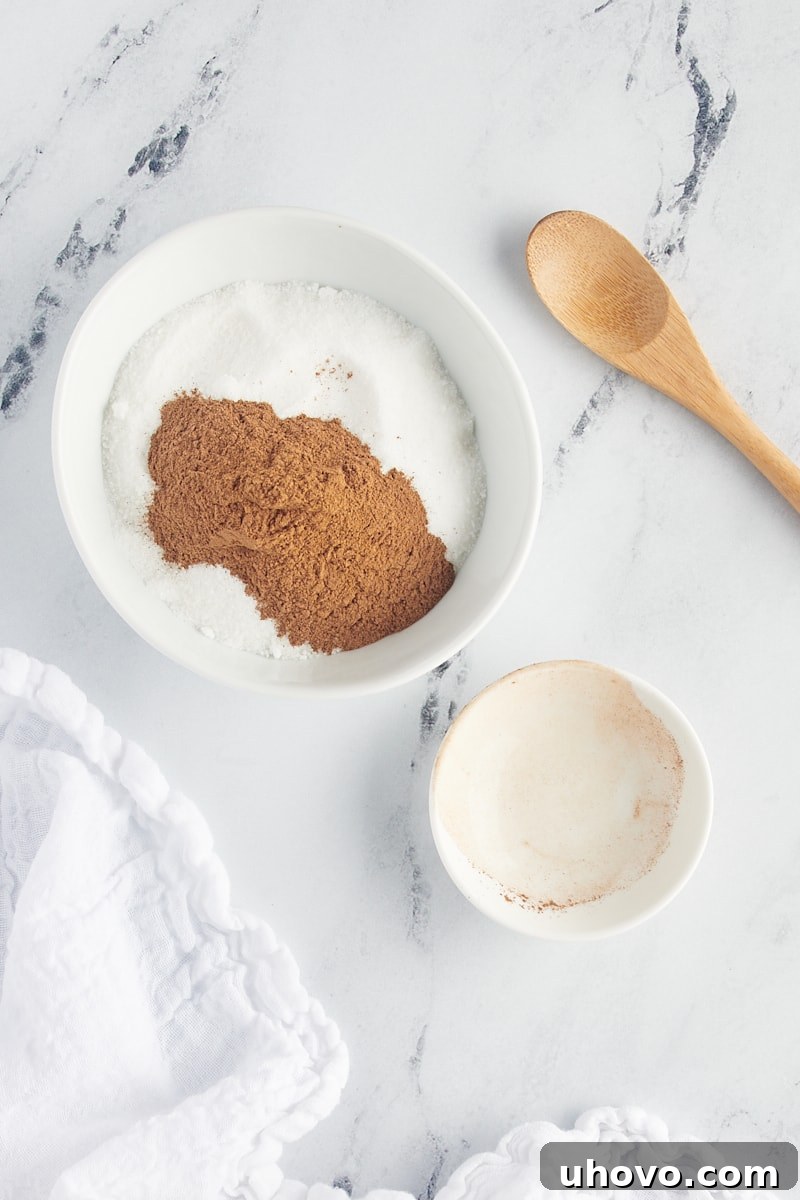
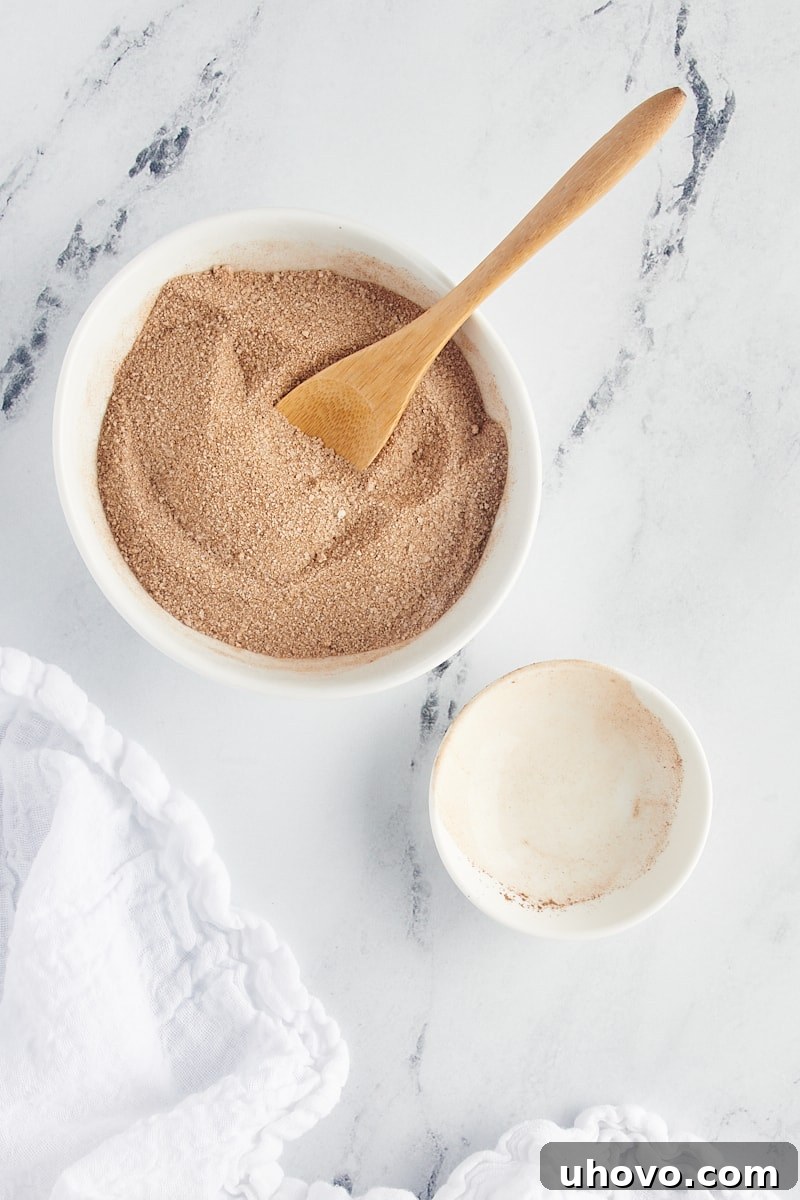
Step 1: Prepare Your Sugar. Begin by measuring the desired amount of sugar into a clean mixing bowl or directly into the airtight container you intend to use for storage. For convenience, I often prepare about a cup of sugar at a time for my everyday needs, but you can easily scale this up or down to suit your personal consumption and storage capacity.
Step 2: Incorporate the Cinnamon. Carefully measure the appropriate amount of ground cinnamon, following your preferred ratio (more on ratios below), and add it to the sugar in the bowl. Ensure it’s sprinkled evenly over the sugar to facilitate mixing.
Step 3: Thoroughly Combine. Using a spoon or a whisk, gently stir the two ingredients together. Continue mixing until the cinnamon is completely and uniformly distributed throughout the sugar, leaving no streaks or pockets of unmixed spice. If you’re mixing directly in a container with a tight-fitting lid, you can secure the lid and give it a good shake for effortless blending.
Achieving the Perfect Cinnamon Sugar Ratio
While personal preference plays a significant role, a widely accepted and highly versatile starting point for cinnamon sugar is a ratio of 4 parts sugar to 1 part cinnamon by volume. This means if you’re using one cup of sugar, you would incorporate one-quarter cup of ground cinnamon. For smaller batches, if you use half a cup of sugar, you’ll need two tablespoons of cinnamon. This ratio provides a balanced flavor that is prominent without being overpowering, suitable for most applications. The beauty of homemade is its flexibility; you can easily scale these amounts using simple arithmetic to suit any quantity you desire.
However, this ratio is merely a guideline. Your ideal blend might lean towards a bolder, spicier cinnamon kick or a gentler, sweeter profile. Feel free to adjust the amount of cinnamon to match your specific taste preferences or the intended use. For a more intense flavor, slightly increase the cinnamon; for a milder touch, reduce it. Precision isn’t always key here; after preparing a few batches, you’ll intuitively learn to eyeball the quantities to achieve your perfect custom blend.
Optimizing Storage for Lasting Freshness
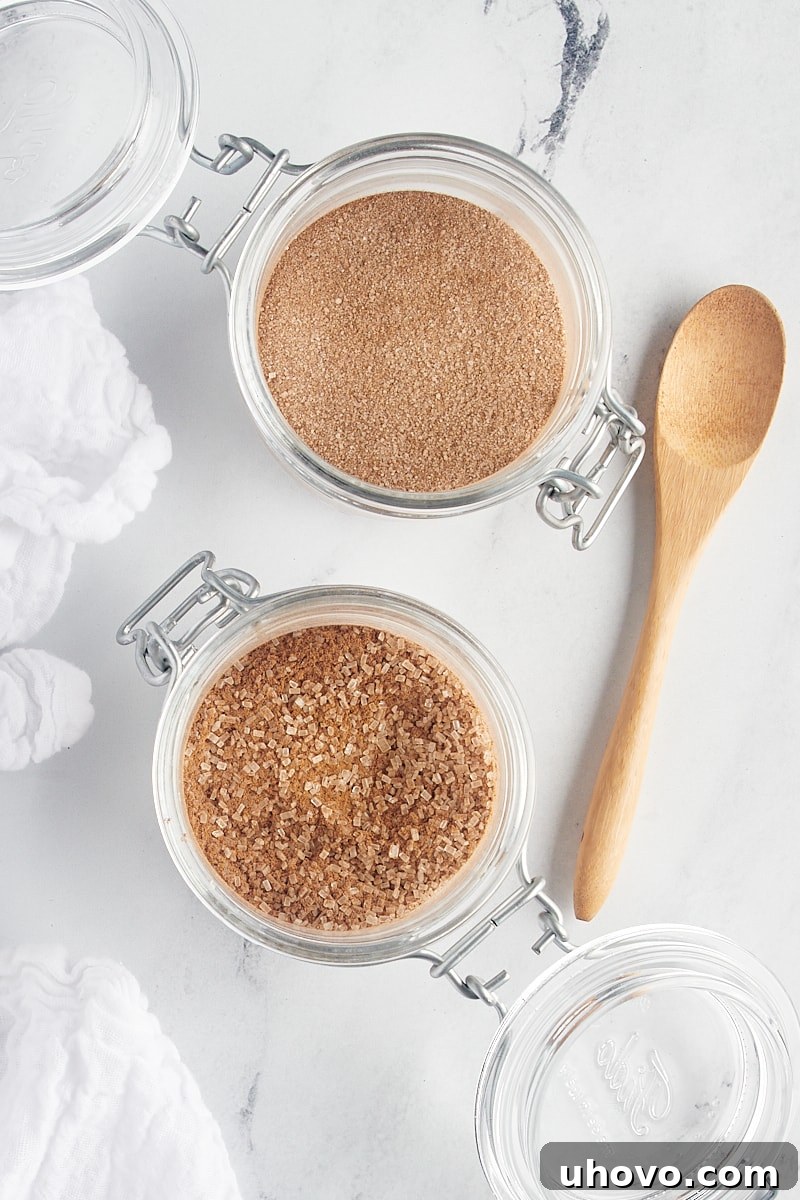
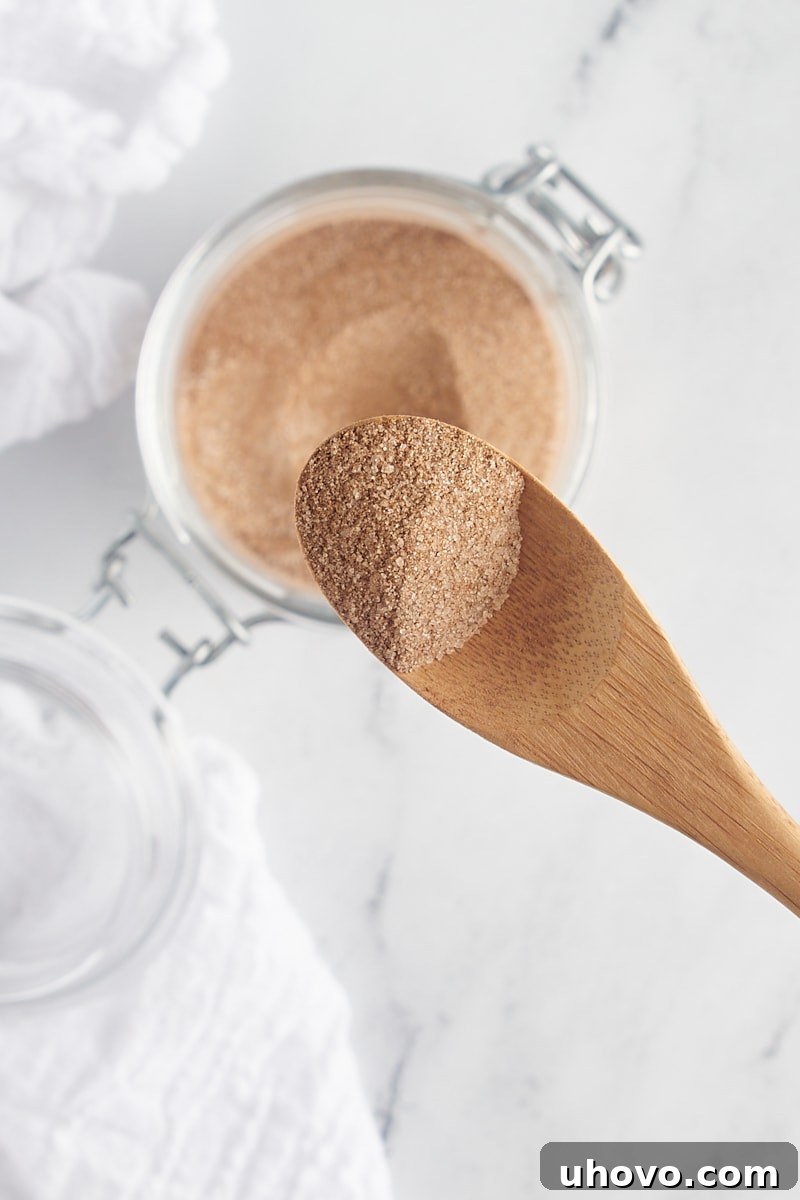
One of the many benefits of homemade cinnamon sugar is its impressive shelf life. When stored correctly, it can last for a considerable period, maintaining its delightful flavor and aroma. The key to longevity is an airtight container. Sugar itself is highly stable and doesn’t genuinely “spoil” if kept dry, though it can absorb ambient odors and develop a stale taste over time. Therefore, the freshness of your cinnamon is typically the limiting factor for how long your blend will retain its peak quality. Ground cinnamon gradually loses its volatile oils and, consequently, its potent flavor over several months.
To assess its freshness, simply give your cinnamon sugar a sniff. If the vibrant, characteristic aroma of cinnamon is still strong and inviting, it’s likely still good to use. For optimal flavor, aim to use your homemade blend within 6-12 months. Prepare batches as needed, and always store the remainder in a well-sealed container. repurposed spice jars, small glass canning jars (like Weck jars), or any container with a tight-fitting lid will work perfectly. For best practice, label your container with the creation date so you can easily keep track of its freshness.
Beyond the Basics: Creative Ways to Use Cinnamon Sugar
The versatility of cinnamon sugar is truly remarkable. Once you have a fresh batch on hand, you’ll discover countless ways to incorporate its sweet warmth into your everyday cooking and baking. Here are some inspiring ideas to get you started:
- Master the Art of Snickerdoodles: This classic cookie practically defines the use of cinnamon sugar! It’s the perfect coating for their signature crackled tops. Try beloved variations such as Brown Butter Snickerdoodles, luxurious White Chocolate Snickerdoodles, or the unique Cookie Butter Snickerdoodles.
- Elevate Your Morning Muffins: A generous sprinkle of cinnamon sugar over the tops of your muffins before baking creates a beautiful, crusty, and flavorful finish. It’s particularly delightful on varieties like Mini Chocolate Chip Doughnut Muffins.
- Transform Leftovers into Treats: Give stale or leftover pound cake a new lease on life by turning it into elegant Cinnamon Sugar Pound Cake Bites. Simply toss cubed cake with melted butter and cinnamon sugar, then bake until golden.
- A Simple Topping for Desserts: Use it as a versatile garnish for a wide array of sweet treats. Sprinkle it generously over warm Cinnamon Oat Scones, comforting Snickerdoodle Bars, rustic Brown Sugar Apple Cobbler, or delicate Cinnamon Pear Cake for an extra layer of flavor and texture.
- Sweeten Your Breakfast Routine: Elevate your breakfast game with a simple sprinkle. It’s fantastic on oatmeal, stirred into yogurt, dusted over pancakes or waffles, or generously applied to buttered toast. For ultimate convenience, store your cinnamon sugar in a dredge shaker, making it effortlessly accessible for your morning meal.
- Flavorful Roasted Nuts and Popcorn: Toss warm roasted nuts or freshly popped popcorn with melted butter and then a generous coating of cinnamon sugar for an addictive sweet and savory snack.
- Add to Hot Beverages: A pinch of cinnamon sugar can add a delightful sweetness and spice to your morning coffee, hot chocolate, or even a soothing cup of tea.
Cinnamon Sugar Recipe
1 & 1/4 cups
5 minutes
5 minutes
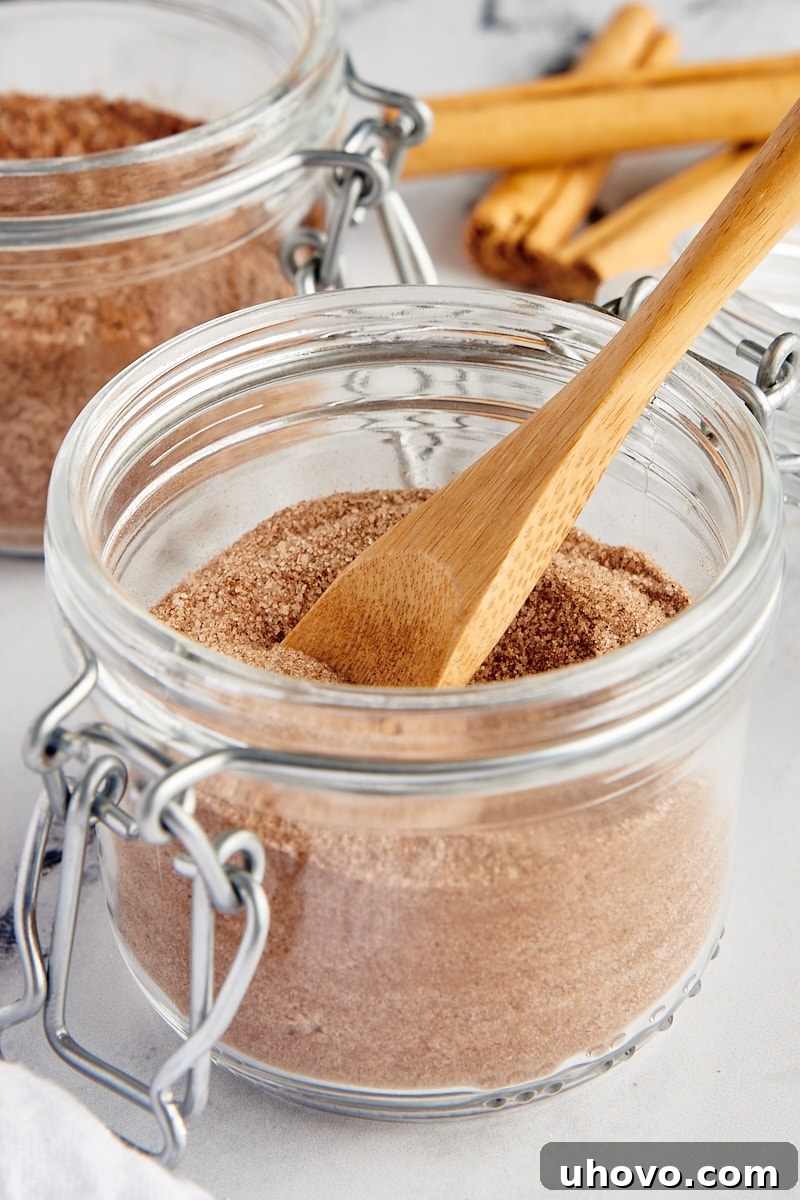
This effortless Cinnamon Sugar recipe is a must-have pantry staple. Simple to make and incredibly versatile, it will quickly become your go-to for adding a touch of sweet spice to countless dishes.
Ingredients
- 1 cup granulated sugar*
- ¼ cup ground cinnamon**
Recommended Products
-
Dredge Shaker
-
Weck Tulip Jar, 12.5 Oz – Set of 6
-
Glass Kitchen Storage Jars, 6 & 3/4 ounces
Instructions
-
Combine the sugar and cinnamon in a bowl until thoroughly mixed and the cinnamon is evenly distributed.
-
Transfer the mixture to an airtight container for storage.
Notes
- This recipe can be scaled up or down as needed, maintaining the recommended ratio of 4 parts sugar to 1 part cinnamon by volume.
- *Depending on your intended use, you can substitute granulated sugar with coarse sugar, superfine sugar, brown sugar, or confectioners’ (powdered) sugar. Refer to the detailed notes above the recipe for guidance on sugar selection.
- **For a lighter or bolder cinnamon flavor, adjust the amount of ground cinnamon slightly to suit your taste preferences.
Jennifer McHenry
Toppings
American
Making your own cinnamon sugar is more than just a recipe; it’s an opportunity to infuse your cooking with a personal touch and superior flavor. The ease of preparation, combined with the immense versatility and freshness of a homemade blend, makes it an undeniable pantry essential. Once you experience the difference, you’ll likely never return to store-bought varieties. So, gather your ingredients, mix up a batch, and start exploring the endless ways this simple, aromatic blend can enhance your culinary creations. Happy baking and sprinkling!
Show off your baking masterpiece! Snap a pic, tag @bakeorbreak, and use #bakeorbreak on Instagram. We can’t wait to see your delightful creations!
Bake or Break is a participant in the Amazon Services LLC Associates Program, an affiliate advertising program designed to provide a means for us to earn fees by linking to Amazon.com and affiliated sites.