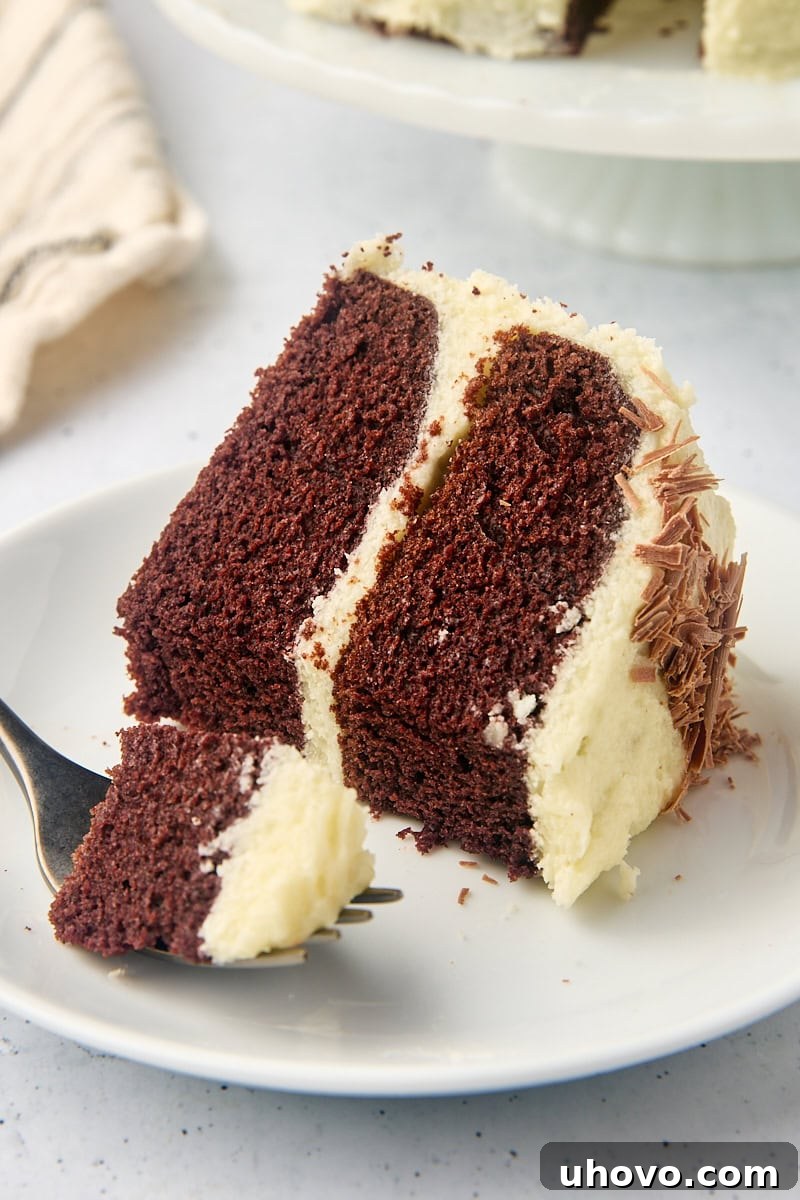
Searching for a dessert that combines a rich, deep chocolate essence with an exquisitely tender and fluffy texture? This classic Mahogany Cake delivers all that and more, making it an ideal choice for celebrating special milestones or simply elevating an everyday moment into a sweet indulgence.
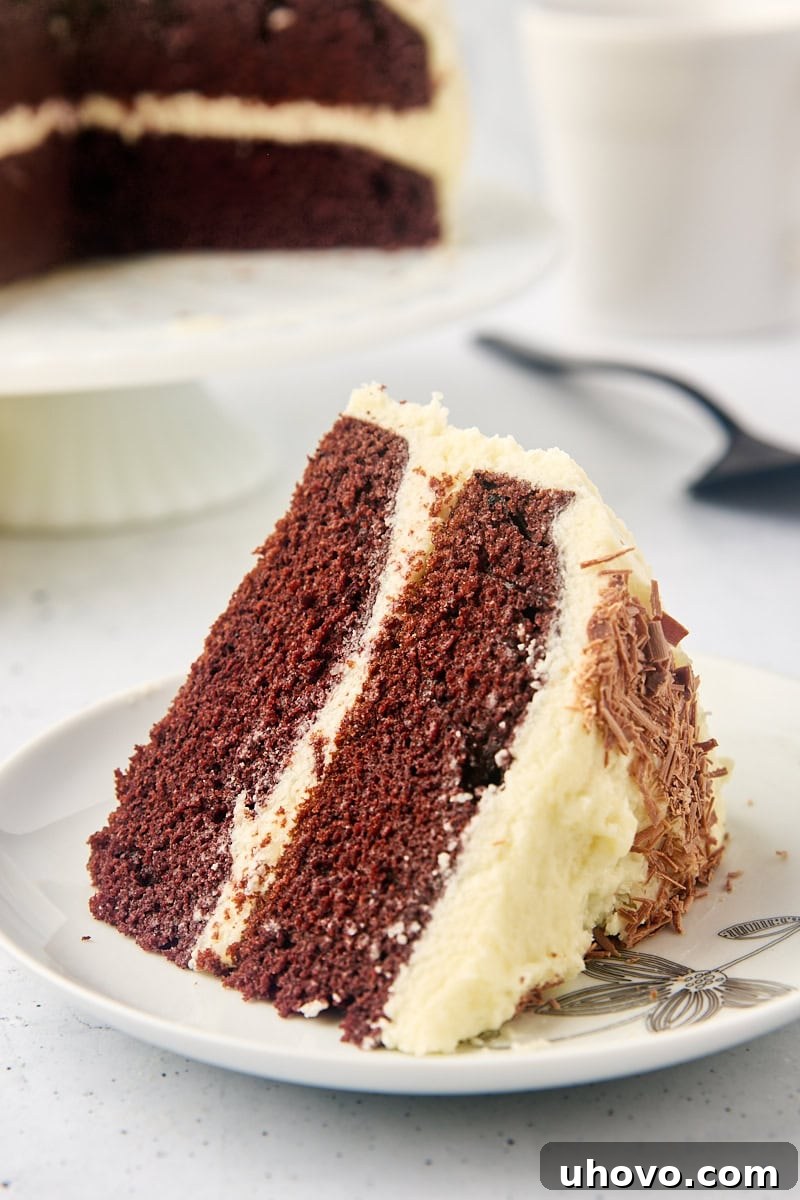
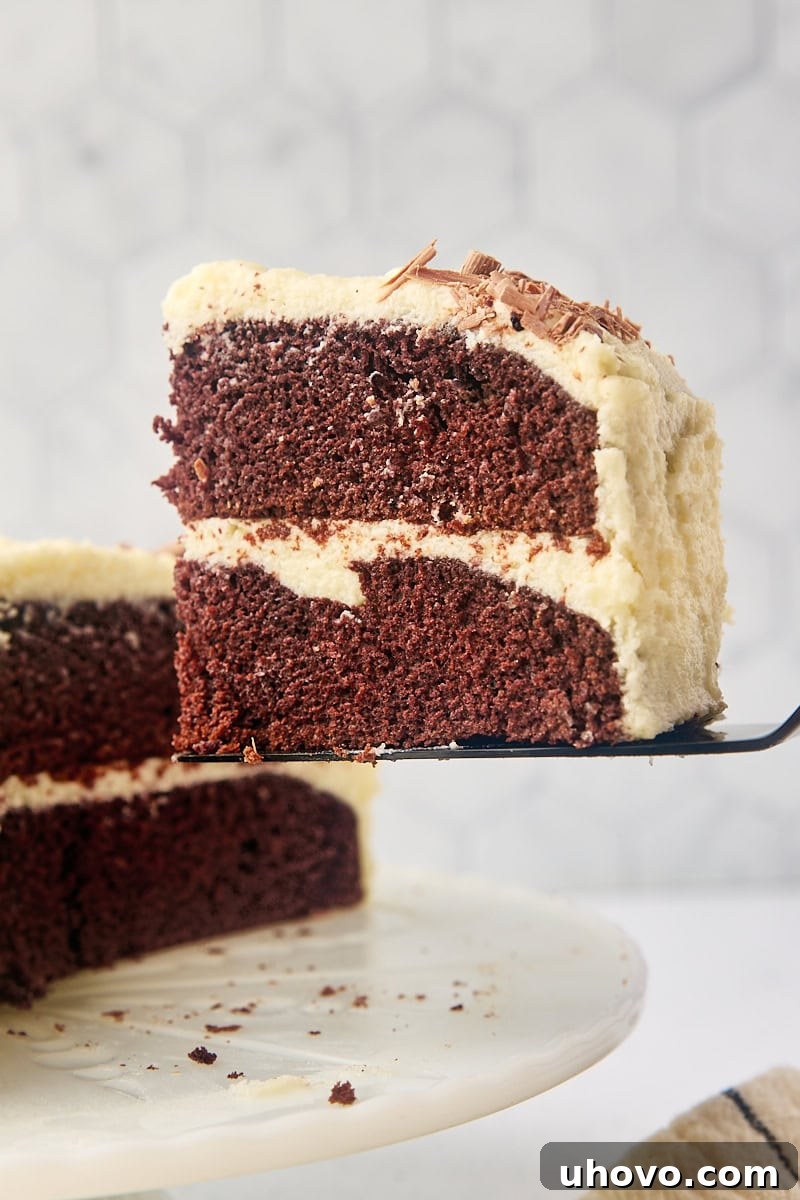
There’s something truly special about a dessert that evokes a sense of timeless comfort and cherished memories. This Mahogany Cake is precisely that—a beloved classic that tastes like a slice of nostalgia. Its subtle yet distinct chocolate flavor, coupled with an incredibly soft texture and a stunning reddish-brown hue, makes it a beautiful and sophisticated treat. It’s versatile enough for grand celebrations, yet comforting enough for a quiet afternoon indulgence. And the crowning glory? The Ermine frosting. This light, velvety, and perfectly sweet frosting is less dense than traditional buttercream, creating an exquisite balance that complements the vintage charm of the cake perfectly. It’s a match made in dessert heaven, allowing the cake’s delicate flavors to shine.
My rediscovery of my grandmother’s cherished, handwritten recipe for this cake was a delightful journey back in time, and I am thrilled to share it with you. If you appreciate old-fashioned recipes that have stood the test of time and carry an enduring appeal, this Mahogany Cake is an absolute must-try. It promises a baking experience that is straightforward, results in an elegant presentation, and delivers a profoundly satisfying taste that will have everyone asking for more.
Why You’ll Fall in Love with This Mahogany Cake Recipe
- Unparalleled Soft, Moist Crumb: Crafted with precision using cake flour and rich buttermilk, this Mahogany Cake achieves a uniquely delicate and tender texture. Cake flour, with its lower protein content, creates a finer crumb, while buttermilk adds a subtle tang and ensures exceptional moisture, making every bite melt in your mouth.
- Exquisite Rich Chocolate Flavor: Unlike some overly sweet chocolate cakes, this recipe uses unsweetened cocoa powder to deliver a deep, authentic chocolate flavor that is both prominent and perfectly balanced. The subtle bitterness of the cocoa provides depth without overpowering the cake’s inherent sweetness, creating a sophisticated taste profile.
- Classic, Velvety Ermine Frosting: The accompanying ermine frosting is a revelation—smooth, wonderfully buttery, and notably less sweet than traditional powdered sugar buttercreams. Its light, whipped texture makes it a perfect counterpoint to the cake’s richness. This versatile frosting is also phenomenal on other baked goods, such as carrot cake or hummingbird cake, proving its universal appeal.
- Stunning Visual Appeal: With its signature reddish-brown hue, which gives it its “mahogany” name, and an elegant frosted finish, this cake is visually striking. It makes a beautiful centerpiece for any table, promising an eye-catching dessert that will impress your guests and enhance any occasion, from casual gatherings to formal celebrations.
A Brief History: Tracing the Origins of Mahogany Cake
The enchanting Mahogany Cake boasts a rich history, dating back to the late 19th and early 20th centuries. During this era, it emerged as a highly sought-after dessert, celebrated for its unique reddish-brown color and sophisticated flavor. The distinctive mahogany hue, which gives the cake its name, is not artificial but rather a beautiful natural chemical reaction between the cocoa powder and baking soda during the baking process. This interaction deepens the color of the cocoa, creating that signature rich, dark red-brown. Often regarded as an esteemed predecessor to the now-famous red velvet cake, mahogany cake was pioneering in its use of cocoa powder. It highlighted cocoa’s nuanced flavor and color in a way that was innovative for its time, demonstrating how cocoa could add depth and visual appeal without overwhelming the delicate balance of the cake. Its enduring legacy is a testament to its soft crumb, subtle yet satisfying chocolate notes, and timeless charm, making it a beloved classic that continues to offer a taste of history and delicious nostalgia.
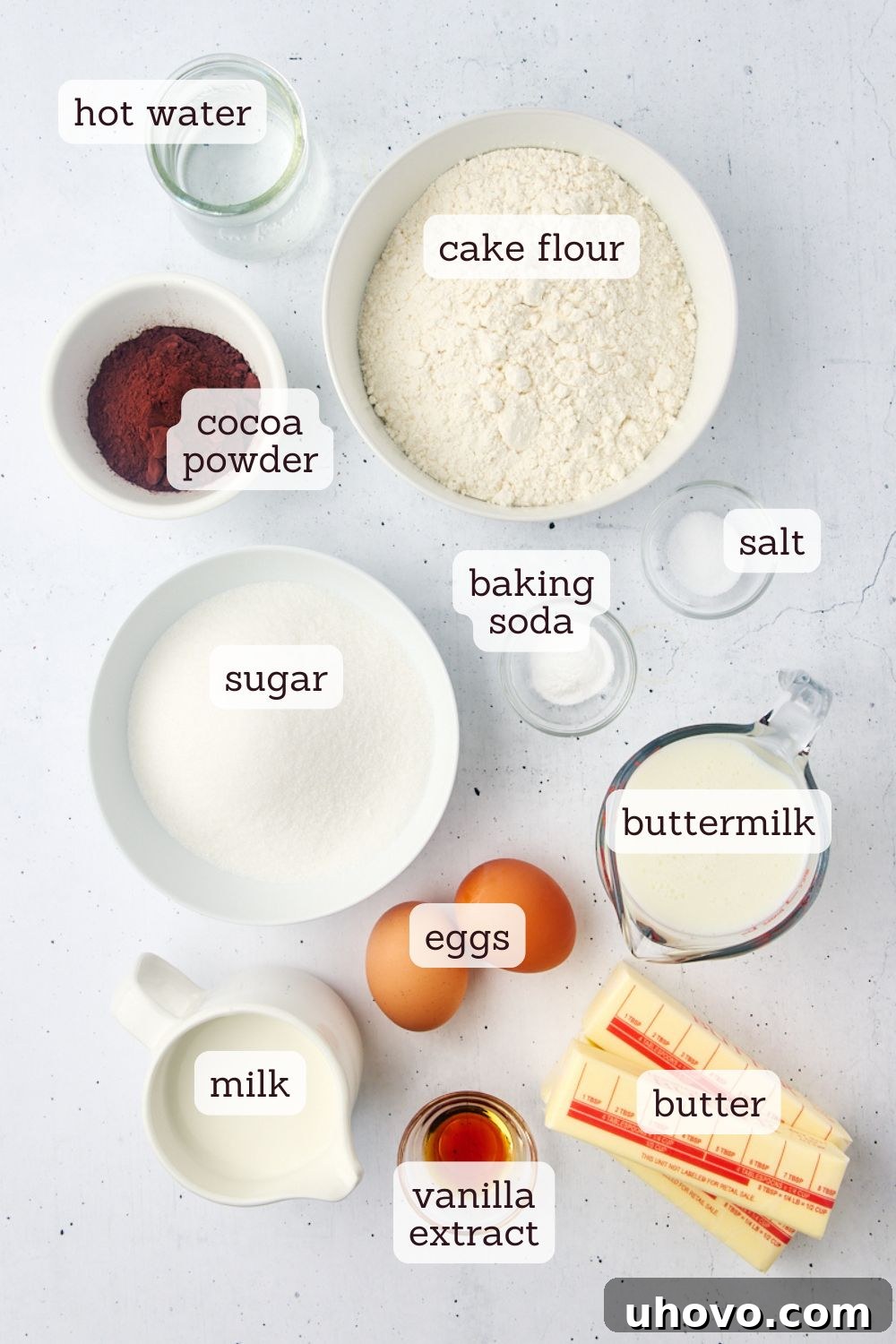
Unveiling the Ingredients: What You’ll Need for This Classic Mahogany Cake
Crafting the perfect Mahogany Cake starts with selecting the right ingredients. Below, you’ll find a comprehensive list of what you need, along with insights into their role in achieving this cake’s iconic flavor and texture. For precise quantities and detailed instructions, please refer to the full recipe card at the end of this article.
For the cake:
- Cake flour: This is crucial for achieving a truly delicate and fine crumb. Cake flour has a lower protein content compared to all-purpose flour, which results in less gluten development and a softer, more tender texture. Ensure you measure it accurately, ideally with a kitchen scale, or by spooning it into a measuring cup and leveling it off.
- Cocoa powder: Opt for a high-quality, unsweetened natural cocoa powder. Natural cocoa powder is slightly acidic, reacting with baking soda to create that signature reddish-brown mahogany hue and contributing a nuanced chocolate flavor. Avoid Dutch-processed cocoa as it’s less acidic and won’t produce the same color or reaction.
- Baking soda: The leavening agent that reacts with the acidic buttermilk and natural cocoa powder, creating carbon dioxide bubbles for a light and airy rise. It also plays a key role in the cake’s characteristic color.
- Salt: A small but mighty ingredient that enhances all the other flavors, particularly the chocolate, balancing the sweetness and adding depth.
- Unsalted butter: Softened at room temperature, butter is essential for a rich flavor and contributes to the cake’s moistness. Using unsalted butter gives you control over the overall salt content of your cake.
- Granulated sugar: Provides sweetness and helps create a tender crumb by interacting with the other ingredients, contributing to the cake’s structure and browning.
- Eggs: Large eggs, brought to room temperature, emulsify better with the butter and sugar, creating a smoother batter and a more stable, fluffier cake structure.
- Buttermilk: A cornerstone for moisture and tenderness in this cake. Its acidity tenderizes the gluten and activates the baking soda, resulting in a wonderfully soft crumb. If you don’t have buttermilk, you can easily make a substitute at home by adding a tablespoon of lemon juice or white vinegar to regular milk and letting it sit for 5-10 minutes.
- Vanilla extract: A classic flavor enhancer, vanilla extract adds warmth and depth, complementing and intensifying the chocolate notes without dominating them. Use pure vanilla extract for the best flavor.
- Hot water: Blooming the cocoa powder with hot water is a crucial step that intensifies its flavor, making the chocolate taste richer and deeper without needing excessive amounts of cocoa. The water doesn’t need to be boiling, but it should be quite hot to the touch to effectively dissolve and “bloom” the cocoa particles.
For the ermine frosting:
- Milk: Whole milk is recommended for its richness, which contributes to the creamy texture of the roux.
- All-purpose flour: This forms the base of the roux, acting as a thickening agent for the milk mixture. It provides structure to the frosting without adding heaviness, resulting in its distinctive light and airy consistency.
- Granulated sugar: Unlike powdered sugar in traditional buttercream, granulated sugar is used here for a reason. It sweetens the frosting without adding density, which is key to achieving that smooth, light, and silky ermine texture once it’s fully whipped.
- Salt: Just a pinch of salt helps to balance the sweetness and enhance the overall flavor of the frosting.
- Unsalted butter: Ensure your butter is properly softened to room temperature. If it’s too firm, the frosting may not emulsify correctly or achieve the desired fluffy and smooth consistency. It’s the star of the show, providing the rich, buttery mouthfeel.
- Vanilla extract: Essential for adding a delicate fragrance and complementing the milky, buttery notes of the ermine frosting.
Step-by-Step: Crafting Your Own Mahogany Cake
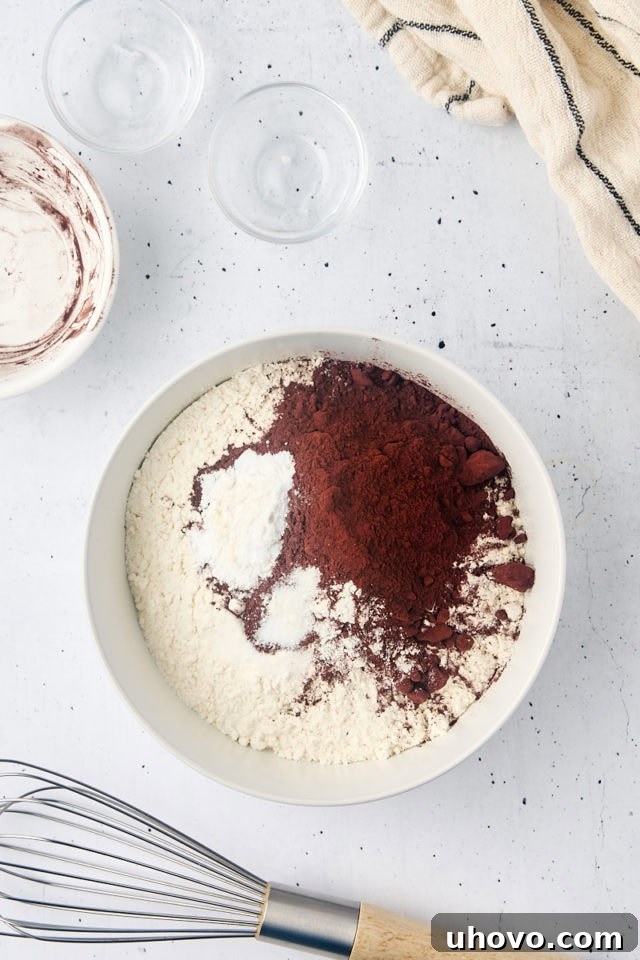
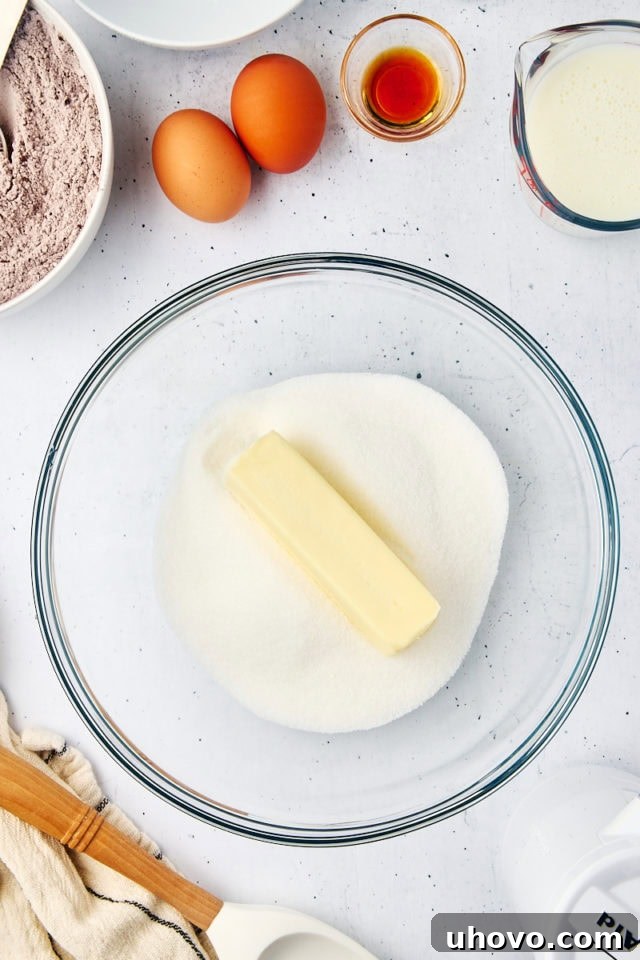
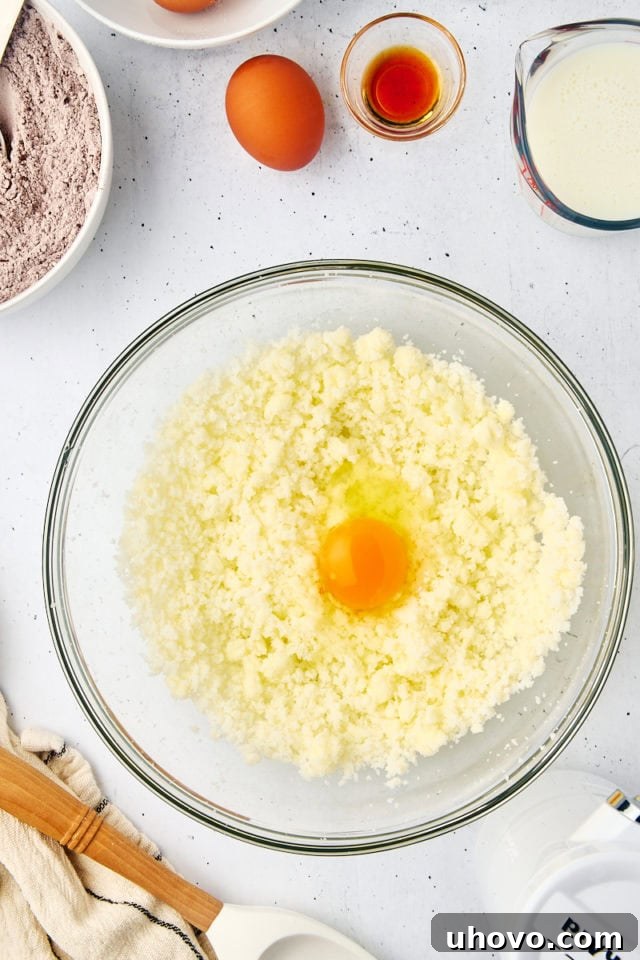
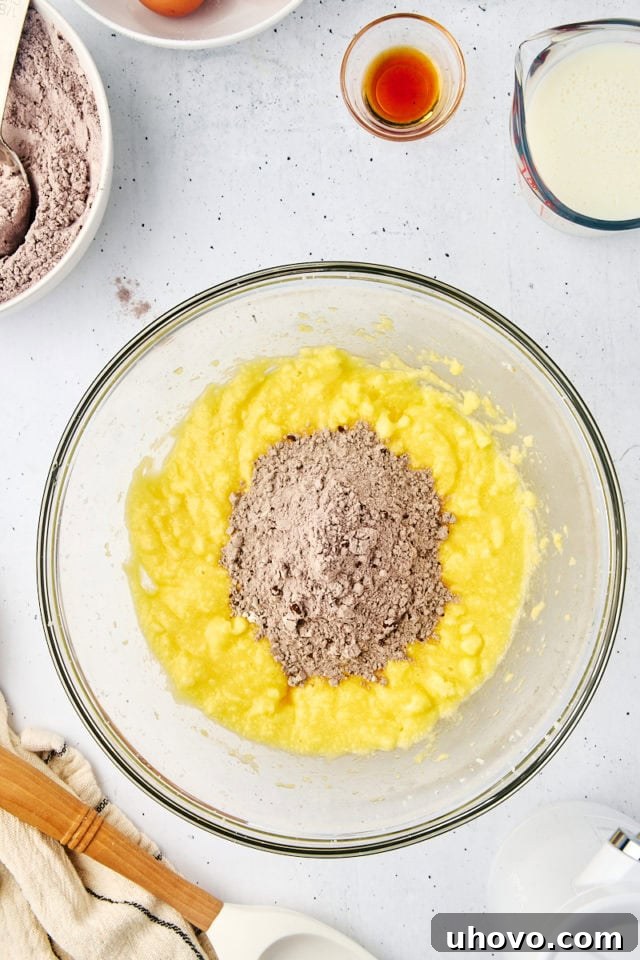
- Prepare your baking station: Begin by preheating your oven to 350°F (175°C). Prepare two 8-inch round cake pans by thoroughly greasing them, then lining the bottoms with parchment paper. This ensures an easy release and perfectly shaped cake layers.
- Combine the dry ingredients: In a medium bowl, whisk together the cake flour, cocoa powder, baking soda, and salt. Whisking ensures these ingredients are well combined and evenly distributed throughout the batter. Set this mixture aside.
- Cream wet ingredients: In a large mixing bowl, using an electric mixer, beat the softened unsalted butter and granulated sugar together until the mixture becomes light, pale, and fluffy. This can take about 3-5 minutes. Then, add the eggs one at a time, beating well after each addition to fully incorporate them and create a smooth emulsion.
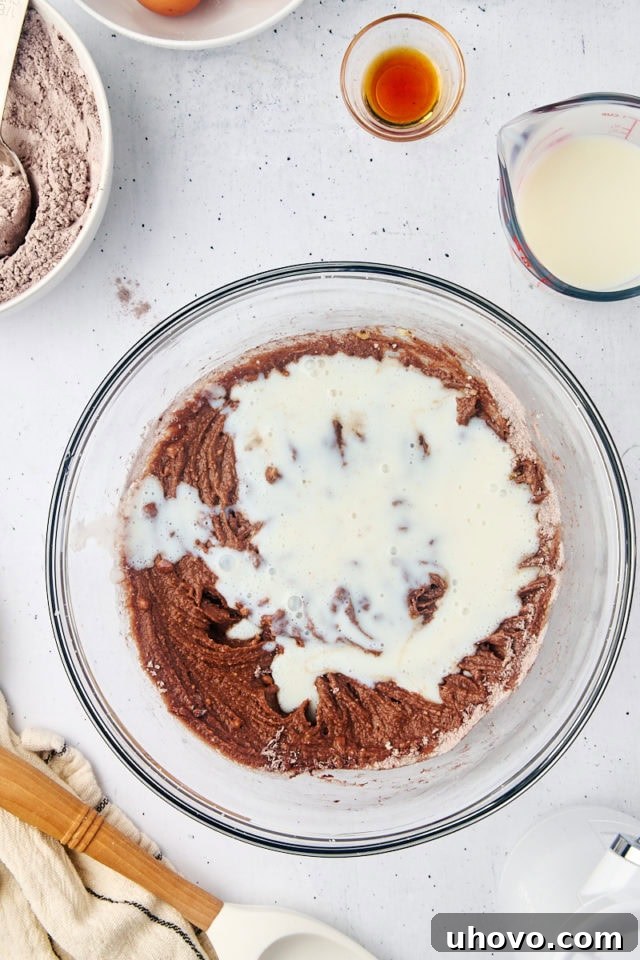
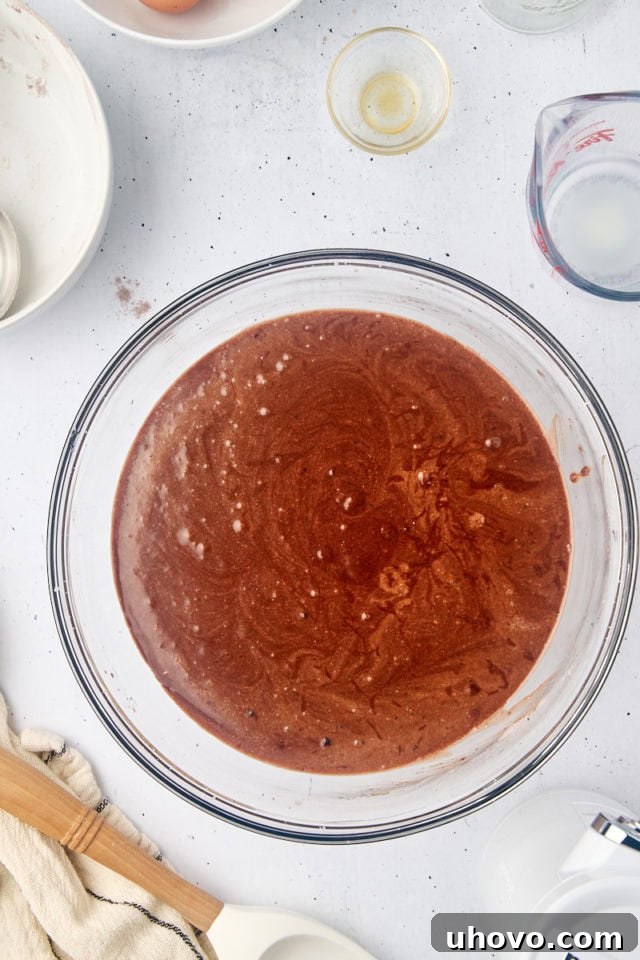
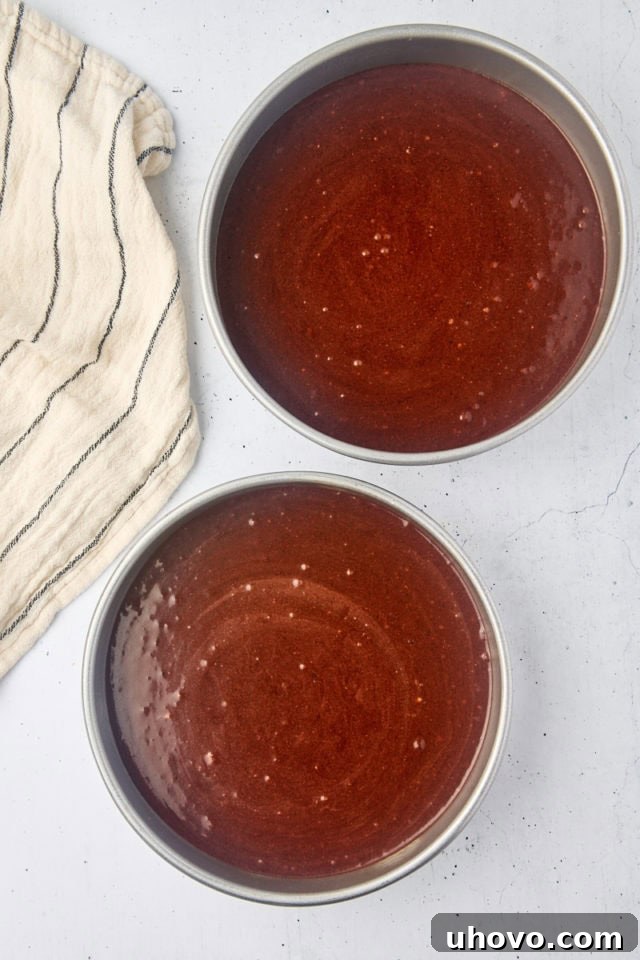
- Complete the cake batter: Gradually add the dry ingredients to the creamed butter mixture in three alternating portions with two portions of buttermilk, beginning and ending with the dry ingredients. Mix on low speed just until combined; be careful not to overmix. Finally, gently stir in the vanilla extract and the hot water. The batter will appear quite thin at this stage, which is perfectly normal for this recipe.
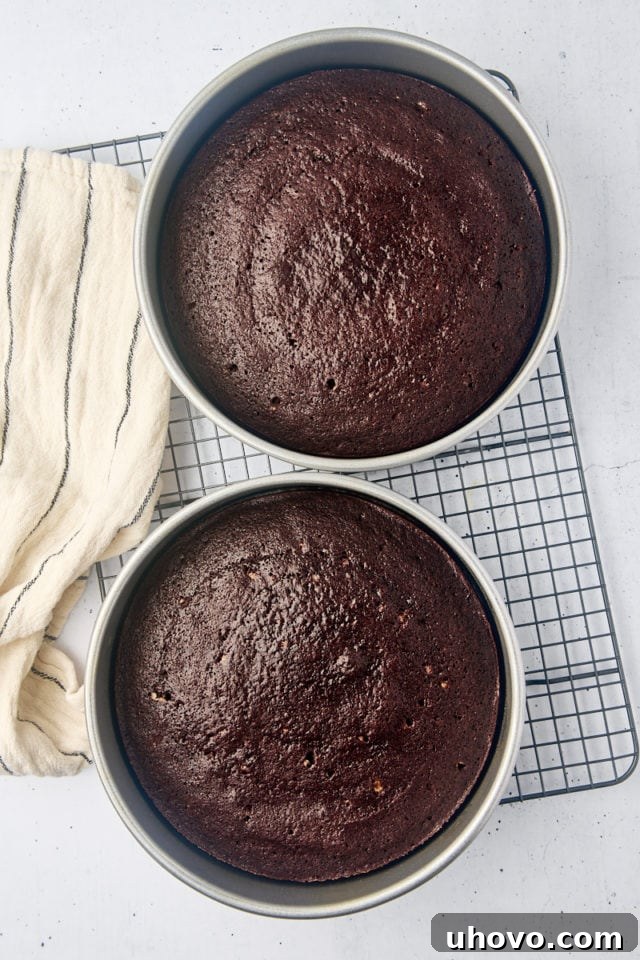
- Bake to perfection: Divide the prepared batter evenly between the two lined cake pans. Place them in the preheated oven and bake for approximately 35-40 minutes. The cakes are done when a wooden skewer or toothpick inserted into the center comes out clean or with a few moist crumbs attached.
- Cooling process: Once baked, remove the cakes from the oven and let them cool in their pans on wire racks for 10 minutes. This allows them to firm up slightly. After 10 minutes, carefully invert the cakes onto the wire racks to cool completely. Ensure they are fully cooled before frosting to prevent the frosting from melting.
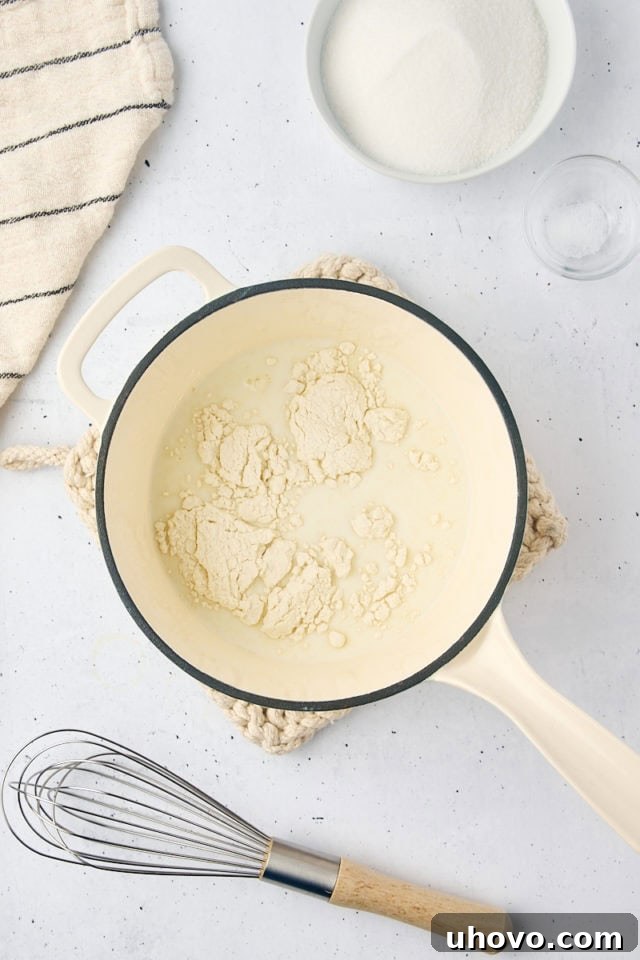
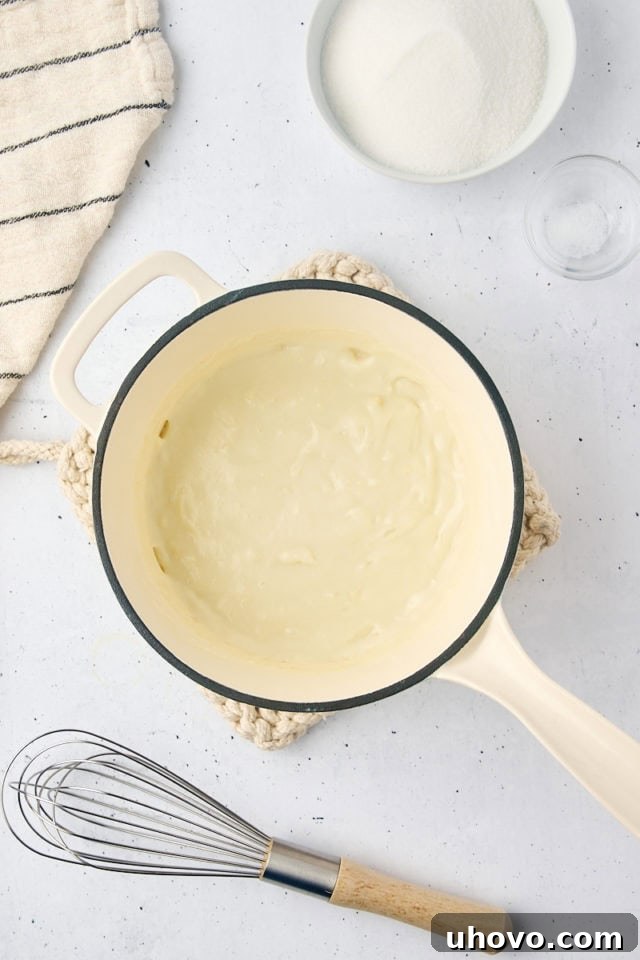
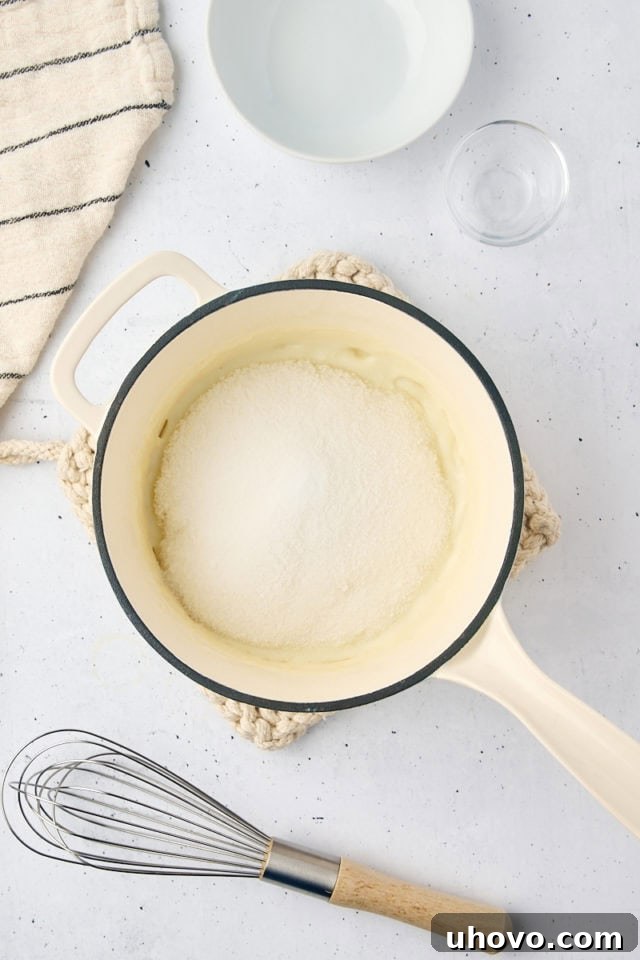
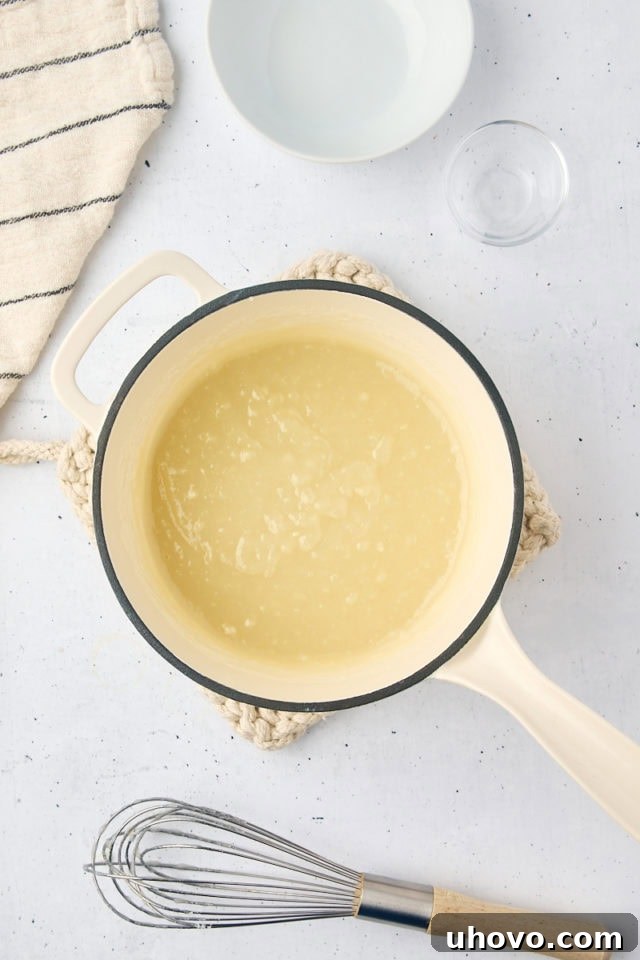
- Begin the ermine frosting base: In a small saucepan, whisk together the milk and all-purpose flour until smooth. Place the saucepan over medium heat and cook, stirring constantly with a whisk, until the mixture thickens into a consistency resembling a smooth pudding or thick paste. This usually takes about 5-7 minutes. Once thickened, remove it from the heat.
- Sweeten and cool the base: Immediately after removing from heat, whisk in the granulated sugar and a pinch of salt until they are fully dissolved. Transfer the mixture to a clean bowl, then cover its surface directly with plastic wrap to prevent a skin from forming. This is critical for a smooth frosting. Allow the mixture to cool completely to room temperature. This can take several hours, or you can speed it up in the refrigerator, stirring occasionally.
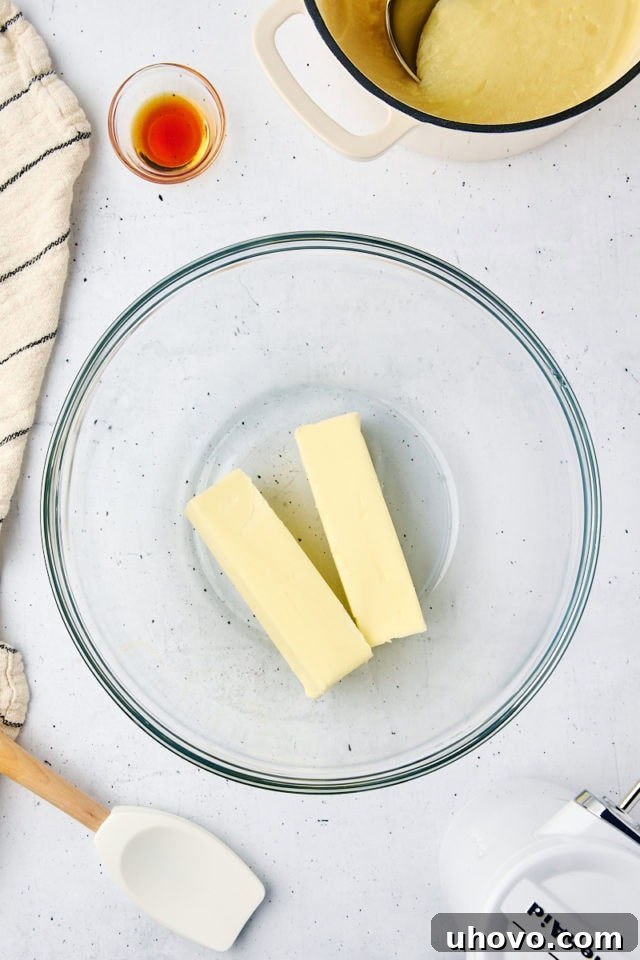
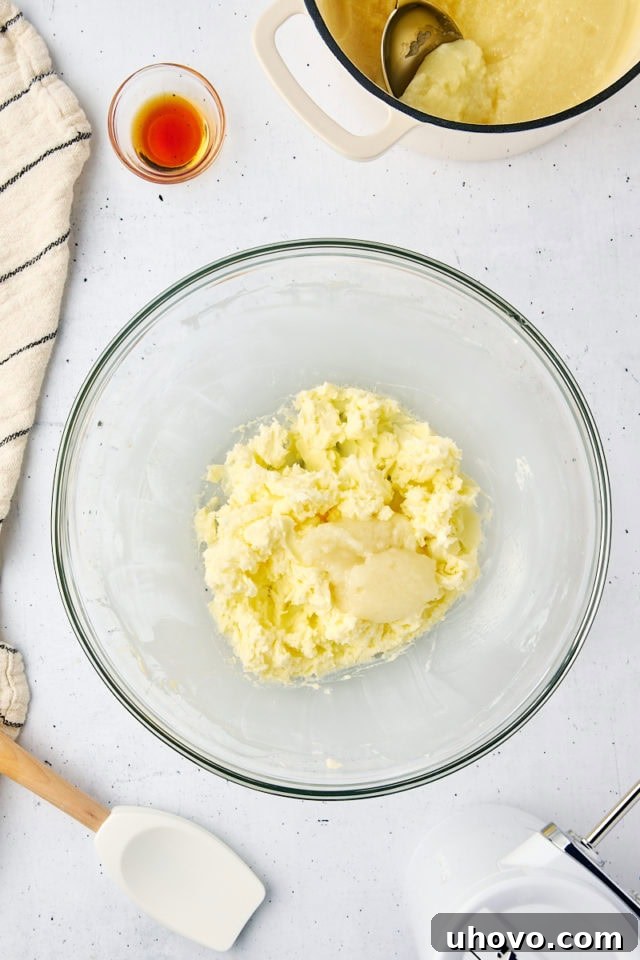
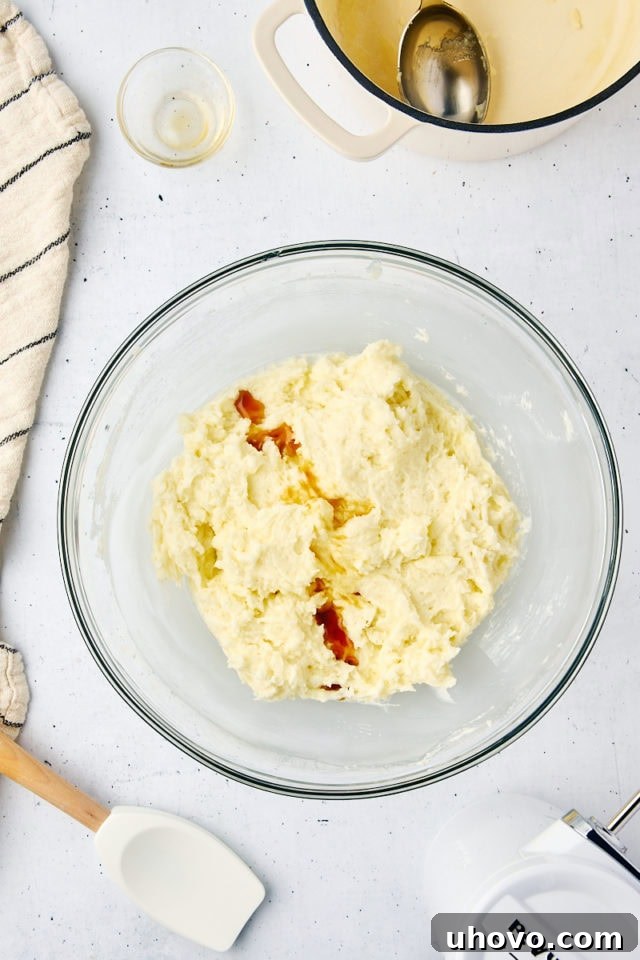
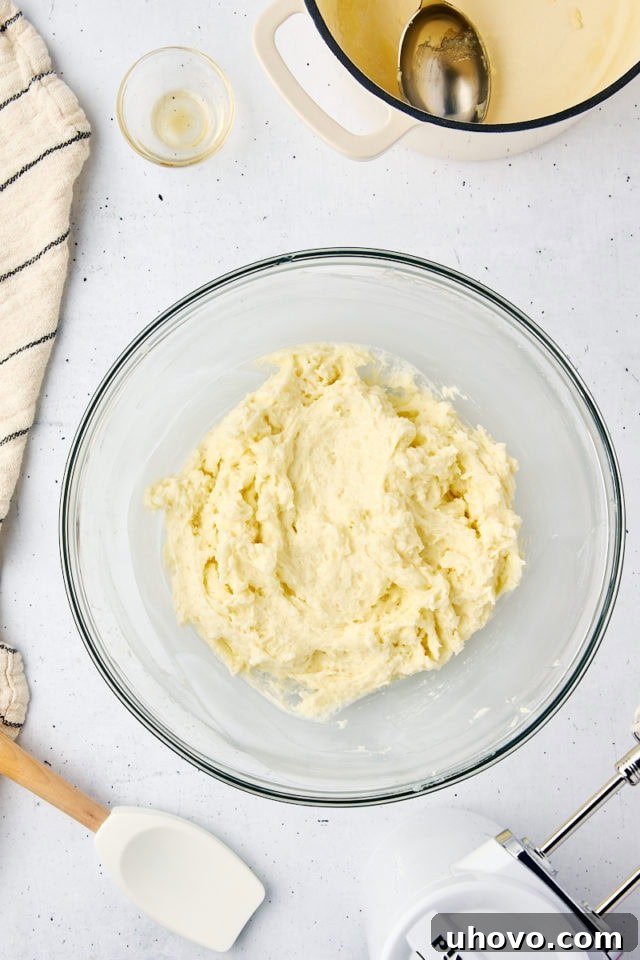
- Whip the butter: In a separate large mixing bowl, beat the softened unsalted butter with an electric mixer on medium-high speed until it is very light and fluffy. This process incorporates air and makes the frosting incredibly airy and smooth.
- Combine and finalize the frosting: With the mixer running on medium speed, gradually add the completely cooled milk-flour mixture to the whipped butter, one spoonful at a time. Continue beating until the mixture transforms into a light, fluffy, and perfectly smooth frosting. This might take 5-10 minutes. The frosting should be light and airy, similar to whipped cream but with more structure. Finally, mix in the vanilla extract until it’s fully incorporated.
- Assemble and frost the cake: Place one completely cooled cake layer onto your desired serving plate or cake stand. Spread an even, generous layer of ermine frosting over the top. Carefully place the second cake layer on top, then proceed to frost the top and sides of the entire cake. Garnish as desired for a beautiful presentation.
Expert Baking Tips for a Flawless Mahogany Cake
- Master the art of temperature: Ensuring your ingredients are at room temperature is paramount for cake baking success. Softened butter and room-temperature eggs and buttermilk emulsify much better, creating a smooth, homogenous batter. This results in a finer, more uniform crumb and contributes to a better rise in your cake. Plan ahead by taking these ingredients out of the refrigerator 1-2 hours before you begin baking.
- Precision in measuring: Baking is a science, and accurate measurements are key. For the most consistent and best results, always use a digital kitchen scale to measure your flour and cocoa powder. Volume measurements can be imprecise, leading to variations. Too much flour can yield a dry, dense cake, while too little can compromise its structure. If a scale isn’t available, spoon the flour lightly into your measuring cup and then level it off with a straight edge, rather than scooping directly from the bag.
- Avoid the pitfall of over-mixing: Once you incorporate the dry flour mixture into the wet ingredients, mix only until they are just combined. Over-mixing develops too much gluten, which can lead to a tougher, denser cake with a chewy texture. As soon as you no longer see any dry streaks of flour in the batter, stop mixing. A few small lumps are preferable to an over-mixed batter.
- Level your cake layers for perfection: If your cake layers emerge from the oven with slightly domed tops, a common occurrence, you can easily level them for a professional look. Once the layers have completely cooled, use a long serrated knife (like a bread knife) to carefully slice off the rounded top, creating a perfectly flat surface. This ensures that your cake layers stack neatly and evenly, resulting in a polished and stable finished product. Make sure the layers are fully cool before trimming to prevent crumbling.
- Achieve a silky smooth ermine frosting: The key to this unique frosting is ensuring the milk-flour mixture is completely cool—true room temperature—before you gradually add it to the beaten butter. If the mixture is still warm, it will melt the butter, resulting in a runny, greasy, and separated frosting that won’t whip up correctly. Patience here will be rewarded with a light, fluffy, and perfectly smooth frosting.
- Cool completely before frosting: This tip cannot be stressed enough. Always allow your cake layers to cool entirely on a wire rack before you even think about applying frosting. Attempting to frost a warm or even slightly warm cake will cause the frosting to melt, slide off, and create a crumbly, messy result. A fully cooled cake ensures the frosting sets beautifully and maintains its structure.
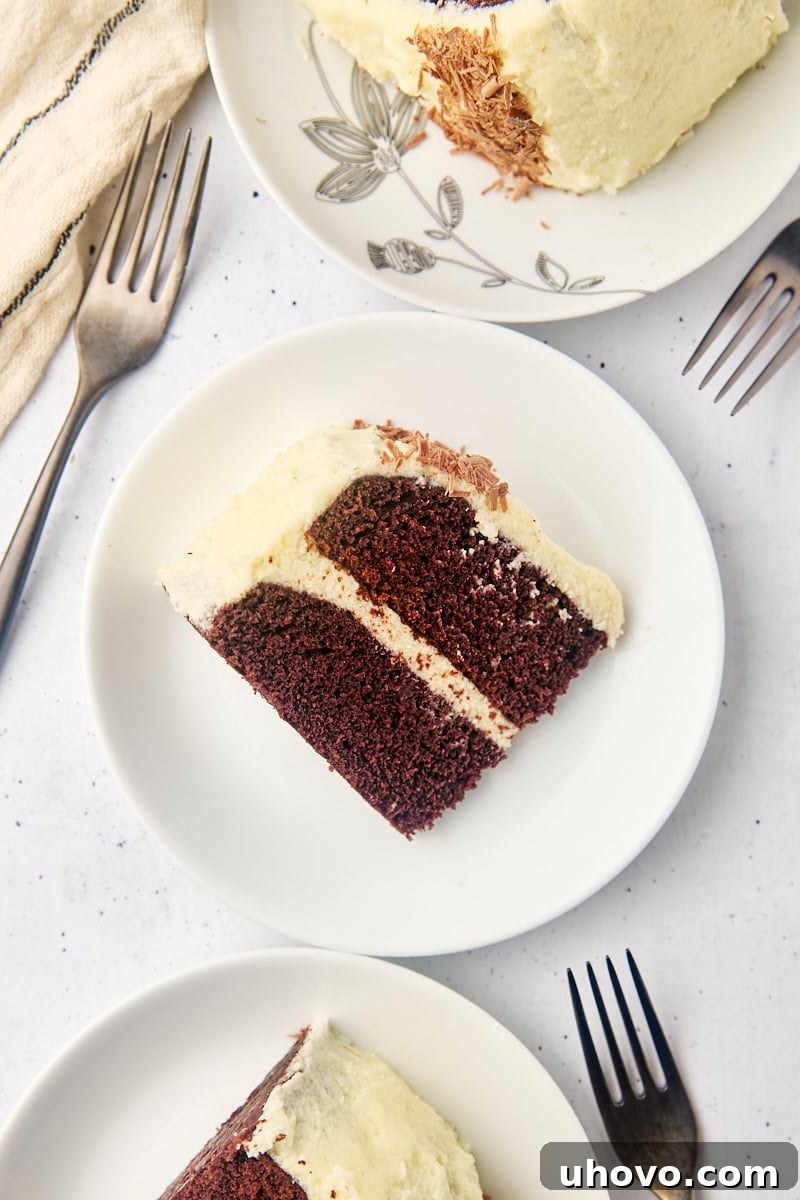
Creative Variations & Serving Suggestions for Your Mahogany Masterpiece
- Indulgent Chocolate Frosting: For those who crave an even more decadent chocolate experience, consider swapping the ermine frosting for a rich chocolate buttercream. This classic pairing amplifies the cocoa notes in the cake, creating a deeply satisfying and intensely flavorful dessert.
- Tangy Cream Cheese Frosting: If you prefer a delightful contrast of flavors, a classic cream cheese frosting offers a wonderful tangy counterpoint to the cake’s subtle sweetness. It provides a refreshing balance and a creamy texture that is incredibly popular.
- Elevate with an Espresso Kick: To deepen the chocolate flavor and introduce a sophisticated mocha undertone, add 1-2 teaspoons of instant espresso powder to the hot water before mixing it into the cake batter. This enhances the cocoa without making the cake taste overtly like coffee, simply enriching its complexity.
- Garnishing Ideas to Impress: The presentation of your Mahogany Cake can be as memorable as its taste.
- Chocolate Shavings or Cocoa Dusting: Keep with the classic chocolate theme by sprinkling dark or milk chocolate shavings over the frosting for an elegant look and added texture. A light dusting of cocoa powder offers a minimalist yet refined finish.
- Fresh Berries: For a burst of color and a delightful tartness that beautifully cuts through the cake’s richness, arrange fresh berries like raspberries, strawberries, or blueberries on top. Their vibrant hues create a stunning visual contrast against the frosting.
- Toasted Coconut Flakes or Nuts: For an additional layer of texture and flavor, consider sprinkling toasted coconut flakes for a tropical twist, or chopped, toasted pecans, walnuts, or almonds for an earthy, nutty crunch. These additions bring depth and a pleasant chewiness to each bite.
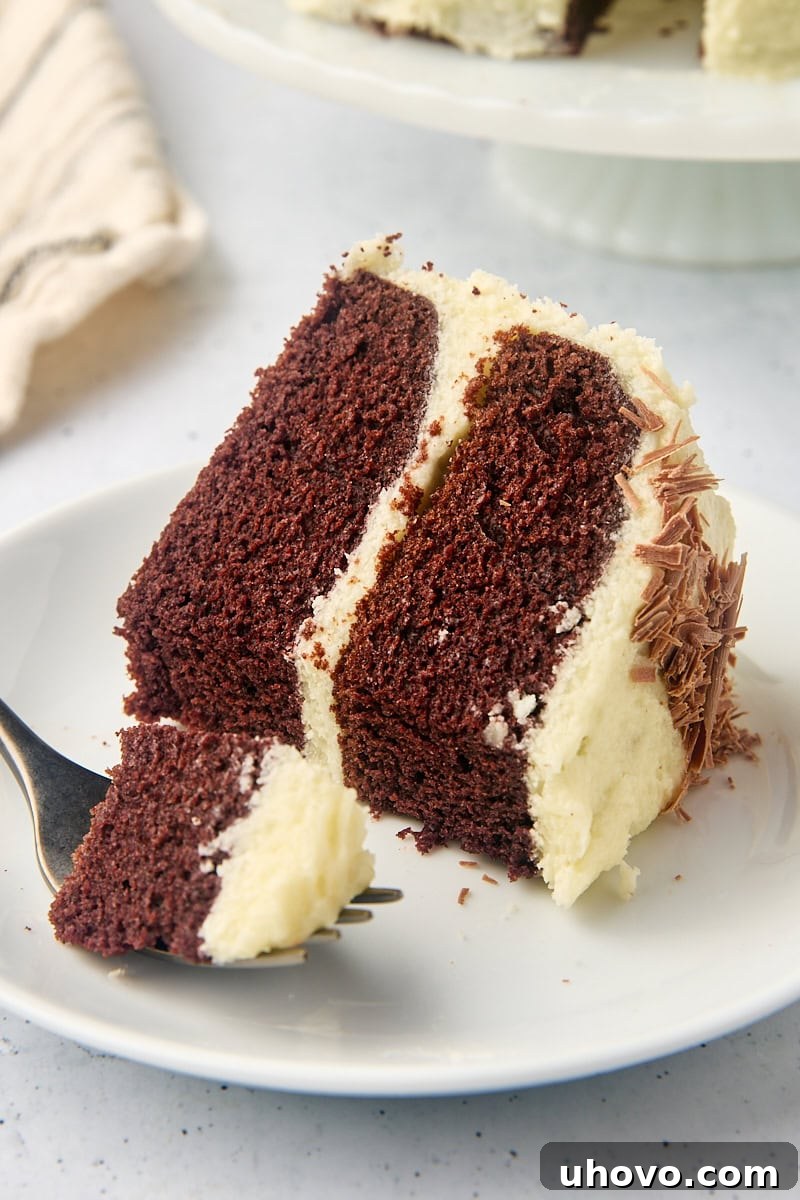
Storing Your Mahogany Cake: Keeping it Fresh and Delicious
- Room temperature storage: If you plan to enjoy your Mahogany Cake within a day or two of baking, it can be safely stored at room temperature. To maintain its delightful moisture and prevent it from drying out, place the cake under a sturdy cake dome or cover it tightly with plastic wrap. Always keep the cake in a cool, dry place, away from direct sunlight or any heat sources, as the ermine frosting can soften and potentially weep if exposed to warmth.
- Refrigerator storage: For extended freshness, you can refrigerate the cake for up to 5 days. To protect its texture and flavor, cover the cake with plastic wrap or transfer it to an airtight container. When you’re ready to serve a slice, allow the refrigerated cake to sit at room temperature for approximately 20-30 minutes. This allows the cake and frosting to soften slightly, bringing them back to their optimal texture and enhancing their flavors.
- Freezer storage: For longer-term planning, Mahogany Cake freezes beautifully.
- Unfrosted layers: Wrap each cooled cake layer individually in plastic wrap, then add a second layer of aluminum foil. You can also place the wrapped layers in an airtight freezer-safe container.
- Frosted cake or individual slices: If freezing a fully frosted cake, first place it in the freezer uncovered for 1-2 hours until the frosting is completely firm. This step prevents the frosting from sticking to the wrapping. Once firm, wrap the entire cake or individual slices tightly in plastic wrap, followed by a layer of aluminum foil.
When you’re ready to enjoy, thaw the wrapped cake in the refrigerator overnight. After thawing, bring it to room temperature for about an hour before serving. This gentle thawing process helps to retain its moisture and prevents the frosting from “sweating” or becoming watery.
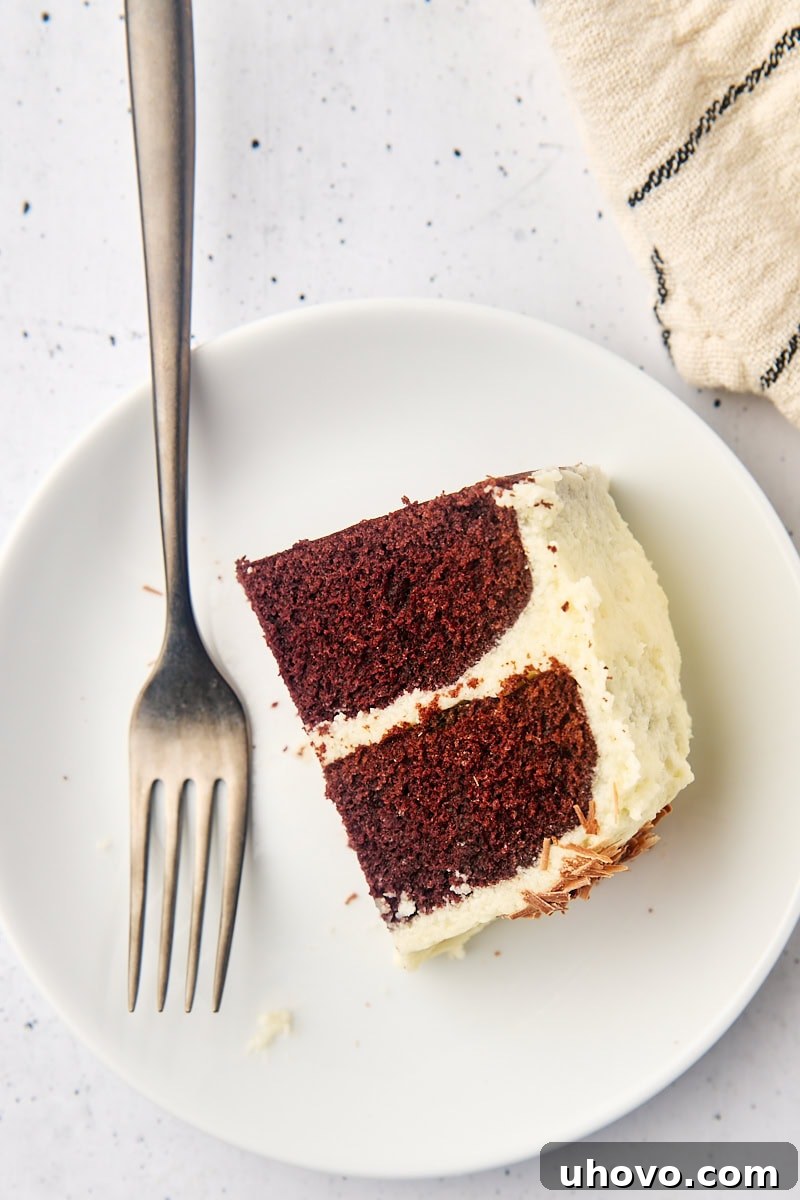
Frequently Asked Questions About Mahogany Cake
- What gives Mahogany Cake its signature reddish-brown color? The beautiful reddish-brown color of Mahogany Cake is a natural result of the chemical reaction between the acidic cocoa powder and the baking soda in the batter. This interaction intensifies the red pigments present in the cocoa, especially when natural, unsweetened cocoa is used, creating the characteristic “mahogany” hue during baking.
- Can I use all-purpose flour instead of cake flour? While cake flour is highly recommended for its low protein content, which yields a tender, fine crumb, you can substitute all-purpose flour in a pinch. To do so, for every cup of all-purpose flour, remove 2 tablespoons of flour and replace it with 2 tablespoons of cornstarch. Sift this mixture together well before using. This substitution helps to reduce the protein content, mimicking cake flour more closely, but the texture might still be slightly denser than with pure cake flour.
- Why is room temperature so important for ingredients? Room temperature ingredients (butter, eggs, buttermilk) are crucial because they emulsify much more easily and uniformly. When butter is soft, it creams better with sugar, trapping air that contributes to the cake’s lightness. Room temperature eggs blend smoothly into the butter mixture, preventing a curdled appearance, and room temperature buttermilk ensures even distribution throughout the batter. This consistency leads to a smoother batter, better rise, and a more tender, even crumb.
- What makes Ermine frosting different from traditional buttercream? Ermine frosting, also known as flour buttercream or boiled milk frosting, is unique because it starts with a cooked flour-and-milk roux, which is then cooled and whipped into softened butter and sugar. Unlike traditional buttercreams that often rely heavily on powdered sugar, ermine frosting uses granulated sugar and achieves its light, fluffy, and silky texture without being overly sweet. It’s stable, less greasy, and has a distinctive, almost whipped cream-like consistency.
- Can I make this cake gluten-free? Adapting this recipe to be gluten-free is possible, but it requires careful substitution. You would need to use a high-quality gluten-free all-purpose flour blend that contains xanthan gum (or add it separately). However, the precise texture might vary, as gluten-free flours absorb liquids differently. For best results, look for gluten-free cake recipes specifically formulated for chocolate cakes, or be prepared for some experimentation.
- How can I prevent my cake layers from sticking to the pans? To ensure your cake layers release cleanly every time, thorough pan preparation is key. Always grease your pans generously with butter or a baking spray, ensuring all crevices are covered. Then, line the bottom of the pans with parchment paper circles. For extra assurance, you can lightly flour the greased and parchment-lined pans, tapping out any excess. These steps create a non-stick barrier that will help your cakes slide out perfectly.
More Irresistible Chocolate Cake Recipes
Get the Recipe:
Classic Mahogany Cake with Ermine Frosting
12 servings
25 minutes
47 minutes
30 minutes (cooling frosting)
1 hour 42 minutes
Mahogany Cake is a vintage classic featuring a delicate crumb, a subtle yet rich chocolate flavor, and a gorgeous reddish-brown hue. Paired with a luscious, creamy ermine frosting, it’s a timeless treat perfect for any occasion!
Ingredients
For the Cake:
- 2 ¼ cups (270 g) cake flour
- ½ cup (42 g) unsweetened cocoa powder (natural)
- 1 teaspoon baking soda
- ½ teaspoon salt
- 1 ½ cups (300 g) granulated sugar
- ½ cup (113 g) unsalted butter, softened
- 2 large eggs, room temperature
- 1 cup (240 ml) buttermilk, room temperature
- 1 teaspoon vanilla extract
- ½ cup (120 ml) hot water
For the Ermine Frosting:
- 1 cup (240 ml) whole milk
- 5 tablespoons (38 g) all-purpose flour
- 1 cup (200 g) granulated sugar
- Pinch of salt
- 1 cup (226 g) unsalted butter, softened
- 1 teaspoon vanilla extract
Recommended Products
- USA Pan Bakeware Round Cake Pan, 8 inch
- Escali Kitchen Scale
- Enameled Cast Iron Sauce Pan, 2-Quart
- Stainless Steel Ball Whisk
- Offset Spatula
Instructions
To make the cake:
- Preheat the oven to 350°F (175°C). Grease two 8-inch round cake pans and line the bottoms with parchment paper.
- In a medium bowl, whisk together the cake flour, cocoa powder, baking soda, and salt. Set aside.
- In a large mixing bowl, beat the softened butter and granulated sugar with an electric mixer until light and fluffy (about 3-5 minutes). Add the eggs one at a time, beating well after each addition until fully incorporated.
- Gradually add the dry ingredients to the butter mixture in three portions, alternating with two portions of buttermilk, beginning and ending with the dry ingredients. Mix on low speed until just combined.
- Stir in the vanilla extract and the hot water. The batter will be thin, which is expected.
- Divide the batter evenly between the two prepared cake pans. Bake for 35-40 minutes, or until a toothpick inserted into the center comes out clean.
- Allow the cakes to cool in their pans on wire racks for 10 minutes. Then, invert them onto the wire racks to cool completely before frosting.
To make the frosting:
- In a small saucepan, whisk together the whole milk and all-purpose flour until smooth. Cook over medium heat, stirring constantly, until the mixture thickens into a smooth, pudding-like consistency (about 5-7 minutes).
- Remove the saucepan from the heat and immediately whisk in the granulated sugar and pinch of salt until fully dissolved. Transfer the mixture to a clean bowl, then cover the surface directly with plastic wrap to prevent a skin from forming. Let it cool completely to room temperature.
- In a large mixing bowl, beat the softened unsalted butter with an electric mixer until very light and fluffy (about 3-5 minutes).
- Gradually add the completely cooled milk-flour mixture to the creamed butter, one spoonful at a time, beating on medium speed until smooth, light, and fluffy. Continue beating until the frosting is airy and has a silky consistency.
- Mix in the vanilla extract until well combined. The frosting should resemble whipped cream but with more structure.
- To assemble, place one cooled cake layer on a serving plate or stand. Spread an even layer of frosting on top. Place the second cake layer over the first and frost the top and sides of the cake. Garnish as desired.
Notes
- Store the cake tightly covered in the refrigerator for up to 5 days. For best flavor and texture, let slices come to room temperature before serving.
Jennifer McHenry
Cakes, Dessert
American
Show off your baking masterpiece! Snap a pic, tag @bakeorbreak, and use #bakeorbreak on Instagram. Can’t wait to see your creation!