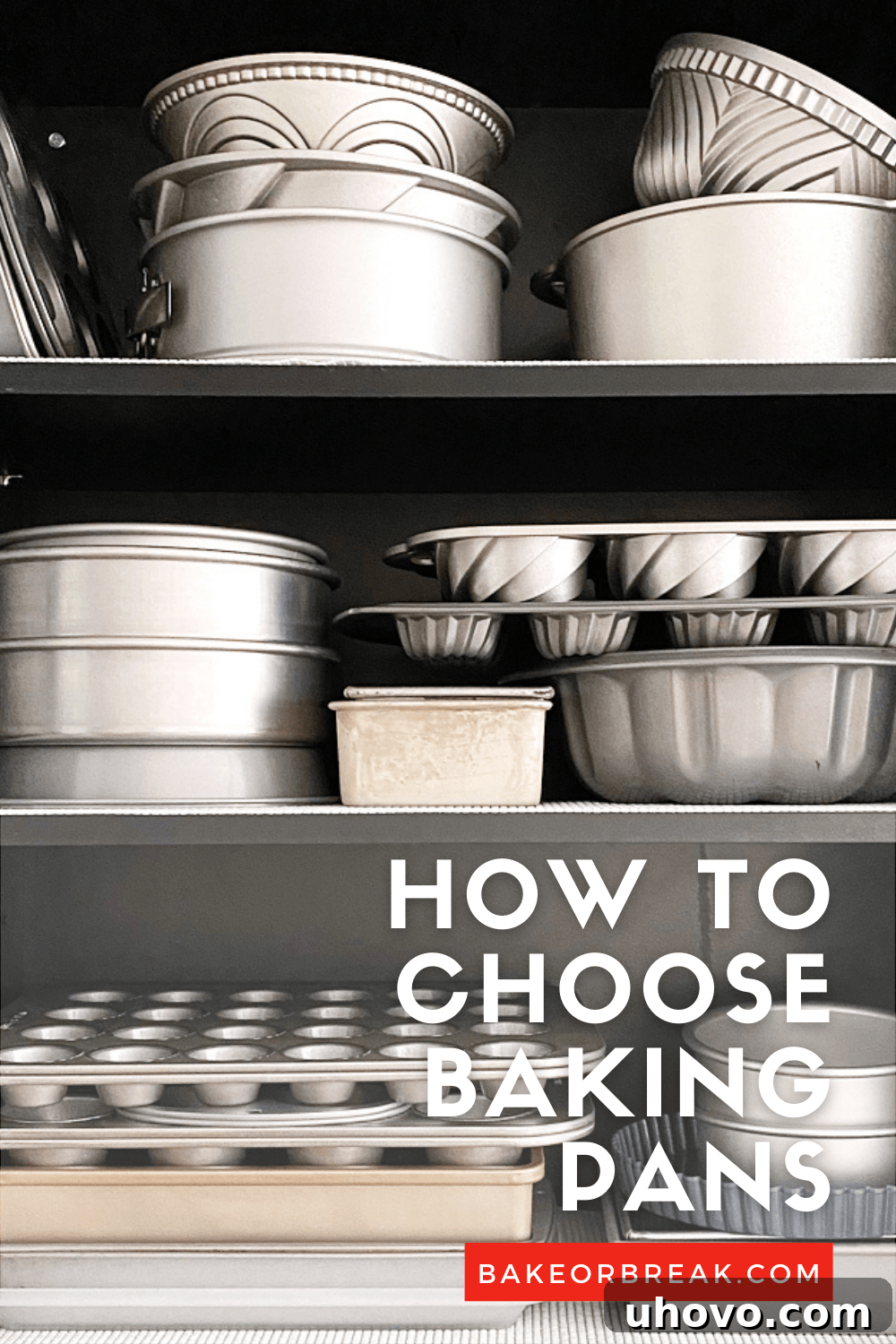
Are you a passionate baker seeking to elevate your culinary creations? Or perhaps you’re simply wondering why your delicious recipes aren’t achieving the perfect results you envision? The secret often lies not just in your ingredients or technique, but in the very tools you use: your baking pans. Choosing the right bakeware can dramatically transform your baking experience, ensuring consistent results, even browning, and effortless release. This comprehensive guide will equip you with essential tips for how to choose baking pans, helping you make informed decisions for your kitchen and unlock your baking potential.
How to Choose Baking Pans: Your Essential Guide to Perfect Bakeware
For any baker, whether novice or expert, the quality of their baking pans is just as paramount as the freshness of their ingredients or the precision of their skills. High-quality bakeware serves as the foundation for successful baking, directly influencing everything from the texture and color to the rise and taste of your final product. Imagine spending hours perfecting a cake batter, only for it to bake unevenly, stick to the pan, or emerge with burnt edges and an undercooked center. Such frustrations can be easily avoided by understanding the nuances of baking pan selection.
If you’re contemplating an upgrade to your existing bakeware collection or venturing into the exciting world of baking for the first time, it’s crucial to consider several factors to make the most optimal choice for your specific baking needs. From the materials they’re crafted from to their color and even their specific shape, each element plays a vital role in the baking process. Let’s delve into the key considerations that will guide you in choosing the best baking pans to achieve consistent, delicious results every time.
Baking Pan Materials: Understanding the Impact of Heat Transfer
The material from which a baking pan is constructed is arguably the most critical factor influencing its performance. Different materials conduct and retain heat in distinct ways, directly affecting how quickly and evenly your baked goods cook. With a myriad of options including various metals, glass, silicone, and ceramics, navigating the choices can feel overwhelming. By understanding the unique properties of each, you can simplify your decision-making process and select the material best suited for your desired outcome.
Aluminum: The Baker’s Go-To
Generally speaking, the vast majority of metal baking pans beloved by professional and home bakers alike are made from aluminum. This popularity is no coincidence; aluminum offers a superior combination of benefits that make it an excellent choice for a wide array of baked goods. Aluminum is remarkably durable, lightweight, and most importantly, an exceptional conductor of heat. This means it heats up quickly and, crucially, distributes that heat very evenly across its surface. This rapid and uniform heat transfer is essential for preventing hot spots and ensuring your cakes, cookies, and breads bake consistently throughout, promoting a desirable golden-brown crust and a perfectly cooked interior. Furthermore, aluminum is naturally rust-resistant and relatively affordable, offering excellent value.
Enhanced Aluminum Options: Aluminized Steel and Anodized Aluminum
Beyond standard aluminum, you’ll encounter more specialized metal pans like aluminized steel and anodized aluminum, which represent a step up in terms of performance and durability. Aluminized steel pans combine the strength of steel with the excellent heat conductivity of aluminum through a special coating process. These pans tend to be thicker and more robust, offering enhanced non-stick properties and preventing warping over time. Their heavier gauge often translates to more consistent baking and a longer lifespan. Anodized aluminum, on the other hand, undergoes an electrochemical process that hardens its surface and makes it non-reactive. This non-reactive quality is particularly beneficial when baking with acidic ingredients such as lemons, buttermilk, or vinegar, which can sometimes react with untreated aluminum, leading to discoloration or a metallic taste in your baked goods. Both aluminized steel and anodized aluminum are premium choices, slightly more expensive, but well worth the investment for their superior performance and longevity.
Glass: The Slow and Steady Approach
Glass bakeware behaves fundamentally differently from metal. While aesthetically pleasing, glass is a poor conductor of heat. Instead of transferring heat efficiently, glass tends to absorb and retain heat for extended periods. This thermal inertia means that glass pans heat up slowly, but once hot, they hold onto that heat intensely. This characteristic often leads to issues like over-baked or excessively browned edges on items such as brownies or casseroles, while the center struggles to catch up. To compensate for glass’s heat retention and prevent burning, it’s generally advisable to lower your oven temperature by approximately 25°F (about 15°C) and extend the baking time when using glass pans. This adjustment helps to mitigate the strong radiant heat and allows for a more even bake, though results may still differ significantly from those achieved with metal pans.
Silicone: Flexible but Fickle
Silicone pans, known for their incredible flexibility and non-stick properties, have gained popularity for their ease of use and effortless release of baked goods. However, like glass, silicone is not an efficient heat conductor. If you’ve ever baked cookies on a silicone mat, you’ve likely noticed that the bottoms don’t achieve the same golden-brown crispness as those baked directly on a metal sheet. This effect is magnified when using full silicone pans, as the material surrounds your batter. The lack of effective heat transfer results in slower baking times and often a paler crust. While excellent for delicate items that require easy demolding or for specific novelty shapes, silicone pans often require placement on a sturdy metal baking sheet for support and may necessitate longer baking times to ensure your items are thoroughly cooked and adequately browned.
Stoneware: Rustic Charm with a Learning Curve
Stoneware bakeware, often celebrated for its rustic appeal and ability to go from oven to table, offers a unique baking experience. However, its performance can be quite variable. The composition and consistency of different stoneware products can vary significantly between brands, leading to inconsistent results from one pan to another. While stoneware is excellent at distributing and retaining heat once preheated, its initial heat-up time can be longer. Baked goods in stoneware often achieve a wonderfully crisp crust and retain heat well for serving, but cracking due to thermal shock (rapid temperature changes) can be a concern. Mastering stoneware often requires a period of experimentation to understand its specific heat properties and how it interacts with your recipes.
Stainless Steel: Durable but Challenging
While often used for mixing bowls and cooking pots, solid stainless steel is less common for baking pans due to its poor heat conductivity compared to aluminum. Stainless steel is incredibly durable, non-reactive, and resistant to rust and corrosion, making it a robust choice. However, its tendency to heat unevenly and its propensity for baked goods to stick (unless heavily greased or lined) often make it a less preferred option for general baking applications where even browning and easy release are paramount.
Cast Iron: Specialty Baking Powerhouse
Cast iron bakeware, while not ideal for delicate cakes, excels in specific baking scenarios. Its exceptional heat retention and ability to achieve a very hot surface make it perfect for cornbread, deep-dish pizzas, fruit crisps, and certain rustic breads. Once seasoned and properly heated, cast iron provides a beautifully crisp crust and even cooking. However, it requires careful seasoning and maintenance to prevent rust and maintain its non-stick properties. Its heavy weight and slow heating/cooling times make it a specialty item rather than an everyday pan for most bakers.
For the vast majority of recipes and general baking purposes, a good quality metal pan, preferably aluminum or aluminized steel, will provide the most reliable and consistent results. Unless a recipe specifically calls for another material, assume a metal pan is the intended choice to achieve the best outcome.
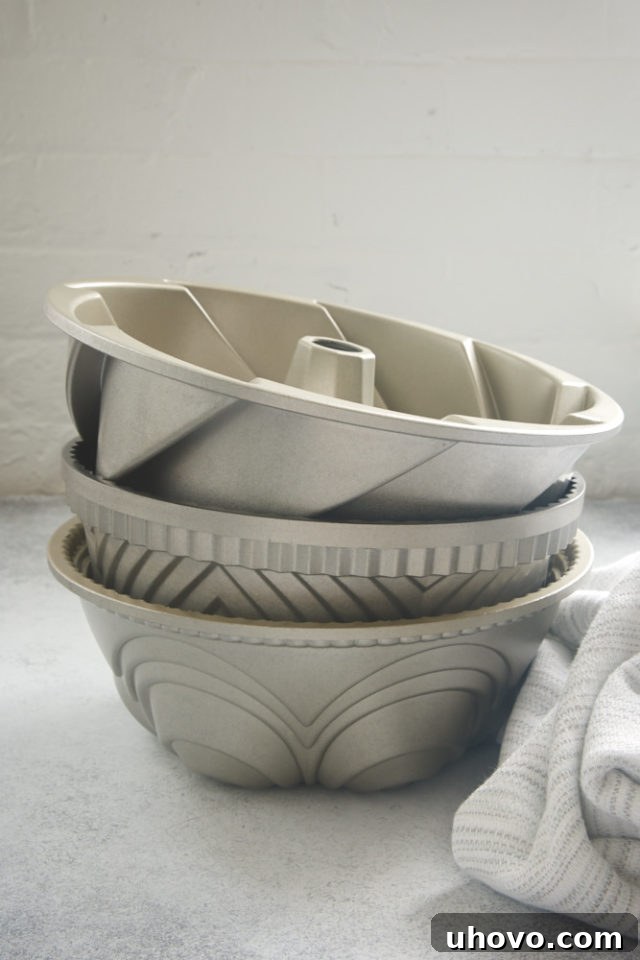
Baking Pan Thickness: Investing in Durability and Consistency
Beyond the material itself, the thickness, or “gauge,” of a baking pan significantly influences its performance and longevity. This often comes down to a choice between thinner, single-layer pans and more robust, multi-layer options. Making an informed decision here can save you frustration and money in the long run.
Thin, Single-Layer Pans: The Economy Choice
Thin, single-layer baking pans often have the immediate appeal of being quite inexpensive and lightweight. They are easily accessible and can be a good starting point for casual bakers or those with limited budgets. However, their thinner construction comes with several drawbacks. They are typically less durable, prone to warping at high temperatures, and may not conduct heat as evenly as their thicker counterparts. This uneven heat distribution can lead to inconsistent baking, where some parts of your cake or cookies might bake faster than others, resulting in uneven textures or browning.
Thicker, Multi-Layer Pans: The Investment for Quality
On the other hand, thicker, multi-layer pans, often referred to as heavy-gauge bakeware, represent a more significant investment upfront but offer superior performance and durability. Their substantial construction makes them far more resistant to warping, even when exposed to high oven temperatures repeatedly. More importantly, their increased mass allows for more stable and even heat transfer, leading to consistently baked goods with desirable texture and color. While they might be heavier and more expensive, the consistent results and extended lifespan make them a worthwhile investment for any serious baker.
Insulated Pans: For Delicate Touch
Insulated baking pans are a specialized type of bakeware designed with two layers of metal separated by an air pocket. This air pocket acts as an insulator, reducing the direct transfer of heat to the food. Consequently, insulated pans bake items more slowly and gently. While this can be beneficial for very delicate items that are prone to burning or drying out quickly, such as shortbread cookies or certain soufflés, they are generally not the best choice for everyday baking. The slower cooking time means less browning and crisping, which are often desirable characteristics for cakes, cookies, and many other baked goods. Unless a recipe specifically calls for an insulated pan to achieve a particular delicate texture, a standard heavy-gauge pan will likely yield better all-around results.
Ultimately, when selecting baking pans, it’s a wise decision to pay a little extra for a thicker, more solid pan. This upfront investment ensures greater durability, meaning your pans won’t need frequent replacement, and more importantly, it will consistently deliver the best baking results, making your culinary efforts more rewarding.
Baking Pan Finishes: Non-Stick or Uncoated?
The finish of a baking pan primarily impacts ease of release and cleanup. The choice between non-stick and uncoated pans often boils down to personal preference, the type of baking you do, and your willingness to put in a little extra preparation.
Non-Stick Finishes: Convenience and Easy Release
Non-stick pans are coated with a material (such as PTFE or ceramic-based coatings) designed to prevent food from adhering to the surface, making for effortless release of baked goods and significantly easier cleanup. This can be a huge convenience, especially for delicate cakes, intricate molds, or muffins and cupcakes where sticking can ruin the presentation. However, it’s important to recognize that not all non-stick finishes are created equal. The durability of these coatings can vary widely among brands and price points. High-quality non-stick surfaces are more resistant to scratching and flaking, but all non-stick pans require careful handling, such as avoiding metal utensils and abrasive scrubbers, and often gentle hand washing, to preserve their coating and extend their lifespan.
Uncoated Pans: For Maximum Browning and Durability
Pans without a non-stick finish, typically made of bare aluminum or aluminized steel, offer superior durability and are less susceptible to damage from metal utensils or high heat. While they require a bit more effort to ensure your baked goods don’t stick, they often provide better browning and crisping, which is desirable for certain items like artisanal breads, some cookies, and roasted vegetables. For uncoated pans, proper preparation is key: thoroughly greasing and flouring, or lining with parchment paper, are essential steps to guarantee easy release. If you frequently use parchment paper to line your pans for cakes, bars, or cookies, then the need for a non-stick finish becomes less critical, allowing you to prioritize the pan’s material and thickness for superior heat transfer.
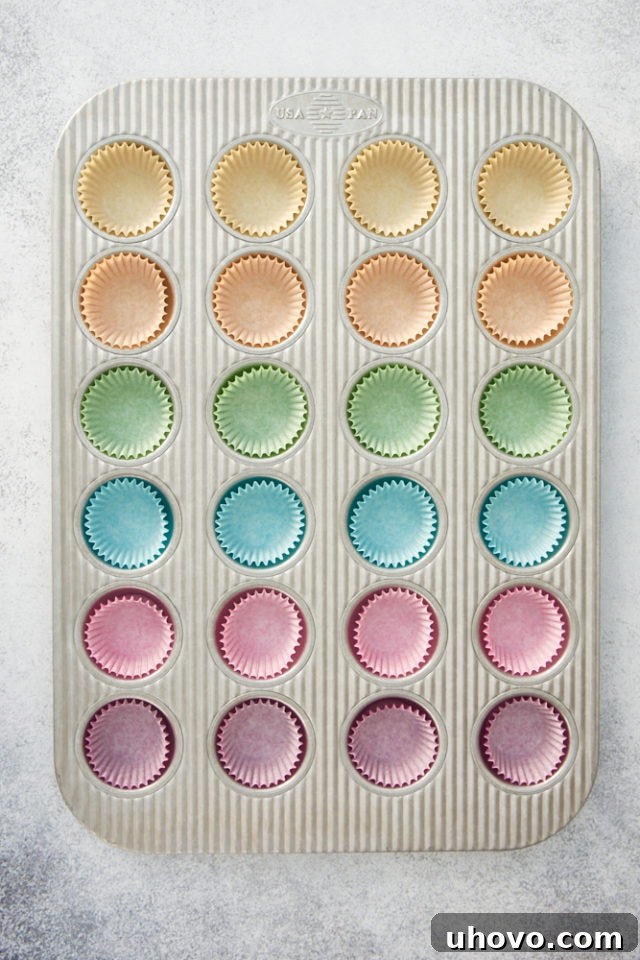
Baking Pan Colors: The Science of Radiant Heat
If there’s one piece of advice that can drastically improve your baking results, it’s this: reconsider using dark-colored baking pans for most applications. The color of your bakeware has a profound and often underestimated impact on how your food bakes, especially regarding browning and crust development.
The Problem with Dark Pans
Recall from elementary school science that dark colors absorb more heat than light colors. This principle applies powerfully in the context of baking pans. Pans with a dark-colored finish, whether black or a very deep gray, absorb significantly more radiant heat from the oven. This intense heat absorption causes the outside edges and the bottom of your baked goods to bake much faster and become excessively dark or even burnt, while the center remains under-baked. If you continue baking until the center is perfectly done, you’ll inevitably end up with over-baked, dry, or tough edges and bottoms.
The Advantage of Light Pans
Conversely, light-colored pans, typically made of shiny aluminum or light-colored non-stick coatings, reflect radiant heat rather than absorbing it. This reflection promotes a more even and gentle distribution of heat to your baked goods. The result is thoroughly baked items with a beautiful, uniform golden-brown crust and a consistently moist interior. Light-colored pans ensure that your cakes, cookies, and breads bake evenly from edge to center, preventing burnt spots and promoting ideal texture. I genuinely believe that you will be far happier with the results you achieve by using light pans compared to their dark counterparts, seeing a noticeable improvement in the quality and consistency of your baked goods.
Mitigating Dark Pan Effects
For pans that are neither very light nor very dark – perhaps a medium gray – you may not need to make drastic adjustments, though you might notice a slightly darker crust or bottom compared to a light pan. Shaving a few minutes off the baking time or lowering the temperature slightly may suffice. If you own really dark pans and aren’t ready to replace them, you can try to mitigate their effects. A common strategy is to lower the oven temperature by about 25°F (about 15°C) and keep a very close eye on your baked goods, especially in the last quarter of the baking time. Placing a sheet of parchment paper under cakes or cookies in dark pans can also help create a barrier against the intense radiant heat. It will likely require some experimentation to determine the best adjustments for your specific oven, dark pans, and favorite recipes.
Baking Pan Shapes: Precision for Presentation and Performance
Beyond material and color, the shape, angles, and depth of your baking pans are critical factors that directly influence the appearance, structure, and overall success of your baked creations. Matching the pan’s geometry to your recipe’s requirements is essential for achieving professional-looking and perfectly cooked results.
Angles: The Straight Talk on Cake Sides
For items like layer cakes, the angle of the pan’s sides is surprisingly important. If you use pans with slanted or tapered sides, your baked goods will inevitably take on that same angle. While this might seem minor, a layer cake made with pans with slanted sides will not stack neatly, will be considerably tougher to frost evenly, and will ultimately look somewhat lopsided or unprofessional. Conversely, using pans with straight, perpendicular sides will yield cakes with clean, uniform edges. These straight-sided layers stack perfectly, are much easier to frost for a polished finish, and result in a more aesthetically pleasing and sturdy final presentation. Investing in straight-sided cake pans is a game-changer for anyone aspiring to beautiful layer cakes.
Depth and Dimensions: Matching the Volume
The height or depth of a pan’s sides is equally crucial. A standard baking sheet, for instance, typically has a shallow rim of about 1 inch, designed for cookies, sheet cakes, or roasting. Other baking pans will feature varying depths tailored to specific recipes. Always check your recipe to see if it specifies the required pan height. Using a pan that is too shallow can lead to overflow in the oven, while a pan that is too deep might result in under-baked centers or a longer cooking time. For most general baking purposes, such as cakes and brownies, a pan with a 2-inch height is a versatile and effective choice. However, certain specialty recipes have unique requirements:
- Pies: Pie recipes often specify if you need a standard pie plate or a deep-dish pan to accommodate the filling volume.
- Cheesecakes: These often require springform pans, which have removable sides, making it easy to release the delicate cheesecake without damaging it.
- Bundt Cakes: Of course, Bundt cakes necessitate their distinctive fluted Bundt pans, which come in a variety of intricate designs, adding a beautiful decorative element to the cake itself.
- Muffin Tins: These are available in standard, mini, and jumbo sizes, each designed for a particular portion size.
- Loaf Pans: Essential for quick breads and yeast breads, ensuring they rise beautifully and maintain their shape.
- Jelly Roll Pans (Half-Sheet Pans): Versatile, shallow rectangular pans perfect for sheet cakes, bar cookies, and roasting.
Adhering to the pan dimensions specified in a recipe is vital, as substituting pans of different sizes or depths can significantly alter baking times, liquid evaporation, and the final texture of your baked goods.
Common Pan Sizes to Consider
Building a well-equipped kitchen often starts with a few key standard pan sizes. A good basic collection typically includes:
- Two 8-inch or 9-inch round cake pans with straight sides.
- One 9×13 inch rectangular baking pan (also known as a quarter sheet pan or casserole dish).
- One 8×8 inch or 9×9 inch square pan.
- A 12-cup standard muffin tin.
- A loaf pan (8.5×4.5 inches or 9×5 inches).
- A rimmed baking sheet (half-sheet pan, approximately 13×18 inches).
Having these versatile sizes will enable you to tackle a vast majority of recipes with confidence.
You can explore some of my favorite basic baking pans and specialized bakeware recommendations in my Amazon storefront, curated to help you build a reliable and efficient baking arsenal.
More Baking Tips to Elevate Your Skills
Mastering the art of baking extends beyond just selecting the right pans. Continuous learning and refining your techniques are key to consistently delightful results. Here are some additional essential baking tips to help you on your culinary journey:
- How to Measure Flour Accurately for Consistent Results
- Why Every Baker Needs Wire Cooling Racks for Perfect Textures
- The Best Ways to Soften Butter for Optimal Baking Performance
- Preventing Cookies From Spreading: Tips for Perfect Cookie Shape
- How to Test Doneness of Baked Goods: Avoiding Undercooked or Overbaked Treats
By understanding the critical role your baking pans play and applying these comprehensive tips, you’ll be well on your way to baking more confidently and achieving consistently professional and delicious outcomes in your kitchen. Happy baking!
Bake or Break is a participant in the Amazon Services LLC Associates Program, an affiliate advertising program designed to provide a means for us to earn fees by linking to Amazon.com and affiliated sites.