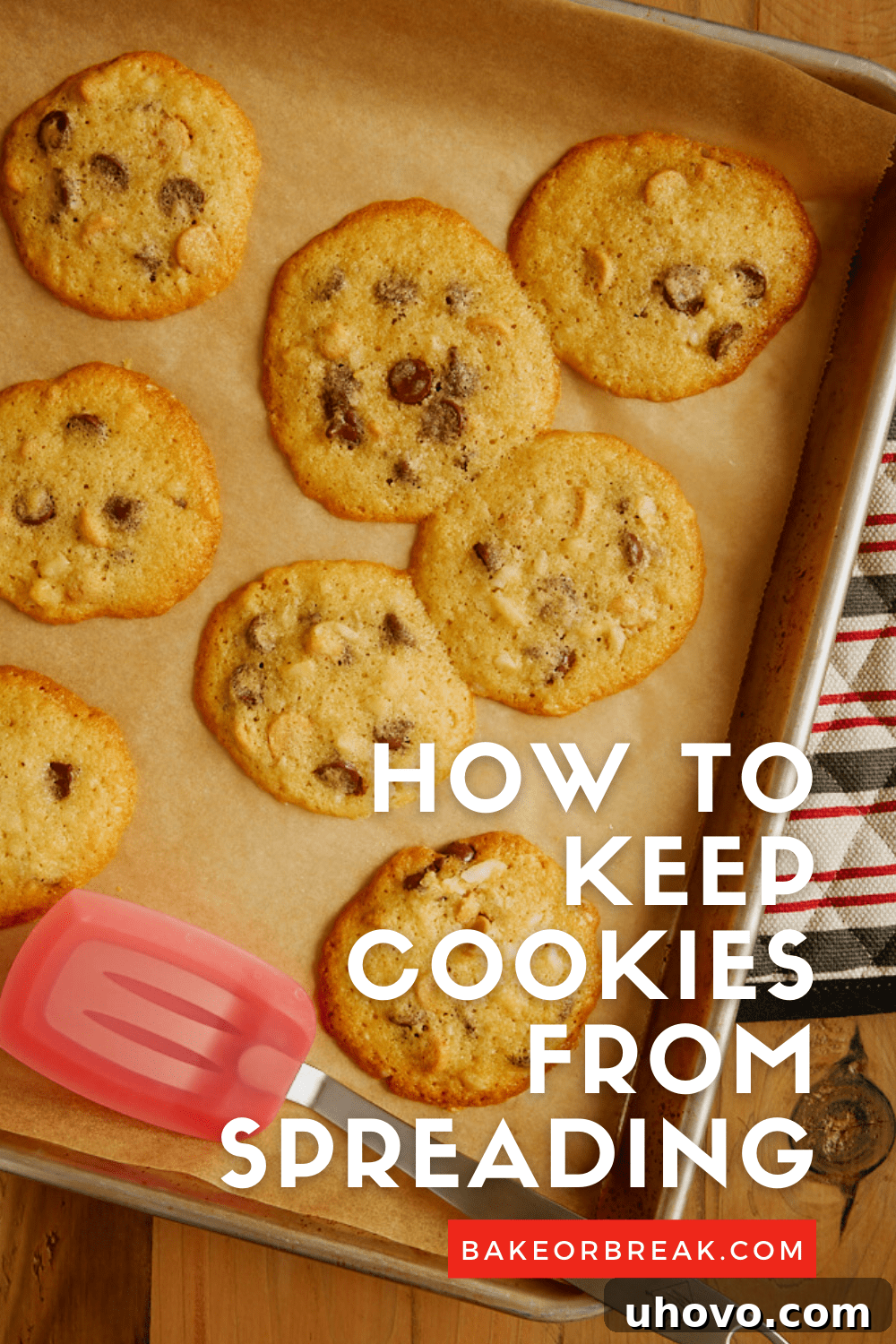
Let’s perfect our cookie game! Discover the common reasons why cookies spread and master the techniques to keep cookies from spreading, ensuring beautifully shaped, delicious results every time.
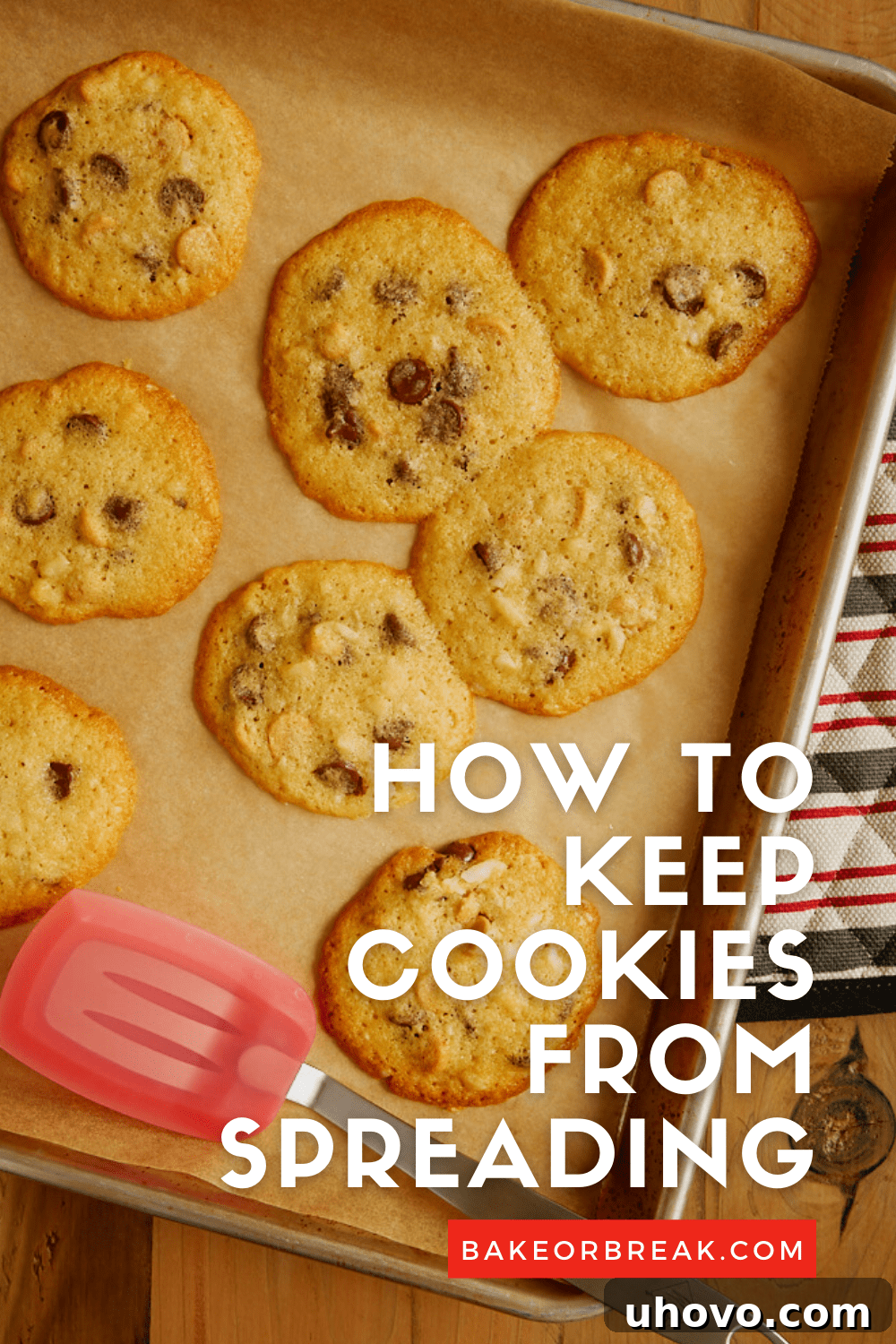
How to Prevent Cookies from Spreading: Your Ultimate Guide to Perfect Bakes
There’s a universally frustrating moment for every home baker: meticulously preparing a batch of cookie dough, sliding them into the oven with eager anticipation, only to watch them melt into a sprawling, shapeless mass. Perhaps they’ve merged into one giant, amorphous cookie, or maybe they’ve just spread a bit too much, sacrificing that perfect, chewy-in-the-middle, crispy-on-the-edges texture you dreamed of. While they’ll likely still taste good, their appearance often leaves something to be desired. If you’ve ever wondered why your cookies consistently spread too much, you’re not alone, and you’ve come to the right place.
Achieving that ideal cookie shape isn’t about magic; it’s about understanding the science behind your ingredients and baking process. Several factors, some seemingly minor, others more significant, can contribute to cookies losing their form and spreading excessively. Instead of just wishing for a single miraculous fix, let’s explore the common culprits together. By pinpointing where things might be going awry, you’ll be well on your way to baking picture-perfect cookies.
This comprehensive guide will walk you through each potential cause of cookie spread, offering practical tips and insights to troubleshoot your baking. Plus, to keep your baking inspiration flowing, I’ve interspersed some of my favorite cookie recipes throughout this article.
Bake or Break is a participant in the Amazon Services LLC Associates Program, an affiliate advertising program designed to provide a means for us to earn fees by linking to Amazon.com and affiliated sites.
Why Do Cookies Spread Too Much? Understanding the Core Reasons
Stopping cookies from spreading starts with knowing why they do it in the first place. Here are the most common reasons your dough might be losing its shape and how to prevent it.
1. Cookie Dough Temperature: Too Warm or Too Soft
One of the most frequent reasons for overly spread cookies is dough that’s too warm. When cookie dough goes into the oven, the fat (usually butter) begins to melt. If the butter is already soft or partially melted before baking, it will melt even faster and spread further before the other ingredients – like flour and eggs – have a chance to set the cookie’s structure. This leads to a flatter, thinner cookie.
- The Solution: Chilling Your Dough. Many recipes wisely instruct you to refrigerate the dough before baking, and for good reason. Chilling solidifies the butter or other fats, making them firmer and more stable. This means it takes longer for the fat to melt in the oven, allowing the cookie’s structure to set before excessive spreading occurs.
- How to Chill Effectively: Aim for at least 1-2 hours of chilling for most cookie doughs. Some recipes, particularly those designed for thicker, chewier cookies, may benefit from longer chilling times, even overnight. You can chill the entire bowl of dough and then scoop or roll it, or you can pre-scoop the dough balls onto a parchment-lined tray and chill them individually. This pre-shaping method can save time and ensures even chilling.
- Warm Kitchen Alert: Even if a recipe doesn’t explicitly call for chilling, if your kitchen is particularly warm, consider a quick 15-30 minute chill for your dough to ensure the butter remains firm.
- Freezing for Future Bakes: Don’t forget that most cookie doughs can be frozen for longer storage. This is an excellent way to prepare dough in advance and always have perfectly chilled dough ready for baking. (Learn more about how to freeze drop cookie dough.)
Brown Sugar Oatmeal Chocolate Chip Cookies
2. Incorrect Ingredient Ratios: Too Much Liquid, Sugar, or Eggs
Baking is a science, and ingredient ratios are crucial for structural integrity. An imbalance can easily lead to spread.
- Excess Sugar: It’s easy to overlook that sugar, particularly granulated sugar, acts as a liquid in baking. As it heats, it liquefies and contributes to the spread of the cookie. Too much sugar means more liquid released during baking, making it difficult for the dough to hold its shape and resulting in a thinner, crispier cookie. Always measure sugar accurately, and resist the urge to add “just a little more.”
- Too Many Eggs or Incorrect Egg Size: Eggs provide structure and moisture. However, using too many eggs or eggs that are larger than specified in the recipe can introduce excess liquid into the dough. Most standard cookie recipes call for large eggs, so unless otherwise stated, stick to that size. Using a jumbo egg when a large is called for can significantly alter the moisture balance and contribute to spreading.
- Other Liquid Ingredients: Be mindful of any other liquid ingredients (milk, extracts, syrups). While they contribute flavor, an excess will inevitably make your dough looser and more prone to spreading. Stick to precise measurements.
3. Butter Temperature: Too Warm or Too Cold
Getting your butter to the correct temperature is paramount for perfect cookies.
- Butter Too Warm: If your butter is too warm (starting to melt or very soft), it will lead to immediate spreading in the oven, similar to warm dough. The fat structure is already compromised, allowing for less resistance to heat.
- Butter Too Cold: Conversely, if your butter is too cold and hard, it leads to overmixing (which we’ll cover next). Cold butter won’t cream properly with sugar, resulting in a dense dough that lacks proper aeration, affecting both spread and texture.
- The Sweet Spot for Softened Butter: “Softened butter” doesn’t mean melted or greasy. It should be pliable but still hold its shape. The ideal temperature range is typically 65°F to 68°F (18°C to 20°C). At this temperature, you should be able to make a slight indentation with your finger without it sinking right through. This is often cooler than typical room temperature, especially in warmer climates.
- Achieving Perfect Softness:
- Take butter out of the fridge 25-30 minutes before baking.
- For faster softening, slice the cold butter into smaller pieces.
- Avoid microwaving, as it can create inconsistent softness with melted spots.
- If you’re unsure, use a probe thermometer for precision, though many bakers rely on the “finger test.” (For more detailed guidance, see How to Soften Butter.)
4. Margarine Substitution: A Common Pitfall
While seemingly similar, margarine is not a direct substitute for butter in most baking recipes, especially cookies. Margarine typically has a higher water content and different emulsifiers compared to butter. As we’ve discussed, excess liquid is a major contributor to cookie spread. The higher water content in margarine will cause your cookies to spread significantly more and can result in a less flavorful and textural experience. As a general rule, for best results in baking, stick to butter unless a recipe specifically calls for margarine.
Salted Double Chocolate Cookies
5. Substituting Different Flour Types
Flour isn’t just flour; different types have varying protein (gluten) contents that significantly impact cookie structure.
- Lower Gluten Flours (e.g., Pastry or Cake Flour): Using a softer flour with lower gluten content (like pastry or cake flour) can lead to more spreading. Gluten is the protein network that gives baked goods structure. Less gluten means a weaker structure that can’t hold its shape as well against the melting fats, resulting in flatter cookies.
- Higher Gluten Flours (e.g., Bread Flour): While more gluten offers more structure, using bread flour can result in tougher, chewier cookies with less spread, which might not be desirable for every recipe. It can also make the dough harder to work with.
- The Best Practice: For optimal results and to prevent unexpected spreading, always use the specific type of flour listed in your recipe, typically all-purpose flour for most standard cookies. If you must substitute, be aware of how the gluten content will affect the outcome. (For a deeper dive, check out A Baker’s Guide to Wheat Flours.)
6. Inaccurate Measurements: The Foundation of Baking Success
This is arguably one of the biggest culprits behind many baking failures, not just with cookies. Baking demands precision, and even slight inaccuracies can throw off the delicate balance of ingredients that contribute to a cookie’s structure.
- Too Much or Too Little: Too much sugar, as discussed, leads to spread. Too little flour means insufficient structure. Too much leavening can cause excessive rising and then collapse.
- The Solution: Weigh Your Ingredients. The most accurate way to measure ingredients, especially flour and sugar, is by weight using a kitchen scale. Volume measurements (cups) can vary wildly depending on how you scoop and level. For example, a cup of flour can weigh anywhere from 4 to 6 ounces depending on how compacted it is.
- Proper Volume Measuring: If you must use volume measurements, especially for flour, use the “spoon and level” method: lightly spoon flour into your measuring cup until it overflows, then level it off with a straight edge. Never pack flour into the cup. (See How to Measure Flour for a visual guide.)
Key Lime Crinkle Cookies
7. Inactive Leavening Agents: Old Baking Powder or Baking Soda
Baking powder and baking soda are responsible for creating lift and helping cookies achieve a pleasant texture. If these leavening agents are old or expired, they lose their potency, meaning your cookies won’t rise properly and will be more prone to spreading flat.
- How Leaveners Work: Baking soda reacts with acids to produce carbon dioxide gas. Baking powder is a combination of baking soda, an acid, and a starch, and it reacts both with liquid and heat. These gases create air pockets, giving cookies their lift.
- Testing Potency:
- Baking Soda: Place about ½ teaspoon of baking soda in a tablespoon of vinegar or lemon juice. It should immediately fizz vigorously. If it doesn’t, it’s time for a new box.
- Baking Powder: Place about ½ teaspoon of baking powder in a couple of tablespoons of hot water. It should create a bubbly foam. If it barely bubbles, replace it.
- Storage: Store leavening agents in airtight containers in a cool, dry place. They typically last 6-12 months once opened.
8. Over-Mixing Butter and Sugar (Creaming)
The creaming method (beating butter and sugar together) is essential for incorporating air, which contributes to a cookie’s rise and tender texture. However, there’s a fine line between properly creamed and over-mixed.
- The Problem with Over-Mixing: Beating butter and sugar for too long incorporates too much air. While some air is good, an excess can cause cookies to puff up too much during baking, only to collapse and spread as they cool, resulting in a thin, flat cookie. Over-mixing can also develop gluten too much, leading to tougher cookies.
- The Right Technique: Cream butter and sugar just until they are light, fluffy, and well combined, usually a minute or two with an electric mixer. The mixture should be noticeably lighter in color. Stop as soon as these visual cues are met.
- Tool Choice: I often prefer using a hand mixer for this step because it offers more control, making it easier to avoid over-mixing compared to a powerful stand mixer that can quickly incorporate too much air.
Sugar and Spice Cookies
9. Baking on a Hot or Warm Pan
The temperature of your baking sheet has an immediate impact on your cookie dough.
- Premature Melting: Placing chilled cookie dough onto a hot or even warm baking sheet will immediately begin to melt the butter in the dough, even before it enters the oven. This initial melt means the cookies will start spreading before their structure has a chance to set, leading to excessively flat results.
- The Solution: Cool Pans Only. Always use cool baking sheets for each batch of cookies. If you’re baking multiple batches, make sure to let the pan cool completely between uses. You can run it under cold water (and dry it thoroughly) or have several baking sheets on hand to rotate.
- Mind Your Surroundings: Be cautious about where you place your pans. A hot stovetop or even the top of a preheating oven can warm up your baking sheet and dough prematurely. In smaller kitchens, this can be a common oversight.
10. Over-Greasing Cookie Sheets
While some recipes might call for lightly greased pans, excessive greasing creates a slippery surface that encourages cookies to spread out rather than hold their shape.
- The Slippery Slope: An overly greased pan essentially lubricates the bottom of the cookie dough, allowing it to slide and spread easily as the butter melts in the oven. This reduces friction, which is necessary for the cookie to hold its form.
- The Modern Baker’s Choice: I highly recommend abandoning the practice of greasing cookie sheets for most recipes. Instead, opt for parchment paper or silicone baking mats. These liners offer numerous benefits:
- Non-Stick: Cookies release easily without sticking.
- Even Baking: They help insulate the bottom of the cookies, promoting more even browning.
- Easy Cleanup: A significant advantage, as you simply discard the parchment or wipe down the silicone mat.
- Reduced Spread: The slightly textured surface of parchment paper or silicone mats provides enough friction to help the cookies hold their shape better than on a slick, greased surface.
- If You Must Grease: If a recipe insists on a greased pan and you don’t have liners, use the absolute minimum amount of fat (a very light mist of baking spray or a tiny swipe of butter) and wipe off any excess. (For more insights, see Unlined vs. Lined Baking Sheets.)
Peanut Butter Snickerdoodles
11. Inaccurate Oven Temperature: Too High
Your oven’s temperature can be a deceptive culprit. An oven that runs too hot can be a major factor in cookie spread.
- The Science: When the oven temperature is too high, the fat in the cookies (butter, shortening) melts too quickly, causing the dough to spread rapidly before the eggs and flour have a chance to set the cookie’s structure. This results in very flat, often crispy, or even burnt-edged cookies.
- The Solution: Calibrate Your Oven. Ovens are notoriously inaccurate. An inexpensive oven thermometer is an essential tool for any baker. Place it inside your oven and compare its reading to your oven’s dial. You might be surprised to find a significant discrepancy. Adjust your oven’s temperature setting accordingly (e.g., if your oven thermometer reads 375°F when your dial is set to 350°F, you’ll know to set your dial lower for future bakes).
- Troubleshooting: If you suspect your oven is running hot and you’ve ruled out other causes of spread, try reducing the baking temperature by 10-25 degrees and extending the baking time slightly. This allows the cookies to set more gradually.
12. Overcrowding the Baking Pan
It’s tempting to try and fit as many cookies as possible onto a baking sheet, especially when you’re eager to get them done. However, overcrowding can lead to uneven baking and, yes, excessive spreading.
- Restricted Airflow: Cookies need space to bake properly. Overcrowding restricts the hot air circulation around each cookie. This can lead to uneven cooking, with some cookies underbaked and others overbaked.
- Merge and Spread: As cookies heat and spread, if they don’t have enough room, they will inevitably merge with their neighbors, creating those unsightly, conjoined cookie masses.
- The Guideline: Most recipes recommend spacing cookies at least 2 inches apart. Always defer to the specific recommendation in your recipe, as some cookies spread more than others. Baking in batches is key to success here.
Oatmeal Peanut Butter Chocolate Chip Cookies
13. Spreading After They’re Baked: The Cooling Process
Sometimes your cookies look perfect when you pull them out of the oven, only to flatten out or spread further as they cool. This is often due to residual heat.
- Residual Heat: Even after being removed from the oven, a hot baking sheet continues to cook the cookies. If left on the hot pan for too long, this residual heat can cause them to continue to spread and become over-baked, potentially leading to hard or overly browned bottoms.
- The Best Cooling Method:
- Immediately upon removing the pan from the oven, place it directly onto a wire cooling rack. This allows air to circulate underneath the pan, stopping the cooking process and preventing further spreading.
- After the time suggested in the recipe (usually 5-10 minutes), carefully transfer the cookies from the baking sheet to the wire rack to cool completely. This ensures even cooling and prevents the bottoms from becoming soggy due to trapped moisture. (Discover more reasons why every baker needs wire cooling racks.)
Final Thoughts on Preventing Cookie Spread
As you can now see, many factors can influence how much your cookies spread. While it might seem like a lot to consider, by systematically reviewing these potential culprits, you’ll be able to quickly diagnose and correct the issue. Remember, baking is a journey of continuous learning and refinement.
It’s always a little disappointing when a batch of cookies doesn’t turn out exactly as planned, especially when they spread too much. But take heart – even a “failed” batch of cookies still tastes delicious! Embrace the learning process, and with these tips, you’ll be on your way to consistently baking perfectly shaped, delightful cookies.
Find dozens of cookie recipes and endless inspiration in the Recipe Index.
More Essential Cookie Baking Tips and Resources
- A Baker’s Guide to Cookie Scoops: Achieve Uniformity
- Cookie Baking Essentials: Tools for Success
- How to Freeze Drop Cookie Dough for Future Cravings