Embarking on the delightful journey of baking an apple dessert is a culinary experience cherished by many. From the warm, comforting aroma filling your kitchen to the first bite of a perfectly tender, yet structured, apple filling, the magic begins with selecting the right apples. This seemingly simple choice, however, can often feel overwhelming given the vast array of apple varieties available. But fear not, aspiring bakers! Mastering the art of choosing the ideal apple for your pies, crisps, tarts, and cobblers boils down to understanding just two crucial characteristics: **texture and taste**. Get these two elements right, and you’re well on your way to creating unforgettable apple masterpieces.
The Essential Role of Apples in Baking
Apple desserts hold a special place in the hearts of home bakers and eaters alike. Whether it’s the crisp days of autumn that ignite a craving for a classic apple pie, or a summer evening that calls for a refreshing apple crumble, these treats are truly beloved year-round. The versatility of apples allows them to shine in countless recipes, from rustic cobblers and crumbles to elegant tarts and simple baked apples. However, the success of any apple-based dessert hinges significantly on the specific apple variety you choose. Understanding how different apples behave under heat is the secret to achieving that perfect balance of flavor and texture that elevates a good dessert to a truly great one.
Many novice bakers might grab any apple they find, only to be disappointed when their filling turns into a watery, flavorless mush. The myriad varieties of apples, each with its unique profile of sweetness, tartness, and firmness, means that not all apples are created equal when it comes to standing up to the oven’s heat. By making an informed choice, you ensure that your efforts in creating a delicious pastry crust, a flavorful streusel topping, or a rich caramel sauce are complemented by an apple filling that maintains its character, offering a delightful bite and robust apple essence. Once you’ve mastered the art of apple selection, delve into my comprehensive collection of apple recipes to put your chosen fruits to their most delicious use!
Apples to Avoid: Varieties That Don’t Stand Up to Heat
While many apples are simply delightful for fresh snacking, their characteristics often make them unsuitable for baking. The primary culprits are varieties with a high water content and a naturally soft, delicate flesh that breaks down too easily under the sustained heat of an oven. When these apples are baked, they release excessive moisture, leading to a soggy, runny filling that lacks structure and texture. Instead of distinct apple pieces, you’re left with an unappetizing, mushy applesauce-like consistency within your pie or cobbler.
I strongly recommend steering clear of apples like **Red Delicious** and **McIntosh** when baking. Red Delicious apples, known for their iconic heart shape and deep red skin, have a grainy, mild-flavored flesh that turns mealy when cooked. McIntosh apples, with their distinctive red and green skin and crisp, juicy texture when fresh, quickly lose their integrity and become overtly soft and watery during baking. Other soft varieties, such as Golden Delicious (unless specified as firm, and even then, often best mixed), and some early season apples, share this tendency to dissolve into a formless pulp. These apples are perfectly fine for eating out of hand, making quick applesauce, or even some raw salads, but for any recipe that requires the apples to hold their shape and offer a pleasant chew, they are best avoided to prevent disappointment.
Defining the Perfect Baking Apple: Texture and Flavor Harmony
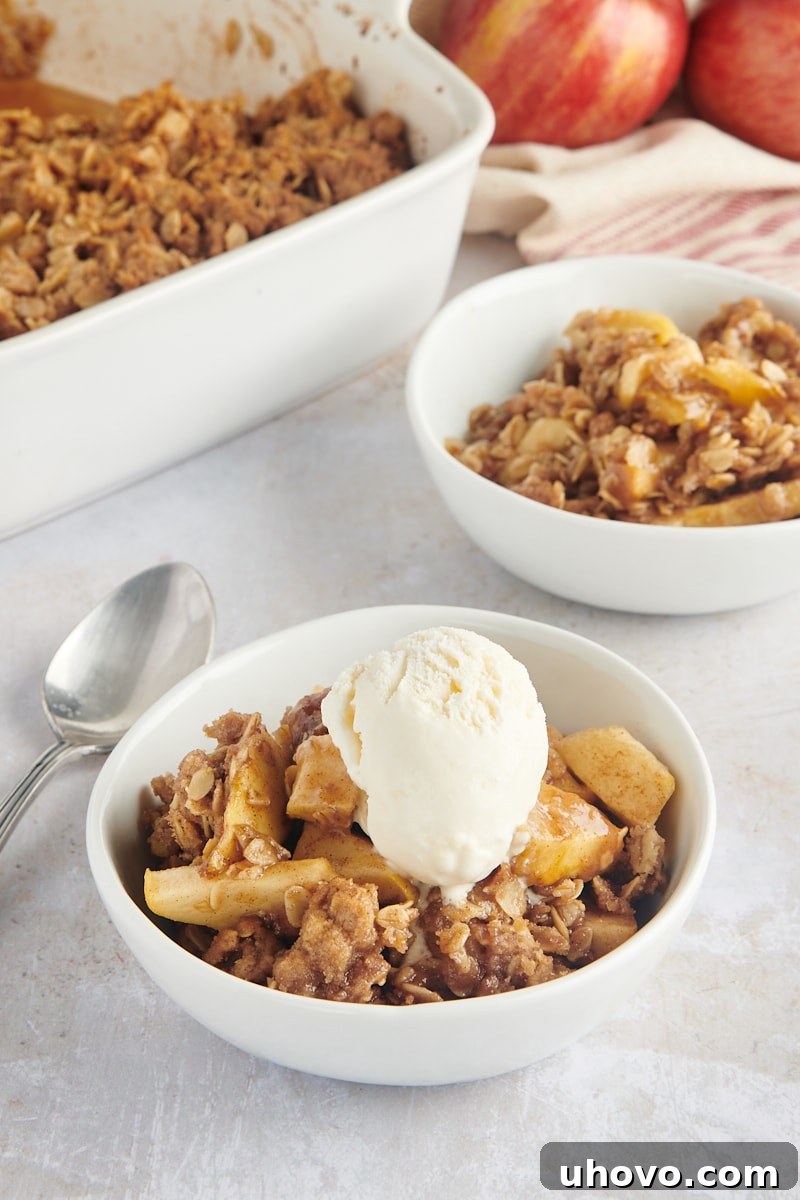
For apple pies, cobblers, crisps, and tarts, the ideal apple must possess specific qualities that allow it to transform beautifully in the oven without losing its appeal. The goal is a filling with tender yet distinct slices or chunks of apple, bursting with balanced flavor. This means prioritizing apples that are both structurally robust and deliciously aromatic. Save those softer, more delicate varieties for fresh eating or for preparations where their breakdown is desired, such as apple butter and smooth applesauce.
The first crucial factor is **texture**. A good baking apple must be firm and sturdy enough to withstand prolonged exposure to high temperatures without collapsing into mush. This characteristic is largely due to its pectin content, a natural fiber that provides structure. Apples with a higher pectin content maintain their shape, ensuring that your finished dessert has appealing pieces of fruit rather than a uniform puree. You want a pleasant bite, a slight resistance, and a juicy tenderness in every forkful. An apple that holds its form contributes significantly to the overall mouthfeel and presentation of your baked goods, preventing a soggy bottom crust or a flattened, uninspired filling.
Equally vital is the **flavor profile** of the apple. While sweetness is often present, most apple desserts benefit immensely from a balancing tartness. This sweet-tart dynamic prevents the dessert from becoming cloyingly sweet, especially when combined with added sugars and spices like cinnamon, nutmeg, and cloves. The acidity in tart apples cuts through the richness of butter, sugar, and pastry, creating a more complex and satisfying taste experience. Some apple varieties lean more towards tartness, making them particularly excellent for baking, as they provide a vibrant counterpoint to the sweeter elements. Ultimately, your personal taste preferences will guide your choices—some prefer a more tart dessert, while others favor a sweeter outcome. Experimentation is key to discovering your perfect flavor harmony.
Top Picks: The Best Apples for Your Baking Adventures
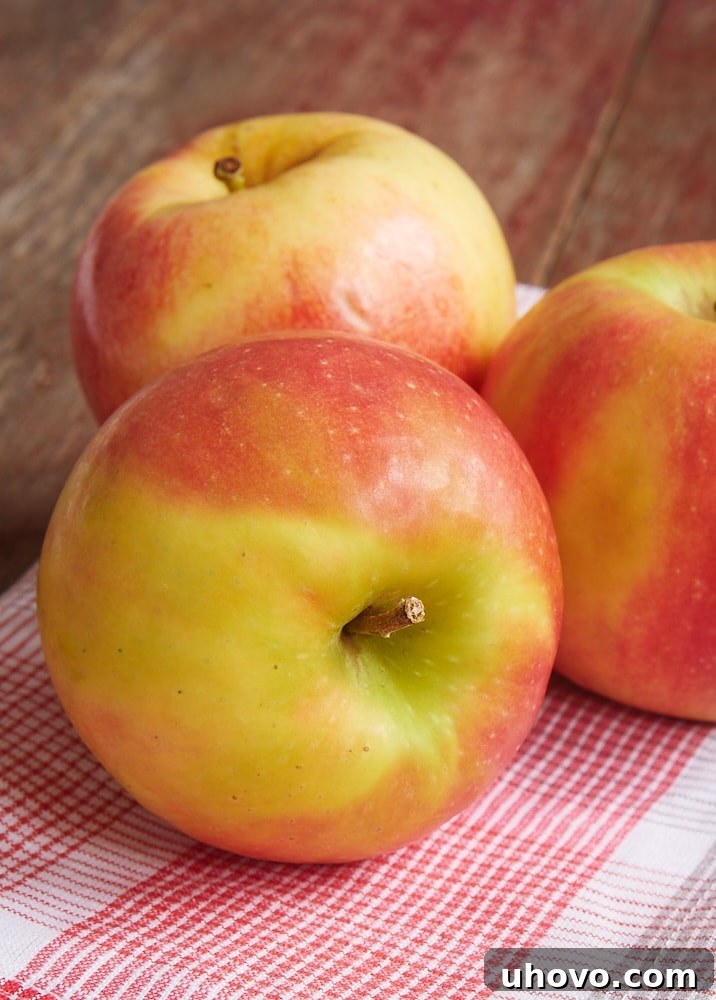
When that irresistible craving for a homemade apple treat strikes, reaching for one of these tried-and-true varieties will guarantee stellar results. These apples consistently perform well in the oven, delivering excellent texture and flavor.
- Pink Lady (or Cripps Pink): A phenomenal all-rounder, offering a beautifully balanced sweet-tart flavor with a crisp texture that holds up wonderfully through baking. It’s a favorite for pies and tarts.
- Granny Smith: Perhaps the quintessential baking apple, known for its bright green skin and distinctively tart flavor. Its firm flesh remains intact during baking, making it ideal for balancing very sweet desserts or for those who love a pronounced tartness.
- Braeburn: A remarkably versatile apple that manages to be wonderfully moist yet retains its structure and firmness when baked. It offers a pleasant balance of sweet and tart notes.
- Jonagold: A delightful hybrid of Jonathan and Golden Delicious apples, Jonagold boasts a firm texture and a fantastic sweet-tart taste. It softens beautifully without becoming mushy, making it excellent for various baked goods.
- Honeycrisp: True to its name, the Honeycrisp is exceptionally crisp and sweet, yet it surprisingly maintains its structural integrity when baked. It’s a great choice if you prefer a sweeter apple flavor in your desserts.
- Fuji: On the firmer side of the spectrum, Fuji apples are known for their crispness and sweet, juicy flavor. Their robust structure makes them perfect for baked goods that require a longer cooking time, ensuring they don’t lose their shape.
- Gala: A widely available and popular apple, Gala is sweeter than many other baking varieties. It bakes down nicely, offering a tender texture and a mellow sweetness that pairs well with cinnamon and other warming spices.
- Cortland: While a bit softer than some other recommended baking apples, Cortland bakes well, holding its shape without turning into a liquid. It also resists browning, which is a bonus for presentation in tarts or open-faced pies.
- Winesap: A heritage apple with a rich, complex, and intensely flavored profile. Winesap apples are incredibly sturdy and maintain their integrity beautifully through baking, adding a deep, aromatic apple flavor to any dessert.
- Crispin (or Mutsu): A large, crunchy, and juicy apple that offers a superb blend of sweet and tart flavors. It’s known for holding its shape exceptionally well during baking, making it a reliable choice for hearty apple dishes.
In my own kitchen, I frequently turn to Gala, Fuji, and Pink Lady apples due to their consistent performance and delightful flavor. However, taste is highly personal, and your perfect baking apple might be different! The beauty of baking with apples lies in the endless possibilities for experimentation. The next time you embark on a baking project, pick a few different varieties from this list and discover which one truly strikes your flavor fancy. You might be surprised by a new favorite!
Furthermore, don’t shy away from using a mixture of apple varieties in a single recipe. Combining apples with varying levels of sweetness, tartness, and firmness is a fantastic way to introduce complexity and depth of flavor to your baked apple dessert. For instance, pairing a tart Granny Smith with a sweeter Honeycrisp or Gala can create a more dynamic and interesting filling, offering layers of taste that a single variety might not achieve on its own.
Estimating Apple Quantities for Your Recipes
One of the most common questions in apple baking is, “How many apples do I need?” Unfortunately, there isn’t a single, universally precise answer due to several variables. Apples come in a wide range of sizes, from small snack apples to large baking behemoths. Furthermore, recipes might call for different preparations—finely diced cubes, thick slices, or large chunks—which significantly impact the volume yield from a single apple. The desired density of apples in your finished dessert also plays a role; some prefer a very full pie, while others like a lighter filling.
As a general guideline, you can anticipate getting approximately one cup of small-diced apple cubes from a medium-sized apple. If your recipe calls for slices or larger chunks, you might yield slightly more volume per apple. Given these variations, it’s always prudent to err on the side of caution. When compiling your shopping list, consider adding an extra apple or two beyond what the recipe suggests. This extra margin accounts for inconsistencies in apple size, provides a buffer in case a part of an apple is bruised or doesn’t meet your standards, and ensures you won’t run short mid-prep. While this isn’t an exact science, it serves as an excellent starting point for estimating your apple needs and helps prevent frustrating last-minute trips to the store.
To Peel or Not to Peel: A Baking Dilemma
The question of whether to peel apples before baking is a classic culinary debate, and the answer is a resounding “it depends!” There are valid arguments for both approaches, and ultimately, it often boils down to personal preference, the specific recipe, and the desired aesthetic and textural outcome. The apple peel is a treasure trove of nutritional value, packed with fiber, vitamins, and antioxidants. Leaving the skin on means you’re incorporating these health benefits into your dessert, a point often appreciated by health-conscious bakers.
However, apple peels can be quite resistant to softening during baking. While some varieties, particularly those with thinner skins, might become tender and nearly imperceptible, others with tougher skins can remain chewy or even slightly tough, creating a textural contrast that some find unpleasant. For rustic desserts like apple crisps or crumbles, where a slightly more robust texture is part of the charm, leaving the peels on can add a lovely touch of color and a bit of rustic character. Conversely, for more refined desserts like delicate tarts, smooth apple purees for fillings, or dishes where a uniformly tender apple is paramount, peeling is generally recommended for a silky-smooth mouthfeel. If you decide to peel your apples, a simple vegetable peeler or a sharp paring knife will do the trick efficiently. Consider the impact on both nutrition and texture, and don’t hesitate to experiment with both peeled and unpeeled apples to find your preferred result for different recipes.
Optimal Storage for Freshness: Keeping Your Baking Apples Ready
Proper storage is key to extending the life of your apples and ensuring they’re at their prime when you’re ready to bake. Apples are best preserved in a cool, humid environment. The crisper drawer of your refrigerator is an excellent choice, as it provides a cooler temperature that slows down the ripening process. While refrigerators are generally not very humid, you can easily enhance the moisture level in your crisper drawer by placing a slightly damp paper towel over your apples. This helps prevent them from drying out and becoming mealy.
It’s also crucial to store apples separately from other fruits and vegetables, especially those sensitive to ripening. Apples naturally release ethylene gas, a plant hormone that acts as a ripening agent. This gas can accelerate the ripening and spoilage of other produce stored nearby, such as bananas, avocados, and leafy greens. Keeping apples in their own designated space in the refrigerator will protect your other produce and maximize the freshness of all your ingredients. Stored correctly, most baking apples can remain fresh and firm for several weeks, ensuring you always have a prime ingredient on hand for your next delicious apple creation.