Are you tired of your homemade cakes turning out dry, your cookies tough, or your breads unexpectedly dense? The secret to transforming your baking from inconsistent to absolutely perfect might be simpler than you think: learning how to accurately measure flour. This comprehensive guide will reveal two trusted methods that will elevate your baking game and ensure consistently delicious results every time. Say goodbye to baking guesswork and hello to precision!
Unlock Baking Perfection: Why Accurate Flour Measurement is Crucial
Many home bakers mistakenly believe they’re measuring flour correctly, often without realizing the significant impact an improper technique can have on their final product. Flour isn’t just an ingredient; it’s the fundamental structural component of most baked goods. Getting its quantity right is paramount for achieving the desired texture, rise, and overall quality of your recipes. As someone who once struggled with this exact issue in my early baking days, I can attest that mastering flour measurement was a pivotal moment that dramatically improved my results.
When I assist fellow bakers in troubleshooting their common kitchen woes, a recurring culprit often emerges: inaccurate flour measurement. The most prevalent error is using too much flour, which inadvertently leads to a myriad of problems. Imagine biting into a cookie that’s too hard, a cake that crumbles dryly, or a bread loaf that’s disappointingly tough. These unfortunate outcomes are frequently a direct consequence of an excess of flour in the mixture. Nobody wants to invest time, effort, and ingredients only to be met with a subpar treat, right? Understanding and correcting this common oversight is the first step towards consistent baking success.
Flour absorbs moisture, and an imbalance in the flour-to-liquid ratio can throw off an entire recipe. Too much flour means there isn’t enough liquid to properly hydrate all the starch and protein, resulting in a dense, dry, or crumbly texture. Conversely, too little flour can lead to baked goods that spread too much, lack structure, or are excessively gooey. Precision in measuring flour directly translates to consistent hydration, optimal gluten development, and ultimately, the perfect crumb and mouthfeel your recipes promise. It’s the silent hero behind every perfectly risen cake and chewy cookie.
The Hidden Pitfalls: Why Incorrect Flour Measurement Ruins Your Bakes
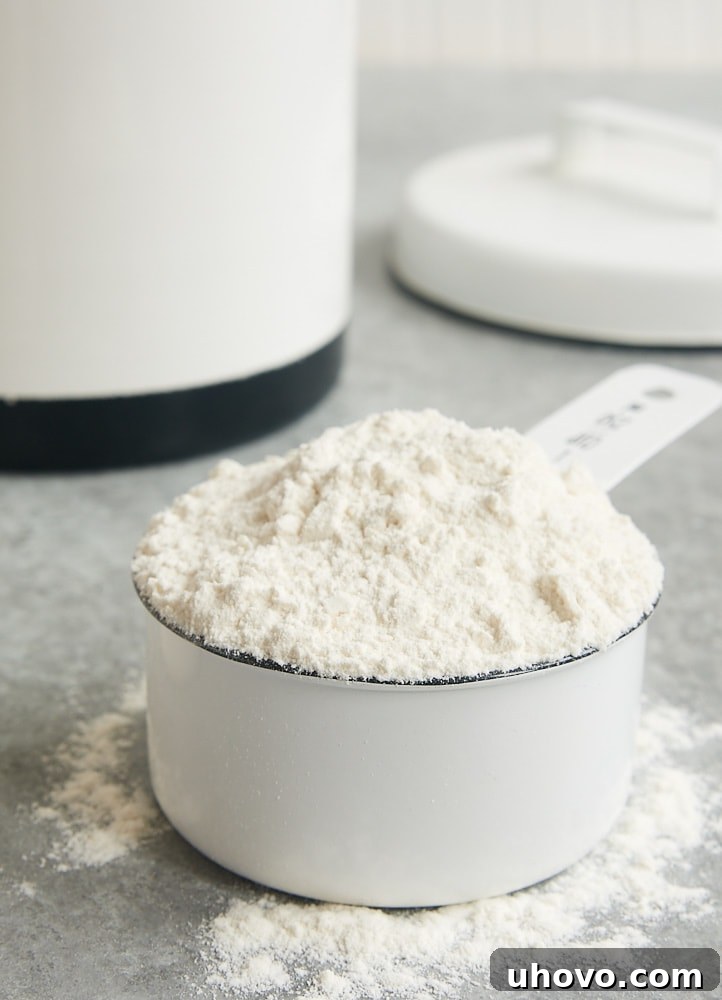
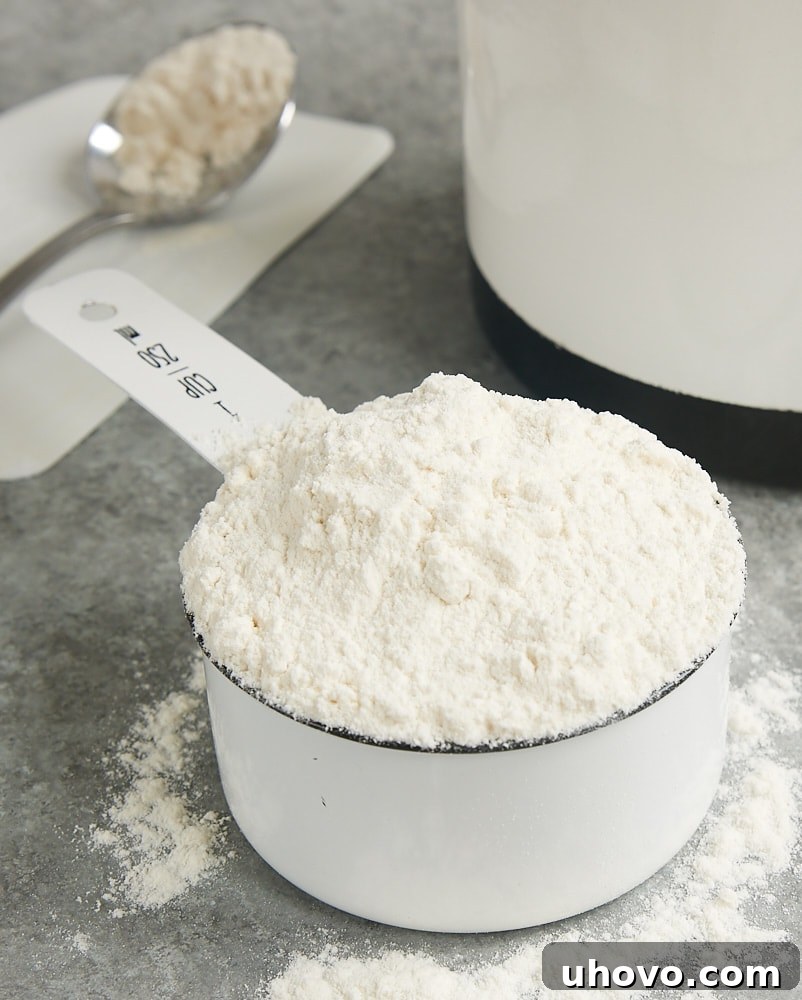
One of the most common and detrimental mistakes in baking begins with how flour is scooped. If your usual method involves plunging your measuring cup directly into the flour container or bag, chances are you’re consistently adding too much flour. This “scoop and pack” technique forcibly compacts the flour into the cup, making it far denser than intended. Even worse, some bakers might tap the cup on the counter or add more flour to completely fill it after compaction, exacerbating the problem. This seemingly innocent action can lead to using as much as 15 to 20 percent more flour than the recipe actually calls for — a margin of error that is simply too large for successful baking.
To put this into perspective, consider a recipe that calls for just one cup of flour. By using the scoop and pack method, you could easily be adding an extra 1/6 to 1/5 of a cup. This might not sound substantial on its own, but the excess quickly accumulates. Imagine a recipe requiring two cups of flour; you’re now looking at an extra 1/3 to 2/5 cup. For three cups, that’s nearly a full 1/2 to 3/5 cup of unwarranted flour. This considerable surplus can transform a light and airy cake into a dense, dry brick, turn delicate cookies into crumbly discs, or make a wonderfully soft bread dough stiff and unmanageable. Such discrepancies not only compromise the texture and flavor but can also waste precious ingredients and your valuable time.
The issue stems from the fact that flour is a compressible ingredient. When you scoop directly from the bag, the force of the cup packs the flour particles together, reducing the air pockets between them. This results in a higher concentration of flour by volume than intended. Tapping the cup further settles these particles, increasing density even more. This over-measurement can drastically alter the delicate balance of a recipe, leading to a variety of textural disasters. Luckily, the solution to this widespread baking problem is remarkably straightforward and requires only a slight adjustment to your technique. There are two highly effective and easy-to-implement methods to ensure accurate flour measurement, regardless of whether you own a kitchen scale. By adopting one of these reliable approaches, you’ll soon notice a dramatic improvement in the consistency and quality of all your baked goods, moving you closer to achieving professional-level results in your home kitchen.
The Golden Standard: How to Measure Flour by Weight for Ultimate Accuracy
For unparalleled accuracy and consistent baking results, measuring flour by weight using a digital kitchen scale is unequivocally the best method. This technique eliminates all the variables associated with volumetric measurements, such as flour compaction, humidity levels, and even slight differences in measuring cup sizes. Professional bakers and pastry chefs worldwide swear by this method for its precision and reliability, and it’s a practice that can easily be adopted in any home kitchen.
Why Measuring by Weight is Superior
- Precision: A gram is always a gram, regardless of how tightly packed the flour is. This ensures you’re using the exact amount specified by the recipe developer, leading to predictable and desirable outcomes.
- Consistency: Achieve identical results every time you bake the same recipe, making troubleshooting easier and perfecting your favorite treats with ease.
- Speed & Convenience: Weighing can often be faster and less messy than using measuring cups, as you can typically add ingredients directly into your mixing bowl, eliminating extra dirty dishes.
- Reduced Waste: With accurate measurements, you’re less likely to ruin a batch of baked goods, saving precious ingredients and preventing culinary disappointment. It minimizes the risk of dry, tough, or crumbly textures.
- Universal Understanding: Many international and professional recipes list ingredients by weight, making it easier to follow them precisely without conversions.
How to Measure Flour by Weight (Step-by-Step)
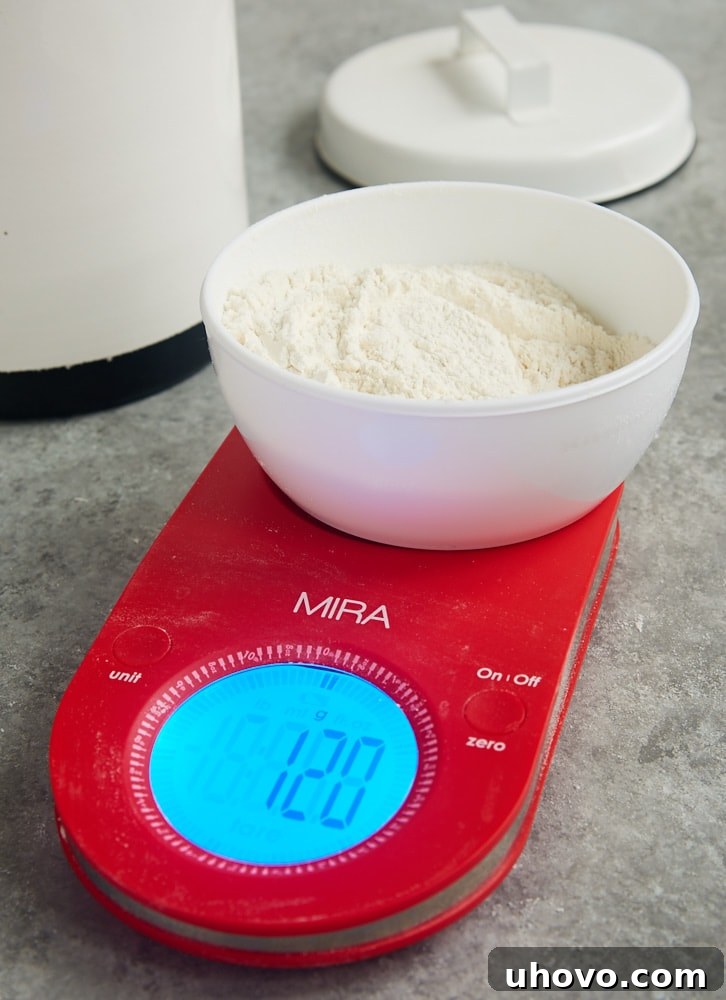
- Place your mixing bowl (or any container) on the digital kitchen scale.
- Press the “tare” or “zero” button. This crucial step resets the scale to zero, effectively subtracting the weight of your empty container so you only measure the flour.
- Carefully spoon or pour flour into the bowl until the scale displays the desired weight. For instance, one cup of all-purpose flour typically weighs 120 grams (or 4.25 ounces). Many modern recipes, especially those from professional sources, will provide flour measurements in grams, making this process even more straightforward.
- Remove the bowl and continue with your recipe. It’s that simple to get an exact measurement every time!
It’s important to remember that different types of flour possess varying densities and therefore different weights per cup. The common conversion of 120 grams per cup is specific to standard all-purpose flour. If your recipe calls for bread flour (which is denser), cake flour (lighter), whole wheat flour, or specialty flours like almond or oat flour, their weights will differ significantly. Always check the recipe’s specific weight recommendations. If not provided, you can often find standard weight conversions for various flours printed on their packaging or consult widely available ingredient weight charts online, which are invaluable resources for any serious baker. Investing in a quality digital scale is a small upfront cost that yields immense benefits in your baking journey, transforming your results from good to consistently great.
Scale-Free Precision: Mastering the Spoon and Sweep Method for Flour
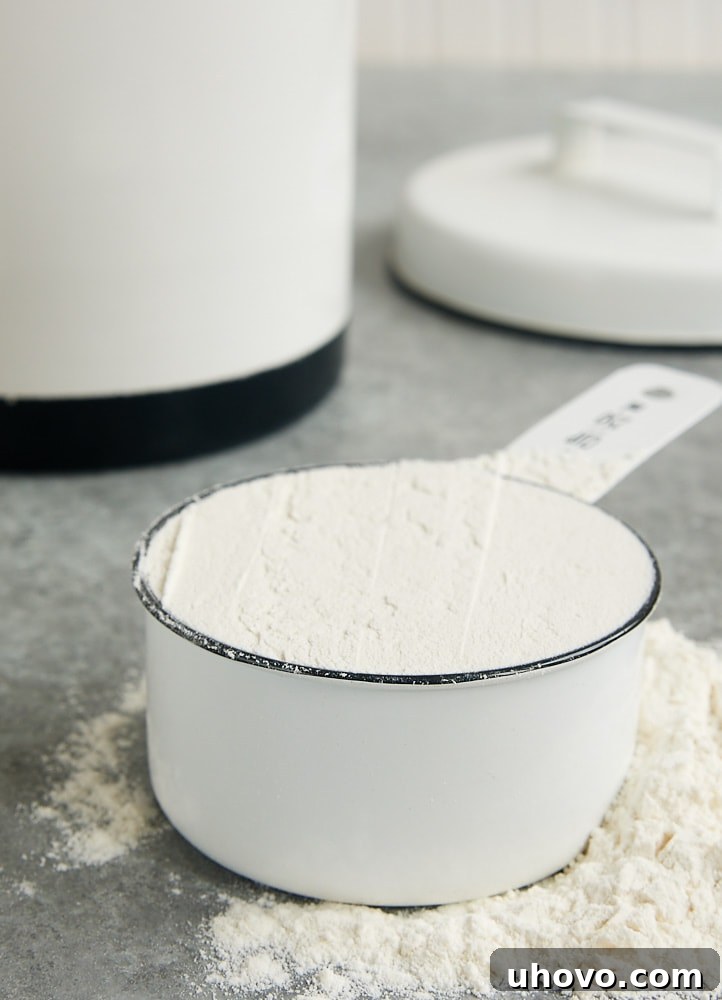
While I advocate for the precision of measuring by weight, I understand that not every kitchen is equipped with a digital scale. Thankfully, you can still achieve remarkable accuracy in your flour measurements using the tried-and-true “spoon and sweep” method. This technique specifically addresses the issue of flour compaction and ensures you’re adding closer to the correct volumetric amount, significantly improving your baking outcomes compared to the common “scoop and pack” approach.
Why the Spoon and Sweep Method Works
Flour naturally settles and compacts over time, especially when stored in bags or containers. Scooping directly into this compacted flour forces too much into your measuring cup, leading to an over-measurement. The spoon and sweep method works by first aerating the flour, then gently filling the measuring cup to prevent compaction, resulting in a lighter, more accurate measure that closely approximates the intended weight. It’s about restoring the flour to its natural, fluffy state before measuring.
How to Execute the Spoon and Sweep Method (Step-by-Step)
- Fluff the Flour: Before you even reach for your measuring cup, use a spoon or a whisk to gently fluff up the flour inside its container. Stir it around to loosen any compaction and incorporate air. This crucial step makes the flour lighter and easier to measure accurately.
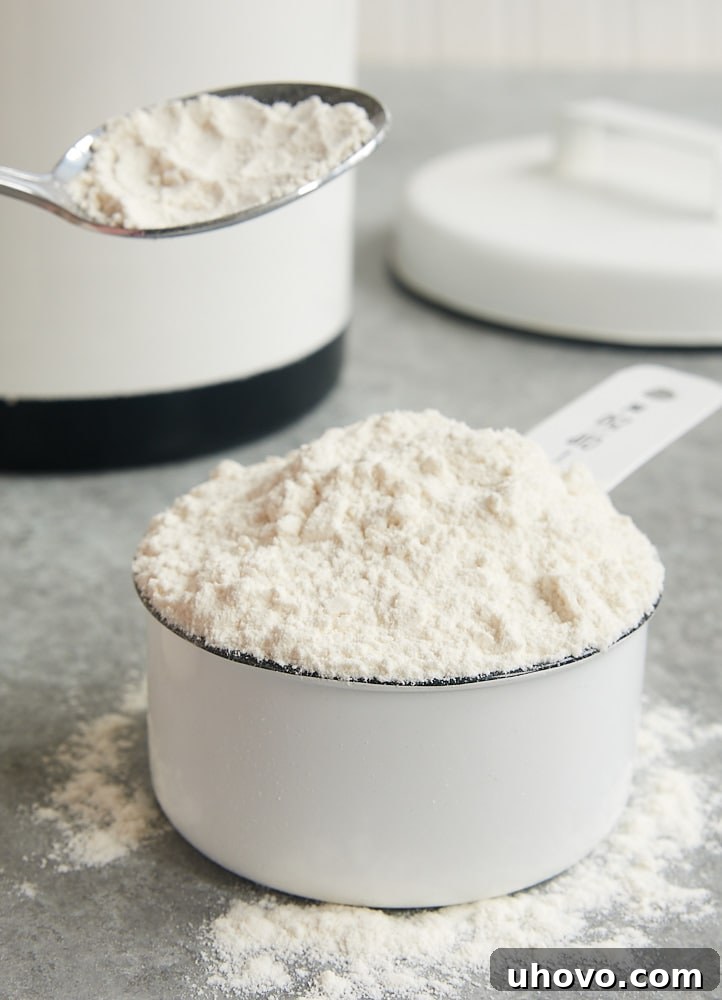
- Spoon into the Measuring Cup: Using a separate spoon (not the measuring cup itself), carefully spoon the fluffed flour into a dry measuring cup until it is generously overfilled, creating a small mound above the rim. Be careful not to pack it down, shake the cup, or tap it against the counter at this stage, as this will compact the flour again.
- Level with a Straight Edge: Take a straight edge – such as the flat side of a bowl scraper, the back of a butter knife, a ruler, or even a straight piece of cardboard – and gently sweep across the top of the measuring cup. Ensure the edge is held flat against the rim to precisely level off the excess flour, leaving you with an exact, uncompacted measure.
- That’s it! Your flour is now accurately measured and ready for your recipe. This method is surprisingly effective at getting you very close to the ideal measurement without the need for a scale.
This method, while requiring a bit more manual effort than using a scale, is a game-changer for bakers who rely on volumetric measurements. If you’ve been consistently battling tough cookies, dry cakes, or dense muffins, simply changing your flour measurement technique to the spoon and sweep method can be the single most impactful adjustment you make. You’ll be amazed at the noticeable difference in the texture, lightness, and overall quality of your homemade treats, leading to happier baking experiences and consistently delicious results. Embrace this simple technique and watch your baking prowess grow!
Happy baking, and may your baked goods always be perfectly moist and tender!
Elevate Your Baking: Essential Tips for Success
Beyond accurate flour measurement, mastering these fundamental baking techniques will further enhance your culinary skills:
- How to Soften Butter Correctly for Baking
- Mastering the Creaming Method for Light and Fluffy Bakes
- A Baker’s Essential Guide to Choosing and Using Sheet Pans
Bake or Break is a participant in the Amazon Services LLC Associates Program, an affiliate advertising program designed to provide a means for us to earn fees by linking to Amazon.com and affiliated sites.