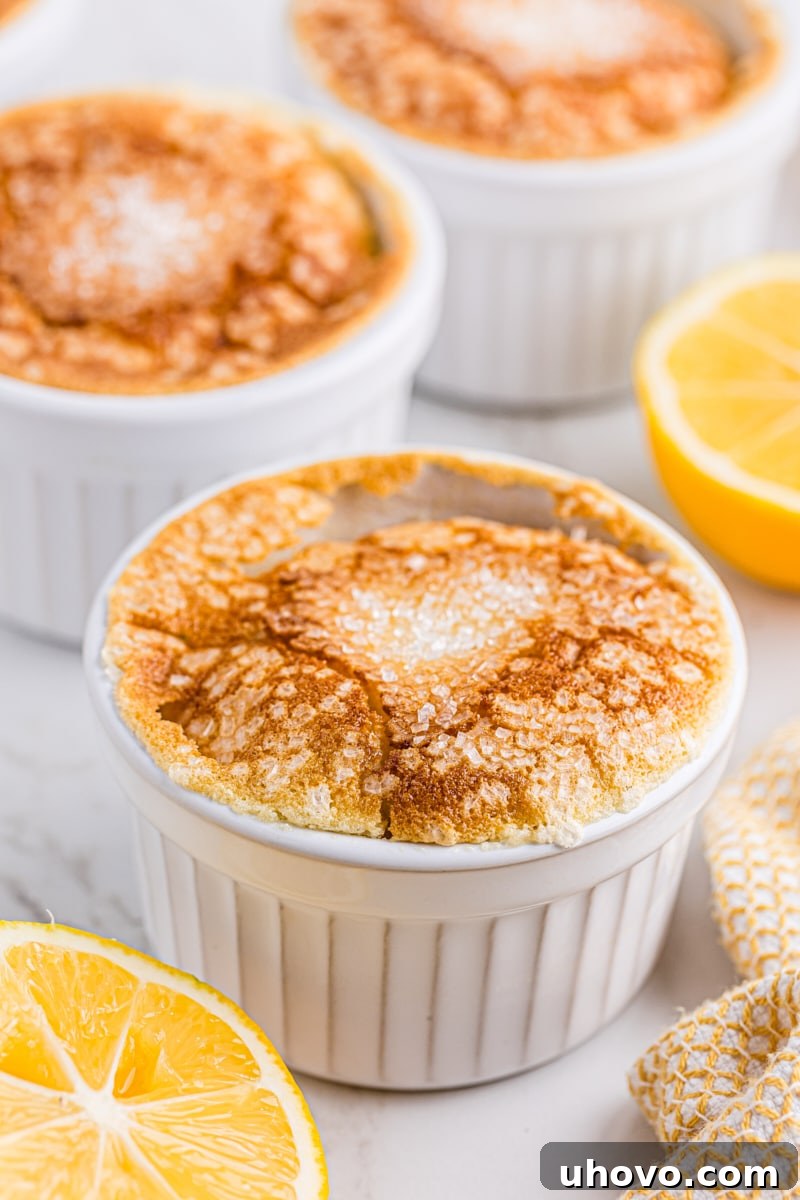
Welcome to the enchanting world of Meyer Lemon Pudding Cakes, where a single, simple batter miraculously transforms in the oven to reveal two distinct, delightful layers. Imagine: a rich, luscious lemon pudding settling beneath a wonderfully soft, sweet lemon cake, all crowned with a delicate, sugary crust. This isn’t just a dessert; it’s a testament to simple baking magic, delivering a burst of bright, zesty flavor that’s utterly irresistible. Prepare to embark on a culinary journey that promises both comfort and sophistication in every spoonful.
Craving more amazing pudding cake creations? Don’t miss out on this fantastic easy chocolate pudding cake that’s just as delightful!
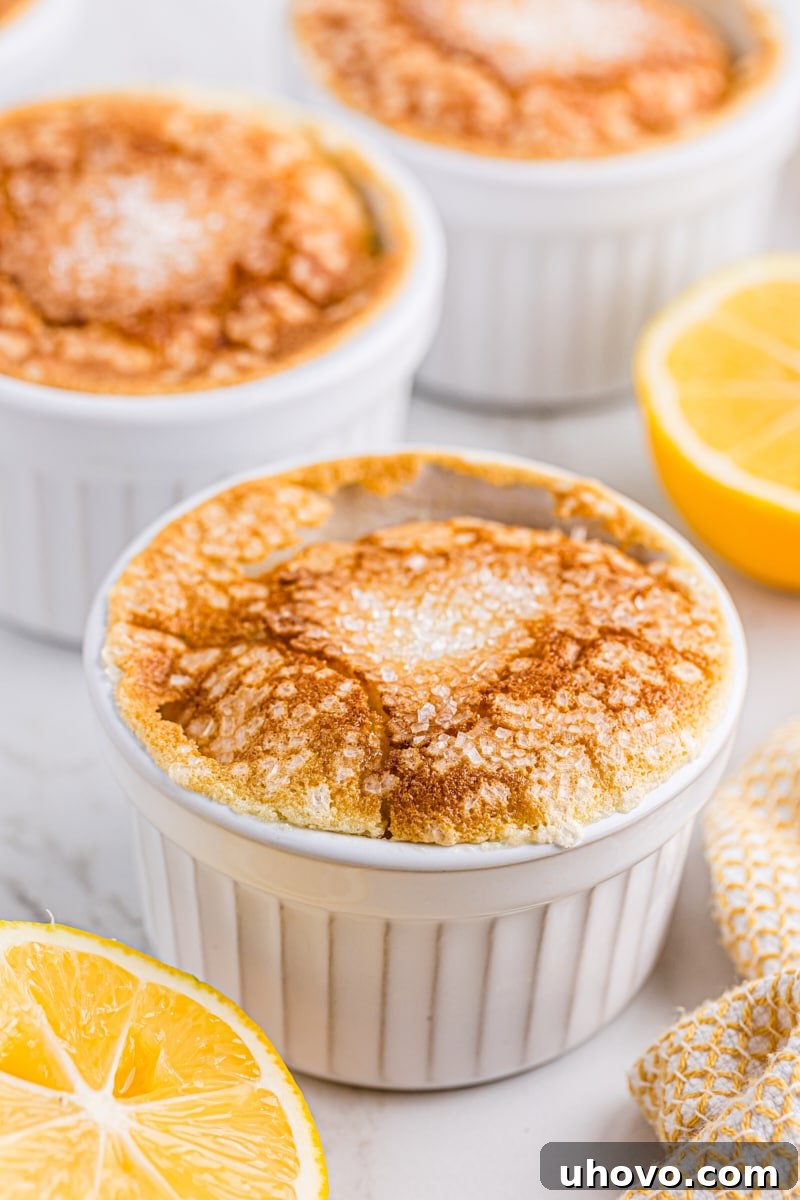
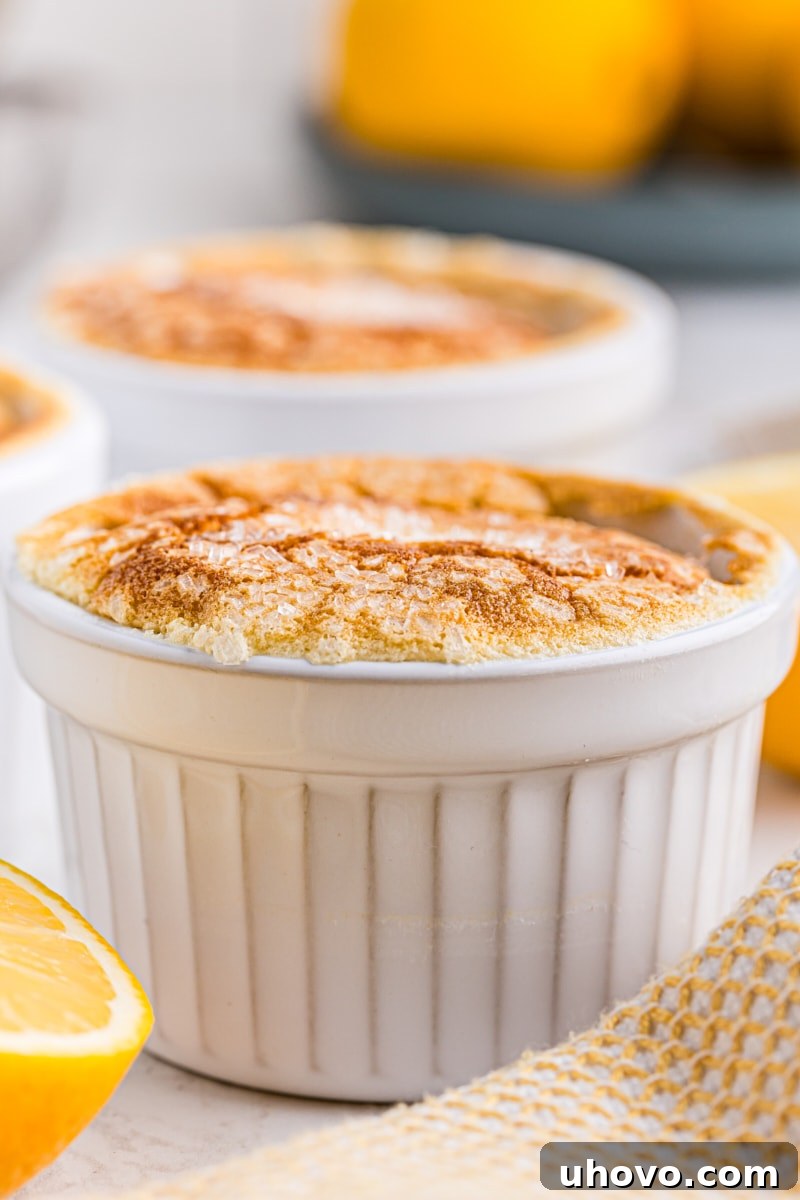
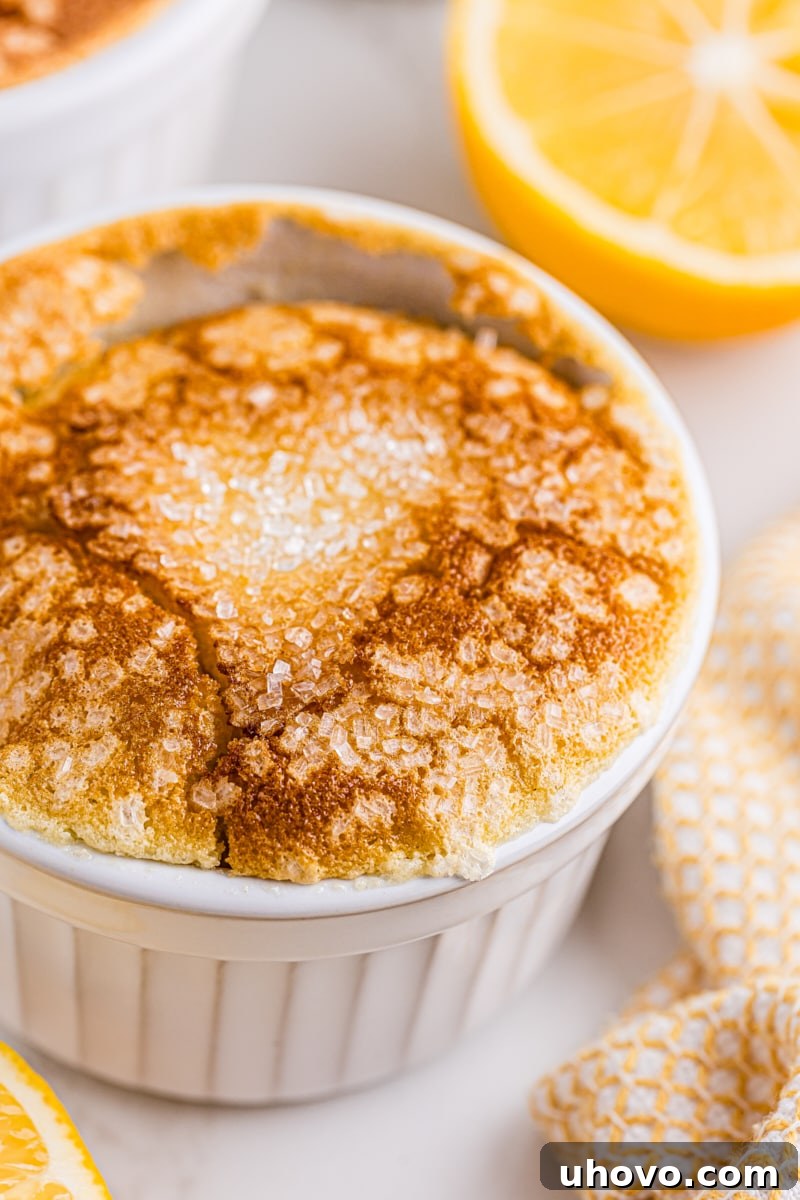
Pudding cakes are a cherished category of desserts, celebrated for their unique ability to offer two delightful textures from one harmonious mixture. These Meyer Lemon Pudding Cakes elevate that concept with a sublime lemon flavor that truly sings. As your spoon breaks through the delicate, almost brûlée-like sugary top, you’re greeted first by a light, airy layer of tender cake. Continue your culinary exploration, and you’ll discover a wonderfully smooth, creamy layer of lemon pudding nestled invitingly at the bottom. It’s an experience that transitions from fluffy to silky, all infused with bright, natural lemon goodness.
Why You’ll Adore This Meyer Lemon Pudding Cake Recipe
- A Symphony of Textures: Dual Delight in Every Bite. Prepare for an extraordinary dessert experience where the best of two worlds unite. Each individual cake offers a perfect contrast: a delicate, soft, and moist cake layer gracefully floating atop a rich, luscious, and creamy lemon pudding. This harmonious blend of textures creates an enchanting eating experience that is both comforting and sophisticated, making every spoonful an absolute pleasure.
- Remarkably Simple, Surprisingly Elegant. Despite their sophisticated appearance and intriguing dual-layer structure, these Meyer Lemon Pudding Cakes are incredibly easy to create. The recipe utilizes a straightforward “one-batter” method, requiring just a few common ingredients and simple steps. This makes them an ideal choice for both novice bakers looking to impress and seasoned home cooks seeking an effortlessly elegant dessert for any occasion.
- Vibrant and Nuanced Zesty Lemon Flavor. What truly sets these pudding cakes apart is their vibrant, authentic lemon taste. Crafted with Meyer lemons, known for their sweeter, less acidic profile compared to traditional lemons, these cakes deliver a uniquely bright and fragrant citrus essence. This nuanced flavor is more mellow and aromatic, offering a delightful twist on classic lemon desserts that is wonderfully refreshing without being overwhelmingly tart.
- Effortlessly Elegant Presentation. These individual lemon pudding cakes, baked in charming ramekins, possess an inherent elegance that makes them perfect for any gathering. Whether you’re hosting a formal dinner party, enjoying a casual brunch with friends, or simply treating yourself to a quiet evening indulgence, their refined appearance and exquisite flavor will elevate the moment, adding a touch of gourmet flair with minimal effort.
Never Miss a Recipe!
Love this recipe? Be sure to explore our site for more delightful baking creations. You can save this recipe by bookmarking this page or printing the recipe card below!
Gather Your Ingredients: What You’ll Need
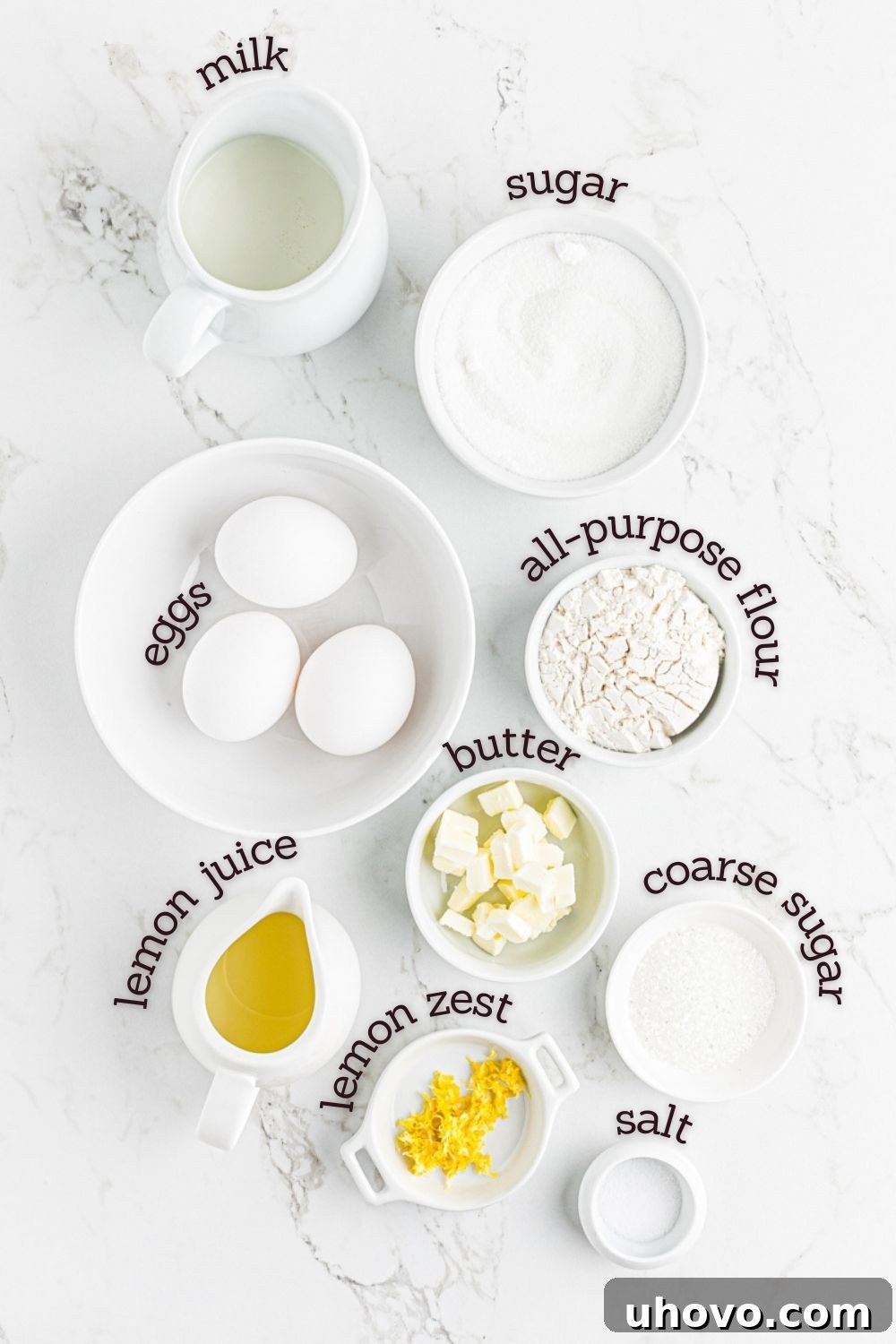
One of the beauties of this Meyer Lemon Pudding Cake recipe is its reliance on readily available ingredients. If you have some fresh lemons on hand, chances are you already possess most of what’s required to whip up these delectable treats! For precise quantities and detailed instructions, please refer to the comprehensive recipe card conveniently located at the end of this article.
- Granulated Sugar: Essential for sweetness and also plays a role in creating that delightful crunchy top layer and the tender cake structure.
- All-Purpose Flour: Provides the structural foundation for the cake layer, ensuring it’s light and airy.
- Eggs: A crucial component! You’ll need to separate the yolks and whites, as they’re incorporated at different stages to achieve the unique dual texture. Remember, eggs separate more easily when cold, but the whites whip best when closer to room temperature.
- Unsalted Butter: Adds richness, moisture, and a tender crumb to the cake, complementing the bright lemon flavor beautifully. Ensure it’s softened for easy incorporation.
- Milk: Contributes to the moistness of the cake and the creamy consistency of the pudding layer. Whole milk often yields the richest results.
- Lemons (Meyer or Regular): The star of the show! You’ll need both the vibrant zest for intense aromatic lemon flavor and the fresh juice for its bright acidity and tang. While Meyer lemons are preferred for their unique sweetness, regular lemons work perfectly well, offering a more traditional tart lemon profile. (For a detailed guide on extracting every drop of flavor, see: How to Zest and Juice Lemons).
- Salt: A pinch of salt is vital for balancing the sweetness and enhancing all the other flavors, particularly the bright notes of the lemon.
- Coarse Sugar (Optional but Recommended): This is an optional yet highly recommended addition. A light sprinkle of coarse sugar (like sanding sugar or turbinado) on top before baking creates a beautifully caramelized, crunchy crust that adds a wonderful textural contrast to the soft cake and creamy pudding below.
Meyer Lemons Versus Regular Lemons: A Citrus Showdown
Understanding the difference between Meyer lemons and their more common counterparts is key to appreciating the subtle nuances of these pudding cakes. While both offer delightful citrus notes, their distinct characteristics can influence the final flavor profile of your dessert.
Meyer Lemons: The Sweet and Fragrant Hybrid. Meyer lemons are often considered a culinary gem, believed to be a natural cross between a regular lemon and a mandarin orange. This unique heritage gives them several distinct features:
- Appearance: They are typically smaller and rounder than regular lemons, with a remarkably smooth, thin, and deep yellow-orange skin.
- Flavor Profile: Their most notable characteristic is their flavor. Meyer lemons are considerably sweeter and less acidic than regular lemons, possessing a milder, more floral, and aromatic quality. This mellow sweetness makes them incredibly versatile and less sharp on the palate.
- Availability: These seasonal delights are most commonly found in grocery stores during the cooler months, typically from late fall through early spring.
- Best Uses: Their delicate flavor shines in desserts, cocktails, salad dressings, and any dish where a softer, sweeter lemon note is desired.
Regular Lemons: The Classic Tart and Tangy Choice. When we talk about “regular” lemons, we typically refer to varieties like Eureka or Lisbon lemons, which are staples in kitchens worldwide:
- Appearance: They are generally larger and more oblong than Meyer lemons, with a thicker, textured, and brighter yellow skin.
- Flavor Profile: Regular lemons are distinctly tart and acidic, delivering a strong, bright tang that is quintessential lemon flavor.
- Availability: Fortunately, these lemons are readily available year-round in most supermarkets, making them a reliable choice for daily cooking and baking.
- Best Uses: Their robust tartness makes them perfect for everything from savory dishes and marinades to refreshing drinks and classic lemon desserts where a powerful citrus kick is desired.
This particular recipe for Meyer Lemon Pudding Cakes is specifically designed to highlight the unique, milder, and sweeter profile of Meyer lemons. Using them results in a lighter, more subtly fragrant, and less intensely tart dessert, allowing the nuanced floral notes to truly shine. However, rest assured that you can absolutely use regular lemons if Meyer lemons are unavailable or if you simply prefer a more traditional, zesty lemon flavor. The cakes will still be incredibly delicious, just with a slightly bolder and tangier character.
Crafting the Magic: How to Make Lemon Pudding Cakes
Creating these delightful Meyer Lemon Pudding Cakes is a remarkably straightforward process, yet it involves a few special techniques that are crucial for achieving their signature dual-layered structure. The magic happens during baking, thanks to a clever batter composition and a water bath. Follow these steps to perfect your lemon pudding cakes.
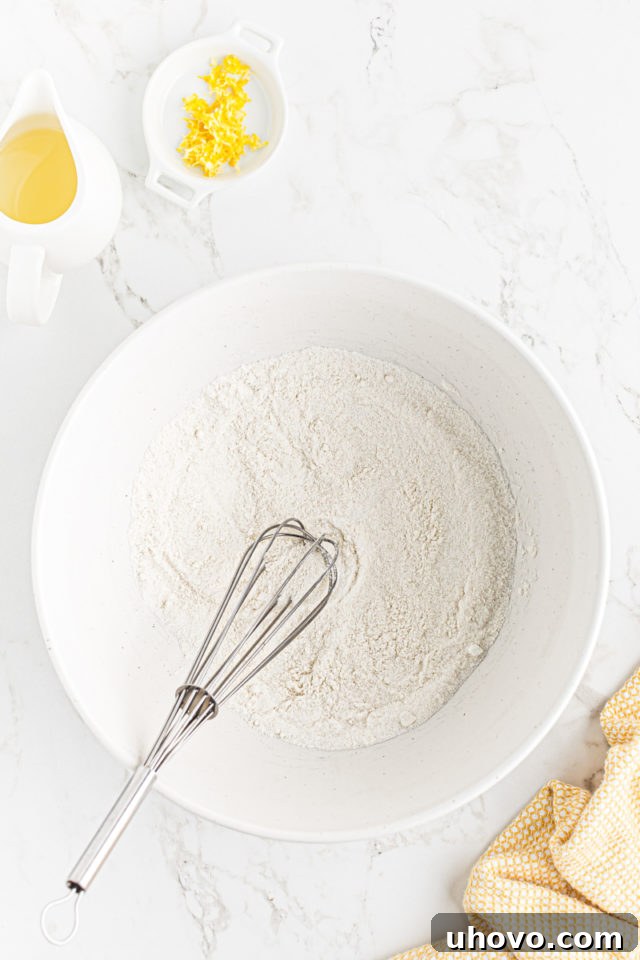
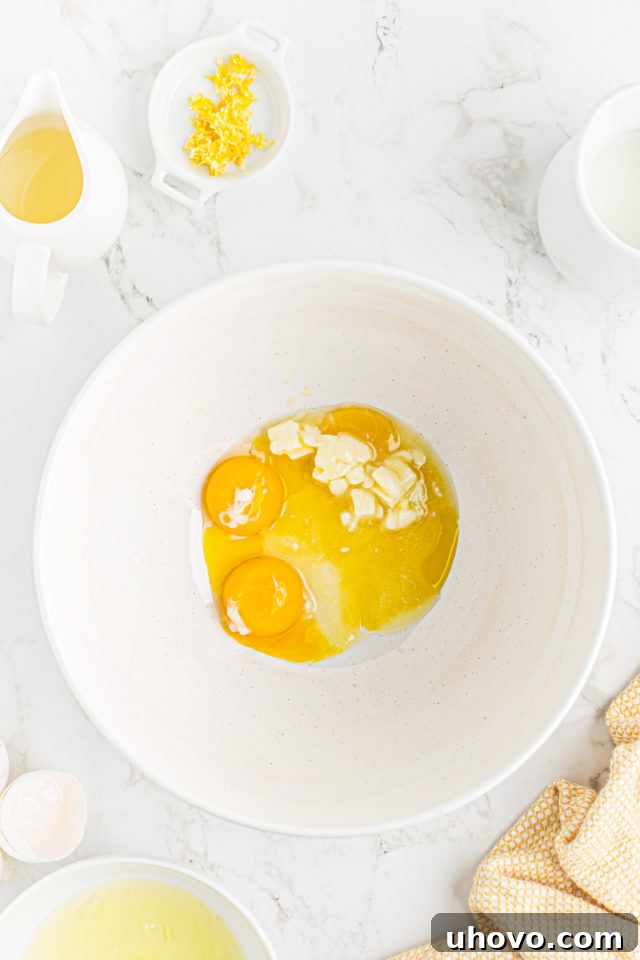
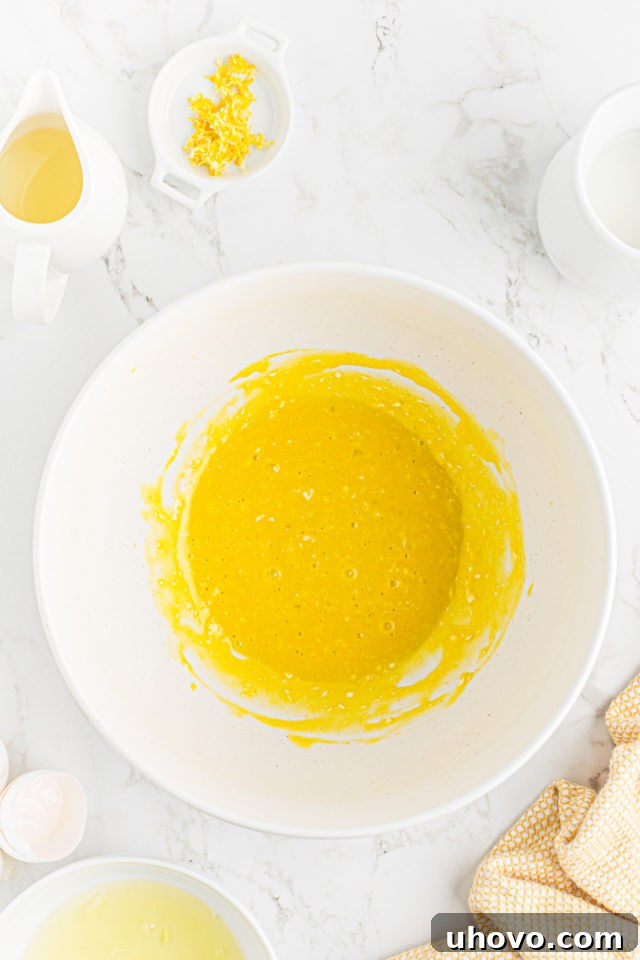
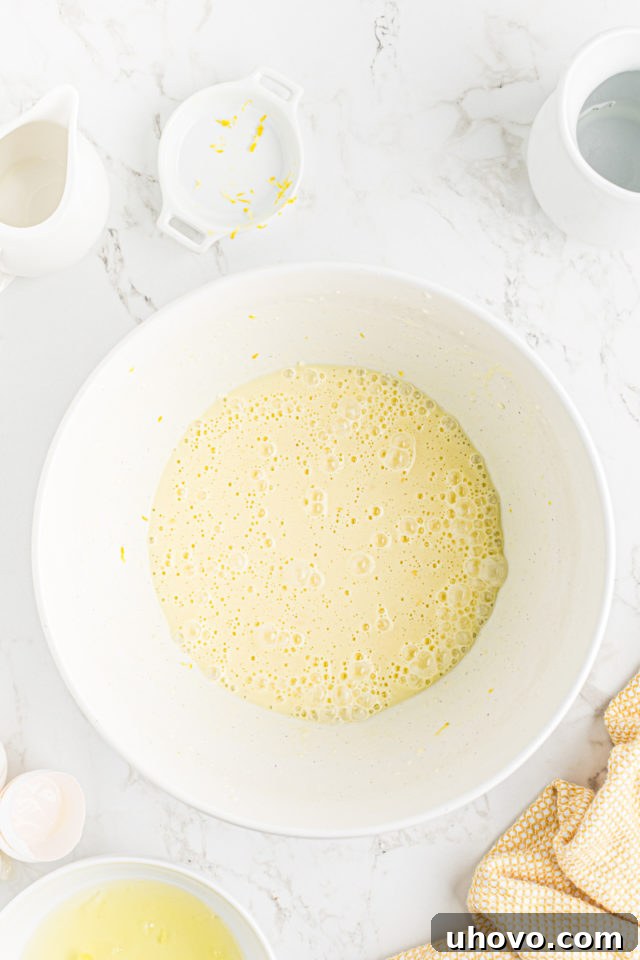
- Prepare for Baking Success: Begin by preheating your oven to 350°F (175°C). This ensures the oven is at the correct temperature for even baking. Next, arrange six 4-ounce ramekins inside a larger baking pan. A 9″ x 13″ x 2″ roasting pan or a similar oven-safe dish will work perfectly, as long as the ramekins fit comfortably and leave room for a water bath. If necessary, divide the ramekins between two larger pans to avoid overcrowding.
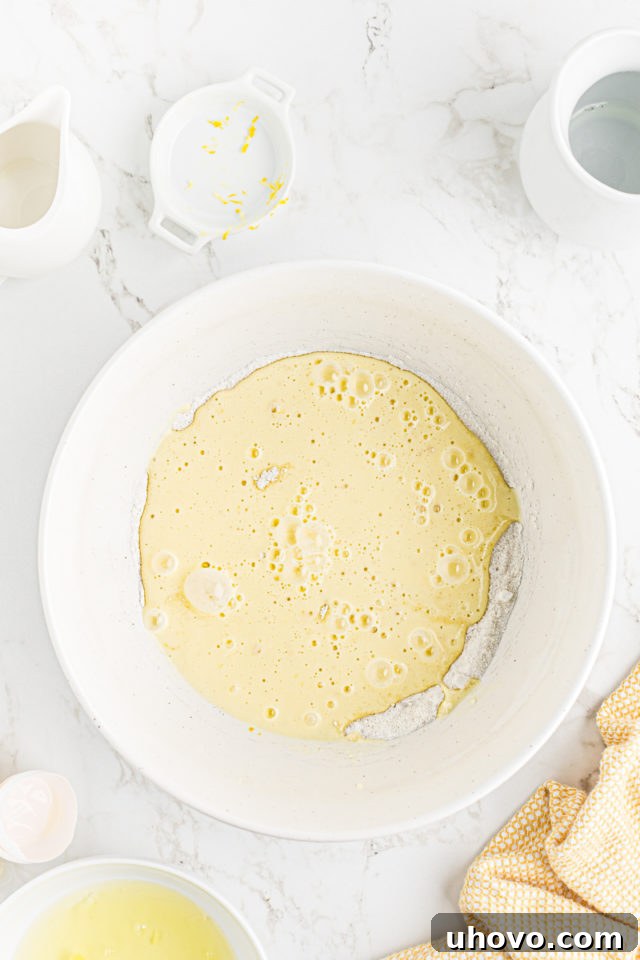
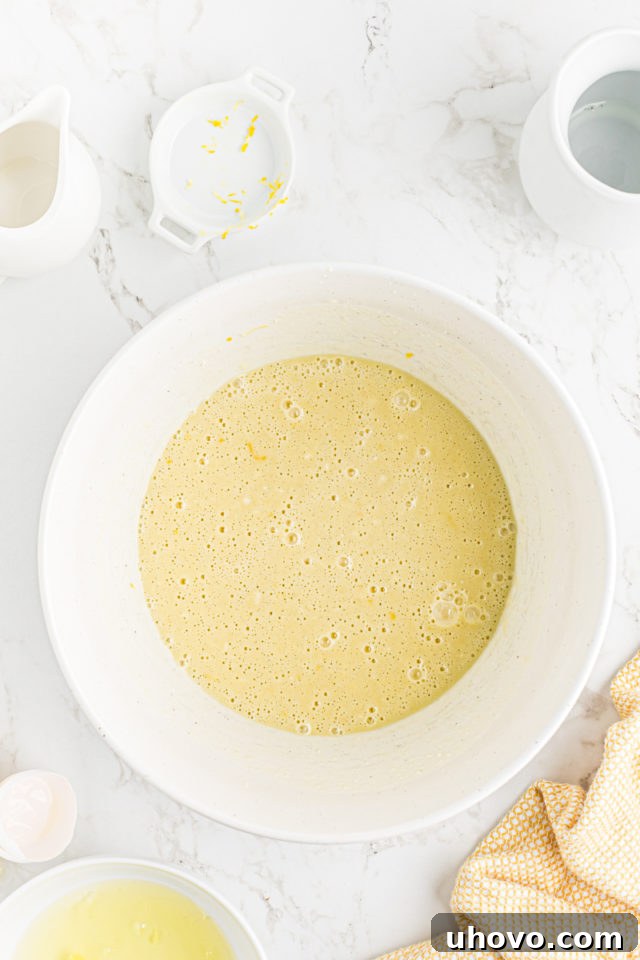
- Combine the Core Ingredients for the Batter: In a spacious mixing bowl, thoroughly whisk together the granulated sugar and all-purpose flour until they are well combined and no lumps remain. Set this dry mixture aside. In a separate medium-sized bowl, gently combine the separated egg yolks with the softened butter, mixing until you achieve a smooth, uniform consistency. Into this yolk and butter mixture, whisk in the milk, the aromatic lemon zest, and the fresh lemon juice. Finally, pour this vibrant lemon liquid mixture into the dry sugar and flour mixture. Whisk everything together until the batter is perfectly smooth and homogenous, ensuring all ingredients are well incorporated without overmixing.
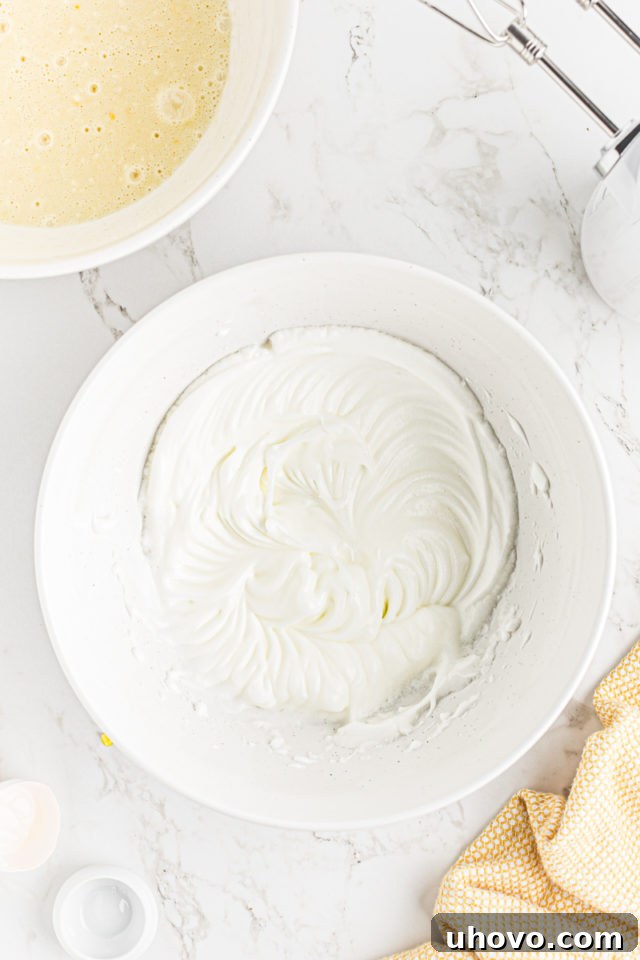
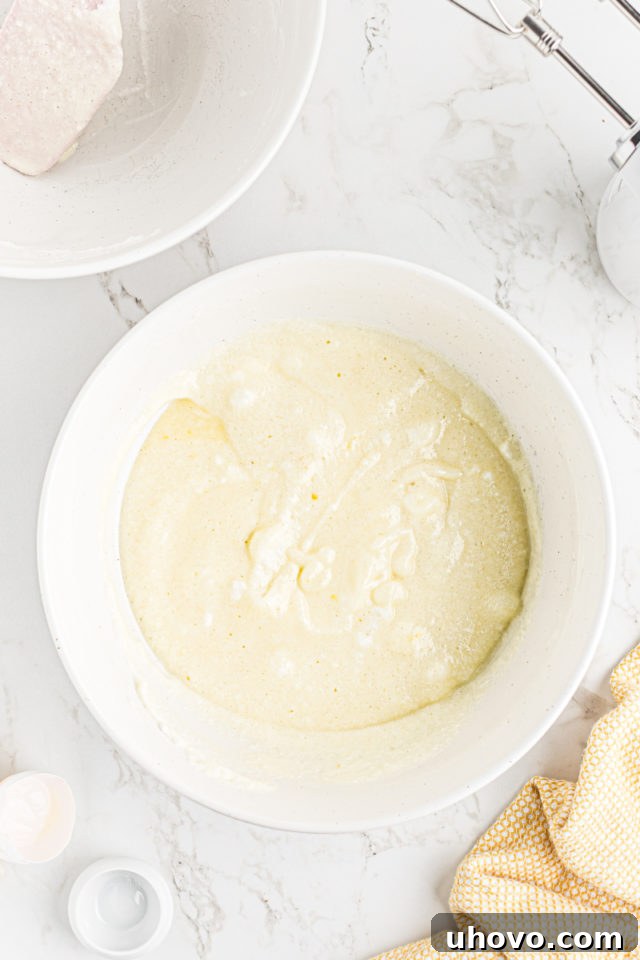
- Achieve Perfectly Whipped Egg Whites: In a separate, impeccably clean, and dry bowl, use an electric mixer set to medium-high speed to beat the reserved egg whites along with the pinch of salt. Continue beating until they form stiff peaks. This means that when you lift the whisk or beater from the mixture, a peak should stand straight up without collapsing. This aeration is crucial for the cake layer’s texture.
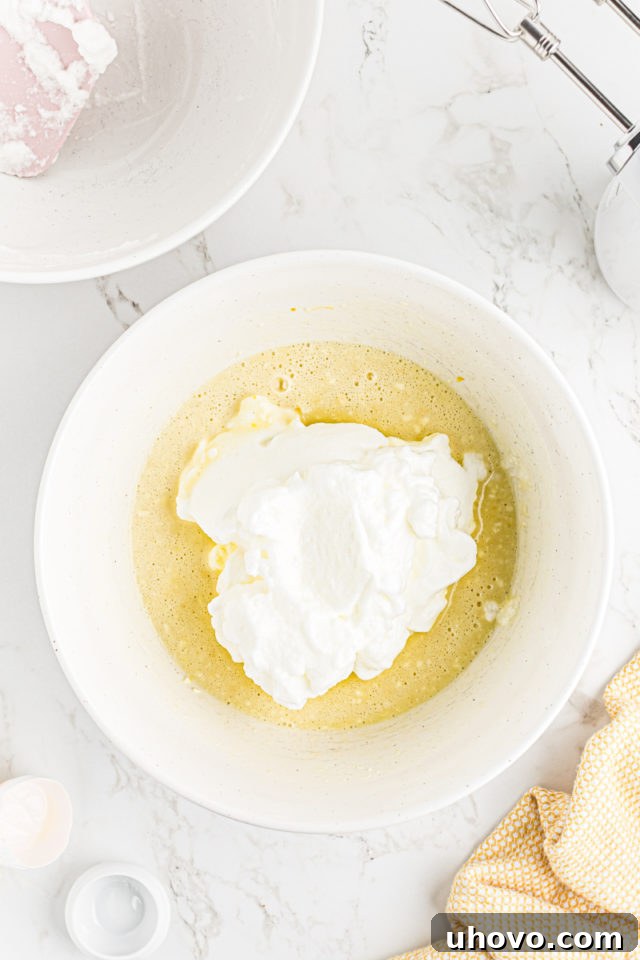
- Gently Fold in the Egg Whites: With a rubber spatula, carefully and gently fold the whipped egg whites into the lemon and sugar mixture. Use a light hand to preserve as much air as possible in the egg whites. Continue folding just until the mixture is uniform, smooth, and acquires a slightly foamy consistency. Be vigilant not to over-mix, as this can deflate the egg whites and result in a denser cake.
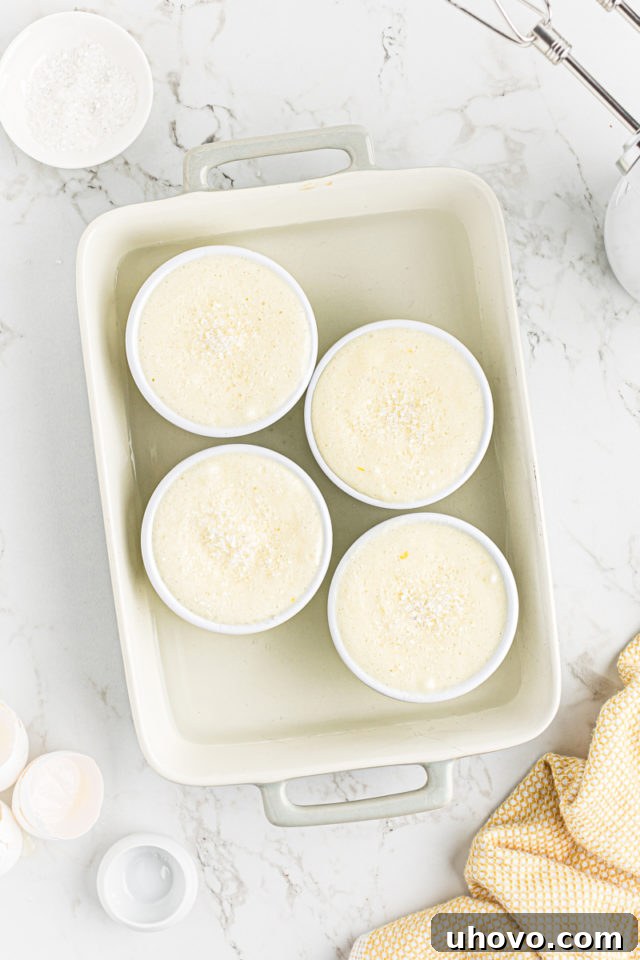
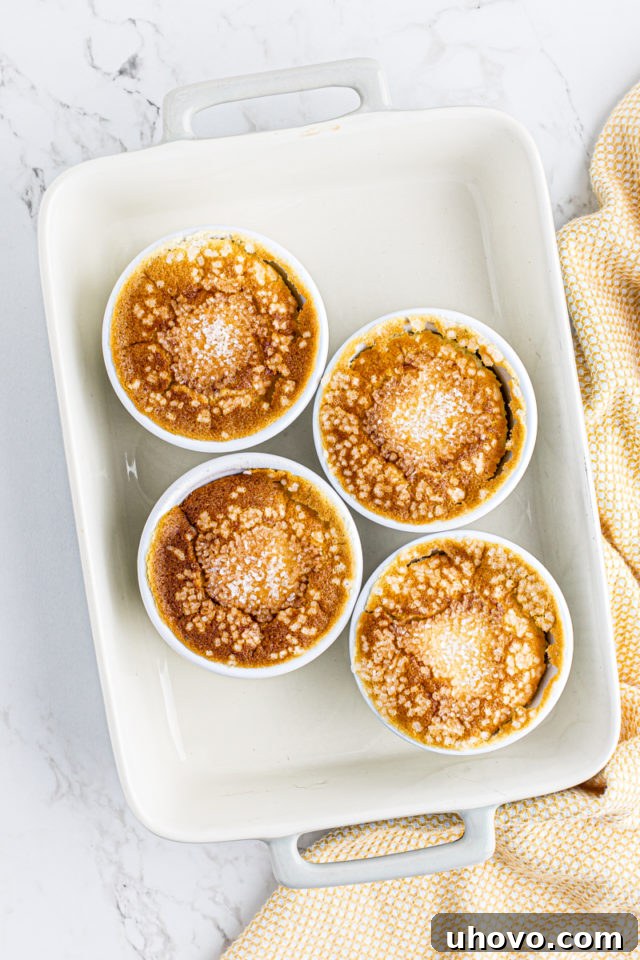
- Portion, Sprinkle, and Bake in a Water Bath: Carefully divide the prepared batter evenly among the six ramekins. If you’re using coarse sugar for that delightful crunch, sprinkle a small amount over the top of each cake. Now, here’s the crucial step for those perfect layers: gently pour hot water into the large baking pan, ensuring it comes approximately halfway up the sides of the ramekins. This water bath (bain-marie) creates a gentle, moist baking environment that promotes even cooking and encourages the pudding and cake layers to form distinctly. Carefully transfer the baking pan with the ramekins and water to the preheated oven. Bake for 40 to 45 minutes, or until the tops of the individual cakes are beautifully golden brown and set.
- Cool for Perfection: Once baked, carefully remove the large baking pan from the oven. Using heat-resistant tongs or a jar lifter, gently lift each ramekin out of the hot water bath and place them onto a wire rack to cool. Allow them to cool for about 15 to 20 minutes before serving. It’s normal for the cakes to sink slightly as they cool; this is part of their charming character and signals the formation of those wonderful layers. Serve warm for the best experience.
Expert Tips for Pudding Cake Perfection
To ensure your Meyer Lemon Pudding Cakes turn out perfectly every time, keep these helpful tips in mind:
- Mastering Whipped Egg Whites: The success of your cake layer hinges on properly whipped egg whites. Ensure your mixing bowl and beaters are absolutely spotless and completely dry; even a tiny speck of grease or egg yolk can prevent the whites from whipping correctly. For best results, separate your eggs when they are cold (as they’re firmer and easier to handle) but allow the whites to come to room temperature before whipping (they’ll achieve more volume). Beat until stiff peaks form – the peak should hold its shape firmly when you lift the whisk. Avoid over-whipping, which can make them dry and difficult to fold.
- Embrace the Essential Water Bath: Do not underestimate the importance of the water bath (bain-marie)! This technique is not just for fancy custards; it’s the secret to creating the distinct, perfectly cooked layers in your pudding cakes. The hot water surrounding the ramekins provides a gentle, even heat, preventing the edges from cooking too quickly or curdling, and ensuring a creamy pudding layer. The water doesn’t need to be boiling; hot tap water is perfectly adequate. Always exercise caution when placing the pan into and removing it from the hot oven to prevent spills or burns.
- Single Pan Adaptation: If you prefer to make one larger pudding cake instead of individual servings, this recipe is adaptable! After mixing the batter, simply transfer it to a 2-quart baking dish. Place this dish inside a larger baking pan and proceed with the hot water bath as described for the ramekins. When baking in a single dish, reduce the baking time slightly to 30 to 35 minutes, or until the top is golden brown and a gentle jiggle indicates a set, but still tender, center. Be aware that the texture might be slightly different than individual ramekins, but equally delicious.
- Don’t Overmix the Batter: After folding in the egg whites, mix just until combined. Overmixing can deflate the air incorporated into the egg whites, leading to a denser cake layer and potentially hindering the distinct separation of the pudding and cake. A smooth, slightly foamy consistency is what you’re looking for.
- Room Temperature Ingredients: While eggs separate best when cold, having your butter softened and milk at room temperature ensures they incorporate smoothly into the batter, preventing curdling and promoting an even texture.
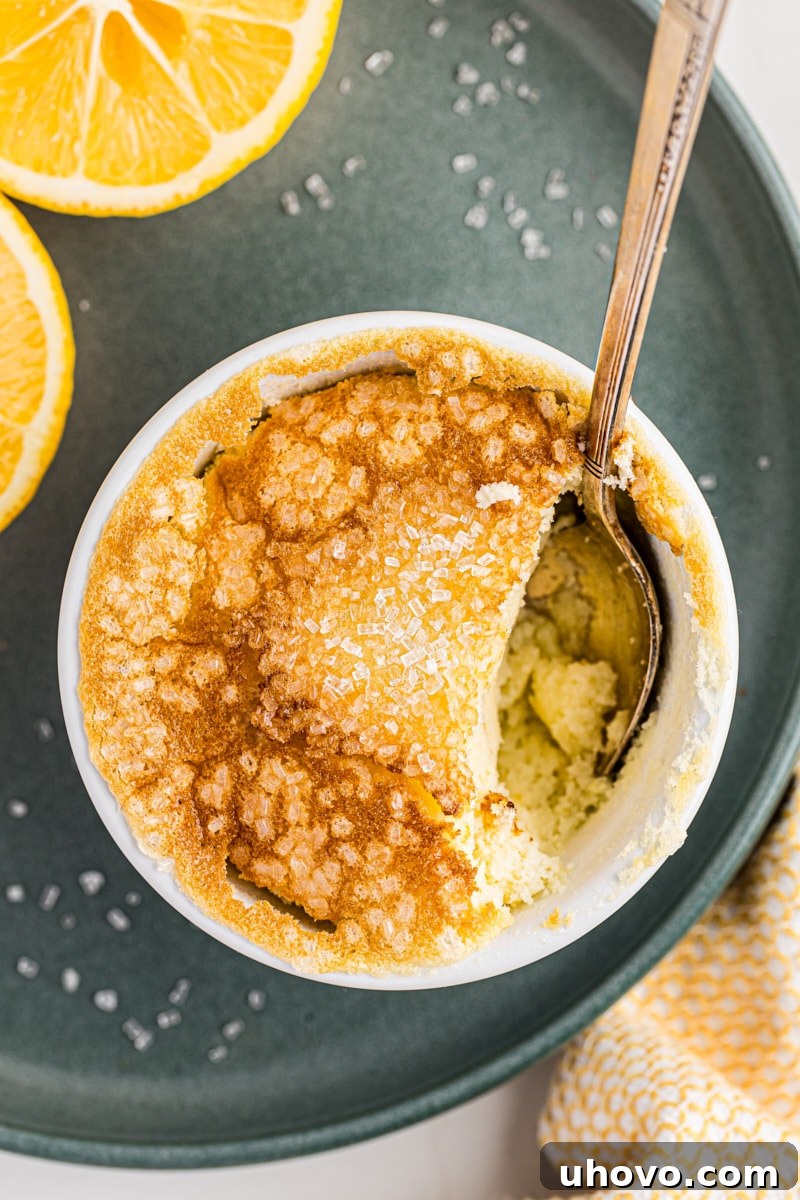
Elevate Your Dessert: Serving Suggestions
These Meyer Lemon Pudding Cakes are utterly divine on their own, offering a pure and satisfying lemon experience that needs no embellishment. However, if you wish to dress them up a bit and add an extra touch of indulgence or flair, here are some exquisite suggestions to complement their bright flavor:
- A Dusting of Confectioners’ Sugar: For a simple yet elegant finish, a light sprinkle of confectioners’ sugar (powdered sugar) just before serving adds a delicate sweetness and a beautiful visual appeal.
- Cloud of Sweetened Whipped Cream: A generous dollop of freshly made sweetened whipped cream adds a luxurious, creamy counterpoint to the zesty lemon. For an extra pop of citrus aroma, grate a tiny pinch more lemon zest directly over the cream.
- Burst of Fresh Berries: Bright, fresh berries—such as raspberries, blueberries, or sliced strawberries—offer a delightful tartness and vibrant color that beautifully complement the lemon flavor. Choose one type or create a colorful assortment.
- Melting Vanilla Ice Cream: Serving a warm pudding cake with a scoop of melting vanilla ice cream is a truly decadent treat. The cool, creamy ice cream slowly melts into the warm pudding, creating an irresistible blend of temperatures and textures.
- Delicate Candied Lemon Peel: For the ultimate lemon lover, a few pieces of homemade or store-bought candied lemon peel offer an intensified lemon flavor and a lovely chewy texture, making the dessert even more special.
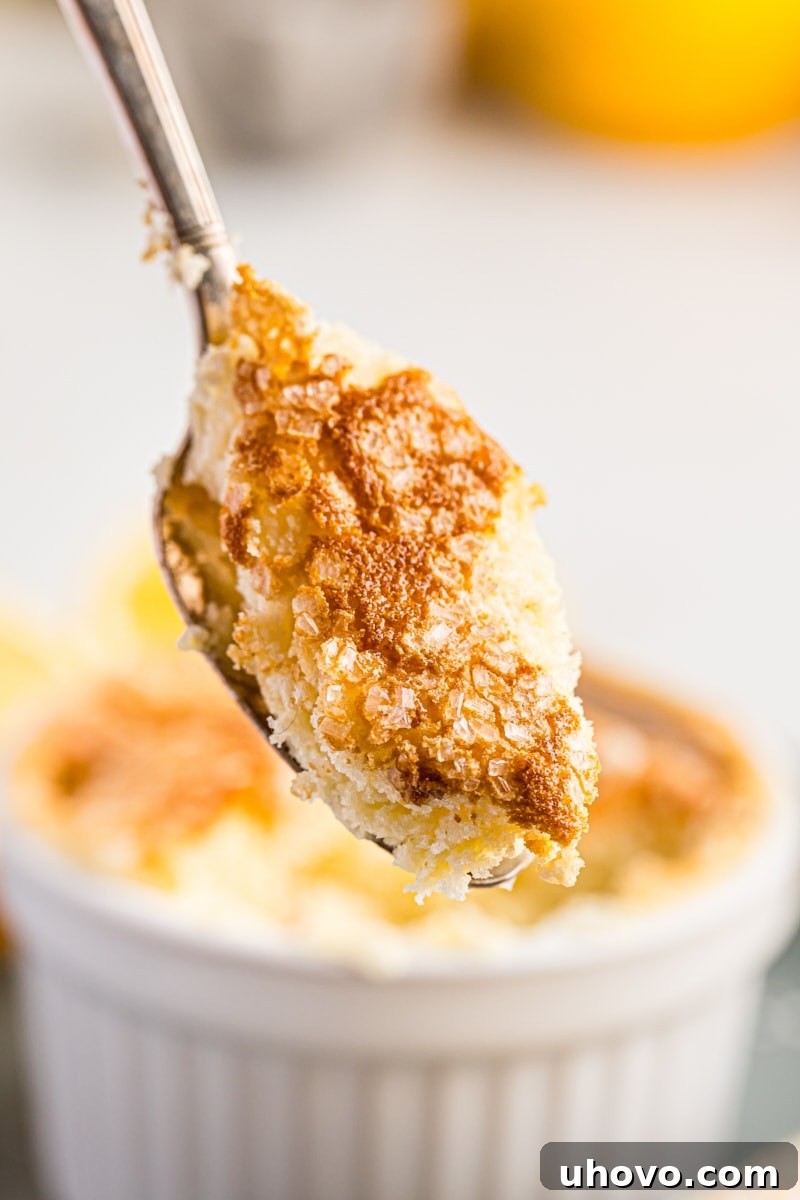
Storing and Reheating Your Lemon Pudding Cakes
While these Meyer Lemon Pudding Cakes are undoubtedly at their absolute best when enjoyed freshly baked and warm, you can certainly prepare them slightly ahead or save any leftovers to savor later. To maintain their deliciousness, allow the cakes to cool completely. Once cool, cover each ramekin tightly with plastic wrap or transfer them to an airtight container. Refrigerate for up to 24 hours.
When you’re ready to enjoy them again, rewarm the puddings gently. Place them back into a 350°F (175°C) oven for about 10 to 15 minutes, or until they are warmed through and the pudding layer has softened again. This brief reheating will help restore their lovely texture and bring out their delightful lemon aroma, making them almost as good as fresh!
The Baking Magic: How Pudding Cakes Form Their Layers
The fascinating aspect of Meyer Lemon Pudding Cakes is how a single batter yields two distinct layers during baking. It’s not magic, but rather a clever interplay of ingredients and physics! The batter for these cakes is unique in that it’s quite thin, almost like a custard. It contains a higher ratio of liquid and egg yolks, which are heavier, along with the whipped egg whites for lightness.
When this batter bakes in a gentle water bath, several things happen simultaneously:
- Separation by Density: The heavier, more liquid components of the batter, rich with lemon juice and egg yolks, sink to the bottom of the ramekin, forming the luscious pudding layer.
- Buoyancy of Egg Whites: The lighter, aerated mixture containing the whipped egg whites floats to the top. As it bakes, these trapped air bubbles expand, creating the fluffy, tender cake layer.
- Gentle Baking Environment: The water bath provides a consistent, moist heat. This slow, even cooking prevents the top from browning too quickly and allows the delicate separation process to occur gradually, ensuring the pudding sets smoothly and the cake remains tender without drying out.
This remarkable transformation from one simple batter to a dual-textured dessert is what makes pudding cakes such a delightful surprise and a testament to clever baking techniques!
Creative Variations and Customizations
While the Meyer Lemon Pudding Cakes are perfect as is, they also serve as an excellent canvas for creative variations. Feel free to experiment and make them your own!
- Other Citrus Flavors: Not a fan of lemon, or looking for something different? Try substituting lime juice and zest for a Key Lime Pudding Cake, or even orange for a sweet Orange Blossom Pudding Cake. Adjust sugar slightly if using very tart or sweet citrus.
- Spice it Up: A pinch of cardamom or ginger can add a warm, aromatic note that beautifully complements the lemon. Add it along with the flour.
- Herbaceous Twist: For an unexpected gourmet touch, finely minced fresh rosemary or thyme can be added to the batter. These herbs pair surprisingly well with citrus.
- Coconut Infusion: Swap out half of the milk for canned coconut milk (not light) for a tropical, creamy twist that marries wonderfully with lemon.
Explore More Lemon Desserts
If you’ve fallen in love with the bright, zesty flavors of these Meyer Lemon Pudding Cakes, you’re in for a treat! Our collection of lemon desserts is brimming with delightful recipes that celebrate this versatile citrus fruit. From rich cakes to dainty treats, there’s a lemon creation waiting to brighten your day. Dive into these other popular lemon recipes:
Indulge in the Sweet Simplicity
Meyer Lemon Pudding Cakes are more than just a dessert; they are an experience—a delightful fusion of textures and vibrant flavors wrapped in an elegant package. Their remarkable simplicity belies the sophisticated outcome, making them a perfect choice for any occasion, from casual family dinners to special celebrations. Whether you’re drawn to the unique sweetness of Meyer lemons or the classic zest of regular lemons, this recipe promises a truly memorable treat. So go ahead, gather your ingredients, follow these simple steps, and prepare to enchant your taste buds with these extraordinary, dual-layered lemon wonders. Happy baking!
Meyer Lemon Pudding Cakes
6 servings
20 minutes
45 minutes
1 hour 5 minutes
Meyer Lemon Pudding Cakes are a testament to the magic that happens when minimal ingredients transform into a dessert that’s both comforting and sophisticated.
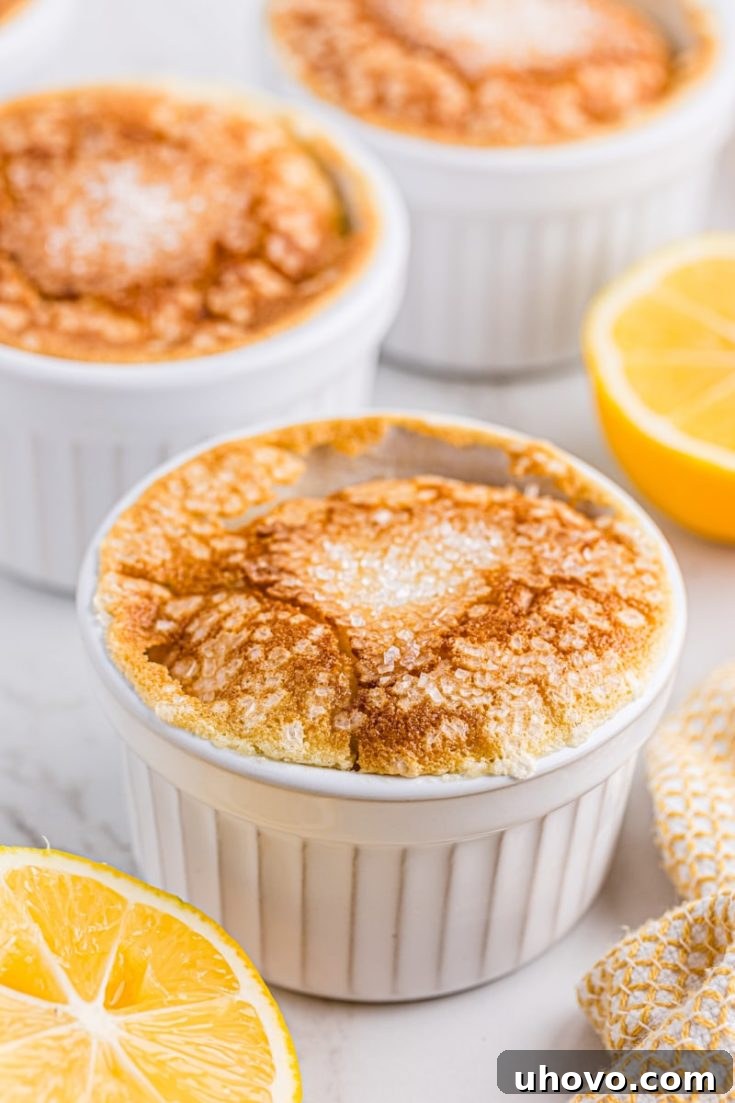
Ingredients
- 3/4 cup (150g) granulated sugar
- 1/3 cup (40g) all-purpose flour
- 3 large eggs, separated
- 2 tablespoons unsalted butter, softened and cut into small pieces
- 1 cup (236ml) milk
- 1 teaspoon Meyer lemon zest*
- 1/3 cup (79ml) Meyer lemon juice
- 1/2 teaspoon salt
- 1 tablespoon coarse sugar** (optional)
Instructions
- Preheat oven to 350°F (175°C). Place six 4-ounce ramekins*** inside a large baking pan.
- In a large mixing bowl, whisk together the sugar and flour. Set aside.
- In a separate bowl, combine the egg yolks and softened butter until well mixed and smooth. Whisk in the milk, lemon zest, and lemon juice.
- Add the wet lemon mixture to the dry sugar and flour mixture. Whisk until smooth and thoroughly combined.
- Using an electric mixer on medium-high speed, beat the egg whites and salt in a clean, dry bowl until they form stiff peaks.
- Gently fold the whipped egg whites into the lemon and sugar mixture using a rubber spatula, until just combined and foamy. Be careful not to overmix.
- Divide the batter evenly among the prepared ramekins. If using, sprinkle the top of each with coarse sugar.
- Carefully pour hot water into the large baking pan so that the water comes about halfway up the sides of the ramekins.
- Bake for 40 to 45 minutes, or until the tops of the cakes are golden brown and set.
- Carefully remove the ramekins from the water bath and place them on a wire rack to cool for 15-20 minutes before serving. (They will sink slightly as they cool.)
Notes
*You can use regular lemons instead of Meyer lemons if you prefer a more tart flavor, or if Meyer lemons are not available.
**For coarse sugar, either white sanding sugar or turbinado sugar will work wonderfully to create a crunchy topping.
***Alternatively, you can bake this recipe in a single 2-quart baking dish instead of individual ramekins. Place the baking dish within a larger baking pan and fill with hot water as described. Reduce the baking time to 30 to 35 minutes for a larger cake.
Recipe slightly adapted from Real Simple.
Recommended Baking Essentials
Bake or Break is a participant in the Amazon Services LLC Associates Program, an affiliate advertising program designed to provide a means for us to earn fees by linking to Amazon.com and affiliated sites.
- White Ramekins, 4-Ounce
- OXO Good Grips 3-in-1 Egg Separator
- Sparkling Sugar
Show off your baking masterpiece!
Snap a pic, tag @bakeorbreak, and use #bakeorbreak on Instagram. Can’t wait to see your creation!