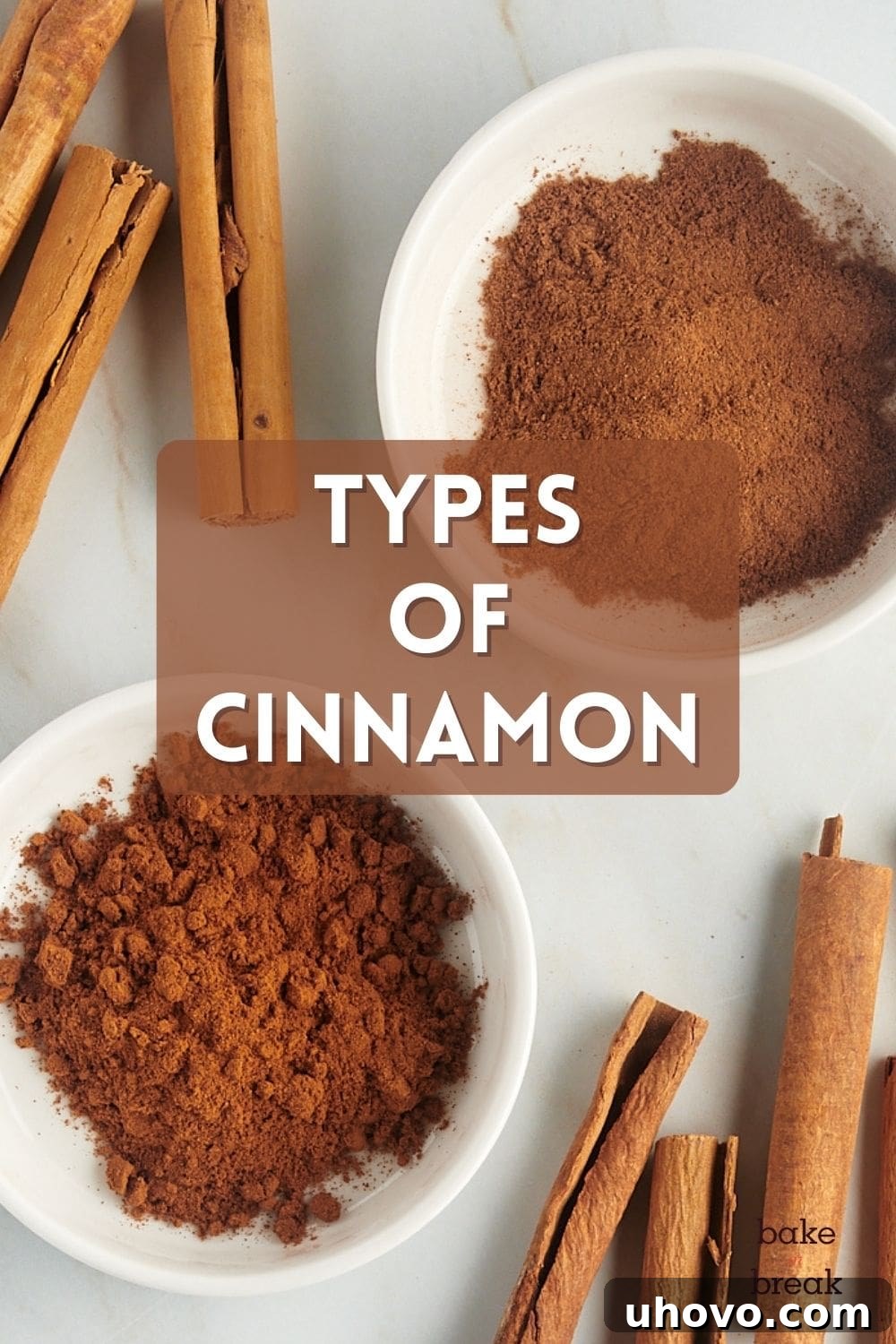
Bakers worldwide cherish cinnamon as a remarkably versatile spice, capable of infusing baked goods with an irresistible aroma and depth of flavor. This comprehensive guide will explore the diverse types of cinnamon available to home bakers, helping you understand their unique characteristics and empowering you to select the perfect variant for your next culinary creation.
What’s in This Guide
- Baking with Cinnamon: An Essential Spice
- Understanding Cinnamon: The Spice Unveiled
- Cinnamon Sticks: Whole Spice for Subtle Infusion
- How to Grind Cinnamon Sticks at Home
- Ground Cinnamon: Convenience in a Jar
- Exploring the Main Types of Cinnamon
- Cassia Cinnamon: The Bold and Pungent Choice
- Indonesian & Korintje Cinnamon: Potent and Popular
- Chinese Cinnamon: A Classic Cassia Variety
- Saigon (Vietnamese) Cinnamon: Intensely Aromatic
- Ceylon Cinnamon: The Sweet and Delicate “True” Spice
- What is “True Cinnamon”? Delving into its History
- Sri Lankan Cinnamon: The Quintessential Ceylon
- Seychelles Cinnamon: A Unique Island Flavor
- Storing Cinnamon for Maximum Freshness
- Delightful Cinnamon Recipes to Try
Baking with Cinnamon: An Essential Spice
Cinnamon, with its distinctive aroma and comforting warmth, stands as an indispensable ingredient in the world of baking. It possesses a unique ability to transform ordinary recipes into extraordinary culinary experiences, lending a touch of timeless deliciousness to everything it graces. From rustic apple pies to delicate coffee cakes, cinnamon doesn’t just add flavor; it enhances the overall sensory appeal, creating a sense of coziness and familiarity with every bite.
Its versatility extends beyond mere sweetness. Cinnamon expertly complements and elevates the flavors of other ingredients, bringing balance and depth. As a passionate baker, I understand that the choice of cinnamon can significantly impact the final outcome of your creations. Over the years, I’ve observed that many bakers develop a strong preference for particular types or brands of cinnamon. While I’ll offer guidance on when to use each variety, remember that personal taste is paramount. Don’t hesitate to experiment and discover which cinnamon truly sings in your favorite recipes.
Join me as we embark on a flavorful journey through the sweet and spicy realm of this beloved spice. We’ll uncover the nuances of each type, equipping you with the knowledge to elevate your baking endeavors to new, aromatic heights.
Understanding Cinnamon: The Spice Unveiled
Cinnamon is a fragrant, versatile spice extracted from the inner bark of various trees belonging to the Cinnamomum genus. Its captivating flavor profile—a harmonious blend of warm, sweet, and subtly spicy notes—along with its delightful aroma, has cemented its status as one of the world’s most cherished and widely used spices.
The history of cinnamon is as rich and ancient as its flavor, dating back thousands of years to ancient Egypt, China, and India. Valued for its medicinal properties and its use in religious ceremonies, cinnamon was once a commodity more precious than gold. Its distinct taste and captivating aroma have allowed it to seamlessly integrate into culinary traditions across diverse cultures, particularly in baking, where it imparts depth and character to a vast array of dishes.
Whether encountered as a finely ground powder or in its charming rolled form as cinnamon sticks, this spice has earned an indispensable place in kitchens globally. It continues to lend its unique charm, enriching countless recipes and connecting us to a timeless culinary heritage.
Cinnamon Sticks: Whole Spice for Subtle Infusion
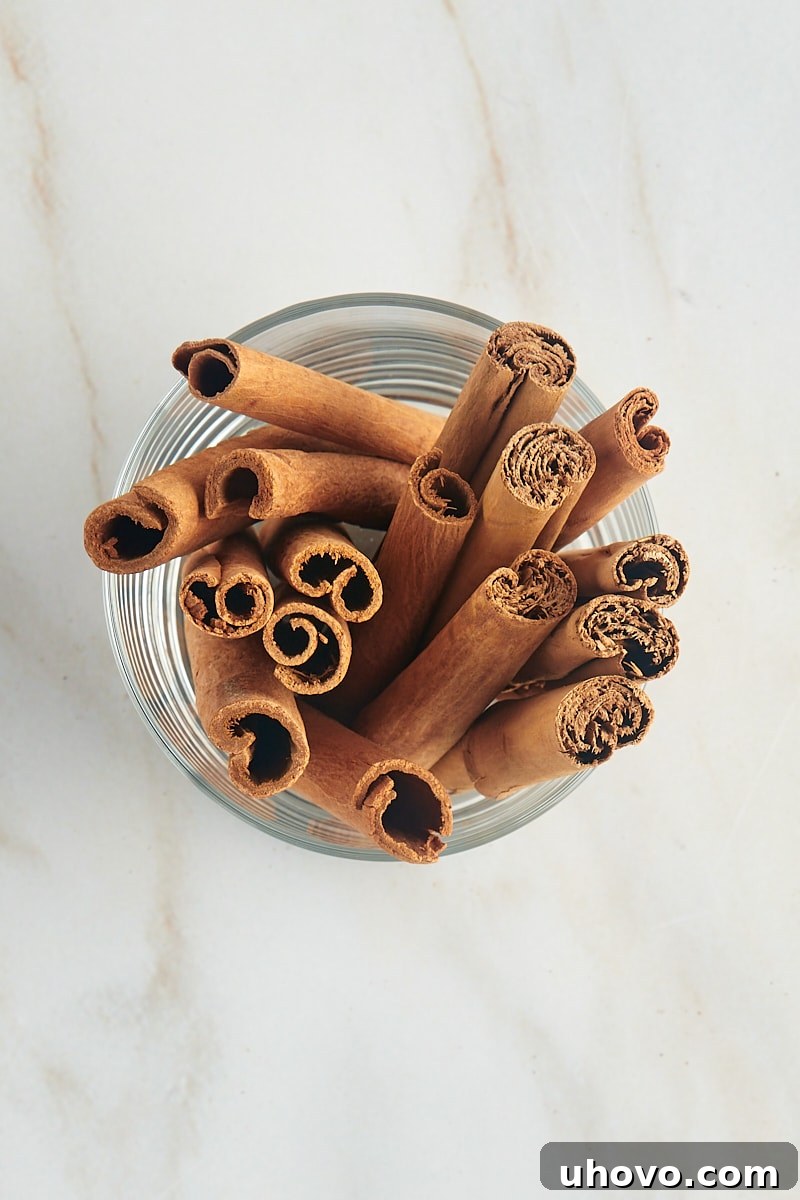
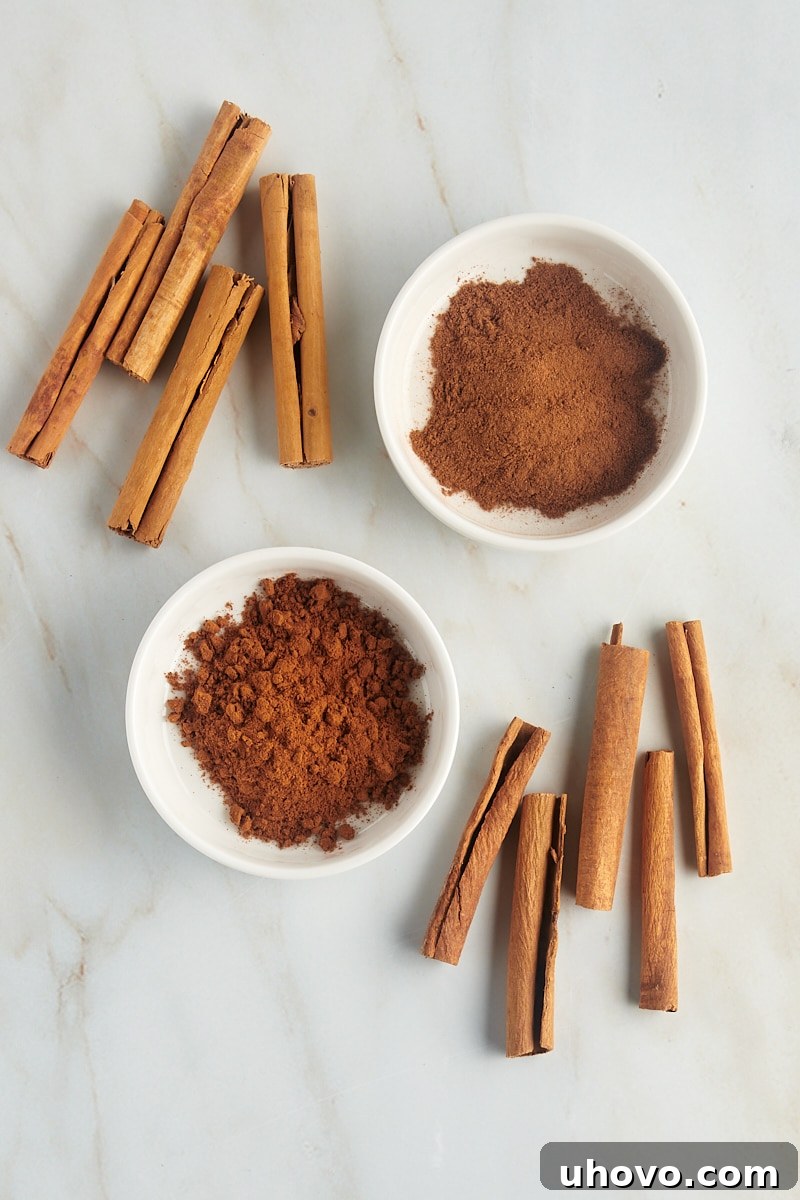
Cinnamon sticks, also known as quills, are elegantly rolled pieces of dried cinnamon bark, celebrated for their potent aromatic and flavorful qualities. These whole sticks offer a different dimension of cinnamon flavor compared to their ground counterpart, providing a more subtle and complex essence that gradually infuses into dishes.
Bakers frequently use cinnamon sticks to imbue liquids, such as milk, cream, or water, with a gentle cinnamon flavor. They are perfect for creating spiced syrups, poaching fruits, flavoring hot beverages like cider or tea, or adding depth to custards and puddings. The advantage of using sticks is the ability to easily remove them once the desired flavor intensity is achieved, preventing the gritty texture that ground cinnamon might introduce. This makes them especially handy in recipes where a milder, more delicate cinnamon presence is desired, or when visual appeal is important.
How to Grind Cinnamon Sticks at Home
Grinding your own cinnamon sticks into powder is an excellent way to experience the freshest, most potent cinnamon flavor, free from any additives or anti-caking agents often found in pre-ground spices. The vibrant aroma and robust taste of freshly ground cinnamon can genuinely elevate your baking.
To begin, break the cinnamon sticks into smaller, manageable pieces. Then, transfer these pieces into a dedicated spice grinder or a clean coffee grinder. Pulse or grind the pieces until they reach your desired consistency, ranging from a fine powder to a slightly coarser grind, depending on your recipe’s requirements and personal preference.
If you don’t have a spice grinder, a mortar and pestle can be used, though this method is considerably more labor-intensive and may not yield as fine or uniform a powder. While a grater (like a Microplane) can technically work, it’s generally less efficient due to the fibrous and somewhat sticky nature of cinnamon bark, and it won’t produce the fine, consistent texture achievable with a proper grinder.
Ground Cinnamon: Convenience in a Jar
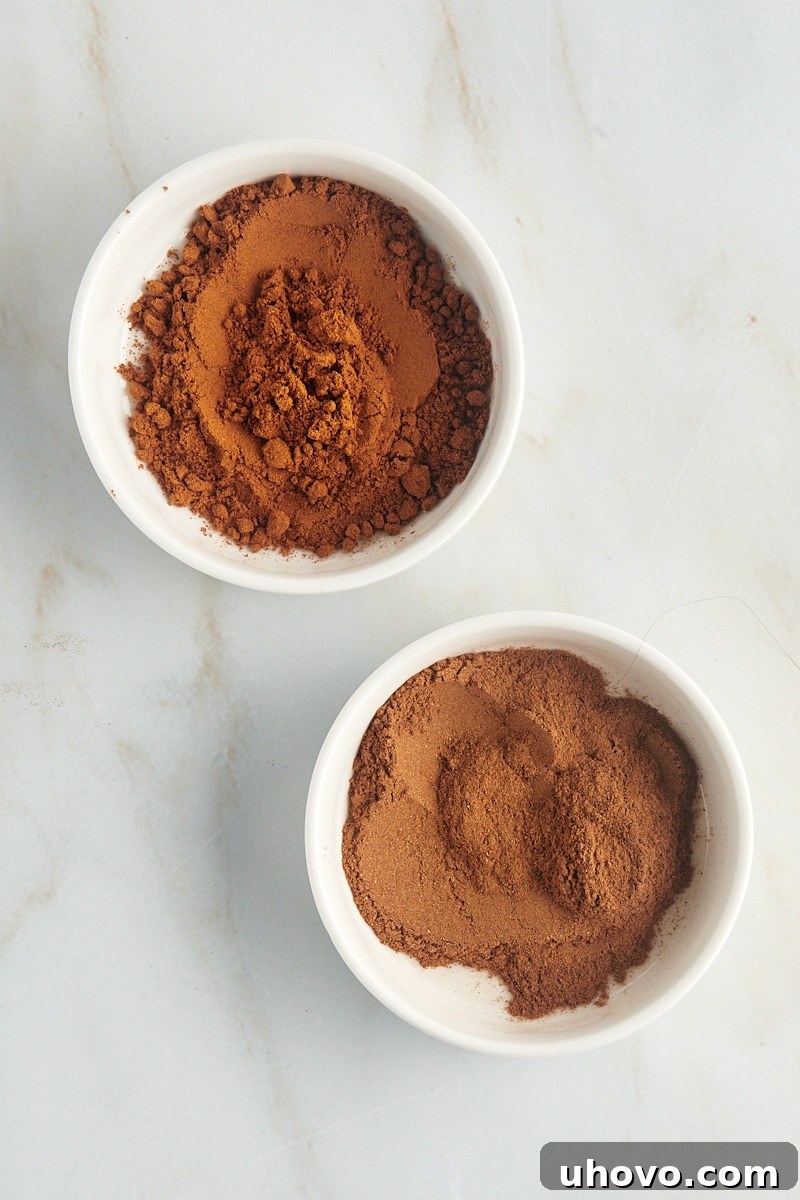
Ground cinnamon is the finely powdered form of cinnamon, widely recognized and a staple in most kitchen pantries. It is the most common and convenient form of cinnamon available, easily found in virtually every grocery store. Unlike cinnamon sticks, ground cinnamon requires no additional equipment or processing, making it incredibly simple to incorporate directly into your recipes.
Its fine texture blends seamlessly into batters, doughs, and fillings, ensuring even distribution of flavor throughout your baked goods. While freshly ground cinnamon from sticks offers superior aroma and potency, pre-ground cinnamon provides unparalleled ease of use, perfect for everyday baking when time is of the essence.
Exploring the Main Types of Cinnamon
For home bakers, the world of cinnamon primarily revolves around two major classifications: Cassia cinnamon and Ceylon cinnamon. While you might encounter various other names on spice labels, these generally represent regional subtypes or varieties within these two dominant categories. Each type boasts its own unique flavor profile, aroma, and even physical characteristics, offering bakers a spectrum of choices to perfectly complement their culinary creations. Understanding these distinctions is key to unlocking the full potential of this magnificent spice in your baking.
Let’s delve into the specifics of Cassia and Ceylon cinnamon, exploring what makes each one distinct and how to best utilize them in your kitchen.
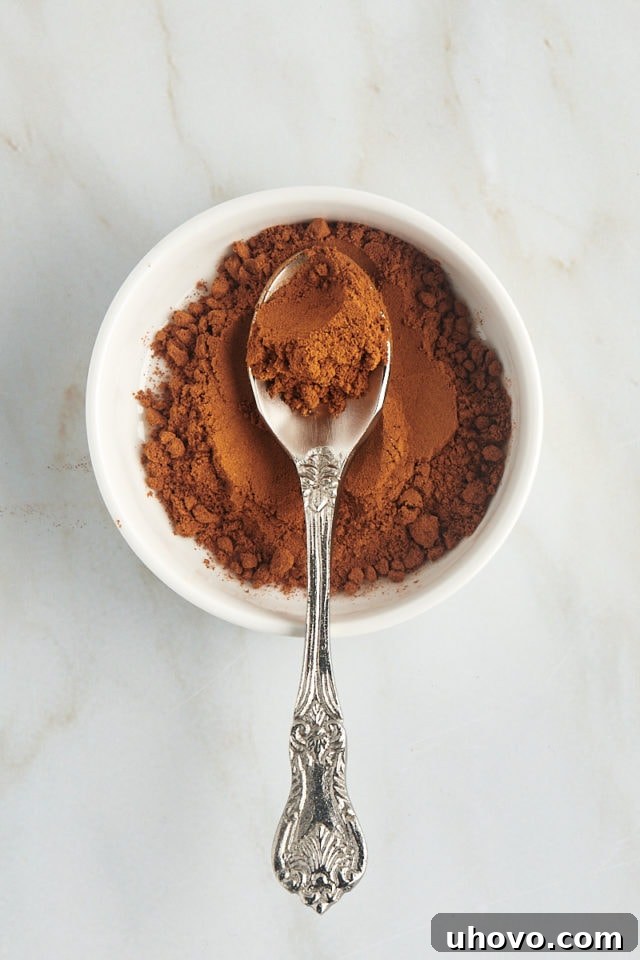
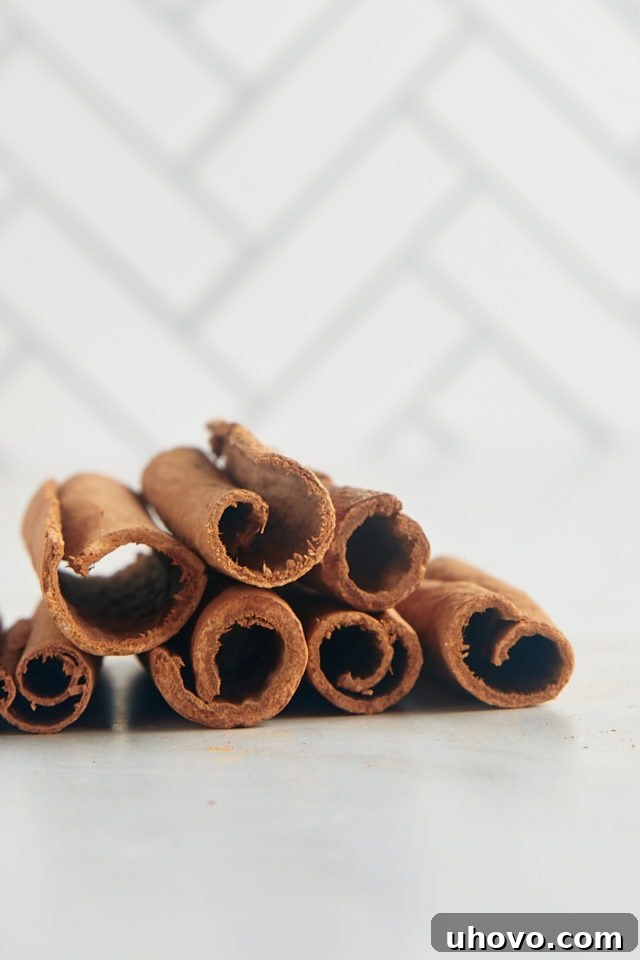
Cassia Cinnamon: The Bold and Pungent Choice
Cassia cinnamon is by far the most prevalent type you’ll encounter in North American and European grocery stores. Characterized by its reddish-brown to dark brown hue, it offers a strong, distinctly sweet, and often pungent flavor profile, sometimes with peppery or slightly bitter undertones. Cassia cinnamon sticks are typically rougher, thicker, and harder than Ceylon varieties, making them more challenging to grind into a fine powder at home.
This robust cinnamon is your go-to choice when you desire a bold and dominant cinnamon flavor in your baked goods. Its assertive taste stands up well to other strong flavors and high heat, making it ideal for recipes where cinnamon is meant to be a prominent star. Think classic cinnamon rolls, rich spiced cakes, warming apple crisps, and flavorful streusel toppings. Its strength ensures the cinnamon flavor truly shines through.
It’s worth noting that Cassia cinnamon contains higher levels of coumarin, a natural organic chemical compound. While generally safe in culinary quantities, excessive consumption might be a concern for some individuals. However, for typical baking applications, it remains a beloved and safe choice. Within the broader Cassia category, numerous regional and local variations exist, each presenting subtle differences in flavor and aromatic complexity.
Indonesian & Korintje Cinnamon: Potent and Popular
Indonesian Cassia is a globally recognized subtype, celebrated for its exceptionally strong and bold flavor. It’s frequently the variety used in commercial cinnamon products due to its consistent potency and pronounced aroma. The Korintje variety, specifically, is a highly prized Indonesian Cassia known for its particularly intense and classic cinnamon taste, making it a favorite for bakers seeking maximum flavor impact.
Chinese Cinnamon: A Classic Cassia Variety
China is a significant producer of Cassia cinnamon, and Chinese Cassia stands as one of the most common and historically important subtypes. While its flavor and appearance can vary, it is generally characterized by its strong, spicy, and somewhat less sweet taste compared to other Cassia varieties. It often presents a powerful aromatic punch, making it excellent for savory applications as well as robust baked goods.
Saigon (Vietnamese) Cinnamon: Intensely Aromatic
Saigon cinnamon, originating from Vietnam, is a highly esteemed subtype of Cassia renowned for its incredibly intense spiciness and exceptionally robust flavor. It boasts a higher oil content, contributing to its strong, vibrant aroma and slightly sweet, yet fiery, profile. Bakers who truly want their cinnamon flavor to pop often reach for Saigon cinnamon, especially in dishes where its boldness can be fully appreciated.
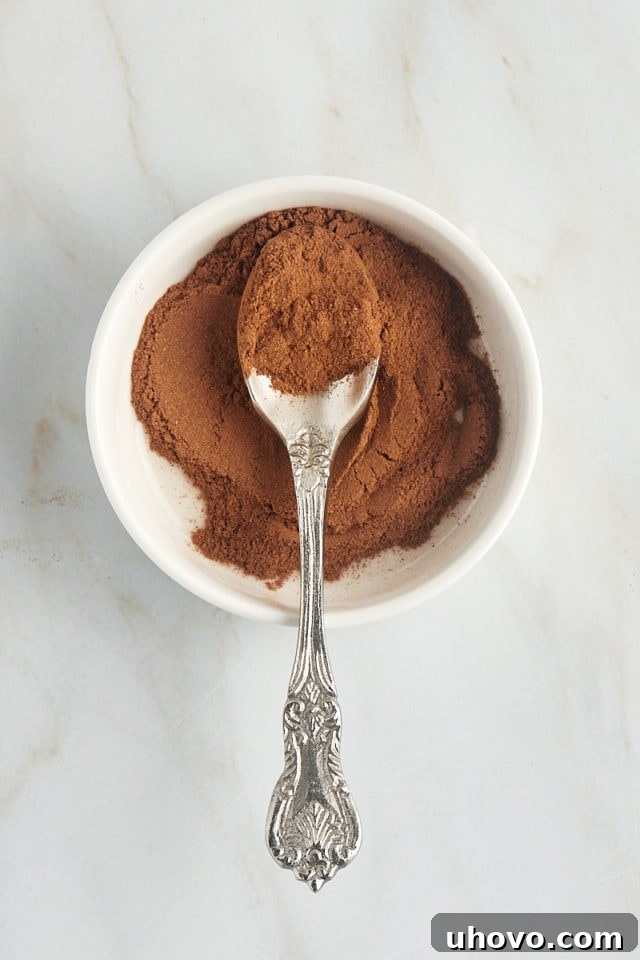
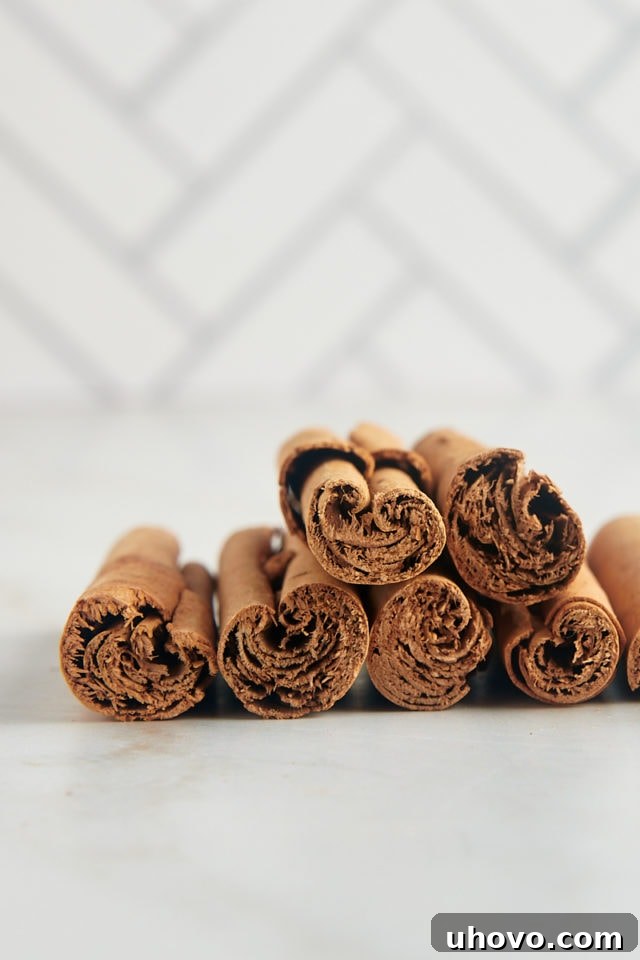
Ceylon Cinnamon: The Sweet and Delicate “True” Spice
Often hailed as “true cinnamon,” Ceylon cinnamon presents a distinct contrast to Cassia varieties with its milder, sweeter, and more nuanced flavor. It boasts subtle notes of citrus and floral undertones, offering a sophisticated aroma that is less aggressive and more fragrant. Visually, Ceylon cinnamon is also lighter in color, often appearing a delicate tan or slightly yellowish hue.
Its sticks are notably thinner, softer, and more brittle, forming multiple delicate layers when rolled. This makes Ceylon cinnamon sticks much easier to crumble by hand or grind into an incredibly fine, feathery powder, allowing for seamless integration into delicate recipes.
Choose Ceylon cinnamon when your goal is a sweeter, more subtle cinnamon taste that complements rather than dominates. It’s an excellent choice for delicate desserts like creamy custards, light fruit tarts, sugar cookies, or beverages where you desire a gentle hint of cinnamon without an overpowering punch. Its refined flavor profile makes it perfect for dishes where you want to highlight other delicate ingredients while adding a touch of warm spice.
What is “True Cinnamon”? Delving into its History
The moniker “true cinnamon” originates from its historical significance. Ceylon cinnamon was the first type of cinnamon introduced and widely traded in Europe when the spice initially made its way to the Western world. It quickly became highly prized for its sweet, delicate flavor and wonderfully pleasant aroma, distinguishing it from other varieties, particularly the bolder and spicier Cassia cinnamon, which emerged later in trade. Thus, “true cinnamon” became the term to differentiate this prized spice from its more robust counterparts.
While Ceylon cinnamon generally maintains a consistent flavor profile, variations can arise due to different growing conditions, soil types, and regional climates. These factors can subtly influence the aroma and taste of the spice, creating nuanced differences even within the Ceylon category. However, the overarching distinction remains: all types of Ceylon cinnamon are consistently milder, sweeter, and more complex than Cassia varieties.
Sri Lankan Cinnamon: The Quintessential Ceylon
This is the most common and widely recognized origin of Ceylon cinnamon, celebrated globally for its mild, sweet flavor and signature light color. Sri Lanka, formerly known as Ceylon, is the largest producer of this particular kind of cinnamon. Consequently, the terms “Sri Lankan cinnamon” and “Ceylon cinnamon” are often used interchangeably, directly reflecting its primary geographic origin and historical name.
Seychelles Cinnamon: A Unique Island Flavor
Cultivated in the beautiful Seychelles Islands, this subtype of Ceylon cinnamon is often noted for possessing a distinctive flavor and aroma that sets it apart from other varieties. While still maintaining the characteristic mildness and sweetness of Ceylon, it may offer unique undertones influenced by its unique island terroir, appealing to those seeking a slightly different aromatic experience.
Storing Cinnamon for Maximum Freshness
Cinnamon, whether in stick or ground form, is a delicate spice whose flavor and aroma can diminish significantly if not stored correctly. Proper storage is essential to preserve its freshness and potency, ensuring your baked goods always taste their best. Here are some detailed tips on how to store both cinnamon sticks and ground cinnamon:
- Keep in an airtight container: This is paramount for both forms of cinnamon. An airtight container prevents exposure to air, which is a primary culprit in degrading the spice’s essential oils and aroma. While not strictly required, an opaque container is preferable as it also blocks light.
- Store in a cool, dark, dry place: Light and heat are enemies of cinnamon. Exposure to these elements can rapidly break down its volatile compounds, leading to a loss of flavor and aroma. Your pantry or a cupboard away from the stove is an ideal spot. Avoiding moisture is also crucial to prevent clumping in ground cinnamon and mold growth on sticks.
- Do not refrigerate: Counterintuitively, the refrigerator is not suitable for storing cinnamon. The fluctuating moisture levels inside can cause cinnamon sticks to become moldy and ground cinnamon to clump, compromising its quality and potentially shortening its shelf life.
- Check expiration dates and shelf life: While spices don’t truly “spoil” in a way that makes them unsafe, they do lose their potency over time. Ground cinnamon generally has a shelf life of about 6 months to 1 year, after which its flavor significantly fades. Whole cinnamon sticks, being less exposed to air, can last longer, typically 2 to 3 years. Always check the best-by date on packaged cinnamon.
- Test for freshness: The most reliable indicator of cinnamon’s freshness is its aroma. Take a small pinch of ground cinnamon and rub it between your fingers; a strong, sweet, and spicy scent indicates it’s still potent. For a cinnamon stick, gently break it or scratch its surface to release its fragrance. If there’s a vibrant, aromatic scent, it’s likely still fresh. If the scent is faint or absent, it’s time to replace it. Tasting can also indicate freshness, but some may find the raw spice too intense.
Delightful Cinnamon Recipes to Try
Now that you’re well-versed in the different types of cinnamon and their optimal uses, it’s time to put your newfound knowledge to practice! Experiment with these delicious recipes that prominently feature cinnamon, selecting the variety that best suits your desired flavor profile. Happy baking!
- Biscuit Cinnamon Rolls
- Cinnamon Sugar Cookie Squares
- Cinnamon Pudding Cake
- Brown Butter Snickerdoodles
- Cinnamon Sugar Snack Cake
- Apple Spice Cake with Cinnamon Cream Cheese Frosting
- Cinnamon Roll Cake
- Cinnamon Swirl Bread
- Classic Crumb Cake
- Cinnamon Bun Scones
- Apple Cinnamon Muffins
More Ingredient Guides
Bake or Break is a participant in the Amazon Services LLC Associates Program, an affiliate advertising program designed to provide a means for us to earn fees by linking to Amazon.com and affiliated sites.