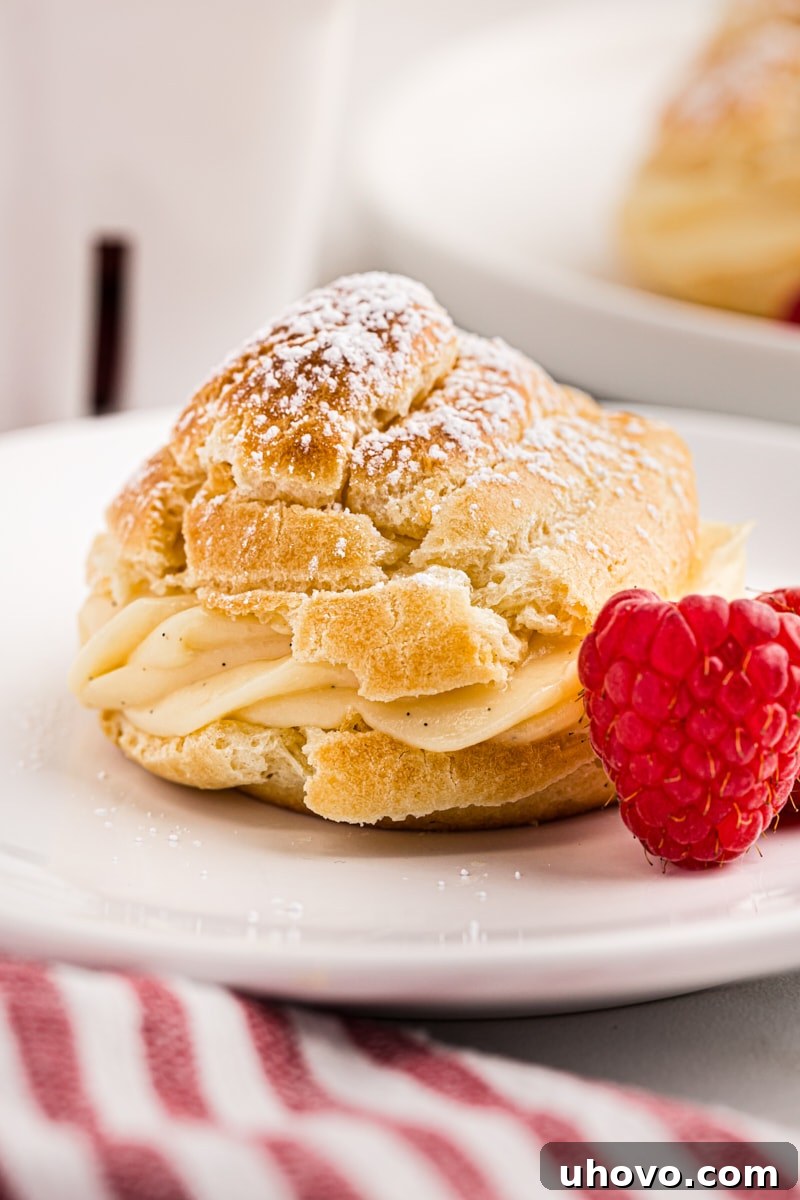
Cream puffs are a culinary delight, offering an irresistible blend of textures and flavors. Imagine biting into a delicate, crispy golden shell that yields to an ethereal, creamy filling. These elegant treats, known as choux à la crème in France, transform simple ingredients into a sophisticated dessert that’s perfect for any occasion. Whether you’re an experienced baker or new to the kitchen, this comprehensive guide will walk you through crafting cream puffs that are sure to impress and satisfy every sweet tooth.
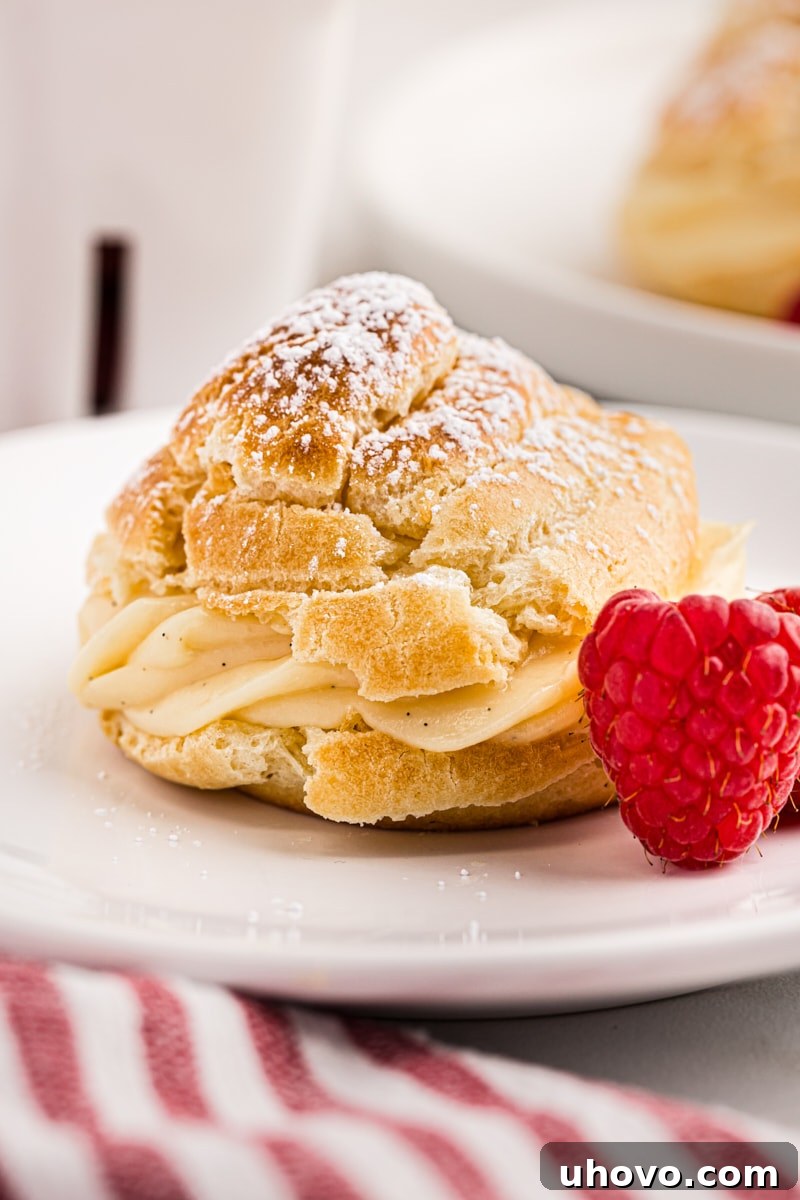
Cream puffs are truly little bites of heaven, celebrated for their exquisite contrast: a remarkably crispy exterior enveloping a luxuriously soft and smooth cream filling. At the heart of a perfect cream puff lies pâte à choux, a versatile, light pastry dough that miraculously puffs up in the oven to create hollow shells. These golden beauties are then filled with a rich, silky pastry cream, often enhanced with vanilla. A dusting of powdered sugar adds the final elegant touch, making them as visually appealing as they are incredibly delicious. This recipe simplifies the art of making cream puffs, making it accessible for home bakers to achieve professional-level results every time.
Why You’ll Love This Cream Puffs Recipe
- Effortless Elegance: This recipe masterfully transforms basic kitchen staples into an undeniably elegant dessert. It’s the kind of treat that looks incredibly sophisticated, making it ideal for special gatherings, yet the process is surprisingly straightforward, allowing even novice bakers to shine.
- Textural Harmony: Experience the ultimate delight of a perfectly balanced bite. The golden, crispy exterior shell provides a satisfying crunch, which then gives way to a cloud-like, luscious cream filling. This delightful interplay of textures creates an unforgettable sensory experience.
- Unleash Your Creativity: While the classic vanilla cream filling is a timeless favorite, this recipe serves as a fantastic canvas for your culinary imagination. Feel free to experiment with various flavor profiles for the cream, incorporate fresh fruits, or explore different toppings. Whether you prefer a simple dusting of powdered sugar or a decadent drizzle of rich chocolate, these cream puffs are endlessly customizable to suit your taste and occasion.
- Universal Appeal: There’s a universal charm to cream puffs that transcends palates and preferences. They are impressive enough to captivate seasoned bakers with their delicate structure and rich flavor, yet the recipe is forgiving enough for beginners to achieve success. Prepare to fall in love with the magic of baking and devouring these delightful pastries. Serve them to elevate a special occasion like Valentine’s Day or an anniversary celebration, or simply let them transform an ordinary afternoon into something extraordinary.
Want to save this recipe?
Enter your email and we’ll send it to your inbox. Plus, you’ll get more of our best recipes!
By entering your email, you consent to receiving emails from Bake or Break. You can unsubscribe at any time.
(Note: This is a placeholder for a subscription form. Actual form functionality would require JavaScript and backend integration.)
Essential Ingredients for Perfect Cream Puffs
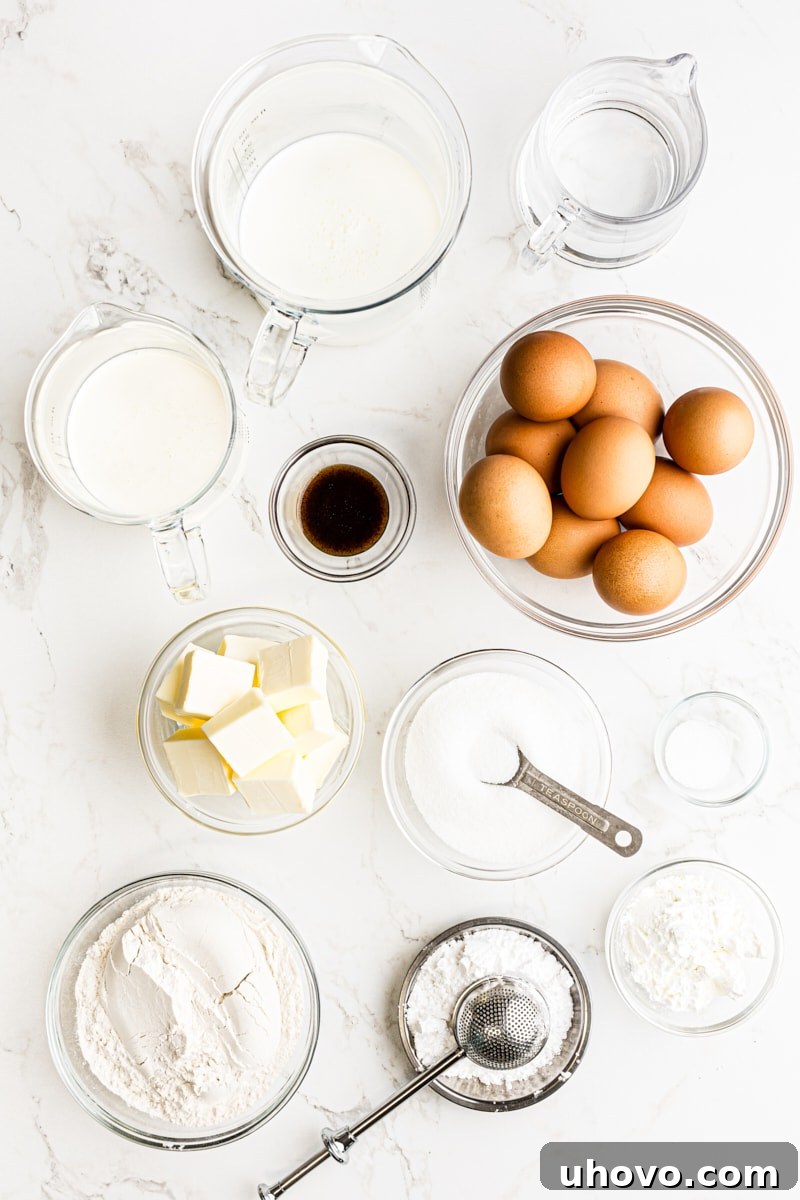
Crafting these delectable cream puffs requires a few key ingredients for both the delicate pastry shells and the rich, creamy filling. Refer to the recipe card below for precise quantities and full instructions. Here are some detailed notes about the ingredients:
- Milk: For an optimal creamy flavor and velvety texture in both the pastry and the filling, whole milk is highly recommended. Its fat content contributes significantly to richness.
- Water: Combined with milk, water helps create the ideal moisture balance for the pâte à choux, promoting lightness and crispiness.
- Unsalted Butter: You’ll need butter for both components. For the pastry, it creates the tender structure, and for the filling, it adds richness and a smooth finish. Always cut the butter into small cubes; this facilitates even melting and seamless incorporation into your mixtures.
- Sugar: A touch of granulated sugar in the pastry dough provides a hint of sweetness and aids in browning, but the majority of the sweetness will come from the luscious cream filling.
- Salt: Essential for balancing the flavors and enhancing the overall taste, salt is a crucial ingredient in both sweet and savory baking.
- All-Purpose Flour: The foundation of your pâte à choux. For the most consistent and accurate results, measuring flour by weight is always preferred. If a scale isn’t available, use the ‘spoon and sweep’ method: lightly spoon the flour into your measuring cup and then level it off with a straight edge. Sifting the flour beforehand is highly recommended to prevent lumps and ensure an airy texture in your pastry. If not weighing, sift after measuring. Learn more about How to Measure Flour.
- Eggs: Cream puffs are egg-intensive! Whole large eggs are vital for the pâte à choux, providing structure and helping the pastry puff up. For the filling, you’ll need just the egg yolks, which contribute to its rich color, flavor, and thickening properties. If you’re looking for ways to use leftover egg whites, consider making a batch of delightful coconut macaroons or hazelnut macaroons, or simply freeze them for future baking endeavors.
- Heavy Cream: Also known as heavy whipping cream, this ingredient is crucial for achieving a luxurious, creamy consistency in your pastry cream. Its high fat content results in a richer, more indulgent filling.
- Cornstarch: This acts as a reliable thickening agent for the pastry cream, ensuring it sets beautifully without being overly dense.
- Vanilla Bean Paste: For a truly gourmet flavor, vanilla bean paste offers concentrated vanilla essence with visible flecks of vanilla bean. It provides a deeper, more aromatic vanilla profile than extract. However, an equal amount of high-quality vanilla extract can be substituted if preferred.
- Confectioners’ Sugar: Also known as powdered sugar, this finely milled sugar is perfect for dusting over the assembled cream puffs just before serving, adding a final touch of sweetness and elegance.
Mastering the Art of Homemade Cream Puffs
If the idea of making homemade cream puffs seems daunting, set your worries aside! You’ll discover that these delightful pastries are surprisingly simple to create and are guaranteed to leave a lasting impression. Follow these detailed steps to achieve perfect cream puffs:
Crafting the Fluffy Choux Pastries
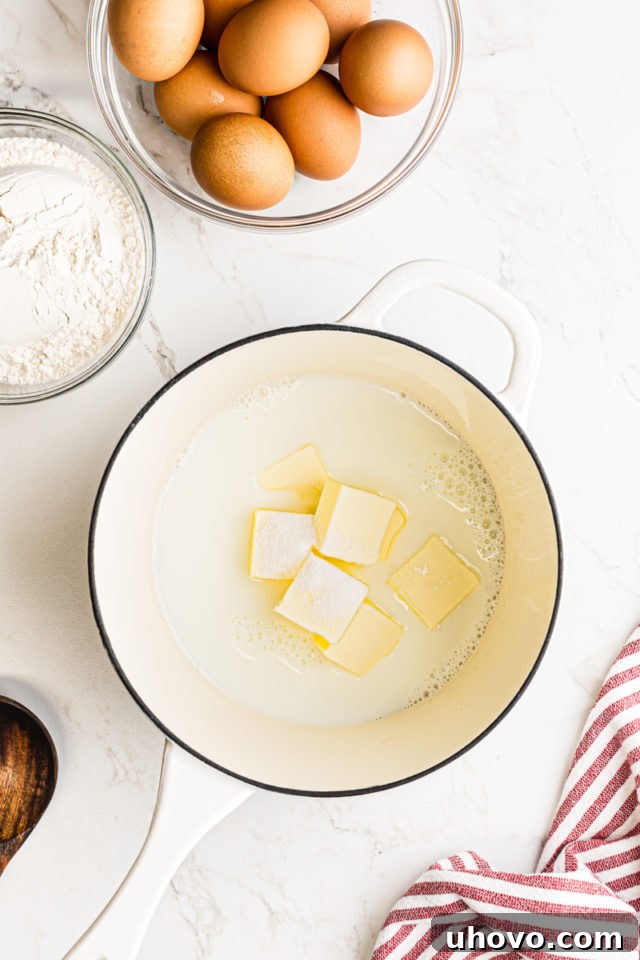
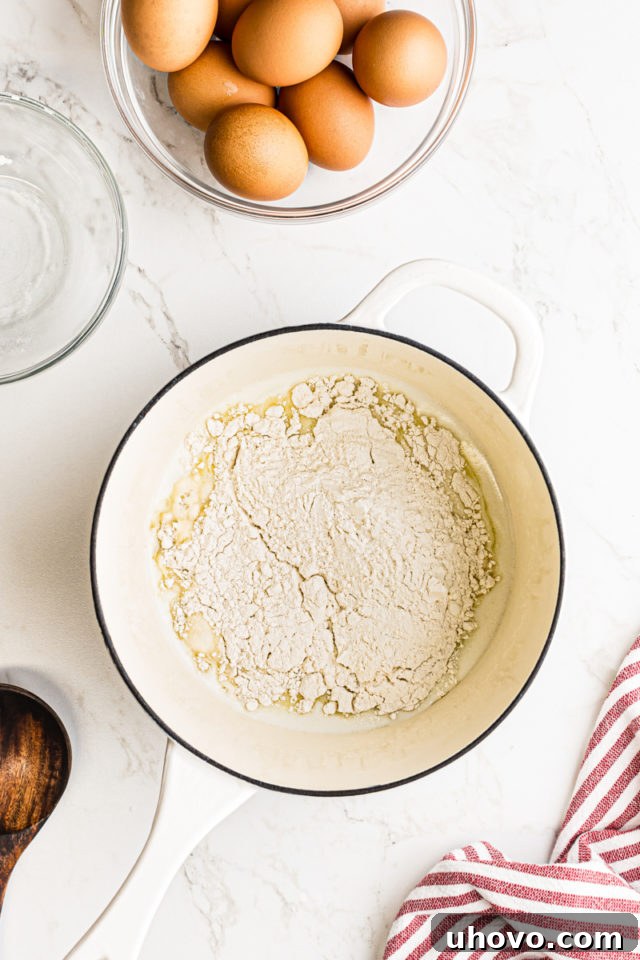
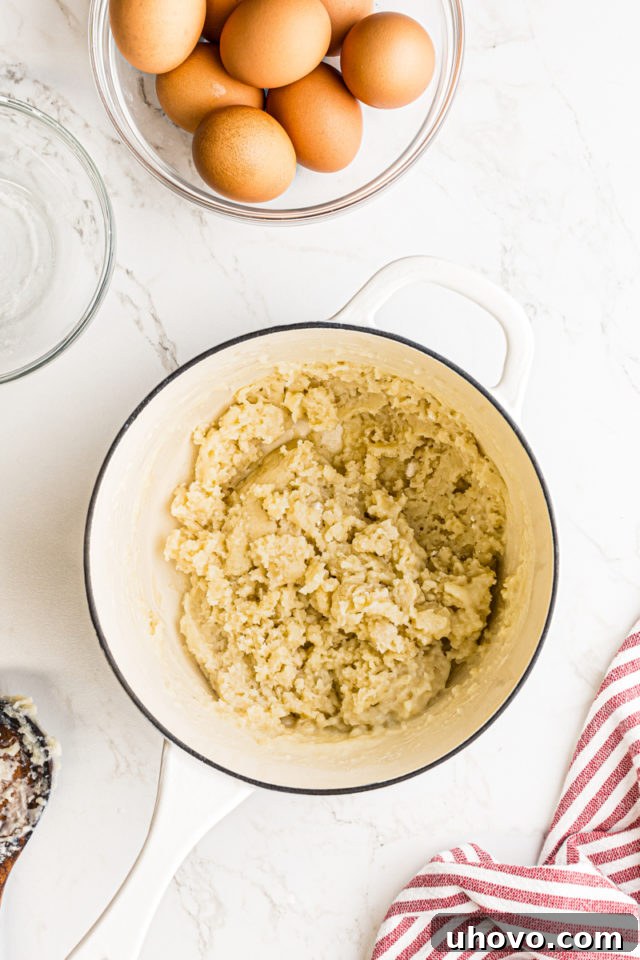
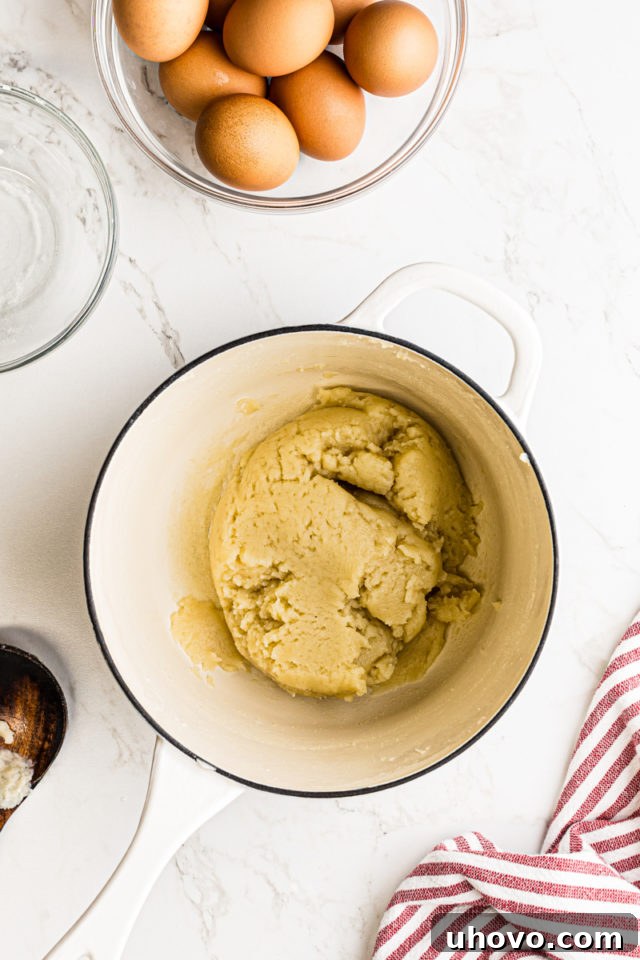
- Preheat and Prepare: Begin by preheating your oven to a precise 400°F (200°C). This high initial temperature is crucial for the rapid steam generation that causes the choux pastry to puff. Line two or three baking sheets with high-quality silicone liners or parchment paper. The number of pans needed will depend on how generously you space your pastries. Proper spacing allows for even heat distribution and prevents them from sticking together.
- Combine Wet Ingredients: In a medium-sized saucepan, combine the milk, water, cubed unsalted butter, granulated sugar, and salt. Place the saucepan over medium heat, stirring occasionally, and bring the mixture to a gentle, rolling boil. As soon as it reaches this point, promptly remove the pan from the heat to prevent excessive evaporation.
- Incorporate Flour and Cook the Dough: Add all of the sifted all-purpose flour into the hot wet ingredients at once. Stir vigorously with a wooden spoon until the flour is fully incorporated and a cohesive ball of dough forms. Return the pan to medium heat and continue to cook the dough for an additional 2 minutes, stirring constantly. This crucial step, known as ‘drying out’ the dough, helps evaporate excess moisture, creating a stronger structure for the puffs. You’ll notice a thin film forming at the bottom of the pan, indicating it’s ready.
- Cool the Dough: Immediately transfer the hot dough ball to a heat-resistant mixing bowl. Using a hand mixer on low speed, mix the dough for approximately 1 minute. This action helps to release steam and cool the dough sufficiently before adding the eggs, preventing them from scrambling.
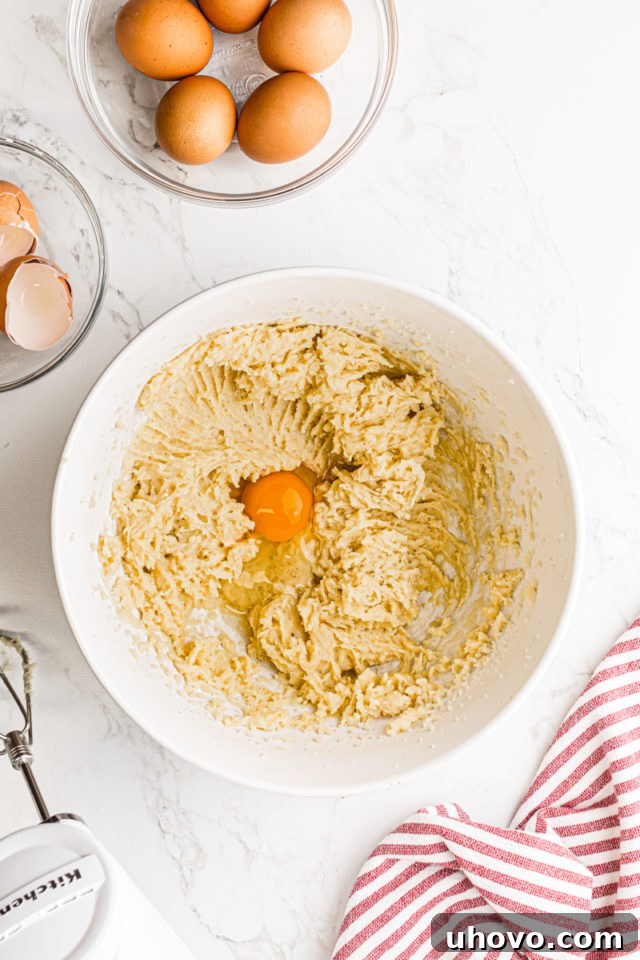
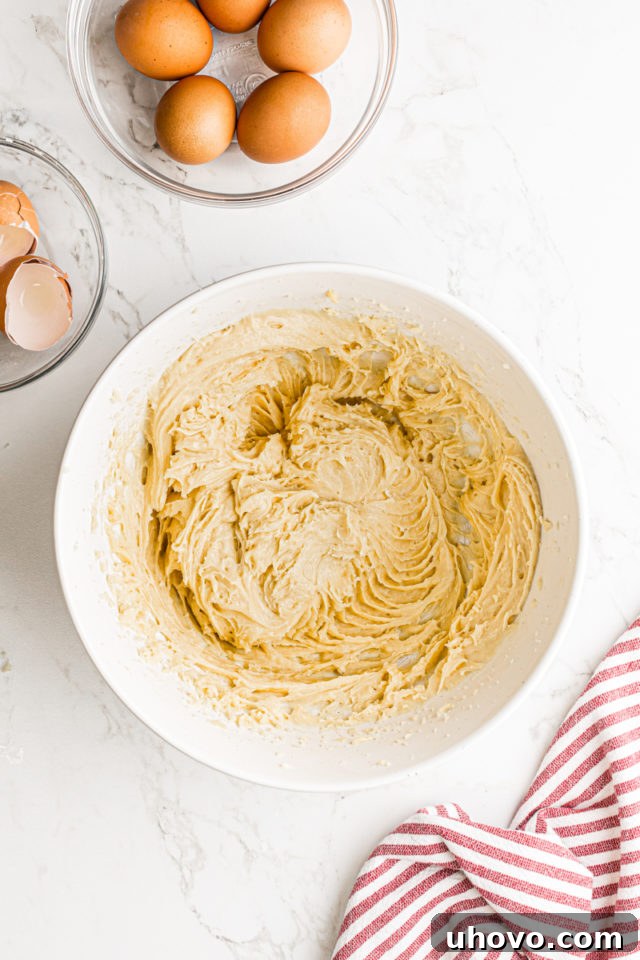
- Gradually Add Eggs: Begin adding the large eggs, one at a time, mixing thoroughly after each addition until fully incorporated. The dough may appear curdled or separated initially, but continue mixing until it comes back together into a smooth, glossy consistency. The final dough should be thick enough to hold its shape, yet still pipeable – it should form a “V” or “ribbon” when lifted with the mixer beater.
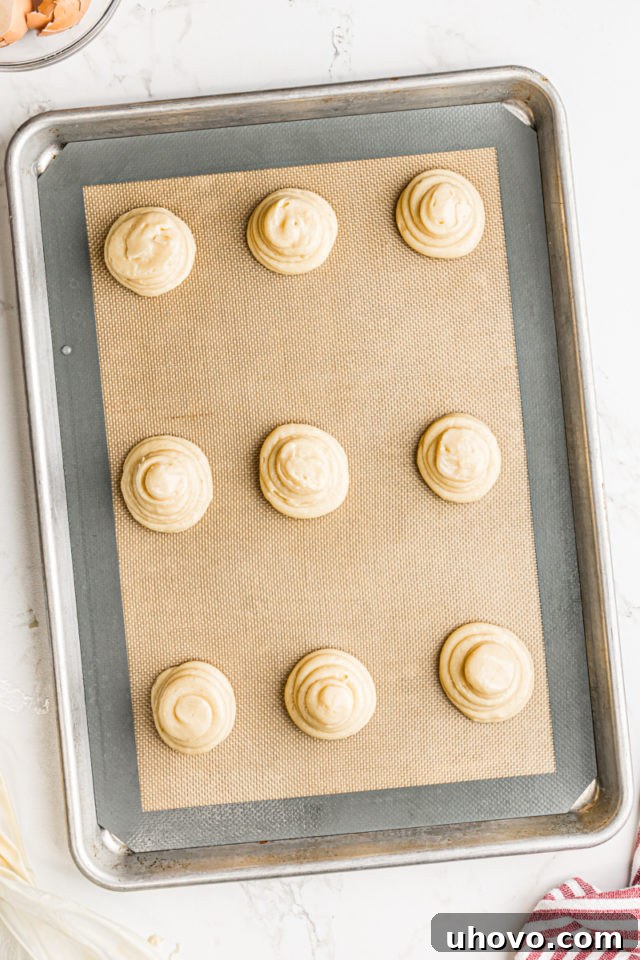
- Form the Cream Puffs: Transfer the prepared pâte à choux dough into a piping bag fitted with a large round open tip (such as a Wilton 1A). Pipe uniform mounds of dough onto your prepared baking sheets, leaving ample space (about 2 inches) between each pastry to allow for significant expansion. Aim for each cream puff to be roughly 2 inches in diameter. To ensure even baking and prevent sharp peaks from burning, lightly dampen your fingertips with water and gently press down any peaks on top of each piped pastry.
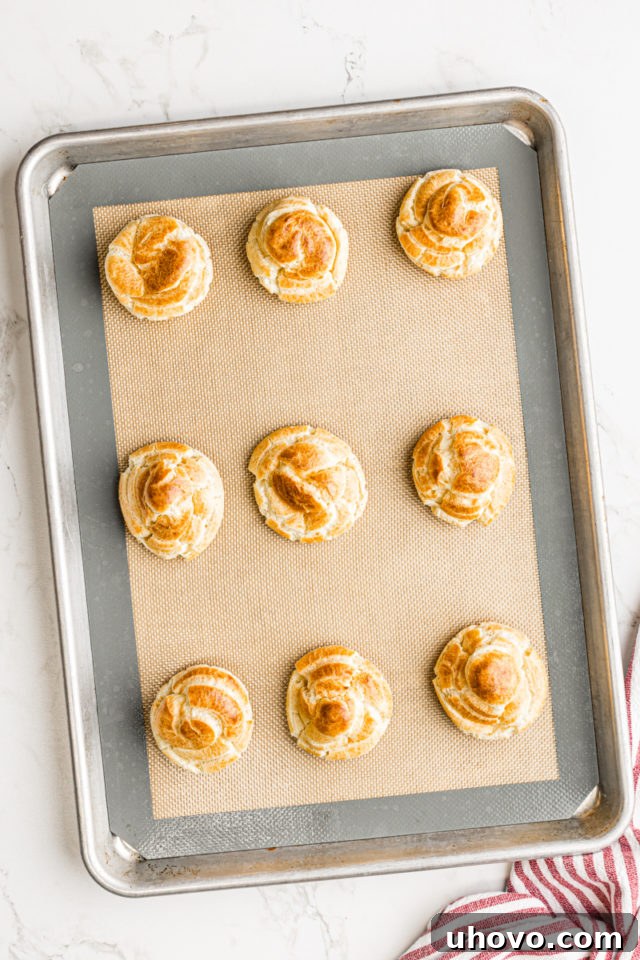
- Bake to Golden Perfection: Place one baking pan at a time into the preheated 400°F oven. Bake for 15 to 18 minutes. During this initial phase, the high heat creates steam inside the dough, causing the puffs to rise dramatically. After this period, lower the oven temperature to 350°F (175°C) and continue baking for another 10-15 minutes, or until the pastries are beautifully golden brown and feel light and hollow when gently tapped. This lower temperature helps to dry out the interior, preventing deflation.
- Cool Completely: Once baked, turn off the oven, crack the oven door slightly, and allow the pastries to cool inside for an additional 15 minutes. This slow cooling process helps to further set their structure and prevent them from collapsing. After this, transfer the pastries to wire racks and let them cool completely at room temperature before attempting to fill them. This step is crucial for maintaining their crispness.
Preparing the Decadent Filling and Assembling Your Cream Puffs
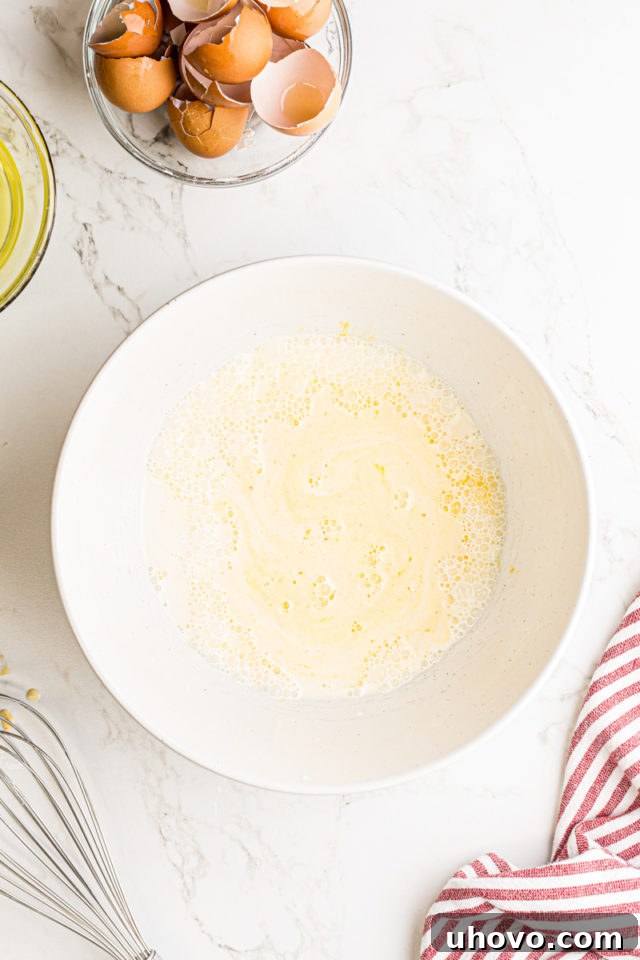
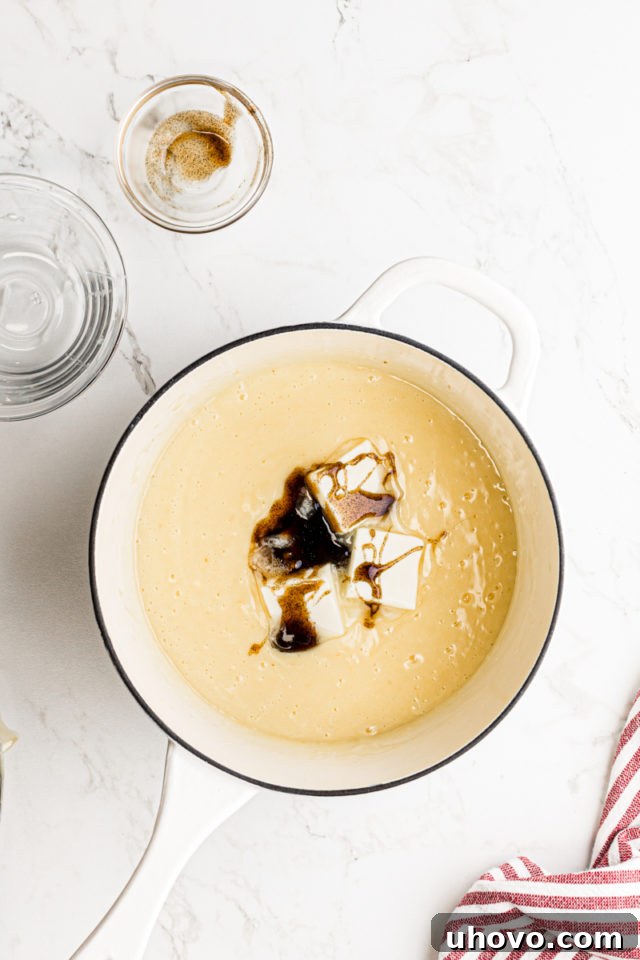
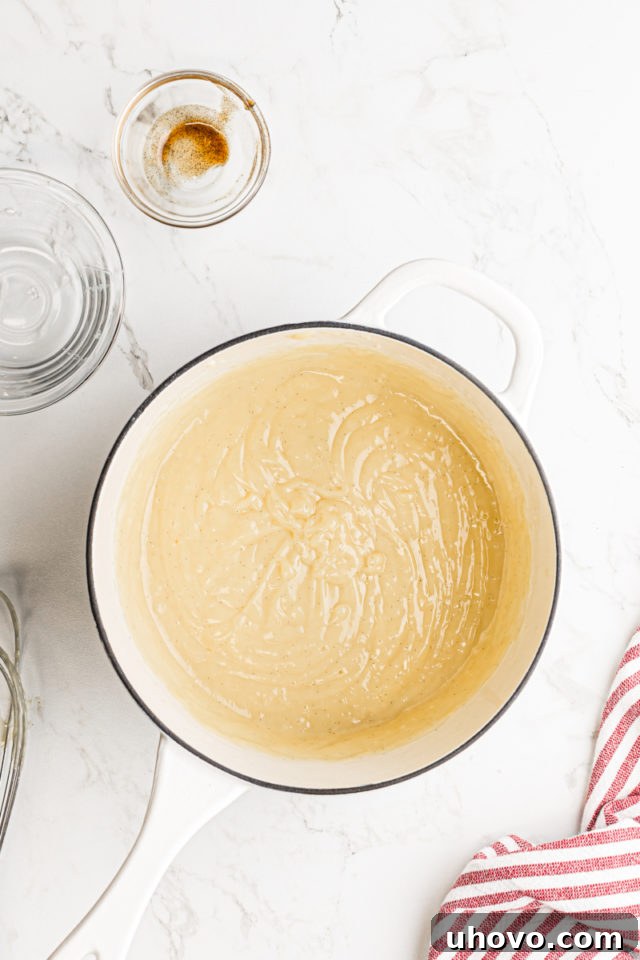
- Prepare the Liquid Base: In a separate mixing bowl, whisk together the whole milk, heavy cream, and egg yolks until they are fully combined and uniformly colored. Set this mixture aside.
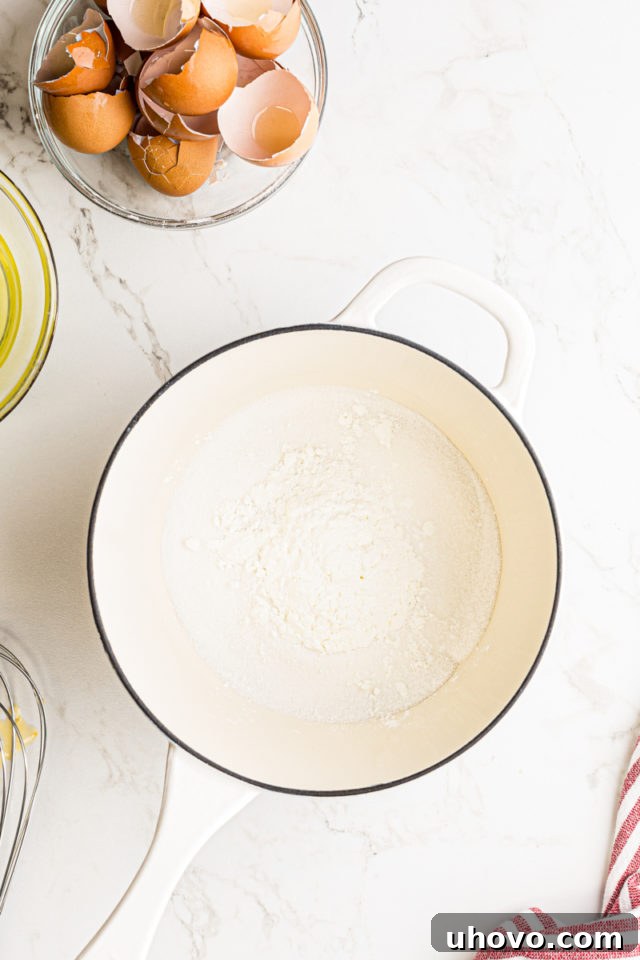
- Combine Dry Ingredients: In a medium saucepan (the same one used for the pastry works perfectly if cleaned), stir together the granulated sugar, salt, and cornstarch. This helps to distribute the cornstarch evenly and prevent lumps when liquids are added.
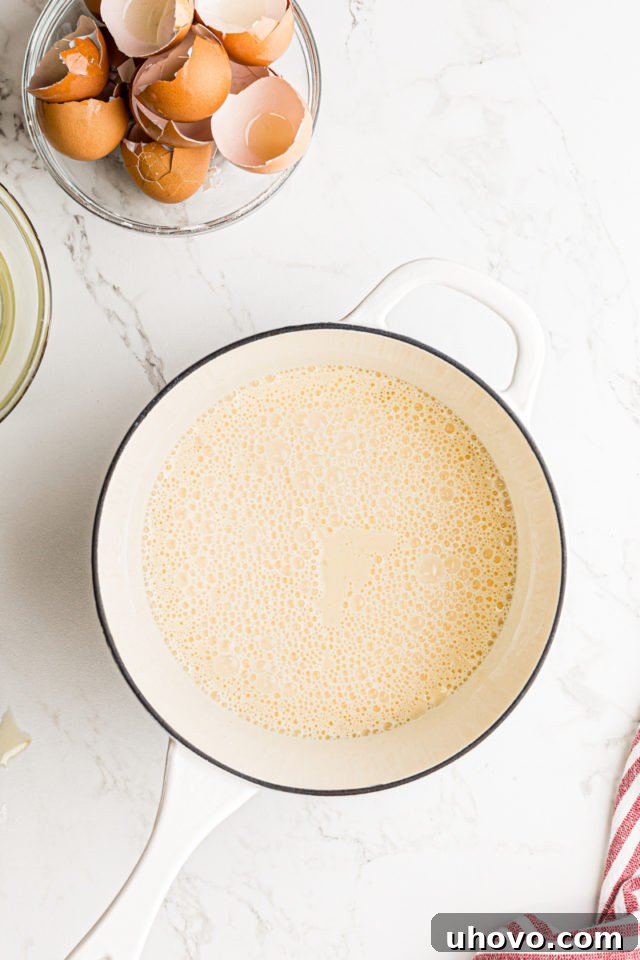
- Cook the Cream: Gradually add the whisked egg mixture to the saucepan with the dry ingredients, stirring continuously to ensure everything is well incorporated. Place the saucepan over medium heat and, very importantly, whisk constantly. This continuous whisking prevents the egg yolks from scrambling and ensures a smooth, lump-free cream. Continue cooking and whisking until the mixture visibly thickens to a pudding-like consistency and coats the back of a spoon thickly. It should just reach a gentle boil.
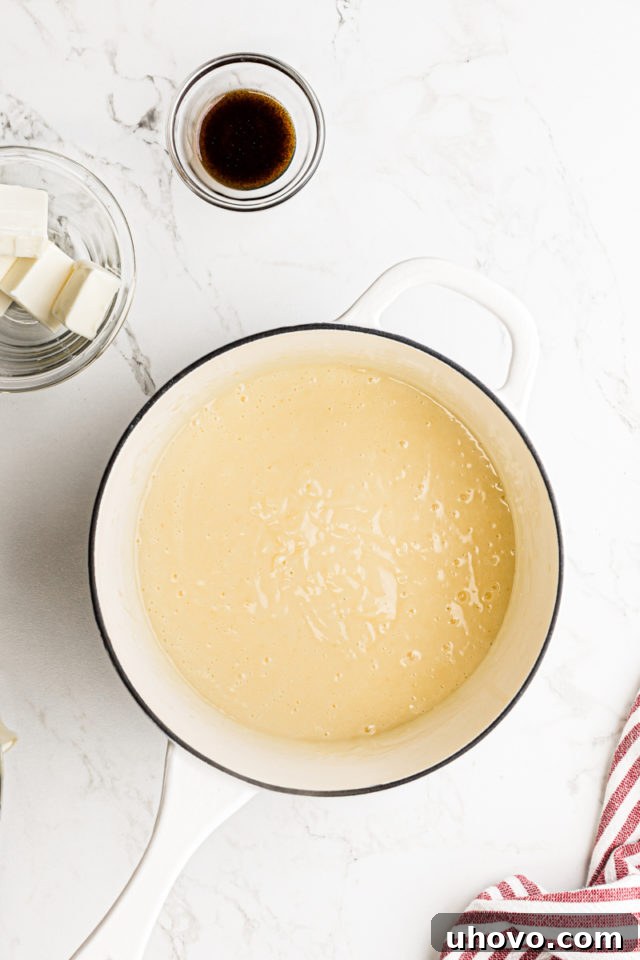
- Finish and Flavor: Remove the pan from the heat immediately. Add the cubed unsalted butter and vanilla bean paste (or vanilla extract). Stir vigorously until the butter has completely melted and is fully incorporated, making the cream filling incredibly smooth and glossy.
- Chill Thoroughly: Transfer the warm cream filling to a clean bowl. To prevent a skin from forming on top, place a sheet of plastic wrap directly onto the surface of the cream, ensuring it touches every part. Refrigerate for at least 1 hour, or until thoroughly chilled and set. Once cold, transfer the cream to a pastry bag fitted with a large star tip for beautiful presentation.
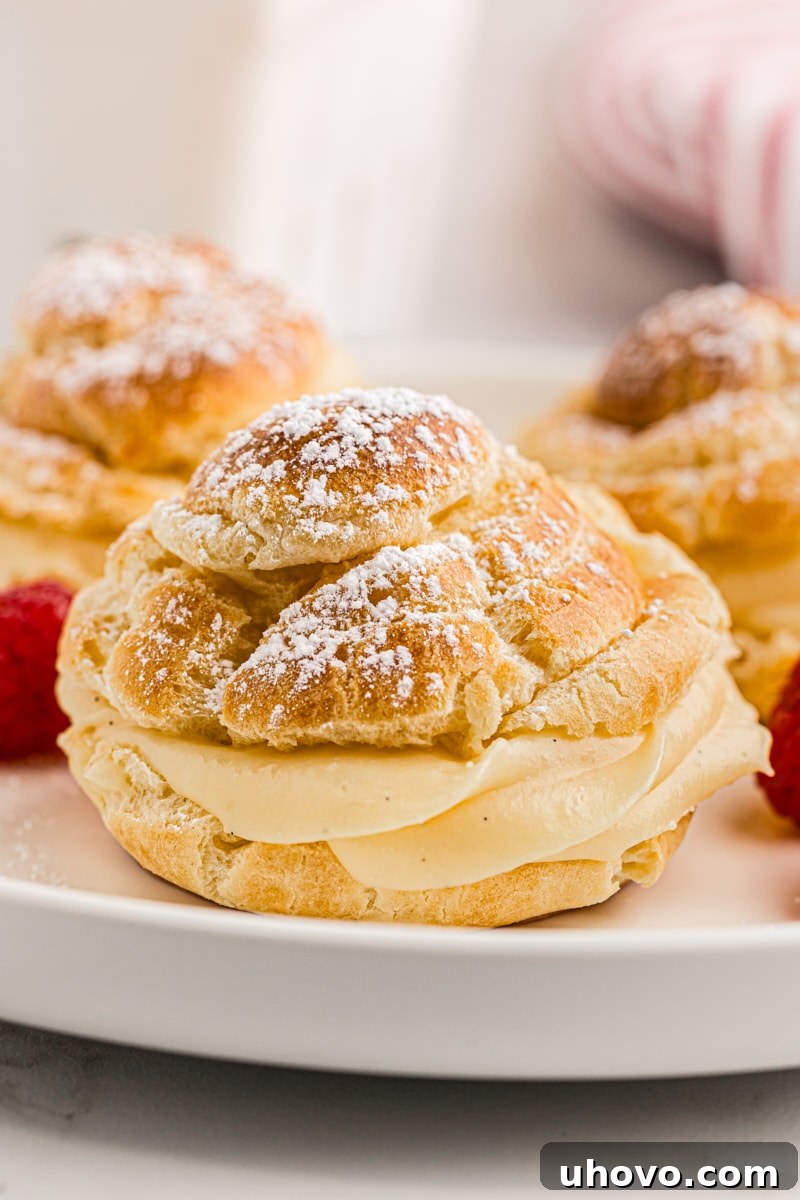
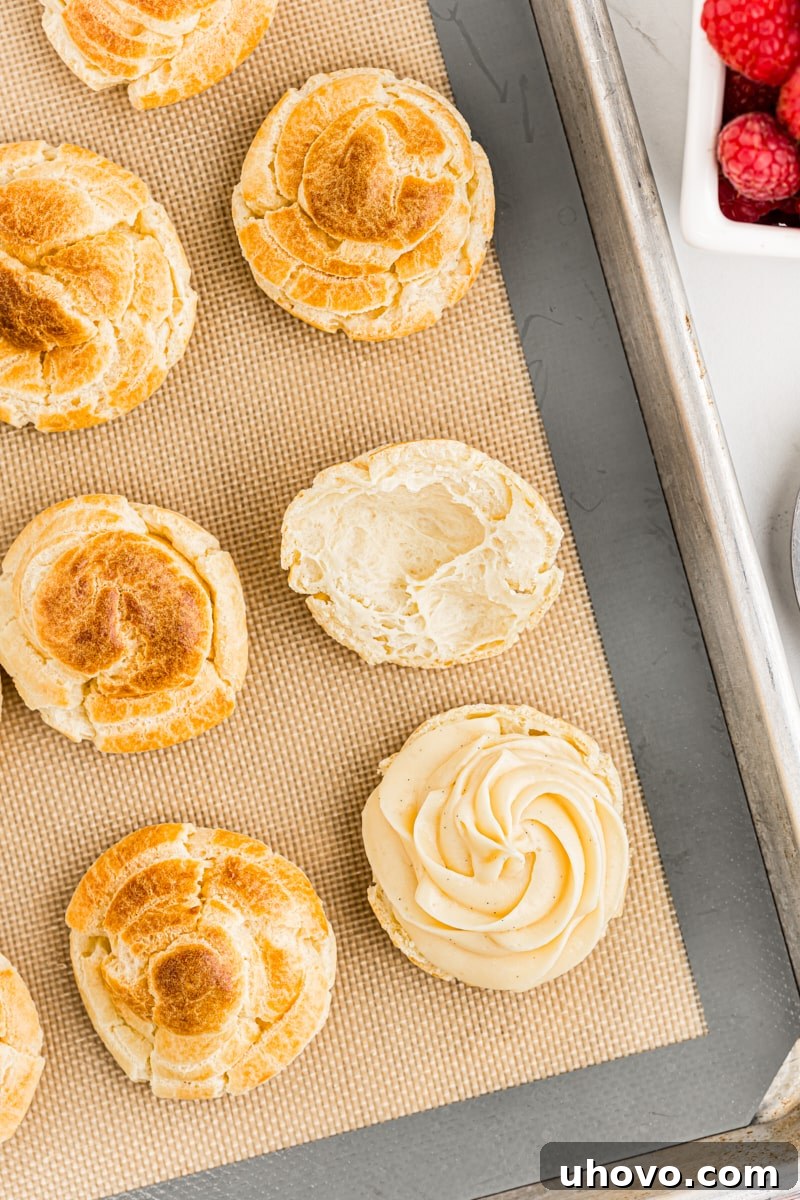
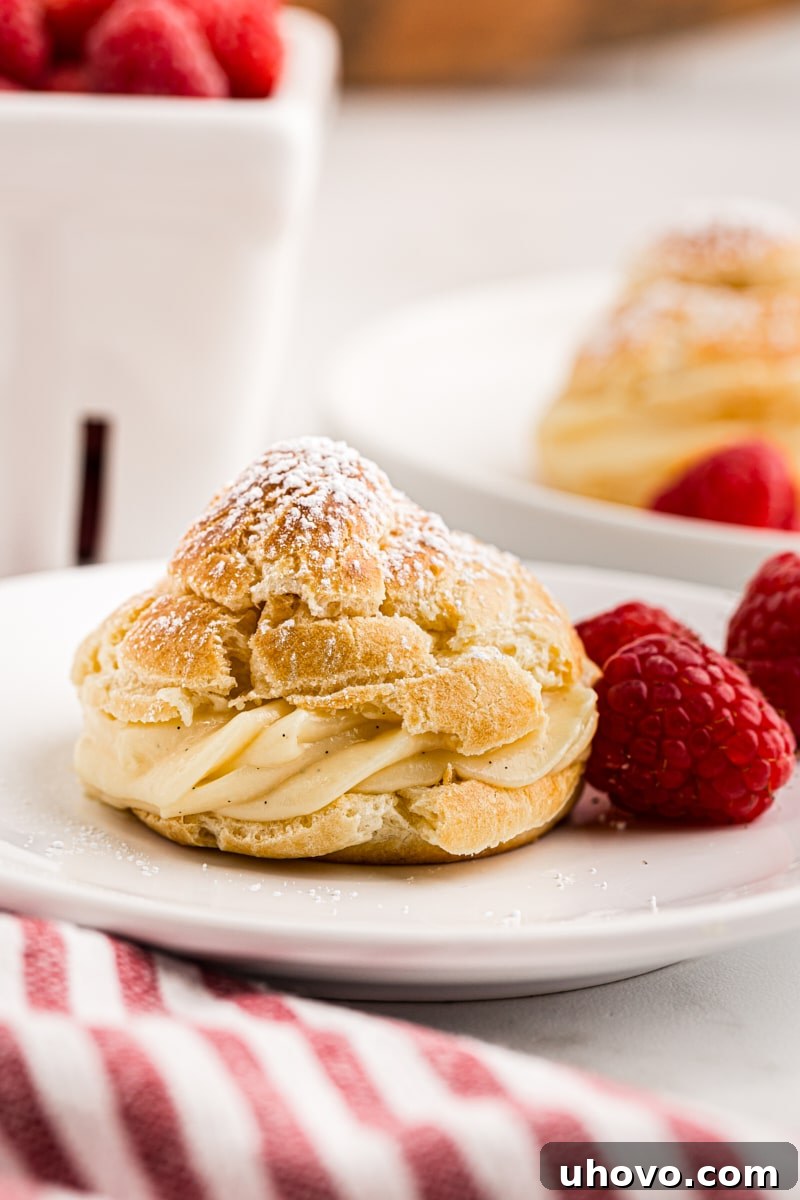
- Assemble the Masterpiece: Using a sharp serrated knife, carefully slice each cooled choux pastry shell in half horizontally. Take your pastry bag filled with chilled cream and pipe a generous amount of filling onto the bottom half of each pastry. Gently place the top half of the pastry shell back on top of the cream.
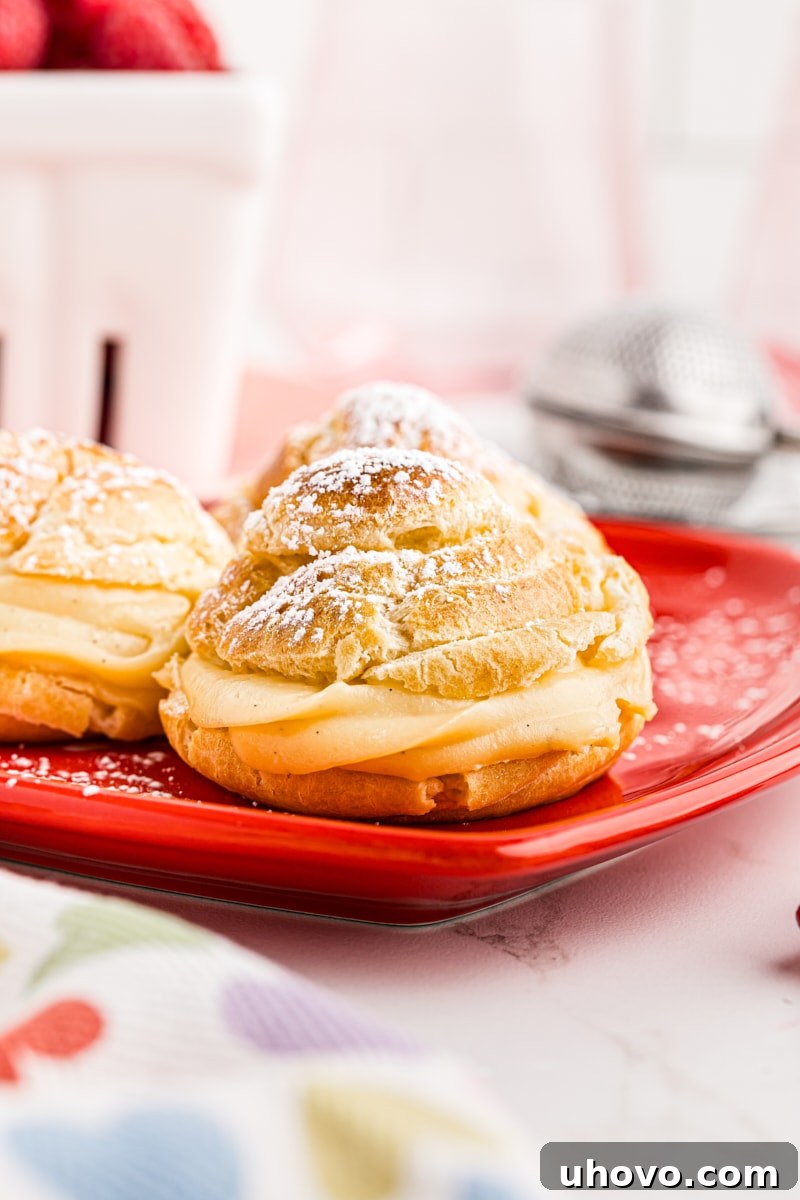
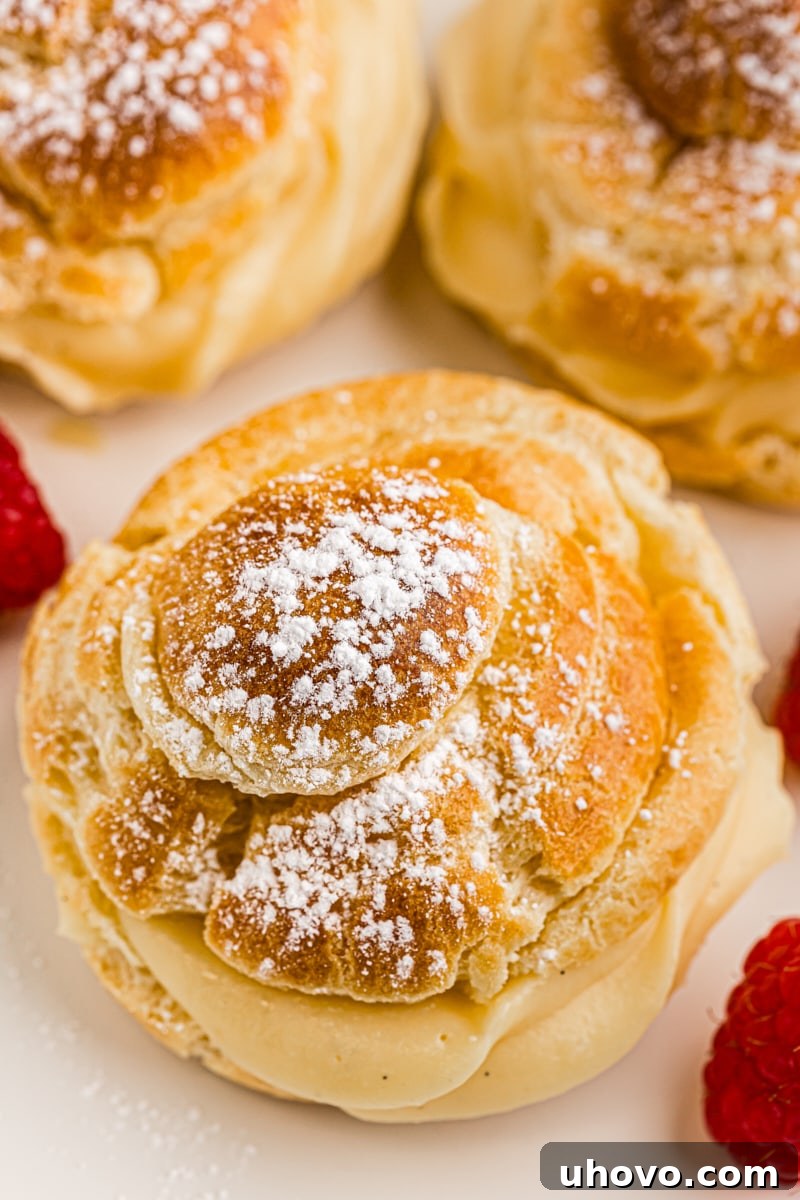
- The Finishing Touch: For that classic, elegant presentation, generously dust the assembled cream puffs with confectioners’ sugar just before serving. This not only adds a delicate sweetness but also enhances their visual appeal.
Essential Tips for Cream Puff Perfection
Before you embark on your cream puff baking journey, take a moment to review these crucial tips. They’re designed to help ensure your cream puffs turn out beautifully every time!
- Mastering Pastry Dough Consistency: After incorporating all the eggs, your pâte à choux dough should be smooth, glossy, and thick enough to hold its shape when piped. A good test is to lift your mixing paddle or spoon; the dough should slowly fall back into the bowl in a V-shape or thick ribbon. If the dough is too stiff, the puffs won’t expand as much during baking. If it’s too runny, they will spread excessively and won’t hold their signature round shape. Adjust by adding a tiny bit more egg if too stiff, or a tablespoon of flour if too runny (though this is rare if measurements are accurate).
- Achieving Uniform Puffs: Consistency in size and shape is key for even baking. To achieve this, consider drawing 2-inch circles on the underside of your parchment paper as a guide for piping. Alternatively, use a silicone mat that comes with pre-marked templates. This method ensures all your cream puffs bake uniformly, resulting in a more professional and visually appealing batch.
- Preventing Cracks and Deflation: The main culprits behind cracked or deflated cream puffs are often related to oven temperature and premature oven door opening. An oven that’s too hot can cause the puffs to expand too rapidly and crack before their structure is set. Always verify your oven’s accuracy with an oven thermometer. Resist the urge to open the oven door during the initial baking phase (the first 15-20 minutes). Temperature fluctuations from opening the door can cause the delicate choux pastry to collapse prematurely. Allowing them to cool gradually in the turned-off oven with the door ajar also helps to prevent deflation by letting them dry out properly.
- Don’t Skimp on the Drying Step: When cooking the pâte à choux on the stovetop after adding the flour, really commit to stirring for the full two minutes. This step cooks off excess moisture, which is vital for creating a sturdy, hollow shell that can properly puff and hold its shape.
- Pipe Immediately: Once your pâte à choux is ready, transfer it to the piping bag and pipe it onto the baking sheets without delay. The dough can lose some of its elasticity and warmth if left to sit too long, which might affect its ability to rise.
Exciting Variations to Elevate Your Cream Puffs
Unleash your culinary creativity and put your unique spin on these delightful cream puffs. Here are some inspiring ideas to kickstart your imagination and explore new flavor territories:
- Decadent Fruit-Filled Puffs: Introduce a burst of fruity freshness by adding a dollop of your favorite jam, fruit curd, or a homemade fruit compote directly into the pastry shell before piping in the cream filling. Raspberry, strawberry, or apricot jams offer a wonderful tart contrast that beautifully cuts through the sweetness and richness of the creamy filling. Lemon curd is another excellent choice for a bright, tangy kick.
- Zesty Citrus Cream: Infuse your pastry cream with vibrant citrus notes. Add the finely grated zest of 1 lemon, lime, or orange to the milk and cream mixture when heating it. For an even brighter flavor, you can strain the milk mixture before combining it with the egg yolks to remove the zest, then stir in a tablespoon of the corresponding citrus juice once the cream has cooled. This creates a refreshing and aromatic filling.
- Invigorating Coffee-Infused Cream: For coffee lovers, a subtle coffee flavor pairs wonderfully with sweet pastries. Infuse the milk with 2 tablespoons of finely ground coffee (or instant espresso powder) before heating it for the cream filling. After heating, strain the mixture through a fine-mesh sieve to remove all coffee grounds before combining with the egg yolks. This will yield a delicate yet distinct coffee essence that beautifully complements the sweetness of the puffs.
- Cool Ice Cream Puffs: For a delightful summery twist, slice the baked cream puff shells in half and fill them with a scoop of your favorite ice cream instead of pastry cream. Drizzle generously with warm chocolate sauce, a luscious caramel, or a berry coulis, and serve immediately. If this sounds like your kind of dessert, you’ll absolutely adore profiteroles, which are essentially cream puffs served with ice cream and chocolate sauce.
- Quick Pudding Perfection: If time is of the essence or you simply prefer an alternative filling, pudding offers a fantastic option. A rich, homemade vanilla pudding is divine, but you can also opt for a convenient shortcut by using a high-quality instant pudding mix. Ensure the pudding is well chilled and set before piping into the shells.
Creative Serving Suggestions for Cream Puffs
While a simple dusting of powdered sugar is always a classic, there’s an entire world of delicious possibilities to enhance the serving of your cream puffs. Let these ideas inspire you to create a truly memorable dessert experience:
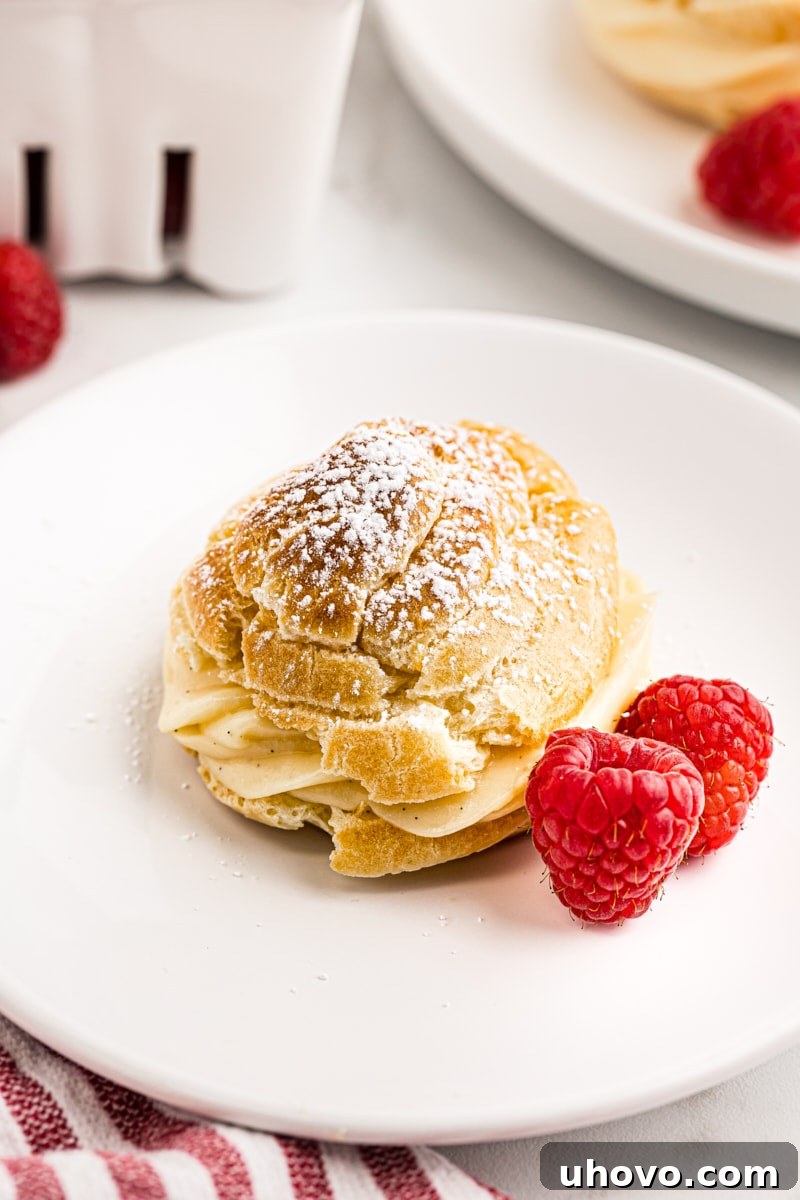
- Fresh Berry Medley: I personally adore serving these cream puffs alongside a generous portion of fresh raspberries. The tartness of raspberries offers a beautiful counterpoint to the rich sweetness of the cream. Strawberries, blueberries, and blackberries are equally wonderful choices, providing a balanced sweetness and a pop of vibrant color that complements the indulgent cream.
- Decadent Chocolate Accompaniments: Elevate your cream puffs by offering a side of warm chocolate sauce or a luxurious chocolate ganache. Guests can drizzle it over their cream puffs or use it for dipping, adding an irresistible touch of indulgence. The delightful contrast of warm, rich chocolate with the cool, creamy filling is simply divine.
- Vibrant Fruit Coulis: A homemade fruit coulis can add a spectacular splash of color and a tangy, refreshing contrast. A raspberry, strawberry, or mango coulis is easily made by blending fresh or frozen fruit with a little sugar and then straining the mixture for a perfectly smooth sauce. This adds a gourmet touch and a burst of natural fruit flavor.
- Flavored Whipped Cream: Beyond the main filling, a side of lightly sweetened whipped cream provides an extra layer of decadence. Consider flavoring the whipped cream with a hint of vanilla, almond extract, or even a splash of your favorite liqueur, such as Grand Marnier for an orange note or Chambord for a raspberry essence. This offers an additional textural and flavor dimension.
- Caramel Sauce Drizzle: A rich, buttery caramel sauce drizzled over cream puffs can add a sophisticated sweetness and a beautiful sheen. Homemade salted caramel is particularly exquisite, offering a complex flavor profile that perfectly balances the sweetness.
Storage Tips for Freshness
Cream puffs are undeniably at their absolute best when enjoyed on the day they are made, while their shells are perfectly crisp and their filling is fresh. However, if you have leftovers, you can store the assembled pastries in an airtight container in the refrigerator for one to two days. To maintain the crispness of the shells for as long as possible, it is highly recommended to store the unfilled pastry shells and the cream filling separately. Fill them just before serving to prevent the shells from becoming soggy.
Can Cream Puffs Be Frozen?
Absolutely, cream puffs are excellent candidates for freezing, particularly the unfilled pastry shells. This allows you to prepare them in advance and assemble fresh batches whenever you desire. After your pastry shells have completely cooled to room temperature, arrange them in a single layer, slightly spaced apart, on a rimmed baking sheet. Freeze them for about an hour, or until they are completely firm. This initial freezing step prevents them from sticking together. Once firm, transfer the individual frozen pastries to a freezer-safe airtight container or a heavy-duty freezer bag. For an added layer of protection against freezer burn, you can wrap each pastry individually in plastic wrap before placing them in the container. Properly stored, frozen unfilled cream puff shells can maintain their quality in the freezer for up to 2 months.
When you’re ready to serve, simply remove the desired number of frozen pastries and let them thaw at room temperature for approximately an hour, or until they are fully defrosted. To restore their wonderful crisp texture, you can reheat them in a preheated 300°F (150°C) oven for 5 to 10 minutes. This quick reheat helps to dry out any condensation and re-crisp the exterior. Allow them to cool completely once more before filling them with your freshly made or thawed pastry cream, as usual. This method ensures you can enjoy freshly assembled cream puffs with minimal effort, even on short notice!
More Irresistible Pastry Recipes to Try
Classic Cream Puffs
24
cream puffs
20
30
1
1
50
Pin Recipe
Leave a Review
Ingredients
For the Pastry:
- ½ cup (120 ml) water
- ½ cup (120 ml) whole milk
- ½ cup (113 g) unsalted butter, cut into cubes
- 1 teaspoon granulated sugar
- ¼ teaspoon salt
- 1 cup (120 g) all-purpose flour, sifted
- 4 large eggs
For the Cream Filling:
- 1 cup (240 ml) whole milk
- 1 cup (240 ml) heavy cream
- 5 large egg yolks
- ⅔ cup (133 g) granulated sugar
- ¼ teaspoon salt
- 3 tablespoons cornstarch
- ¼ cup (56 g) unsalted butter, cut into cubes
- 1 ½ teaspoons vanilla bean paste (or vanilla extract)
- confectioners’ sugar, for dusting
Recommended Products
-
USA Pan Half Sheet Pan
-
Silpat Non-Stick Silicone Baking Mat, Half Sheet Size
-
All-Clad 3-Quart Steel Sauce Pan
-
Wilton 1A Round Decorating Tip
-
Wilton 1M Open Star Piping Tips
-
Wilton 12-Inch Disposable Decorating Bags for Piping and Decorating
Instructions
To make the pastries:
-
Preheat your oven to 400°F (200°C). Line two or three baking sheets with silicone liners or parchment paper.
-
Combine the water, milk, unsalted butter, granulated sugar, and salt in a medium saucepan. Place over medium heat and bring to a gentle boil, stirring occasionally. Once boiling, remove the pan from the heat.
-
Add all of the sifted all-purpose flour to the hot mixture and stir vigorously with a wooden spoon until a cohesive dough ball forms. Return the pan to medium heat and continue to cook the dough, stirring constantly, for 2 more minutes. A thin film should form on the bottom of the pan as moisture evaporates.
-
Transfer the hot dough ball to a heat-resistant mixing bowl. Using a hand mixer on low speed, mix the dough for about 1 minute to cool it down. Then, add the large eggs one at a time, mixing thoroughly after each addition until fully incorporated and the dough is smooth and glossy. The dough should now have a pipeable consistency, forming a V-shape when lifted.
-
Transfer the prepared dough to a piping bag fitted with a large round open tip (e.g., Wilton 1A).
-
Pipe the pastry dough onto the prepared baking pans, leaving about 2 inches (5 cm) of space between each mound to allow for spreading. Aim for each pastry to be roughly 2 inches (5 cm) in diameter. Lightly dampen your fingertips with water and gently press down any peaks on top of each pastry to ensure even baking.
-
Bake at 400°F (200°C) for 15 to 18 minutes, or until the pastries have puffed up beautifully and started to turn golden. Then, lower the oven temperature to 350°F (175°C) and continue baking for another 10-15 minutes, or until deeply golden brown and firm to the touch.
-
Turn off the oven, crack the door open slightly, and leave the baking pan(s) in the oven for an additional 15 minutes. This crucial step helps to dry out the pastry shells and prevents them from deflating.
-
Remove the pastries from the oven and transfer them to a wire rack to cool completely before filling.
To make the cream filling:
-
In a mixing bowl, whisk together the whole milk, heavy cream, and egg yolks until well combined. Set aside.
-
In a medium saucepan, stir together the granulated sugar, salt, and cornstarch. Gradually add the whisked egg mixture to the saucepan, stirring continuously to incorporate fully.
-
Place the saucepan over medium heat and whisk constantly until the mixture thickens significantly, coats the back of a spoon, and just comes to a gentle boil. This continuous whisking prevents lumps and scorching.
-
Remove the pan from the heat. Add the cubed unsalted butter and vanilla bean paste (or vanilla extract). Stir vigorously until the butter has completely melted and the cream filling is smooth and glossy.
-
Transfer the hot filling to a clean bowl. Cover the surface directly with plastic wrap to prevent a skin from forming. Chill in the refrigerator for at least 1 hour, or until thoroughly cold and set. Once chilled, transfer the cream to a piping bag fitted with a large star tip.
-
Using a sharp serrated knife, carefully slice each cooled puff pastry in half horizontally. Pipe a generous amount of the chilled cream filling onto the bottom half of each pastry. Place the top half of the pastry shell gently on top of the filling.
-
Just before serving, dust the tops of the assembled cream puffs generously with confectioners’ sugar for an elegant finish.
Notes
- Cream puffs are best enjoyed on the day they are made for optimal crispness. However, assembled pastries can be stored in an airtight container in the refrigerator for 1-2 days. For best results, store unfilled pastry shells and cream filling separately and assemble just before serving.
- Unfilled pastry shells can be frozen for up to 2 months. Thaw at room temperature and re-crisp in a 300°F (150°C) oven for 5-10 minutes before cooling and filling.
Jennifer McHenry
pastries
French
Show off your baking masterpiece!
Snap a pic, tag @bakeorbreak, and use #bakeorbreak on Instagram. We can’t wait to see your delicious creation!
Frequently Asked Questions About Cream Puffs
Several factors can prevent cream puffs from rising properly. First, ensure your oven is accurately preheated to the correct temperature; a reliable oven thermometer is invaluable here. Avoid opening the oven door, especially during the crucial initial baking period, as sudden drafts can cause the delicate structure to collapse. Furthermore, the consistency of your pâte à choux dough is vital. It should be thick enough to hold its shape when piped but still pliable enough to expand. If the dough is too stiff, it lacks the moisture needed for steam generation; if too runny, it won’t be able to hold its form.
Cream puffs typically deflate if they haven’t been baked long enough for their internal structure to firm up. They need to develop a sturdy, dry interior to maintain their puffed shape. Ensure your cream puffs are not only golden brown but also feel light and hollow when gently tapped. A common technique to prevent deflation is to turn off the oven and let the pastries cool gradually inside with the oven door slightly cracked open. This allows residual moisture to escape and helps the shells set without a sudden temperature shock.
Soggy cream puffs are often a result of insufficient baking time or improper cooling and storage. If the pastries don’t bake long enough, moisture can remain trapped inside, leading to a soft, chewy texture rather than a crisp one. The crucial step of drying them out in a turned-off oven with the door ajar helps to remove excess moisture. Additionally, storing warm cream puffs in airtight containers can trap steam, making them soggy. Always allow them to cool completely on a wire rack before filling or storing.
Achieving a silky-smooth pastry cream (crème pâtissière) requires consistent attention during cooking. The most important tip is to whisk constantly while heating the mixture, especially once the eggs are added. This prevents the egg yolks from scrambling and helps the cream thicken evenly without lumps. If, despite your best efforts, you find any small lumps, simply pass the cooked cream through a fine-mesh sieve immediately after removing it from the heat. This will ensure a perfectly smooth and luscious texture every time.
While it’s best to bake pâte à choux immediately after preparing the dough, you can prepare the dough up to a few hours in advance. Store it in a piping bag, tightly sealed, in the refrigerator. Allow it to come closer to room temperature for about 15-20 minutes before piping, as cold dough can be too stiff. For longer storage, it’s generally better to bake the shells and freeze them unfilled, as described in the storage section, for optimal results.