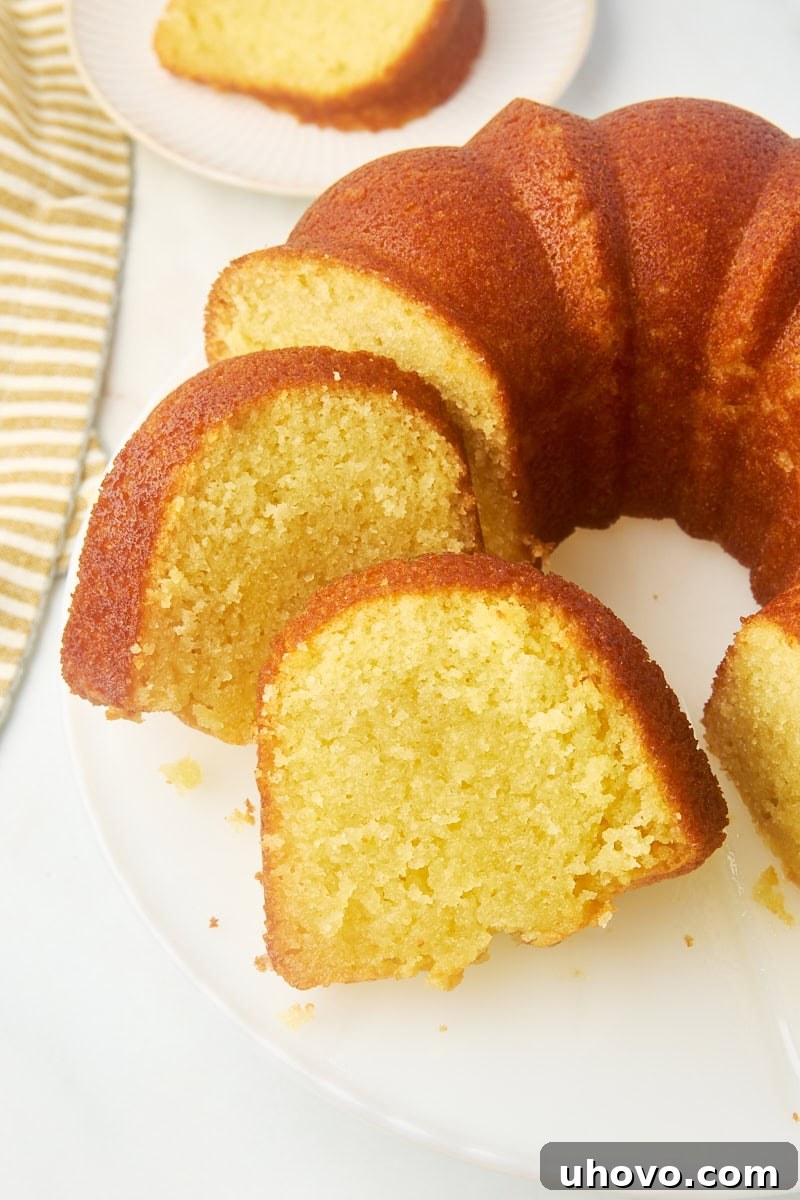
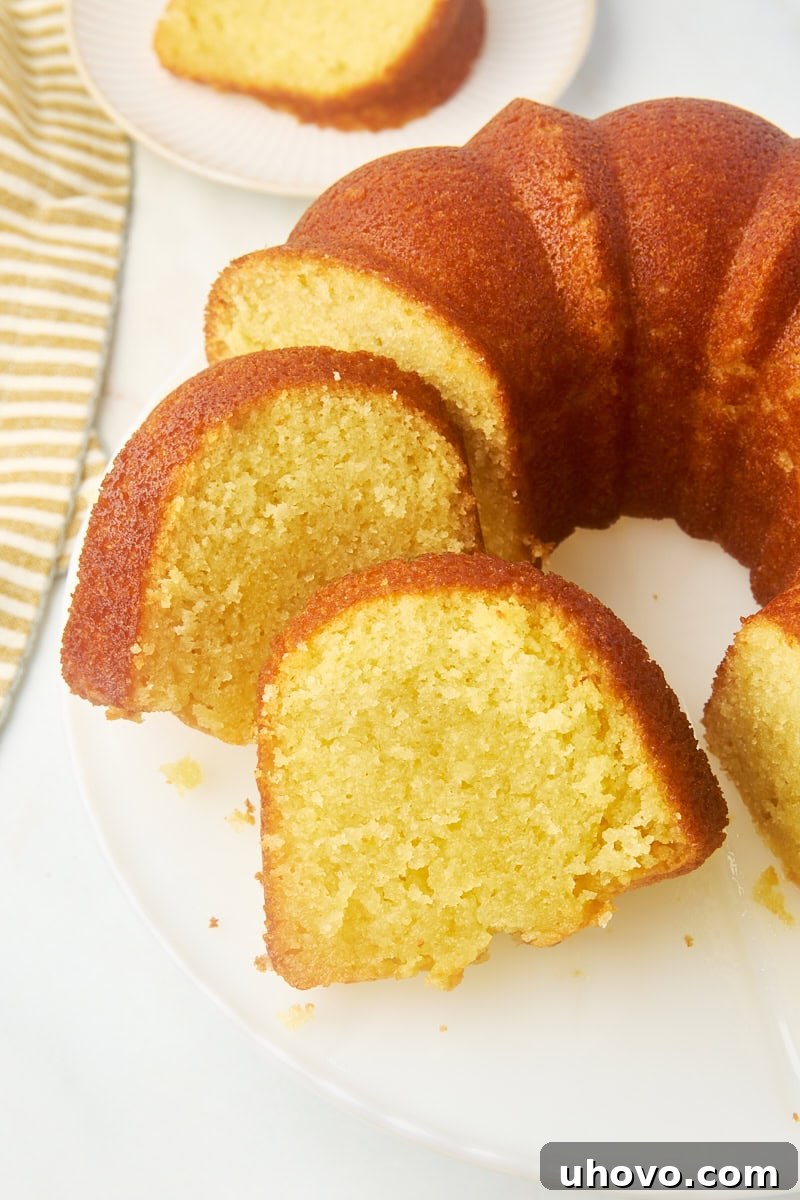
Craving a dessert that promises pure indulgence? This **Kentucky Butter Cake** delivers on every front: a rich, tender crumb, deeply infused with the irresistible sweetness of a buttery glaze. It’s a true Southern classic that’s deceptively easy to make, yet always leaves a lasting impression. Perfect for any occasion, from casual family gatherings to elegant celebrations, this cake is sure to become a cherished addition to your recipe repertoire.
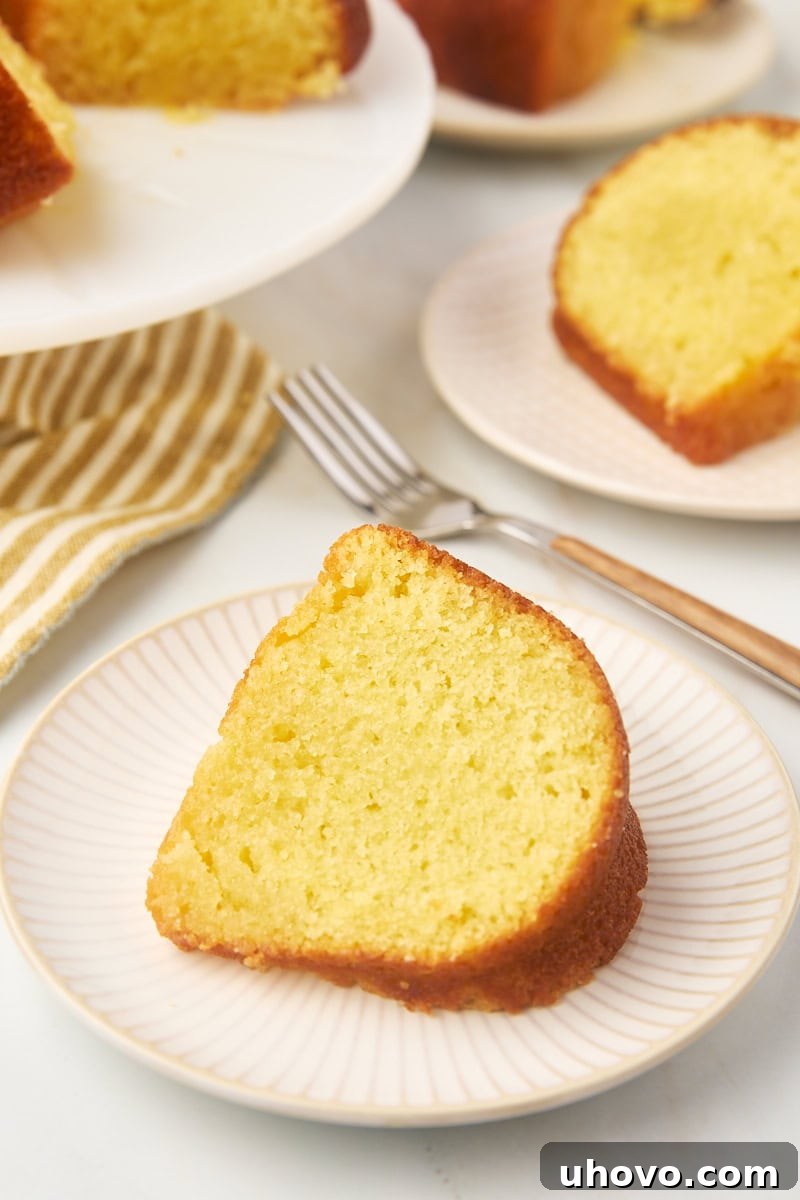
There’s an undeniable comfort that comes with a classic cake, especially one that’s simple in its execution yet bursting with flavor. The Kentucky Butter Cake embodies this perfectly. For decades, this rich, profoundly buttery cake has captivated palates, and its enduring popularity is no mystery. With its wonderfully tender crumb and a sweet, golden glaze that penetrates deep into every slice, it’s the quintessential dessert that, much like a fine wine, only improves with a little time. A single bite is often all it takes to transform a skeptic into a lifelong admirer of this Southern gem.
Why You’ll Adore This Kentucky Butter Cake Recipe
-
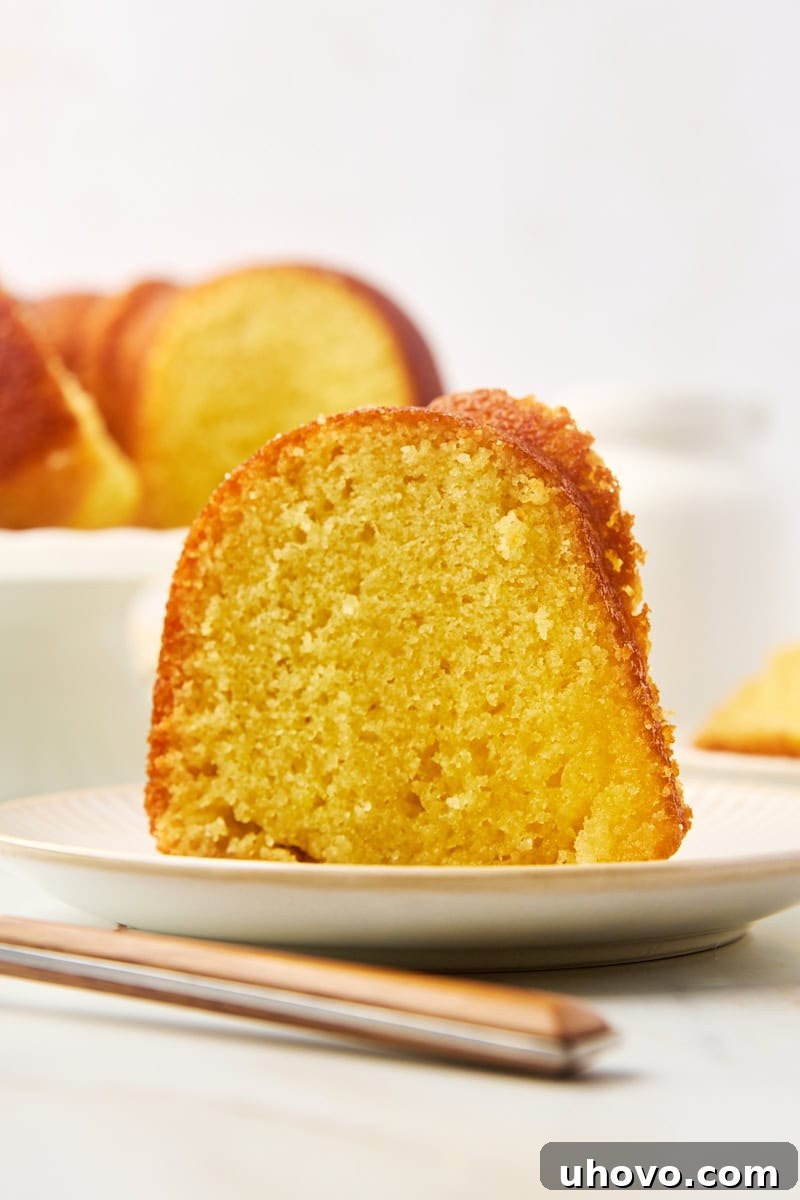
Unparalleled Moisture and Rich Butter Flavor: This isn’t just a cake; it’s an experience of luxurious moisture. The secret lies in its generous drenching with a warm, sweet butter glaze immediately after baking. This glaze soaks deep into the cake, creating a texture that is unbelievably moist and tender, and infusing every mouthful with an intense, comforting buttery richness that’s simply irresistible.
-
Effortless Baking with Pantry Staples: You don’t need exotic ingredients or advanced culinary skills to create this masterpiece. This recipe relies on basic, readily available baking components that you likely already have in your pantry. Its straightforward process makes it an ideal choice for both seasoned bakers and beginners looking to impress without the stress.
-
A Texture That Melts in Your Mouth: The synergy of buttermilk and butter in the batter creates a cake with an incredibly fine and tender crumb. Each slice boasts a delicate structure that almost dissolves on the tongue, providing a truly exquisite eating experience that’s light yet satisfyingly substantial.
-
The Ultimate Crowd-Pleaser for Any Event: From casual Sunday dinners to grand holiday feasts, this cake consistently garners rave reviews. Its universally appealing flavor profile and delightful texture make it a guaranteed hit, ensuring smiles and requests for seconds. It’s perfect for those moments when you want to serve something truly special, whether there’s a specific occasion or just because you feel like baking something wonderful.
-
An Impressive Make-Ahead Dessert: One of the best qualities of Kentucky Butter Cake is that it actually gets better with age. The glaze needs time to fully permeate the cake, deepening its flavor and enhancing its moisture. This makes it an excellent candidate for preparing a day or two in advance, allowing you to focus on other tasks on the day of your event while still serving a dessert that tastes absolutely divine.
Understanding the Kentucky Butter Cake
The Kentucky Butter Cake is a beloved American classic, a rich and buttery dessert that shares many characteristics with a traditional pound cake. Its foundation is a dense yet tender crumb, infused with a deep, sweet, and undeniably comforting buttery flavor. However, what truly elevates and distinguishes this cake is its signature feature: a luscious, warm butter glaze that is generously poured over the cake while it’s still warm from the oven. This sweet elixir soaks into every crevice, transforming the cake into an incredibly moist and flavorful masterpiece.
The origins of the Kentucky Butter Cake are somewhat debated, with various regional recipes existing for decades. While its roots are likely intertwined with traditional Southern baking, it achieved widespread fame and national recognition after a recipe titled “Kentucky Butter Cake” won the prestigious Pillsbury Bake-Off contest in 1963. This victory cemented its place in American culinary history, bringing its simple elegance and profound deliciousness to countless homes across the country. It’s a testament to the power of simple, high-quality ingredients coming together to create something truly extraordinary.
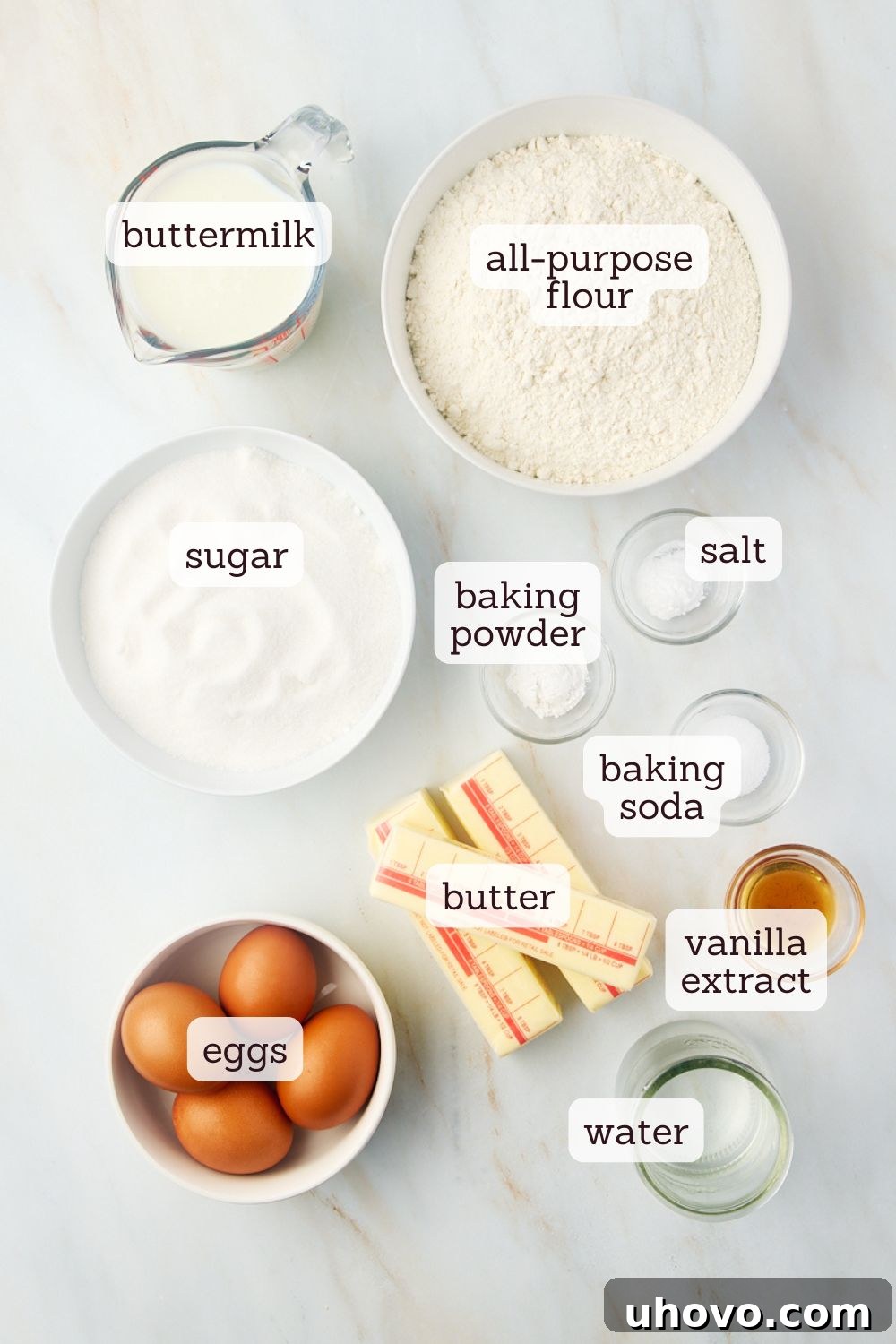
Essential Ingredients for Your Kentucky Butter Cake
Creating this delightful cake begins with a selection of common pantry items. Always refer to the recipe card below for precise quantities and comprehensive instructions.
-
All-purpose flour: The structural backbone of your cake. Accurate measurement is crucial for the perfect texture. For the most consistent results, I highly recommend using a digital kitchen scale to measure flour by weight. If you’re measuring by volume, employ the “spoon and sweep” method to avoid over-packing, which can lead to a dry, dense cake. You can learn more about How to Measure Flour for baking success.
-
Baking powder: A primary leavening agent that helps the cake rise, contributing to its tender and airy crumb.
-
Baking soda: Works in conjunction with the acidic buttermilk to create lift and a beautiful crumb texture. Ensure your baking soda is fresh for optimal leavening power.
-
Salt: Essential for balancing the sweetness and enhancing all the other flavors in the cake, preventing it from tasting flat.
-
Unsalted butter: You’ll need butter for both the cake batter and the signature glaze. For the cake, ensure it’s softened to room temperature, which allows it to cream properly with sugar, creating air pockets for a light texture. For the glaze, you’ll melt it down to create that glorious buttery syrup. Using unsalted butter gives you full control over the salt content in your recipe.
-
Granulated sugar: Provides sweetness, moisture, and aids in browning the cake, contributing to its appealing golden crust.
-
Buttermilk: This acidic ingredient is key to the cake’s wonderfully tender crumb and subtle tang, reacting with the baking soda for lift. It’s vital that your buttermilk is at room temperature before mixing, as cold ingredients can cause the batter to curdle or become lumpy. While you can use a DIY buttermilk substitute in a pinch, I strongly recommend using real buttermilk for the best flavor and texture.
-
Eggs: Large eggs provide structure, moisture, and richness to the cake. Like buttermilk, eggs should be at room temperature. This allows them to emulsify more easily with the butter and sugar, resulting in a smoother batter and a more uniform, fluffier cake.
-
Vanilla extract: A cornerstone flavor in countless baked goods, vanilla extract adds warmth, depth, and a touch of aromatic sweetness. High-quality store-bought or homemade vanilla extract will elevate the overall taste of your cake.
-
Water: Used in the butter glaze to help dissolve the sugar and create the perfect pourable consistency, ensuring it can easily soak into the warm cake.
Step-by-Step Guide to Crafting Your Kentucky Butter Cake
Follow these detailed steps to create a show-stopping Kentucky Butter Cake that’s rich, moist, and utterly delicious. Precision and care at each stage will ensure a perfect result.
-
Prepare Your Baking Environment: Begin by preheating your oven to 325°F (160°C). This lower temperature helps ensure a moist cake that bakes evenly without drying out. Next, take ample time to generously grease and flour a 10-inch Bundt pan. This step is critical for a clean release of your beautiful cake; don’t skip any nooks or crannies! A cooking spray specifically designed for baking, containing flour (like Baker’s Joy or Pam Baking), often works wonders.
-
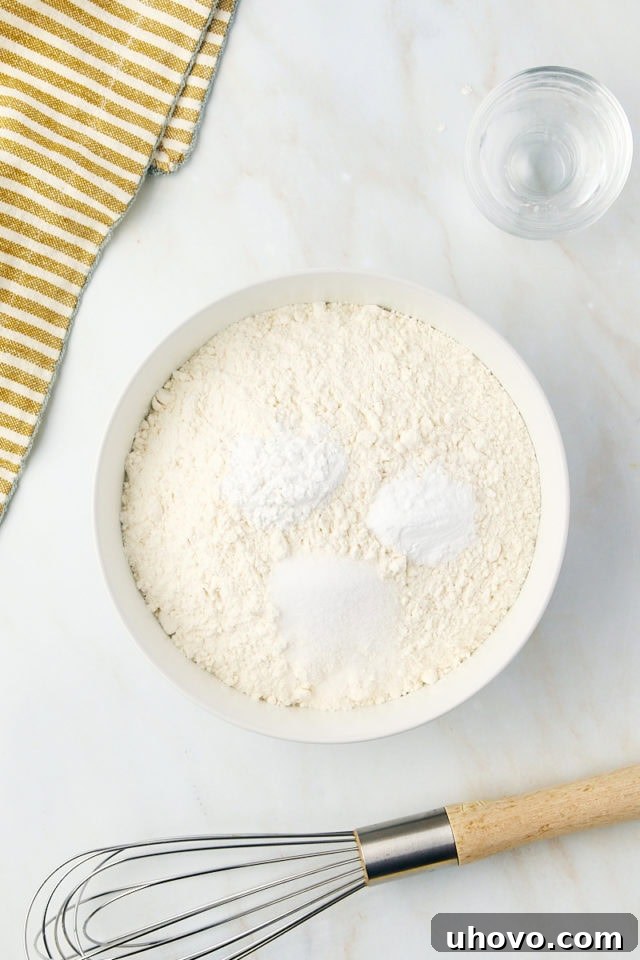
Combine the Dry Ingredients: In a large mixing bowl, whisk together the all-purpose flour, baking powder, baking soda, and salt. Whisking ensures that the leavening agents and salt are evenly distributed throughout the flour, which is crucial for a consistent rise and flavor in your finished cake.
-
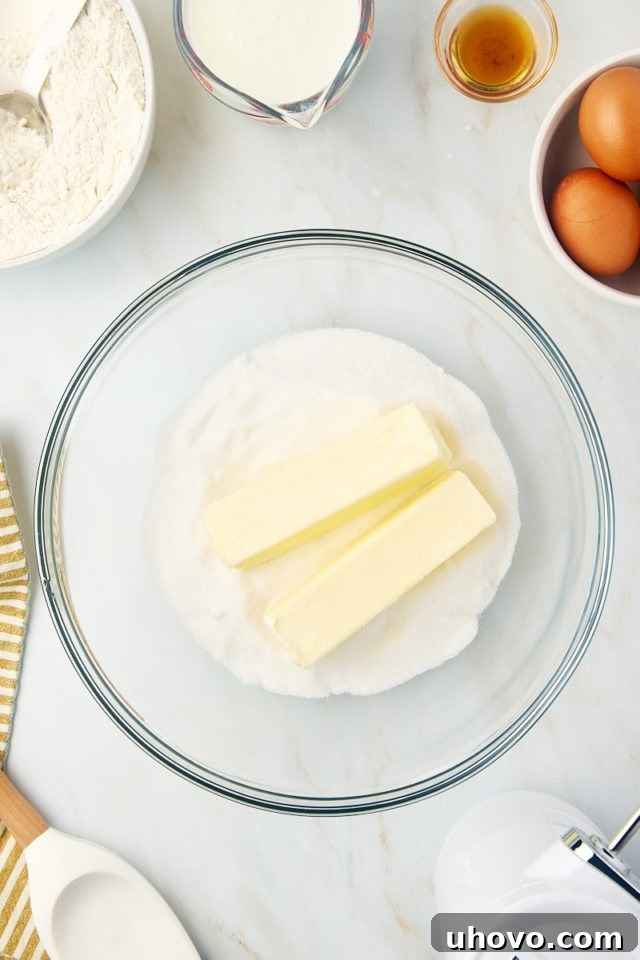
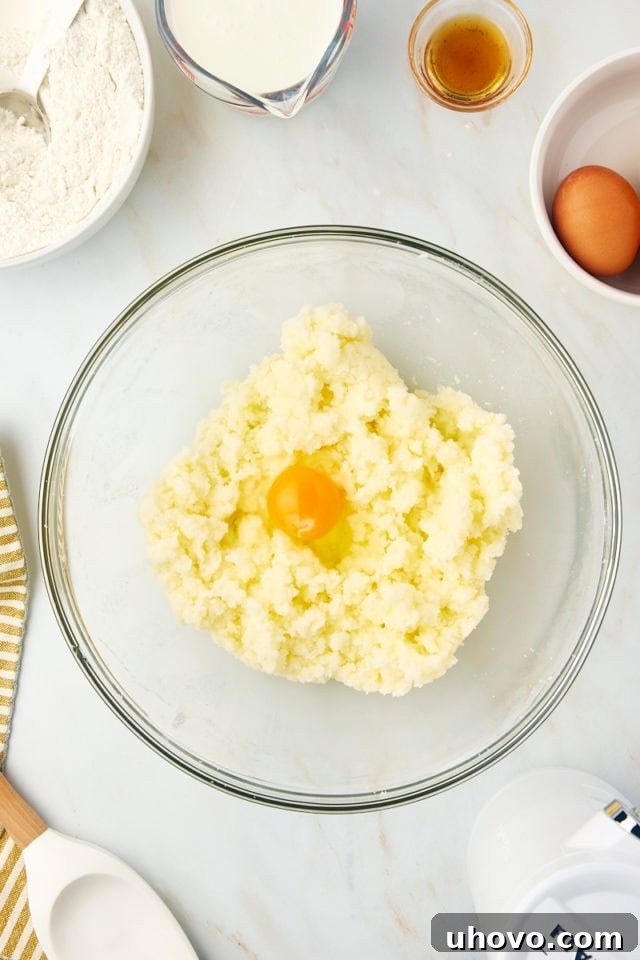
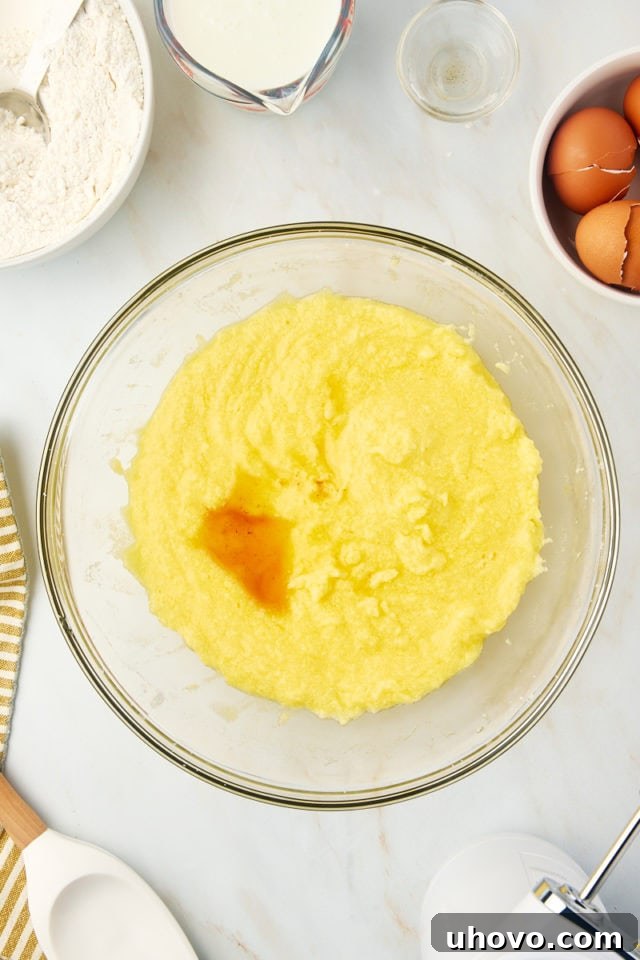
Cream the Wet Ingredients (Initial Stage): In a separate, larger bowl, using an electric mixer, cream together the softened unsalted butter and granulated sugar on medium speed. Beat them until the mixture becomes light, fluffy, and pale in color, typically about 3-4 minutes. This creaming process incorporates air into the butter, which is essential for the cake’s tender texture. Then, add the eggs one at a time, beating well after each addition until fully incorporated. This ensures proper emulsification and prevents the batter from separating. Finally, stir in the vanilla extract, mixing just until combined.
-
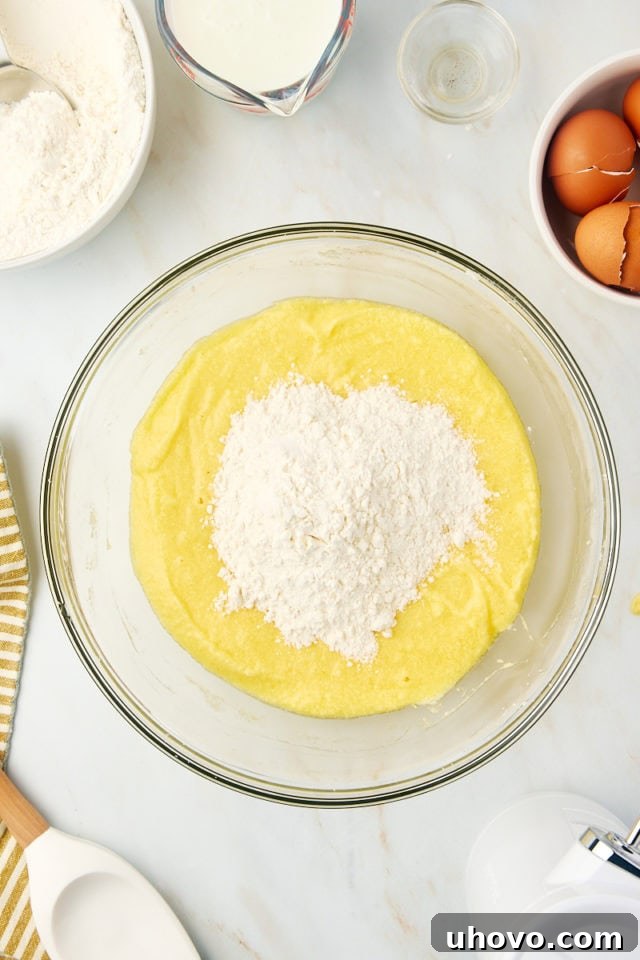
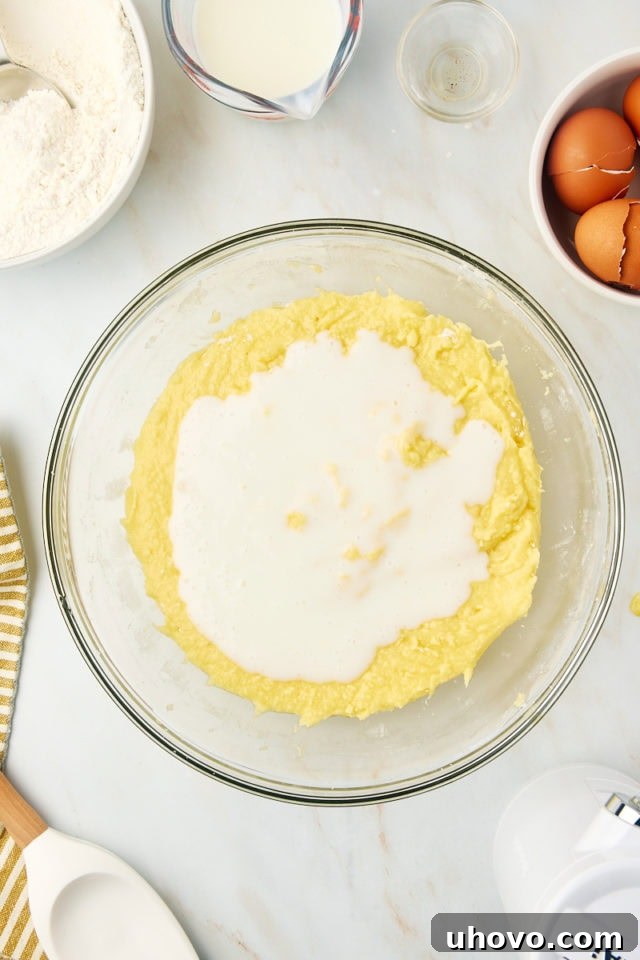
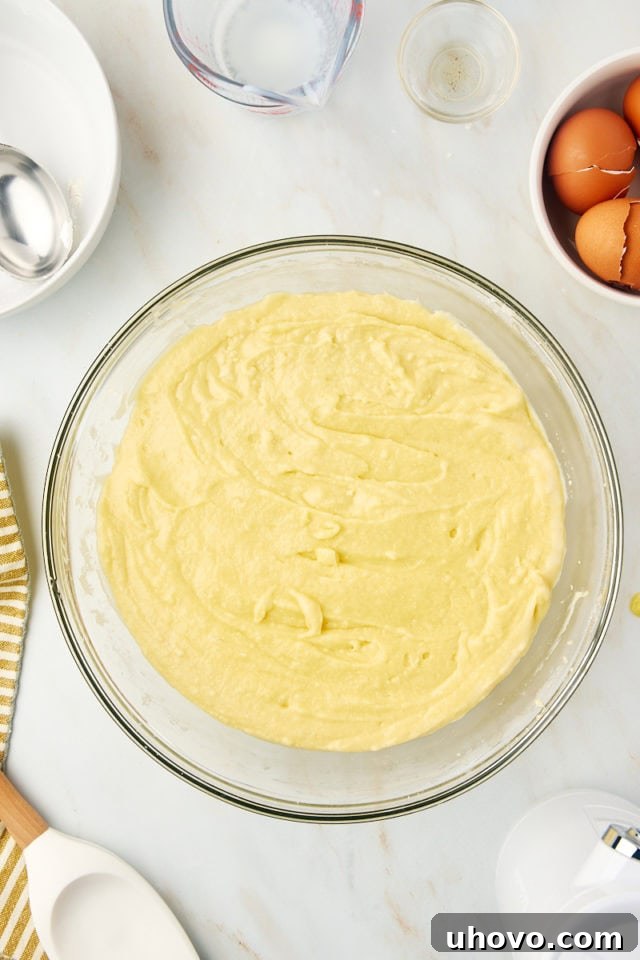
Complete the Batter: With the mixer on low speed, gradually add the whisked dry ingredients to the butter mixture in three alternating portions, beginning and ending with the flour mixture. Alternate these additions with two portions of the room-temperature buttermilk. Mix only until the ingredients are just combined and no streaks of flour remain. Overmixing can develop the gluten in the flour too much, leading to a tough cake.
-
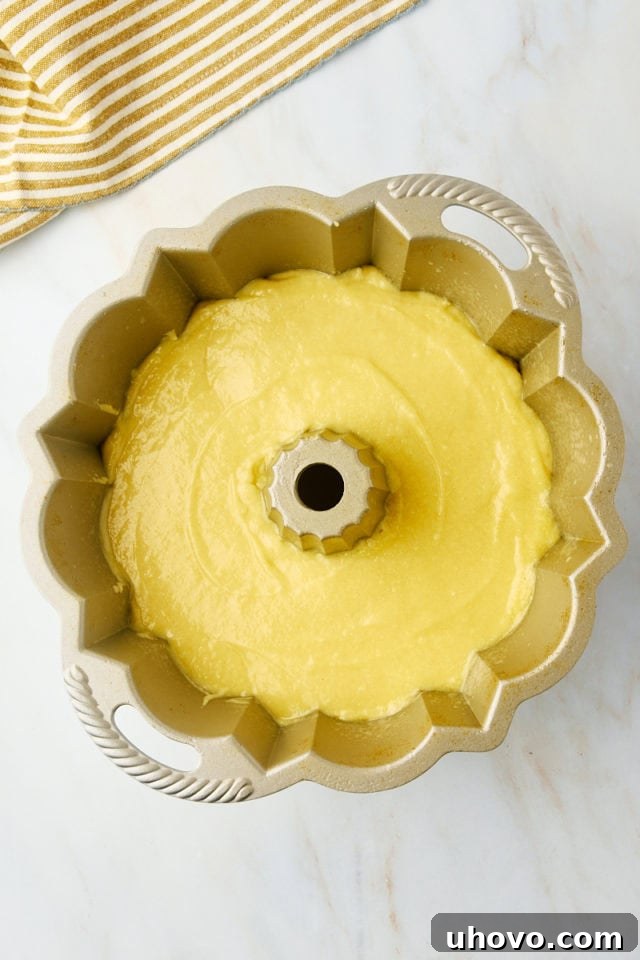
Bake to Golden Perfection: Carefully transfer the completed cake batter into your meticulously prepared Bundt pan, using a spatula to spread it evenly. Place the pan in the preheated oven and bake for approximately 55 to 65 minutes. The cake is done when a wooden skewer or toothpick inserted into the thickest part of the cake comes out clean or with only a few moist crumbs attached. Once baked, remove the pan from the oven and set it on a wire rack to begin cooling. This initial cooling in the pan is important for the cake to set slightly before glazing.
-
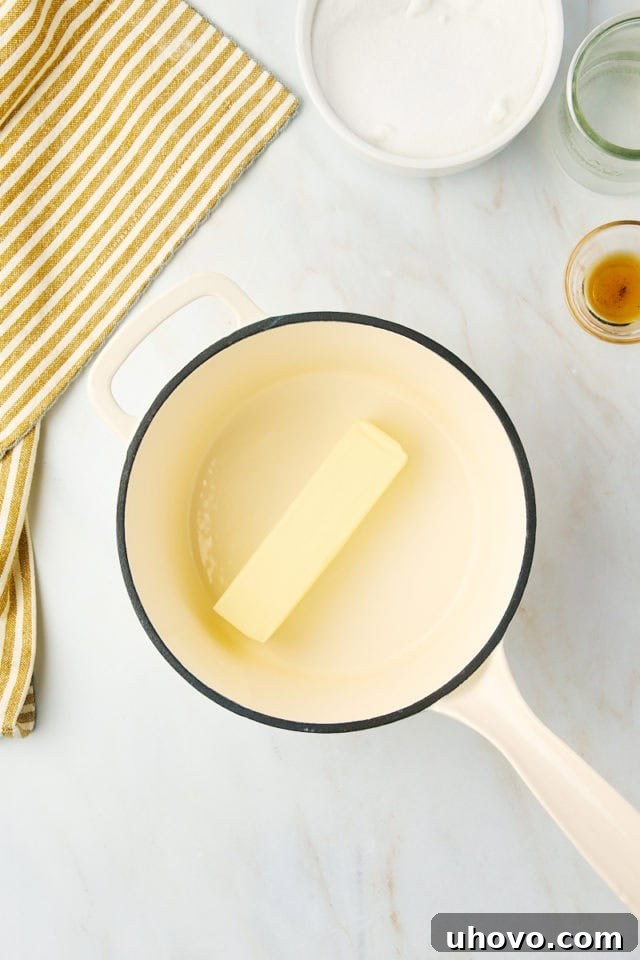
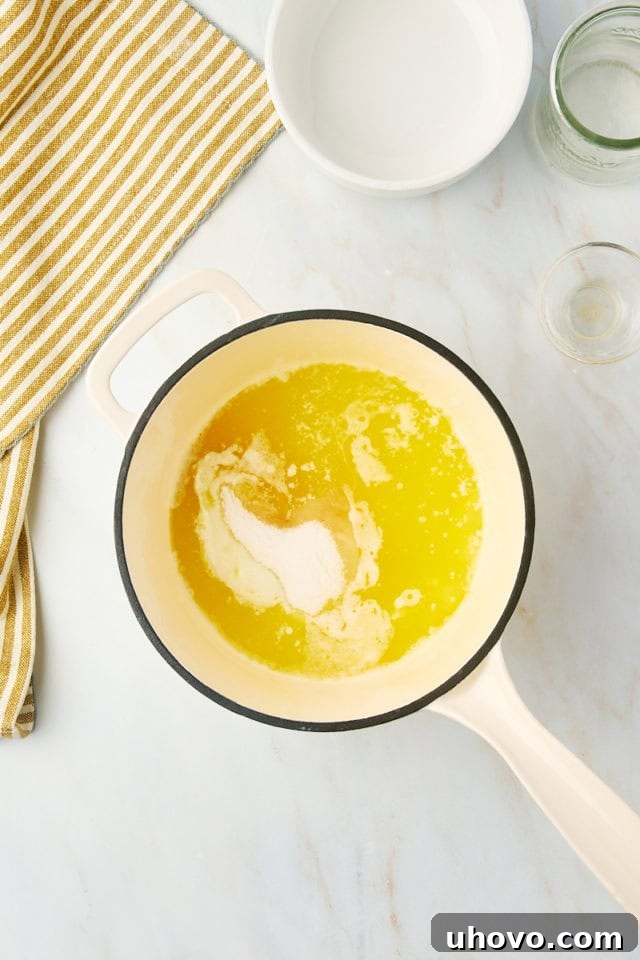
Prepare the Decadent Glaze: While the cake is cooling slightly, it’s time to prepare the star of the show – the butter glaze. In a small saucepan, melt the unsalted butter over medium heat. Once melted, stir in the granulated sugar, water, and vanilla extract. Continue to cook, stirring occasionally, until the sugar is completely dissolved and the mixture is smooth and slightly thickened. Keep it warm until ready to use.
-
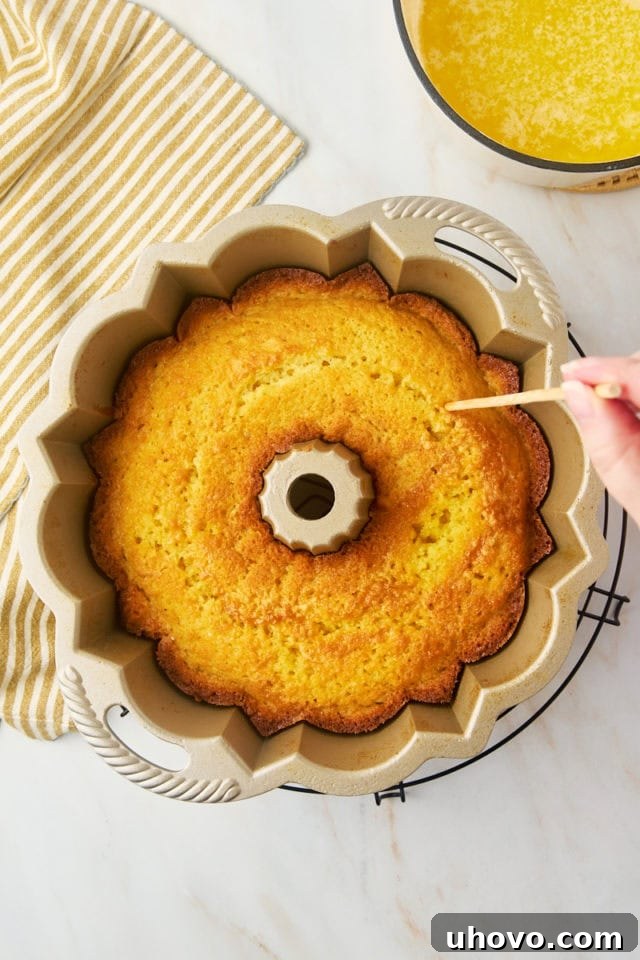
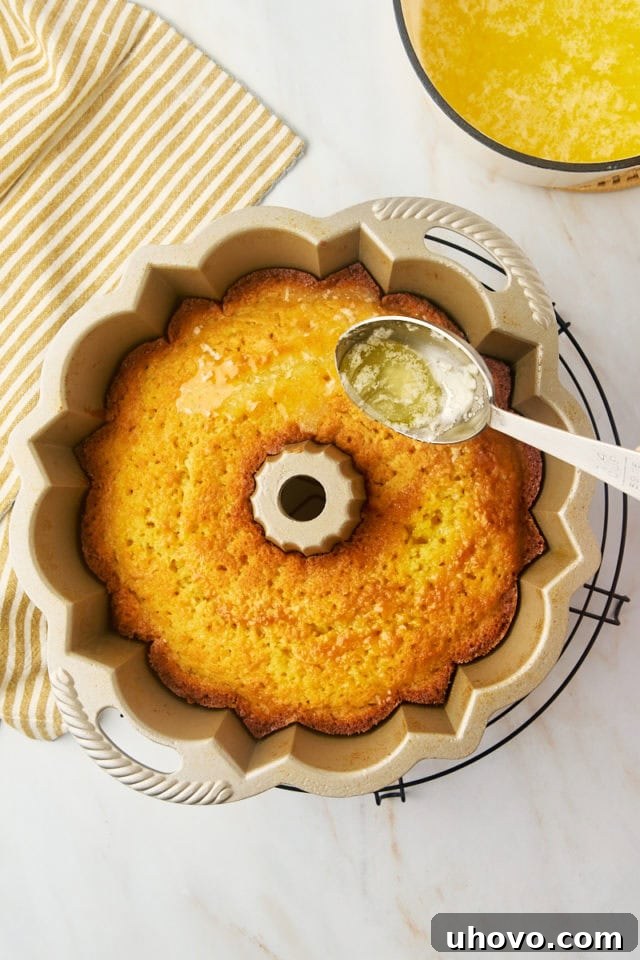
Glaze the Warm Cake: This step is key to the cake’s renowned moisture. While the cake is still warm in the Bundt pan, use a long skewer or even a sturdy toothpick to poke numerous holes all over the top surface. These holes act as channels, allowing the warm, buttery glaze to deeply penetrate the cake. Then, slowly and patiently spoon the warm glaze evenly over the entire surface of the cake. Take your time, allowing each spoonful to soak in before adding more, ensuring maximum absorption.
-
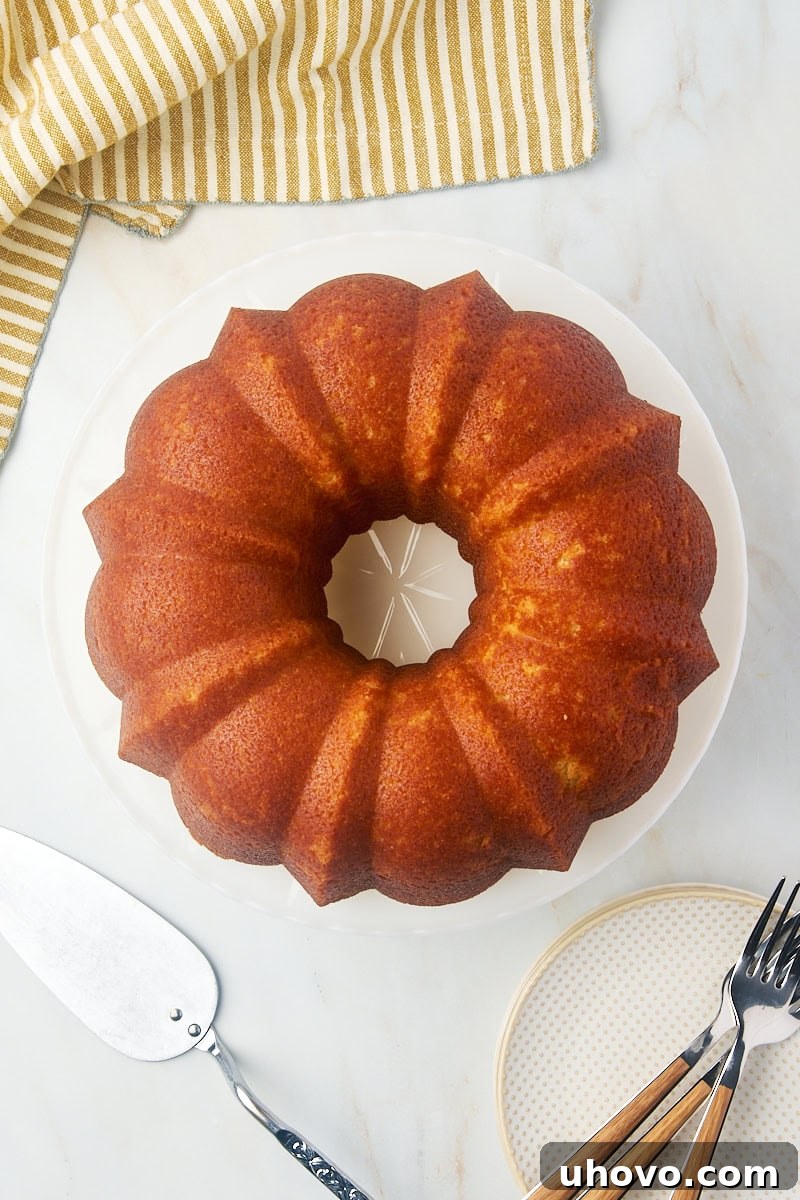
Cool and Release: Allow the cake to cool in the pan for about 10 minutes after glazing. This brief cooling period helps the glaze set slightly and allows the cake to firm up, making it easier to handle. After 10 minutes, gently run a thin knife or an offset spatula around the outer edges and center tube of the pan to loosen any sticking spots. Carefully invert the Bundt pan onto a serving plate or wire rack, allowing the cake to release. If you’ve greased your pan properly, it should slide out with ease.
Expert Tips for a Flawless Kentucky Butter Cake
-
Grease Your Bundt Pan with Utmost Generosity: This cannot be stressed enough when working with Bundt cakes, especially one as rich as the Kentucky Butter Cake. Every single groove, curve, and crevice of your Bundt pan needs a thorough coating of grease and then flour. I highly recommend using a baking spray that contains flour (such as Baker’s Joy or Pam Baking) for its exceptional non-stick properties. Apply a generous, even layer, ensuring no spot is missed, to guarantee a perfect release and prevent any sticking mishaps.
-
Don’t Skimp on Poking Holes: The more holes you poke into the warm cake, the better the butter glaze will be able to penetrate and infuse every part of it. Aim for a generous pattern of holes across the entire surface. If you have a long, thin skewer, it’s ideal for creating deep channels that allow the glaze to reach further into the cake, maximizing its moisture and flavor. A toothpick will work for shallower holes, but a skewer offers superior penetration.
-
Patience is Key When Adding the Glaze: Resist the urge to simply pour the entire glaze over the cake in one go. Instead, ladle or spoon the warm glaze slowly and deliberately over the cake. Allow each small addition to fully absorb before spooning on the next. This methodical approach ensures that the glaze soaks deeply into the cake’s interior rather than simply running down the sides and pooling at the bottom of the pan, which would result in a less flavorful and moist cake.
-
Handle with Care During Removal: Before attempting to invert the cake from the pan, use a thin, flexible knife or an offset spatula (my preferred tool for its maneuverability) to gently loosen the cake from all edges of the pan, including the center tube. Once you’re confident it’s detached, place a serving plate or wire rack over the top of the Bundt pan and carefully, but swiftly, invert it. With proper greasing, the cake should slide out beautifully onto your plate.
-
Embrace the Wait – It Gets Better: If you possess the willpower to resist, this cake truly shines the day after it’s baked. Allowing the cake to rest gives the rich butter glaze ample time to fully soak in, marry with the cake’s flavors, and deepen its incredible moisture content. This transformative period makes it even more delicious and velvety. It’s a fantastic make-ahead dessert, perfect for entertaining without last-minute stress.
-
Room Temperature Ingredients Are a Must: For the cake batter, ensure your butter, buttermilk, and eggs are all at room temperature. This is crucial for proper emulsification, allowing the ingredients to blend smoothly and create a homogenous batter. Cold ingredients can cause the batter to curdle, resulting in a dense or unevenly textured cake.
-
Avoid Overmixing the Batter: Once you begin adding the flour and buttermilk, mix the batter only until the dry ingredients are just incorporated. Overmixing develops the gluten in the flour, which can lead to a tough, dry cake. A light hand and a keen eye are best here; stop as soon as no dry streaks remain.
Delightful Serving Suggestions
The beauty of Kentucky Butter Cake lies in its versatility. It’s magnificent on its own, but a few simple additions can elevate it further:
-
A Simple Dusting of Sugar: For an elegant and understated presentation, a light sprinkle of confectioners’ sugar (also known as powdered sugar) over the cooled cake adds a delicate touch of sweetness and a beautiful visual appeal. It’s a classic finish that never disappoints.
-
Fresh Berries and Whipped Cream: Brighten up each slice with a generous dollop of freshly whipped cream and a medley of vibrant fresh berries. Strawberries, blueberries, raspberries, or a mix of all three provide a refreshing contrast to the cake’s richness, adding both color and a burst of fruity flavor.
-
A Drizzle of Decadent Caramel: For those who enjoy an extra layer of indulgence, warm up some homemade caramel sauce and drizzle it over individual slices. The buttery notes of the caramel perfectly complement the cake, creating a truly luxurious dessert experience.
-
Paired with a Fruit Compote: Enhance your cake with a homemade fruit compote for a delightful contrast in both texture and flavor. A warm blueberry compote offers a sweet-tart counterpoint, while a spiced apple compote brings warm, comforting autumnal notes that pair wonderfully with the buttery cake.
-
Alongside Coffee or Tea: For a simple yet sophisticated treat, serve slices of Kentucky Butter Cake with a freshly brewed cup of coffee or a comforting mug of hot tea. Its rich flavor makes it an ideal companion for a warm beverage.
-
With a Scoop of Vanilla Bean Ice Cream: The warmth and richness of the cake are beautifully balanced by the cool, creamy simplicity of a scoop of high-quality vanilla bean ice cream. The melting ice cream creates its own delightful sauce.
Proper Storage for Your Kentucky Butter Cake
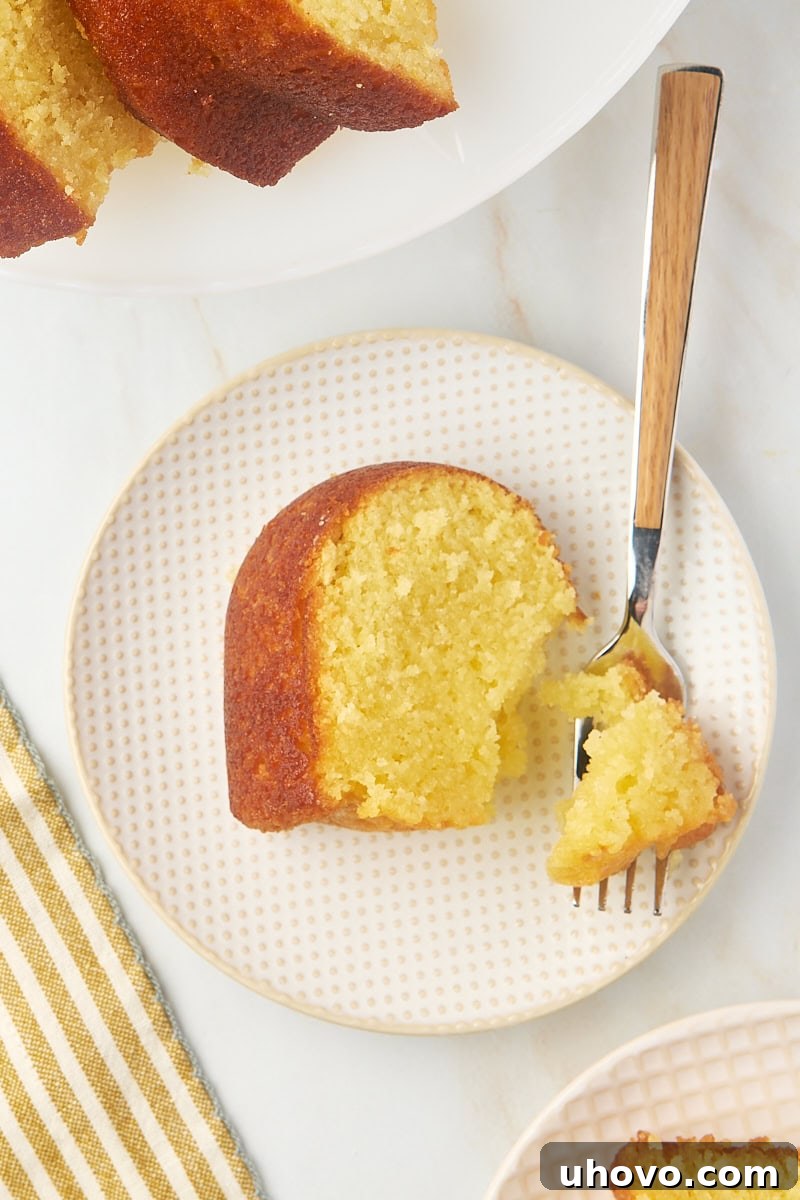
To preserve the incredible moisture and flavor of your Kentucky Butter Cake, proper storage is key. Once the cake has fully cooled to room temperature, it’s essential to protect it from air. Cover the entire cake tightly with plastic wrap or transfer it to an airtight container. When stored at room temperature, ideally in a cool, dry place, this cake will remain wonderfully fresh and moist for **up to 4 days**. If you need to extend its shelf life, you can store it in the refrigerator for **up to a week**. However, be extra vigilant about sealing it thoroughly, as the refrigerator can sometimes dry out cakes. Before serving a refrigerated cake, allow it to come to room temperature for the best texture and flavor, or warm individual slices briefly in the microwave for a just-baked feel.
Can This Kentucky Butter Cake Be Frozen?
Absolutely! The Kentucky Butter Cake freezes beautifully, making it an excellent option for meal prep or for saving portions for later enjoyment. To freeze, ensure the cake is completely cooled. You can freeze it whole or in individual slices. First, wrap the cake or slices tightly in plastic wrap, ensuring no air pockets. Then, add another layer of protection by wrapping it again in aluminum foil, or placing it in an airtight, freezer-safe container or a heavy-duty resealable freezer bag. When properly stored in this manner, the cake can be kept in the freezer for **up to 3 months** without significant loss of quality.
To thaw, simply transfer the frozen cake or slices to the refrigerator overnight. Alternatively, for quicker thawing, you can leave it on the counter at room temperature for a few hours until soft. Serve the cake at room temperature to appreciate its tender texture and rich flavor, or if desired, warm individual slices briefly in the microwave for a delightful, comforting treat.
More Irresistible Cake Recipes You’ll Love
Kentucky Butter Cake
12
servings
20
minutes
1
hour
5
minutes
10
minutes
1
hour
35
minutes
Ingredients
For the cake:
-
3
cups
(360 g)
all-purpose flour -
1
teaspoon
baking powder -
½
teaspoon
baking soda -
1
teaspoon
salt -
1
cup
(226 g)
unsalted butter,
softened -
2
cups
(400 g)
granulated sugar -
1
cup
(240 ml)
buttermilk -
4
large
eggs -
2
teaspoons
vanilla extract
For the butter glaze:
-
½
cup
(113 g)
unsalted butter -
1
cup
(200 g)
granulated sugar -
¼
cup
(60 ml)
water -
1
teaspoon
vanilla extract -
confectioners’ sugar,
for garnish (optional)
Recommended Products
-
Nordic Ware Platinum Collection Anniversary Bundt Pan
-
Le Creuset Enameled Cast-Iron Saucepan, 2 1/4 Quart
-
OXO Good Grips Dusting Wand for Sugar, Flour and Spices
Instructions
To make the cake:
-
Preheat the oven to 325°F (160°C). Generously* grease and flour a 10-inch Bundt pan, ensuring all grooves are covered for a clean release.
-
In a large bowl, whisk together the all-purpose flour, baking powder, baking soda, and salt. Set aside.
-
Using an electric mixer on medium speed, cream the softened butter and granulated sugar in a separate large bowl until light, fluffy, and pale (about 3-4 minutes).
-
Beat in the large eggs, one at a time, making sure each egg is fully incorporated into the butter mixture before adding the next. Stir in the vanilla extract until just combined.
-
With the mixer on low speed, add the flour mixture to the wet ingredients in three alternating portions, beginning and ending with the flour. Alternate these additions with two portions of the room-temperature buttermilk. Mix only until the batter is just combined and no dry streaks of flour remain, being careful not to overmix.
-
Pour the cake batter evenly into the prepared Bundt pan. Bake for 55-65 minutes, or until a wooden skewer or toothpick inserted into the center of the cake comes out clean. Transfer the pan to a wire rack to begin cooling.
To make the glaze:
-
In a small saucepan over medium heat, melt the unsalted butter. Add the granulated sugar, water, and vanilla extract. Cook, stirring frequently, until the sugar is completely dissolved and the glaze is smooth and clear. Keep warm.
-
While the cake is still warm in its pan (after 10 minutes of initial cooling), use a skewer or toothpick to poke many small holes evenly all over the top surface of the cake. Slowly ladle or spoon the warm butter glaze over the cake, allowing each portion to soak in before adding more.
-
Let the cake cool further in the pan for an additional 10 minutes, allowing the glaze to fully absorb. Then, carefully run a thin knife or offset spatula around the edges of the cake and the center tube to loosen it. Invert the cake onto a serving plate.
-
Dust with confectioners’ sugar just before serving, if desired. For the best flavor and moisture, allow the cake to sit for several hours, or even overnight, for the glaze to fully permeate.
Notes
- *Take care to grease the Bundt pan thoroughly. For best results, I recommend using a cooking spray with flour, such as Baker’s Joy or Pam Baking, to prevent sticking.
- Store the cooled cake in an airtight container at room temperature for up to 4 days, or in the refrigerator for up to 7 days. Ensure it is well-sealed to maintain moisture.
- For additional tips, detailed step-by-step photos, and extra helpful details to answer common questions and ensure your success, be sure to read the full article above before you begin baking.
Jennifer McHenry
Cakes
American
Show off your baking masterpiece!
Snap a pic, tag
@bakeorbreak, and use
#bakeorbreak on Instagram. Can’t wait to see your creation!