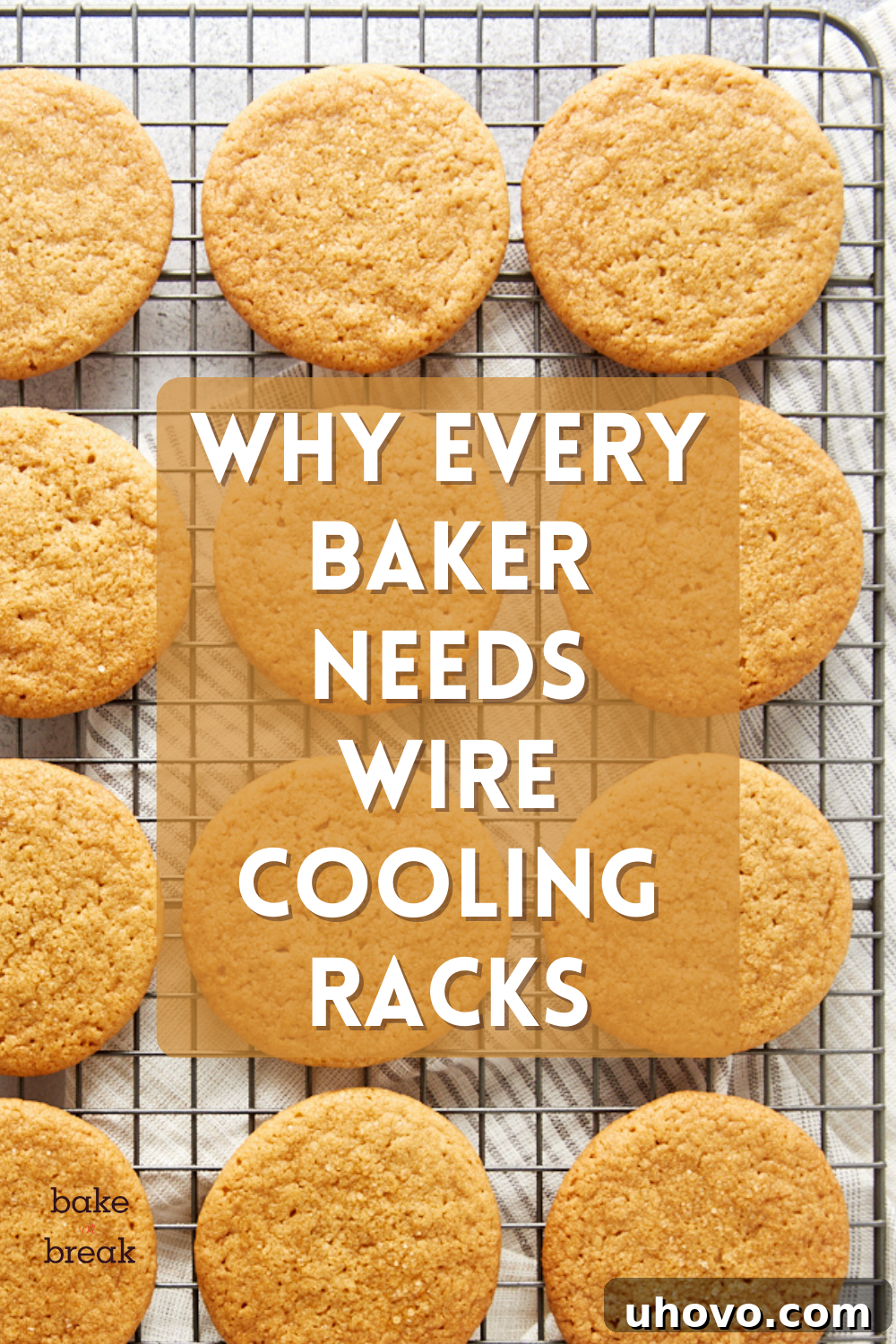
In the world of baking, precision and patience are paramount. While the oven does the initial magic, what happens immediately after often determines the ultimate success of your culinary creations. This is where the humble yet indispensable wire cooling rack steps in, an often-overlooked hero in every baker’s kitchen. Far from being an optional gadget, a good wire cooling rack is a fundamental tool that ensures your baked goods achieve their perfect texture, preventing common pitfalls like soggy bottoms, overcooked edges, and undesirable condensation. Join us as we explore why wire cooling racks are absolutely essential for consistent, professional-quality results, delving into their purpose, various types, proper usage, and even clever alternative applications.
Table of contents
- Why You Need Wire Cooling Racks for Baking
- The Science Behind a Cooling Rack’s Purpose
- How to Properly Transfer Baked Goods to a Wire Rack
- How Many Cooling Racks Do I Really Need?
- Exploring the Types of Cooling Racks
- Maintaining Your Cooling Racks: Cleaning Tips
- Beyond Cooling: Creative Uses for Wire Racks
- Temporary Substitutes for Cooling Racks
- More Baking Tips and Tricks for Success
Why You Need Wire Cooling Racks for Baking
If you’ve spent any significant time baking, you’ve undoubtedly noticed that nearly every recipe, from your grandmother’s cherished cookie recipe to modern gourmet desserts, includes a crucial instruction: “Transfer hot pan or baked goods to a wire rack to cool.” This isn’t just a suggestion; it’s a fundamental step that profoundly impacts the quality and consistency of your final product. Many novice bakers might be tempted to skip this step, assuming it’s an unnecessary piece of equipment or a trivial detail. However, understanding the core function of a wire cooling rack reveals why it is, in fact, an absolutely indispensable tool in the arsenal of any baker, regardless of skill level.
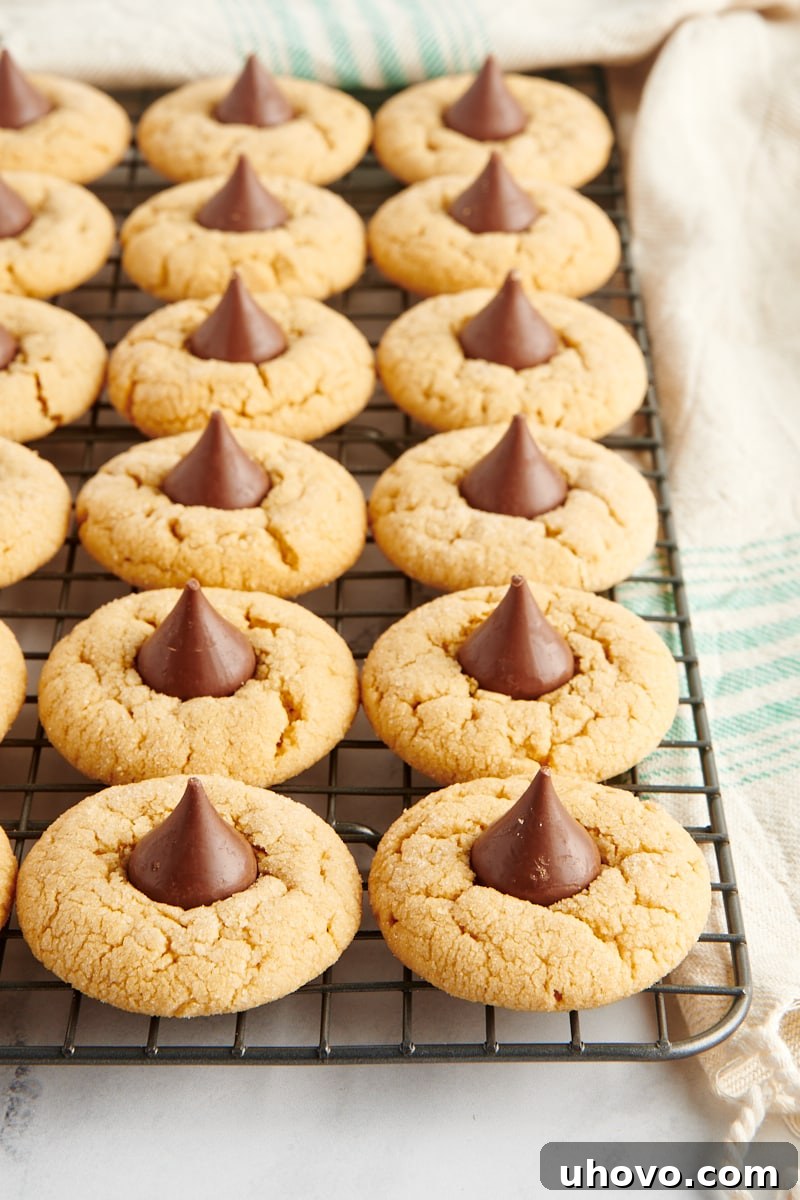
Wire cooling racks are specifically designed to facilitate optimal air circulation around your freshly baked items. This seemingly simple mechanism serves two critical purposes: preventing carryover baking and ensuring even, rapid cooling. Without a rack, a hot pan or baked good placed directly on a solid surface like a countertop or trivet will trap heat and moisture underneath. This trapped heat continues to cook the item, leading to over-baking and potentially a dry, crumbly texture. Furthermore, the trapped moisture causes condensation, which inevitably results in a soggy bottom – a baker’s worst nightmare for cakes, cookies, and pies alike. Incorporating a wire cooling rack into your baking routine will quickly demonstrate its value, transforming inconsistent results into consistently perfect, beautifully textured treats.
The Science Behind a Cooling Rack’s Purpose
To truly appreciate the humble wire cooling rack, it’s helpful to understand the scientific principles at play when baked goods transition from the oven’s intense heat to room temperature. The primary purpose of a cooling rack is to facilitate efficient heat dissipation and prevent moisture accumulation, both of which are crucial for achieving the desired texture and structural integrity of your baked treats.
Preventing Carryover Baking
When you remove a cake, cookies, or bread from the oven, they are still incredibly hot. The residual heat trapped within the pan and the baked good itself continues to cook the food, a phenomenon known as “carryover baking.” This can easily lead to over-baked edges, dry crumbs, or an overly dense texture, especially with delicate items. A wire rack lifts the hot pan or item off the counter, allowing air to circulate freely beneath it. This rapid exposure to cooler air from all sides helps to quickly reduce the internal temperature of the baked good, effectively halting the cooking process and ensuring it cools to perfection without additional, unwanted baking.
Combating Condensation and Soggy Bottoms
Another significant issue that cooling racks address is the problem of condensation. Imagine placing a hot cake directly onto a flat countertop. The heat from the cake meets the cooler surface of the counter, creating a temperature differential. This causes the moisture within the cake, which is trying to escape as steam, to condense on the bottom surface where it’s trapped. The result? A dreaded soggy bottom. This is particularly problematic for items like pies with delicate crusts, cookies that need to stay crisp, or cakes where a firm base is desired.
By elevating the baked good on a wire rack, air can circulate completely around it, carrying away the steam and preventing it from condensing on the bottom. This ensures that the bottom of your cookies remains crisp, your cake layers don’t become dense and wet, and your pie crusts stay flaky. The continuous airflow helps to set the structure of the bake, allowing it to firm up properly as it cools, contributing significantly to a superior eating experience.
Setting the Structure and Flavor Development
Beyond preventing over-baking and sogginess, proper cooling on a wire rack also plays a vital role in the overall setting of the baked good’s structure and even the development of its flavors. As cakes and breads cool, their internal structure stabilizes. Cookies firm up and achieve their characteristic snap or chew. Racks allow this process to happen uniformly, without compromising the shape or texture of the item. For many baked goods, flavors also deepen and meld as they cool, making the waiting period on the rack an integral part of the overall baking process, not just an afterthought.
How to Properly Transfer Baked Goods to a Wire Rack
The method for transferring baked goods to a wire cooling rack varies depending on the type and fragility of the item. The goal is always to move them carefully to prevent damage while ensuring they cool effectively. Here’s a guide to handling different types of baked goods:
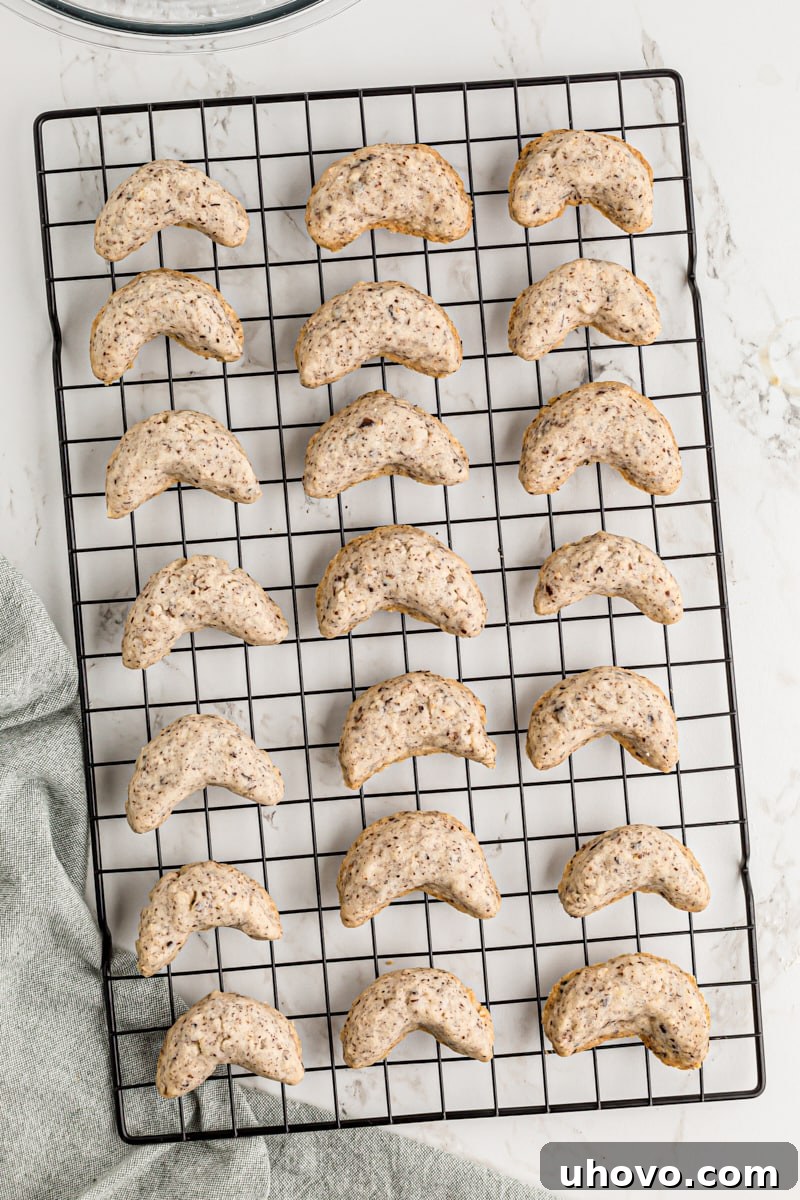
- Cookies: Cookies are often quite delicate when hot, prone to crumbling or losing their shape. Use a thin, wide metal spatula, sometimes called an offset spatula, to carefully lift each cookie from the baking sheet. Slide the spatula gently under the cookie, providing ample support, and then transfer it directly to the cooling rack. Allow a little space between cookies for optimal air circulation.
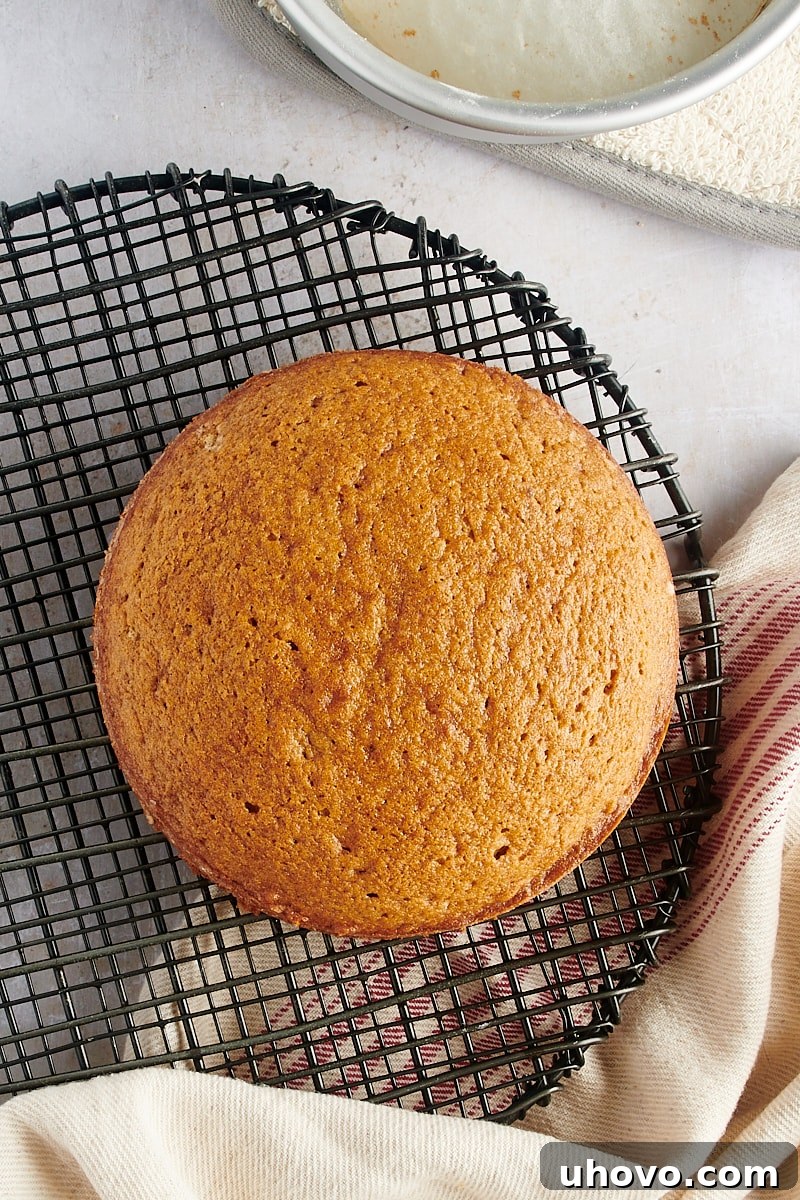
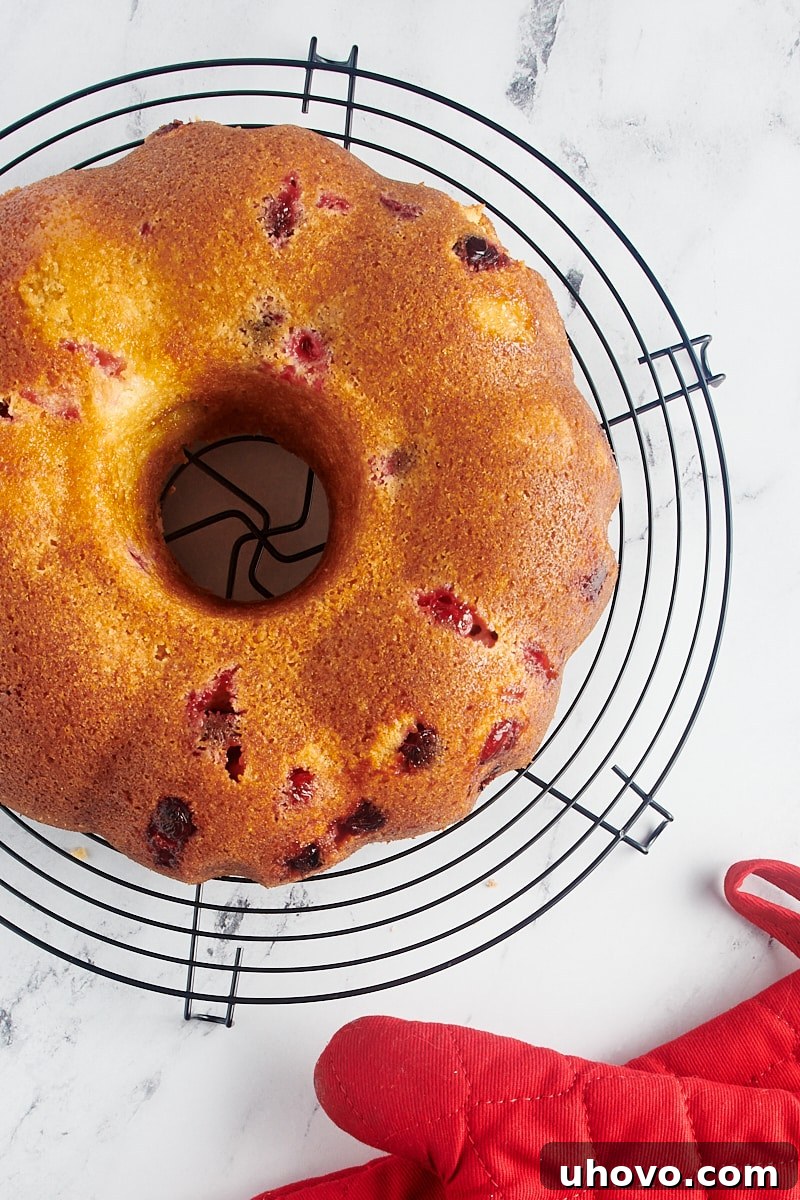
- Cakes: For cakes, the transfer process often involves two stages. First, place the hot cake pan directly onto a cooling rack for a short period (usually 10-15 minutes, as specified in the recipe). This initial cooling helps the cake set and firm up slightly before unmolding. After this time, invert a wire rack onto the top of the cake pan. Wearing oven mitts, firmly grasp both the pan and the rack, and swiftly flip them together so the cake releases onto the rack. This method works well for round or square cake layers. For larger or more intricate cakes like Bundt cakes, you might need a second set of hands or a larger, sturdier rack to ensure a smooth, safe transfer. Gently lift the pan away from the cake.
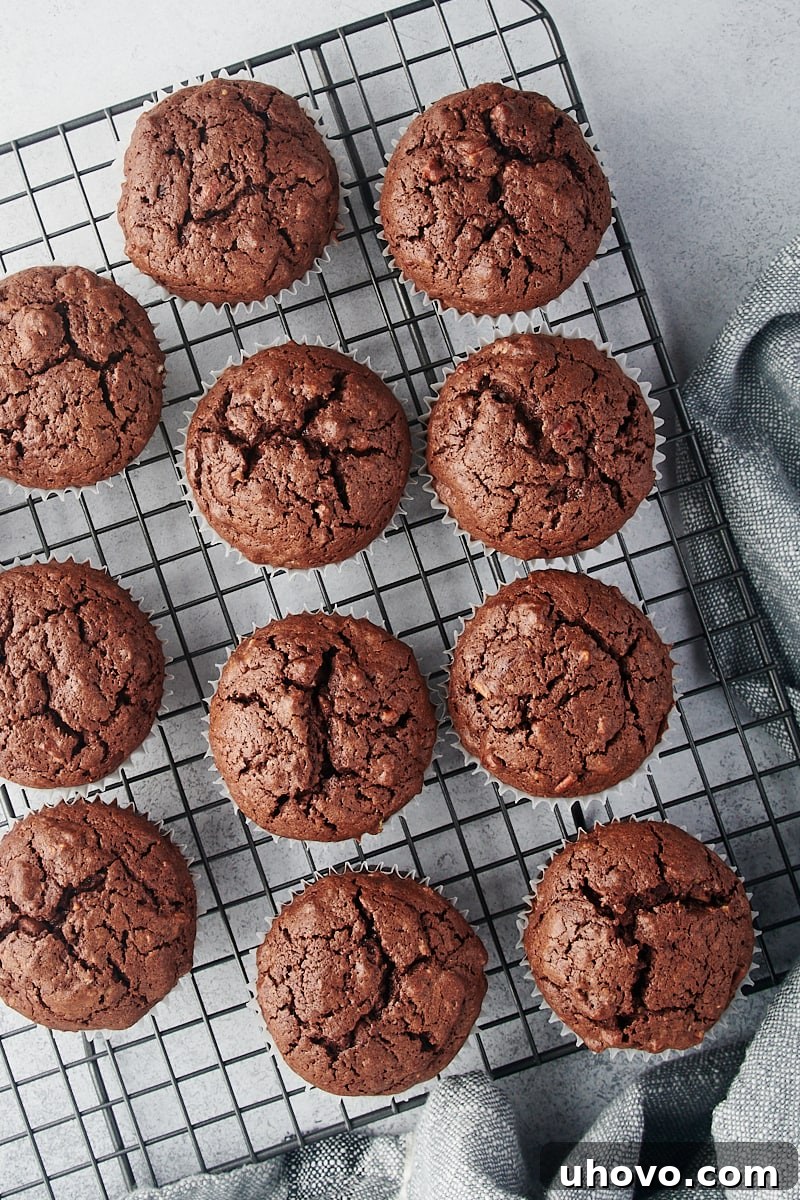
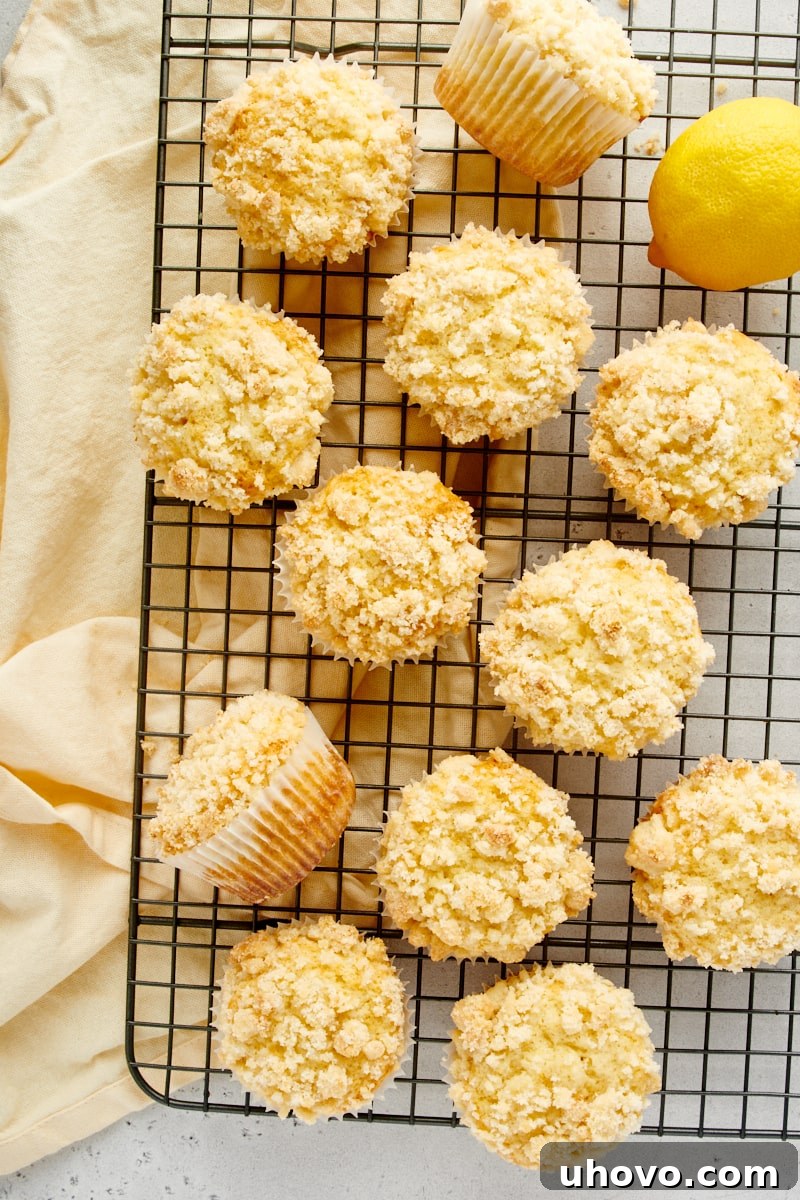
- Cupcakes and Muffins: These individual treats benefit from being removed from their pans fairly quickly to prevent steam from making their bottoms soggy. After a few minutes of initial cooling in the pan (typically 5-10 minutes), use a small knife to gently loosen any stuck edges, if necessary. Then, use your fingers or the knife to carefully lift each cupcake or muffin out of its cavity and place it onto the wire rack. Ensure they are spaced out to allow air to circulate around all sides.
- Lined Pans (Bars, Brownies, Quick Breads): Many recipes for bar cookies, brownies, or quick breads instruct you to line the pan with parchment paper, leaving an overhang on the sides. This is a brilliant technique that simplifies transfer. Once baked and cooled for the initial time in the pan (as per recipe), simply use the parchment paper overhangs to lift the entire slab of baked goods out of the pan and onto the cooling rack. Once on the rack, you can usually remove the parchment paper before slicing the bars or brownies, ensuring the bottom gets full air exposure. This method is incredibly handy for preventing breakage and making clean-up a breeze.
For items that are not removed from their pans for cooling, such as pies, cobblers, crisps, or cheesecakes, simply place the entire hot pan directly onto the wire cooling rack. The air circulation will still work its magic, helping the pan cool down much faster and reducing the carryover baking effect on the contents, leading to a perfectly set and delicious dessert.
How Many Cooling Racks Do I Really Need?
The ideal number of cooling racks for your kitchen largely depends on your baking habits and the volume of baked goods you typically produce. For the casual baker who enjoys an occasional batch of cookies or a single cake, one or two good quality cooling racks will likely suffice. A single rectangular rack offers great versatility, accommodating various pan sizes and a decent number of cookies or muffins.
However, if you frequently bake large batches of cookies for holidays, prepare multiple cakes, or engage in extensive baking projects, you might find yourself wishing for more. Consider these scenarios:
- Cookie Enthusiasts: Baking multiple trays of cookies means you’ll need space for each batch to cool while the next one bakes. Having three or four racks can dramatically speed up your process, allowing you to transfer fresh cookies from the oven to a rack, then move cooled cookies to storage, making room for the next hot batch.
- Multi-Layer Cakes: If you often bake multi-layer cakes, you’ll need a separate rack for each cake layer to cool simultaneously. This prevents delays and ensures all layers cool evenly before stacking.
- Limited Counter Space: For those with smaller kitchens, space-saving solutions like stackable cooling racks are a game-changer. These tiered systems allow you to cool a significant amount of baked goods vertically, optimizing your counter space without compromising airflow. They are particularly useful during big baking days or for intricate decorating projects.
Generally, a good starting point for most home bakers is to have at least two sturdy, rectangular cooling racks. This allows you to cool a hot pan on one while individual baked goods cool on the other. As your baking adventures expand, you can gradually add more, perhaps investing in a specialized round rack for cakes or a stackable set for peak baking seasons. The investment in an adequate number of racks pays off in efficiency and consistently superior results.
Exploring the Types of Cooling Racks
Not all cooling racks are created equal, and understanding the different types and features available can help you choose the best ones for your specific baking needs. The market offers a variety of materials, designs, and sizes, each with its own advantages.
Materials and Construction
- Chrome-Plated Steel: This is a common and affordable option. Chrome plating provides a somewhat rust-resistant surface and is generally durable. However, if the plating wears off, the steel underneath can rust.
- Stainless Steel: Considered the gold standard for durability and hygiene, stainless steel racks are rust-resistant, robust, and often dishwasher-safe. They are typically more expensive but offer excellent longevity and performance.
- Non-Stick Coated: Some racks come with a non-stick coating, which can be useful for preventing delicate baked goods from sticking. While convenient, the coating can wear off over time or with abrasive cleaning.
- Heavy-Duty Wires: Look for racks made with thick, sturdy wires. Flimsy wires can bend under the weight of heavy cakes or multiple batches of cookies, compromising the rack’s effectiveness and stability.
Grid vs. Parallel Wire Patterns
The pattern of the wires is a crucial design element:
- Grid Pattern (Crosshatch): This is generally the preferred design. A tight grid pattern provides maximum support for all types of baked goods, preventing smaller items like cookies from sagging between wires and leaving unsightly indentations. It also ensures even weight distribution and better stability.
- Parallel Wire Pattern: Racks with parallel wires, especially if the wires are widely spaced, can sometimes cause softer or smaller baked goods to sag or leave distinct “crease marks” on their bottoms. While functional for pans, they are less ideal for directly cooling delicate items.
Sizes and Shapes for Every Need
Cooling racks come in various dimensions to suit different baking projects and kitchen spaces:
- Rectangular Racks: These are the most versatile and popular choice. They can accommodate everything from cookie sheets and large cakes to dozens of muffins. Sizes often correspond to standard baking sheets (e.g., half-sheet size), allowing them to fit neatly inside pans for other culinary uses.
- Round Racks: Specifically designed for cooling round cake layers, these racks ensure the entire circumference of the cake gets even airflow. Having a few round racks can be invaluable if you frequently bake multi-layer cakes.
- Stackable Racks: For bakers with limited counter space or those who bake in high volumes, stackable cooling racks are an excellent investment. These tiered systems allow you to cool several batches of cookies, cupcakes, or individual treats simultaneously in a compact footprint, optimizing efficiency without sacrificing airflow.
When selecting a cooling rack, consider the types of baked goods you make most often, your available counter and storage space, and the overall durability of the construction. Investing in one or two high-quality, sturdy, grid-patterned rectangular racks is an excellent starting point. Many reputable brands offer excellent products, such as the Chicago Metallic extra-large rack, which is known for its durability and simple, effective design with fixed feet. Always prioritize stability and good air circulation for the best results.
Maintaining Your Cooling Racks: Cleaning Tips
Proper care and cleaning will extend the life of your wire cooling racks and ensure they remain hygienic for all your baking adventures. While some stainless steel racks may be advertised as dishwasher-safe, it’s generally recommended to hand wash most cooling racks. This helps to preserve any non-stick coatings, prevent rust on chrome-plated models, and avoid potential damage that can occur during a vigorous dishwasher cycle.
For most cleaning, a simple hand wash with warm, soapy water and a dish brush is sufficient. A brush with stiff bristles can effectively get into the grid pattern to dislodge any crumbs or stuck-on bits. For more stubborn residue, such as caramelized sugar or greasy spills, a quick soak in hot, soapy water for 10-15 minutes can work wonders to loosen the grime. Always rinse thoroughly to remove all soap residue, and then dry your racks completely with a towel or allow them to air dry in a well-ventilated area before storing. This crucial step prevents water spots and, more importantly, reduces the risk of rust, especially for non-stainless steel options.
Beyond Cooling: Creative Uses for Wire Racks
While their primary function is to cool baked goods, wire racks are surprisingly versatile kitchen tools with a multitude of other practical applications. Thinking creatively about their design can unlock their potential for various culinary tasks, making them even more indispensable.
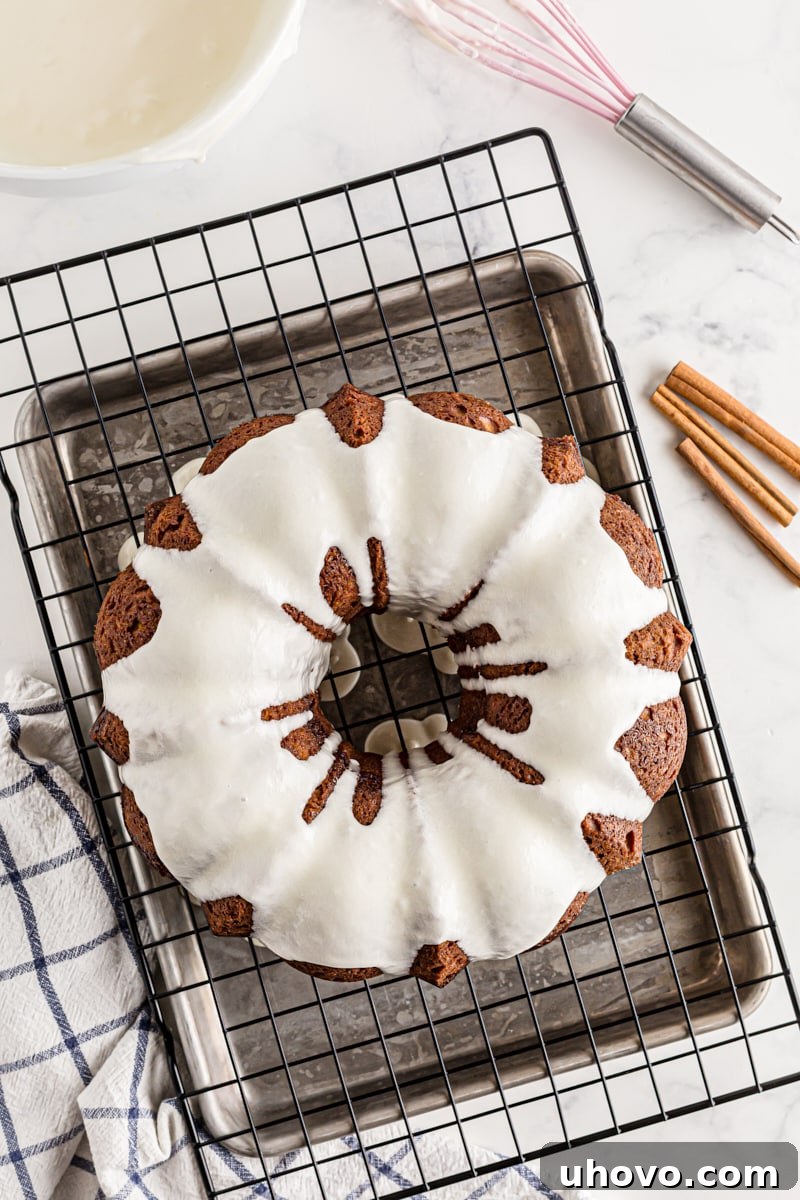
- Efficient Glazing and Frosting: Wire racks are perfect for applying glazes, icings, or chocolate coatings to cakes, pastries, or individual treats. Place the item on the rack, then pour or drizzle your topping over it. The excess glaze drips neatly through the wires onto a sheet of parchment or waxed paper placed underneath, preventing messy pools of glaze from accumulating at the base of your dessert. This technique ensures an even coating and a clean finish, making items like glazed donuts, cinnamon rolls, or petit fours look professionally made.
- Roasting and Draining: Many wire racks are oven-safe and can be placed inside a baking sheet or roasting pan. This setup is ideal for roasting vegetables, chicken wings, bacon, or other meats. Elevating the food on the rack allows hot air to circulate completely around it, resulting in crispier skin and more even cooking. It also lets excess fat or juices drip into the pan below, making for healthier meals and easier clean-up. Always ensure your specific rack is labeled as “oven-safe” or “baking rack” before using it at high temperatures.
- Drying and Dehydrating: For those who make homemade pasta, jerky, or even dry herbs from their garden, a wire rack provides the perfect elevated surface for air drying. The constant airflow from all sides helps to evenly dry food items, preventing mold or uneven moisture retention.
- Washing and Draining Produce: A clean wire rack can be placed over your sink to create an instant drying station for washed fruits and vegetables. The water drains directly into the sink, keeping your countertops dry and your produce ready for use.
- Temporary Storage and Serving: During large gatherings or busy cooking sessions, a wire rack can serve as an excellent temporary holding station for hot pots and pans, freeing up valuable counter space. They can also double as rustic serving platters for appetizers, allowing air to circulate and keeping things from getting soggy, especially useful for fried items.
By exploring these additional uses, your wire cooling racks can easily become one of the most hardworking and versatile tools in your kitchen, proving their worth far beyond just cooling baked goods.
Temporary Substitutes for Cooling Racks
While a dedicated wire cooling rack is undeniably the superior tool for ensuring perfectly cooled baked goods, there might be times when you find yourself without one. Perhaps you’re at a friend’s house, or your racks are all in use. In such situations, some clever temporary substitutes can help elevate your hot pans and baked items, though it’s important to remember these are compromises and won’t offer the same consistent airflow as a proper rack for individual items.
These alternatives are primarily effective for providing initial elevation to a hot pan, preventing carryover baking. They are generally less effective at providing comprehensive airflow for individual baked goods to prevent condensation or promote even cooling from all sides. For the best results, investing in at least one quality wire cooling rack is highly recommended.
- Metal Cookie Cutters or Canning Rings: Gather several metal cookie cutters of similar height or canning rings. Arrange them strategically on your countertop to create a stable elevated platform. Carefully place your hot baking pan on top of this improvised structure. To prevent sliding, you can place a silicone mat or a damp kitchen towel underneath the cookie cutters.
- Aluminum Foil Balls: Crumple several pieces of heavy-duty aluminum foil into sturdy balls or cylindrical shapes. Arrange these foil supports on your counter, ensuring they create a level and stable base for your hot pan. Again, a nonslip mat underneath is advisable for safety.
- Inverted Muffin Pans: An inverted muffin pan can serve as a makeshift elevated surface. Simply turn a muffin pan upside down and place your hot pan on top of its base. This works well for single pans but offers limited space.
- Clean Oven or Grill Racks: If available, a clean metal rack from your toaster oven, conventional oven, or even a grill grate can be repurposed. Ensure these racks are thoroughly cleaned and free of any food residue or grease before use. For direct contact with baked goods, consider laying a piece of parchment paper or clean paper towels over the rack to provide a cleaner surface and prevent potential marks from the wider grates.
- Sturdy Heat-Resistant Trivets (limited use): While trivets are designed to protect surfaces from heat, most do not provide the necessary airflow for the bottom of a pan or individual baked goods. However, a trivet with an open, airy design might offer some minimal elevation. This is a last resort and still won’t match the effectiveness of a wire rack.
More Baking Tips and Tricks for Success
Mastering the art of baking involves understanding your tools and techniques. If you’re eager to expand your baking knowledge and elevate your skills even further, explore these additional resources:
- A Baker’s Guide to Sheet Pans
- Baking Tips for Beginners
- How to Choose Baking Pans
- Unlined vs Lined Baking Sheets
Bake or Break is a participant in the Amazon Services LLC Associates Program, an affiliate advertising program designed to provide a means for us to earn fees by linking to Amazon.com and affiliated sites.