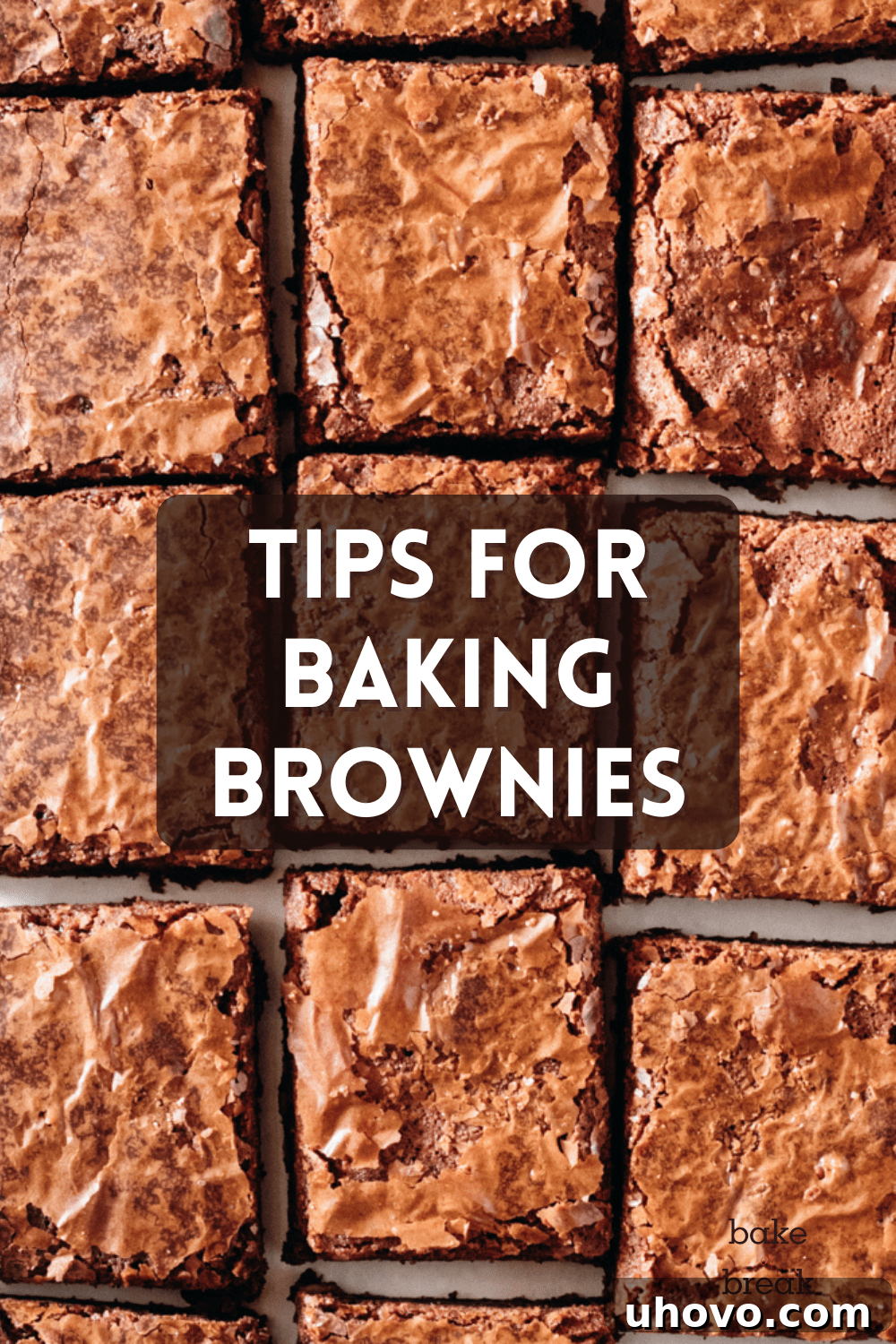
Unlock the secrets to baking fudgy, chewy, and utterly irresistible brownies from scratch with these expert tips and tricks!
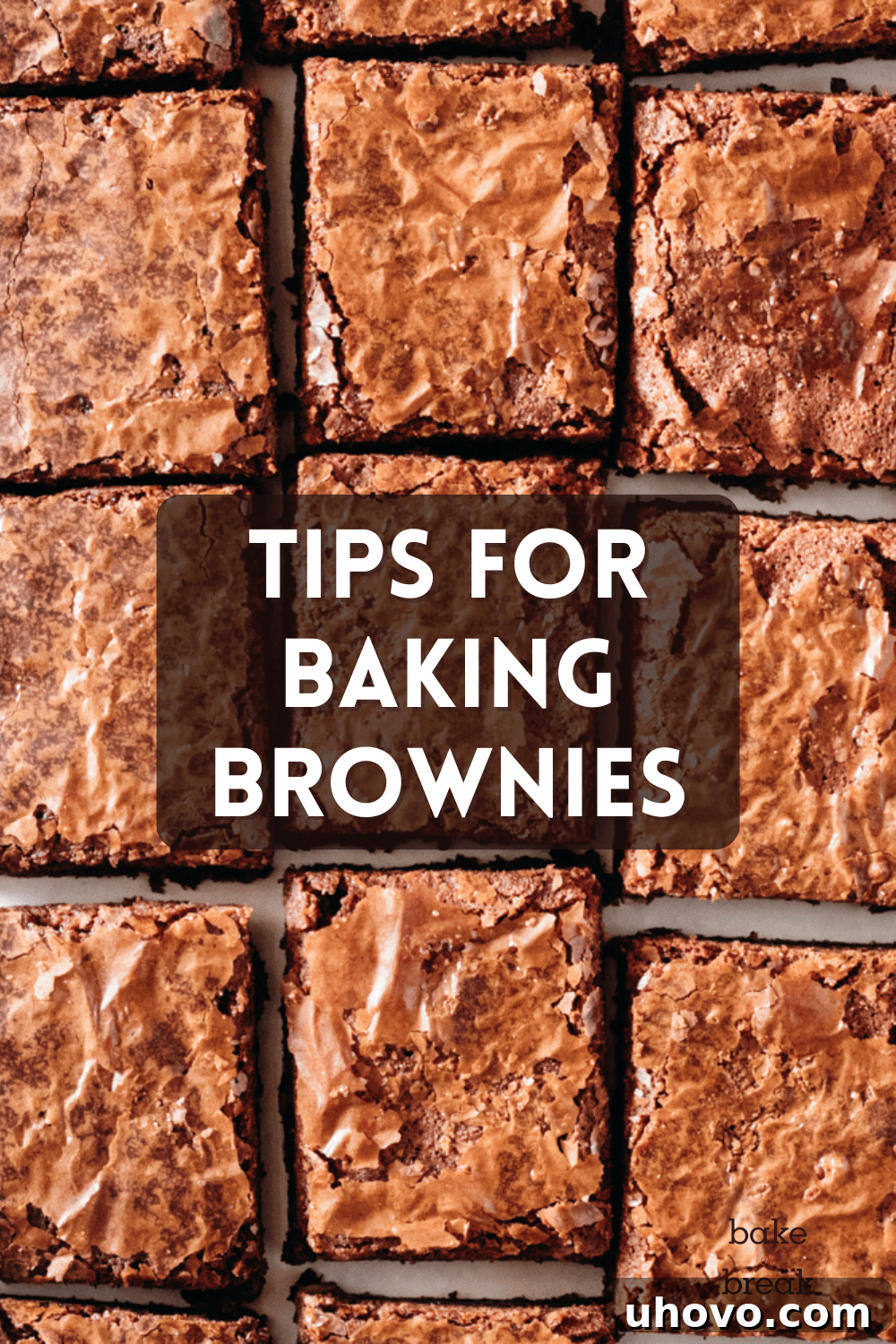
Mastering Homemade Brownies: Essential Tips from Scratch
Brownies hold a special place in the hearts of dessert lovers worldwide, and for good reason. They offer that perfect balance of rich chocolate flavor, often with a desirable fudgy interior and a delightful crinkly top. What makes them even more appealing is their relative simplicity, making them an excellent starting point for new bakers, yet offering enough nuance for seasoned pros to truly perfect.
Having baked countless batches over the years, I’ve seen firsthand how quickly and effortlessly the ingredients transform into a decadent treat. While baking brownies from scratch is generally straightforward, a few key techniques and considerations can elevate your homemade brownies from good to absolutely extraordinary. These tried-and-true tips, many of which you might recognize if you’ve followed my baking journey, are designed to help you consistently achieve perfect brownies every single time.
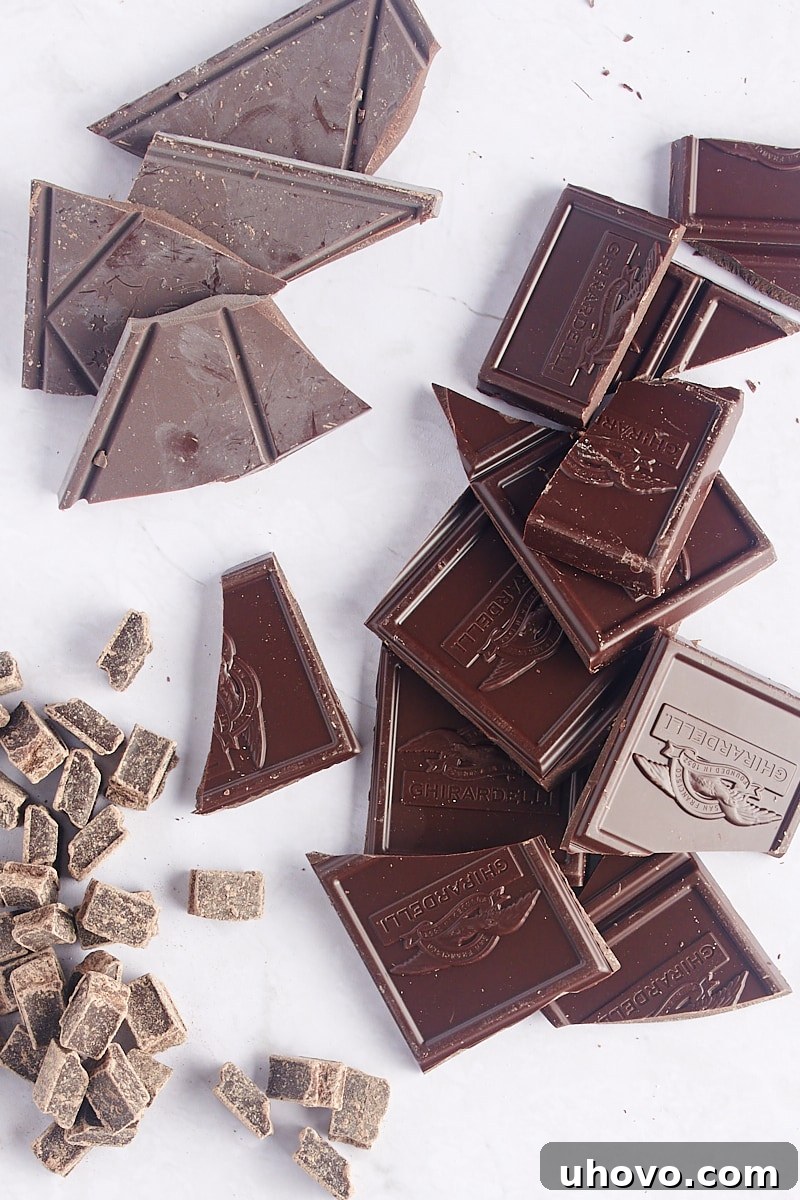
Prioritize Quality Chocolate for Unforgettable Flavor
This might sound like an obvious starting point, but its importance cannot be overstated when it comes to baking truly exceptional brownies. Chocolate isn’t just an ingredient in brownies; it’s the very soul of the dessert. Whether your recipe calls for melted baking chocolate, cocoa powder, or a delightful combination of both, the quality of your chosen chocolate directly dictates the depth and richness of your final product. Investing in good quality chocolate is perhaps the most impactful of all tips for baking brownies.
You don’t necessarily need to splurge on the most expensive couverture chocolate, but aim for a brand that tastes genuinely good to you on its own. A chocolate with a flavor profile you enjoy will translate into brownies you’ll adore. Experiment with different cocoa percentages and brands to discover your personal preference for the ideal chocolatey intensity. Remember, the better the chocolate, the more luxurious and satisfying your fudgy brownies will be.
To dive deeper into the world of chocolate and make informed choices for your baking, explore this comprehensive resource: A Home Baker’s Guide to Chocolate.
Measure Ingredients with Precision
Accuracy is the cornerstone of all successful baking, and homemade brownies are no exception. Precise measurement ensures the correct balance of wet and dry ingredients, which is crucial for achieving that coveted brownie texture – whether you prefer them dense and fudgy or slightly cakey. The most reliable way to measure ingredients, especially flour, sugar, and chocolate, is by weight using a digital kitchen scale. This eliminates the inconsistencies that often arise from volumetric measurements (cups and spoons), which can vary significantly depending on how ingredients are scooped and leveled.
If a kitchen scale isn’t yet part of your baking arsenal, consistency in your measuring technique becomes paramount. For dry ingredients like flour, spoon it lightly into your measuring cup and then level it off with a straight edge. Avoid scooping directly from the bag, as this can compact the flour, leading to an excess amount and potentially dry, tough brownies. Similarly, ensure wet ingredients are measured at eye level. Taking the time for accurate measurement is a small effort that yields significant rewards in the quality of your perfect brownies.
For a detailed guide on proper measuring techniques, particularly for dry ingredients, refer to: How to Measure Flour.
Optimal Ingredient Temperature is Key
Temperature control plays a more critical role in brownie baking than many realize. It affects how ingredients combine, emulsify, and ultimately impact the final texture of your brownies. When a recipe instructs you to melt butter and chocolate together, it’s often followed by a directive to cool the mixture slightly before incorporating other ingredients, particularly eggs. This step is vital. The mixture needs to be warm enough to dissolve the sugar effectively, contributing to a smooth, uniform batter and a shiny crinkly top. However, it must not be so hot that it begins to cook or scramble the eggs when they are added, which can result in an undesirable texture.
Equally important is the temperature of your eggs. Most brownie recipes, like many other baked goods, benefit significantly from using room temperature eggs. Eggs at room temperature emulsify much more easily and smoothly with other ingredients, creating a more homogeneous batter. This improved emulsification leads to a more consistent and desirable texture in your finished brownies. Planning ahead to bring your eggs to room temperature – typically by letting them sit out for 30 minutes to an hour – is a simple step that makes a noticeable difference.
Selecting the Right Pan for Superior Baking
The choice of baking pan is not a trivial detail when striving for perfect brownies; it directly impacts their thickness, baking time, and overall texture. Always adhere to the pan size specified in your chosen brownie recipe. Deviating from this can lead to brownies that are either too thin and prone to over-baking or too thick, requiring longer baking times and potentially resulting in undercooked centers or dense, unevenly baked edges.
For consistent and evenly baked brownies, I almost exclusively recommend using light-colored metal pans. Dark metal pans absorb heat more intensely, which can cause the edges of your brownies to bake much faster and become tough or even burnt before the center is done. Glass pans, while popular and aesthetically pleasing, also absorb heat more efficiently than light metal. This can lead to similar issues of over-baked, tough edges and an inconsistent internal texture unless the recipe is specifically formulated for a glass pan, often calling for a lower oven temperature and an adjusted baking time. To avoid these common pitfalls and ensure your brownies bake beautifully every time, a quality light-colored metal pan is a worthwhile investment for any regular brownie baker.
Embrace Parchment Paper for Effortless Removal and Cutting
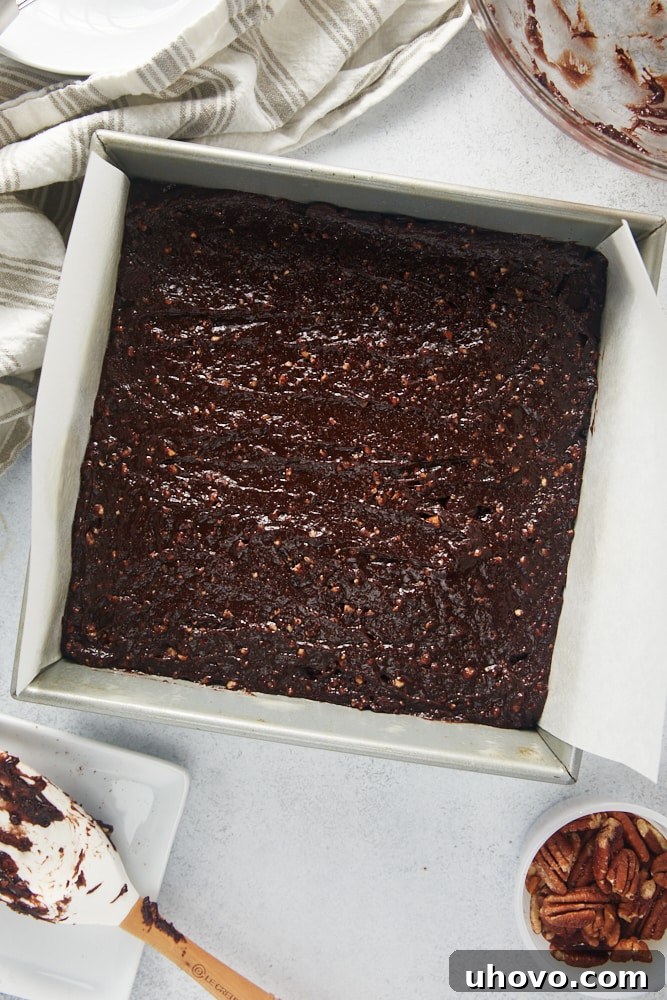
While lining your baking pan with parchment paper might seem like an extra step, it’s a game-changer for convenience and presentation. This optional yet highly recommended technique ensures flawless removal of your brownies and simplifies the cutting process, making it a valuable addition to your brownie baking routine. After lightly greasing your baking pan (this helps the parchment adhere), cut a sheet of parchment paper long enough to cover the bottom and extend up two opposite sides of the pan, creating a “sling.” Allow a generous overhang on these two sides.
Once your brownies have baked and cooled sufficiently, these parchment paper overhangs become handles. You can easily lift the entire slab of brownies out of the pan and transfer it onto a cutting board. This method is incredibly beneficial for several reasons: it ensures that your brownies don’t stick to the pan, prevents any scratching of your pan’s surface when cutting with a knife, and provides a stable, flat surface for achieving perfectly even cuts. It’s a simple trick that significantly elevates the user experience of baking homemade brownies.
Properly Melting Butter and Chocolate for a Smooth Base
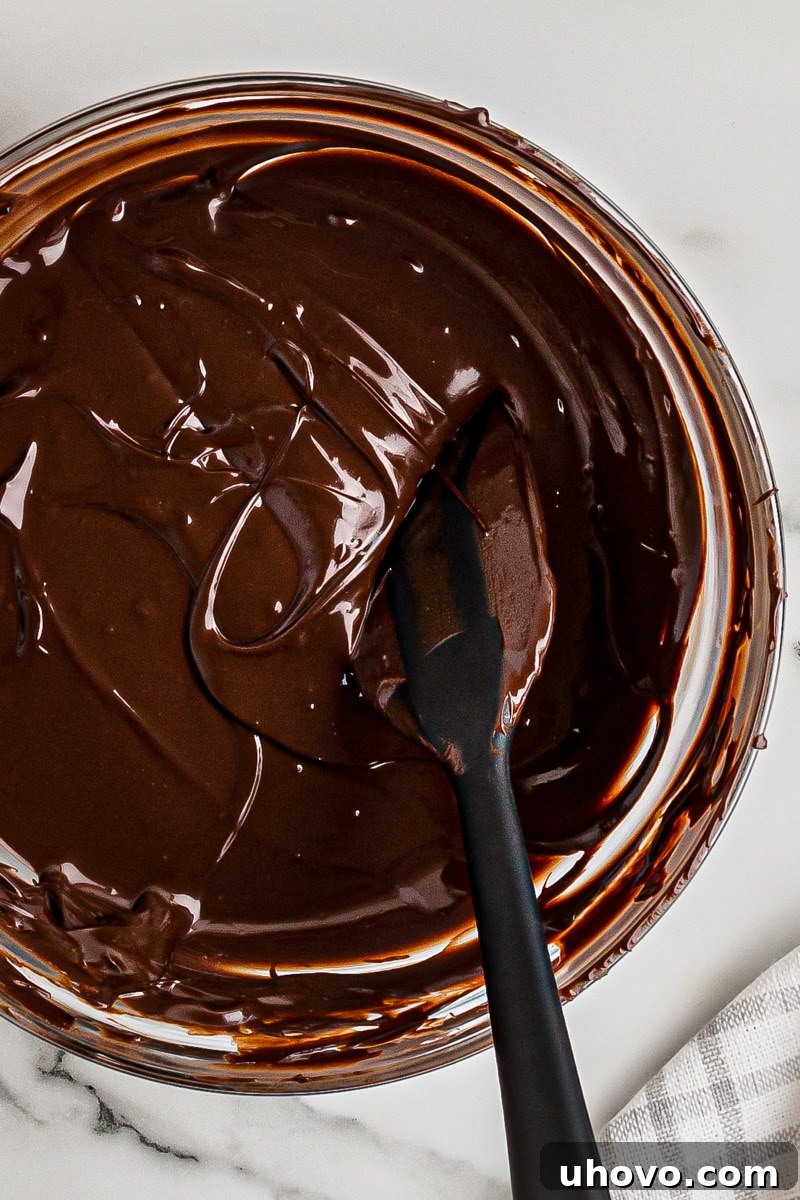
Many classic brownie recipes begin with melting butter and chocolate together, forming the rich, foundational base for your batter. Traditionally, this is accomplished using a double boiler, which provides gentle, indirect heat, or in a heavy-bottomed saucepan over low heat, stirring constantly to prevent scorching. However, for a quicker and equally effective method, the microwave is an excellent tool. When using the microwave, always opt for a microwave-safe bowl and heat the butter and chocolate at half power in short 30-second increments. After each interval, stir the mixture thoroughly. The residual heat will continue to melt the chocolate even after it’s removed from the microwave. Continue this process until the butter is fully melted and the chocolate is smooth and glossy when stirred.
A crucial tip regarding chocolate choice for melting: I generally advise against using chocolate chips for melting into brownie batter. Chocolate chips are designed to hold their shape during baking, meaning they contain stabilizers that make them less ideal for smooth, even melting. This characteristic increases the risk of the chocolate seizing or becoming grainy when heated. For the best results and a truly smooth brownie base, I strongly recommend using baking bars, chocolate discs, or chopped high-quality chocolate. While individual results may vary, opting for chocolate specifically designed for melting will yield a superior texture and flavor in your fudgy brownies.
Sift Cocoa Powder for a Velvety Batter
Let’s be honest, sifting can feel like an extra, often tedious, step in baking. However, for certain ingredients, its impact on the final product is undeniable. When it comes to cocoa powder in your brownie recipe, sifting is a non-negotiable step for achieving the smoothest, most luxurious batter possible. Cocoa powder, by its nature, tends to clump easily, forming small, stubborn lumps that resist dissolving into the wet ingredients. These clumps can lead to an unevenly textured batter and visible pockets of dry powder in your finished brownies.
Sifting the cocoa powder breaks up these lumps, aerates the powder, and ensures it disperses evenly throughout the dry ingredients, and subsequently, into the wet batter. This results in a consistently smooth, uniform brownie mixture that bakes beautifully and delivers an exquisitely even chocolate flavor and texture. While I generally avoid unnecessary sifting, for cocoa powder (and confectioners’ sugar), I am a firm believer that this small effort dramatically enhances the quality of your homemade brownies.
The Golden Rule: Do Not Over-Mix Brownie Batter
Compared to delicate cakes or finicky pastries, brownies are remarkably forgiving. Yet, there is one common pitfall that can significantly impact their texture: over-mixing the batter. This is perhaps the second most crucial tip for baking brownies, right after using quality chocolate. Over-mixing develops the gluten in the flour excessively, leading to brownies that are tough, chewy in an undesirable way, and often crumbly rather than delightfully fudgy.
The simplest and most effective way to prevent over-mixing is to mix your brownie batter by hand with a sturdy spoon or spatula, rather than relying on an electric mixer. This allows for better control and helps you stop mixing as soon as the ingredients are just combined. When adding eggs, mix them only until they are fully incorporated into the wet ingredients. If you know you have a tendency to over-mix, a useful technique is to lightly beat the eggs in a separate bowl before adding them to the batter. Once you introduce the dry ingredients to the wet, mix just until no streaks of flour remain. A few small lumps are perfectly acceptable; it’s far better to under-mix slightly than to over-mix.
Spread the Batter Evenly for Uniform Baking
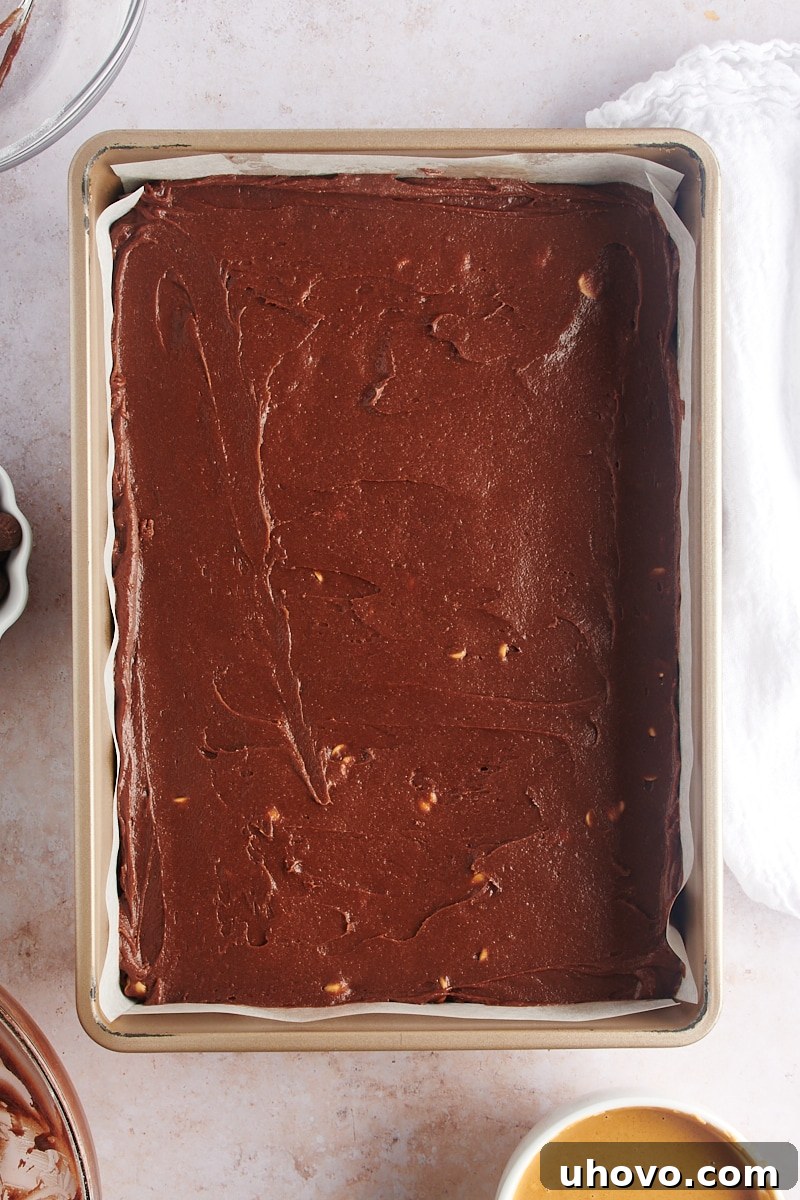
Once your perfectly mixed brownie batter has been transferred to your prepared baking pan, take a moment to ensure it’s spread evenly. This seemingly small detail makes a significant difference in how your brownies bake. An uneven surface means some parts will be thicker than others, leading to inconsistent baking: some areas might be overcooked and dry, while others remain undercooked and gooey. To achieve a consistently baked, perfectly fudgy brownie from edge to edge, use a spatula to gently spread the batter right into the corners and ensure the top surface is as level as possible. An offset spatula is particularly useful for this task, allowing you to glide over the batter with ease and create a smooth, even layer. This simple step guarantees that every bite of your homemade brownies will have the same delightful texture.
The Ultimate Brownie Commandment: Do Not Over-Bake!
If there’s one mistake that can instantly ruin a batch of otherwise perfect brownies, it’s over-baking. Over-baked brownies lose their signature fudgy texture and become dry, crumbly, and cakey in an undesirable way. Every oven is different, and baking times are always approximate, so relying solely on the clock can be misleading. Instead, learn to test for doneness using the recipe’s guidelines. Typically, this involves inserting a wooden skewer, toothpick, or thin knife into the very center of the brownies.
For fudgy brownies, the pick should emerge with a few moist crumbs attached, but not wet batter. If the pick comes out completely clean, your brownies are already likely past their prime. Remember that baking doesn’t magically stop the moment you pull the pan from the oven. The carryover heat from the hot pan will continue to cook the brownies for several minutes as they cool, a process known as residual baking. Therefore, it’s always better to err on the side of slightly under-baking; a slightly gooey center will firm up beautifully as it cools, ensuring maximum fudginess.
Patience is a Virtue: Cool Before Cutting
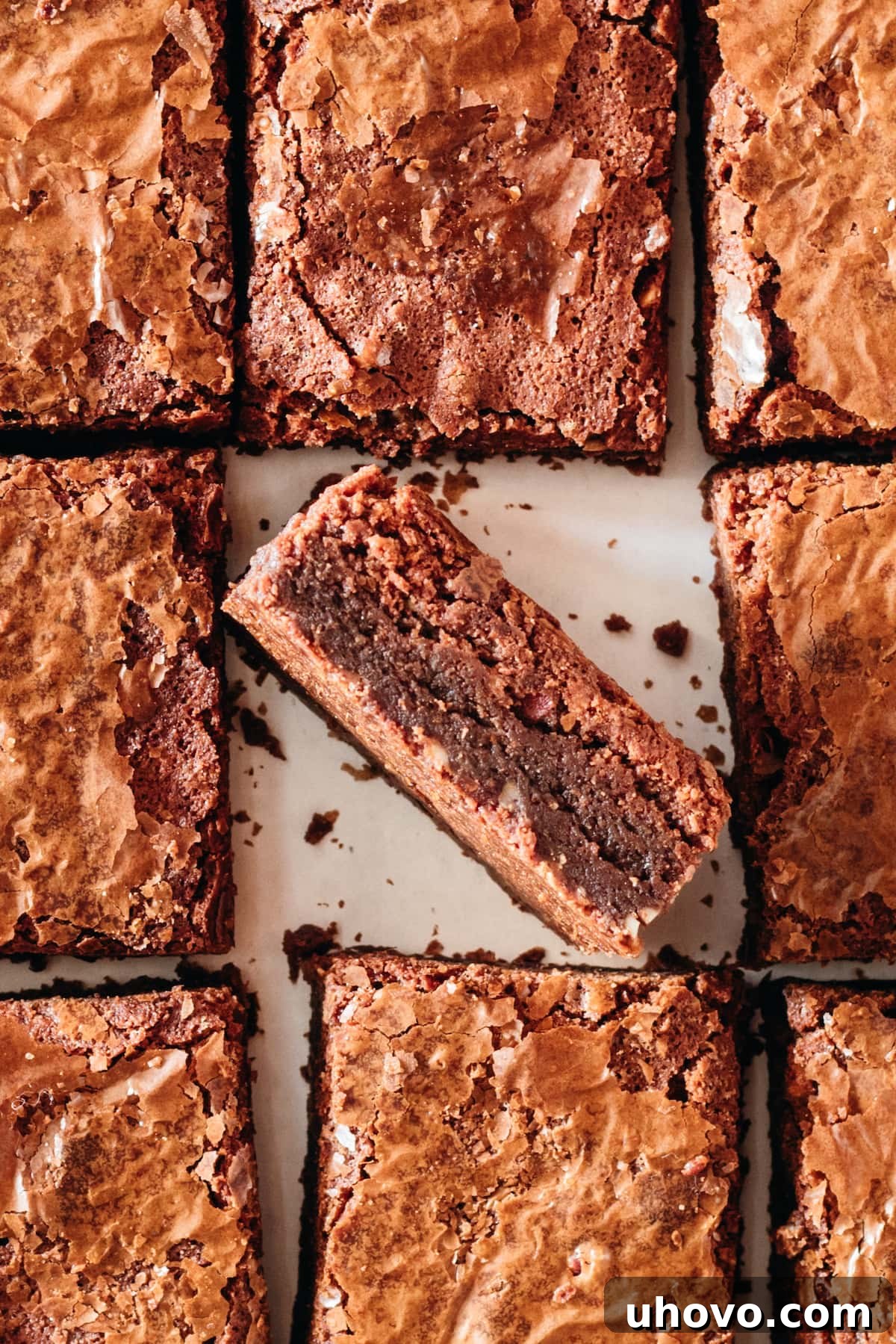
The aroma of freshly baked brownies filling your kitchen is undeniably intoxicating, and the temptation to slice into them immediately is almost unbearable. However, succumbing to this urge is a common mistake that can compromise the texture and appearance of your homemade brownies. Brownies, especially fudgy ones, need time to set up and cool completely before cutting. Cutting them while warm will almost certainly result in crumbly, messy, and misshapen bars that lack that desirable clean edge and firm texture.
As brownies cool, their internal structure stabilizes, and the fats solidify, allowing them to hold their shape perfectly. This cooling process also concentrates their flavor, making them even more delicious. While it requires a significant amount of willpower, allowing your brownies to cool entirely in the pan, preferably at room temperature for several hours or even overnight, is essential for achieving neat, uniform squares and the best possible eating experience.
Achieving Professional-Looking Clean Cuts
Once your brownies have fully cooled and set, you’re ready for the final step: cutting them into perfect squares. If you followed the advice to line your pan with parchment paper, this part becomes incredibly easy. Simply use the parchment overhangs to lift the entire slab of brownies out of the pan and onto a sturdy cutting board. For the cleanest cuts, a sharp, serrated knife is your best friend. Use a smooth, decisive motion, pressing down rather than sawing back and forth, to minimize crumbling and create crisp edges. For even sharper, more professional-looking cuts, wipe the knife blade clean with a damp cloth or rinse it under warm water between each slice. This removes sticky residue that can drag through the next cut.
For an extra level of precision and ease, consider chilling your cooled brownies. Place the pan in the refrigerator for about 30 minutes or in the freezer for 10-15 minutes. The chilled brownies will firm up, making them much easier to slice cleanly and evenly, almost like cutting through butter. Many bakers also find a pizza rocker knife to be excellent for making long, straight, clean cuts in one swift motion. While some attest to the surprising effectiveness of a plastic knife for cutting brownies, I haven’t personally tried it. Do you have a go-to trick for achieving perfectly sliced brownies? Share your insights in the comments below!
Delightful Brownie Recipes You’ll Love to Bake
Now that you’re armed with these essential tips for baking brownies, I’m sure your craving for that decadent, chocolatey goodness is at an all-time high! It’s the perfect moment to put these expert tricks to the test and bake a batch of truly incredible homemade brownies. Whether you’re a fan of rich dark chocolate, a hint of coffee, or delightful mix-ins, there’s a perfect brownie recipe waiting for you. Here are some of my all-time best and most popular brownie recipes that I’m confident you’ll adore. And if you’re seeking even more inspiration to satisfy your chocolate cravings, be sure to explore my complete collection of brownie recipes in the Recipe Index.
Happy baking, and enjoy your perfectly fudgy brownies!
- Supernatural Brownies
- Dark Cocoa Powder Brownies
- Brownie Cupcakes
- Milk Chocolate Brownies
- Cookies and Cream Brownies
- Chocolate Mascarpone Brownies