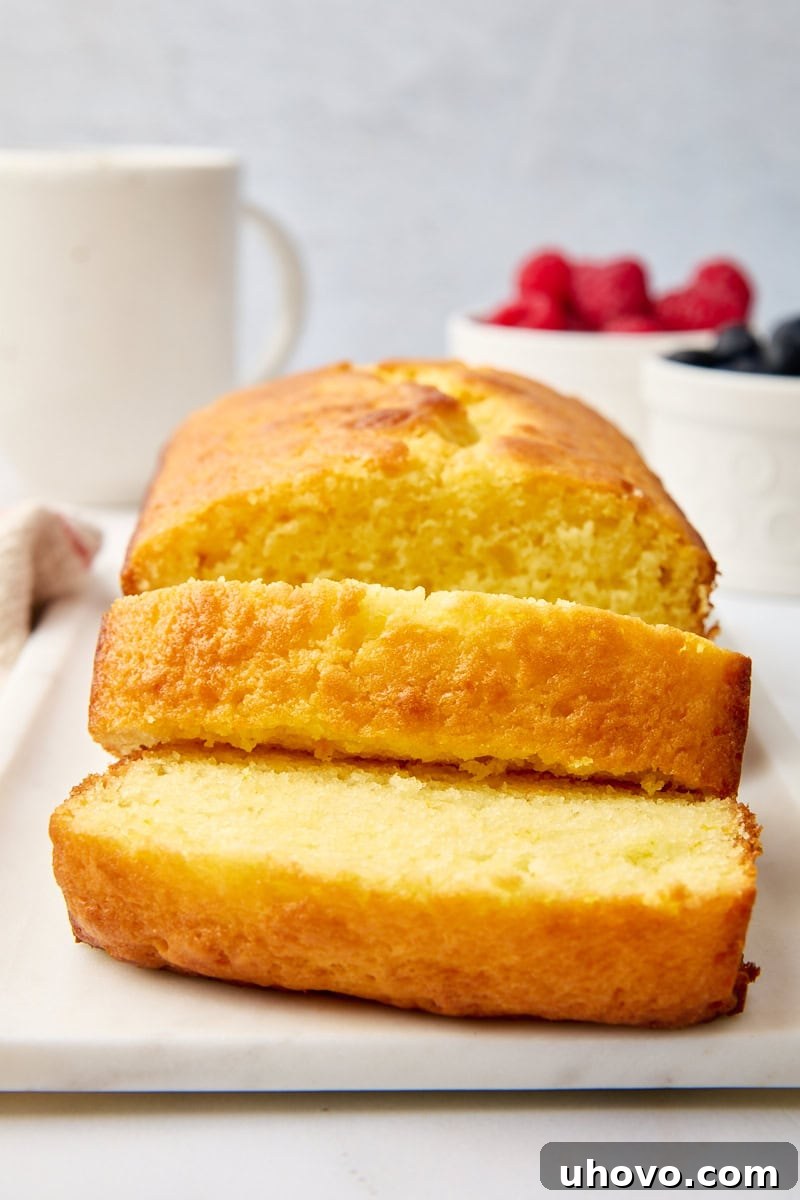
Welcome to a delightful baking experience with our easy yogurt cake recipe – a truly light, incredibly moist, and wonderfully flavorful treat bursting with bright citrus notes. This isn’t just any cake; it’s the quintessential simple, everyday cake that effortlessly elevates any moment, perfect for when you crave a cheerful, homemade indulgence without any fuss.
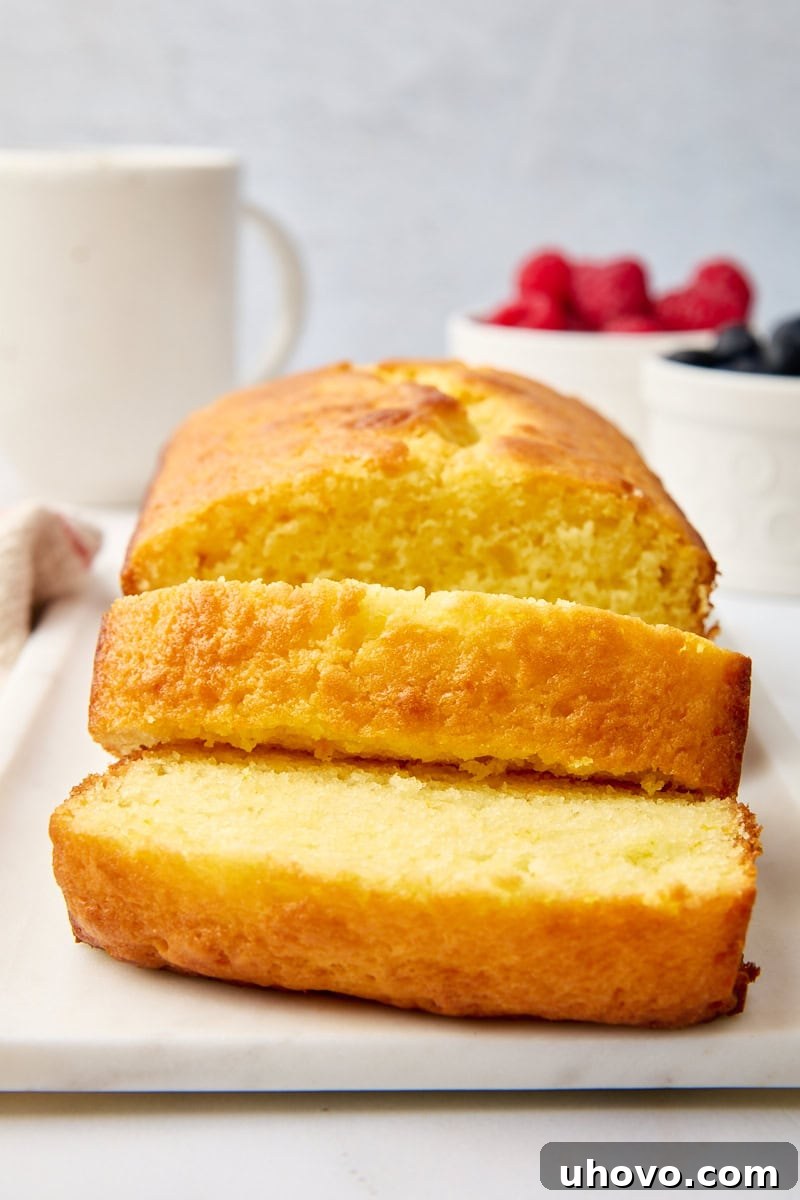
In the realm of effortless and adaptable desserts, a homemade yogurt cake stands unrivaled. This simple yet sophisticated recipe consistently delivers a remarkably tender crumb and a captivating citrus aroma that feels perfectly suited for any season, especially spring and summer gatherings. Its understated elegance makes it an ideal choice for spontaneous celebrations, leisurely afternoon tea breaks, or simply to add a touch of sunny sweetness to your day.
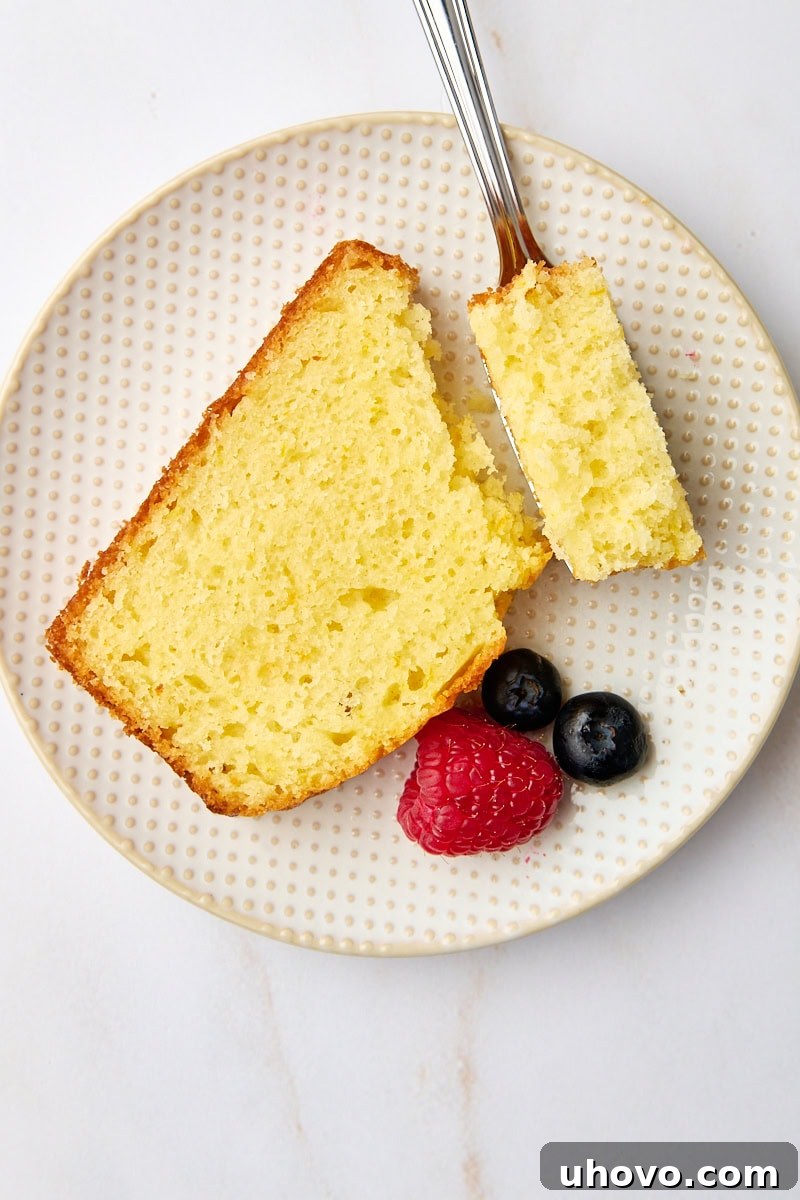
This versatile loaf cake shines in its simplicity. You can present it unadorned for a pure taste experience, lightly dusted with a delicate veil of powdered sugar, or crowned with a vibrant medley of fresh seasonal berries for an extra pop of color and natural sweetness. No matter your presentation, this easy yogurt loaf cake promises a delightful texture and an unforgettable flavor that will have everyone asking for more. It’s more than just a recipe; it’s an invitation to savor the simple pleasures of home baking.
Why This Easy Yogurt Cake Will Become Your Go-To Recipe
Discover what makes this moist yogurt cake recipe an absolute favorite in kitchens everywhere. Its inherent simplicity, coupled with a captivating flavor profile, ensures it will quickly earn a permanent spot in your baking repertoire.
- Effortlessly Simple to Bake: Forget complicated techniques or a sink full of dishes. This recipe requires just a few basic bowls and readily available ingredients, making it ideal for bakers of all skill levels.
- Remarkably Light and Fresh: Prepare to be amazed by its perfectly moist texture and an invigorating citrus flavor that feels bright and uplifting. It’s never heavy, always refreshing.
- Incredibly Versatile for Any Occasion: Whether you prefer it plain, elegantly dressed with a cascade of fresh fruit, or simply finished with a delicate dusting of powdered sugar, this cake adapts beautifully to your serving preferences.
- The Epitome of Spring and Summer Baking: Its light character and zesty flavor make it an excellent choice for festive brunches, delightful picnics, casual backyard barbecues, or any cheerful get-together. It embodies the essence of warm-weather baking.
- Healthier Twist on a Classic: By incorporating Greek yogurt, this cake offers a subtly tangy flavor and a boost of protein, often reducing the need for excessive fats found in traditional cakes, making it a slightly lighter option.
The Magic of Baking with Yogurt: Achieving Ultimate Moisture and Flavor
Yogurt is a secret weapon in baking, especially when it comes to achieving that coveted moist and tender crumb. Its unique properties contribute significantly to the texture, flavor, and even the rise of your cakes. When you bake with yogurt, you’re not just adding a dairy product; you’re introducing an acidic ingredient that interacts beautifully with baking soda and baking powder, leading to a lighter, airier result.
Moisture Beyond Compare: Yogurt’s high water content, combined with its creamy texture, infuses cakes with an incredible amount of moisture. This moisture is locked in during baking, ensuring your cake stays soft and fresh for days. Unlike butter or oil, yogurt contributes moisture without making the cake greasy.
A Delicate Tang: The natural acidity of yogurt, particularly Greek yogurt, adds a subtle tang that perfectly balances the sweetness of the sugar. This slight tartness brightens the overall flavor profile, especially when paired with citrus, creating a more complex and nuanced taste experience.
Tender Crumb Development: Yogurt’s acidity also works to tenderize the gluten in the flour. This means less gluten development, which translates to a softer, more delicate crumb that practically melts in your mouth, rather than a dense or tough texture.
Enhanced Rise: When yogurt reacts with leavening agents like baking soda and baking powder, it creates carbon dioxide bubbles. These bubbles expand during baking, helping the cake to rise beautifully and achieve a lovely, fluffy texture. This reactive leavening is key to a light and airy loaf.
Choosing Greek yogurt, as specified in this recipe, amplifies these benefits. Its thicker consistency and higher protein content provide even richer moisture and a more pronounced tang, contributing to the exceptional tenderness and flavor of this easy citrus yogurt cake.
Essential Ingredients for the Best Yogurt Loaf Cake
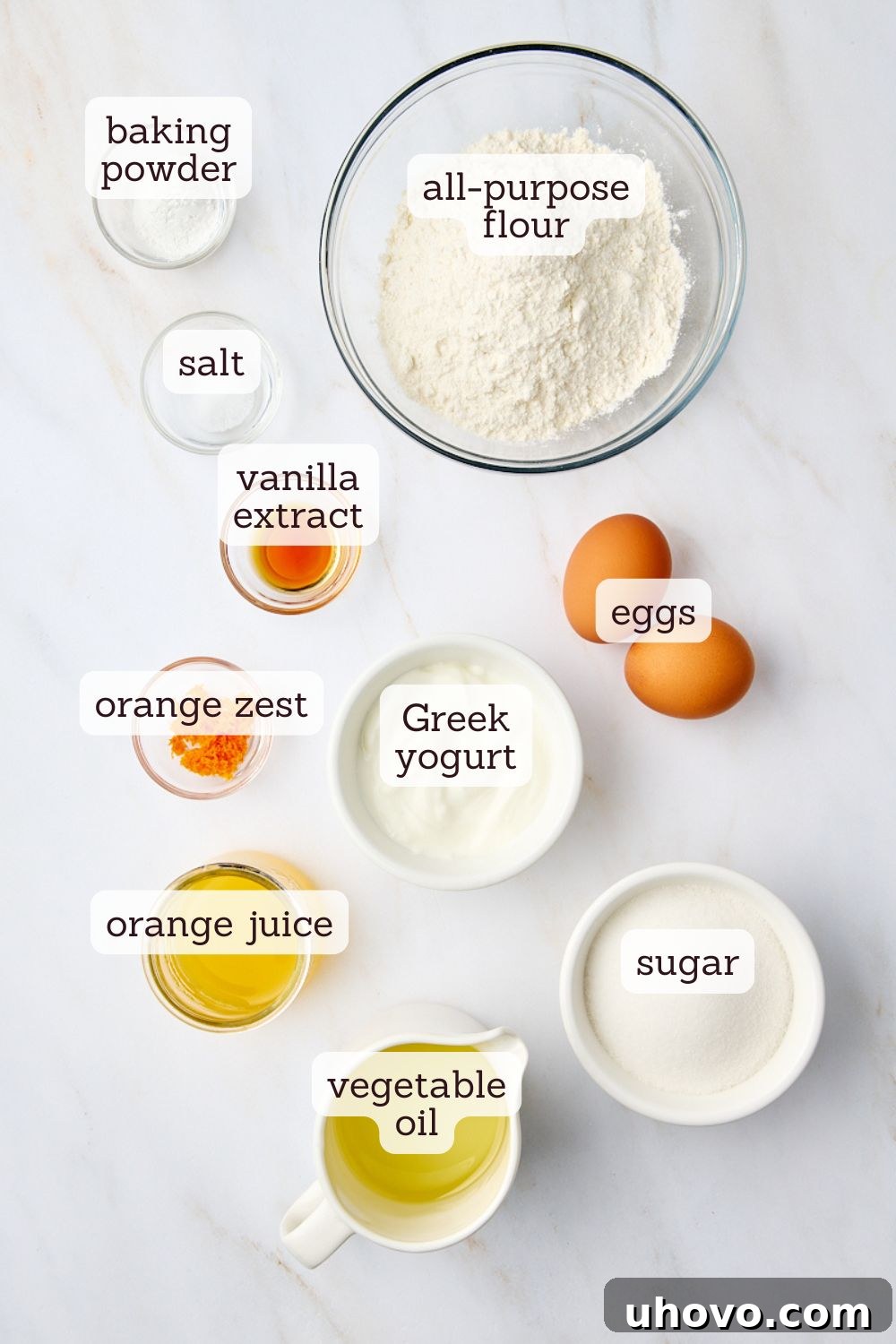
This extraordinary yogurt cake is crafted from a selection of everyday ingredients, yet a few stars truly make it sparkle. Let’s take a closer look at the components that contribute to its exceptional texture and vibrant flavor. (For the complete list of precise measurements and quantities, please refer to the detailed recipe card located at the bottom of this post.)
- Plain Greek Yogurt: The cornerstone of this moist yogurt cake. It imparts an unparalleled tenderness and rich moisture to the crumb, creating a soft, melt-in-your-mouth texture that is incredibly satisfying. Its slight tang also perfectly complements the citrus notes.
- Fresh Orange Zest and Juice: These are the twin powerhouses behind the cake’s bright, invigorating citrus flavor. The zest, rich in essential oils, infuses every bite with intense aroma, while the fresh juice adds a lovely tartness and moistness, making the cake wonderfully vibrant and deliciously flavorful.
- Vegetable Oil: Unlike butter, vegetable oil contributes pure moisture without the risk of drying out as the cake cools. It ensures the cake remains incredibly soft, light, and tender, maintaining its delightful texture for several days after baking.
- Baking Powder: Our primary leavening agent. Baking powder reacts when combined with liquid and heat, creating carbon dioxide bubbles that cause the cake to rise beautifully and achieve a light, airy, and fluffy structure.
- All-Purpose Flour: Provides the fundamental structure for the cake. When mixed just right, it creates a stable yet tender framework.
- Granulated Sugar: Not only sweetens the cake but also contributes to its moisture by attracting and retaining water, and helps in tenderizing the crumb.
- Eggs: Act as binders, adding structure, richness, and helping to emulsify the batter for a smoother consistency. They also contribute to the cake’s golden color.
- Salt: A crucial flavor enhancer. It doesn’t just make the cake taste savory; it sharpens the bright citrus notes and balances the sweetness, preventing the cake from being cloying.
- Vanilla Extract: A classic flavor enhancer that rounds out the overall taste, adding a warm, aromatic depth that beautifully complements the orange.
Step-by-Step Guide: Crafting Your Perfect Yogurt Cake
Creating this easy orange yogurt cake is a straightforward process, built on simple baking principles that yield incredible results. Follow these steps for a moist, tender, and flavor-packed loaf every time.
- Begin with Pan Preparation: Properly preparing your loaf pan is crucial for a smooth release. Grease your 9×5-inch loaf pan thoroughly with butter or cooking spray, then line it with parchment paper, leaving an overhang on the longer sides. This creates “handles” to easily lift the finished cake out after baking, preventing any sticking. Preheat your oven to 350°F (175°C) so it’s ready when your batter is.
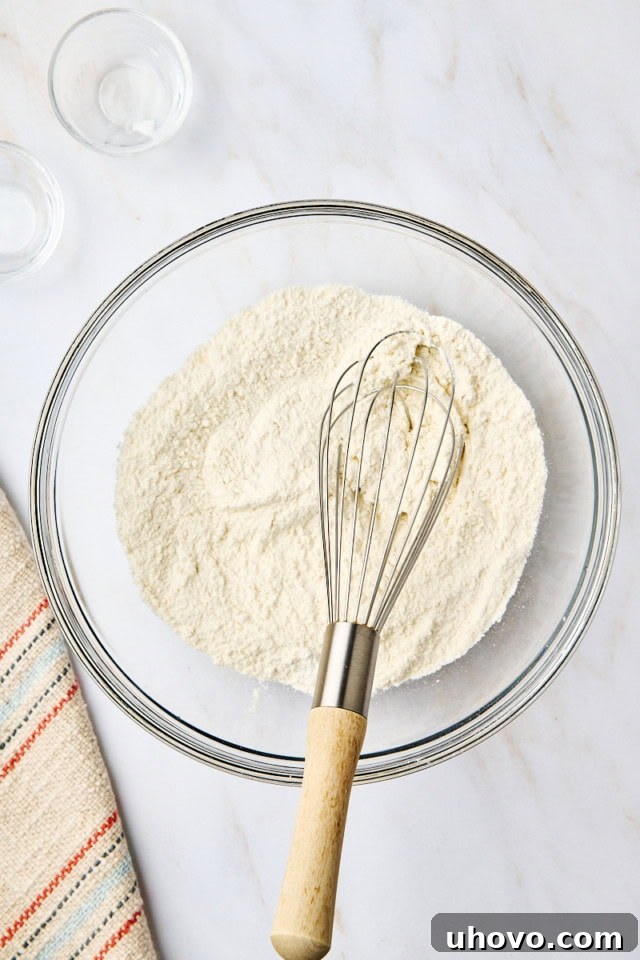
- Whisk the Dry Ingredients: In a spacious mixing bowl, combine the all-purpose flour, baking powder, and salt. Whisk these ingredients vigorously for about 30 seconds to ensure they are thoroughly aerated and evenly distributed. This prevents pockets of leavening agents or salt in the finished cake, leading to a consistent rise and flavor.
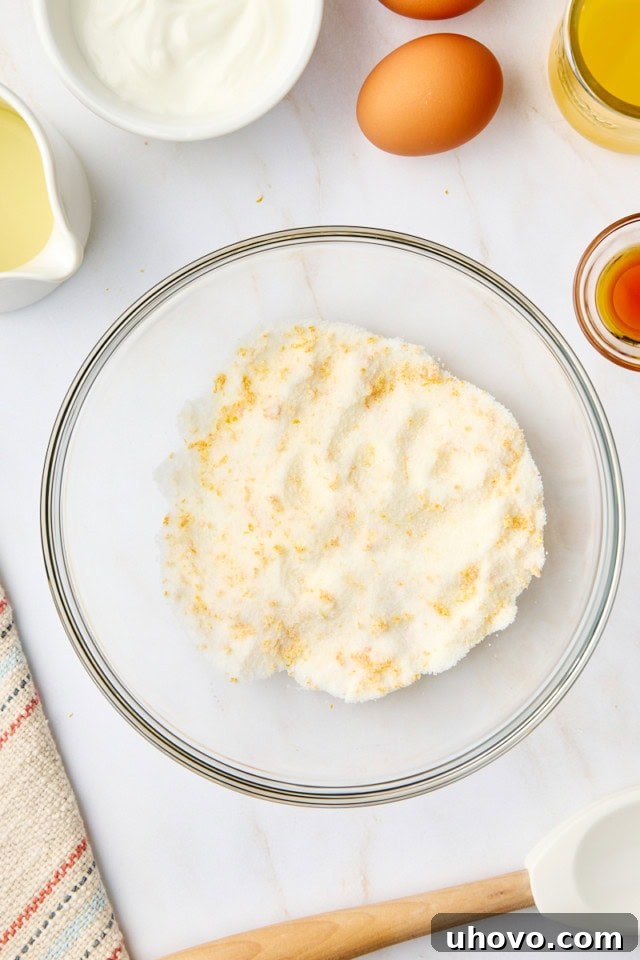
- Maximize Citrus Flavor: Rub Zest into Sugar: This step is a game-changer for intensifying the orange flavor. In a separate bowl, add your granulated sugar and the freshly grated orange zest. Using your fingertips, gently rub the zest into the sugar for a minute or two. This action releases the fragrant essential oils from the zest, infusing the sugar with incredible citrus aroma and flavor that will permeate the entire cake.
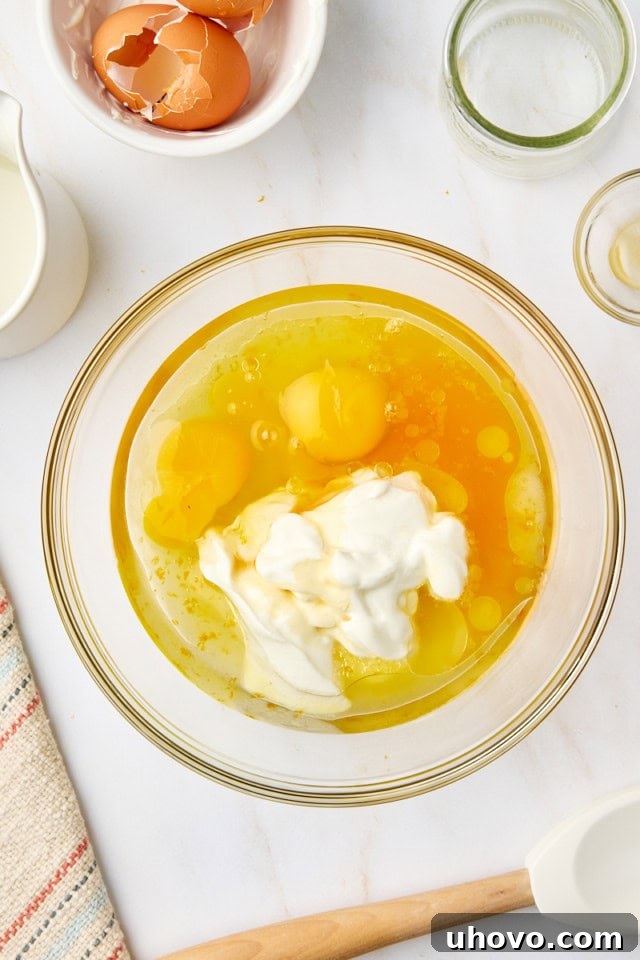
- Combine the Wet Ingredients: To the zest-infused sugar, add the plain Greek yogurt, vegetable oil, large eggs, fresh orange juice, and vanilla extract. Whisk all these wet ingredients together thoroughly until the mixture is completely smooth and well-emulsified. A uniform wet mixture ensures an even-textured batter and a consistently moist cake.
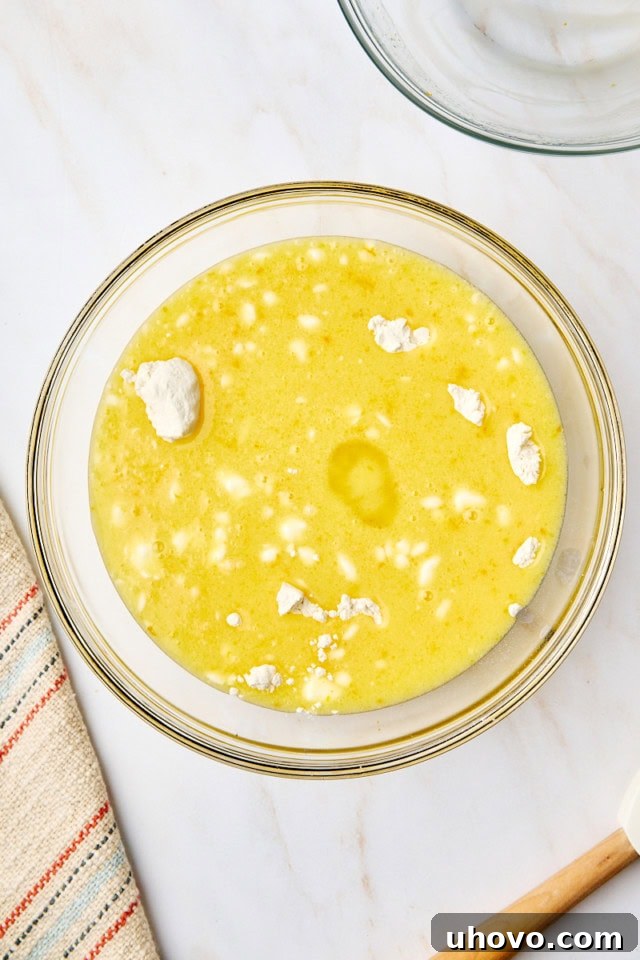
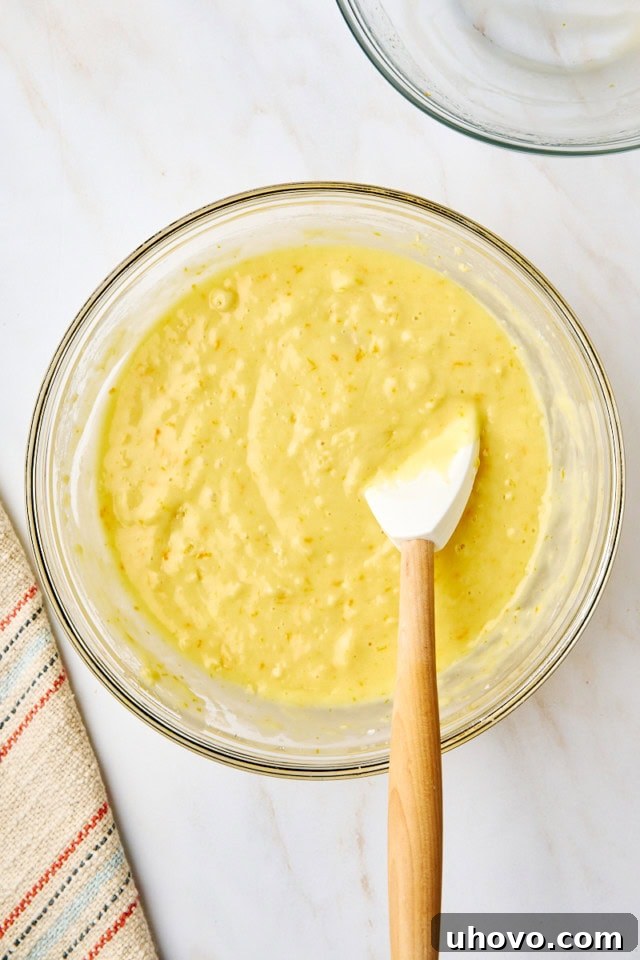
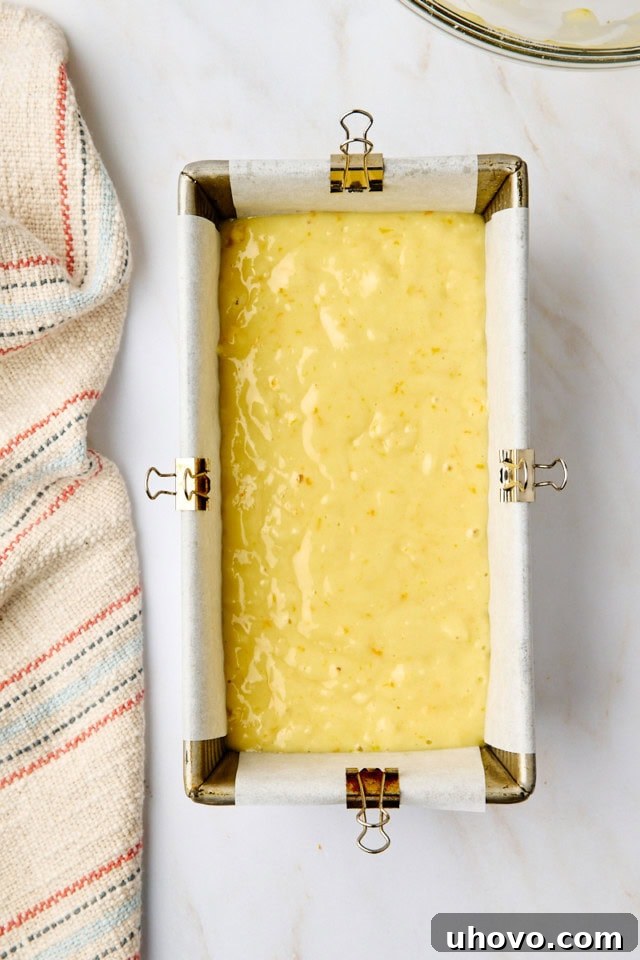
- Gently Combine Wet and Dry Ingredients: Pour the wet ingredient mixture into the bowl containing the dry ingredients. Using a rubber spatula or a wooden spoon, fold them together *just until no visible streaks of flour remain*. Overmixing is the enemy of a tender cake; it develops the gluten too much, leading to a dense and tough texture. A few small lumps are perfectly fine.
- Bake and Check for Doneness: Pour the luscious batter into your prepared loaf pan. Bake for approximately 45-55 minutes. Start checking the cake around the 45-minute mark. The cake should be beautifully golden brown on top, and a wooden skewer or toothpick inserted into the very center should come out clean, perhaps with a few moist crumbs attached, but no wet batter. If it’s browning too quickly, you can loosely tent it with foil.
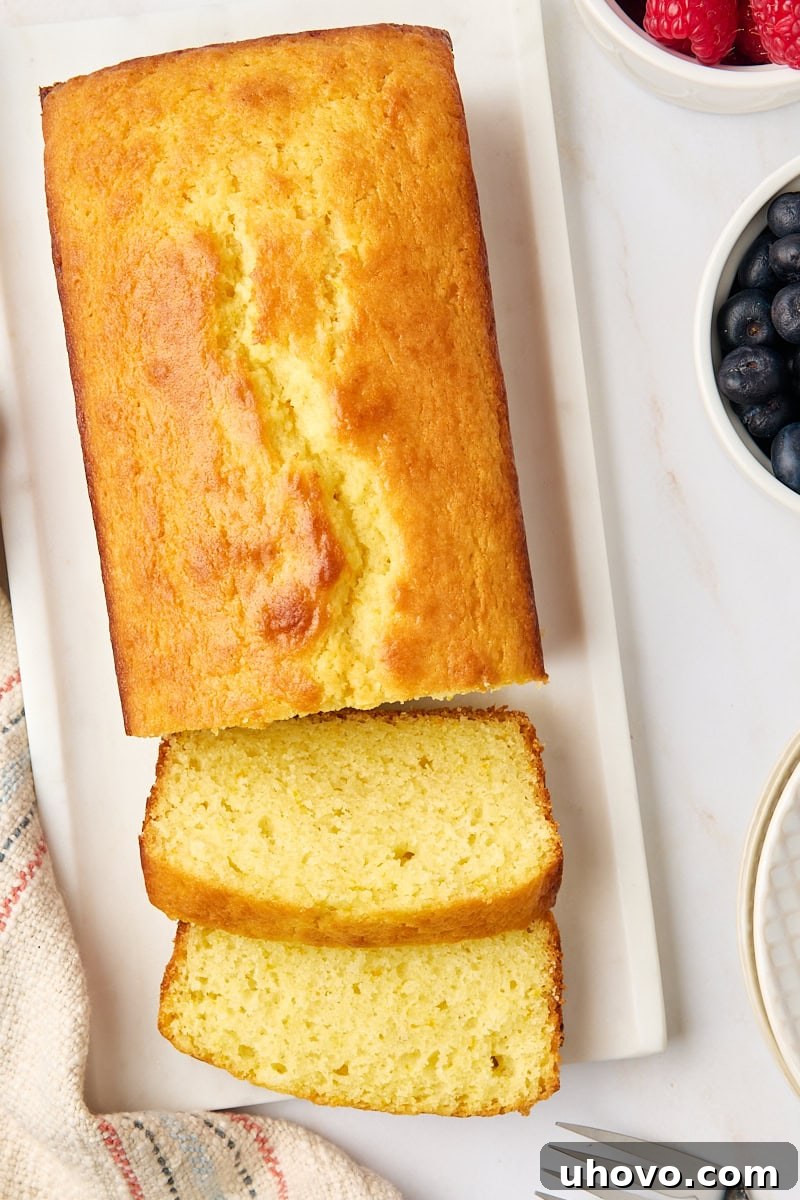
- Allow the Cake to Cool Completely: Once baked, let the cake cool in the loaf pan for about 10-15 minutes on a wire rack. This initial cooling period allows the delicate crumb to set and firm up, preventing it from crumbling when you remove it. After this, carefully lift the cake out of the pan using the parchment paper overhangs and transfer it directly to the wire rack to cool completely. Cooling thoroughly is essential for the flavors to fully develop and for clean, neat slices.
Expert Tips for a Flawless Yogurt Cake Every Time
Achieving the perfect moist yogurt cake is simple with these key tips. Pay attention to these details, and you’ll be rewarded with a tender, flavorful loaf that’s sure to impress.
- Ensure Room Temperature Ingredients: This is a fundamental rule for successful baking. Room temperature eggs, yogurt, and even oil blend more smoothly and evenly into the batter, creating a cohesive emulsion. This results in a batter with a better texture and, ultimately, a more uniform and tender cake crumb.
- Do Not Over-Mix the Batter: Once you add the dry ingredients to the wet, mix only until the flour streaks have just disappeared. Overmixing develops the gluten in the flour, which can lead to a tough, dense cake. A light hand is key to a tender loaf.
- Use the Correct Pan Size: A standard 9×5-inch loaf pan (approximately 23×13 cm) is ideal for this recipe. Using a smaller 8×4-inch pan may result in the batter overflowing during baking, and it can also affect the cake’s rise and texture. The right pan ensures proper heat distribution and a perfect shape.
- Master the Doneness Test: Begin checking for doneness around the 45-minute mark. The cake should have a beautiful golden-brown crust. Insert a wooden skewer or toothpick into the very center; it should come out clean, possibly with a few moist crumbs clinging to it, but no wet batter. If you see wet batter, continue baking in 5-minute increments.
- Allow for Complete Cooling: Patience is a virtue, especially when it comes to cooling your cake. Letting the cake cool entirely on a wire rack allows its internal structure to set fully and its flavors to meld and deepen. Attempting to slice a warm cake can result in crumbling and a less appealing texture.
- Measure Flour Correctly: For best results, spoon the flour into your measuring cup and then level it off with a straight edge. Scooping flour directly from the bag can compact it, leading to too much flour and a dry cake.
Troubleshooting Your Yogurt Cake: Solutions for Common Baking Woes
Even the most experienced bakers encounter challenges from time to time. Here are some common issues you might face when baking a homemade yogurt cake and how to prevent or fix them:
- My Cake is Dry: This is often a result of overbaking or using too much flour.
- Solution: Ensure you measure your flour accurately (spoon and level method). Keep a close eye on your oven and start checking for doneness at the earliest recommended time. A toothpick with a few moist crumbs is perfect, completely dry means it might be slightly overdone.
- My Cake is Dense or Tough: Overmixing is the primary culprit here.
- Solution: Once you add the wet to the dry ingredients, mix just until no streaks of flour remain. Resist the urge to keep stirring.
- My Cake Sank in the Middle: This can happen if the cake is underbaked, the oven temperature is too low, or if the oven door was opened too soon during baking.
- Solution: Make sure your oven thermometer is accurate. Bake for the full recommended time, and ensure your toothpick comes out clean. Avoid opening the oven door during the first two-thirds of the baking time.
- My Cake is Crumbly: While a moist cake can be delicate, excessive crumbling usually points to either being underbaked (too moist inside) or overmixed (too much gluten development leading to a dry but tough structure that falls apart).
- Solution: Ensure proper baking time as noted above. Also, remember to mix the batter just until combined. Allowing the cake to cool completely before slicing is also vital for preventing crumbling.
- My Cake’s Top is Too Brown, but the Inside Isn’t Done: This suggests uneven oven heat or the cake being too close to the top heating element.
- Solution: Place the cake on the middle rack. If the top starts to brown too quickly, loosely tent the pan with aluminum foil for the remainder of the baking time.
Delightful Serving Suggestions for Your Yogurt Cake
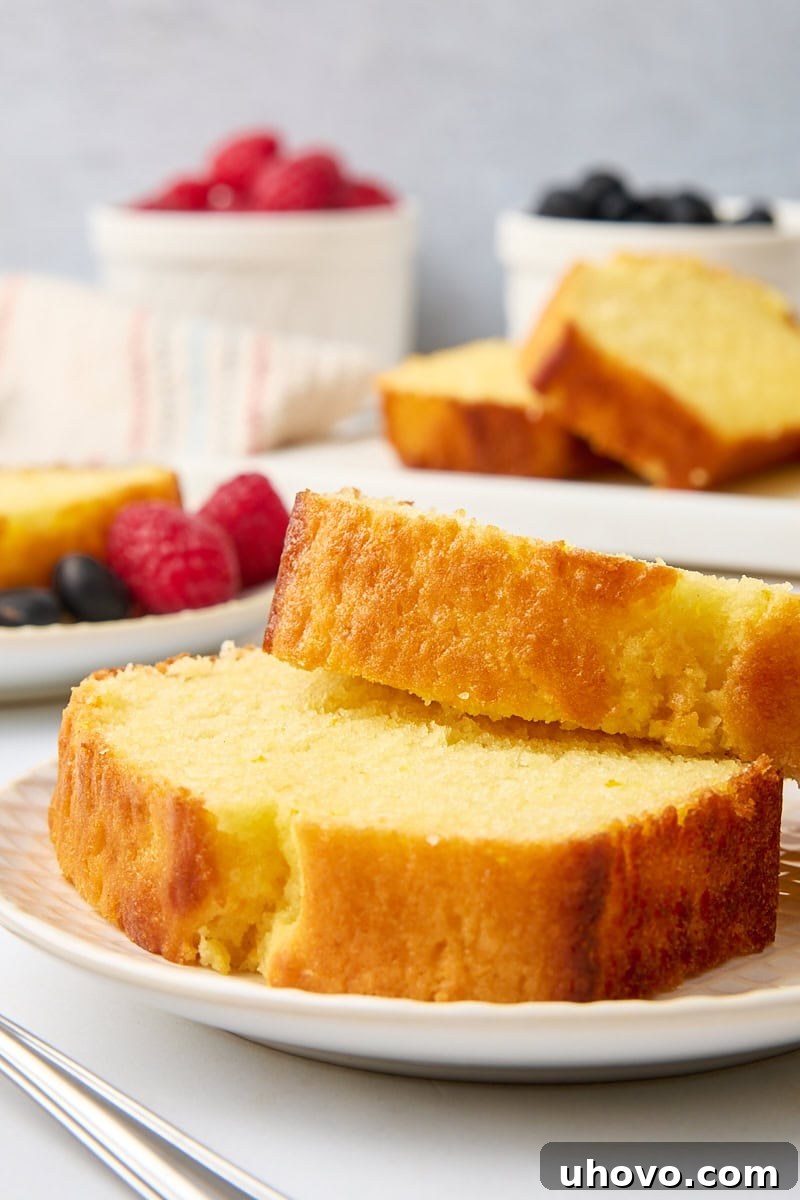
This easy yogurt cake is absolutely exquisite on its own, offering a simple yet profoundly satisfying sweet treat. However, if you’re inclined to elevate it further and add a touch of elegance or extra indulgence, here are some fantastic ideas to explore:
- Simple Powdered Sugar Dusting: For an effortlessly elegant finish, lightly dust the cooled cake with a fine layer of confectioners’ sugar. It adds a touch of sweetness and a beautiful visual appeal.
- Zesty Orange Glaze: Create a quick and vibrant glaze by whisking confectioners’ sugar with a few tablespoons of fresh orange juice until smooth. Drizzle it generously over the cooled cake for an extra punch of citrus flavor and a shiny finish.
- Fresh Seasonal Berries: Pair slices with a colorful assortment of fresh berries like strawberries, blueberries, raspberries, or blackberries. Their natural sweetness and slight tartness provide a lovely contrast to the cake. This is especially perfect for a springtime or summer presentation.
- Accentuate with Citrus: Enhance the existing citrus flavor by serving slices with delicate thin citrus slices (orange, lemon, or lime) or elegant citrus segments. This adds both visual appeal and a refreshing burst of flavor.
- Berry Compote Drizzle: For a more gourmet touch, warm a spoonful of homemade or store-bought berry compote and drizzle it over individual servings. The rich fruitiness and slight warmth create a comforting experience.
- Lightly Sweetened Whipped Cream: Transform this everyday cake into a more indulgent dessert by adding a generous dollop of lightly sweetened whipped cream or even a scoop of vanilla bean ice cream. The creamy texture perfectly complements the cake’s tenderness.
- Nutty Crunch: A sprinkle of toasted slivered almonds or chopped pistachios adds a delightful textural contrast and a subtle nutty flavor.
Exciting Variations to Customize Your Yogurt Cake
While the classic citrus yogurt cake is perfect as is, it also serves as a fantastic canvas for creative adaptations. Feel free to experiment with these variations to suit your taste and explore new flavor profiles:
- Explore Other Citrus Flavors: Don’t limit yourself to orange! Swap the orange zest and juice for an equal amount of fresh lemon, lime, or even grapefruit zest and juice. Each citrus fruit offers a distinct flavor profile, from the bright tartness of lemon to the subtle bitterness of grapefruit, creating an entirely new experience.
- Delightful Add-ins for Texture and Flavor: Introduce extra texture and flavor by gently folding in a handful of your favorite additions into the batter before baking.
- Blueberries: Fresh or frozen (unthawed) blueberries burst with flavor and add a beautiful color.
- Chopped Nuts: Toasted walnuts, pecans, or almonds provide a satisfying crunch.
- Mini Chocolate Chips: For a touch of chocolatey indulgence that pairs surprisingly well with citrus.
- Poppy Seeds: For a classic combination that adds a subtle crunch and visual appeal.
- Warm and Cozy Spiced Version: For a comforting twist, incorporate warm spices into the dry ingredients. Add a pinch of ground cinnamon, a hint of cardamom, or a touch of nutmeg to the batter. These spices beautifully complement the citrus and create a wonderfully aromatic cake, especially appealing in cooler months.
- Almond Extract Boost: Replace half of the vanilla extract with almond extract for a delicate, nutty undertone that pairs well with orange or lemon.
Proper Storage for Lasting Freshness
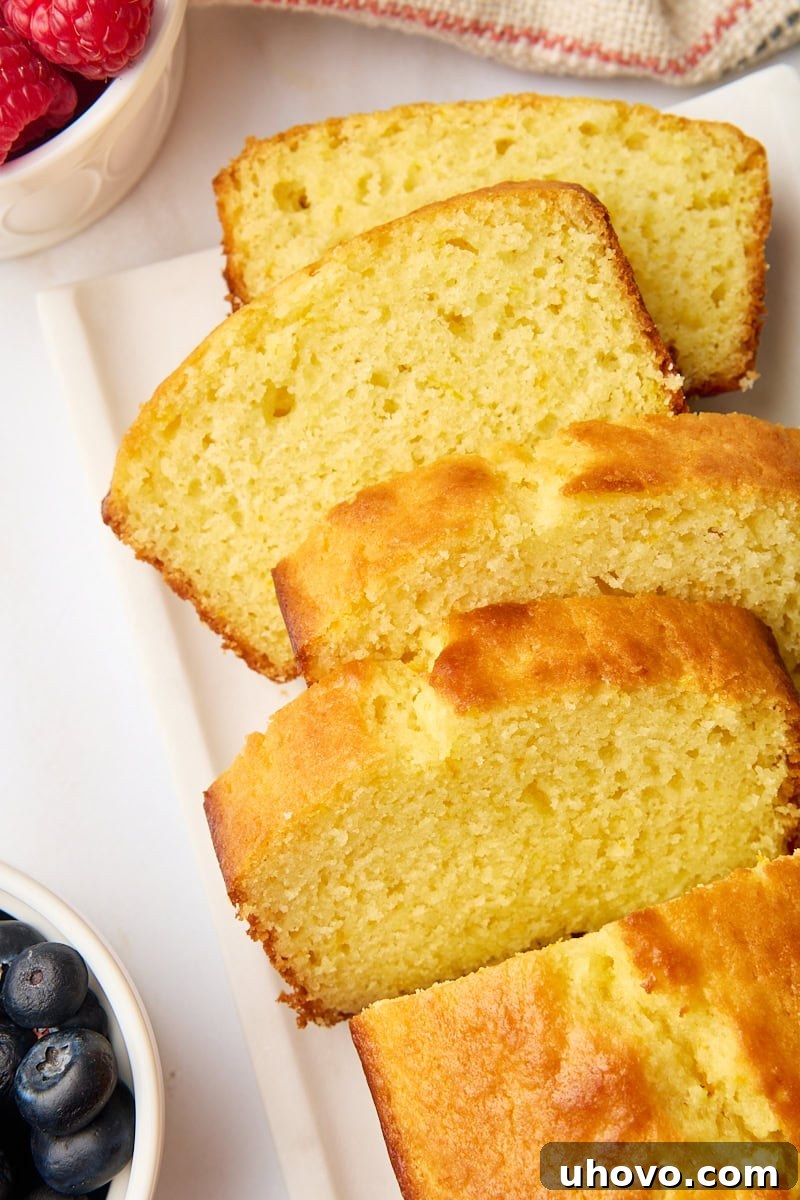
To ensure your delicious yogurt loaf cake remains moist and flavorful for as long as possible, proper storage is key. Follow these guidelines for optimal freshness:
- At Room Temperature: For immediate enjoyment, store the cake tightly wrapped in plastic wrap or placed in an airtight container. It will remain wonderfully fresh and moist for up to 3 days. Keep it away from direct sunlight or heat sources.
- In the Refrigerator: If you prefer a cooler cake or want to extend its shelf life slightly, you can refrigerate it. Store it in an airtight container or wrapped tightly for up to 5 days. For the best flavor and texture, allow it to come to room temperature for about 30 minutes before serving.
- For Freezing: This yogurt cake freezes beautifully, making it perfect for meal prepping or enjoying later. Wrap the cooled cake (whole or sliced) tightly in plastic wrap, then wrap again in aluminum foil. Freeze for up to 2 months. To thaw, simply unwrap and let it come to room temperature on your countertop for several hours, or overnight in the refrigerator.
Embrace the Joy of Everyday Baking
I sincerely hope this easy yogurt cake recipe brings a little extra sunshine and brightness to your home and table! It truly is one of those comforting, unpretentious recipes that perfectly embodies the spirit of everyday baking. It’s just as delightful for a quiet moment of self-indulgence as it is for sharing with cherished family and friends.
There’s immense satisfaction in baking something so simple yet so utterly delicious. Whether it’s for a casual dessert, a delightful breakfast alongside coffee, or a wholesome snack, this yogurt cake delivers on all fronts. Give it a try, and let me know your thoughts!
If you bake this wonderful cake, I would absolutely love to hear about your experience. Please feel free to leave a comment or a star rating below – your feedback means the world and helps other bakers discover this gem!
More Irresistible Loaf Cake Recipes
Yogurt Cake
Pin Recipe
Leave a Review
Ingredients
- 1 ½ cups (180 g) all-purpose flour
- 2 teaspoons baking powder
- ¼ teaspoon salt
- ¾ cup (150 g) granulated sugar
- Zest of 1 orange (or lemon)
- ½ cup (113 g) plain Greek yogurt
- ½ cup (120 ml) vegetable oil
- 2 large eggs
- ¼ cup (60 ml) fresh orange (or lemon) juice
- 1 teaspoon vanilla extract
Recommended Products
-
USA Pan Standard Loaf Pan 9″ x 5″
-
Microplane Classic Zester/Grater
-
Wire Rack
Instructions
-
Preheat the oven to 350°F (175°C). Grease and line a 9×5-inch loaf pan with parchment paper, leaving an overhang on the longer sides.
-
In a large bowl, whisk together the flour, baking powder, and salt.
-
In a separate bowl, rub the zest into the sugar using your fingertips to release the citrus oils. Add the yogurt, oil, eggs, orange juice, and vanilla, and mix until smooth.
-
Gradually fold the wet ingredients into the dry ingredients until just combined and no streaks of flour remain. Do not overmix.
-
Pour the batter into the prepared pan and bake for 45-55 minutes, or until a toothpick inserted into the center comes out clean.
-
Let the cake cool in the pan for 10-15 minutes, then transfer it to a wire rack to cool completely before slicing.
Notes
- Store in an airtight container at room temperature for up to 3 days.