Embarking on your baking journey or looking to refine your existing skills? You’ve come to the right place! This comprehensive guide to baking tips for beginners is meticulously crafted to transform you into a more confident and capable baker. From mastering basic techniques to understanding the science behind delicious results, we’ll equip you with the knowledge you need to bake like a pro.
Mastering the Basics: Essential Baking Tips for Beginners
The age-old adage rings true: while cooking is often regarded as an art form, baking is unequivocally a science. This distinction highlights baking’s reliance on precision, accuracy, and an understanding of how ingredients interact to produce the desired outcome. For newcomers, this scientific approach can feel daunting, leading to anxiety and even hesitation to try. However, the good news is that with the right fundamental techniques and a bit of patience, anyone can navigate the world of baking successfully and joyfully.
This guide compiles the most crucial baking rules – the foundational principles that every baker, regardless of experience, should consistently keep in mind. These aren’t just arbitrary guidelines; they are the pillars upon which successful baking rests. Even seasoned bakers find value in revisiting these basics to sharpen their skills and ensure consistent, delightful results. Are you ready to elevate your baking prowess and create mouth-watering treats? Let’s dive in and unlock the secrets to baking perfection!
Thoroughly Read the Recipe from Start to Finish
This might seem like an obvious first step, yet it’s astonishing how often a quick skim can lead to preventable baking blunders. When we say “read the recipe,” we mean a deep, comprehensive review of every single instruction and ingredient list. This thorough examination allows you to anticipate potential challenges, understand the flow of the baking process, and ensure you’re fully prepared before you even crack an egg.
Consider key questions as you read: Are there any ingredients that require advance preparation, such as softening butter or toasting nuts? What specific type and size of pan is needed, and how should it be prepared (greased, floured, lined with parchment)? Does the recipe include any idle steps, like chilling dough, proofing yeast, or resting batter, which will significantly extend your total preparation time? Taking the time to assess these critical details regarding ingredients, equipment, and time investment is a monumental step toward a smooth and successful baking experience.
One of the most common requirements in baking is the use of room temperature ingredients. Items like butter, eggs, sour cream, and cream cheese often need to be brought to a specific temperature to ensure they emulsify correctly with other ingredients, creating a smooth, homogenous mixture that bakes evenly and achieves the perfect texture. Similarly, melted ingredients such as butter or chocolate usually need to cool slightly before being incorporated, preventing them from “cooking” other ingredients like eggs or melting fats prematurely. Generally, having all your ingredients at similar temperatures facilitates easier mixing, better emulsification, and ultimately, a superior final product with optimal texture and rise.
Embrace “Mise en Place”: Prep Your Ingredients and Equipment
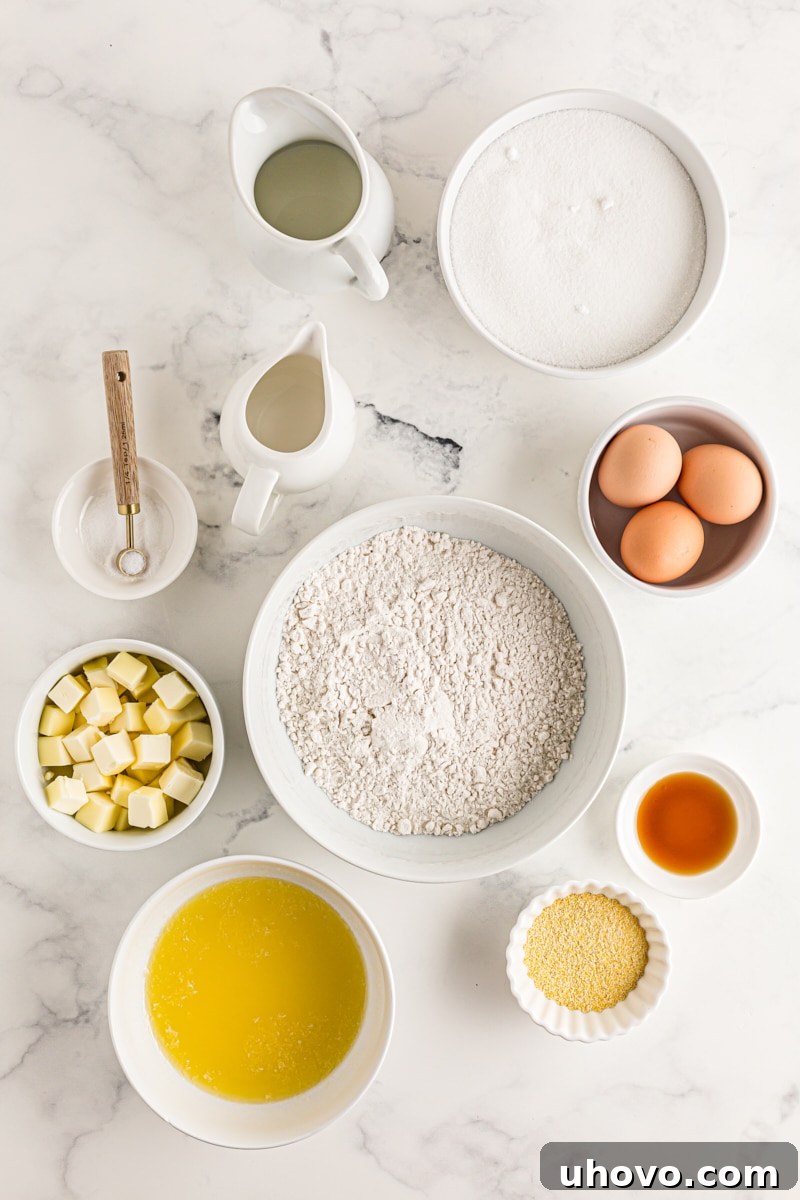
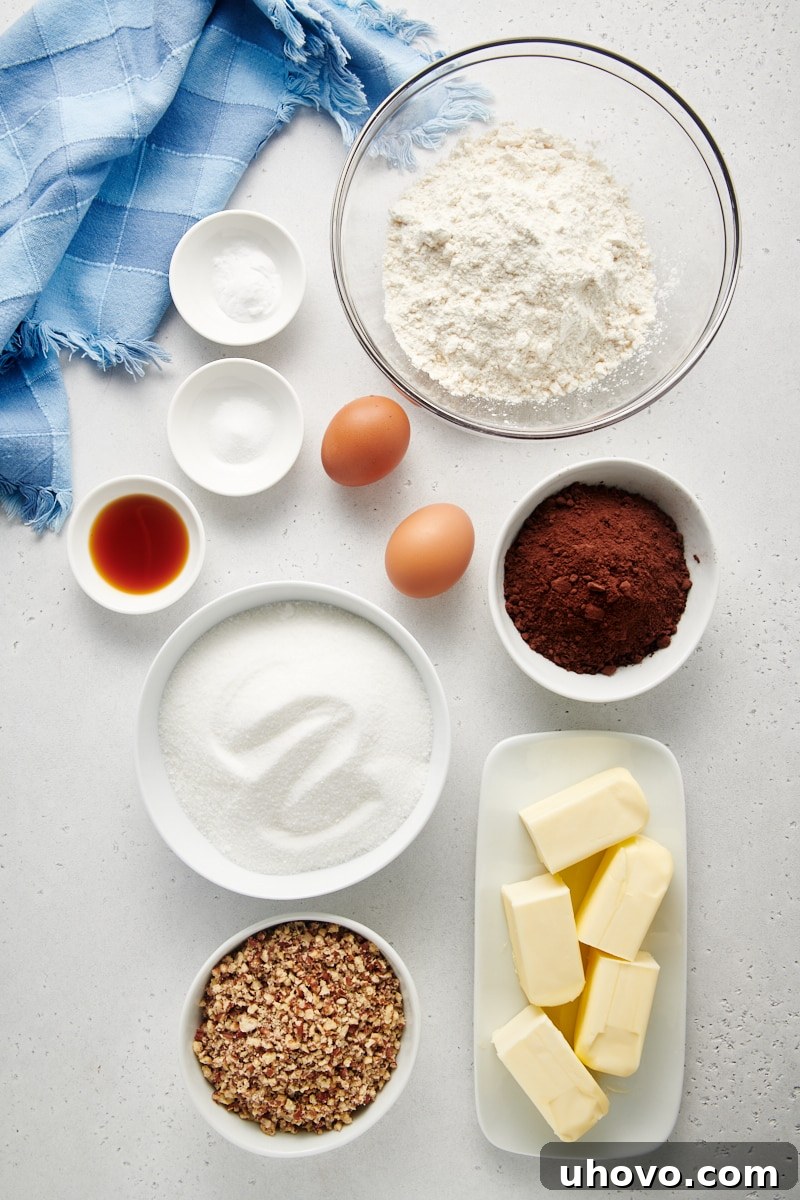
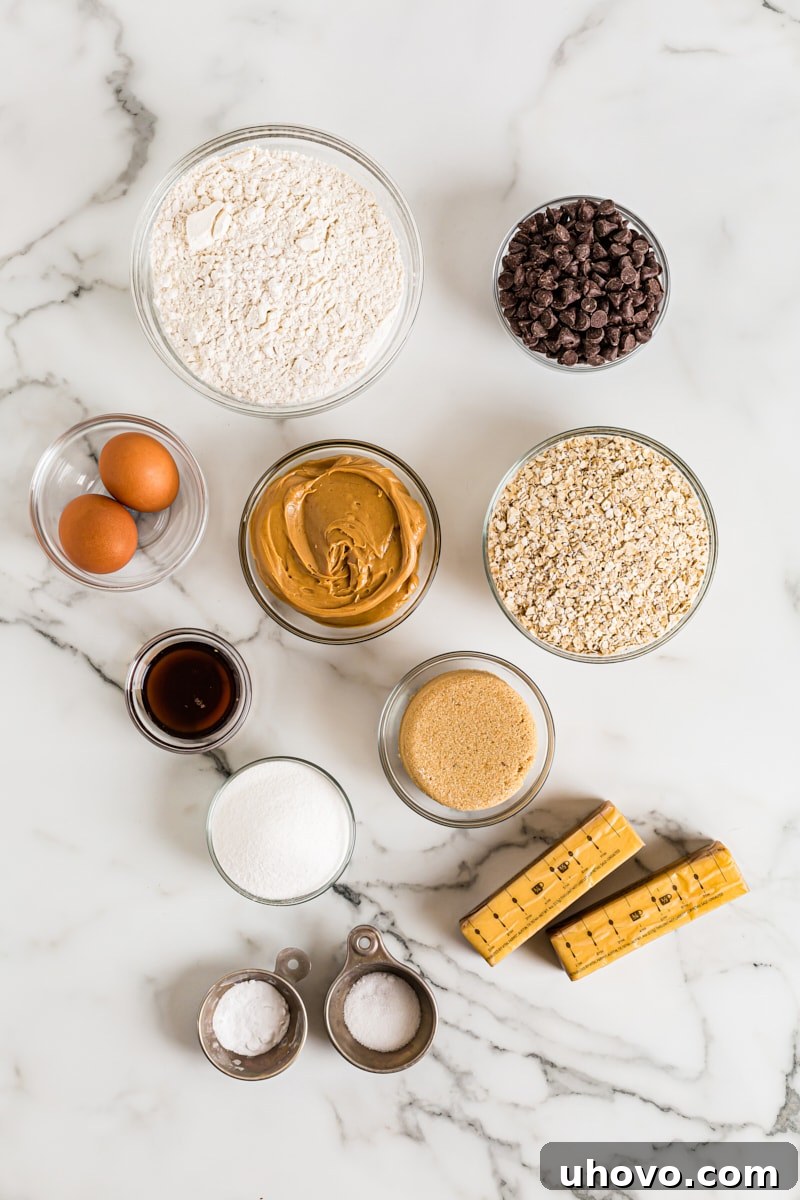
The French culinary term “mise en place,” meaning “everything in its place,” is a cornerstone principle in professional kitchens and is equally invaluable in baking. It refers to the practice of gathering, measuring, and preparing all your ingredients and equipment before you begin the actual mixing and baking process. Adopting this practice will revolutionize your baking, making it more efficient, enjoyable, and successful.
The benefits of a thorough mise en place are manifold. Firstly, it streamlines your baking workflow, eliminating frantic searches for ingredients or utensils mid-recipe. This allows you to focus on the technique and timing of each step, which is crucial in baking where precise execution often dictates success. Secondly, it acts as a critical checkpoint, ensuring that you have every single ingredient required and in the correct quantities. Imagine the frustration of being halfway through a delicate batter only to discover you’re missing a key component! Mise en place prevents such crises, saving you time, ingredients, and considerable stress.
Beyond simply gathering and measuring your ingredients, this preparation extends to your equipment. Ensure your baking pans are properly prepared according to the recipe’s instructions – whether that means greasing and flouring, lining with parchment paper, or using silicone baking mats. Have all your mixing bowls (various sizes may be needed), mixing spoons, whisks, rubber spatulas, and your hand mixer or stand mixer readily accessible. Don’t forget smaller, specialized tools like cookie scoops, pastry brushes, or sifter if the recipe calls for them. Lastly, make sure you have ample, clean counter space to work efficiently and consider any refrigeration or freezer space needed for chilling doughs or batters. A well-organized workspace fosters a calm and confident baking experience.
Measure Ingredients with Precision for Perfect Bakes
The vast majority of baking failures can be traced back to inaccurate ingredient measurements. This is arguably the most critical baking tip for both novices and seasoned professionals alike. If there’s one piece of advice you take away from this guide, let it be this: invest in and consistently use a digital kitchen scale. Switching from volume-based measuring (cups and spoons) to weight-based measuring (grams or ounces) will deliver an immediate and dramatic improvement in the consistency and quality of your baked goods. A digital scale eliminates human error and ensures repeatable results every time.
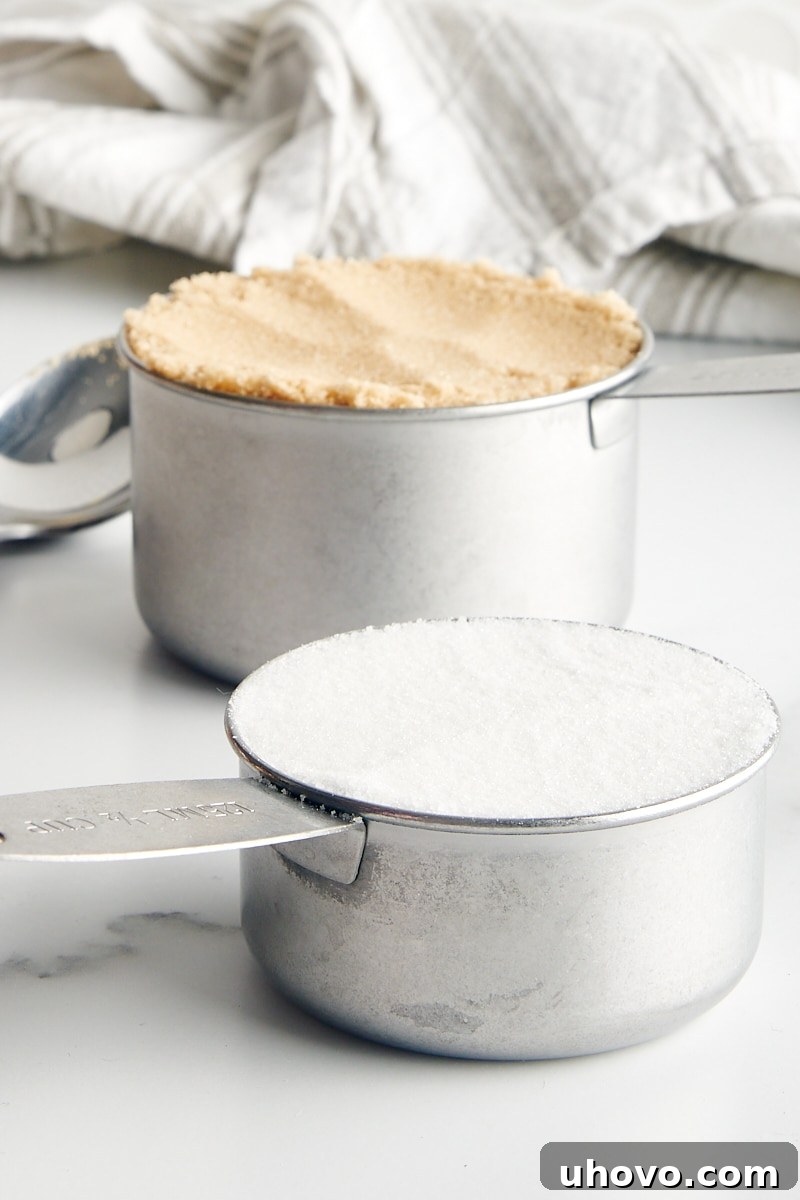
For those who don’t yet own a kitchen scale, or for recipes that don’t provide weight measurements, you can still strive for greater accuracy with traditional measuring tools. For dry ingredients like flour, the “spoon and sweep” method is essential. Lightly spoon the flour into your dry measuring cup until it overflows, then use a flat edge (like the back of a butter knife or a ruler) to level off the excess without packing down the flour. This technique prevents over-measuring, which can lead to dense, dry, or heavy baked goods. Learn more about this crucial technique here: How to Measure Flour.
An important exception to the “spoon and sweep” rule is brown sugar. Recipes almost always specify if brown sugar should be “firmly packed.” Unlike flour, brown sugar’s moist texture benefits from being compressed into the measuring cup to ensure you’re getting the correct amount. However, even with careful packing, there can be slight variations depending on individual technique, which is why measuring brown sugar by weight remains the most accurate and reliable method.
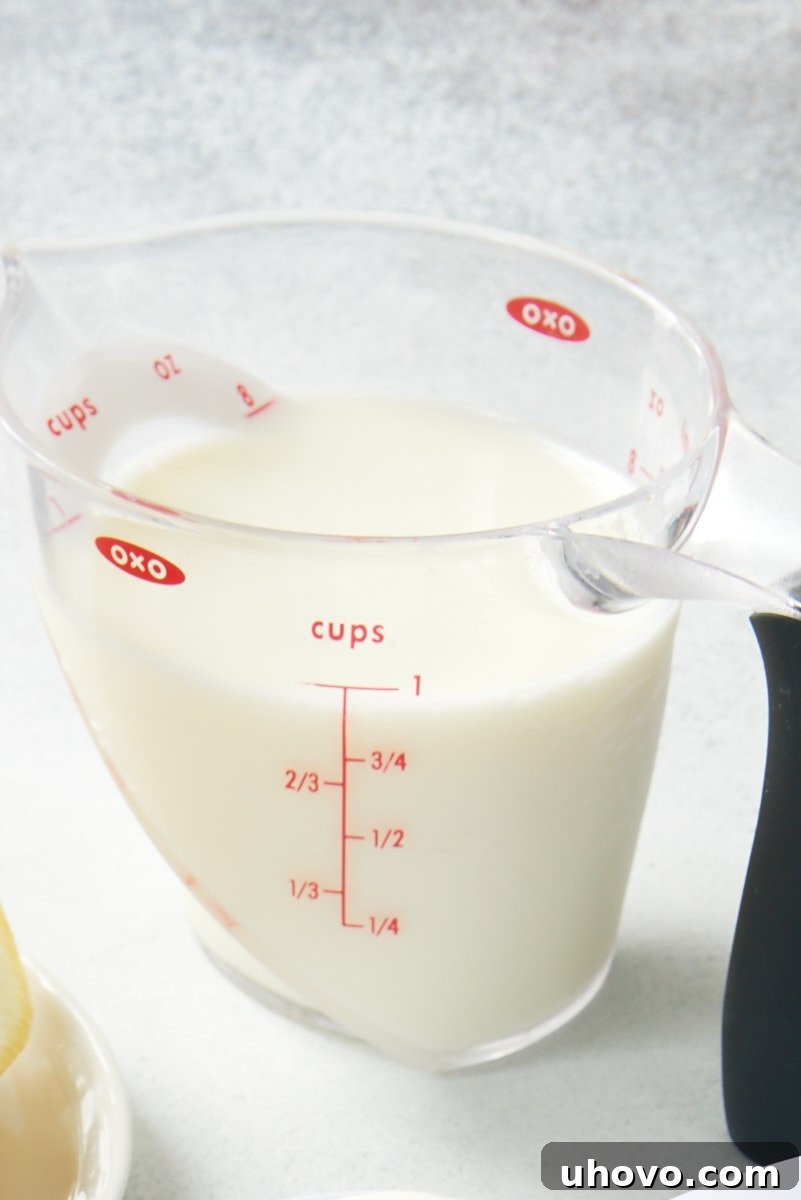
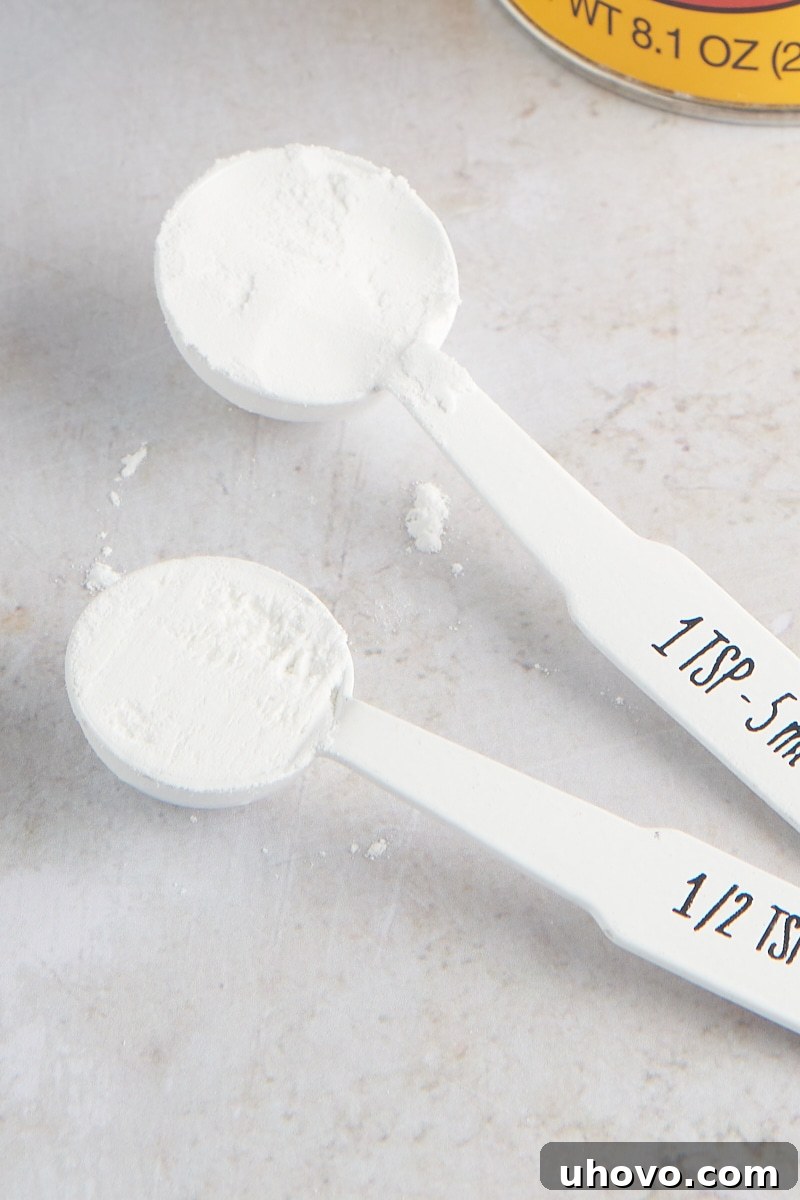
Furthermore, using the correct tools for measuring is non-negotiable. You’ll need a set of dry measuring cups for ingredients like flour, sugar, and oats, and a separate set of liquid measuring cups (typically clear with a spout) for liquids like milk, water, and oil. When measuring liquids, always place the cup on a flat surface and get down to eye level with the measurement line to ensure an accurate reading, avoiding parallax errors. Finally, a complete set of measuring spoons is indispensable for precisely measuring small quantities of powerful ingredients such as salt, baking powder, baking soda, and flavor extracts.
Resist the Urge to Make Ingredient Substitutions (Initially)
As you gain more experience and a deeper understanding of ingredient functions, you’ll eventually learn how to make successful substitutions. However, when you’re just starting out, it is highly recommended to stick to the recipe exactly as written. Baking relies on a delicate balance of chemical reactions, and changing even one ingredient can significantly alter the outcome, often leading to disappointing results.
Of course, some minor, flavor-based swaps are generally safe. For instance, if a chocolate chip cookie recipe calls for pecans and you prefer walnuts, that simple exchange of nuts will primarily affect the taste and texture, not the fundamental structure or rise of the cookie. Similarly, swapping out different types of chocolate chips (milk for dark) is usually fine. However, tread carefully when considering alterations to core ingredients or their quantities. Substituting all-purpose flour for cake flour, swapping baking powder for baking soda (or vice versa), changing the type of fat (e.g., oil for butter), or altering sugar quantities can drastically impact the texture, moisture, rise, and overall flavor profile of your baked goods. These types of substitutions require an understanding of how each ingredient contributes to the chemistry of the bake. Until you develop that intuitive knowledge, adhere strictly to the recipe for the best chance of success.
Invest in an Oven Thermometer for Accurate Baking
One of the most common yet overlooked culprits behind baking inconsistencies is an inaccurate oven temperature. It’s a surprising reality that many home ovens, even new ones, can be off by as much as 25 to 50 degrees Fahrenheit, either running hotter or colder than the dial indicates. If your recipe calls for baking at 350°F but your oven is actually only 325°F or, worse, soaring at 375°F, your baked goods will inevitably suffer. Incorrect temperatures lead to longer or shorter baking times, uneven browning (or no browning at all), and undesirable textures – from dense, undercooked centers to burnt edges and dry interiors.
A simple, inexpensive oven thermometer is an essential tool for any baker. By hanging it inside your oven, you can easily check its true temperature and compare it to your oven’s digital or dial reading. If you discover a significant discrepancy, you have a few options. Many ovens can be professionally calibrated, or you might be able to manually adjust your oven’s settings to match the thermometer’s reading. Alternatively, you can simply learn to adjust your baking temperature accordingly; for example, if your oven consistently runs 25°F cooler, you’d set it to 375°F for a recipe that calls for 350°F. This small investment will provide immediate and noticeable improvements in all your baking endeavors.
Select the Right Baking Pans for Optimal Results
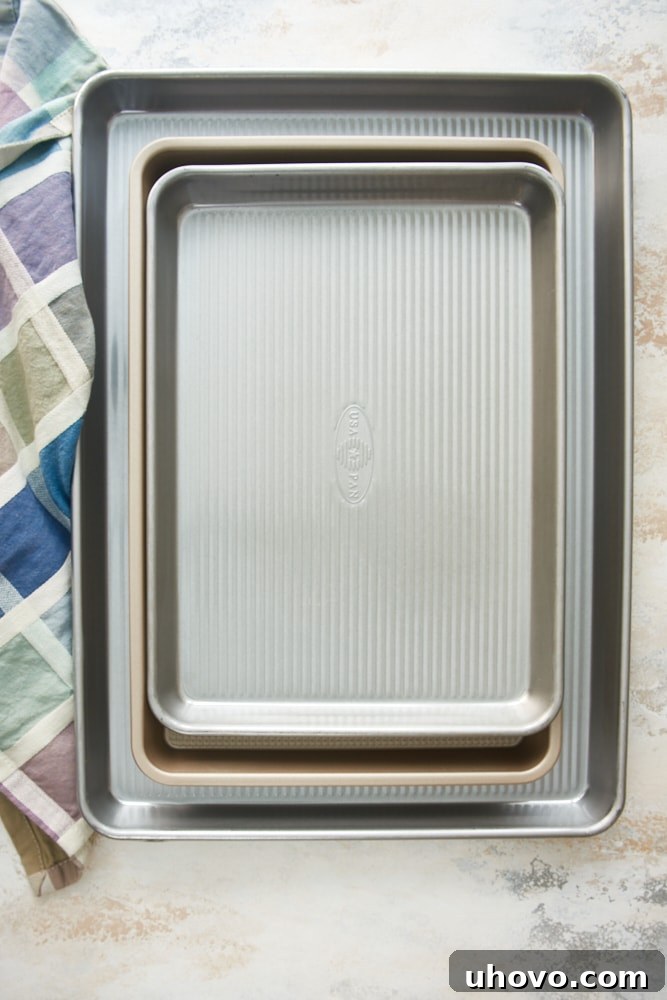
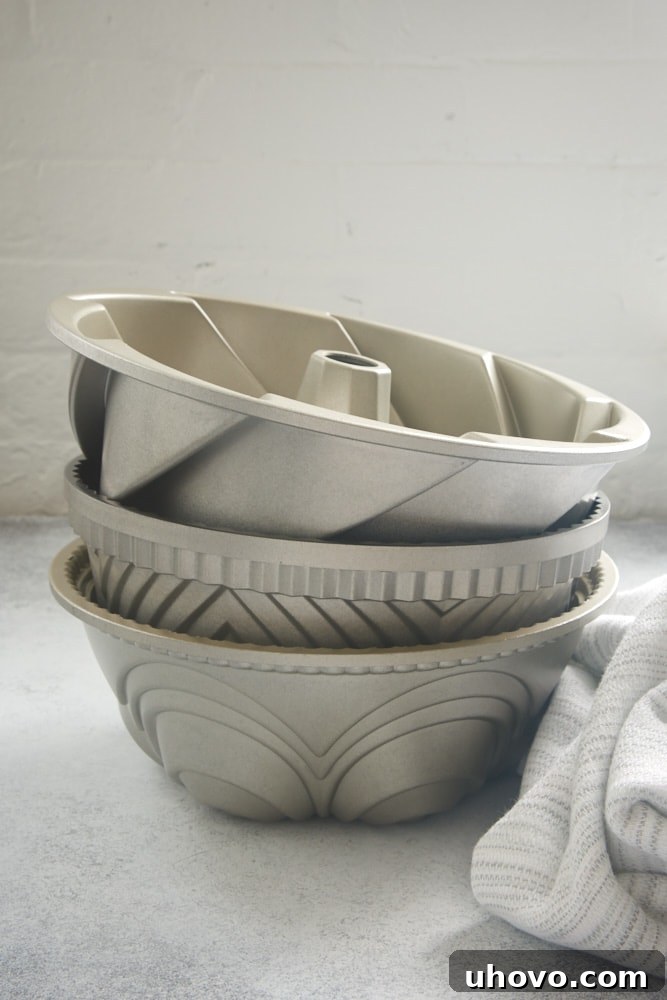
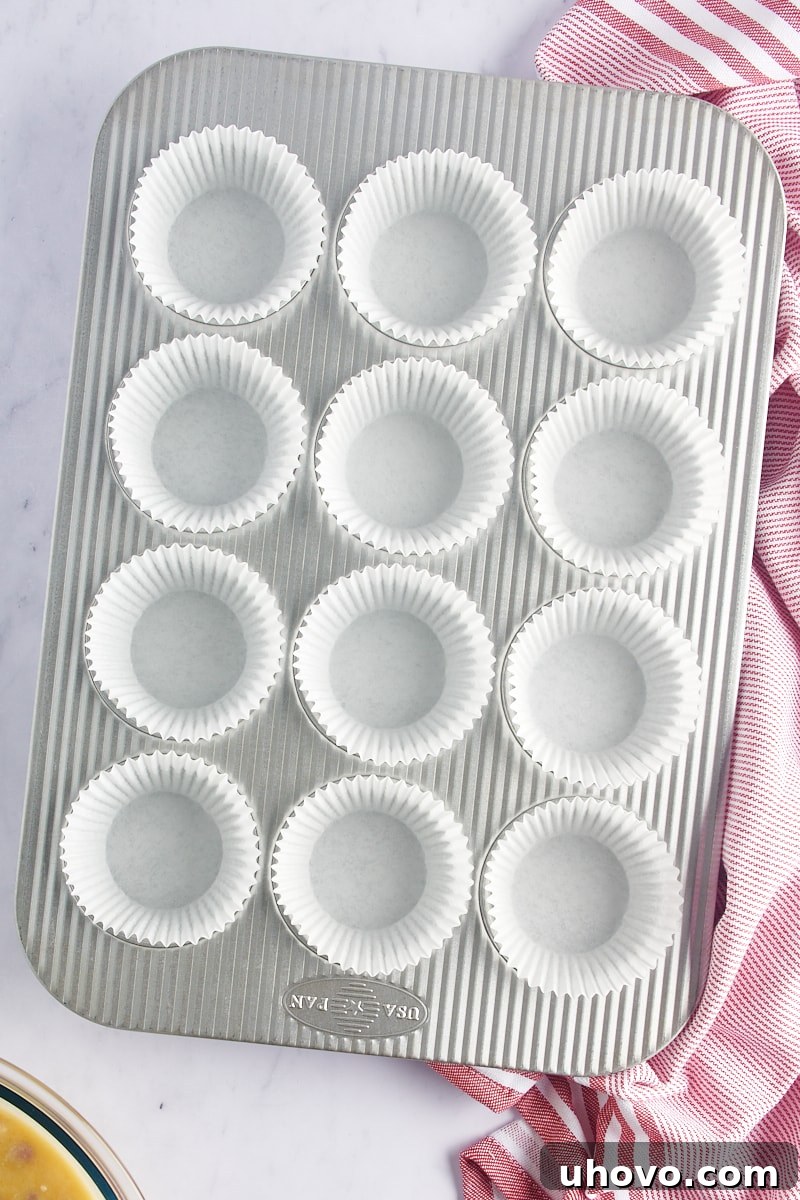
The choice of baking pan is far more influential than many beginner bakers realize. It plays a significant role in how evenly your food bakes, how well it browns, and ultimately, its final texture and appearance. First and foremost, the quality of your pan truly matters. Flimsy, thin pans tend to heat unevenly, creating hot spots that can burn parts of your bake while leaving others undercooked. They can also warp over time, leading to misshapen results. Opt for thicker, sturdier pans that feel substantial in your hand; they will distribute heat more consistently, last longer, and yield more thoroughly and evenly baked goods. You don’t need the most expensive professional-grade bakeware, but avoid the cheapest options available.
Secondly, resist the temptation to alter the pan size specified in a recipe. While there are minor exceptions (like baking cookies, where pan size simply dictates how many you can bake at once), for items like cakes, brownies, casseroles, or breads, changing the pan size can dramatically affect the outcome. A larger pan will result in a thinner bake that cooks faster and dries out easily, while a smaller pan will make the batter thicker, requiring more baking time and potentially leading to an undercooked center or an over-browned exterior. The recipe writer has tested the dimensions for optimal cooking.
Finally, understand that different pan materials conduct heat differently. For consistent, thorough baking and beautiful golden-brown results, I almost always recommend using light-colored, metal baking pans. Metal heats up quickly and conducts heat efficiently, promoting even browning. Glass and ceramic (stoneware) pans, while beautiful, retain heat longer and can lead to over-browning on the edges and bottom, often requiring a reduction in oven temperature (typically by 25°F) and/or an adjustment in baking time. Dark-colored metal pans also absorb more heat, often requiring similar temperature adjustments to prevent excessive browning. When a recipe specifically recommends a type of pan, it’s best to follow that guidance until you’ve gained enough experience to confidently make adjustments. For deeper insights into selecting bakeware, explore How to Choose Baking Pans and A Baker’s Guide to Sheet Pans. You can also discover my recommended basic baking pans at my Amazon storefront.
Avoid Over-Mixing Your Dough or Batter
“Do not over-mix” is one of the most frequently repeated instructions in baking recipes, and for very good reason. Over-mixing is a common pitfall for beginners and can significantly compromise the texture of your baked goods, leading to tough, dense, or chewy results when you desired a tender crumb. This phenomenon is primarily due to gluten development.
When flour is combined with liquid and agitated (mixed), the proteins within the flour, gliadin and glutenin, bond together to form gluten. Gluten provides structure and elasticity to baked goods, which is desirable in items like chewy breads or pizza dough. However, for most traditional baked goods such as cakes, cookies, muffins, and quick breads, excessive gluten development creates a tough, rubbery texture. It can also lead to tunnels or large air pockets in cakes and muffins, rather than a fine, even crumb. In general, the goal for these items is to mix the wet and dry ingredients just until they are combined. You might even see a few streaks of flour remaining, which will disappear during the baking process.
Always follow the specific mixing instructions provided in your recipe. If the recipe doesn’t offer explicit guidance on mixing duration, err on the side of caution: mix only until the ingredients are barely incorporated. For delicate batters, this might involve gentle folding by hand. Understanding this principle will help you achieve the delicate, tender textures that make cakes light and cookies perfectly chewy, rather than tough.
Resist Opening the Oven Door During Baking
The temptation to peek at your masterpiece-in-progress is understandable, but frequently opening the oven door is one of the quickest ways to sabotage your baked goods. Every time the oven door is opened, even for a brief moment, the internal temperature of the oven drops significantly. This sudden fluctuation in temperature has several detrimental effects on delicate items like cakes, soufflés, and even cookies.
A sudden drop in temperature can interrupt the leavening process, especially for items that rely on chemical leaveners like baking powder and baking soda or air trapped during creaming. The initial burst of heat helps these leaveners expand, setting the structure. If the temperature drops too soon, the delicate structure can collapse, leading to sunken centers, dense textures, or a complete failure to rise. It also extends the overall baking time, as the oven needs to work harder to regain its set temperature, which can lead to drier results.
For most of the baking cycle, rely on your oven’s light and window to check on progress. If you must open the door to rotate a pan for even browning or to perform a doneness test, do so quickly and efficiently, minimizing the time the door remains ajar. Patience is a virtue in baking, and letting your oven do its work undisturbed will yield far better results.
Mastering How to Check for Doneness in Baked Goods
Determining precisely when your baked goods are perfectly done is perhaps the most nuanced and challenging skill for beginners. Unlike following exact measurements, checking for doneness often requires a combination of visual cues and tactile tests. Fortunately, good recipes typically provide at least one method for testing doneness, and many offer a combination of visual and physical indicators for greater certainty.
A visual cue involves observing the appearance of your baked item. This often includes looking for specific browning levels – for instance, cookies might be described as “golden brown around the edges,” or a cake might need to be “lightly golden on top.” Other visual cues include checking for the “setting” of the baked good; this means the surface, particularly the center, should appear firm and baked, not wet, gooey, or jiggly. Often, a gentle glance through the oven window is sufficient for these initial visual checks.
A doneness test, on the other hand, usually requires direct interaction with the baked good. The most common is the “pick test,” particularly for cakes, muffins, and quick breads. You insert a wooden toothpick or a thin cake tester into the center of the item. Depending on the recipe, the pick should come out “clean” (meaning no wet batter) or with “a few moist crumbs attached” (which indicates doneness without overbaking). For other items, you might be instructed to gently tap the top of a cake or bread to see if it “springs back,” or to check for a slight “jiggle” in the center of a cheesecake or custard, which indicates it’s set but still creamy. Some advanced recipes may even call for an internal temperature reading with a thermometer.
Understanding and Managing Carryover Baking
An absolutely crucial concept for all bakers, especially beginners, is carryover baking. This phenomenon refers to the fact that your baked goods will continue to cook and firm up even after they are removed from the oven. The residual heat trapped within the pan and the baked item itself continues the cooking process for a period after external heat is no longer applied. A common saying among bakers is, “Done in the oven means overdone on the plate.” Keeping this in mind will help you pull your bakes at precisely the right moment.
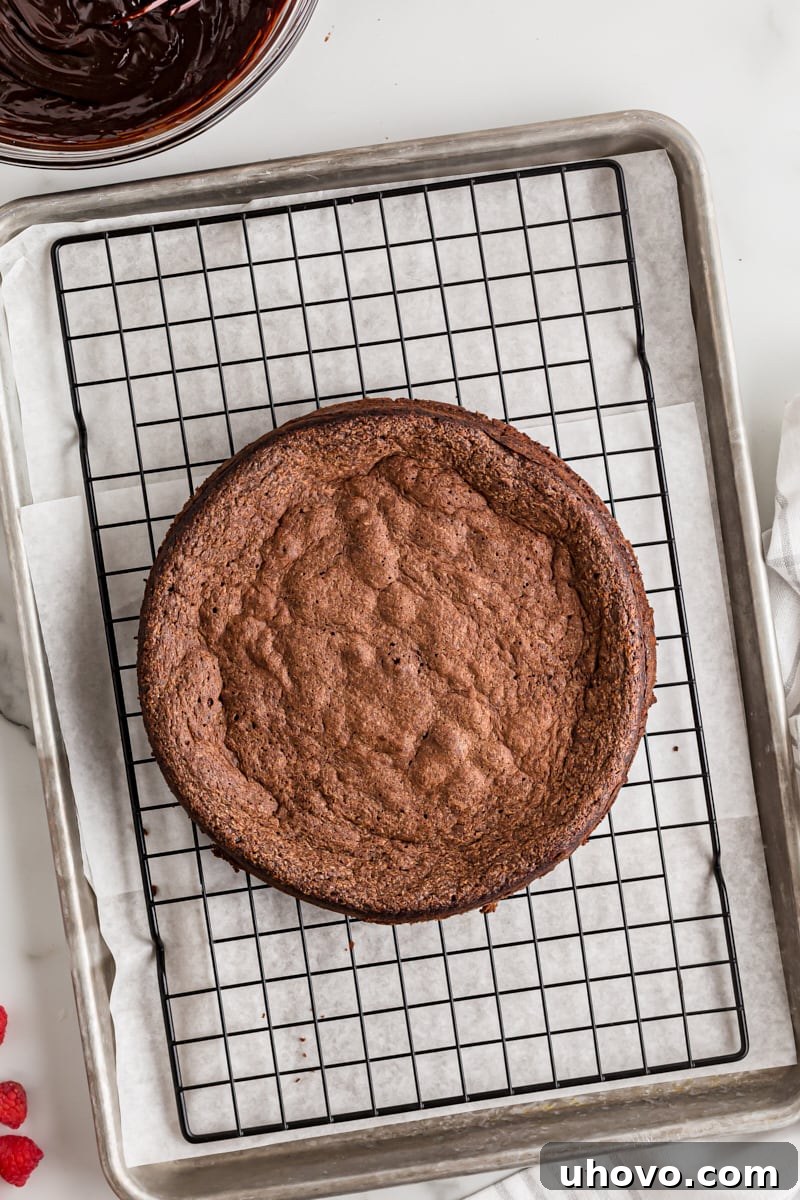
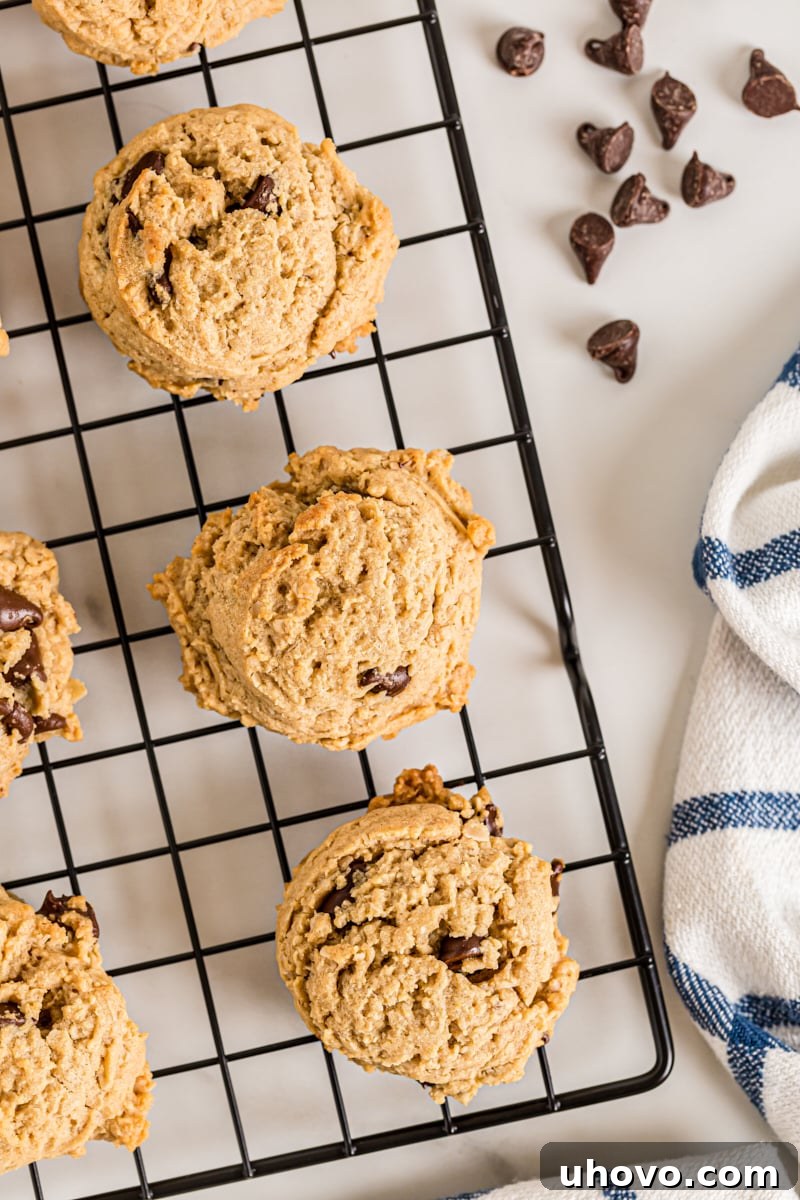
To effectively combat excessive carryover baking and achieve the perfect final texture, a wire cooling rack is an indispensable tool. Immediately transferring a freshly baked pan of cookies or a cake (often still in its pan, initially) to a wire rack allows air to circulate freely around all sides of the pan. This promotes faster and more even cooling, halting the carryover baking process more quickly and preventing the bottom from becoming soggy or overcooked. Pay close attention to the recipe’s instructions regarding cooling times, both in and out of the pan, as these steps are just as vital as the baking itself for achieving the ideal finished product. Learn more about this essential piece of equipment: Why Every Baker Needs Wire Cooling Racks.
Delicious Baking Recipes for Beginners to Get Started
Now that you’ve absorbed these foundational baking tips, you’re not just ready, you’re well-equipped to tackle the kitchen with newfound confidence! These insights will guide you through the process, helping you understand the “why” behind each step. Don’t just read about baking; put these principles into practice! To help you get started on your hands-on baking journey, here are a few favorite, beginner-friendly recipes that are perfect for honing your skills and enjoying delicious rewards:
- 3-Ingredient Peanut Butter Cookies: A fantastically simple recipe to build confidence with minimal ingredients.
- Cocoa Cake: Master basic cake mixing and baking with this classic.
- Italian Jam Crostata: Explore simple pastry work and delightful fruit fillings.
- Brown Sugar Shortbread: Perfect for practicing precise ingredient measurement and delicate dough handling.
- Almond Gâteau Breton: A slightly more adventurous but still manageable bake that yields impressive results.
- Brownie Cupcakes: Combines the best of rich brownies with individual cupcake portions, great for portion control and presentation.
Unlock More Baking Tips and Advanced Techniques
Your learning journey doesn’t stop here! As you gain comfort with these beginner baking tips, continue to expand your knowledge and skill set. Delve deeper into the science and art of baking with these next-level guides: discover the perfect way to achieve pliable butter with How to Soften Butter, master a fundamental mixing technique with The Creaming Method, and learn to troubleshoot common issues with How to Prevent Common Cookie Problems.
For an extensive collection of advice, techniques, and scientific explanations, be sure to explore all of my baking tips. Whether you’re a novice baker looking for foundational guidance or an experienced enthusiast seeking to perfect specific methods, there’s always something new to learn. Happy baking!
Bake or Break is a participant in the Amazon Services LLC Associates Program, an affiliate advertising program designed to provide a means for us to earn fees by linking to Amazon.com and affiliated sites.