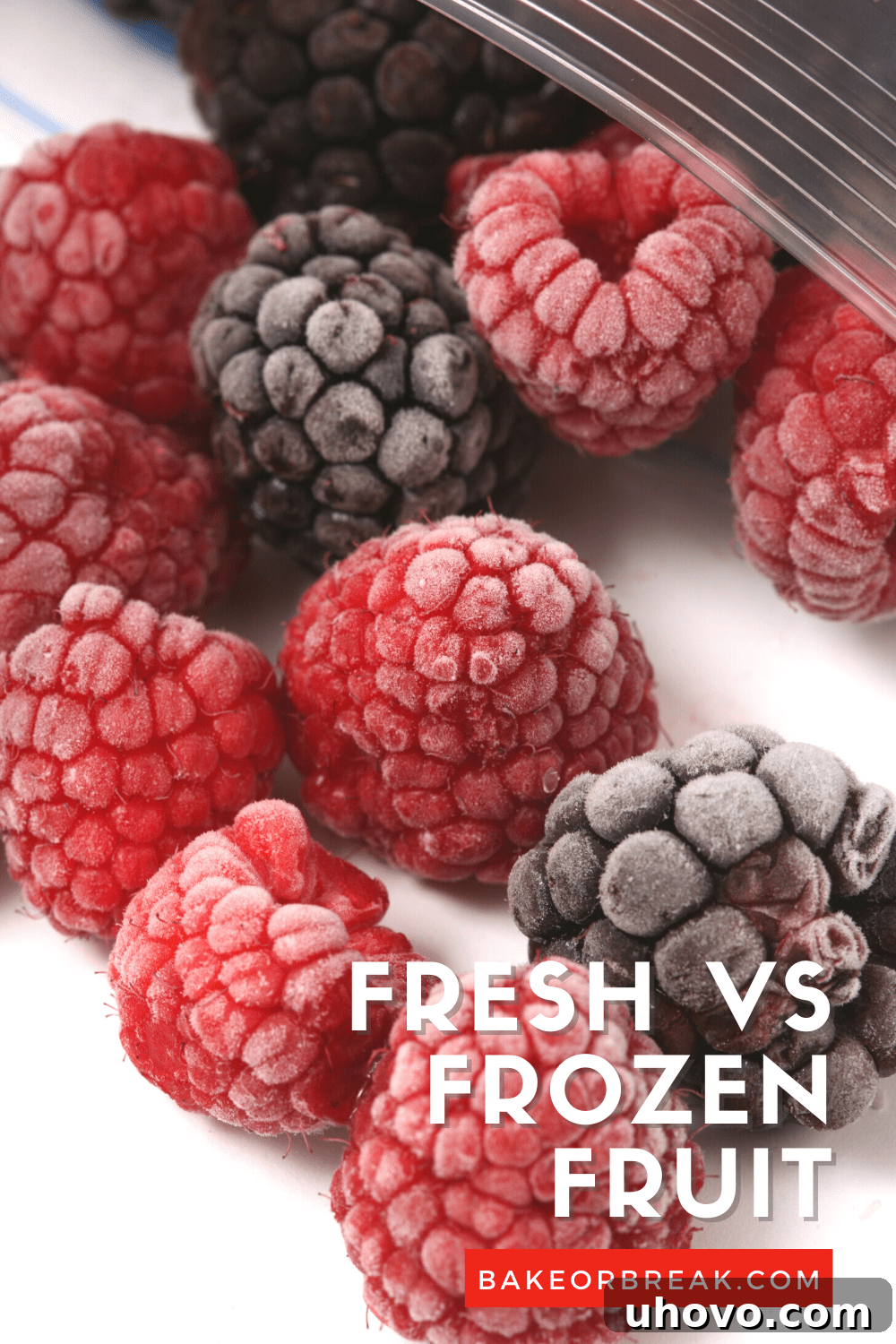
When embarking on a baking adventure, especially when fruit is the star ingredient, a crucial decision often arises: should you opt for fresh or frozen fruit? This seemingly simple choice can significantly impact the texture, flavor, and overall success of your baked goods. Understanding the nuances between fresh and frozen fruits and their distinct behaviors in the oven is key to mastering fruit-infused desserts. Let’s delve into a comprehensive comparison to help you make the best decision for your next baking project.
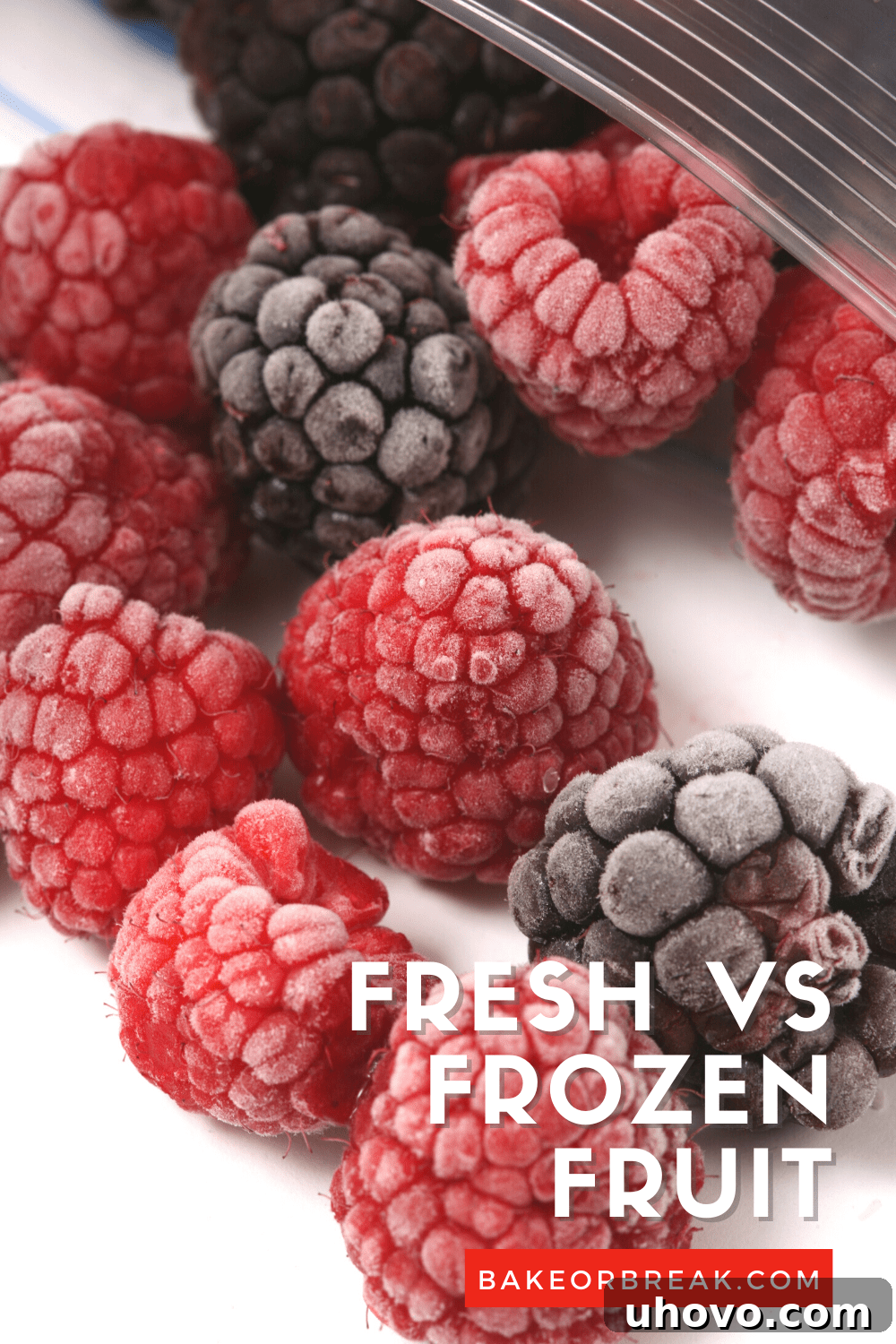
Baking with Fresh vs Frozen Fruit: A Home Baker’s Essential Guide
Baked goods featuring fruit are universally beloved, offering a delightful blend of sweetness, tartness, and often, a burst of vibrant color. From rustic crumbles and classic pies to moist muffins and delicate tarts, fruit elevates countless recipes. However, the abundance of choice between fresh and frozen fruit can often leave bakers pondering the best route. Each option presents unique advantages and challenges, and understanding these differences is paramount to achieving culinary perfection.
This guide aims to demystify the debate between fresh and frozen fruit in baking. We’ll explore their fundamental characteristics, how they react to heat, and provide practical tips to ensure your fruit-filled creations turn out exactly as envisioned, every single time.
Unpacking the Core Differences Between Fresh and Frozen Fruit
While both fresh and frozen fruits originate from the same source, the journey from harvest to your kitchen creates significant distinctions that impact their performance in baking.
The Allure of Fresh Fruit
Fresh fruit, by its very nature, brings an unparalleled vibrancy to baking. It is typically at its peak ripeness, offering maximum juiciness, potent flavor, and firm texture. The appeal of fresh fruit also lies in its seasonality and local availability, allowing bakers to connect with the source of their ingredients. When you select fresh fruit, you can visually assess its quality, aroma, and firmness, ensuring you start with the best possible produce.
However, this freshness comes with a caveat: perishability. Fresh fruit is delicate and has a limited shelf life, typically needing to be used within a few days of purchase to prevent spoilage and maintain optimal quality. This often requires careful planning and timely execution of baking projects.
The Convenience of Frozen Fruit
Frozen fruit, on the other hand, is engineered for longevity and convenience. In most commercial processes, fruits are picked at their prime ripeness and then flash-frozen shortly after harvest. This rapid freezing process is designed to lock in flavor, nutrients, and often, the vibrant color, making frozen fruit a remarkably good alternative to fresh, particularly when specific fruits are out of season or prohibitively expensive.
The primary advantage of frozen fruit is its extended storage capability, allowing you to keep a variety of fruits on hand for months. It eliminates the rush to use fruit before it spoils and often reduces prep time, as many frozen fruits are pre-washed, sliced, or chopped. While frozen fruit excels in applications like smoothies or fruit purees where texture isn’t paramount, its behavior in baking requires a slightly different approach due to changes in its internal structure.
The Structural Impact of Freezing on Fruit
The most significant difference when baking with fresh versus frozen fruit lies in their structural integrity. Fruit is composed largely of water contained within cellular walls. When fruit is frozen, this water expands and forms ice crystals. These ice crystals, sharper and larger than the original water molecules, rupture the delicate cell walls of the fruit. As a result, when frozen fruit thaws, it loses its rigid structure, becoming noticeably softer, often mushy, and releases a considerable amount of liquid. This breakdown of cellular structure means that frozen fruit will not hold its shape as well as fresh fruit during baking, which can affect the final texture of your dessert.
Ensuring Quality in Frozen Fruit Choices
The quality of frozen fruit can vary. The best frozen fruits are those that have been picked at peak ripeness and flash-frozen immediately, preserving their flavor, nutrients, and color. However, not all frozen fruits are created equal. Factors such as the duration the fruit has been stored in the freezer, the quality of the initial fruit, and the freezing method can all influence its taste and texture.
When purchasing frozen berries or other fruits from the grocery store, it’s wise to check expiration dates and opt for reputable brands known for their quality. Fruits that have been stored for excessively long periods can experience freezer burn, leading to a diminished flavor profile and an even softer, more watery texture when thawed.
Managing the Elevated Moisture Content of Frozen Fruit
Due to the structural changes caused by freezing, frozen fruit inherently contains more accessible moisture than its fresh counterpart. When these ice crystals melt during thawing or baking, they release a substantial amount of liquid. Incorporating this excess moisture directly into a baking recipe can lead to several undesirable outcomes:
- Soggy Textures: Extra liquid can saturate batters and doughs, leading to heavy, dense, or even soggy baked goods, particularly problematic for pie crusts or the bottom of cakes.
- Altered Consistency: The additional water can thin out batters and fillings, potentially changing the intended consistency of your recipe.
- Under-Baked Spots: Concentrated pockets of moisture can prevent certain areas of your dessert from cooking through properly, resulting in an uneven bake.
Understanding and managing this increased moisture content is crucial when substituting frozen fruit for fresh in baking recipes.
Comparing Flavor Profiles: Fresh vs. Frozen
In terms of pure flavor, if fruit is frozen at its peak ripeness, the taste differences between fresh and frozen fruit can be remarkably negligible. Flash-freezing technology is highly effective at preserving the concentrated flavors developed during the fruit’s maturation. In some cases, frozen fruit might even offer a more consistent flavor profile year-round compared to fresh fruit that is grown out of season or picked prematurely for transport. The key differentiator for flavor often comes down to the initial quality of the fruit before freezing.
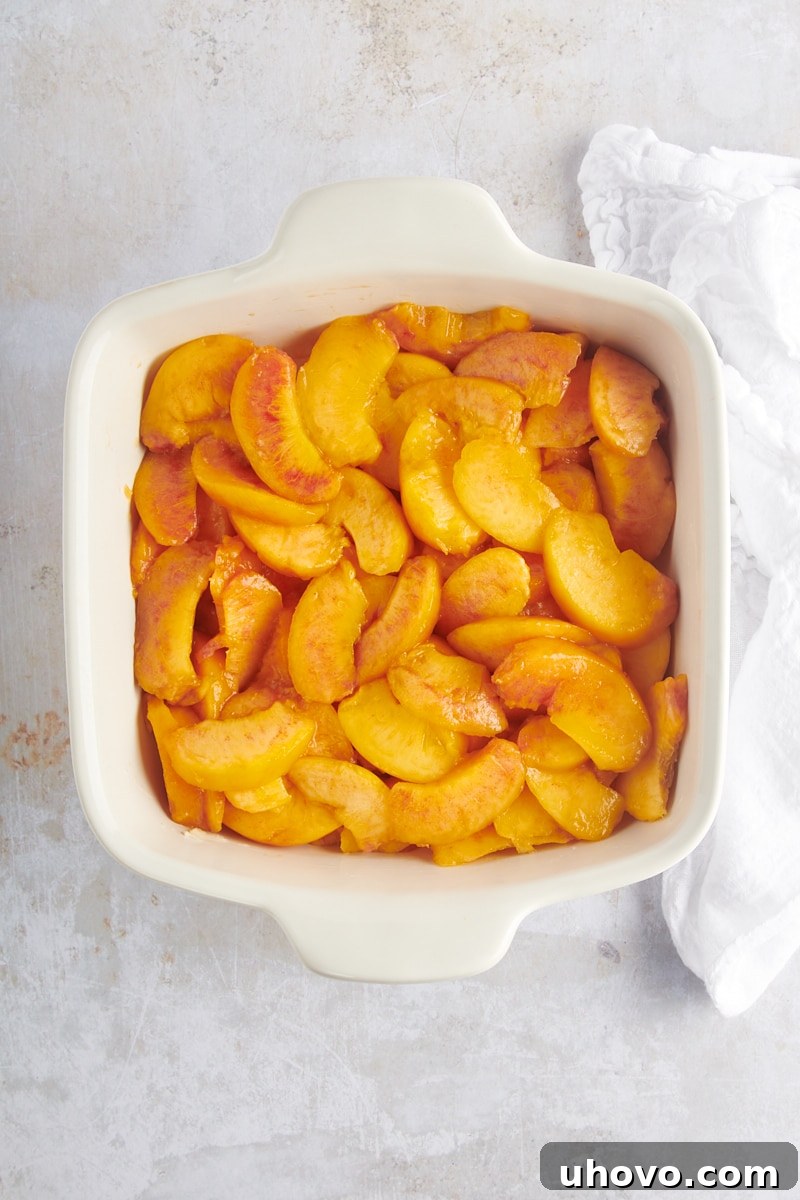
Strategic Choices: Fresh Fruit vs. Frozen Fruit in Baking Recipes
Deciding which type of fruit to use often depends on the specific recipe and the desired outcome. Both have their ideal applications in the baking world.
When Frozen Fruit Shines in Baking
Frozen fruit is a fantastic option for a variety of baked goods, primarily due to its unparalleled convenience and year-round availability. It excels in recipes where the fruit will be thoroughly cooked and its softened texture is either desirable or easily integrated. Consider using frozen fruit for:
- Muffins and Quick Breads: The extra moisture and softened texture blend seamlessly into the batter.
- Crumbles, Crisps, and Cobblers: Here, the fruit is typically tossed with sugar and thickener, and the release of juices contributes to a rich, syrupy filling.
- Pies and Tarts (with adjustments): While trickier, frozen fruit can be used for fillings, especially if you manage the excess moisture carefully with thickeners.
- Sauces and Purees: Frozen fruit is perfect for making fruit sauces, compotes, or purees that will be cooked down, as its initial texture is less of a concern.
The convenience of not having to wash, peel, or chop also significantly cuts down on prep time, making frozen fruit a go-to for busy bakers. However, remember that due to the altered structure and additional moisture content from the freezing process, some recipes may require slight adjustments to ensure optimal results. (Refer to the tips below for guidance).
When Fresh Fruit is the Undisputed Best Choice
Fresh fruit is almost always the superior choice for baking applications where texture, appearance, and the integrity of the fruit pieces are paramount. Its firm structure holds up beautifully to gentle cooking and maintains an appealing visual presence in the final product. Here are scenarios where fresh fruit is highly recommended:
- Fruit Pies and Galettes: For classic fruit pies where the fruit needs to hold its shape and contribute to a structured filling without making the crust soggy, fresh fruit offers the best results. You can easily assess the fruit’s ripeness and firmness, which is critical for a perfect pie.
- Tarts and Pastries: Delicate tarts, especially those with an exposed fruit topping, benefit immensely from the vibrant appearance and firm texture of fresh fruit.
- Cakes and Cupcakes (for structure): If you want distinct pieces of fruit throughout your cake or a topping that won’t bleed color or become mushy, fresh fruit is ideal.
- Unbaked Desserts and Garnishes: For cheesecakes, parfaits, fruit salads, or any dessert where the fruit is not cooked or only briefly warmed, fresh fruit is essential for its crisp texture, bright color, and superior presentation.
- Recipes with Minimal Cooking: If the fruit is only baked for a short duration or folded into a batter that bakes quickly, fresh fruit prevents the issues of excess moisture and mushiness that can arise from frozen varieties.
While substitutions are often possible, beginning with fresh fruit for recipes that heavily feature fruit or rely on its structural integrity will most consistently yield a “stellar” outcome. The ability to directly assess and choose high-quality fresh produce also provides a level of control that pre-packaged frozen options cannot match.
Mastering Baking with Frozen Fruit: Essential Tips
Working with frozen fruit successfully requires a few strategic adjustments to account for its unique characteristics, primarily the increased liquid release during baking. By implementing these tips, you can confidently use frozen fruit in a wider range of recipes without compromising quality:
- Regulate Liquid Content: The most critical adjustment when using frozen fruit is managing the excess moisture. This can be achieved in two primary ways:
- Reduce Recipe Liquid: Slightly decrease the amount of other liquids (like milk, water, or juice) called for in the recipe, especially for batters and doughs. Start by reducing by 1-2 tablespoons per cup of frozen fruit and adjust as needed.
- Add a Thickener: Incorporate a thickening agent to absorb the extra moisture released by the fruit. Common thickeners include:
- Cornstarch: Excellent for clear, glossy fruit fillings (e.g., pies, tarts). Use about 1 tablespoon per cup of fruit.
- Tapioca Starch (or Quick-Cooking Tapioca): Great for fruit pies, especially with berries, as it thickens well without making the filling cloudy. Use about 1.5-2 tablespoons per cup of fruit.
- All-Purpose Flour: A good all-around thickener, though it can make fillings a bit opaque. Use about 2 tablespoons per cup of fruit.
This technique is particularly vital for fruit pies, cobblers, and crisps to prevent soggy crusts and overly runny fillings.
- Strategic Rinsing (for Color Control): While you generally don’t want to fully thaw frozen fruit, a quick rinse in very cold water can be beneficial. Certain fruits, like blueberries, contain pigments (anthocyanins) that can “bleed” into batters, turning your muffins or cakes an unappealing greenish-blue hue. Rinsing helps to wash away some of these surface pigments. After rinsing, it’s crucial to pat the fruit thoroughly dry with paper towels to remove any residual surface water before adding it to your batter. For extra protection against bleeding and sinking, you can also lightly toss the *dried* frozen fruit in a tablespoon or two of flour before incorporating it into the mix. This creates a barrier and helps suspend the fruit more evenly. This step is usually unnecessary for pies and cobblers where the color bleed is less noticeable or desired.
- Adjust Baking Time and Temperature: Adding frozen fruit directly to a batter or dough will significantly lower its overall temperature. This can extend the baking time needed for the product to cook through properly and achieve a good rise. Anticipate adding an extra 5-15 minutes to the baking time, depending on the recipe and the quantity of frozen fruit. Some bakers also recommend a slightly lower baking temperature (e.g., 25°F/15°C less) for a longer duration to ensure the center cooks fully without the edges burning, especially for larger bakes. Always use visual cues and a toothpick test to confirm doneness.
- Do Not Thaw (for most recipes): For the majority of baking applications, especially those where the fruit is incorporated into a batter or filling, it’s best to use frozen fruit directly from the freezer. Thawing frozen fruit beforehand will only result in more liquid release and a mushier texture before it even hits the oven, exacerbating the moisture issues. The exceptions are recipes with very short cooking times, like pancakes or some quick sautés, where a slight thaw might be beneficial for even cooking.
- Consider Fruit Size: Larger frozen fruits like peach slices or whole strawberries can take longer to cook through or thaw in a bake. If your recipe calls for smaller pieces, you might need to chop larger frozen fruit (which can be tricky) or choose smaller varieties from the outset.
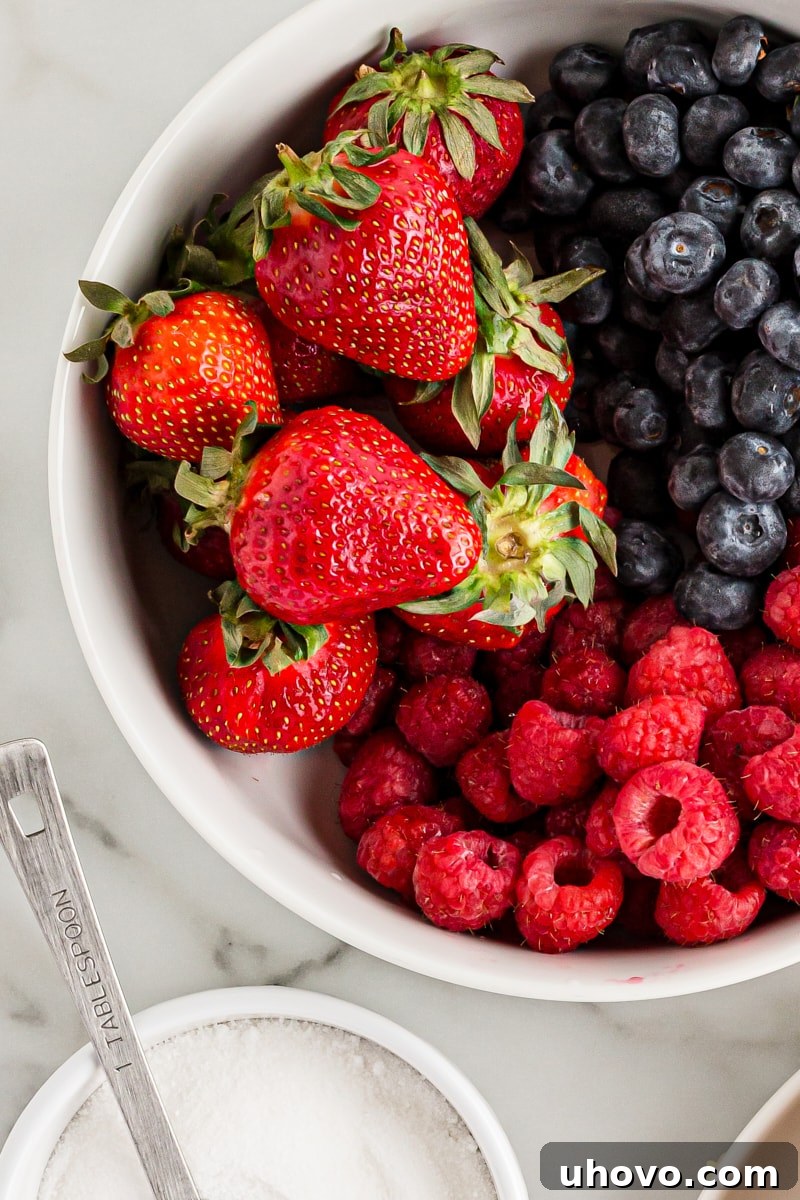
Frequently Asked Questions About Fresh and Frozen Fruits in Baking
The answer is a nuanced “it depends.” For many baking applications, especially those involving thorough cooking like muffins, crumbles, or sauces, high-quality frozen fruit can be just as good as fresh. In some cases, it can even be superior due to being picked at peak ripeness. However, for recipes where the fruit’s firm structure and vibrant, unblemished appearance are crucial, such as decorative tarts, delicate pastries, or unbaked desserts, fresh fruit remains the better option.
Unless a recipe explicitly calls for frozen fruit or offers specific instructions for its use, you should generally assume it intends for fresh fruit to be used. If you opt to use frozen fruit instead, be prepared to make the necessary adjustments to manage its excess moisture and account for potential texture differences, as outlined in our tips above.
For most baking recipes, it is best to use frozen fruit directly from the freezer without thawing. Thawing can lead to excessive moisture release and a mushy texture before the fruit even goes into the oven, making it harder to manage. The main exceptions are recipes with very short cooking times, such as pancakes or certain types of quick bread where the frozen fruit might significantly drop the batter temperature too much or remain too cold to cook evenly.
Sometimes, yes. If you’ve ever baked with frozen blueberries, you might have noticed a greenish-blue tint spreading through your muffins or cake batter. This is due to natural pigments. To minimize color bleeding, especially in light-colored batters, a quick rinse of the frozen fruit in very cold water is recommended. Afterward, be sure to pat the fruit thoroughly dry with paper towels. For an extra safeguard against color bleed and sinking, you can also toss the dried frozen fruit in a light coating of flour before folding it into your batter. For applications like pies or cobblers, rinsing is usually not necessary as color blending is often less critical.
Unfortunately, frozen fruits are generally not suitable for garnishing or decorating finished baked goods. The high water content in fruit, when frozen, ruptures its cellular structure. As a result, when thawed, frozen fruit becomes very soft, often mushy, and loses its appealing shape and firm texture, making it unsuitable for presentation.
Absolutely! Freezing your own ripe, seasonal fruit is an excellent way to enjoy it year-round. To do so, wash and thoroughly dry the fruit. For larger fruits like peaches or berries, you might want to slice or halve them. Lay the prepared fruit in a single layer on a baking sheet lined with parchment paper and freeze until solid. Once frozen, transfer the fruit to airtight freezer bags or containers. This prevents the fruit from clumping together and makes it easier to use in desired quantities later on.
It is generally not recommended to refreeze fruit that has completely thawed. Each freezing and thawing cycle further damages the cellular structure of the fruit, leading to a significant loss of texture, flavor, and an even greater release of moisture. While it might still be safe to consume if handled properly, its quality for baking purposes will be severely compromised, resulting in an almost mushy consistency and watery output.
Equipped with this knowledge, you’re now ready to confidently choose between fresh and frozen fruit for your baking needs, knowing exactly how to handle each to achieve delicious results. Ready to get baking? Explore delightful recipes using blueberries, strawberries, peaches, and many more in our comprehensive recipe index!