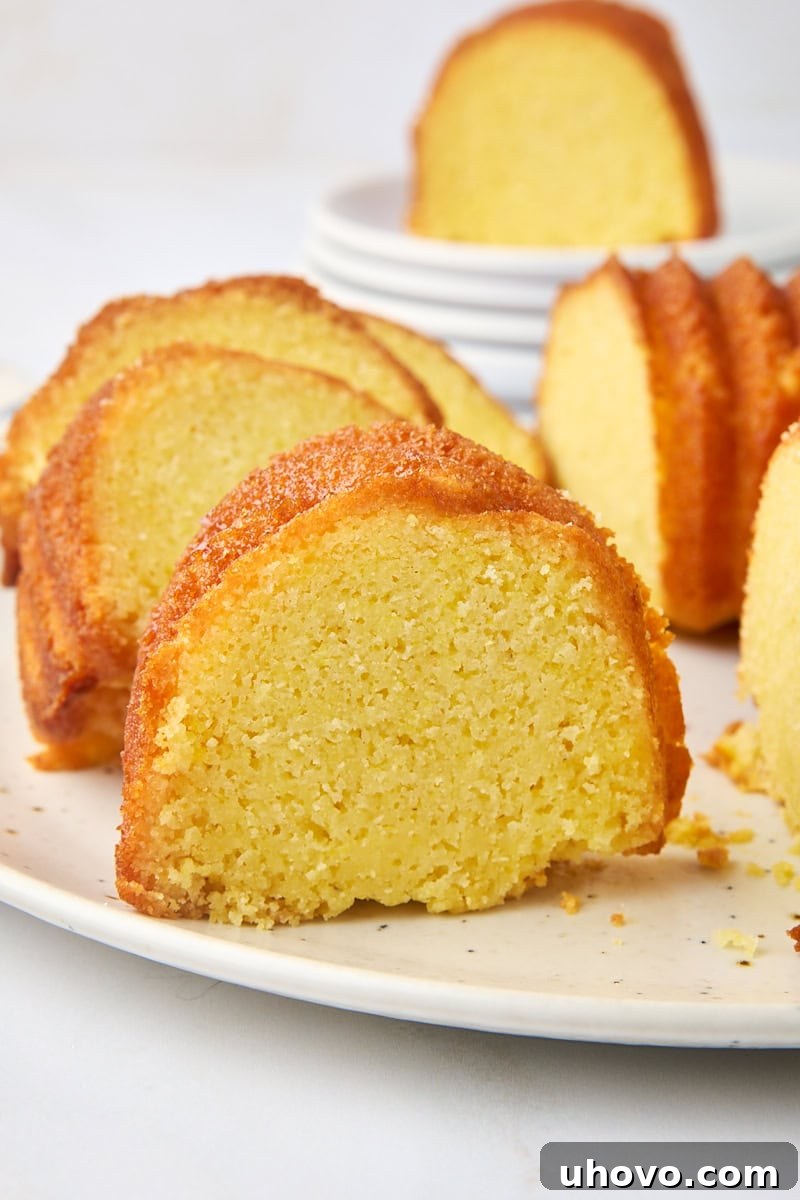
Delve into the comforting world of baking with this exquisite Cornmeal Pound Cake. This recipe offers a delightful twist on the classic, beloved pound cake, infusing it with a unique, subtle texture and a lovely rustic charm. It’s incredibly rich and buttery, with a perfectly dense yet tender crumb that makes it an ideal companion for fresh fruits, a dollop of cream, or simply savored on its own with a cup of coffee.
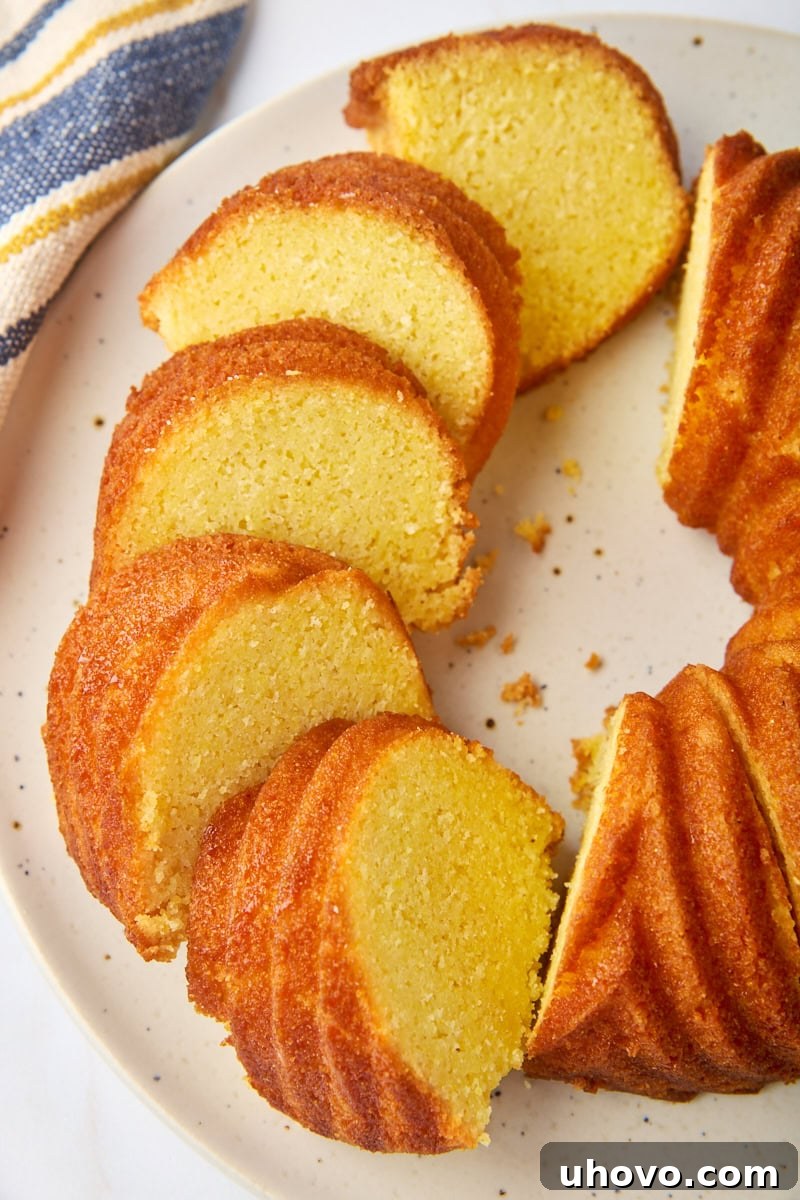
If your palate craves the timeless elegance of a traditional pound cake but also yearns for an added layer of character and intrigue, then this cornmeal iteration is precisely what you need. It masterfully retains all the hallmarks of a great pound cake: the deep, luscious buttery flavor, the signature dense crumb, and a moist, satisfying mouthfeel. Yet, it elevates the experience with a delicate hint of texture from fine cornmeal, lending it a beautifully rustic appeal that sets it apart. This adaptation proves that sometimes, a simple ingredient swap can completely redefine a classic, transforming it into something even more special and memorable.
This isn’t merely a dessert; it’s a versatile culinary creation that shines in any setting. It requires minimal adornment to impress, yet it welcomes endless creativity with toppings. Imagine it graced with a vibrant fruity compote, a generous dollop of freshly whipped cream, a delicate drizzle of golden honey, or simply dusted with a cloud of powdered sugar. Whether you’re serving it as an effortless afternoon treat with a cup of tea, presenting it as the star dessert for a special gathering, or even enjoying a slice for breakfast, this cornmeal pound cake always feels utterly perfect, embodying both simplicity and sophistication. Its inviting aroma and comforting flavor make it a perennial favorite for all seasons.
Why This Cornmeal Pound Cake Will Become Your New Favorite
This isn’t just another cake recipe; it’s a celebration of simple ingredients transformed into something truly special. Here’s why you’ll fall in love with this cornmeal pound cake and find yourself returning to this recipe time and again:
- Unmistakably Buttery and Tender: Prepare for a truly indulgent experience. This cake delivers the luxurious richness that defines a classic pound cake, with every bite meltingly tender. The secret lies in the generous amount of quality butter, creating a perfect balance of sweetness and deep, satisfying flavor.
- A Sublime Touch of Rustic Texture: The fine yellow cornmeal is the star here, adding a unique, subtle grain that creates an interesting and pleasant counterpoint to the smooth, dense crumb. It provides a delightful chewiness and a hint of rustic charm without ever feeling gritty or coarse, truly elevating the cake’s character.
- Crafted from Simple Pantry Staples: You don’t need exotic ingredients to create this masterpiece. This recipe relies on everyday items you likely already have on hand – flour, sugar, butter, eggs, and buttermilk – proving that extraordinary flavor and texture can come from humble beginnings. It’s a testament to the power of basic baking.
- Remarkably Versatile for Any Occasion: This cornmeal pound cake is a true chameleon, adapting effortlessly to various serving styles and occasions. Enjoy it plain for a comforting snack with coffee, or elevate it for a festive event with an array of vibrant toppings. Its adaptable nature makes it suitable for anything from casual brunches to elegant dinner parties.
- Effortless to Make with Consistent Results: Despite its impressive appearance and gourmet-like taste, this pound cake follows a straightforward creaming method, making it accessible even for novice bakers. The clear, intuitive steps lead to consistently delicious results, building your confidence in the kitchen.
Sign up for our newsletter to get more delightful recipes like this one sent directly to your inbox! Explore a world of baking inspiration and never miss a new favorite.
Essential Ingredients for a Perfect Cornmeal Pound Cake
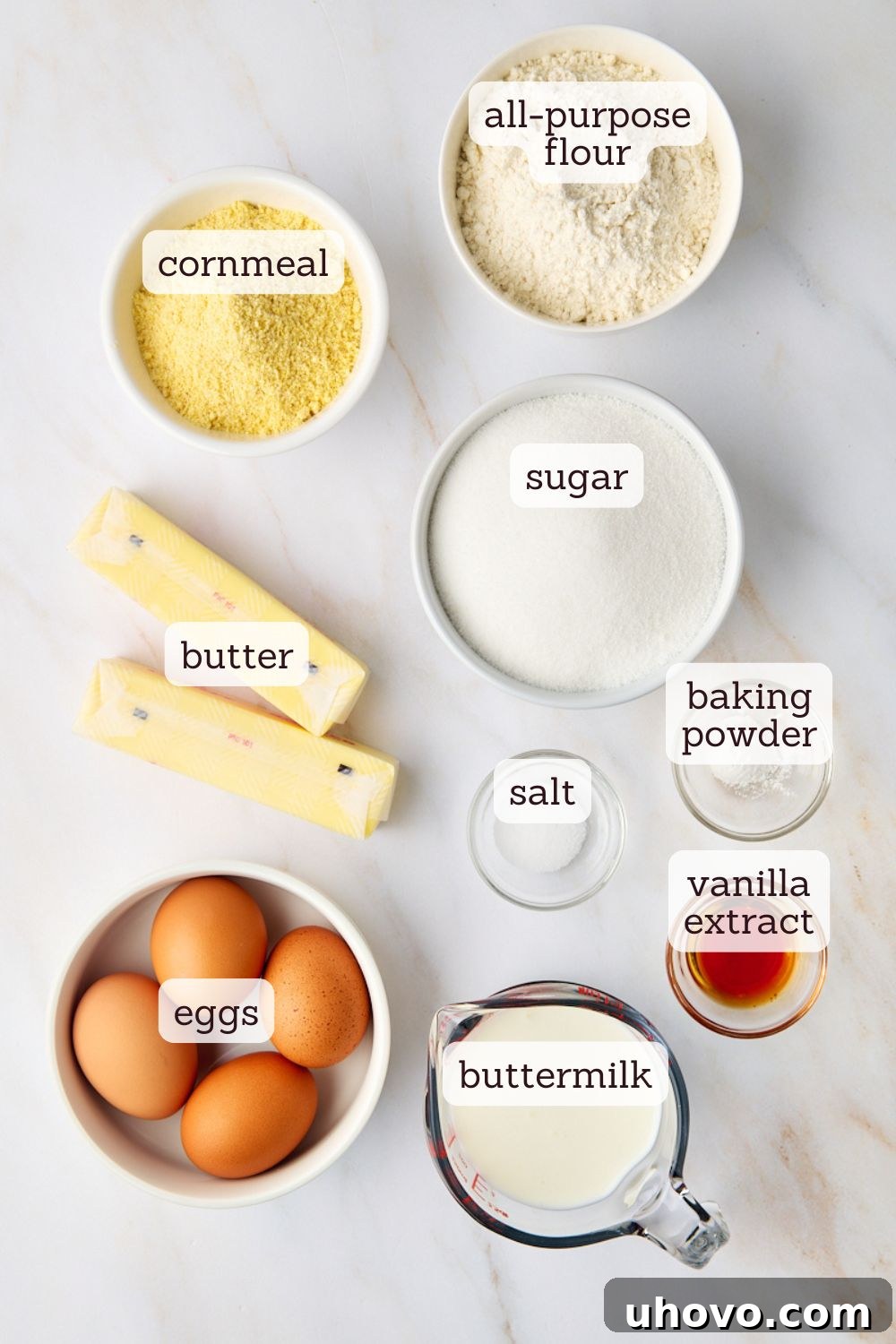
The magic of this cornmeal pound cake lies in the quality and precise balance of its core ingredients. Using them at the right temperature and incorporating them correctly is paramount to achieving that signature texture and flavor profile. Below is a detailed look at each key component, with the precise measurements available in the comprehensive recipe card at the end of this article.
- All-Purpose Flour: This forms the essential structure of our cake. All-purpose flour provides the necessary gluten development to hold the cake together, resulting in a tender yet stable crumb that is characteristic of a well-made pound cake.
- Unsalted Butter: As the name “pound cake” suggests, butter is the heart and soul of this recipe, contributing immense richness and flavor. Using unsalted butter allows you to control the total salt content, ensuring a balanced taste. It is crucial for the butter to be properly softened to room temperature, as this enables effective creaming with sugar, which incorporates air and creates a light, fluffy batter.
- Granulated Sugar: Beyond simply adding sweetness, sugar plays multiple vital roles. It contributes significantly to the cake’s tender crumb and moistness by attracting and retaining moisture. It also aids in achieving that beautiful golden-brown crust and helps to aerate the butter during the initial creaming process.
- Large Eggs: Eggs are powerhouse ingredients, essential for providing structure, richness, and additional moisture to the cake. They act as an emulsifier, binding the fat and liquid components of the batter, preventing it from separating, and contributing to the dense yet smooth texture characteristic of a classic pound cake. Always use room temperature eggs for better incorporation into the butter mixture.
- Vanilla Extract: A staple in almost all sweet baking, vanilla extract provides a simple, warm, and comforting aromatic baseline flavor. It beautifully complements the subtle cornmeal notes without overpowering them. Invest in good quality pure vanilla extract for the most impactful flavor.
- Fine Yellow Cornmeal: This is the defining ingredient that gives our pound cake its unique identity and delightful character. Fine cornmeal provides a delicate, rustic texture and a mild, earthy, and slightly sweet flavor that perfectly elevates the classic pound cake profile. It’s important to avoid coarser varieties, as they can lead to an unpleasantly gritty texture in the finished cake.
- Baking Powder: As a chemical leavening agent, baking powder works to give the otherwise dense pound cake batter just enough lift. This ensures the cake isn’t overly heavy or compact, instead creating a tender crumb with a fine, even texture that’s still true to pound cake’s nature.
- Buttermilk: Buttermilk is a secret weapon in baking, adding incredible moisture, a subtle tangy flavor, and helping to activate the baking powder. The acidity in buttermilk reacts with the leavening agent, resulting in a softer, more tender, and wonderfully moist crumb. If you don’t have buttermilk on hand, a simple homemade substitute can be created (see notes in the recipe card).
- Salt: A small but mighty ingredient, salt plays a crucial role in enhancing all the other flavors in the cake. It expertly balances the sweetness, enriches the overall taste profile, and brings out the subtle nuances of the cornmeal and butter, preventing the cake from tasting bland.
Step-by-Step Guide: Crafting Your Cornmeal Pound Cake
Baking this cornmeal pound cake is a rewarding experience, utilizing the classic creaming method to achieve its signature rich flavor and perfectly dense, buttery texture. Follow these detailed steps and tips for a flawless result, transforming simple ingredients into a show-stopping dessert.
1. Preparing Your Bundt Pan for Success
A perfectly prepared Bundt pan is the cornerstone of a successful pound cake, ensuring a clean release and beautiful presentation. Pound cake batters are inherently dense, which means they can be particularly prone to sticking if the pan isn’t adequately prepped. Begin by generously coating every inch of the pan’s interior with softened unsalted butter or a high-quality baking spray that contains flour. Pay special attention to all the intricate curves, ridges, and crevices of your Bundt pan. Once thoroughly greased, lightly dust the entire interior with all-purpose flour, rotating the pan and tapping it to ensure an even coating, then tap out any excess. This dual-layer preparation creates a reliable non-stick barrier, allowing your magnificent cake to slide out effortlessly after baking.
2. Combining Your Dry Ingredients
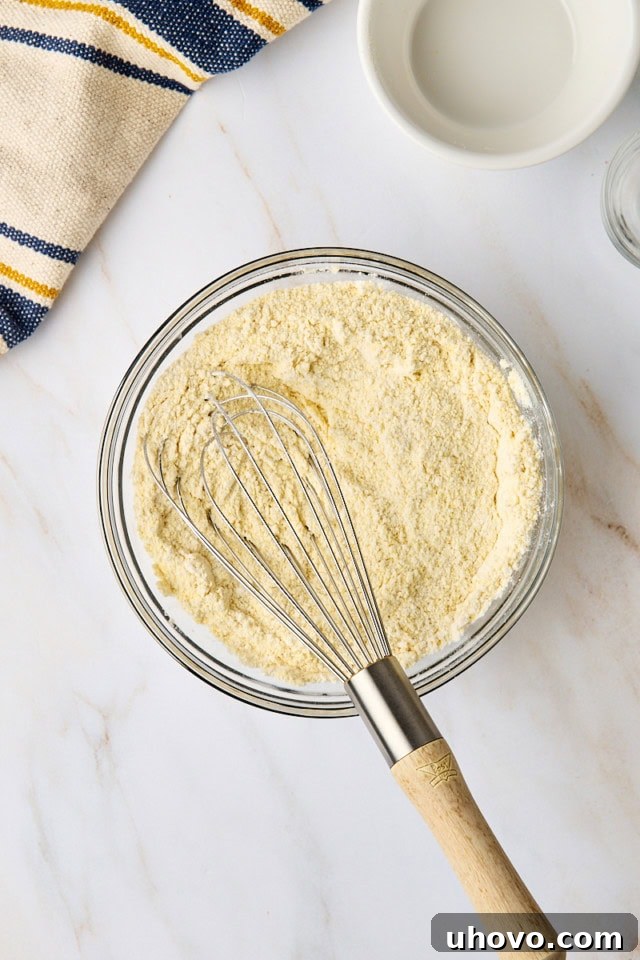
In a separate, medium-sized bowl, combine the all-purpose flour, fine yellow cornmeal, baking powder, and salt. Use a whisk to vigorously blend these ingredients together for at least 30 seconds. This seemingly simple step is absolutely critical: thorough whisking ensures that the leavening agent (baking powder) and salt are uniformly distributed throughout the flour mixture. This process prevents pockets of unmixed ingredients, which could lead to an uneven rise or inconsistent texture in your finished cake. Once thoroughly combined, set this dry mixture aside.
3. Creaming the Butter and Sugar to Perfection
This is where the magic of the classic creaming method truly begins and sets the stage for your pound cake’s texture. In a large mixing bowl, beat the softened unsalted butter and granulated sugar together using an electric mixer on medium speed. Continue mixing for a good 3 to 5 minutes, or until the mixture becomes visibly light in color (almost pale yellow) and wonderfully fluffy in texture. This prolonged creaming process is vital for incorporating a significant amount of air into the butter. These tiny air pockets will expand during baking, contributing to a lighter yet still dense crumb that is a hallmark of a great pound cake.
4. Incorporating Eggs and Vanilla
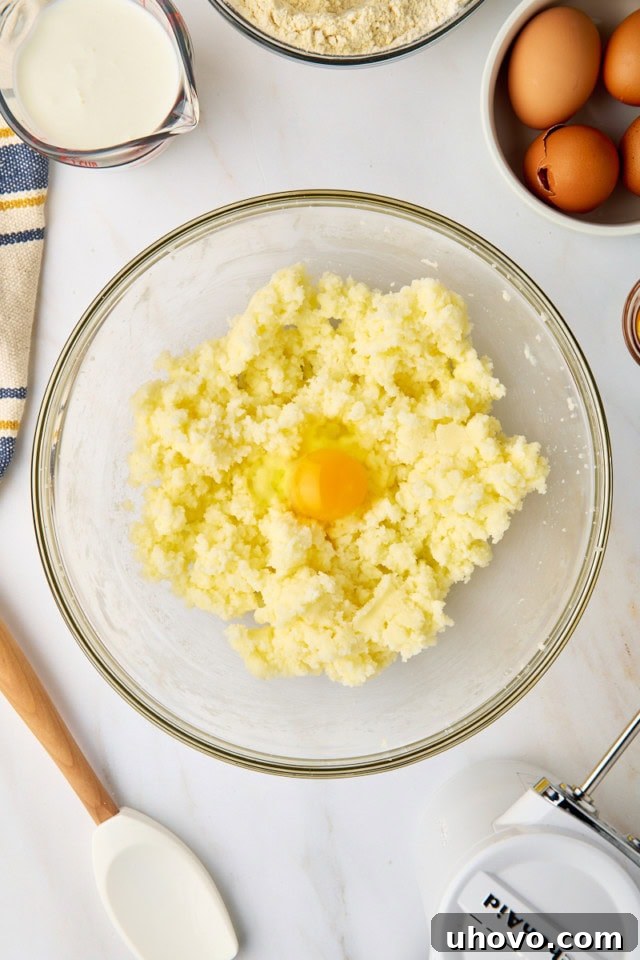
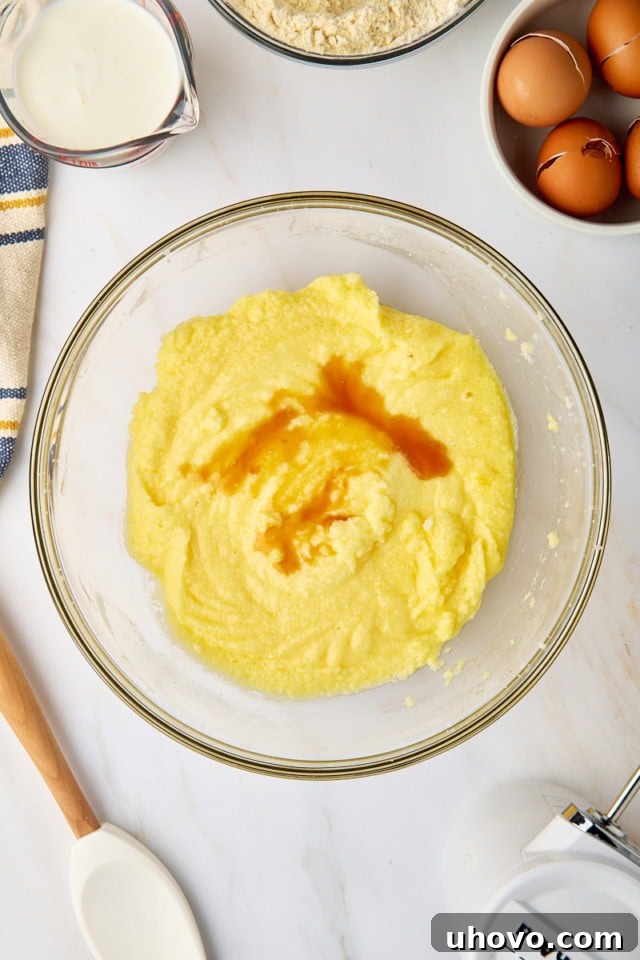
Once your butter and sugar are perfectly creamed and airy, begin adding the large eggs, one at a time. After each individual egg addition, beat well with the mixer until it is fully incorporated into the mixture before adding the next. This gradual addition technique is crucial as it helps to emulsify the batter, keeping it smooth and preventing it from curdling, which can happen if too much liquid is added at once. Finally, stir in the vanilla extract. The vanilla provides a comforting, aromatic warmth that beautifully complements the subtle, earthy notes of the cornmeal, enhancing the overall flavor profile.
5. Alternating Dry Ingredients and Buttermilk
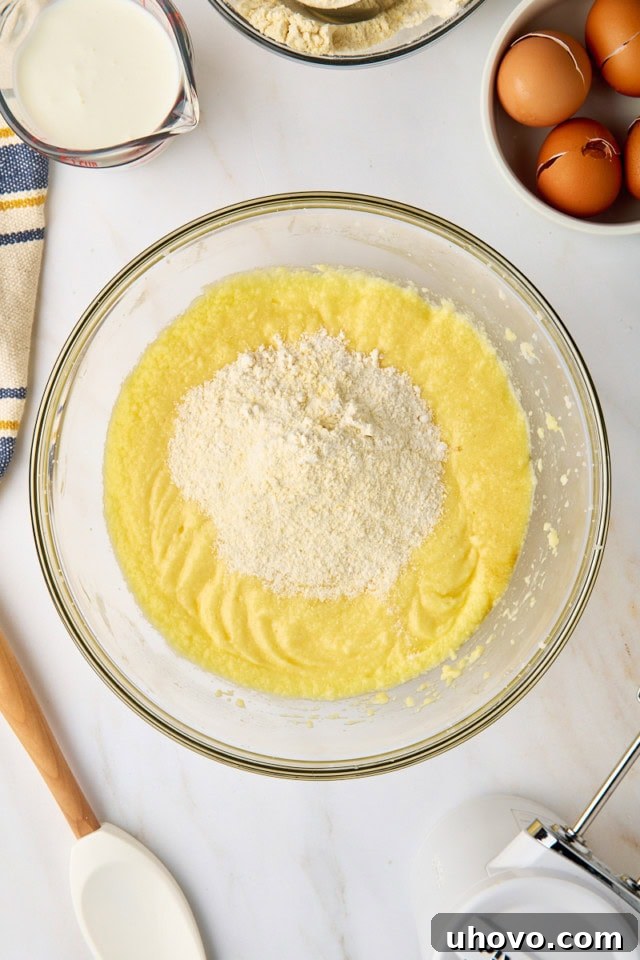
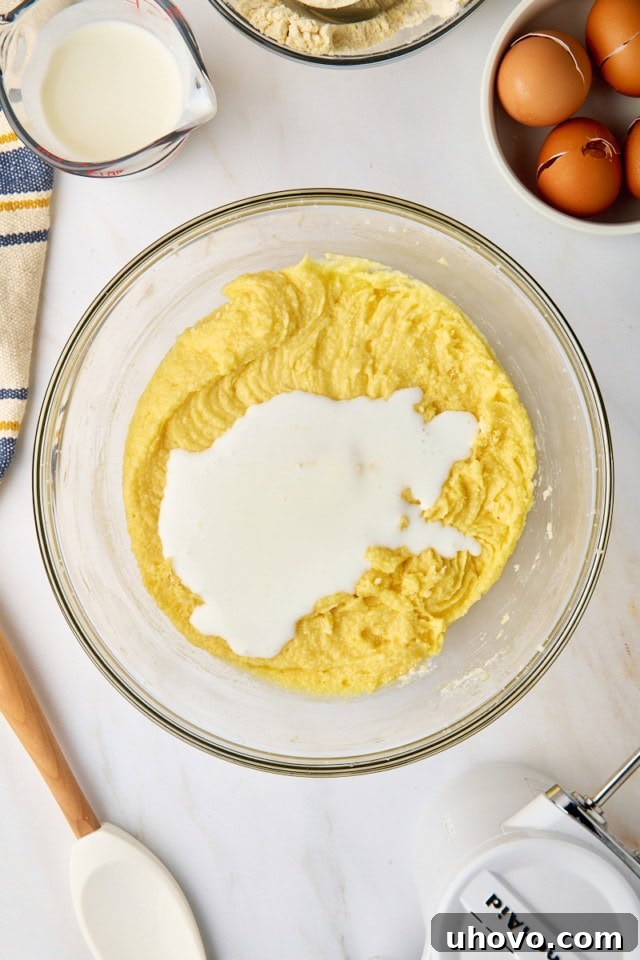
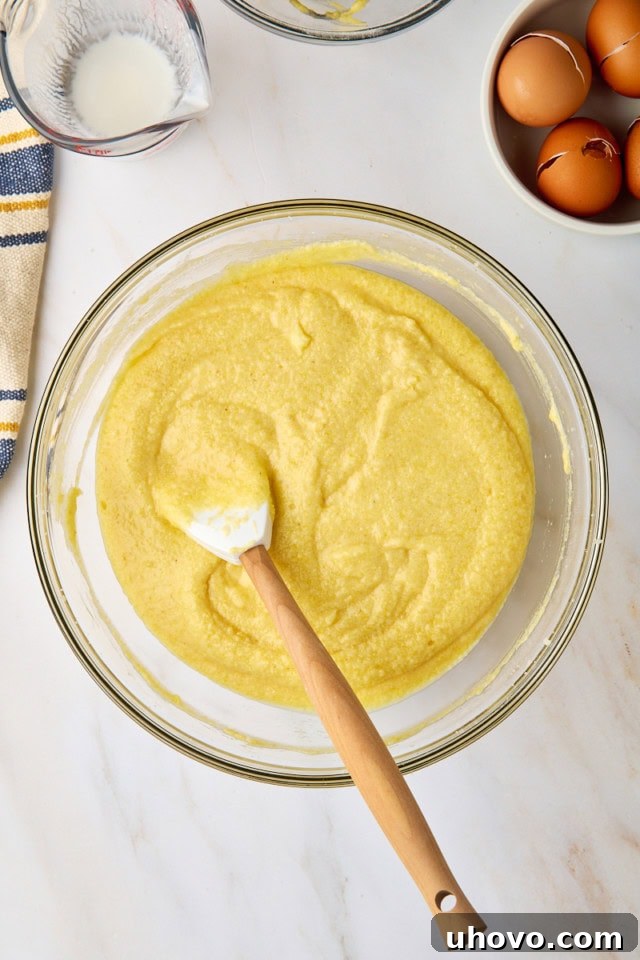
With your mixer speed reduced to low, begin adding the whisked dry ingredient mixture to the wet mixture in three separate additions, alternating with the buttermilk in two additions. It’s important to start and end with the dry ingredients. For example, add one-third of the dry ingredients, mix briefly, then half of the buttermilk, mix, then another third of dry, the remaining buttermilk, and finally the last third of dry ingredients. This gradual, alternating process is essential for preventing over-mixing, which can lead to excessive gluten development and a tough, dry cake. Mix only until the ingredients are just combined; a few streaks of flour are preferable to an overmixed batter. The buttermilk adds a gentle tang that beautifully complements the cornmeal while also contributing essential moisture, resulting in a cake that is both rich and wonderfully tender.
6. Baking and Cooling Your Pound Cake
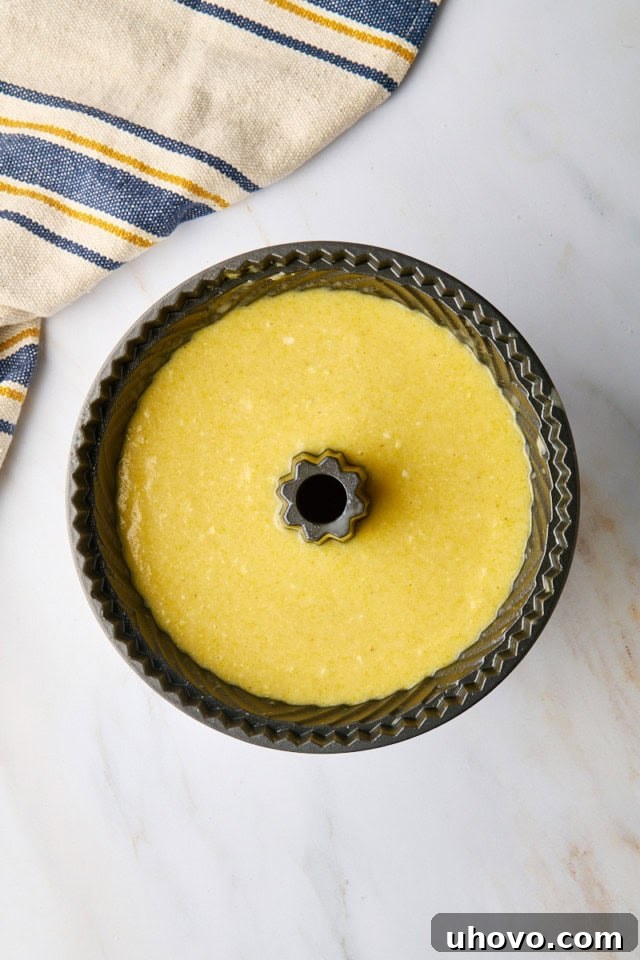
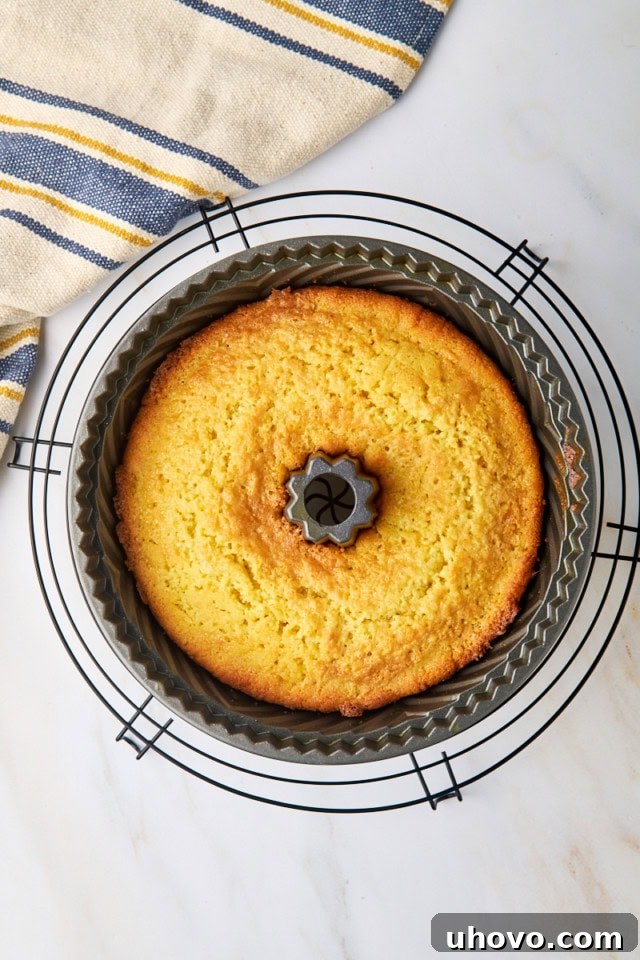
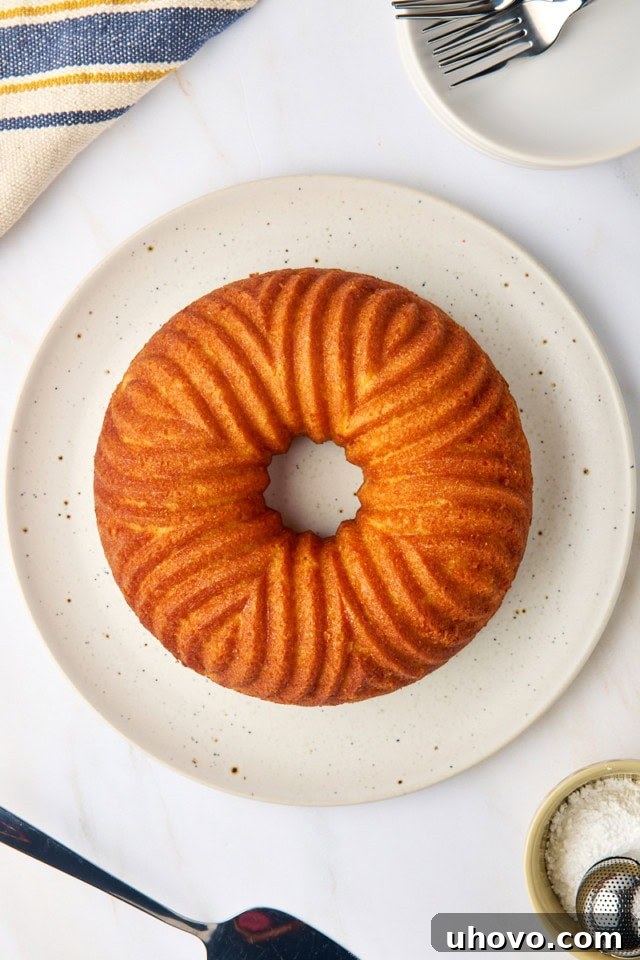
Carefully pour the prepared batter evenly into your thoroughly greased and floured Bundt pan, using a spatula to smooth the top. Gently tap the pan on the counter a couple of times to release any large air bubbles trapped within the batter. Bake in a preheated oven until the cake is gloriously golden brown on top and appears to pull away slightly from the edges of the pan. The most reliable test for doneness is to insert a long wooden skewer or toothpick into the center of the cake; it should come out clean or with only a few moist crumbs attached, but no wet batter. Once removed from the oven, allow the cake to cool in the Bundt pan on a wire rack for a crucial 10 to 15 minutes. This essential resting period allows the cake to firm up slightly and finish setting, preventing it from breaking apart or sticking when you carefully invert it onto a wire rack to cool completely. Patience during this stage is key to a beautifully intact and structurally sound pound cake.
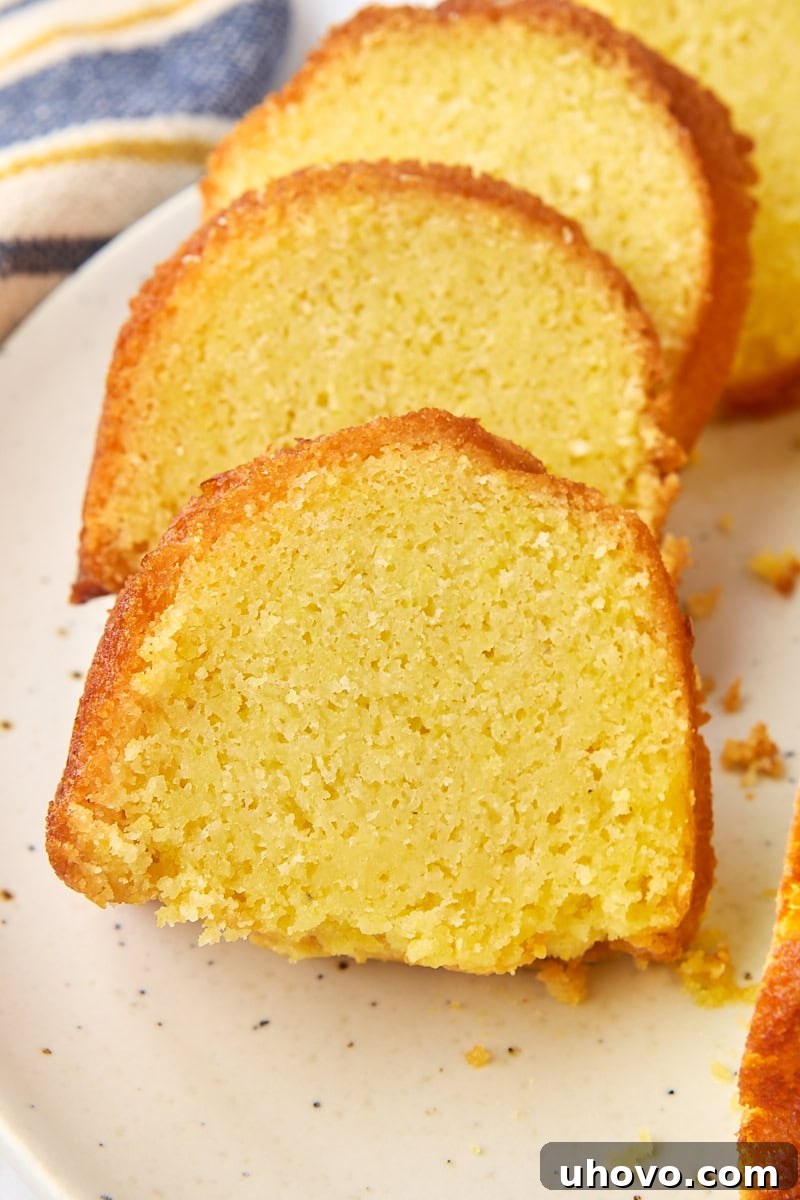
Expert Tips for a Flawless Cornmeal Pound Cake
Achieving a perfectly moist and tender cornmeal pound cake with that ideal rustic texture is easily within reach by following these expert tips and tricks:
- Embrace Fine Cornmeal: The type of cornmeal you choose makes a significant difference in the final texture of your cake. Always opt for fine yellow cornmeal to achieve that delicate, pleasingly rustic texture without any unpleasant grittiness. Coarser varieties will, unfortunately, make the cake’s crumb too rough, dense, and noticeably less tender, detracting from the overall experience.
- The Golden Rule: Don’t Over-mix: This is perhaps the most crucial tip for any cake, especially a pound cake. Once you begin adding the dry ingredients and buttermilk to the creamed mixture, mix only until the ingredients are just combined. Over-mixing develops the gluten in the flour too much, leading to a tough, dense, and dry cake instead of the desired tender, moist crumb. A few visible streaks of flour are always preferable to an overmixed batter.
- Master the Bundt Pan Preparation: Thoroughly greasing and flouring your Bundt pan is absolutely non-negotiable for a clean release and a beautifully shaped cake. Use softened butter or a high-quality baking spray that contains flour (such as Baker’s Joy or Pam Baking). Be meticulous and ensure every single nook, cranny, and intricate design of the pan is coated. You can also lightly chill the greased and floured pan for a few minutes before adding the batter to help the coating adhere even better.
- Know When It’s Truly Done: Doneness is key to a moist cake. The cake should be beautifully golden brown on top and appear to pull away slightly from the edges of the pan. The most reliable test is to insert a long wooden skewer or toothpick into the very center of the cake; it should come out clean or with just a few moist crumbs attached, but never with wet batter. Avoid overbaking, as this is a common cause of dry pound cake.
- Room Temperature Ingredients are a Must: Always ensure your butter and eggs are at room temperature before you begin mixing. This allows them to emulsify properly with the sugar, creating a smoother, more uniform batter that traps air efficiently during the creaming process. This efficient air incorporation results in a finer, more tender crumb and a superior overall texture in your finished cake.
- Patience During Cooling: Resist the urge to unmold the cake immediately after it comes out of the oven. Allowing it to cool in the pan for 10-15 minutes is a critical step. This resting period helps the cake to firm up and finish setting, making it much less likely to crumble, break, or stick when you carefully invert it onto a wire rack. This patience ensures a perfectly intact and presentable pound cake.
Delightful Ways to Serve Your Cornmeal Pound Cake
While this pound cake is utterly captivating on its own, its robust yet subtle flavor profile and tender crumb make it a magnificent canvas for a wide variety of accompaniments. Here are some enchanting serving suggestions to elevate your experience and truly showcase this versatile dessert:
- With a Spoonful of Homemade Fruit Compote: Enhance its natural sweetness with a vibrant, homemade fruit compote. Imagine a luscious peach compote with its sunny sweetness, a bright blueberry compote bursting with flavor, or any other seasonal fruit medley. The slight tartness of the fruit beautifully balances the cake’s richness, creating a harmonious bite.
- Topped with Cloud-like Whipped Cream: A generous dollop of creamy, airy whipped cream is a timeless and utterly classic pairing. You can opt for a more stable version like a stabilized whipped cream for longer-lasting elegance at a gathering, or simply a light and fluffy lightly sweetened whipped cream for pure, unadulterated indulgence.
- Paired with Fresh Berries and Powdered Sugar: A medley of fresh, seasonal berries – think juicy strawberries, sweet raspberries, plump blueberries, or tangy blackberries – provides a burst of refreshing flavor and a pop of vibrant color. A delicate dusting of powdered sugar over the top adds a touch of simple elegance and a whisper of extra sweetness.
- Drizzled with Golden Honey or a Light Glaze: For an extra layer of natural sweetness and a beautiful sheen, drizzle warm pure honey over individual slices. Alternatively, a simple lemon or vanilla glaze can add a beautiful finish, enhancing the cake’s aesthetics and providing a subtle hint of additional flavor that complements the cornmeal.
- Toasted the Next Day with Butter or Jam: Don’t let leftovers go to waste! For a delightful breakfast or an elevated afternoon treat, lightly toast leftover slices the next day until they are golden and slightly crisp on the edges. Serve warm with a generous spread of good quality butter or your favorite fruit jam for a comforting and satisfying experience.
- Alongside a Scoop of Premium Ice Cream: For a truly decadent dessert, serve a warm slice of cornmeal pound cake with a scoop of premium vanilla bean or honey-flavored ice cream. The harmonious blend of temperatures and textures – warm cake, cold ice cream – creates a truly comforting and memorable dessert.
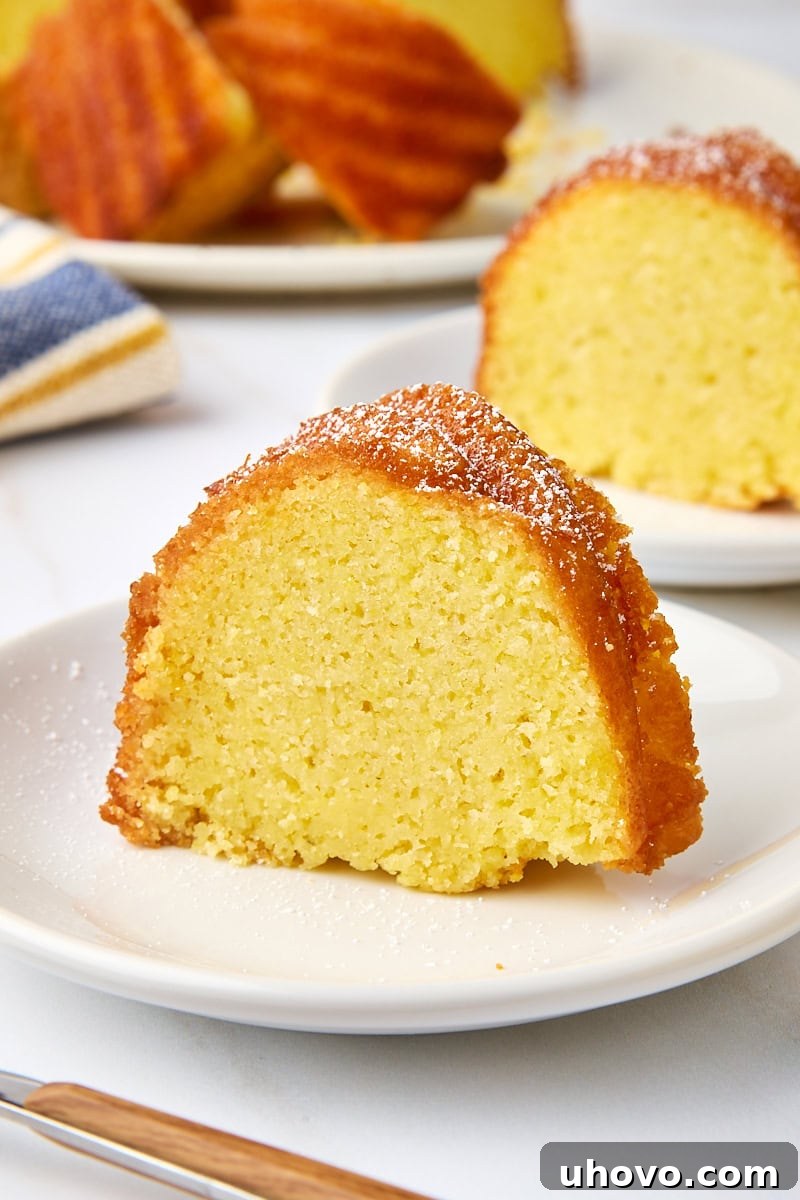
Storing Your Cornmeal Pound Cake for Lasting Freshness
Proper storage is essential to maintain the delicious taste, tender texture, and overall quality of your homemade cornmeal pound cake. Here’s how to keep it fresh and enjoyable for as long as possible:
Room Temperature Storage
For short-term enjoyment, if your cake will be consumed within a few days, wrap the leftover cake tightly in plastic wrap or aluminum foil. Alternatively, you can place it in an airtight container. Stored this way, it will remain wonderfully fresh and delightful at room temperature for up to 3 days. Wrapping it securely helps retain its precious moisture and protects it from becoming stale or drying out.
Refrigeration for Extended Freshness
If you need to extend the cake’s freshness slightly beyond a few days, it can be refrigerated for up to 5 days. As with room temperature storage, ensure it’s well-wrapped in plastic wrap and then foil, or placed in an airtight container. This double layer of protection is key to safeguarding it from absorbing any unwanted refrigerator odors and, crucially, to prevent it from drying out in the cold, dry environment. For the absolute best flavor and tender texture, always remember to bring refrigerated pound cake back to room temperature before serving.
Freezing for Long-Term Enjoyment
One of the many advantages of pound cake is that it freezes exceptionally well, making it perfect for preparing ahead for future events or simply saving for a later craving. To freeze, ensure the entire cooled cake or individual slices are first wrapped tightly in plastic wrap, and then completely encased in aluminum foil. This robust, double-layer protection is vital to prevent freezer burn and maintain the cake’s quality. Once wrapped, place the cake (or wrapped slices) in a freezer-safe bag or an airtight container. It can be confidently frozen for up to 2 months without a significant loss of quality. To thaw, simply transfer it to the refrigerator overnight, or allow it to sit on the counter at room temperature for a few hours. Once thawed, it will be almost as good as freshly baked, ready to be enjoyed!
A Timeless Cake for Every Season and Occasion
This cornmeal pound cake stands as a delicious testament to the magic that can be created with a few simple pantry staples, elevated by a thoughtful twist. Its remarkable versatility and comforting appeal make it a perfect choice regardless of the season or the occasion. Whether you’re celebrating summer’s bounty by topping it with a vibrant medley of fresh berries, creating a cozy winter dessert with a dollop of fluffy whipped cream and a sprinkle of warm cinnamon, or simply enjoying a plain, tender slice with your morning coffee, this cake never disappoints. It’s the quintessential bake-again-and-again recipe, sure to become a cherished favorite in your kitchen, bringing consistent joy and deliciousness with every single slice you share (or keep for yourself!). Its simple elegance and hearty flavor ensure it will be a beloved part of your baking repertoire for years to come.
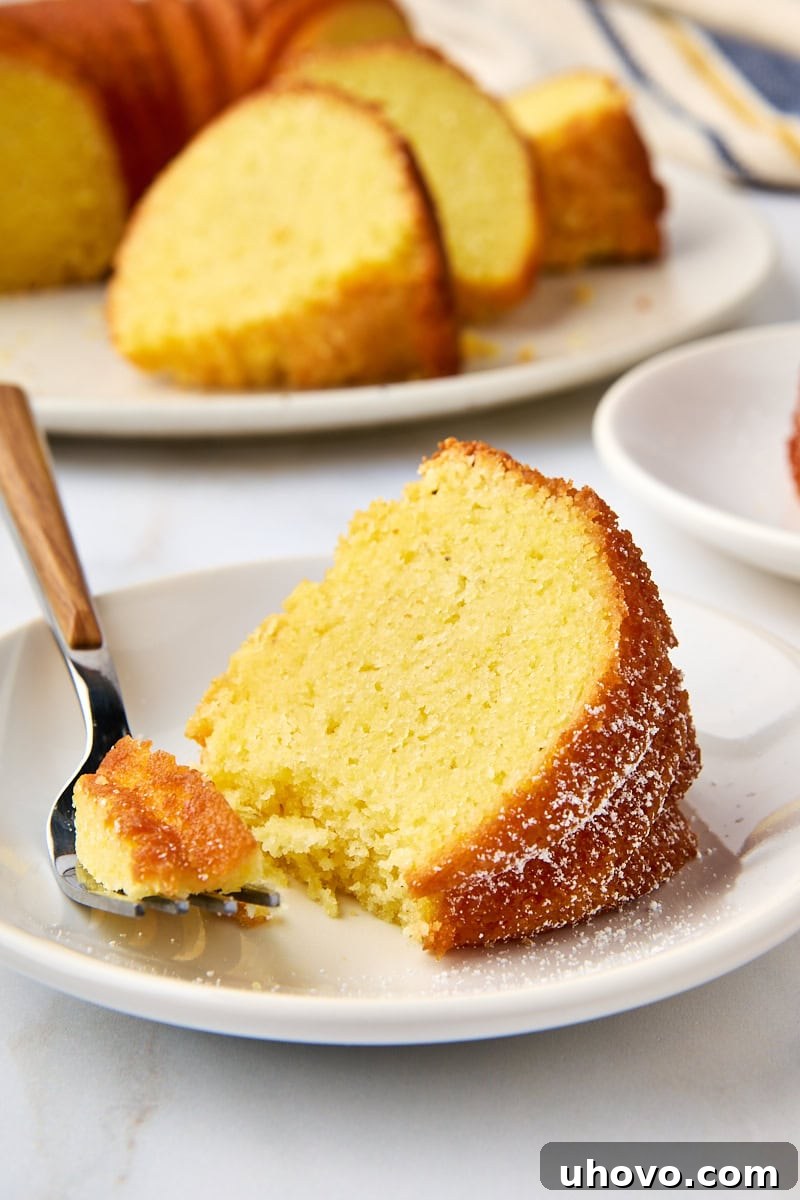
Explore More Delicious Pound Cake Recipes
Cornmeal Pound Cake
12
servings
15
minutes
50-60
minutes
Pin Recipe
Leave a Review
Ingredients
-
1 ¼ cups
(150 g)
all-purpose flour -
¾ cup
(90 g)
fine yellow cornmeal -
½ teaspoon
baking powder -
½ teaspoon
salt -
1 cup
(226 g)
unsalted butter, softened -
1 ¾ cups
(350 g)
granulated sugar -
4 large
eggs, at room temperature -
1 teaspoon
vanilla extract -
¾ cup
(180 ml)
buttermilk
Recommended Products
-
Bavaria Bundt Pan
-
Round Cooling Rack
Instructions
-
Preheat your oven to 325°F (160°C). Prepare a 10- to 12-cup Bundt pan by generously greasing and flouring it, ensuring all crevices are covered to prevent sticking.
-
In a medium bowl, whisk together the all-purpose flour, fine yellow cornmeal, baking powder, and salt until well combined. Set aside.
-
In a large bowl, using an electric mixer on medium speed, beat the softened unsalted butter and granulated sugar for 3–5 minutes, or until the mixture is light, fluffy, and pale in color. Scrape down the sides of the bowl as needed.
-
Add the large eggs one at a time, beating well after each addition until fully incorporated. Stir in the vanilla extract until just combined.
-
Reduce mixer speed to low. Gradually add the dry ingredients in three parts, alternating with the buttermilk in two parts (begin and end with dry ingredients). Mix until just combined, being careful not to overmix. You can also mix this by hand if preferred.
-
Pour the batter evenly into the prepared Bundt pan, smoothing the top with a spatula. Gently tap the pan on the counter a couple of times to release any large air bubbles.
-
Bake for 50–60 minutes, or until the top is golden brown and a wooden skewer or toothpick inserted into the center comes out clean or with only a few moist crumbs.
-
Let the cake cool in the Bundt pan on a wire rack for 10–15 minutes. This allows it to firm up before unmolding. After this time, carefully invert the cake onto the wire rack to cool completely before slicing and serving.
Notes
- Cornmeal texture: For the ideal delicate, rustic texture that won’t overpower your cake, use fine yellow cornmeal. Medium or coarse cornmeal will result in a noticeably gritty and less appealing crumb.
- Buttermilk Substitute: If you don’t have buttermilk on hand, you can easily make a substitute. Combine ¾ cup of regular milk with 2 teaspoons of lemon juice or white vinegar. Let it sit for 5-10 minutes until it slightly curdles. Or explore other buttermilk substitutes.
- Bundt pan tips: To guarantee your cake releases cleanly, always grease and flour your Bundt pan thoroughly. A baking spray containing flour is also an excellent option. Ensure every crevice is coated.
- Baking time considerations: Oven temperatures can vary, and baking time may differ based on your specific Bundt pan size. Start checking for doneness around the 50-minute mark. The cake is ready when a toothpick inserted into the thickest part comes out clean or with minimal moist crumbs.
- Storage Guidelines: Store leftover cake tightly wrapped in plastic wrap or an airtight container at room temperature for up to 3 days. For longer storage, refrigerate for up to 5 days, or freeze for up to 2 months. Always bring the cake to room temperature before serving for the best flavor and texture.
- Serving Enhancements: While delicious on its own, this cake truly shines with toppings. Consider a fresh fruit compote, stabilized whipped cream, a sprinkle of powdered sugar, or a light drizzle of honey for an elevated dessert experience.
Jennifer McHenry
cakes
American
Show off your baking masterpiece!
Snap a pic, tag @bakeorbreak, and use #bakeorbreak on Instagram. Can’t wait to see your creation!