Unlock the full potential of your baking recipes by mastering the simple art of toasting pecans! This guide will transform your dishes, adding depth, aroma, and an irresistible crunch that takes ordinary to extraordinary.
Mastering Easy Toasted Pecans for Elevated Baking
The humble pecan, when toasted, undergoes a remarkable transformation. Its inherent goodness is amplified, revealing an irresistible crunch, a mouthwatering aroma, and a profoundly rich, nutty flavor. For any home baker, from novice to seasoned professional, knowing how to toast pecans is more than just a technique—it’s a secret weapon that can elevate virtually any dish. Imagine sprinkling them over a decadent sundae, folding them into a batch of warm, gooey cookies, or using them as the star ingredient in a show-stopping pecan pie. The possibilities are endless when you harness the power of perfectly toasted pecans.
This comprehensive guide will equip you with all the essential techniques, expert tips, and clever tricks for achieving toasted pecan perfection every time. We’ll delve into various methods, discuss how to select the best pecans, and explore creative ways to incorporate them into your culinary creations. Prepare to discover how this simple process can add unparalleled flavor, depth, and texture, making your baking truly unforgettable.
Table of contents
- Mastering Easy Toasted Pecans for Elevated Baking
- The Undeniable Benefits of Toasting Pecans
- Selecting the Perfect Pecans for Optimal Toasting
- Toasting Chopped Pecans: A Quick Guide
- Discover Two Primary Methods to Toast Pecans
- Oven Method: How to Toast Pecans in the Oven
- Stovetop Method: How to Toast Pecans on the Stovetop
- Can You Toast Pecans in the Microwave? (And Should You?)
- Expert Tips for Achieving Perfectly Toasted Pecans Every Time
- Exciting Variations: Beyond Plain Toasted Pecans
- Expand Your Skills: How to Toast Other Nuts
- Creative Culinary Uses for Toasted Pecans
- Proper Storage: Keeping Toasted Pecans Fresh
- Can Toasted Pecans Be Frozen for Extended Freshness?
- Frequently Asked Questions About Toasting Pecans
The Undeniable Benefits of Toasting Pecans
Toasting pecans isn’t just an optional step; it’s a game-changer that unlocks their absolute best characteristics. The application of gentle heat during the toasting process works wonders by releasing the natural oils within the pecans. This crucial step intensifies their inherent flavor, transforms their texture, and even mutes any undesirable bitterness, resulting in a superior culinary experience. Integrating toasted pecans into your baking or savory dishes offers a multitude of advantages:
- Enhanced Flavor Profile: Toasted pecans boast a significantly more intense, complex, and deeply nutty flavor compared to their raw counterparts. This rich, earthy taste adds a gourmet touch to any recipe.
- Superior Texture: The process adds a delightful crispness and crunch that provides a wonderful textural contrast, especially in soft baked goods like cakes, muffins, or cookies. It prevents the nuts from becoming soggy.
- Captivating Aroma: As pecans toast, they release an incredibly fragrant, warm, and inviting aroma that fills your kitchen, signaling the deliciousness to come. This aromatic quality contributes significantly to the overall sensory appeal of your finished dish.
- Increased Culinary Depth: The intensified flavor and aroma of toasted pecans bring an extra layer of complexity and sophistication to your culinary creations, making them taste richer and more nuanced.
- Flavor Balance: Toasting helps to mellow out the slight bitterness that can sometimes be present in raw pecans, leaving you with a purer, more balanced nutty taste.
Selecting the Perfect Pecans for Optimal Toasting
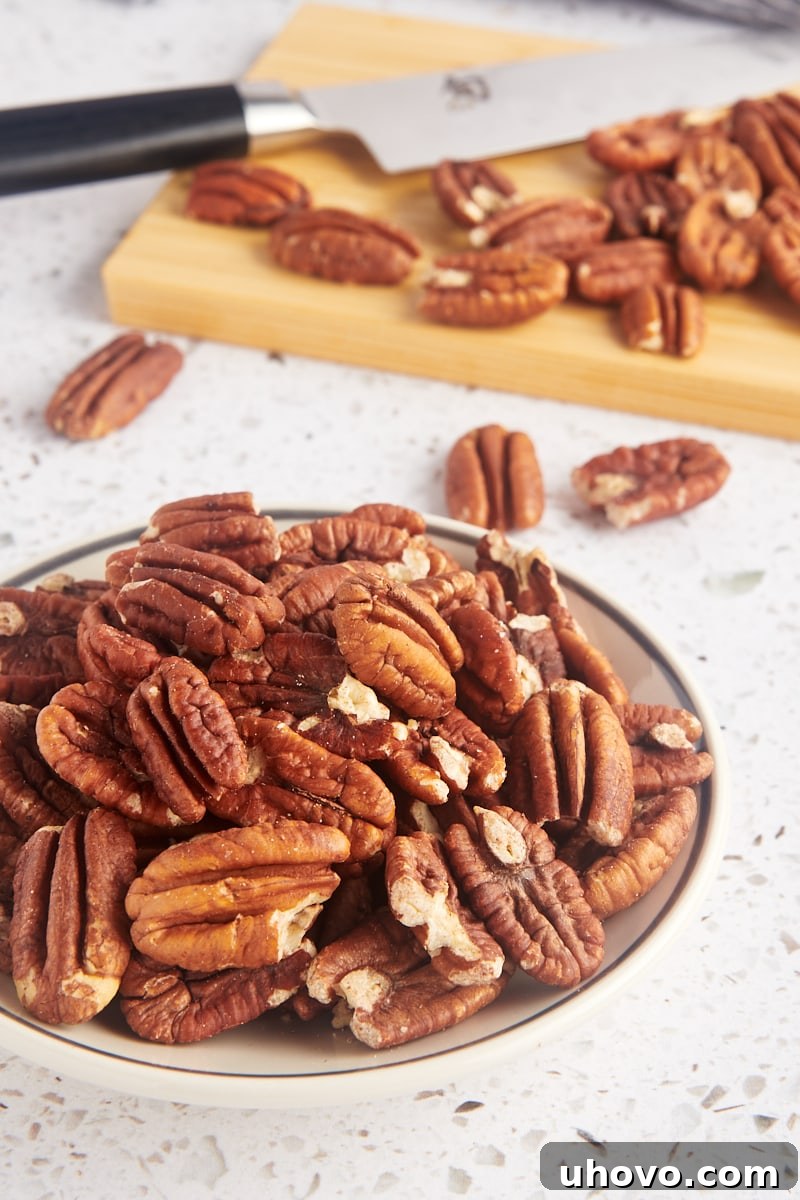
The foundation of perfectly toasted pecans begins with selecting high-quality nuts. Just like any ingredient, the fresher and better the quality of your raw pecans, the more delicious your toasted results will be. Here are key factors to consider when choosing pecans for toasting:
- Freshness is Paramount: Always prioritize fresh pecans. Stale or aged pecans can develop an unpleasant, rancid flavor, which no amount of toasting can fix. If purchasing pecans in their shells, look for intact shells without cracks or holes, as these can indicate dryness or staleness. For pre-packaged pecans, ensure the packaging is airtight and always check the expiration date. When buying from bulk bins, evaluate the storage conditions: they should be in a cool, dry place away from direct light and heat.
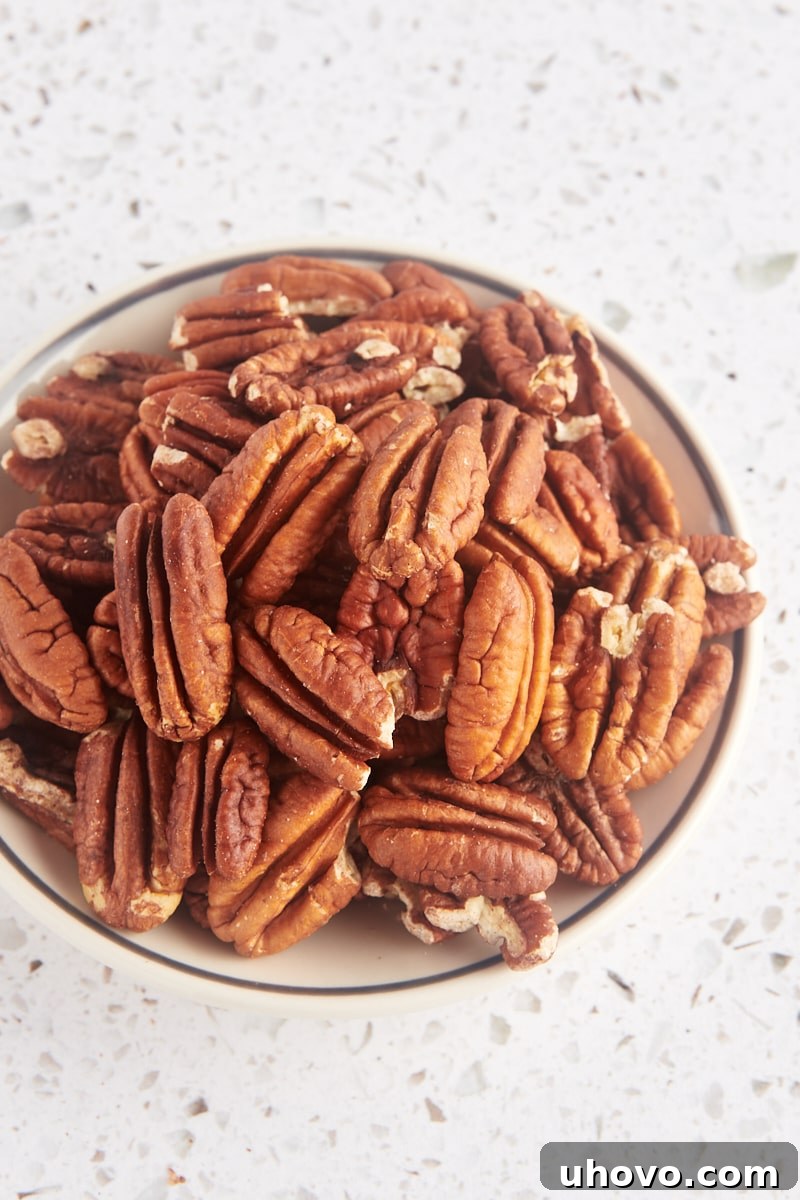
- Pecan Variety Matters: While many store-bought pecans aren’t labeled by variety, there’s a vast world of pecan types, each with subtle flavor and texture differences. Common varieties include Elliot, Desirable, Stuart, Cheyenne, and Western Schley. Specialty stores, online retailers, or local farmers’ markets are great places to explore specific varieties if you’re looking to experiment with nuanced flavors. However, for most home baking, any good quality pecan half will yield excellent results.
- Origin and Sourcing: The origin of pecans is often indicated on packaging and can be a good indicator of quality. Regions like Georgia and Texas are renowned for producing high-quality pecans, often celebrated for their rich flavor and desirable oil content. Opting for pecans from established growing regions can often lead to a more reliable product.
- Visual and Olfactory Inspection: Before purchasing, visually inspect the pecans for any signs of discoloration, shriveling, or damage. They should appear plump and uniformly colored. More importantly, give them a sniff. Fresh pecans will have a mild, pleasant, nutty aroma. Any hint of a bitter, chemical, or paint-like smell indicates rancidity, and those pecans should be avoided.
Toasting Chopped Pecans: A Quick Guide
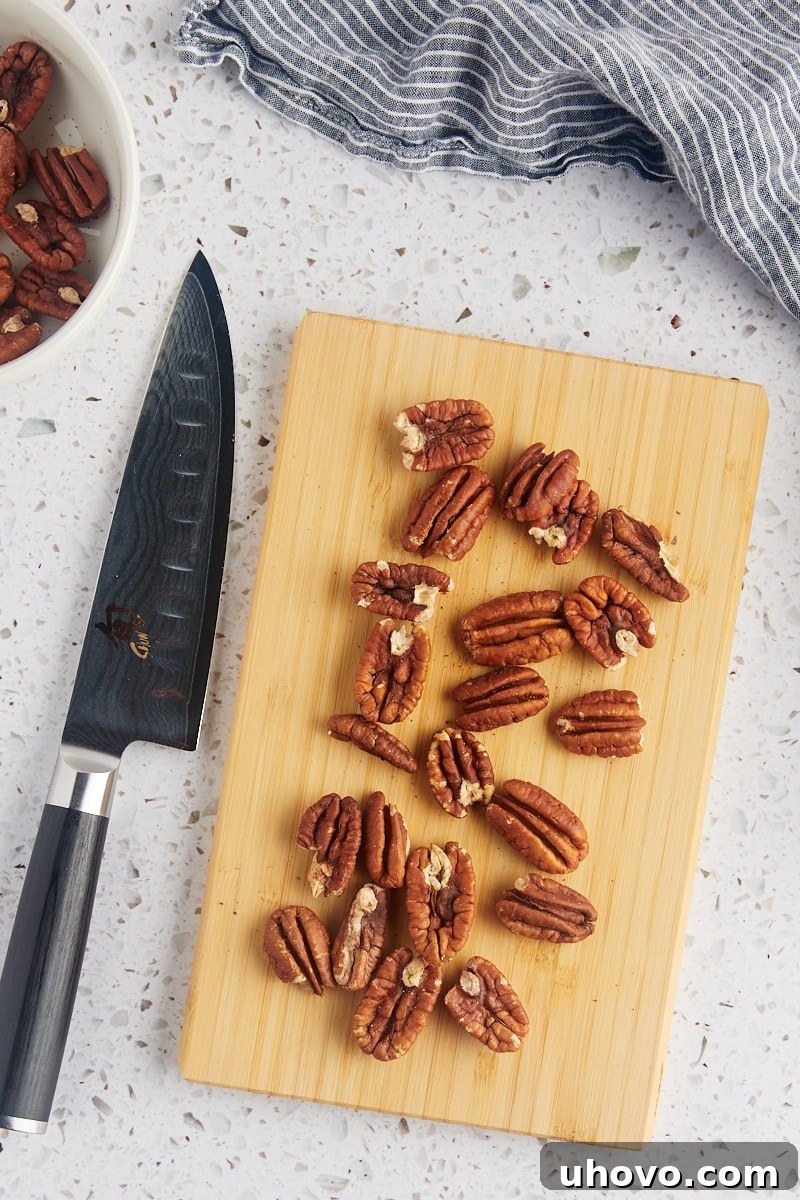
While many recipes call for pecan halves, and toasting them whole is generally preferred for even browning and easier monitoring, you absolutely can toast chopped pecans. The key difference lies in the toasting time. Since chopped pecans have a smaller mass and increased surface area, they will toast significantly faster than whole pecans. When toasting chopped pecans, be extra vigilant during the last few minutes of cooking. Stir them frequently and keep a close eye on their color and aroma to prevent them from burning, as they can go from perfectly golden to overdone very quickly.
Discover Two Primary Methods to Toast Pecans
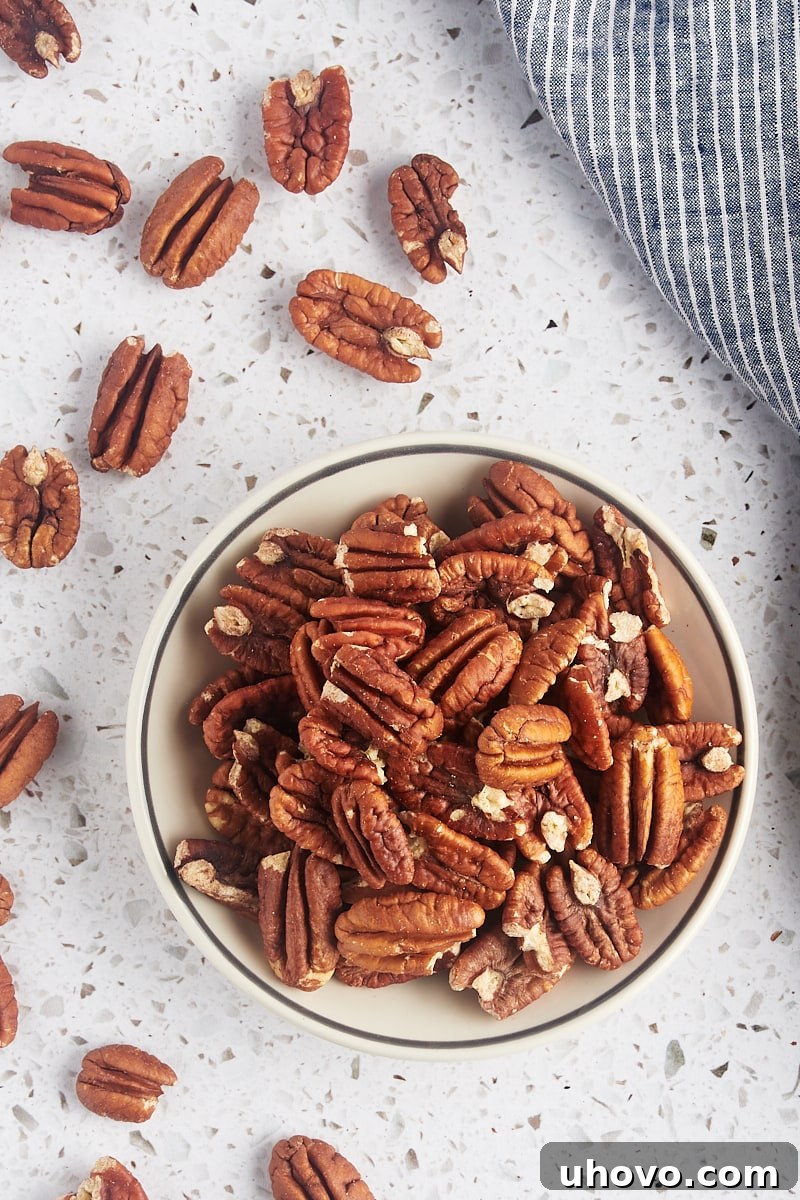
When it comes to toasting pecans, two methods stand out as the most common and effective: using your oven or a stovetop skillet. Both approaches yield beautifully toasted pecans, allowing you to choose the one that best suits your equipment, time constraints, and personal preference. Each method has its own set of advantages and requires slightly different tools and levels of attention. Let’s explore them in detail.
Oven Method: How to Toast Pecans in the Oven
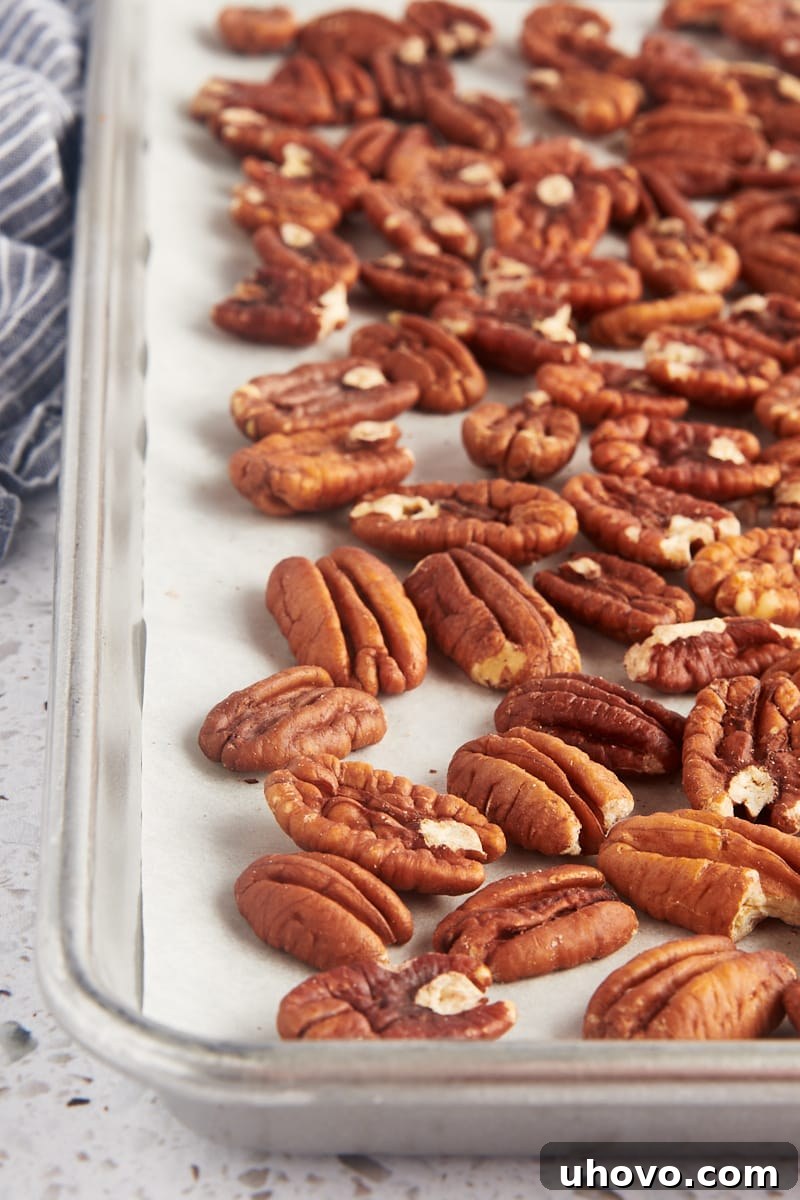
Toasting pecans in the oven is an excellent choice for larger batches and offers a more hands-off approach, allowing you to focus on other tasks while the nuts become golden and fragrant. For this method, you’ll need a reliable rimmed baking sheet and a long-handled spoon or spatula for stirring.
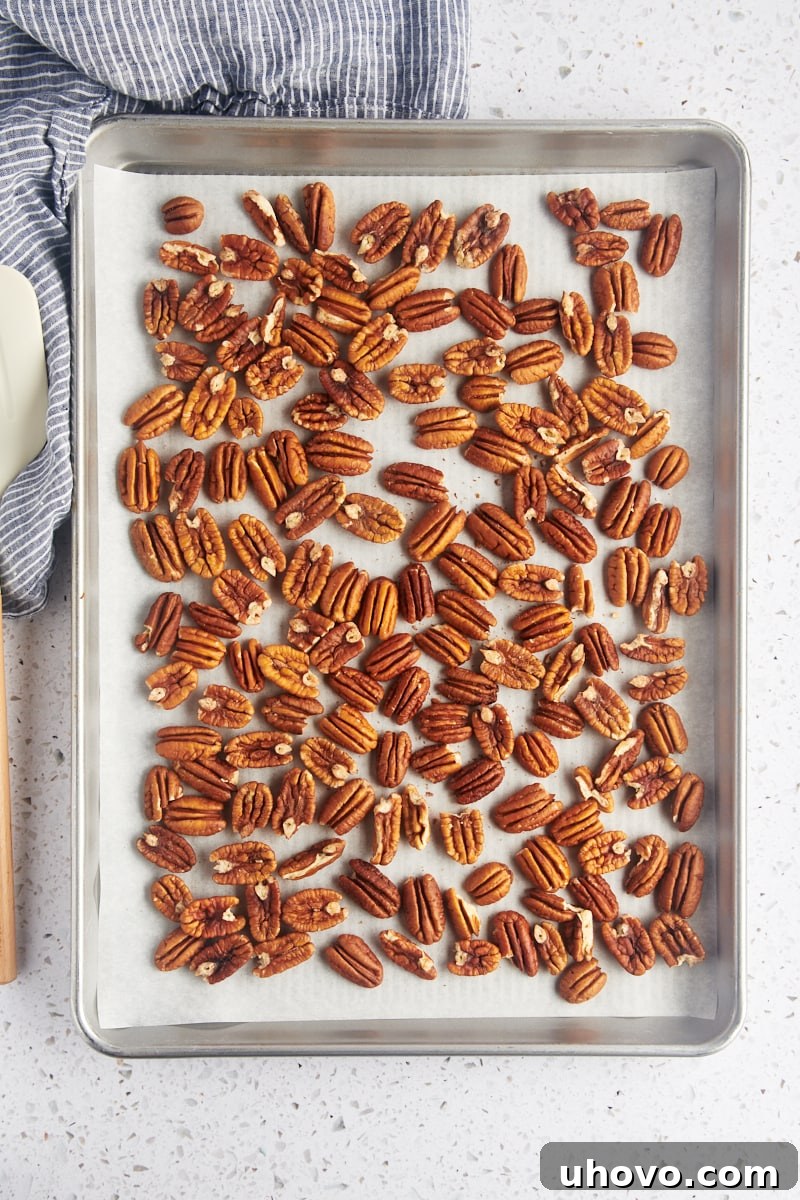
First, arrange your pecans in a single, even layer across the baking sheet. This ensures uniform heat distribution and prevents overcrowding, which can lead to uneven toasting. For easier cleanup and to prevent sticking, I highly recommend lining your baking sheet with parchment paper or aluminum foil, though you can also toast them directly on the pan if preferred.
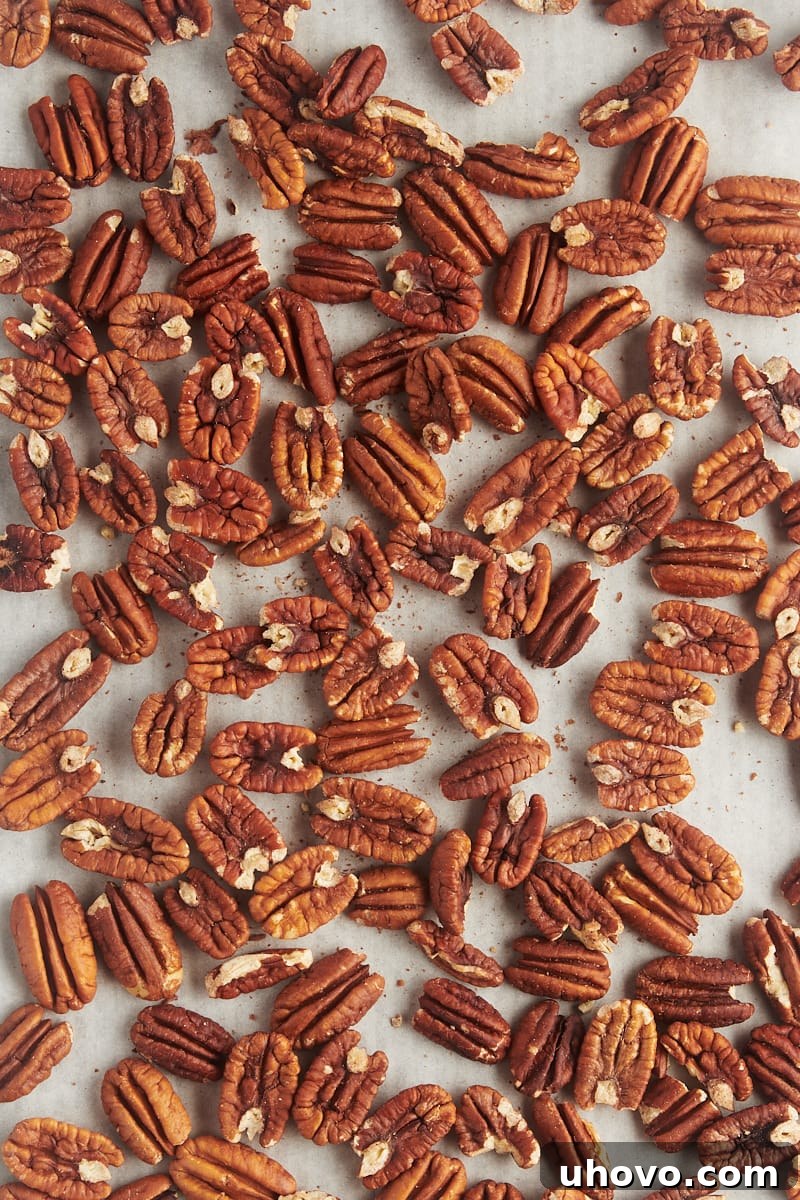
Preheat your oven to 350°F (175°C). Once hot, carefully place the baking sheet into the oven. The pecans will typically take between 8 to 12 minutes to become perfectly toasted, depending on your oven’s calibration and desired level of doneness. To promote even browning, make sure to stir the pecans thoroughly about halfway through the baking time.
Vigilance is crucial here; pecans can transition from perfectly toasted to burnt very quickly. Watch them closely, not just by time, but by their visual cues and, importantly, their aroma. As they toast, your kitchen will fill with a distinct, rich, nutty fragrance – this is your primary indicator that they are nearing readiness. With practice, you’ll develop an intuitive sense for the ideal toasting time that suits your preference.
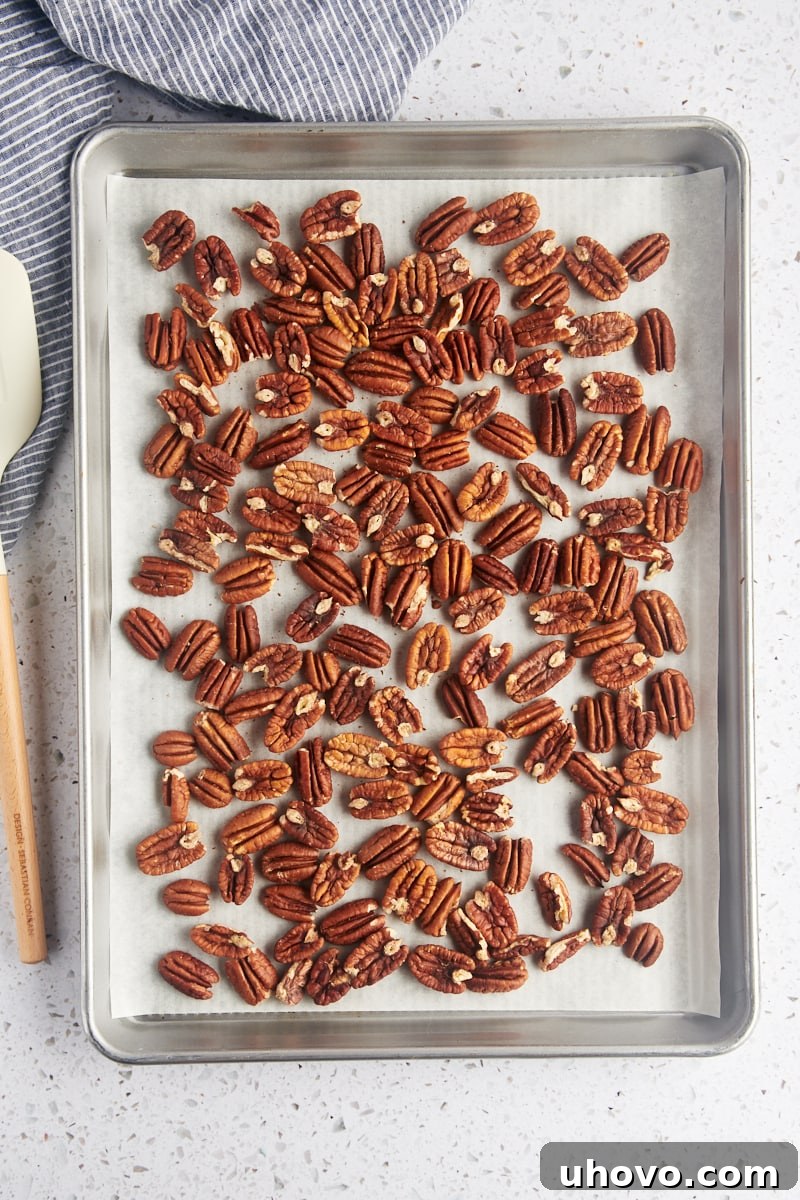
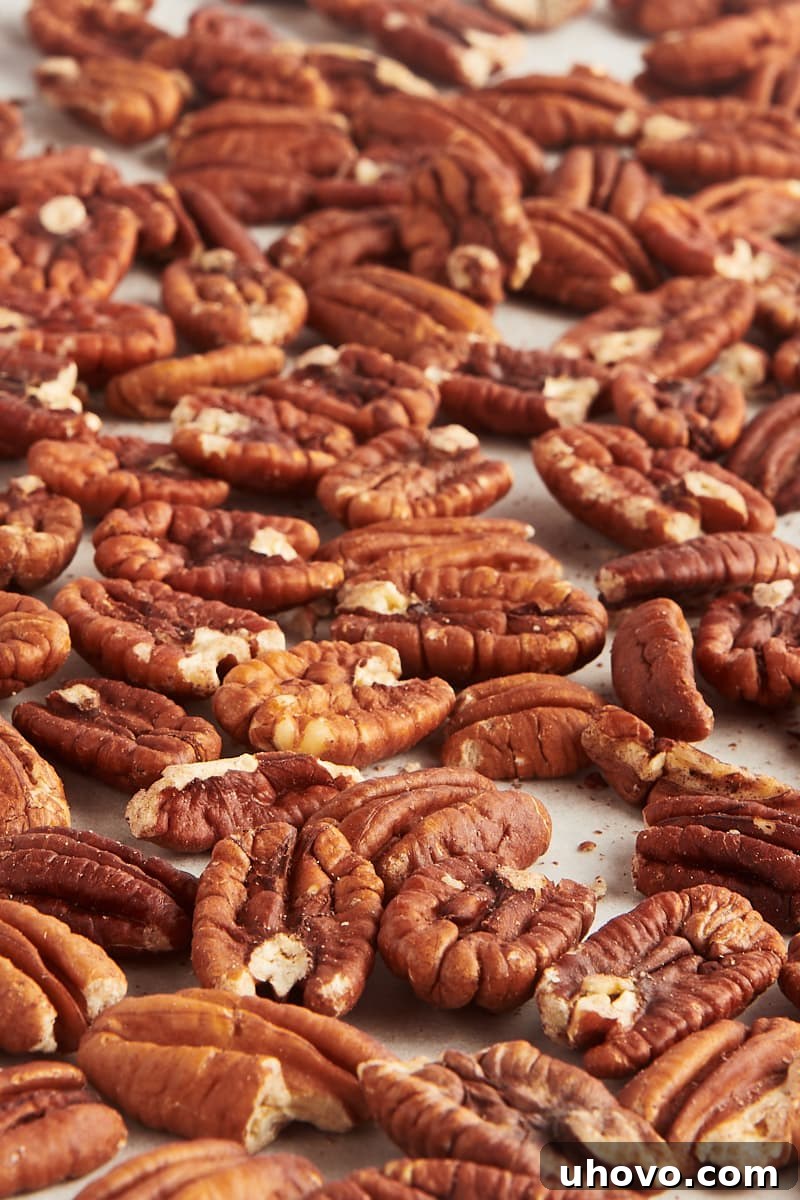
Once toasted to your satisfaction, remove the baking sheet from the oven and allow the pecans to cool completely on the pan before handling, chopping, or incorporating them into your recipes. Cooling them on the hot pan helps them crisp up further. This oven method is highly efficient for preparing larger quantities of perfectly toasted pecans without constant attention.
Stovetop Method: How to Toast Pecans on the Stovetop
Toasting pecans on the stovetop is ideal for smaller quantities and offers greater control over the browning process, making it a great option for beginners who want to monitor the pecans very closely. For this technique, you’ll need a medium to large, heavy-bottomed skillet and a reliable long-handled spoon or spatula.
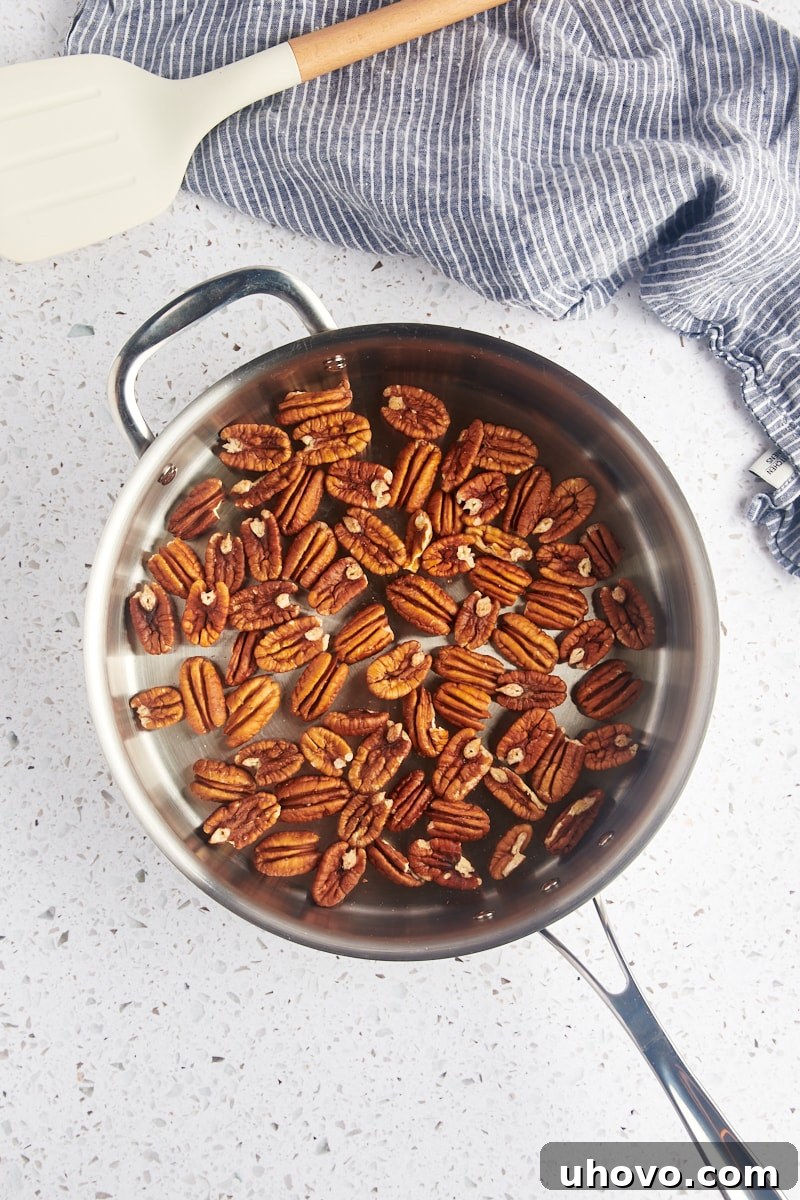
Begin by placing your dry skillet over medium heat. The exact heat level may vary based on your stove and pan, so you might need to adjust it slightly to medium-high if your pan doesn’t conduct heat very well. Allow the skillet to heat thoroughly before adding the pecans. Once hot, spread the pecans in a single layer in the skillet, ensuring they don’t overlap too much. This helps them toast evenly.
Cook the pecans, stirring frequently and consistently to prevent hot spots and ensure even browning. This method demands your undivided attention, as pecans can toast very quickly on direct heat. Continue to cook and stir until the pecans achieve a beautiful golden-brown color and release their signature fragrant, nutty aroma. This process typically takes anywhere from 8 to 12 minutes, similar to the oven method, but it requires more active participation.
As soon as they reach your desired level of toastiness, immediately transfer the pecans from the hot skillet to a plate or a clean baking sheet to cool down. Leaving them in the hot pan will cause them to continue cooking, potentially leading to burning. Allow them to cool completely to room temperature before using them in recipes or chopping them.
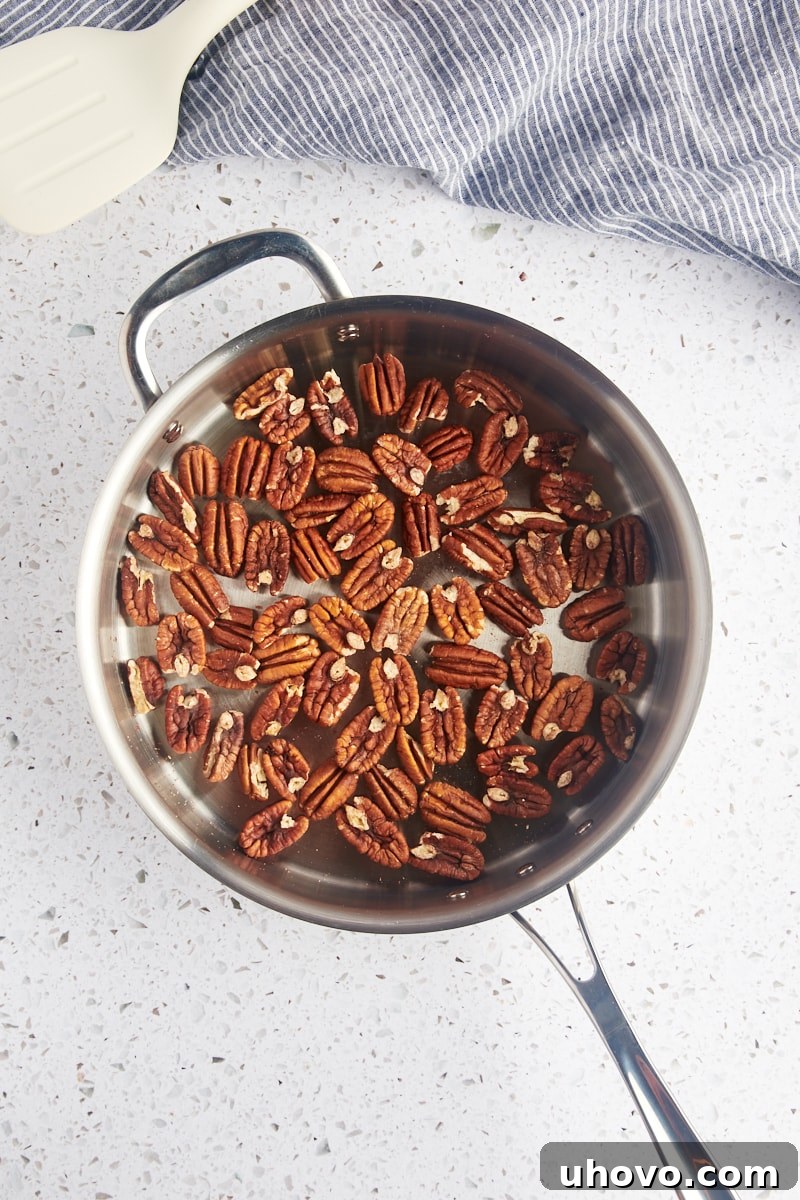
The stovetop method, while more hands-on, provides immediate feedback, allowing you to finely control the precise degree of toasting. This direct control makes it an excellent starting point for anyone new to toasting nuts, as you can easily observe and react to the changes in the pecans as they cook.
Can You Toast Pecans in the Microwave? (And Should You?)
While the microwave offers a quick way to warm nuts, it’s important to understand its limitations for toasting. You can indeed “toast” pecans in the microwave, but it generally won’t deliver the same depth of flavor, even browning, or crispy texture that you achieve with oven or stovetop methods. The microwave primarily heats the water content within the nuts, rather than developing the Maillard reaction (browning) and releasing oils as effectively as dry heat. However, if you’re in a pinch and need to toast a very small batch of pecans quickly, it can be a viable, albeit less ideal, option.
To microwave pecans, spread them evenly in a single layer on a microwave-safe plate. Heat them at half power in short 30-second increments, making sure to stir them thoroughly after each interval. Continue this process until the pecans reach your desired level of toastiness, keeping a very close watch. Microwaved pecans can go from lightly warmed to scorched in a matter of seconds, so be extremely attentive, especially toward the end of the process. Always rely on smell and a quick visual check, rather than just time, to prevent overcooking.
Expert Tips for Achieving Perfectly Toasted Pecans Every Time
Achieving consistently perfect toasted pecans is simple with a few key strategies. These pointers will help you master the art and ensure your nuts are always golden, fragrant, and crisp, ready to enhance any dish.
- Always Start with Fresh Pecans: This cannot be stressed enough. The flavor of your toasted pecans is directly proportional to the freshness of the raw nuts. Stale pecans will never taste as good, even when toasted.
- Ensure Even Spreading: Whether using a baking sheet or a skillet, spread the pecans in a single, even layer. Overcrowding the pan can lead to steaming rather than toasting, resulting in unevenly cooked and less crisp nuts.
- Maintain Constant Vigilance: Pecans, like most nuts, can burn very quickly. Never walk away from them, especially during the last few minutes of toasting. Observe their color closely – aim for a uniform golden-brown hue. Additionally, pay attention to their aromatic release; a strong, pleasant, nutty smell indicates they are ready, while a acrid, burnt smell means they’ve gone too far. Setting a timer is a helpful reminder, but always trust your senses more.
- Adjust to Your Preference: “Perfectly toasted” can be subjective. Some prefer a lighter toast, while others enjoy a deeper, more robust flavor that comes from a darker brown. Don’t be afraid to adjust the toasting time to match your personal preference or the specific needs of your recipe. The more you toast, the more intense the flavor and crunch will become.
- Cool Completely: Always allow toasted pecans to cool completely on the pan (or on a plate if stovetop toasted) before using them or storing them. This prevents condensation, which can make them soggy, and allows them to fully crisp up.
Exciting Variations: Beyond Plain Toasted Pecans
While simply toasting pecans as described above is often enough to add incredible flavor and texture to your baking, there’s a world of possibilities for customization. Don’t hesitate to experiment with different seasonings to create unique flavor profiles that perfectly complement your dishes.
For a subtle enhancement, consider adding a few pinches of flaky sea salt during the last minute of toasting (or immediately after). This simple addition can beautifully amplify the pecan’s natural nutty flavor. You can also sprinkle them with a touch of cinnamon, a dash of sugar, or a more complex blend of your favorite baking spices like nutmeg, cardamom, or even a hint of cayenne pepper for a sweet and spicy kick. Gently toss them with the spices while they are still warm, right after toasting, to help the seasonings adhere.
To take your pecans to an even more indulgent level, you can transform them into glazed or candied pecans. This involves coating them with a mixture of butter, sugar, and sometimes other flavorings, then baking or cooking them until they’re beautifully caramelized and crunchy. These variations are fantastic for snacking, garnishing elaborate desserts, or adding an extra layer of sweetness and crunch to salads.
Expand Your Skills: How to Toast Other Nuts
The principles for toasting pecans can generally be applied to a wide variety of other nuts. However, different nuts have varying oil contents, sizes, and densities, which means their ideal toasting times and specific considerations will differ. Understanding these nuances will help you achieve perfectly toasted results for all your favorite nuts.
- Walnuts: Walnuts toast exceptionally well and typically follow a similar procedure to pecans. However, they tend to toast a bit faster due to their slightly thinner composition. Be mindful that walnuts can develop a pronounced bitterness if over-toasted, so keep a very close watch on their color and aroma throughout the process, ensuring they reach a fragrant, golden-brown hue.
- Almonds: Almonds, whether sliced, slivered, or whole, possess a similar oil content to pecans but are generally smaller. This reduced size means they will toast more quickly. Like walnuts, almonds can become noticeably bitter if subjected to excessive heat, so monitor them carefully and pull them from the heat once they achieve a light golden color and pleasant aroma.
- Hazelnuts: Hazelnuts can be toasted using the same oven or stovetop methods. Their higher oil content, however, means they often require a longer toasting time, typically ranging from 10 to 15 minutes. Hazelnuts can be toasted with or without their skins. Toasting them with the skins on imbues them with a more complex, robust flavor and often a chewier texture. If you toast them with skins, you can easily remove the loosened skins by rubbing the warm hazelnuts vigorously in a clean kitchen towel after toasting.
- Cashews: Cashews are excellent candidates for toasting and can be prepared much like pecans. Since they are usually smaller and have a slightly different fat profile, they require less time. Often, just 5 to 10 minutes will suffice to bring out their creamy, buttery flavor and golden hue. Stir frequently to ensure even browning.
- Pistachios: Pistachios, whether shelled or unshelled, can be toasted effectively in the oven or on the stovetop. While they are smaller than pecans, their lower oil content means their toasting time is surprisingly similar, usually around 8 to 10 minutes. Look for them to deepen in color and release their distinctive, earthy aroma.
- Macadamia Nuts: These large, buttery nuts boast a very high oil content, which means they will take longer to toast than many other nuts. Begin checking them after about 10 minutes, but be prepared for them to need up to 15 minutes or even a bit more to achieve a light golden color and their characteristic rich, sweet aroma. Their high fat content also makes them prone to burning, so consistent monitoring is key.
Creative Culinary Uses for Toasted Pecans
Once you have a batch of beautifully toasted pecans, the culinary possibilities are virtually limitless. For the most part, you can substitute toasted pecans for raw pecans in any recipe, instantly elevating the flavor and texture. Beyond baking, they also make a fantastic standalone snack or a sophisticated garnish for a variety of sweet and savory dishes.
A crucial consideration for baking: if your recipe involves a layer of pecans on top of a baked good (like a pecan pie or a streusel topping), you might want to skip pre-toasting them. In such cases, the nuts will usually toast sufficiently during the normal baking process, and pre-toasting could lead to over-browning or burning.
Otherwise, embrace the rich flavor and satisfying crunch of toasted pecans in countless ways:
- Baking: Fold them into cookie dough, brownie batter, or muffin mixtures. They are exceptional in cakes, quick breads, and tarts, adding a layer of sophisticated nuttiness.
- Garnish: Sprinkle chopped or whole toasted pecans over ice cream, yogurt, oatmeal, fruit salads, or even savory dishes like roasted vegetables, chicken, or fish for an added crunch and flavor boost.
- Salads: Toasted pecans are a classic addition to green salads, especially those featuring apples, goat cheese, or cranberries, offering a delightful textural contrast.
- Breakfast Delights: Stir them into your morning oatmeal, sprinkle them over pancakes or waffles, or incorporate them into homemade granola.
- Sweet Treats: Use them in homemade candies, brittle, or as a topping for cheesecakes and trifles.
Here are some specific recipes where toasted pecans truly shine:
- Toasted Pecan Bundt Cake: The deep flavor of toasted pecans shines in this elegant cake.
- Chocolate Chunk Pecan Cookies: A classic combination, enhanced by the nuts’ crisp texture.
- Pecan Pie Bars: All the flavor of pecan pie in an easy-to-eat bar format.
- Bourbon Pecan Biscotti: A sophisticated twist on a classic Italian cookie.
- Chocolate Pecan Tart: A decadent dessert featuring the rich pairing of chocolate and pecans.
Proper Storage: Keeping Toasted Pecans Fresh
Proper storage is essential to maintain the crispness, flavor, and longevity of your freshly toasted pecans. The primary enemy of stored nuts is oxidation, which can lead to rancidity. Following these steps will help keep your pecans fresh for as long as possible:
First and foremost, always ensure your toasted pecans have cooled completely to room temperature before attempting to store them. Storing warm pecans will create condensation inside the container, leading to moisture buildup that can make them soggy and prone to spoilage.
Once cooled, transfer the pecans to an airtight container. Good options include zip-top freezer bags, glass jars with tight-fitting lids, or sturdy plastic food storage containers. If using a bag, gently squeeze out as much excess air as possible before sealing; air exposure accelerates spoilage. For best practice, label the container with the date of toasting to help you keep track of freshness.
Store your airtight container of toasted pecans in a cool, dry, and dark place, such as a pantry or a kitchen cabinet away from direct sunlight and heat sources. For even longer freshness, especially in warmer climates or if you’ve made a large batch, storing them in the refrigerator is an excellent option. When stored correctly, toasted pecans can maintain their quality for up to 3 months at room temperature or refrigerated. Always give them a quick sniff and taste test before use to ensure they haven’t gone rancid.
Can Toasted Pecans Be Frozen for Extended Freshness?
Absolutely! Freezing is the best method for long-term storage of toasted pecans, preserving their flavor and texture for several months. This is particularly useful if you’ve toasted a large quantity or want to always have fresh-tasting pecans on hand.
To freeze toasted pecans, ensure they are completely cooled. Then, place them in an airtight, freezer-safe container or a heavy-duty freezer bag. Again, press out as much air as possible from the bag before sealing to prevent freezer burn. Properly frozen toasted pecans can maintain their optimal quality for 6 to 12 months. When you’re ready to use them, you can typically take them directly from the freezer and use them in most recipes, or let them thaw at room temperature for a few minutes. They thaw very quickly due to their small size.
Regardless of your chosen storage method, it’s always wise to periodically check your stored toasted pecans. Look for any signs of rancidity, which include off odors (a paint-like or bitter smell), unusual discoloration, or a loss of their appealing nutty flavor. If you notice any of these indicators, it’s time to discard them and toast a fresh batch.
Frequently Asked Questions About Toasting Pecans
It is generally recommended to toast pecans as halves or whole pieces before chopping them. This allows for more even toasting, easier monitoring, and less chance of burning small pieces. However, you can certainly toast chopped pecans; just be aware they will toast much faster and require more frequent stirring and closer attention to prevent over-browning.
Once fully cooled, store toasted pecans in an airtight container, such as a zip-top bag or a container with a tight-fitting lid, to protect them from air and moisture. They can be stored at cool room temperature (pantry), in the refrigerator for extended freshness, or in the freezer for very long-term storage.
Toasted pecans add a wonderfully rich flavor and satisfying crunch to almost any baked good. Use them in cookies, cakes, brownies, muffins, quick breads, and tarts. They are also excellent as a garnish for desserts, a topping for oatmeal, or mixed into salads for a savory touch. Just be cautious using them in recipes with a pecan topping that bakes, as they might get over-toasted.
While often used interchangeably, “toasting” typically refers to dry heating pecans in a skillet or oven to enhance their flavor and crispness without added fat. “Roasting” usually implies heating with a small amount of oil or fat, which can result in a slightly different texture and flavor profile. Both methods achieve a similar goal of intensifying the nuts’ natural characteristics.
Look for several key indicators: a uniform, golden-brown color throughout the nuts (the exact shade depends on your preference for a lighter or darker toast), a distinct and fragrant nutty aroma filling your kitchen, and a noticeably crisp and crunchy texture when cooled. They should also feel dry to the touch, as their natural oils will have been released.